






















• About
  • Contact
AutoIgloo
  • News & Trends
    Stellantis Launches Up to $7,500 in Canadian Jeep Discounts as Tariff Fight Squeezes Auto Market

    Stellantis Explores China-Built Jeep Imports for Canada as 2,200 Brampton Jobs Hang in the Balance

    Nearly $20B in U.S. EV Projects Cancelled as Trump Policy Shift Reshapes Auto Investment, Reuters Finds

    Quebec Claims 53% of Canada’s EV Rebates While Ontario Gets 21%—As National Claims Fall 14%

    ⁠Toyota Confirms 10 Million-Car Software Plan as Ontario-Built RAV4 Leads New Technology Shift

    ⁠Toyota Stands by Ontario Auto Plants as U.S. Rivals Cut Back—85% of Its Output Heads for Export

    80% of Canadians Want Automakers to Prioritize Affordability Over New Technology, CarGurus Survey Finds

    Ottawa Puts $18.5 Million Into Quebec Vehicle Maker to Maintain 1,265 Jobs Amid U.S. Tariffs

    Cancelled U.S. EV Projects Had Promised 27,000 Jobs as North America’s Auto Investment Map Gets Rewritten

    Mexico Limits Auto-Parts Tariff Break to 11 Established Carmakers as Canada Faces Its Own Trade Fight

    Singapore Gives Waymo a 2028 Robotaxi Path as Canada’s Driverless-Car Rules Lag Behind Deployment

    U.S. Robotaxi Giant Waymo Targets Toronto for 2028 Launch as Canadian Fleet Partner Expands Deal

  • Car Reviews
    Honda Asked Suppliers for 30% Parts Cost Cuts as $9.4-Billion Savings Drive Hits Global Supply Chain

    Why Some Buyers Are Choosing Older Hondas Over Newer SUVs

    18 Things That Can Make a Car Unsafe for Winter Road Trips

    Why Some Drivers Are Avoiding Vehicles With Complex Infotainment Systems

    21 Cars Canadians Are Starting to Regret Buying

    Why Some Drivers Regret Buying Big Wheels and Low-Profile Tires

    17 Vehicles That Are Quietly Getting Crushed by Insurance Costs in Canada

    Why So Many Drivers Are Nervous About Chinese-Made EV Batteries

    20 Used SUVs Canadians Should Think Twice About Buying

    20 Used SUVs Canadians Should Think Twice About Buying

    15 Vehicles That Are Starting to Feel Like a Bad Deal Around May Long Weekend

    15 Vehicles That Are Starting to Feel Like a Bad Deal Around May Long Weekend

  • Buying Guides
    18 Things That Can Make a Car Harder to Park Than Expected

    Why Some Buyers Regret Choosing the Sport Package

    The Traffic Stop Mistake That Can Turn a Warning Into a Ticket

    20 Things Canadians Should Check Before Buying a Vehicle With a Loan Still Owing

    The Dealership Fee That Buyers Should Always Ask About

    The Dealership Fee That Buyers Should Always Ask About

    23 Features That Are Making New Cars Harder (and Pricier) to Repair in Canada

    Why Some Canadians Are Avoiding Cars With Expensive Windshields

    18 Red Flags a Used Vehicle May Be a Money Pit

    The Car Buying Mistake That Makes Negotiating Almost Impossible

    Why Some Canadians Are Regretting Buying Vehicles With No Spare Tire

    Why Some Canadians Are Regretting Buying Vehicles With No Spare Tire

  • Comparisons
    Honda Asked Suppliers for 30% Parts Cost Cuts as $9.4-Billion Savings Drive Hits Global Supply Chain

    Why Some Buyers Are Choosing Older Hondas Over Newer SUVs

    25 EV Charging Mistakes Canadians Make in March (That Wreck Range)

    Why Some Canadians Are Choosing Hybrids Over Full EVs Again

    21 Used Car Features That Can Become Expensive Problems Later

    Why Some Canadians Are Choosing Front-Wheel Drive Over All-Wheel Drive

    Canada’s Auto Fight Gets Uglier as BYD Threatens to Sue Trump Administration

    Tesla Vs. BYD: Are Chinese EV’s Actually Better for Canadians?

    17 Vehicles That Are Quietly Getting Crushed by Insurance Costs in Canada

    Why So Many Drivers Are Nervous About Chinese-Made EV Batteries

    20 Used SUVs Canadians Should Think Twice About Buying

    20 Used SUVs Canadians Should Think Twice About Buying

  • EVs & Hybrids
    Geely Auto’s Core Profit Jumps 46% as Chinese EV Expansion Accelerates — With Canada Now Opening to Geely-Owned Lotus

    Geely Confirms Canadian Vehicle Sales for 2027 as Chinese Automakers Challenge Established Brands

    18 Cars That Will Feel Dated Fast as New Chinese EVs Arrive

    12 EVs Now Price Below $41,000 in Canada—Fiat 500e Falls Under $30,000 With Rebate

    The Used EV Question Canadians Should Ask Before Buying One

    The Used EV Question Canadians Should Ask Before Buying One

    Why Some EV Owners Are Getting Sticker Shock From Home Charging Setups

    Why Some EV Owners Are Getting Sticker Shock From Home Charging Setups

    20 Signs Your Car Battery Is About to Leave You Stranded

    Canadian Auto Jobs Become a Central Fault Line as Ottawa Reveals Why It Rejected U.S. Vehicle Terms

    25 EV Charging Mistakes Canadians Make in March (That Wreck Range)

    Why Some Canadians Are Choosing Hybrids Over Full EVs Again

  • More
    • Pricing & Deals
    • Winter Driving
    • Ownership & Maintenance
No Result
View All Result
AutoIgloo
  • News & Trends
    Stellantis Launches Up to $7,500 in Canadian Jeep Discounts as Tariff Fight Squeezes Auto Market

    Stellantis Explores China-Built Jeep Imports for Canada as 2,200 Brampton Jobs Hang in the Balance

    Nearly $20B in U.S. EV Projects Cancelled as Trump Policy Shift Reshapes Auto Investment, Reuters Finds

    Quebec Claims 53% of Canada’s EV Rebates While Ontario Gets 21%—As National Claims Fall 14%

    ⁠Toyota Confirms 10 Million-Car Software Plan as Ontario-Built RAV4 Leads New Technology Shift

    ⁠Toyota Stands by Ontario Auto Plants as U.S. Rivals Cut Back—85% of Its Output Heads for Export

    80% of Canadians Want Automakers to Prioritize Affordability Over New Technology, CarGurus Survey Finds

    Ottawa Puts $18.5 Million Into Quebec Vehicle Maker to Maintain 1,265 Jobs Amid U.S. Tariffs

    Cancelled U.S. EV Projects Had Promised 27,000 Jobs as North America’s Auto Investment Map Gets Rewritten

    Mexico Limits Auto-Parts Tariff Break to 11 Established Carmakers as Canada Faces Its Own Trade Fight

    Singapore Gives Waymo a 2028 Robotaxi Path as Canada’s Driverless-Car Rules Lag Behind Deployment

    U.S. Robotaxi Giant Waymo Targets Toronto for 2028 Launch as Canadian Fleet Partner Expands Deal

  • Car Reviews
    Honda Asked Suppliers for 30% Parts Cost Cuts as $9.4-Billion Savings Drive Hits Global Supply Chain

    Why Some Buyers Are Choosing Older Hondas Over Newer SUVs

    18 Things That Can Make a Car Unsafe for Winter Road Trips

    Why Some Drivers Are Avoiding Vehicles With Complex Infotainment Systems

    21 Cars Canadians Are Starting to Regret Buying

    Why Some Drivers Regret Buying Big Wheels and Low-Profile Tires

    17 Vehicles That Are Quietly Getting Crushed by Insurance Costs in Canada

    Why So Many Drivers Are Nervous About Chinese-Made EV Batteries

    20 Used SUVs Canadians Should Think Twice About Buying

    20 Used SUVs Canadians Should Think Twice About Buying

    15 Vehicles That Are Starting to Feel Like a Bad Deal Around May Long Weekend

    15 Vehicles That Are Starting to Feel Like a Bad Deal Around May Long Weekend

  • Buying Guides
    18 Things That Can Make a Car Harder to Park Than Expected

    Why Some Buyers Regret Choosing the Sport Package

    The Traffic Stop Mistake That Can Turn a Warning Into a Ticket

    20 Things Canadians Should Check Before Buying a Vehicle With a Loan Still Owing

    The Dealership Fee That Buyers Should Always Ask About

    The Dealership Fee That Buyers Should Always Ask About

    23 Features That Are Making New Cars Harder (and Pricier) to Repair in Canada

    Why Some Canadians Are Avoiding Cars With Expensive Windshields

    18 Red Flags a Used Vehicle May Be a Money Pit

    The Car Buying Mistake That Makes Negotiating Almost Impossible

    Why Some Canadians Are Regretting Buying Vehicles With No Spare Tire

    Why Some Canadians Are Regretting Buying Vehicles With No Spare Tire

  • Comparisons
    Honda Asked Suppliers for 30% Parts Cost Cuts as $9.4-Billion Savings Drive Hits Global Supply Chain

    Why Some Buyers Are Choosing Older Hondas Over Newer SUVs

    25 EV Charging Mistakes Canadians Make in March (That Wreck Range)

    Why Some Canadians Are Choosing Hybrids Over Full EVs Again

    21 Used Car Features That Can Become Expensive Problems Later

    Why Some Canadians Are Choosing Front-Wheel Drive Over All-Wheel Drive

    Canada’s Auto Fight Gets Uglier as BYD Threatens to Sue Trump Administration

    Tesla Vs. BYD: Are Chinese EV’s Actually Better for Canadians?

    17 Vehicles That Are Quietly Getting Crushed by Insurance Costs in Canada

    Why So Many Drivers Are Nervous About Chinese-Made EV Batteries

    20 Used SUVs Canadians Should Think Twice About Buying

    20 Used SUVs Canadians Should Think Twice About Buying

  • EVs & Hybrids
    Geely Auto’s Core Profit Jumps 46% as Chinese EV Expansion Accelerates — With Canada Now Opening to Geely-Owned Lotus

    Geely Confirms Canadian Vehicle Sales for 2027 as Chinese Automakers Challenge Established Brands

    18 Cars That Will Feel Dated Fast as New Chinese EVs Arrive

    12 EVs Now Price Below $41,000 in Canada—Fiat 500e Falls Under $30,000 With Rebate

    The Used EV Question Canadians Should Ask Before Buying One

    The Used EV Question Canadians Should Ask Before Buying One

    Why Some EV Owners Are Getting Sticker Shock From Home Charging Setups

    Why Some EV Owners Are Getting Sticker Shock From Home Charging Setups

    20 Signs Your Car Battery Is About to Leave You Stranded

    Canadian Auto Jobs Become a Central Fault Line as Ottawa Reveals Why It Rejected U.S. Vehicle Terms

    25 EV Charging Mistakes Canadians Make in March (That Wreck Range)

    Why Some Canadians Are Choosing Hybrids Over Full EVs Again

  • More
    • Pricing & Deals
    • Winter Driving
    • Ownership & Maintenance
No Result
View All Result
AutoIgloo
No Result
View All Result

Home » News & Trends

Gas Cars, Not EVs, Dominate ‘Park Outside’ Fire Recalls, New Analysis Finds

Nate Brewer by Nate Brewer
August 28, 2026
Reading Time: 6 mins read
A A
Photo Credit: Shutterstock

Photo Credit: Shutterstock

468
SHARES
1.5k
VIEWS
Share on FacebookShare on Twitter

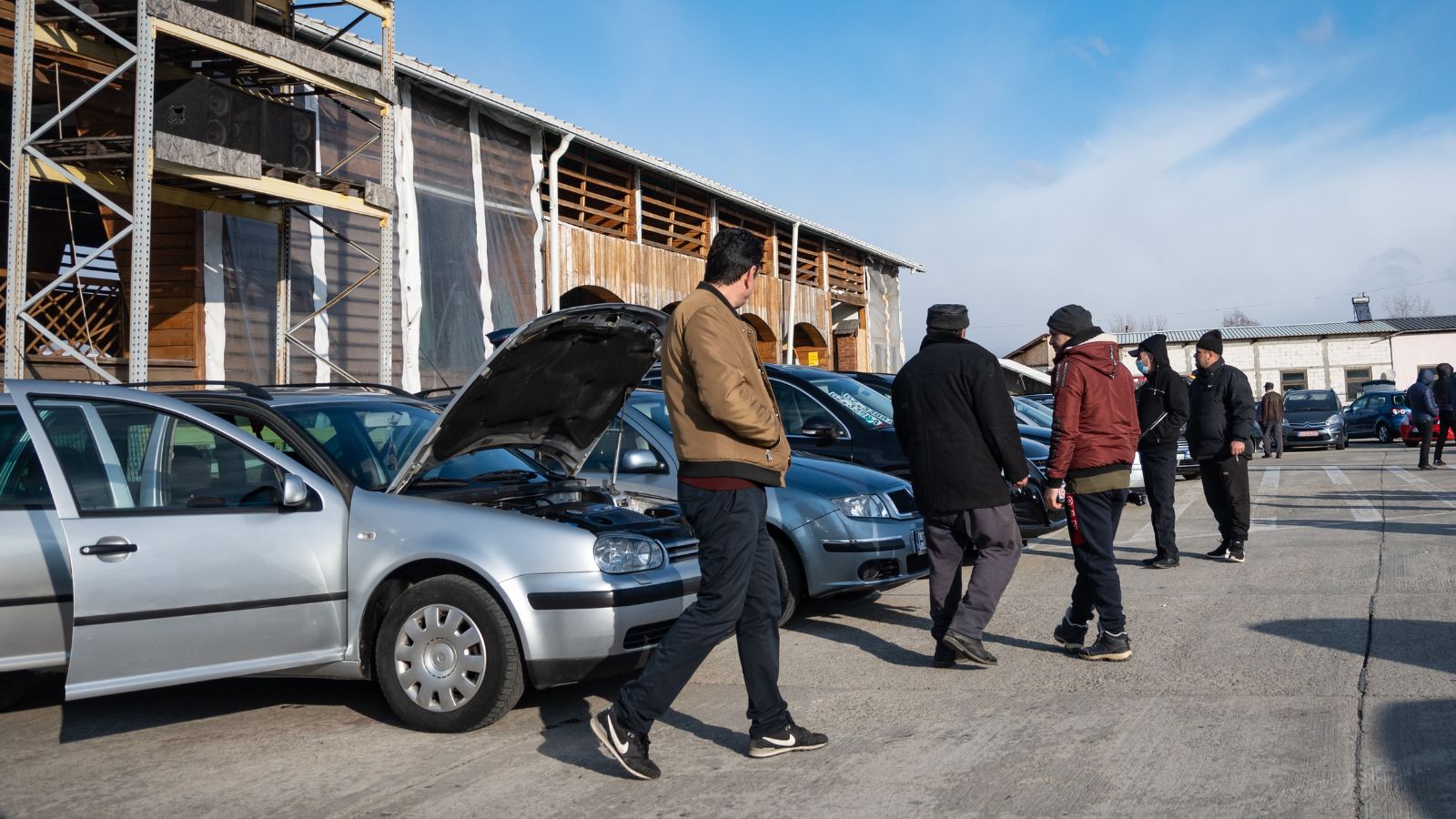
Electric vehicles have spent years at the centre of public anxiety over vehicle fires, but a new examination of U.S. recall records complicates that picture. Gasoline and diesel vehicles account for far more vehicles covered by recent “park outside” fire recalls than EVs and hybrids, according to an analysis of National Highway Traffic Safety Administration data.

The finding does not establish that combustion vehicles are inherently more likely to burn. Instead, it shows that the recent surge in recalls involving vehicles capable of catching fire while switched off extends far beyond high-voltage batteries. Electrical modules, power seats, steering systems, brake components and ordinary 12-volt circuits have all triggered warnings. For millions of owners, the unsettling instruction is the same: until the defect is repaired, keep the vehicle outdoors and away from buildings.

Gas Vehicles Account for Millions More Recalled Vehicles

A Washington Post analysis of NHTSA recall notices identified 93 “park outside” campaigns issued since 2021. Of those, 44 exclusively involved conventional internal-combustion vehicles, while 38 involved only EVs or hybrids. Looking only at the number of campaigns makes the split appear relatively close, but the number of vehicles affected tells a very different story.

Gas-only campaigns covered roughly 4.6 million vehicles over the period examined. EV- and hybrid-only campaigns covered about 662,000. Another large group consisted of recalls involving models offered with multiple powertrains, yet gasoline vehicles made up most of the vehicles in several of the biggest mixed-powertrain campaigns. That distinction matters because a recall campaign involving a handful of battery-electric cars counts the same as one involving hundreds of thousands of gasoline SUVs when campaigns alone are compared. Vehicle counts therefore reveal how broadly individual defects have spread through the existing fleet.

“Park Outside” Means the Danger Can Remain After Shutdown

A typical safety recall involves something that could fail while a vehicle is moving, such as brakes, steering or an airbag. A park-outside warning is different. It is generally issued when authorities or manufacturers believe a defect could potentially cause a fire even after the ignition has been switched off, making an attached garage or densely packed parking structure a particularly concerning location.

Modern vehicles do not become electrically inert when the engine stops. Security systems, communications modules, battery-management equipment and other circuits can remain energized. Former federal investigators sometimes describe resulting incidents as “key-off fires.” NHTSA has increasingly highlighted severe fire-related recalls with prominent park-outside instructions, telling affected owners to keep vehicles away from houses and other structures until repairs are completed. Depending on the defect, owners of electrified vehicles may also be instructed not to recharge the high-voltage battery.

The Numbers Should Not Be Mistaken for a Fire-Rate Study

The large gap between combustion and electric vehicles in recall totals comes with an important statistical limitation. Gas-powered vehicles still dominate the U.S. vehicle population, meaning there are vastly more of them available to be recalled. Counting recalled vehicles therefore cannot answer the more difficult question of whether an individual gasoline vehicle or an individual EV has the greater probability of catching fire.

Researchers have also lacked comprehensive U.S. fire data separated cleanly by powertrain. Fire experts interviewed in connection with the recent analysis said that historical reporting systems often did not identify whether a burned vehicle was gasoline, diesel, hybrid or fully electric. Newer federal fire-reporting systems are beginning to collect more detailed powertrain information, which should eventually allow stronger comparisons. Until enough data accumulate, recall totals are best viewed as evidence that severe parked-vehicle fire hazards are not an EV-specific phenomenon rather than proof that one propulsion technology is universally safer.

Hyundai and Kia Show How a Conventional Defect Can Become Huge

One of the clearest examples arrived in September 2023, when Hyundai and Kia together recalled more than 3.3 million vehicles and instructed owners to park outdoors. Hyundai’s campaign involved approximately 1.64 million vehicles, while Kia’s involved about 1.73 million. Most of the affected vehicles used conventional engines, although a relatively small number of electrified models were included.

The underlying hazard was not a large traction battery. An anti-lock braking system component could develop an internal brake-fluid leak capable of causing an electrical short. Because the circuit could remain a fire concern while the vehicle was parked, owners were advised to keep affected cars away from homes until repaired. Hyundai reported 21 related U.S. vehicle fires and another 22 thermal incidents at the time of NHTSA’s announcement. The recalls illustrate why focusing exclusively on propulsion batteries can miss mundane electrical and hydraulic components capable of producing large fire-risk campaigns.

A Power Seat Created Another Half-Million-Vehicle Warning

Fire hazards can originate in surprisingly ordinary equipment. Kia recalled 462,869 Telluride SUVs in 2024 because a front power-seat motor could overheat after damage or misalignment affected the seat-control switch. In July 2026, NHTSA announced another park-outside campaign involving the same 462,869 2020-2024 Tellurides after determining that some vehicles required a different remedy.

Kia reported seven seat fires and 11 cases involving melted seat motors in connection with the newer campaign. The planned repair involves an electronic fuse assembly designed to stop continuous seat-motor operation if the switch becomes displaced or damaged. Nothing about the problem involves gasoline ignition or an EV traction battery; it is an electrically powered comfort feature. That example captures a broader change in modern automobiles: components once operated mechanically are increasingly motorized and electronically controlled, creating more circuits that may remain connected to electrical power.

Jeep’s Million-Vehicle Recall Shows the Role of Electrified Accessories

A particularly large 2026 recall involved more than 1.07 million Jeep Wrangler and Gladiator vehicles. NHTSA said an electrical connection problem involving the electric-hydraulic power-steering pump wiring could cause combustible material to overheat, potentially producing a fire even after the vehicle had been turned off. Regulators were aware of 51 fires and one injury considered likely related to the defect when the warning was announced.

Owners were told to park affected Jeeps outside and away from other vehicles and buildings until the problem could be repaired. Again, the fire mechanism was not the classic image of gasoline leaking onto a hot exhaust component, nor was it a lithium-ion traction-battery failure. Instead, it involved electrical equipment supporting a system that drivers rarely think about after parking. Modern gasoline vehicles increasingly combine combustion engines with electric pumps, computers and electronically actuated systems, blurring the old assumption that serious electrical-fire risks primarily belong to EVs.

EV Battery Fires Remain Real Even If They Are Not Driving the Totals

The new recall figures should not be interpreted as evidence that battery-electric and plug-in hybrid fires are imaginary. Stellantis recalled 320,065 Jeep Wrangler 4xe and Grand Cherokee 4xe plug-in hybrids in late 2025 because high-voltage batteries could fail internally and start fires while parked or driving. Owners were instructed to park outdoors and stop charging until repairs were completed.

The campaign was especially significant because it replaced an earlier remedy that proved insufficient. NHTSA said Stellantis was aware of 19 battery fires, including nine involving vehicles that had already received software intended to address the previous recall. One potential injury was reported. Battery fires present specialized firefighting challenges because damaged lithium-ion cells can experience thermal runaway and may require different suppression and monitoring strategies. The important distinction is that these genuine EV-related risks coexist with a much larger universe of parked-vehicle fire recalls involving conventional cars.

Older Gas Vehicles Have Produced Serious Key-Off Fire Examples Too

Ford provided another prominent illustration in 2022 when it warned owners of certain 2021 Expeditions and Lincoln Navigators to park outdoors. At the time of the initial warning, more than 39,000 vehicles were affected and Ford had identified 16 potentially related fires. Twelve reportedly happened while the vehicles were parked and switched off, demonstrating why simply turning off the ignition could not eliminate the danger.

Fourteen of the 16 reports involved rental vehicles, which helped investigators detect an unusual pattern concentrated among vehicles built during a particular production period. The episode later expanded as Ford investigated electrical components in the underhood area. Similar recalls involving battery-monitor sensors, trailer-hitch wiring and ABS modules have reinforced the broader lesson: a parked combustion vehicle still contains energized wiring and components capable of overheating. The engine may be silent, but parts of the electrical system remain very much alive.

The Real Trend May Be More Electronics, Not One Propulsion Technology

Automobiles increasingly resemble rolling computer networks. Power seats, electronic steering, heated equipment, driver-assistance sensors, telematics, battery-management hardware and dozens of control modules operate alongside traditional mechanical systems. Safety specialists examining the growth in parked-vehicle fires point to this rising electronic complexity as one plausible explanation for why seemingly unrelated components repeatedly appear in recalls.

NHTSA’s own annual recall figures illustrate how large the category can become. Vehicles covered by park-outside advisories reached roughly 4.75 million in 2023 alone, driven heavily by the giant Hyundai and Kia campaigns. The totals were lower in 2024 and 2025, but 2026 produced another wave of major warnings. That does not mean modern cars are broadly unsafe. It does mean the list of things capable of producing a fire no longer begins and ends with fuel lines or engines. A tiny switch, connector or printed circuit board can create consequences completely disproportionate to its size.

Owners Should Treat the Warning Literally, Regardless of Powertrain

For an owner, the most useful distinction is not gasoline versus electric but recalled versus repaired. NHTSA advises consumers to search their vehicle identification number through its recall database because recalls apply to specific production ranges and configurations. When a manufacturer’s instruction says to park outside and away from structures, authorities intend that advice to remain in effect until the stated remedy has been completed.

Some recalls can be repaired quickly with a replacement fuse, module or wiring component. Others remain without an immediate remedy while manufacturers develop parts or diagnostic procedures. EV and plug-in hybrid campaigns may add instructions not to charge, while combustion-vehicle recalls can impose the same outdoor-parking inconvenience without any traction battery at all. The emerging evidence therefore challenges a familiar stereotype. EV fires can be dramatic and technically difficult, but recent U.S. recall records show that millions of conventional vehicles have faced the same unnerving instruction: do not leave this vehicle in the garage.

Recommended.

21 Vehicles Insurance Companies Are Quietly Flagging as “High Risk” in Canada (2026 Update)

21 Vehicles Insurance Companies Are Quietly Flagging as “High Risk” in Canada (2026 Update)

March 18, 2026
Canada-U.S. Auto Tariff Talks Go Down to the Wire With 50% Duties Three Days Away

Canadian Auto Tariff Deal Fell Apart After Written U.S. Terms Didn’t Match What Ottawa Thought It Had Agreed To

August 25, 2026

Trending.

Chinese EV Price Pressure Gets a New Benchmark as Voyah Opens $63,420 Luxury MPV Orders

Europe’s EV Share Jumps to 30.5% as Electric-Car Sales Blow Past Forecasts

September 17, 2026
GM Readies New Gas and Duramax Engines for Silverado HD and Sierra HD Ahead of November Production

GM’s New V8s Put Canadian Auto Jobs Back in Focus at St. Catharines Plant

September 19, 2026
Canada’s Auto Industry Says Tariff Fight Has Already Cost the Sector More Than $100 Billion

Trump’s 50% Canada Auto-Tariff Threat Is Now Forcing Automakers to Plan Around a January 1 Deadline

September 27, 2026
Canada’s Ballard Puts a 250,000-Mile Performance Guarantee Behind Hydrogen Buses

Canada’s Ballard Puts a 250,000-Mile Performance Guarantee Behind Hydrogen Buses

October 2, 2026
Volvo Starts Scoring How Drivers Brake and Corner for Insurance Discounts — Canada Is Left Out of First Rolloutv

Volvo Plans 13 New Models by 2030 as EV and Hybrid Battle Intensifies

September 17, 2026
  • About
  • Contact
  • Privacy Policy
  • Disclaimer
  • Editorial Policies
  • Terms and Conditions
A Revir Media Group Website

2026 Autoigloo - © All rights reserved

No Result
View All Result
  • News & Trends
  • Car Reviews
  • Buying Guides
  • Comparisons
  • EVs & Hybrids
  • More
    • Pricing & Deals
    • Winter Driving
    • Ownership & Maintenance

2026 Autoigloo - © All rights reserved

This website uses cookies. By continuing to use this website you are giving consent to cookies being used. Visit our Privacy and Cookie Policy.


