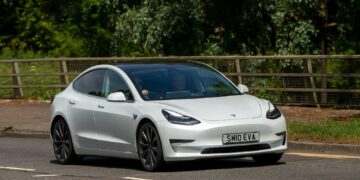
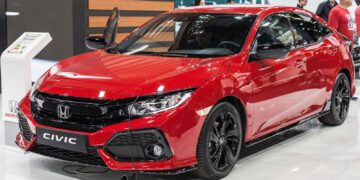























The showroom look is hard to resist: oversized alloys, thin tire sidewalls, and a stance that makes even an ordinary sedan look sharper. Big wheels and low-profile tires can improve steering response and give a vehicle a more premium, performance-focused appearance. But daily driving often tells a different story.
Across these 12 reasons, the trade-offs become clearer: harsher ride quality, greater pothole vulnerability, higher replacement costs, more road noise, winter compromises, and even potential impacts on fuel economy or EV range. For some drivers, the regret does not come from how the wheels look. It comes from discovering how much less forgiving they can be once real roads, real bills, and real weather get involved.
The Ride Can Feel Much Harsher Than Expected
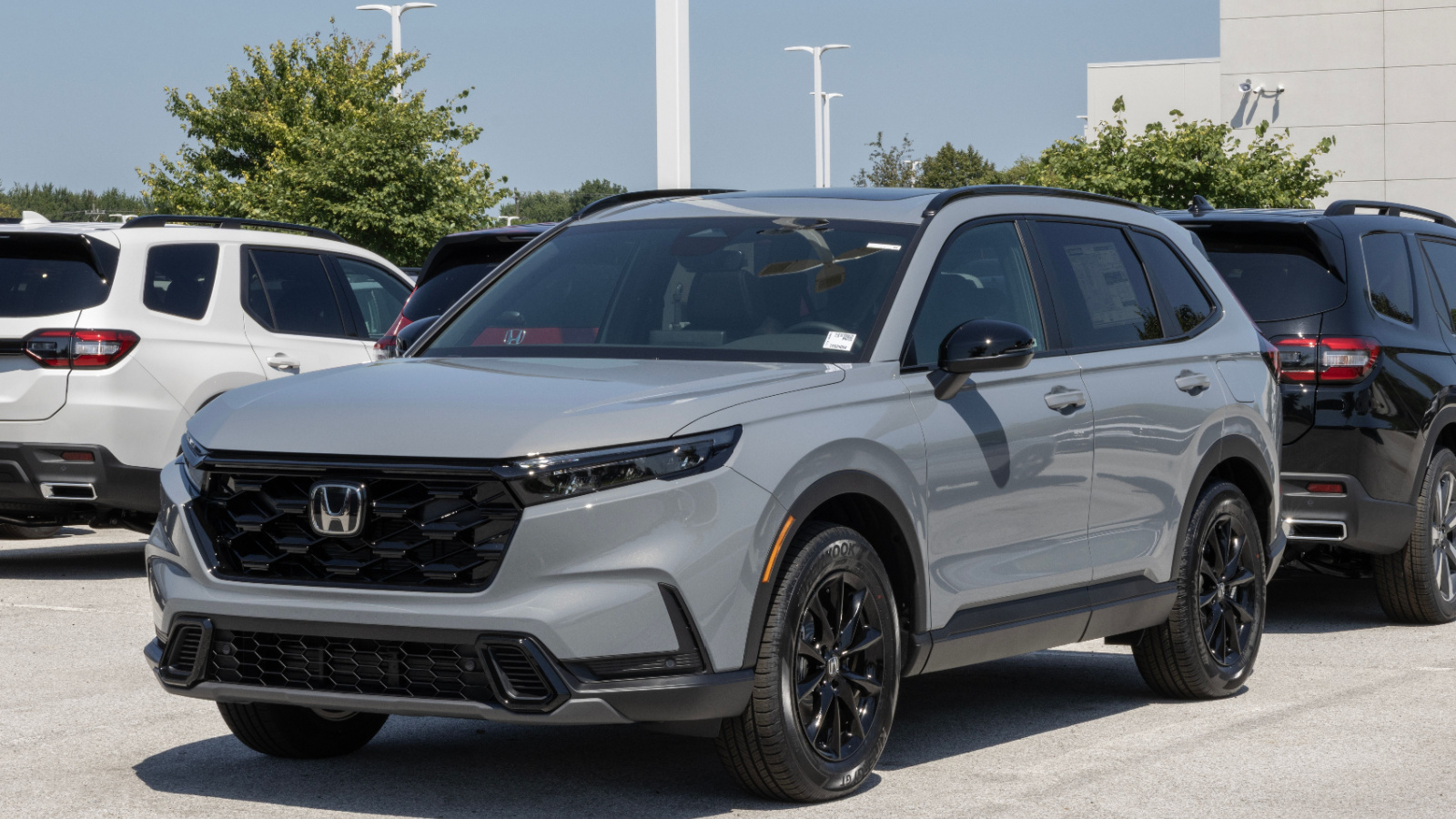
Big wheels usually mean shorter tire sidewalls because the overall tire diameter must stay close to the factory size. That thinner band of rubber leaves less cushioning between the cabin and the road. On a smooth test drive, the setup may feel sporty and precise. On cracked pavement, expansion joints, gravel patches, or patched city streets, the same setup can feel busy, stiff, and tiring.
This is where many owners feel surprised. A vehicle that looked refined at the dealership can begin to feel less comfortable during ordinary commuting. Small impacts that would have been softened by taller sidewalls may come through as sharp thuds. Families often notice it first from the passenger seat, where ride comfort matters more than steering feel. The regret is not always immediate, but after weeks of rough roads, the visual upgrade can start feeling like a comfort downgrade.
Potholes Become a Bigger Financial Threat
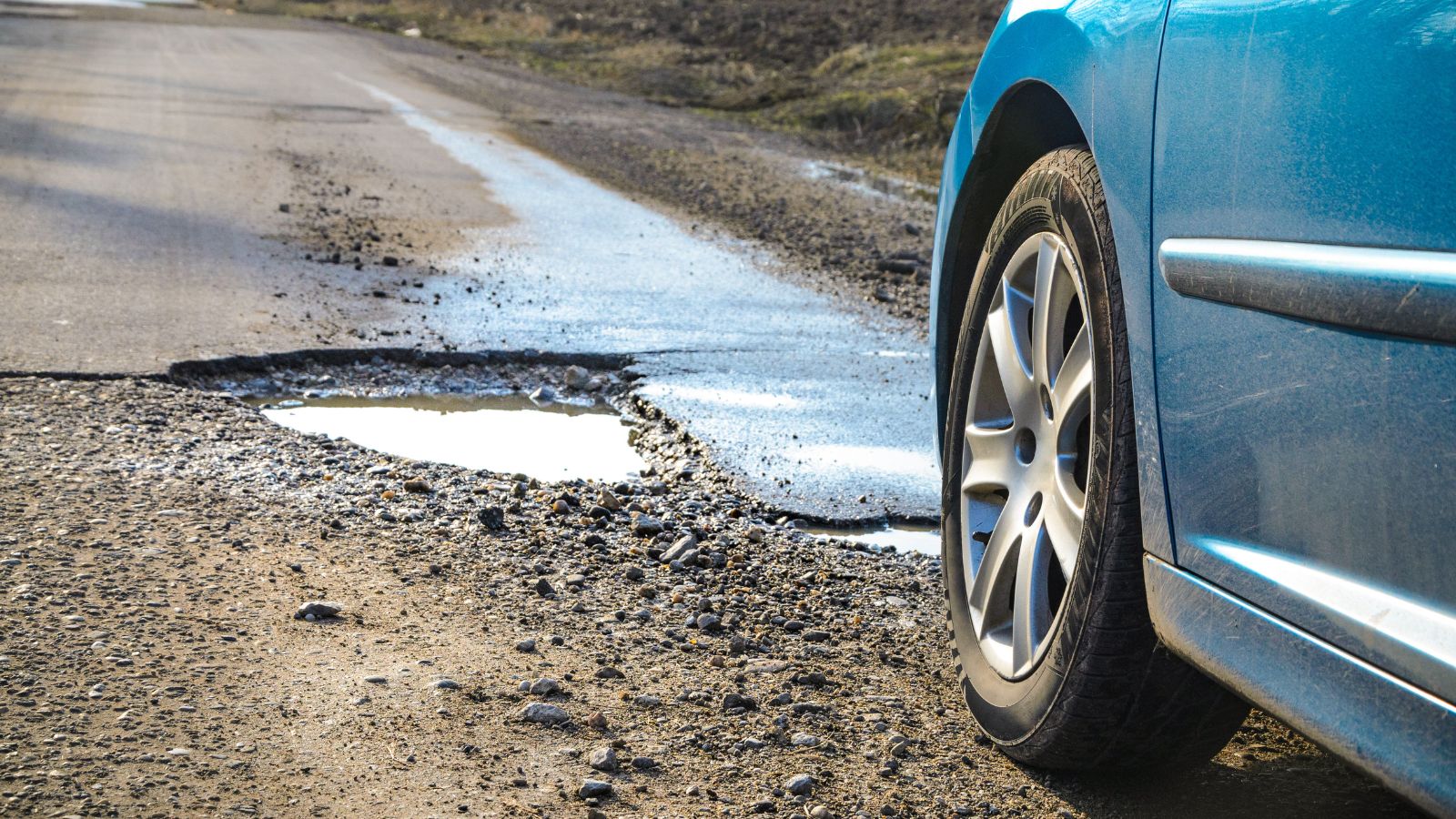
Low-profile tires have less sidewall height to absorb sudden impacts. When a wheel drops into a pothole, the tire can be squeezed hard between the rim and the road edge. That can damage the sidewall, bend the wheel, break internal tire belts, or knock the suspension out of alignment. The thinner the cushion, the smaller the margin for error.
Repair bills can add up quickly because pothole damage often affects more than one part. A driver may start with a visible tire bubble, then discover a bent alloy wheel or alignment problem. On vehicles with large factory wheels, replacing one matching tire can be expensive, and replacing a damaged alloy rim can cost far more than a basic steel wheel. The pain is especially sharp when the damage happens after one unlucky impact on a road that looked only mildly rough.
Replacement Tires Often Cost More
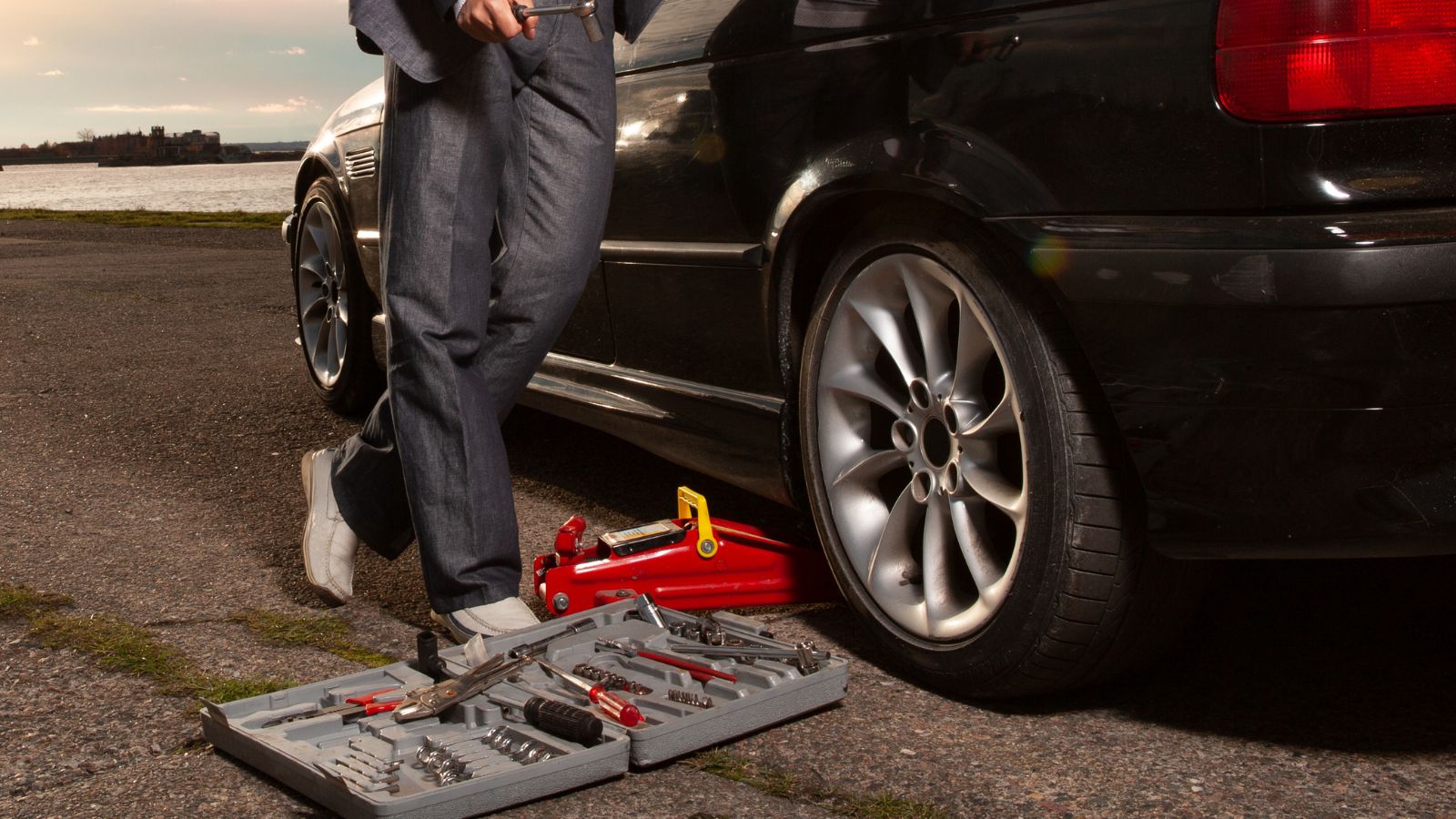
Low-profile tire sizes are commonly associated with performance trims, luxury vehicles, sport packages, and larger SUVs. Those sizes can be more expensive than smaller, more common tire sizes. A driver who focused mainly on the monthly payment may later discover that a simple four-tire replacement costs hundreds more than expected.
The cost issue becomes more frustrating when the vehicle needs specialized summer, winter, or performance tires. Some sizes have fewer budget choices, and certain low-profile fitments may be harder to find quickly during peak tire-change seasons. A commuter who bought the higher trim for the wheels may end up paying premium prices every time rubber wears out. The regret usually arrives at the tire counter, when the stylish upgrade becomes a recurring maintenance cost rather than a one-time appearance package.
Wheel Damage Can Be Harder to Avoid
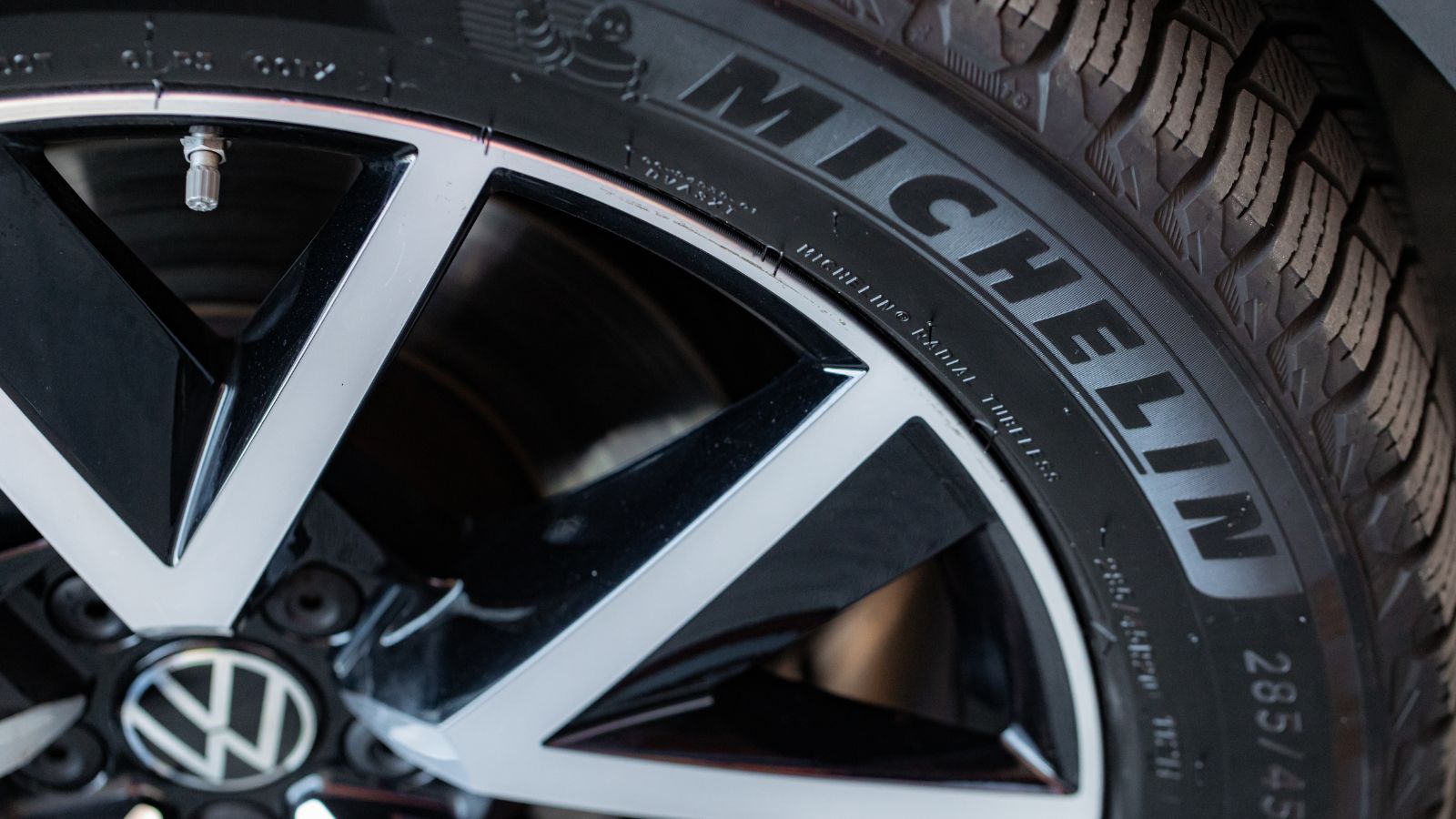
Large alloy wheels are often more exposed because the tire sidewall is shorter. That makes curb rash, rim bends, and impact cracks more likely in everyday driving. A light brush against a curb while parking may leave a visible scar. A pothole hit that a taller tire might have shrugged off can leave a vibration, air leak, or wheel that needs repair or replacement.
This matters because wheels are not just cosmetic parts. A bent rim can prevent a tire from sealing properly, create steering vibration, or contribute to uneven wear. Drivers sometimes try to live with the damage, especially if the car still drives, but the problem can become more noticeable at highway speed. Large wheels may look upscale when new, yet they can also show damage quickly in tight parking lots, rough alleys, and winter-scarred roads.
Road Noise Can Become More Noticeable

Low-profile tires often have stiffer sidewalls and wider tread patterns, especially when they are performance-oriented. That can sharpen steering response, but it may also allow more road texture and tire noise into the cabin. On coarse asphalt or concrete highways, the difference can be surprisingly obvious.
This is one reason a vehicle may feel quiet during a short city test drive but less relaxing on longer trips. Road hum can become part of the background, and the cabin may feel less premium than expected. In some cases, the tire model matters as much as the wheel size, but larger performance sizes often narrow the choices. Drivers who value a calm commute may discover that the aggressive wheel-and-tire package makes the vehicle feel busier and less isolated than a lower trim with smaller wheels.
Winter Driving Can Become More Complicated
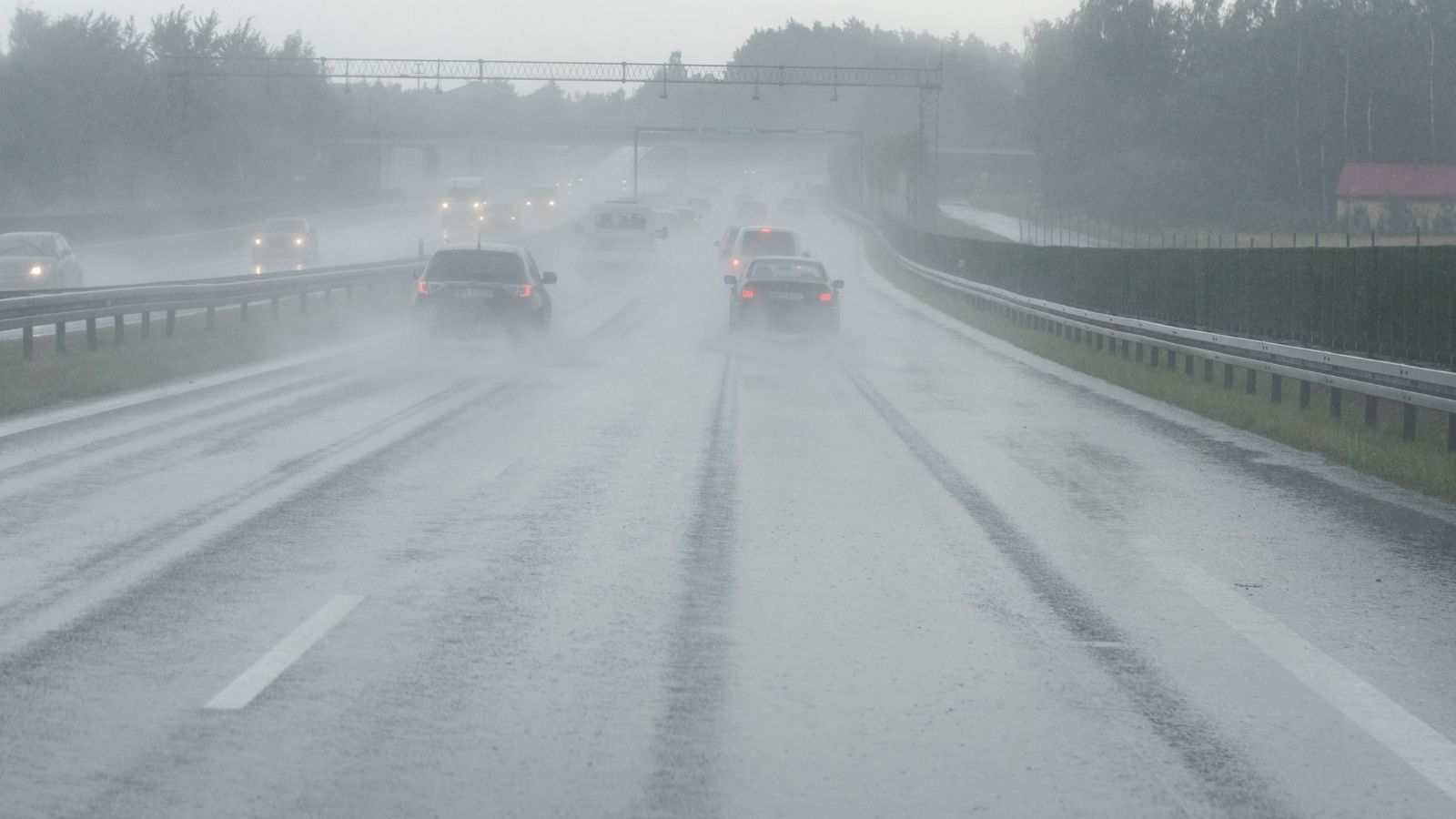
Big wheels and low-profile tires are not always ideal for winter conditions. Many drivers switch to smaller winter wheels because taller sidewalls can improve impact protection and make winter tires more practical. Narrower winter tires can also perform better in certain snow conditions because they are less likely to float over loose snow.
The regret often comes from cost and logistics. A vehicle with large factory wheels may need expensive winter tires, or the owner may need a second wheel package to downsize properly. Some performance tire compounds are not designed for freezing temperatures, snow, or ice, so keeping the original low-profile setup year-round can be unsafe in cold climates. What looked like a stylish upgrade in summer can become a winter planning problem involving storage, fitment checks, tire pressure changes, and another large seasonal bill.
Fuel Economy and Range May Suffer
Bigger wheel-and-tire packages can be heavier, wider, or less efficient than smaller setups. More weight takes more energy to accelerate, while tire rolling resistance affects how much energy the vehicle uses to keep moving. In gasoline vehicles, that can mean slightly higher fuel consumption. In electric vehicles, it can mean reduced driving range.
The effect varies by vehicle, tire design, wheel weight, and driving speed, so it is not always dramatic. Still, it can matter to drivers who bought a car partly for efficiency. A few percentage points may not sound like much, but it becomes noticeable over years of commuting or on long EV road trips where range confidence matters. The frustration is practical: the wheels may make the vehicle look faster, but they can quietly make it less efficient.
Steering Feels Sharper, But Not Always Better

Low-profile tires can reduce sidewall flex, which may make steering feel quicker and more direct. On a smooth road, that responsiveness can be enjoyable. It is one reason automakers often fit larger wheels to sport trims. But sharper steering is not automatically better for every driver or every road.
In daily use, the same quick response can make a vehicle feel nervous over ruts, grooves, or uneven pavement. Wider tires may also follow road imperfections more noticeably, a behaviour drivers sometimes describe as tramlining. Instead of feeling planted, the vehicle can tug slightly from side to side on worn highways. Enthusiasts may accept that trade-off, but commuters who mainly want stability and ease may find the setup more demanding than expected.
Tire Pressure Becomes Less Forgiving
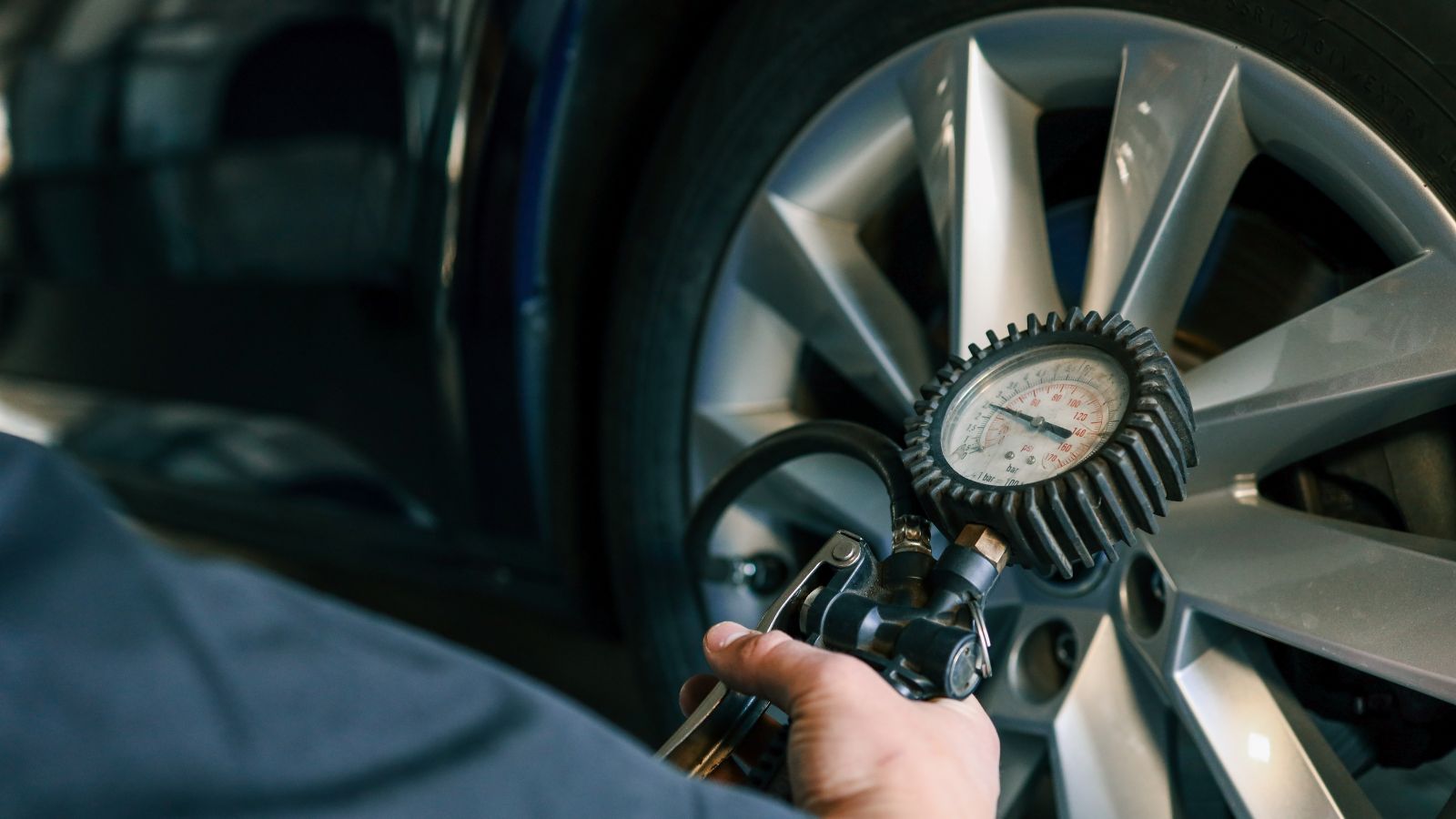
All tires need correct inflation, but low-profile tires can feel less forgiving when pressure is wrong. Underinflation increases heat and stress, while overinflation can reduce the contact patch and make the ride harsher. With a short sidewall, there is already less cushioning, so pressure mistakes can be felt more quickly through ride quality, tire wear, and impact harshness.
Temperature changes add another layer. Tire pressure drops when the weather gets colder, which means seasonal checks matter. A driver who ignores pressure warnings may increase the risk of sidewall damage, uneven wear, or poor handling. Tire-pressure monitoring systems help, but they are not a substitute for regular checks with a gauge. Owners who expected a low-maintenance style upgrade may discover that the setup rewards careful attention and punishes neglect.
The Suspension May Take More Abuse
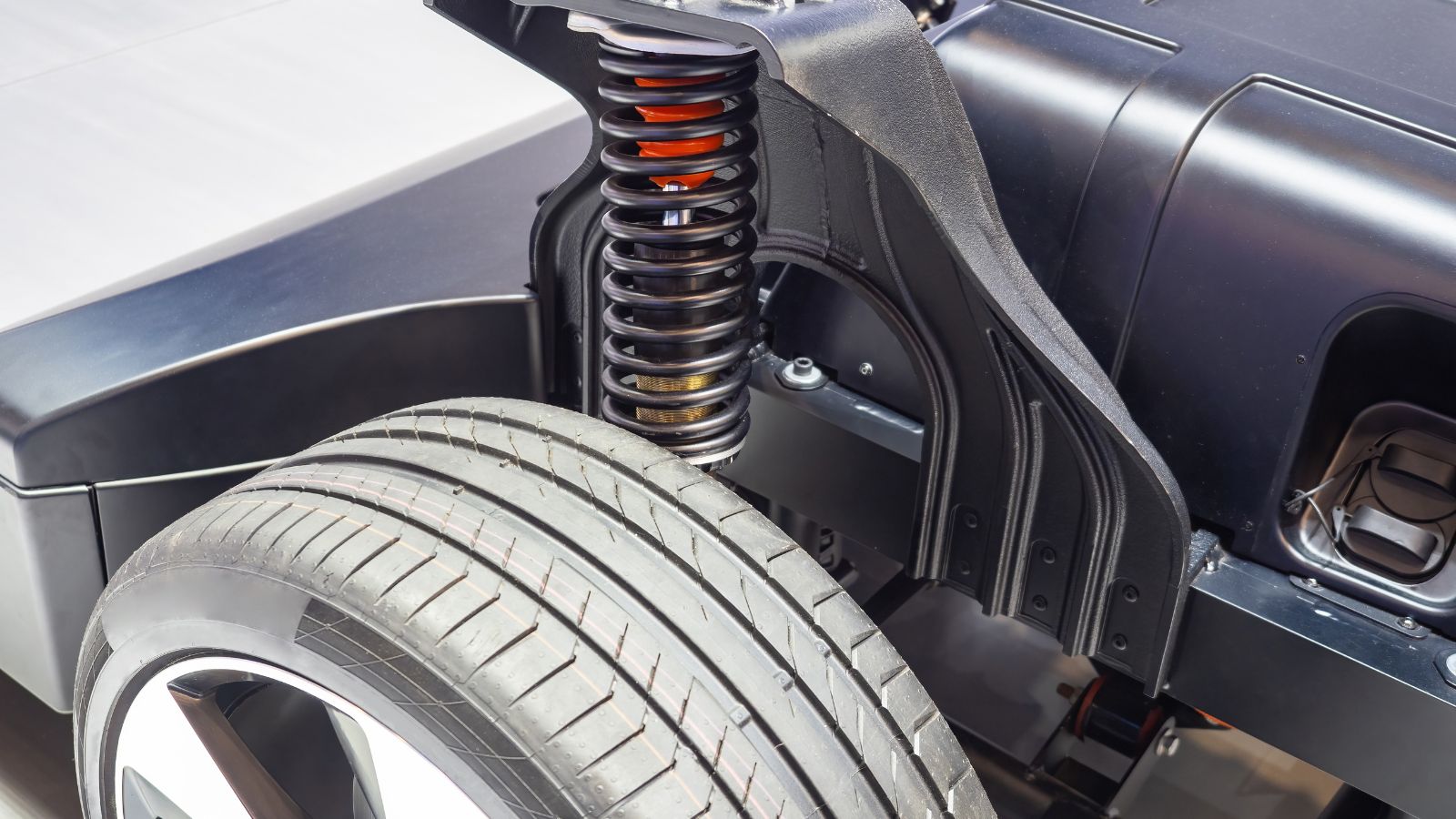
Tires are part of a vehicle’s comfort and protection system. When the sidewall is shorter, more impact energy can pass into wheels, suspension components, and the cabin. Over time, rough roads can contribute to vibration, alignment problems, worn bushings, or stressed shocks and struts, especially when the wheel-and-tire package is heavier than the original setup.
This does not mean every large-wheel vehicle will have suspension trouble. Automakers often tune suspension for factory wheel packages. The bigger issue appears when owners upsize beyond what the vehicle was designed to handle, or when a sporty factory setup is used on rough roads every day. The vehicle may still look great, but repeated impacts can make it feel older sooner. A small increase in style can turn into more frequent visits for balancing, alignment, and inspection.
Insurance and Warranty Expectations Can Disappoint
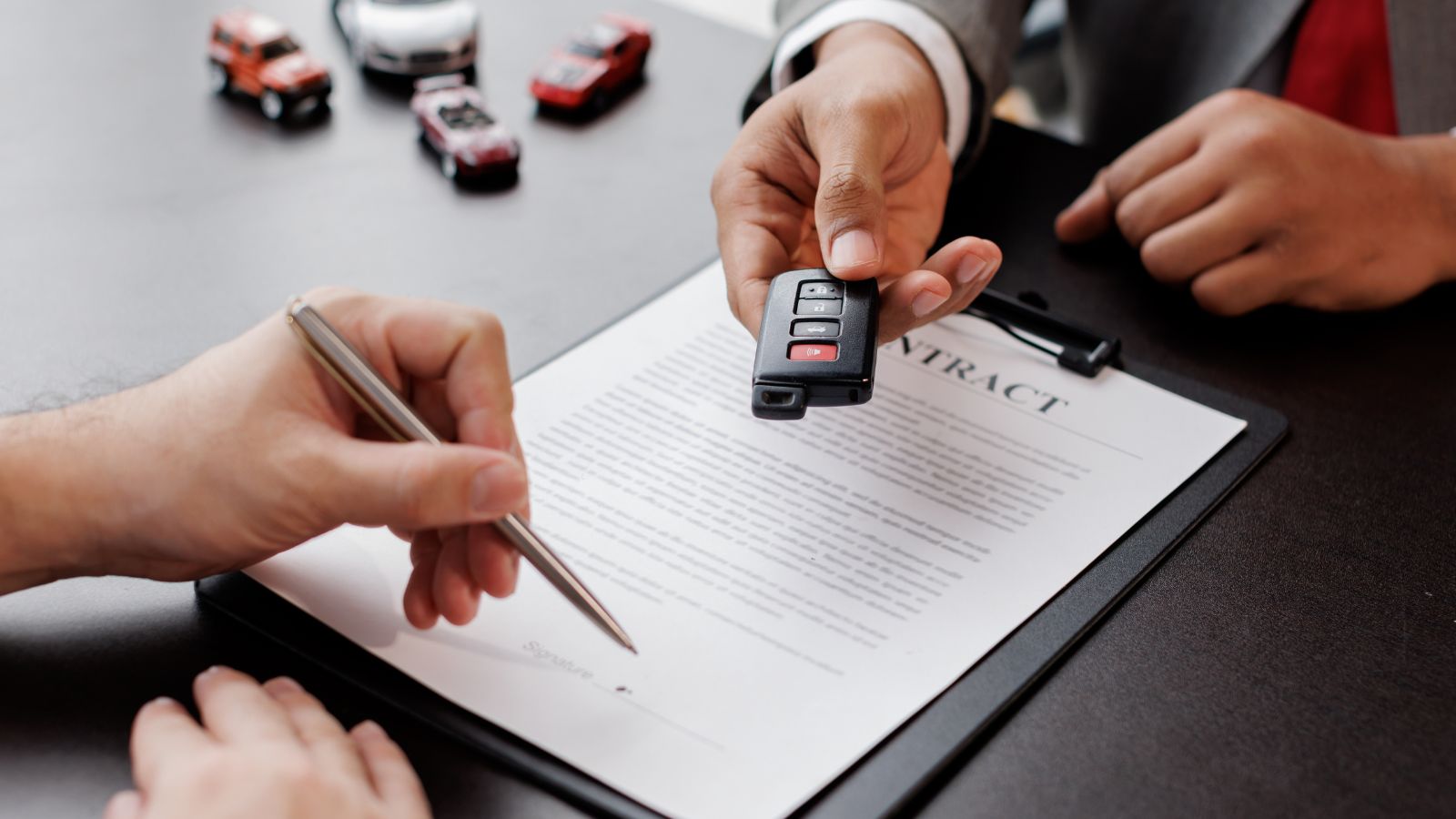
Some drivers assume tire and wheel damage will be treated like ordinary vehicle damage. In practice, pothole impacts, curb strikes, and tire bubbles may not be covered unless a specific road-hazard plan, tire-and-wheel protection package, or insurance provision applies. Even then, coverage can depend on the policy wording, exclusions, and proof of damage.
This creates a frustrating gap between expectation and reality. A driver may pay extra for large wheels, damage one shortly after purchase, and then learn that replacement is out of pocket. Aftermarket wheels can add another complication if they affect fitment, load rating, or recommended tire size. The regret is rarely about one rule; it is about discovering that the most vulnerable parts of the upgrade may also be among the least protected financially.
The Look Can Age Faster Than the Practical Benefits
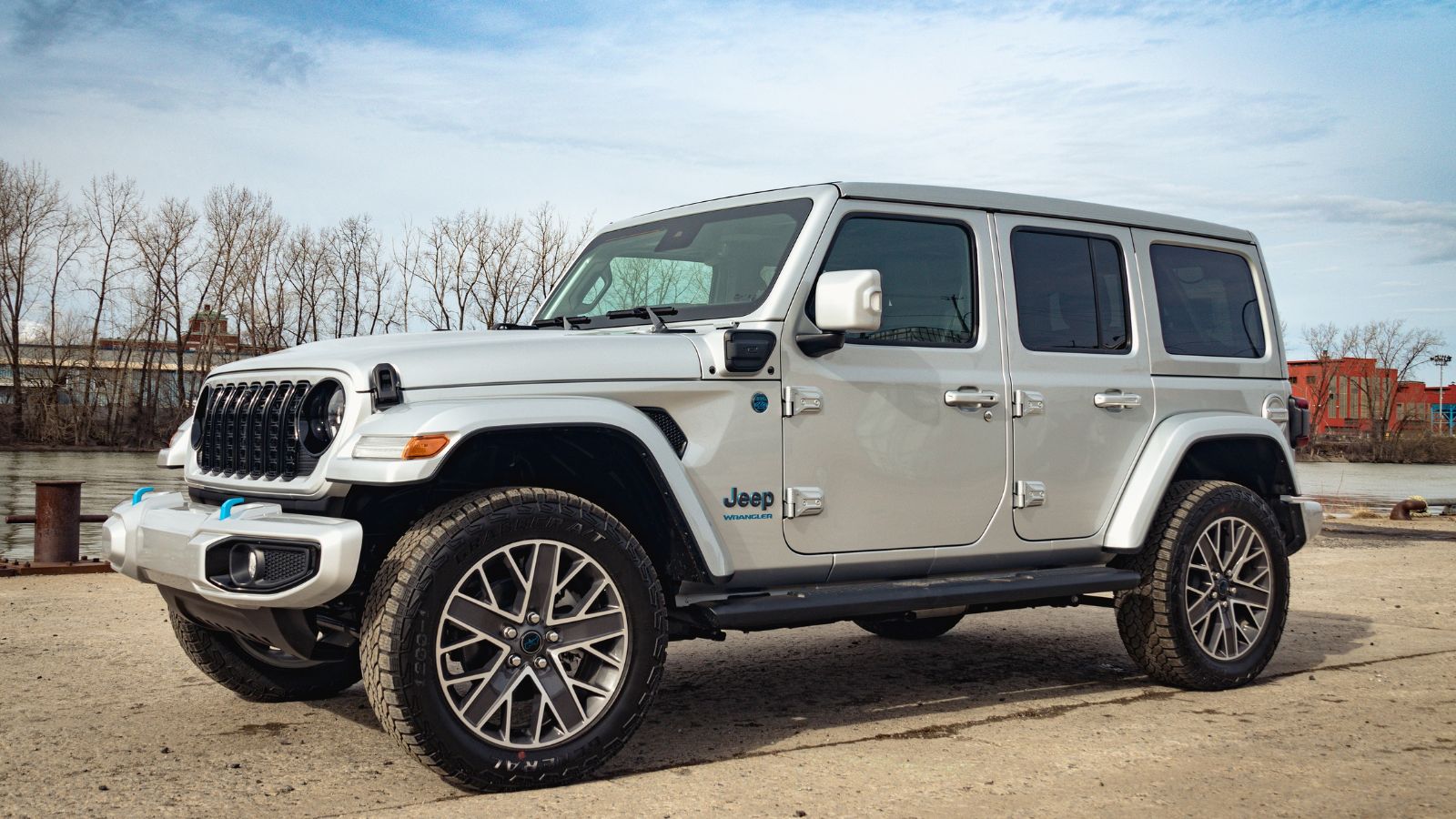
Large wheels often make a vehicle look modern when new, but taste and practicality can shift. What seemed bold at purchase can feel excessive after the first few tire bills, curb marks, or rough-road repairs. On used vehicles, damaged large wheels can also make the car look neglected, even if the rest of the vehicle is in good condition.
There is also a resale angle. Some buyers love big wheels, while others see them as a warning sign for higher tire costs and rougher ride quality. A practical buyer may prefer the smaller-wheel version of the same model because it promises lower running costs and better comfort. The owner who paid extra for the appearance package may not recover that value later. In the end, the wheels still turn heads, but not always in a way that makes ownership easier.
22 Things Canadians Do to Their Cars in Spring That Mechanics Hate

Spring brings relief to many Canadian drivers after months of snow, freezing temperatures, and icy roads that put serious strain on vehicles. As temperatures rise across the country, drivers begin washing cars, switching tires, and preparing vehicles for warmer weather and upcoming road trips. However, mechanics across Canada notice the same mistakes every spring when drivers attempt to recover from winter damage. Road salt, potholes, and harsh winter driving conditions often leave vehicles with hidden problems that drivers ignore. Some spring habits even create new mechanical issues that could have been avoided with proper maintenance. Here are 22 things Canadians do to their cars in spring that mechanics hate.