


























Border trips can feel routine for Canadians who live near the 49th parallel, but a short drive into the United States still means entering a different legal system, a different road culture, and a different customs environment. A forgotten document, an undeclared grocery item, or a misunderstood traffic rule can turn a weekend run into a long delay.
These 21 rules every Canadian driver should know before crossing into the U.S. cover the practical details that matter most: identification, vehicle paperwork, border declarations, food and medication rules, insurance, pets, toll roads, and state-by-state driving laws. The goal is simple: fewer surprises at the booth, fewer problems on the highway, and a smoother trip from the first checkpoint to the return drive home.
Have WHTI-Compliant ID Ready for Every Passenger
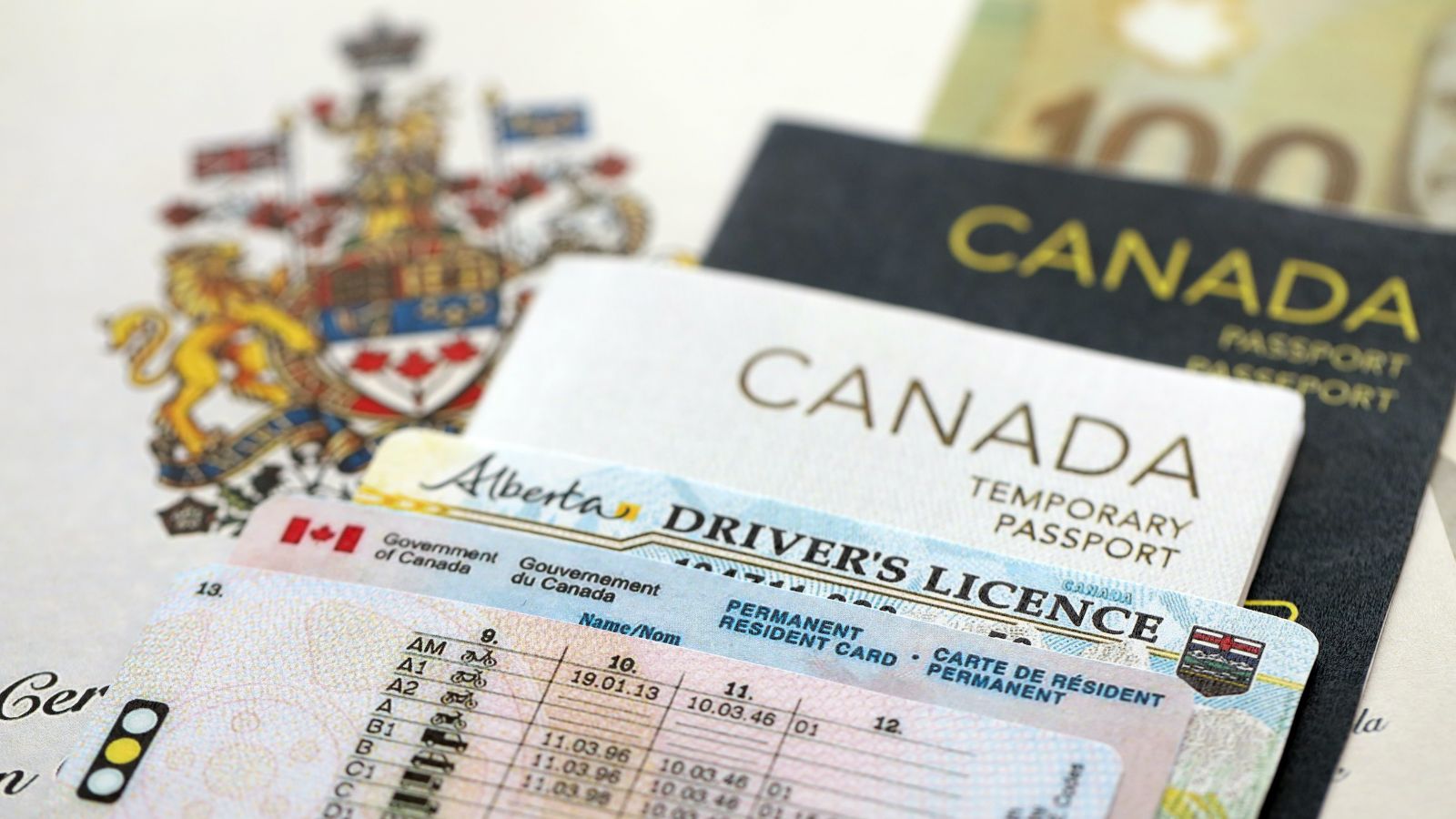
A Canadian driver should never treat a land crossing as casually as a provincial boundary. U.S. border officers expect every traveller to present acceptable identification, and for most adults, that means a valid Canadian passport, NEXUS card, FAST card, SENTRI card, or an approved enhanced driver’s licence or enhanced identification card. A regular provincial driver’s licence alone is not the same thing as an entry document.
The rule becomes especially important when families split into different cars or passengers assume the driver is “handling the paperwork.” One missing document can delay the whole vehicle or lead to refusal at the border. A practical habit is to check every passenger’s identification before leaving the driveway, the same way a driver checks fuel, wallet, and phone. Border confidence often starts long before the vehicle reaches the inspection booth.
Know the Special Rules for Children Travelling by Land
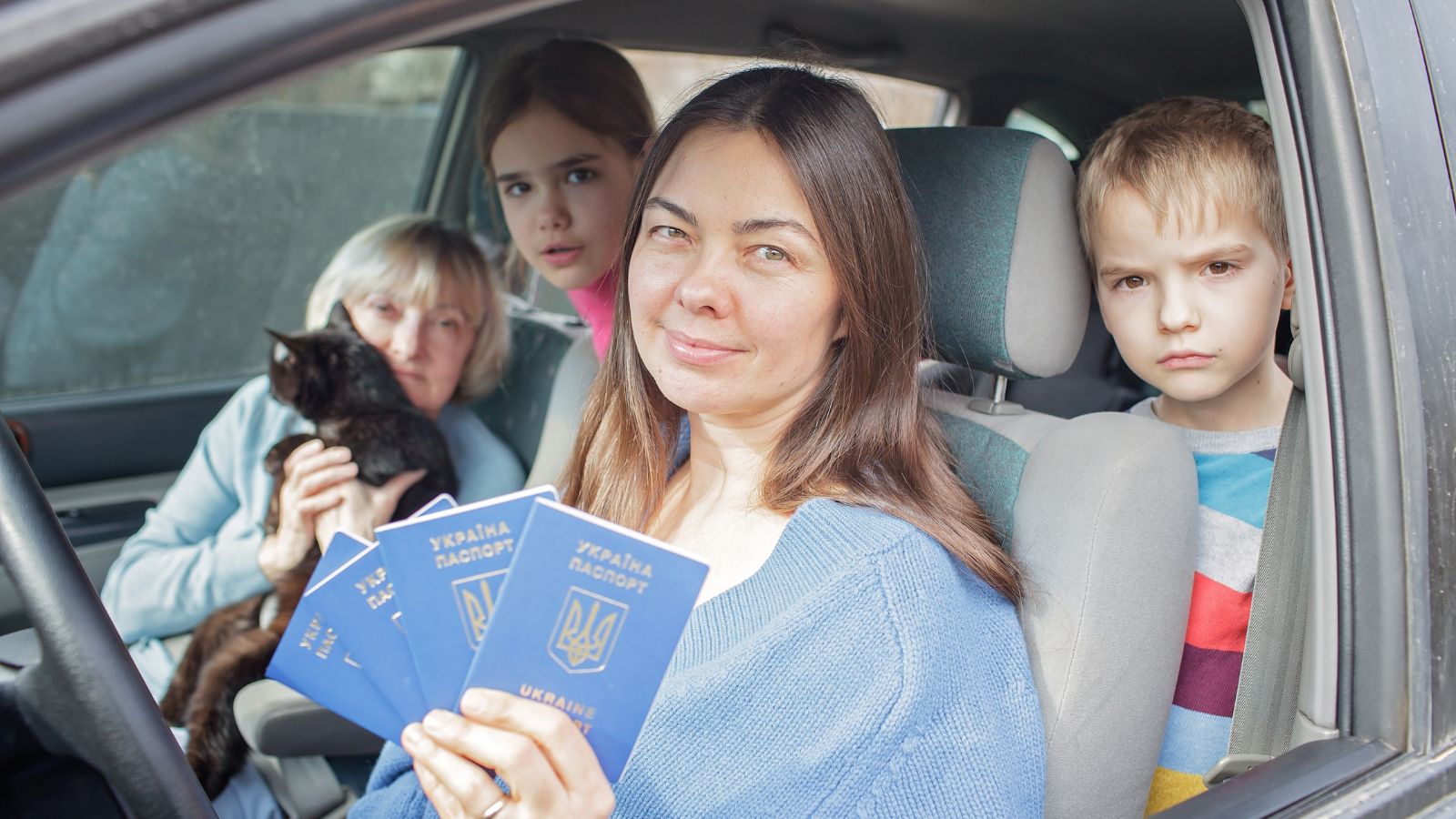
Children can have different document options at land and sea crossings, but that does not mean border officers treat child travel lightly. Canadian citizens aged 15 and younger may have more flexible proof-of-citizenship options in certain land-crossing situations, such as a birth certificate, but parents and guardians should still prepare carefully. Organized groups and older teens may fall under different rules.
A second issue is consent. When a child is travelling with only one parent, a relative, a coach, or another adult, border officers may ask questions to protect against abduction or custody disputes. A signed consent letter, custody documents when relevant, and contact information for the non-travelling parent can prevent an ordinary family trip from becoming uncomfortable. A hockey tournament in Buffalo or a shopping weekend in Maine can move much faster when the paperwork matches the family situation.
Use NEXUS Correctly, Not Casually
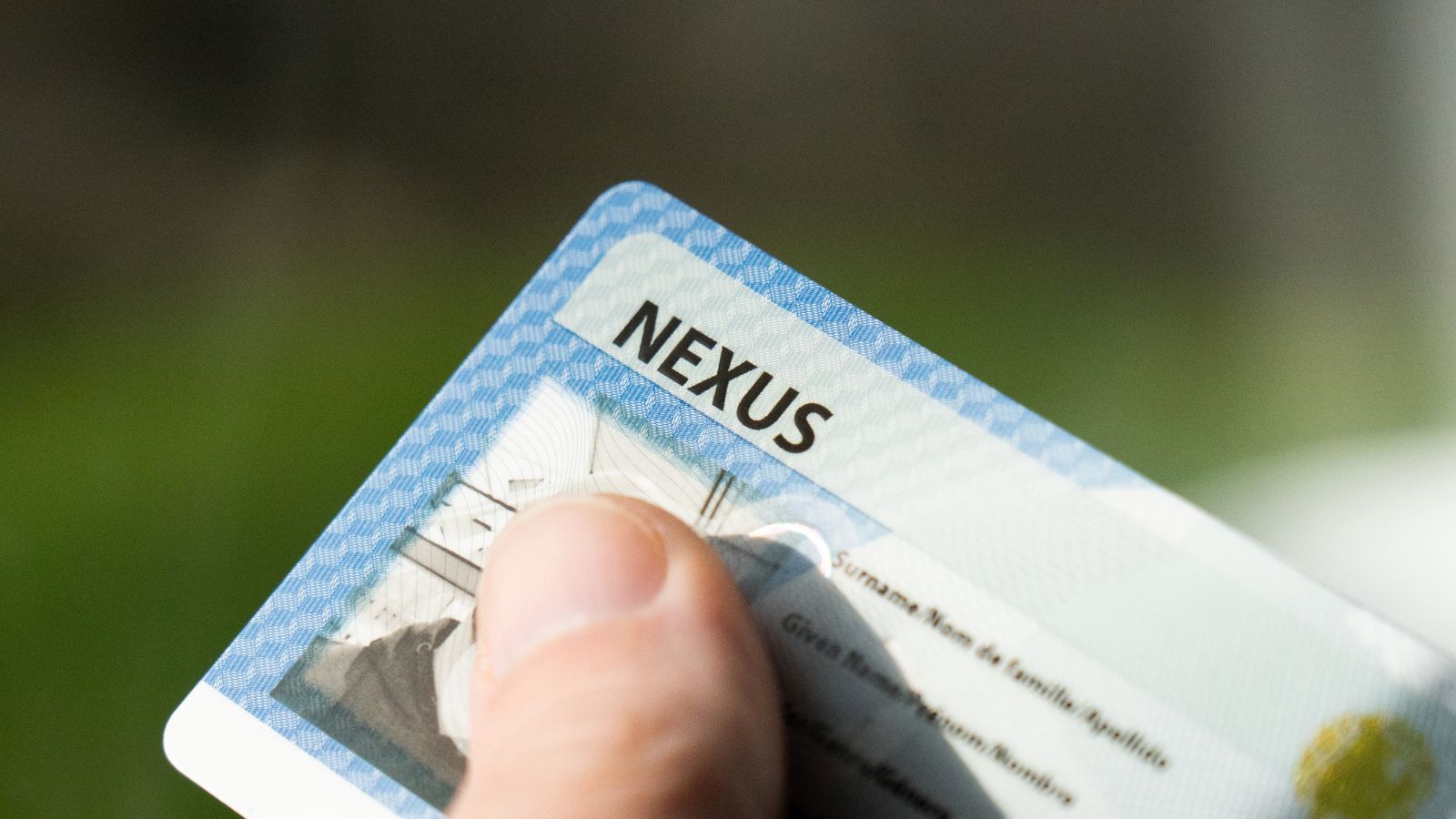
NEXUS can make Canada-U.S. travel feel almost frictionless, but the privilege depends on following the lane rules precisely. Everyone in the vehicle must be NEXUS-approved to use a NEXUS lane. One non-member passenger, even a child or visiting relative, can make the vehicle ineligible for that lane and create unnecessary scrutiny at the booth.
The bigger lesson is that trusted traveller status does not remove the duty to declare goods, food, currency, or restricted items. A driver who uses NEXUS for convenience but treats declarations casually risks far more than a delay; membership can be reviewed or revoked. A good example is a family that keeps a cooler, shopping bags, and receipts together in the trunk. The lane may move faster, but the questions still require accurate answers.
Carry a Valid Driver’s License and Understand State-by-State Rules
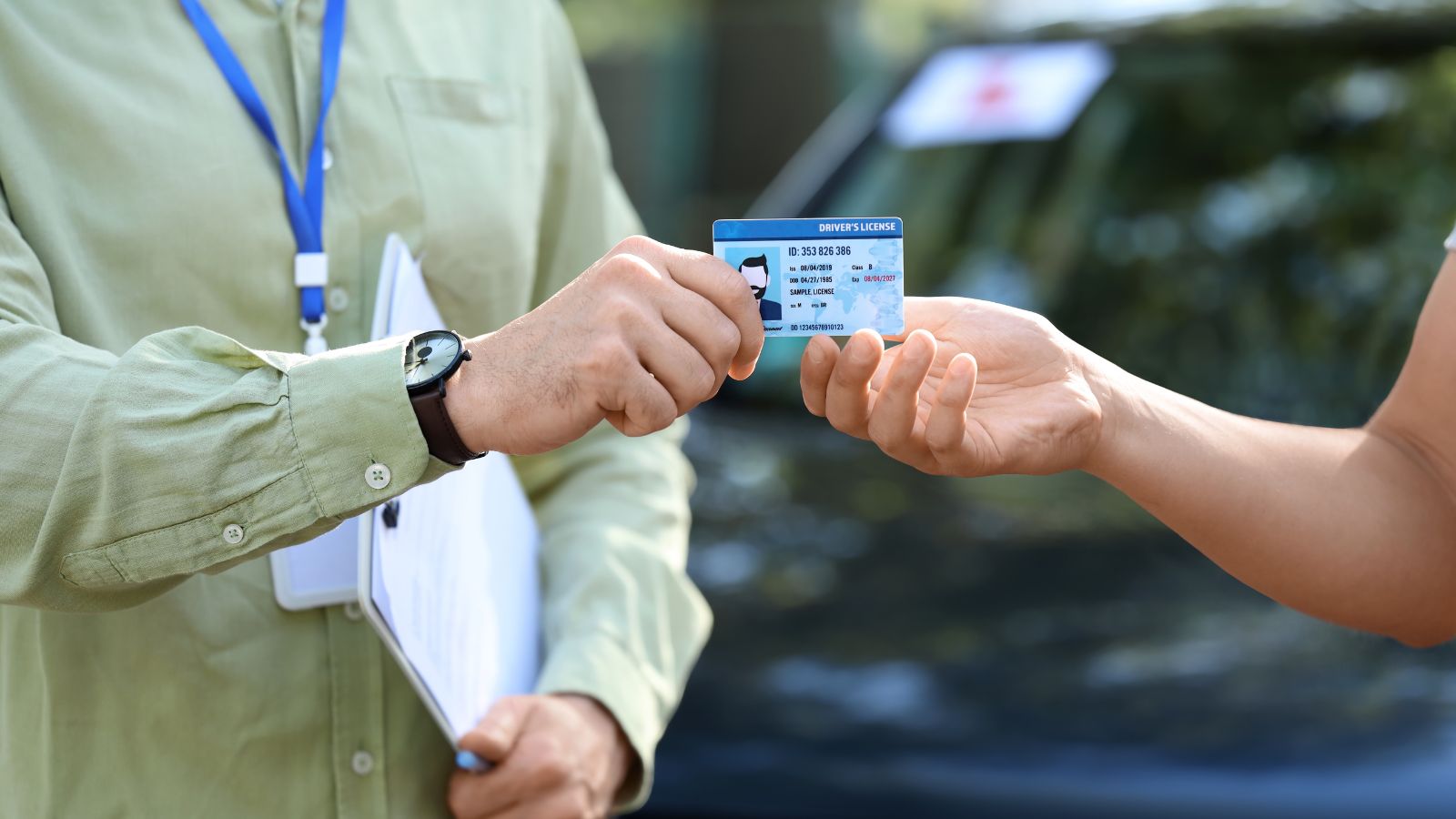
A valid Canadian provincial or territorial driver’s licence is generally accepted for driving in the United States, and Canadians do not normally need an International Driving Permit for U.S. driving. That makes cross-border road trips straightforward, but it can also create false confidence. The licence may be recognized, while the road rules still change as soon as the vehicle enters a new state.
The U.S. does not have one uniform driving code for everything a tourist encounters. Rules on handheld phones, child restraints, lane use, speed enforcement, school buses, and winter tire requirements can vary from state to state. A Canadian driver used to one provincial standard may cross New York, Pennsylvania, and Ohio in a single day. The licence opens the door; local law determines how the drive must be handled.
Keep Registration, Insurance, and Permission Documents Within Reach
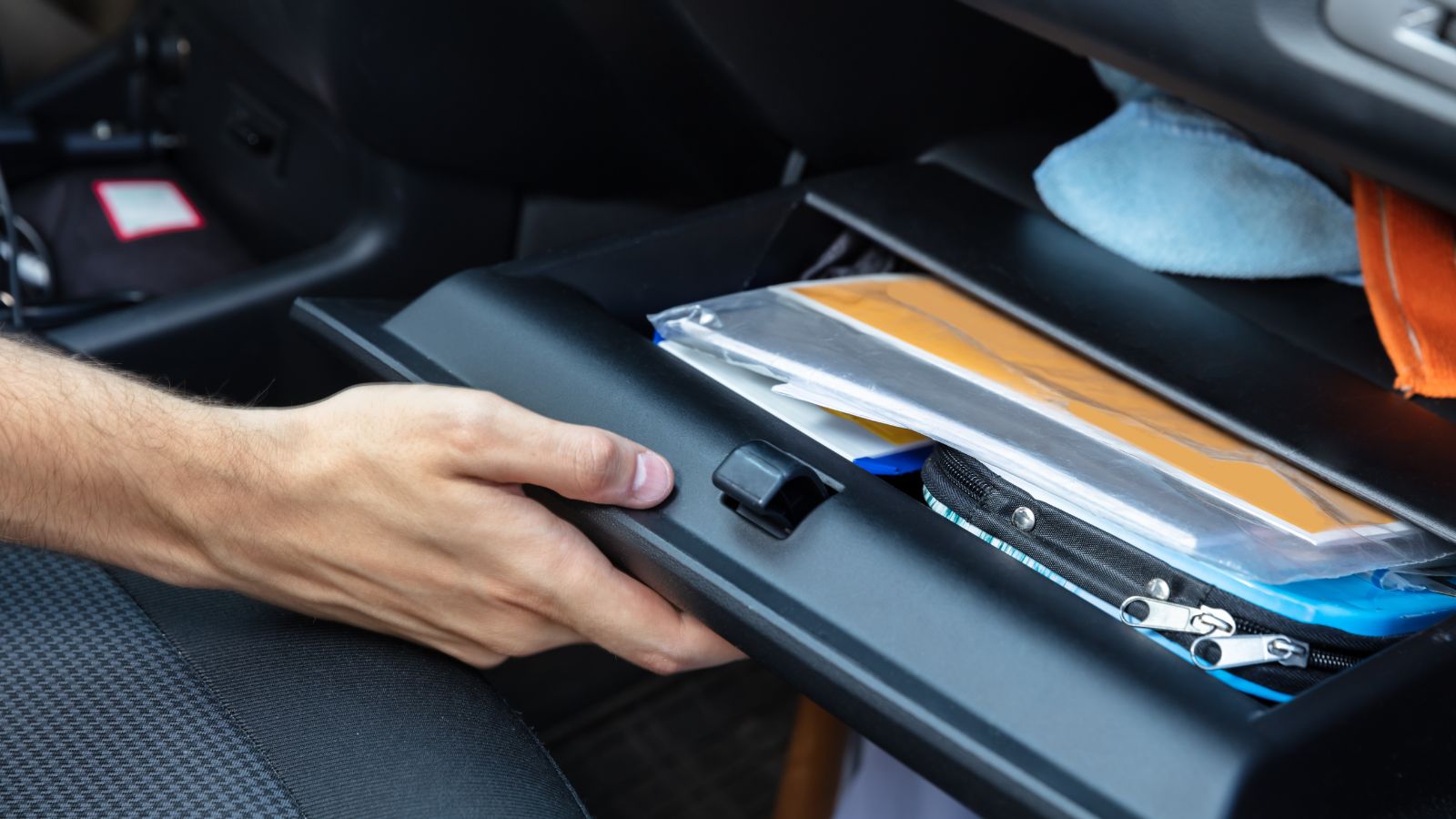
Border officers and police can ask questions about the vehicle itself, not just the people inside it. Drivers should have vehicle registration and proof of insurance available, and rental drivers should keep the rental agreement handy. If the vehicle is borrowed, company-owned, leased, or registered to someone not in the car, a permission letter can help explain why the driver is operating it across an international border.
This rule matters because a vehicle crossing the border is more than transportation; it is also property moving between countries. A parent borrowing an adult child’s SUV for a Vermont ski weekend or an employee driving a company pickup to a U.S. job site should be able to show the arrangement is legitimate. A few printed documents can prevent a simple ownership question from becoming a secondary inspection.
Confirm U.S. Insurance Coverage Before the Trip
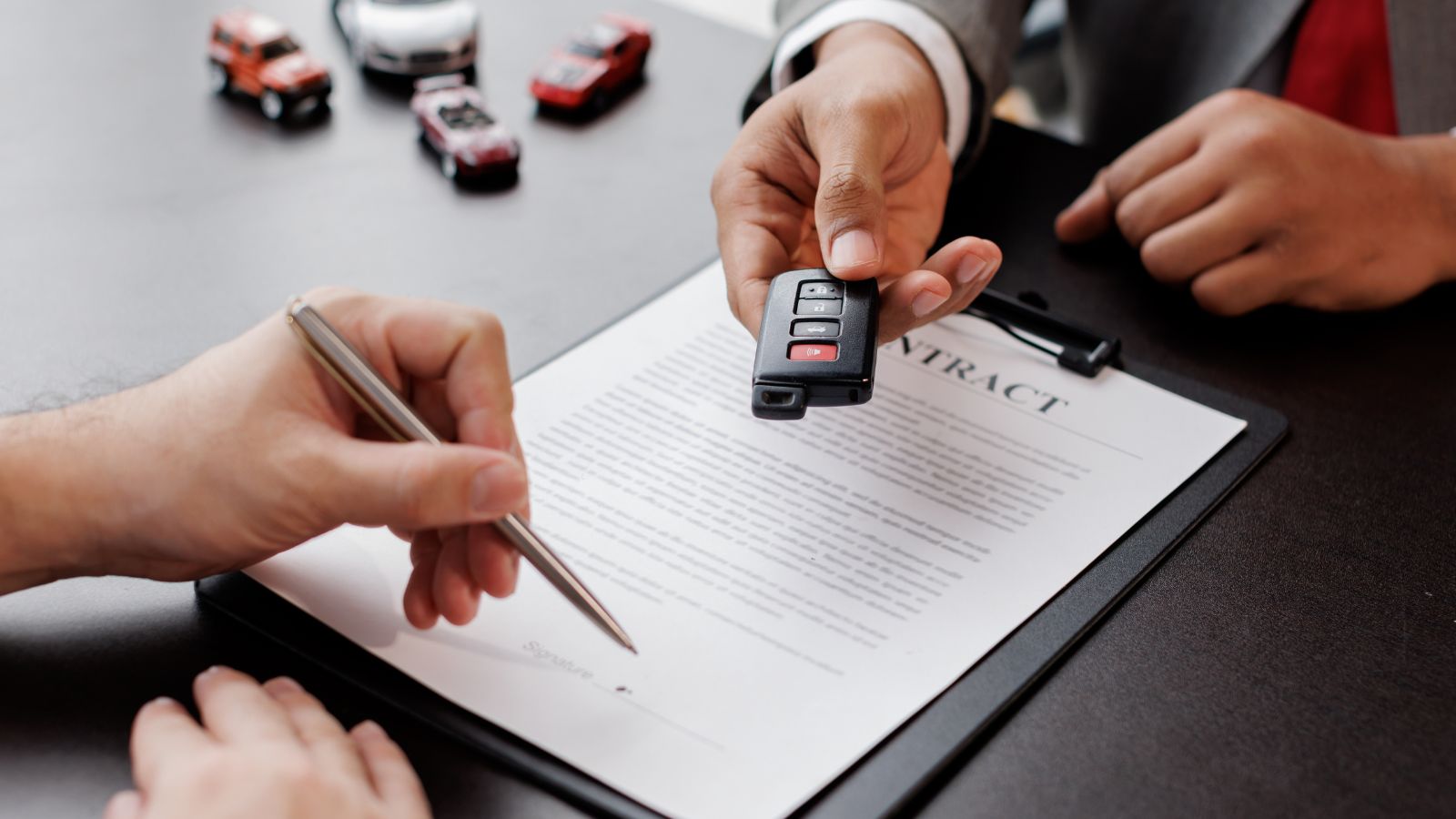
Many Canadian auto policies provide coverage for short trips into the United States, but “many” is not a substitute for confirmation. Drivers should check their policy, liability limits, rental coverage, and roadside-assistance details before leaving. U.S. medical and legal costs can be much higher than expected, and an accident in another country can be stressful even when the crash itself is minor.
The issue becomes more complicated for rental cars, business vehicles, trailers, RVs, or drivers staying for an extended period. A Canadian who assumes everything works exactly as it does at home may discover gaps after a collision, tow, or claim. A quick call to the insurer can clarify whether the pink slip, policy documents, or digital proof are enough. The best time to learn the answer is not on the shoulder of an interstate.
Check Border Wait Times and Port Hours Before Leaving
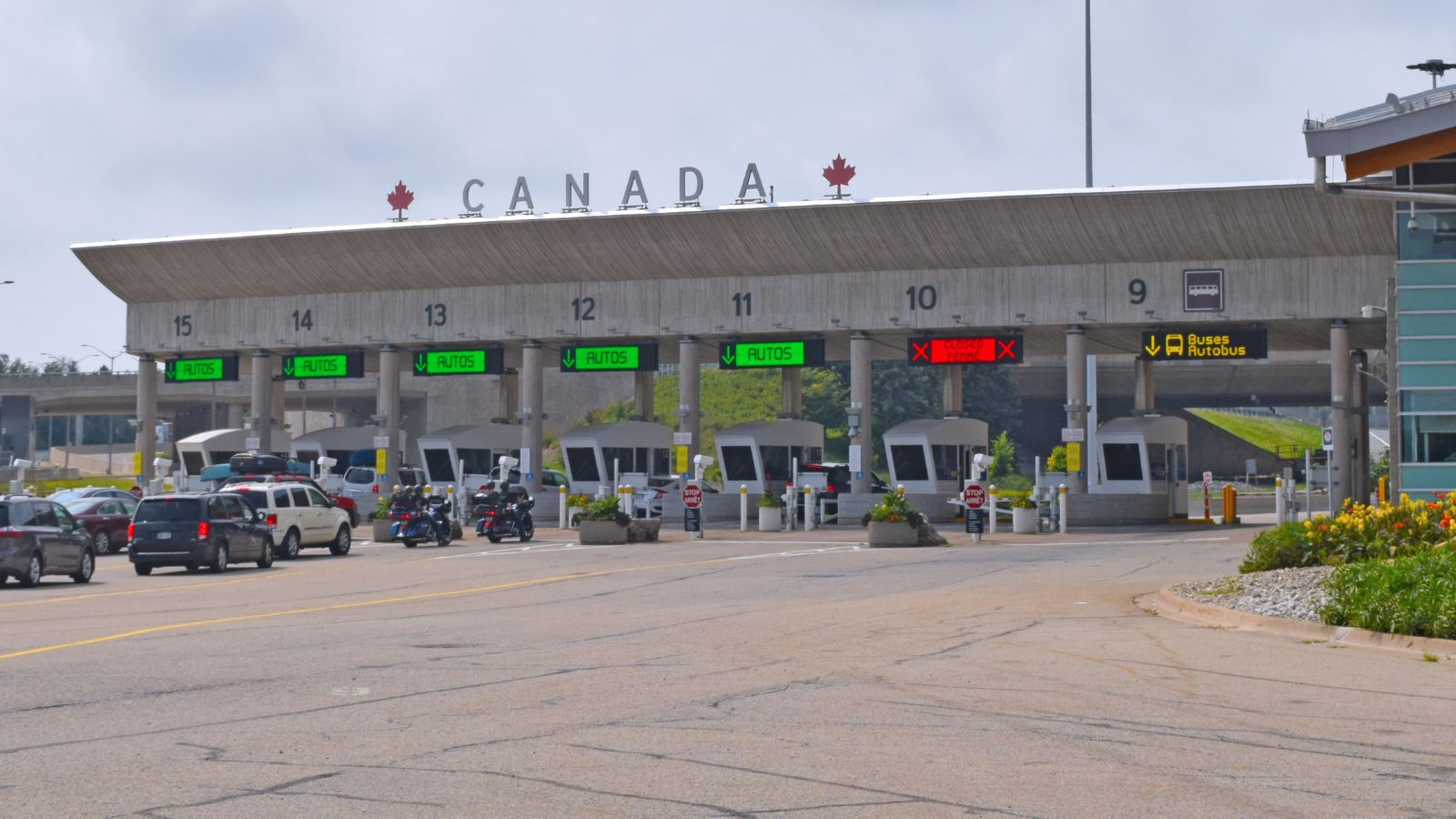
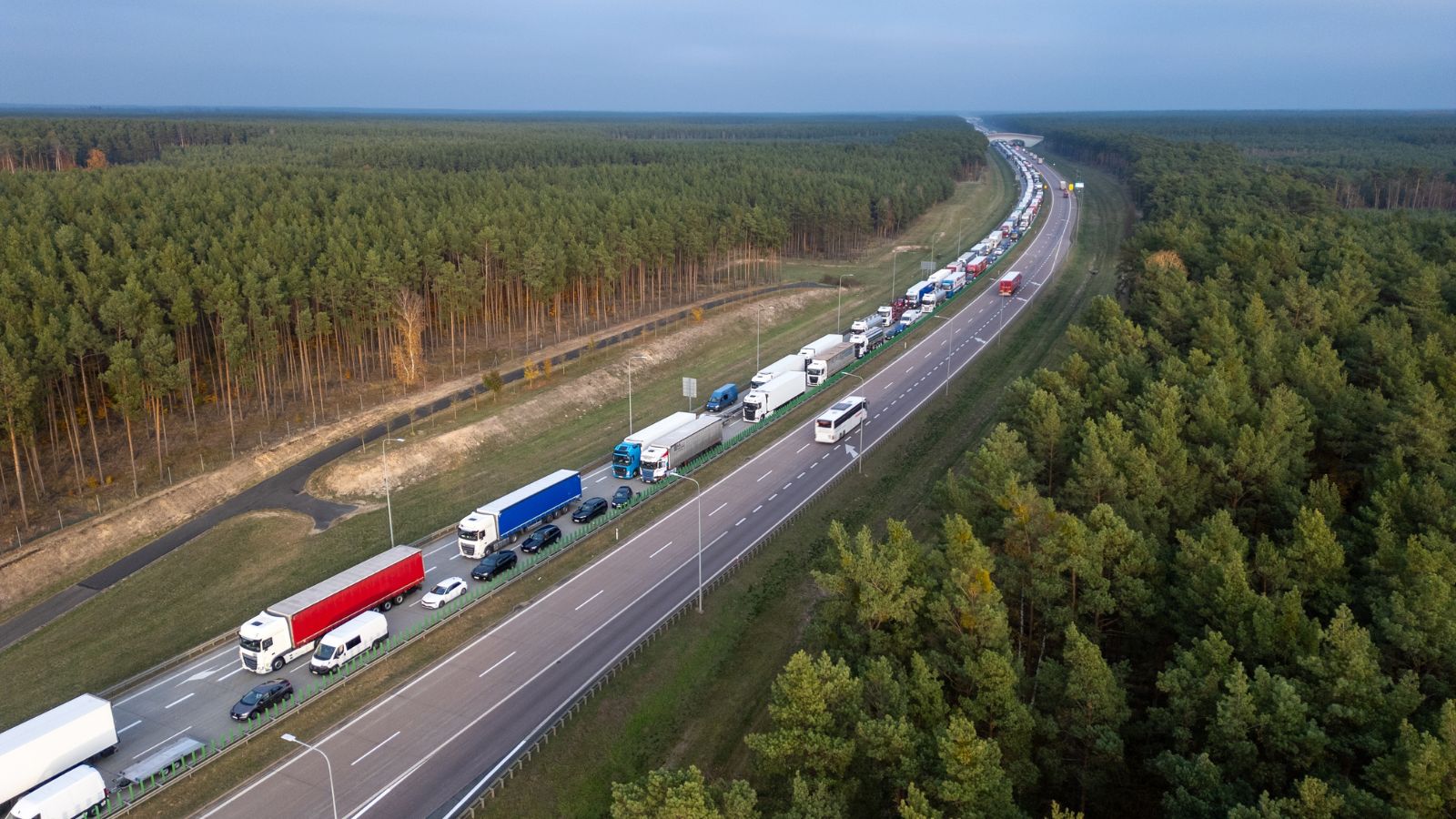
Not every border crossing works the same way all day, every day. Some ports have limited hours, and major crossings can develop long lineups around holidays, sporting events, long weekends, or summer travel peaks. Official border wait-time tools can help drivers compare crossings and decide whether a slightly longer route saves time overall.
This is especially useful in regions with multiple options, such as southern Ontario into New York or British Columbia into Washington. A driver headed for Seattle, Detroit, Buffalo, or Burlington may have more than one reasonable crossing. Checking before departure can prevent the classic mistake of joining the most familiar lineup while a nearby port is moving faster. Border strategy is not just about distance; it is about timing.
Declare Purchases, Gifts, Repairs, and Goods Honestly
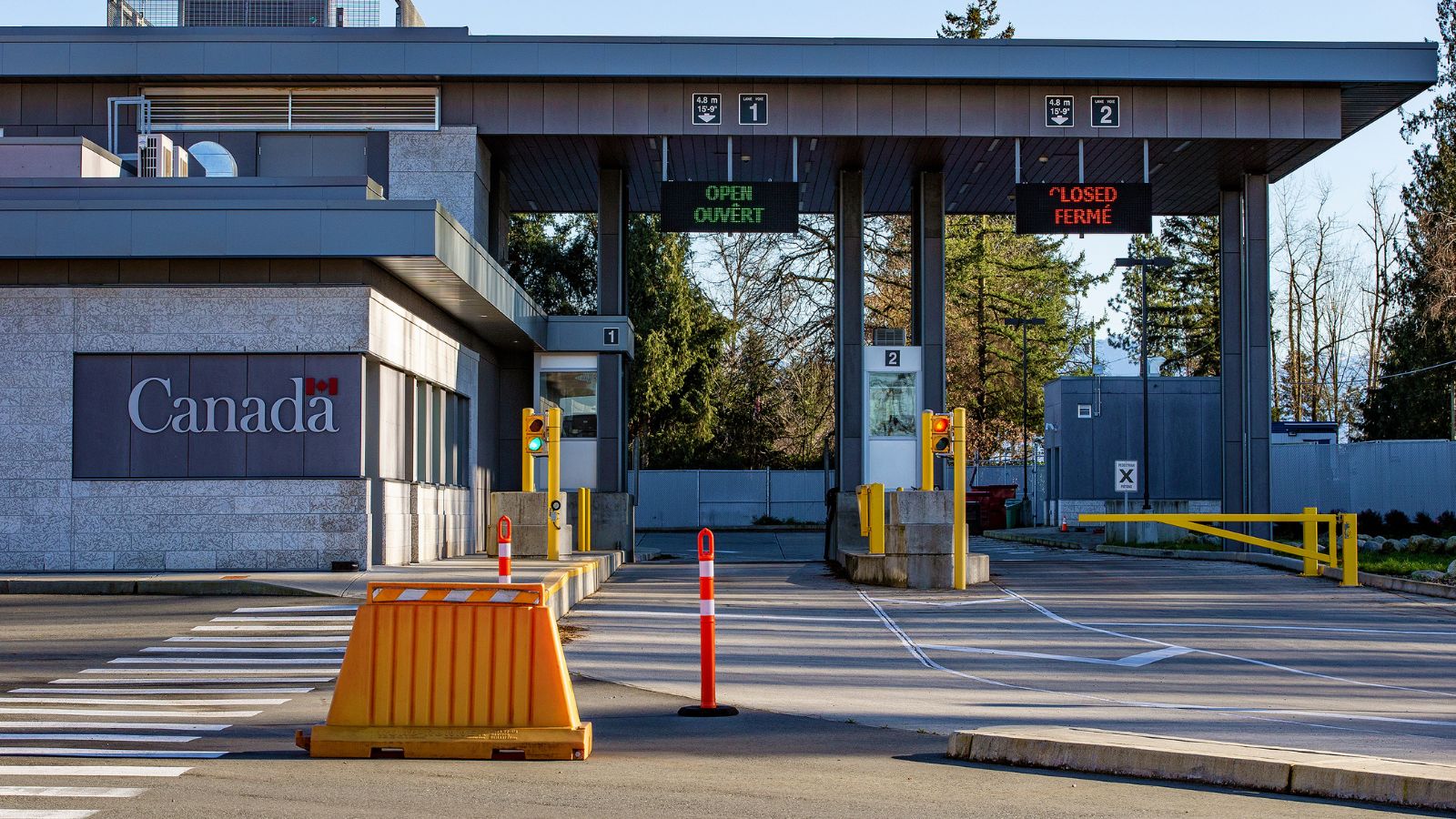
A common border mistake is thinking only large purchases matter. In reality, travellers are expected to declare goods acquired abroad, including gifts, alcohol, tobacco, vehicle repairs, and items bought for someone else. Receipts should be kept together, and drivers should know what is in the car before reaching the booth.
This rule applies in both directions. On the way into the United States, officers may ask about items being brought in. On the way back to Canada, CBSA officers may ask what was purchased, how long the travellers were away, and whether personal exemptions apply. A driver who has three bags of outlet-mall clothing, a repaired transmission, and a few gifts should not rely on memory. Clear receipts and honest answers usually beat guesswork.
Do Not Bring Cannabis Across the Border

Cannabis creates one of the biggest traps for Canadian drivers because legality at home does not translate to legality at the border. Even if cannabis was legally purchased in Canada, and even if the destination state permits recreational cannabis, taking it across the international border can cause serious legal problems. The same warning applies to edibles, oils, vapes, and other cannabis products.
This is where many drivers underestimate the difference between domestic and international law. A small forgotten edible in a backpack or glovebox can become a major issue during inspection. Before crossing, the vehicle should be checked carefully, especially if multiple people use it. The safest rule is blunt but effective: no cannabis, no cannabis accessories with residue, and no assumption that state legalization changes federal border enforcement.
Be Careful With Firearms, Ammunition, and Weapons
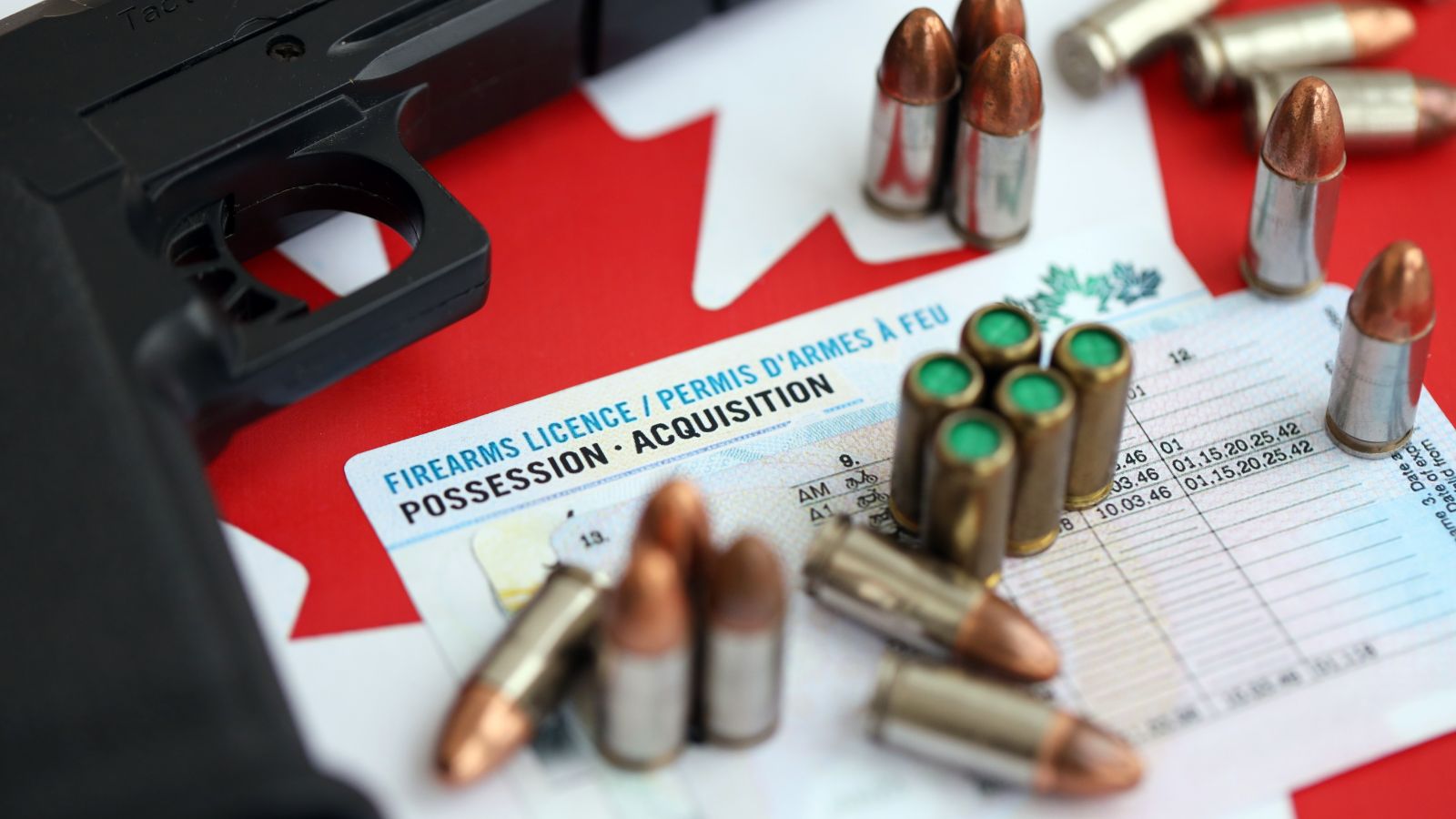
Firearms and ammunition are heavily regulated at borders, and “forgetting” about them is not a harmless mistake. U.S. and Canadian rules can differ significantly, and travellers may need permits, declarations, or may be prohibited from bringing certain items entirely. This includes not only firearms but also ammunition and some weapons that a driver may casually keep in a vehicle at home.
The practical risk is high for hunters, sport shooters, rural drivers, or anyone who keeps equipment in a truck. A locked case in the rear cargo area still counts if it crosses the border. Drivers should review official rules before travel and avoid carrying weapons unless all requirements are clearly satisfied. A fishing trip, camping weekend, or cabin visit can be ruined quickly by assuming Canadian storage habits are acceptable at a U.S. port of entry.
Declare Food, Plants, and Agricultural Items
Food is one of the most common sources of border confusion. Some packaged foods may be allowed, while meats, fresh fruits, vegetables, plants, seeds, soil, and animal products may be restricted or prohibited. The key rule is not to guess. Agricultural and food items should be declared so officers can decide whether they may enter.
This matters even when the item seems harmless. An apple packed for the drive, homemade sandwiches with meat, firewood, garden plants, or pet food can raise inspection questions. Border agencies are trying to prevent pests, animal diseases, and plant diseases from moving across borders. A driver with a cooler should know exactly what is inside it. Declaring an item is usually less damaging than failing to mention it and having it discovered.
Keep Prescription Medication in Original Containers

Prescription medications should travel in original labelled containers, ideally with a copy of the prescription or a doctor’s note. This is especially important for controlled substances, injectable medications, or drugs that may have different rules in another country. Travellers should avoid mixing pills into unmarked containers before crossing the border.
The issue is not just inspection convenience; it is legal clarity. A driver who carries a weekly pill organizer may know exactly what each tablet is, but a border officer does not. Original labels connect the medication to the traveller, dosage, and prescribing professional. For longer trips, bringing only reasonable personal-use quantities also reduces questions. Medication planning may feel tedious, but it is far easier than trying to explain loose pills in a console.
Prepare Pets Before Reaching the Booth
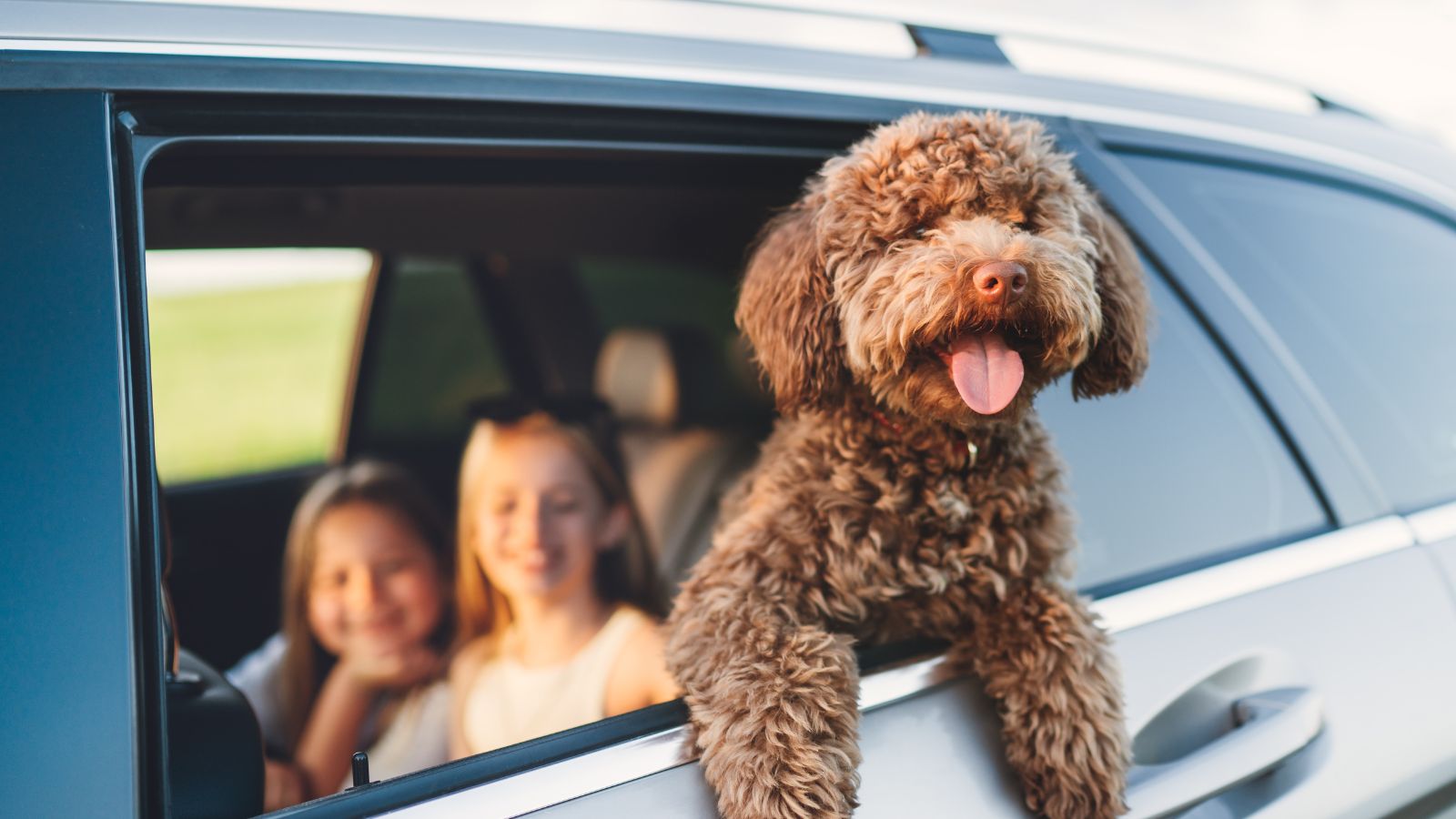
Dogs entering the United States are subject to federal import rules, and requirements changed in recent years. For dogs coming from countries considered dog rabies-free or low-risk, travellers generally need the CDC Dog Import Form, and the dog must meet health and age requirements. Other animals or dogs with travel history in higher-risk countries can face additional rules.
Pet travel can catch families off guard because the animal may be an afterthought behind passports and luggage. A dog riding happily in the back seat still has to meet entry requirements. Drivers should complete forms before travel, carry vaccination or veterinary records when prudent, and confirm rules for the return to Canada as well. The border is not the place to discover that a pet’s paperwork is incomplete.
Remember That Speed Limits Are in Miles Per Hour

The most immediate driving adjustment after crossing into the United States is the speedometer. U.S. speed limits are posted in miles per hour, not kilometres per hour. A 55 mph road is about 89 km/h, while 70 mph is about 113 km/h. Many Canadian vehicles show both scales, but digital displays should be set before the driver is already merging into highway traffic.
This small conversion issue can create real problems. Driving 100 because it “feels like highway speed” is very different depending on whether the sign says kilometres or miles. Fuel economy and distance estimates can also feel unfamiliar because U.S. signs use miles and fuel is sold by the U.S. gallon. A careful driver adjusts the dashboard, navigation settings, and mindset early, rather than translating under pressure.
Watch for State-Specific Phone and Distracted Driving Laws
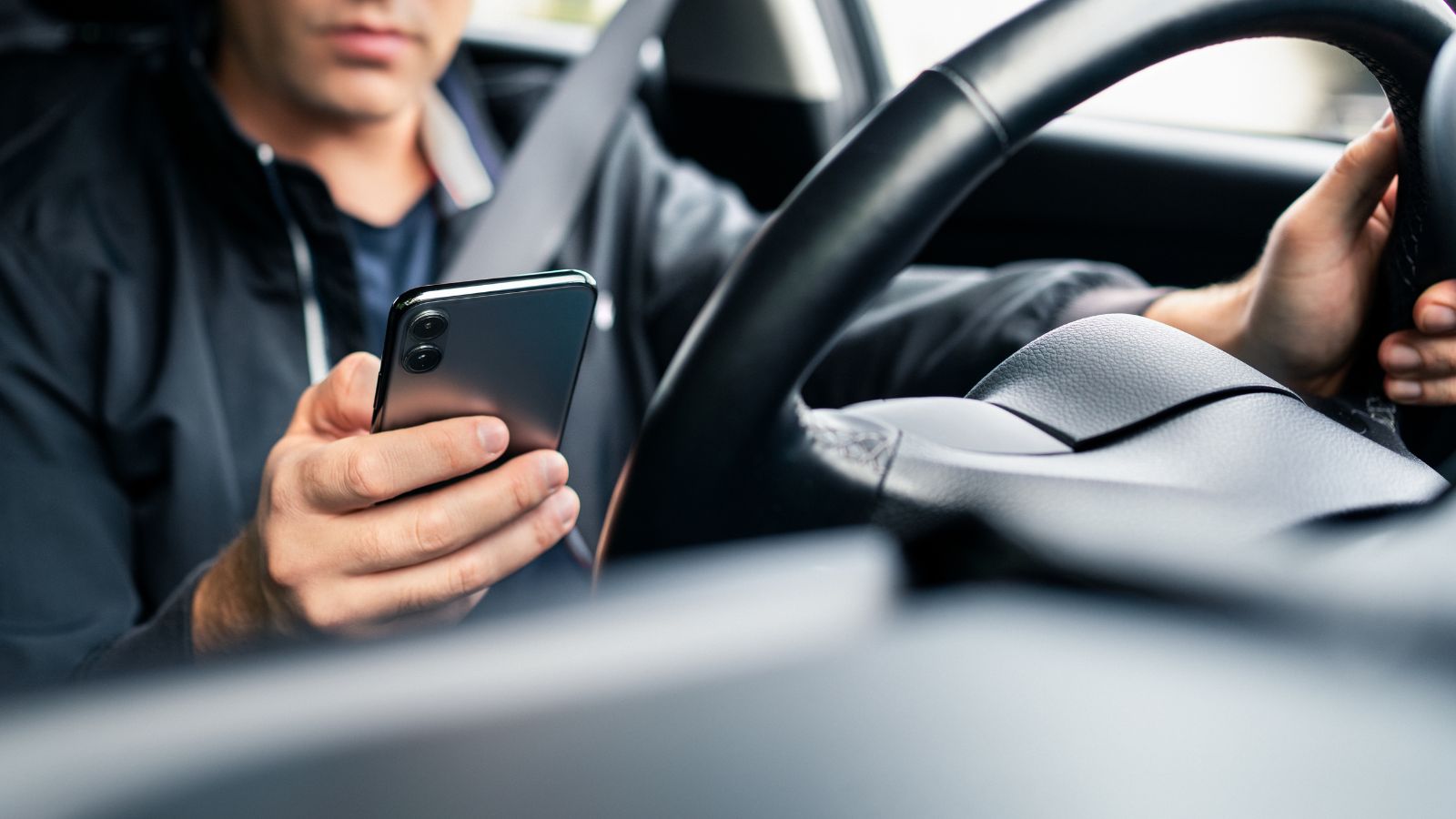
Distracted-driving laws vary widely across the United States. Many states ban texting while driving, many restrict handheld phone use, and some impose special rules for novice drivers, school zones, or work zones. A Canadian driver who relies on one national assumption may run into a state law that is stricter than expected.
The practical solution is simple: set navigation before moving, use hands-free systems cautiously, and avoid touching the phone while driving. A traveller passing through several states in one day cannot easily memorize every local variation. Treating the phone as off-limits behind the wheel is safer and easier. It also reduces the chance of drifting, missing signs, or reacting late in unfamiliar traffic patterns around exits, toll plazas, and interchanges.
Follow Seat Belt and Child Restraint Rules in the State You Are In
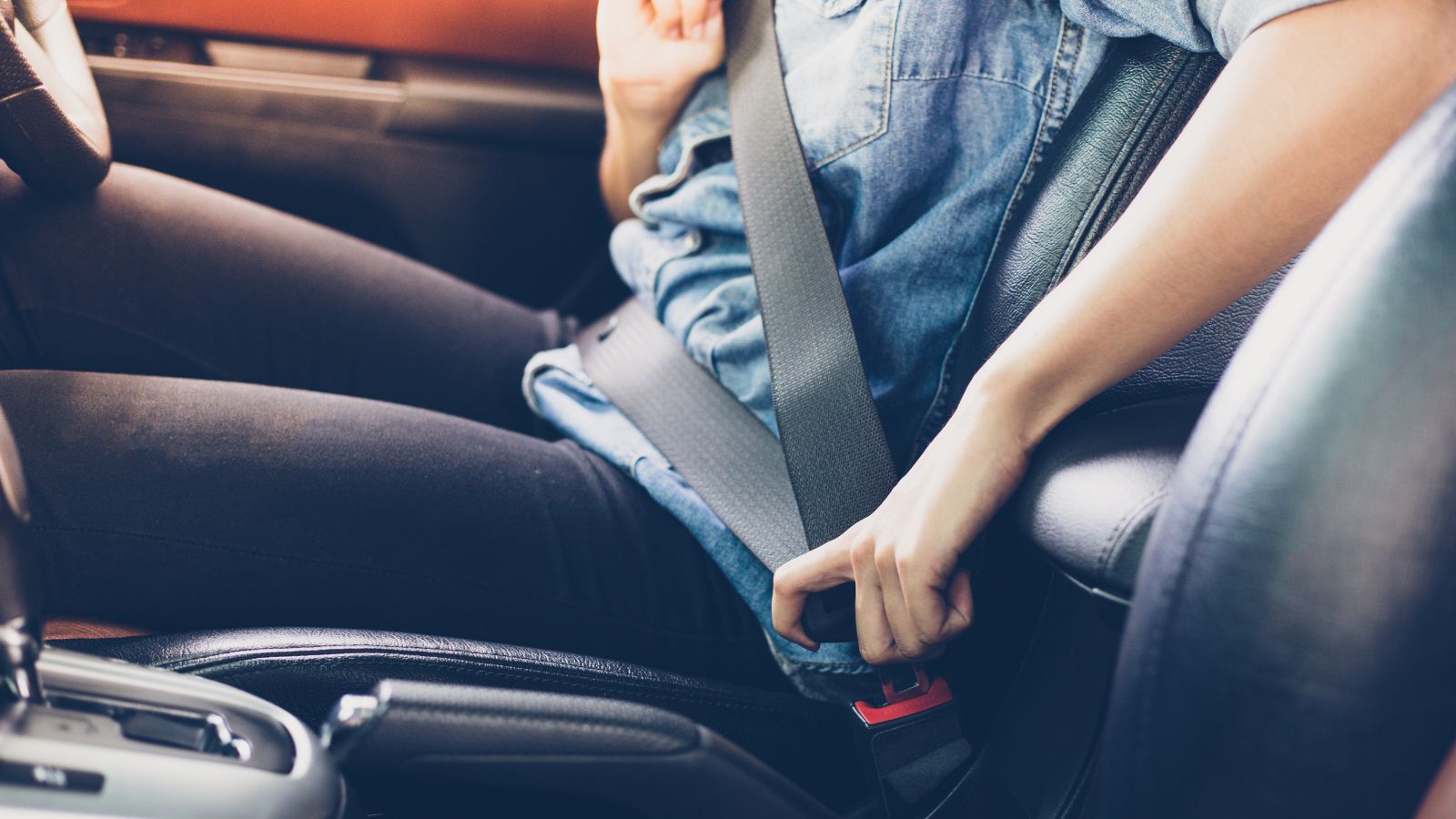
Seat belt laws and child restraint rules are not identical across the United States. Some states allow primary enforcement, meaning police can stop a vehicle solely for a seat belt violation. Child restraint laws also vary by age, size, seating position, and whether a booster or child safety seat is required.
Canadian families should not assume their home province’s child-seat rules will satisfy every U.S. state. A child who is legally seated one way in Canada may need a different setup in another jurisdiction. Road-trip fatigue makes this easy to overlook when children move seats, nap, or complain about boosters. The safer habit is to use age- and size-appropriate restraints consistently, keep children in rear seats where appropriate, and check state rules before long trips.
Move Over for Emergency, Tow, and Roadside Vehicles
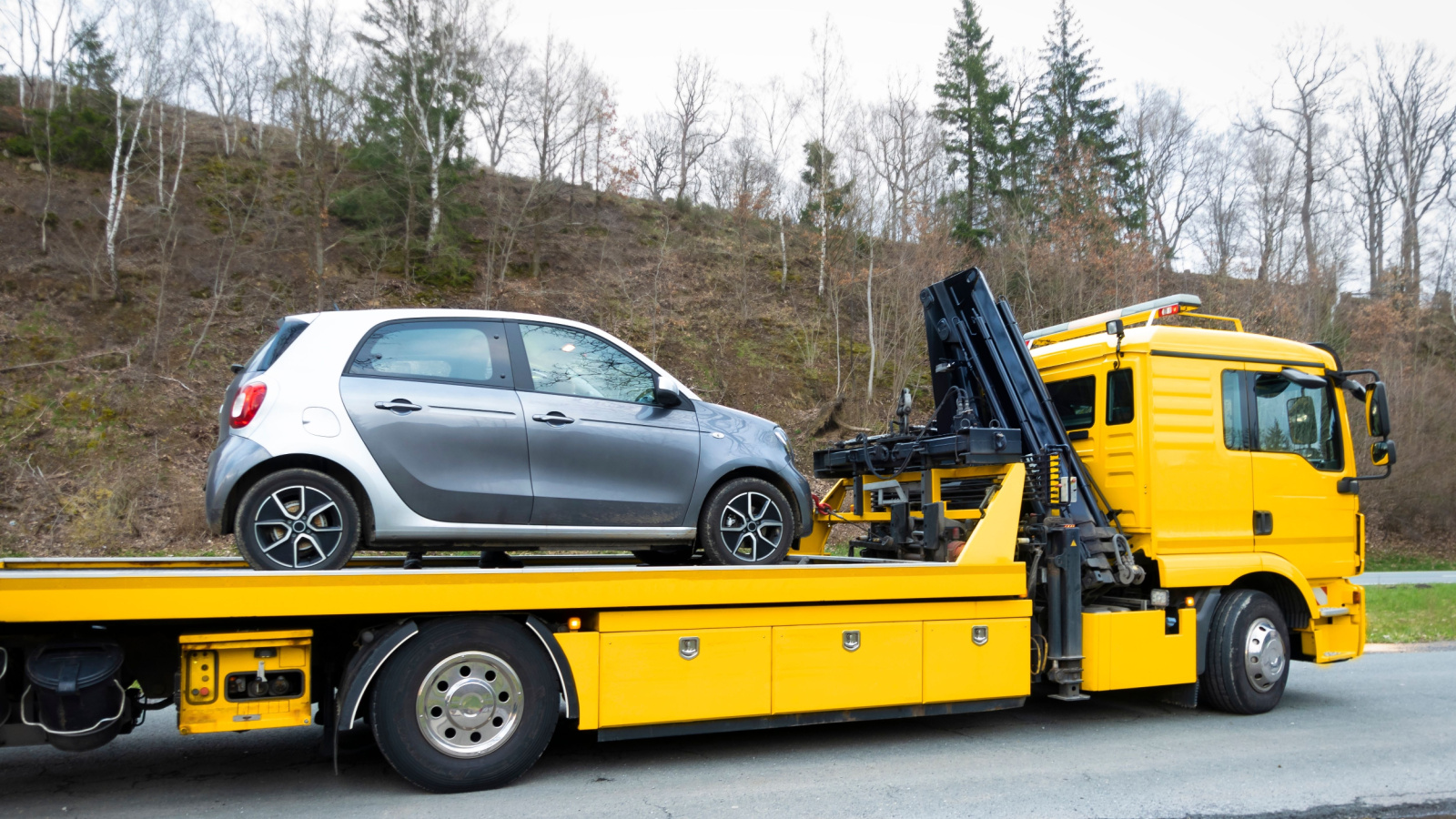
Every U.S. state has some form of Move Over law requiring drivers to slow down, move over, or both when approaching stopped emergency vehicles with flashing lights. Some states extend the rule to tow trucks, utility vehicles, construction vehicles, garbage trucks, or disabled vehicles using hazard lights. The exact details vary, but the safety principle is consistent.
This rule is especially important on high-speed roads where a stopped police cruiser or tow truck appears suddenly over a hill or around a bend. A Canadian driver may be focused on lane choice, GPS directions, or nearby trucks, but roadside workers have very little protection. When safe, change lanes early. If changing lanes is not safe, reduce speed significantly and give the stopped vehicle as much room as possible.
Treat School Buses With Extra Caution
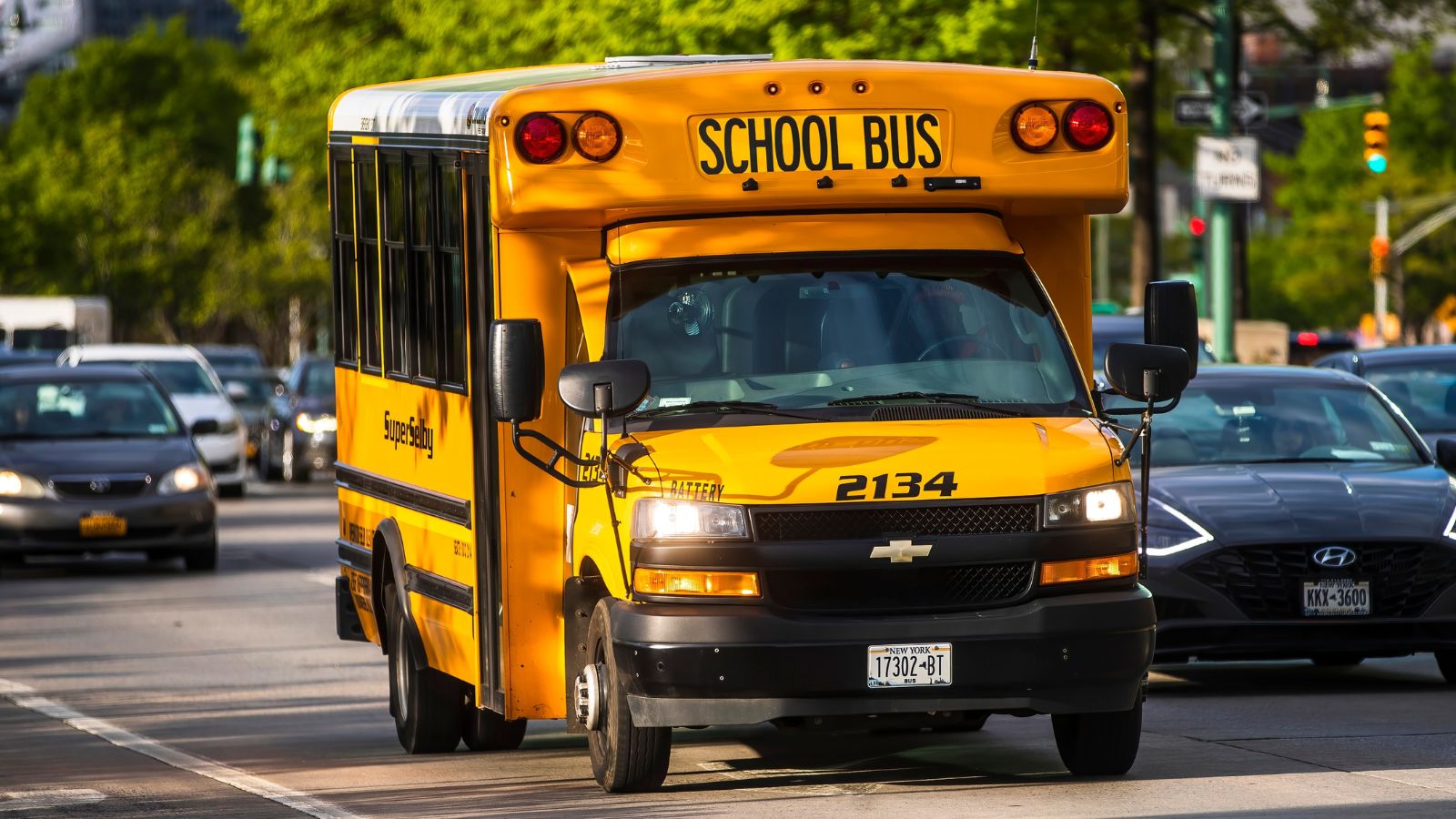
School bus laws are strict across North America, but details can vary by state, road type, median, and direction of travel. In general, flashing red lights and an extended stop arm mean drivers must stop. The penalties can be serious because children may be crossing from unexpected directions.
The mistake often happens on multi-lane roads. A driver unfamiliar with local rules may wonder whether traffic on the opposite side must stop, especially if there is a median or turn lane. Hesitation is safer than gambling. If a school bus is loading or unloading and the signals are active, drivers should slow down, watch for children, and obey the posted or state-specific rule. A few seconds of patience can prevent a life-changing crash.
Understand U.S. DUI Limits and Impairment Rules
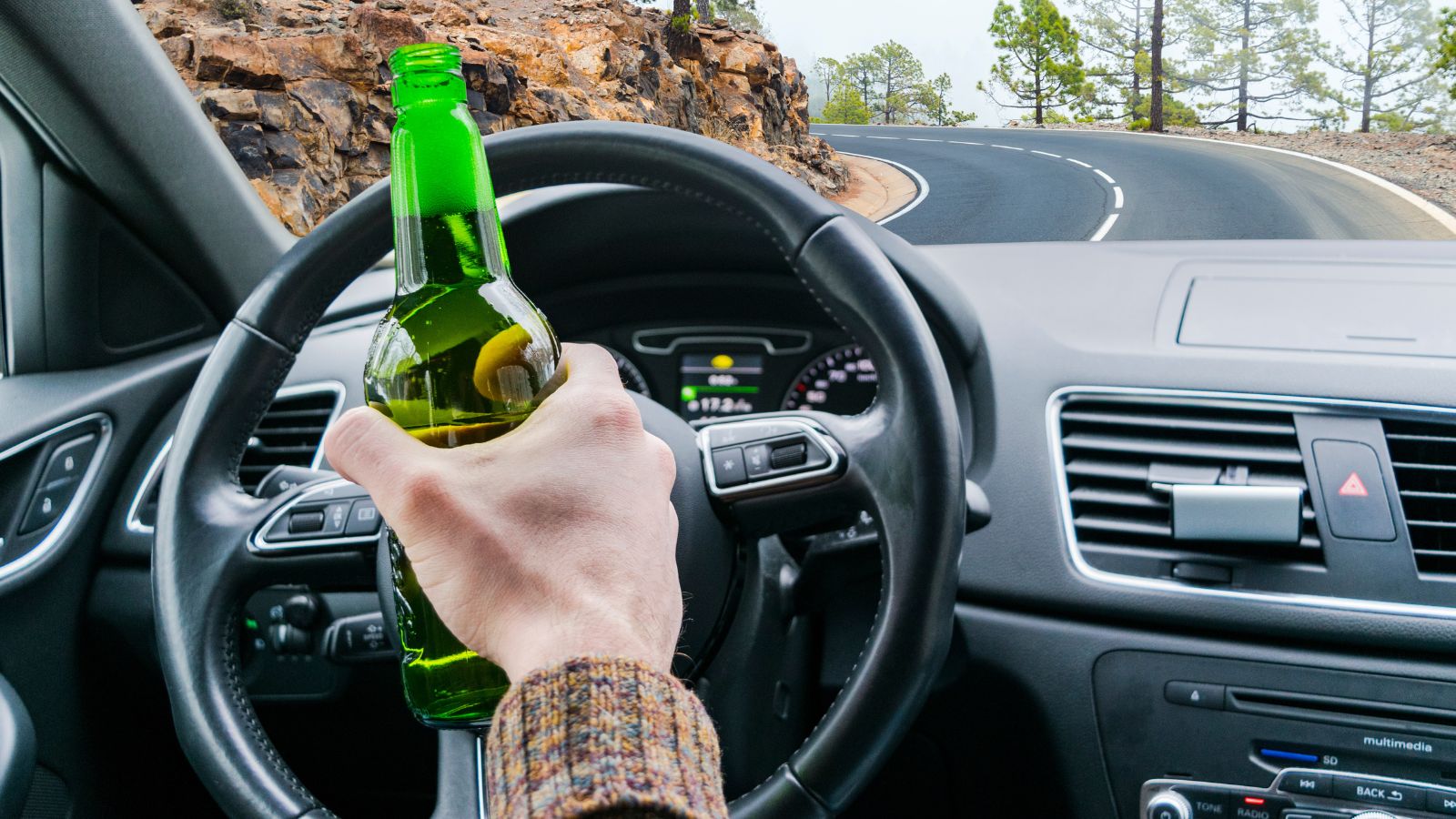
Drunk-driving laws are strict in the United States, and the standard legal limit is generally 0.08 blood alcohol concentration, with Utah using a lower 0.05 limit. Penalties vary by state and can include arrest, fines, licence consequences, vehicle issues, and insurance complications. Drug impairment can also lead to charges, even when alcohol is not involved.
For Canadian visitors, the safest rule is not to calculate drinks at all. A craft brewery lunch in Vermont, a winery stop in Washington, or a tailgate before a football game can create more risk than expected when the driver is unfamiliar with roads, signs, and local enforcement. A designated driver, rideshare, or overnight stay is cheaper and less damaging than facing a criminal process in another country.
Plan for Toll Roads, Cashless Billing, and Rental Fees
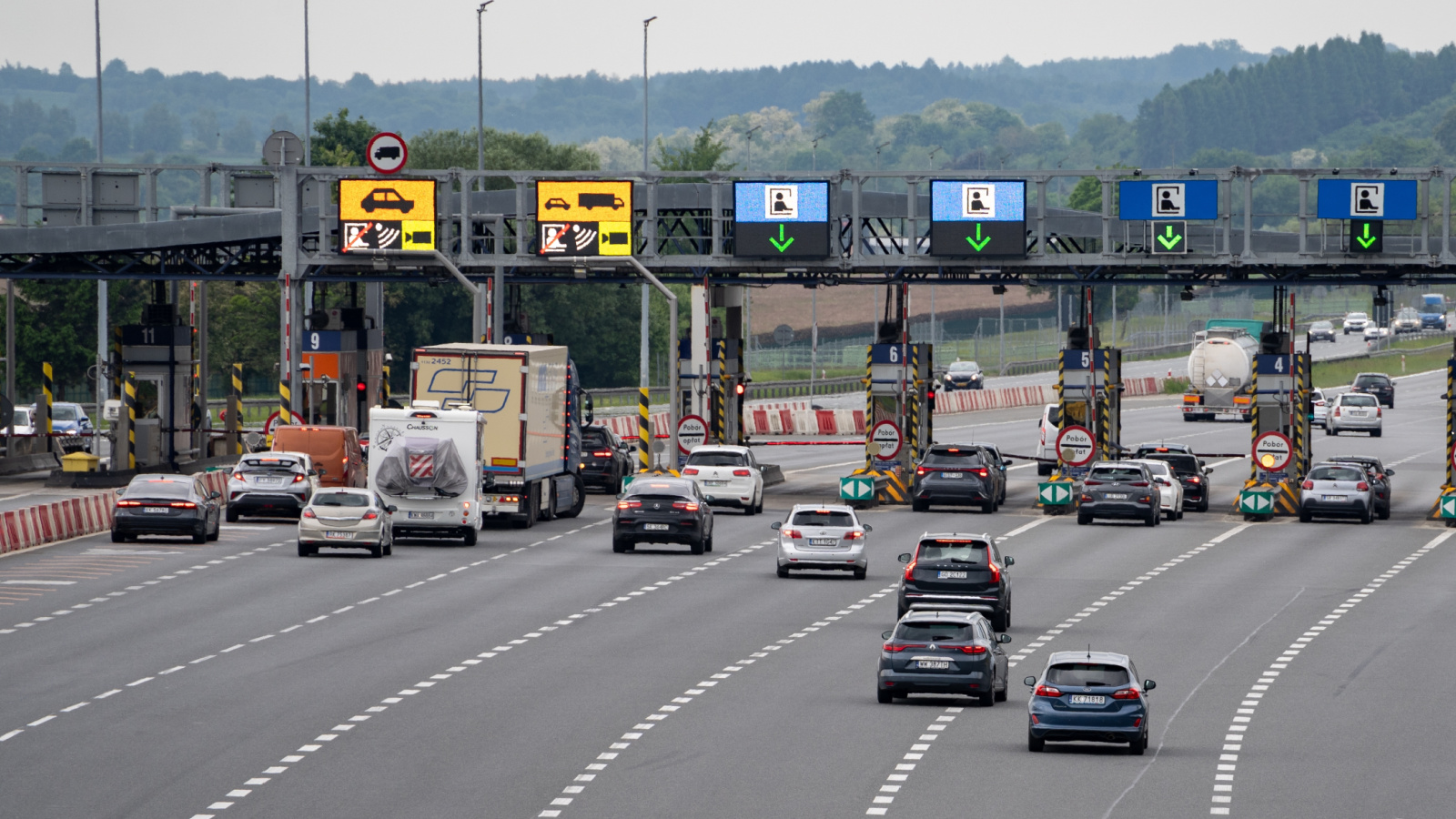
Many U.S. toll roads, bridges, and tunnels use electronic tolling, licence-plate billing, or regional transponders such as E-ZPass, SunPass, or FasTrak. These systems are not universally interchangeable, and rental-car companies may add administrative fees when tolls are billed through the rental agreement. A driver who expects a cash booth may find there is no booth at all.
This is particularly relevant near border states and major metro areas. A quick route around Chicago, New York, Boston, Seattle, or Florida can pass through several toll points without a single stop. Before leaving, drivers should check whether their route has tolls, whether a Canadian plate can be billed by mail, and whether a rental transponder should be activated. Toll planning is rarely exciting, but it prevents surprise charges weeks later.
Use Right Turns on Red Carefully
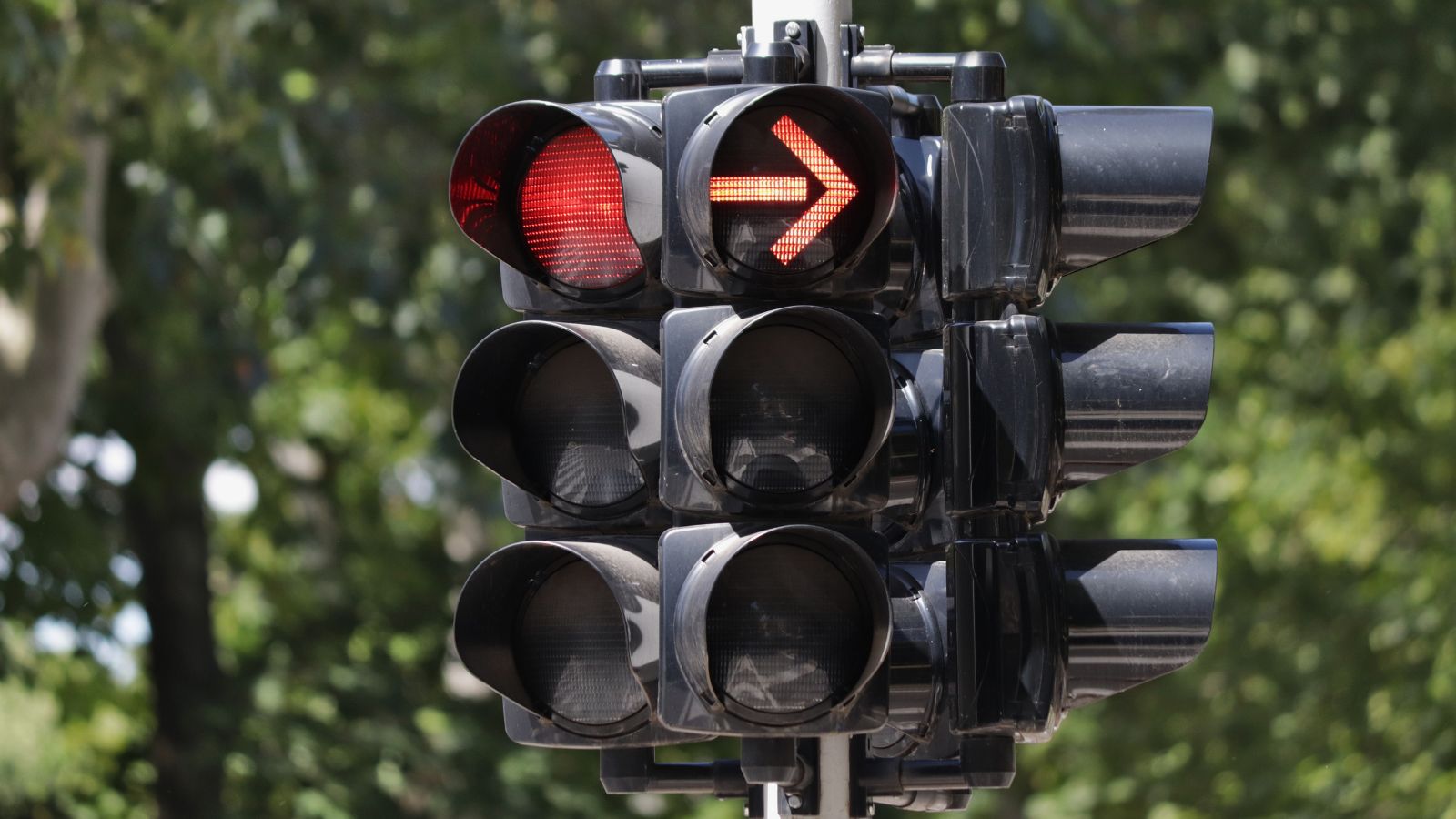
Right turns on red are common in many parts of the United States, but they are not automatic everywhere. Drivers must first come to a complete stop, yield to pedestrians and traffic, and obey signs that prohibit the turn. Local exceptions can appear at busy intersections, school zones, downtown cores, and intersections with heavy pedestrian activity.
This rule can feel familiar to many Canadians, but U.S. traffic flow can be faster and less forgiving in some areas. A driver pressured by a honking vehicle behind should still stop fully and check crosswalks. Pedestrians, cyclists, and scooters may approach from unexpected angles. The legal option to turn right on red is not a command to turn. It is permission only when the intersection is clear and the signs allow it.
22 Things Canadians Do to Their Cars in Spring That Mechanics Hate
Spring brings relief to many Canadian drivers after months of snow, freezing temperatures, and icy roads that put serious strain on vehicles. As temperatures rise across the country, drivers begin washing cars, switching tires, and preparing vehicles for warmer weather and upcoming road trips. However, mechanics across Canada notice the same mistakes every spring when drivers attempt to recover from winter damage. Road salt, potholes, and harsh winter driving conditions often leave vehicles with hidden problems that drivers ignore. Some spring habits even create new mechanical issues that could have been avoided with proper maintenance. Here are 22 things Canadians do to their cars in spring that mechanics hate.