
























AWD sounds like a smart upgrade in Canada. It promises better grip, safer winter driving, and more confidence on rough roads. Many buyers pay thousands extra, expecting real benefits. Yet, owners often notice little difference in daily use. Some systems only activate in limited conditions. Others add weight, fuel costs, and complexity without clear gains. Tires and driving habits matter more than many expect. That leaves some drivers questioning the value of AWD in certain cars. Here are 19 cars with AWD systems Canadians say aren’t worth paying extra for.
Toyota Corolla AWD
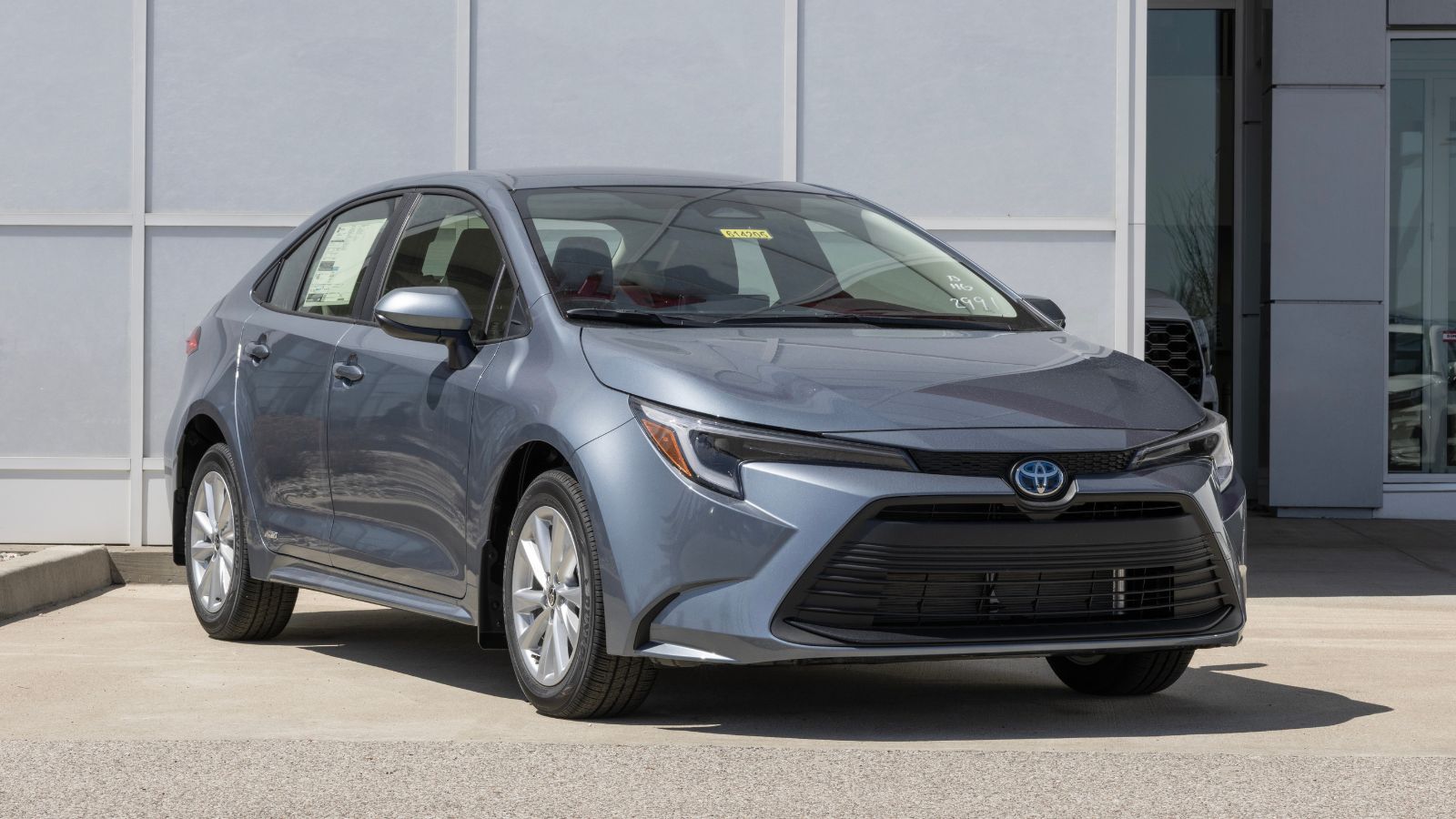
The Corolla’s AWD option looks appealing on paper. It promises extra grip for winter commuting. Yet, many owners report limited real benefit. The system mainly activates at low speeds. Highway driving feels unchanged compared to Front Wheel Drive. Fuel economy also drops slightly with AWD added. That matters for a car built around efficiency. Winter tires often make a bigger difference. Drivers in cities rarely notice AWD advantages. The added cost can feel hard to justify. For most commuters, the standard setup already handles typical conditions well.
Mazda3 AWD
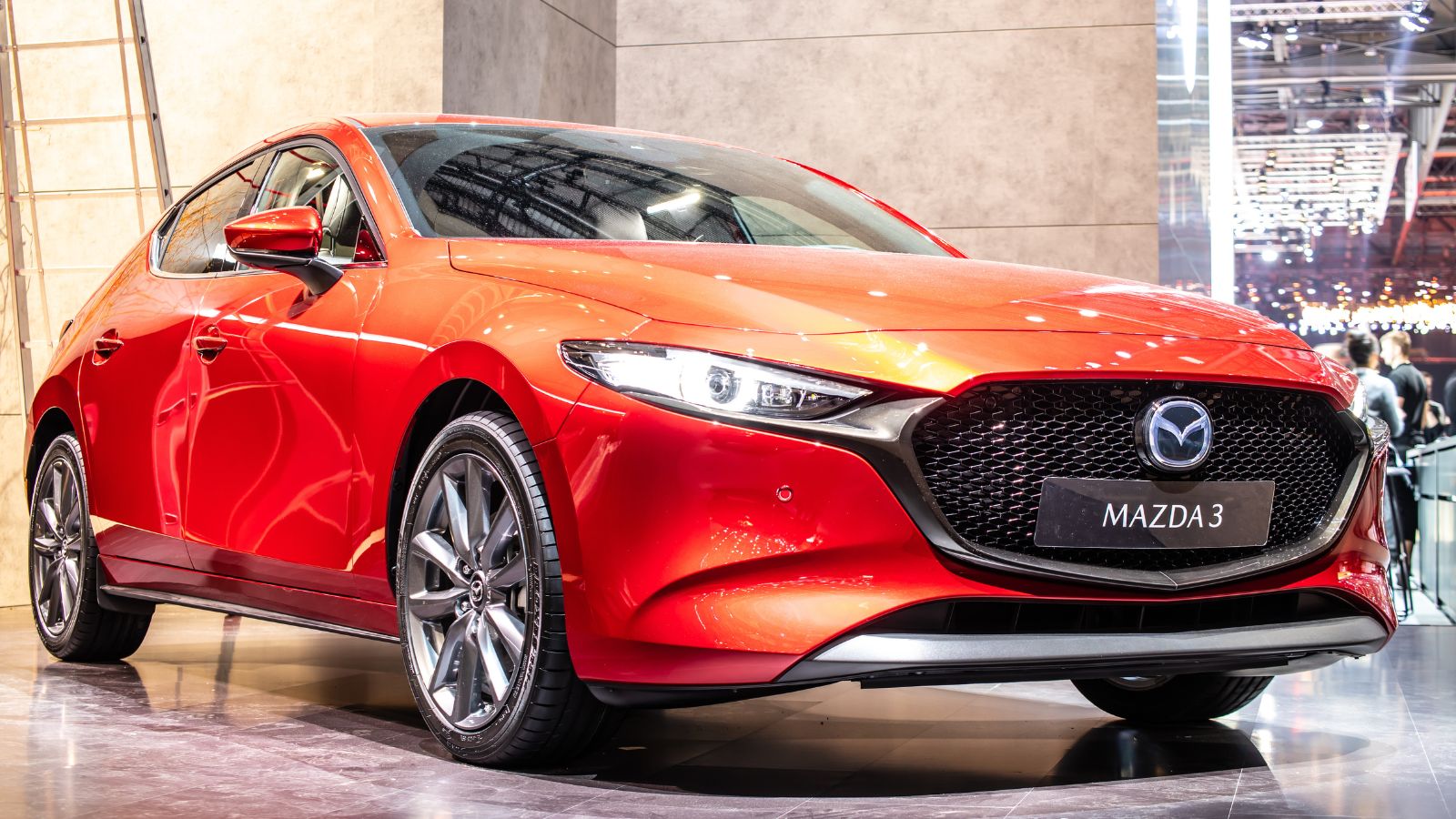
Mazda’s AWD system is smooth and quiet. It works well in light snow and rain. Still, many drivers say it feels unnecessary. The Mazda3 already has strong handling in Front Wheel Drive form. The AWD version adds weight and reduces fuel economy. Acceleration feels slightly slower, too. The system rarely engages in everyday driving. Urban drivers report little difference in traction. Winter tires again make a bigger impact. Buyers expecting a dramatic upgrade may feel underwhelmed. The extra cost often outweighs the subtle benefits.
Hyundai Elantra AWD
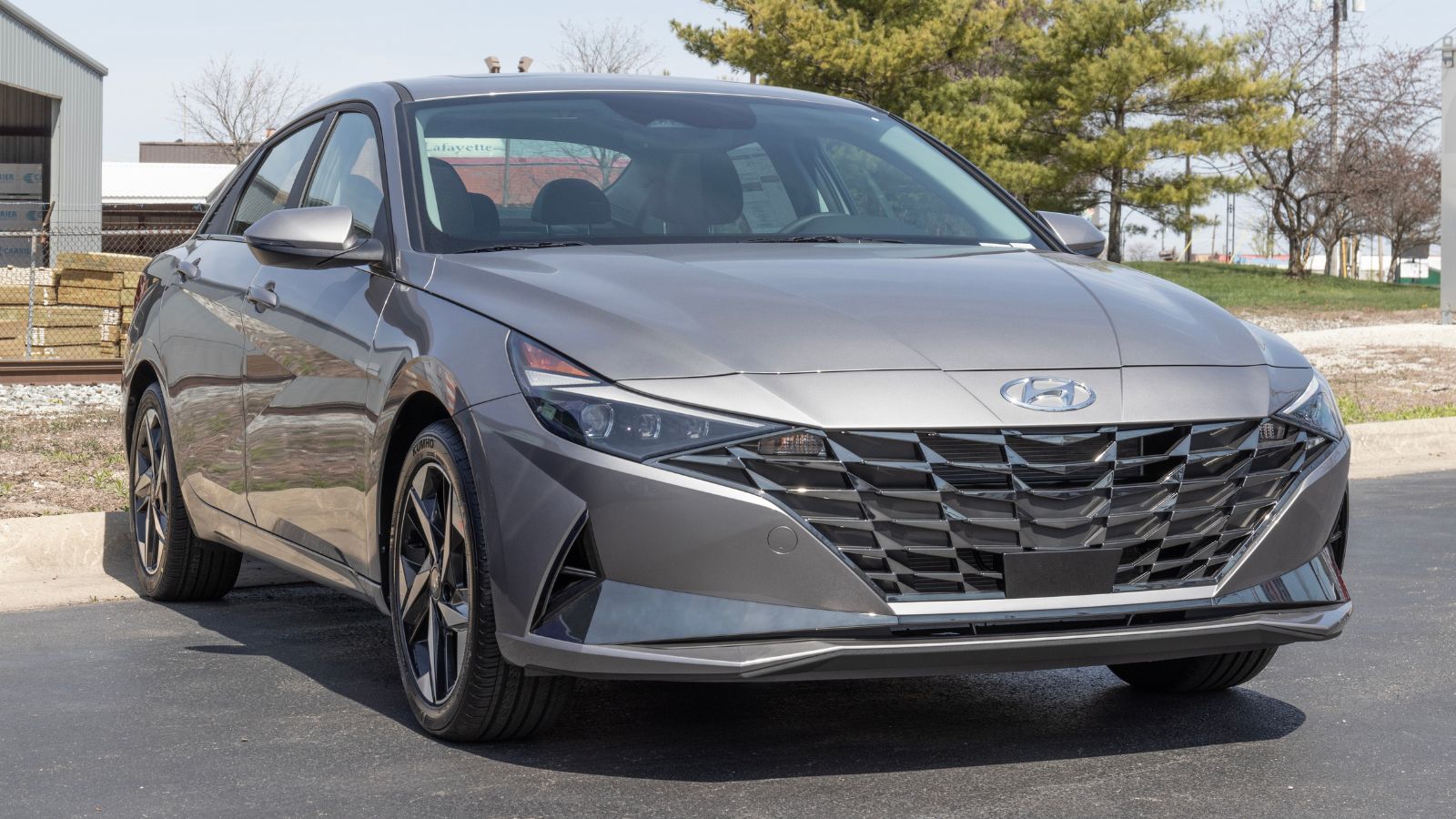
The Elantra offers AWD in select trims. It aims to attract buyers in colder regions. Owners often say it adds little value. The car’s low ground clearance limits its winter ability. AWD cannot fix that basic issue. The system mainly helps during starts on slippery roads. Beyond that, it stays mostly inactive. Fuel consumption increases slightly with AWD. That reduces one of the Elantra’s key strengths. Many drivers prefer saving money and buying better tires. The AWD option feels more like a marketing feature than a necessity.
Honda HR-V AWD

The HR-V is often sold as a practical crossover. AWD sounds like a natural fit here. However, owners report modest gains in traction. The system reacts slowly in some situations. It prioritizes fuel efficiency over performance. That limits its effectiveness in deep snow. The engine also struggles with added weight. Acceleration feels sluggish with AWD engaged. Drivers expecting SUV-like confidence may feel disappointed. The HR-V works best as a simple city vehicle. AWD does not transform it into a winter specialist.
Nissan Rogue AWD
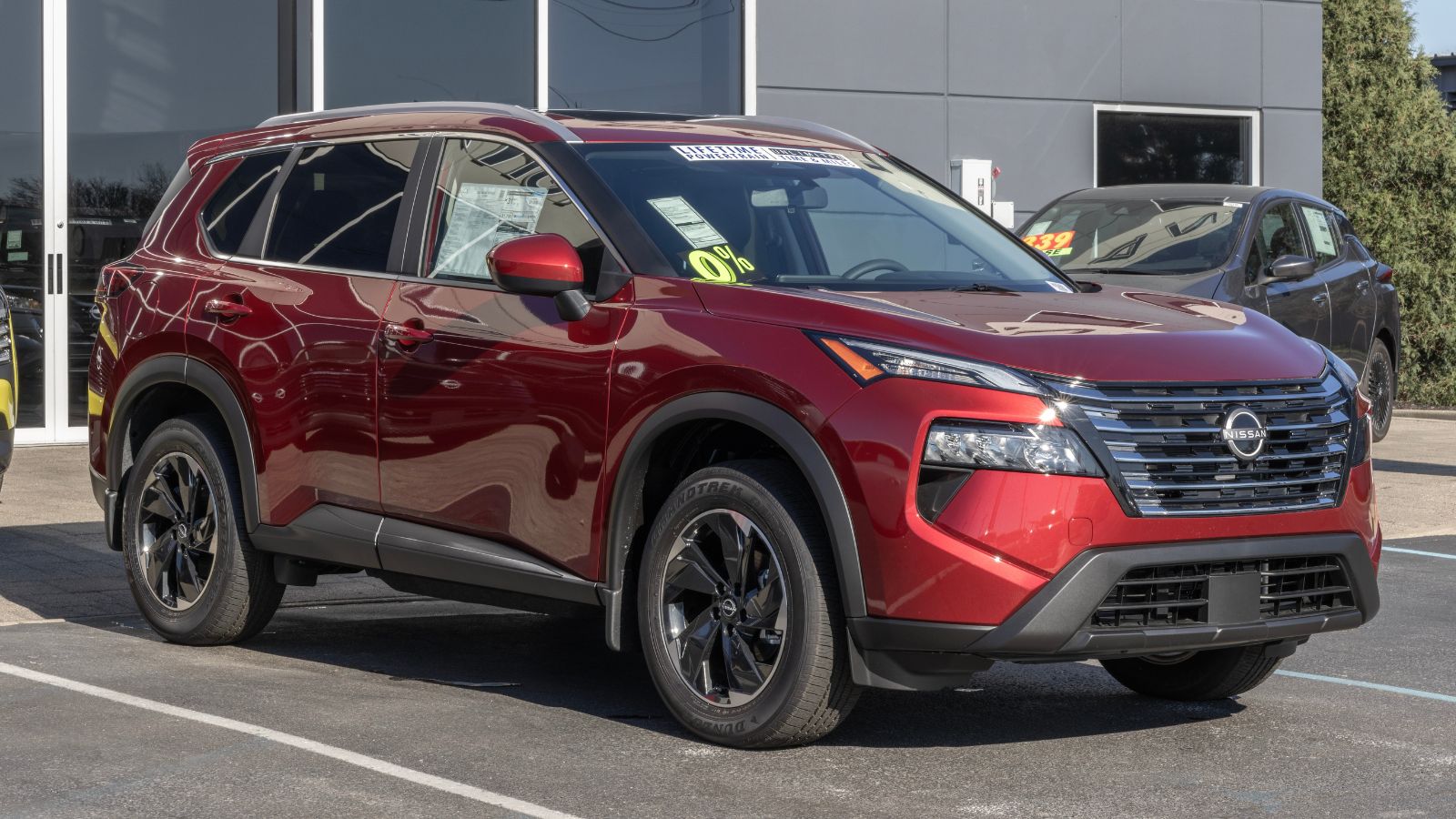
The Rogue offers AWD as a common upgrade. It promises stability in poor weather. Yet, feedback from owners is mixed. The system often engages late under slippery conditions. Some drivers report wheel spin before activation. That reduces confidence during sudden starts. Fuel economy also takes a noticeable hit. Maintenance costs can increase over time. For many, the benefits feel limited. The Rogue already performs well in mild conditions. AWD does not dramatically improve its capability. Buyers often question whether the upgrade is worth the extra cost.
Chevrolet Equinox AWD
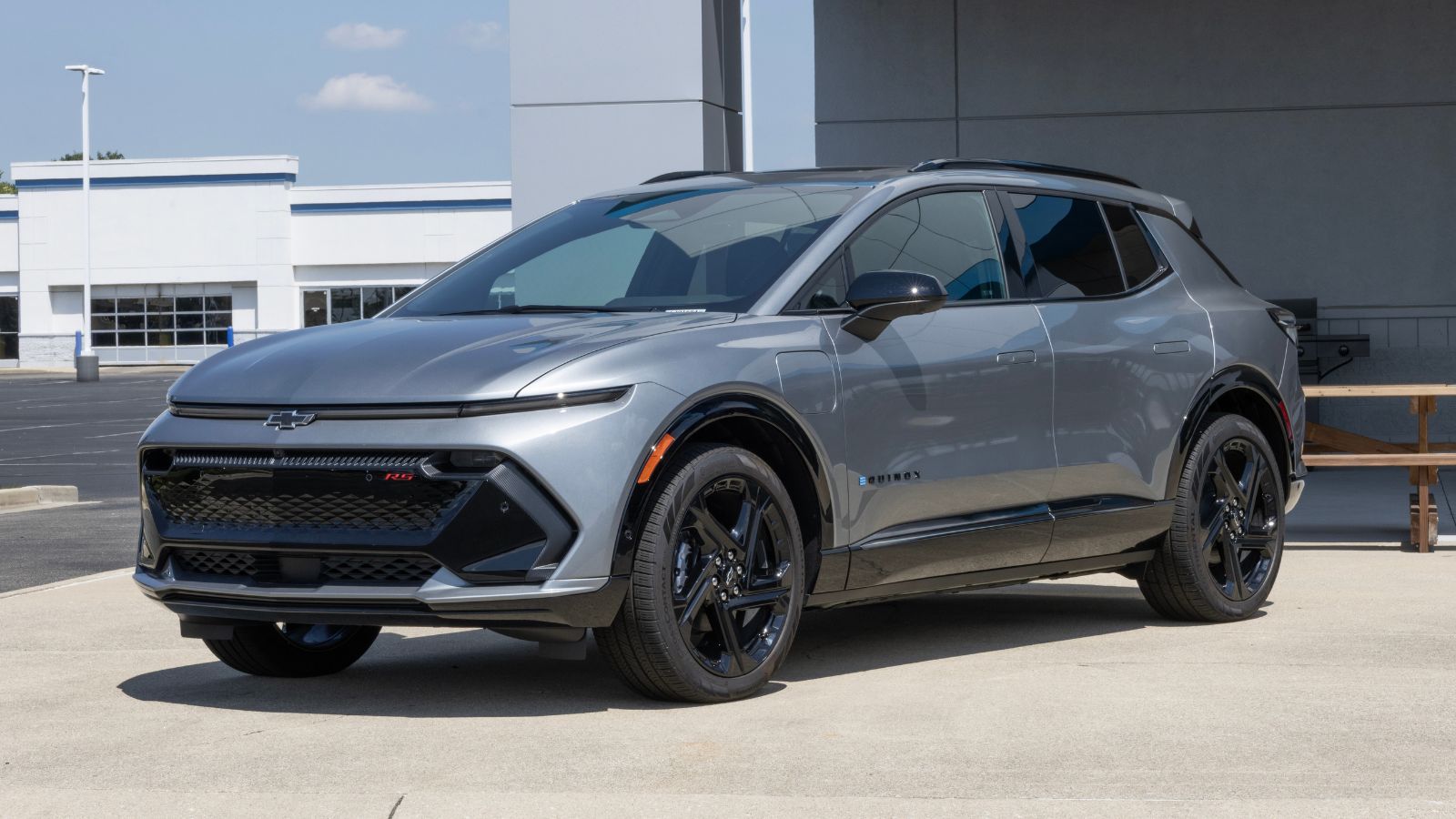
The Equinox AWD system focuses on efficiency. It disconnects the rear axle when not needed. This helps save fuel but limits performance. Drivers report minimal difference in normal driving. The system feels passive rather than proactive. It struggles in deeper snow conditions. Acceleration also feels slower with AWD. The added complexity brings potential repair costs later. Many owners suggest investing in winter tires instead. The AWD system works, but it rarely impresses. For daily commuting, Front Wheel Drive often feels sufficient.
Ford Escape AWD
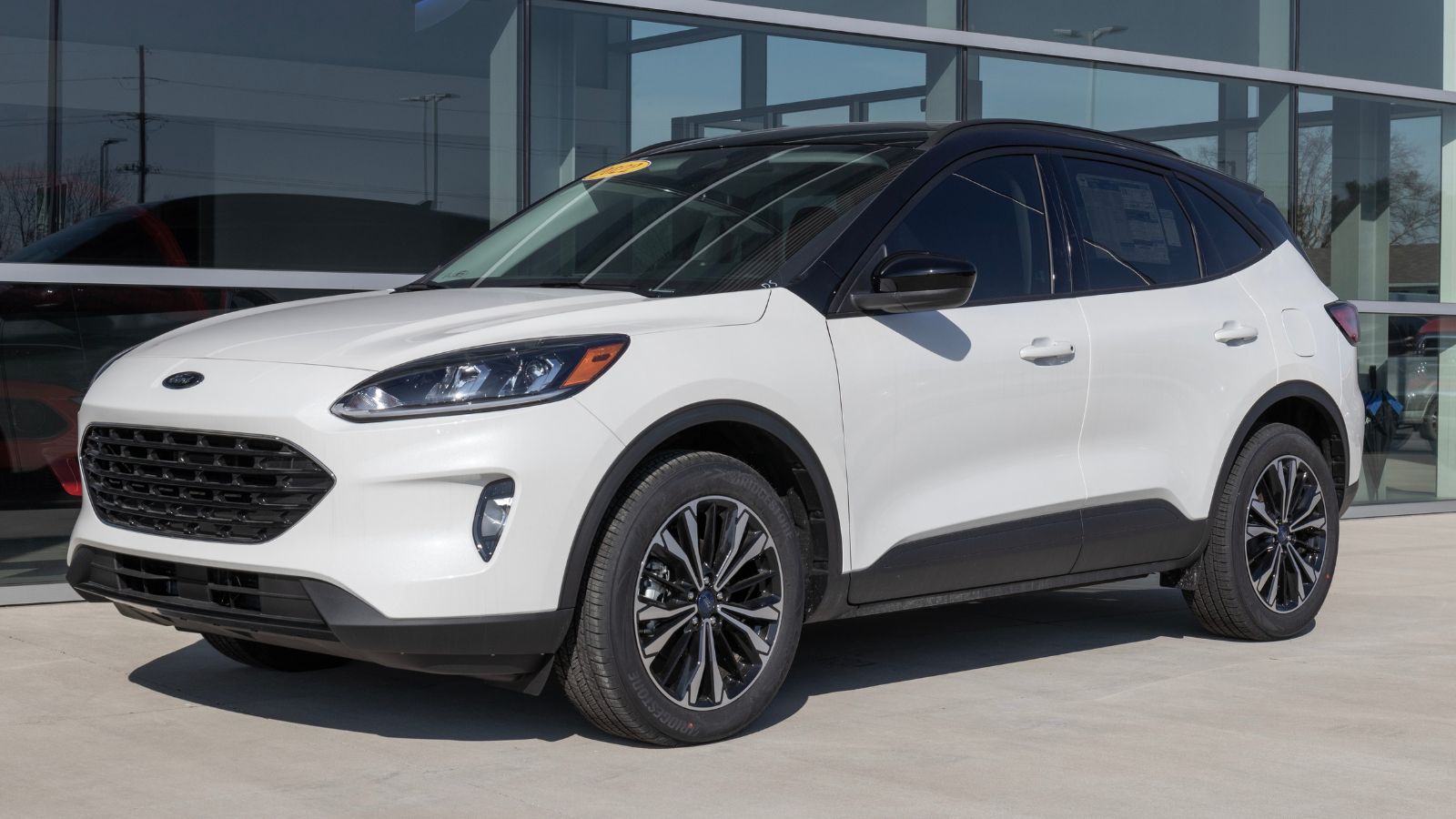
The Escape’s AWD system is widely available. It promises better control in slippery conditions. However, real-world benefits can feel limited. The system engages only when needed. That can lead to delayed responses. Some drivers notice hesitation on icy roads. Fuel efficiency drops slightly with AWD added. The Escape already handles well in Front Wheel Drive form. For many, AWD feels like an unnecessary expense. The difference becomes noticeable only in specific situations. Every day driving rarely highlights its advantages.
Volkswagen Taos AWD
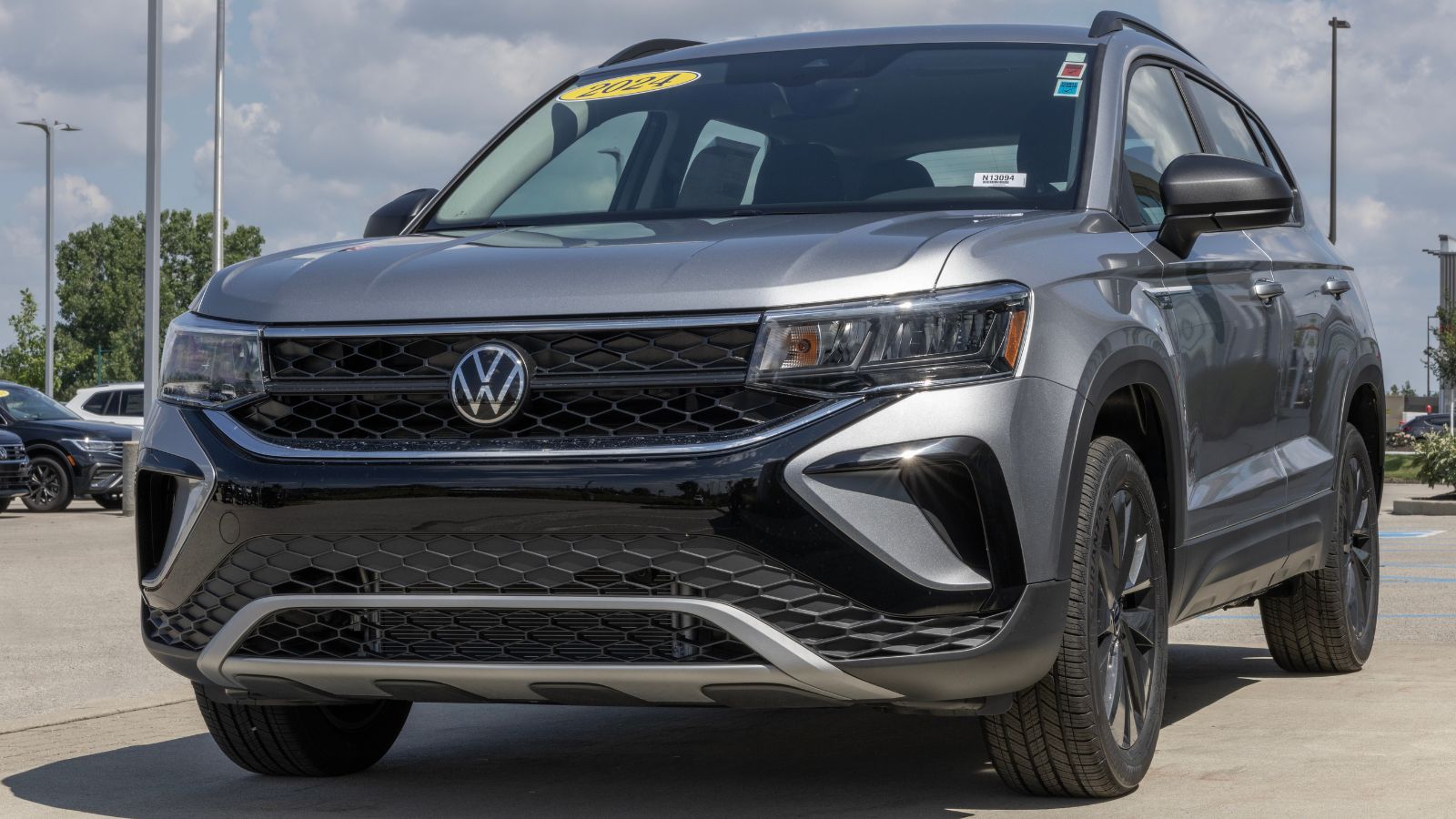
The Taos offers AWD for buyers seeking versatility. On paper, it looks like a strong upgrade. Owners often say the gains are subtle. The system works best at low speeds. Highway performance remains largely unchanged. Fuel consumption increases with AWD equipped. The engine also feels less responsive. In light snow, the difference is minimal. Drivers in urban areas see little benefit. The Taos remains a practical vehicle without AWD. Many feel the extra cost does not match the improvement.
Kia Seltos AWD
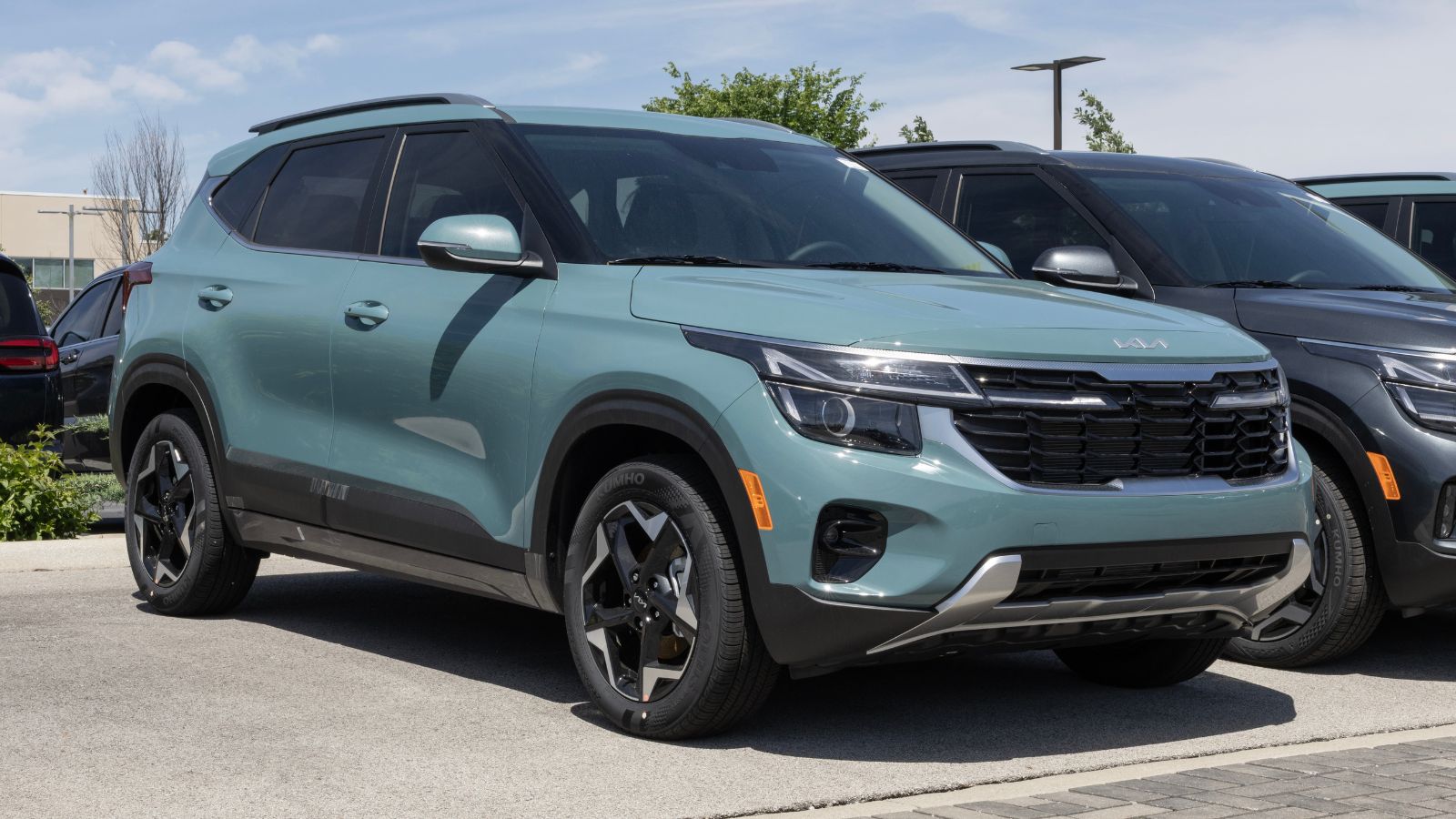
The Seltos markets AWD as a key feature. It appeals to buyers in colder climates. Still, owners often report mixed results. The system helps during initial traction moments. Beyond that, it offers limited advantages. The vehicle’s size restricts its off-road ability. AWD does not change that reality. Fuel economy suffers slightly with the upgrade. Maintenance costs may also increase over time. For daily city use, AWD feels unnecessary. Many drivers prefer saving money and upgrading tires instead.
Subaru Impreza AWD
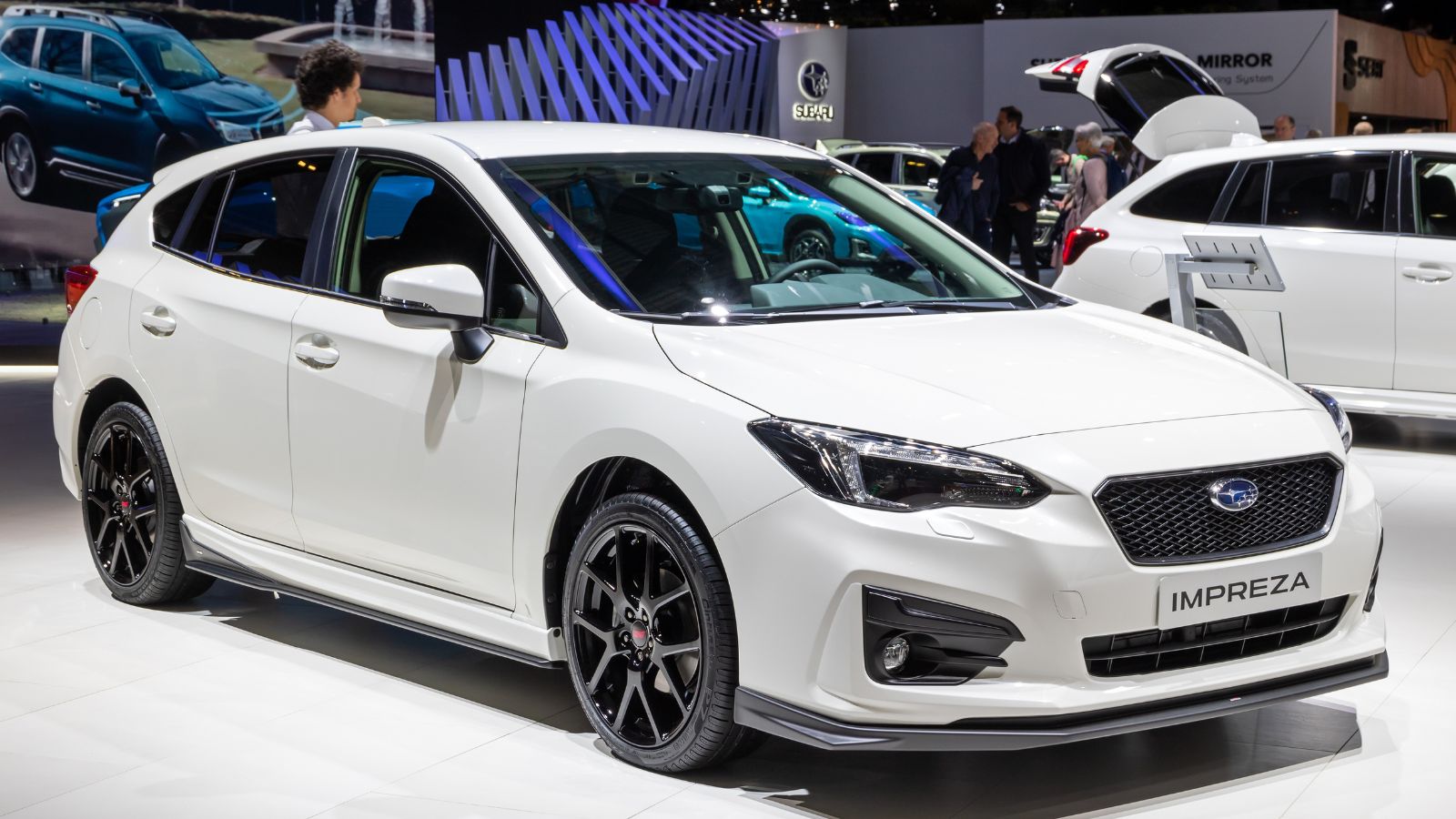
Subaru is known for standard AWD systems. The Impreza includes it in every model. Even so, some owners question its value. The system adds weight and affects fuel economy. In mild conditions, benefits are hard to notice. The car performs similarly to Front Wheel Drive rivals. Winter tires still play a larger role. Drivers in cities see minimal difference. The AWD system shines in harsher conditions. For average use, it can feel excessive. Some buyers would prefer a cheaper Front Wheel Drive option.
Jeep Compass AWD
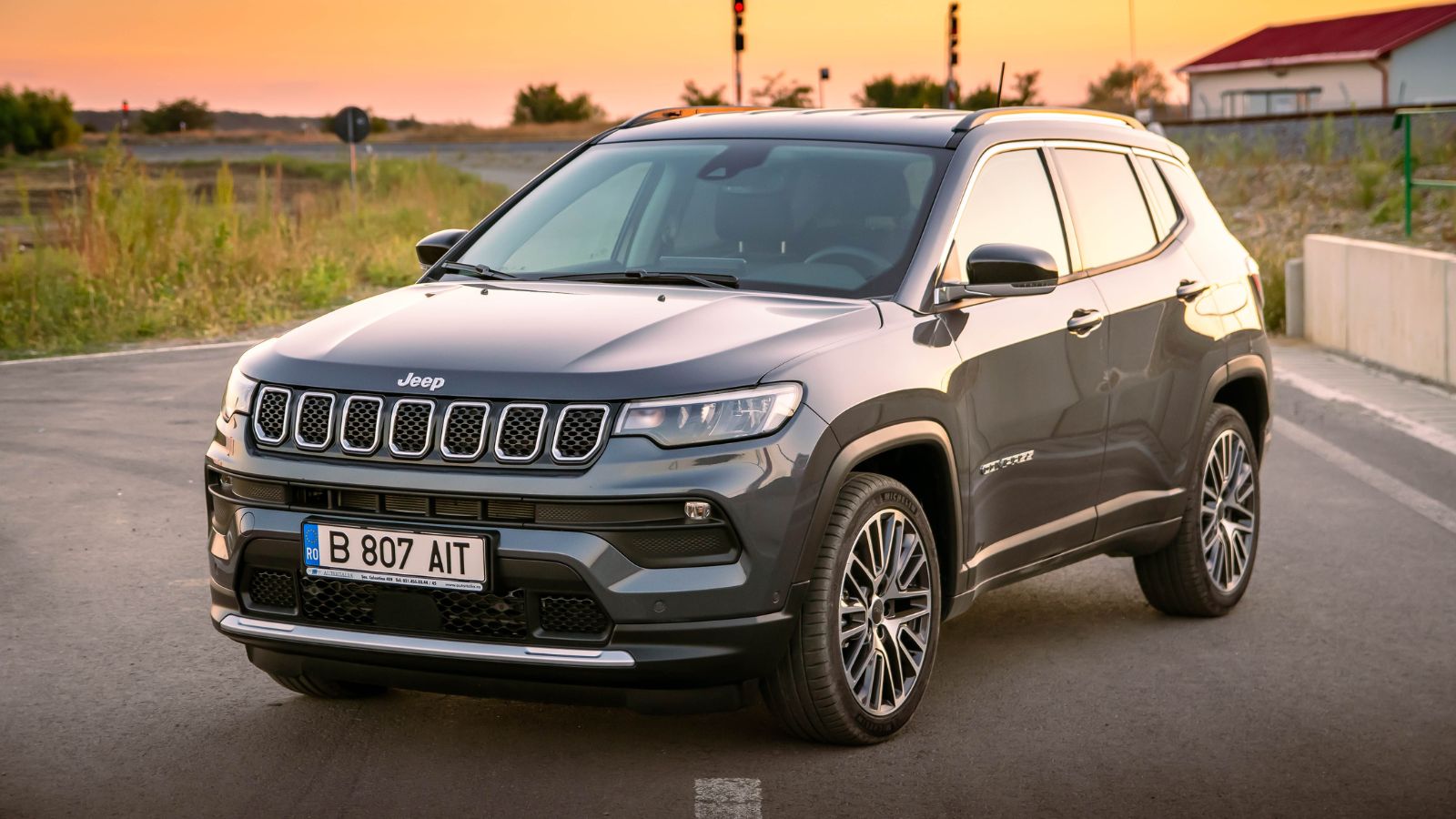
The Compass offers AWD for light off-road capability. It sounds appealing to adventurous drivers. In reality, many owners feel let down. The system lacks responsiveness in tricky conditions. Power delivery can feel uneven. Fuel consumption increases noticeably with AWD. The engine struggles with added weight. The Compass is not a true off-road vehicle. AWD does not change that limitation. For everyday driving, benefits remain modest. Buyers often expect more from the Jeep badge. The upgrade rarely meets those expectations.
Toyota RAV4 AWD
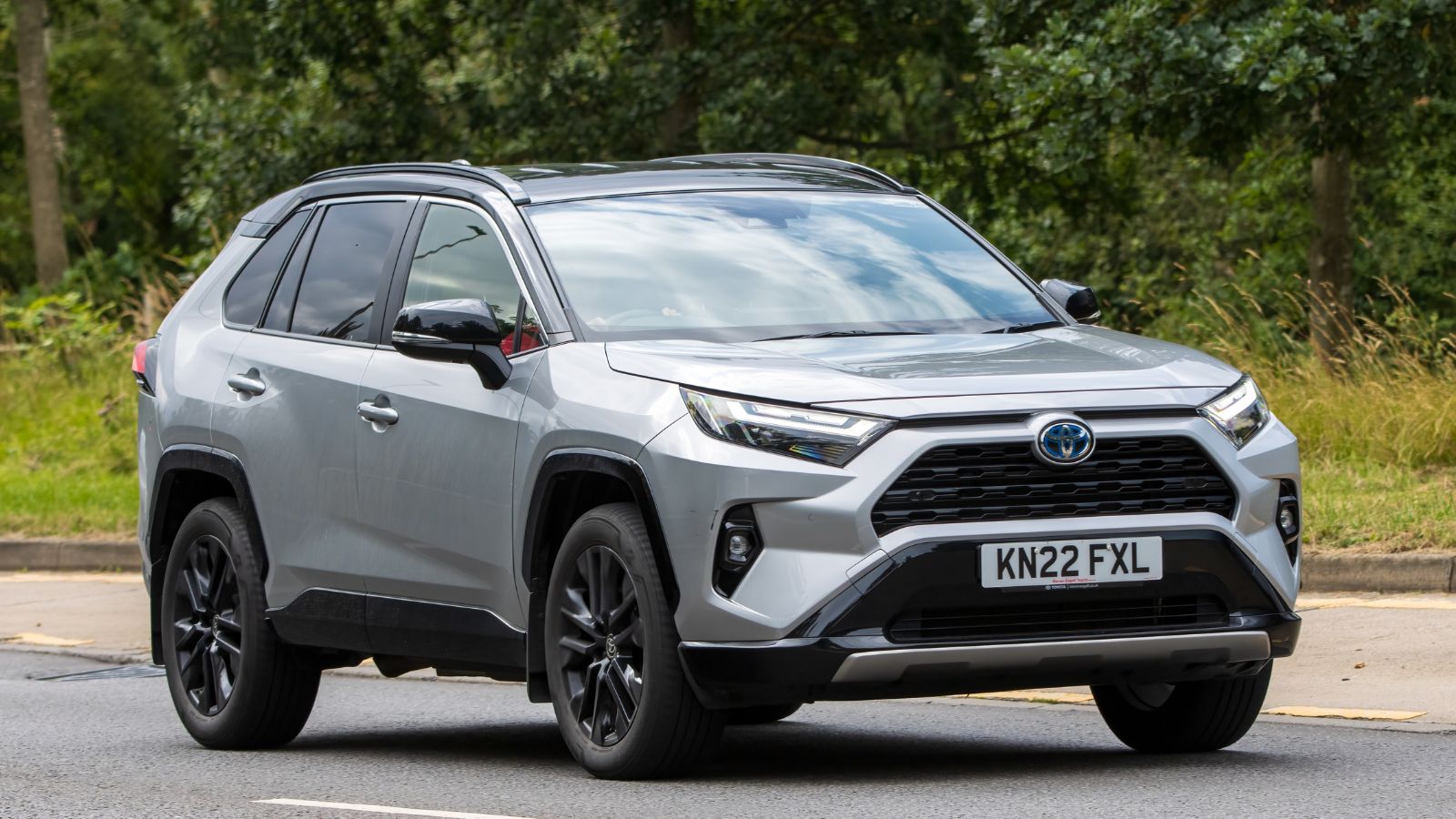
The RAV4 is one of Canada’s most common SUVs. AWD feels like a logical upgrade for winter driving. Many owners say the difference is smaller than expected. The system activates only when traction drops. Most daily driving happens without it engaged. Fuel economy also dips once AWD is added. The RAV4 already feels stable in Front Wheel Drive form. For city streets, the benefit stays subtle. Drivers often notice better results from winter tires. The added cost can feel unnecessary for typical commuting needs.
Honda CR-V AWD
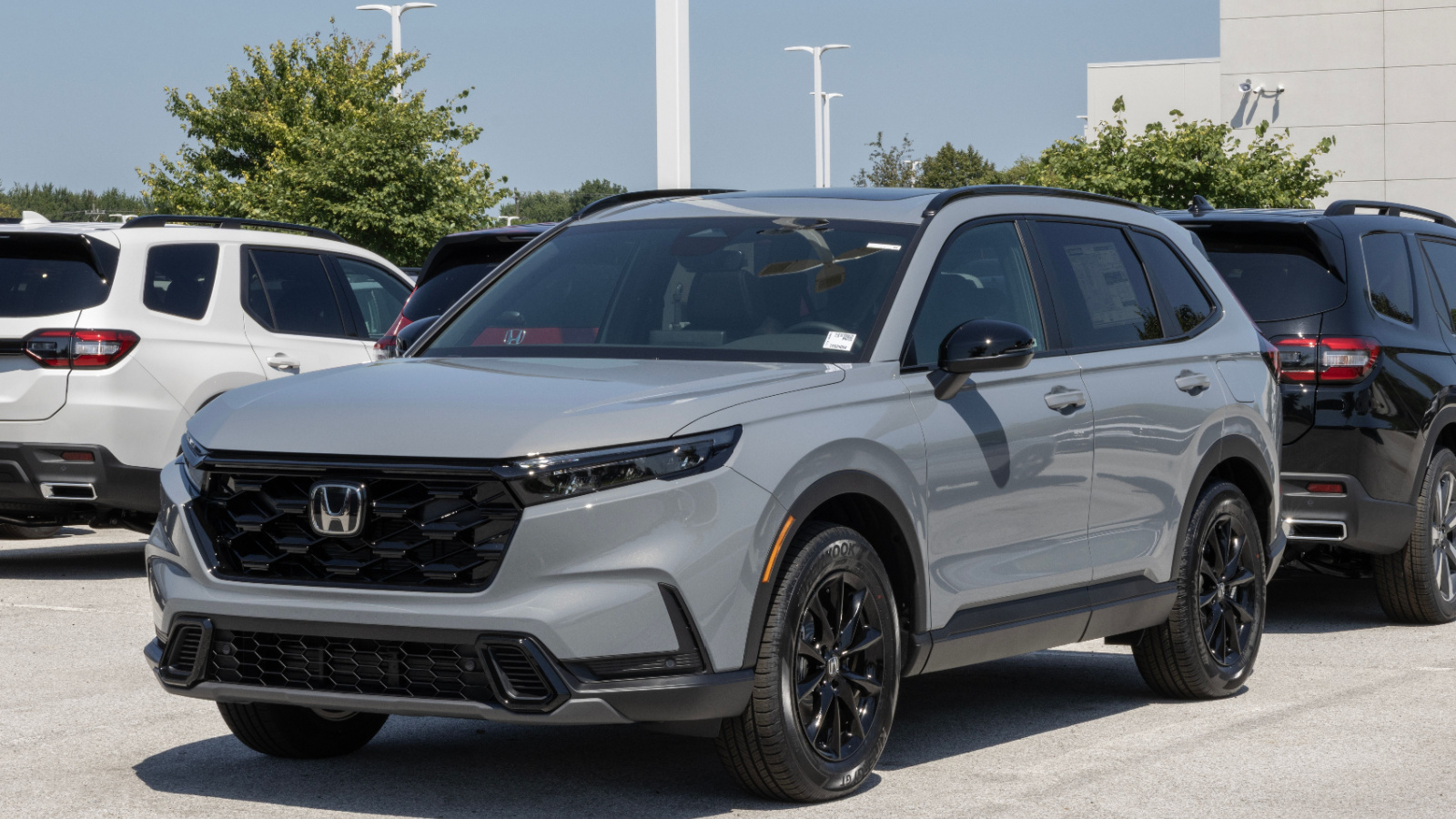
The CR-V is known for comfort and reliability. Its AWD system focuses on light assistance during slippery starts. Beyond that moment, it rarely plays a role. Owners often say they barely notice it working. Fuel efficiency drops slightly with AWD installed. The added weight also affects responsiveness. In most urban conditions, Front Wheel Drive feels adequate. Winter tires still deliver more noticeable traction gains. The AWD option can feel like extra spending. Many drivers find the base setup meets their everyday needs comfortably.
Hyundai Tucson AWD
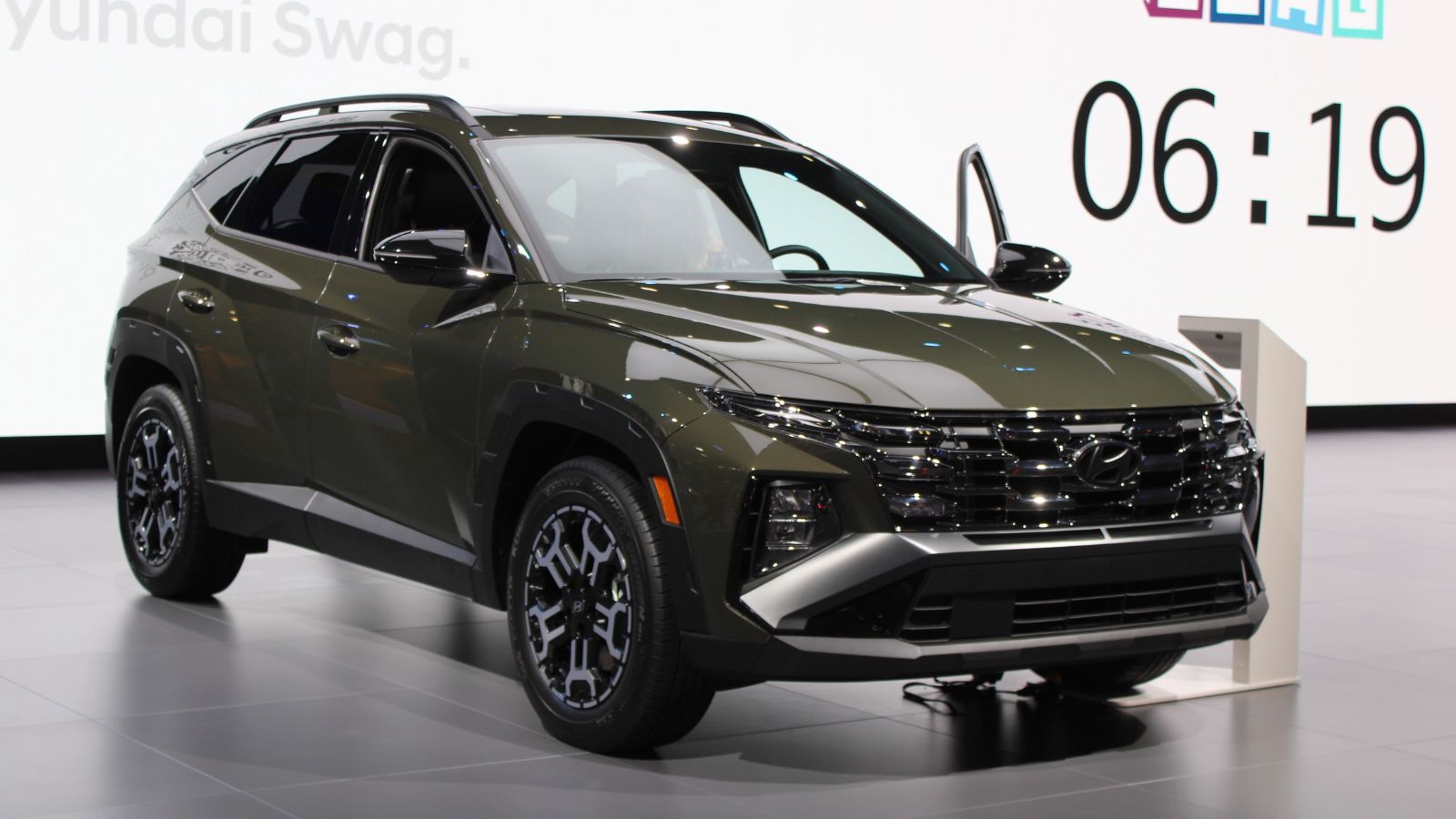
The Tucson offers AWD across several trims. It promises better control in rain and snow. Owners often describe the improvement as modest. The system works mainly during initial traction loss. It does not stay active for long. Fuel economy decreases slightly with AWD-equipped vehicles. Acceleration can feel a bit heavier, too. The Tucson prioritizes comfort over performance. AWD does not change that focus much. In cities, drivers rarely feel a strong benefit. Many buyers feel the upgrade is not essential.
Nissan Qashqai AWD
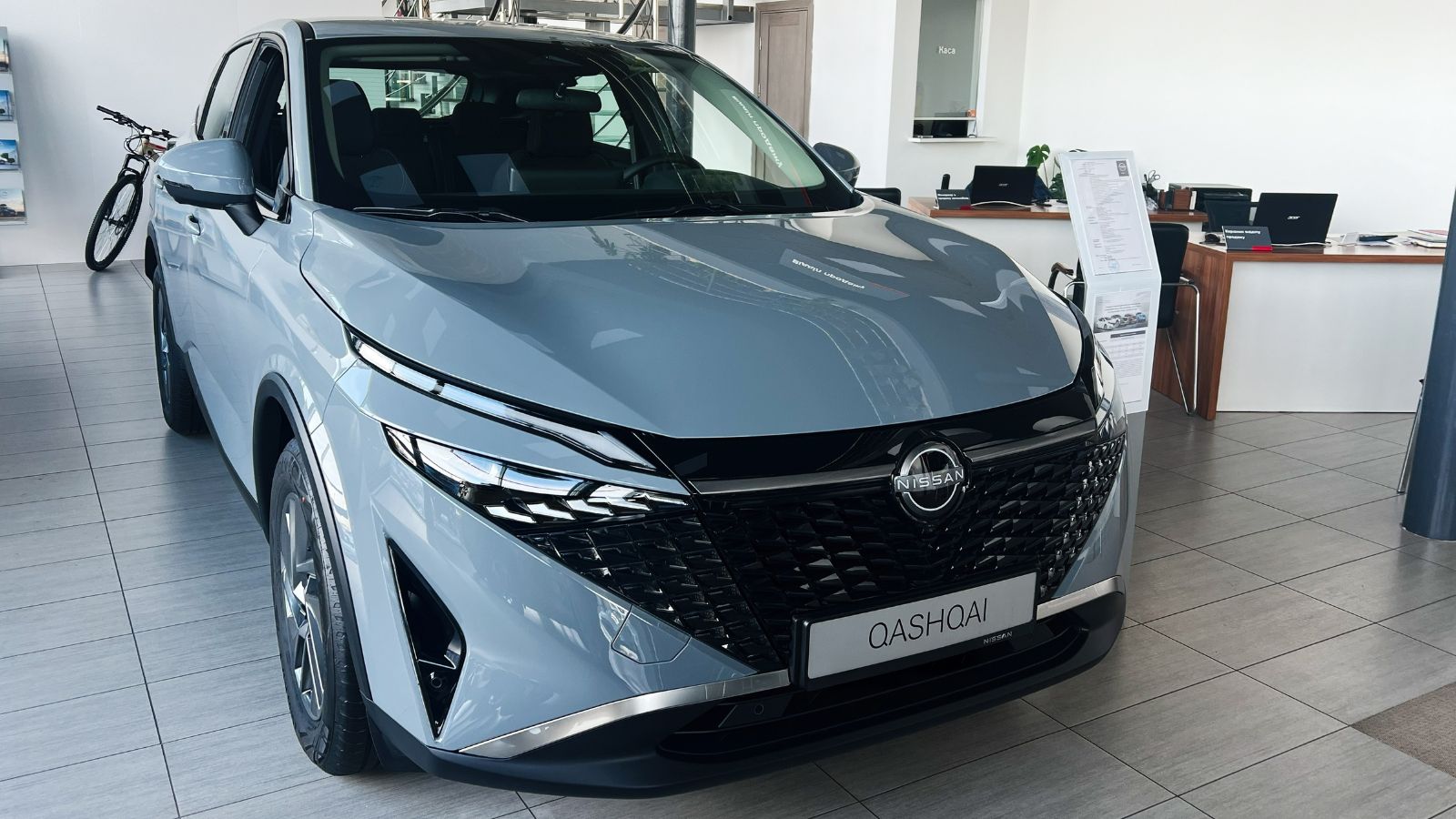
The Qashqai aims to offer flexibility for Canadian drivers. AWD sounds like a useful addition for the winter months. Many owners say the gains are limited. The system engages only when needed. It stays inactive during most daily drives. Fuel consumption rises slightly with AWD installed. The vehicle’s lower height limits its winter capability. AWD cannot solve that limitation. Drivers often depend on tires instead. The upgrade feels situational rather than necessary. For city use, Front Wheel Drive remains a practical choice.
Ford EcoSport AWD
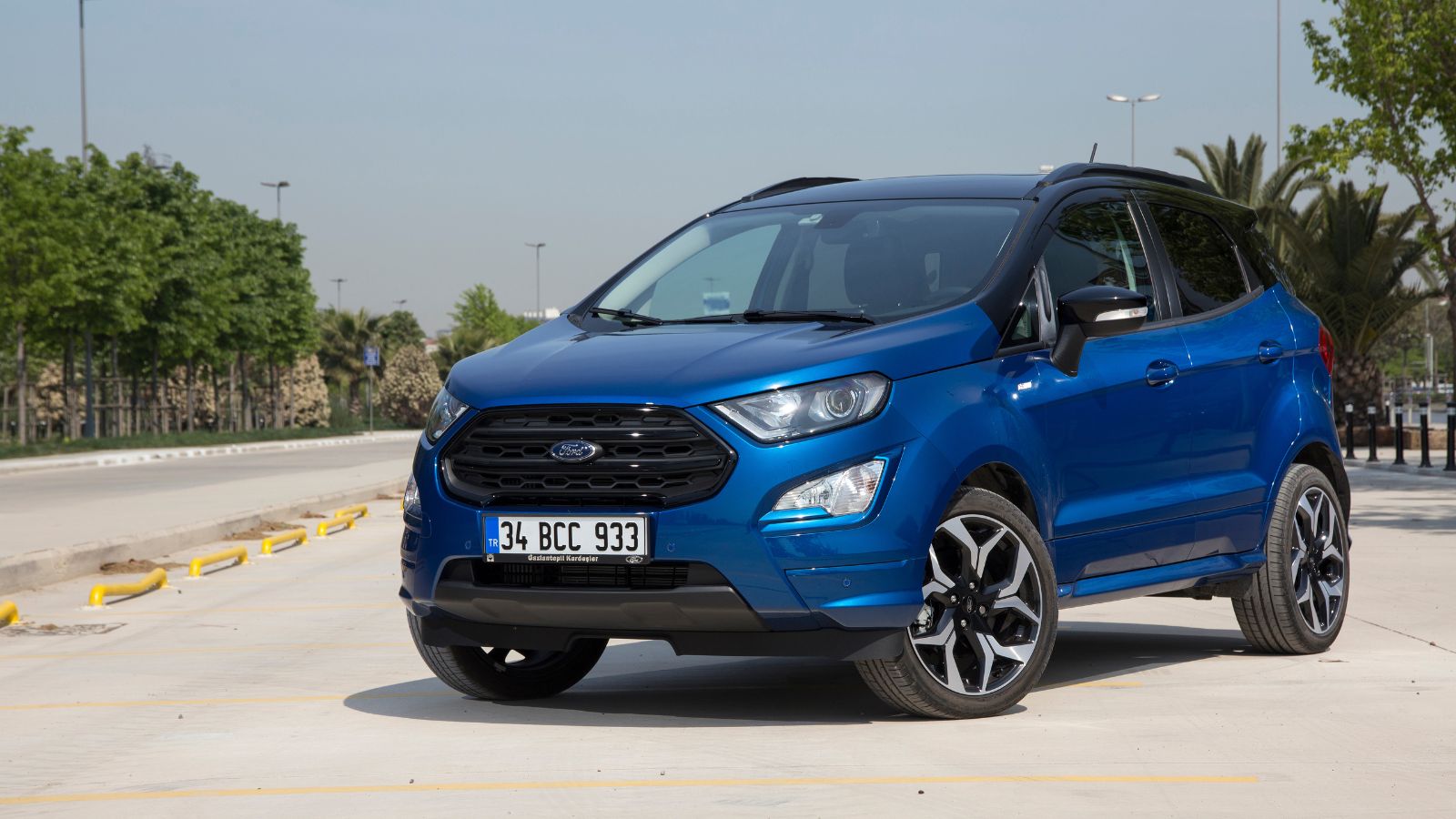
The EcoSport positions itself as a budget-friendly SUV. AWD sounds appealing for added confidence. Owners often feel the system underdelivers. It reacts slowly in slippery conditions. The engine struggles with the added weight. Fuel economy drops more noticeably than expected. The overall driving experience remains basic. AWD does not improve refinement or comfort. In city driving, the benefits feel minimal. Many drivers regret paying extra for it. The simpler Front Wheel Drive setup often feels like the better choice.
Chevrolet Trax AWD
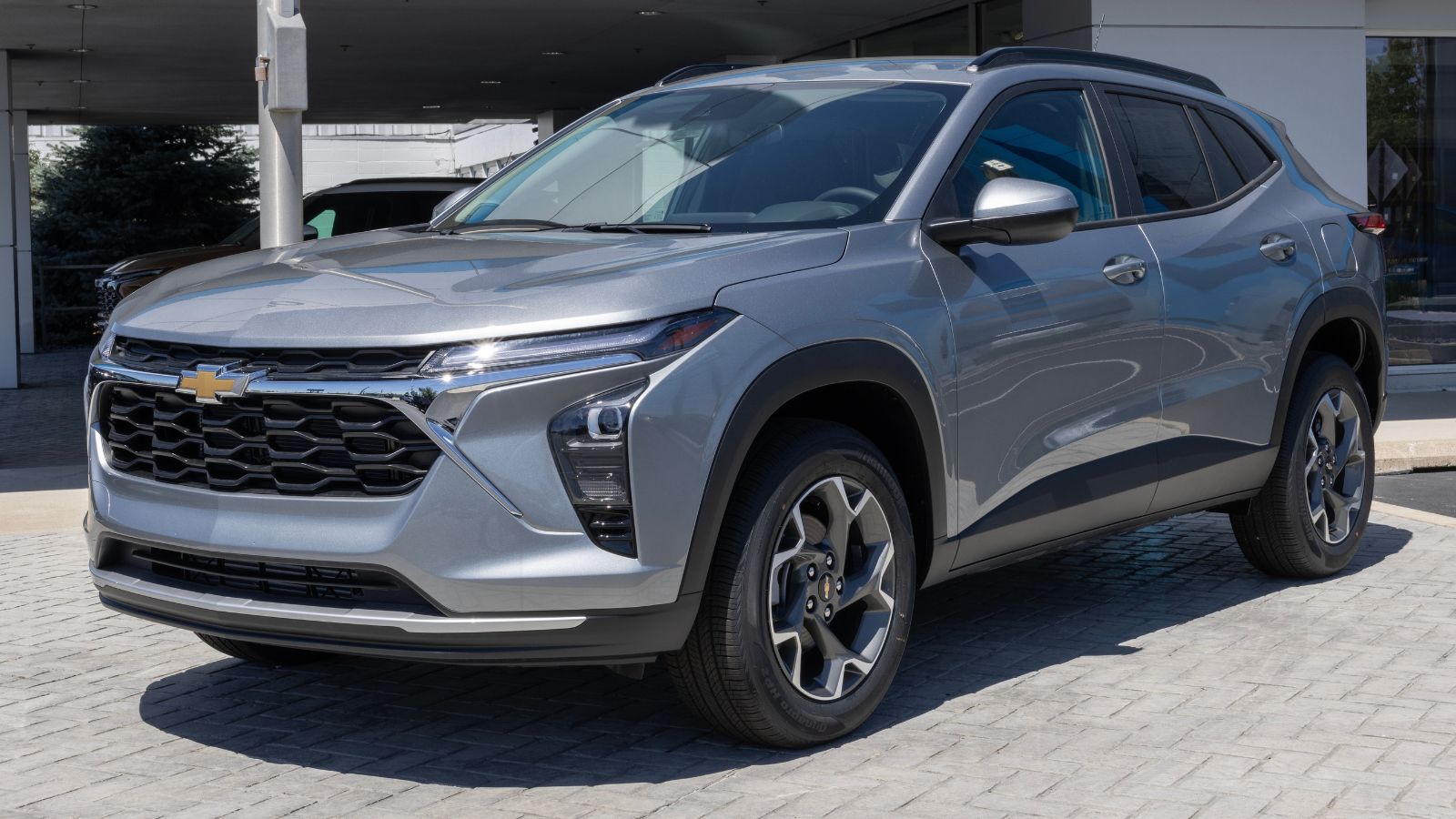
The Trax includes AWD to attract buyers in colder regions. On paper, it adds versatility. Owners often say it changes little in practice. The system activates only in specific situations. Most driving happens without its involvement. Fuel efficiency decreases slightly with AWD added. The Trax remains focused on urban use. AWD does not enhance that purpose much. Winter tires still offer more noticeable traction. Many drivers prefer saving money instead. The upgrade often feels unnecessary for everyday conditions.
Mitsubishi Eclipse Cross AWD
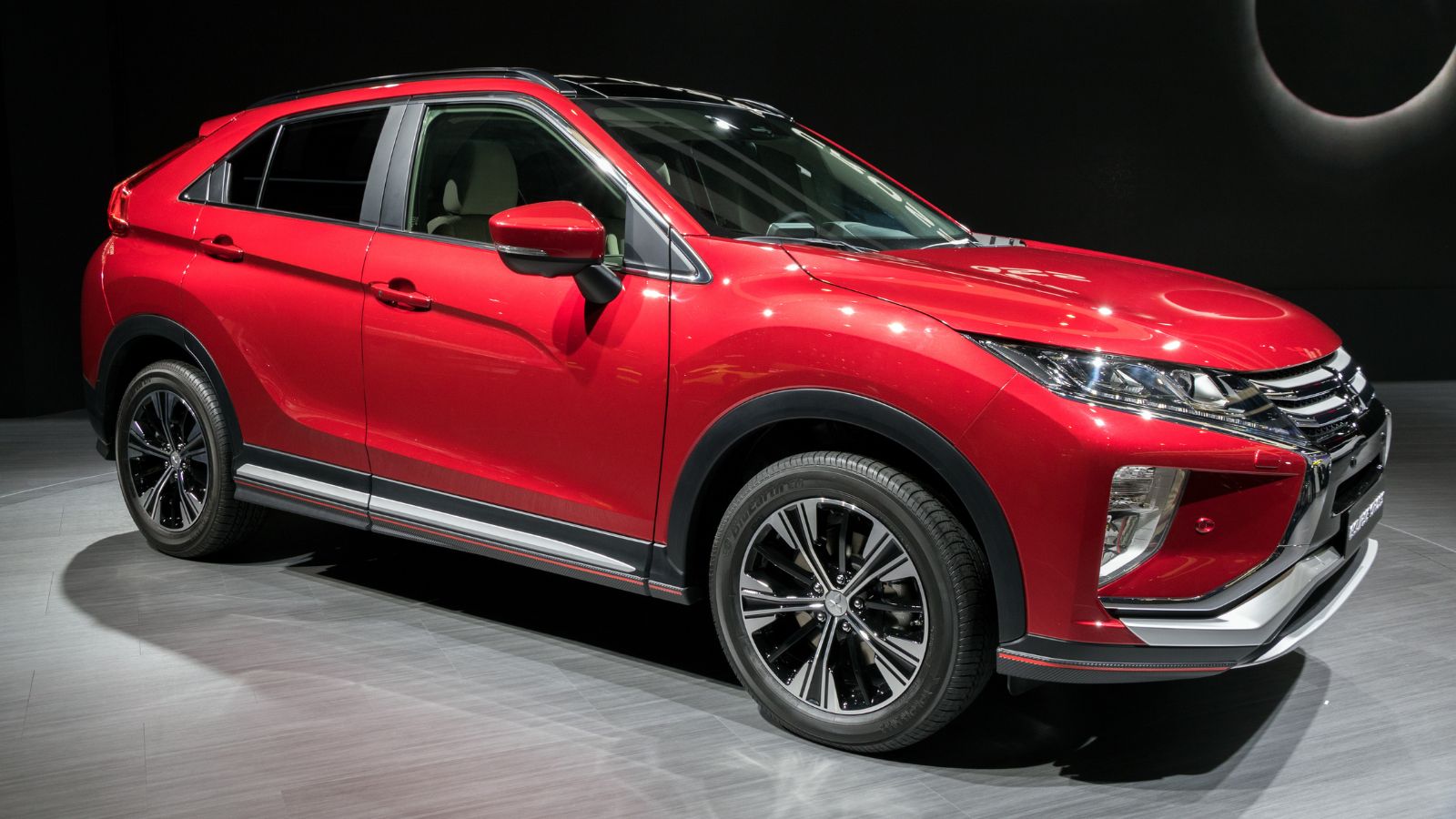
Mitsubishi promotes its AWD system as a key feature. It promises stability in rough conditions. Owners often describe its performance as average. The system helps during light traction loss. In deeper snow, it feels less effective. Fuel consumption increases once AWD is added. The engine also feels less responsive. Overall refinement stays unchanged. AWD does not improve the driving experience much. For daily use, benefits remain limited. Many buyers expect stronger performance for the extra cost.
Kia Sportage AWD
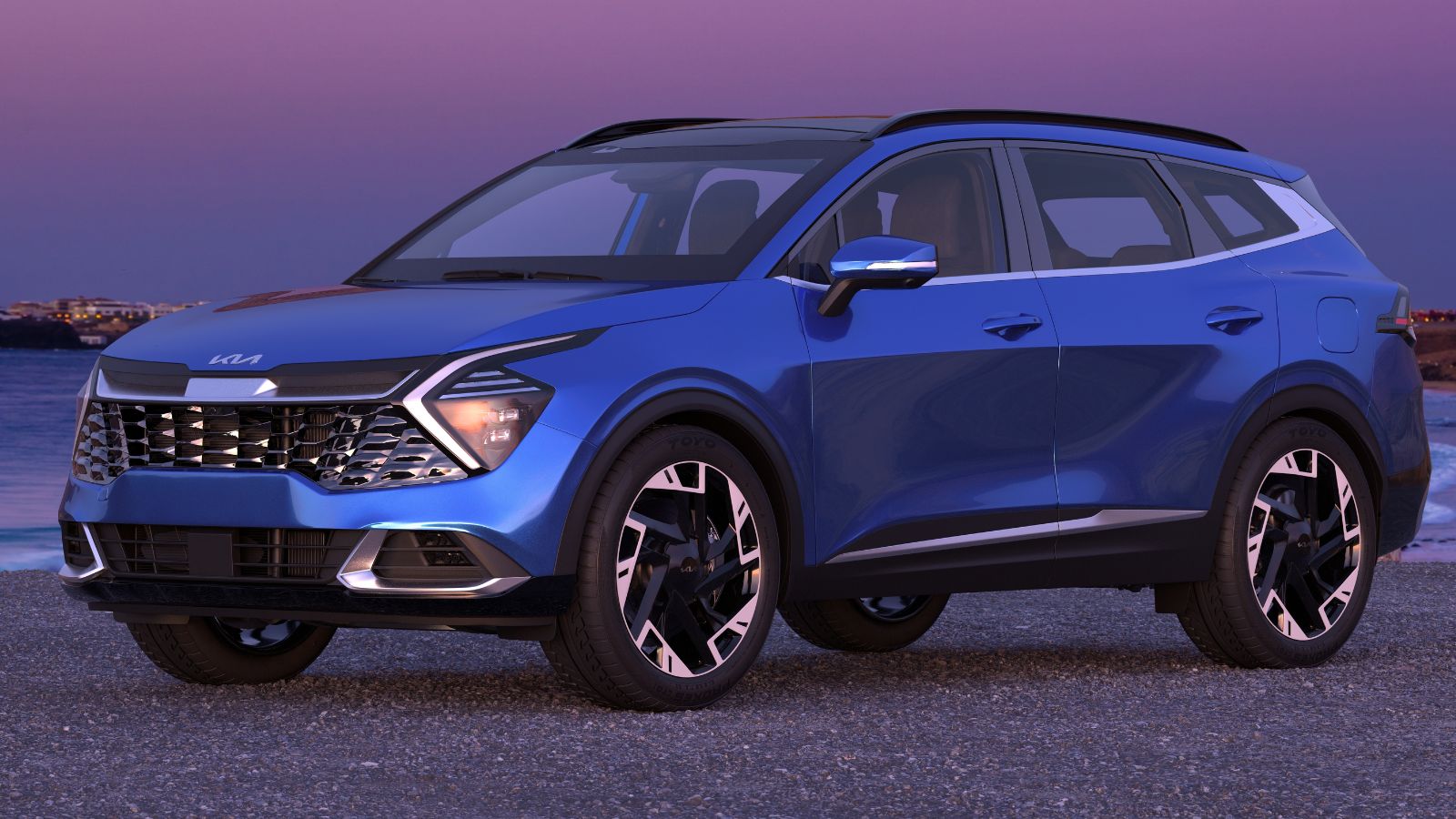
The Sportage offers AWD as a popular upgrade option. It aims to improve control in poor weather. Owners often report only small differences. The system works mainly during initial traction moments. It stays inactive most of the time. Fuel economy drops slightly with AWD equipped. The vehicle already feels stable in Front Wheel Drive. Winter tires deliver more noticeable improvements. In city driving, AWD rarely stands out. Many buyers question paying extra for a feature they barely notice.
22 Things Canadians Do to Their Cars in Spring That Mechanics Hate

Spring brings relief to many Canadian drivers after months of snow, freezing temperatures, and icy roads that put serious strain on vehicles. As temperatures rise across the country, drivers begin washing cars, switching tires, and preparing vehicles for warmer weather and upcoming road trips. However, mechanics across Canada notice the same mistakes every spring when drivers attempt to recover from winter damage. Road salt, potholes, and harsh winter driving conditions often leave vehicles with hidden problems that drivers ignore. Some spring habits even create new mechanical issues that could have been avoided with proper maintenance. Here are 22 things Canadians do to their cars in spring that mechanics hate.