

























Canadian vehicle shoppers are no longer judging vulnerability by sticker price alone. Higher borrowing costs, shifting EV incentives, insurance pressure, theft exposure, recall awareness, fuel costs, and resale uncertainty are all changing the way certain models look in the market. A vehicle can still be popular, capable, or well-reviewed while becoming harder to justify when the ownership math turns less forgiving.
Here are 17 vehicles that are looking more vulnerable than ever in Canada, not because they are necessarily bad choices, but because the market around them has become less patient. For some, the risk is theft and insurance. For others, it is incentive volatility, heavy depreciation, softening demand, expensive trims, or growing competition from better-value alternatives.
Tesla Model Y
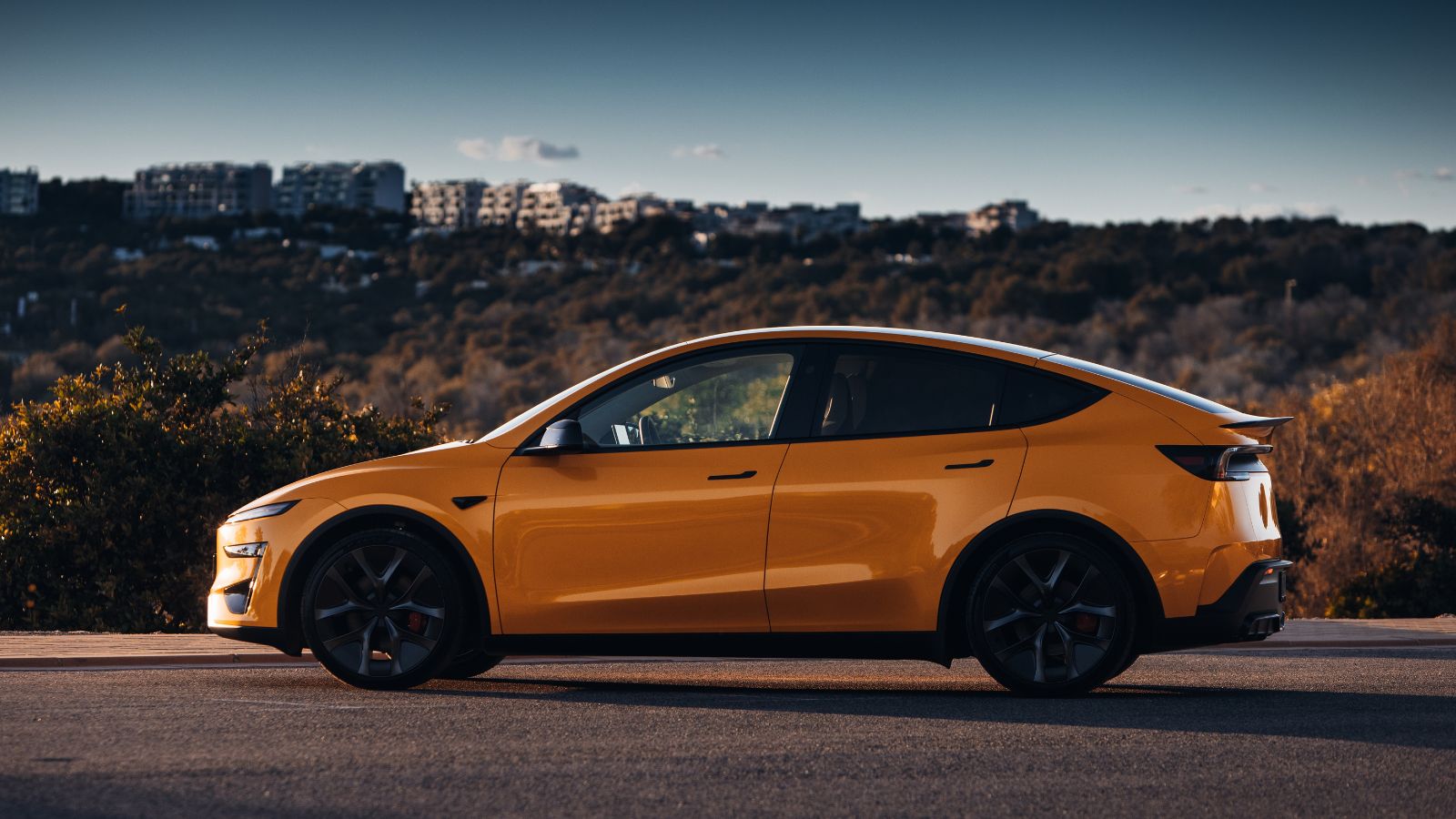
The Tesla Model Y remains one of the most recognizable electric SUVs in Canada, but its position looks less protected than it did when EV demand was rising quickly and rebates made the math easier. Canada’s federal iZEV program closed in 2025, and the incentive environment has become more complicated since then. That matters for a vehicle whose appeal was often built around lower operating costs, strong software, and a monthly payment that could be softened by rebates.
The Model Y is also exposed to a broader EV reset. Used EV pricing has become more sensitive to new-vehicle discounts, battery-range competition, and charging convenience. When shoppers see more electric crossovers arriving from Hyundai, Kia, Ford, Chevrolet, Toyota, and Volvo, Tesla’s advantage becomes less automatic. A Model Y may still be efficient and practical, but in Canada’s current market, it looks more vulnerable to price pressure, brand fatigue, and fast-changing EV policy than it once did.
Tesla Model 3
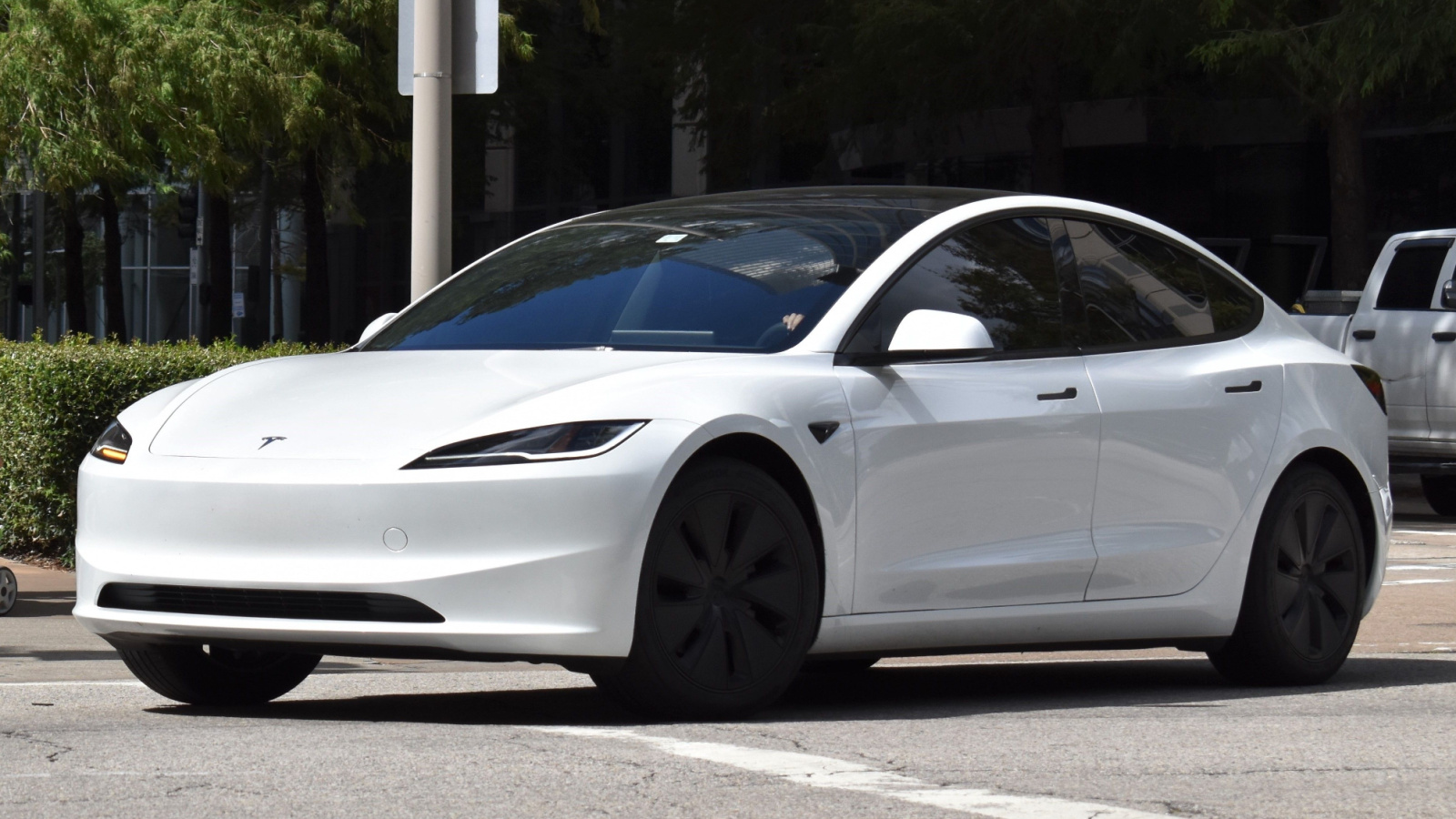
The Tesla Model 3 faces a slightly different vulnerability: it helped normalize EV ownership, but it now competes in a market that is less forgiving toward electric sedans. Canadian buyers have shifted heavily toward SUVs and crossovers, leaving compact and midsize sedans to fight harder for attention. Even when the Model 3 offers impressive range and acceleration, its body style no longer feels as dominant as it did when Tesla had fewer serious rivals.
The other issue is resale perception. EV buyers often compare not only mileage and condition, but battery health, software updates, charging hardware, and whether a new model has been discounted. That can make used Model 3 values feel jumpy. In a household budget, the car still has strong strengths, especially for commuters with home charging. But with incentives less predictable and newer EVs crowding the market, the Model 3 looks more exposed than its reputation suggests.
Ford F-150
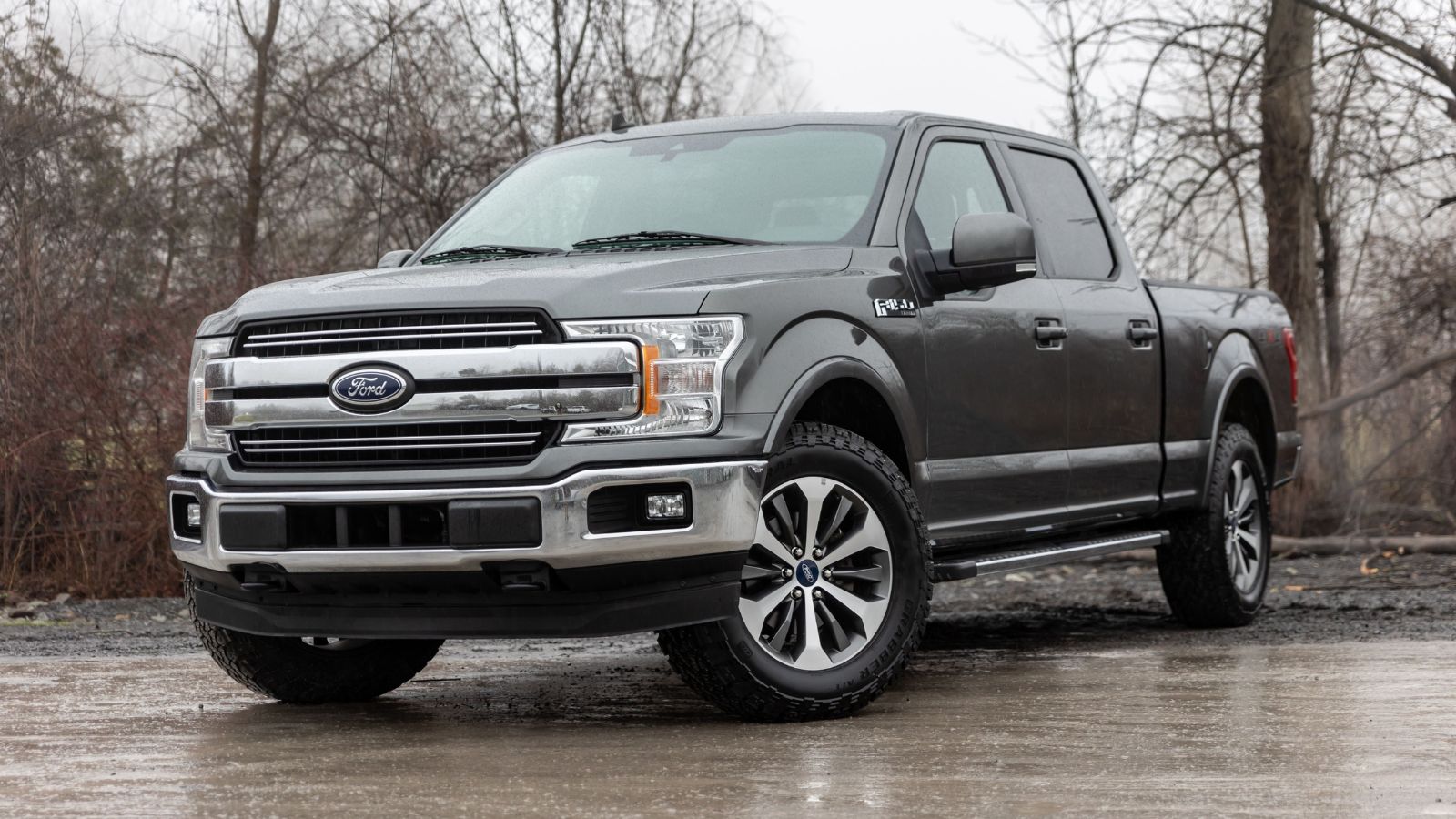
The Ford F-150 is deeply embedded in Canada’s truck market, but popularity can create its own vulnerability. It remains a high-demand pickup, yet it also appears on national theft rankings, which can affect insurance conversations in some regions. For owners in Ontario, Quebec, Alberta, or other high-theft corridors, a truck that is desirable to buyers may also be desirable to thieves, adding friction to the ownership experience.
Cost is the other pressure point. Modern F-150 trims can climb quickly once four-wheel drive, larger screens, towing packages, hybrid powertrains, and luxury interiors enter the picture. That makes the truck less immune to interest rates and payment fatigue. The F-150 is still useful, capable, and familiar, but the Canadian market is increasingly asking whether every buyer truly needs a full-size pickup. When fuel, insurance, theft prevention, and financing are all considered, its vulnerability becomes easier to see.
Ram 1500
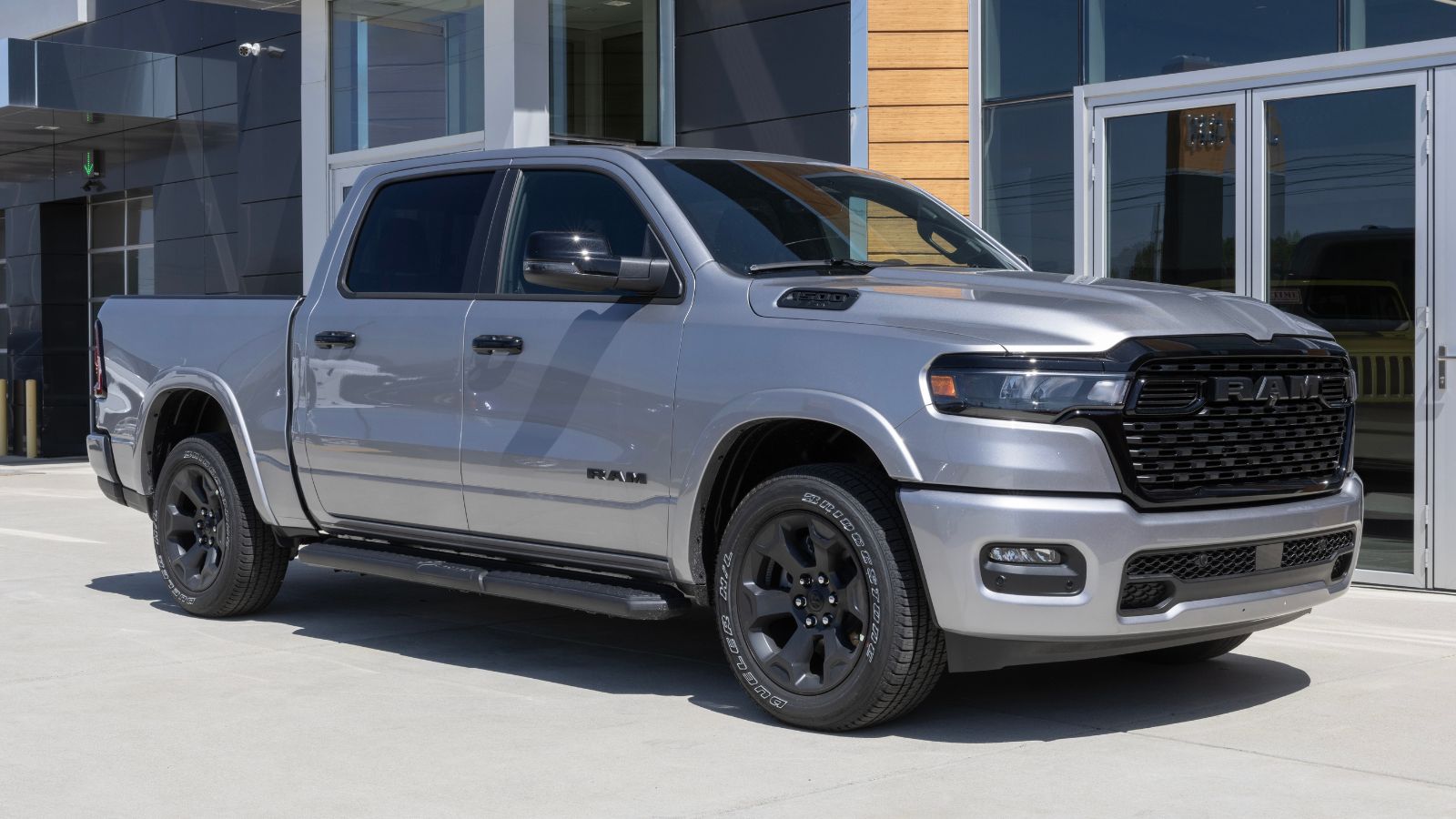
The Ram 1500 has long appealed to buyers who want a comfortable truck with a more refined cabin than many rivals. That comfort-first image remains a strength, but the model is vulnerable in Canada because full-size trucks now face more scrutiny from several directions at once. Fuel costs, higher loan payments, insurance pricing, and parking practicality all matter more when household budgets tighten.
There is also brand-level pressure. Stellantis has faced North American production and tariff-related challenges, and Canadian buyers have been watching the company’s future plans closely. That does not mean a Ram 1500 is a poor truck, but it does mean buyers may look harder at resale strength, parts availability, incentives, and long-term confidence. For shoppers who need towing and payload, it still makes sense. For image-driven buyers, however, the ownership costs may feel harder to defend.
Chevrolet Silverado 1500
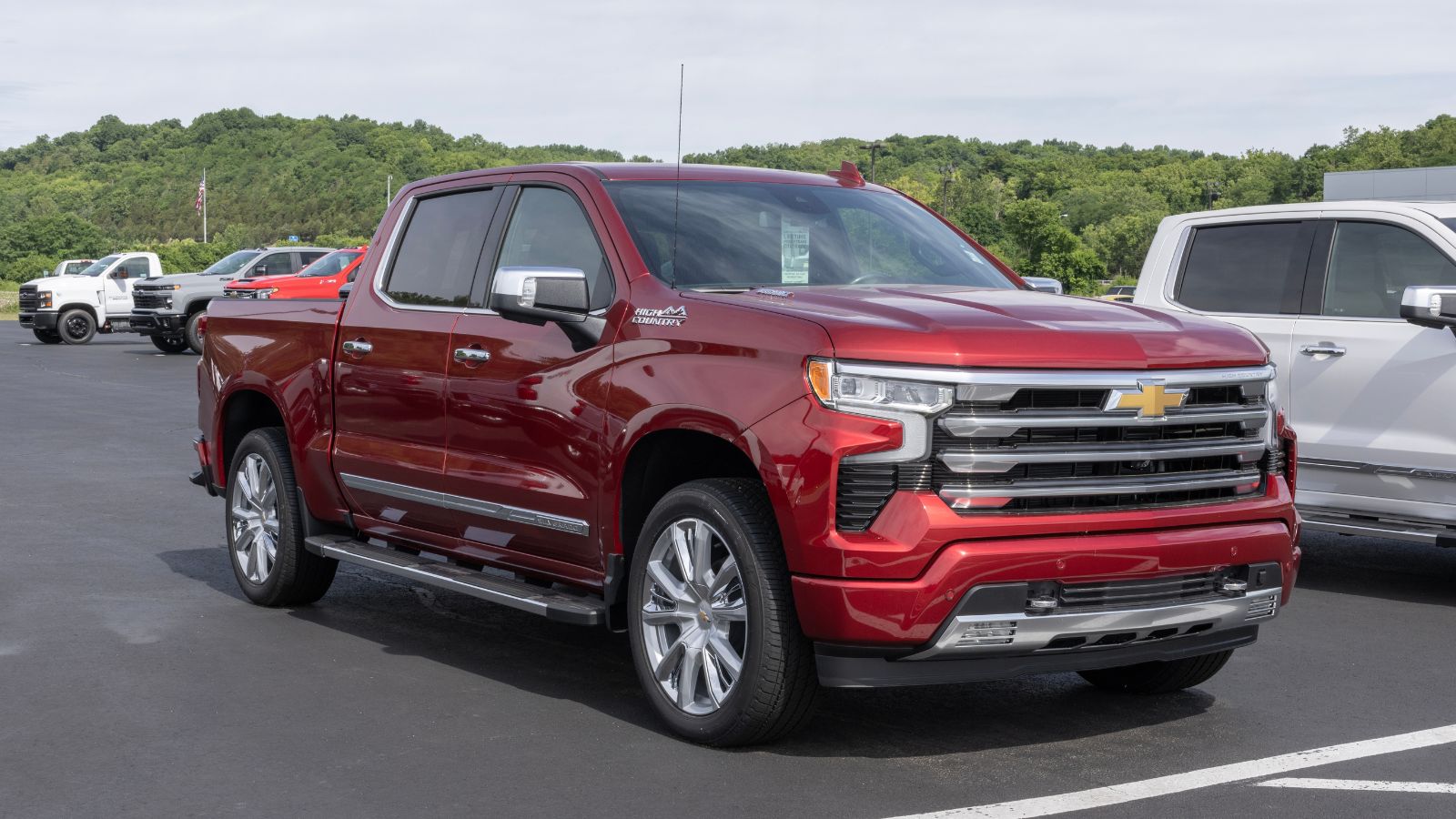
The Chevrolet Silverado 1500 remains a serious workhorse, but it is vulnerable to the same big-truck arithmetic affecting the rest of the segment. In Canada, full-size pickups often sell on capability, yet many urban and suburban owners use only a fraction of that capability. As payments rise and fuel costs stay unpredictable, buyers may become less willing to pay for truck size they do not fully use.
Silverado also competes against a crowded field that includes the Ford F-150, Ram 1500, GMC Sierra, Toyota Tundra, and midsize alternatives such as the Chevrolet Colorado and Toyota Tacoma. That competition can make resale and discounting more sensitive. A well-equipped Silverado can be an excellent tool for contractors, rural owners, and towing-heavy households. But for commuters, its vulnerability lies in being expensive to buy, fuel, insure, and park when smaller vehicles may handle daily life more efficiently.
GMC Sierra 1500
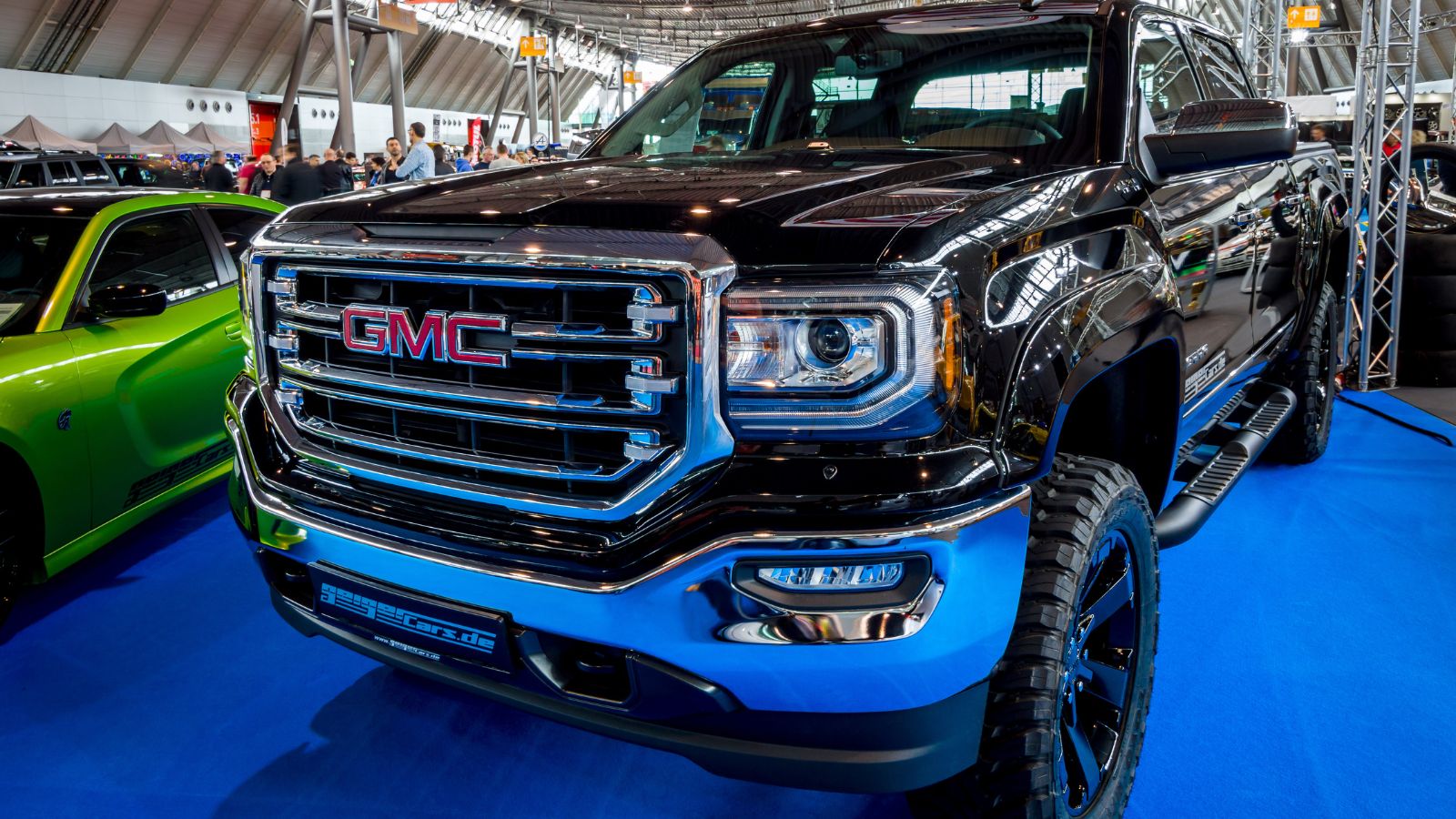
The GMC Sierra 1500 is often positioned as the more premium sibling to the Silverado, and that positioning can be a double-edged sword. Canadian buyers who want luxury-truck features may appreciate its upscale trims, but those same trims can push prices into territory where monthly payments become difficult to justify. When a pickup begins overlapping with luxury SUV pricing, shoppers tend to judge it more harshly.
The Sierra is also vulnerable because its strengths are not always unique. Capability, towing technology, and comfort are widely available across the full-size truck market. If incentives shift or used-truck prices soften, buyers may compare Sierra trims against less expensive Silverado versions or even used F-150 and Ram models. The truck remains capable and desirable, especially in Denali form, but it looks more exposed whenever buyers start separating real utility from premium-truck indulgence.
Honda CR-V
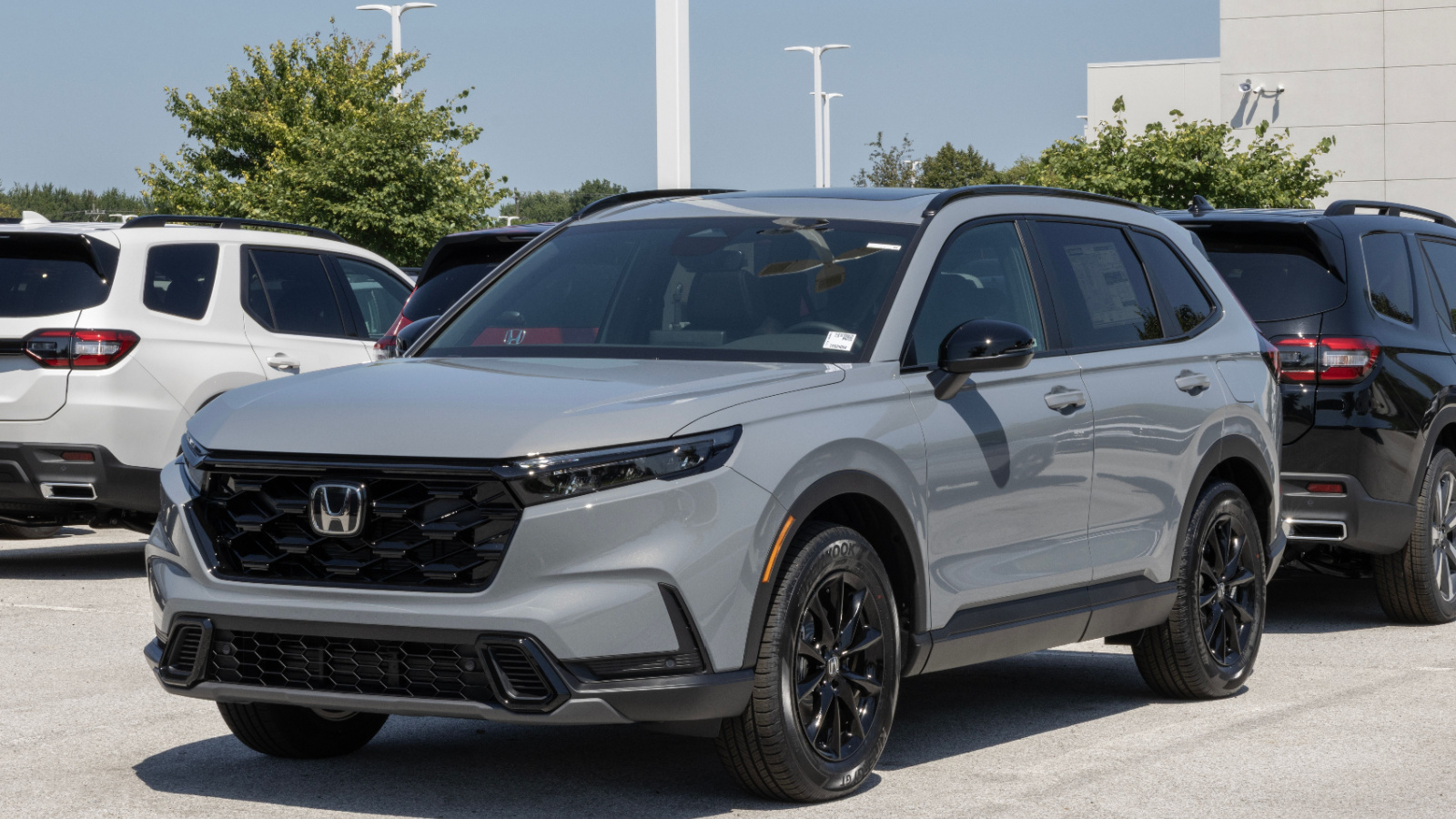
The Honda CR-V is not vulnerable because Canadians dislike it. In fact, its popularity is part of the problem. The CR-V has appeared at or near the top of national theft lists, and that visibility can make ownership feel more complicated in certain provinces. A reliable compact SUV with strong resale value is exactly the kind of vehicle many families want, but it can also attract unwanted attention.
The CR-V’s other vulnerability is pricing. Newer versions have become more polished and more expensive, while used examples often command strong money because demand remains high. That can leave buyers paying a premium for a vehicle that is sensible but not necessarily cheap. The CR-V still makes a strong case as a practical family SUV, yet insurance concerns, anti-theft costs, and elevated used prices make it less bulletproof than its reputation might imply.
Toyota RAV4
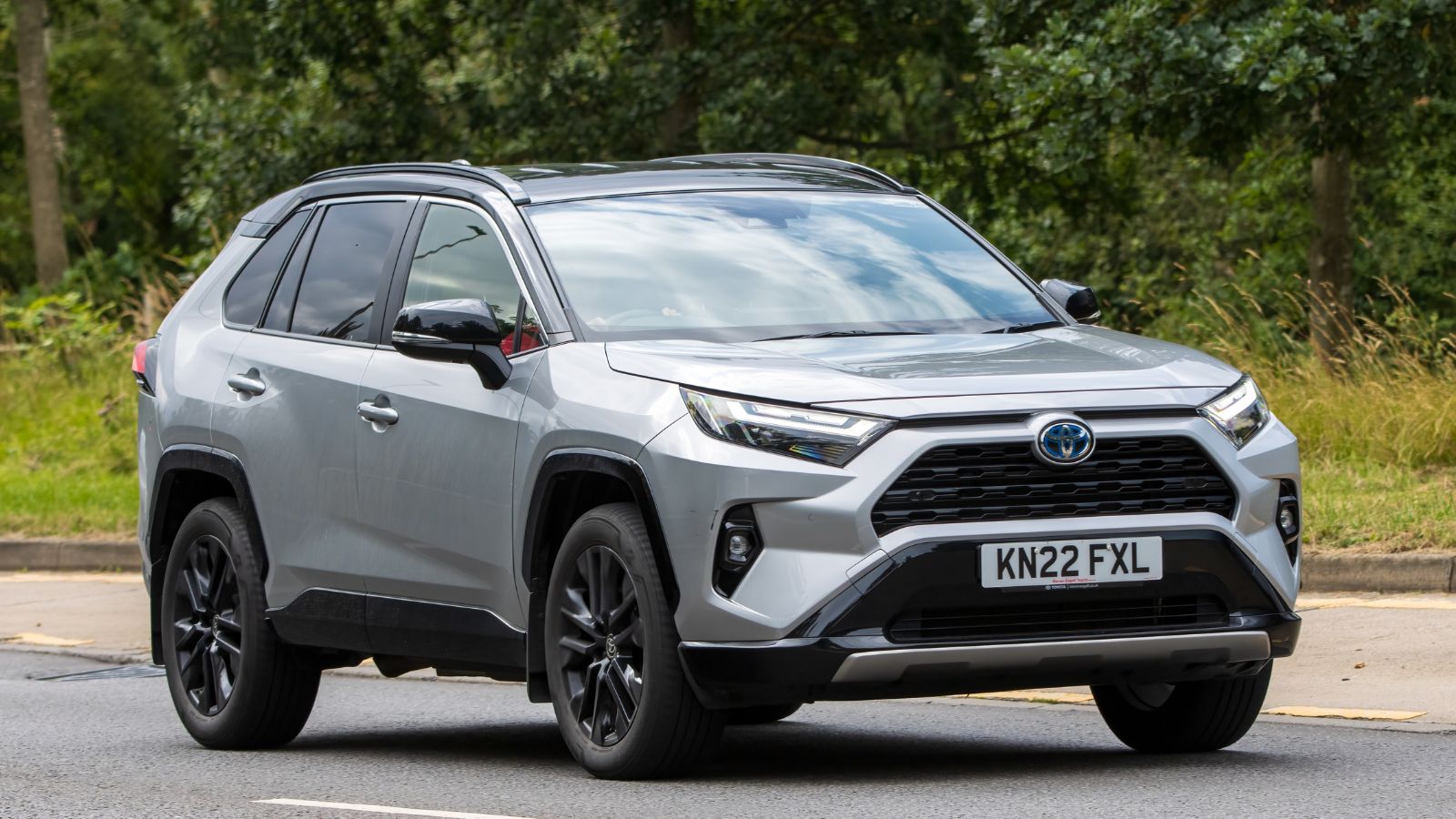
The Toyota RAV4 remains one of Canada’s default compact SUV choices, but default choices can become vulnerable when everyone wants the same thing. Strong demand supports resale value, yet it can also keep used prices stubbornly high. That creates a situation where shoppers may pay nearly new-vehicle money for a used RAV4 with meaningful mileage, especially for hybrid trims.
The RAV4 also faces theft and insurance scrutiny in Canada, where popular SUVs have become prominent targets. For buyers, that can mean additional security devices, longer insurance conversations, or more careful parking habits. None of this erases the RAV4’s strengths: durability, practicality, fuel economy, and broad dealer support. But when a mainstream SUV becomes expensive to acquire and more complicated to insure, its value story becomes less simple than it once was.
Lexus RX
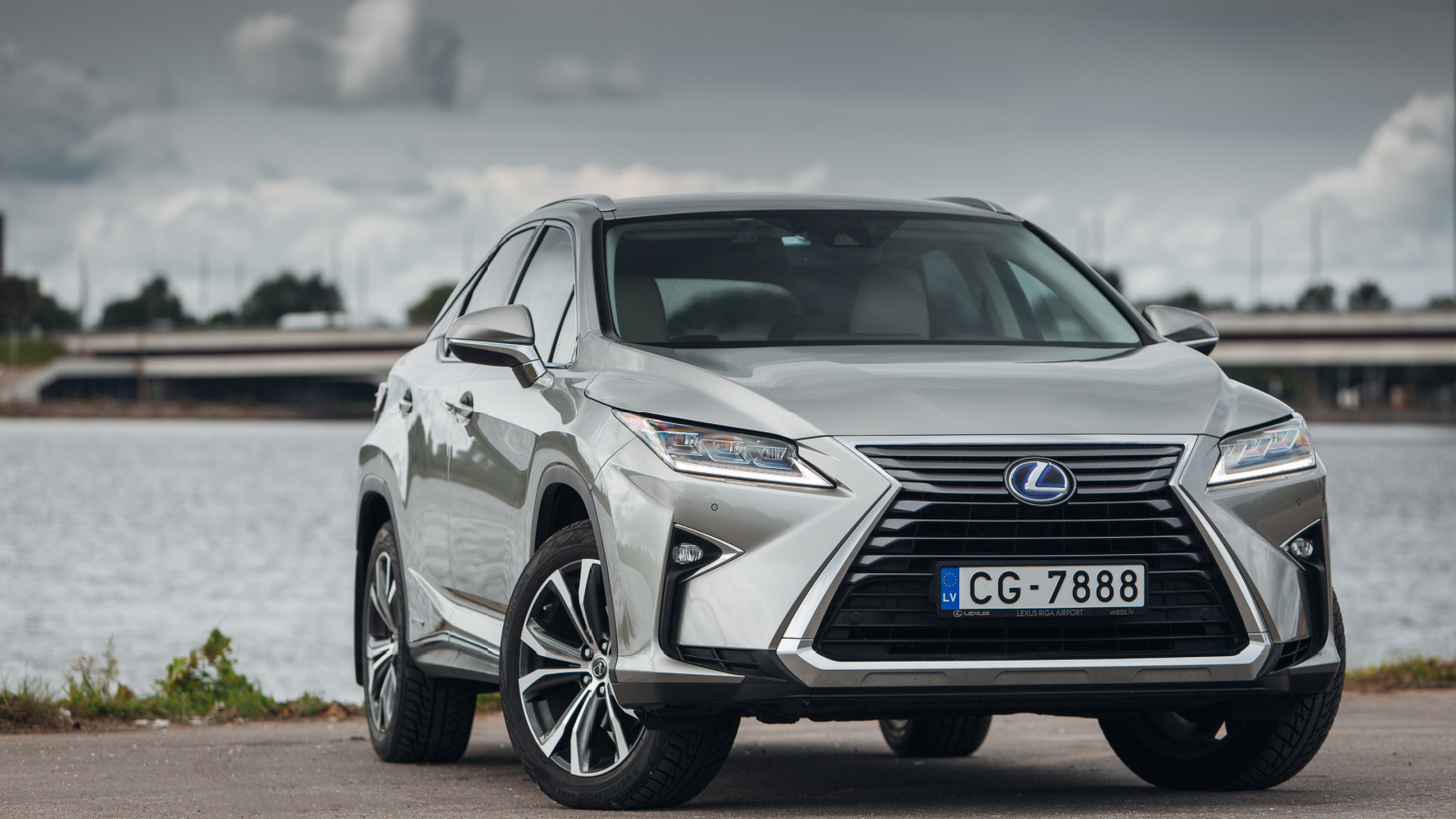
The Lexus RX has one of the strongest reputations in the luxury SUV world, but in Canada it faces a specific vulnerability: theft exposure. The RX has appeared prominently in national theft rankings, and its high theft rate relative to the number insured has made it a model many buyers now examine more cautiously. A luxury SUV that once felt like a safe, quiet long-term choice may now require extra attention to security.
Its market position is also changing. Luxury buyers now have more choices, including plug-in hybrids, fully electric SUVs, and premium Korean and German alternatives with aggressive technology packages. The RX remains comfortable, refined, and durable, but a high-demand luxury SUV can become expensive in hidden ways. Insurance, anti-theft measures, and resale anxiety may not show up in a showroom brochure, yet they increasingly shape the real ownership experience.
Toyota Highlander
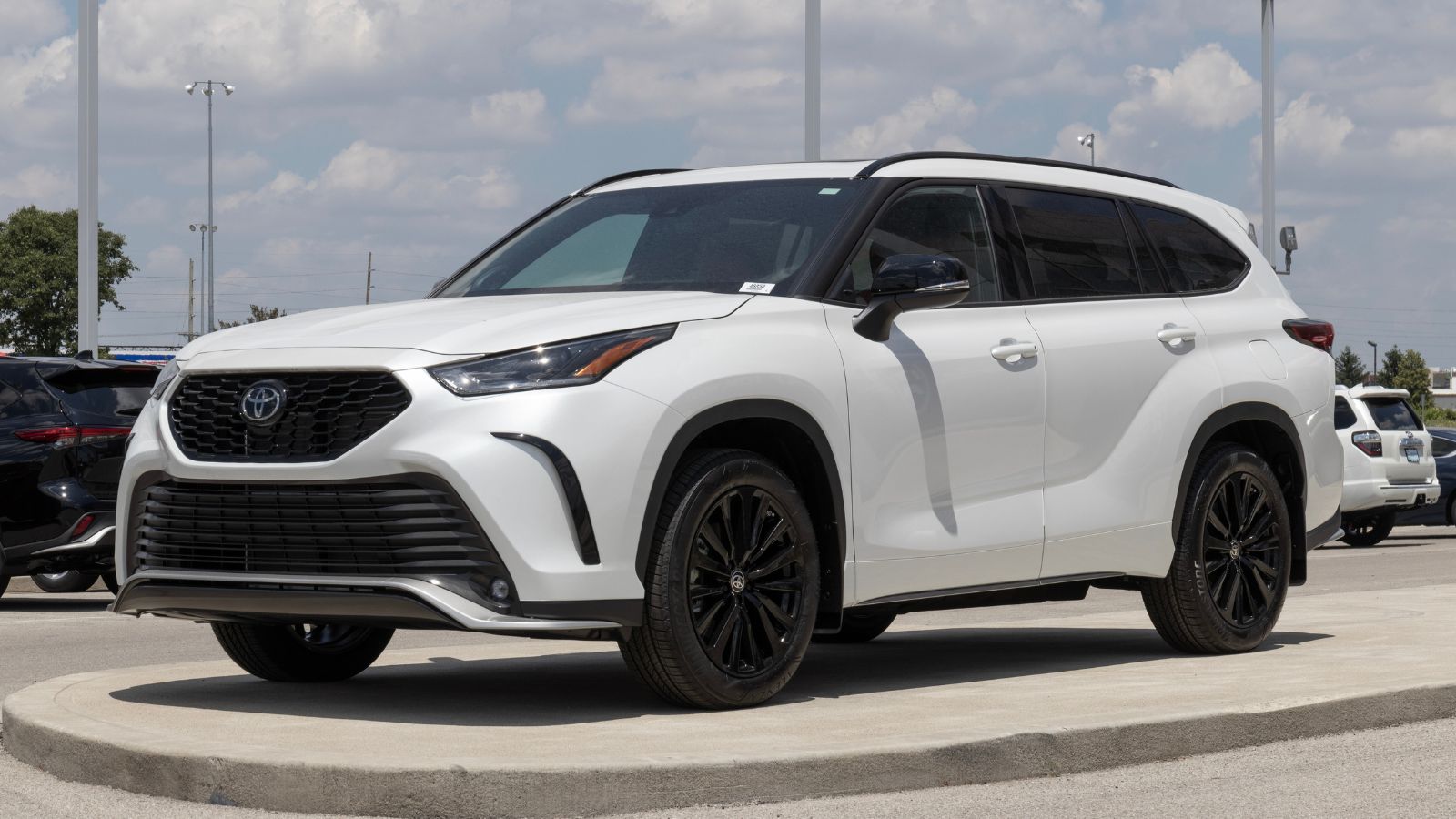
The Toyota Highlander is vulnerable because it sits in a crowded and expensive family-SUV segment. It has long been a sensible choice for Canadian households that need three rows without moving into a minivan. But the rise of larger crossovers, hybrid alternatives, and better-equipped rivals has made the Highlander less automatic, especially when buyers compare space, price, and availability.
The Highlander has also appeared on Canadian theft lists, which complicates its family-friendly image. A three-row SUV with strong resale value is attractive in the used market, but that popularity can create insurance and security concerns. For many families, the Highlander still delivers exactly what is needed: reliability, space, and manageable fuel use. Its vulnerability is that the price premium can feel harder to accept when other three-row SUVs offer more room or lower transaction prices.
Honda Civic
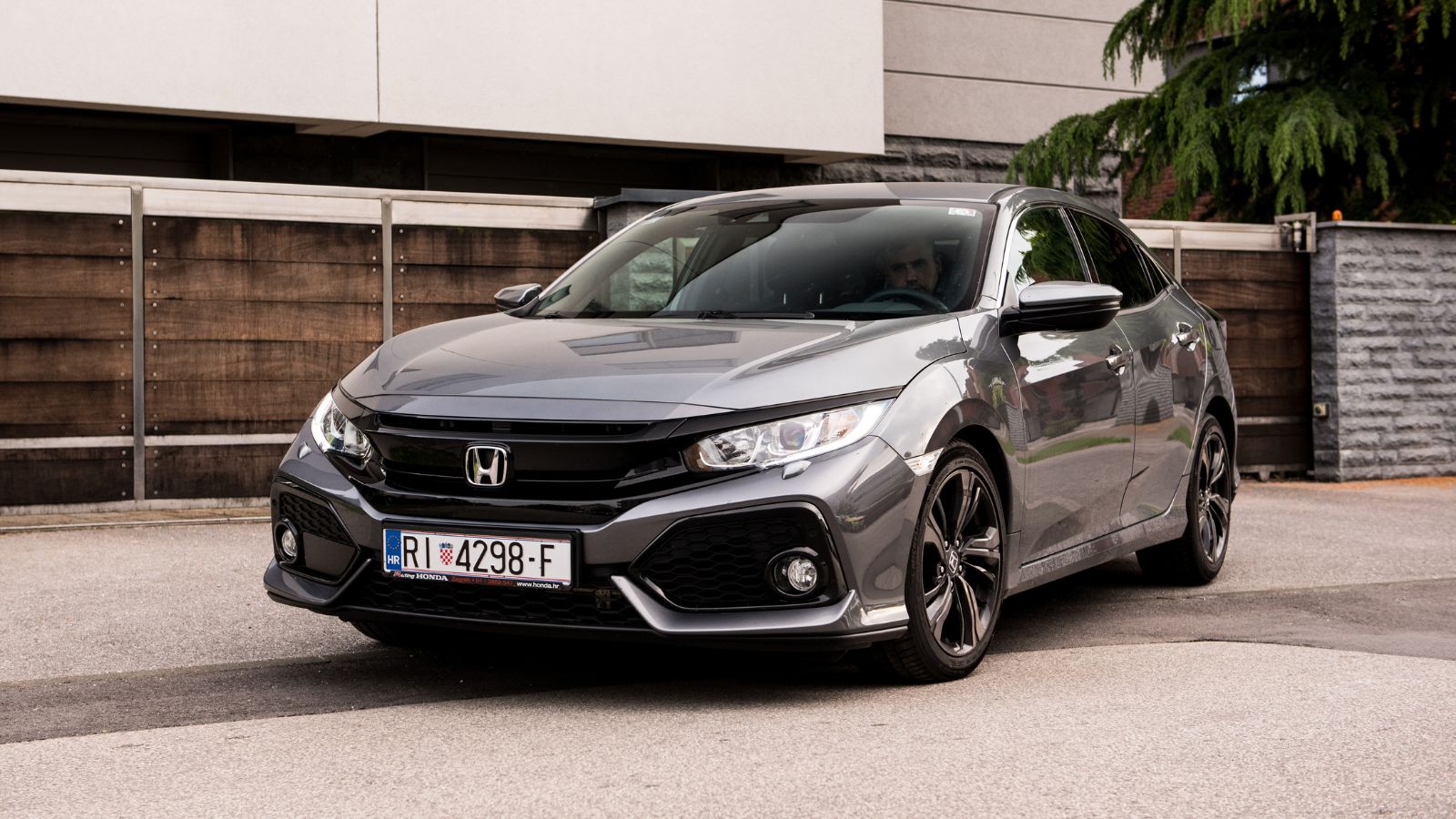
The Honda Civic remains a Canadian favourite, especially among commuters and first-time buyers, but even beloved compact cars are not immune to pressure. The Civic has been listed among frequently stolen vehicles in Canada, and that matters because buyers often choose compact cars to keep ownership costs predictable. When insurance or theft concerns rise, the simple-budget appeal becomes less clean.
The Civic is also vulnerable to the changing economics of compact cars. Newer models are more refined and better equipped, but they are no longer the inexpensive runabouts many people remember. Used Civics often hold value strongly, which is good for sellers but frustrating for buyers trying to find affordability. The Civic is still efficient, practical, and enjoyable to drive, yet its popularity keeps prices firm and may expose owners to costs they did not expect from a compact sedan or hatchback.
Jeep Wrangler
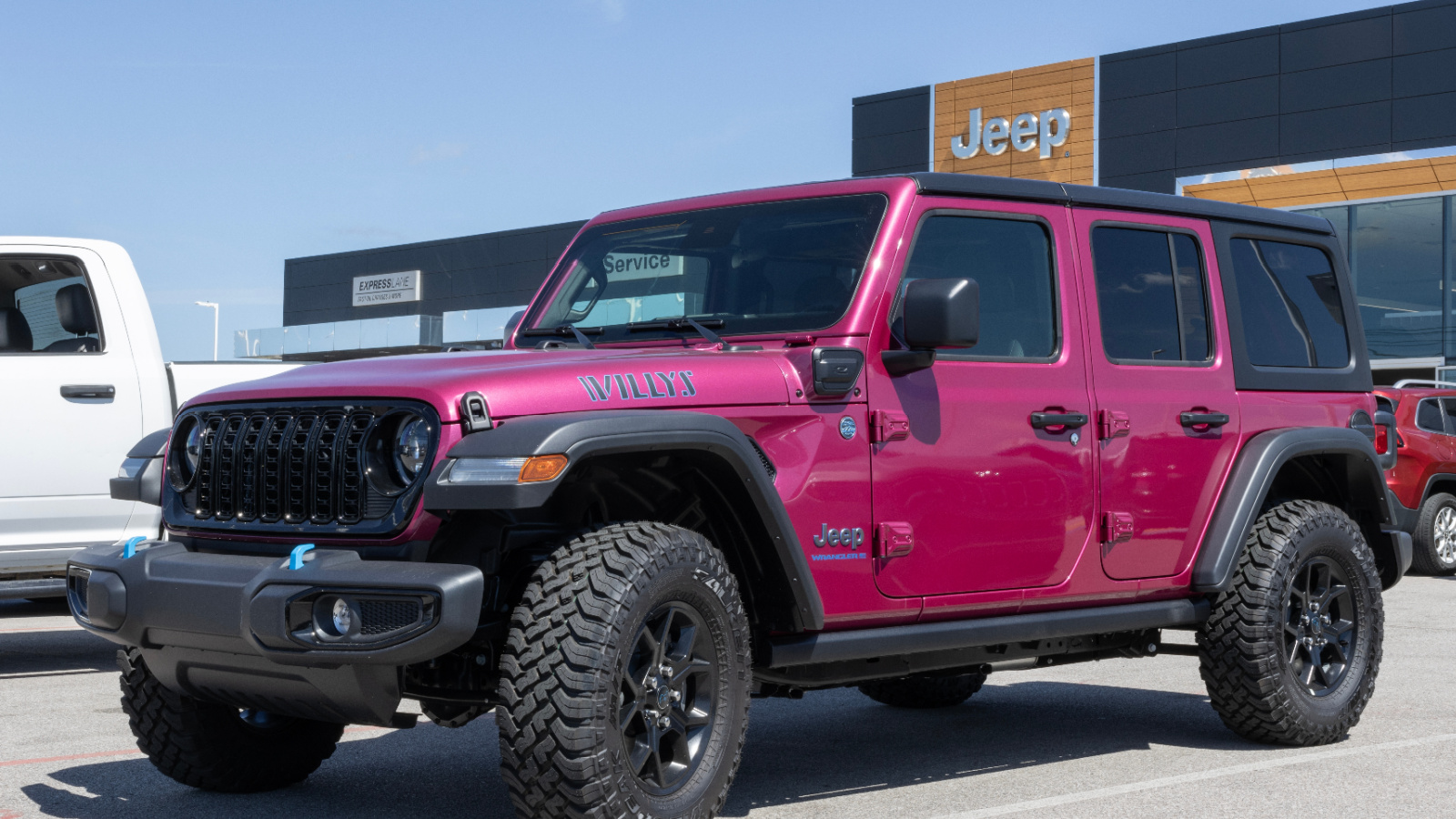
The Jeep Wrangler has a loyal following, but it is vulnerable in Canada because its lifestyle appeal can collide with daily-use realities. It is excellent at projecting adventure and capable off pavement, yet many owners spend most of their time in traffic, parking lots, and winter commutes. In that setting, fuel economy, wind noise, ride comfort, and cargo compromises become more noticeable.
The Wrangler also competes in a market where rugged styling has spread to more comfortable crossovers. Ford Bronco, Toyota 4Runner, Subaru Wilderness models, and off-road trims from several brands have given buyers more ways to look adventurous without accepting the Wrangler’s trade-offs. For enthusiasts, its authenticity still matters. For casual buyers, the vulnerability is that the image may cost more than expected once fuel, tires, insurance, and long-distance comfort enter the picture.
Jeep Gladiator
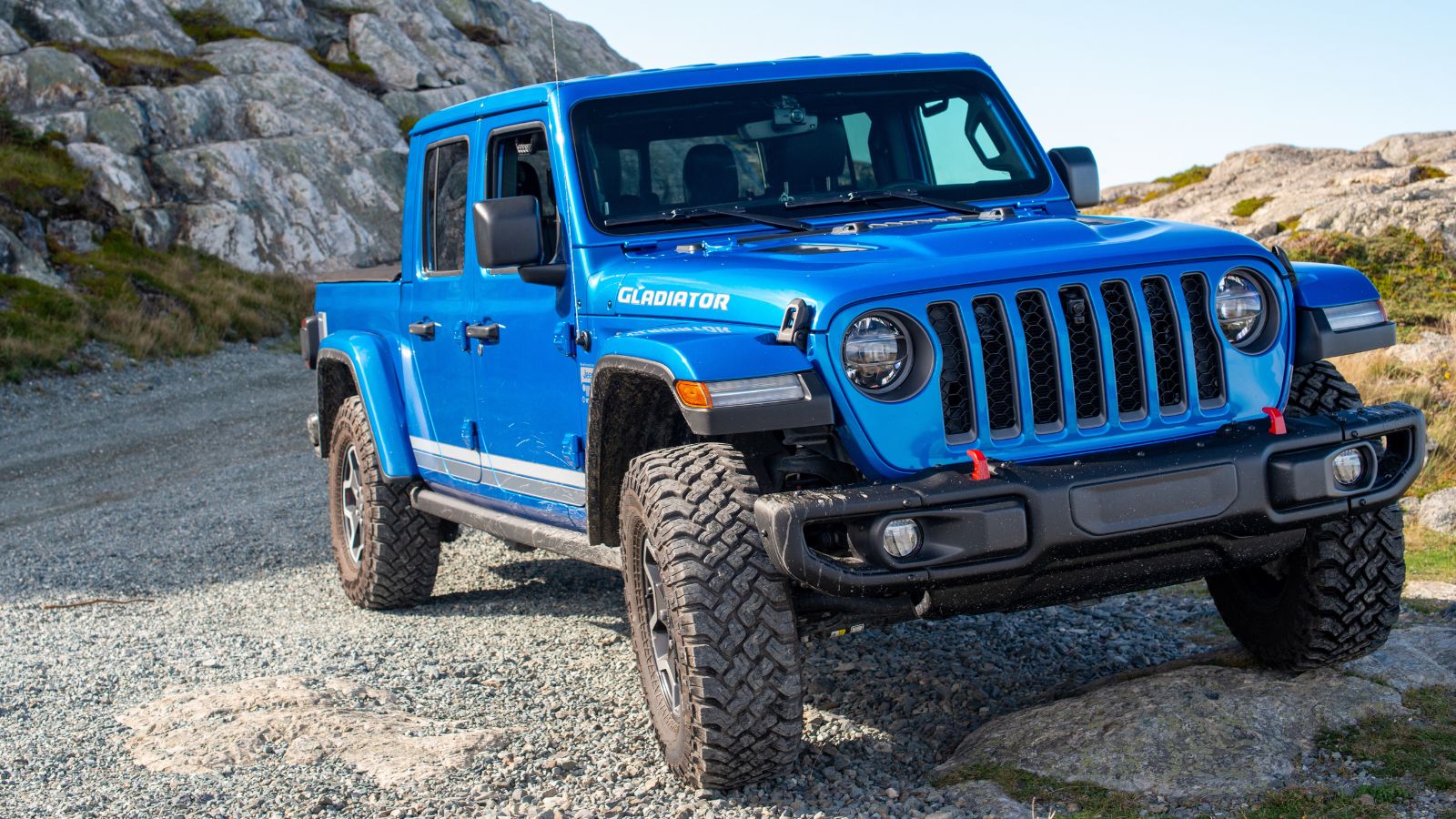
The Jeep Gladiator is even more vulnerable than the Wrangler because it combines two niche ideas: an off-road Jeep and a midsize pickup. That makes it distinctive, but also limits its audience. Canadian buyers who want a truck may prefer stronger towing comfort or a more traditional pickup bed, while Jeep fans may prefer the shorter, more maneuverable Wrangler. The Gladiator can feel caught between two buyer groups.
Its price can also be difficult to square with its compromises. Well-equipped trims can become expensive, yet the ride, fuel economy, and interior packaging still reflect its rugged roots. For someone who regularly uses trails, carries gear, and wants open-air driving, the Gladiator has real charm. For a commuter who only likes the look, it may become a costly novelty. That narrow appeal makes it more vulnerable when buyers become more value-conscious.
Hyundai Kona Electric
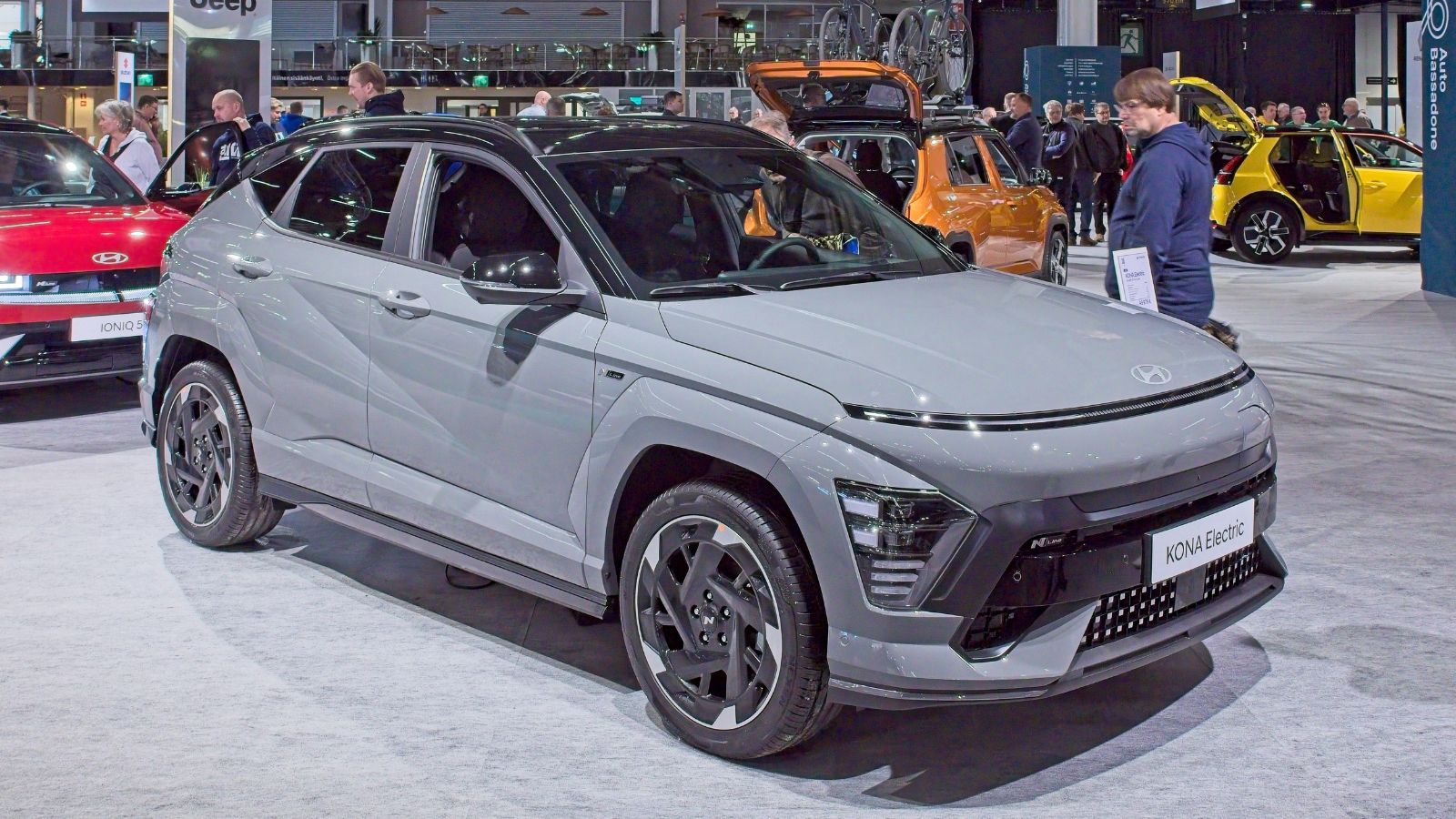
The Hyundai Kona Electric has been an important affordable EV option in Canada, but it is vulnerable because the EV market is moving quickly. Range, charging speed, cabin space, and pricing expectations have all improved since early mainstream EVs arrived. A Kona Electric that once looked like a smart gateway into battery driving now faces newer rivals with more space, faster charging, or more flexible platforms.
Canadian incentive changes also matter. EV affordability has often depended on rebates, provincial programs, and dealer pricing. When incentives shift, small EVs can lose some of their advantage against hybrids or efficient gasoline crossovers. The Kona Electric still makes sense for urban drivers with home charging and predictable routes. Its vulnerability is that buyers now expect more from EVs, and “affordable electric” alone may not be enough to protect resale values or showroom demand.
Kia Niro EV
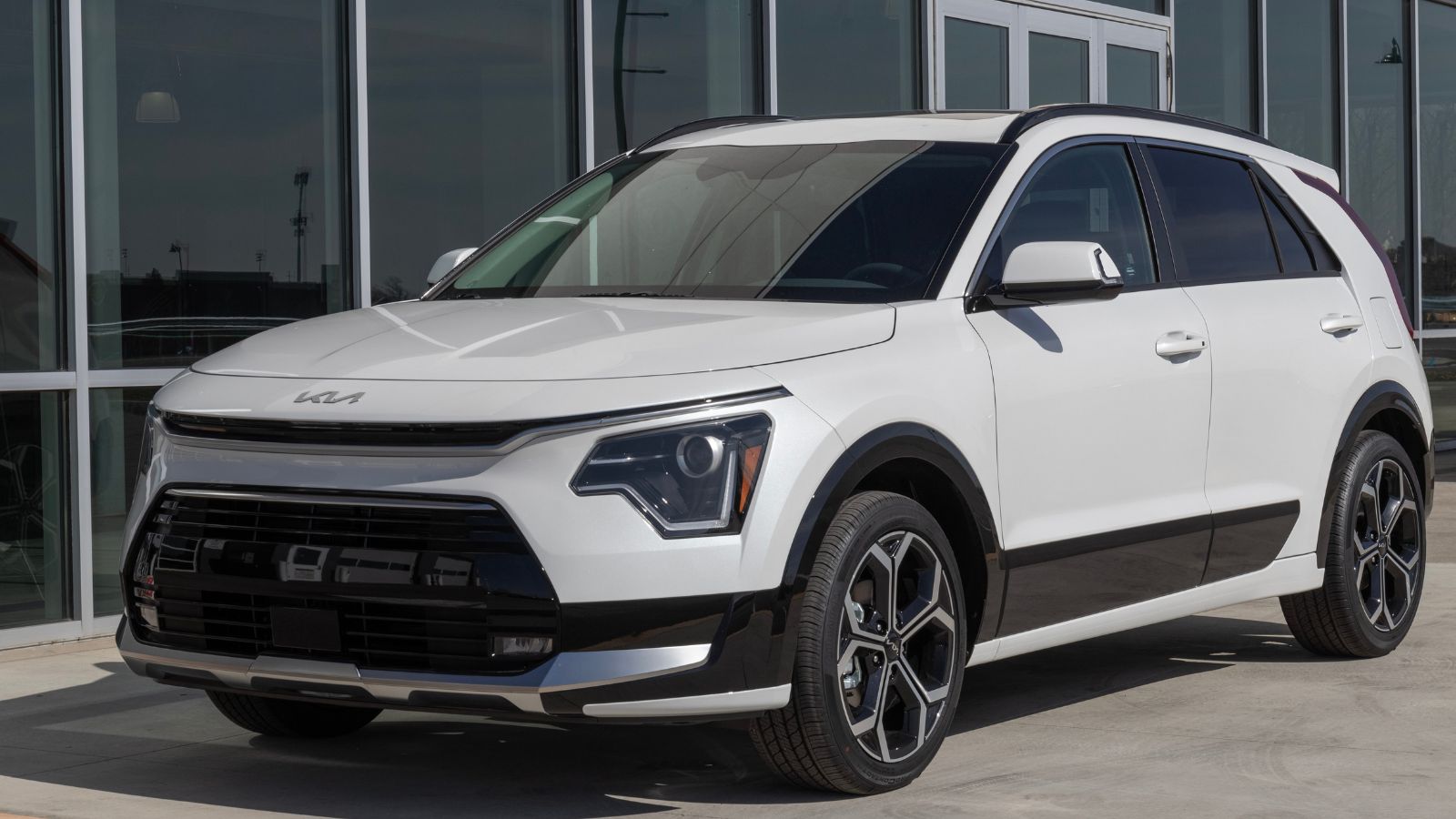
The Kia Niro EV faces a similar challenge: it is practical and efficient, but not especially dramatic in a market filled with newer electric crossovers. The Niro’s appeal has always been rational. It offers useful range, a manageable footprint, and lower running costs for drivers who can charge conveniently. But rational choices can become vulnerable when buyers start comparing charging speed, interior tech, cargo room, and resale confidence.
In Canada, the end of easy federal rebate assumptions has made EV comparisons sharper. A shopper may look at a Niro EV, a used Tesla, a Hyundai Ioniq 5, a Chevrolet Equinox EV, or a hybrid SUV and ask which one carries the least risk. The Niro EV is not weak, but it is exposed to being overlooked. In a market where EVs must now win on more than novelty, its quiet competence may not be enough.
Nissan Leaf
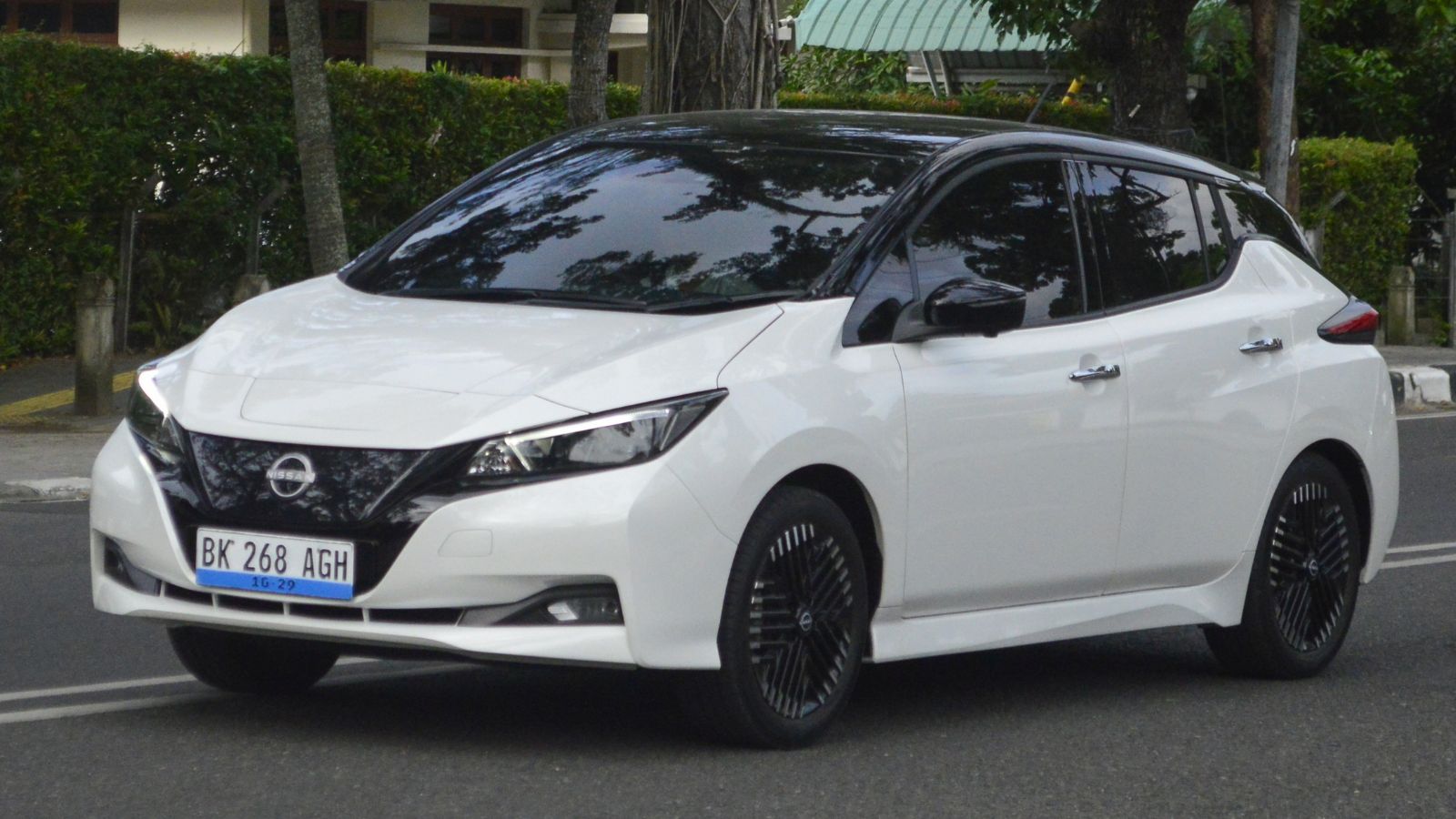
The Nissan Leaf is one of the original mass-market EVs, but that history now makes it vulnerable. Older Leafs are widely known for affordability, but they also raise questions about battery degradation, range limits, and charging standards. Many Canadian buyers have become more educated about EV ownership, and they now look closely at whether a used EV can handle winter range loss and highway charging needs.
Newer EVs have also changed expectations. Longer range, liquid-cooled batteries, faster charging, and larger charging networks make the Leaf feel dated in some comparisons. For a short urban commute, it can still be a cost-effective vehicle, especially if purchased carefully and charged at home. But as a broader Canadian family car, its vulnerability is clear: the market has moved from simply wanting an EV to wanting an EV that feels future-proof.
Chrysler Pacifica Plug-In Hybrid
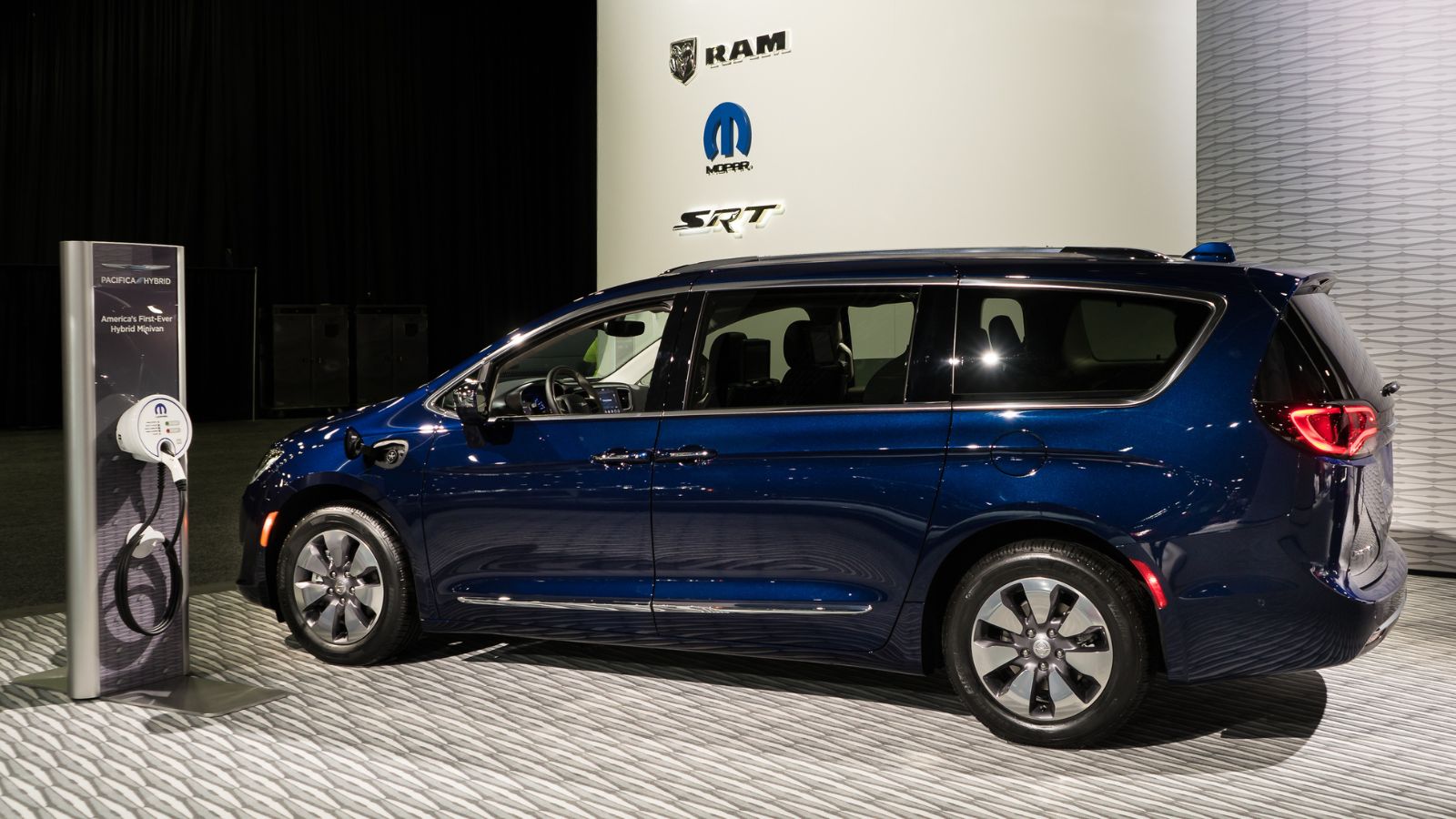
The Chrysler Pacifica Plug-In Hybrid is practical in a way few vehicles can match. It offers minivan space, family-friendly sliding doors, and the ability to complete many local trips on electric power. Yet it is vulnerable because plug-in hybrids can be difficult to value if buyers do not understand their charging habits. Without regular charging, the ownership case weakens, and the van becomes a heavier, more complex family vehicle.
It also sits under the Stellantis umbrella at a time when Canadian production, tariffs, and corporate strategy have drawn attention. That does not directly undermine the Pacifica’s usefulness, but it can influence buyer confidence. Minivans already fight against SUV fashion, and the plug-in version adds questions about battery warranty, resale value, and long-term repair costs. For the right family, it is clever. For uncertain buyers, it may feel riskier than a conventional hybrid SUV or a simpler used minivan.
Dodge Hornet
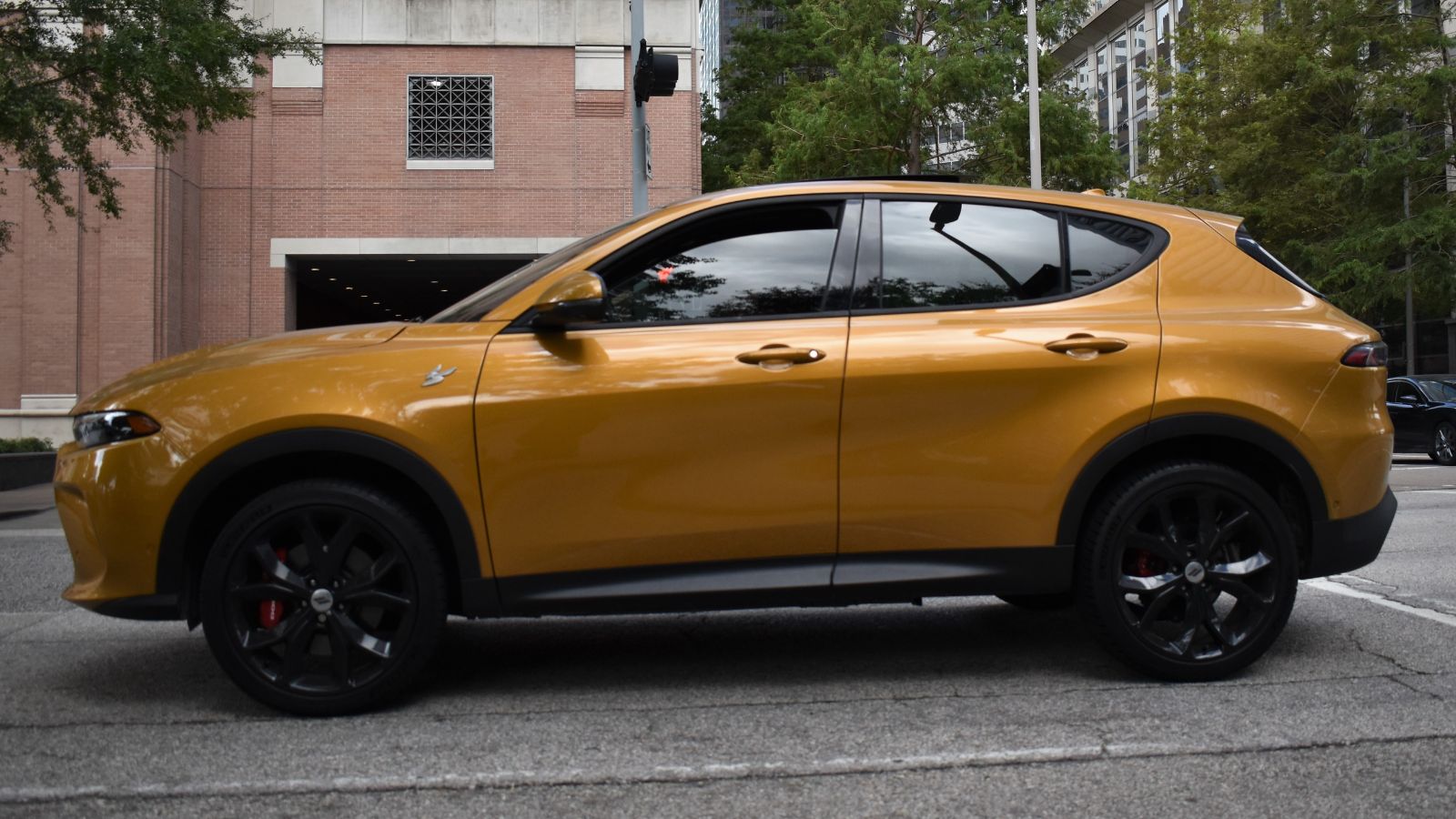
The Dodge Hornet looks vulnerable because it entered one of the toughest parts of the market: compact crossovers. Canadian shoppers already have many choices from Toyota, Honda, Mazda, Hyundai, Kia, Subaru, Volkswagen, and Chevrolet. A new model needs a very clear reason to pull buyers away from established names, and the Hornet’s performance-oriented pitch can be hard to balance against price, practicality, and brand familiarity.
Its broader North American sales story has also raised questions, with reports of slow demand and production changes. That can affect resale confidence, especially for buyers who worry about future parts support, dealer incentives, or whether the model will remain a long-term priority. The Hornet may appeal to drivers who want something punchier than a typical small SUV. But in Canada’s value-conscious crossover market, it looks more vulnerable than more established competitors with stronger reputations.
22 Things Canadians Do to Their Cars in Spring That Mechanics Hate

Spring brings relief to many Canadian drivers after months of snow, freezing temperatures, and icy roads that put serious strain on vehicles. As temperatures rise across the country, drivers begin washing cars, switching tires, and preparing vehicles for warmer weather and upcoming road trips. However, mechanics across Canada notice the same mistakes every spring when drivers attempt to recover from winter damage. Road salt, potholes, and harsh winter driving conditions often leave vehicles with hidden problems that drivers ignore. Some spring habits even create new mechanical issues that could have been avoided with proper maintenance. Here are 22 things Canadians do to their cars in spring that mechanics hate.