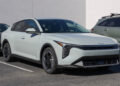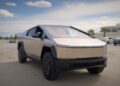

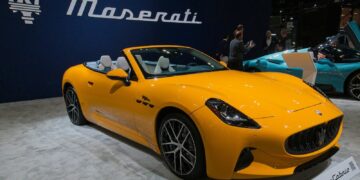
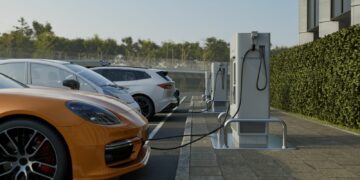


















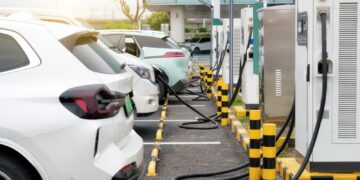
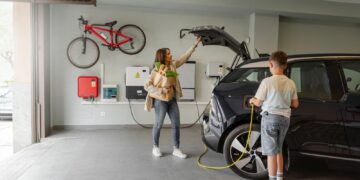

Charging speed has quietly become the deal breaker for many EV buyers. Range still matters, but long stops in cold weather feel worse. Canada adds another layer, since winter slows charging and drains batteries faster. That makes fast charging less of a luxury and more of a daily need. Some EVs handle this better than others. They pull high speeds, hold them longer, and recover range quickly. These are the models that feel easy to live with, even on road trips. Here are 20 EVs that charge fast enough to actually be convenient in Canada.
Tesla Model Y
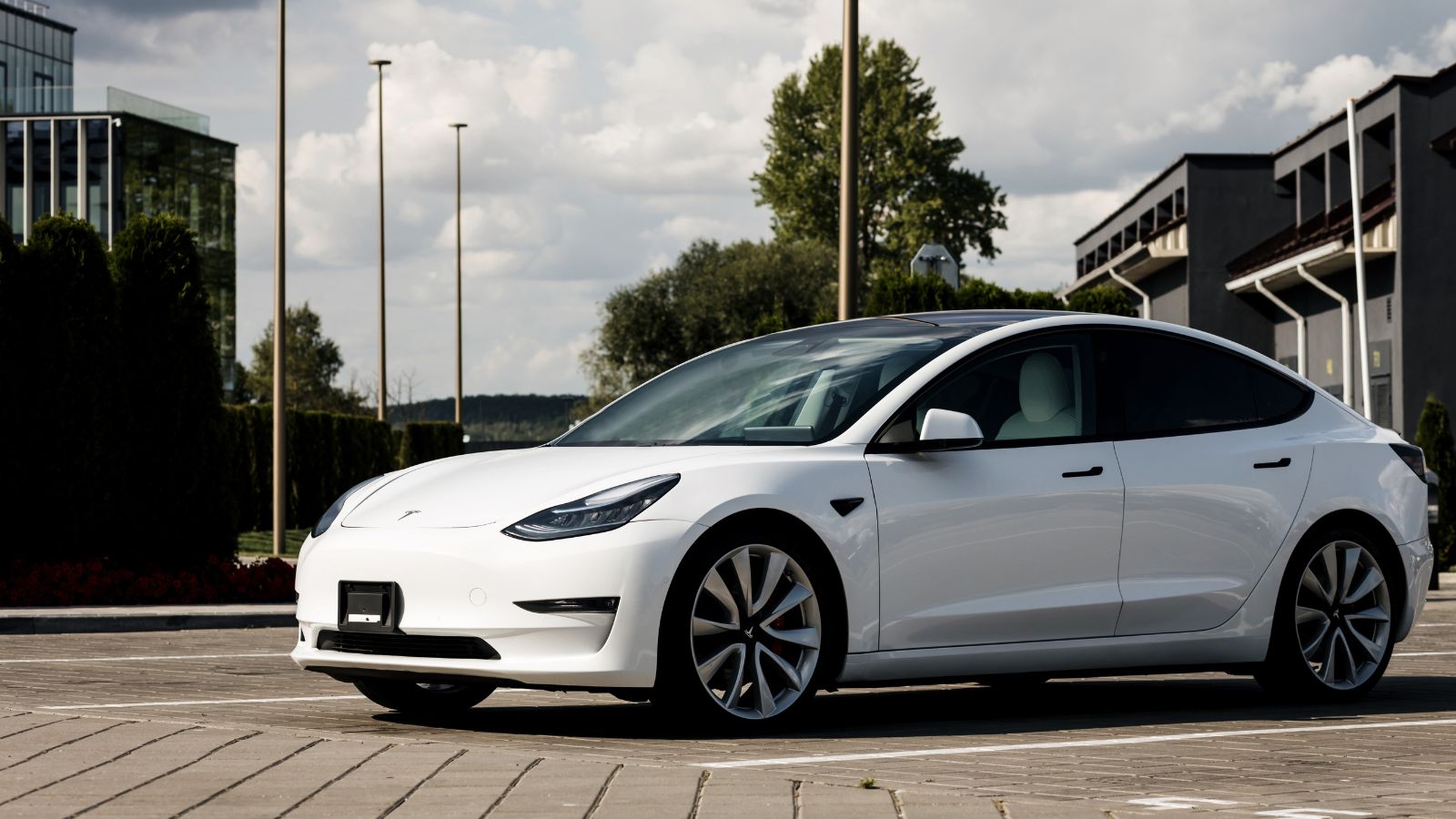
The Model Y remains one of the easiest EVs to live with in Canada. Charging speed plays a big role in that experience. It can pull up to 250 kW on a Supercharger. More importantly, it holds high speeds longer than many rivals. This reduces total time spent plugged in. Cold weather performance also stays relatively strong. Tesla’s network adds reliability, which matters in winter. You rarely worry about charger compatibility. A short stop often adds meaningful range. For daily use and road trips, it feels predictable. That consistency makes the Model Y a practical choice across Canadian climates.
Hyundai Ioniq 5
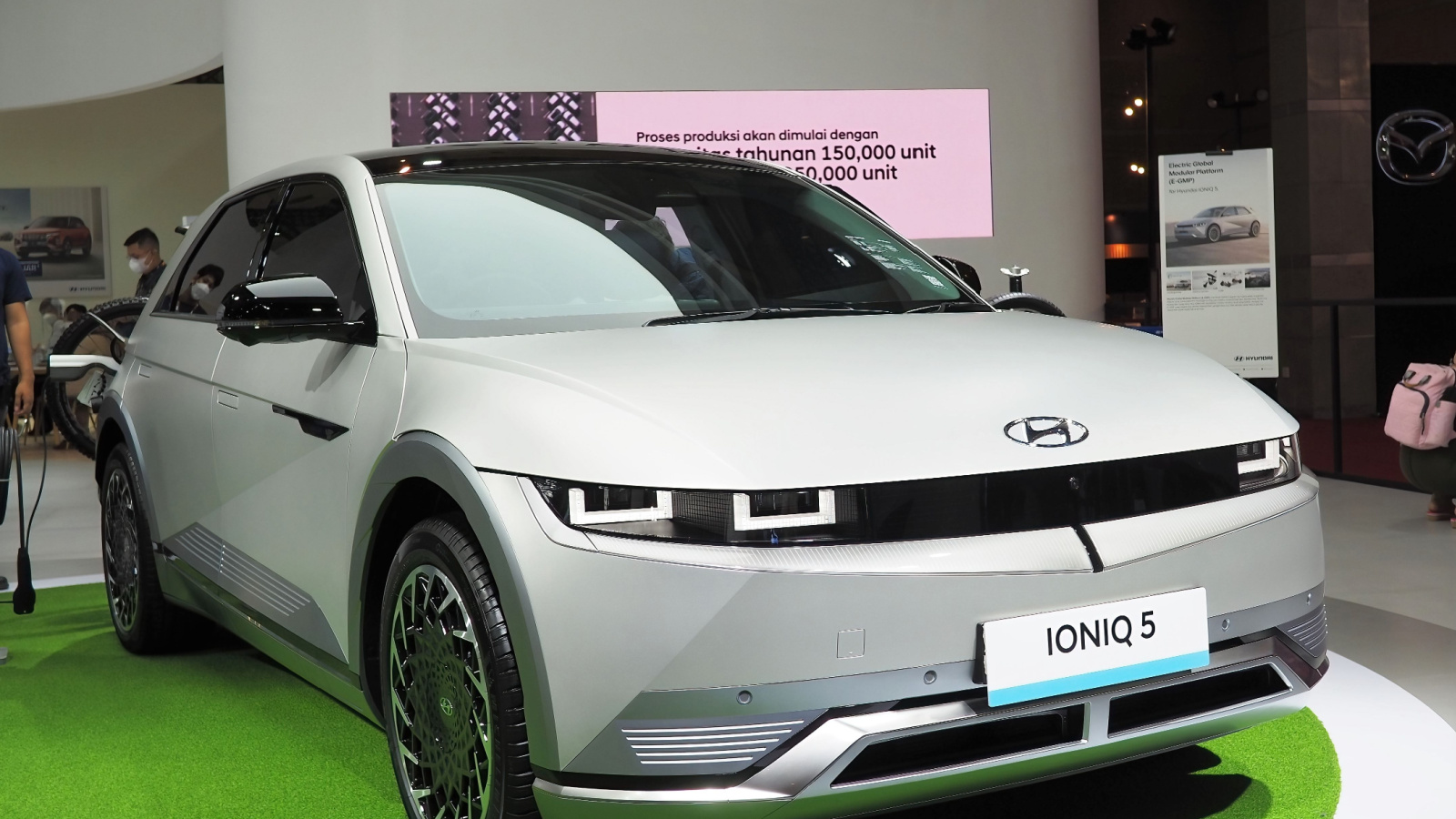
The Ioniq 5 stands out for how quickly it charges when conditions are right. It uses an 800-volt system, which allows rapid energy flow. On a fast charger, it can go from 10 to 80 percent quickly. Even in colder weather, it performs better than many competitors. Preconditioning helps prepare the battery before arrival. That reduces charging delays in winter. The flat charging curve also keeps speeds high longer. Drivers spend less time waiting and more time moving. Combined with a comfortable ride, it feels well-suited for Canadian roads and long drives between cities.
Kia EV6
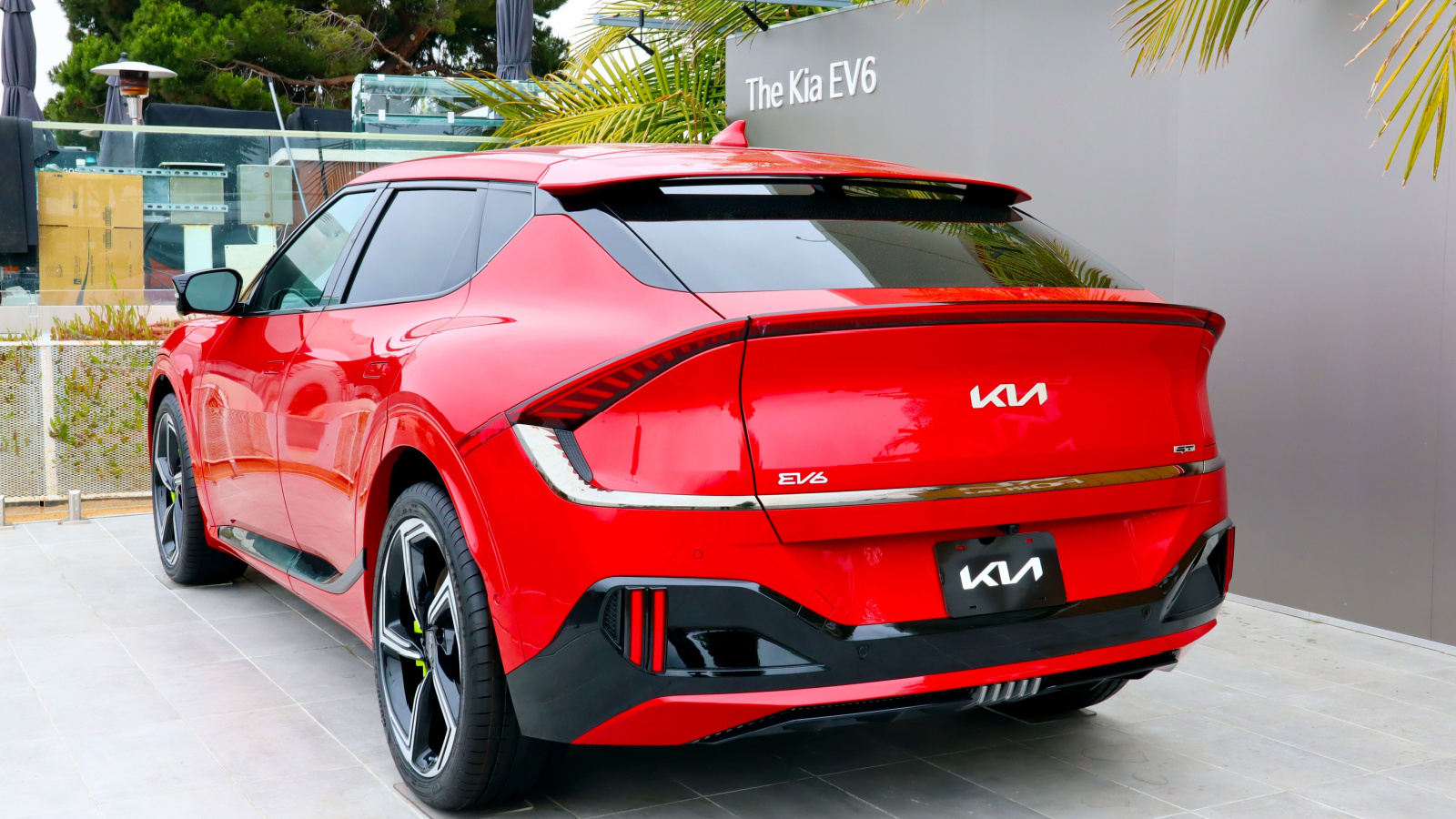
The EV6 shares its platform with the Ioniq 5, so charging performance is similar. It supports ultra-fast charging through its 800-volt architecture. That means shorter stops during highway trips. The car also manages heat well, which helps maintain speed. In winter, preconditioning becomes important. When used properly, it keeps charging times reasonable. The EV6 also feels efficient at highway speeds. That reduces how often you need to stop. The combination works well for Canadian distances. It offers a balance between speed, range, and usability that makes daily driving feel less stressful.
Tesla Model 3
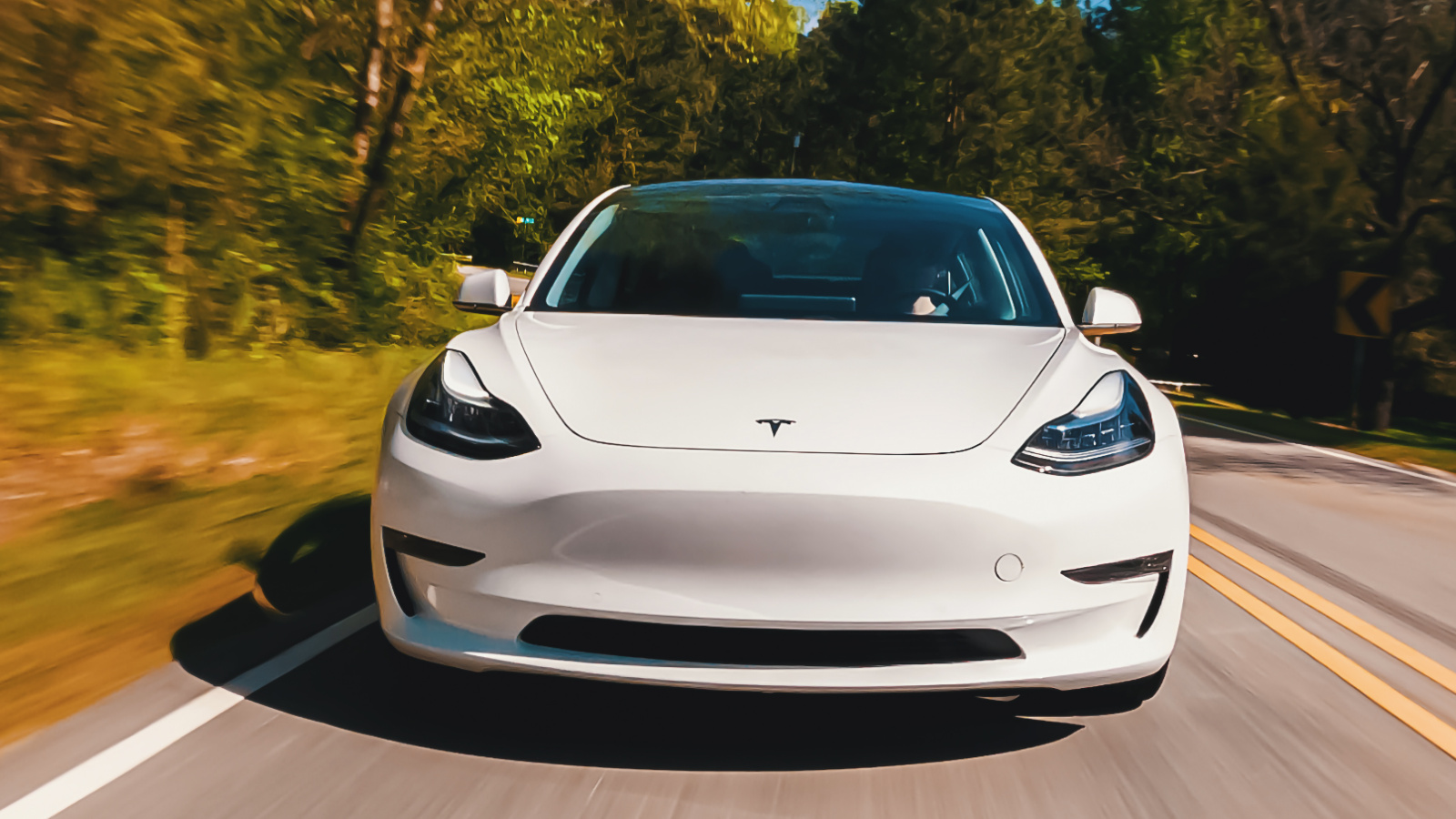
The Model 3 continues to be one of the most efficient EVs available. Efficiency supports charging speed by reducing how much energy you need. It can also charge at up to 250 kW on Tesla’s network. That means quick top-ups during long trips. Even in colder temperatures, the system adjusts well. Navigation can precondition the battery automatically. That helps maintain charging performance. Stops feel shorter compared to many rivals. Drivers often spend less time waiting and more time driving. For Canadians covering long distances, this balance remains a strong advantage in everyday use.
Ford Mustang Mach-E
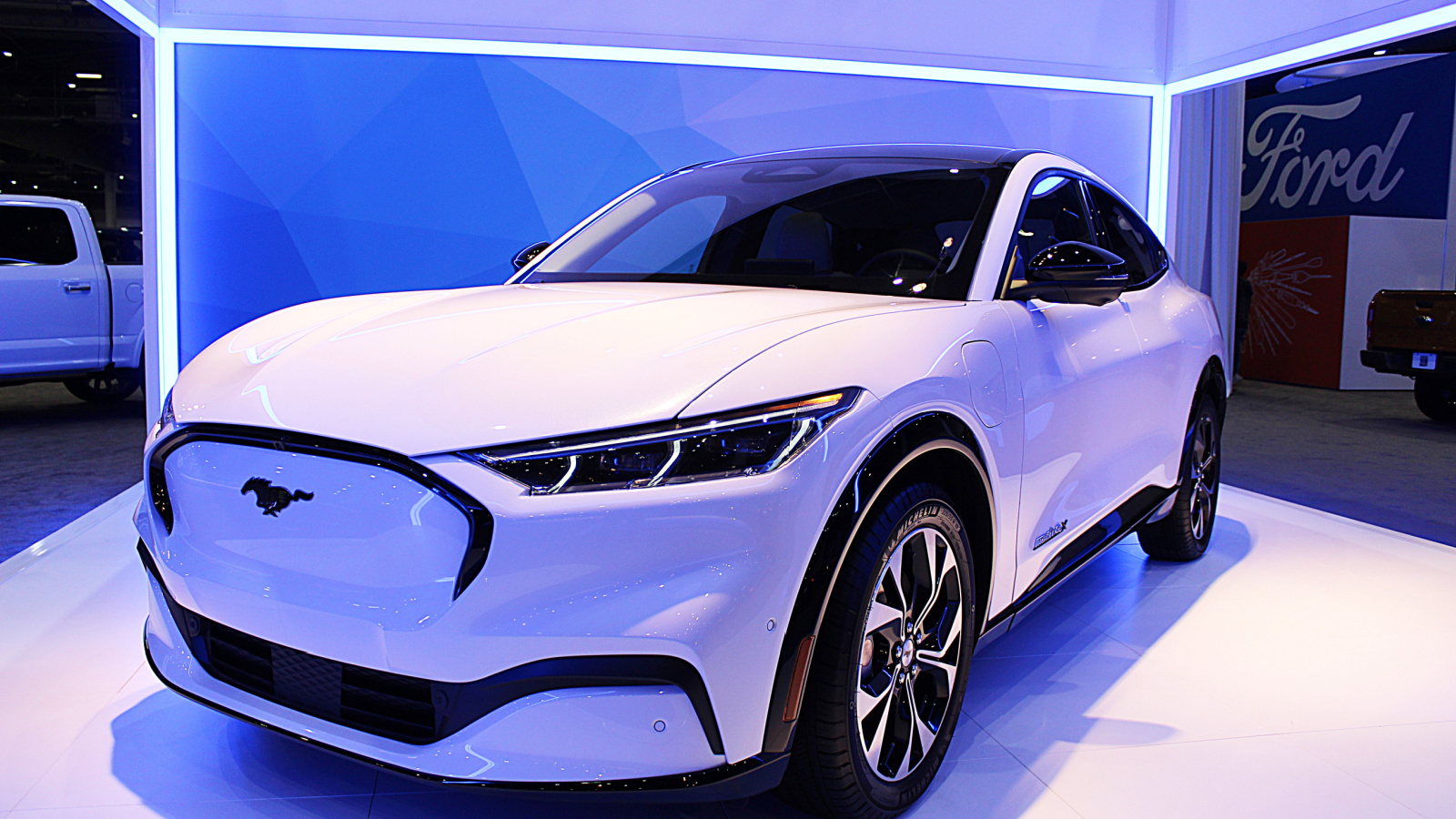
The Mach-E does not lead in peak charging speed, but it performs well overall. It reaches around 150 kW on fast chargers. More importantly, it delivers steady charging through much of the session. That helps keep total time reasonable. Software updates have improved charging consistency. Cold weather still affects performance, but preconditioning helps. Ford’s growing charging partnerships also improve access. Drivers can find compatible stations more easily now. The Mach-E feels like a practical option for mixed city and highway driving. It may not be the fastest, but it stays convenient for everyday Canadian use.
Chevrolet Silverado EV
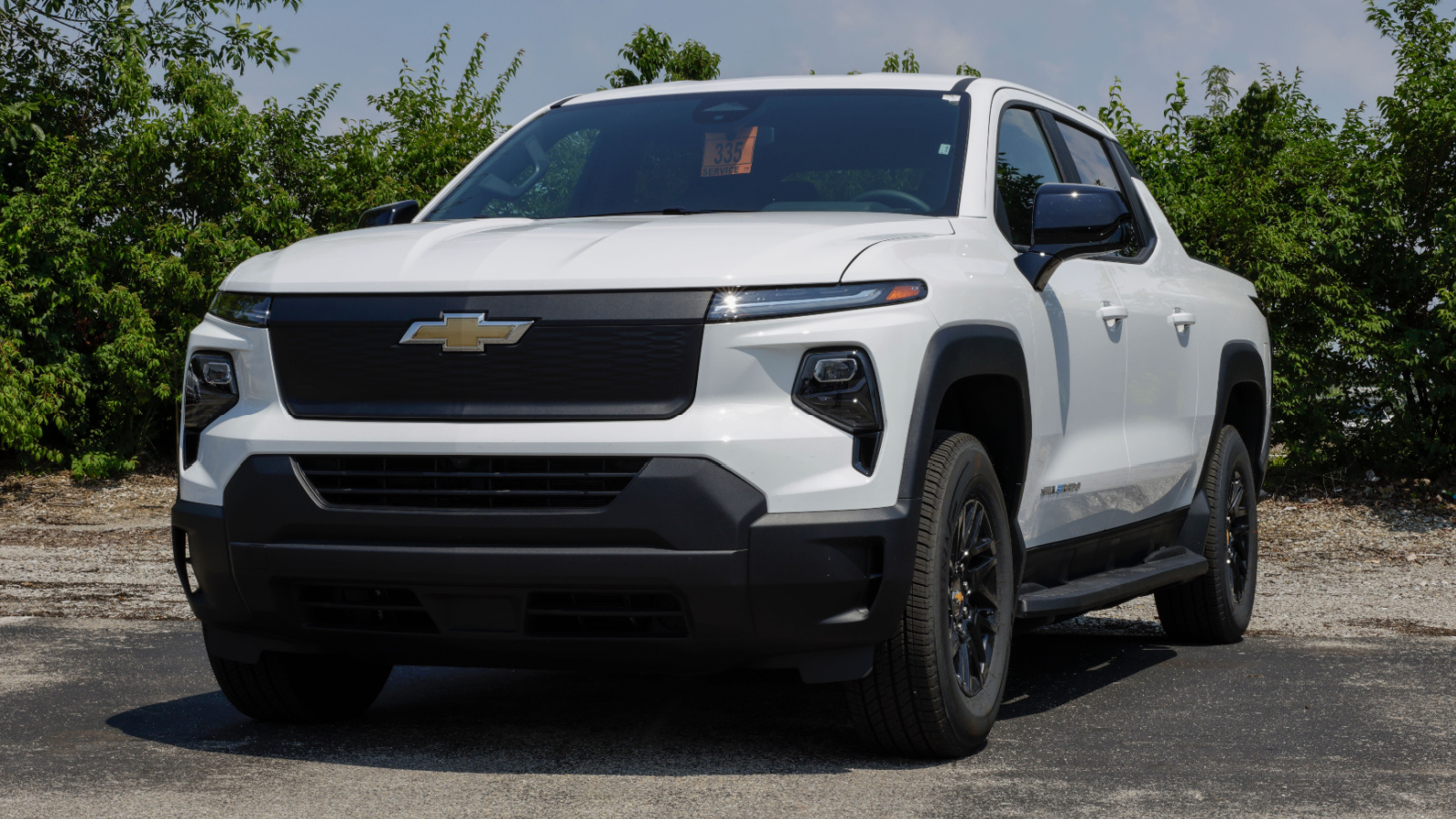
Large battery trucks often struggle with charging time, but the Silverado EV manages well. It supports high charging speeds, especially on DC fast chargers. The large battery still takes time to fill, though. The advantage comes in how much range you gain per minute. Even short stops add meaningful distance. This matters for long highway drives across Canada. The truck also supports bidirectional charging in some setups. That adds flexibility for owners. Despite its size, it feels usable on road trips. Charging stops are not as long as expected for a vehicle this large.
Rivian R1T
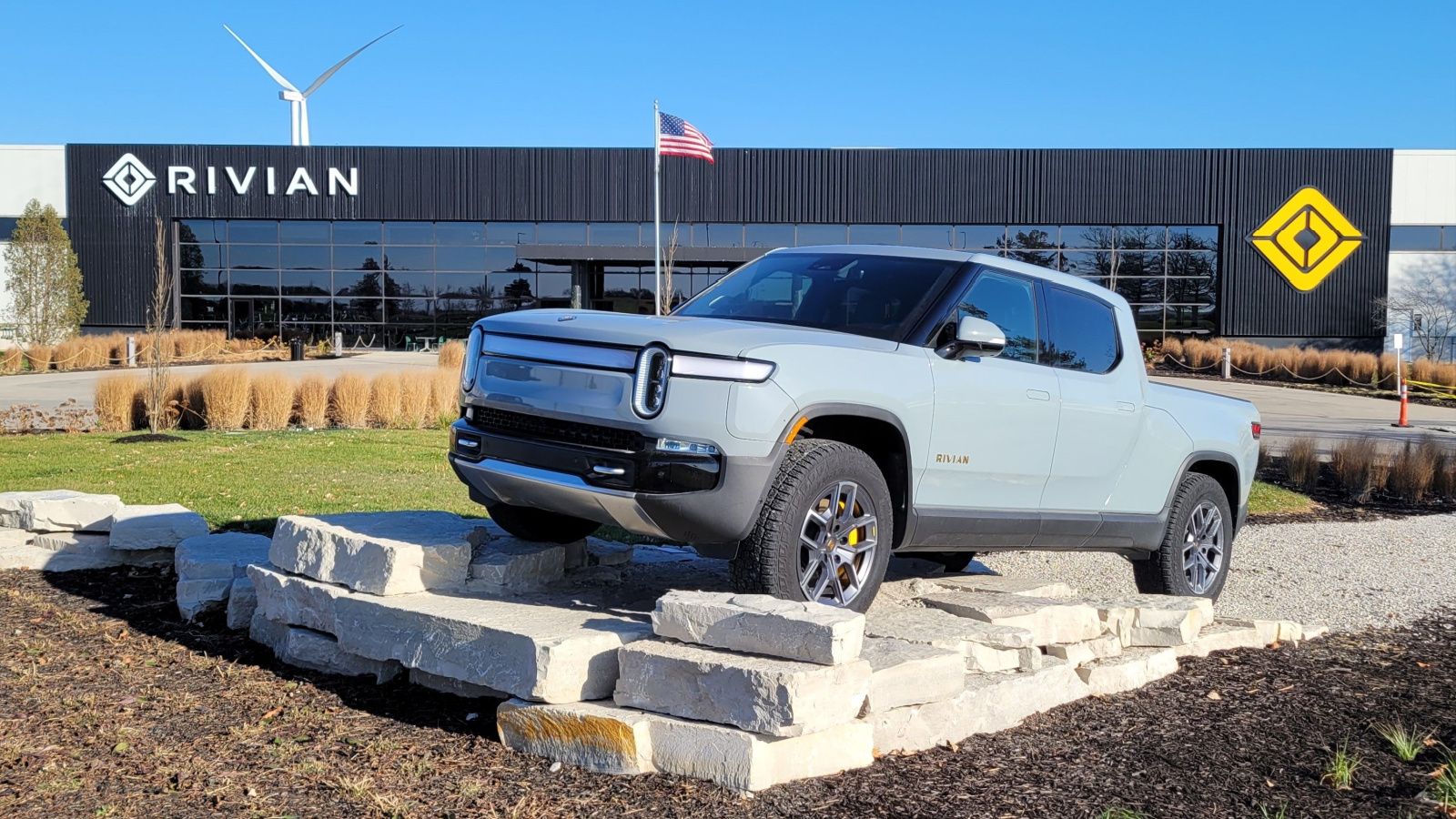
The R1T combines strong performance with respectable charging capability. It can reach high speeds on fast chargers under ideal conditions. Real-world results vary, especially in winter. Still, it maintains a solid charging curve once warmed up. The large battery helps extend the range between stops. That reduces how often you need to charge. Rivian’s network is still expanding, which affects convenience. However, compatibility with public chargers helps fill gaps. For adventurous drivers, it offers a workable balance. Charging may not be class-leading, but it stays practical enough for Canadian road trips.
Volkswagen ID.4
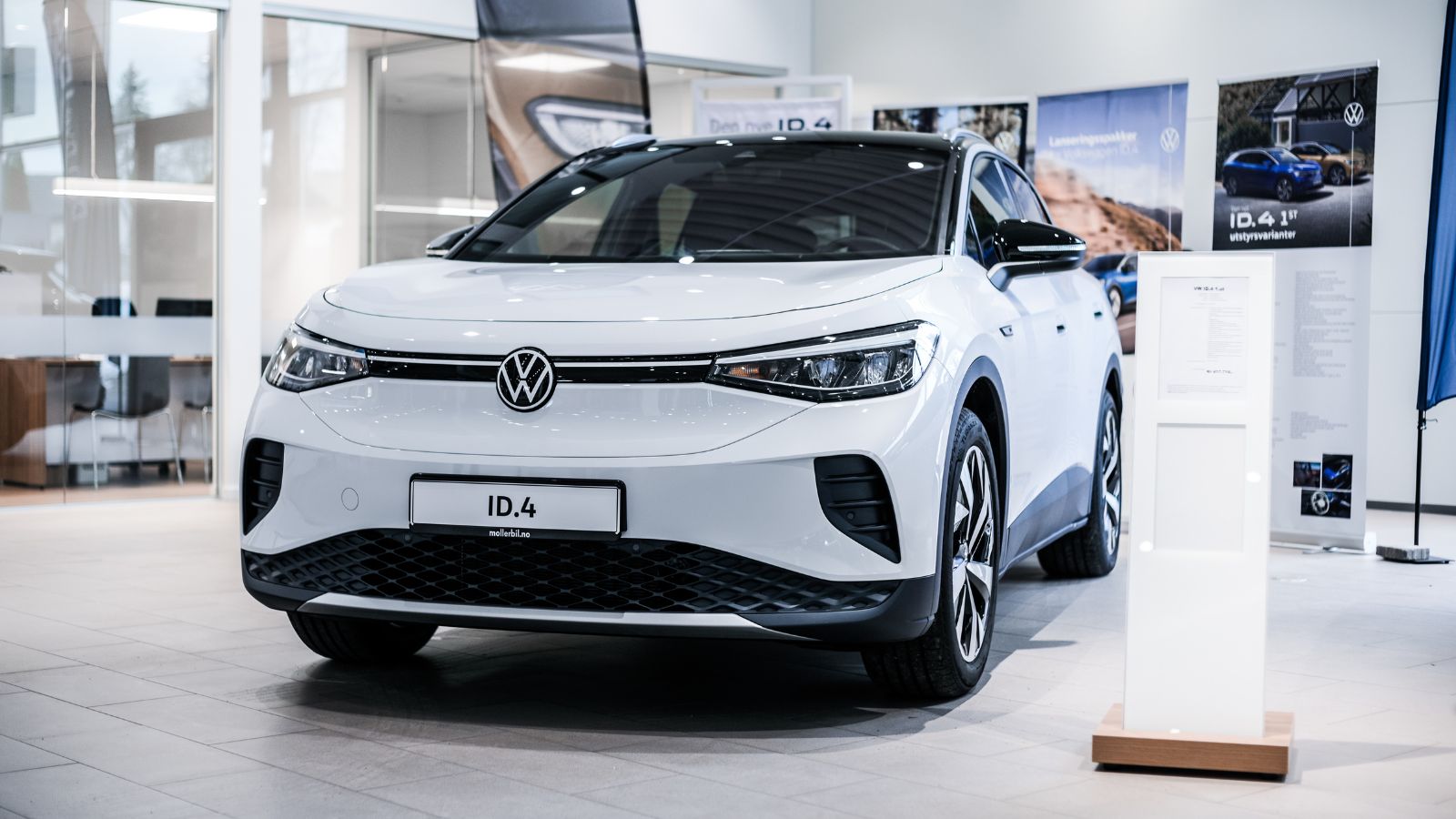
The ID.4 focuses more on stability than outright speed. Charging peaks are moderate, but consistent over time. This keeps sessions predictable. It supports around 135 kW under good conditions. Cold weather reduces that number, though. Preconditioning helps improve results slightly. The ID.4 works well for daily commuting and occasional trips. It does not aim for record-breaking charging times. Instead, it offers a steady experience. Drivers who plan stops carefully can manage long distances. While not the fastest option, it remains convenient enough for most Canadian drivers with typical usage patterns.
BMW i4
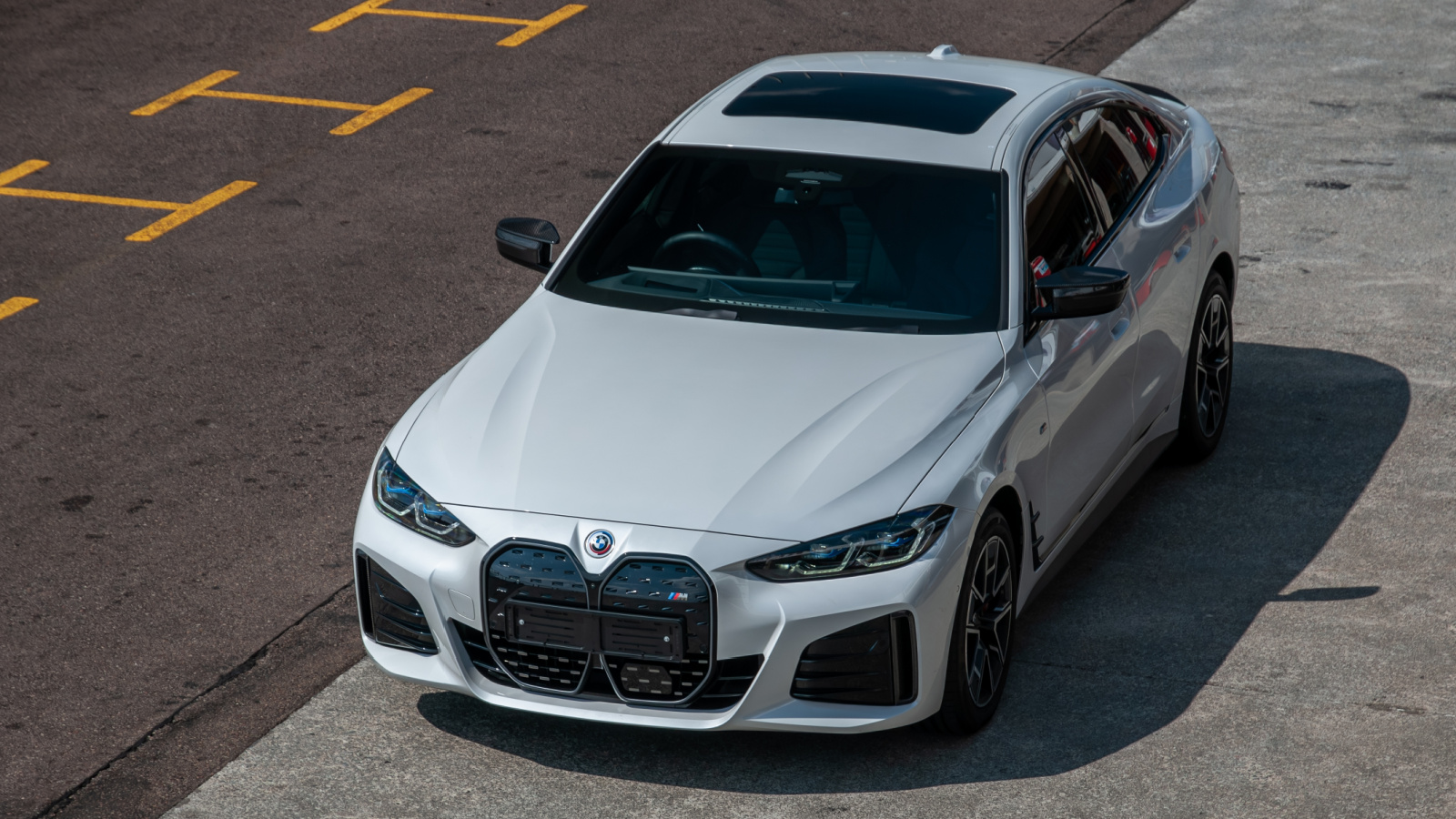
The i4 delivers strong charging performance alongside a traditional driving feel. It can reach around 200 kW on fast chargers. The car also holds decent speeds through much of the session. That reduces total wait time. Efficiency plays a role here as well. You gain a useful range quickly during short stops. Winter conditions still impact performance, but not severely. The i4 feels suited for longer drives between cities. It combines comfort with practical charging times. For drivers moving from gas vehicles, it offers a familiar experience without adding charging frustration.
Porsche Taycan
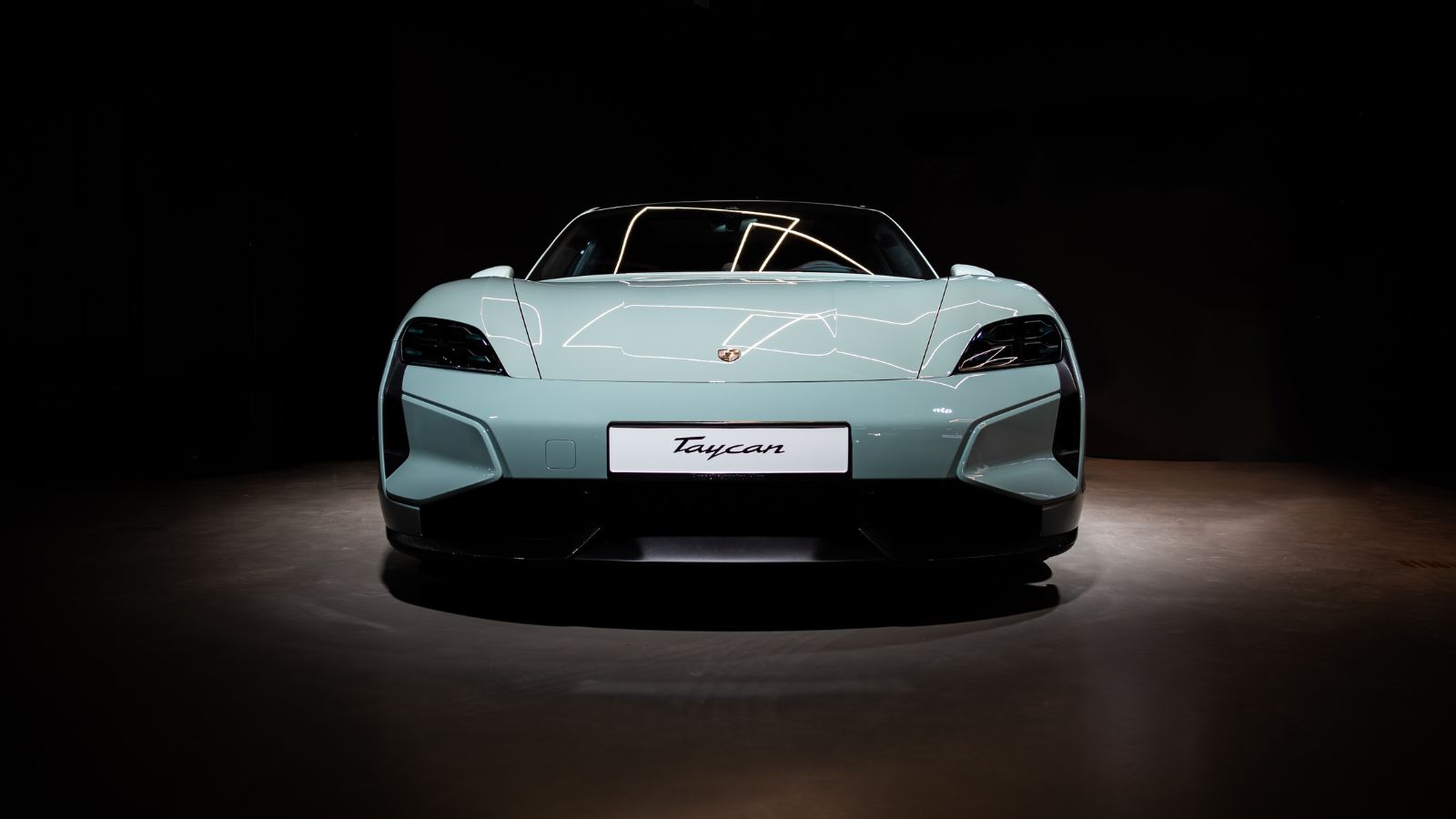
The Taycan remains one of the fastest charging EVs available. Its 800-volt system allows very high peak speeds. It also holds those speeds longer than most competitors. This reduces the time spent at chargers significantly. Even in colder climates, it performs well with proper setup. Battery conditioning keeps performance consistent. The Taycan suits drivers who value both speed and convenience. Charging stops often feel brief compared to others. While expensive, it shows what fast charging can look like. In Canada, that level of performance makes long trips far more manageable.
Lucid Air
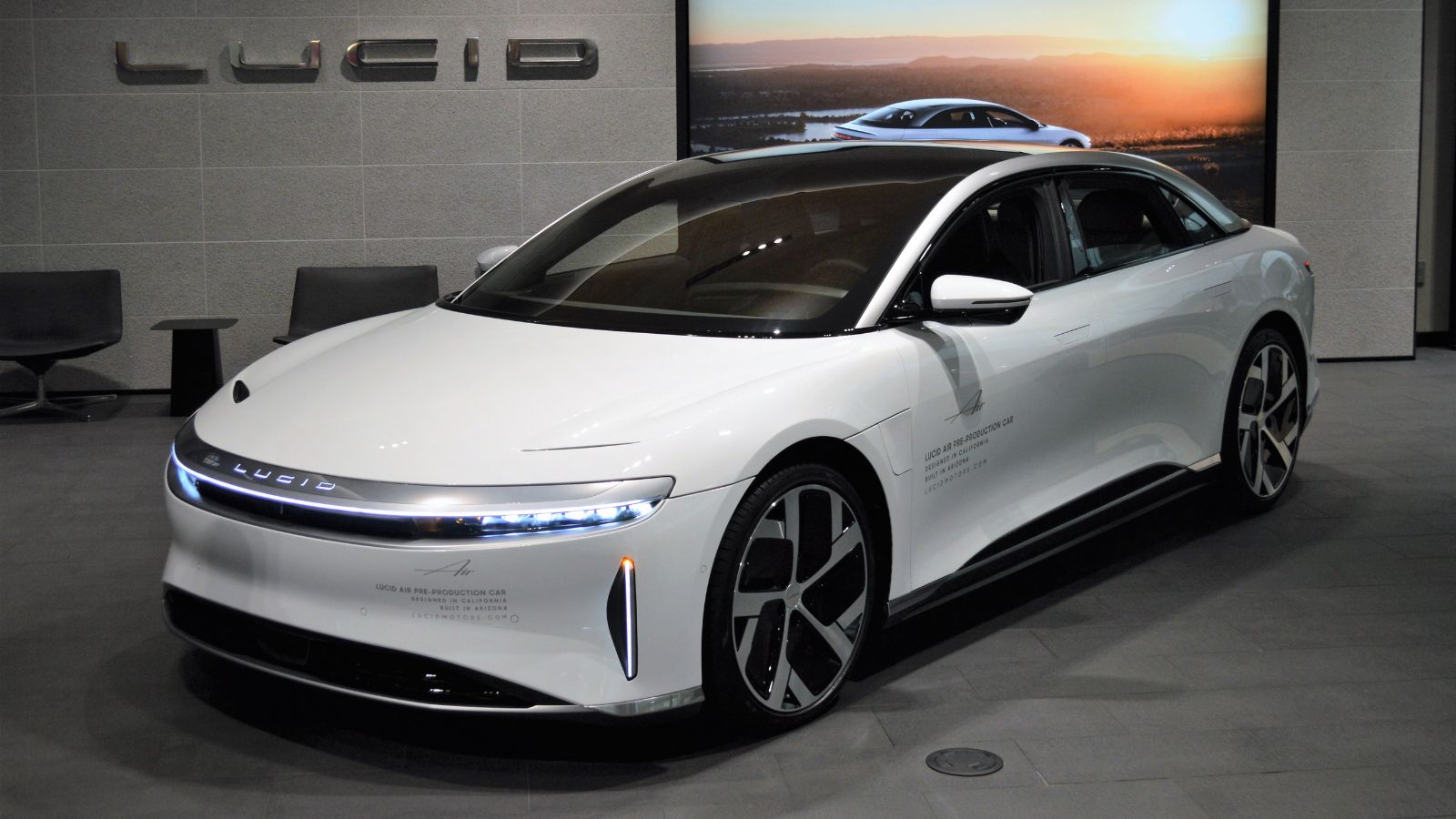
The Lucid Air focuses on both range and charging speed. It supports very high peak charging rates. More importantly, it gains a large amount of range quickly. This reduces the need for frequent stops. Even short sessions can add significant distance. Efficiency also helps stretch each charge further. Cold weather still affects results, but the system adapts well. The Air feels designed for long highway drives. It works well across Canada’s wide distances. Drivers spend less time planning charging stops. That simplicity improves everyday usability for those covering long routes regularly.
Hyundai Kona Electric
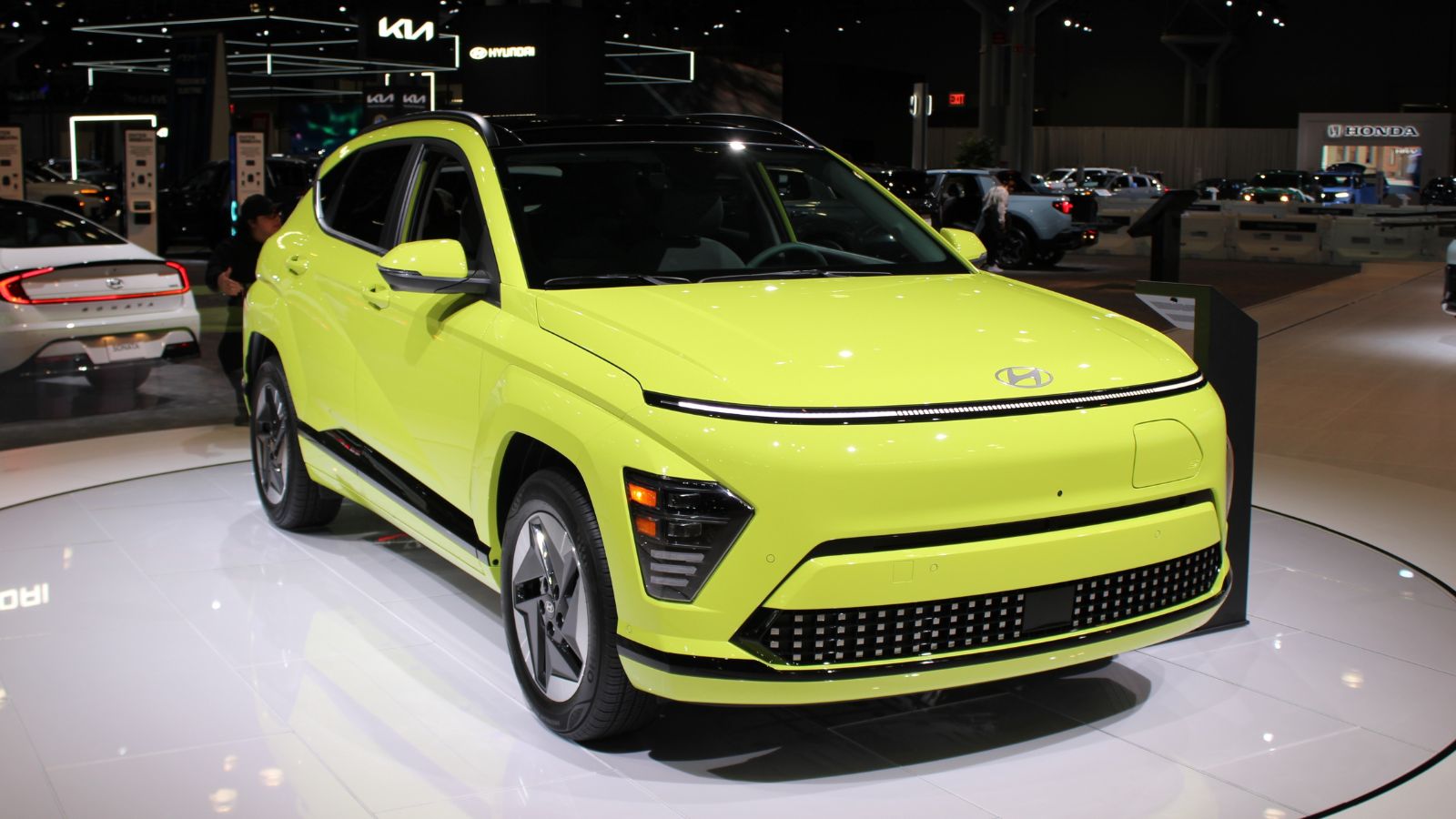
The Kona Electric is not built for ultra-fast charging. However, it remains practical for many drivers. Charging speeds are moderate but predictable. The smaller battery helps reduce total charging time. Even with lower peak rates, sessions stay manageable. It works best for urban and regional travel. Cold weather impacts it more than premium models. Still, careful planning keeps it usable. The Kona suits drivers who charge at home often. Public charging becomes a backup rather than a routine. That makes it convenient for daily use across many Canadian cities.
Polestar 2
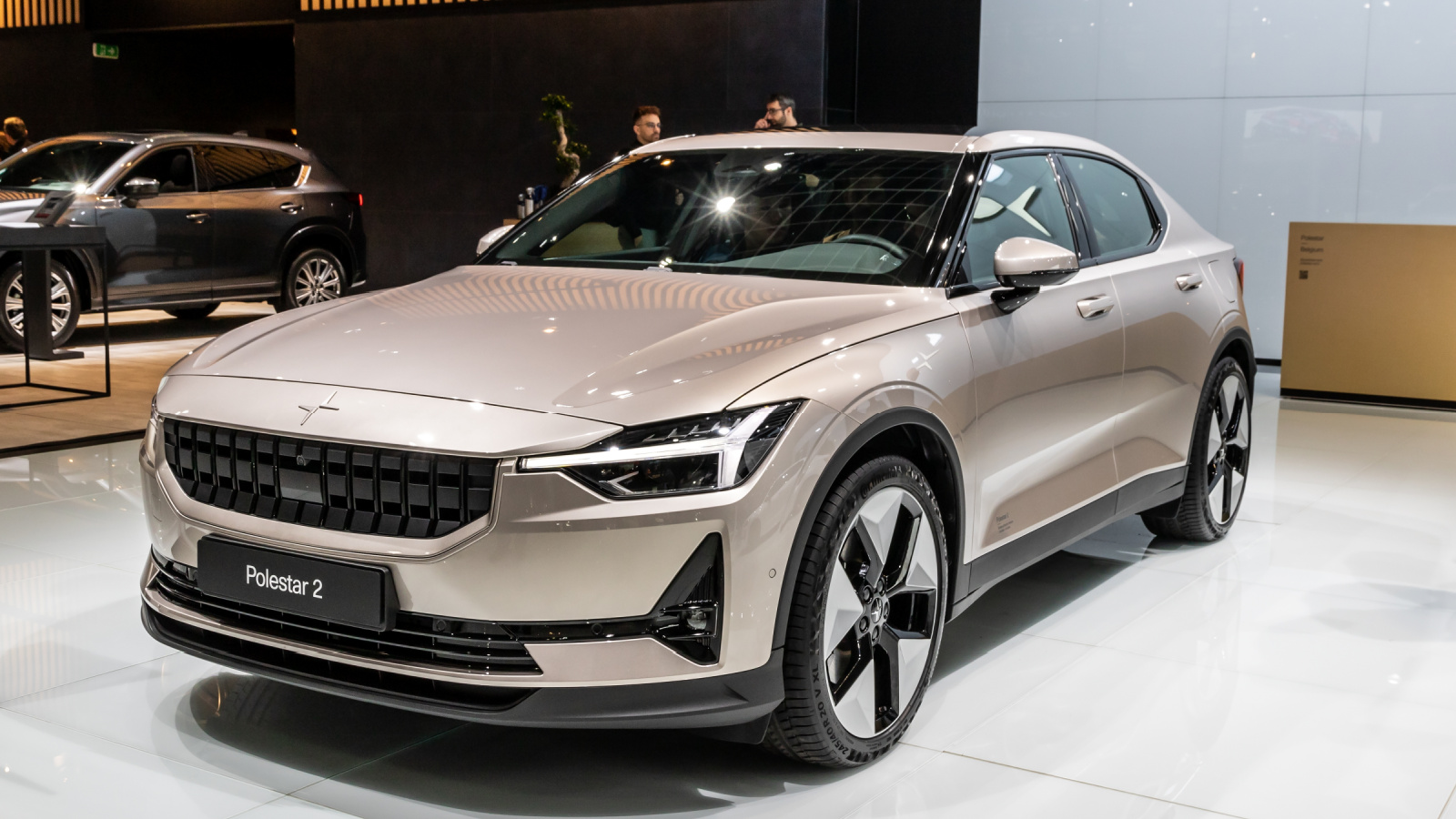
The Polestar 2 offers balanced charging performance. It reaches around 155 kW under good conditions. The charging curve remains stable through much of the session. That helps reduce total wait time. Software updates have improved efficiency and charging behavior. Cold climates still slow things down slightly. Preconditioning helps maintain better results. The car feels comfortable on longer drives. It handles highway speeds without heavy energy loss. For Canadian drivers, it offers a mix of style and practicality. Charging is not class-leading, but it stays convenient enough for regular travel.
Nissan Ariya
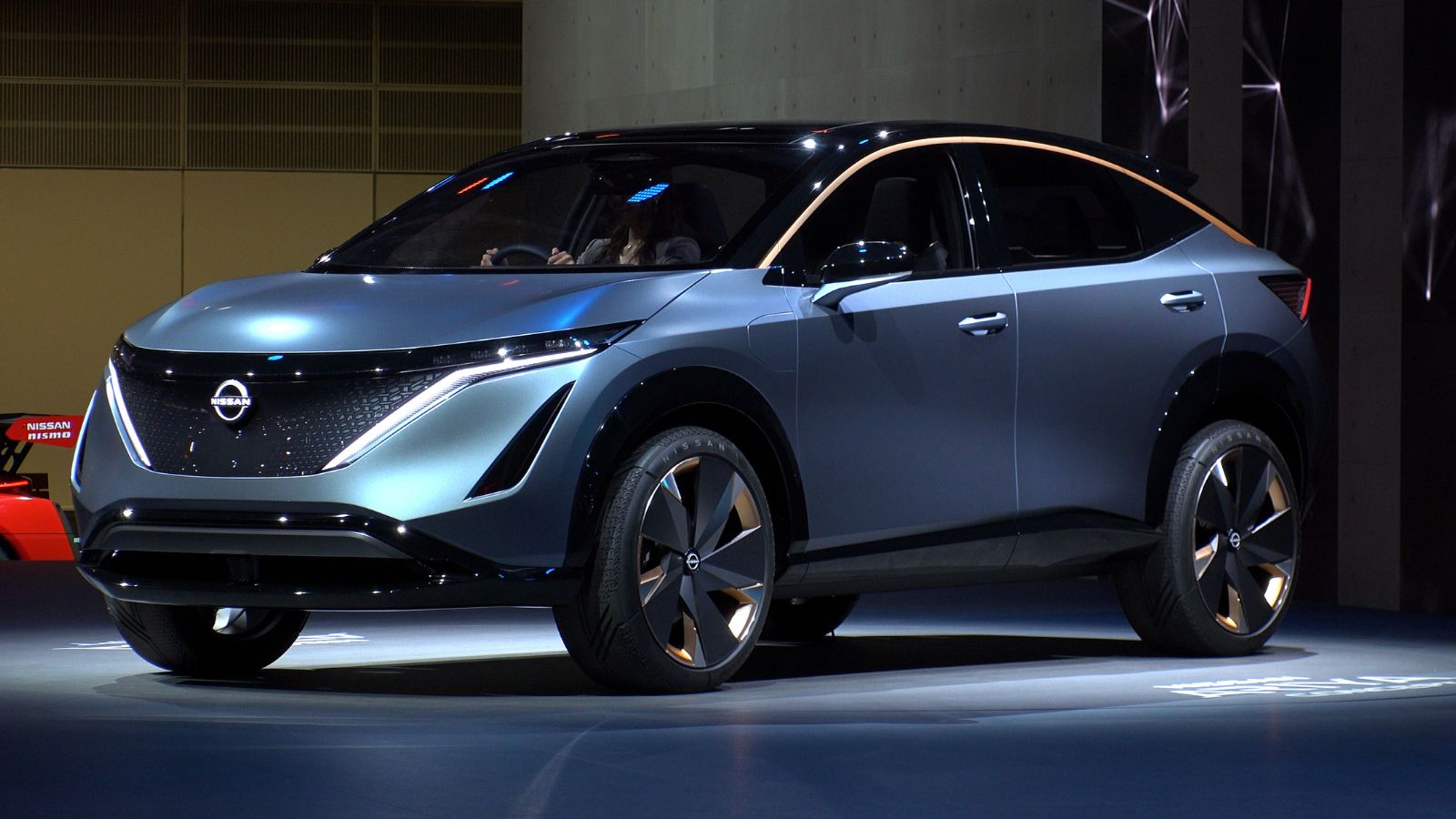
The Ariya focuses on comfort and smooth driving. Charging speeds are moderate, not aggressive. It peaks lower than many rivals. However, it maintains steady performance through sessions. This keeps charging times predictable. Cold weather impacts remain noticeable, though. The Ariya works best for planned travel. Drivers who schedule stops carefully will manage well. It suits daily commuting and weekend trips. While not a charging leader, it avoids extreme delays. That makes it usable for most Canadian drivers who do not rely on frequent long-distance travel.
Audi e-tron GT
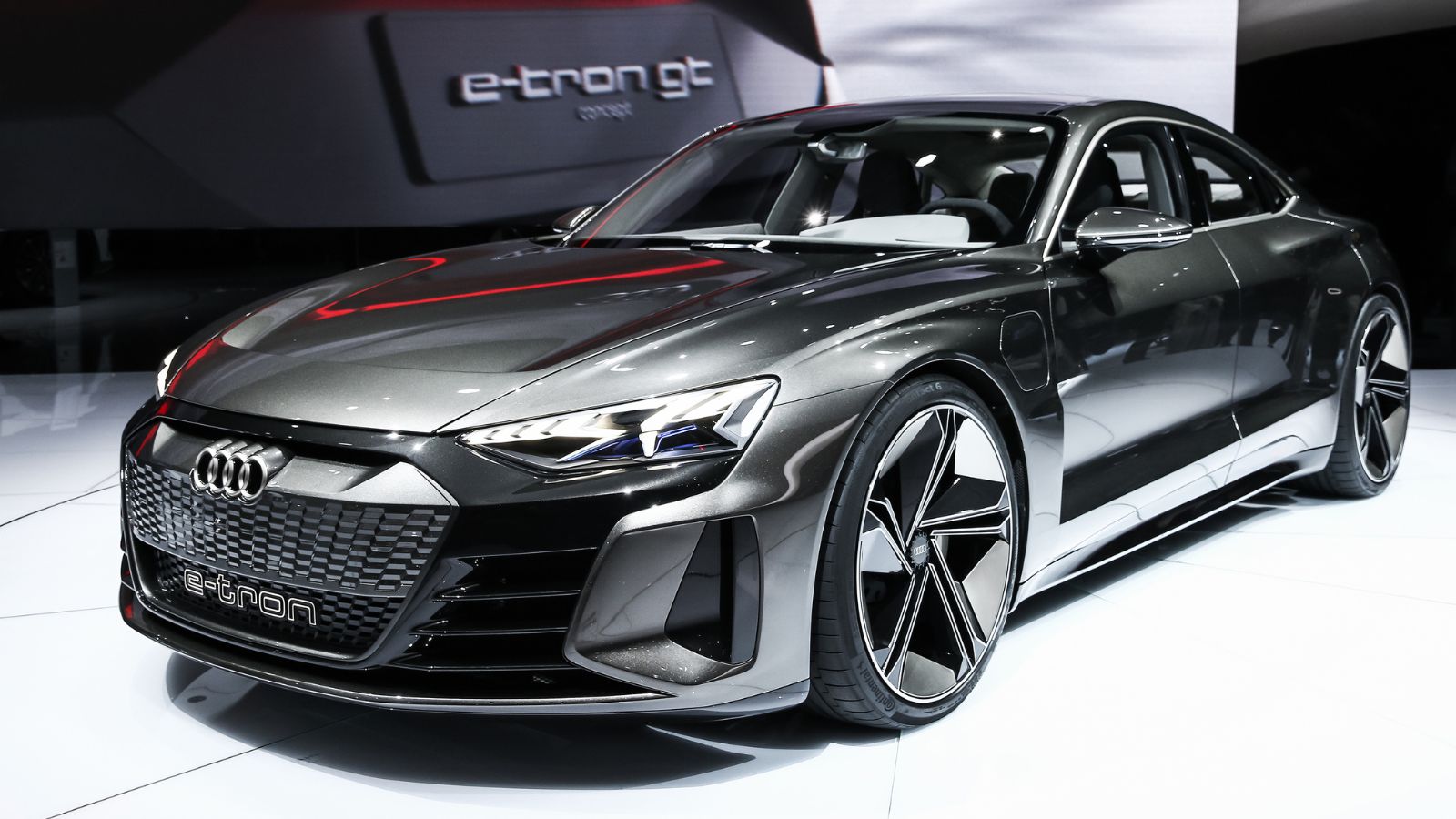
The e-tron GT shares its platform with the Taycan. That means strong charging capability. It supports high peak speeds and maintains them well. Charging sessions feel shorter than many luxury rivals. The system handles temperature changes effectively. Preconditioning keeps performance steady in winter. Drivers can rely on consistent results. The car also feels refined on long drives. It combines performance with convenience. For Canadian highways, this balance matters. Charging stops do not feel like a burden. Instead, they fit naturally into longer journeys between cities.
Kia EV9
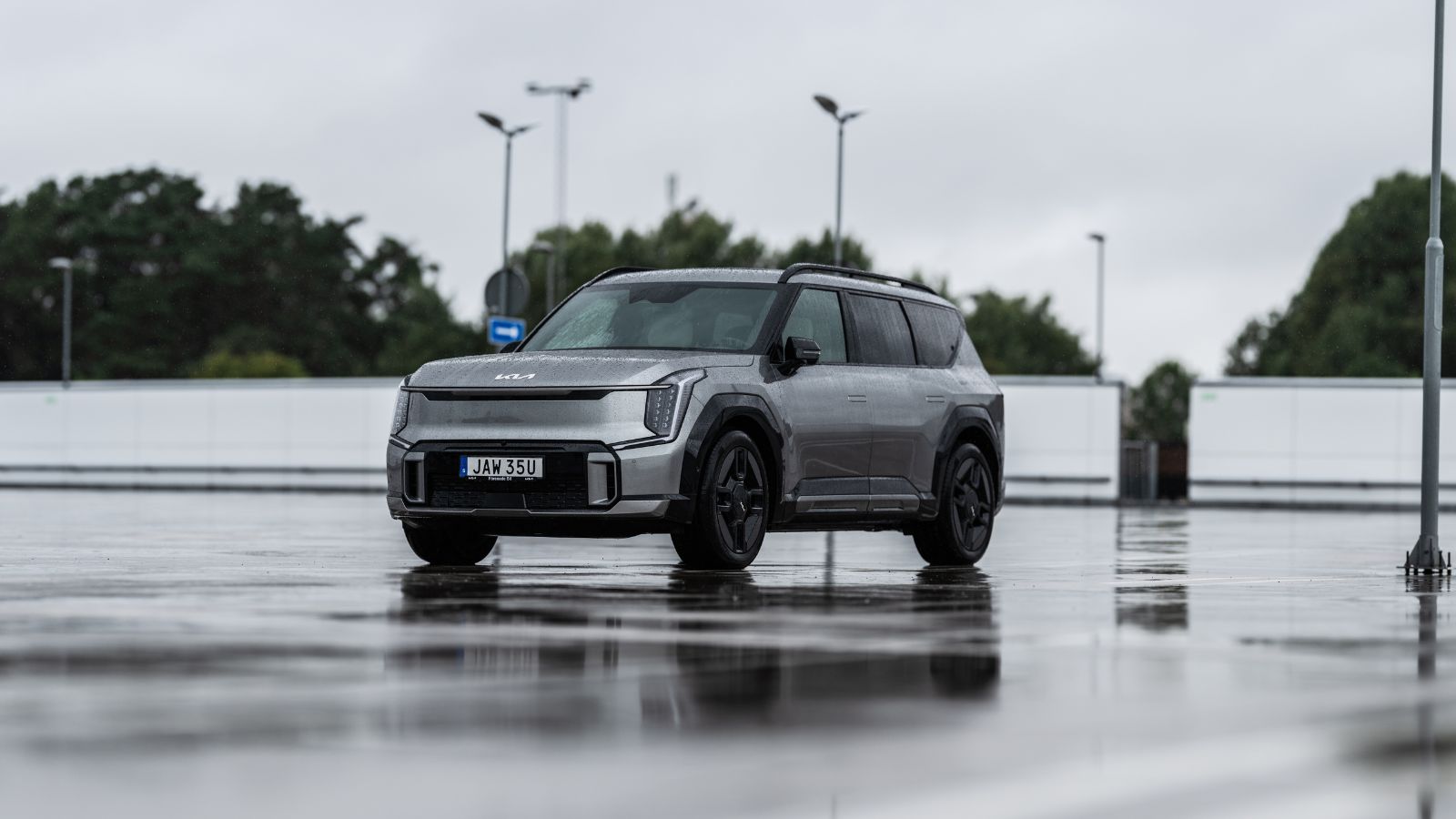
The EV9 brings fast charging to a larger family SUV. It uses an 800-volt system like the EV6. That allows quicker charging than many large vehicles. Even with a big battery, sessions stay manageable. You gain a useful range in a short time. This helps on long trips with passengers. Cold weather still affects performance slightly. Preconditioning helps maintain better speeds. The EV9 feels built for road trips. It combines space with charging convenience. Families can travel longer distances without long delays at charging stations.
Genesis GV60
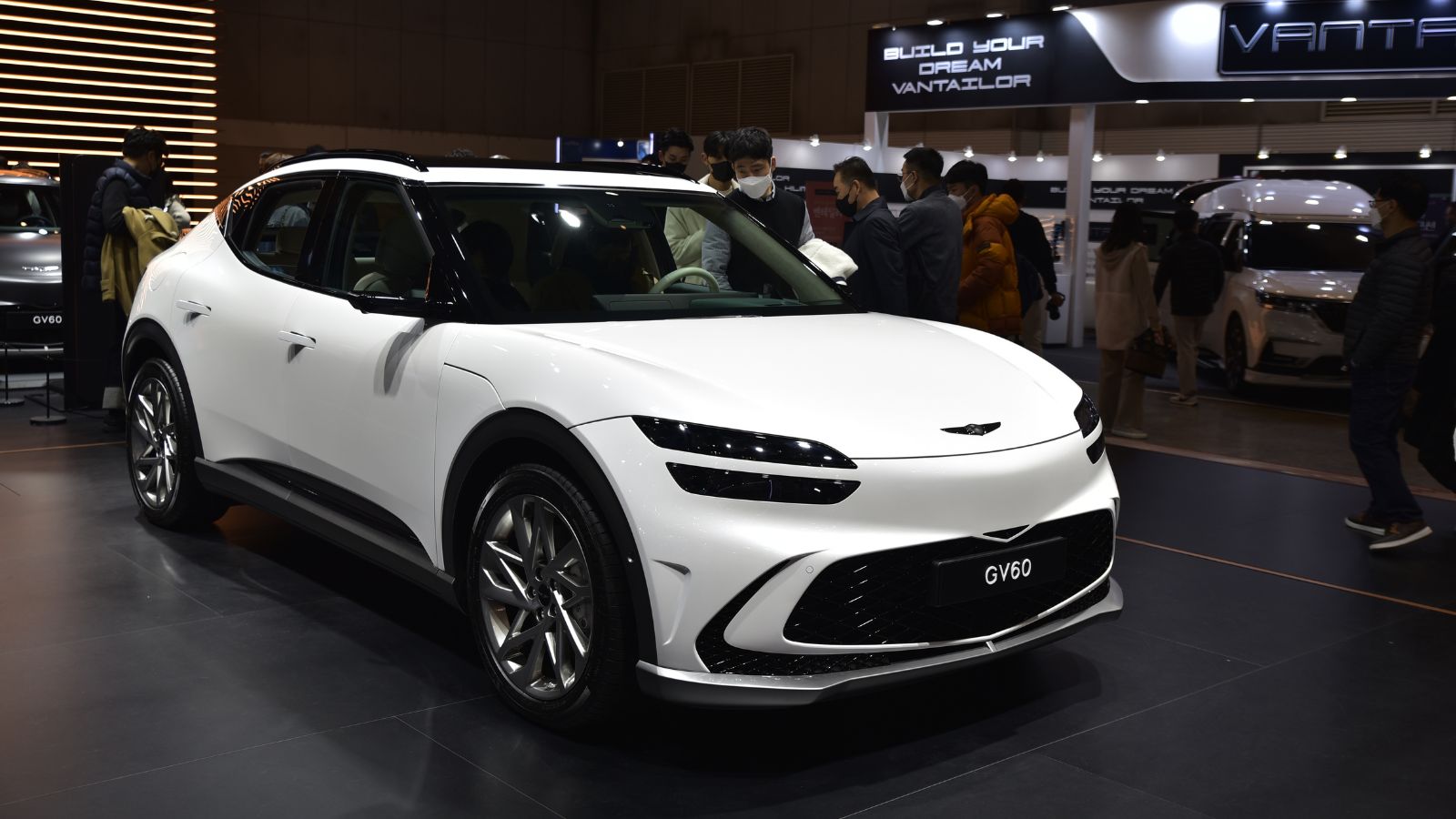
The GV60 shares its platform with Hyundai and Kia models. That gives it strong charging performance. It supports ultra-fast charging under the right conditions. The system delivers quick top-ups during trips. It also manages temperature well. This helps in colder Canadian climates. The GV60 feels premium inside while staying practical outside. Charging sessions remain short compared to many rivals. Drivers benefit from both comfort and convenience. It works well for daily driving and longer journeys. That balance makes it a strong option in the luxury EV space.
Volvo XC40 Recharge
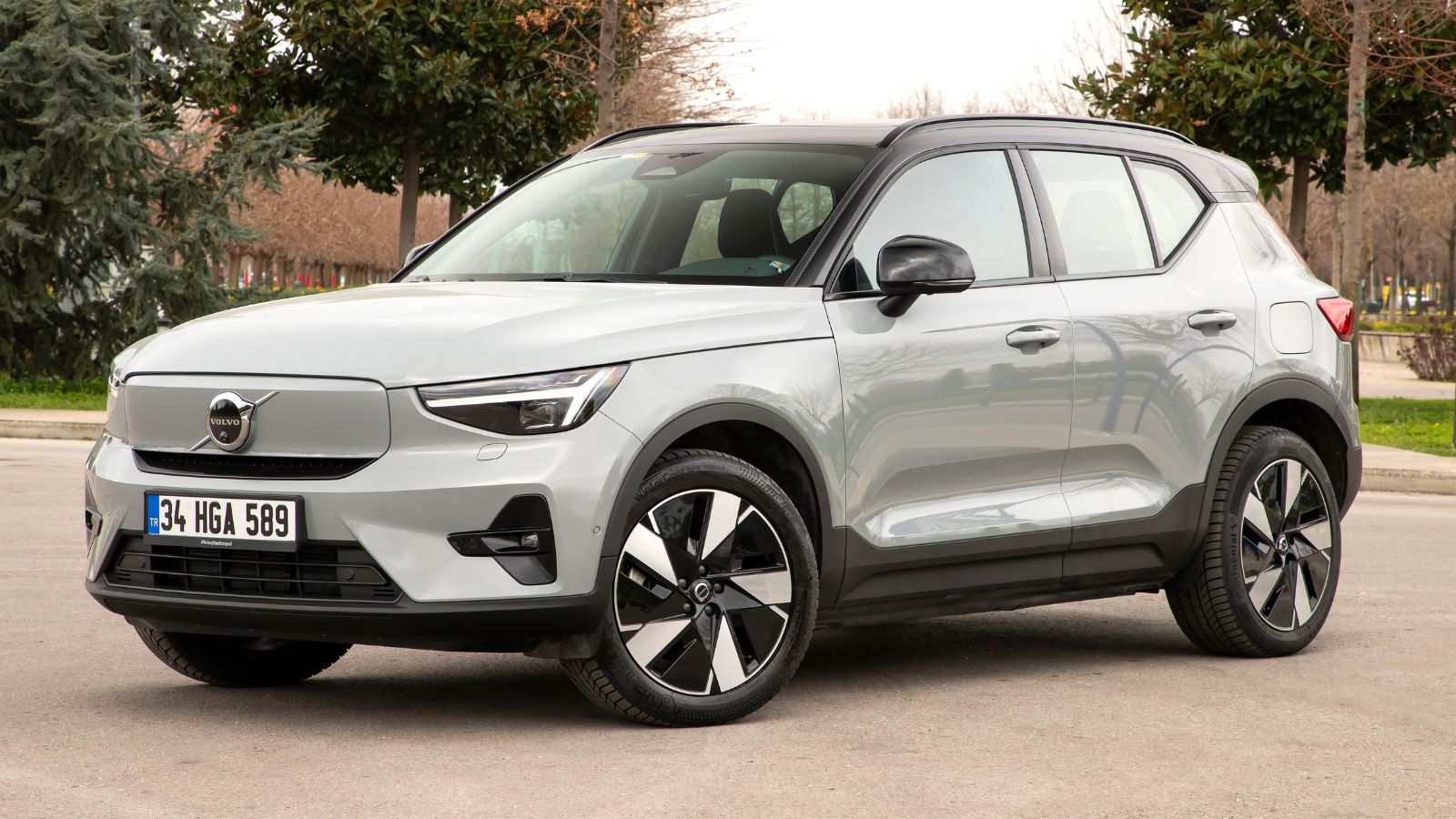
The XC40 Recharge offers decent charging performance without focusing on speed. It peaks around 150 kW in ideal conditions. The curve remains steady, which helps the total time. Cold weather still affects results noticeably. Preconditioning improves performance slightly. The SUV feels solid and safe on long drives. It suits drivers who value comfort over speed. Charging stops may take longer than some rivals. However, they remain manageable with planning. For Canadian use, it works best in urban areas. Occasional road trips are still possible without major inconvenience.
Chevrolet Equinox EV
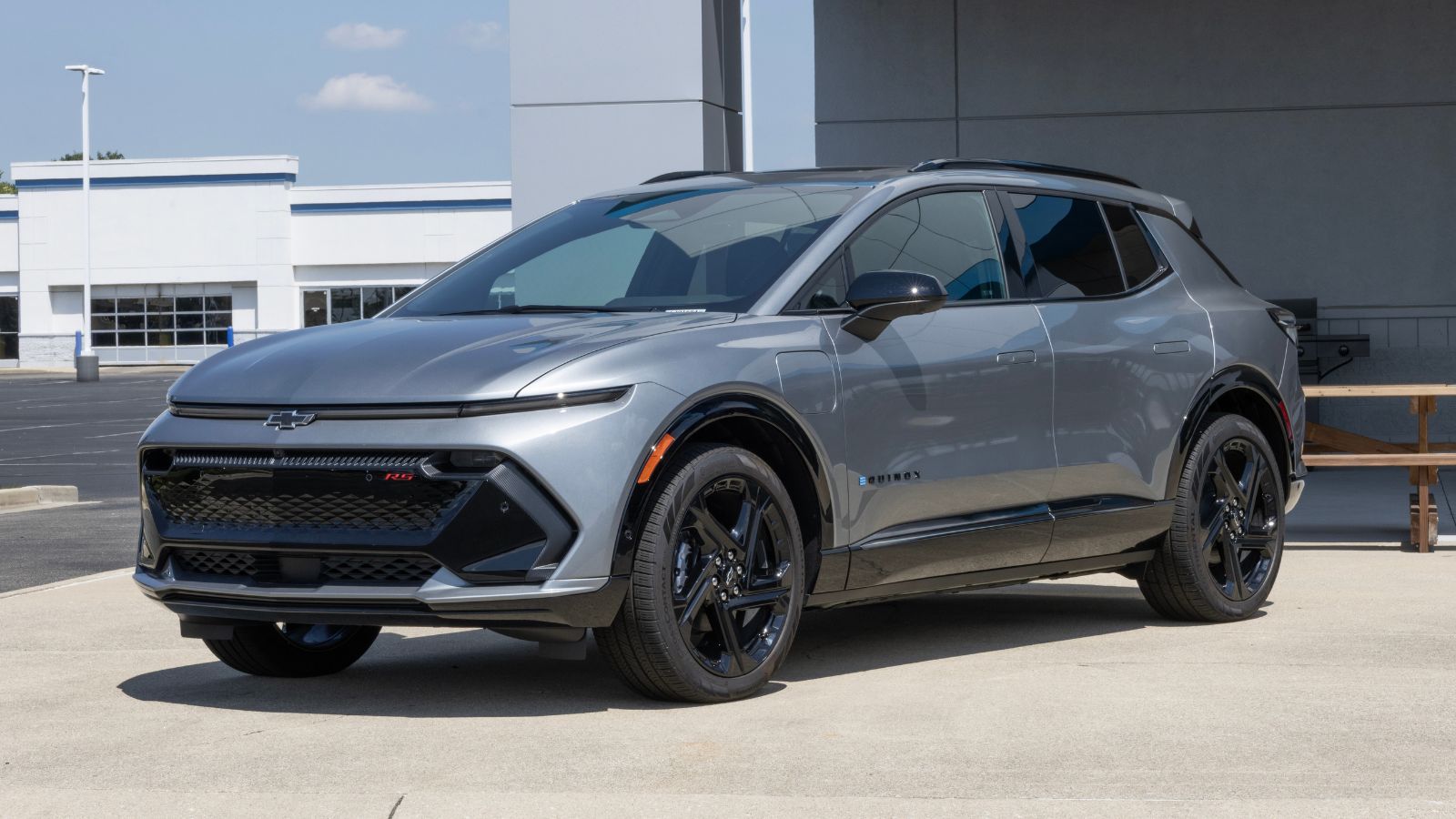
The Equinox EV focuses on affordability and usability. Charging speeds are moderate, not aggressive. It supports reasonably fast charging for its segment. The smaller battery helps keep sessions shorter. That offsets lower peak speeds slightly. It works well for daily driving and shorter trips. Cold weather reduces performance, as expected. Still, it remains manageable with planning. The Equinox EV aims to make EV ownership easier. Charging stays convenient enough for most users. It may not lead to speed, but it avoids major delays in typical driving conditions.
Mercedes-Benz EQE
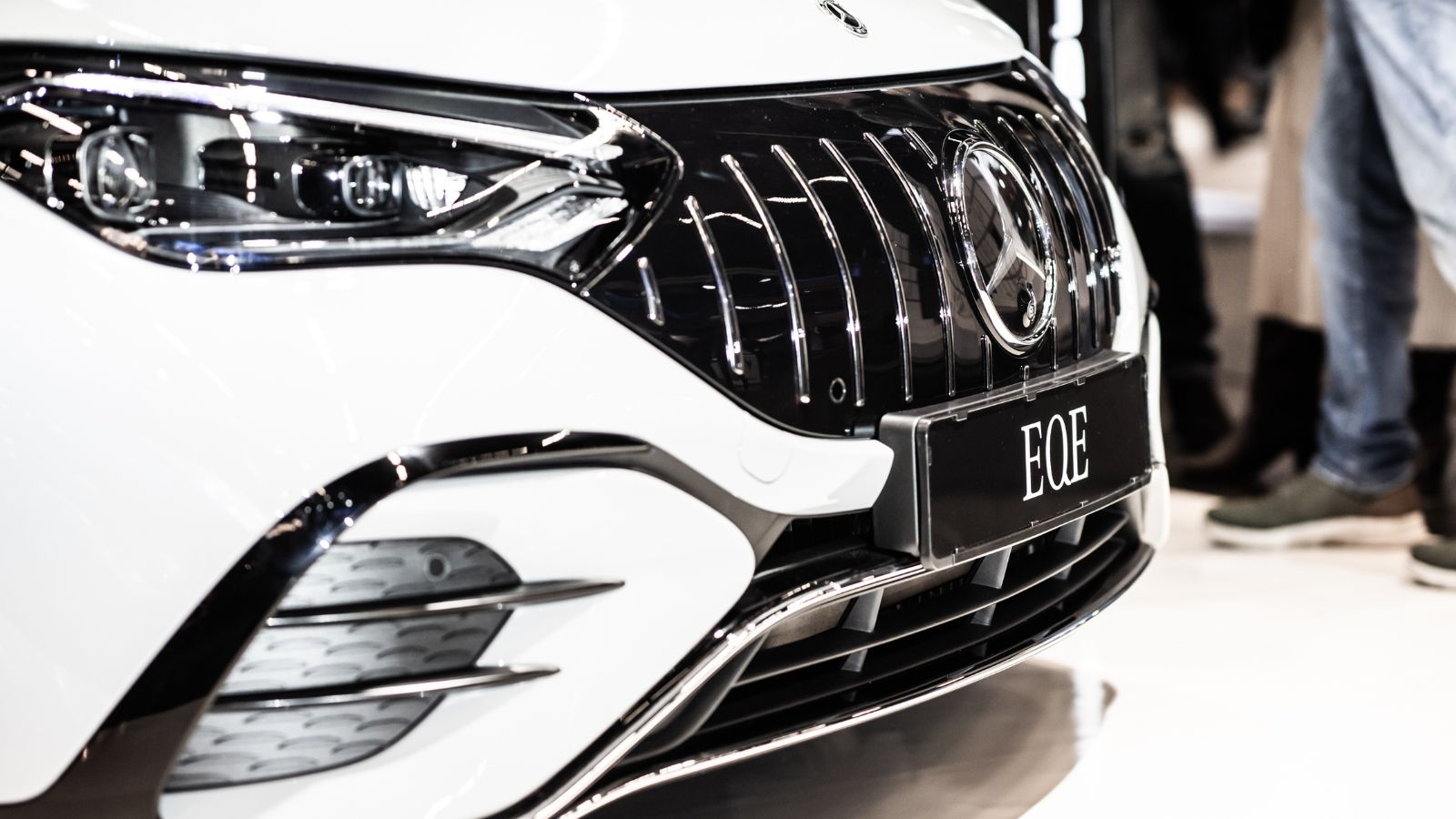
The EQE combines luxury with respectable charging performance. It supports fast charging at competitive speeds. The system maintains a stable curve during sessions. This reduces the time spent waiting. Efficiency also helps extend the range between stops. Cold weather still affects results, though. Preconditioning improves charging behavior slightly. The EQE feels smooth and quiet on long drives. Charging stops fit naturally into travel plans. For Canadian drivers, it offers a refined experience. It balances comfort with practical charging times, making it suitable for both city use and highway travel.
22 Things Canadians Do to Their Cars in Spring That Mechanics Hate

Spring brings relief to many Canadian drivers after months of snow, freezing temperatures, and icy roads that put serious strain on vehicles. As temperatures rise across the country, drivers begin washing cars, switching tires, and preparing vehicles for warmer weather and upcoming road trips. However, mechanics across Canada notice the same mistakes every spring when drivers attempt to recover from winter damage. Road salt, potholes, and harsh winter driving conditions often leave vehicles with hidden problems that drivers ignore. Some spring habits even create new mechanical issues that could have been avoided with proper maintenance. Here are 22 things Canadians do to their cars in spring that mechanics hate.