


























Winter in Canada does more than test your patience. It quietly works your car harder than usual. Salt, slush, cold starts, and rough roads leave behind damage you may not notice. Once temperatures rise, your car needs attention to recover. Ignoring small issues now can lead to bigger repairs later. Spring is the reset point your vehicle depends on. A few simple checks can improve safety, performance, and longevity. Think of it as undoing months of wear in one focused effort. Here are 23 things Canadians should do to their car right after winter ends.
Wash Off Road Salt Thoroughly
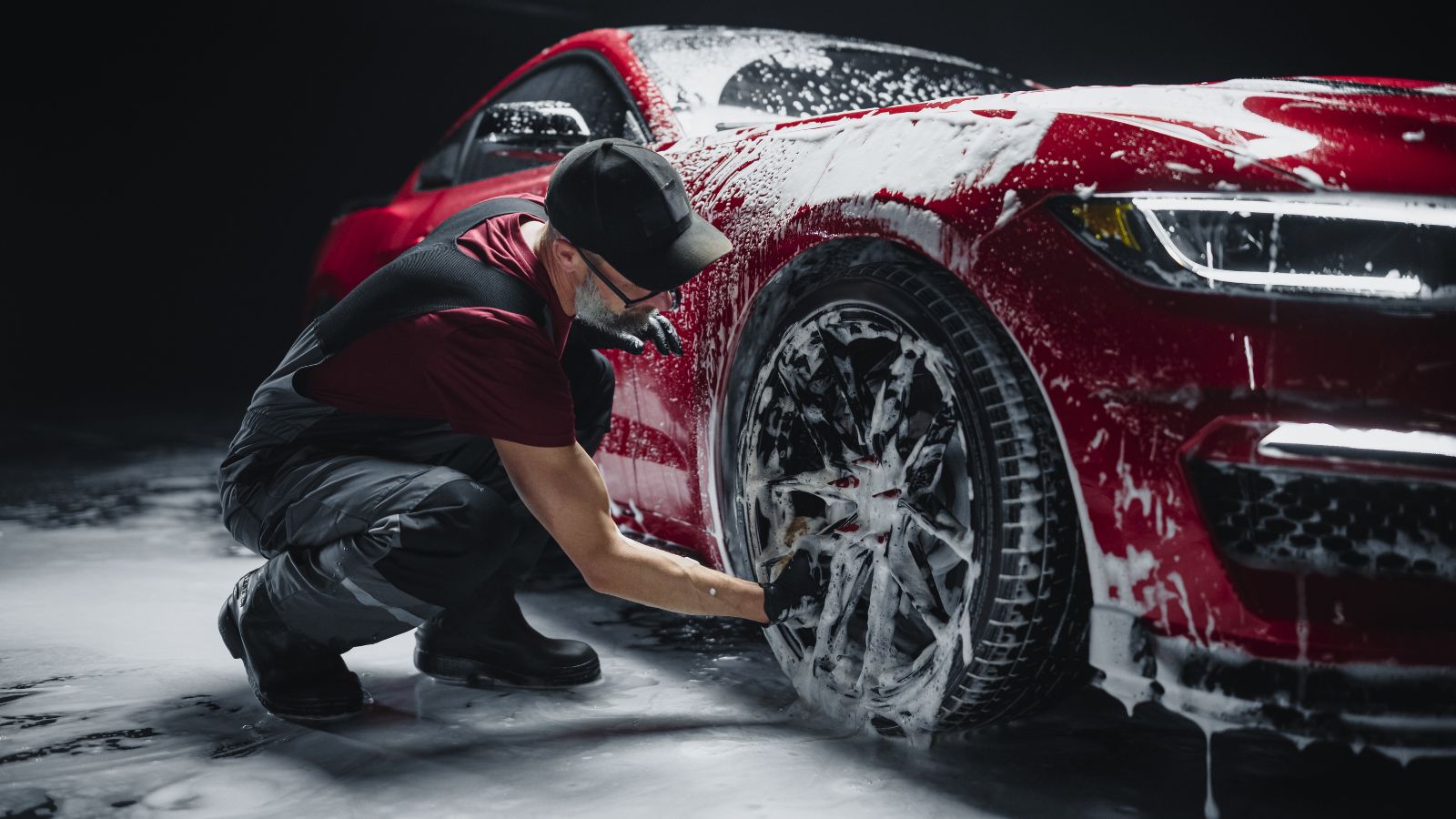
Road salt sticks to everything, especially the underside of your car. It speeds up rust and eats into metal parts over time. A quick rinse is not enough after months of buildup. Use a pressure wash or undercarriage spray to reach hidden areas. Pay close attention to wheel wells and suspension parts. Salt often hides in seams and corners. Leaving it there invites long-term damage. Spring is the best time to remove it completely. A proper wash now can slow rust formation and protect your car’s structure for years.
Inspect the Undercarriage for Damage
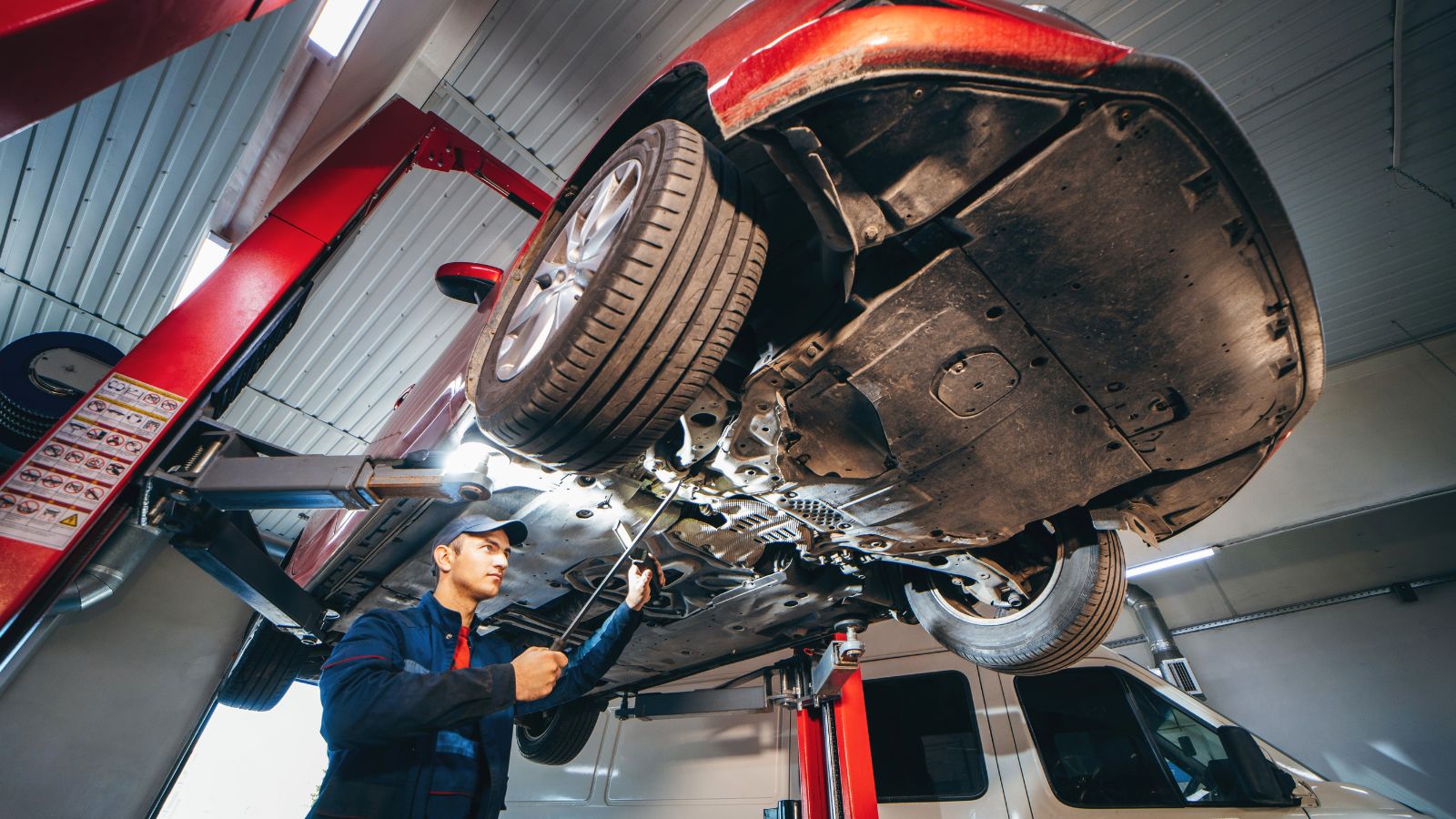
Winter roads are rough and full of surprises. Ice chunks, potholes, and debris can hit the underside of your vehicle. Take time to inspect for dents, loose panels, or leaks. Look for rust starting in small spots. Catching it early saves money later. Mechanics often spot issues that drivers miss. A quick inspection can reveal worn bushings or damaged shields. These parts protect important systems. Ignoring them can lead to bigger failures. Spring checks help you understand what winter really did to your car.
Switch Back to All-Season or Summer Tires
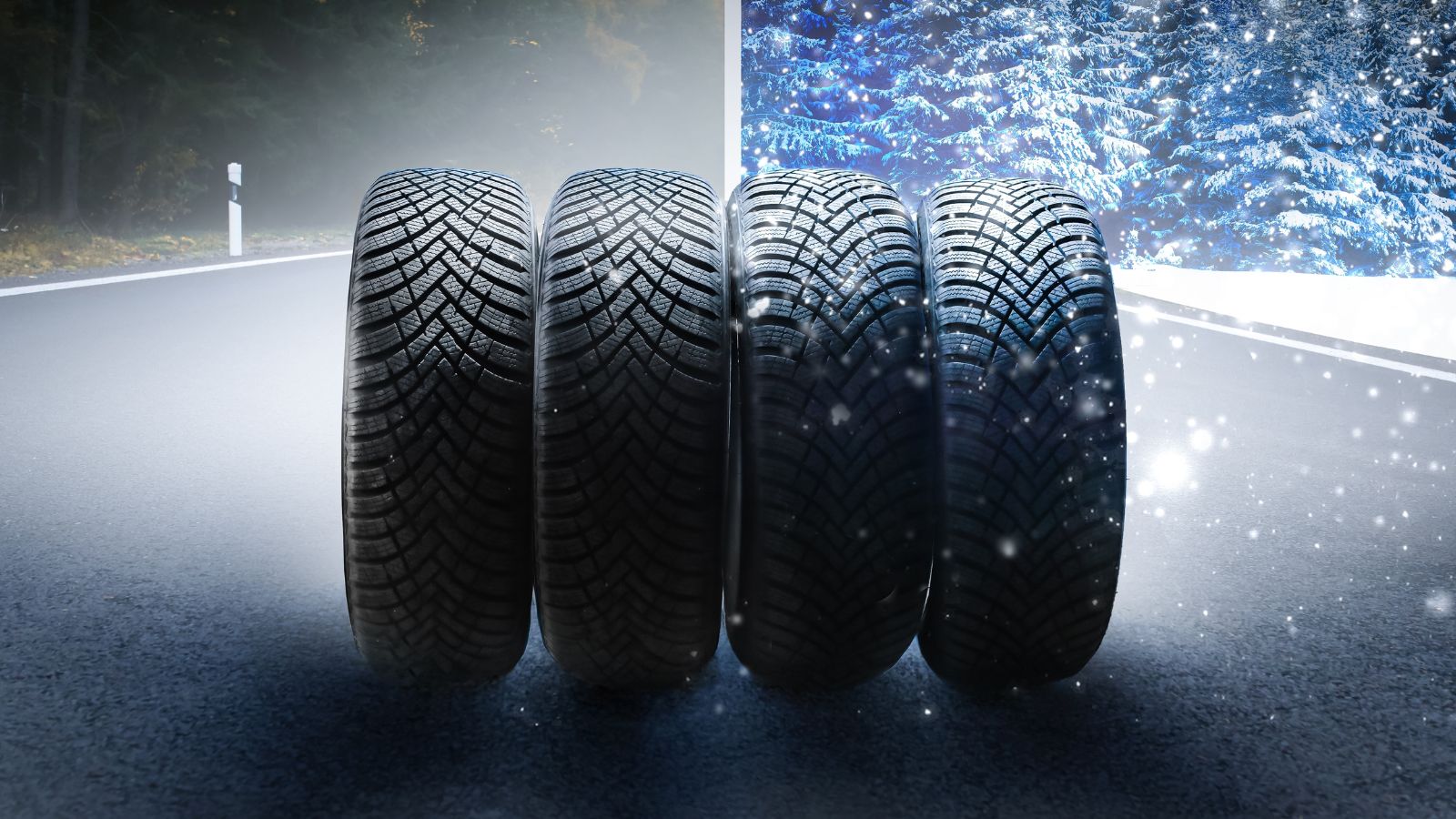
Winter tires work best in cold temperatures, not warm weather. Driving on them in the spring wears them out faster. They also reduce fuel efficiency and handling. Swap them out once temperatures stay above 7°C. Check your all-season tires before reinstalling them. Look for cracks, uneven wear, or low tread depth. Proper tires improve safety and comfort. They also make driving quieter. Seasonal tire changes are not just routine. They help your car perform the way it should in warmer conditions.
Check Tire Pressure and Alignment
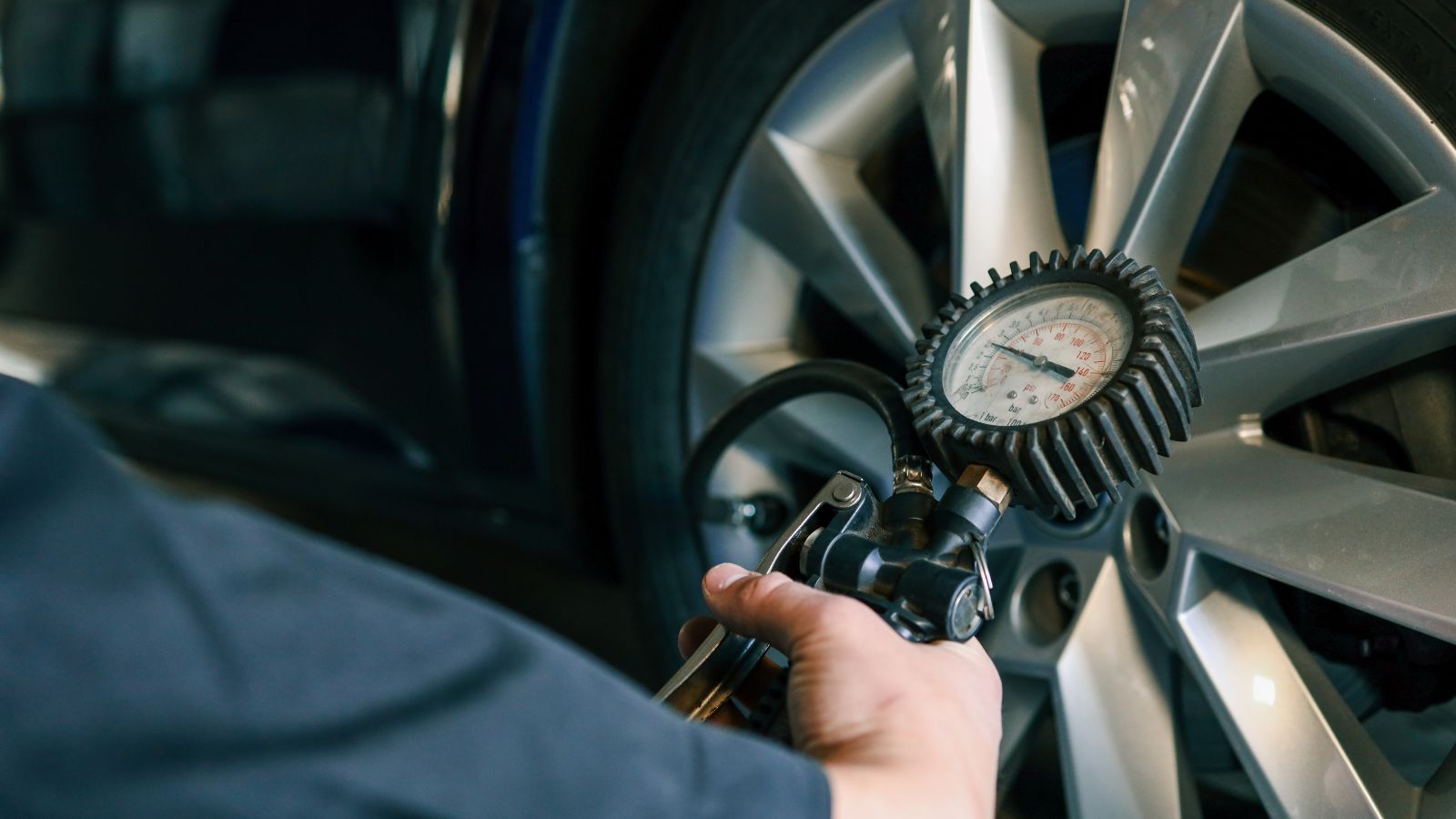
Cold weather lowers tire pressure, often without warning. After winter, your tires may still be underinflated. This affects fuel economy and handling. Check pressure with a reliable gauge. Adjust it according to your vehicle’s recommendation. Also consider wheel alignment. Potholes can knock wheels out of position. Misalignment causes uneven tire wear and poor steering response. If your car pulls to one side, get it checked. Proper alignment improves control and extends tire life. It is a small fix with noticeable results.
Inspect Brakes for Wear
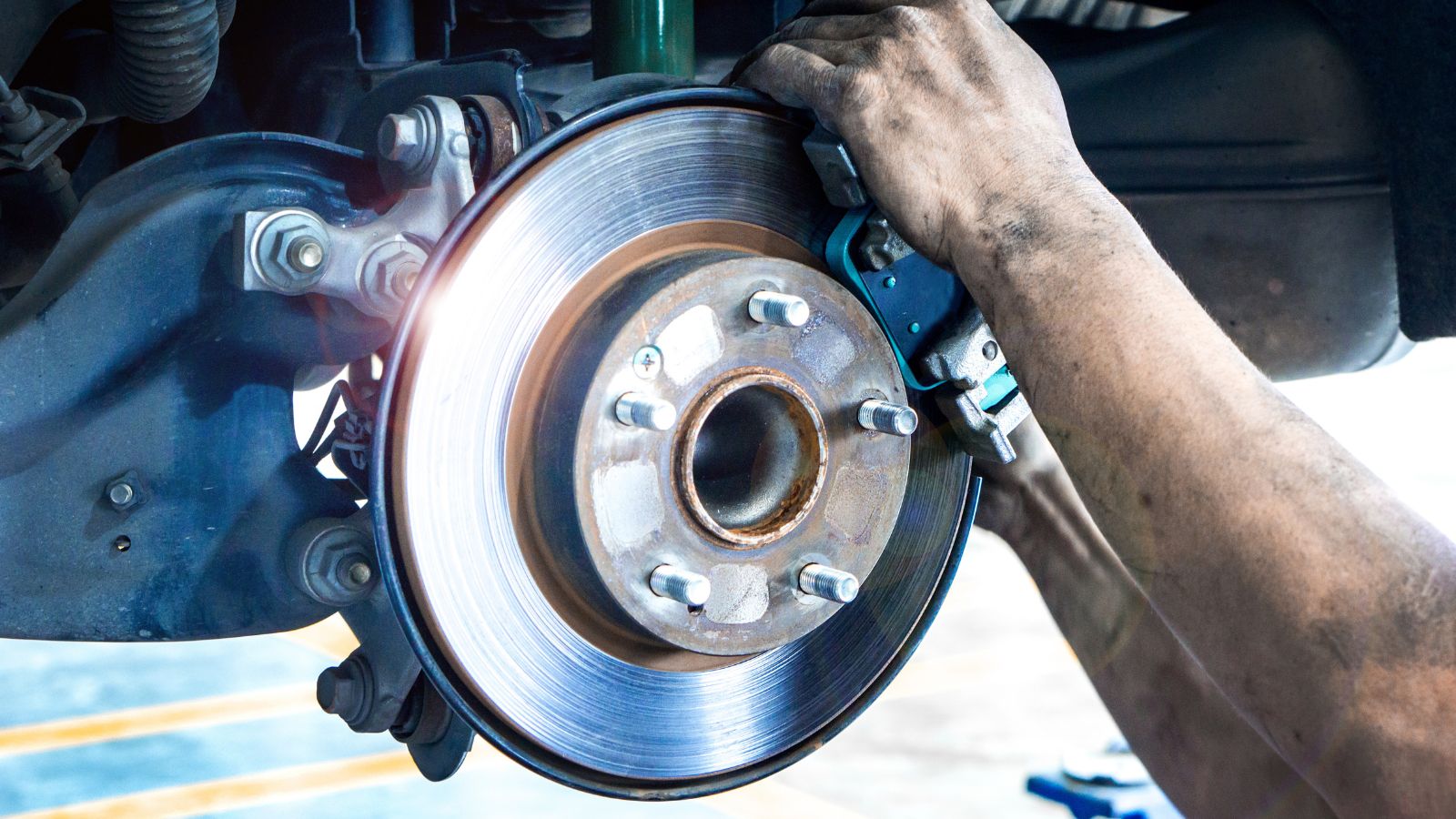
Winter driving puts extra stress on braking systems. Slush and salt can wear down pads and rotors faster. Listen for squealing or grinding sounds. These are warning signs you should not ignore. Check brake thickness and rotor condition. Corrosion can build up on metal surfaces. This reduces braking performance. Spring is a good time for a full inspection. Reliable brakes matter more than almost anything else. A quick check now can prevent dangerous situations later on the road.
Replace Wiper Blades

Snow, ice, and road grime wear out wiper blades quickly. By spring, they often leave streaks or miss spots. This affects visibility during rain. Replacing them is simple and affordable. Choose blades designed for your vehicle. Clean the windshield before installing new ones. This prevents early damage. Good wipers make a big difference during sudden showers. Clear vision keeps you safer. Many drivers forget this step, but it is one of the easiest upgrades after winter ends.
Top Up or Change Engine Oil
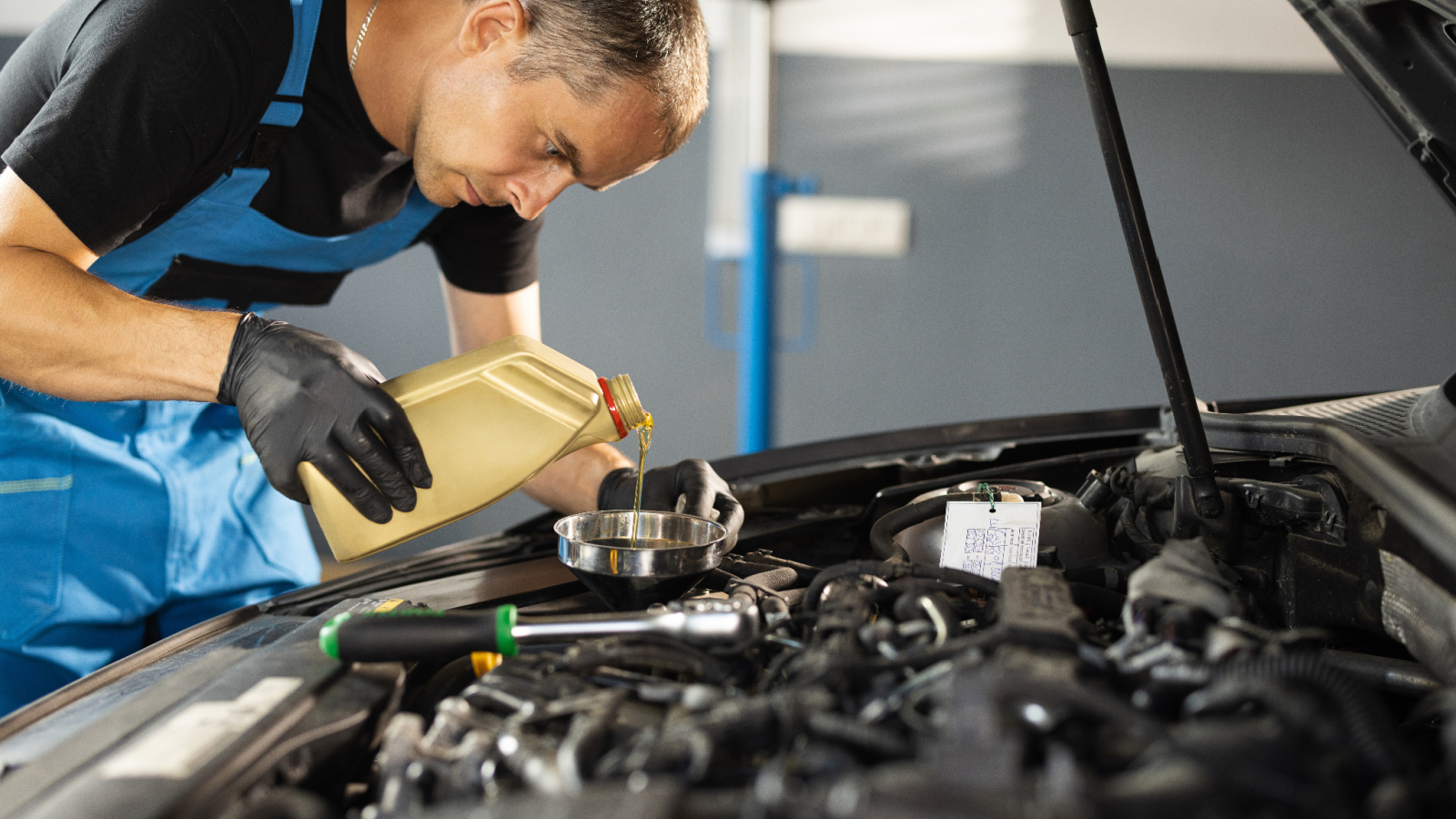
Cold starts and short trips strain engine oil during winter. It breaks down faster than usual. Check the oil level and condition once temperatures rise. Dark or gritty oil needs replacement. Fresh oil helps reduce friction and keeps parts moving smoothly. It also supports better fuel use. Spring is a natural checkpoint for this task. Skipping it can lead to engine wear over time. A simple oil change now helps your engine recover from months of stress and keeps performance steady.
Check the Battery Health

Winter reduces battery strength, even if your car still starts. Cold weather makes batteries work harder than usual. Test the charge level and inspect the terminals for corrosion. Clean any buildup you find. Loose connections can also cause problems. Older batteries may struggle as temperatures rise again. Replacing one early avoids sudden failure later. Spring checks give you a clear idea of battery condition. It takes only a few minutes, but it can prevent getting stranded without warning during daily use.
Inspect Fluid Levels
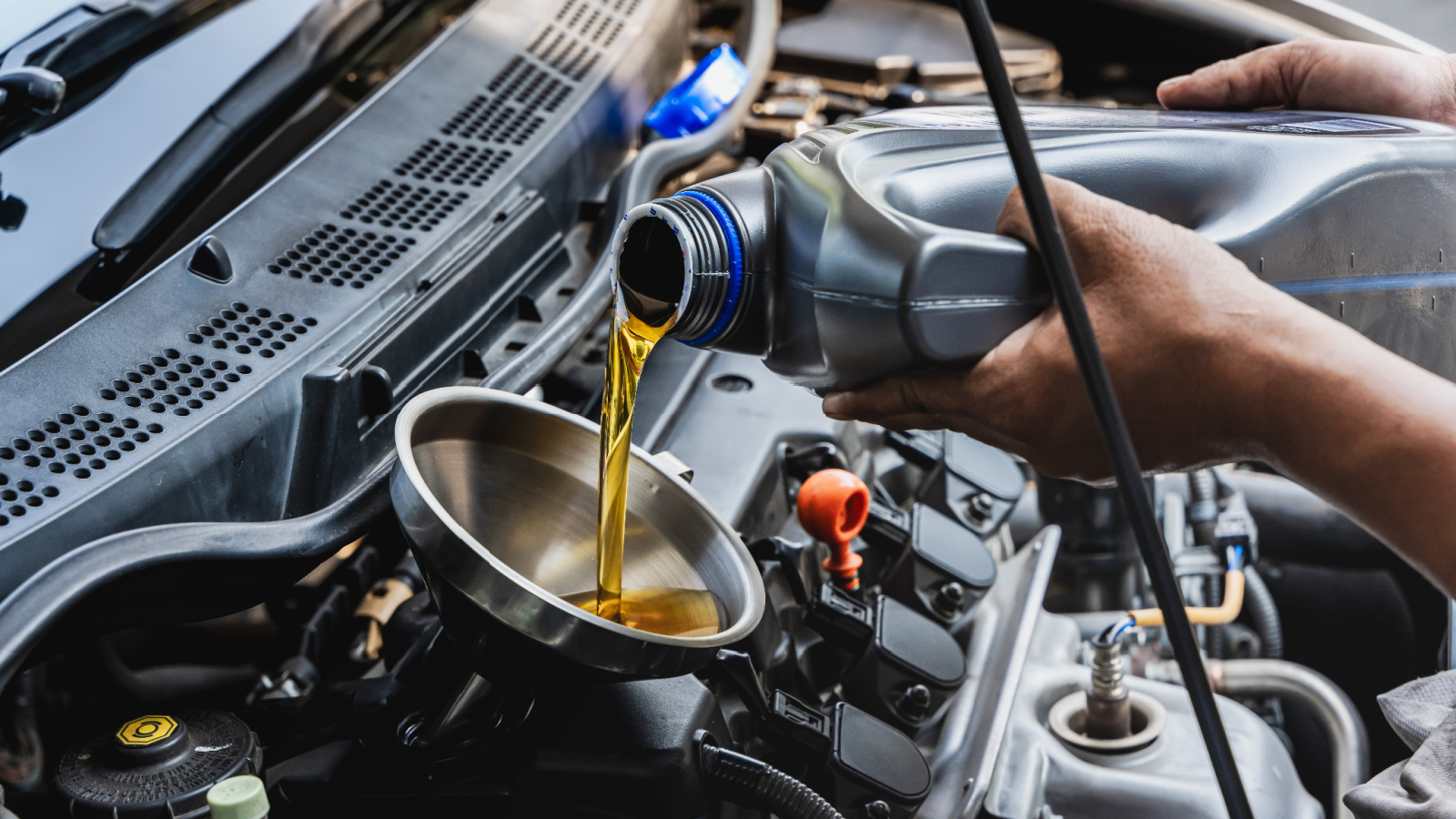
Fluids keep your car running smoothly, but winter can reduce their effectiveness. Check coolant, brake fluid, and washer fluid levels carefully. Look for discoloration or unusual smells. These can signal contamination. Top up anything that is low. Proper fluid levels support engine cooling and braking performance. Neglecting them can cause overheating or reduced stopping power. Spring is a good time to reset fluid health. A quick check now helps maintain consistent performance and prevents issues from building up unnoticed.
Examine the Exhaust System
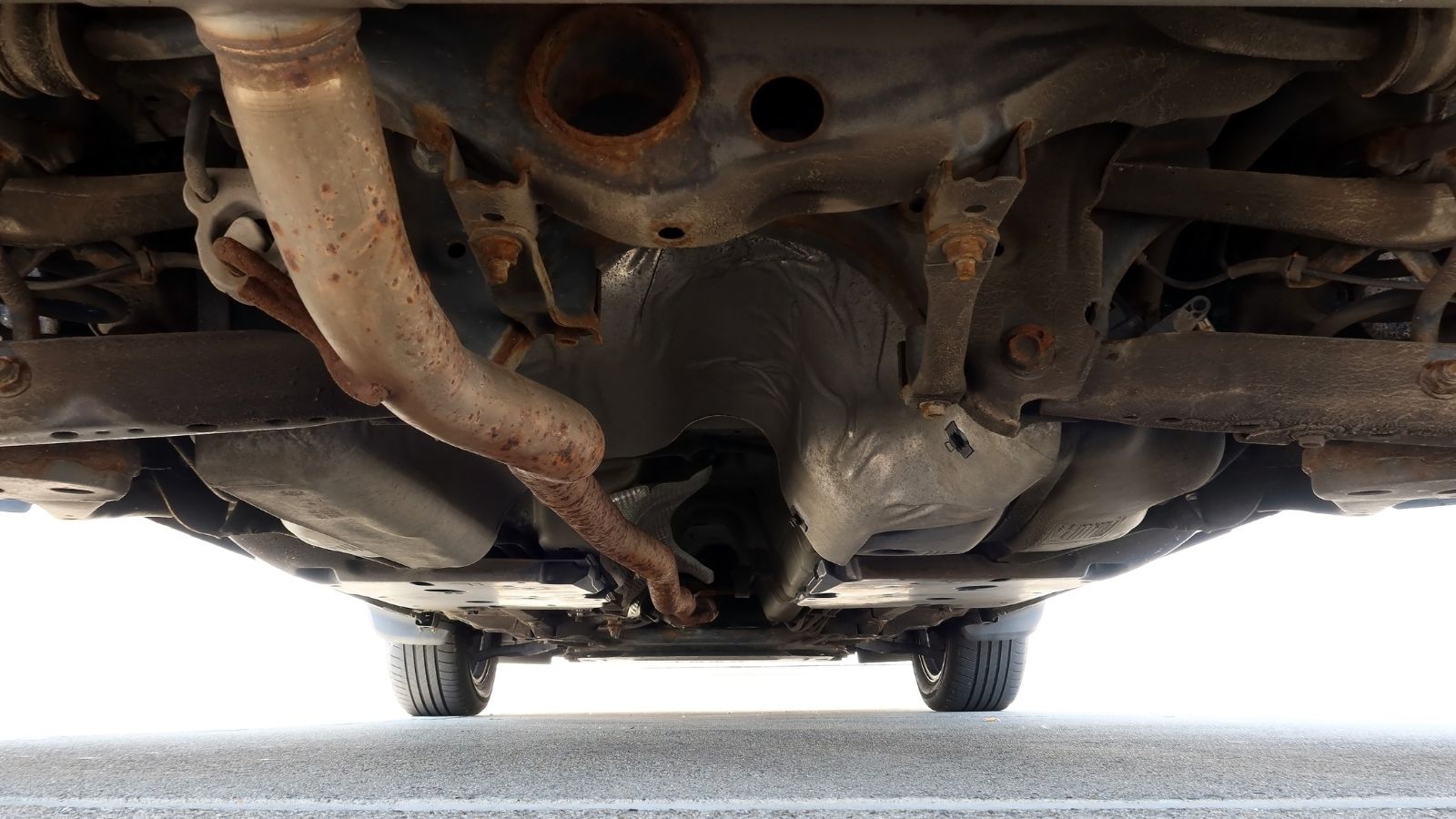
The exhaust system faces constant exposure to salt and moisture in winter. This can lead to rust or small leaks. Inspect pipes and joints for visible damage. Listen for unusual sounds when the engine runs. These may indicate problems. Exhaust issues can affect fuel efficiency and safety. Harmful gases must flow out properly. Ignoring damage can lead to costly repairs. Spring is the right time to catch early signs. Addressing them quickly keeps your vehicle safe and running as expected.
Clean and Protect the Interior
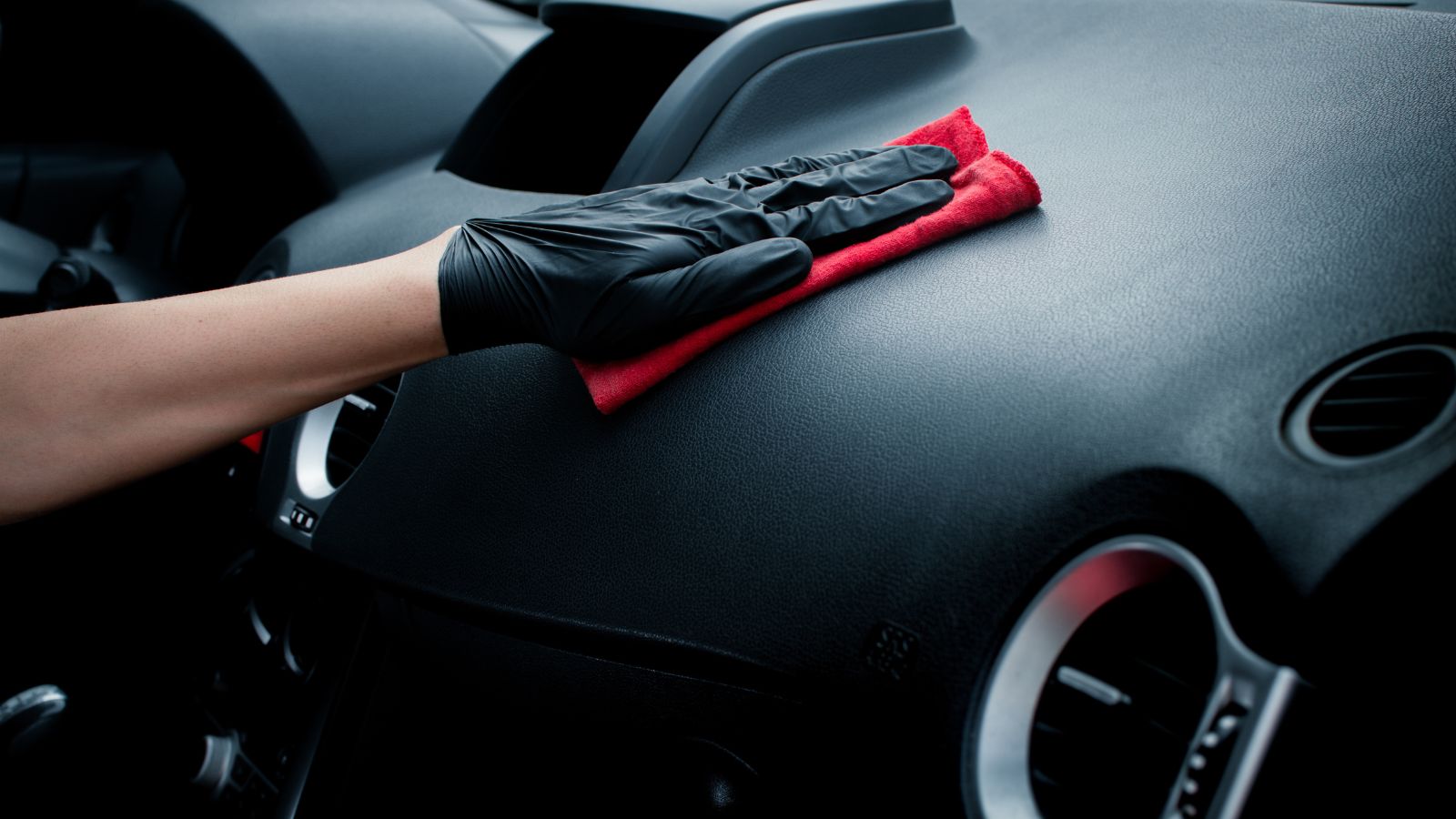
Winter brings dirt, salt, and moisture into your car’s interior. These can stain carpets and damage surfaces over time. Start with a thorough vacuum. Pay attention to hidden areas under seats. Wipe down all surfaces using suitable cleaners. Remove salt residue from mats and flooring. Lingering moisture can cause unpleasant smells. Cleaning now helps maintain comfort and value. It also prevents long-term wear inside the cabin. A refreshed interior makes driving feel better after a long winter season.
Inspect Suspension Components
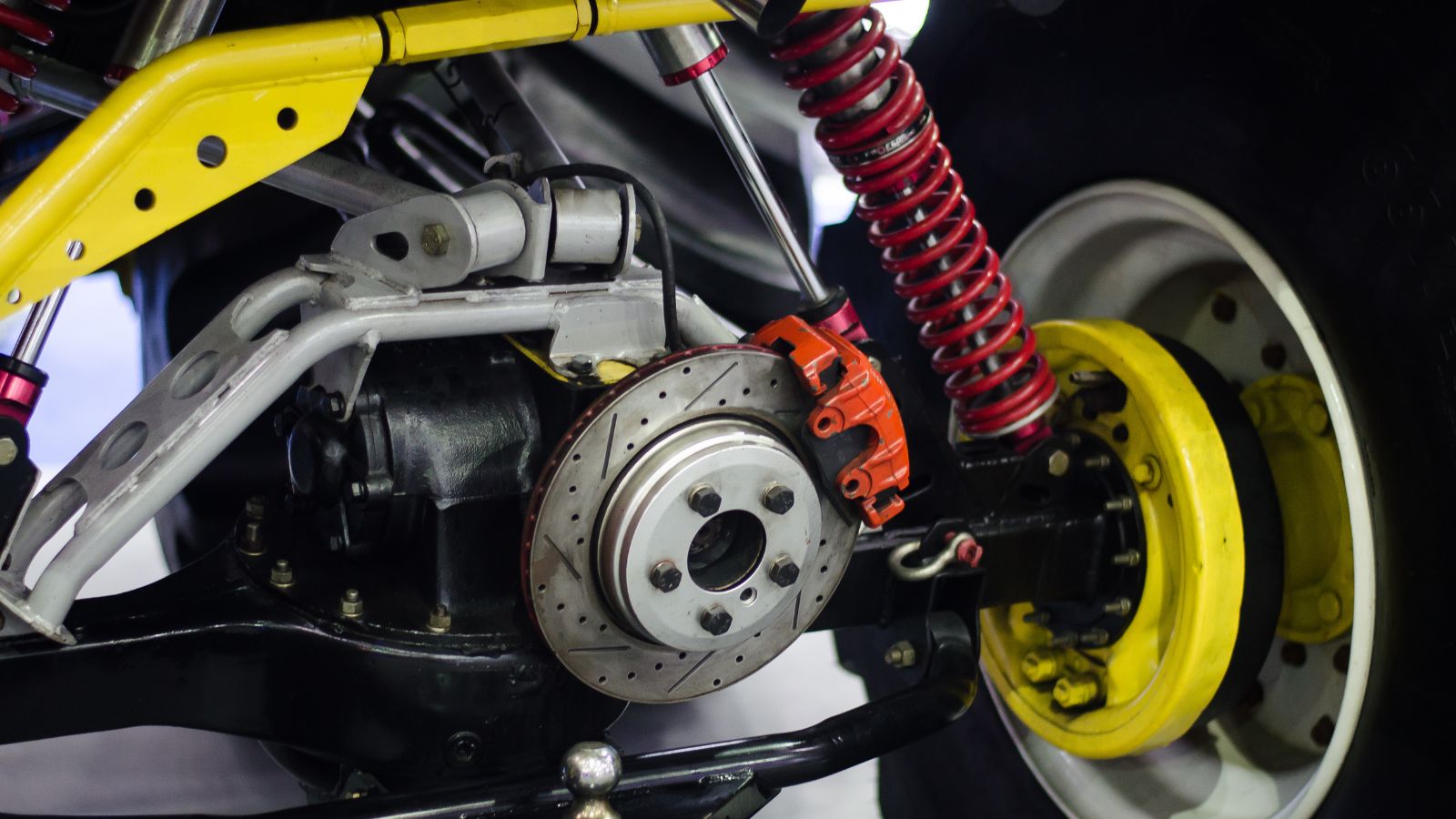
Potholes and uneven roads can strain your suspension system. Check shocks, struts, and springs for signs of wear. A rough ride or unusual noises may point to problems. Worn suspension affects stability and comfort. It can also lead to uneven tire wear. Early inspection helps identify issues before they worsen. Repairs may improve handling and safety. Spring is the right time to assess damage from winter roads. Taking action now keeps your car stable and easier to control.
Check for Paint Damage

Winter driving often causes small chips and scratches on your car’s paint. Road debris and ice can hit the surface at speed. Inspect the exterior closely under good light. Even minor damage can expose the metal underneath. This may lead to rust if ignored. Touch up small areas as needed. Protecting the paint helps maintain appearance and value. Spring is a good time to fix these marks. Addressing them early prevents bigger issues and keeps your car looking well-maintained.
Test the Air Conditioning System
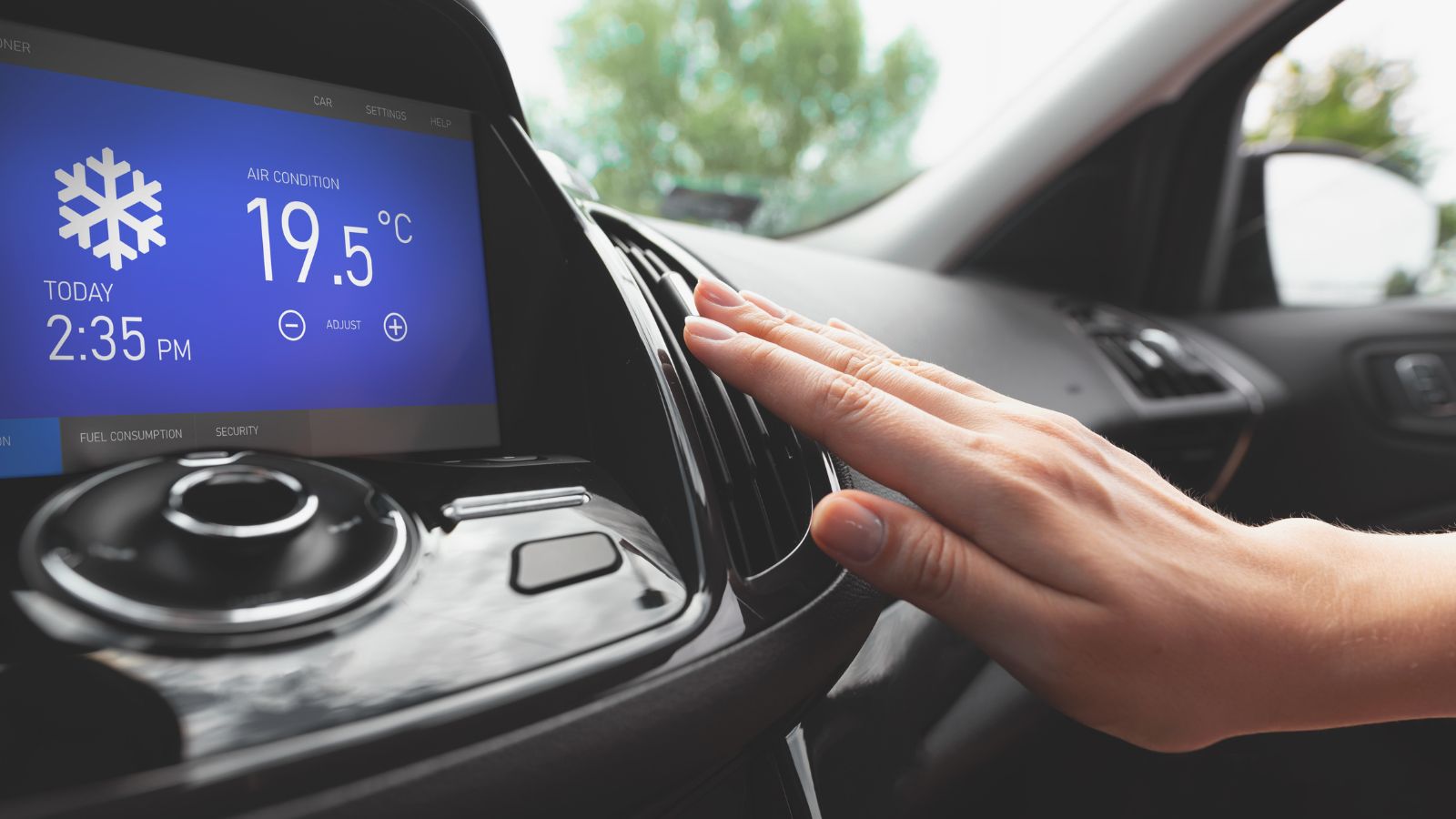
Air conditioning is easy to forget during the winter months. Spring is when issues start to appear. Turn on the system and check the airflow and cooling strength. Weak performance may indicate low refrigerant. Unusual smells can signal a buildup inside the system. Fixing these problems early helps avoid discomfort later. Regular checks also support system efficiency. A working AC improves driving comfort during warmer days. Testing it now gives you time to handle repairs before the summer heat arrives.
Inspect Belts and Hoses
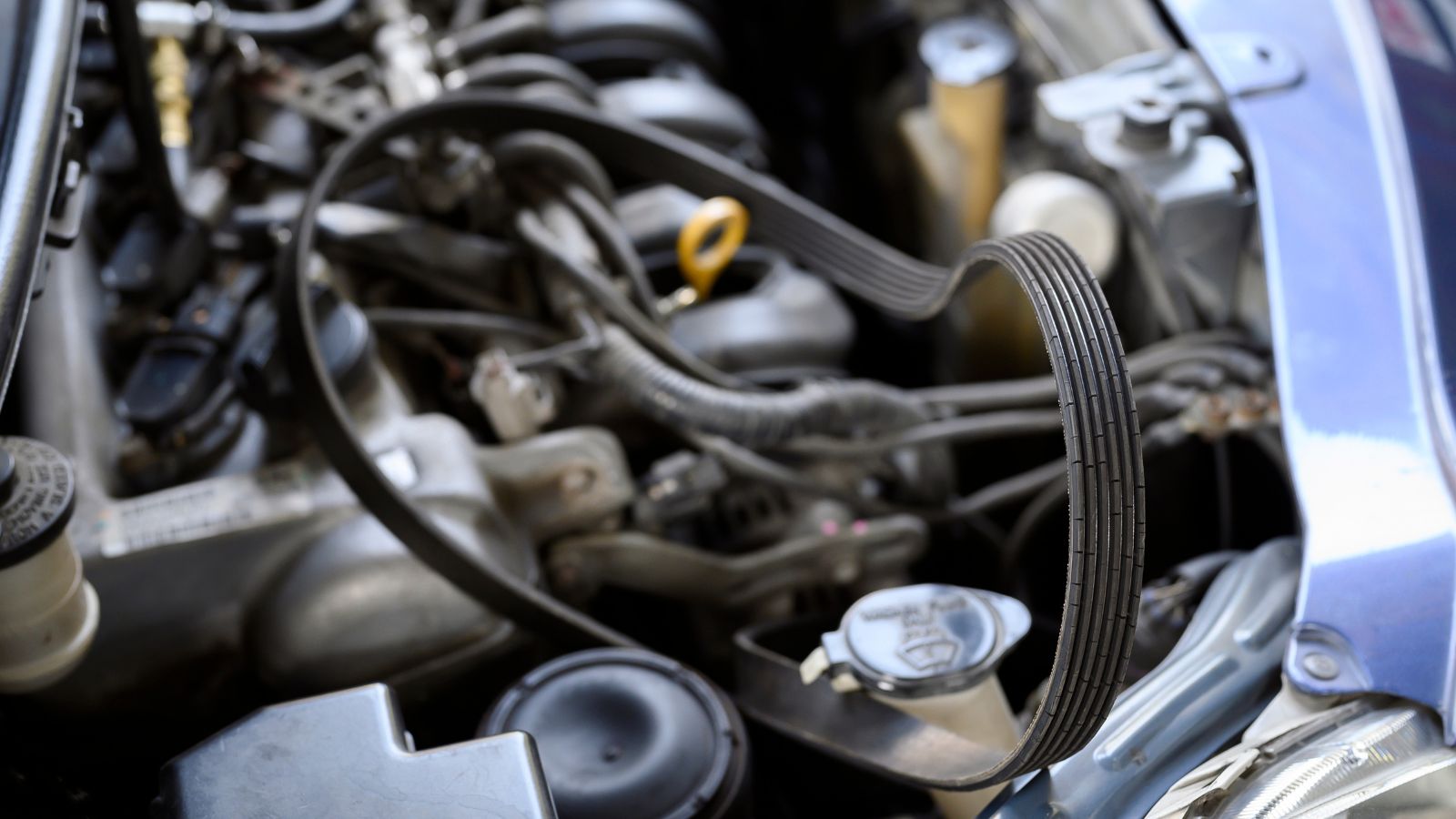
Cold temperatures can make rubber parts stiff and brittle. Inspect belts and hoses for cracks or wear. These components play a key role in engine function. A damaged belt can snap without warning. Worn hoses may leak fluid and cause overheating. Catching these signs early helps avoid breakdowns. Replacing parts now is more affordable than emergency repairs later. Spring checks give you time to act before problems grow. It is a small effort that supports long-term reliability.
Rotate Tires
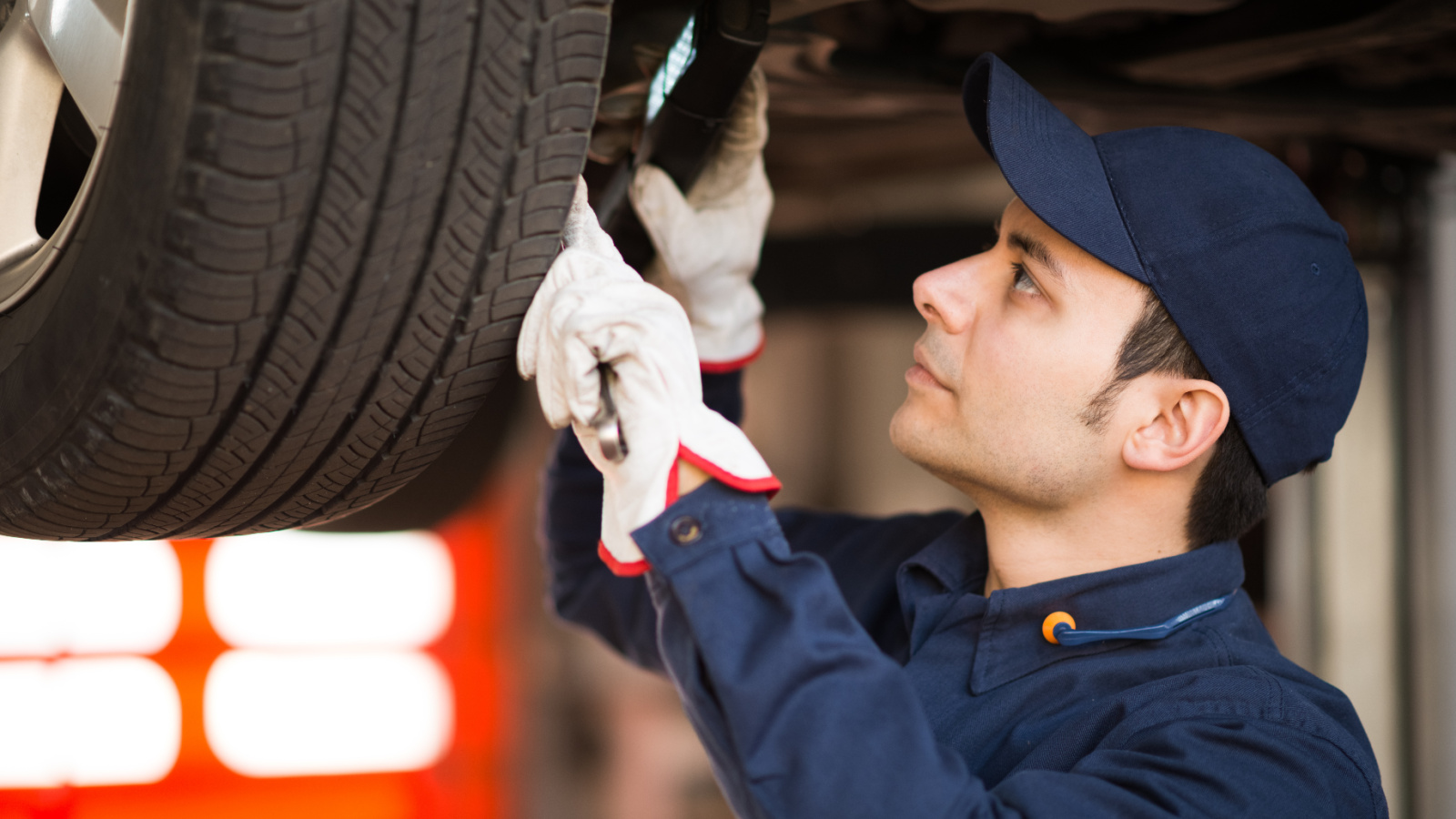
Tires wear differently depending on their position on the car. Winter driving can increase uneven wear patterns. Rotating tires helps distribute the wear more evenly. This extends their lifespan and improves traction. Follow the recommended rotation pattern for your vehicle. Combine this step with checking tire pressure. Balanced wear supports smoother handling. It also reduces the risk of early replacement. Spring is a practical time to rotate tires after heavy winter use and restore better driving balance.
Replace Cabin Air Filter
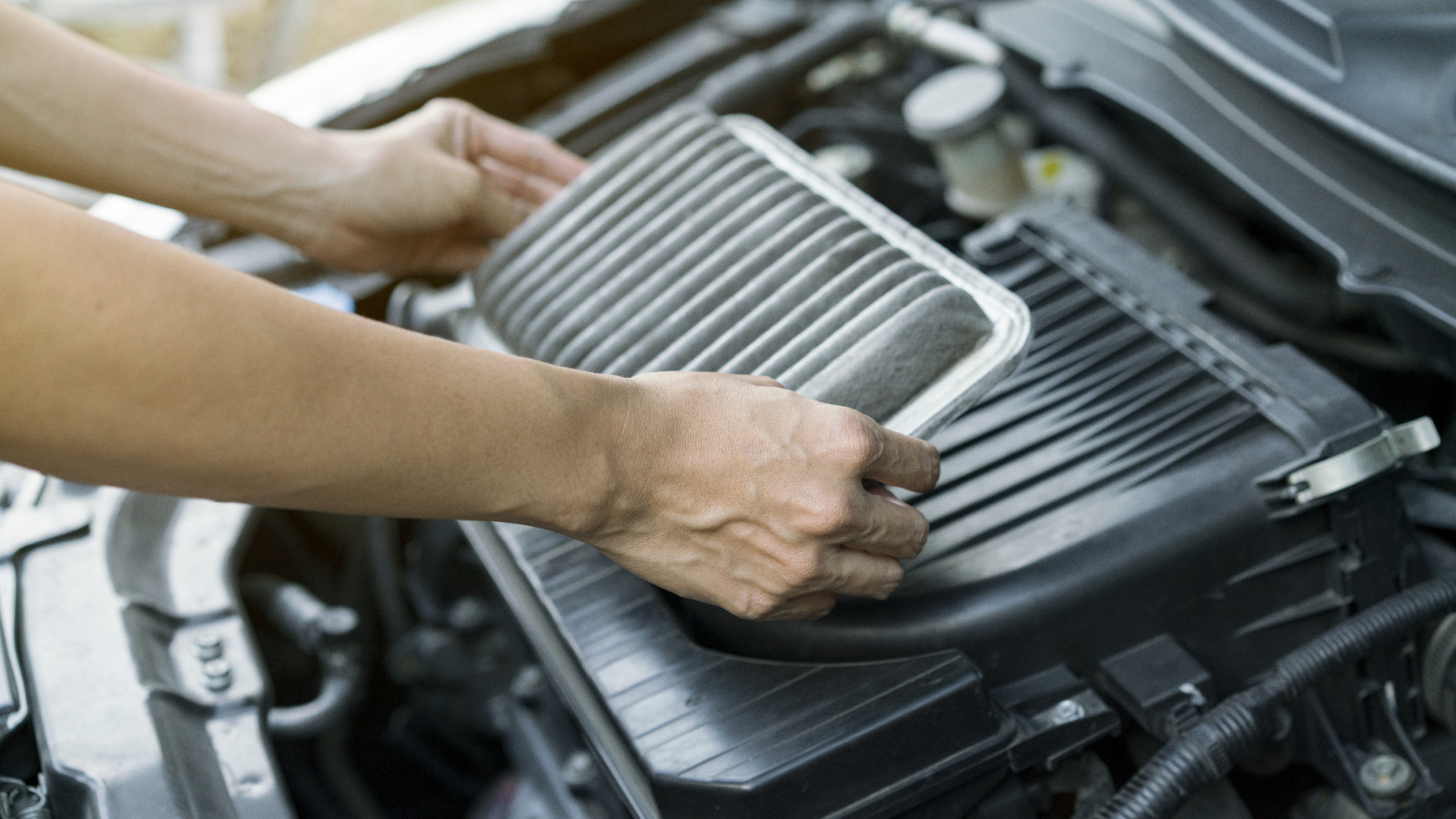
The cabin air filter collects dust and debris over time. Winter conditions can clog it faster than usual. A blocked filter reduces airflow inside the car. It can also affect heating and cooling performance. Replacing it improves air quality and comfort. Clean air matters during everyday drives. This is a quick and low-cost task. Spring is the right time to refresh it after months of use. A new filter helps your system work more efficiently and keeps the cabin environment pleasant.
Check Lights and Signals

Winter grime can dull headlights and other lights. Clean all light covers thoroughly. Test each bulb to confirm it works properly. Replace any that are dim or not working. Clear lighting helps you see the road and be seen by others. It is especially useful during early mornings and evenings. Spring checks improve visibility and safety. This task is simple but important. Taking time to inspect lights helps prevent accidents and keeps your vehicle compliant with road rules.
Inspect Windshield for Cracks

Small chips can form on your windshield during winter. Ice and debris often cause them. These chips can spread as temperatures change. Inspect the glass carefully in daylight. Repair small damage before it becomes a larger crack. Fixing it early costs less than replacing the entire windshield. Clear visibility is essential for safe driving. Spring is the right time to address these issues. Ignoring them can lead to sudden problems while driving.
Lubricate Door Seals and Hinges
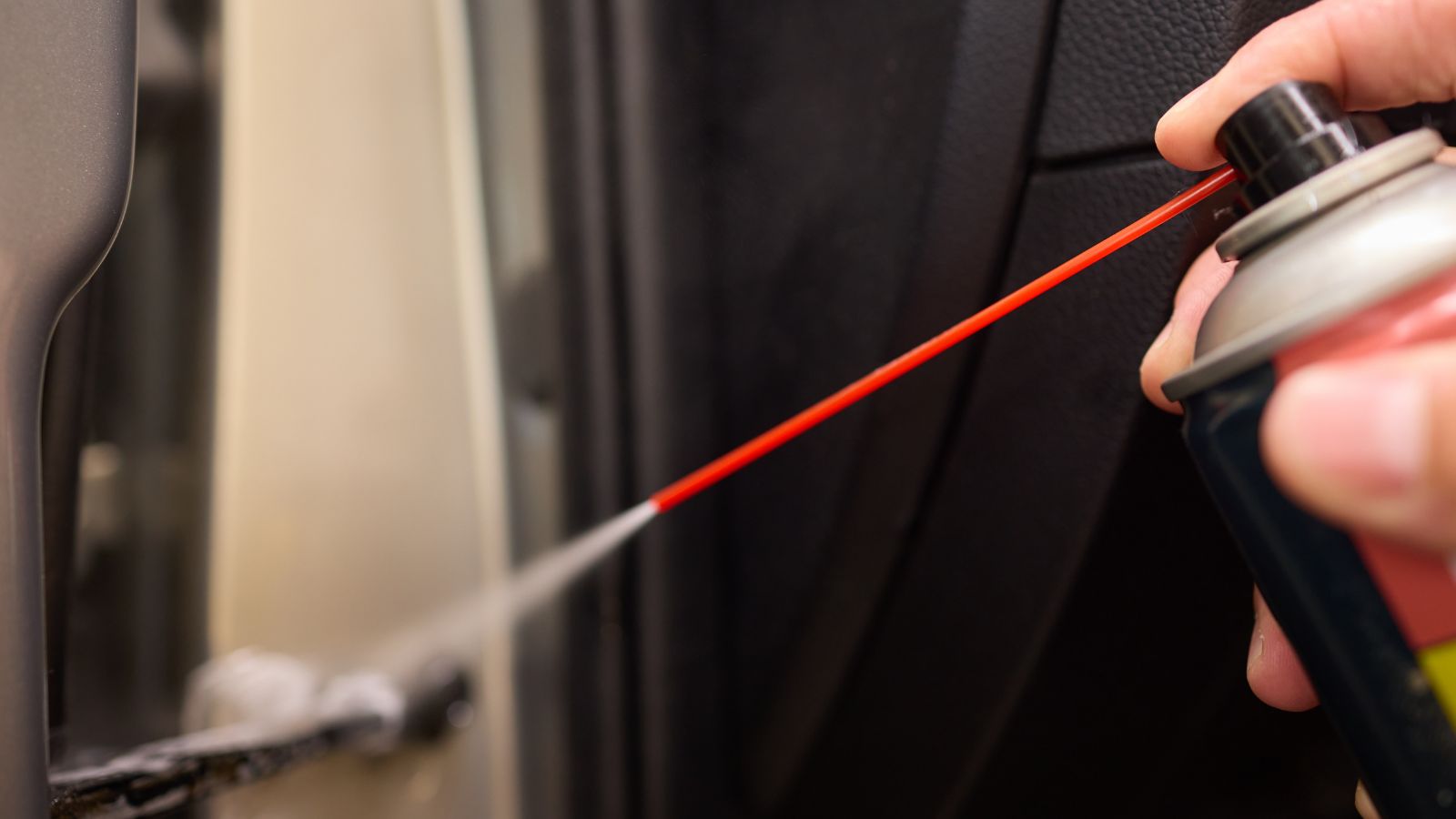
Cold weather can dry out rubber seals and metal hinges. This leads to sticking doors and squeaking sounds. Apply lubricant to hinges and weather seals. This keeps them flexible and smooth. Proper lubrication prevents wear and improves daily use. It also protects against moisture buildup. Spring maintenance should include this simple step. It takes little time but improves comfort. Keeping these parts in good condition helps your car function better after winter.
Check Fuel System Efficiency
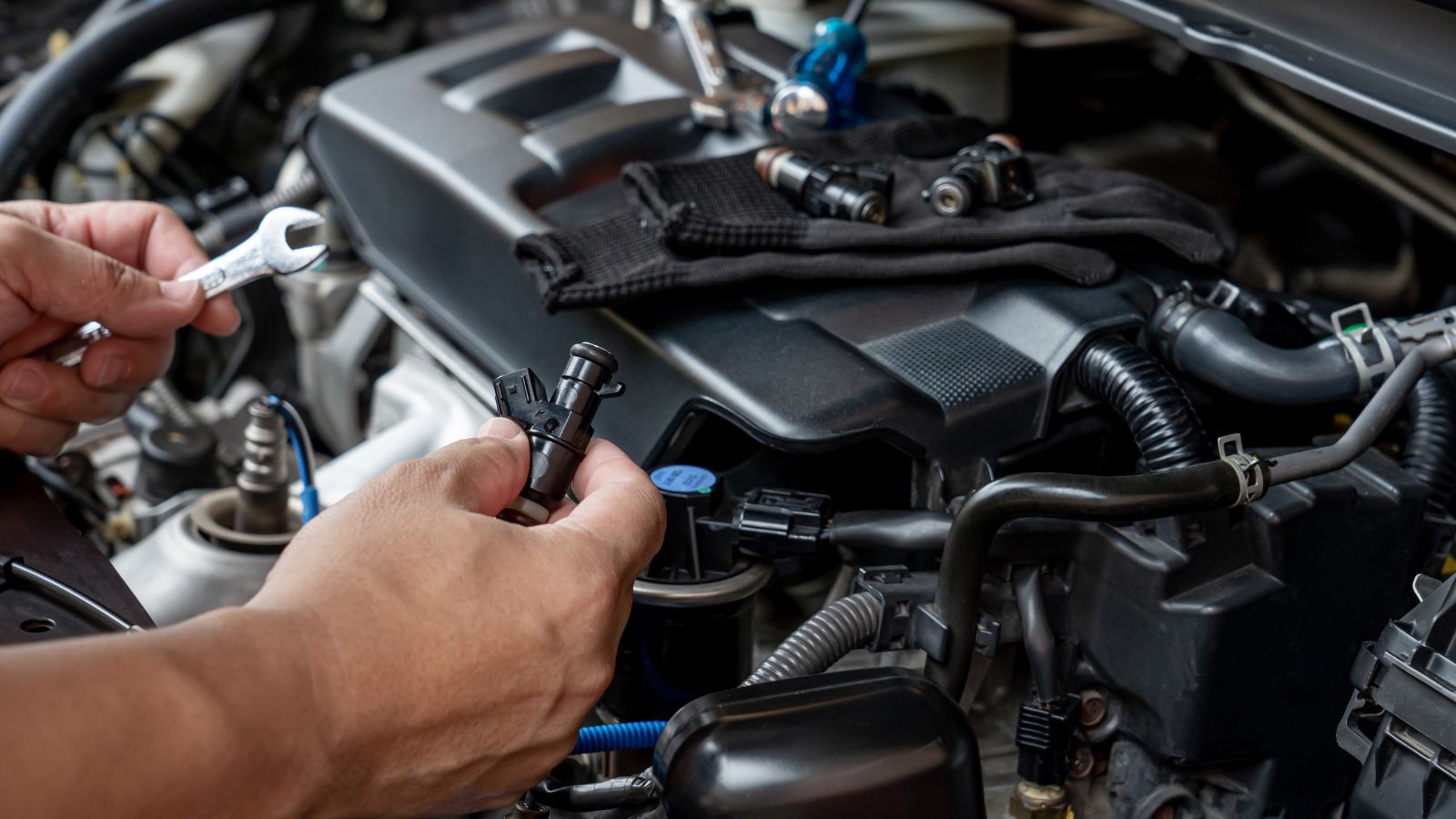
Winter driving habits can affect how your fuel system performs. Short trips and cold starts reduce efficiency. Monitor fuel consumption after the season ends. If mileage seems low, there may be an issue. Cleaning injectors or replacing filters can help. A well-functioning system improves performance and saves fuel. Spring is a good time to evaluate these changes. Addressing problems early keeps your engine running smoothly and helps avoid unnecessary fuel costs.
Review Emergency Kit
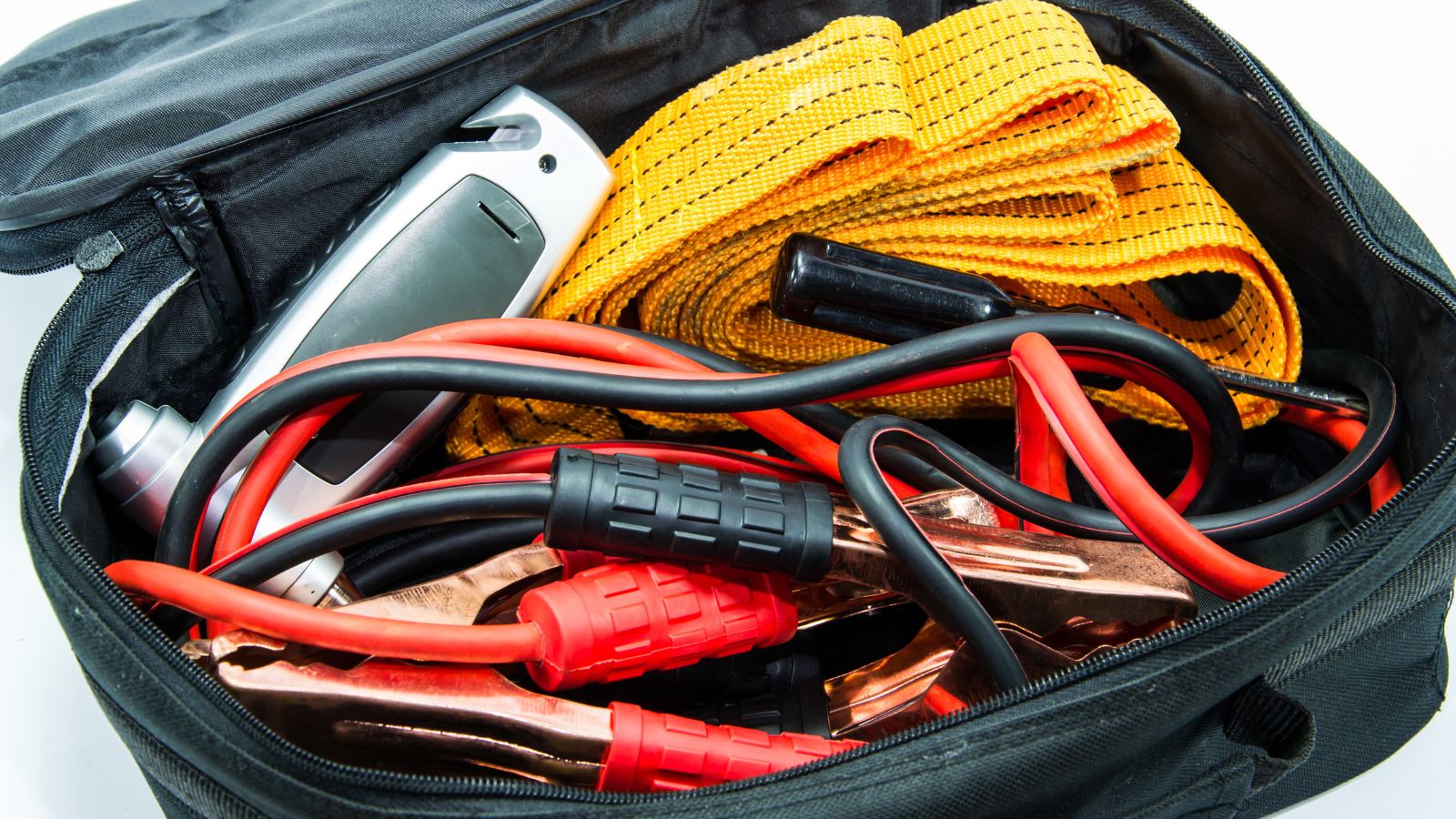
Your emergency kit may still contain winter items you no longer need. Update it for spring conditions. Replace worn supplies and check expiration dates. Include water, basic tools, and first aid items. Being prepared is always useful, even in warmer months. Road conditions can still change quickly in Canada. A well-stocked kit provides peace of mind. Spring is a good time to refresh it. This simple step helps you stay ready for unexpected situations on the road.
Schedule a Full Professional Inspection

Some issues are not easy to spot on your own. A professional inspection provides a complete overview. Mechanics can identify hidden problems early. This includes wear in parts you may not notice. Spring is a smart time to book a checkup. It helps confirm your car is ready for the season ahead. Regular inspections prevent small issues from becoming expensive repairs. Investing time in this step supports long-term reliability and keeps your vehicle performing as expected.
22 Things Canadians Do to Their Cars in Spring That Mechanics Hate

Spring brings relief to many Canadian drivers after months of snow, freezing temperatures, and icy roads that put serious strain on vehicles. As temperatures rise across the country, drivers begin washing cars, switching tires, and preparing vehicles for warmer weather and upcoming road trips. However, mechanics across Canada notice the same mistakes every spring when drivers attempt to recover from winter damage. Road salt, potholes, and harsh winter driving conditions often leave vehicles with hidden problems that drivers ignore. Some spring habits even create new mechanical issues that could have been avoided with proper maintenance. Here are 22 things Canadians do to their cars in spring that mechanics hate.