
























Canada’s new-vehicle market is still moving, but it is moving in a very specific direction. Passenger cars have continued to lose ground, zero-emission sales cooled sharply after incentive changes, and buyers have become less patient with models that feel dated, overpriced, compromised, or simply out of sync with where the market is headed. That matters more in 2026 than it did even a year earlier.
These 18 cars are not all bad vehicles. Some are excellent in isolation, and a few are genuinely lovable. But in today’s Canadian market, they are the ones increasingly being left behind as shoppers chase crossovers, newer EV architectures, stronger value, or the comfort of buying something that clearly has a future.
1. Acura TLX
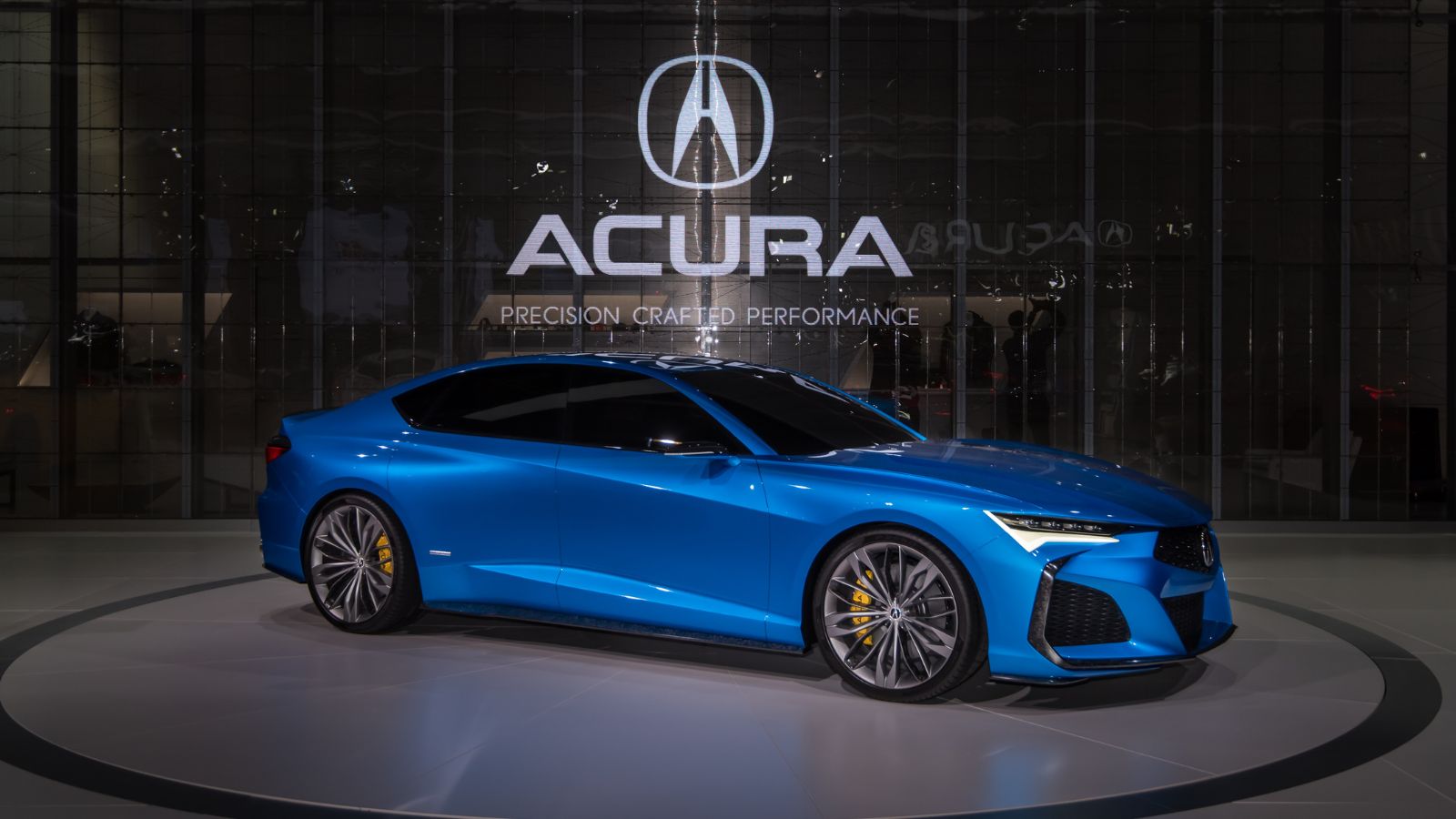
The Acura TLX still looks like a proper sport sedan, and in Type S form it carries the kind of personality many rivals have toned down. That is exactly what makes its decline a little sad. Canadians have not stopped appreciating sharp steering, confident all-wheel drive, and a low-slung luxury shape, but they have become much less willing to make sacrifices for them. Rear-seat space is only adequate, the cabin packaging is not especially generous, and the market around it has turned hard toward compact and midsize SUVs that feel easier to live with year-round.
The bigger problem is momentum. Once a meaningful player, the TLX has fallen into niche territory, and that usually changes how people shop it. A car on the way out can start to feel like an emotional purchase rather than a rational one. In 2026, that matters. Buyers looking at a TLX are also staring at the RDX, the MDX, and a long list of well-equipped rivals that feel more future-proof. Even admirers can sense the market has moved on.
2. Nissan Altima
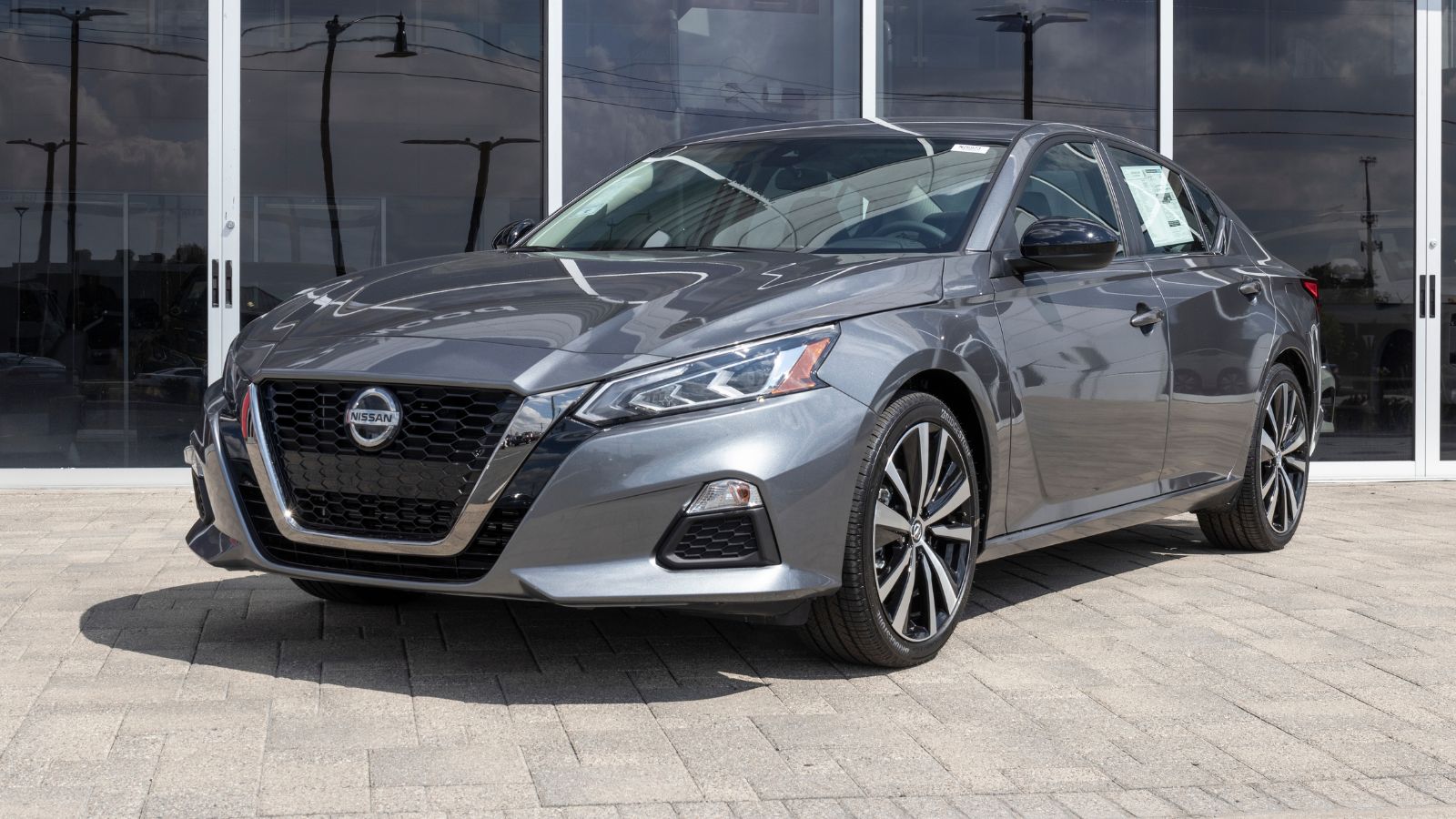
The Altima is one of those cars that makes perfect sense on paper and less sense in a showroom. It offers a roomy cabin, available all-wheel drive, respectable highway manners, and the kind of old-school midsize-sedan practicality that used to mean something in Canada. The problem is that this category no longer enjoys the automatic respect it once did. Crossovers now deliver the same family-car mission with a higher seating position, easier entry, and stronger resale confidence, which makes the Altima feel like a holdout from a different buying era.
That does not mean the Altima suddenly became terrible. It means the case for buying one has become harder to win. Its steady Canadian slide tells the story better than any hot take could. Even with 2026 survival, it feels trimmed back rather than renewed, which is never the strongest signal to a market already drifting away. For shoppers who still want a sedan, the Accord and Camry dominate the conversation, while everyone else is being pulled toward utility vehicles. The Altima now lives in the uncomfortable middle ground between sensible and forgotten.
3. Subaru Legacy
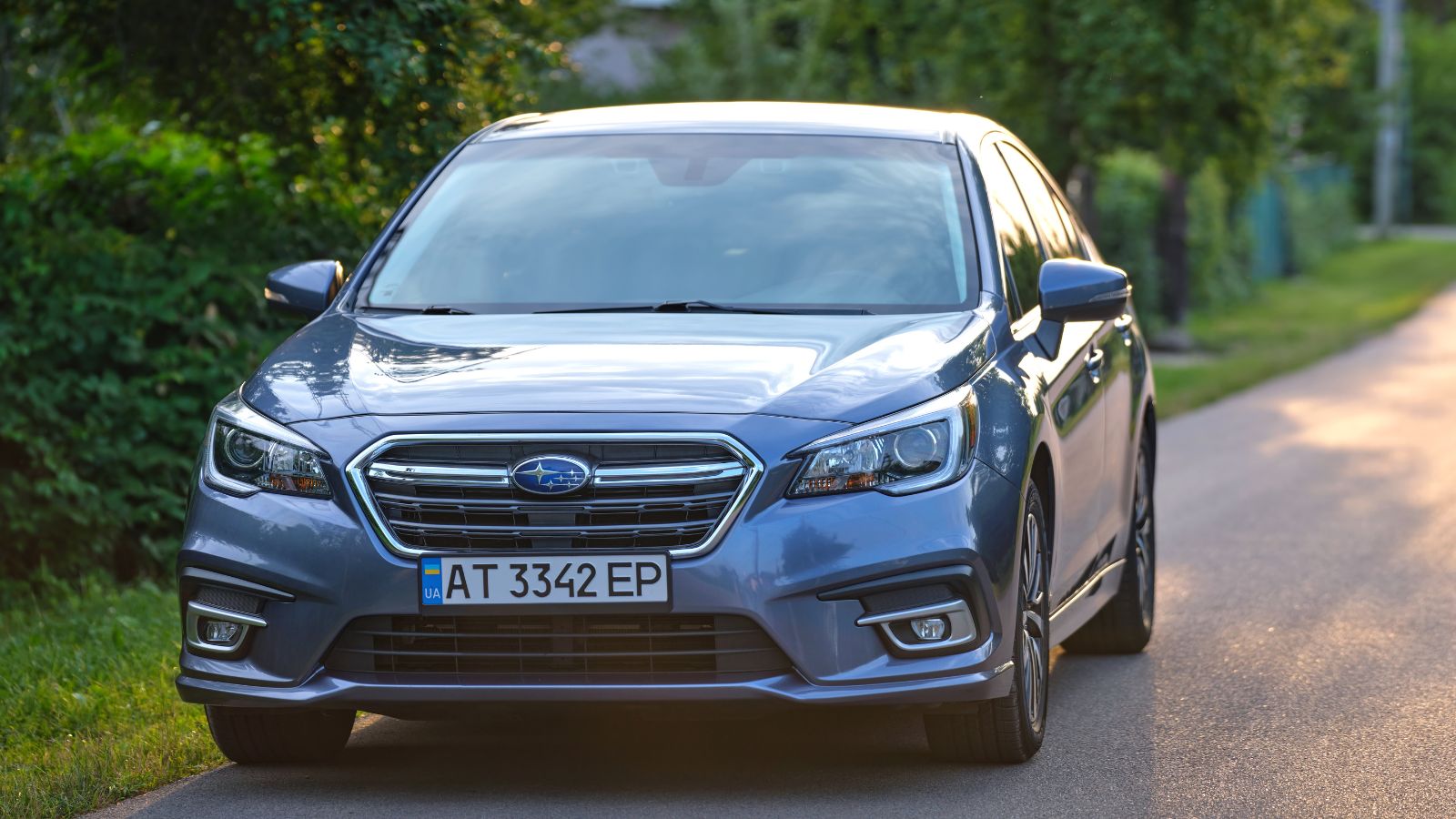
For years, the Legacy had a simple and appealing Canadian pitch: standard all-wheel drive, a planted winter character, and Subaru dependability in a sedan body. In another era, that formula would have kept it alive indefinitely. In 2026, it reads more like a reminder of what the market no longer prioritizes. Buyers who once might have chosen a Legacy now tend to land in an Outback, a Forester, or a different utility vehicle entirely, often without feeling they gave anything up.
What makes the Legacy’s fade especially striking is how completely it happened. This was not a gentle easing lower; it became a fringe choice. Once that happens, the vehicle starts to disappear from real-world consideration, and people shop it less because nobody around them seems to be shopping it anymore. That social proof matters. In Canada, where Subaru’s brand remains strong, the Legacy’s collapse says less about Subaru failing and more about the sedan body style losing its grip. The market did not reject Subaru. It rejected this format.
4. Chevrolet Malibu
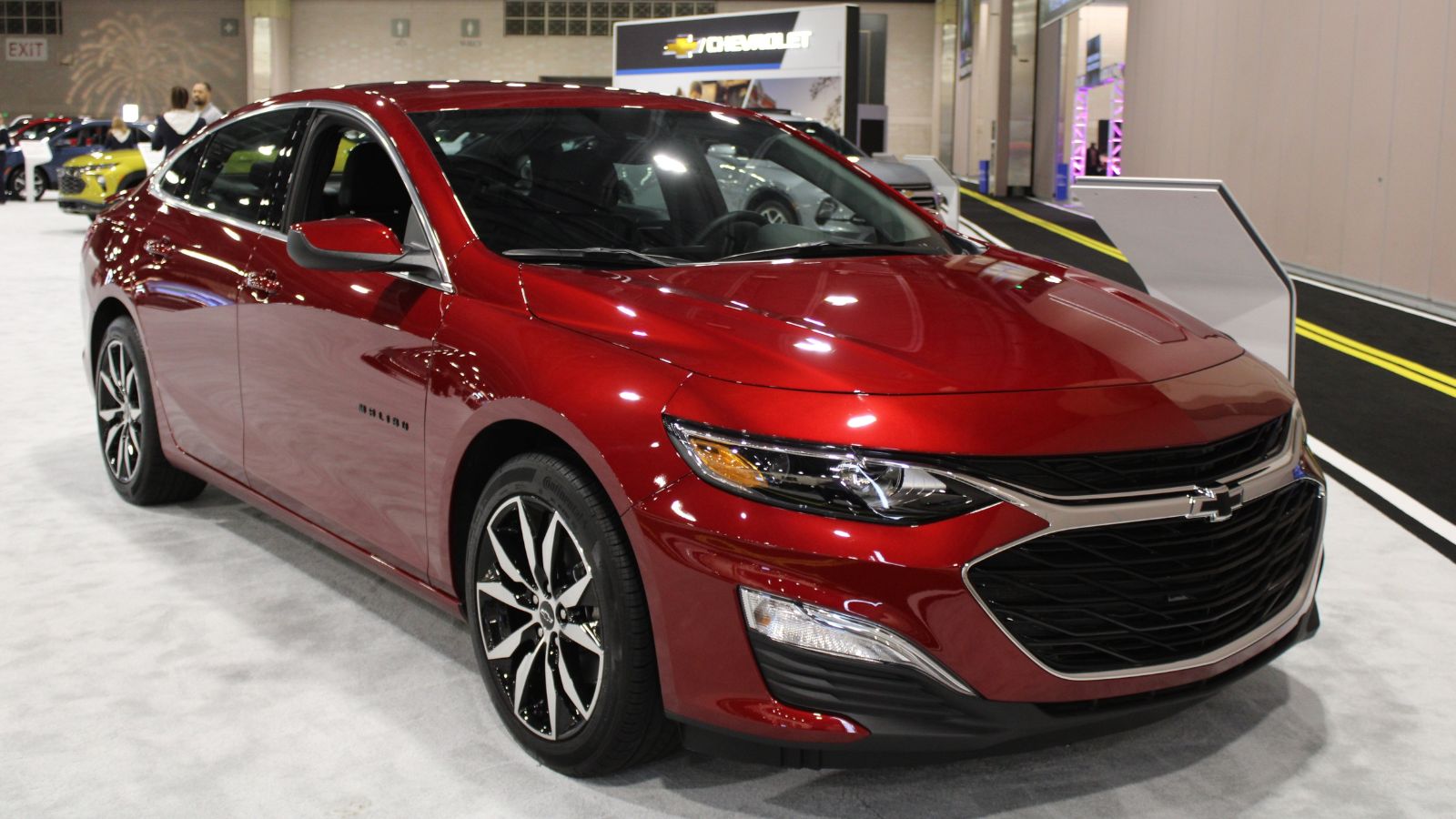
The Malibu’s long goodbye felt almost invisible, which is part of the point. A car does not have to be a disaster to become irrelevant. It just has to stop inspiring urgency. For years, the Malibu survived on familiarity, rental-fleet visibility, and the fact that it was good enough for buyers who wanted a straightforward midsize sedan without drama. But “good enough” is a dangerous place to live when the rest of the market is shifting toward hybrids, fresher interiors, and utility vehicles that feel more versatile in every season.
By 2026, the Malibu feels like the kind of nameplate people remember rather than chase. There is something telling about a vehicle spending its final stretch with sales falling so sharply. That is usually what happens when the market stops believing a model matters. Canadians have not abandoned affordable transportation; they have just become more selective about where they spend new-car money. If a sedan is going to survive, it needs a compelling efficiency story, a strong value story, or a loyal fan base. The Malibu no longer had enough of any of the three.
5. Cadillac CT4
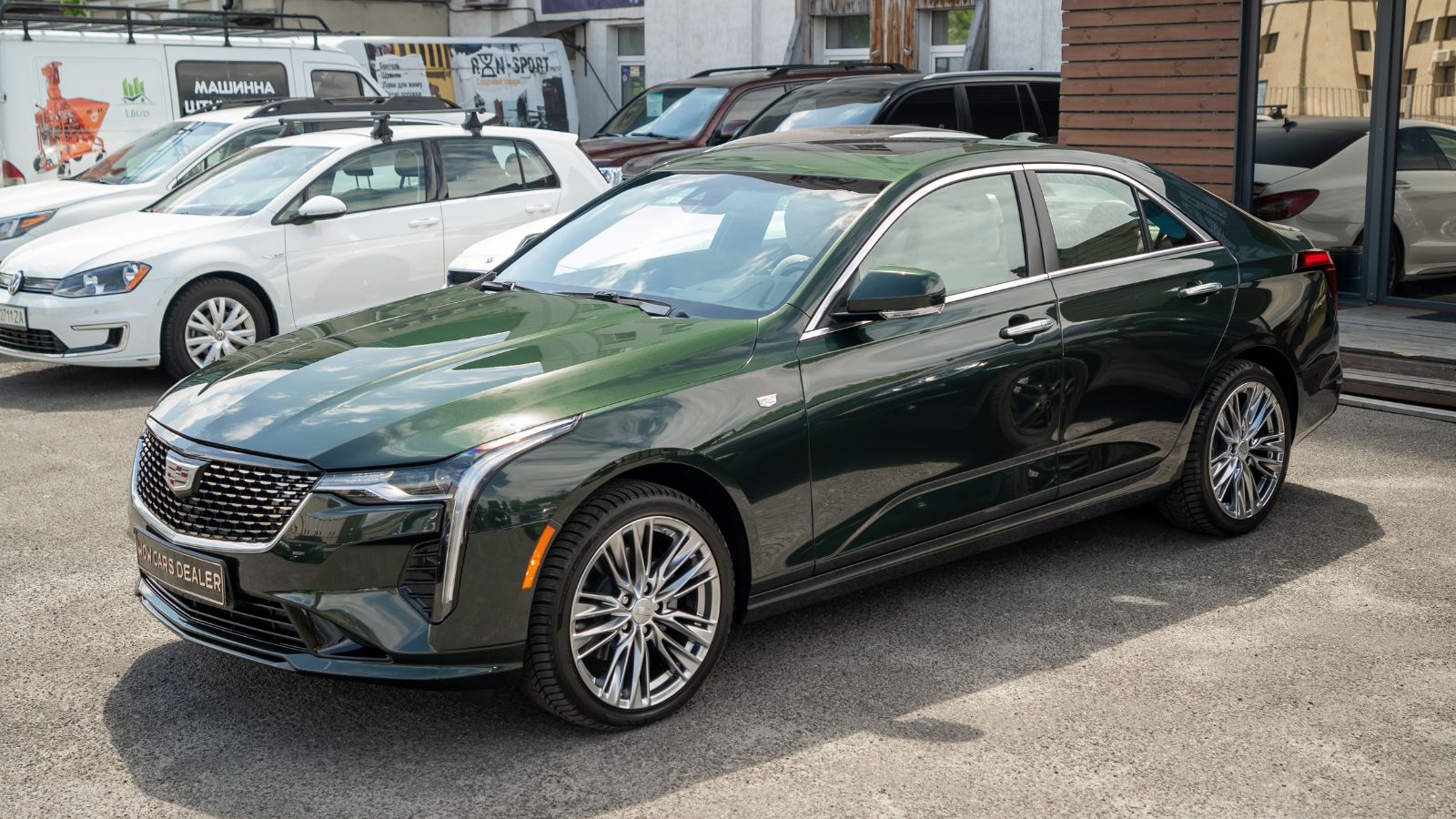
The Cadillac CT4 deserves more credit than it gets. It is compact, rear-drive-based, and in Blackwing form it stands out as one of the last genuinely thrilling sedans of its type. The trouble is that halo versions do not carry a whole lineup forever. Most shoppers do not buy the legend; they buy the regular trim, and the regular CT4 has always lived in a difficult spot. It is smaller than many expect, not especially roomy in back, and priced in a segment where buyers start comparing badge prestige, lease math, and long-term confidence with ruthless precision.
That helps explain why the CT4 increasingly feels like an enthusiast’s argument in a mainstream luxury market that has moved on. Even in Canada, where winter capability and smaller footprints can help a car like this, sales remain tiny. Once a model enters that low-volume zone and its end date becomes public, hesitation grows fast. Buyers worry about future support, resale, and whether they are stepping into a dead branch of the lineup. The CT4 still has talent, but in 2026 it feels more like a collector’s curiosity than a growing part of Cadillac’s future.
6. BMW X4
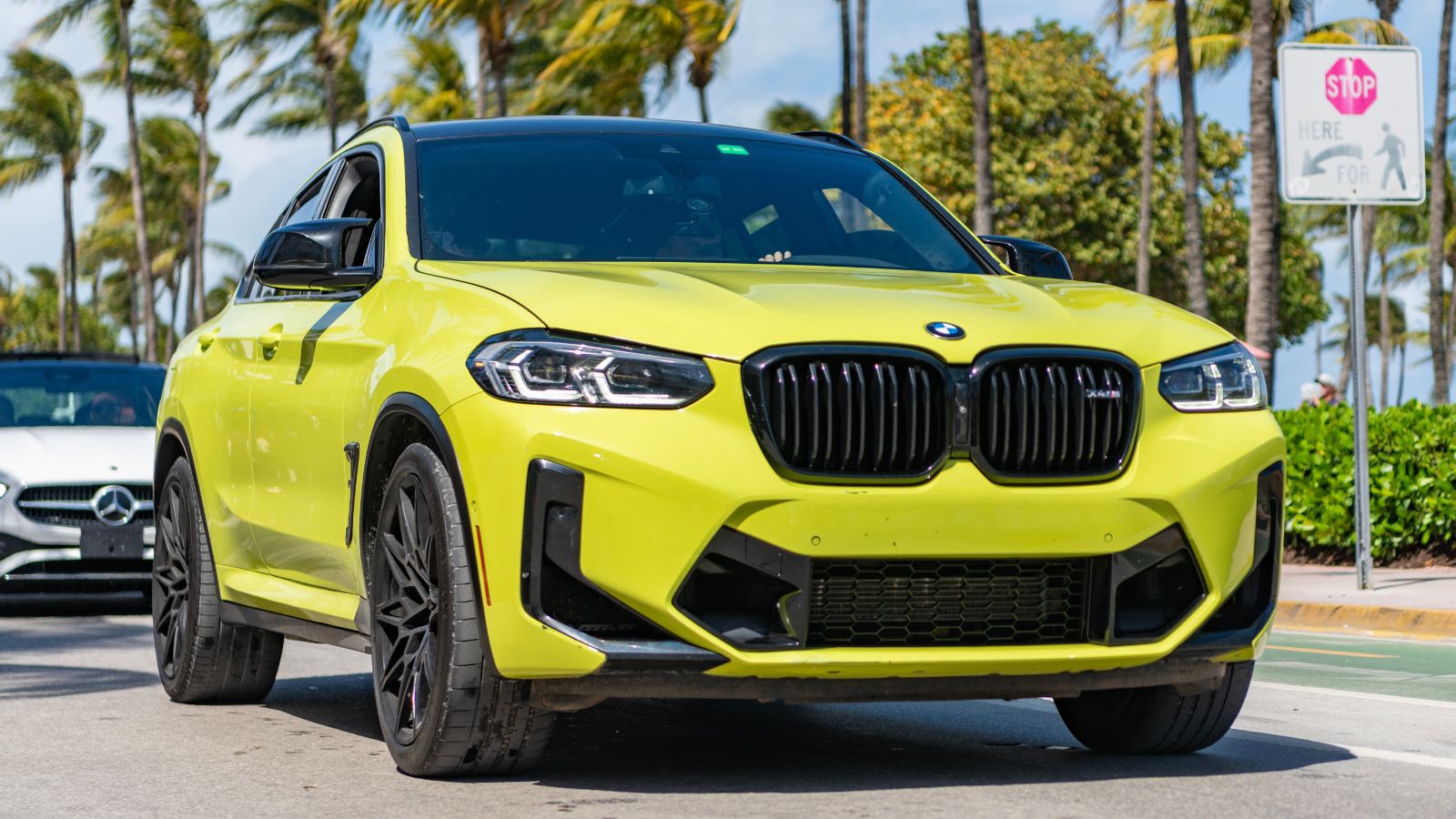
The BMW X4 is the kind of vehicle that made sense during peak coupe-SUV mania, when buyers were willing to pay more for less cargo room as long as the roofline looked dramatic enough. In 2026, that formula looks increasingly fragile. Canadians still like BMW crossovers, but the X3 does the real work, and the X4 now feels like a styling surcharge attached to a practical compromise. In a market where interest rates, monthly payments, and everyday usefulness all matter, that trade-off is harder to justify than it used to be.
The falling Canadian numbers underline the shift. This is not a collapse born from scandal or unreliability. It is simpler than that: the category lost some of its novelty. Once buyers stop seeing a sloped roof as aspirational and start seeing it as lost headroom and cargo space, the emotional premium weakens. That is what 2026 looks like for the X4. It is still handsome, still premium, and still recognizably BMW, but it increasingly feels like a vehicle from a design trend that has cooled faster than the company likely expected.
7. BMW M8 Coupe
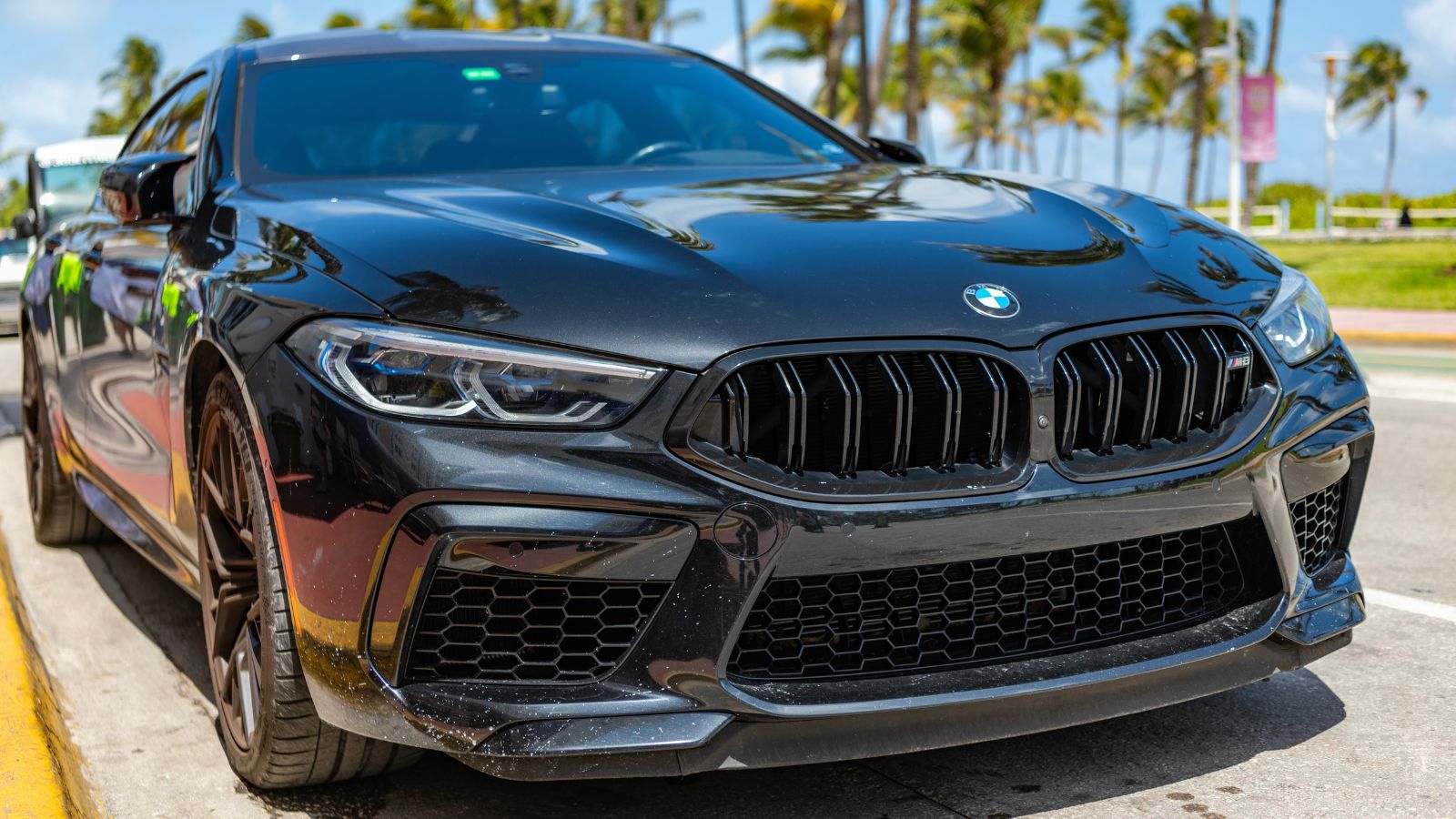
The M8 Coupe was never meant to be a volume car, but even niche cars have to justify their existence. In Canada, that is especially true once prices rise deep into aspirational territory and shoppers start looking for some combination of rarity, practicality, and emotional payoff. The M8 delivered stunning speed and serious grand-touring presence, yet it always occupied an awkward place. It was too heavy and expensive to feel like an uncomplicated sports car, and too specialized to function as a broadly desirable luxury coupe in a market that has been shrinking for years.
By 2026, it looks less like an overlooked gem and more like a casualty of a disappearing niche. When order books close and the market knows a model is effectively finished, the psychology changes. Instead of asking whether they want one, buyers start asking whether now is really the time to own something so specialized. For the few who understand it, the answer may still be yes. But for the broader luxury audience, the M8 Coupe became easier to admire than to actually choose. That is often the final stage before a car quietly exits relevance.
8. Cadillac XT4
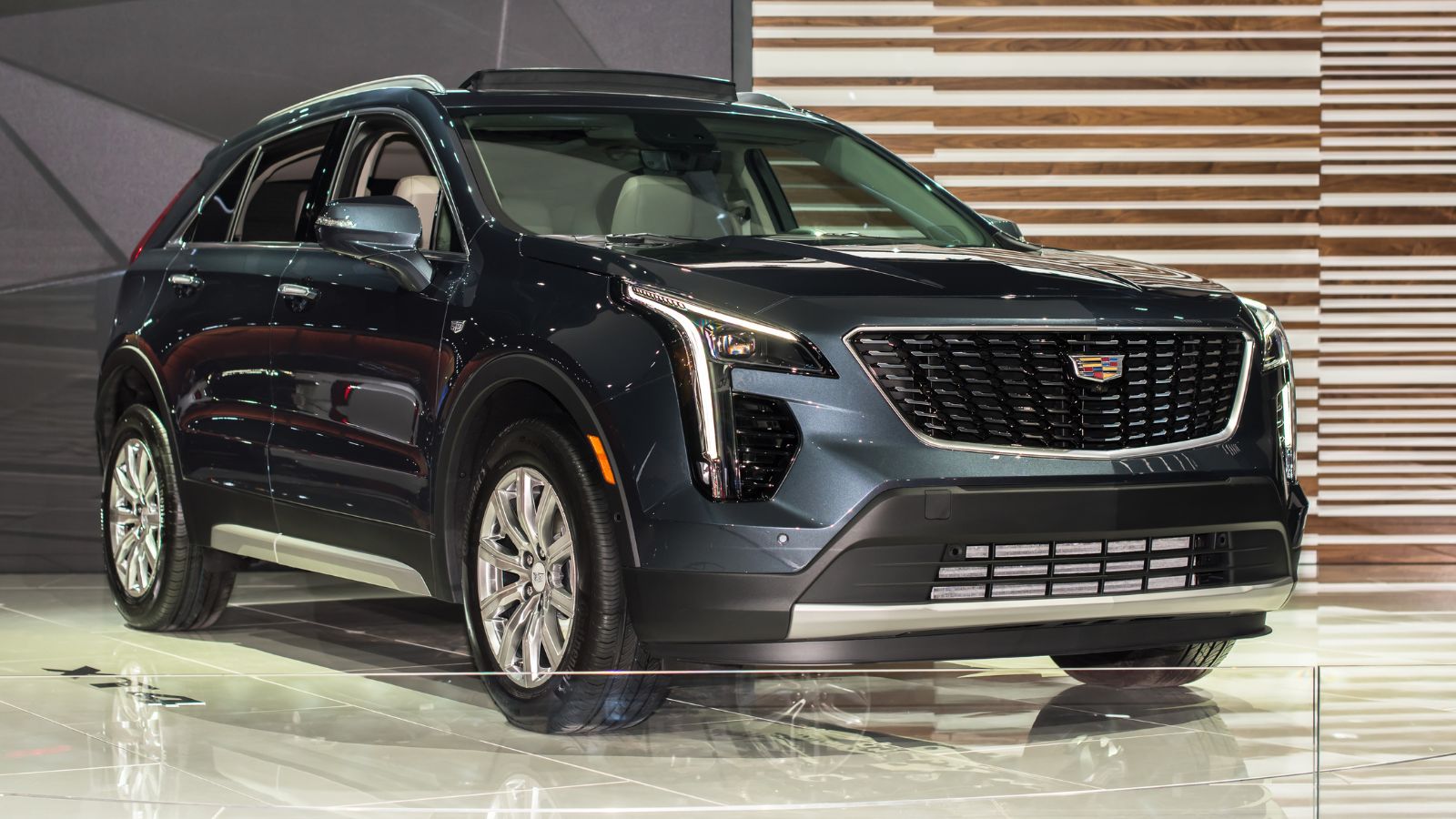
The XT4 should have been a durable Canadian success story. It wore a premium badge, sat in the right size class, and arrived when buyers were flooding into smaller luxury utilities. Yet by 2026 it feels more like a transitional product than a destination product. Part of the problem is timing. In a segment filled with polished rivals and increasingly capable mainstream alternatives, the XT4 never built the kind of untouchable identity that makes shoppers insist on it. It was competent, stylish enough, and easy to understand, but not consistently irresistible.
That becomes a serious weakness once a model’s future looks uncertain. Buyers shopping compact luxury crossovers do not just buy the vehicle; they buy into a brand direction. Cadillac’s momentum now leans far more visibly toward EVs, especially at the entry-luxury end. That leaves the XT4 looking like yesterday’s answer to a question the brand itself has already moved beyond. Sales slowing while the brand prepares electric replacements only reinforces that feeling. In Canada, where shoppers are already sensitive to residual value and model-cycle freshness, a lame-duck luxury crossover is a much harder sell than it sounds.
9. Cadillac XT6
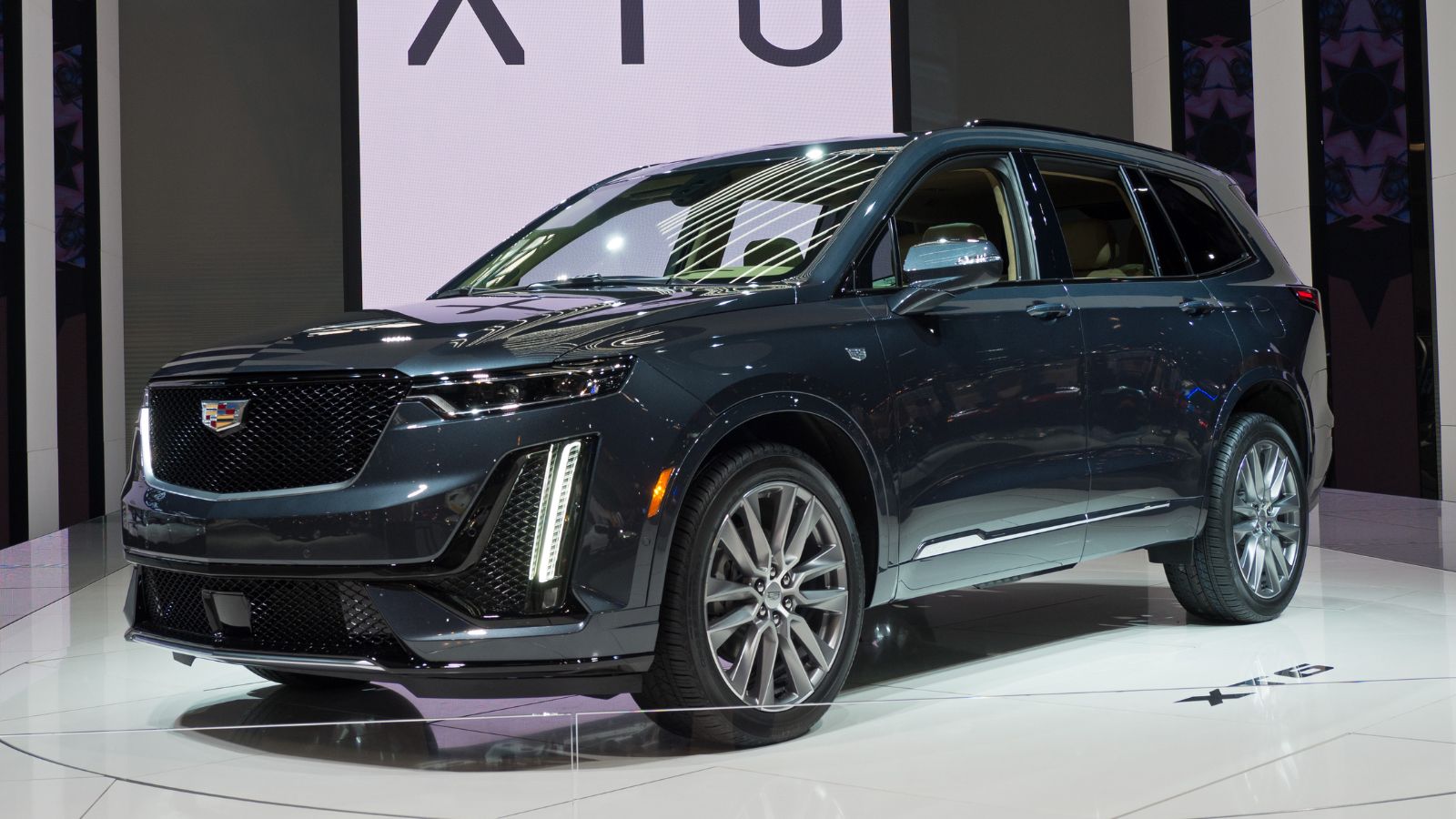
The XT6 has always been a slightly tricky vehicle to explain. It was not cheap enough to feel like a mainstream family deal, not bold enough to dominate its premium lane, and not iconic enough to sit comfortably beside the Escalade in Cadillac’s hierarchy. That left it caught in a middle zone where buyers often want a very clear reason to say yes. In 2026, that middle zone is even tougher because three-row SUVs are now one of the most brutally competitive segments in the market, and shoppers have more good alternatives than ever.
Once a vehicle is seen as merely acceptable in a segment built around confidence, it starts to slip. The XT6 never lacked basic usefulness, but it rarely inspired the kind of must-have response that drives staying power. Cadillac’s move toward the Vistiq also sharpens the feeling that the XT6 belongs to an earlier chapter. Canadians shopping a premium three-row utility increasingly want stronger design presence, clearer tech leadership, or a better value proposition. The XT6 sits in the overlap without truly owning any of those categories, which is why it feels like one of the easier vehicles to walk past in 2026.
10. Genesis Electrified G80
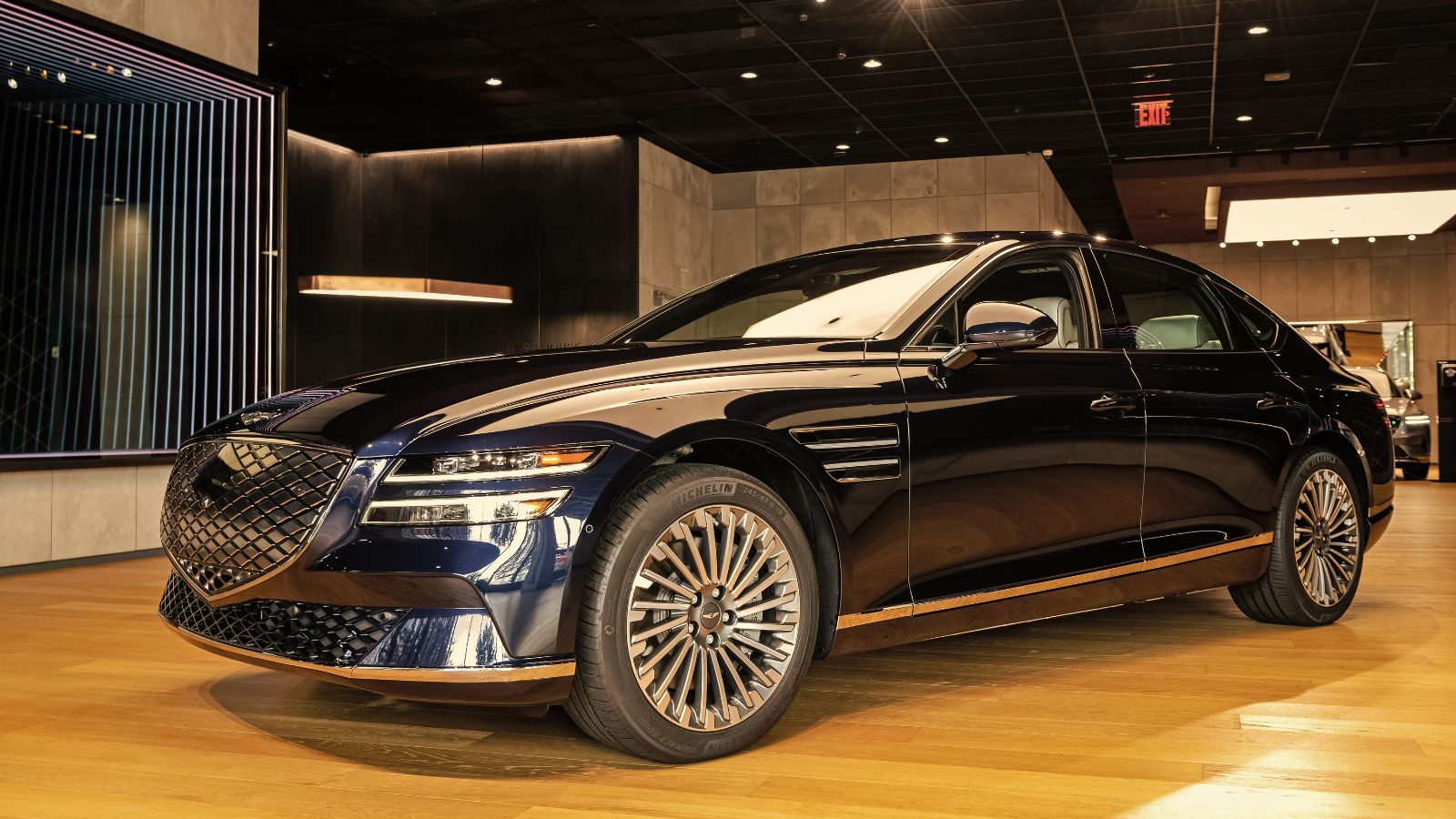
The Electrified G80 is one of the more intriguing cars on this list because the problem was never that it lacked class. If anything, it may have been too subtle for the fight it entered. It wrapped EV hardware in elegant luxury-sedan form and avoided the gimmicky look that still turns some buyers off. But in 2026, quiet competence is not enough in the premium electric space. Canadians shopping a six-figure-adjacent EV sedan want either undeniable charging and range advantages, a very strong badge story, or a breakthrough value proposition. The Electrified G80 never really owned any of those lanes.
Its short and limited presence says a lot. This was never a car that got the full, market-making push required to become common in Canadian conversations. That matters because premium EVs live on momentum, visibility, and confidence. If a model feels rare because it is exclusive, that can help. If it feels rare because few people noticed it, that hurts. By 2026, the Electrified G80 looks more like an interesting detour than a durable pillar of Genesis’s strategy, and buyers tend to sense that quickly when they start comparing where the segment is going next.
11. Infiniti QX50
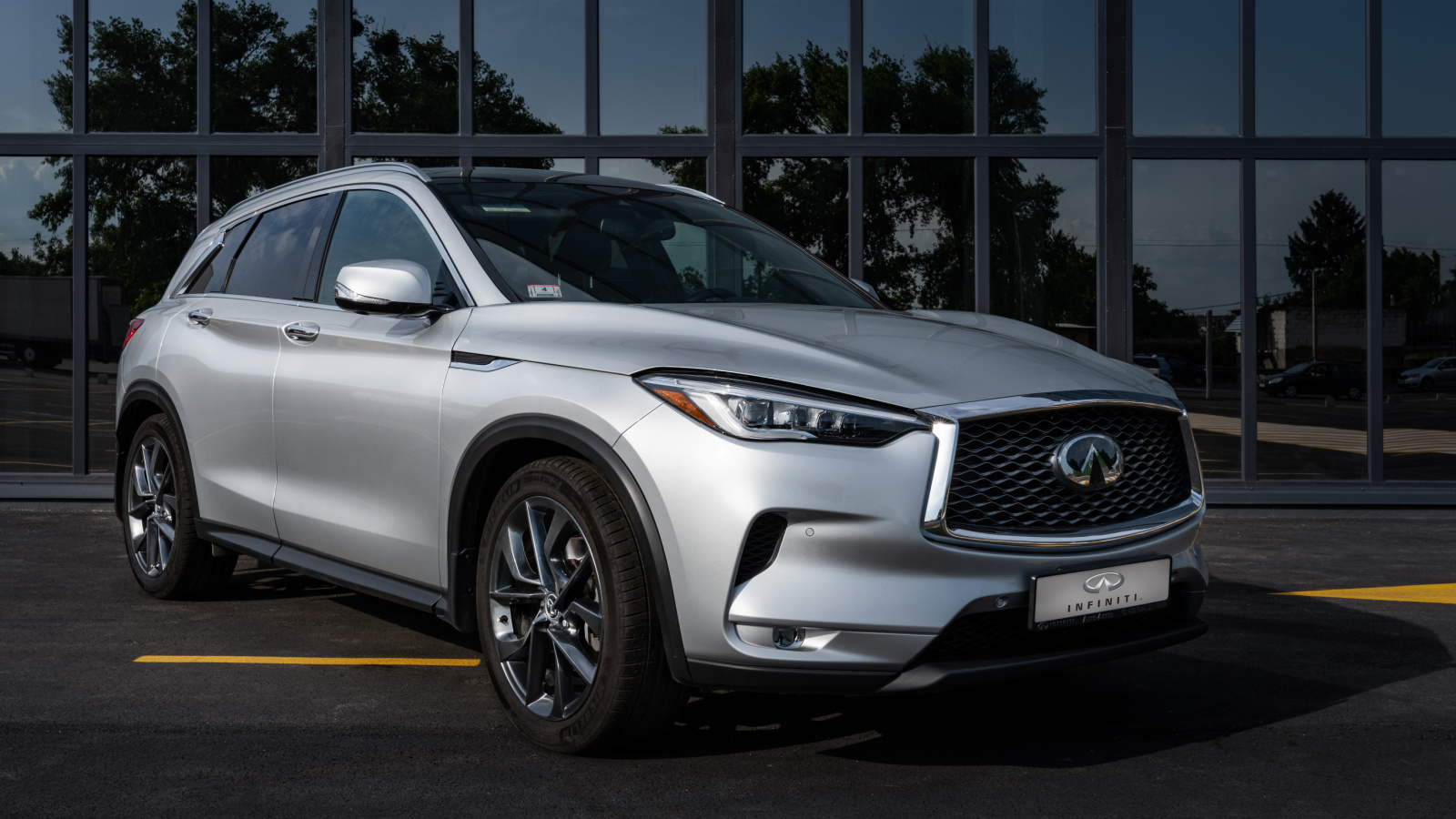
The QX50 is a good example of how a vehicle can be reasonably attractive, comfortable, and still lose the market’s attention. Infiniti’s variable-compression engine was supposed to give the model a more advanced identity, but it never became the headline advantage the brand likely hoped for. Instead, the QX50 ended up feeling like a crossover that checked boxes without dominating any of them. In luxury compact territory, that is dangerous. Buyers want standout design, standout driving, standout efficiency, or standout prestige. A model that feels merely fine becomes vulnerable very quickly.
In Canada, the challenge is even sharper because this is a highly educated luxury audience. People compare lease offers, brand trajectory, and ownership confidence. When the overall brand softens and the product roadmap gets thinner, even decent products start to feel riskier. That is part of what the QX50 ran into by 2026. Its discontinuation reinforces the sense that it never fully secured its place. This is not a story about a terrible crossover. It is a story about one that never became essential, and in a crowded premium market that is often enough to push buyers somewhere else.
12. Infiniti QX55
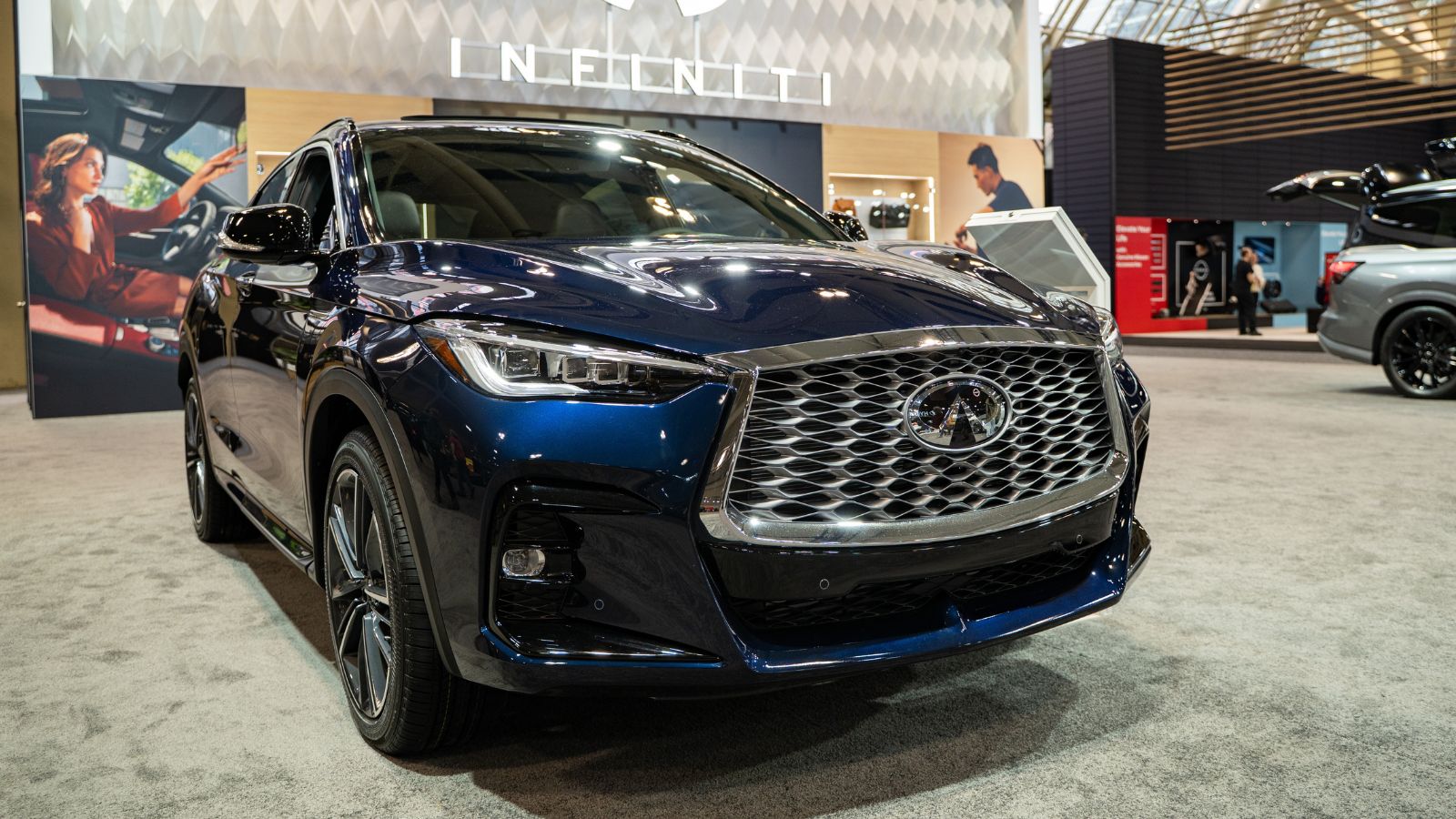
The QX55 arrived with a clear mission: bring back some of the old FX-style drama and give Infiniti a fashion-first crossover that looked less conventional than the QX50. That idea had real potential a decade earlier. In 2026, it feels much harder to sustain. Coupe-SUVs only work when the style premium feels worth the practical sacrifice, and the QX55 entered a market that had already started questioning that trade. Once buyers become more price-aware and more function-minded, a vehicle like this stops being expressive and starts being negotiable.
Its sales slide supports that impression. A shape-driven vehicle has to hold emotional heat, and the QX55 did not hold enough of it for long enough. The design still turns heads, but head-turning alone rarely closes deals in a segment full of stronger all-rounders. Canadians shopping luxury crossovers have become more clinical about what they get for the money, and a sloped-roof compromise with uncertain long-term product support is a difficult pitch. The QX55 never felt embarrassing. It just increasingly felt optional, and optional cars are usually the first ones shoppers leave behind.
13. Lexus RC
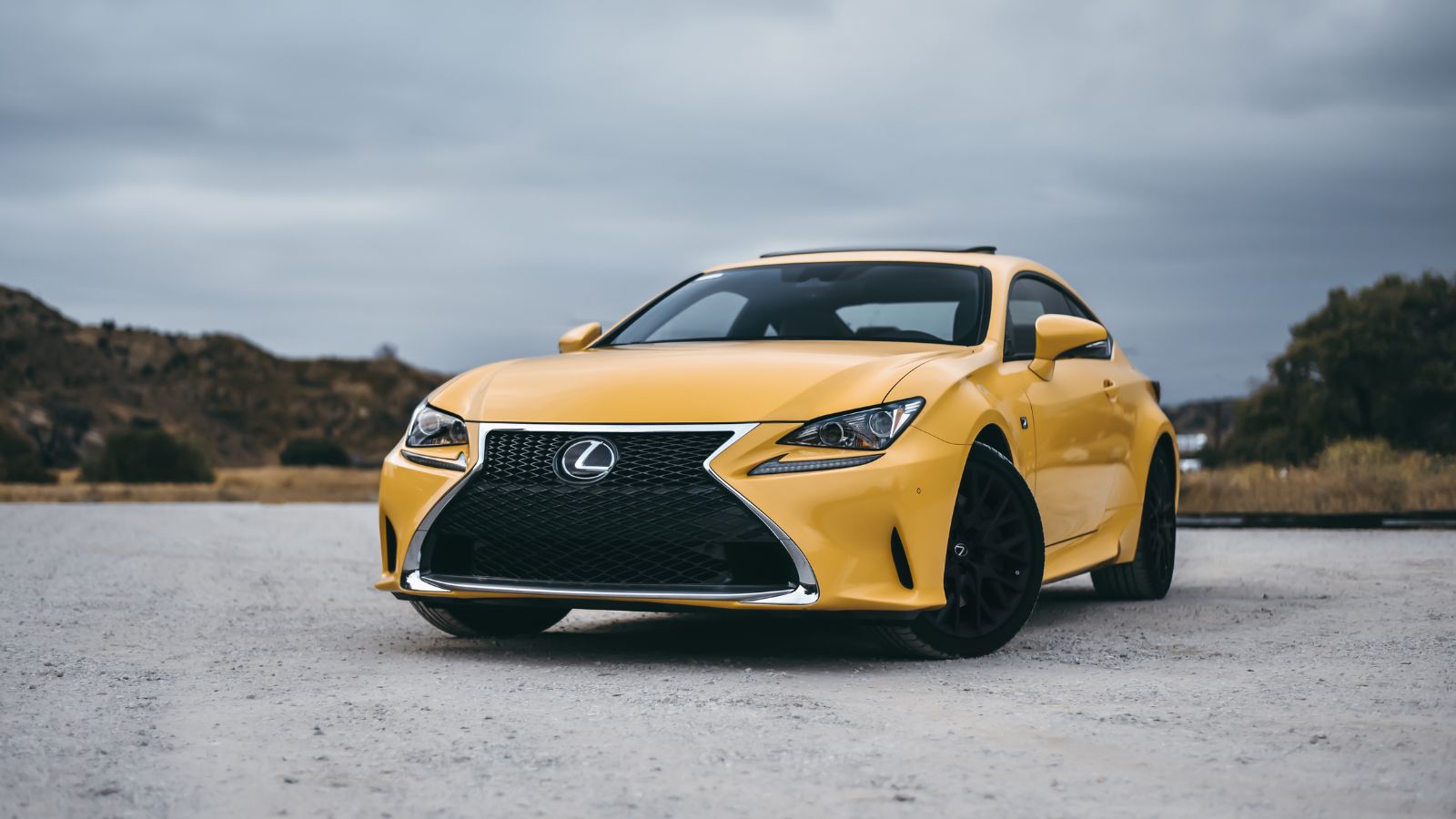
The Lexus RC was always a bit of an oddball, and that was part of its charm. It offered coupe proportions, Toyota-family durability, and in RC F form a naturally aspirated V8 that felt refreshingly stubborn in an era of downsizing and turbocharging. Yet by 2026, even charm has limits. The RC has spent years looking and feeling older than the segment around it, and once that perception sticks, it becomes very hard to reverse. Shoppers start seeing not timelessness, but age. They start seeing not character, but compromise.
That matters more in Canada because coupes are already niche purchases here. A niche model can survive on passion, but only if the passion stays strong enough to outweigh the practicality penalty. With the RC, the market slowly stopped making that emotional leap. Its new-car presence has thinned, and the decision to end it only confirms what many shoppers already sensed. The RC will still make a lot of sense as a used buy for someone who values durability and style. As a new-car proposition in 2026, though, it increasingly feels like something buyers admire nostalgically rather than choose decisively.
14. Porsche 718 Boxster
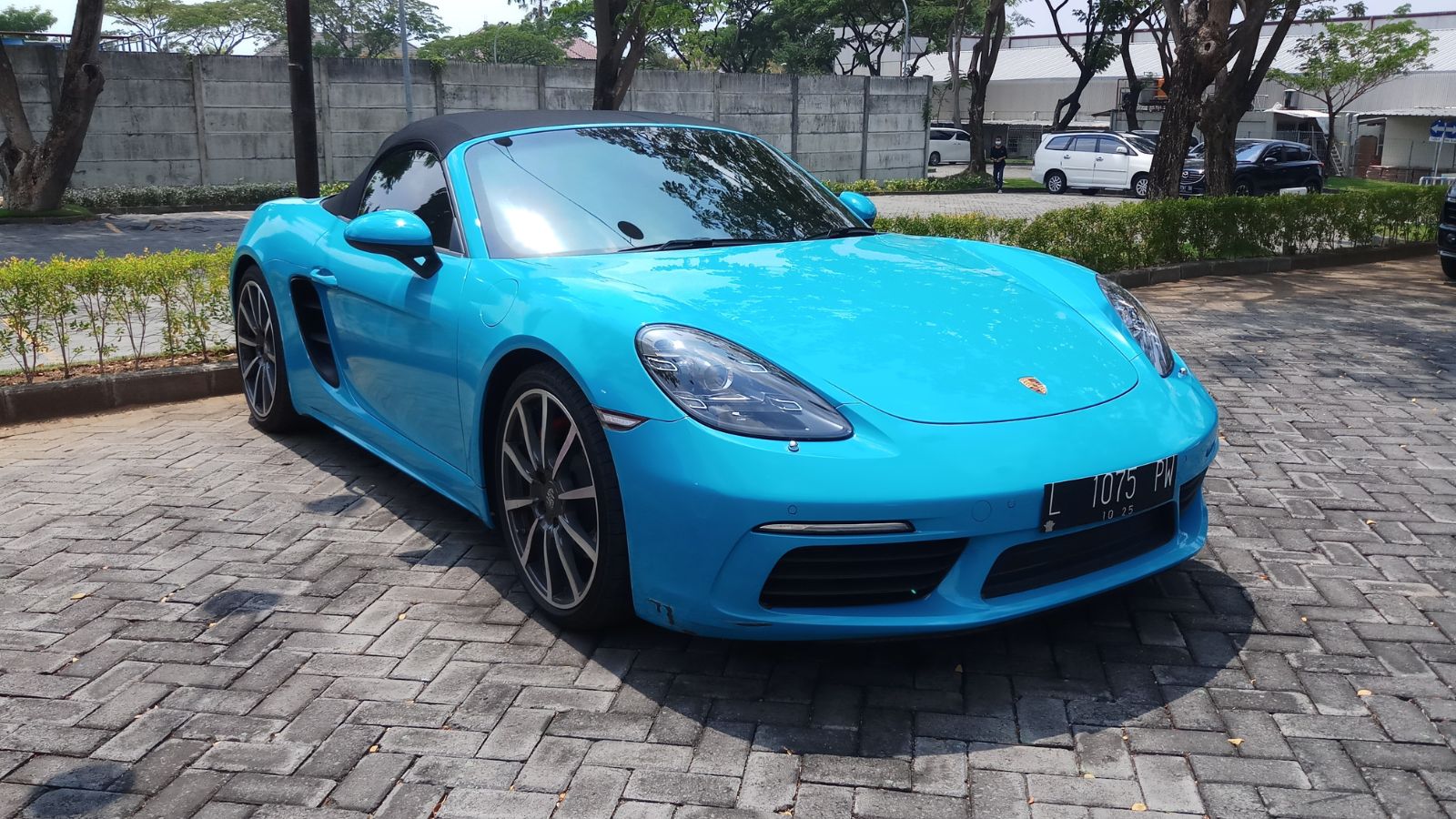
The 718 Boxster is the rare car that can become more desirable and more vulnerable at the same time. In enthusiast circles, its appeal is obvious: balance, purity, mid-engine composure, and the kind of tactile connection that gets rarer every year. But mainstream market logic does not always reward greatness in the same way enthusiasts do. Once the world knows a gas-powered sports car is at the end of its cycle and an electric successor is coming, some buyers rush in while many others pause. They start wondering about timing, depreciation, and whether the next thing will reset the category.
That creates a strange 2026 dynamic. The Boxster is not being walked away from because it is weak. It is being walked away from by buyers who feel the window is either already closing or no longer practical to jump through. In Canada, where sports-car ownership already comes with climate and seasonality limitations, hesitation shows up quickly once the product future looks uncertain. The Boxster remains a brilliant machine. It is simply becoming the kind of brilliant machine people talk themselves out of because they suspect the market is changing faster than their purchase timeline.
15. Porsche 718 Cayman
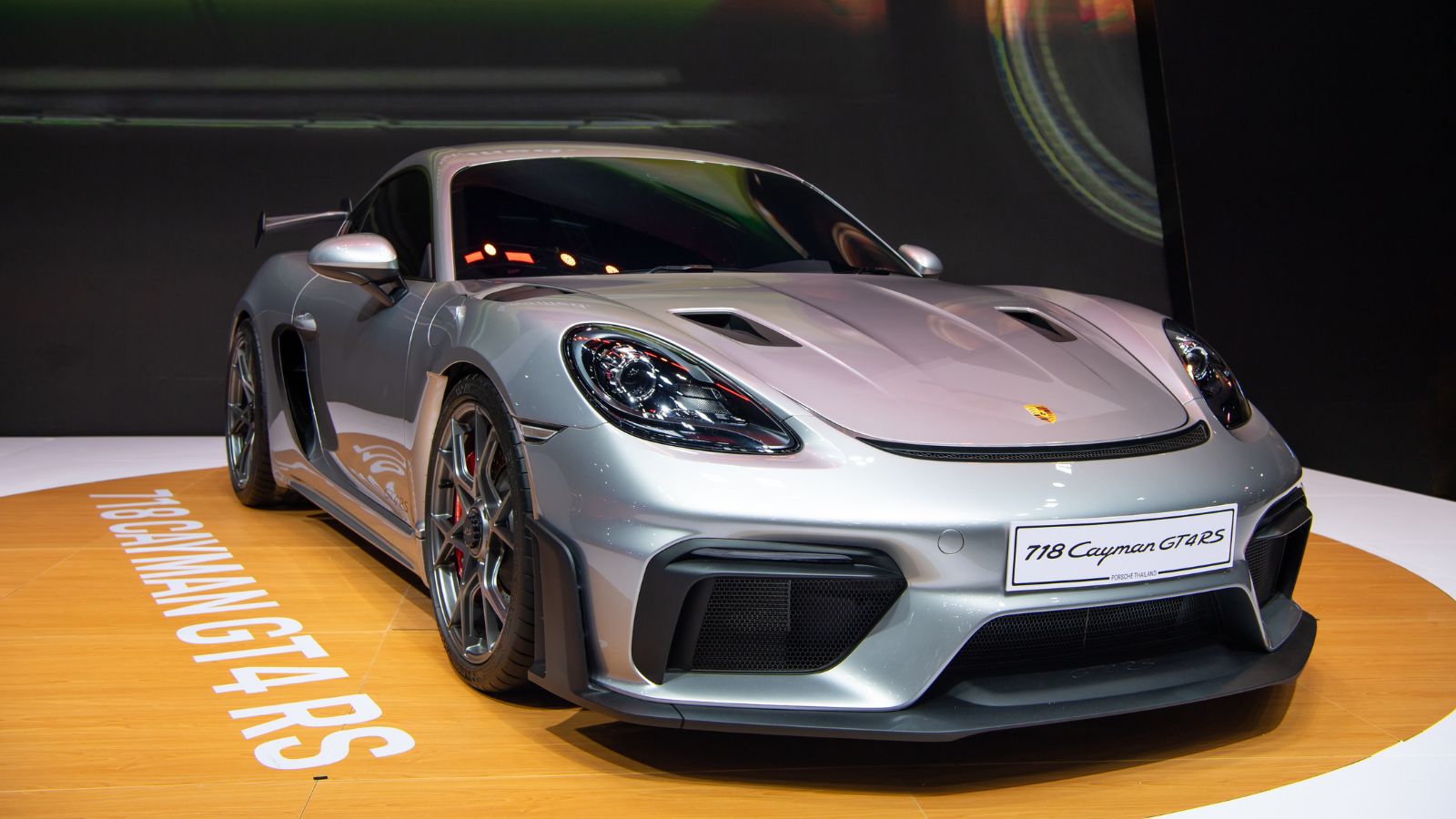
The Cayman has long been the hardheaded enthusiast’s Porsche: tighter, slightly more serious, and often praised as the sharper sibling in the 718 family. That reputation still holds. Yet rationality cuts both ways. The same buyer who appreciates a Cayman’s poise is also likely to pay close attention to product timing, long-term support, and resale behaviour. When a model is known to be in its final internal-combustion stretch, that knowledge can motivate collectors while making ordinary affluent shoppers more cautious.
In 2026, the Cayman therefore sits in a fascinating but fragile spot. It is still one of the best driver’s cars on sale, but the audience willing to buy a new one is not the same as the audience willing to celebrate it. There are many Canadians who love what the Cayman represents and still choose not to place the order. Some decide the moment has passed. Others decide the next chapter is too close to ignore. That is what makes this a walk-away story rather than a quality story. The Cayman did not lose its excellence. It lost the comfort of being an obvious next purchase.
16. Volvo V60 Cross Country
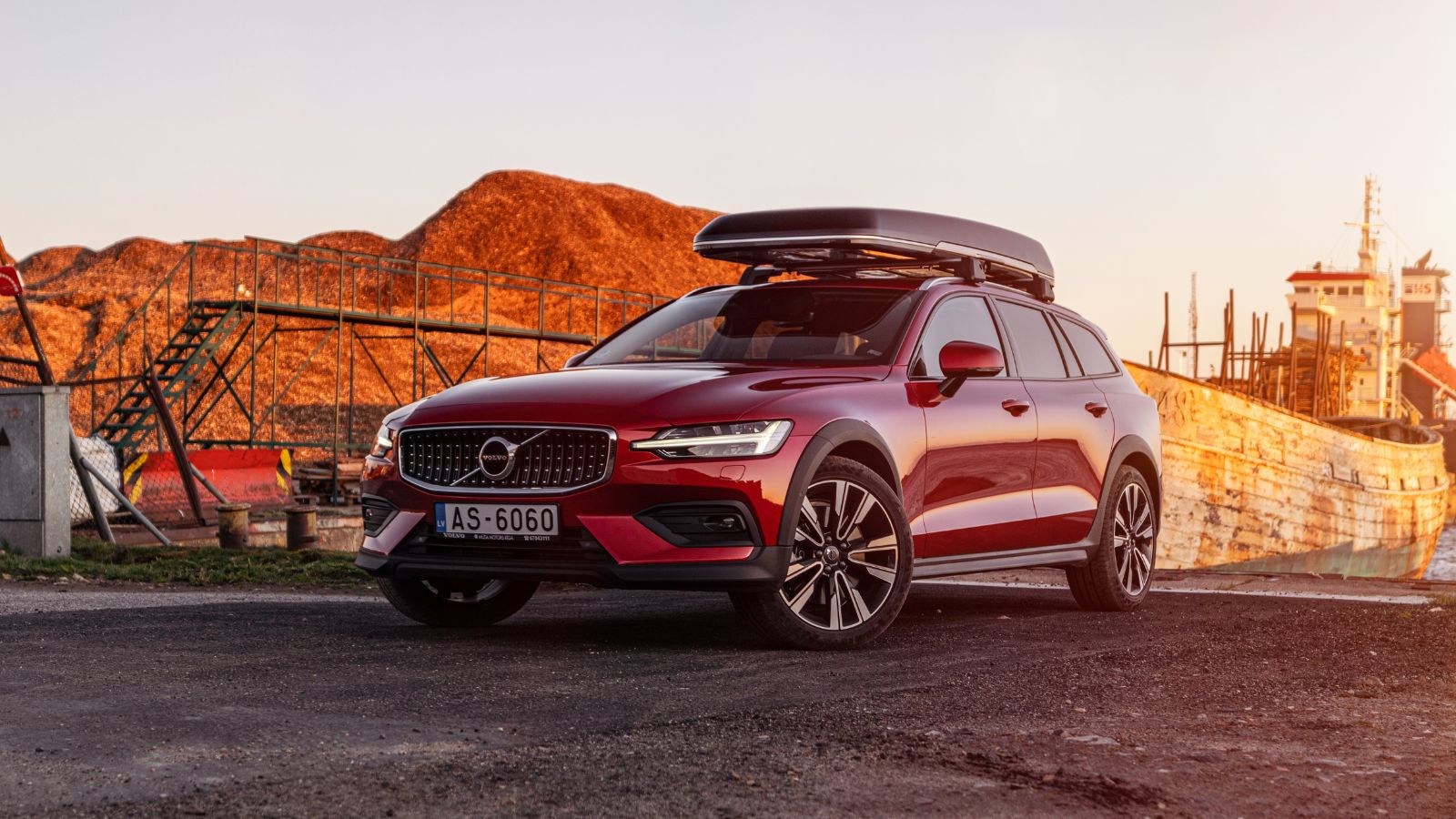
The V60 Cross Country always felt like a car for people who wanted something more elegant than an SUV without giving up winter credibility. In Canada, that should have been a sweet spot. Raised ride height, wagon practicality, Scandinavian design, and a genuinely distinctive presence sounded like a clever alternative to the crossover herd. The trouble is that clever alternatives often struggle once the herd becomes overwhelming. Buyers say they want something different, then sign for the safer, more familiar body style that everyone around them already understands.
That tension defines the V60 Cross Country in 2026. It is not being pushed aside because it lacks taste. In many ways, it may have too much of it for the current market. Wagons require a buyer who is both confident and intentionally contrarian, and those buyers are rarer than online enthusiasm suggests. Once production timelines tighten and remaining inventory becomes a sell-through exercise, the market signal becomes unmistakable. Even Volvo, one of the brands most closely associated with wagons, could not keep this format alive in North America. That says a lot about what Canadian buyers now choose by default.
17. Jeep Wrangler 4xe
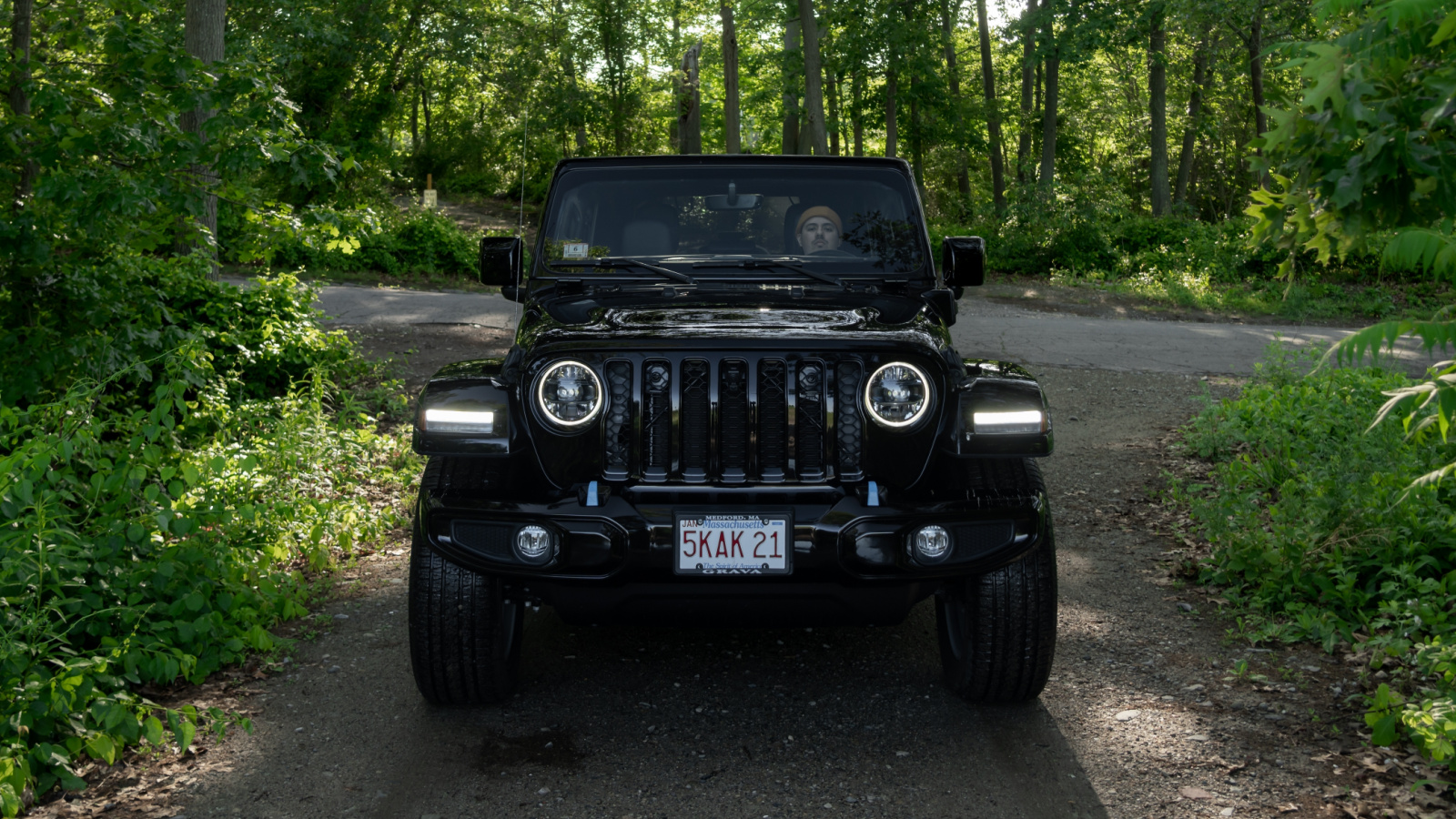
The Wrangler 4xe had a smart premise. It promised the image and capability of a Wrangler with an electrified angle that could make the numbers look more modern and the urban commute feel a little less absurd. For a while, that was a powerful combination. In 2026, however, the repeated recall story hangs over it too heavily to ignore. Once buyers hear “park it outside,” “do not charge,” and “another repair is required,” confidence drains quickly, especially on a vehicle that already demands some lifestyle commitment even when everything is going right.
The other issue is that the 4xe never fully transformed the Wrangler ownership experience in the way many casual buyers may have imagined. It still carries the compromises that make Wranglers lovable to some and exhausting to others. Add higher complexity and public recall visibility, and the pool of shoppers willing to take the leap naturally narrows. That does not mean Jeep loyalists disappear. It means the broader Canadian market becomes less forgiving. In 2026, the Wrangler 4xe feels less like the obvious modern Wrangler and more like a riskier version of a vehicle people were already buying with their hearts.
18. Jeep Grand Cherokee 4xe
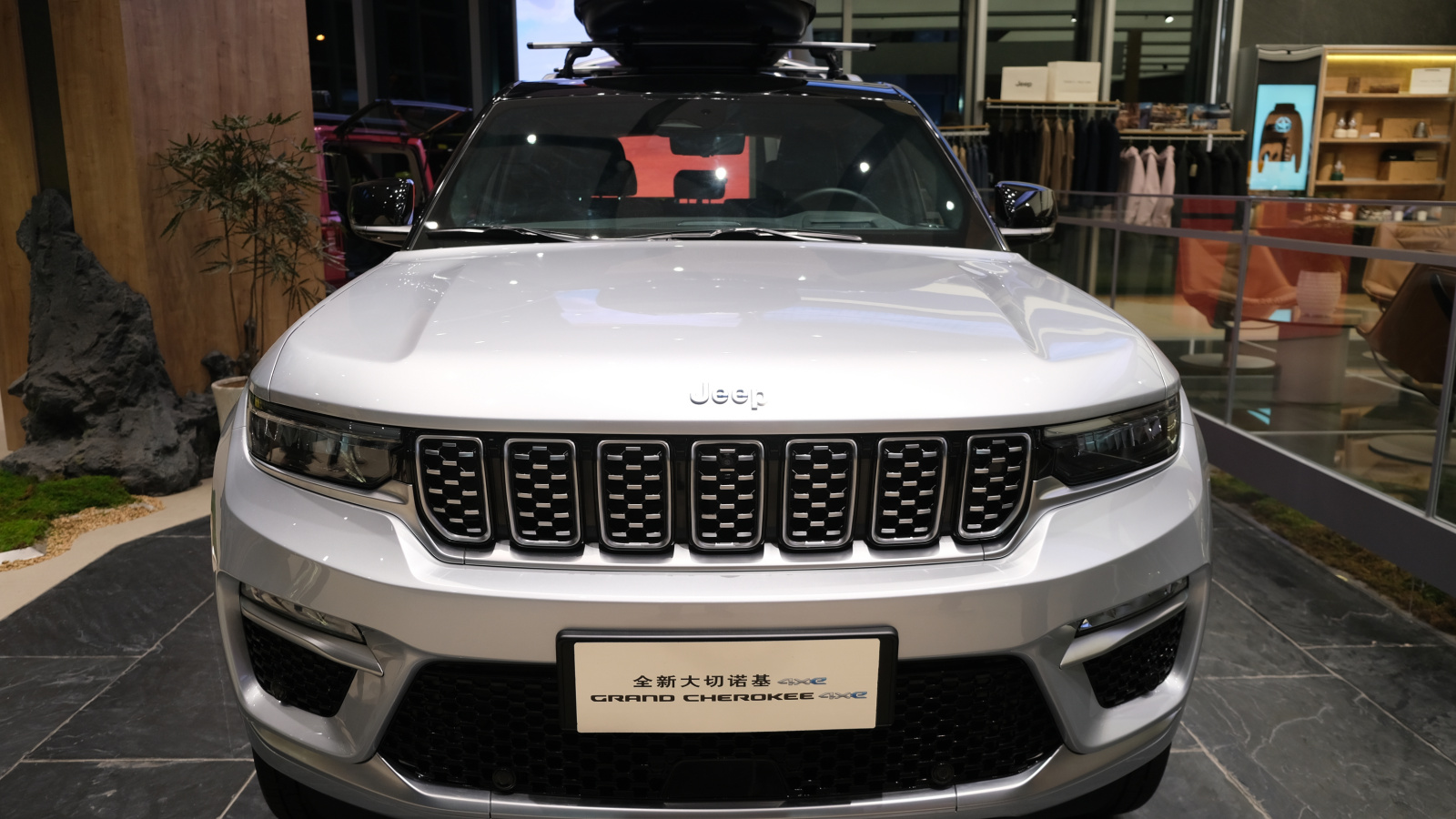
The Grand Cherokee 4xe looked like one of the more sensible plug-in hybrids in Canada because it blended familiar SUV comfort with an electrified badge and a premium-leaning cabin. On paper, that should have made it easier to recommend than the Wrangler 4xe. In practice, it has ended up sharing too much of the same recall cloud, and that is a serious problem for a family-oriented SUV that is supposed to make buyers feel secure. Shoppers in this category are not typically thrill-seeking with their purchase logic. They want calm, confidence, and the sense that the expensive vehicle in the driveway will not become a headache.
That is why the Grand Cherokee 4xe feels increasingly vulnerable in 2026. Its price already asks for trust. Repeated battery-fire and drive-power recall headlines spend that trust quickly. Once a model becomes associated with caution notices instead of convenience, the whole plug-in-hybrid promise starts to wobble. Canadians do not need to hate the vehicle to walk away from it. They just need to feel unsure, and uncertainty is often enough to send a buyer toward a conventional hybrid, a safer-feeling gasoline SUV, or a rival with less baggage. In this segment, hesitation alone can be fatal.
22 Things Canadians Do to Their Cars in Spring That Mechanics Hate

Spring brings relief to many Canadian drivers after months of snow, freezing temperatures, and icy roads that put serious strain on vehicles. As temperatures rise across the country, drivers begin washing cars, switching tires, and preparing vehicles for warmer weather and upcoming road trips. However, mechanics across Canada notice the same mistakes every spring when drivers attempt to recover from winter damage. Road salt, potholes, and harsh winter driving conditions often leave vehicles with hidden problems that drivers ignore. Some spring habits even create new mechanical issues that could have been avoided with proper maintenance. Here are 22 things Canadians do to their cars in spring that mechanics hate.