
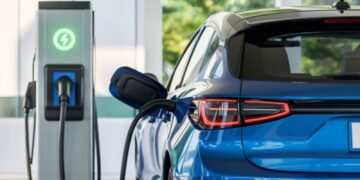
























A vehicle can feel more advanced, safer, and more efficient than the one it replaces while still demanding far more money over time. The purchase price is only the opening figure. Financing, depreciation, insurance, specialized repairs, tires, fuel requirements, subscriptions, and location-based fees can reshape the budget long after the excitement of delivery fades.
These 22 reasons explain why the next vehicle may cost more to own than the last one, even when the monthly payment appears manageable or the advertised efficiency looks impressive. The goal is not to discourage upgrading, but to reveal the expenses that modern features, changing markets, and new ownership models can place behind an otherwise familiar set of keys.
Sticker Prices Have Moved Into a Different League

The next vehicle may begin costing more before it travels a single mile. Kelley Blue Book estimated the average U.S. new-vehicle transaction price at $49,461 in April 2026, up 1.8 percent from a year earlier. That average reflects what shoppers actually bought, not merely the highest window stickers, and it shows how strongly the market has shifted toward costlier SUVs, pickups, electrified models, and high-content trims.
A buyer replacing a modest sedan from several years ago may discover that the closest modern equivalent now includes a larger touchscreen, additional cameras, automatic emergency braking, and connectivity hardware. Those features may be useful, but they are embedded in the purchase price. Sales tax, financing charges, insurance values, and depreciation are then calculated from that higher starting point. Even when a new model feels like a straightforward replacement, its financial baseline may be substantially different from the vehicle leaving the driveway in practice.
Financing Can Add Thousands Beyond the Window Sticker

A familiar monthly payment can hide a much more expensive loan. Federal Reserve data showed average commercial-bank rates on 60-month new-car loans above 7 percent during 2025, compared with much lower rates available to many borrowers before the pandemic. On a $40,000 balance, the difference between 4 percent and 8 percent interest is several thousand dollars over five years, even before taxes, fees, or optional products are included.
Dealership conversations often center on the payment because it is easy to compare with a household budget. The total amount financed matters more. A buyer may accept a payment resembling the old one only because the down payment increased, the loan became longer, or a trade-in was applied. Asking for the annual percentage rate, total finance charge, and final amount paid exposes the real ownership cost. The vehicle may be affordable each month while still being markedly costlier overall for years afterward.
Longer Loans Keep the Payment Alive for Years

Auto loans have stretched far beyond the three- or four-year schedule. Federal Reserve researchers documented a long-term rise in loan maturity from roughly 30 months to more than 70 months. Longer terms lower the monthly payment, but the research found that longer-maturity new-car loans carry higher interest rates. The result is a smaller bill paired with more months of interest.
That extended timeline changes ownership decisions. A six- or seven-year loan may still be active when tires, brakes, batteries, and out-of-warranty repairs begin arriving. Someone who previously owned a paid-off car for several years could spend most of the next vehicle’s household life making payments. Long terms can be reasonable when the rate is low and the vehicle is kept for years, but they remove flexibility. Selling early, changing family needs, or responding to a job move becomes harder when the lender still has a large claim on the vehicle.
Negative Equity Can Follow the Trade-In Home

The old vehicle’s unpaid balance does not disappear when it is traded. The Consumer Financial Protection Bureau warns that when a borrower owes more than the trade-in value, a dealer may roll that negative equity into the next loan. The new vehicle then starts life carrying debt from two vehicles, making the amount financed larger than the price of the replacement itself.
Consider a trade worth $18,000 with a $23,000 payoff. Rolling the $5,000 shortfall into a $40,000 purchase creates a loan near $45,000 before taxes, fees, warranties, or add-ons. That structure can keep the borrower underwater longer because the new vehicle begins depreciating immediately while the old debt remains. It also makes insurance settlements more stressful if the replacement is totaled. A lower payment negotiated through a longer term may disguise the problem, but the household is still paying for mileage and depreciation that belonged to the previous vehicle.
Depreciation May Be the Largest Cost Nobody Bills Monthly

Depreciation rarely appears as an automatic withdrawal, yet it can exceed fuel or scheduled maintenance. AAA’s 2025 ownership analysis identified depreciation as the largest cost category for new vehicles. The loss becomes visible when the vehicle is sold, traded, totaled, or compared with the remaining loan balance. A model that loses value quickly can therefore cost more even when it is reliable and inexpensive to fuel.
The effect grows with a higher purchase price. A 10 percent decline on a $50,000 vehicle represents $5,000, while the same percentage on a $30,000 vehicle represents $3,000. Trim choices also matter because expensive appearance packages and technology options do not always retain their full premium in the used market. Buyers often remember what they paid for panoramic roofs, upgraded audio, or large wheels, but used-car shoppers may value those features differently. Resale history deserves the same attention as horsepower, cargo space, and economy.
Insurance Prices Reflect More Than Driving History

A newer vehicle can produce an expensive insurance quote even for a driver with a clean record. U.S. motor-vehicle insurance prices rose 2.8 percent during 2025 after sharper increases in preceding years, according to the Bureau of Labor Statistics. Insurers price the cost of repairing or replacing the vehicle alongside location, mileage, coverage limits, claims history, and driver characteristics.
A model loaded with cameras, radar units, aluminum panels, expensive lamps, or hard-to-source parts may cost more to insure than an older vehicle that was simpler to repair. High purchase values also increase total-loss payments. Two similarly priced vehicles can generate different premiums because claim severity, theft experience, and repair networks differ. Requesting a quote before signing the purchase contract is essential. The premium on the next vehicle is not merely an updated version of the old bill; it is a new risk calculation based on a different machine and claims environment.
Safety Sensors Make Minor Damage Less Minor
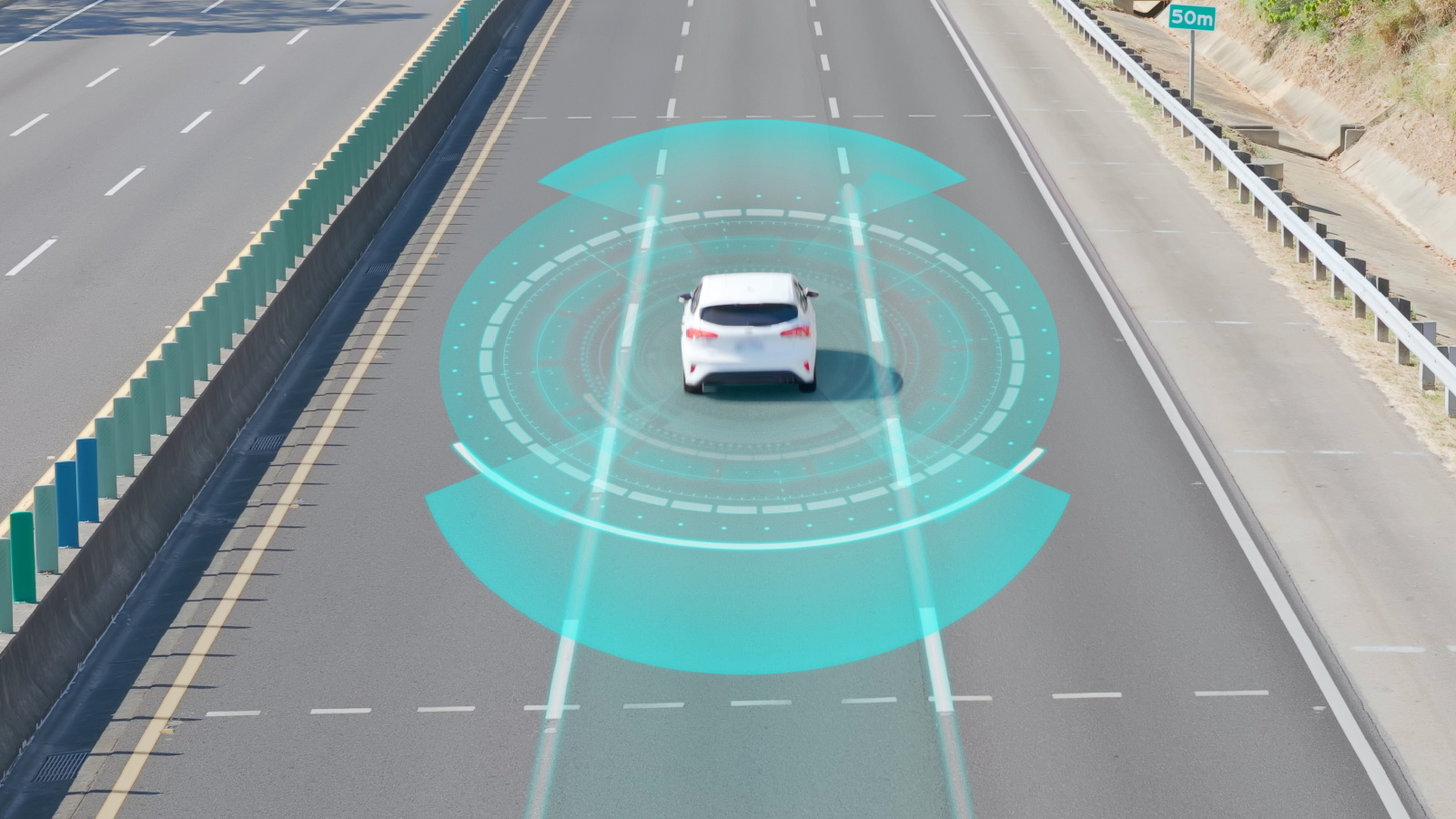
Modern driver-assistance systems place radar, cameras, and ultrasonic sensors in areas that commonly absorb parking bumps and low-speed crashes. AAA found that individual advanced driver-assistance components added roughly $290 to $1,596 to repair scenarios, above the cost of ordinary bodywork. A bumper that once needed paint and plastic repair may now require sensor replacement, diagnostic scans, aiming procedures, and road testing.
The technology can reduce crashes and improve awareness, so higher repair cost does not make it undesirable. It does make small incidents financially different. A front radar used for adaptive cruise control and automatic emergency braking can be hidden behind a grille emblem or bumper cover that looks lightly damaged. If its position changes, the system may need calibration before operating correctly. Owners choosing high deductibles to lower premiums should consider this repair reality, because a seemingly modest scrape can consume much more of the deductible than it would have on an older vehicle.
Windshield Replacement Now Involves Cameras and Calibration

A cracked windshield used to be primarily a glass job. Many newer vehicles mount a forward-facing camera near the rearview mirror for lane departure warning, automatic emergency braking, traffic-sign recognition, or adaptive lighting. AAA’s repair study estimated about $360 specifically to transfer and calibrate a windshield-mounted camera, separate from the cost of the glass and installation. Some vehicles cost more.
That difference becomes noticeable where stone chips, road debris, hail, or temperature swings make glass damage common. The cheapest replacement glass may not be appropriate when optical clarity, camera brackets, heating elements, acoustic layers, or head-up-display coatings are involved. Calibration may require a level floor, target boards, precise tire pressures, diagnostic equipment, or a controlled road drive. Insurance glass coverage can soften the expense, but deductibles and calibration terms vary. Before buying, it is worth asking whether the model’s windshield requires original-equipment glass and how local shops handle recalibration.
Side Mirrors Have Become Expensive Electronic Modules

A side mirror may now contain a camera, blind-spot warning indicator, heater, power-folding motor, memory function, puddle lamp, turn signal, and auto-dimming glass. AAA reported that in one mirror-repair scenario, about 71 percent of the cost—roughly $1,067—was tied to the driver-assistance camera inside. What looks like a bolt-on exterior part can therefore behave more like a networked electronic assembly.
This matters in narrow garages, crowded parking lots, and streets where mirrors are frequently clipped. Older vehicles often allowed replacement of the glass or painted cap alone. Newer designs may require a complete assembly, programming, camera calibration, and paintwork. Used replacement parts can also be difficult to match when option codes differ. A buyer comparing trims should notice whether an upgraded package adds surround-view cameras or complex mirror hardware. The feature may make parking easier every day, but a single impact can easily erase years of perceived convenience savings.
Larger Wheels Bring Larger Tire Bills
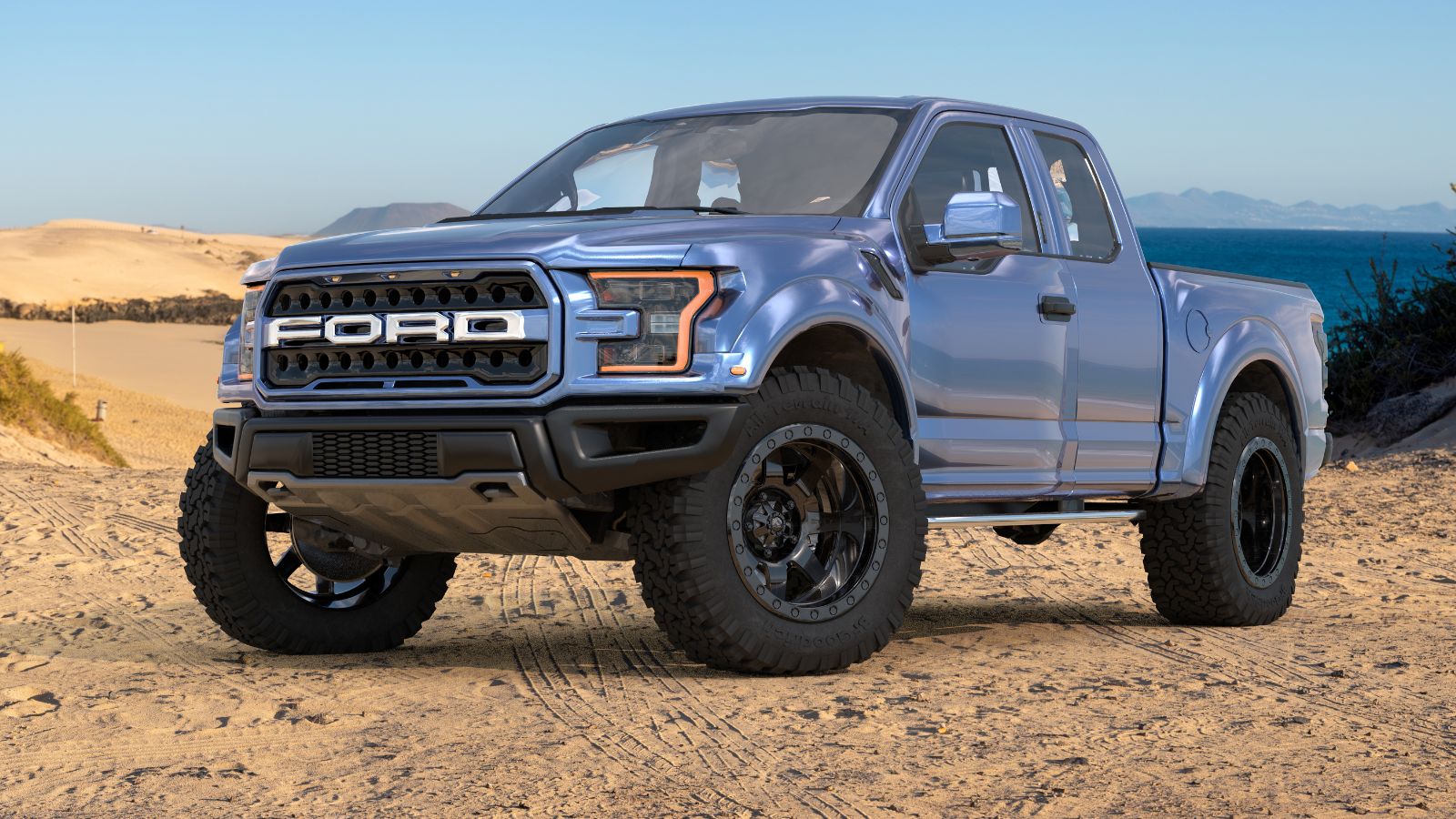
Wheel diameters have grown as automakers use 19-, 20-, and 21-inch designs to create a dramatic stance. Consumer Reports notes that tires fitted to larger wheels typically cost more to replace. They may also use lower-profile sidewalls, leaving less rubber between the rim and a pothole. The visual upgrade can increase both routine replacement cost and the chance of wheel damage.
The difference becomes obvious when four tires are needed at once. A common 17-inch touring tire may have many competing brands and long-wearing options, while an uncommon 21-inch size can be limited to premium products or special orders. Staggered setups, with wider rear tires than front tires, prevent ordinary front-to-rear rotation and may shorten useful life. Performance compounds can wear faster as well. Before selecting the appearance package, buyers should price a full replacement set, check availability nearby, and confirm whether the vehicle uses run-flat, reinforced, or electric-vehicle-specific tires.
Deleting the Spare Can Shift the Cost to the Roadside
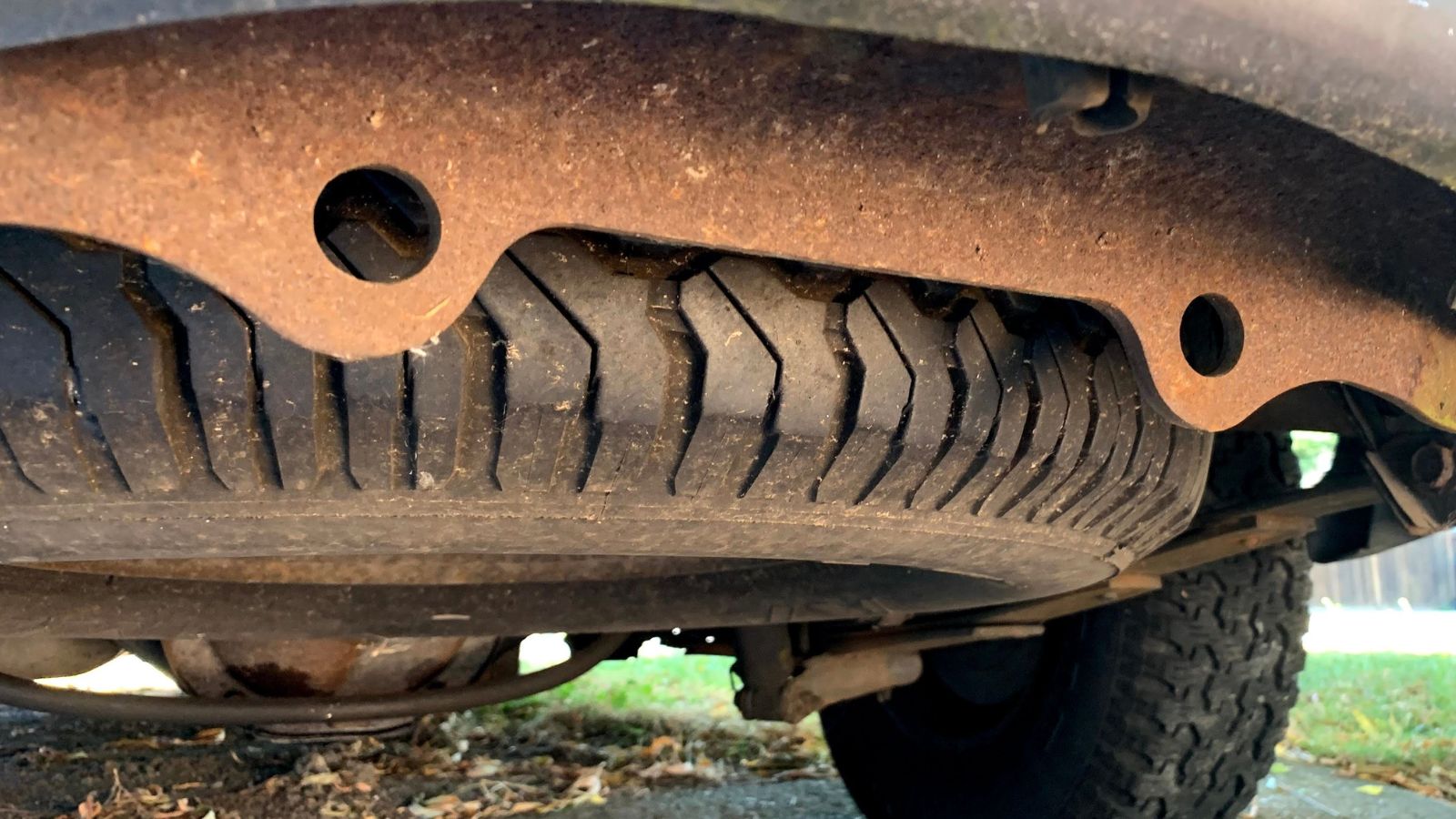
Many newer cars no longer carry a spare tire. Consumer Reports notes that removing the tire, wheel, and jack can save roughly 50 to 60 pounds, helping packaging and fuel economy. Manufacturers may instead provide a sealant kit, compressor, run-flat tires, or roadside assistance. Those substitutes work for some punctures but not for a torn sidewall, bent wheel, or large impact break.
The inconvenience can become an ownership expense. A driver stranded outside business hours may need towing, an emergency tire purchase, or an unplanned hotel stay. Run-flat tires can preserve limited mobility after pressure loss, but they are often costlier and may not be stocked locally. Sealant can expire and may be unusable after certain damage. A compact spare purchased later requires the correct wheel, tire, jack, tools, and storage space. Checking the cargo floor before purchase reveals whether the vehicle includes a genuine fallback or merely a temporary promise.
All-Wheel Drive Adds Hardware and Energy Demand

All-wheel drive can improve traction in appropriate conditions, but it is not free. Additional shafts, couplings, differentials, clutches, and control hardware add weight and mechanical complexity. EPA analysis has shown that, among vehicles of comparable size, four-wheel-drive and all-wheel-drive versions generally consume more fuel than front-wheel-drive counterparts. The exact penalty varies because modern systems can disconnect unused components.
Ownership costs can also appear during maintenance and tire replacement. Some systems specify transfer-case or differential fluid service, while many require closely matched tire circumference to protect the driveline. Replacing one damaged tire may lead to replacing two or four when remaining tread is substantially worn. A family moving from an older front-wheel-drive sedan to an all-wheel-drive crossover may gain ground clearance and winter confidence, yet pay more for fuel, tires, and service. Comparing two-wheel-drive and all-wheel-drive window labels shows whether the added capability is worth its permanent operating cost over time.
Premium Fuel Is Recommended on More New Models
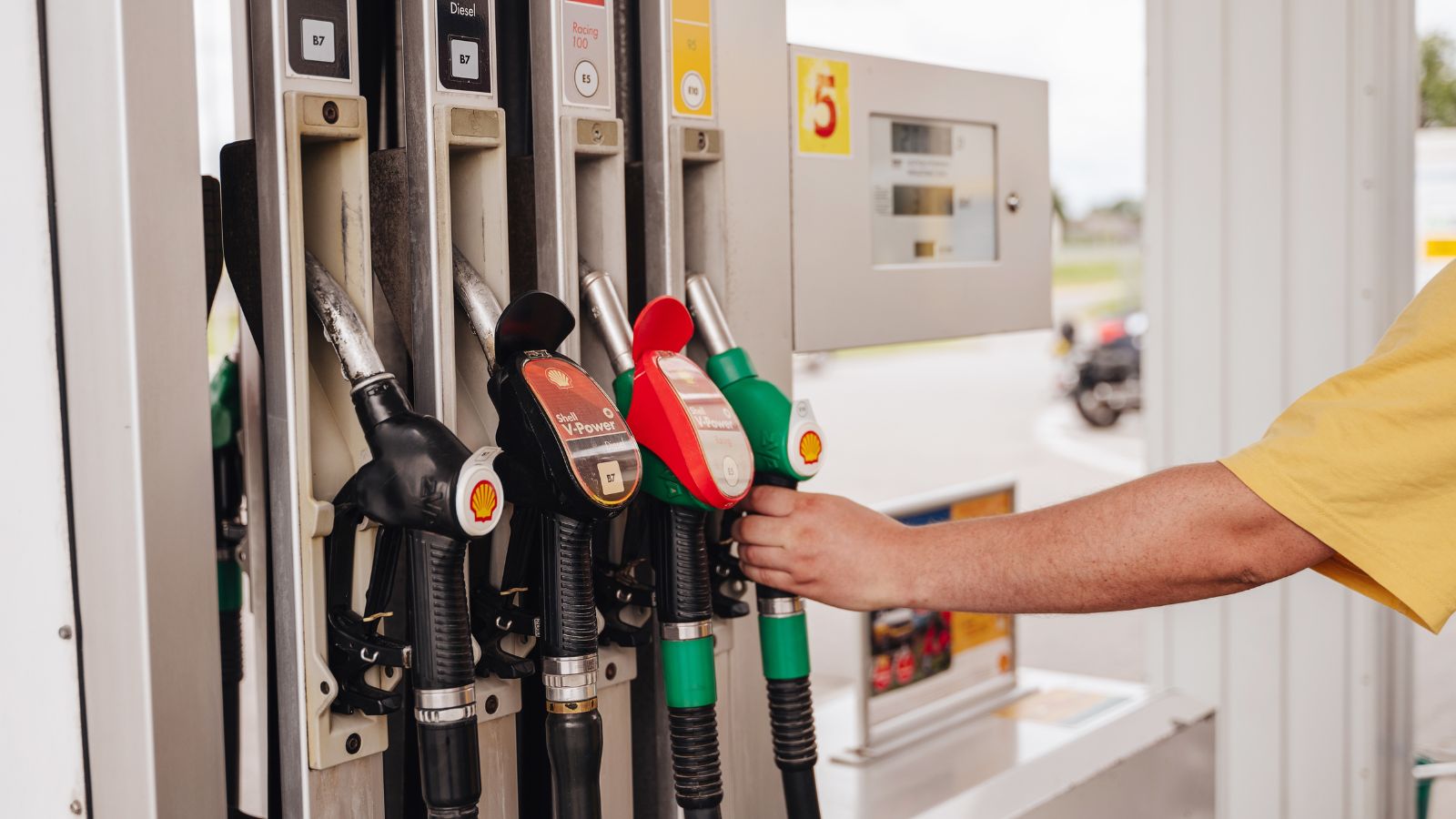
Premium gasoline is no longer limited to exotic sports cars. The U.S. Department of Energy reported that since model year 2018, manufacturers have recommended or required premium fuel for more than half of light-duty vehicle configurations. Turbocharging and higher compression ratios help smaller engines produce power, but they can increase the need for higher octane.
The wording in the owner’s manual matters. “Required” means regular fuel should not be treated as the normal budget choice. “Recommended” may allow regular gasoline, but performance or fuel economy can change depending on the engine’s calibration and operating conditions. Even a modest price difference adds up over thousands of litres or gallons. A buyer replacing an older naturally aspirated model may assume the new downsized turbo engine will automatically cost less to fuel. It may use fewer gallons, yet some of that saving can be offset when every fill requires the most expensive grade.
More Size and Power Can Cancel Efficiency Gains
New engines and transmissions are more efficient than their predecessors, but vehicle design still controls energy use. The EPA’s 2025 Automotive Trends Report states that larger, heavier, and more powerful vehicles generally have lower fuel economy than comparable smaller, lighter, and less powerful models. A modern crossover may have advanced engine technology while consuming more fuel than the compact car it replaces.
This is where comparisons based only on model year become misleading. Moving from an older 3,200-pound hatchback to a newer 4,500-pound SUV introduces more body mass, frontal area, tire width, and often all-wheel drive. The newer engine may work efficiently, but it is being asked to move a larger object. EPA labels estimate annual fuel cost using 15,000 miles and a projected energy price, making them useful for side-by-side shopping. The relevant comparison is not “new versus old technology”; it is the new vehicle’s complete configuration versus the one already owned.
Stop-Start Systems Often Require Costlier Batteries
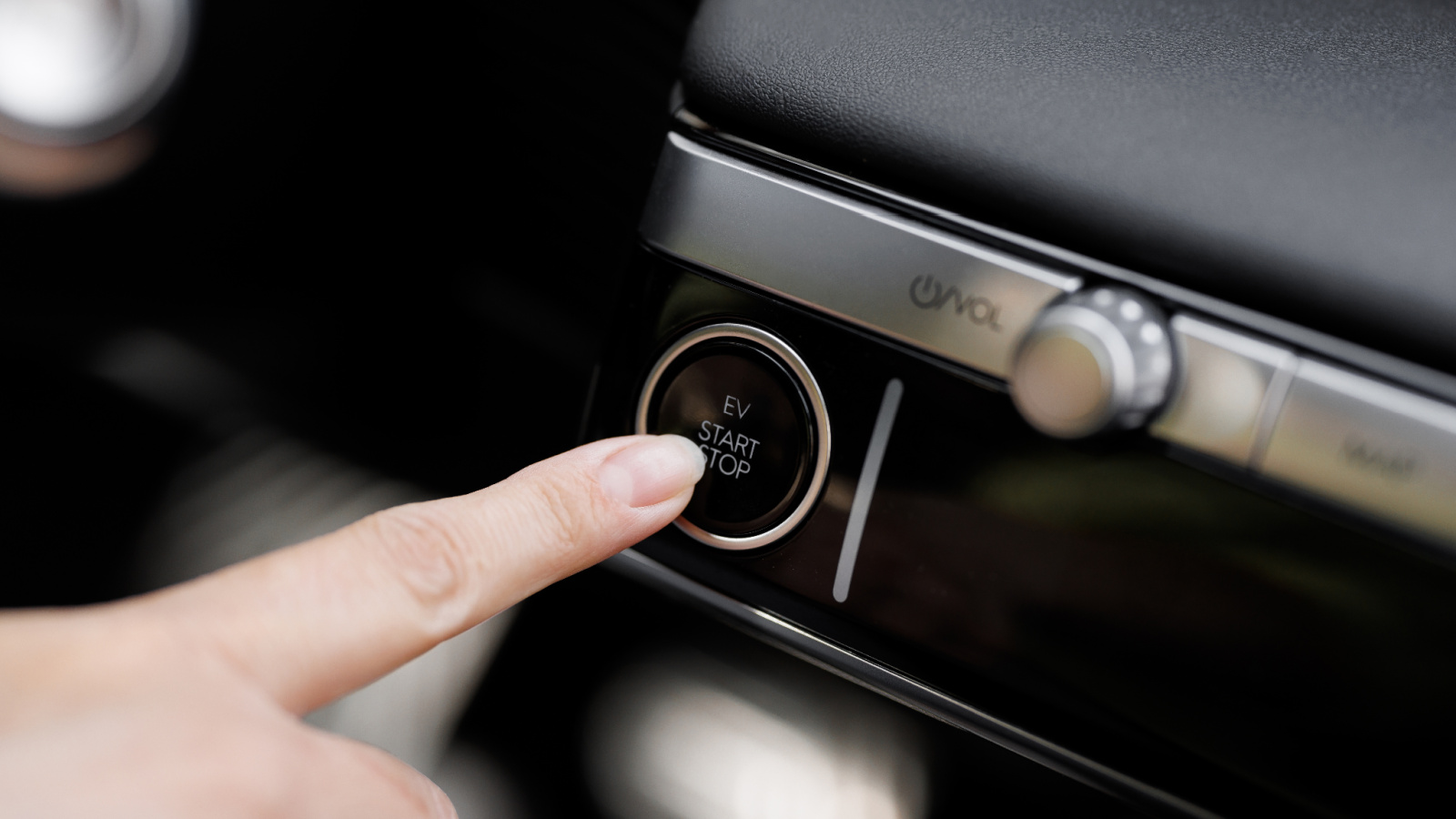
Automatic stop-start saves fuel by shutting the engine off during stops, but the system places heavier demands on the 12-volt battery. AAA says vehicles with stop-start technology commonly require an absorbed glass mat battery. Consumer Reports estimates that AGM batteries can cost 40 to 100 percent more than conventional batteries, reflecting their ability to handle repeated cycling and larger electrical loads.
Replacement may involve more than swapping two terminals. Some vehicles need battery registration or a computer reset so the charging system recognizes the new unit. Choosing a cheaper conventional battery where an AGM is specified can lead to poor performance or premature failure. The expense is intermittent, making it easy to overlook during a test drive. A buyer accustomed to a simple flooded battery may receive an unwelcome surprise later, particularly when the vehicle also powers cameras, heated accessories, security systems, and connectivity functions while the engine is off.
Hybrids Carry Two Kinds of Propulsion Hardware
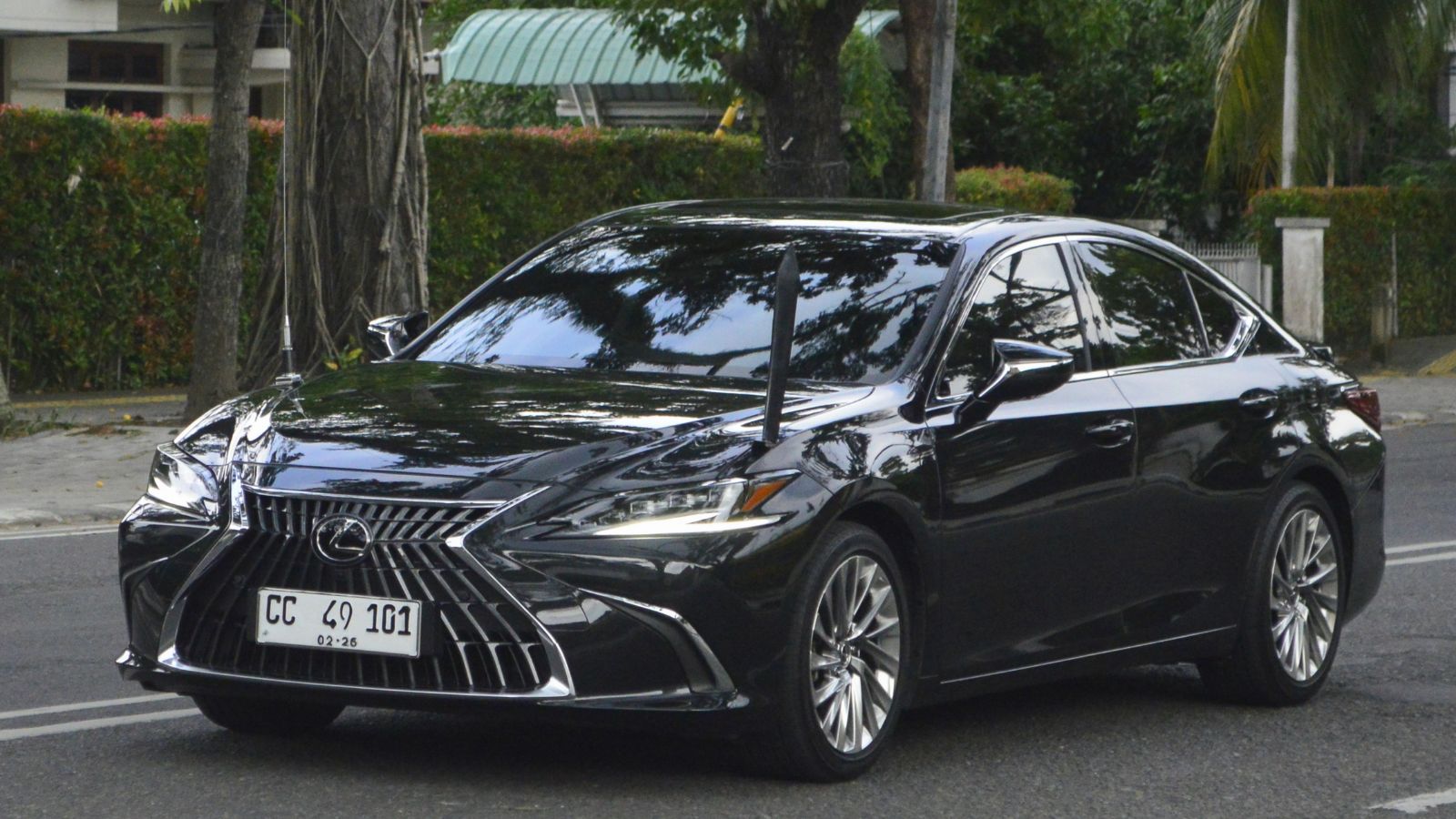
Hybrids can deliver major fuel savings, especially in urban driving, but they still deserve model-specific maintenance research. The U.S. Department of Energy notes that conventional hybrids and plug-in hybrids retain an internal-combustion engine, so their general maintenance needs remain similar to gasoline vehicles. They also add a traction battery, electric motor, power electronics, high-voltage wiring, and often dedicated cooling circuits.
That does not mean hybrids are automatically more expensive to maintain. Regenerative braking can extend brake life, and well-proven systems have strong reliability records. The cost risk appears when a specialized component fails outside warranty or when a shop lacks the training and equipment to diagnose it. A used hybrid may also need battery-cooling intake cleaning or coolant checks specified by the manufacturer. Someone replacing a simple gasoline car should compare warranty length, local specialist availability, and long-term reliability data rather than assuming fuel savings settle the entire ownership equation.
Electric Driving Can Shift Costs Rather Than Erase Them
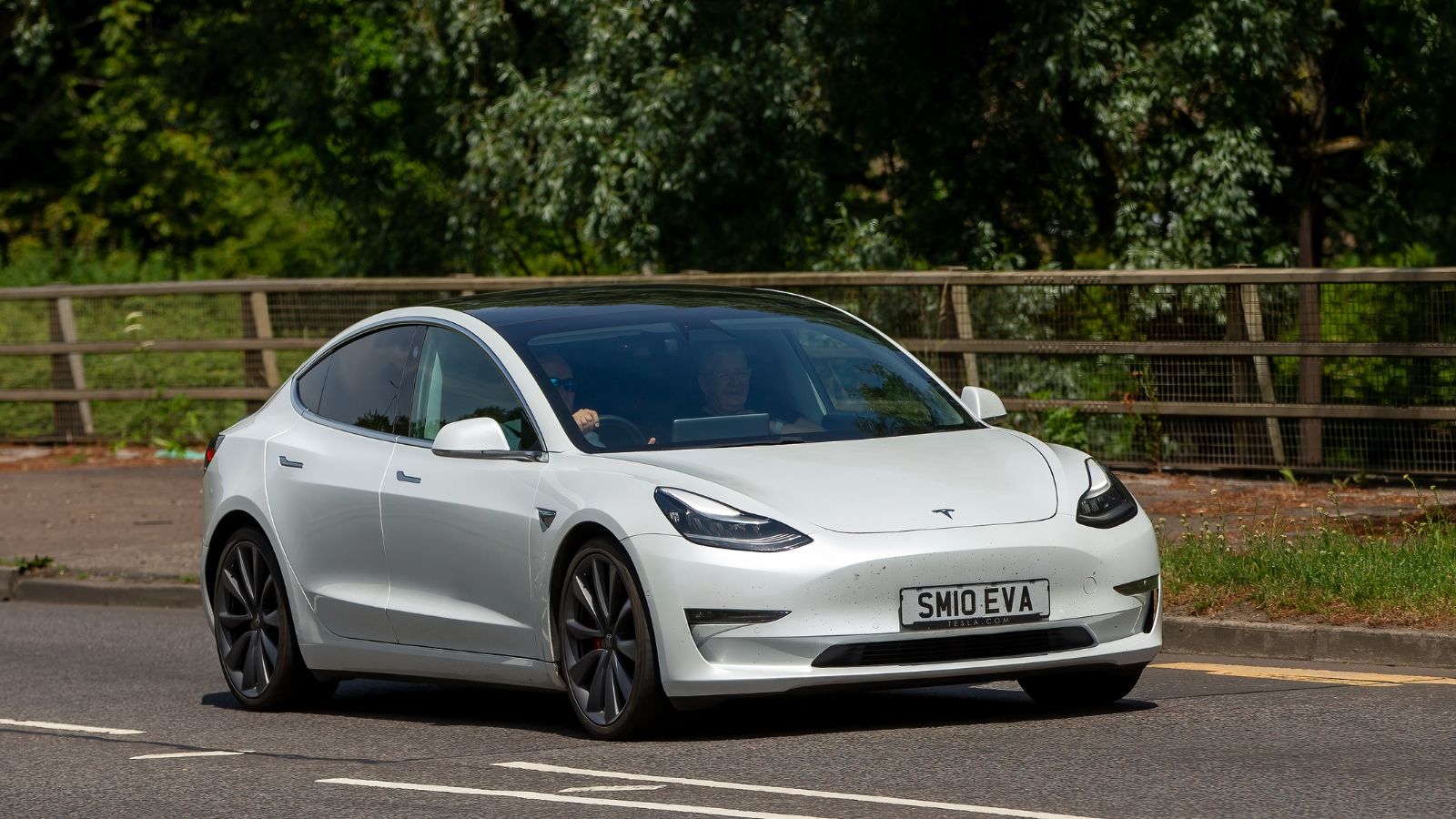
Battery-electric vehicles generally require less routine mechanical maintenance because they have fewer moving parts and fluids. The U.S. Department of Energy also notes that traction batteries eventually wear and that replacement outside warranty can be a significant expense. Many manufacturers provide battery coverage around eight years or 100,000 miles, but terms, capacity guarantees, and transfer rules vary.
Charging adds another layer. A household may need a dedicated circuit, electrical-panel work, permits, or a Level 2 charger to make daily use convenient. Apartment residents may rely on public charging, where pricing can differ from home electricity and may include session, parking, or idle fees. None of these factors makes an EV a poor choice; many owners spend less on energy and maintenance. The comparison is complete only when it includes purchase price, incentives, insurance, home installation, charging pattern, tire wear, warranty, climate, and expected resale value. The expense profile changes rather than disappearing over time.
Connected Features Can Become Recurring Bills
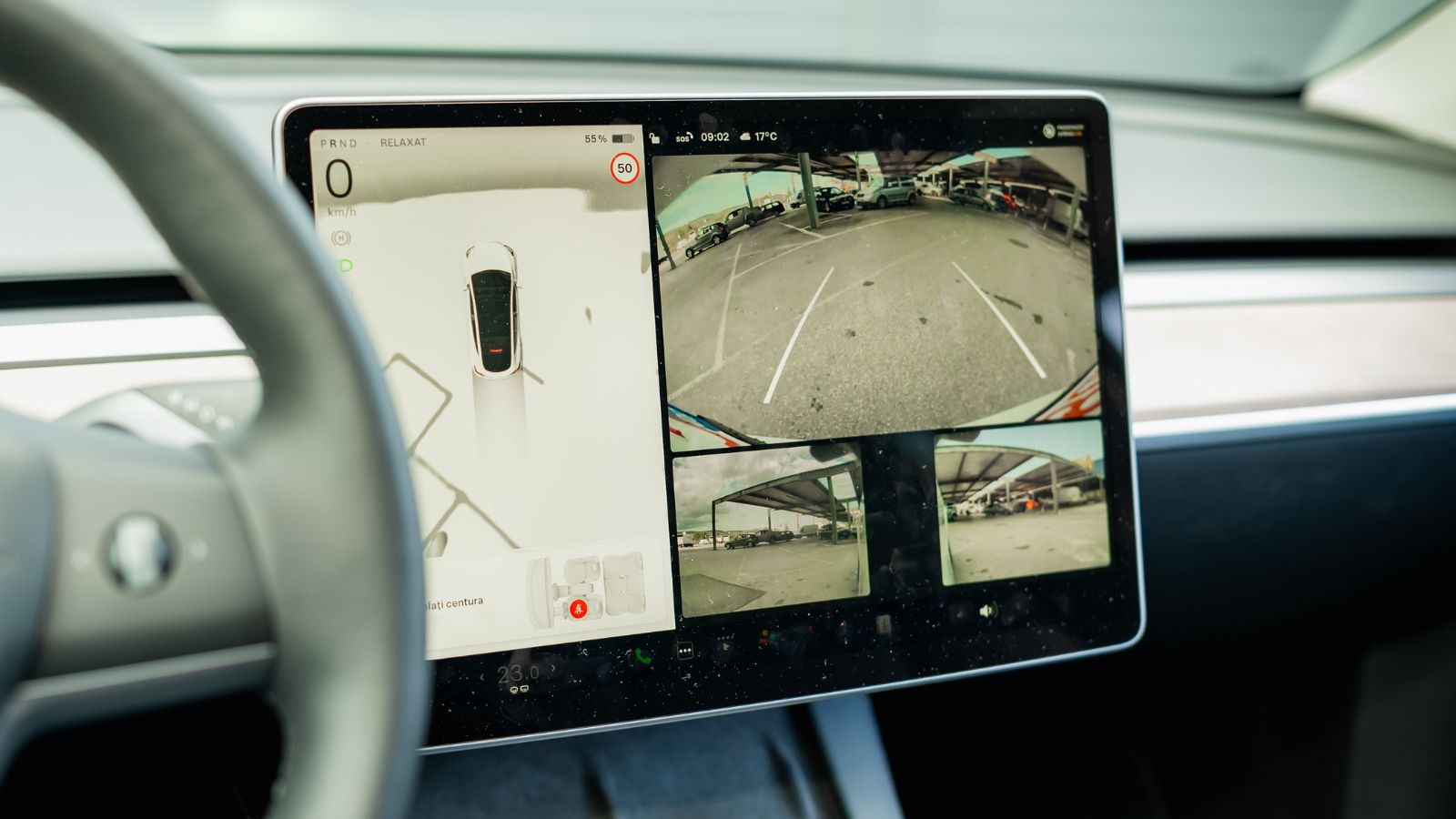
New vehicles increasingly combine hardware with cloud-based services. Consumer Reports has documented automakers placing features such as remote start or connected functions behind subscription plans after trial periods. Satellite radio, mobile data, app-based unlocking, navigation traffic, hands-free driving assistance, and security services can each create a monthly or annual charge.
The amounts may appear harmless individually, but ownership lasts far longer than a free trial. Four services at $10 per month equal $480 per year, or $2,400 over five years. Some buyers discover that a feature demonstrated in the showroom depends on a data connection rather than remaining permanently enabled. Subscription policies can change, and service availability may not follow the vehicle forever. Before purchase, buyers should separate permanently included equipment from trial access, note renewal prices, and decide which features remain useful without payment. The next vehicle may bring a digital utility bill that the last one never had.
Software Complexity Can Narrow Repair Choices
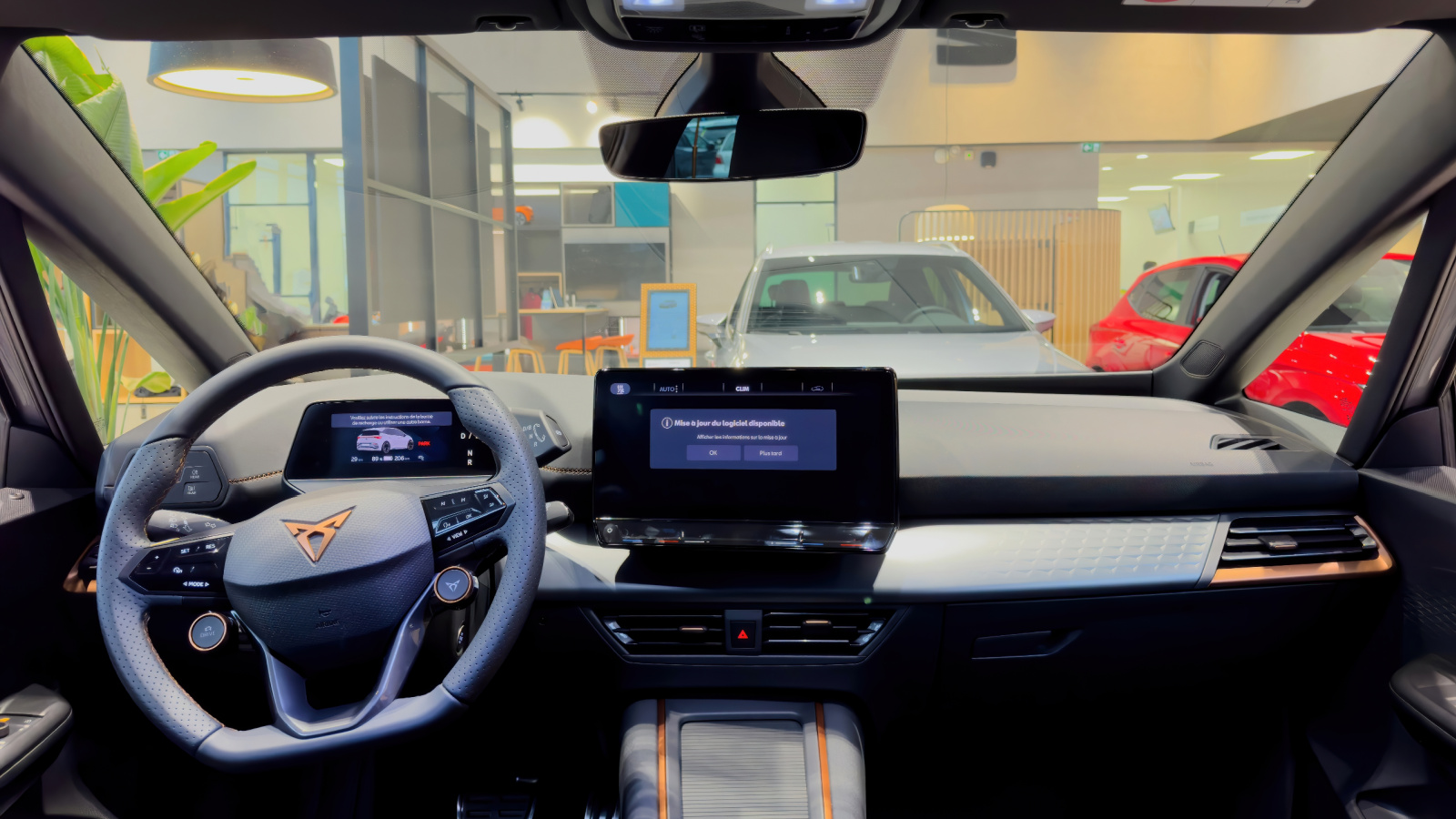
Vehicles depend on software for engine control, braking, steering assistance, infotainment, safety systems, and convenience features. A 2024 U.S. Government Accountability Office report found that electronics and software may require programming, equipment, and technician training. Ten of fourteen independent-repair stakeholders interviewed said this complexity could limit repairs when shops lacked the required tools or expertise.
Fewer repair options can affect price and waiting time. A mechanical fault that once required a part and labor may now involve a diagnostic scan, software initialization, security access, coding, or calibration. Independent shops can handle many modern vehicles, but capability varies by brand and system. Dealer-only procedures may carry higher labor rates or require travel to a distant facility. Buyers planning to keep a vehicle beyond warranty should ask local repairers which brands they support. A model is easier to own when qualified service exists nearby and information, tools, and parts remain accessible.
Labor, Parts, and Diagnostic Charges Have Risen
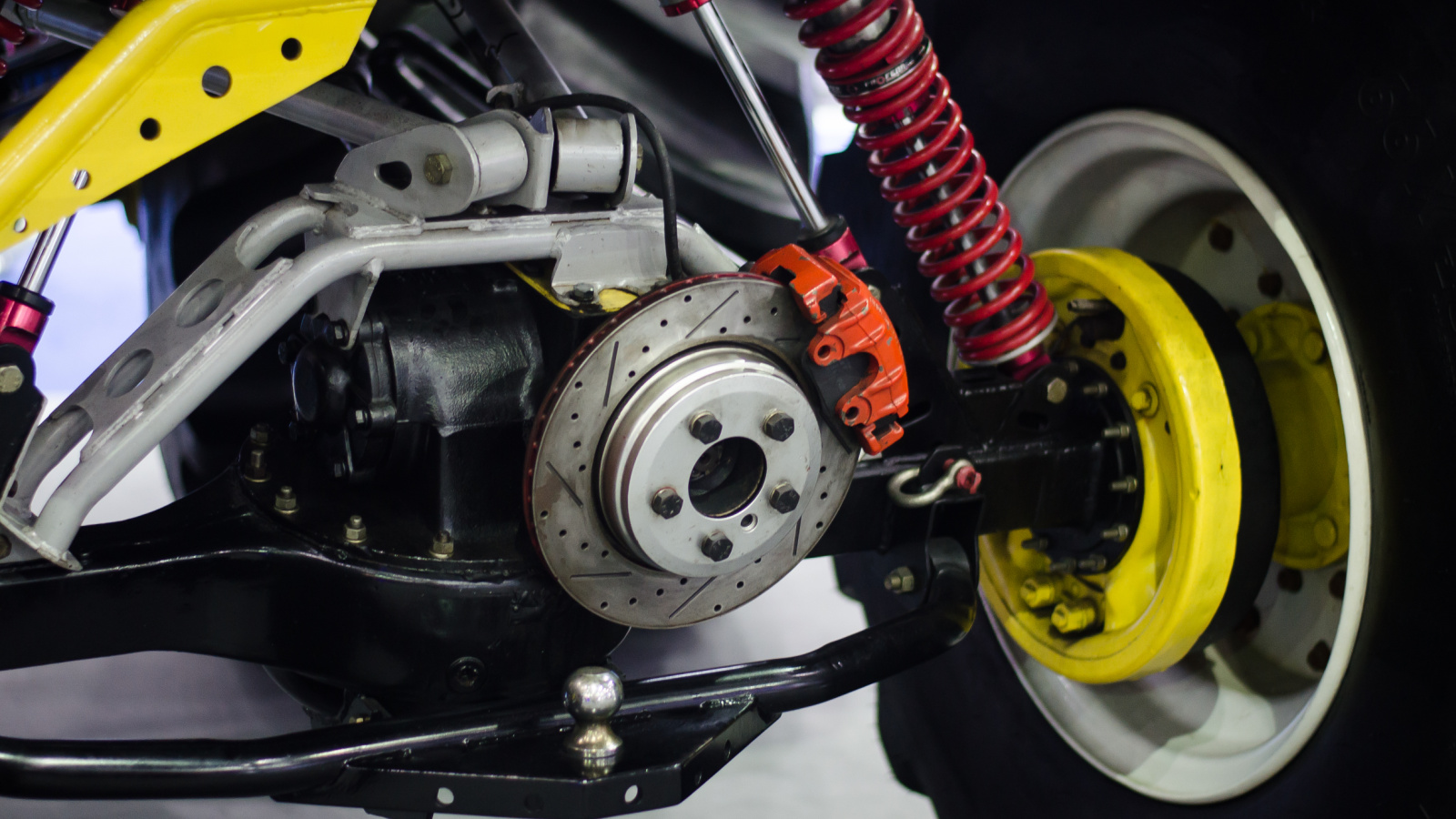
Even a vehicle with the same maintenance schedule can cost more because the price of service has changed. CCC Intelligent Solutions reported that labor rates rose 4.7 percent during 2024, while total repair costs increased 3.7 percent, driven primarily by labor. Later reports also highlighted diagnostics and calibration complexity as contributors to repair bills.
A brake job, suspension repair, or collision estimate reflects more than the number of components replaced. Shops must pay technicians, purchase scan tools, maintain calibration spaces, subscribe to service information, and manage complex parts orders. In some markets, a shortage of trained technicians can lengthen appointments and raise effective costs through rental cars or lost time. Comparing the next vehicle with the last one using an old maintenance budget can be misleading. Setting aside a larger annual repair reserve is prudent, especially after the factory warranty expires and ordinary wear begins to overlap with electronic faults.
Electrified Collision Repairs Can Be More Expensive
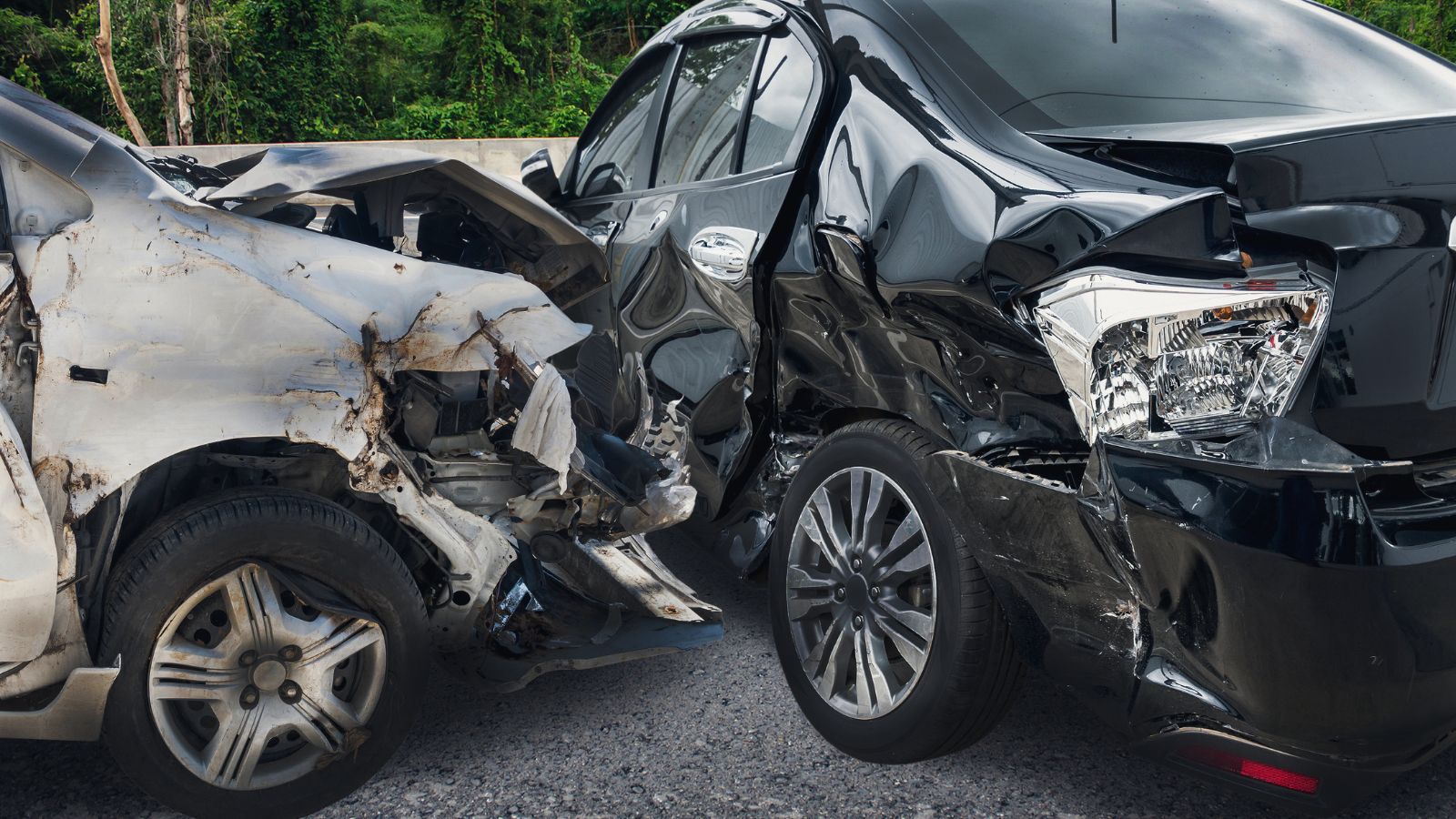
Electric vehicles may be inexpensive to service routinely, yet collision repair tells another story. CCC reported that average repair costs for EV claims in the first half of 2024 were 46.9 percent higher than for non-EVs. Labor represented a larger share of repair costs on newer EVs, reflecting procedures, high-voltage safety requirements, scans, and vehicle-specific construction.
Those averages do not mean every EV crash is severe or every gasoline vehicle is cheap to repair. Vehicle price, damage location, parts supply, structural materials, and local expertise all matter. However, insurers and body shops may need to isolate the battery, inspect high-voltage components, follow manufacturer repair restrictions, and verify driver-assistance systems before returning the vehicle. Specialized aluminum or mixed-material structures can add steps. A buyer considering an EV or plug-in hybrid should obtain an insurance quote and check certified repair availability nearby. Low energy cost does not guarantee low accident-related ownership cost.
Registration and Road-Use Fees May Be Higher
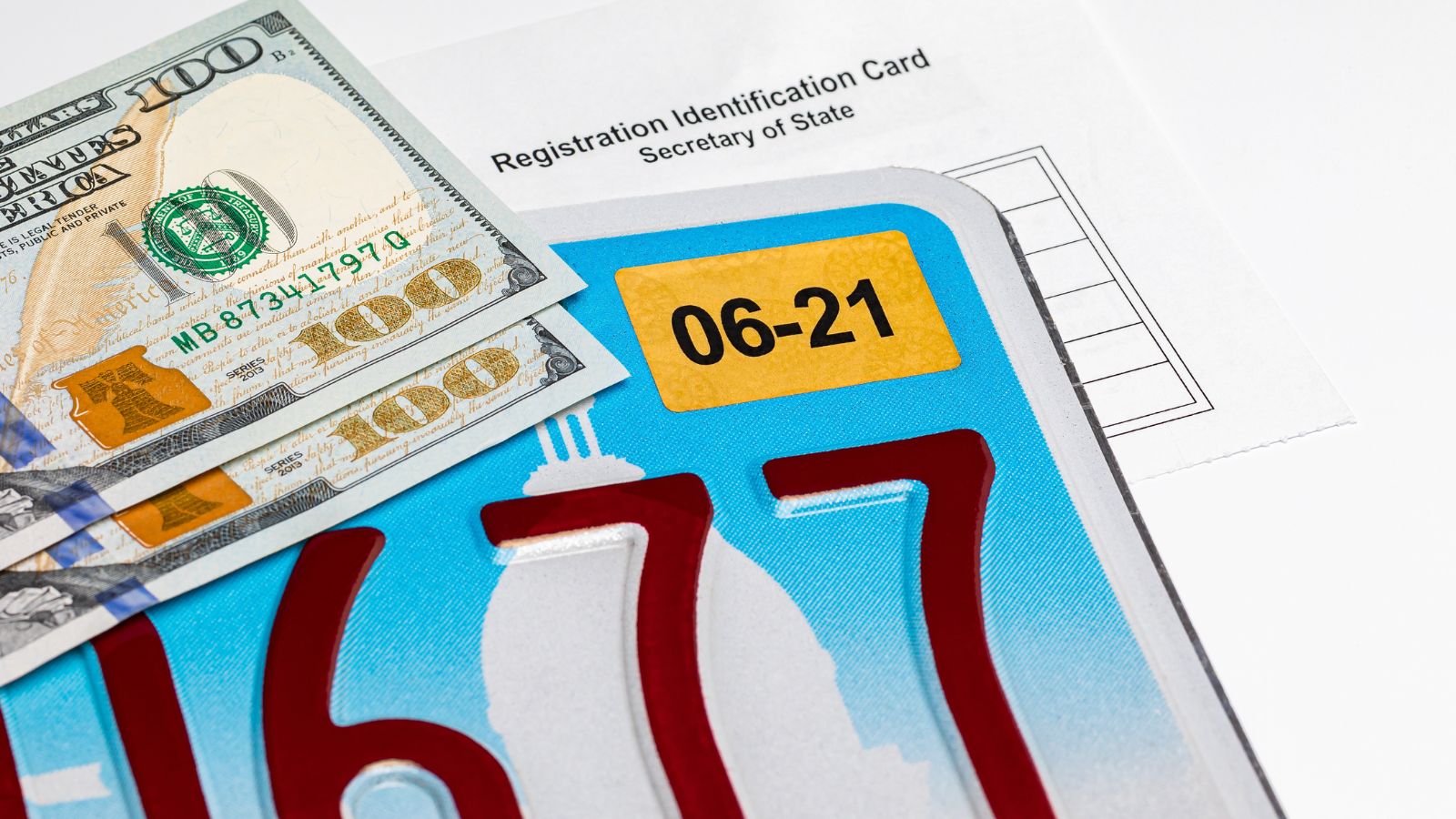
Taxes and registration rules can change the ownership calculation even when energy costs fall. The National Conference of State Legislatures reports that at least 42 U.S. states impose special registration fees on battery-electric vehicles, and many also charge plug-in hybrid or conventional hybrid fees. These policies aim to replace fuel-tax revenue that efficient vehicles contribute less often at the pump.
The amount depends on location, so a national advertisement cannot reveal the final bill. Some jurisdictions base registration, excise tax, or property tax on vehicle value, weight, age, or power. A more expensive and heavier replacement can therefore cost more each year before insurance and maintenance. Road-use charging pilots may introduce mileage-based payments. Buyers should check the rules where the vehicle will be registered, not where it is advertised or purchased. A fuel-saving model can remain economical, but its government charges need to be included in the comparison with the outgoing vehicle.
22 Things Canadians Do to Their Cars in Spring That Mechanics Hate

Spring brings relief to many Canadian drivers after months of snow, freezing temperatures, and icy roads that put serious strain on vehicles. As temperatures rise across the country, drivers begin washing cars, switching tires, and preparing vehicles for warmer weather and upcoming road trips. However, mechanics across Canada notice the same mistakes every spring when drivers attempt to recover from winter damage. Road salt, potholes, and harsh winter driving conditions often leave vehicles with hidden problems that drivers ignore. Some spring habits even create new mechanical issues that could have been avoided with proper maintenance. Here are 22 things Canadians do to their cars in spring that mechanics hate.