


























A quiet vehicle can suddenly seem unusually loud without developing a mechanical problem. Sometimes the change begins after new tires are installed, a highway enters a different stretch of pavement, or temperatures fall overnight. In other cases, the sound has always been present but becomes noticeable after passengers leave, the radio is switched off, or a driver moves from a heavily insulated vehicle to a lighter one.
These 21 reasons explain how tire construction, road texture, airflow, body design, powertrain technology, and normal electronic systems can create humming, ticking, roaring, pulsing, or whistling sounds. Although many are harmless operating characteristics, a sound that becomes progressively louder or appears with vibration, warning lights, unusual smells, poor braking, or altered handling deserves professional attention.
Tread Patterns Produce Their Own Sound

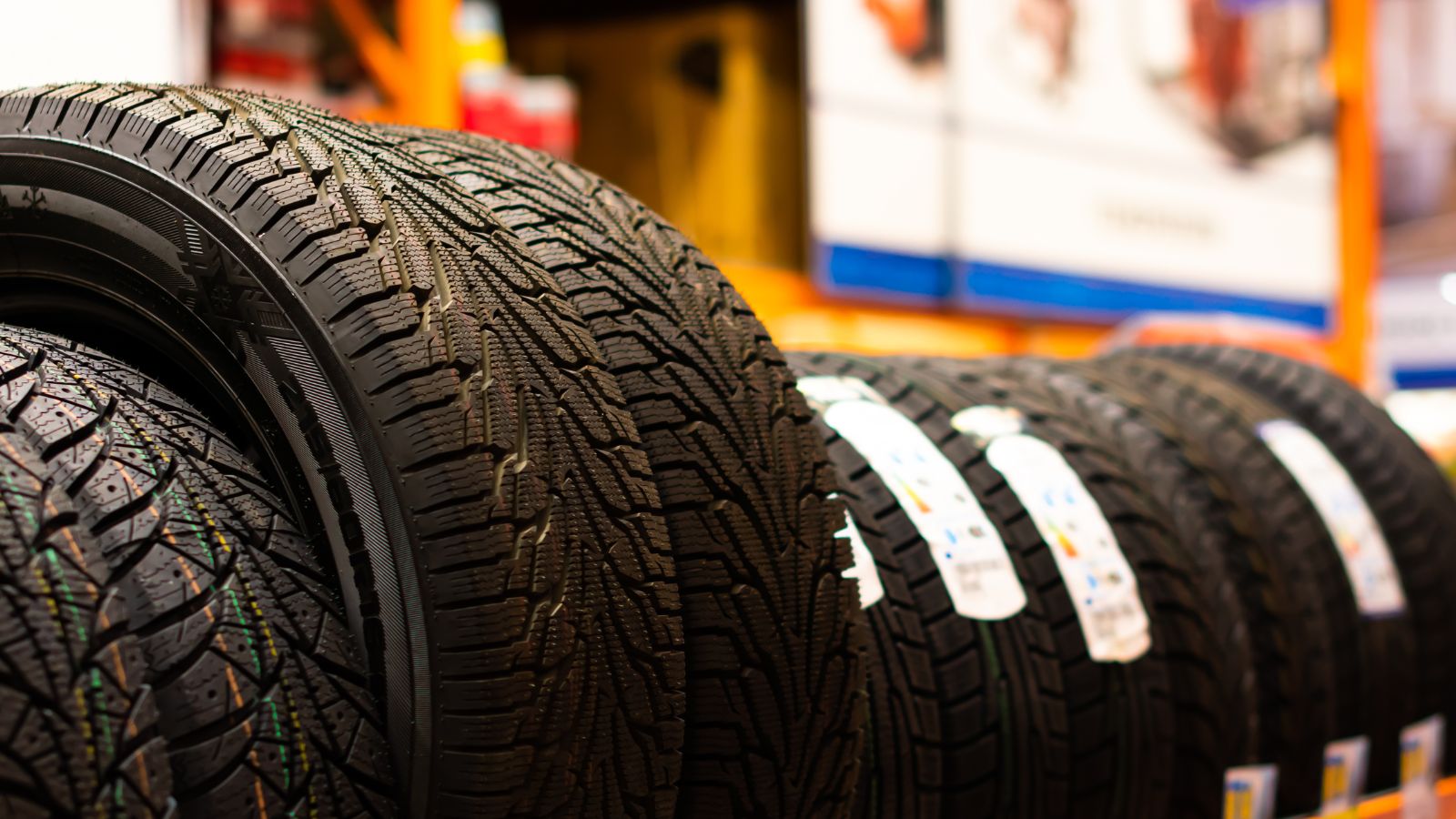
Every tire tread is a repeating landscape of blocks, grooves, channels, and edges. As those features meet the pavement, they displace air and create small pressure changes. A tire with large, evenly spaced blocks may produce a recognizable hum, while one with carefully varied tread spacing can spread the sound across different frequencies, making it less noticeable. This means two healthy tires of the same size can sound surprisingly different.
The effect often becomes obvious immediately after a tire replacement. A driver may leave the shop convinced that a wheel bearing has begun failing, even though the only change is the tread design. Manufacturers deliberately shape and stagger tread elements to reduce harsh transitions and repetitive tones. However, traction, wet-weather performance, durability, and noise control sometimes compete with one another. A strong, audible tread sound can therefore be a design characteristic rather than evidence that the tire or suspension is damaged.
Winter and All-Terrain Tires Often Sound Busier

Tires designed for snow, mud, gravel, or difficult terrain usually need more biting edges, deeper channels, and more flexible tread blocks than ordinary touring tires. Those features improve their ability to clear water, grip loose surfaces, or find traction in snow, but they can also generate a louder growl on dry pavement. The sound may be especially noticeable between roughly urban and highway speeds, where the tread rhythm settles into a steady tone.
Many drivers first notice this after installing winter tires in autumn. The vehicle may suddenly sound less refined even though the installation was completed correctly. Studded tires add another obvious source of clicking and road noise, while aggressive all-terrain designs can produce a low-frequency drone that changes with speed. The compromise is intentional: these tires prioritize traction under demanding conditions. A uniform sound that begins with the tire change and remains tied closely to road speed is often normal, provided inflation, rotation, alignment, and installation are correct.
Low-Profile Tires Transmit More Road Texture
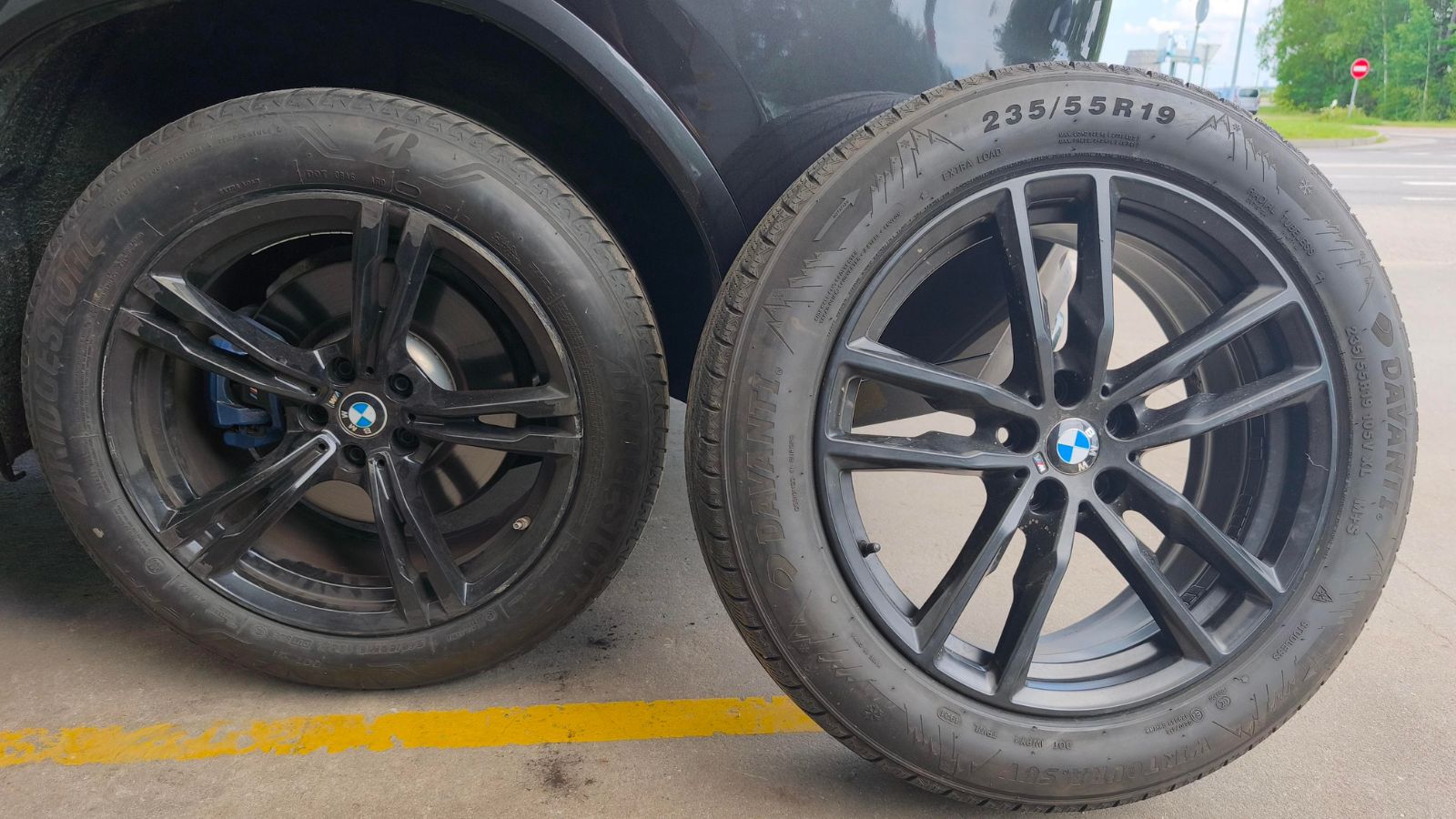
Low-profile tires have shorter sidewalls between the wheel rim and the road. That construction can sharpen steering response and reduce sidewall flex, which is useful for performance-oriented vehicles. However, the shorter, stiffer sidewall has less capacity to cushion small pavement impacts. Road texture that might feel distant in a vehicle with taller tires can become a distinct patter, slap, or rumble through the floor and steering wheel.
This difference explains why a sporty trim can sound louder than the standard version of the same model. A buyer may test-drive a vehicle on smooth streets and later discover that patched urban roads make the cabin feel considerably busier. Nothing has necessarily loosened or worn out; the tire is simply transmitting more vibration into the wheel, suspension, and body. Tire pressure can intensify the impression as well. The correct manufacturer-specified pressure remains essential, since excessive inflation may further reduce compliance, while underinflation creates different safety and wear concerns.
Wider Tires Can Create More Cabin Noise

A wider tire places a larger tread area near the road and can generate more complicated vibration patterns. The greater contact width may help acceleration, cornering, and braking in suitable conditions, but it also gives pavement texture more opportunity to excite the tire. Wider performance tires may consequently produce more hiss on smooth asphalt and a stronger roar on coarse surfaces, even when the tread is evenly worn.
This is one reason vehicles with optional large-wheel packages sometimes sound louder than versions equipped with narrower wheels and taller sidewalls. The difference can be startling when otherwise similar cars are driven back-to-back. Owners may blame deteriorating insulation or suspension components when the real cause is the wheel-and-tire specification chosen at the factory. Noise is not determined by width alone—tread compound, construction, pressure, pavement, and vehicle insulation all matter—but a wider, lower-profile combination commonly trades some acoustic comfort for appearance and handling response.
Air Inside the Tire Can Resonate
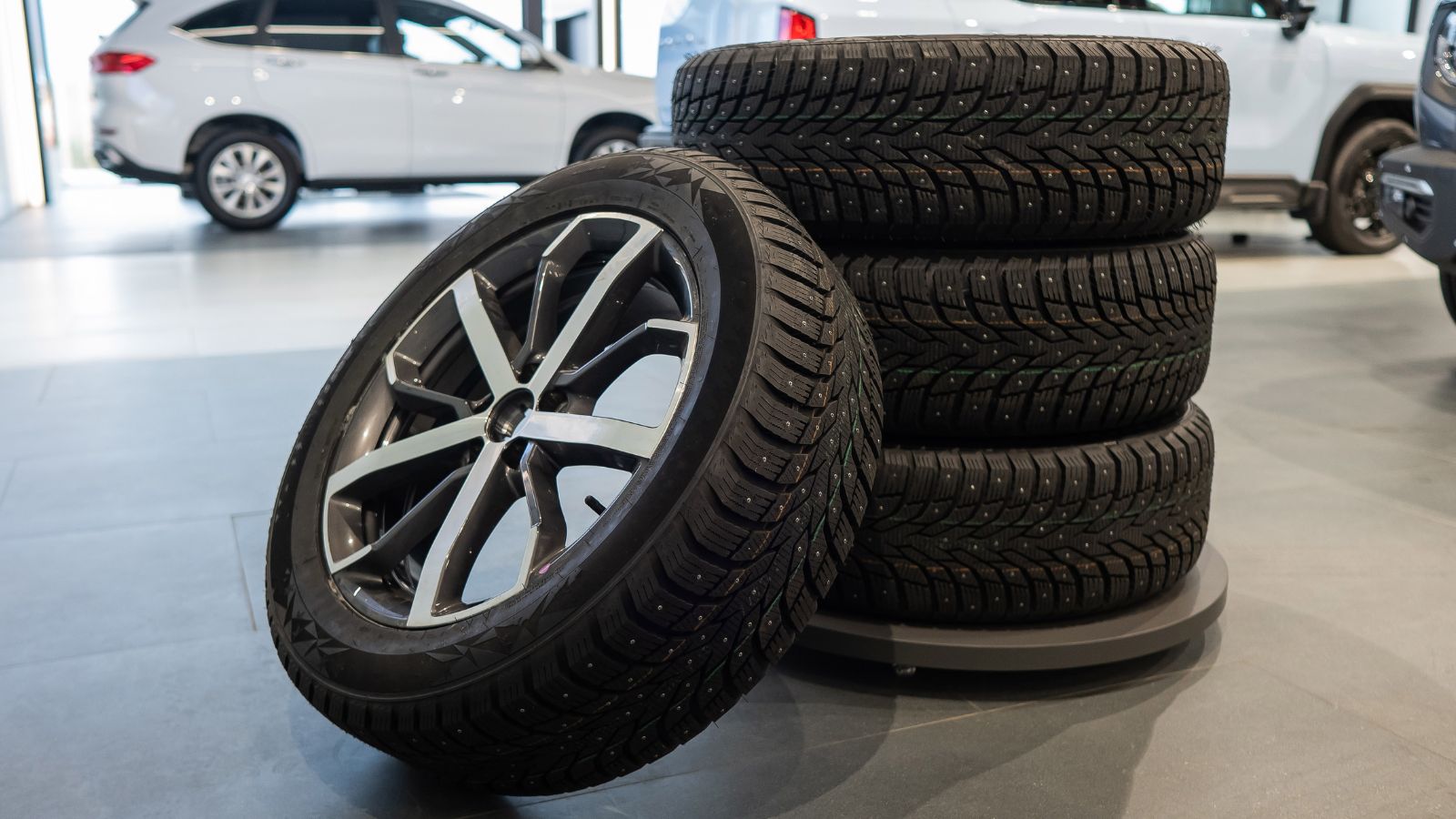
A tire is not merely a solid rubber ring. It also contains a pressurized air cavity that can resonate when the tire is excited by the road. The result may be a low hum or booming tone transmitted through the wheel, axle, suspension, and vehicle body. On certain surfaces and at particular speeds, that tone can become prominent enough to resemble a worn bearing or drivetrain vibration.
Electric vehicles often make tire-cavity resonance easier to notice because there is less engine and exhaust noise available to mask it. Some premium and electric-vehicle tires therefore contain polyurethane foam bonded to the inner liner. The foam absorbs part of the cavity vibration before it reaches the cabin. Continental states that its foam-based technology can reduce especially annoying components of interior rolling noise by as much as nine decibels. A conventional tire without that treatment is not defective; it may simply allow more of the tire’s natural resonance to enter the passenger compartment.
Cold Weather Changes the Tire’s Behaviour
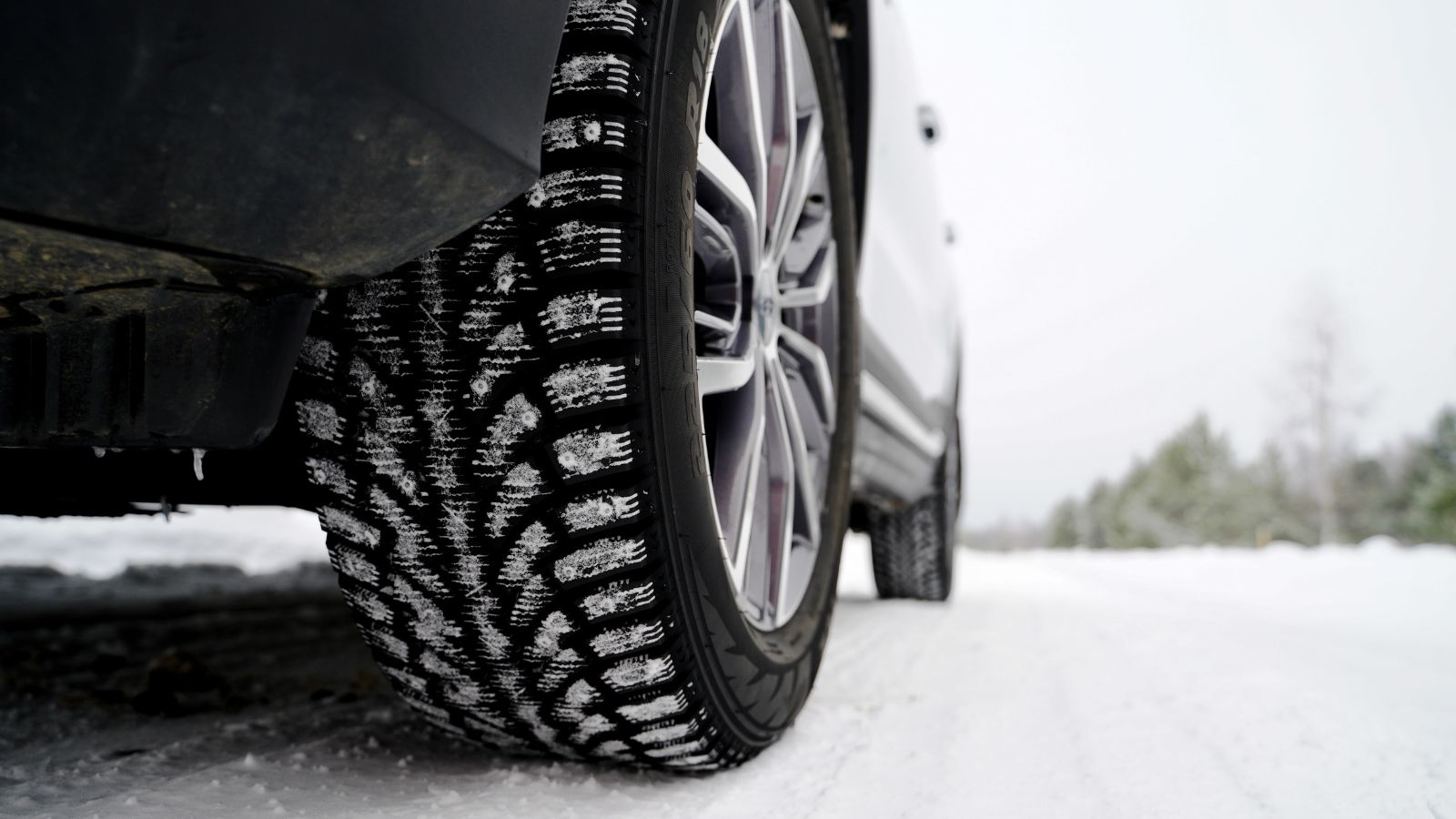
A car can feel louder on a cold morning even though nothing changed overnight mechanically. Tire inflation pressure decreases as outside temperature falls, and rubber compounds generally become less compliant in colder conditions. Until the tires warm through driving, they may transmit pavement texture more sharply or create a firmer thumping sensation over small road irregularities. Winter tires remain flexible relative to summer compounds, but they still behave differently across temperature ranges.
The pressure change also matters. A widely used service guideline estimates approximately one pound per square inch of pressure change for every 10°F change in temperature, although actual results vary. That is why recommended pressures should be checked when tires are cold rather than judged by appearance. A temporary increase in road noise during a cold spell can be normal, but persistent thumping should not automatically be dismissed. Pressure, tread condition, ice buildup, and the possibility of a flat spot or damaged tire should still be checked.
Different Pavements Can Transform the Sound
One stretch of highway may sound calm, while the next seems to fill the cabin with a harsh roar. The vehicle may be operating exactly the same way; only the pavement has changed. Aggregate size, surface porosity, texture depth, construction material, wear, and maintenance treatments all influence the interaction between tire and road. Federal Highway Administration research has documented meaningful noise differences among pavement categories.
Open-graded or porous asphalt can allow air and some sound energy to escape through surface voids. Dense, coarse material can generate stronger vibration, while certain concrete finishes produce pronounced tire noise. This is why a suspicious hum may disappear the moment the car crosses a resurfacing seam. Drivers sometimes slow down, change lanes, and hear the tone change again because each lane has aged differently. When a noise begins and ends at visible pavement boundaries, the road—not the vehicle—is usually the leading explanation.
Grooves and Joints Create Rhythmic Sounds
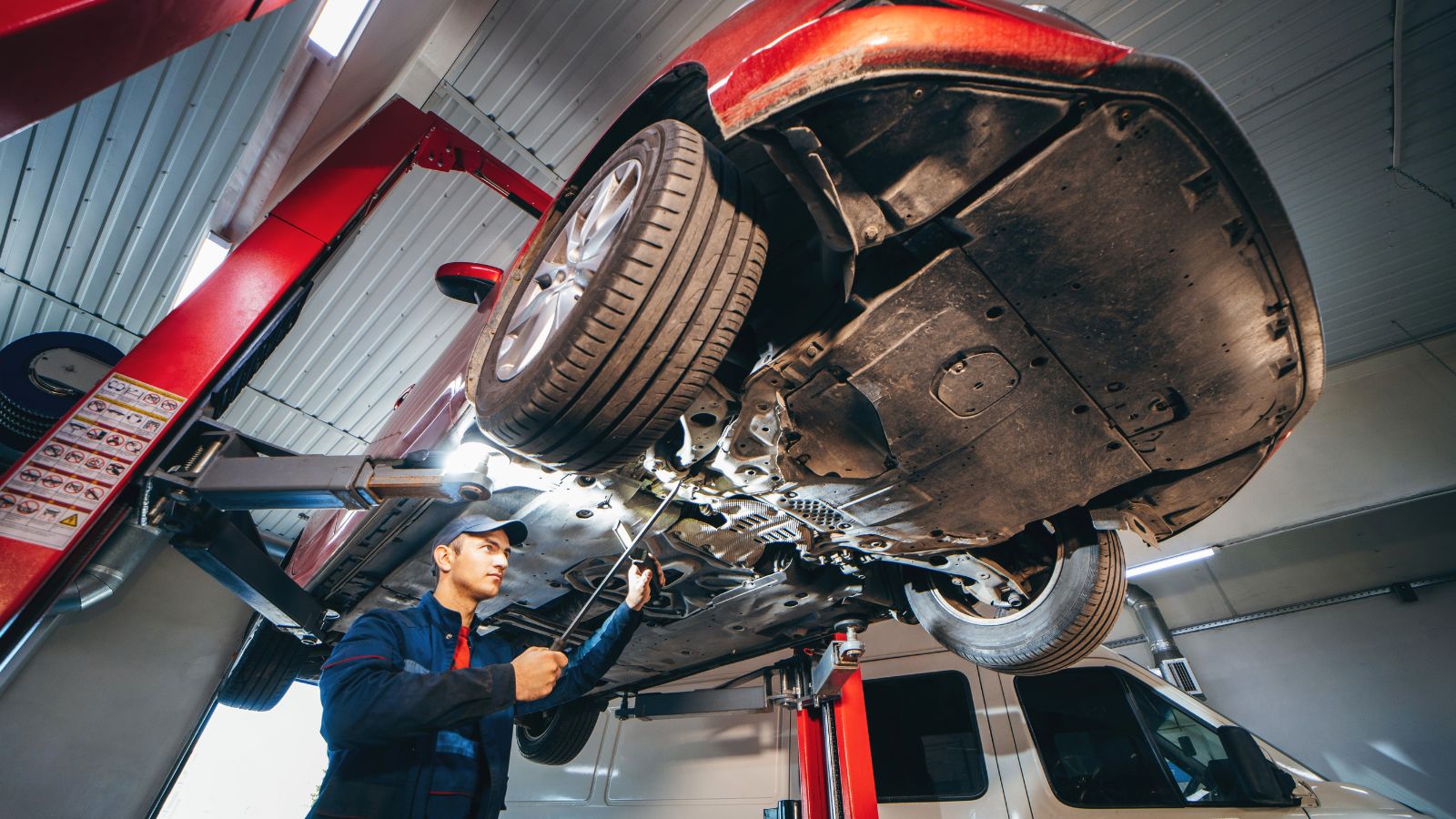
Concrete highways require joints, grooves, or textured finishes for construction, drainage, and traction. As tires pass over regularly spaced features, the impacts can create a rhythmic humming, singing, or drumming noise. Uniform transverse grooves have historically been associated with an especially noticeable tire-and-pavement whine, prompting highway agencies to study randomized patterns that reduce the chance of generating a single dominant tone.
Expansion joints add another harmless soundtrack. A healthy car can produce a repeated “thump-thump” as each axle crosses a joint, with the timing changing predictably as speed rises or falls. Longitudinal grooves may also make steering feel slightly different as tread blocks follow the channels. The experience can be unnerving to someone unfamiliar with grooved concrete, particularly when the road sound resembles tire damage. A tone shared by several nearby vehicles—or one that vanishes after leaving the textured section—strongly suggests a pavement effect rather than a broken component.
Higher Speed Magnifies Several Noise Sources

Vehicle noise does not rise from a single source. Tire vibration, airflow, engine speed, drivetrain load, and body resonance all change as a car accelerates. At lower speeds, mechanical and tire sounds may dominate. On faster highways, air turbulence around the windshield, mirrors, roofline, pillars, and underbody becomes increasingly important. An automotive noise review published through SAE International notes that wind noise is highly dependent on speed and may dominate cabin noise above approximately 130 kilometres per hour.
This explains why a car can seem acceptably quiet during local driving but unexpectedly loud on a motorway. Doubling speed does much more than double the energy involved in pushing air aside, so small aerodynamic disturbances become far easier to hear. The increase does not automatically mean a seal has failed. A smooth, gradual rise in hiss or roar with speed can be normal. Sudden fluttering, however, may justify checking whether a door, window, trim piece, or weatherstrip is fully seated.
Mirrors and Body Pillars Disturb the Air

Side mirrors, windshield pillars, wipers, door frames, and window channels sit directly in fast-moving airflow. Even when every component is securely attached, air separates and swirls around these shapes, creating turbulence that occupants hear as hiss. Engineers spend considerable time directing air away from side glass and sealing the small gaps through which exterior pressure fluctuations can enter the cabin.
The sound can appear to come from a damaged door seal even when the seal remains intact. Crosswinds, passing trucks, and changes in driving direction alter the relative airflow, causing the hiss to grow louder on one side and fade on the other. Some vehicles naturally manage this better than others because of mirror placement, glass thickness, door construction, and aerodynamic detailing. A consistent wind sound that responds to speed and weather may therefore reflect the vehicle’s design. A newly developed whistle from one precise location still deserves inspection for displaced trim, contamination, or seal damage.
Roof Racks Can Whistle Without Being Loose

A roof rack places bars, feet, mounting hardware, and sometimes cargo directly in high-speed airflow. Air flowing around a crossbar can shed repeating vortices, producing a whistle or low hum similar to wind passing over the opening of a bottle. The rack may be installed securely and remain completely functional while still adding a noticeable layer of noise to an otherwise quiet vehicle.
Crossbar shape and position make a major difference. Aerodynamic wing-shaped bars are generally quieter than square bars, while manufacturers sell fairings specifically to redirect air over rack systems. Cargo boxes may also vibrate or rumble when positioned too far forward or when airflow reaches an exposed edge. A driver who rarely uses the rack may stop noticing its sound until riding in another vehicle. Removing unused crossbars is a simple diagnostic test. When the whistle disappears, the result confirms an aerodynamic source rather than a failing wheel bearing or window seal.
Open Windows Can Cause Pressure Buffeting
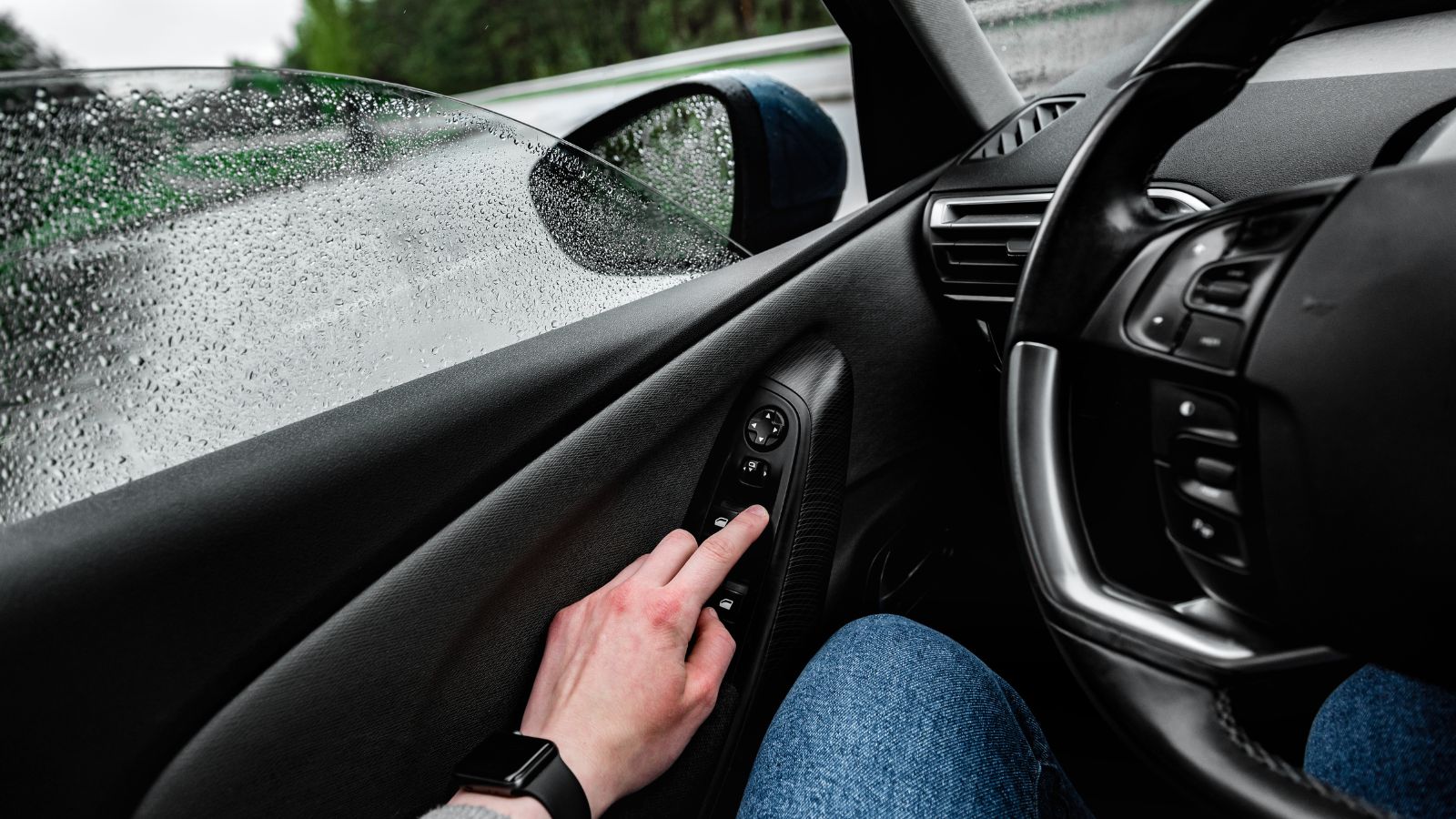
Opening a rear window at speed can create an intense throbbing sensation that feels as though the cabin is being struck by pressure waves. This phenomenon, commonly called wind buffeting, occurs when airflow across the opening repeatedly compresses and releases air inside the passenger compartment. It can be loud enough to hurt occupants’ ears, yet it does not indicate a structural or mechanical defect.
Lowering a front window slightly often disrupts the pressure cycle and reduces the throb. Automakers explicitly describe this behaviour in owner manuals, and some sunroofs stop just short of their fully open position because that setting produces less wind noise. Vehicle shape, window size, speed, and which openings are used all influence the effect. The result can vary even between closely related models. A driver encountering it for the first time may suspect a loose roof panel or damaged speaker, but the immediate disappearance of the noise when another window is cracked open reveals its aerodynamic origin.
Open Cargo Areas Allow More Sound Into the Cabin
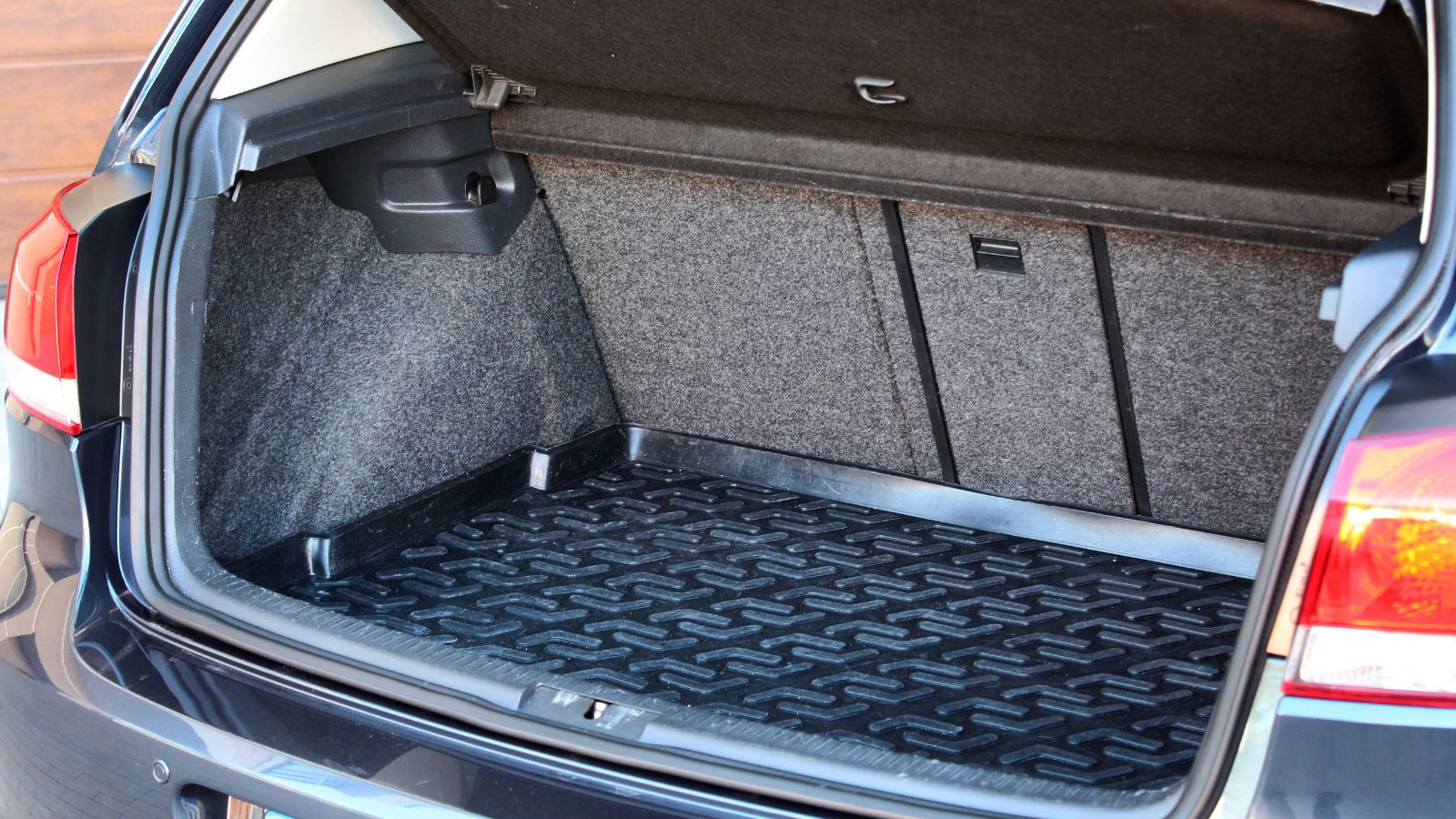
Sedans usually have a fixed partition and rear seat structure separating passengers from the trunk. Hatchbacks, wagons, crossovers, and many SUVs place the cargo compartment within the main cabin volume. That design improves practicality, but it can give road and rear-suspension noise a more direct route to occupants. Large interior cavities can also reinforce low-frequency booming sounds under certain road and engine conditions.
The effect is often most noticeable from the back seat. A family may load the same road-trip luggage into a sedan and a crossover, then find conversation easier in the sedan despite similar tires and engines. Manufacturers combat this with cargo covers, carpeting, wheel-well insulation, body damping, and carefully tuned interior panels. Still, two-box vehicle shapes may naturally sound more open and resonant than a well-insulated three-box sedan. The presence of road roar from the rear does not, by itself, prove that the wheel bearings, differential, or suspension are deteriorating.
Sound-Deadening Packages Vary Widely
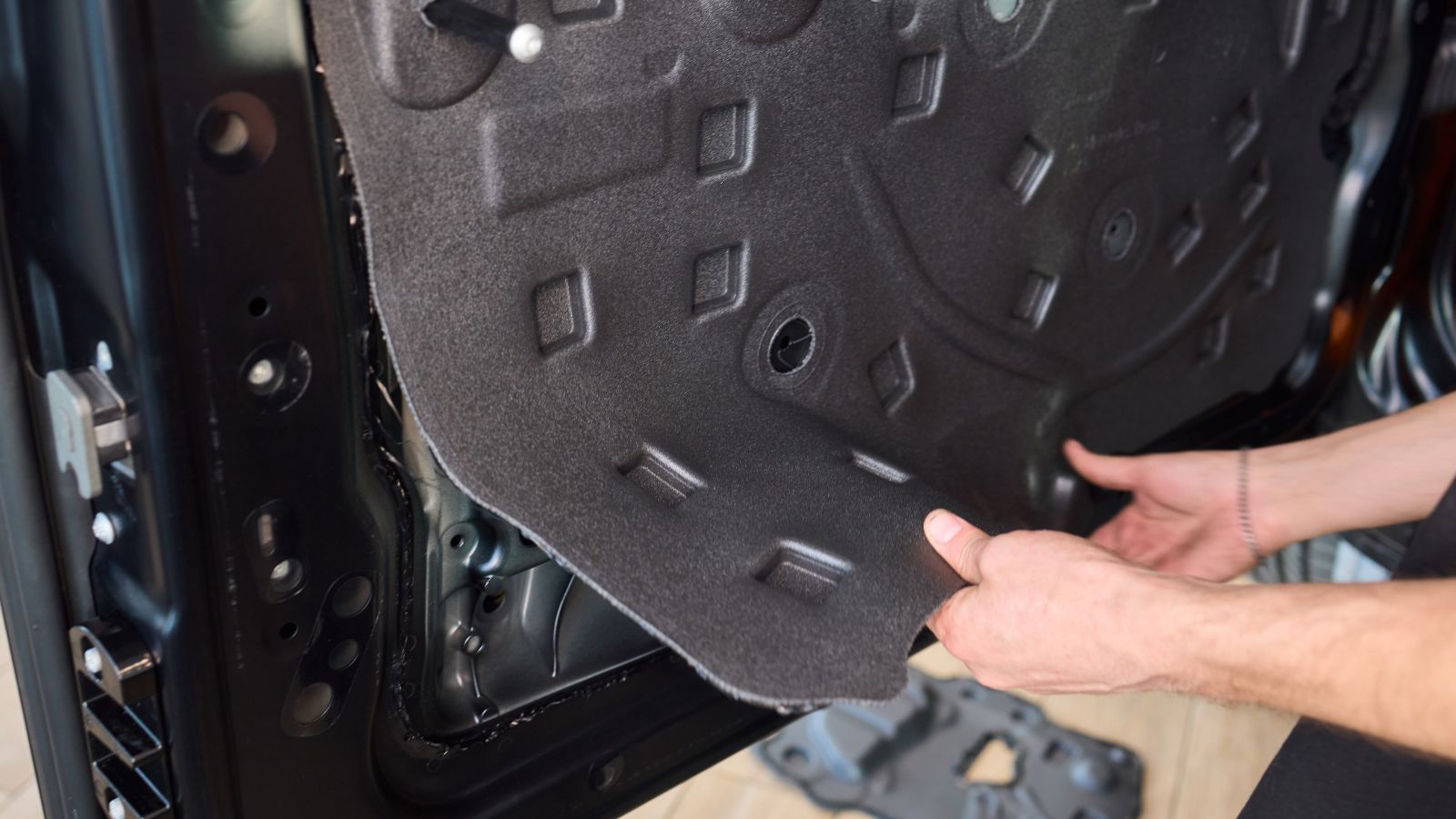
Silence adds cost and weight. Quieter vehicles may use thicker carpeting, additional wheel-arch liners, damping pads, expanding foam, more complete body sealing, hydraulic mounts, insulated underbody panels, and strategically placed absorbers. Less expensive or lighter models may use fewer of these materials to meet price, efficiency, performance, or weight targets. Both vehicles can be mechanically healthy while delivering very different cabin sound levels.
This becomes especially apparent when someone moves from a luxury sedan into an economy hatchback or lightweight sports car. Familiar sounds—rain striking the roof, stones contacting the wheel liners, tires crossing rough asphalt, or the engine working uphill—may suddenly seem abnormal because the previous vehicle concealed them. Trim levels can differ as well; a premium version may receive more insulation than the base model. Noise perception is therefore partly comparative. A loud-feeling cabin may reflect the vehicle’s original sound package rather than wear, neglect, or an emerging mechanical problem.
Ordinary Glass Transmits More Sound Than Acoustic Glass
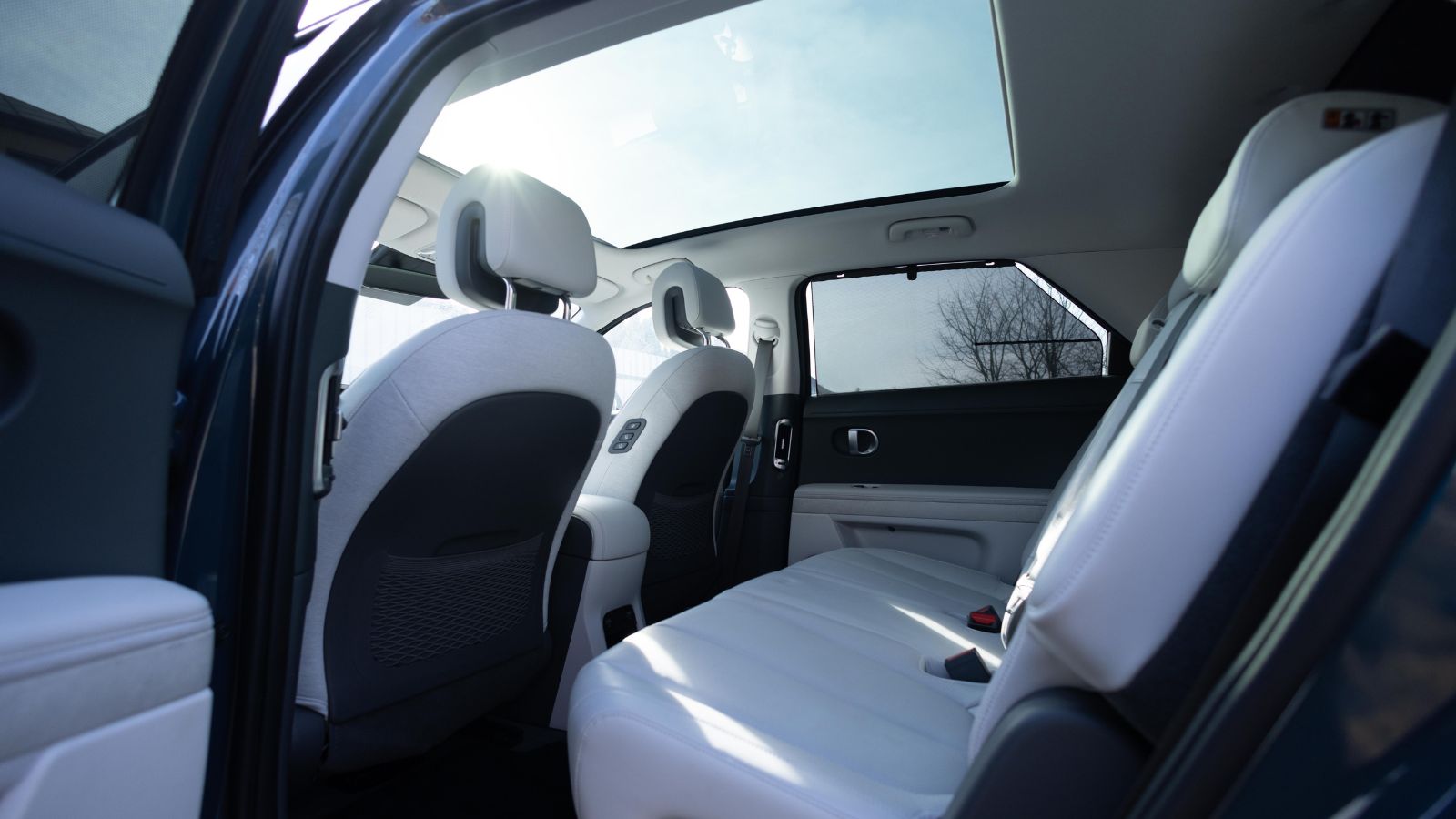
Acoustic glazing usually places a sound-damping layer between sheets of glass. This construction can reduce higher-frequency wind, tire, and traffic noise entering through the windshield or side windows. SAE research has reported measurable cabin-noise improvements from acoustic windshields, while manufacturers frequently combine such glass with upgraded door seals and insulation in quieter trims.
A vehicle equipped with ordinary laminated or tempered glass may therefore seem noisy beside an otherwise similar model using acoustic glazing. The difference becomes clearer around trucks, in heavy rain, or at motorway speeds, when high-frequency noise strikes the glass directly. Owners sometimes inspect door seals repeatedly because the sound seems to surround the windows, even though the glazing is simply transmitting more exterior noise by design. Replacement glass matters too: if an acoustic windshield is replaced with a compatible but non-acoustic version, the cabin can become louder without any installation defect. Checking the glass markings or original equipment specification may explain the change.
A CVT Can Hold the Engine at a Noisy Speed

A continuously variable transmission does not move through fixed gears in the familiar stepped pattern. During acceleration, it may hold the engine near an efficient or high-output speed while vehicle speed continues to rise. The result is a steady drone that can feel disconnected from acceleration. Drivers accustomed to conventional automatics sometimes interpret this sustained engine note as clutch slip or transmission strain.
Manufacturers have acknowledged that certain low-speed groaning or “fuel economy drone” characteristics can be normal when the system selects an efficient ratio. Some CVT-equipped vehicles also alter engine speed during cornering or deceleration through integrated chassis and engine-braking controls. The tachometer may rise, and occupants may hear more engine noise even though the accelerator has not been pressed harder. A consistent, documented operating sound is different from new shuddering, delayed engagement, overheating warnings, or a rapidly worsening whine. Those additional symptoms warrant diagnosis rather than reassurance.
Direct-Injection Systems Can Tick Loudly
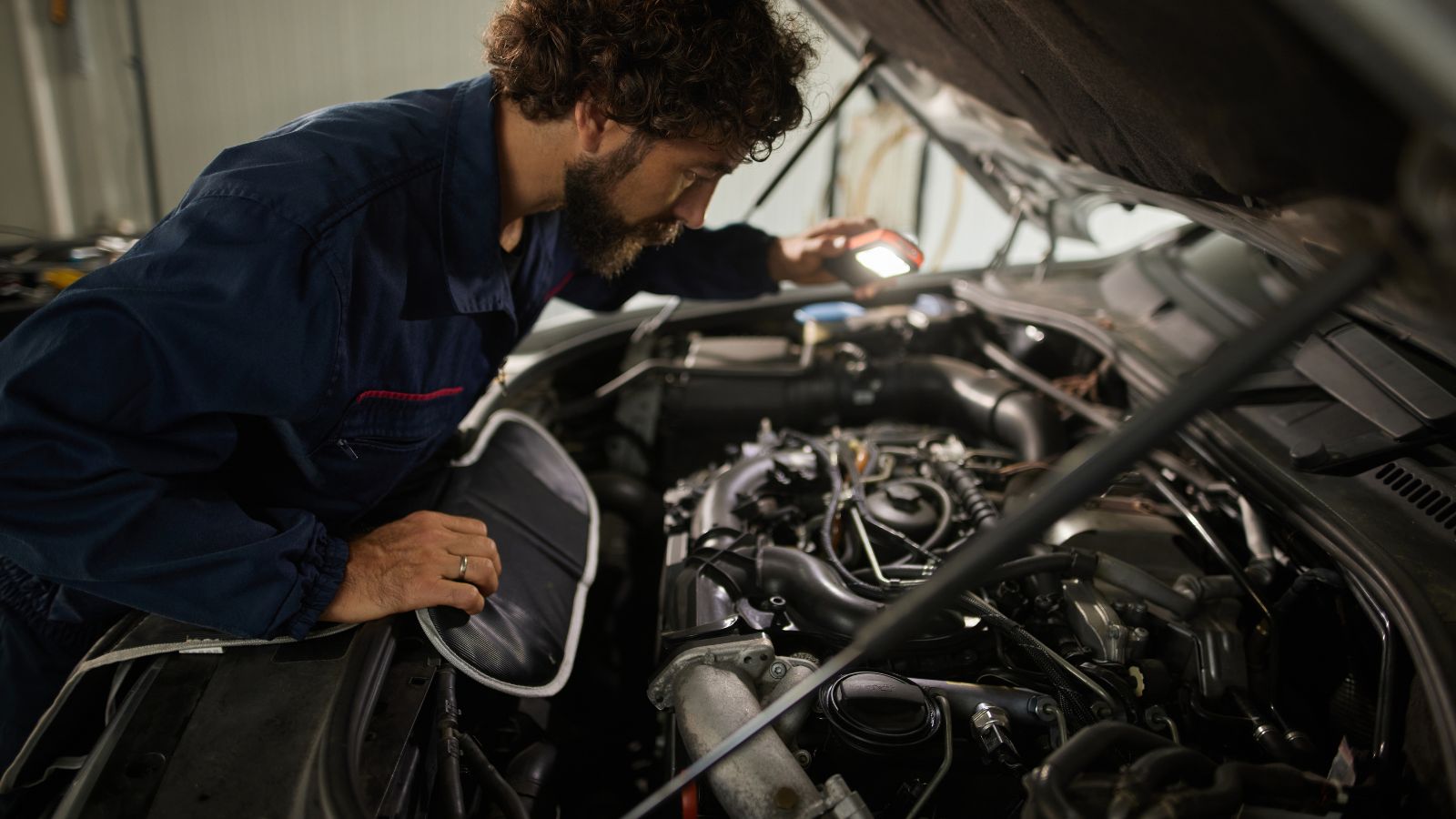
Gasoline direct-injection engines use a high-pressure fuel pump and injectors that deliver fuel directly into the combustion chamber. These components operate at much higher pressures than older port-injection systems and can produce rapid clicking or ticking from the engine bay. The sound is often easiest to hear at idle, beside a wall, in a drive-through lane, or with the hood open.
Cold starts may make the ticking more noticeable because the system is building pressure and the engine has not yet warmed. General Motors service information describes the sound as a normal characteristic on applicable direct-injection engines, noting that it usually becomes less prominent as the engine reaches operating temperature. The noise may resemble light valve tapping to an unfamiliar listener. A regular injector-like tick without drivability problems can be harmless, but irregular knocking, misfires, warning lights, oil-pressure concerns, or a sound that changes abruptly should never be explained away solely as direct injection.
Cooling Fans and Compressors May Run Unexpectedly
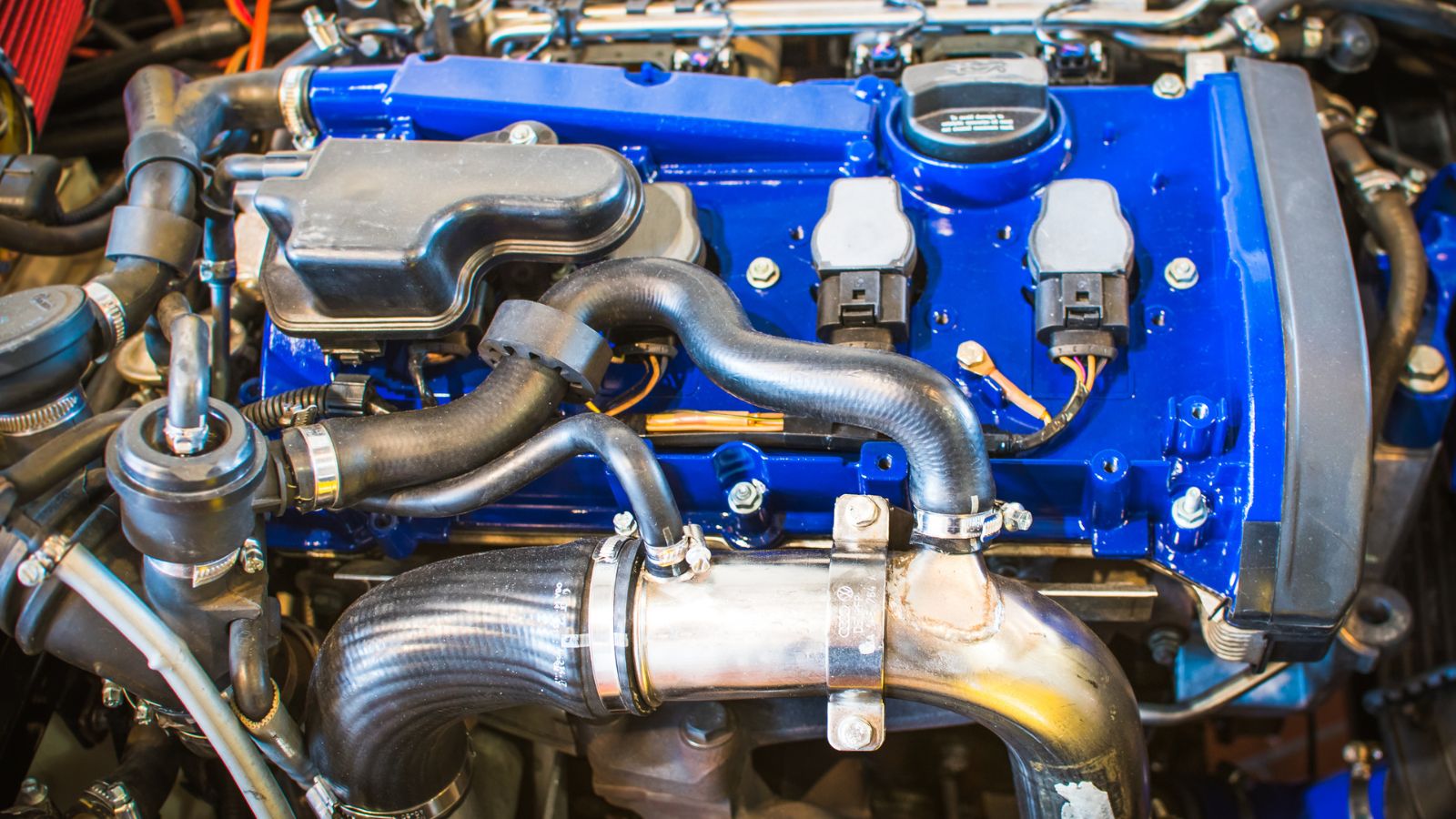
Electric cooling fans are controlled by temperatures, refrigerant pressure, vehicle speed, and computer commands rather than simply by whether the engine is running. A fan may continue operating after the ignition is switched off to reduce under-hood temperature. It can start suddenly and sound surprisingly forceful, particularly in a quiet garage. Hyundai owner information, among other manufacturer guidance, identifies post-shutdown fan operation under certain conditions as normal.
Air-conditioning compressors and battery-cooling systems create additional sounds. In electric vehicles, charging at high power may trigger fans, coolant pumps, or a refrigerant compressor to manage battery temperature. With no idling engine to mask them, these systems can sound like humming, rushing air, bubbling liquid, or a distant appliance. The same vehicle may be nearly silent during one charging session and loud during another because temperature and charging power differ. Warning messages, leaks, overheating, or continuous operation outside documented conditions still require attention.
Electric Vehicles Reveal Sounds Engines Used to Hide
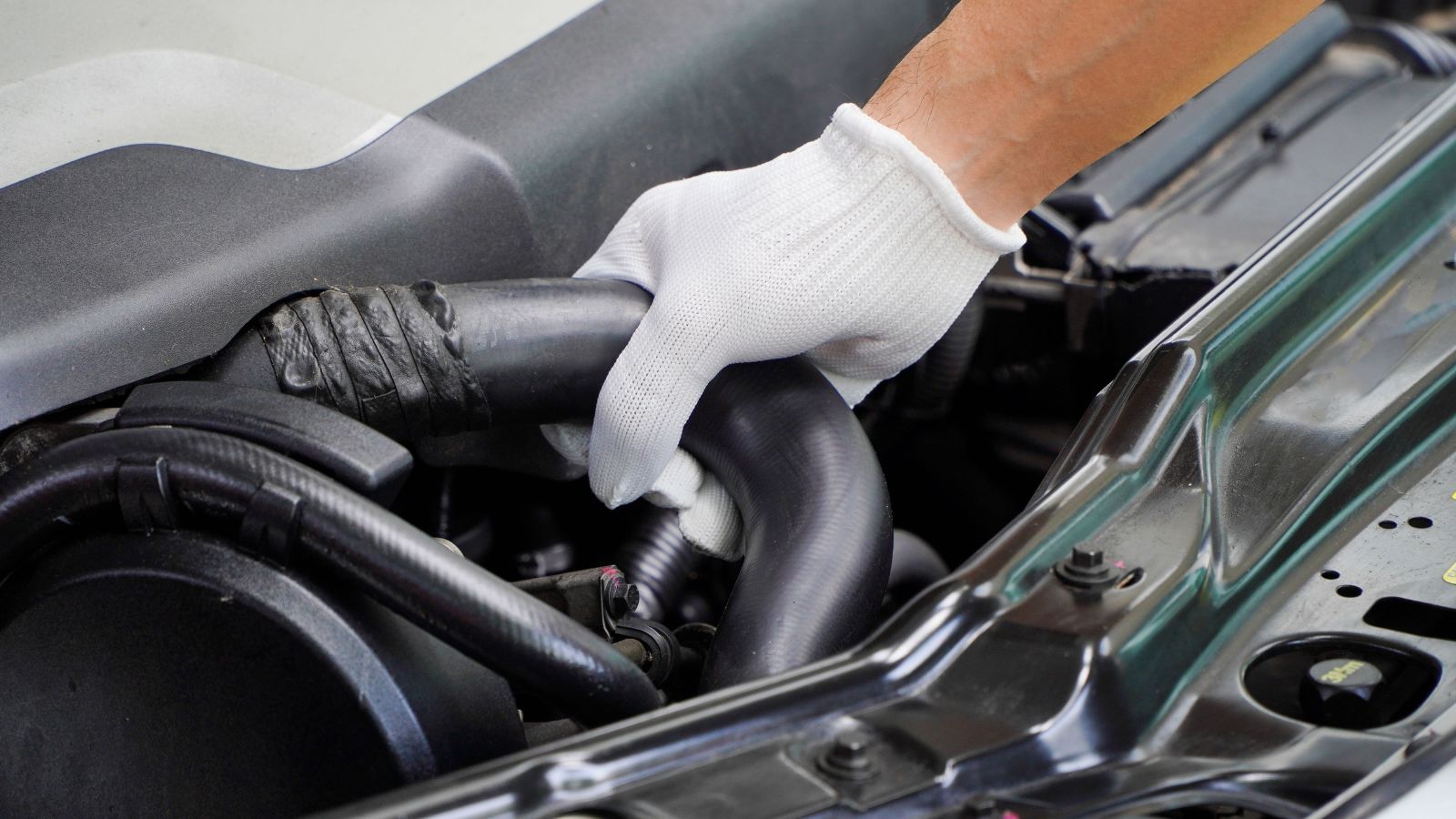
Electric motors are quieter than combustion engines, but they are not acoustically invisible. Motor rotation, reduction gears, inverters, coolant pumps, contactors, and power electronics can produce whines, hums, clicks, and changes in pitch. During acceleration, a smooth rising tone may come from the electric drive unit rather than a damaged bearing. Regenerative braking can create another subtle electronic or mechanical note as energy flows back into the battery.
Electric and hybrid vehicles are also required in several markets to produce an external warning sound at low speeds so pedestrians can detect their approach. Occupants may hear this as a synthetic whir, hum, or spacecraft-like tone, especially with the windows open. Because the propulsion system masks less noise, tire resonance and road roar may seem more prominent than expected. The important distinction is consistency: a normal electric-drive sound generally follows speed or system activity smoothly. Grinding, harsh vibration, warning messages, or a sudden major change remains a reason for inspection.
Healthy Brakes Can Squeak Temporarily
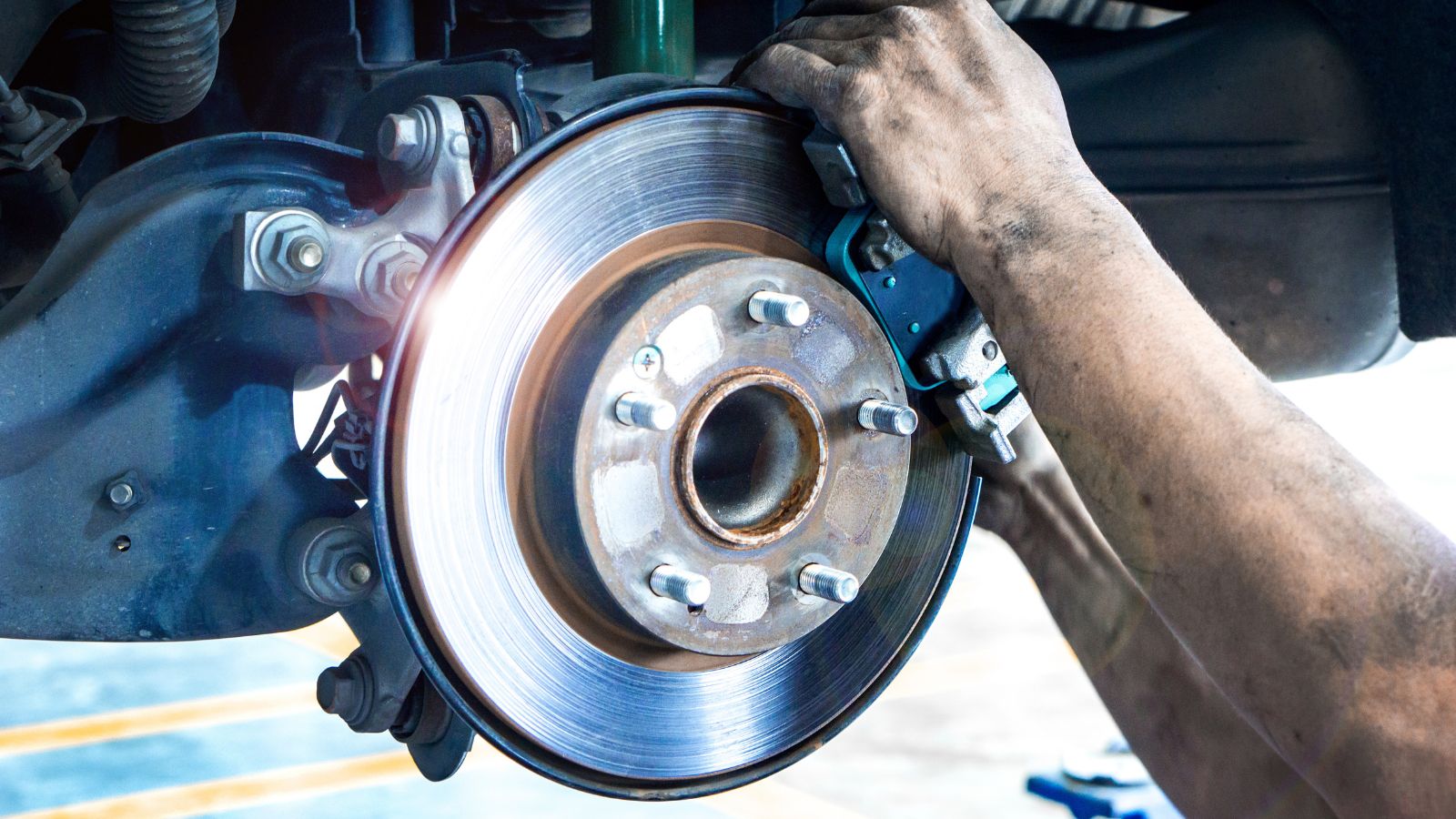
Disc brakes can squeal or scrape after rain, a car wash, overnight humidity, or extended parking. A thin film of surface rust can form on exposed iron rotors surprisingly quickly. The brake pads remove it during the first few applications, sometimes creating a brief scraping sound that disappears as the rotor surface clears. Cold and damp conditions can also encourage high-frequency vibration between otherwise serviceable brake components.
New pads and rotors may need a bedding or burnishing period in which their surfaces develop proper contact. Some manufacturer guidance notes that temporary brake noise during this process can occur without reducing braking performance. However, the distinction between occasional and continuous noise matters. A short morning scrape that fades is different from metal-to-metal grinding, persistent squealing, steering-wheel shudder, reduced stopping ability, pulling, overheating, or a warning light. Those signs justify prompt inspection because a normal explanation should never be used to dismiss evidence of brake wear or malfunction.
Active Safety Systems Make Clicks, Pulses, and Buzzes

Modern vehicles may apply individual brakes, adjust engine torque, change transmission behaviour, or operate electric parking-brake motors without dramatic driver input. Stability control, traction control, anti-lock braking, brake hold, active ride control, and hill-start assistance can generate clicking, buzzing, pedal pulsation, or momentary mechanical movement. Owner manuals commonly explain that some noises and sensations indicate a system is operating normally.
Self-tests can be equally surprising. A vehicle may make a brief click after starting, a thump when selecting a gear, or a motorized sound when the parking brake applies. Electric vehicles may add high-voltage contactor clicks and thermal-system hums. Context is the best clue: a brief, repeatable sound tied to startup, shutdown, slippery pavement, braking, or a specific feature is often expected. A warning light, persistent grinding, major vibration, changed steering, burning smell, fluid leak, or rapidly worsening sound moves the situation beyond normal operation and should trigger a professional assessment.
22 Things Canadians Do to Their Cars in Spring That Mechanics Hate

Spring brings relief to many Canadian drivers after months of snow, freezing temperatures, and icy roads that put serious strain on vehicles. As temperatures rise across the country, drivers begin washing cars, switching tires, and preparing vehicles for warmer weather and upcoming road trips. However, mechanics across Canada notice the same mistakes every spring when drivers attempt to recover from winter damage. Road salt, potholes, and harsh winter driving conditions often leave vehicles with hidden problems that drivers ignore. Some spring habits even create new mechanical issues that could have been avoided with proper maintenance. Here are 22 things Canadians do to their cars in spring that mechanics hate.