
























A low-speed bump in a parking lot or a fender-bender at an intersection can look simple enough to sort out in a few minutes. Yet the decisions made immediately afterward can affect personal safety, insurance coverage, repair costs and how responsibility is eventually assessed. What qualifies as a reportable collision also differs across Canada, making assumptions especially risky when travelling outside a home province.
These 19 things Canadians should never do after a minor collision cover the crucial period between the moment the vehicles stop and the point when insurers, police or repair professionals take over. The central idea is straightforward: protect people first, preserve reliable information and avoid rushed agreements that become difficult to undo later.
Don’t Leave the Scene Before Stopping and Checking What Happened

Even when contact feels barely noticeable, driving away immediately can turn an ordinary insurance matter into something far more serious. Drivers should stop, determine whether anyone has been injured and establish what property has been damaged. Canadian provincial guidance consistently treats remaining at the scene and exchanging necessary information as fundamental responsibilities after a collision. A scraped bumper does not become irrelevant simply because both vehicles still run normally.
The temptation can be stronger in a parking lot, where a driver may believe a small mark is not worth dealing with. That assumption becomes particularly risky when another occupied vehicle, an unattended vehicle or other property has been struck. Regulations differ by jurisdiction, but leaving before fulfilling applicable duties can create legal and insurance complications. The smarter approach is to stop safely, assess the situation and complete the required information exchange before anyone departs.
Don’t Assume Everyone Is Fine Because the Cars Look Fine
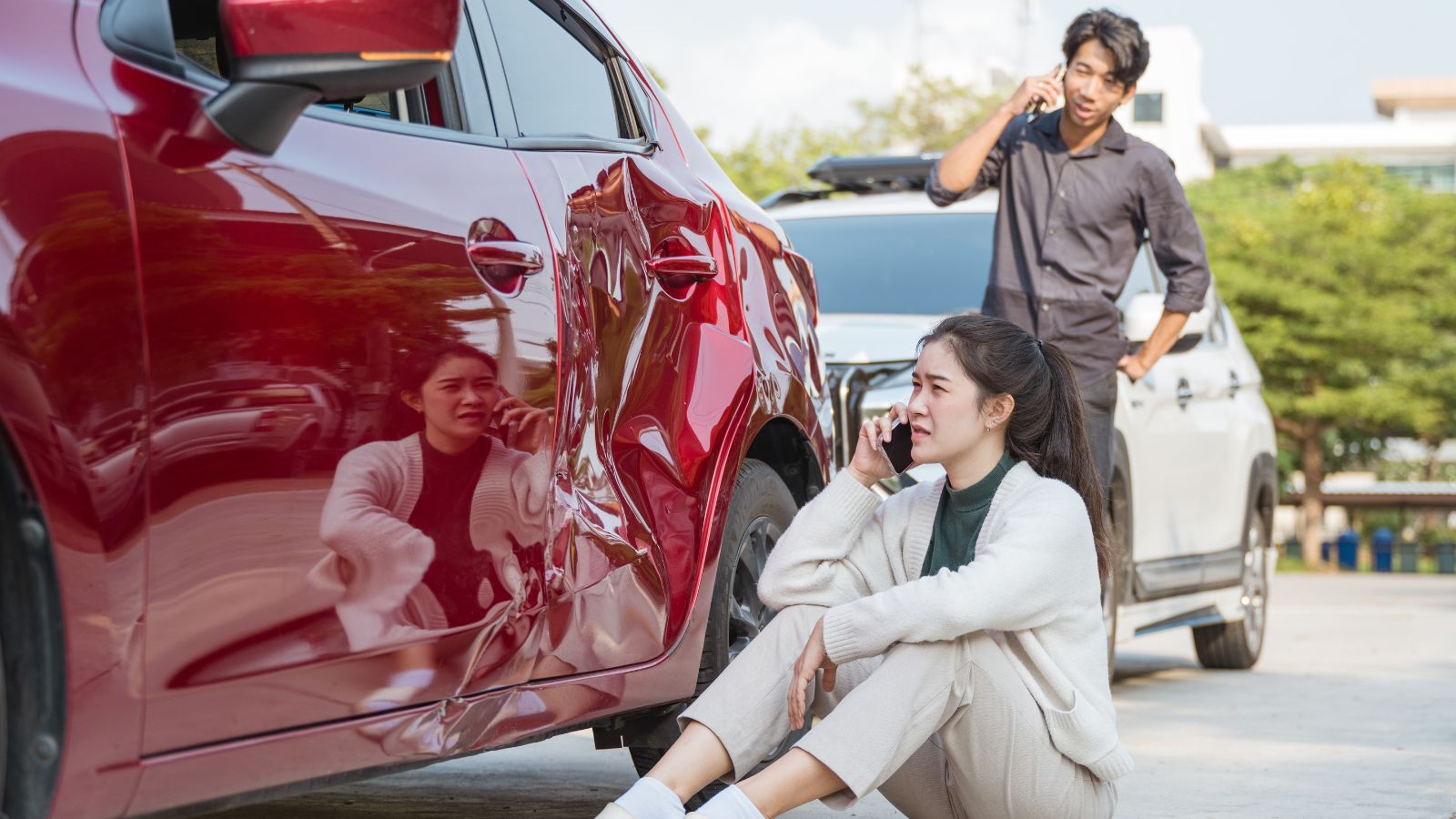
Visible vehicle damage is a poor way to judge whether someone has been hurt. A bumper may show little more than a scuff while occupants have experienced a sudden jolt to the head, neck or body. Government collision guidance therefore places injury checks ahead of photographs, insurance discussions and repair estimates. If anyone appears injured or requires emergency assistance, calling 911 takes priority over sorting out whose bumper needs paint.
Drivers should also avoid making medical conclusions for other people. Someone who initially says they feel fine may be shaken, disoriented or simply focused on getting home. Federal concussion guidance notes that a person can have a concussion without losing consciousness and that symptoms may take hours or even days to develop. A collision does not need to look dramatic to deserve attention. When concerning symptoms are present, obtaining appropriate medical assessment is more important than preserving the fiction that the crash was “only minor.”
Don’t Stand in a Live Traffic Lane to Inspect the Damage
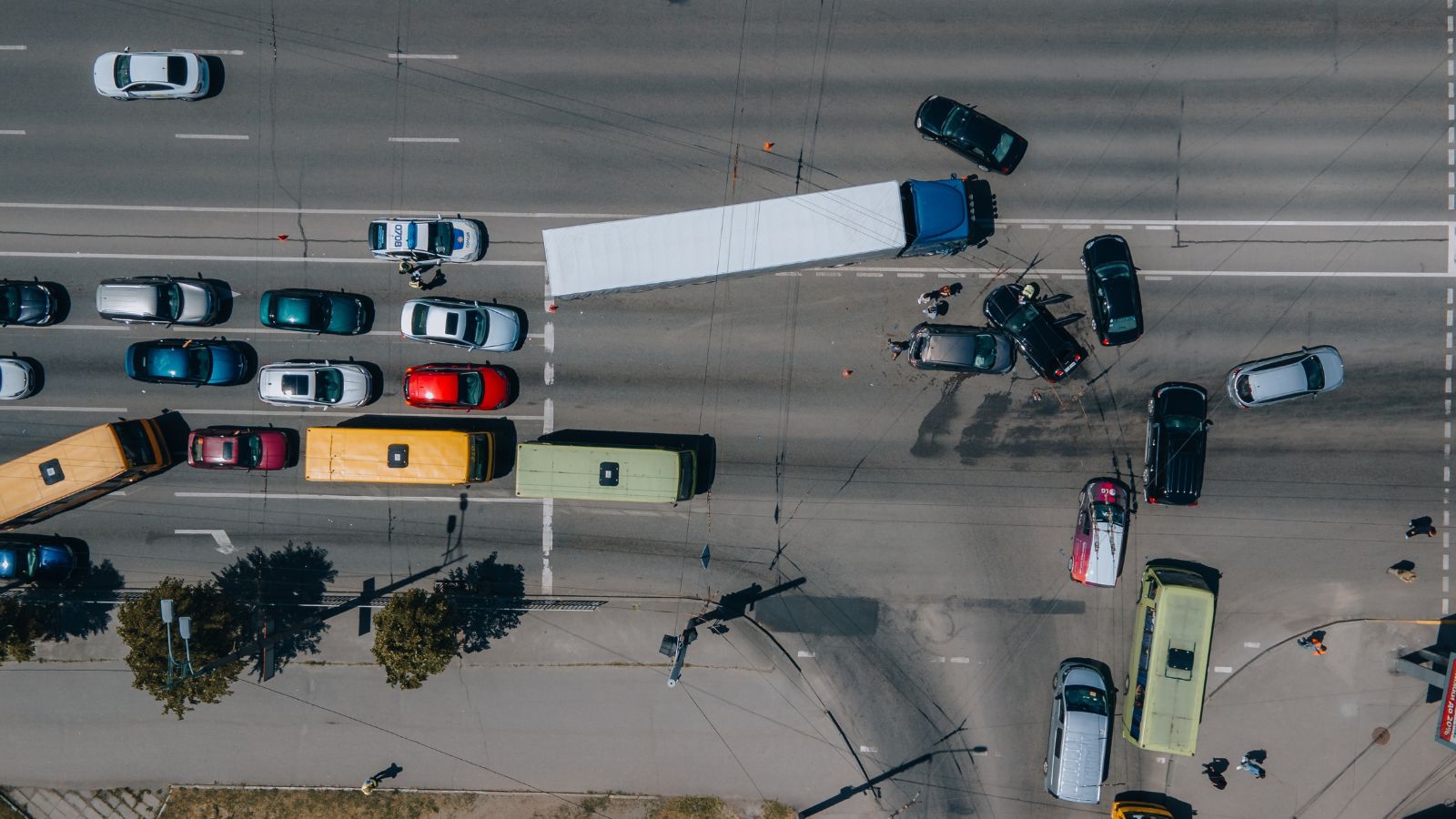
A minor collision can create a second danger when drivers step into moving traffic to examine scratches, photograph bumpers or debate what happened. On a busy arterial road or highway, surrounding vehicles may still be approaching at normal speed. Canadian road-safety guidance repeatedly stresses protecting the scene, warning approaching traffic and keeping people out of unnecessary danger after a crash.
That means the perfect photograph is never worth standing in an unsafe location. If occupants can remain protected while vehicles are moved somewhere safer, that should take priority. Hazard lights, warning triangles or other warning devices can also help when a damaged vehicle cannot be moved, although they must be used safely. A common fender-bender may involve only a few thousand dollars in damage, but another vehicle striking people standing beside it can transform the situation instantly. Personal safety should always outrank documentation.
Don’t Leave Drivable Vehicles Blocking Traffic When It Is Safe to Move
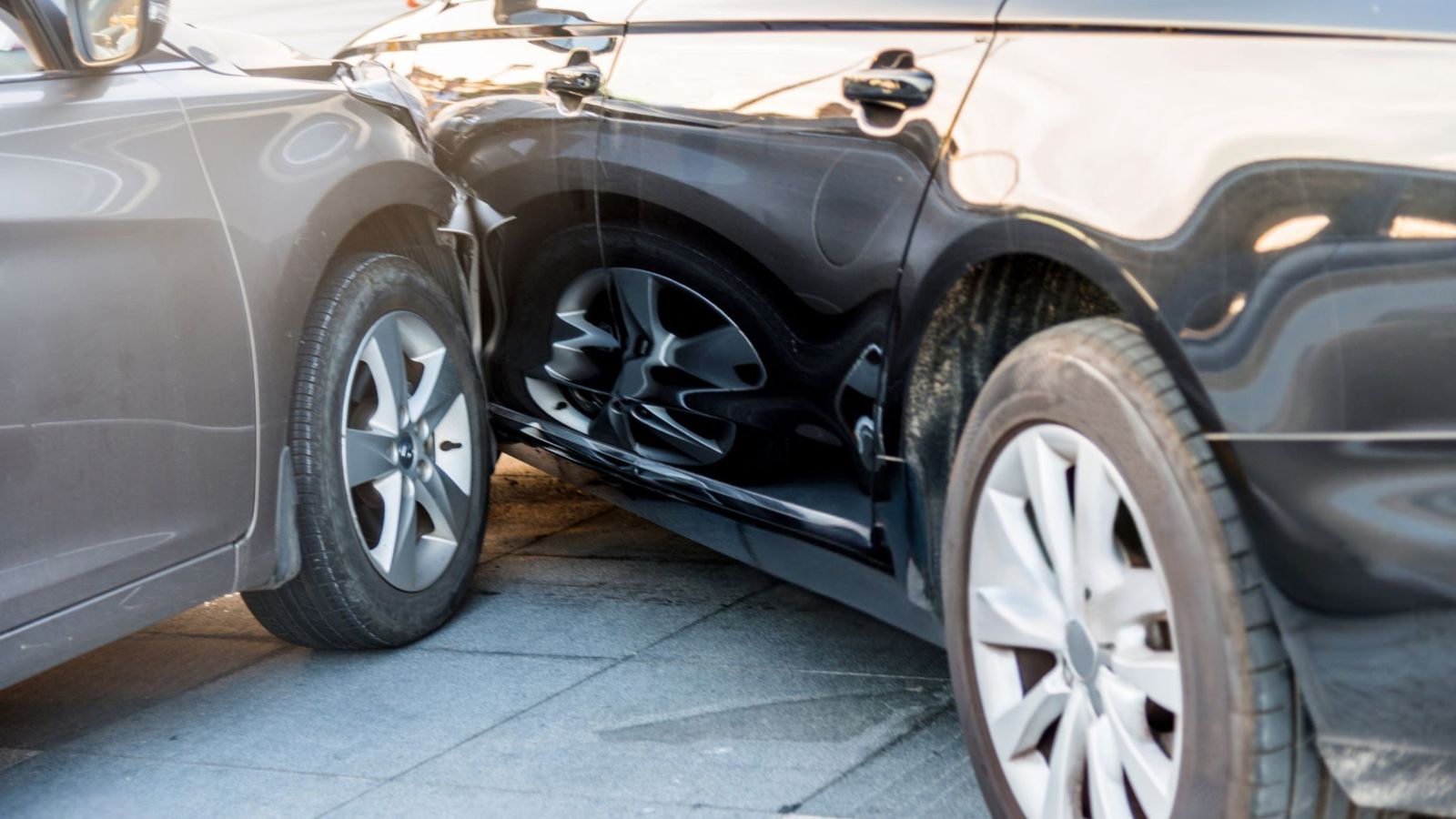
Some drivers believe vehicles must remain exactly where they stopped so police or insurers can reconstruct the collision. In many ordinary property-damage collisions, that is unnecessary and can create an additional hazard. Ontario’s driver’s handbook specifically encourages motorists involved in minor, injury-free crashes to move drivable vehicles out of active traffic when it is safe. British Columbia and Manitoba guidance similarly advises moving vehicles off the roadway when circumstances allow.
Before moving, a few quick photographs can help preserve the original positions if taking them is safe. After that, a shoulder, parking lot or nearby safe location may be considerably better than occupying a traffic lane. The important qualification is safety: vehicles should not be moved when doing so would endanger people, and serious crashes may require different handling. For a routine fender-bender, however, leaving functioning cars exposed to fast-moving traffic is generally not useful evidence preservation.
Don’t Admit Fault or Start Arguing About Responsibility

The urge to say “that was completely my fault” can arrive before the details of a collision are fully understood. It is equally unhelpful to immediately accuse the other driver. Provincial insurers including ICBC and SGI advise motorists against discussing or admitting responsibility at the scene. Responsibility is normally assessed later using driver statements, vehicle damage, road rules, witnesses, police information and other available evidence.
A calm exchange of facts is different from an admission of liability. Saying which lane a vehicle occupied, where contact occurred or which direction it travelled provides useful information. Making a definitive legal or insurance conclusion does not. Even seemingly obvious collisions can involve shared responsibility or facts that were not visible from one driver’s seat. Keeping the discussion factual also reduces the possibility of an argument escalating beside the road. Courtesy is appropriate; deciding the entire insurance case before the evidence has been reviewed is not.
Don’t Skip the Information Exchange
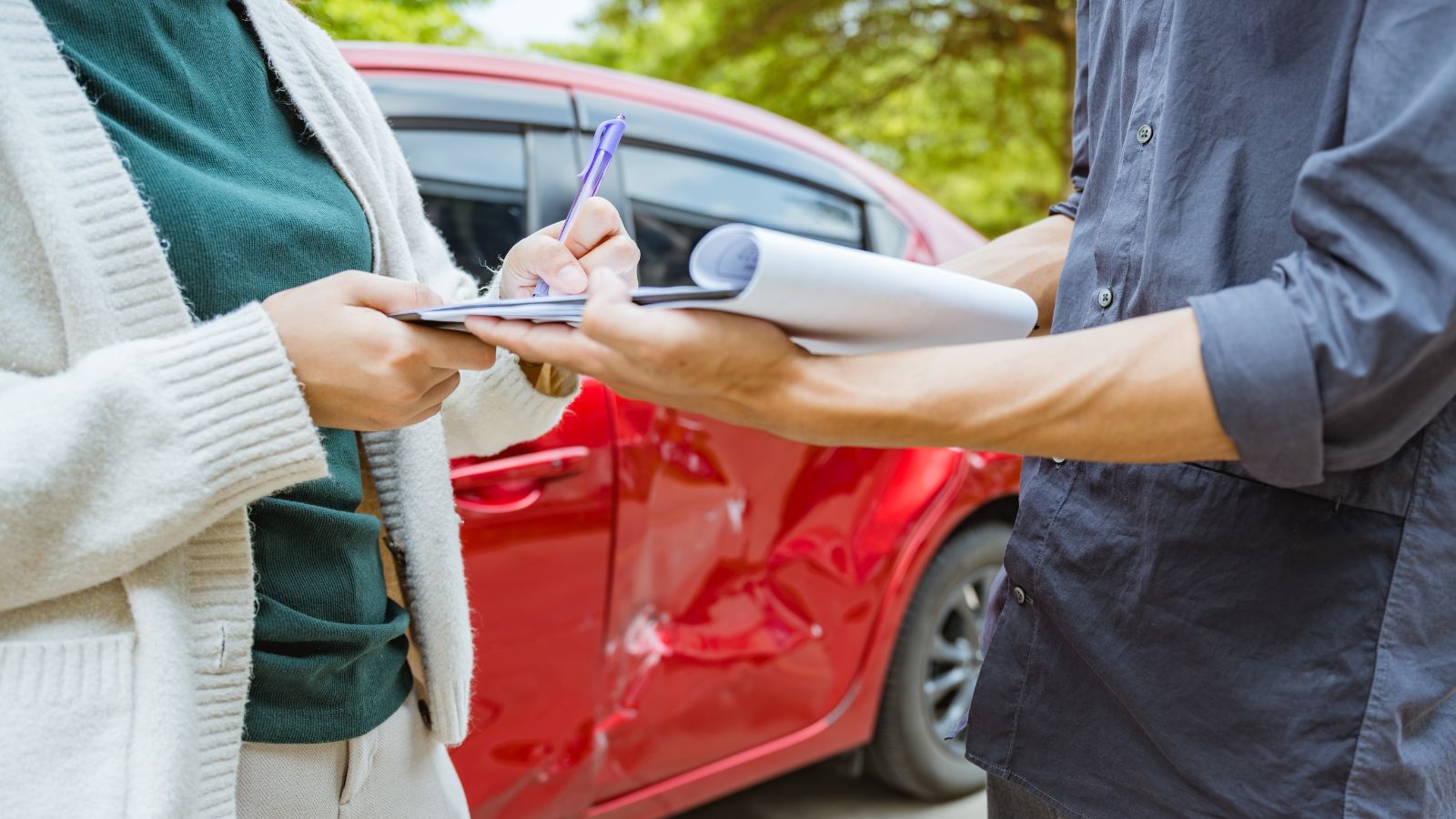
A licence plate photograph alone is not a complete information exchange. Depending on the province, drivers may be expected or legally required to provide details such as their name and address, driver’s licence information, registration particulars, licence plate number and insurance information. British Columbia, Saskatchewan, Manitoba, Alberta and Ontario all provide guidance emphasizing the importance of collecting identifying and insurance details after a collision.
Before leaving, motorists should check that the information is readable and belongs to the correct vehicle and driver. When the registered owner is different from the person driving, owner information can also become important. A hurried driver who leaves with nothing but a first name and phone number may discover later that the number is incorrect or that the insurer cannot identify the other vehicle. Spending several extra minutes recording complete details can prevent hours of difficulty during the claims process.
Don’t Rely on Memory Instead of Taking Photos and Notes
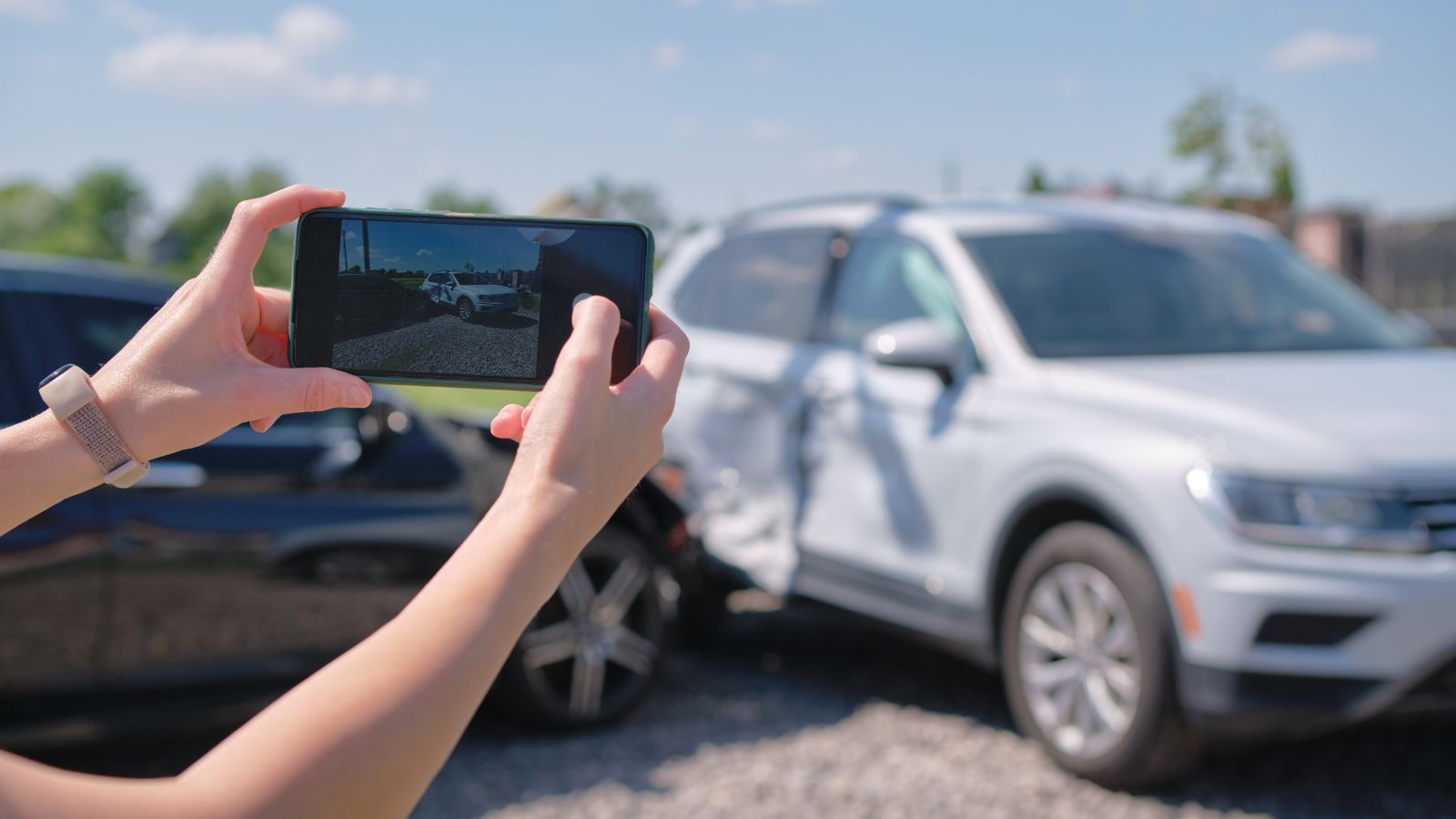
Collision memories can change surprisingly quickly, especially after an adrenaline-filled event. The safest record is a contemporaneous one. Provincial insurers routinely recommend photographing the vehicles, licence plates, damage and overall scene when doing so is safe. Notes about the date, time, location, weather, road conditions, lanes and direction of travel can provide context that photographs alone may miss.
Wide photographs are particularly useful because a close-up of a cracked bumper does not show where the vehicles were located. Images of traffic signs, lane markings and surrounding intersections can preserve details that disappear once everyone drives away. ICBC also notes that photographs can assist with damage assessment, while insurers use incident descriptions and other evidence when determining responsibility. No elaborate photography equipment is needed; a phone can document far more accurately than a driver’s recollection several days later. The key is gathering evidence without putting anyone in danger.
Don’t Let Witnesses Disappear Without Getting Contact Information
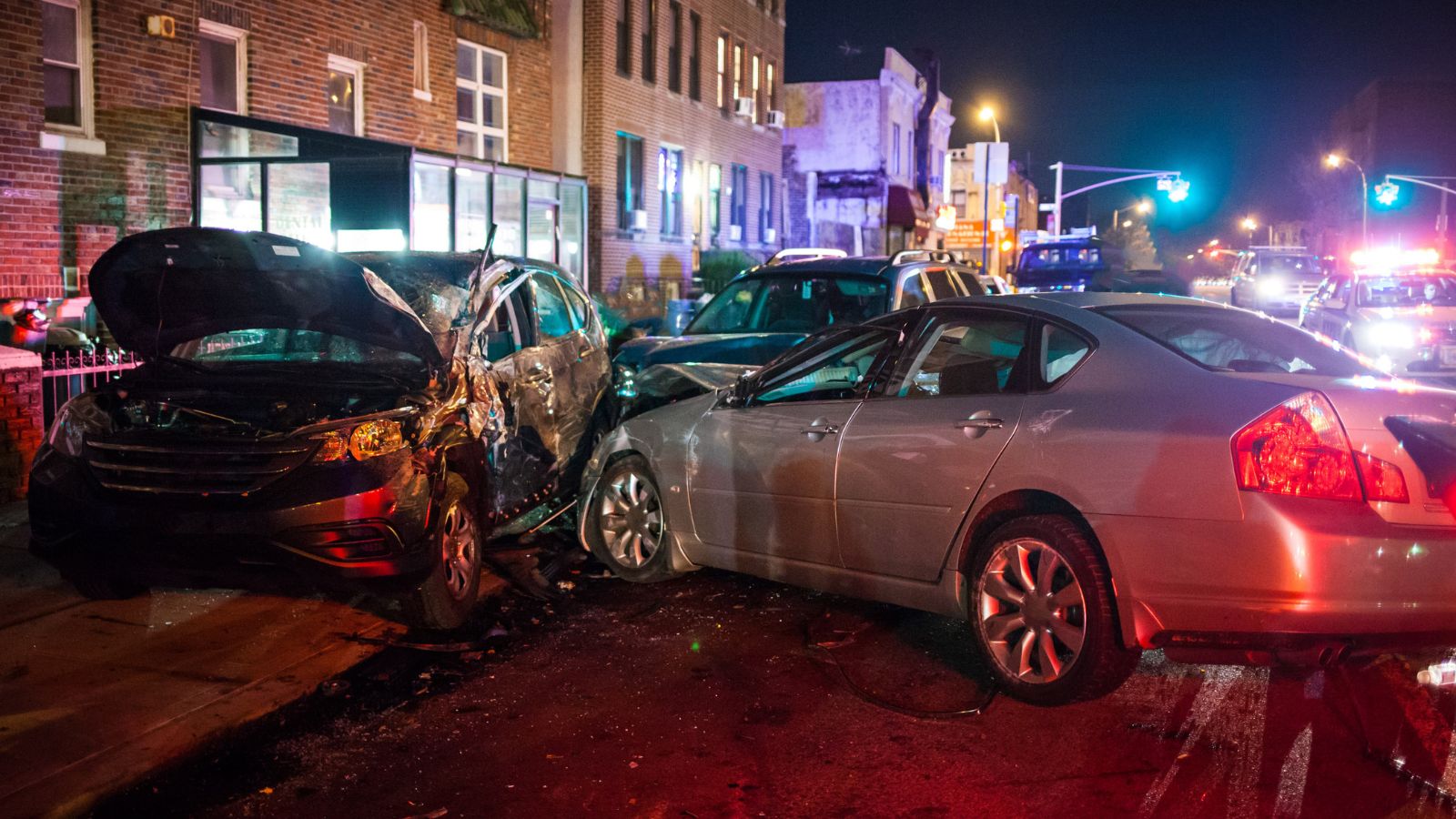
A neutral witness can become exceptionally important when two drivers remember the same collision differently. Someone waiting at a bus stop, walking nearby or driving behind the vehicles may have seen the entire sequence. Once that person leaves, finding them again can be nearly impossible. ICBC, SGI, MPI and other insurers specifically encourage drivers to collect witness names and contact information after a collision.
Witnesses matter because insurers may use their statements alongside driver accounts, police reports and physical damage when deciding responsibility. ICBC notes that crashes with conflicting accounts and insufficient independent evidence can sometimes result in responsibility being shared because the available evidence does not establish what happened. Dashcam recordings can also be valuable. If a driver or witness has footage, it should be preserved before a camera automatically overwrites it. A thirty-second conversation at the roadside may later provide the independent evidence a claim needs.
Don’t Make a Cash Deal at the Roadside
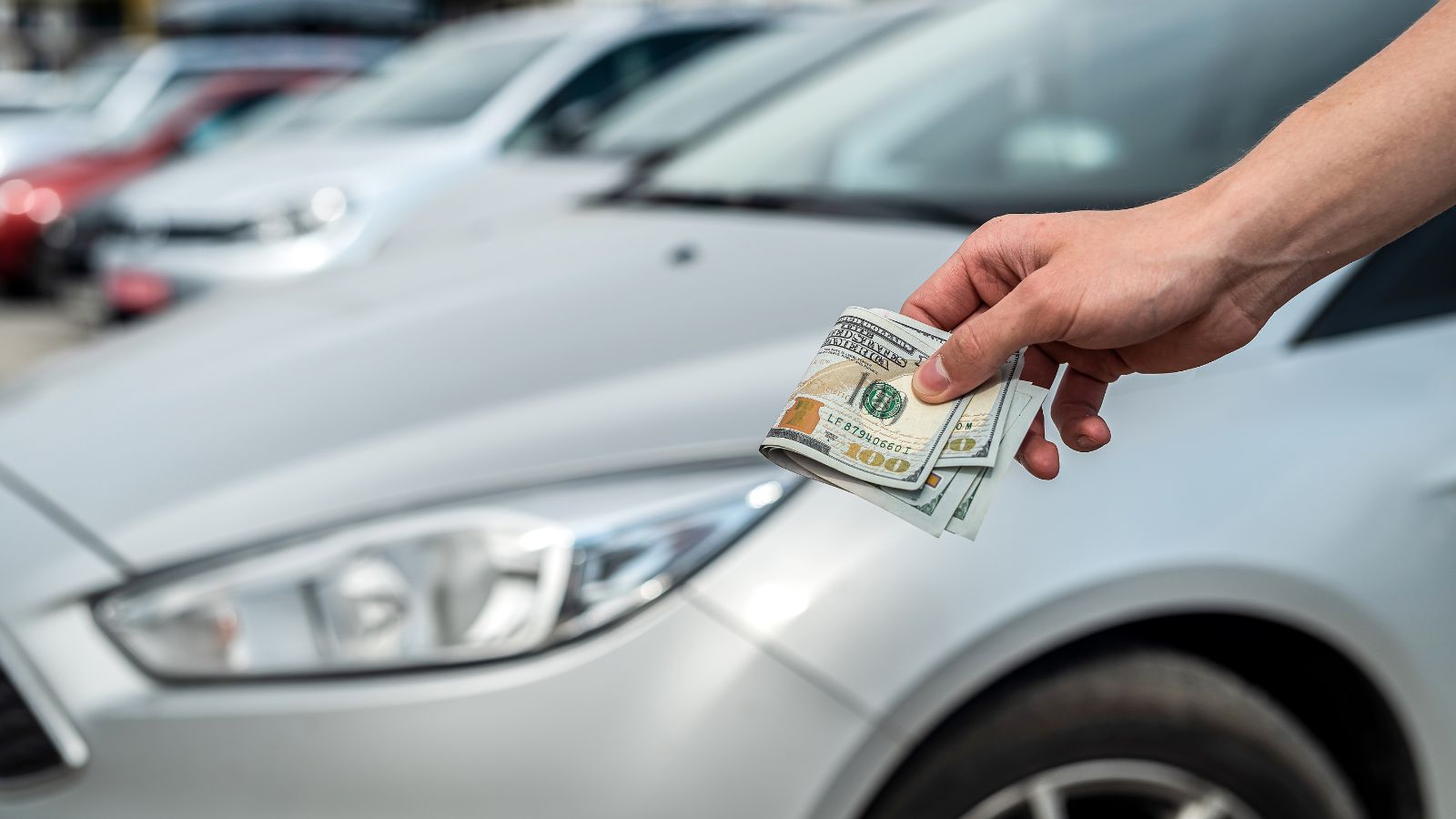
A driver offering a few hundred dollars and asking to “keep insurance out of it” can sound convenient when the damage appears cosmetic. The problem is that modern vehicle damage can be difficult to assess visually. What looks like a scuffed bumper cover may require inspection before anyone knows the real repair cost. Injuries or additional damage may also become apparent later, leaving an informal handshake agreement looking much less attractive.
Saskatchewan’s driver guidance specifically cautions motorists against offering to pay for repairs or accepting repair payment unless they are prepared to handle the matter without their insurer’s help. The safer approach is to collect the normal collision information and understand the reporting and insurance requirements before making financial commitments. Drivers should be particularly cautious about signing releases or accepting money in exchange for ending the matter. Convenience at the roadside should not come at the cost of unknowingly giving up options needed later.
Don’t Assume “Minor” Means No Official Report Is Required
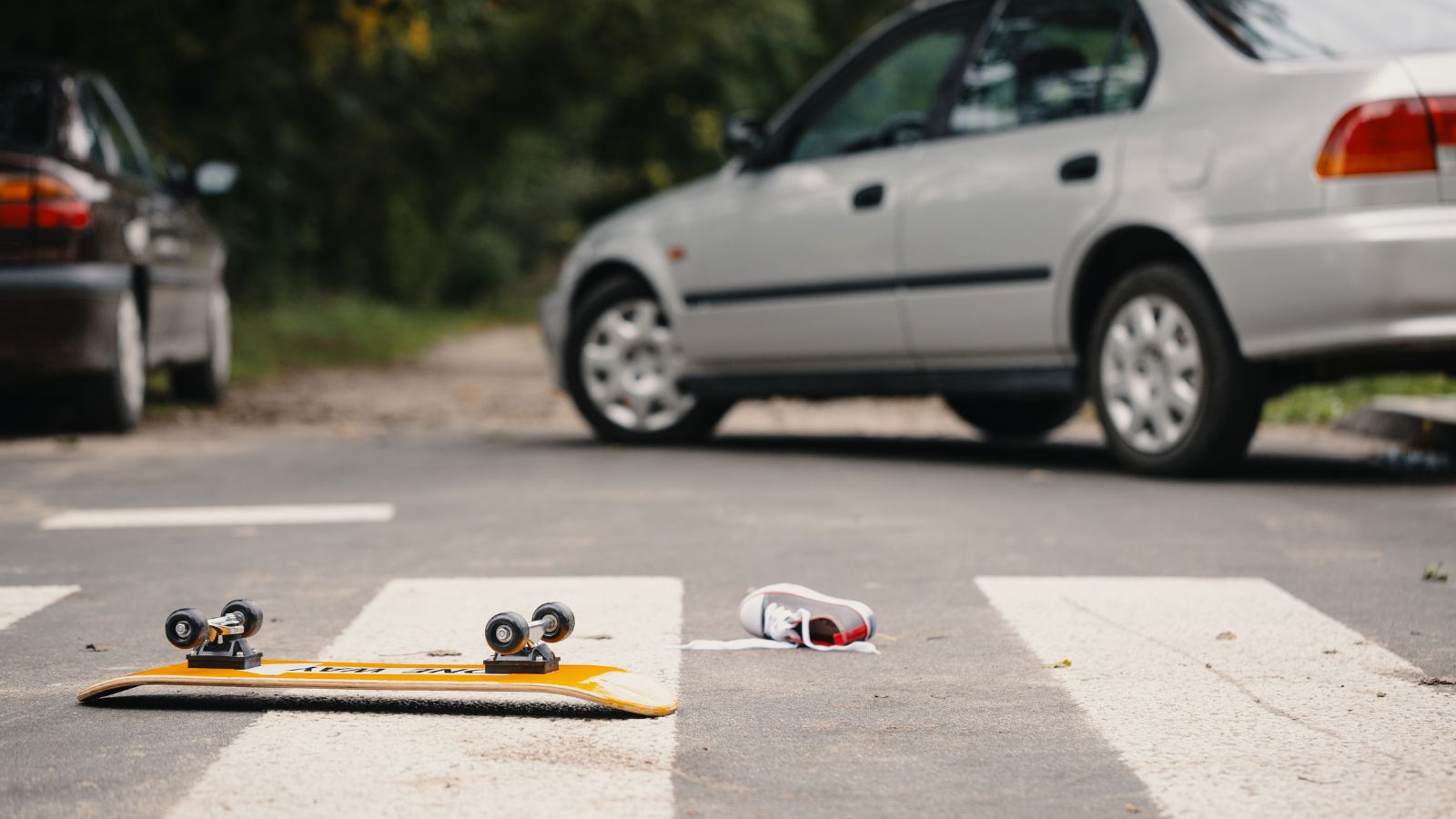
The word “minor” describes how a collision feels, not necessarily how provincial reporting law treats it. Injuries, suspected criminal conduct, undriveable vehicles, missing documentation, hit-and-run circumstances or sufficiently high property damage can trigger reporting requirements even when the crash itself was low speed. Drivers who assume every fender-bender can simply be handled privately may accidentally overlook a mandatory report.
Ontario currently requires police reporting when there are injuries or property damage above its applicable $5,000 threshold. Alberta also uses a $5,000 property-damage threshold for required collision reporting in addition to other circumstances. Manitoba works differently: straightforward property-damage collisions generally do not have the same dollar-based police-reporting requirement, but events involving hospitalization, unidentified vehicles, missing particulars, unlicensed drivers or suspected impairment can require police involvement. The lesson is not to memorize one Canadian rule. It is to check the rule that applies where the collision actually happened.
Don’t Use Another Province’s Reporting Threshold as the Rule

Canada does not have one nationwide dollar threshold governing every minor collision. A driver from Ontario travelling through Manitoba, Alberta or Saskatchewan may therefore encounter procedures that differ substantially from what happens at home. Even neighbouring jurisdictions can define mandatory police reporting differently, and rules can change as governments adjust thresholds to reflect repair costs or administrative practices.
That matters because vehicle damage has become increasingly difficult to judge at the roadside. Sensors, cameras and components hidden behind bumper covers can raise repair costs without dramatic exterior damage. Ontario and Alberta currently use $5,000 thresholds in important collision-reporting contexts, while Manitoba’s rules illustrate why applying that figure nationally would be incorrect. Saskatchewan also identifies specific circumstances requiring police reports rather than relying solely on a simple damage estimate. Travellers should follow the requirements of the jurisdiction where the collision occurred and contact local police or their insurer when uncertain.
Don’t Put Off Calling the Insurer

Waiting several weeks to see whether the other driver “does anything” can make a simple collision harder to manage. Insurers need basic facts such as the date, location, vehicles involved, damage, witness information and any police file number. Reporting while those details are fresh also allows an adjuster to explain repair, appraisal, towing and injury procedures before a driver commits to something inconsistent with the policy.
Deadlines and expectations vary. Ontario’s standard automobile policy requires an accident involving injury or property damage to be reported to the agent, broker or insurer within seven days, or as soon afterward as possible when reporting within seven days cannot be done. ICBC advises injured claimants to report as soon as it is safe, while Manitoba Public Insurance tells motorists to report collisions promptly and even recommends reporting when the driver’s own vehicle appears undamaged. Prompt contact does not mean accepting blame; it means protecting the ability to use the coverage that was purchased.
Don’t Let a Tow Truck Take the Car Somewhere Without Understanding the Destination
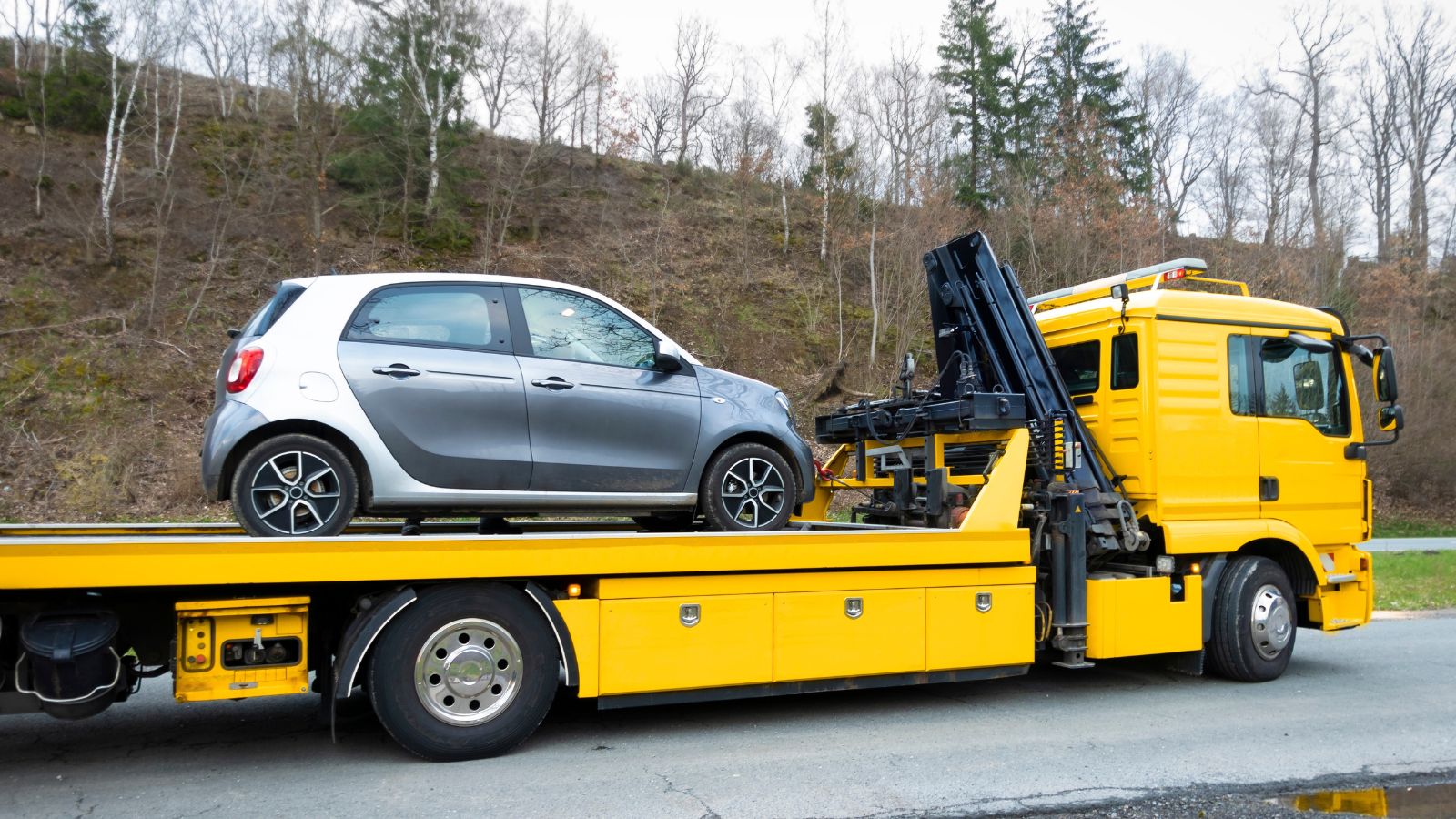
A collision scene is a poor place to discover where a damaged vehicle is being taken after the tow truck has already disappeared. Drivers should know the towing company’s identity, the destination and, where applicable, the charges or maximum rates before agreeing. Ontario’s towing rules give consumers substantial rights, including the ability in ordinary situations to choose a towing company and destination, subject to exceptions such as restricted towing zones and police-directed towing.
Other provinces have their own systems and procedures, so local rules should always be checked. Manitoba Public Insurance, for example, tells drivers arranging an out-of-province tow to determine where the vehicle is being taken because MPI will need that information. A tow to an unfamiliar storage facility can complicate access, estimates and later transportation. Before the vehicle moves, drivers should know who has it, where it is going and how the insurer wants the damaged vehicle handled.
Don’t Sign Blank or Incomplete Towing Forms

Collision scenes can be confusing, which makes “just sign here” especially poor advice. A blank or partially completed towing authorization can leave important terms unresolved, including the destination or agreed services. Ontario’s official consumer guidance explicitly tells motorists not to sign a blank towing form and requires towing operators to provide specified information and obtain consent in situations where consent is legally required.
Drivers should read the document, confirm the tow operator and destination, understand applicable rates and keep a copy. Ontario’s regulatory framework also restricts changes to documented towing consent except in permitted circumstances. Elsewhere in Canada, towing rules differ, but the basic consumer principle remains valuable: never sign an incomplete document merely because traffic is backing up or someone is applying pressure. Police can manage immediate road-safety needs, while insurers can help explain preferred towing and repair procedures. A few careful minutes can prevent disputes over services that were never knowingly authorized.
Don’t Authorize Repairs Before Checking the Claims Process
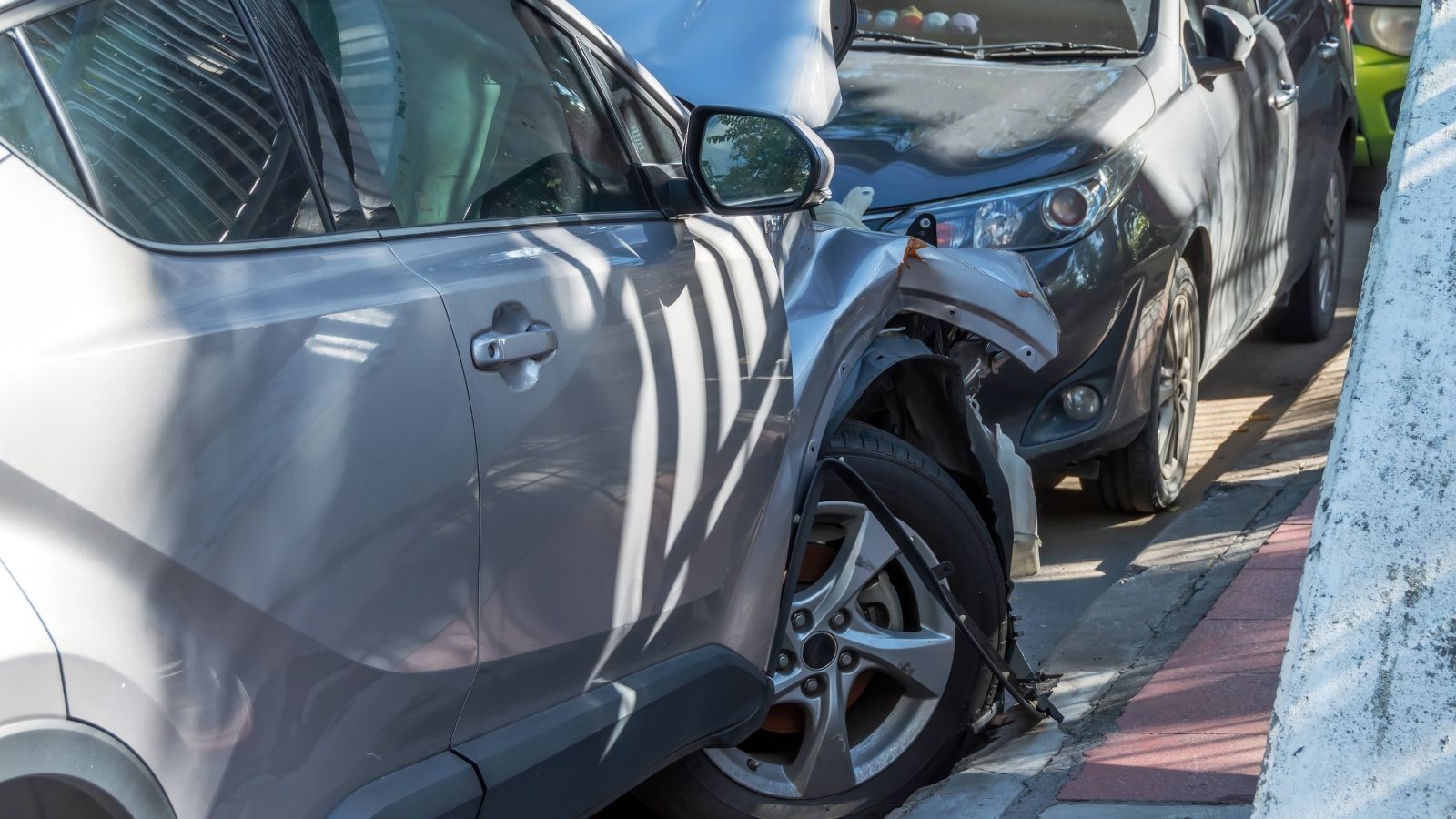
Moving directly from collision scene to body shop may feel efficient, but insurance policies and provincial systems can require an appraisal, estimate or authorization first. Manitoba Public Insurance, for example, specifically tells customers involved in out-of-province crashes to obtain pre-authorization before temporary or permanent repairs. Saskatchewan’s process similarly places damage assessment before repair, while ICBC describes estimating as a distinct step after a collision claim is reported.
That does not mean a damaged car must sit untouched indefinitely. It means drivers should contact the appropriate insurer and understand the required process before authorizing major work. An adjuster may need photographs, an inspection or a specific estimate, and some insurers have networks that can simplify billing or provide repair guarantees. Emergency work needed to make a situation safe can be different, particularly during travel, but receipts and documentation should be kept. Starting substantial repairs first and asking coverage questions later reverses the safer order.
Don’t Drive a Vehicle That May No Longer Be Roadworthy
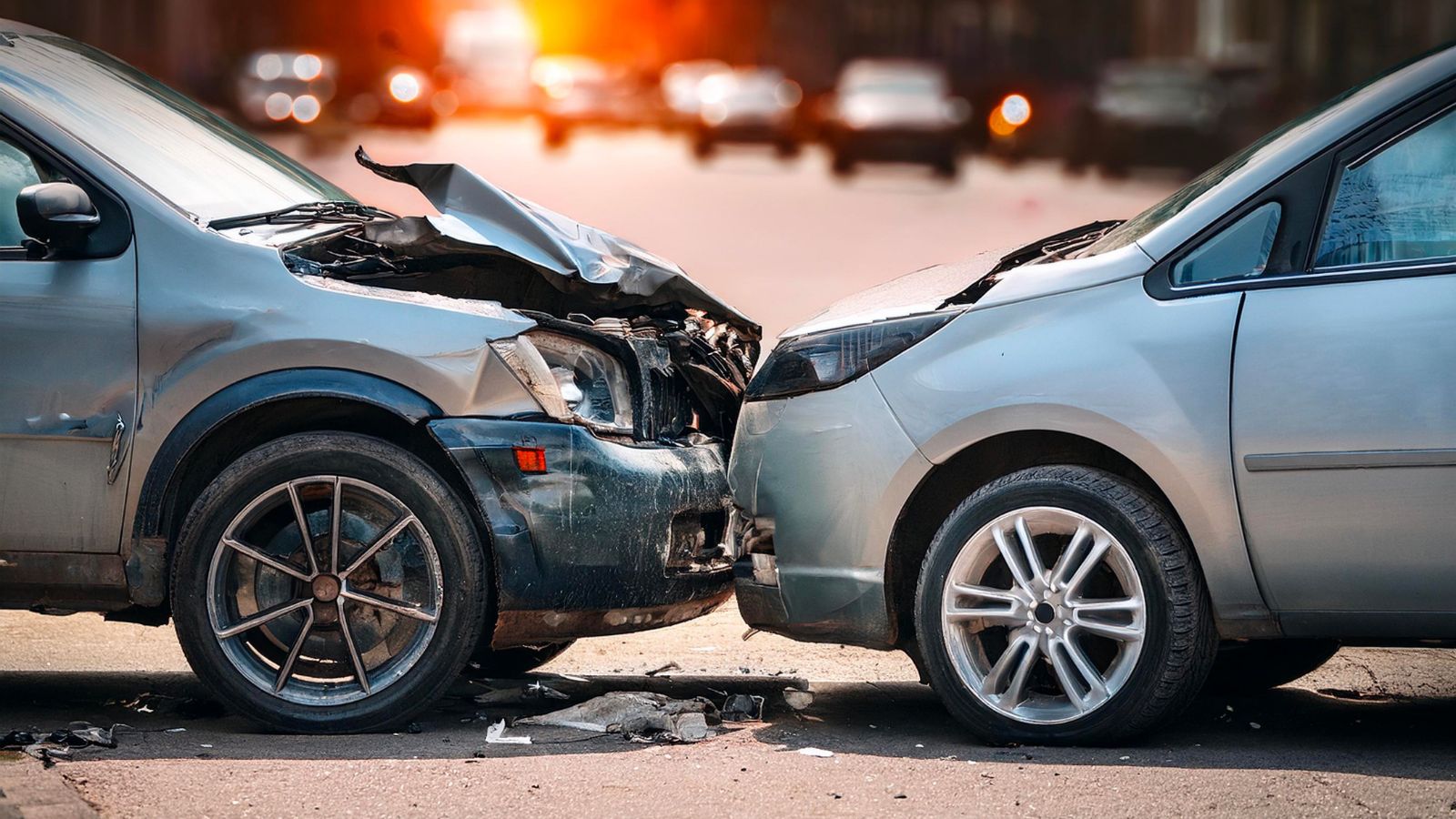
A vehicle can still move under its own power without being safe for normal traffic. A wheel rubbing against damaged bodywork, a leaking fluid, broken lighting, damaged steering, deployed safety equipment or loose exterior components can turn the trip home into another roadside problem. Saskatchewan’s collision guidance treats a vehicle that is not roadworthy and must be towed as an important reporting circumstance, while insurers provide specific procedures for vehicles that cannot safely be driven.
After a seemingly light impact, drivers should look for more than cosmetic scratches. Warning lights, unusual noises, steering changes, visible leaks or damaged tires deserve attention. If roadworthiness is uncertain, towing or professional assessment may be the better choice. Moving a vehicle a short distance out of an active lane when safe is different from deciding it is fit for a 30-kilometre drive home. The inconvenience of a tow is small compared with losing control of a collision-damaged vehicle.
Don’t Ignore Hit-and-Run, Missing Documents or Suspected Impairment

A collision stops being routine when the other vehicle disappears, the driver cannot produce required documentation or there are signs of alcohol or drug impairment. These circumstances can trigger police-reporting requirements even when physical damage appears small. Alberta identifies missing driver, registration or insurance documents among situations requiring additional action, while Manitoba and Saskatchewan specify police reporting for various hit-and-run, unidentified-driver, unlicensed-vehicle or suspected-impairment situations.
Drivers should not try to investigate suspected impairment themselves or physically prevent another motorist from leaving. Instead, they should prioritize safety, record available information such as the licence plate and vehicle description, and contact police as appropriate. Photographs, witness details and dashcam footage may become particularly valuable when the other driver’s identity is uncertain. A damaged bumper may still be minor; an unidentified or potentially impaired driver makes the surrounding circumstances much more significant.
Don’t Follow Unsolicited Accident-Scene Referrals
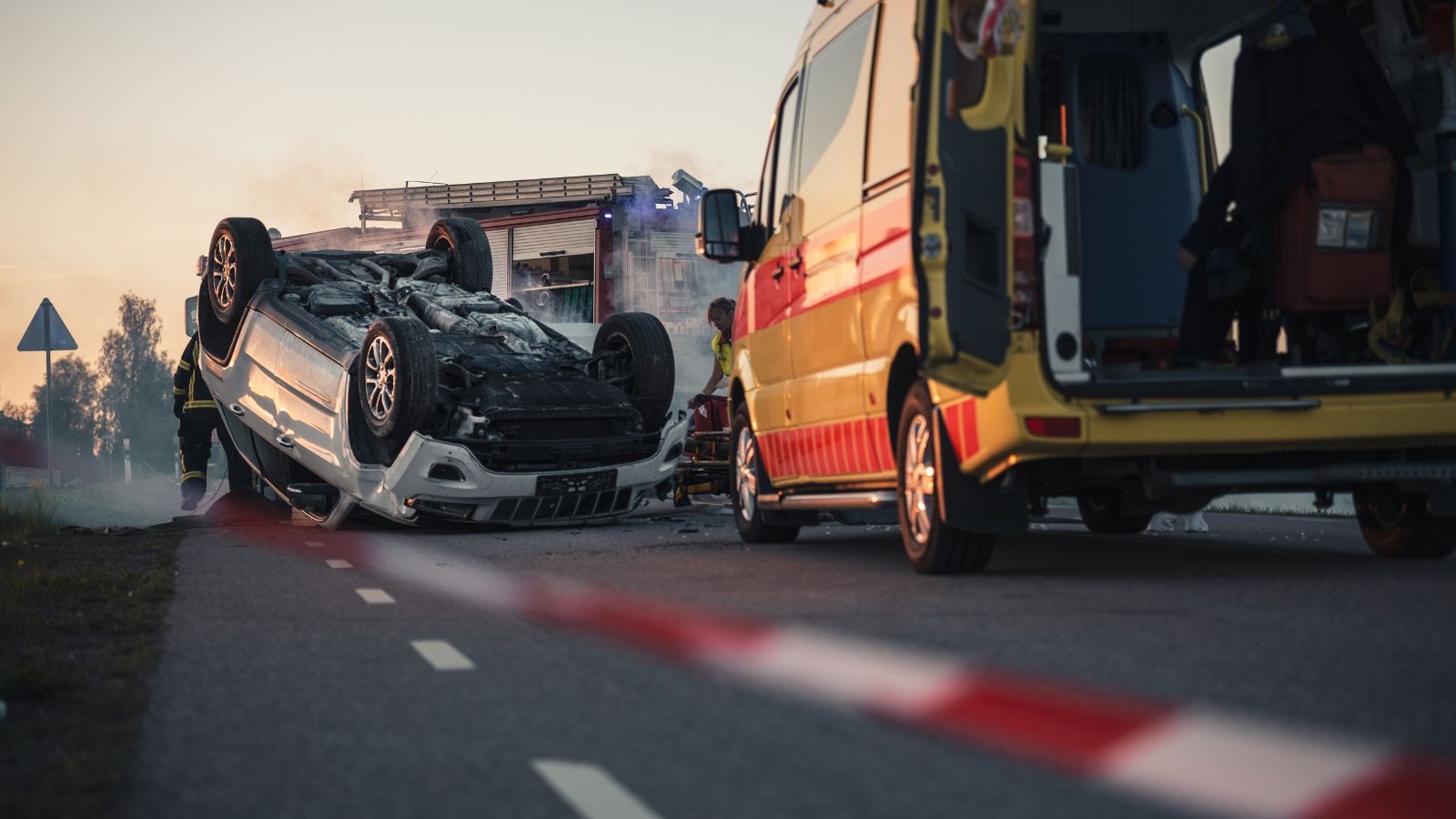
An unfamiliar person appearing immediately after a collision with a recommendation for a particular tow company, body shop, lawyer or health provider may sound helpful. It can also be a warning sign. Ontario’s Financial Services Regulatory Authority specifically advises consumers to be suspicious of accident-scene referrals when someone pressures them or offers money to use a particular repair shop, legal professional or health-care provider.
FSRA has documented staged-collision and service-provider fraud risks, including inflated repairs and unnecessary towing charges. That does not mean every recommendation is dishonest, but drivers have little reason to make rushed service decisions while still shaken from a crash. A better approach is to contact the insurer, confirm towing rights and independently select legitimate providers. Documents, invoices and estimates should be retained. Genuine help should withstand basic verification; pressure to commit before there has been time to check credentials deserves caution.
Don’t Dismiss Symptoms That Show Up Later

The final mistake can happen after the vehicles have already been repaired. A person who felt normal at the roadside may develop headache, dizziness, nausea, confusion, light sensitivity, neck discomfort or other symptoms later. The Public Health Agency of Canada states that concussion symptoms can take hours or days to appear, and a concussion can occur without loss of consciousness.
That is why “everyone seemed fine at the scene” should not become a reason to ignore later changes. People who believe they may have a concussion should stop the activity they are doing and seek medical help, while urgent warning signs such as worsening severe headache, repeated vomiting, seizure, loss of consciousness, double vision or weakness require immediate attention. Insurers also have processes for reporting collision-related injuries. A scraped bumper can be repaired; overlooking a developing injury because the collision seemed too small to matter is a far more consequential mistake.
19 Used Cars Canadians Should Avoid in 2026 (Based on Owner Complaints)

Buying a used car in Canada can feel safe until repair bills start stacking up. Owner complaints tell a different story than glossy listings. Transmission failures, electrical problems, and weak winter reliability show up again and again in consumer reports. Many of these issues appear after warranties expire, when owners least expect them. Some vehicles look affordable upfront, but become expensive to keep on the road. Others struggle in cold weather, urban driving, or long highway commutes. Here are 19 used cars Canadians should avoid in 2026 (based on owner complaints).
19 Used Cars Canadians Should Avoid in 2026 (Based on Owner Complaints)