






















Parking difficulty is not determined by vehicle size alone. Two cars with similar dimensions can feel completely different when squeezed between concrete pillars, backed into a narrow garage, or positioned beside a high curb. Steering geometry, outward visibility, wheel design, control calibration, and driver-assistance technology all affect how confidently a vehicle can be placed.
Some disadvantages become obvious during a test drive, while others emerge only after the first week in crowded parking lots. A stylish roofline may conceal the rear corners, oversized wheels may make every curb feel expensive, and an automated system may struggle with an oddly shaped space. These 18 factors explain why a car that seems manageable on the road can be unexpectedly demanding when the available room begins to shrink.
A Body That Is Wider Than It Looks
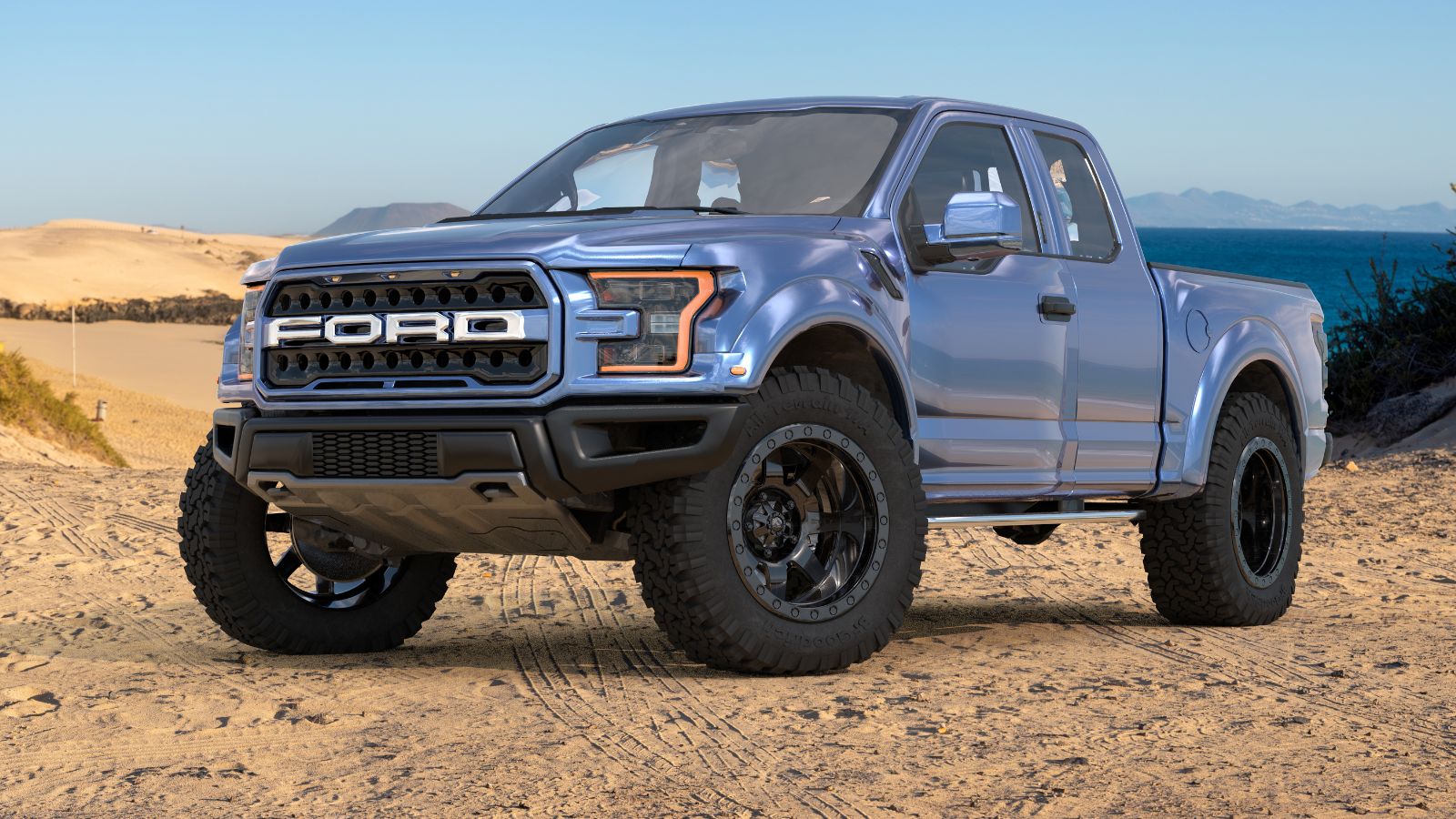
Vehicle width is one of the most immediate parking constraints, yet it can be difficult to judge from the driver’s seat. Sculpted bodywork, flared wheel arches, and broad door panels may extend farther than the visible cabin suggests. Side mirrors add even more width while entering garages, passing pillars, or manoeuvring through narrow ramps.
The problem becomes clearer when modern vehicles meet older parking infrastructure. A typical British parking space has often been cited at about 2.4 metres wide, while the average width of new European and British cars reached roughly 1.8 metres in 2023. That may leave only around 30 centimetres on either side when a car is perfectly centred—and less when neighbouring vehicles are crooked. A crossover can therefore fit between the painted lines but still leave too little room for comfortable door opening, mirror clearance, or minor steering corrections.
Extra Length Beyond the Parking Lines
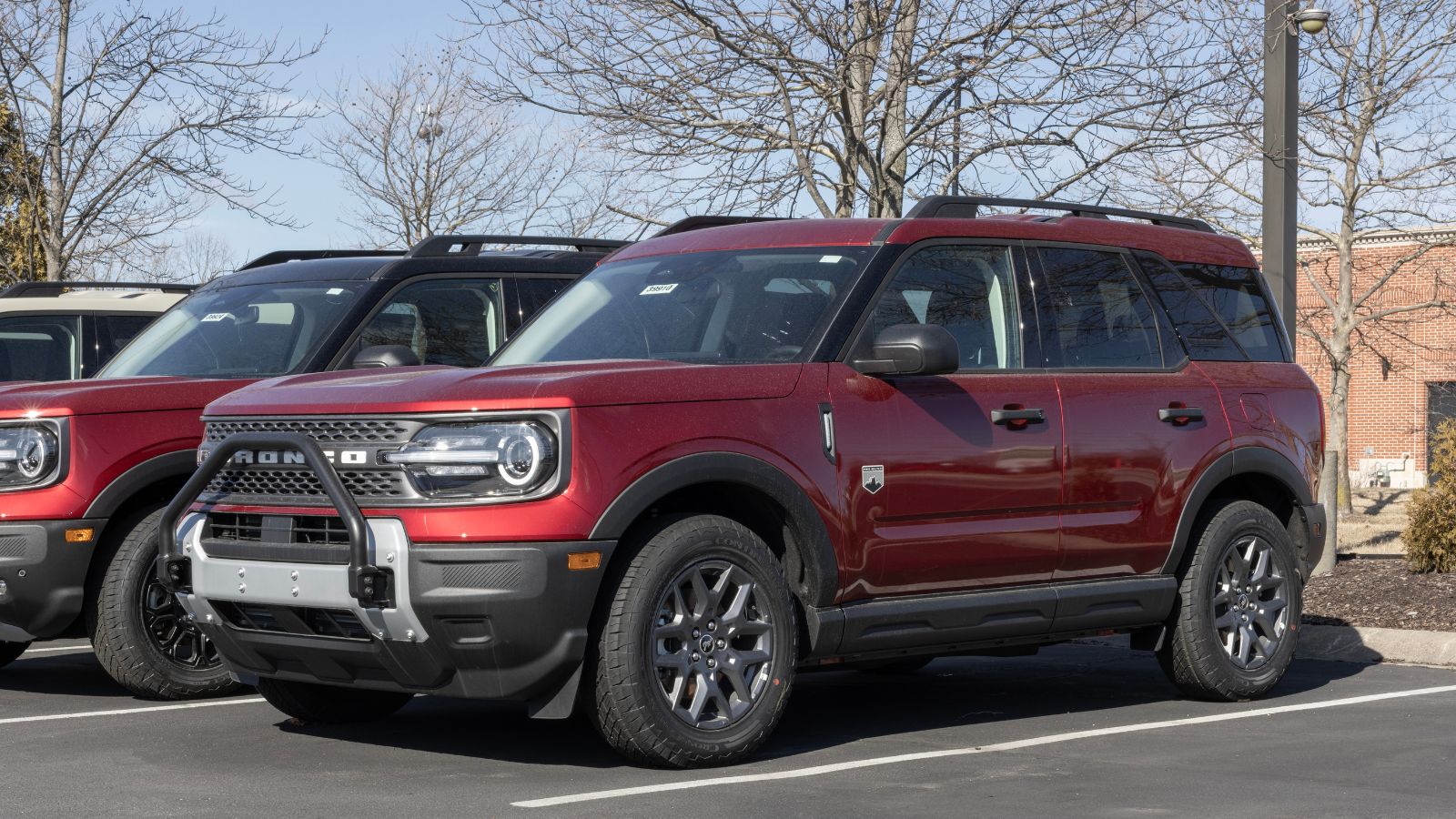
A long vehicle does not merely require a longer space. Its driver must begin turns earlier, watch both ends more carefully, and allow additional room for the body to rotate. This becomes especially noticeable in underground garages where ramps, payment machines, walls, and parked vehicles limit the space available for repositioning.
Many standard parking bays are approximately 4.8 to 5 metres long. That sounds generous until a full-size sedan, pickup, or three-row SUV approaches or exceeds the same measurement. Research highlighted by the RAC Foundation found that the average length of several popular British cars increased from about 3.9 metres in 1965 to 4.3 metres in 2020. A long model may technically fit, but its bumper can sit close to the traffic aisle or overhang a pavement. Drivers often compensate by moving deeper into the bay, increasing the chance of contacting a wall, wheel stop, shopping cart, or low obstacle behind the vehicle.
A Long Wheelbase and Large Turning Circle
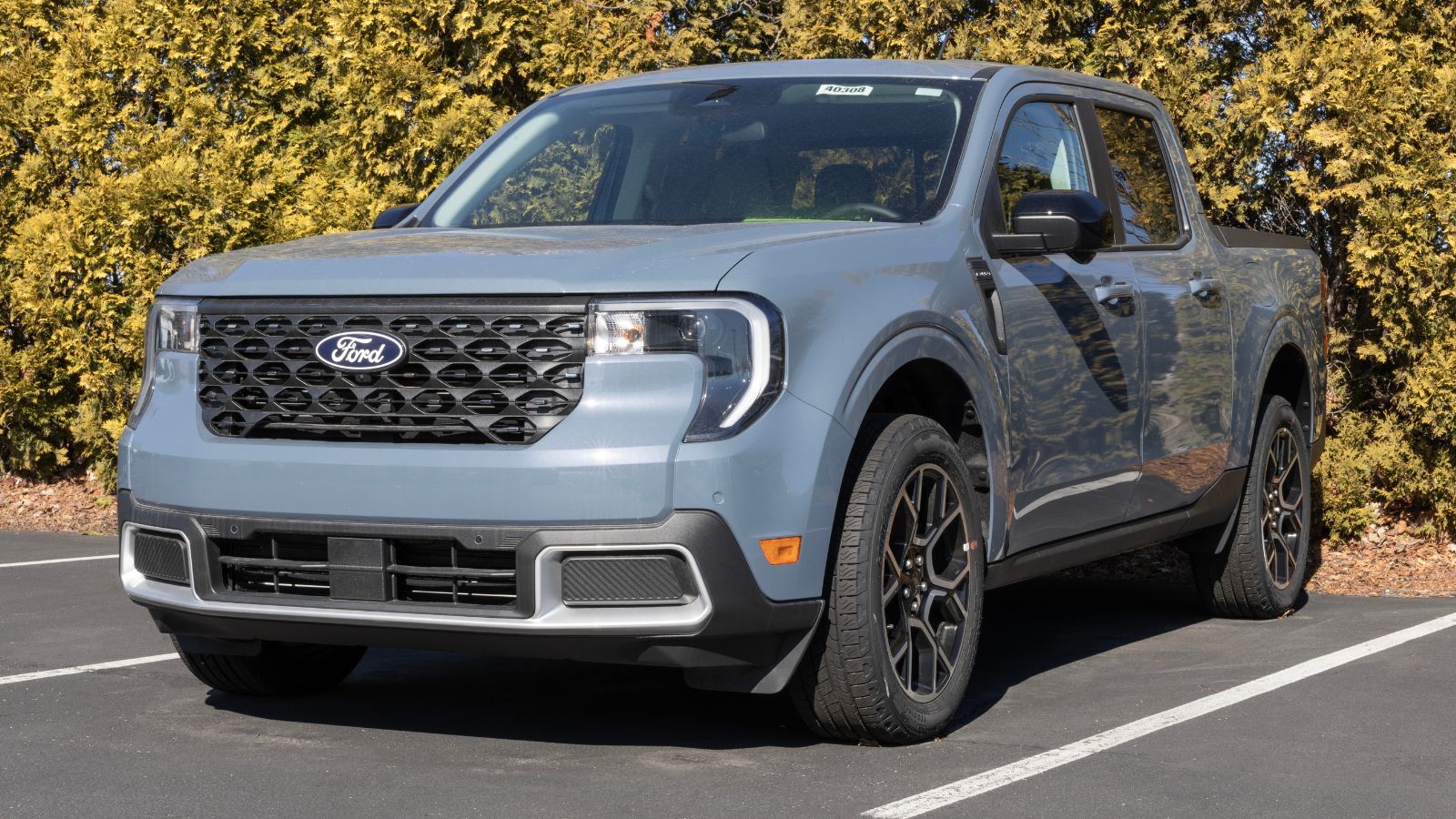
Wheelbase is the distance between a vehicle’s front and rear axles. A long wheelbase can improve ride comfort and cabin space, but it generally makes tight manoeuvres more demanding. The vehicle requires a broader path to change direction, particularly when its front wheels cannot turn through a large angle.
Turning-circle diameter is influenced by wheelbase, steering-lock angles, and the vehicle’s overall architecture. This explains why one compact-looking performance car may require more room to turn than a taller family vehicle equipped with better steering geometry. A large turning circle produces extra three-point turns, repeated reversing, and frequent steering corrections in narrow aisles. Four-wheel steering can reduce this disadvantage by turning the rear wheels opposite the fronts at low speeds. Without it, a long-wheelbase vehicle may feel calm and stable on the highway but surprisingly clumsy when attempting to enter a perpendicular space in one smooth movement.
Thick Pillars and a High Beltline
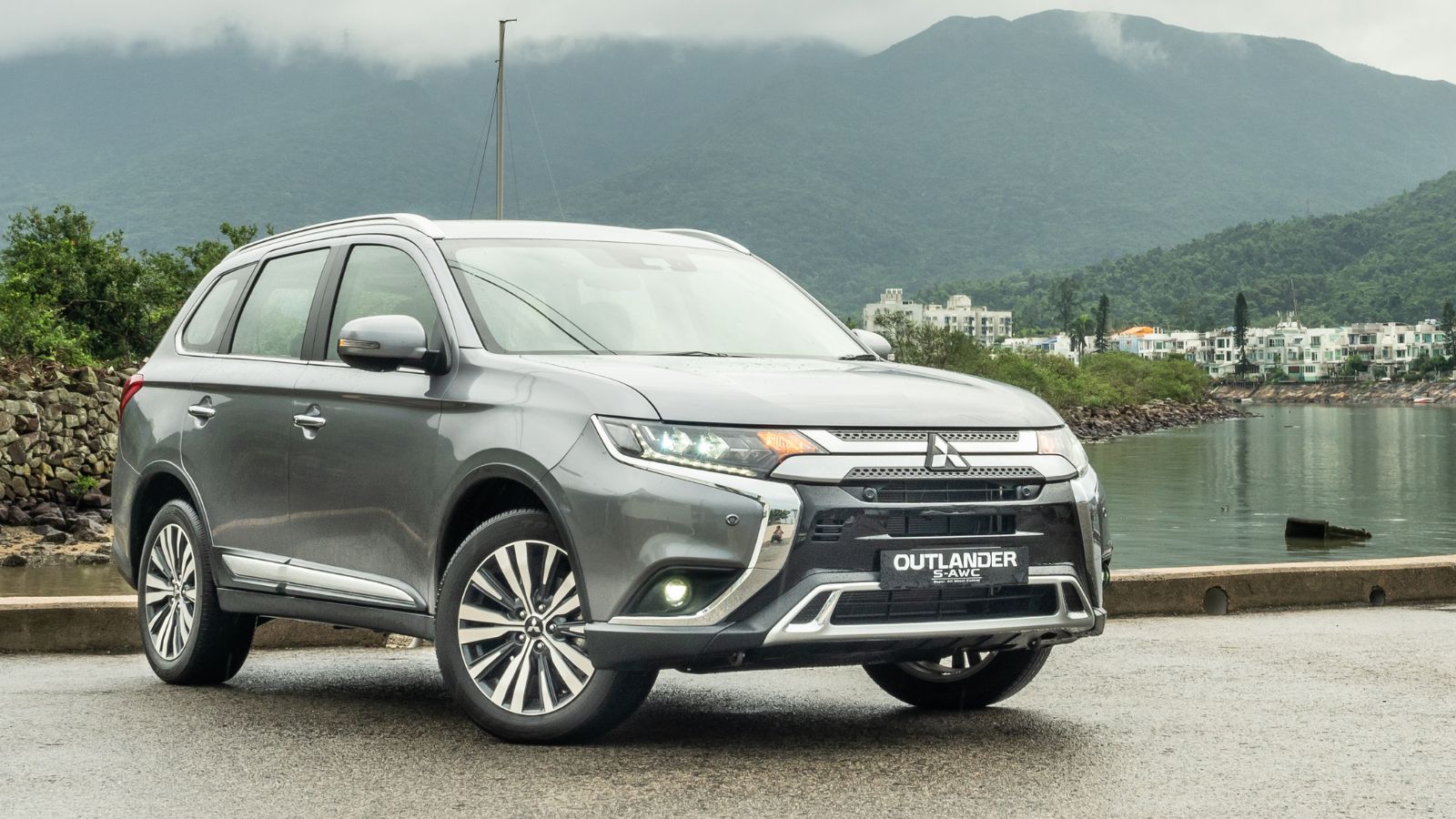
Roof pillars provide structural support, but they also create areas that cannot be seen directly from the driver’s position. Thick A-pillars can hide pedestrians, bollards, and approaching vehicles near the front corners. Wide rear pillars and a high beltline can conceal low walls, shopping carts, motorcycles, and neighbouring bumpers during reversing.
The Insurance Institute for Highway Safety has been developing methods to map these blind zones around passenger vehicles. In one recent analysis, the average driver-side blind zone blocked approximately 27 percent of the area to the front and left for a driver of average height. Larger blind zones were also associated with greater pedestrian risk during left turns. Parking occurs at much lower speeds, but the visibility problem remains relevant. A concrete pillar can disappear behind a structural pillar at precisely the wrong moment, forcing the driver to lean forward, move their head, check several viewpoints, and advance in smaller increments.
A Tall or Long Hood
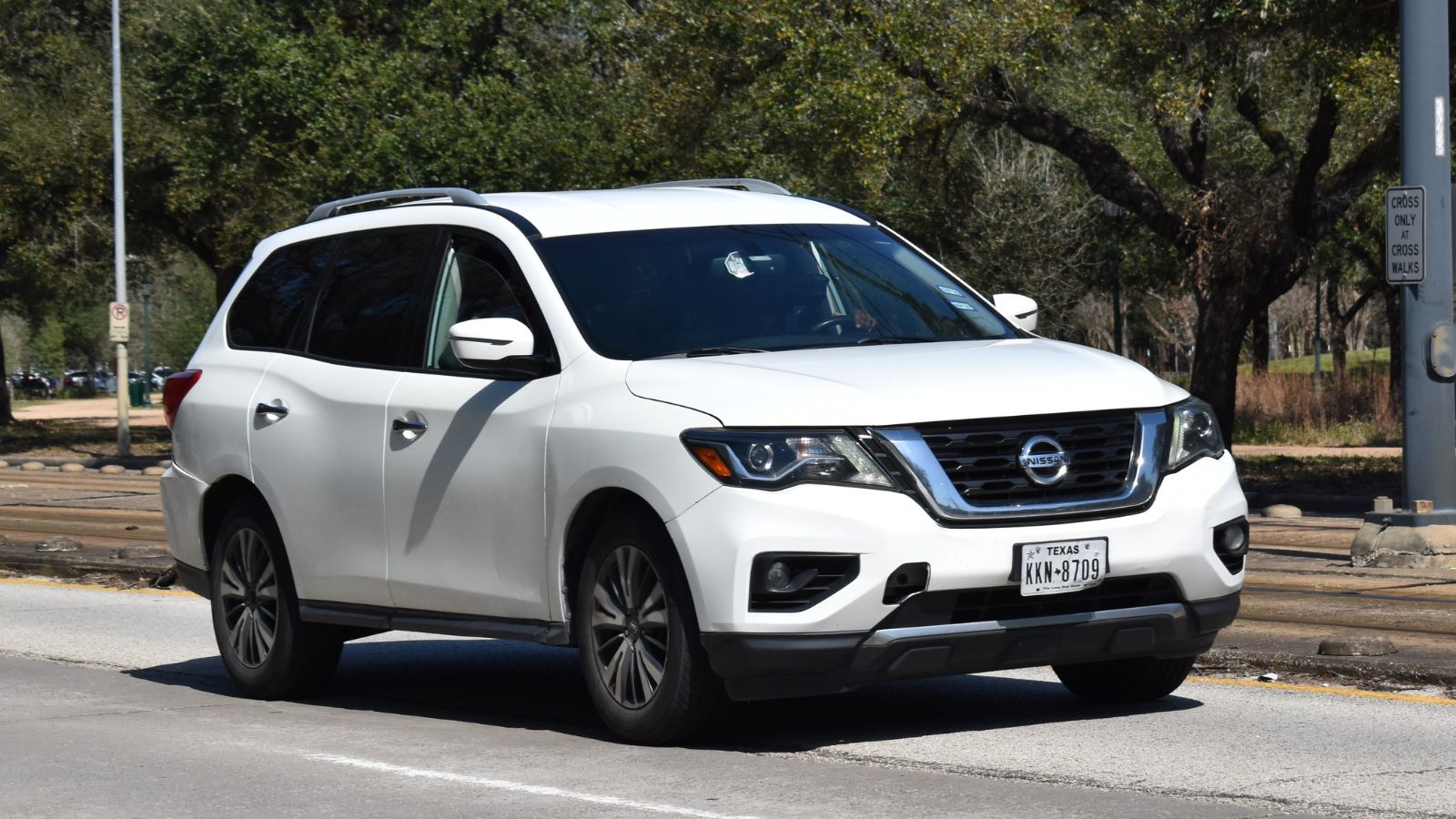
A tall hood can make a vehicle feel commanding in traffic while making its immediate surroundings harder to judge. When the driver cannot see where the front bodywork begins, estimating the remaining distance to a wall, curb, parked car, or garage cabinet becomes an exercise in memory rather than direct observation.
IIHS research has found that higher hoods can enlarge forward blind zones, particularly around SUVs and pickups. Its visibility work has examined the area within 10 metres of a vehicle because blind zones are especially important at low speeds. During parking, the nearest metre matters most. A child’s bicycle, short bollard, planter, or low sports car may disappear below the hood line long before the bumper reaches it. Front cameras and sensors help, but they do not always restore the natural confidence created by being able to see the pavement and front corners directly. Drivers may stop unnecessarily early—or discover that they stopped too late.
A Small or Steeply Raked Rear Window

A sloping roofline can make an ordinary vehicle appear sportier, but it often reduces the size and usefulness of the rear window. Large rear head restraints, thick roof pillars, spoilers, and high cargo floors can restrict the view further. The result is a narrow visual opening that provides little information about objects close to the bumper.
Research comparing mirrors, direct glances, cameras, and parking sensors found that backup cameras combined with sensors reduced measured rear blind zones by about 90 percent on average. That is a major improvement, but it also demonstrates how extensive those blind zones can be without technology. A driver backing a stylish coupe-like crossover into a dark garage may see the doorway but not the vehicle’s rear corners. When rain, glare, dirt, or a delayed display weakens the camera image, the limited rear glass becomes much more noticeable, and a supposedly sophisticated car can suddenly feel dependent on guesswork.
Long Front and Rear Overhangs
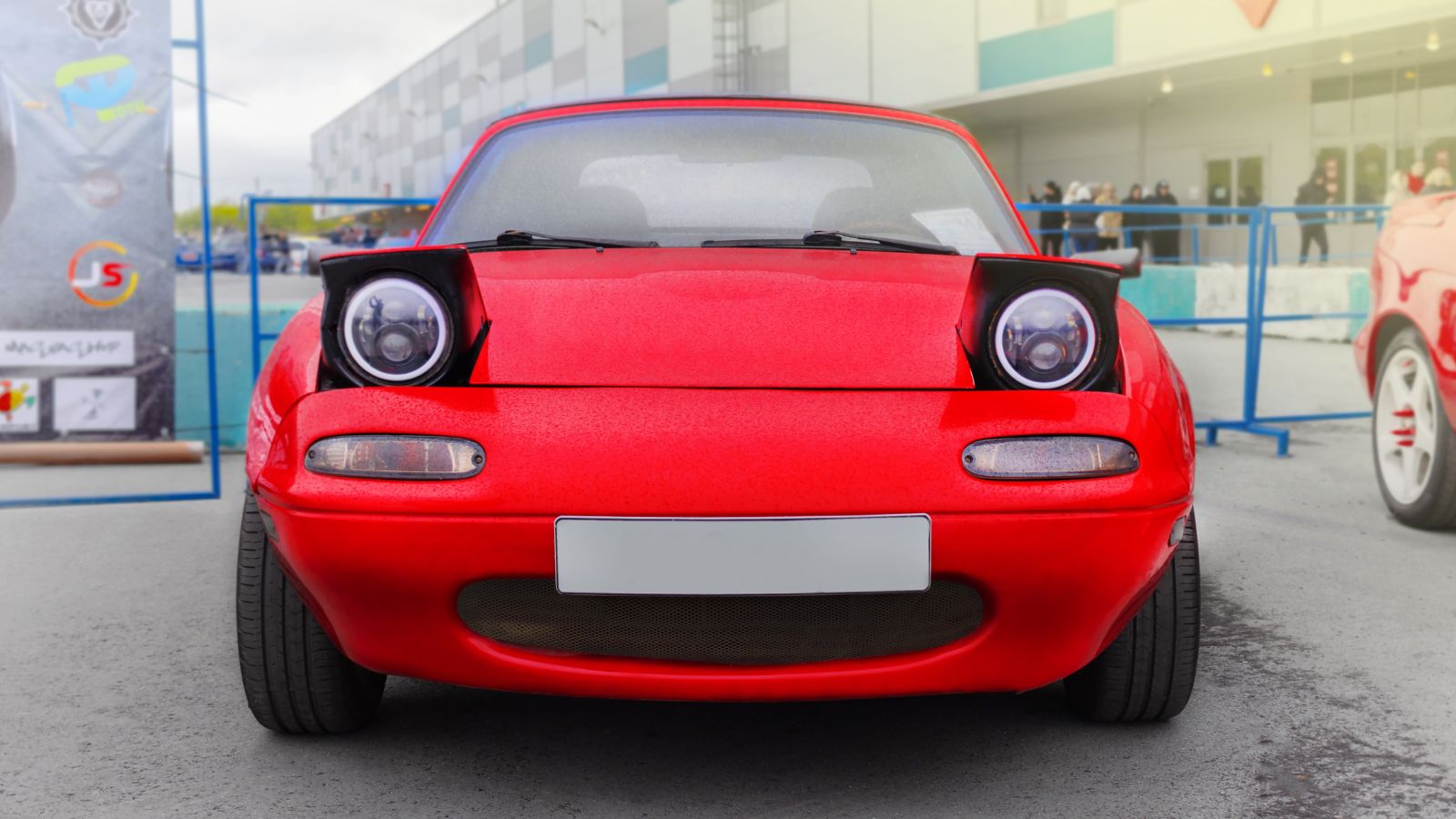
Overhang is the portion of a vehicle extending beyond its axles. Long overhangs make the body sweep through a larger area than the tire paths alone might suggest. The front corner swings outward during reversing, while the rear corner can move sideways as the vehicle turns into or out of a space.
Engineers describe the full area occupied during a turn as the vehicle’s swept path. Its outer boundary is influenced by the front bodywork, while the inner boundary is closely related to the path of the rear wheel. This geometry explains a common parking surprise: the tires may clear a pillar while the bumper does not. A driver reversing out of a tight space may focus on the rear camera and forget that the front fender is moving toward the neighbouring car. Vehicles with short wheelbases but exaggerated bumpers can therefore be harder to place than their cabin dimensions imply, especially in garages lined with columns.
Oversized Wheels and Low-Profile Tires
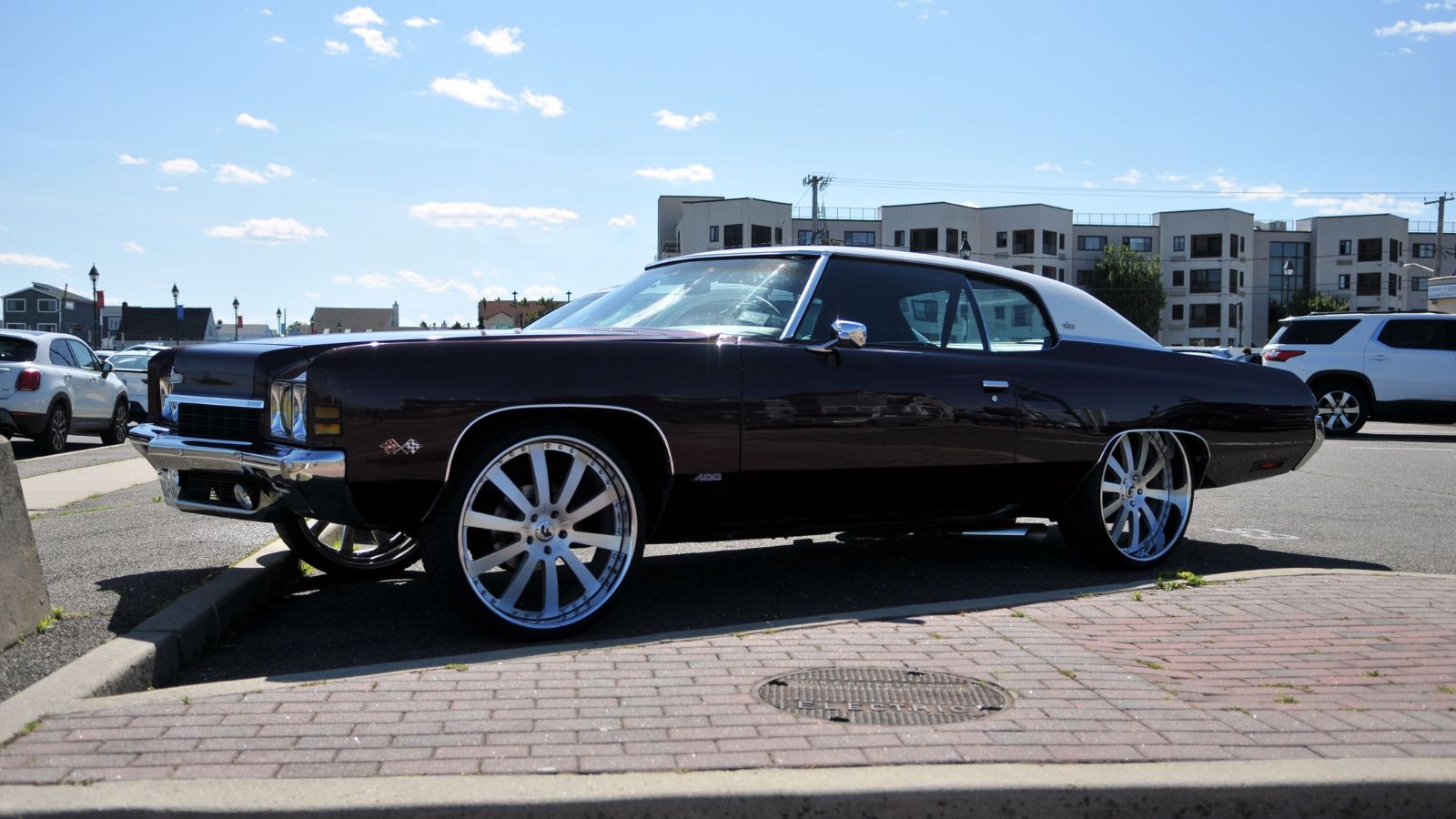
Large alloy wheels can transform a vehicle’s appearance, but they may also make parking more stressful. Low-profile tires have less sidewall height between the road and the wheel rim. When the vehicle approaches a curb, there is less rubber projecting outward to provide a visual or physical buffer before the alloy makes contact.
AAA has warned that low-profile tires provide less tire and air cushioning between the wheel and a road impact, making wheels and tires more vulnerable to damage from hazards such as potholes. Curbs present a different type of impact, but the lack of sidewall protection remains relevant. A minor scrape that would leave a taller tire with little visible damage can mark an expensive alloy wheel or cut the sidewall of a low-profile tire. Drivers who know the replacement cost may park farther from the curb, repeatedly readjust, or avoid narrow parallel spaces altogether. The hardware may fit, but the financial anxiety makes the manoeuvre feel tighter.
Wide Tires That Resist Low-Speed Steering
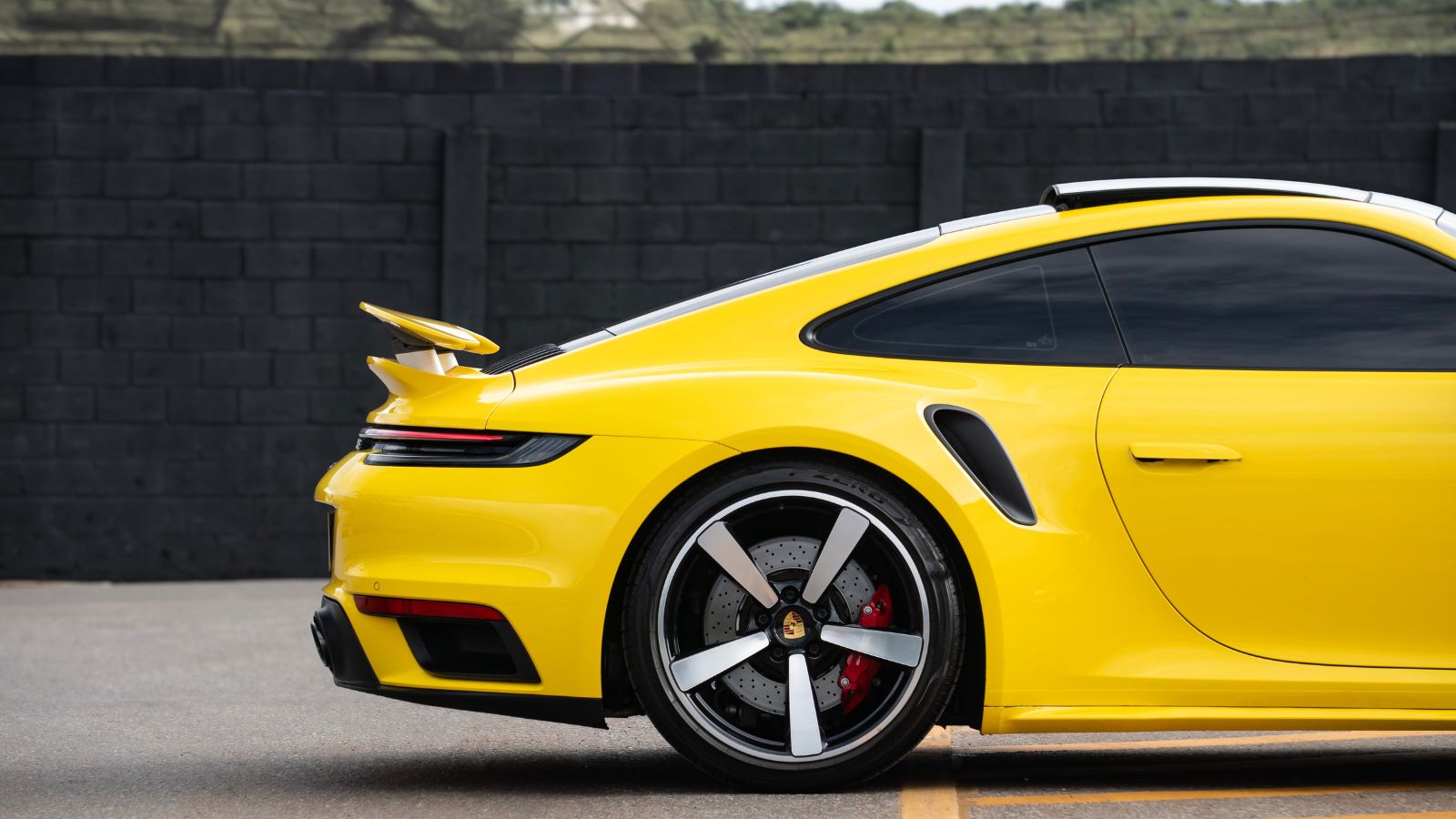
Wide tires can improve grip and give a vehicle a planted appearance, but they also create a larger contact patch that must twist against the pavement during very slow manoeuvres. The effect is strongest when the vehicle is stationary or barely moving, which is exactly when parking requires large steering inputs.
SAE research has examined how tire size and inflation pressure influence static steering effort. Tire scrub torque is an important part of the resistance felt while turning the wheels at parking speeds. Modern power steering usually masks much of that effort, but the vehicle may still feel heavy, reluctant, or rubbery near full lock. Wide performance tires can also produce noticeable hopping or scrubbing on smooth concrete, especially in cold weather. A driver may assume something is wrong when the tires shudder during a tight garage turn. In reality, the combination of tire width, steering geometry, surface friction, and low speed can make precise positioning feel less natural.
Limited Steering Lock
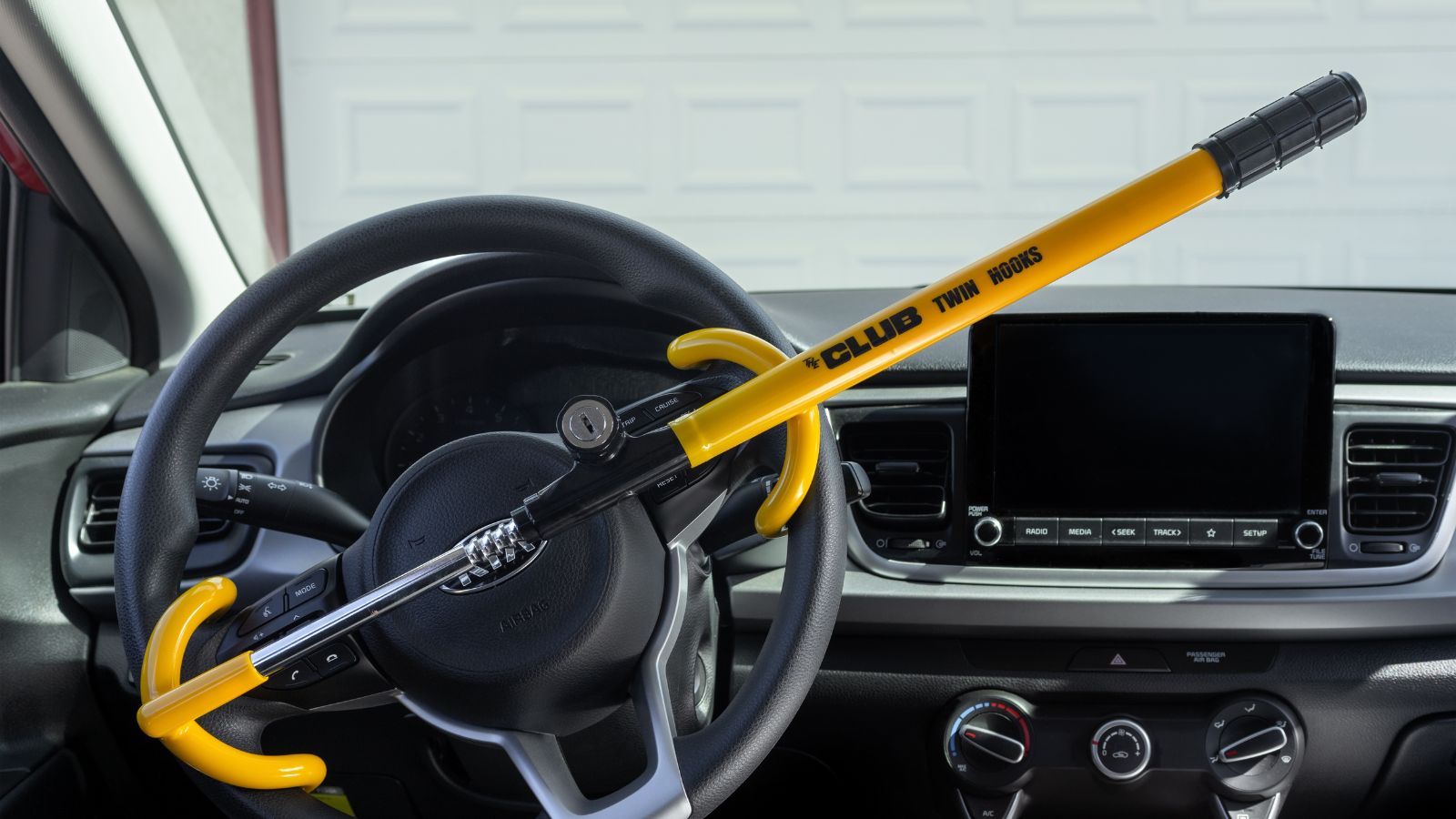
A car’s steering wheel can rotate dramatically without guaranteeing that its road wheels achieve an equally useful angle. Suspension layout, wheel width, drivetrain components, and body packaging can restrict how far the front tires turn. Even a relatively short vehicle may need a surprisingly large circle if its maximum steering lock is limited.
Turning-circle diameter depends partly on the available wheel-lock angle. Vehicles with generous steering lock can pivot into a space with fewer adjustments, while those with limited lock may require a wider starting position. Performance models are sometimes challenging because large wheels, wide tires, brakes, and suspension components compete for space inside the wheel arches. The difference becomes obvious in a crowded garage: one car enters the bay with a single sweep, while another needs to reverse and approach again. Drivers often adapt by turning sooner, but the vehicle may continue to feel unexpectedly cumbersome whenever the aisle is too narrow to provide an ideal entry angle.
Mirrors That Create Their Own Blind Areas
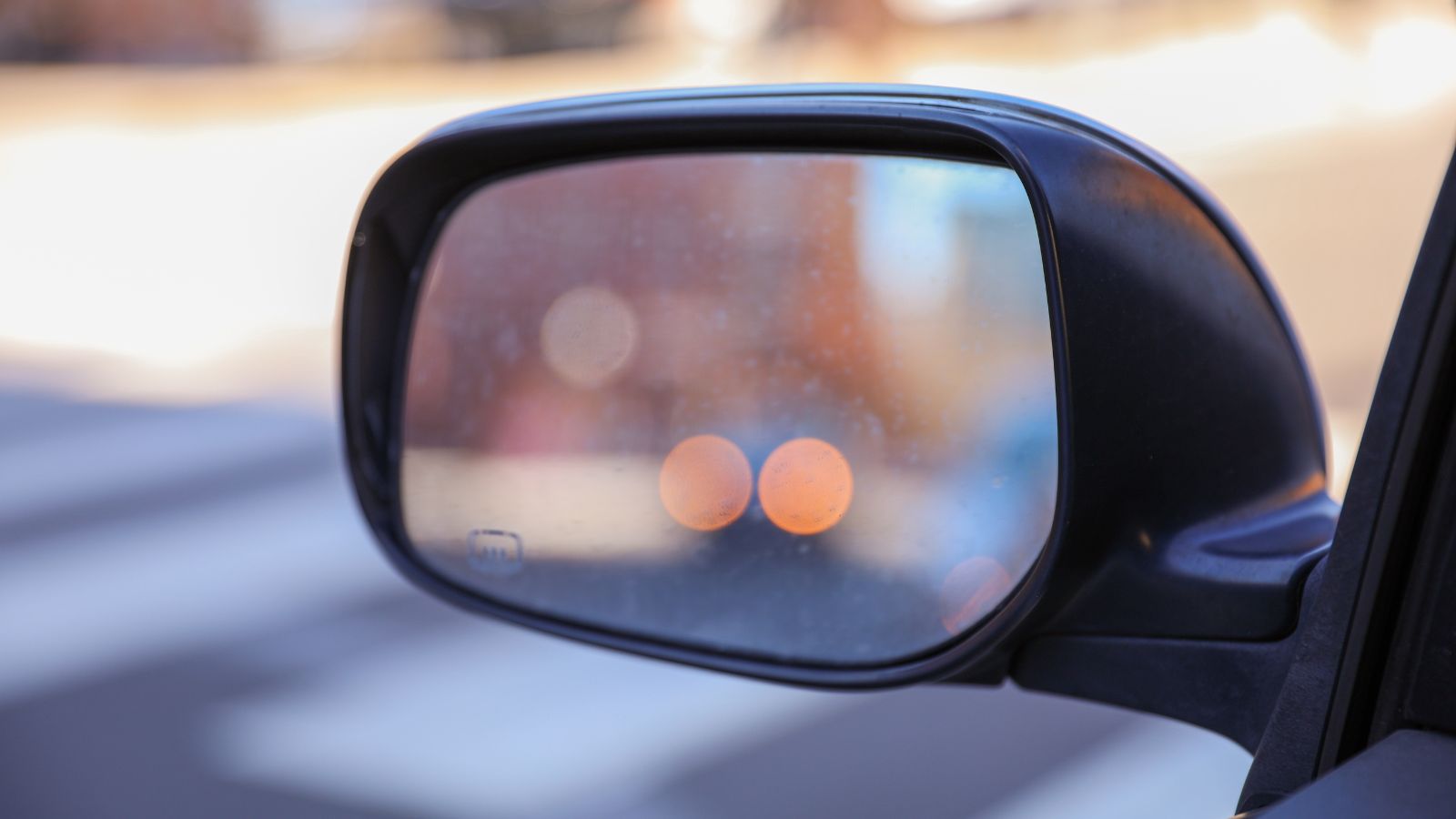
Side mirrors are essential during parking, particularly for tracking painted lines, curbs, pillars, and neighbouring vehicles. Their size and position, however, can also block part of the direct view through the side windows. Large housings may conceal objects near the front corners, while small mirrors may provide too little coverage behind the vehicle.
IIHS visibility research has identified larger side mirrors as one contributor to growing blind zones around the front corners of some vehicles. Manufacturers face a genuine compromise: a mirror must provide an adequate rearward field of view without becoming so large that it obstructs the forward scene. Mirror adjustment adds another complication. Angling them outward reduces driving blind spots, but some drivers prefer seeing the side of the car while parking. A vehicle without automatic mirror dipping may require a compromise between highway coverage and curb visibility. That repeated need to adjust, lean, or interpret incomplete reflections can make an otherwise manageable car harder to position accurately.
A Camera View That Distorts Distance
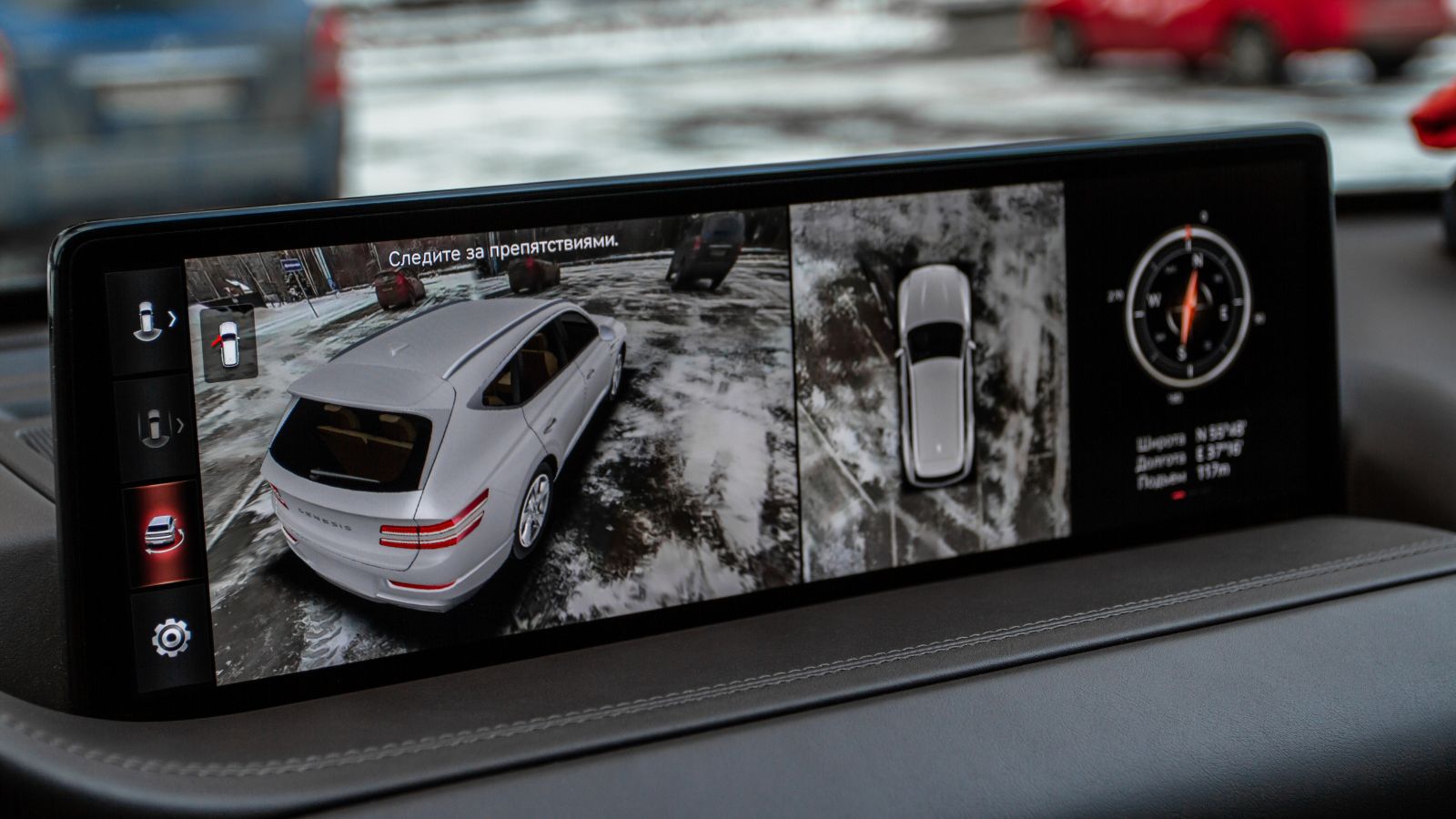
Wide-angle cameras show more of the area surrounding a vehicle, but they alter shapes and distances to fit that information on a small screen. Objects near the edges may appear stretched or curved, while obstacles can look farther away than expected. Dynamic guidelines help, although drivers must still understand what the lines represent.
NHTSA has studied rearview image field of view, image quality, and the distance cues provided by camera systems. Research on camera-based and convex rear-vision systems has also examined how image size and field of view influence perceived distance. The practical problem appears when a driver switches vehicles. A red guideline that indicates a comfortable margin in one model may represent a much smaller distance in another. Bird’s-eye systems stitch several fisheye images together, sometimes producing seams or distorted objects near the vehicle. A post, motorcycle, or shopping cart can appear strangely shaped, requiring direct visual confirmation rather than blind trust in the display.
Sensors Blocked by Weather or Dirt
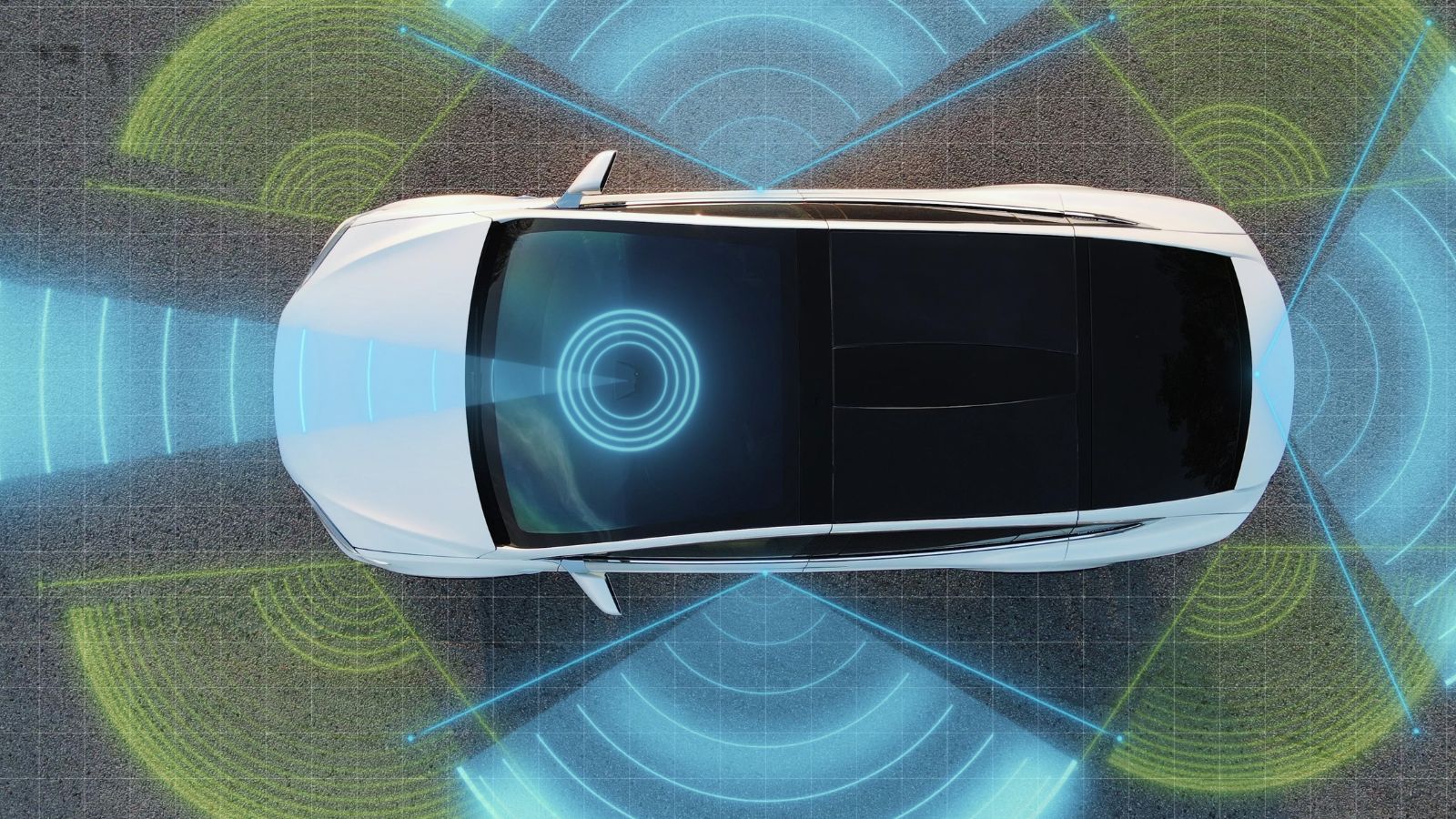
Parking sensors are easy to take for granted until they begin sounding continuously—or stop responding. Ultrasonic sensors are usually mounted in exposed bumper locations where road salt, mud, snow, ice, rainwater, and wax residue can interfere with operation. Cameras are similarly vulnerable to droplets, grime, glare, and condensation.
Vehicle manufacturers explicitly warn about these limitations. Owner manuals commonly state that snow, ice, water, or foreign material covering a sensor can reduce performance or produce warnings. Heavy rain, fog, extreme temperatures, and slippery surfaces may also cause some automated parking functions to cancel. The timing can be frustrating because assistance is often needed most in poor conditions. A driver entering a slushy underground garage may face dirty cameras, blocked sensors, wet mirrors, and faded lines simultaneously. Cleaning the equipment can restore performance, but it does not help when the driver has already committed to a narrow ramp or partially entered a confined space.
Abrupt Throttle or Brake Calibration
Parking depends on moving only a few centimetres at a time. A vehicle that responds too sharply to the accelerator, releases its brakes suddenly, or has an overly sensitive pedal can be difficult to control smoothly. The problem is not necessarily excessive power; it is how progressively that power and braking force are delivered.
Research into low-speed vehicle control treats parking as a demanding longitudinal-control problem. At very low speeds, drivetrain behaviour, brake actuation, slope, rolling resistance, and control software interact in ways that are less predictable than steady cruising. Electric brake boosters can even change pedal feel through software calibration. Consider a driver inching toward a garage wall: a gentle pedal movement may initially produce no response, followed by a noticeable surge once resistance is overcome. Another vehicle may stop abruptly with a light brake touch. These characteristics can be learned, but they make the first days of ownership more tense and can remain irritating in steep, crowded, or slippery parking areas.
Unfamiliar One-Pedal or Hold Behaviour
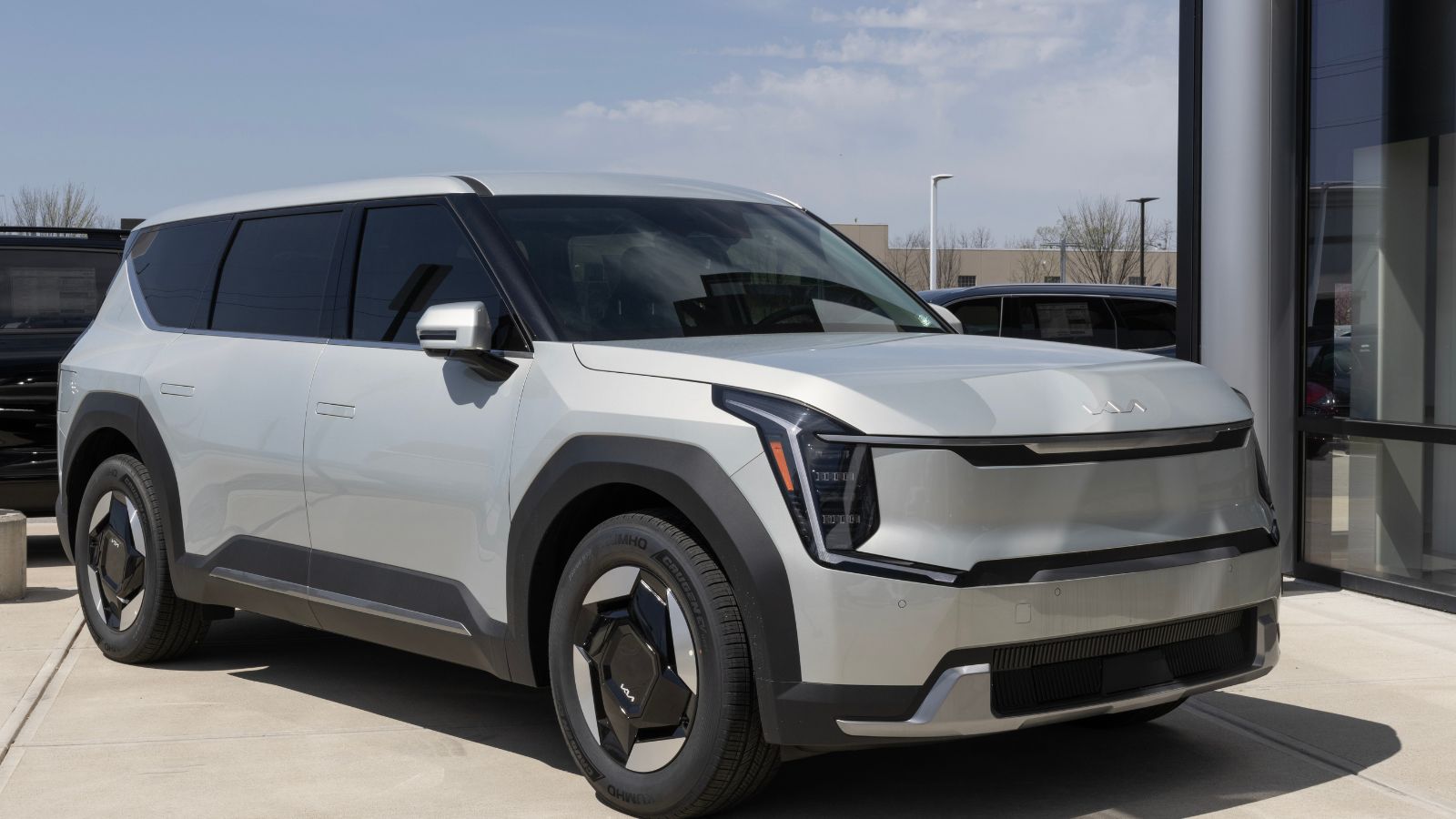
Electric and hybrid vehicles can behave differently when the accelerator is released. Strong regenerative braking may slow the car immediately, while a conventional automatic may continue creeping. Auto-hold systems can keep the brakes applied until the accelerator is pressed, creating a small but noticeable transition from stationary to moving.
The details vary between manufacturers and sometimes between driving modes. Certain one-pedal systems work in both drive and reverse, while others reduce regeneration or turn the feature off when reverse is selected. Chevrolet recommends practising one-pedal driving in an empty parking lot before relying on it in normal traffic. That advice is particularly relevant to parking, where drivers must reverse, stop, change direction, and approach obstacles repeatedly. Someone accustomed to controlling speed by easing off the brake may initially find accelerator-based inching unnatural. Switching regularly between vehicles can add another layer of confusion because the same pedal release may cause one car to coast, another to slow sharply, and a third to stop completely.
An Unfamiliar Electronic Gear Selector
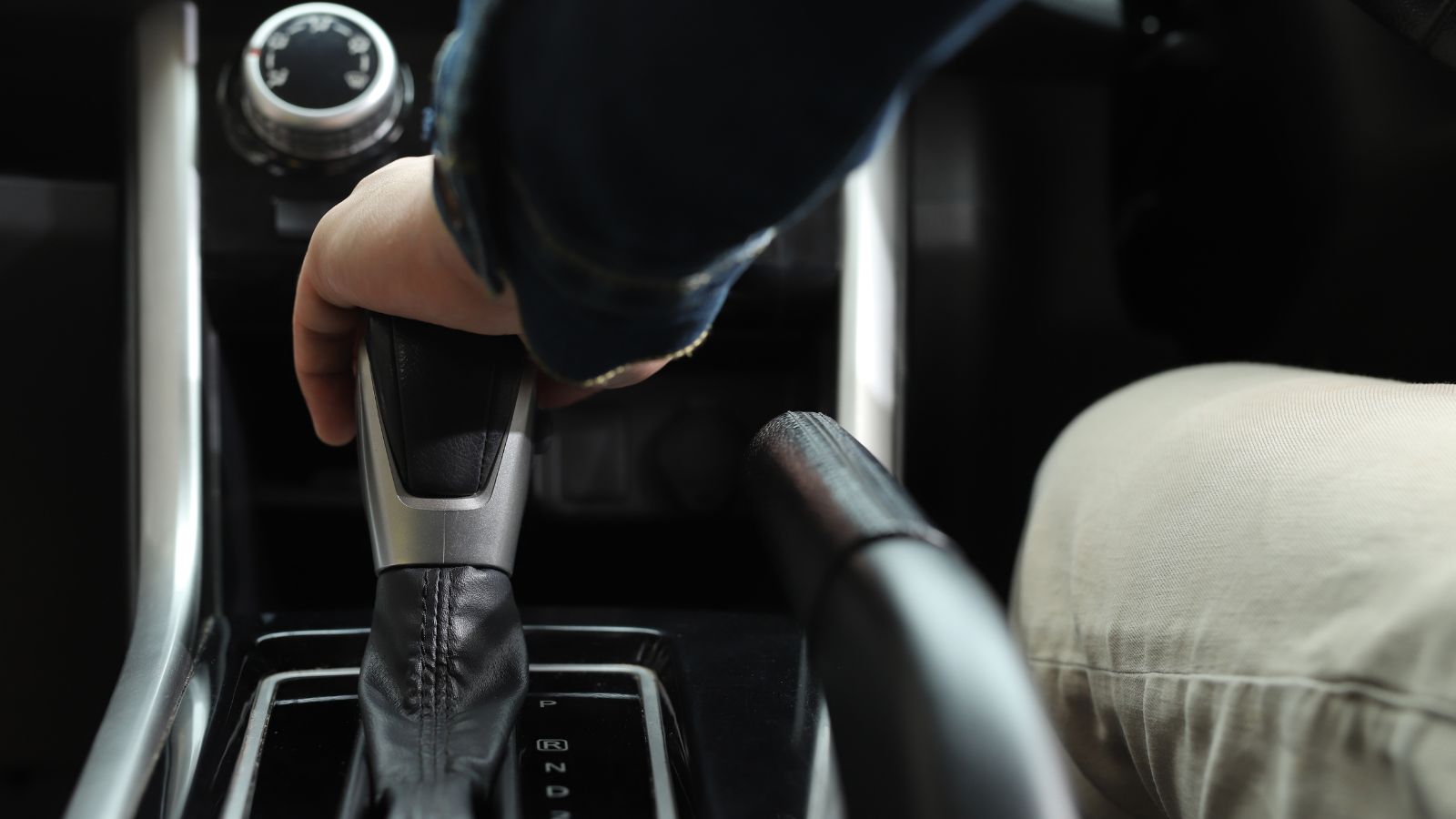
Traditional gear levers usually move into a fixed position corresponding to park, reverse, neutral, or drive. Electronic selectors can use buttons, rotary dials, steering-column stalks, small joysticks, or touchscreen controls. Some return to a central position after every command, removing the physical cue that once showed which gear was engaged.
NHTSA’s transmission-control standards address shift sequences, displays, starter interlocks, and park engagement, but compliant designs can still feel very different. A driver renting an unfamiliar vehicle may need to look down simply to find reverse. The difficulty becomes more important during multi-point parking, when rapid but deliberate changes between drive and reverse are required. An unusual selector near the audio controls can invite hesitation, while an unclear display may force repeated checks. The vehicle may be mechanically easy to manoeuvre, yet the interface interrupts the rhythm of the task. Every pause increases pressure when traffic is waiting or another driver is watching.
Parking Assistance That Cannot Read Every Space
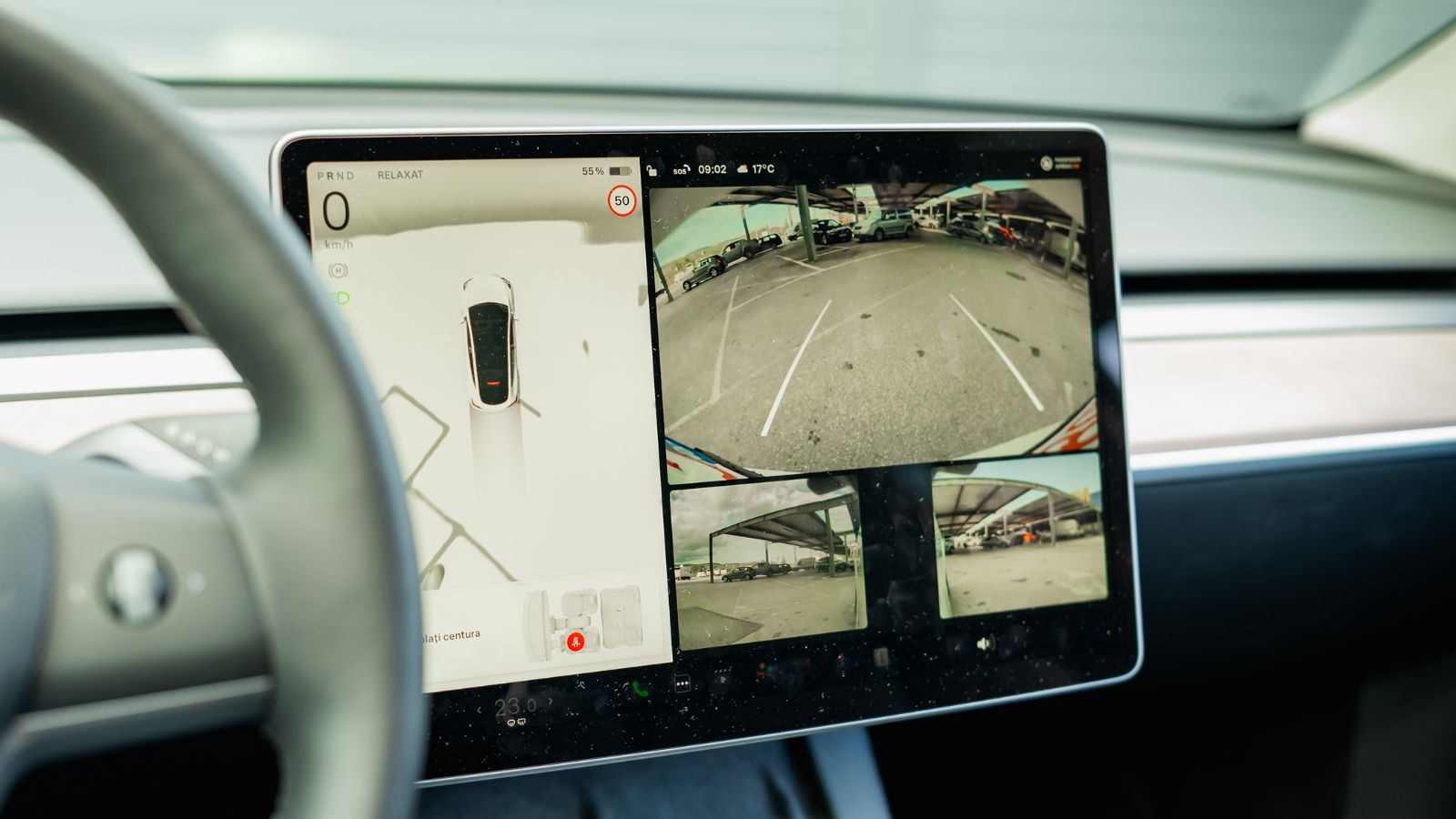
Automated parking systems can steer accurately in clearly marked, predictable spaces. Real parking areas are rarely that cooperative. Faded markings, narrow pillars, irregular curbs, trailers, shopping carts, bicycles, gravel, snowbanks, and partially occupied bays can create situations the system was not designed to interpret.
Manufacturer instructions openly describe these boundaries. Some remote parking systems may perform poorly or cancel near narrow pillars, uneven ground, slippery surfaces, pebbles, walls, or obstacles surrounding the target space. Driver-assistance research has also found widespread uncertainty about what automated features can safely accomplish. The technology may identify a large parallel space while ignoring a smaller one that an experienced driver could use, or it may begin a manoeuvre and then request intervention. That handoff can be more stressful than parking manually because the driver must quickly understand the vehicle’s position and intended path. Assistance is valuable, but it does not eliminate the need to monitor every corner.
A Driving Position That Does Not Fit the Driver

Parking visibility changes with the driver’s eye height, seat position, posture, and distance from the controls. A short driver sitting low may struggle to see the front corners or pavement near the hood. A tall driver sitting high may find the rearview mirror, roof edge, or pillars blocking important parts of the view.
Research into direct visibility shows that eye height and seat position meaningfully change the size and location of vehicle blind zones. NHTSA guidance for older drivers recommends sitting high enough to see the road at least 10 feet in front of the vehicle, while still maintaining a safe relationship with the steering wheel and airbag. The ideal position must also allow full pedal travel and comfortable steering. A vehicle with limited seat-height adjustment may therefore suit one person and frustrate another. During a brief test drive, the seat can feel comfortable; only later does the owner discover that seeing a garage line requires stretching forward or raising the body from the seat.
22 Things Canadians Do to Their Cars in Spring That Mechanics Hate
Spring brings relief to many Canadian drivers after months of snow, freezing temperatures, and icy roads that put serious strain on vehicles. As temperatures rise across the country, drivers begin washing cars, switching tires, and preparing vehicles for warmer weather and upcoming road trips. However, mechanics across Canada notice the same mistakes every spring when drivers attempt to recover from winter damage. Road salt, potholes, and harsh winter driving conditions often leave vehicles with hidden problems that drivers ignore. Some spring habits even create new mechanical issues that could have been avoided with proper maintenance. Here are 22 things Canadians do to their cars in spring that mechanics hate.