

























A vehicle can feel like a perfect fit in the showroom and still become a financial headache a year later. In Canada, that shift often happens when the first big insurance renewal lands, when a set of winter tires is priced out, or when fuel, brakes, and maintenance start matching the size and ambition of the machine.
Some of the country’s most admired vehicles earn that admiration honestly. They are capable, stylish, comfortable, or simply iconic. But ownership is where romance meets reality. These 17 models stand out because Canadians tend to love what they offer at first, then discover that the long-term bills can be far larger than expected.
Ford F-150
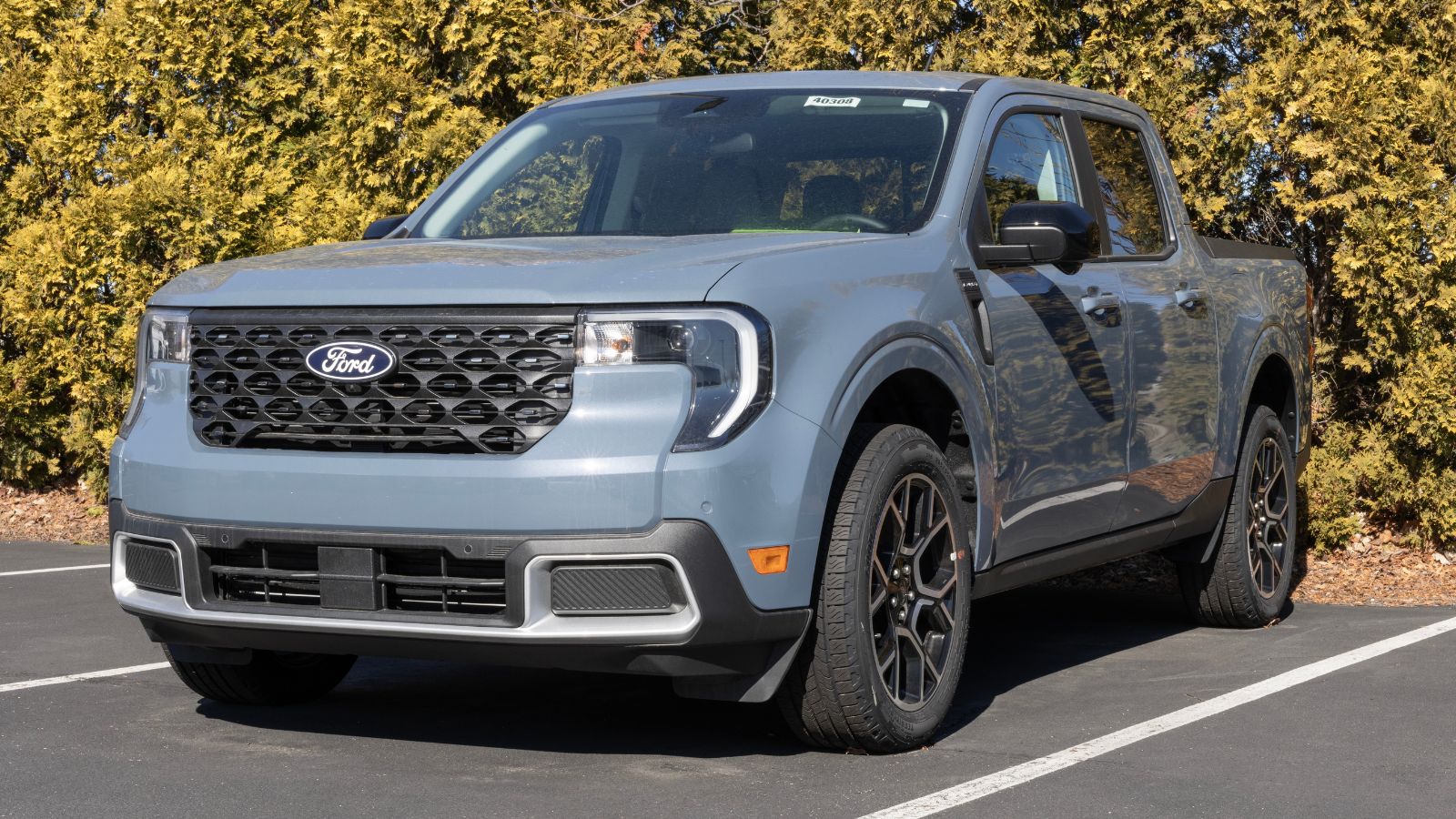
The Ford F-150 stays popular in Canada for obvious reasons. It can tow serious weight, handle winter without drama, swallow renovation supplies, and still serve as a family vehicle. That broad usefulness is exactly why so many owners convince themselves they need one, even when most of its life will be spent commuting, doing school runs, and sitting in parking lots. The trouble begins when the purchase is justified by occasional truck tasks while the ongoing costs are driven by full-time truck ownership. Fuel, larger replacement parts, parking compromises, and higher-priced trims can turn a sensible-seeming decision into a slow monthly drain.
It is not hard to see how that happens. On paper, a pickup feels practical because it can do nearly everything. In practice, many Canadian owners end up paying for towing capacity they rarely use and a footprint that makes every consumable more expensive. A set of truck tires is not cheap, neither are brakes designed for a heavier vehicle, and fuel economy gets painful fast when city driving dominates. Even owners who genuinely use their F-150 often discover that the purchase price was only the opening act. The real cost is in keeping a full-size truck on the road year after year, especially once warranty coverage stops feeling close.
Ram 1500
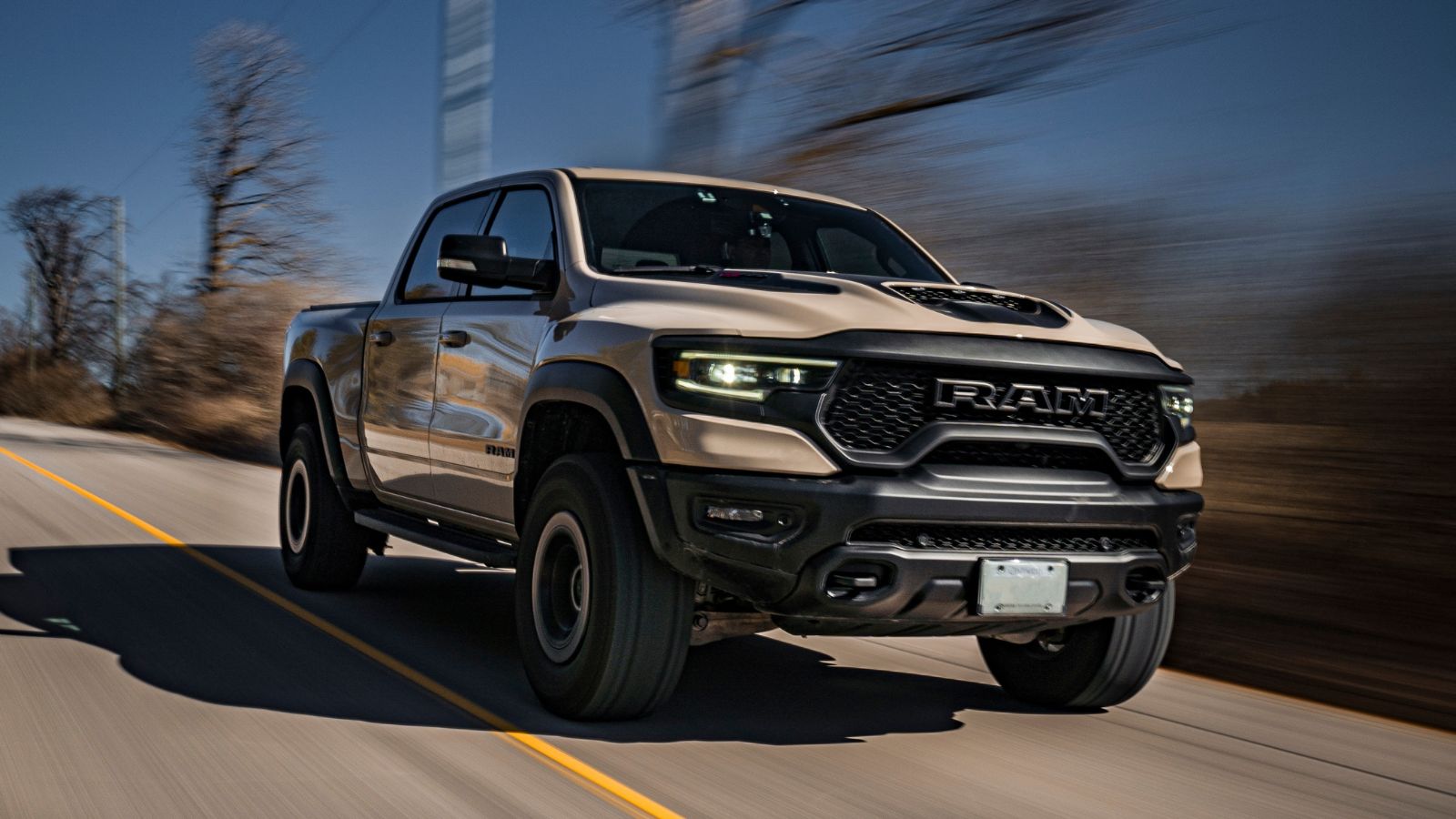
The Ram 1500 has long had a loyal Canadian audience because it does something many trucks struggle with: it feels easy to live with day to day. The cabin can be impressively upscale, the ride is often smoother than buyers expect from a pickup, and higher trims project a kind of quiet luxury that makes the vehicle feel less like a work tool and more like a reward. That is exactly where ownership costs start creeping in. Buyers move up the trim ladder for comfort, better wheels, upgraded tires, and more equipment, then realize they are maintaining a luxury-flavoured truck with truck-sized expenses.
That combination can be costly in ways that never show up clearly on the dealer window sticker. A Canadian family may love the Ram on a highway cottage run, then feel the sting when it needs new all-terrain rubber, pricier brake work, or more fuel than a crossover would have consumed over the same month. Higher trims are particularly good at masking this reality because the cabin feels so polished that the vehicle stops feeling utilitarian. Then the fuel receipts, insurance premiums, and winter setup costs remind the owner what it really is: a full-size pickup with full-size obligations. That is not a problem for every household, but it is a nasty surprise for people who bought the comfort and underestimated the upkeep.
Chevrolet Silverado 1500
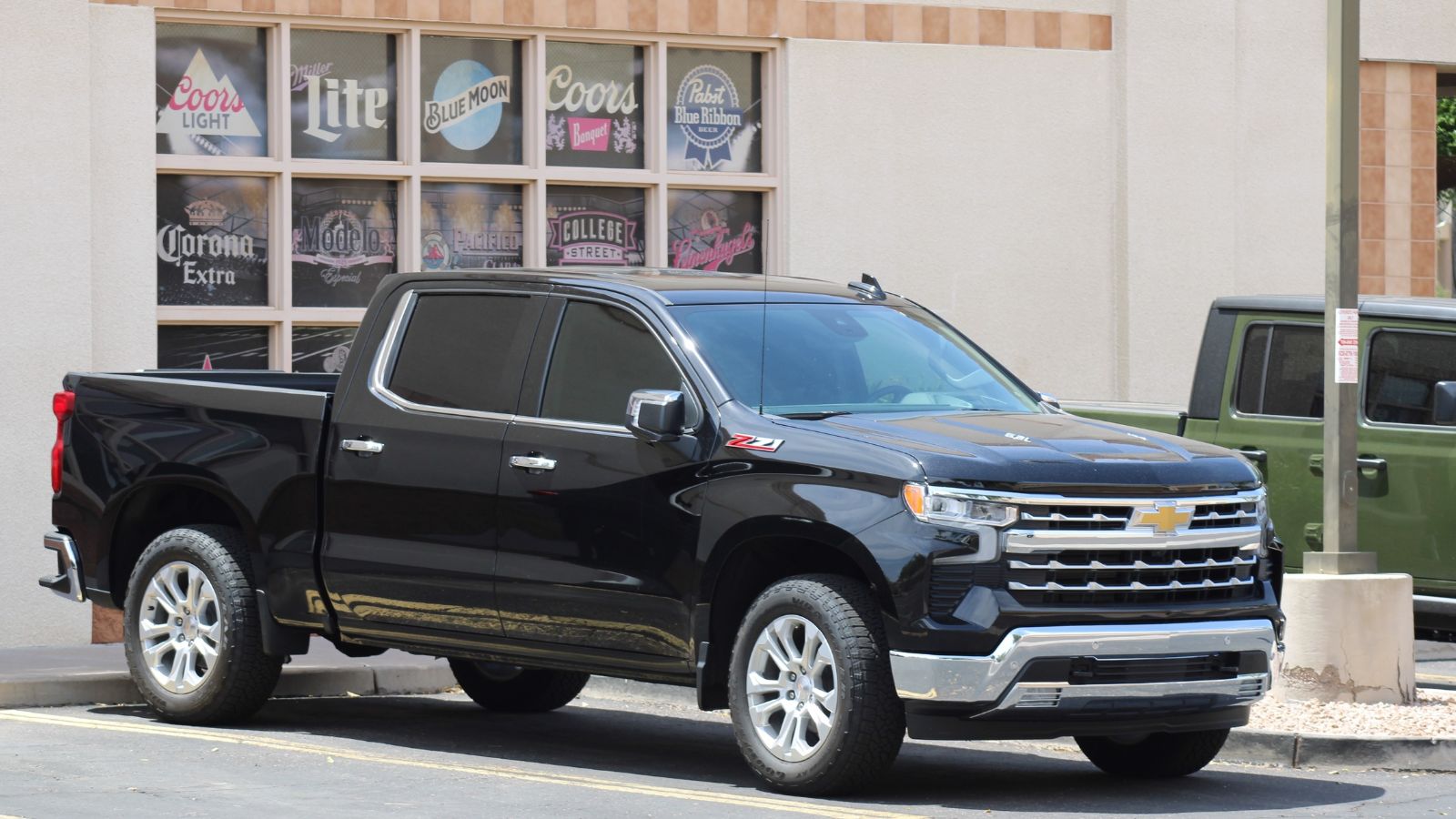
The Silverado 1500 attracts a wide range of Canadian buyers because it can be whatever they need it to be. For some, it is a legitimate work truck. For others, it is a recreational hauler, a snow-friendly daily driver, or the kind of vehicle that simply feels reassuringly solid on rural roads. Chevrolet has been smart about giving the Silverado a broad identity, which is part of why it remains easy to justify. A buyer can point to payload, towing, crew-cab space, or diesel efficiency and feel that the truck makes rational sense. The catch is that almost every version still brings the higher baseline costs of owning a large body-on-frame vehicle.
Those costs usually surface a little at a time. The owner who chose the Silverado for “versatility” may wind up paying extra for tires, parking, brake jobs, and fuel without fully noticing until annual totals are added up. Even the more efficient powertrains do not erase the fact that this is a large, heavy machine built to do big-vehicle tasks. That means wear items are larger, winter prep can be more expensive, and day-to-day errands carry a cost penalty compared with midsize trucks or crossovers. The Silverado is rarely a bad vehicle. It is simply one of those purchases where capability feels thrilling up front and financially heavy once the ownership routine becomes ordinary.
Toyota Tundra
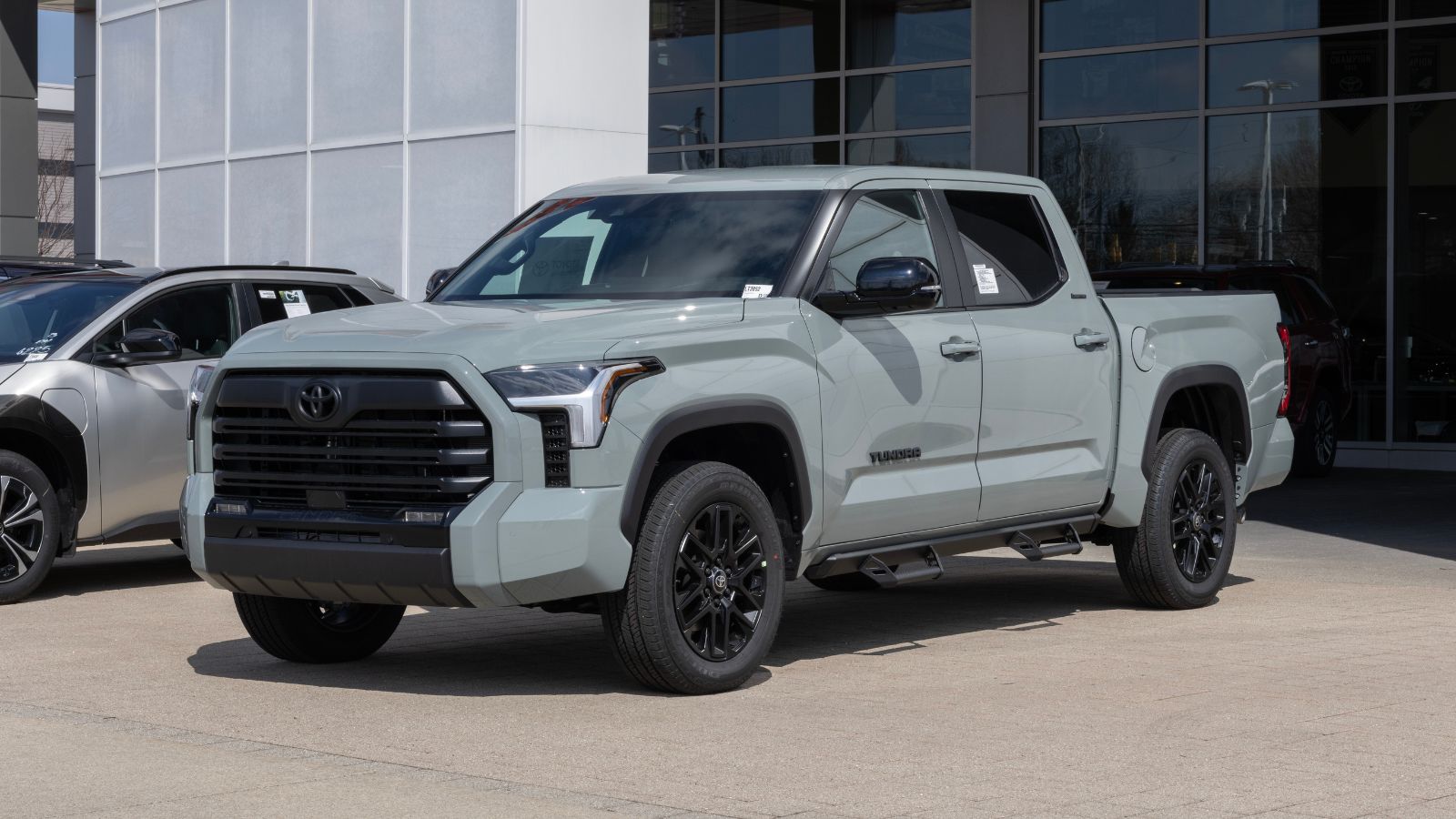
The Toyota Tundra benefits from something powerful in Canada: Toyota trust. Buyers hear Toyota and think durability, strong resale, and fewer unpleasant surprises. That reputation makes the Tundra especially easy to rationalize, because it seems like the dependable answer in a category where long-term confidence matters. The issue is that dependable does not automatically mean cheap to own. A full-size pickup still asks owners to feed a large, heavy truck every day, and the Tundra’s appeal can hide that reality behind a badge associated with sensible choices. Many owners feel they bought the safe option, then discover they also bought the fuel appetite and consumable costs of a big half-ton.
That is where the emotional math changes. A driver may love the commanding view, winter-road security, and the peace of mind that comes with Toyota engineering, but those strengths do not make tires smaller or fuel cheaper. A truck like the Tundra can look like a one-vehicle solution for work, camping, and family life, yet a lot of Canadian households use it for surprisingly ordinary routines. When that happens, the ownership burden becomes clearer. Even before repairs enter the picture, routine expenses build quickly because everything is scaled up. The Tundra remains attractive precisely because it feels like a smart, sturdy long-term buy. It just turns out that sturdy can also be expensive.
Jeep Wrangler
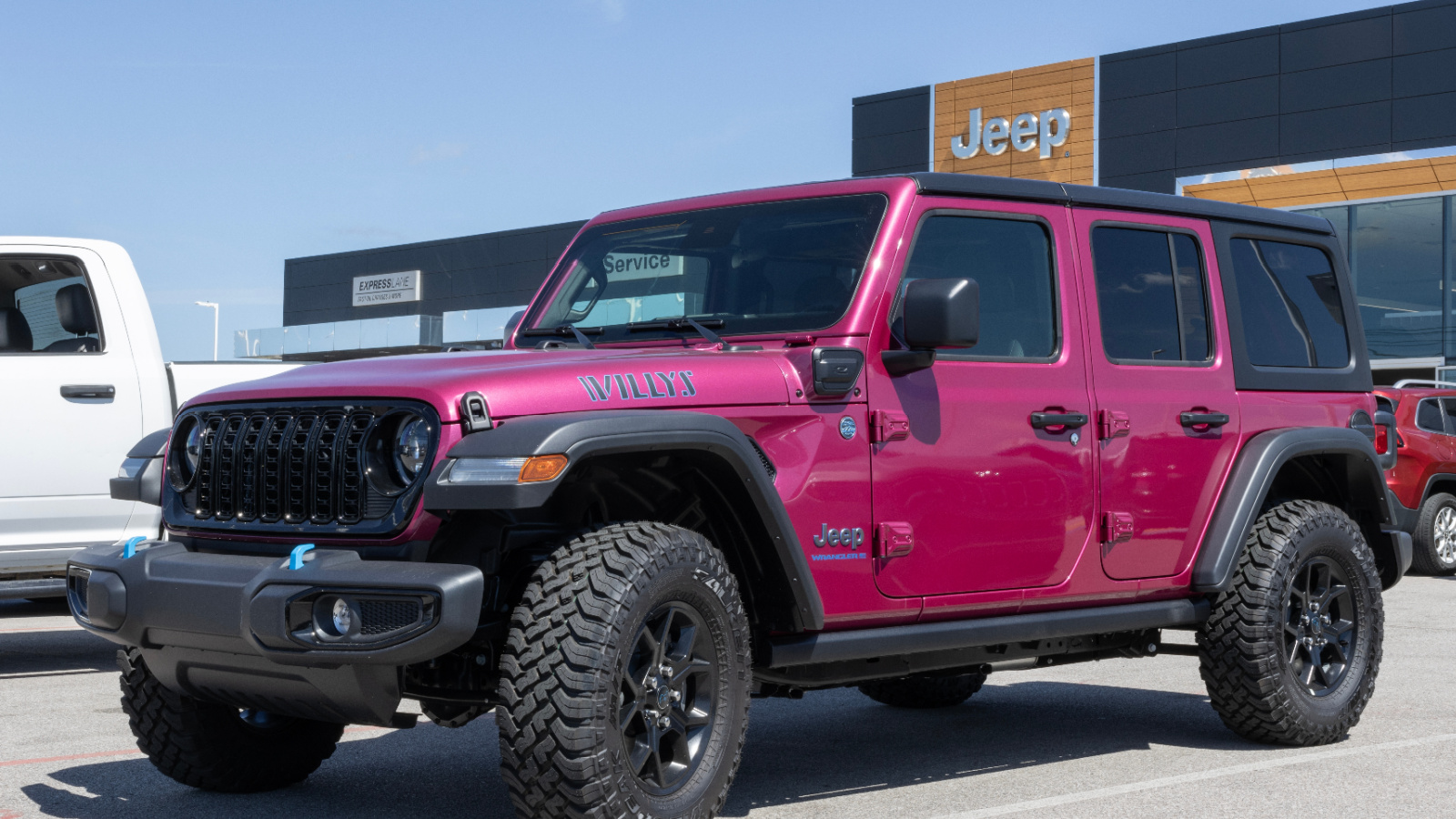
Few vehicles sell an idea as well as the Jeep Wrangler. It promises adventure even when it is parked at the grocery store. In Canada, that matters. The Wrangler looks right at a ski hill, at a cottage, or on a muddy road north of the city, and buyers often fall for the sense that it can turn ordinary weekends into something bigger. The trouble is that the Wrangler’s charm is tied directly to the hardware that makes it expensive to own. It is shaped for trail credibility, not efficiency. The removable roof and doors are fun until weather sealing, accessories, and storage become part of the conversation. Big tires, thirsty drivetrains, and rugged suspension components rarely age cheaply.
A lot of owners do not truly regret buying one. They regret underestimating what it means to live with one full time. The highway noise, the fuel use, and the constant temptation to add off-road gear all become part of the financial story. A Wrangler can start as a lifestyle purchase and quietly morph into a hobby, and hobbies are expensive. One owner might begin with a stock model and end up pricing all-terrain tires, side steps, roof solutions, and upgraded wheels within a year. Another might barely leave paved roads but still pay the premium imposed by the Wrangler’s specialized design. That is the paradox: its most lovable qualities are often the same ones that make long-term ownership feel costly.
Ford Bronco
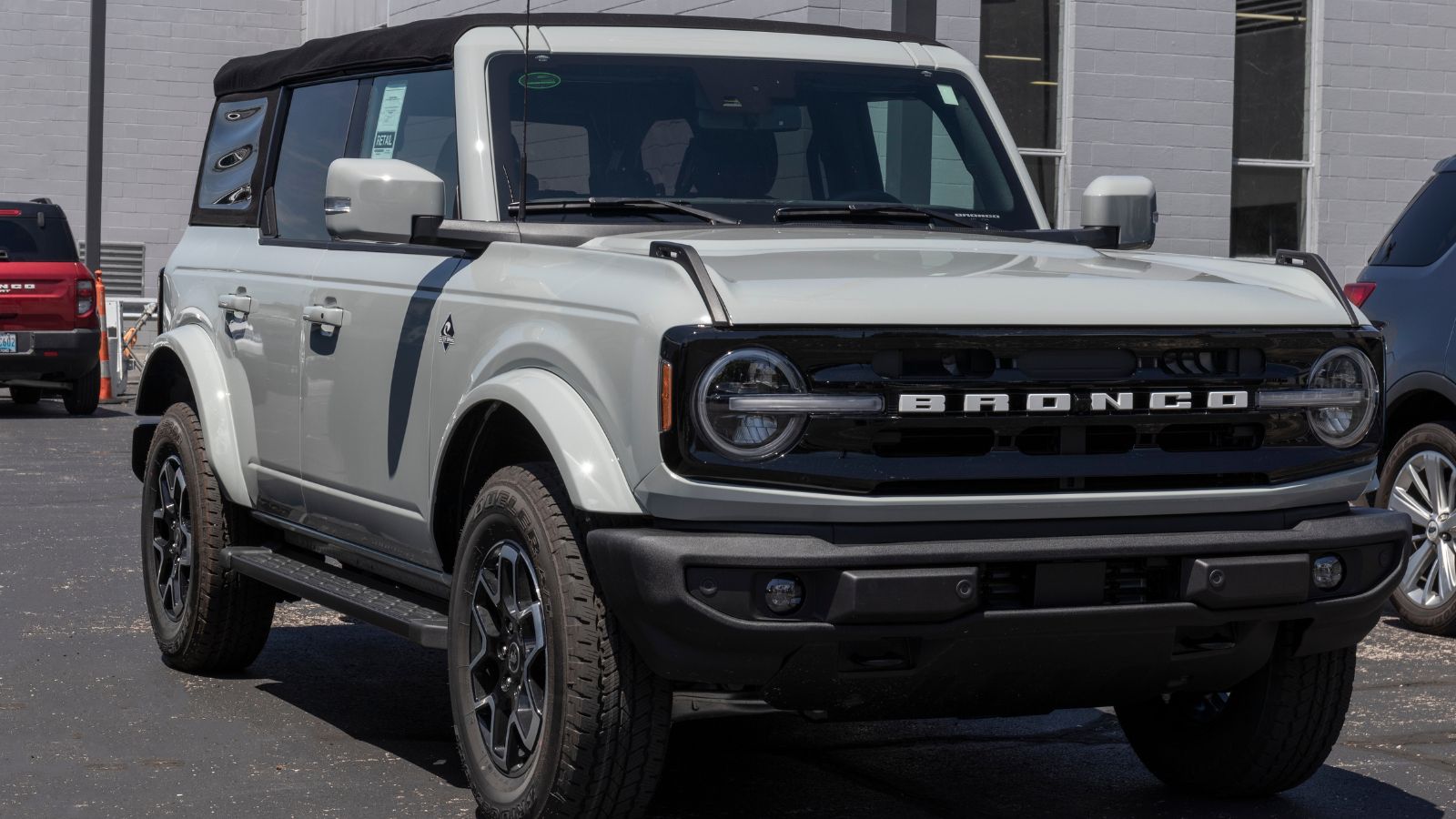
The Ford Bronco has been one of the easiest vehicles in Canada to want and one of the easiest to underestimate financially. Its styling is nostalgic without feeling old, its trim range makes room for both real off-roaders and image-conscious suburban buyers, and its whole personality suggests freedom, weather, and escape. That broad appeal is exactly why it can catch owners off guard. Many buyers are not just purchasing transportation; they are buying into a persona. Once that happens, cost discipline tends to disappear. Bigger tires, desirable packages, roof accessories, and rugged trims start to feel essential rather than optional, and the monthly spend goes well beyond the original payment.
Ownership costs also rise because the Bronco is not pretending to be an efficiency-first family crossover. Some versions are notably thirsty, and the more capable trims make fewer compromises in the name of cheap commuting. That is great for trail performance and visual presence, but not for a household budget already carrying insurance, winter driving expenses, and routine maintenance. The Bronco is especially dangerous for buyers who tell themselves they are choosing practicality because it has four doors and cargo room. It does those things well enough, but it is still a specialized machine at heart. In Canada, where winter, recreation, and image all matter, that mix can be irresistible right up until the ongoing bills arrive.
Toyota 4Runner
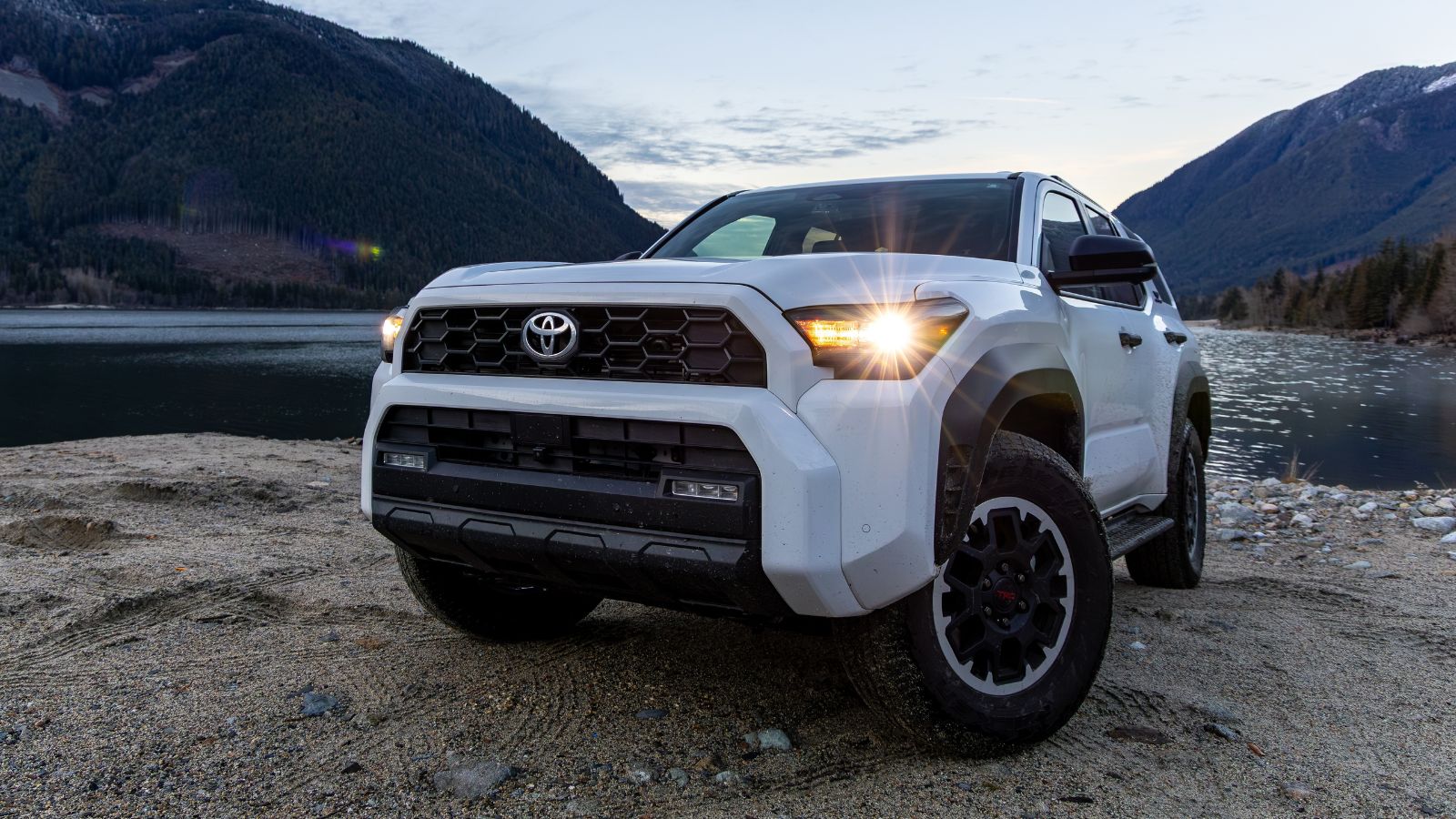
The Toyota 4Runner has always enjoyed a special kind of affection in Canada because it feels built for the country’s edges. It looks at home on logging roads, at trailheads, and in snowy driveways, and the Toyota badge adds a layer of confidence that makes buyers feel they are choosing durability over trendiness. That reputation is deserved in many ways, but it can also soften the perception of cost. The 4Runner remains a rugged, body-on-frame SUV with truck roots, and that means ownership expenses rarely behave like those of a modern, car-based family utility vehicle. Fuel economy, heavier-duty parts, and an accessory culture built around adventure all push the total upward.
That becomes obvious when the 4Runner is used mostly for ordinary life. School runs, city errands, and suburban commuting are not what this vehicle was born to do, yet that is how many examples spend most of their time. Owners still pay for the toughness every day, whether they use it or not. The higher driving position and go-anywhere image make the 4Runner feel emotionally rewarding, especially for buyers who distrust fragile-looking crossovers. But ownership has a way of stripping away mythology. When large tires wear out, when fuel receipts stack up, or when a family realizes the “rugged forever” choice is simply expensive to operate, the 4Runner’s charm starts sharing space with hard arithmetic.
Chevrolet Tahoe
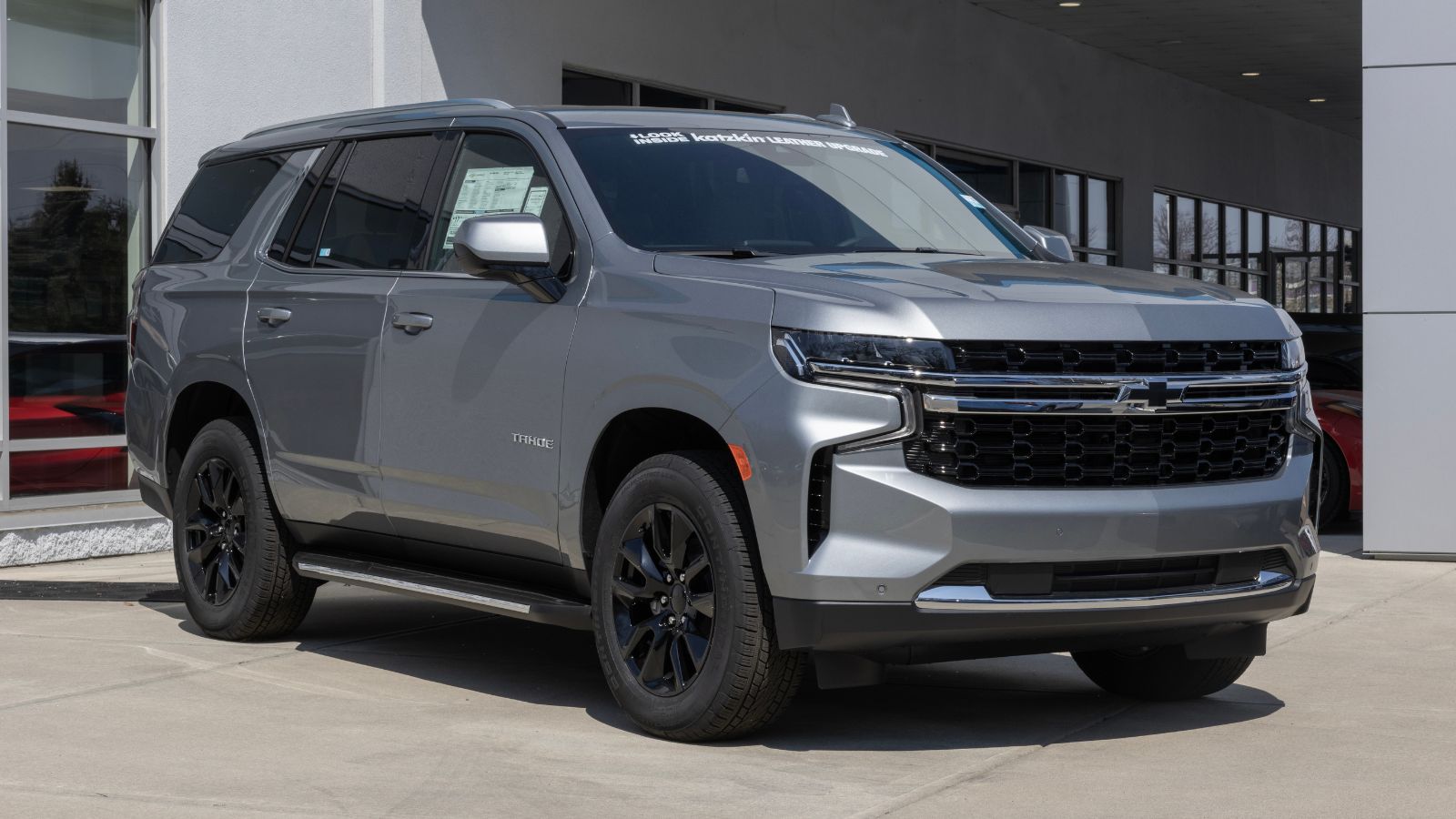
The Chevrolet Tahoe remains deeply attractive to Canadian buyers because it solves big-family problems with brute-force ease. It offers commanding road presence, generous towing ability, and the sort of space that makes long highway trips, hockey bags, or cottage weekends feel manageable. For households that truly need that capacity, the Tahoe can be a lifesaver. But many buyers stretch into one because it feels safer, more impressive, and more future-proof than a midsize SUV. That is where ownership costs start to bite. A vehicle this large carries its mass into everything: fuel, tires, brakes, and insurance. Even routine errands start costing more simply because the Tahoe is built on such a substantial scale.
The emotional appeal is easy to understand. Families like the idea of never running out of room and never feeling under-equipped. Yet that confidence can become expensive when the vehicle’s daily life is far less demanding than its capabilities suggest. A Canadian owner may spend most of the year driving one or two passengers and still shoulder the operating costs of a full-size, tow-ready SUV. Add winter requirements and the price of replacing large wheels and tires, and the gap between usefulness and expense becomes even more obvious. The Tahoe is rarely loved by accident. It earns that loyalty. But it also has a habit of reminding owners that size, comfort, and capability rarely come cheap once the new-car glow wears off.
Cadillac Escalade
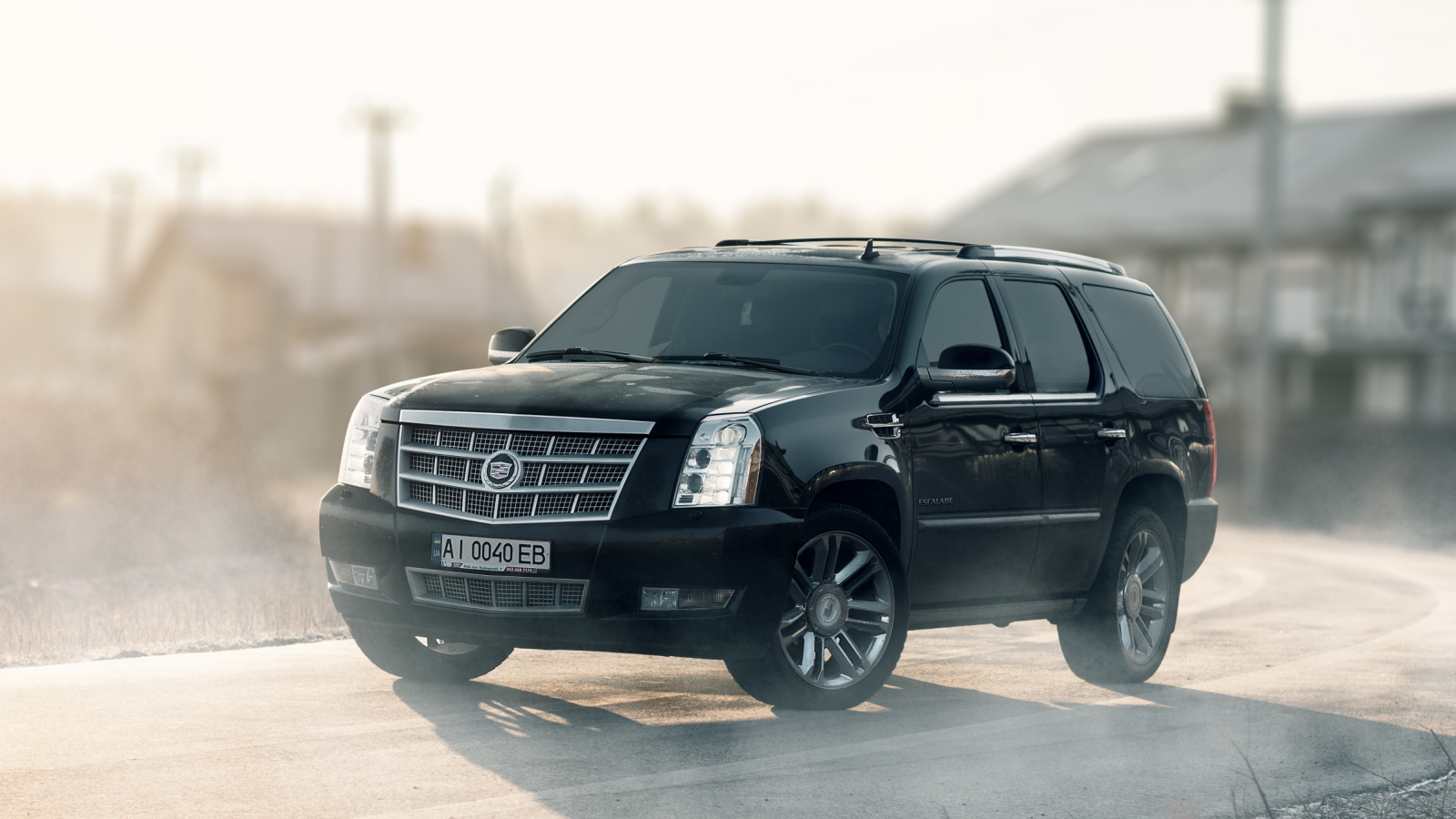
The Cadillac Escalade is a masterclass in making expense feel glamorous. It delivers status, space, technology, and a sense of occasion that few SUVs can match. In Canada, it has a way of appealing to buyers who want luxury without surrendering practicality. It can handle family hauling, highway travel, and winter conditions while still feeling like a statement vehicle. That combination is incredibly seductive, which is why some buyers convince themselves the Escalade is not as indulgent as it looks. Then ownership begins. The V8, the massive wheels, the complex suspension systems, and the sheer physical scale of the SUV start translating style into ongoing cost with remarkable efficiency.
What makes the Escalade tricky is that it rarely feels unreasonable at first. A well-equipped luxury SUV seems defensible when it can also carry people and gear. But luxury does not cancel mass, and technology does not cancel maintenance complexity. Large-diameter tires, advanced ride hardware, and premium-brand repair bills have a way of turning even ordinary service visits into memorable experiences for the wrong reason. In Canada, winter can add another layer because specialized tire needs and large wheel packages are not budget-friendly. Owners usually still love the Escalade’s comfort and presence. The regret, when it comes, is not about how it drives. It is about realizing that every impressive feature has a long-term cost attached to it.
Tesla Model Y
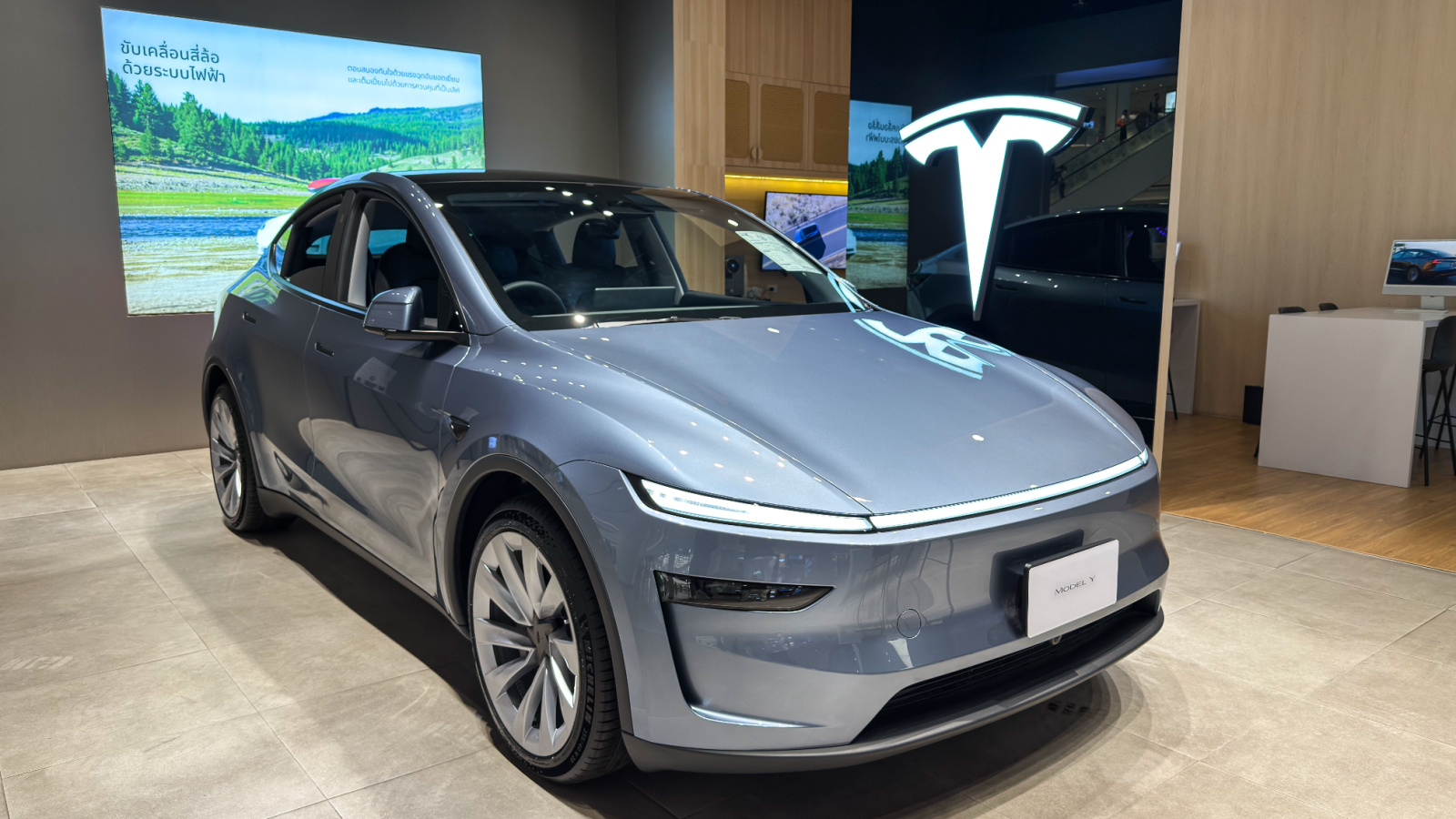
The Tesla Model Y is easy to love because it makes modern motoring feel simple and slightly futuristic. It is spacious enough for family use, quick enough to feel special, and efficient enough to persuade buyers that the age of painful vehicle operating costs is over. In Canada, that logic is even more compelling because fuel prices can make an EV feel like a financial escape hatch. Yet the Model Y often introduces a different kind of ownership surprise. The savings at the charger do not automatically erase higher insurance, expensive tire replacement, winter performance trade-offs, and repair realities tied to specialized EV parts and body work. The result is not disappointment so much as recalibration.
Many owners still come out ahead, but the gap is often smaller than they expected. Canadian winters can affect range enough to change daily habits, and wheel-and-tire setups can become costly depending on trim. Insurance is another common wake-up call. An owner who expected a low-maintenance financial slam dunk may feel blindsided when premiums and repair logistics do not behave like those of a normal compact crossover. The Model Y remains appealing because the core product is strong: practical, fast, and tech-forward. The problem is that buyers sometimes mistake “no gas” for “cheap ownership.” Those are not the same thing. The Model Y can absolutely reduce some bills, but it can also introduce new ones that buyers never fully priced in.
BMW X5
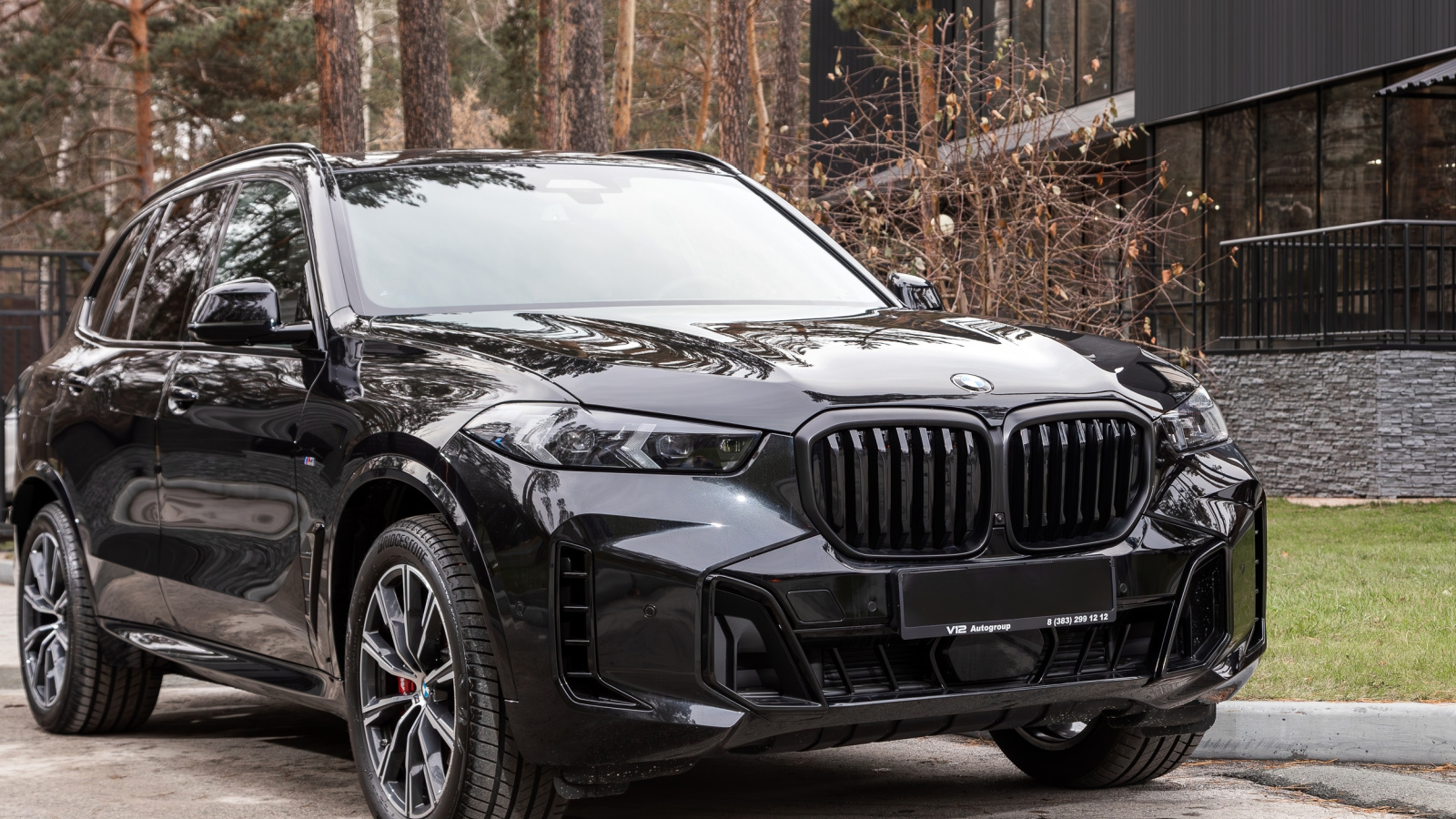
The BMW X5 is one of those vehicles that makes compromise feel unnecessary. It offers space, strong performance, premium design, and the kind of badge that still means something in Canadian driveways. It is easy to understand why buyers stretch for it. The X5 feels like an adult reward that can still do family duty, ski trips, airport runs, and long-distance travel without forcing anyone to settle for dullness. That is exactly why it becomes financially tricky. Buyers do not always feel as though they are choosing a costly luxury SUV because the X5 is so genuinely useful. But its utility is wrapped in BMW-level parts, BMW-level service expectations, and often BMW-sized wheel and tire bills.
The ownership pinch usually gets sharper after the honeymoon period. While the vehicle is newer, the experience can feel almost rational: it is refined, quick, and practical enough to justify the badge. Later, the non-covered wear items, premium maintenance expectations, and replacement costs begin reframing the story. A family that chose an X5 instead of a larger, thirstier SUV may still find itself facing very premium bills for brakes, tires, and post-warranty issues. In Canada, winter can make that even more noticeable because a vehicle with performance credentials and upscale wheel options often needs an expensive seasonal tire strategy. The X5 is beloved because it feels complete. It just also happens to be complete in the luxury-cost sense.
Mercedes-Benz GLC
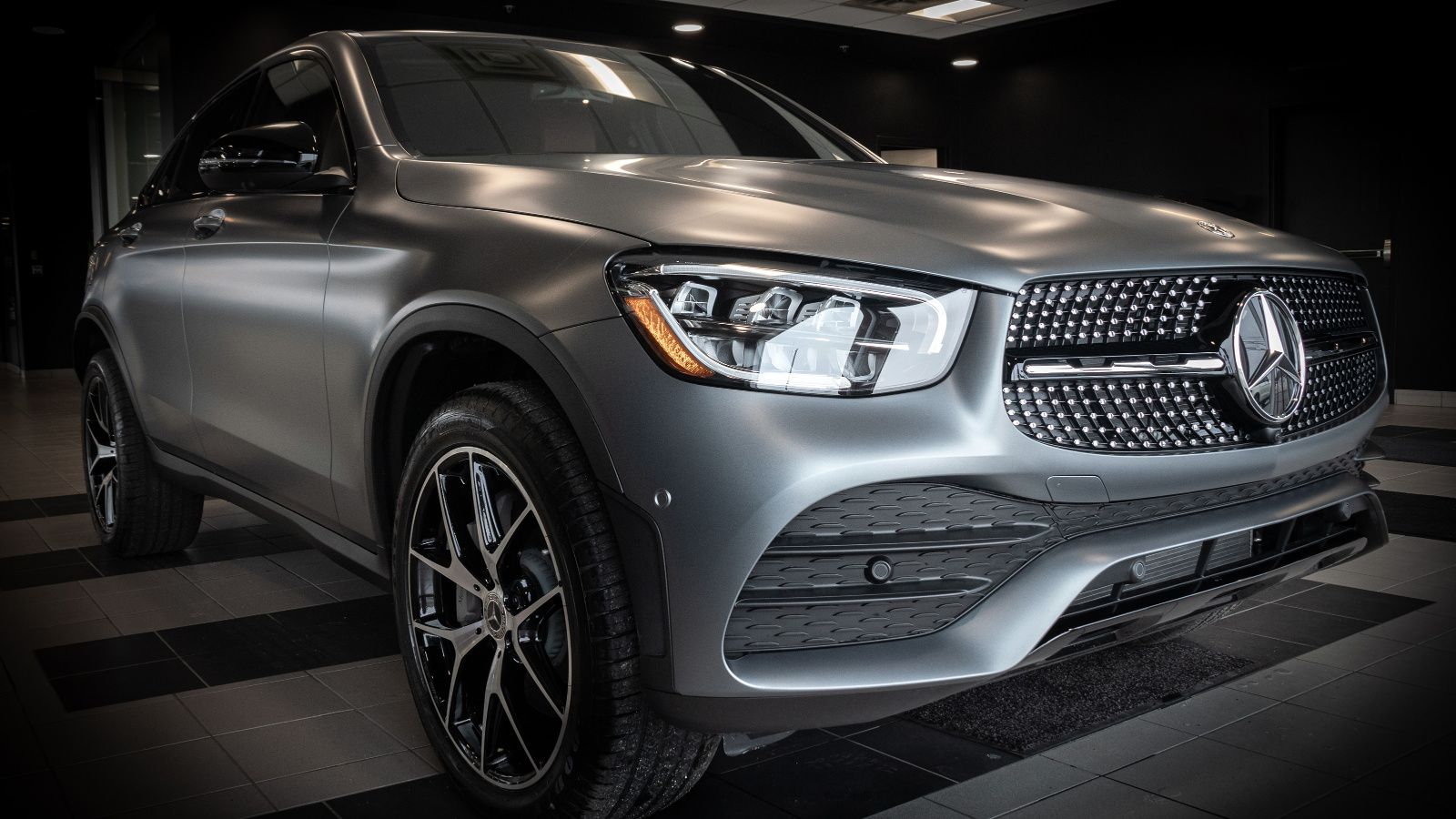
The Mercedes-Benz GLC wins people over by feeling polished in all the places that matter most in daily life. It is not absurdly large, it is easy to park compared with bigger luxury SUVs, and it gives owners the upscale experience many buyers want without stepping into full-size extravagance. In Canadian cities and suburbs, that balance makes it an especially attractive choice. The ownership catch is subtler than with larger vehicles. The GLC does not scream “expensive to run,” which is exactly why some people underestimate it. Premium fuel, premium-brand service, and luxury-crossover wear-and-tear costs arrive without the dramatic warning signs attached to trucks or high-horsepower performance machines.
That can make the financial sting feel more personal. Owners often buy a GLC believing they are being measured and sensible, not flashy. Then they discover that sensible by luxury standards still means costly by mainstream standards. A city-friendly footprint does not make tires cheap, and a refined turbocharged drivetrain does not reduce the cost of brand-specific maintenance culture. The GLC is the kind of vehicle that can make monthly ownership feel manageable until one larger service interval or one post-warranty repair resets the math. In Canada, it is particularly easy to justify because it suits real weather and real family needs. That is why so many owners stay loyal to it, even while admitting the bills arrived earlier and larger than expected.
Audi Q5
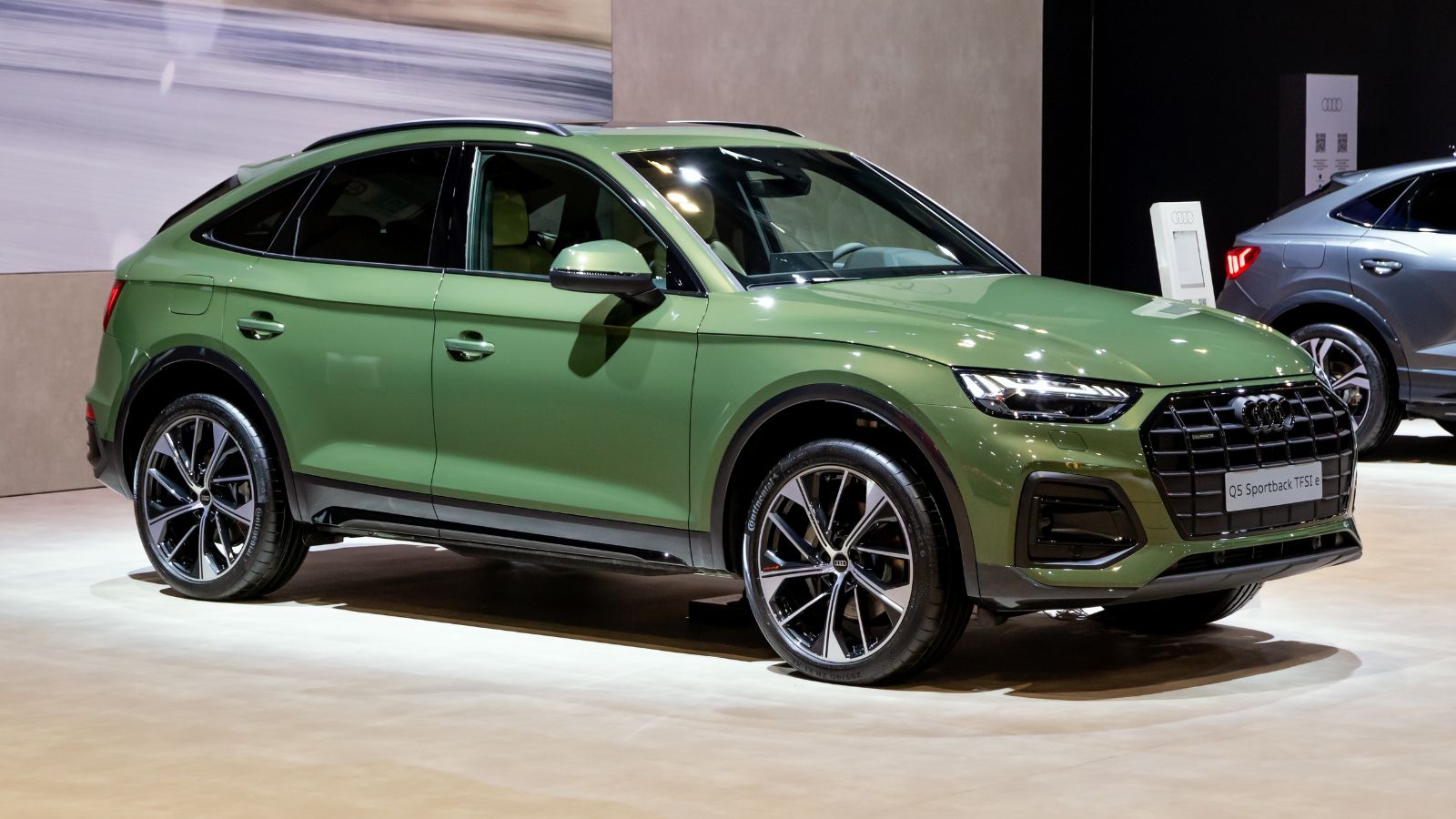
The Audi Q5 has long been one of the easiest premium SUVs to recommend because it hits such a broad sweet spot. It looks elegant without being showy, feels upscale without being intimidating, and fits neatly into Canadian life, whether that means commuting, weekend road trips, or snowy urban winters. Audi has benefited enormously from that balance, and the Q5’s popularity reflects it. The problem is that popularity can create a false sense of affordability. Buyers see a practical premium crossover that does many things well, and they start treating it like a slightly fancier mainstream vehicle. Ownership costs eventually remind them that it belongs to a different category altogether.
That reminder can arrive through repair risk, technology complexity, or something as simple as wheel-and-tire replacement on better-equipped trims. Luxury vehicles often age differently than buyers expect because what feels solid and advanced when new can become expensive once warranty protection fades. Audi’s own extended protection offerings say a lot about how seriously owners take the possibility of costly mechanical issues. For Canadians, the Q5 makes emotional sense because it seems ideal for local conditions: compact enough for the city, composed enough for highways, and premium without being ostentatious. But that same everyday friendliness can hide the fact that it still carries premium-brand exposure. The Q5 is lovable because it feels easy. The ownership lesson is that easy does not always mean inexpensive.
Porsche Macan
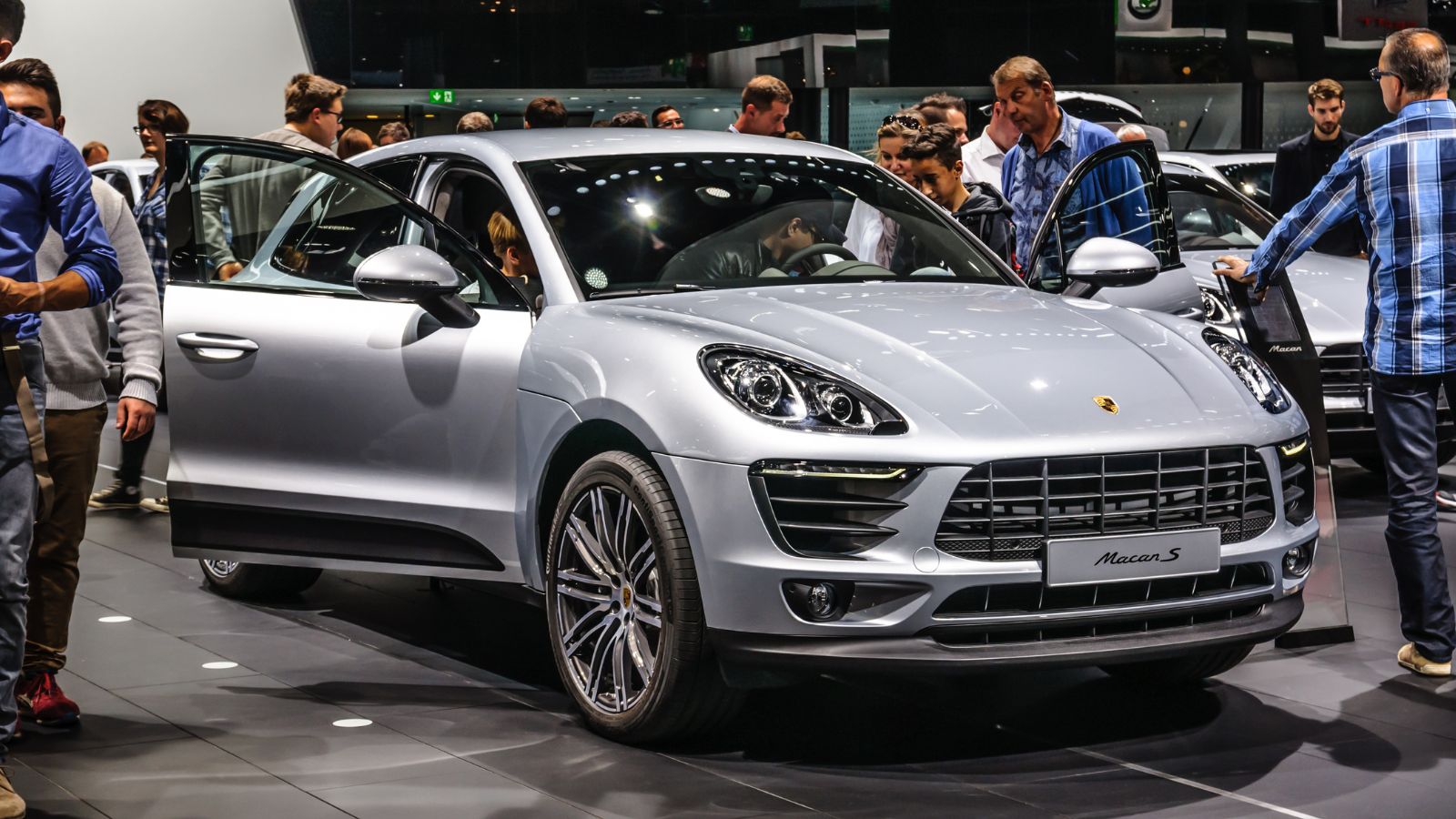
The Porsche Macan is the sort of vehicle that makes people believe they have found the clever luxury buy. It wears a Porsche badge, drives with real sharpness, and still offers enough practicality to function as a daily driver in Canada. That combination is rare, which is why the Macan earns such loyalty. It feels like a way to own something aspirational without surrendering real-world usefulness. Unfortunately, practicality can disguise the fact that the Macan is still a Porsche in the ways that matter financially. Wheel sizes, performance-oriented tires, premium servicing, and the expectation of a certain standard of upkeep can turn “attainable Porsche” into “expensive crossover” remarkably quickly.
The Macan’s danger lies in how normal it can feel from behind the wheel. It does not behave like a temperamental exotic, so buyers sometimes assume the ownership experience will be similarly ordinary. Then they start pricing replacement rubber for larger wheel packages or learning what premium-brand maintenance looks like over several years. Even the base versions invite spending because the vehicle makes owners want to preserve the Porsche feel rather than cheap out on parts or tires. In Canada, where weather adds another seasonal equipment layer, that tendency gets amplified. The Macan is not an irrational purchase. It is a very rational luxury purchase. But luxury logic still has a way of leading to very non-rational annual totals.
Range Rover Sport
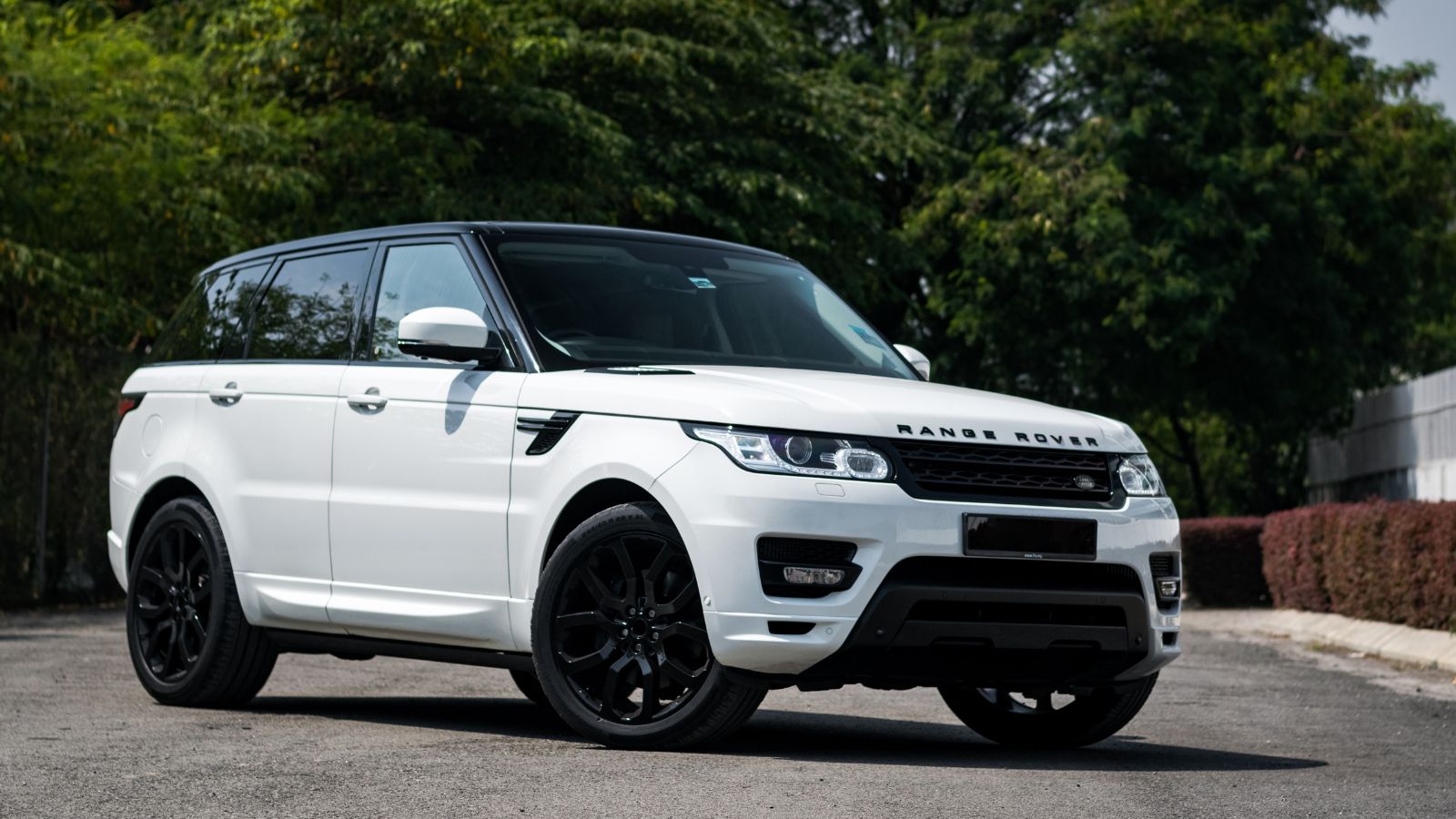
The Range Rover Sport has extraordinary talent for making its owners feel that they bought the most complete SUV on the market. It combines prestige, athletic styling, real towing ability, and genuine all-weather confidence in a way few rivals can replicate. In Canada, that mix is especially powerful because the vehicle feels equally credible at a downtown valet stand and on a winter weekend escape. That broad competence makes the initial purchase feel easier to defend than something more obviously extravagant. Yet the Range Rover Sport is one of those vehicles where ownership cost is not an afterthought; it is part of the entire ecosystem. Large wheels, advanced systems, and premium SUV complexity tend to follow owners long after the test drive glow fades.
The shift from admiration to financial strain usually happens in stages. First comes the realization that even basic consumables live in a premium price band. Then comes the understanding that a sophisticated luxury SUV with serious capability is not going to age like a mainstream crossover. Warranty coverage only lasts so long, and once that period feels distant, the owner’s relationship with the vehicle can change. In a Canadian context, seasonal tire needs and the realities of winter driving only sharpen the picture. People love the Range Rover Sport because it feels like it can do everything while looking better than almost anything else. That remains true. The expensive part is discovering what “everything” costs over time.
Subaru WRX
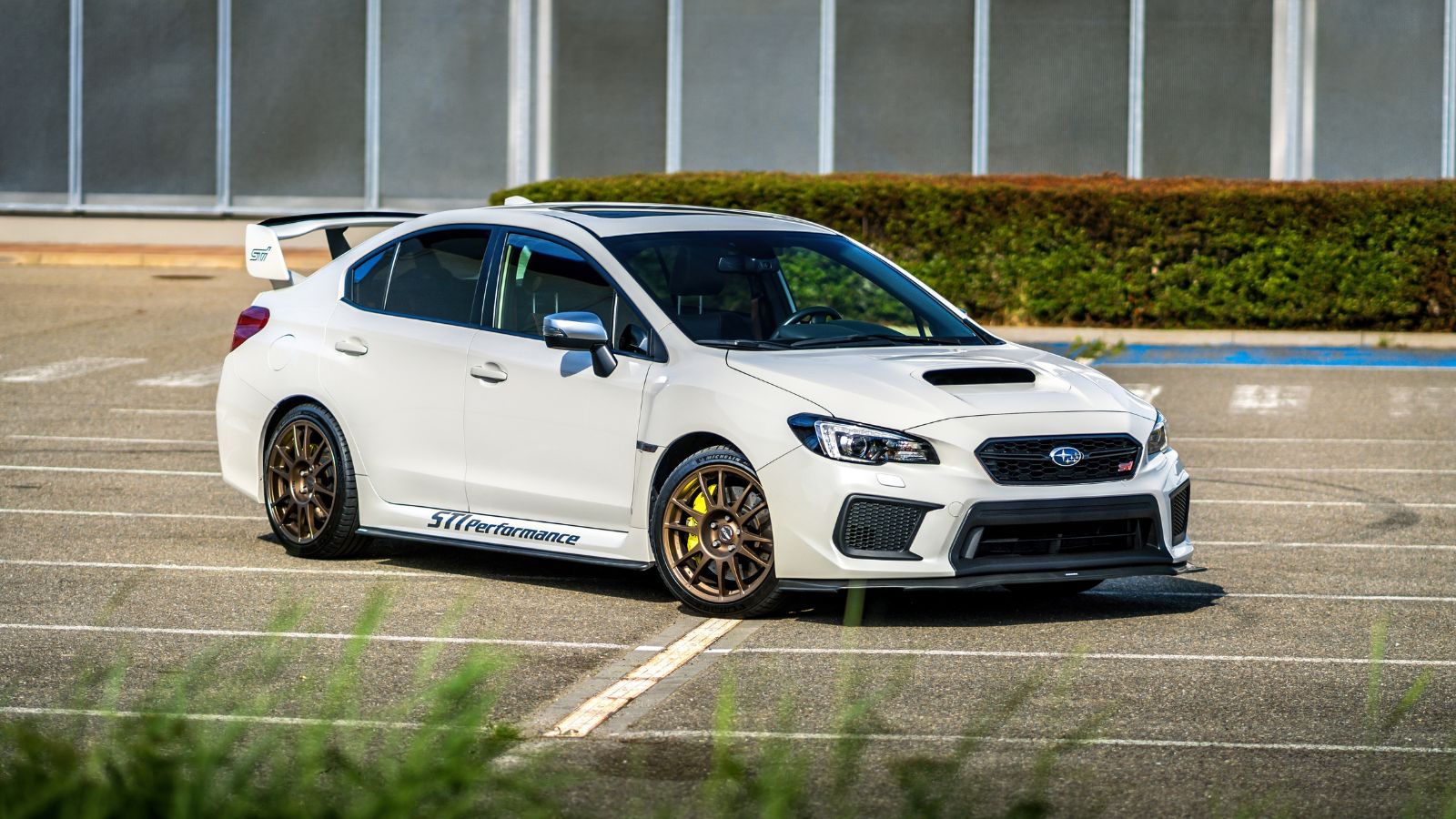
The Subaru WRX has long held a special place in Canada because it blends all-wheel drive, everyday usability, and enthusiast credibility better than almost anything in its price orbit. It feels like a practical performance car for real weather, which is a deeply persuasive concept in a country where winter can dominate half the year. Buyers often enter WRX ownership believing they have made the smart enthusiast choice: fun, usable, and not outrageously priced. Then the recurring costs begin to tell a different story. Premium fuel requirements, performance-oriented tires, and more aggressive brake hardware all add up, especially for owners who drive the car the way its character encourages them to.
That is the key point with a WRX: it tends to invite enthusiastic use. It is not merely transportation, and owners rarely treat it that way. Quick launches, spirited back-road driving, and a tendency to prioritize grip and response all influence wear. A Canadian owner may feel virtuous for choosing a compact sedan instead of a bigger performance SUV, only to find that the car’s appetite for good tires, proper fuel, and higher-spec maintenance narrows the savings. The WRX is still one of the easier enthusiast cars to justify in harsh weather. That does not mean it is cheap. It simply means the costs feel worth it until a few annual ownership cycles make clear how much “worth it” can actually cost.
MINI Countryman
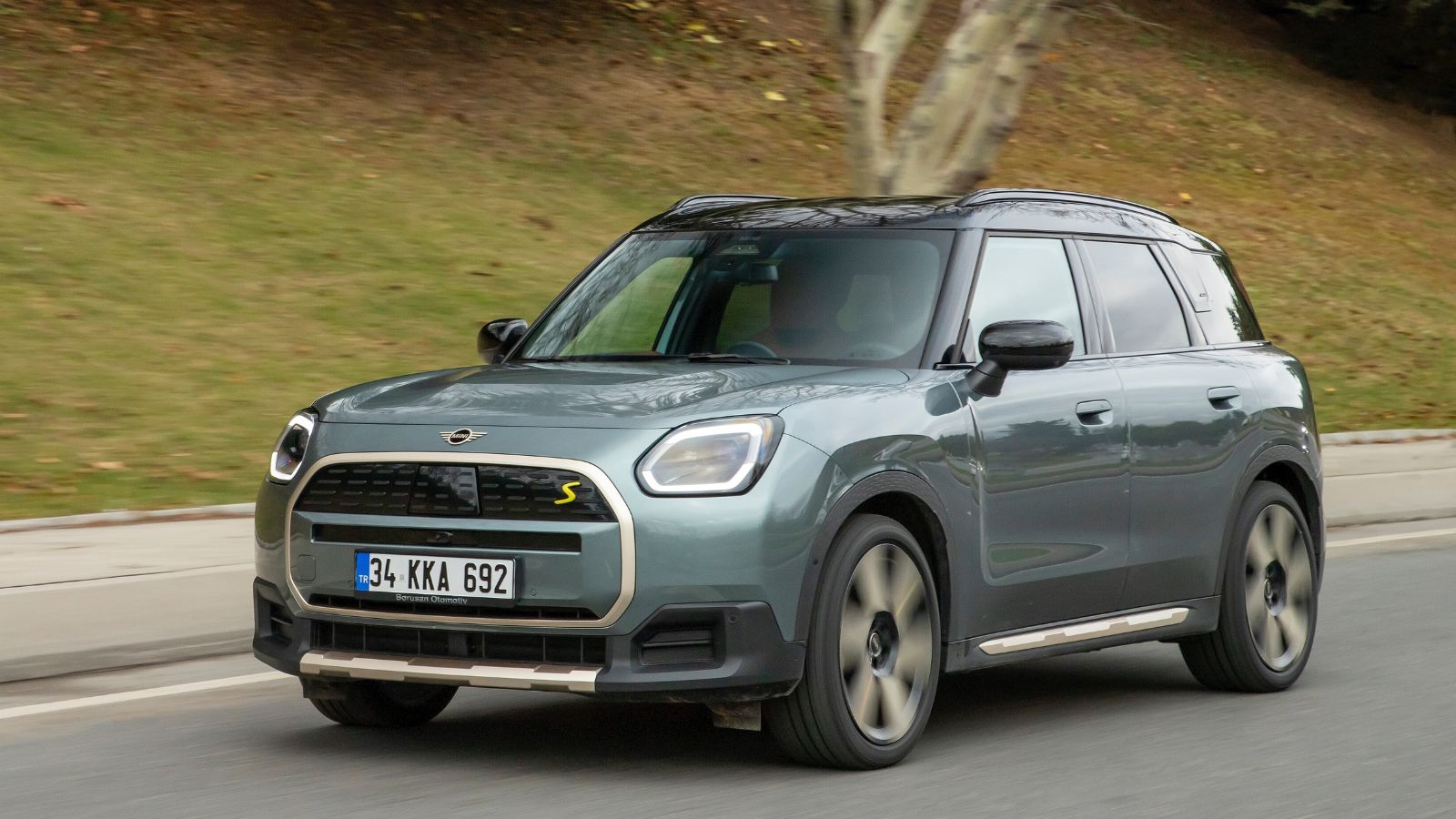
The MINI Countryman wins buyers with personality before the ownership spreadsheet ever gets a fair hearing. It looks different in a sea of interchangeable crossovers, feels more playful than most small SUVs, and offers enough space to pass the real-life family test. In Canada, that combination has genuine appeal because many drivers want city-friendly size without surrendering all-wheel-drive confidence or a sense of style. The financial trap is that the Countryman often gets purchased as a charming alternative to mainstream options, when it is really a premium-leaning small utility vehicle with premium-leaning expenses. That distinction does not always register until the free maintenance period ends and the normal cost rhythm takes over.
Then the brand relationship starts to look different. Wheel and tire choices, especially on better-equipped versions, do not come at economy-car prices, and servicing can feel closer to BMW territory than to ordinary compact-SUV ownership. Buyers who stretched because the Countryman felt fun and slightly upscale sometimes discover they were also stretching into a higher operating bracket than expected. It is a particularly Canadian kind of surprise because the Countryman seems so suitable for local life: manageable in traffic, useful in winter, and fashionable without being too serious. That blend is real, and it explains the affection people have for it. But affection has a way of surviving even when owners admit the cute, clever crossover turned out to be more expensive than it looked.
22 Things Canadians Do to Their Cars in Spring That Mechanics Hate

Spring brings relief to many Canadian drivers after months of snow, freezing temperatures, and icy roads that put serious strain on vehicles. As temperatures rise across the country, drivers begin washing cars, switching tires, and preparing vehicles for warmer weather and upcoming road trips. However, mechanics across Canada notice the same mistakes every spring when drivers attempt to recover from winter damage. Road salt, potholes, and harsh winter driving conditions often leave vehicles with hidden problems that drivers ignore. Some spring habits even create new mechanical issues that could have been avoided with proper maintenance. Here are 22 things Canadians do to their cars in spring that mechanics hate.