
























Summer driving can make almost any car feel enjoyable. Warm roads, dry grip, and clear visibility hide many flaws. A car that feels sharp in July can feel completely different in January. Cold weather exposes weak traction, stiff suspensions, and poor heating systems. Some vehicles simply struggle when temperatures drop. Others become uncomfortable or even frustrating to live with. This contrast matters more in places with harsh winters. Choosing the wrong car can change your daily drive. Here are 16 cars that feel great in summer but awful in winter.
Mazda MX-5 Miata
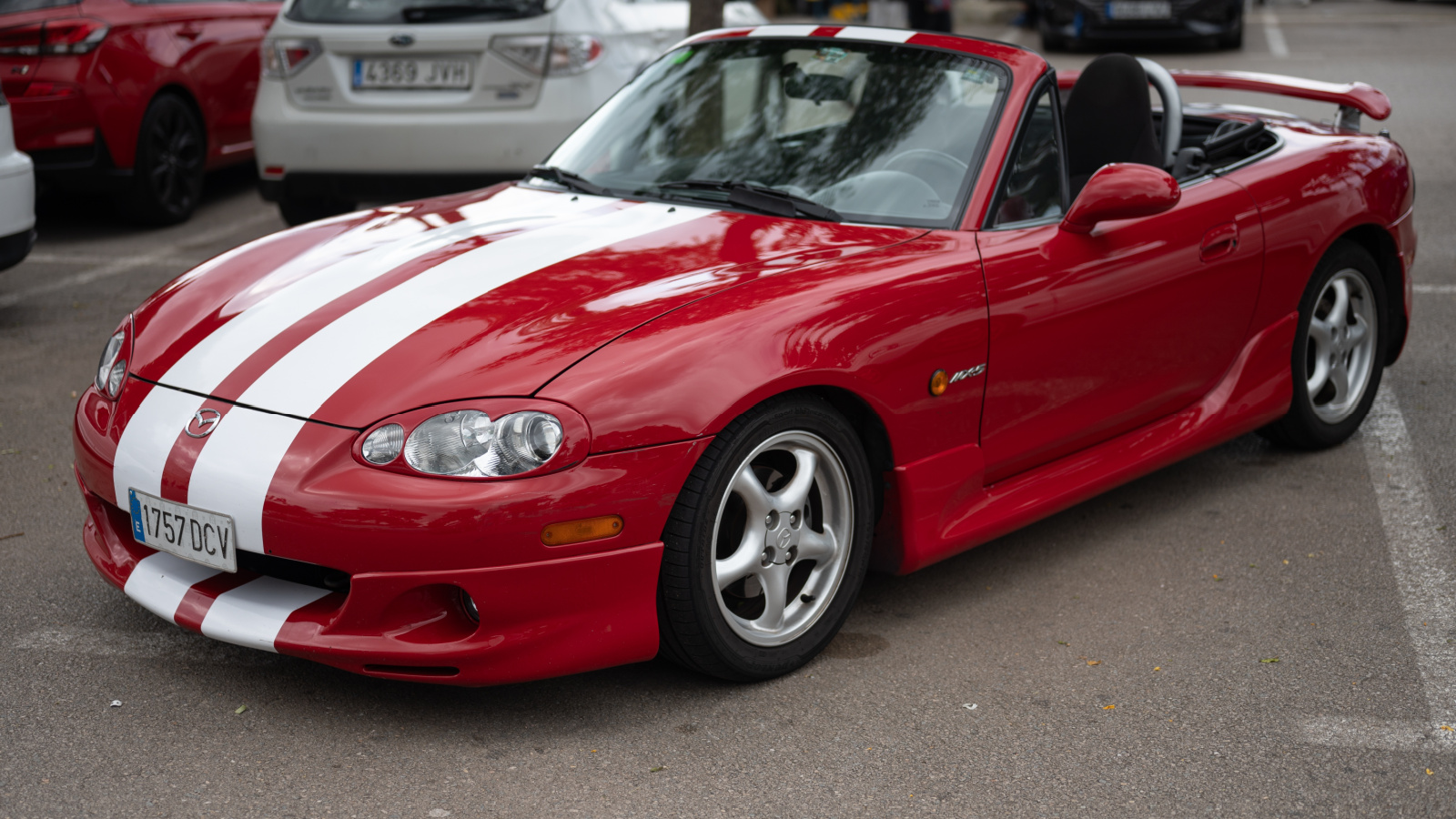
The Mazda MX-5 Miata feels perfect on warm days. It is light, balanced, and easy to enjoy. In winter, things change quickly. Rear-wheel drive struggles on icy roads. Ground clearance is very low, which limits use in snow. The cabin also heats slowly, especially during short trips. Wind noise feels stronger in cold weather. The soft top adds little insulation. Drivers may feel every bump and chill. It works best on dry pavement. Once temperatures drop, its playful nature becomes a challenge.
Chevrolet Camaro
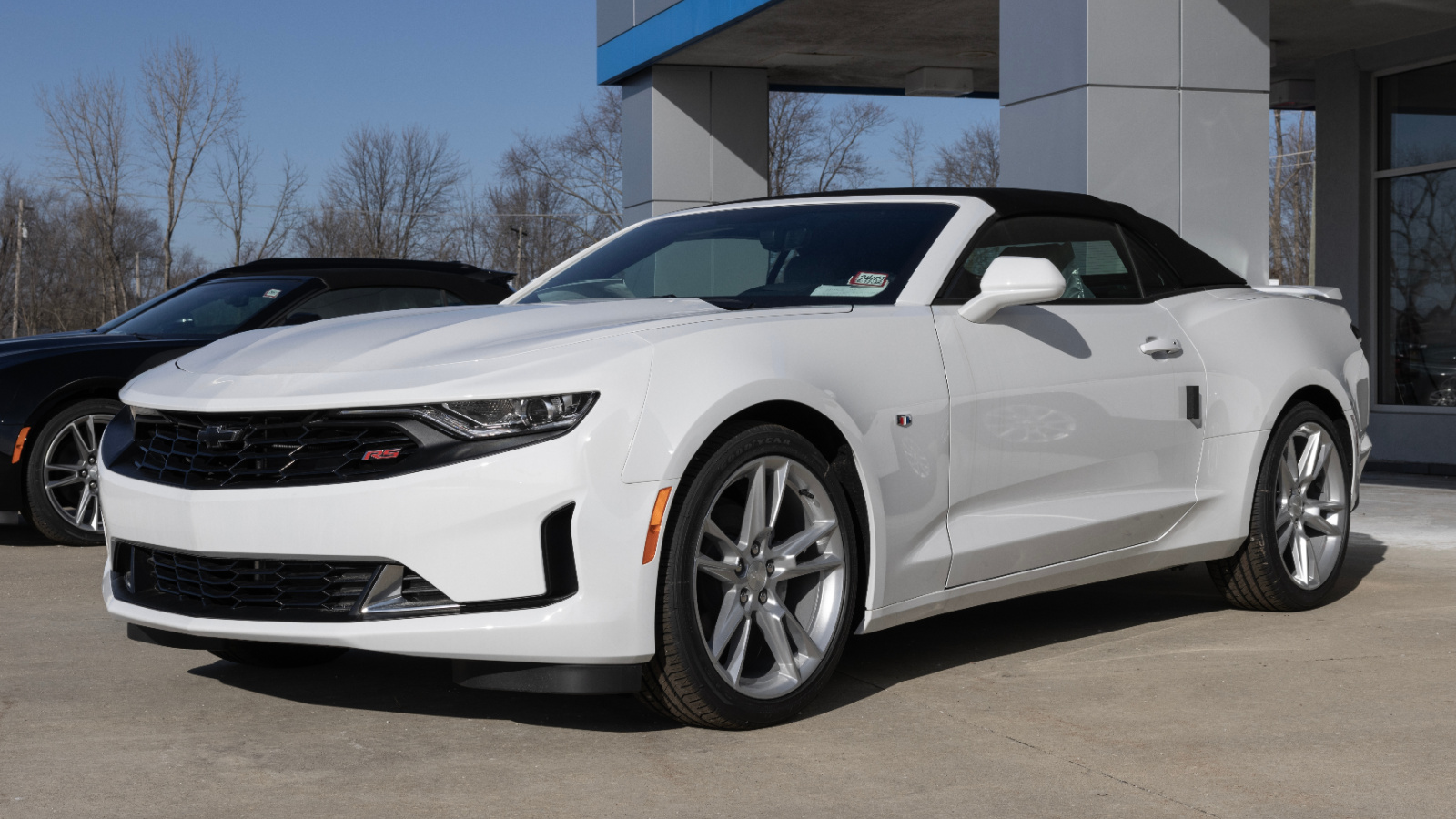
The Chevrolet Camaro shines in summer with strong performance. Wide tires and rear-wheel drive give excellent grip in the heat. Winter reveals its downsides. Visibility is already limited and worsens with snow buildup. Traction drops sharply on slippery roads. The low stance struggles through snowbanks. Cold starts can feel rough in powerful trims. Interior space feels tight with winter clothing. Heating performance is average at best. It becomes less practical as conditions worsen. What feels exciting in summer feels stressful in winter driving.
Ford Mustang
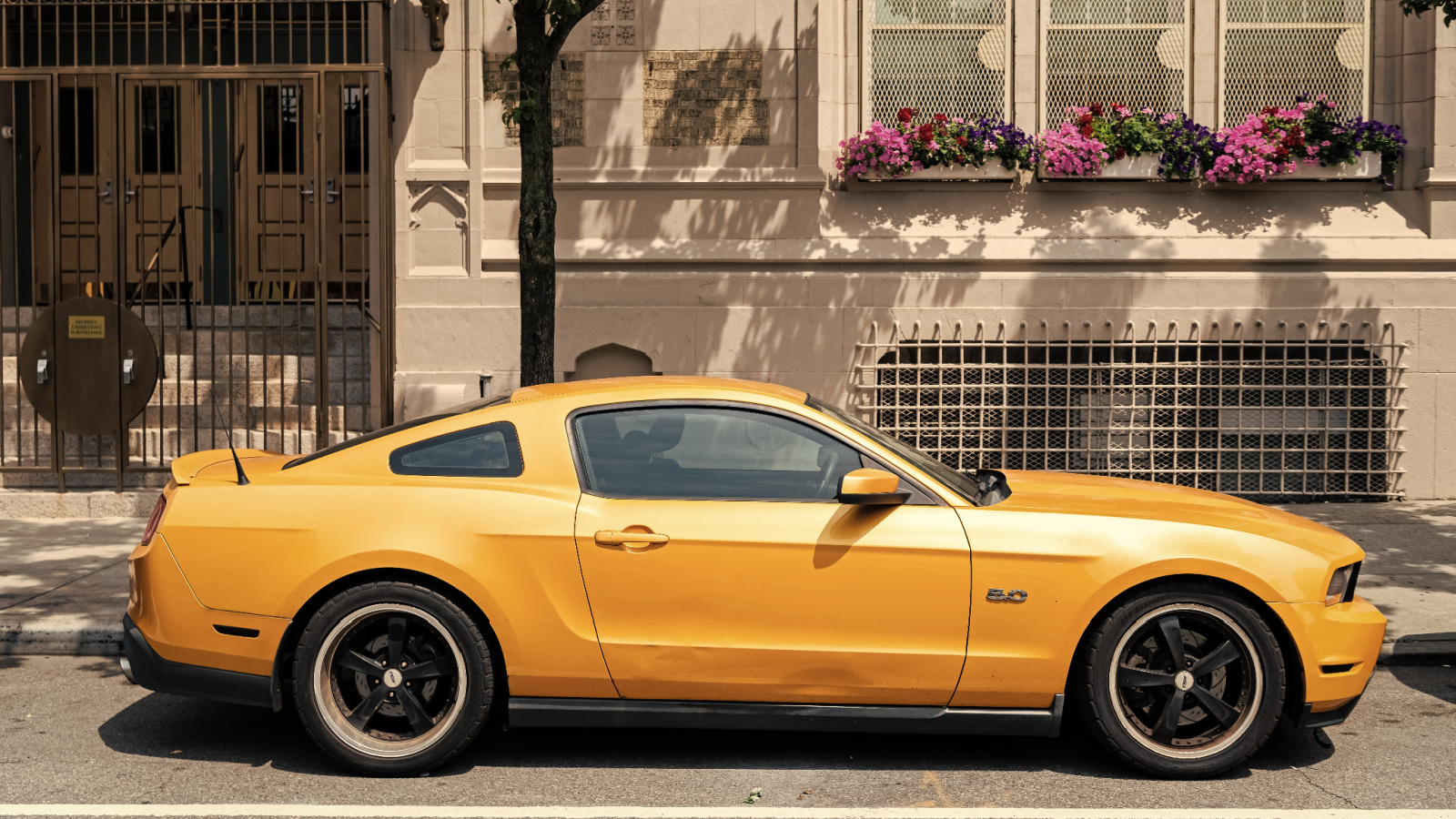
The Ford Mustang delivers strong acceleration in warm weather. It feels stable and fun on dry roads. Winter driving changes that experience. Rear-wheel drive reduces confidence on icy streets. Even with winter tires, traction remains limited. The car’s weight distribution does not help on slick surfaces. Cabin heat takes time to feel comfortable. Snow buildup affects visibility and handling. The long hood can feel tricky in tight winter conditions. It works best in controlled environments, not snowy streets or unpredictable weather.
BMW Z4
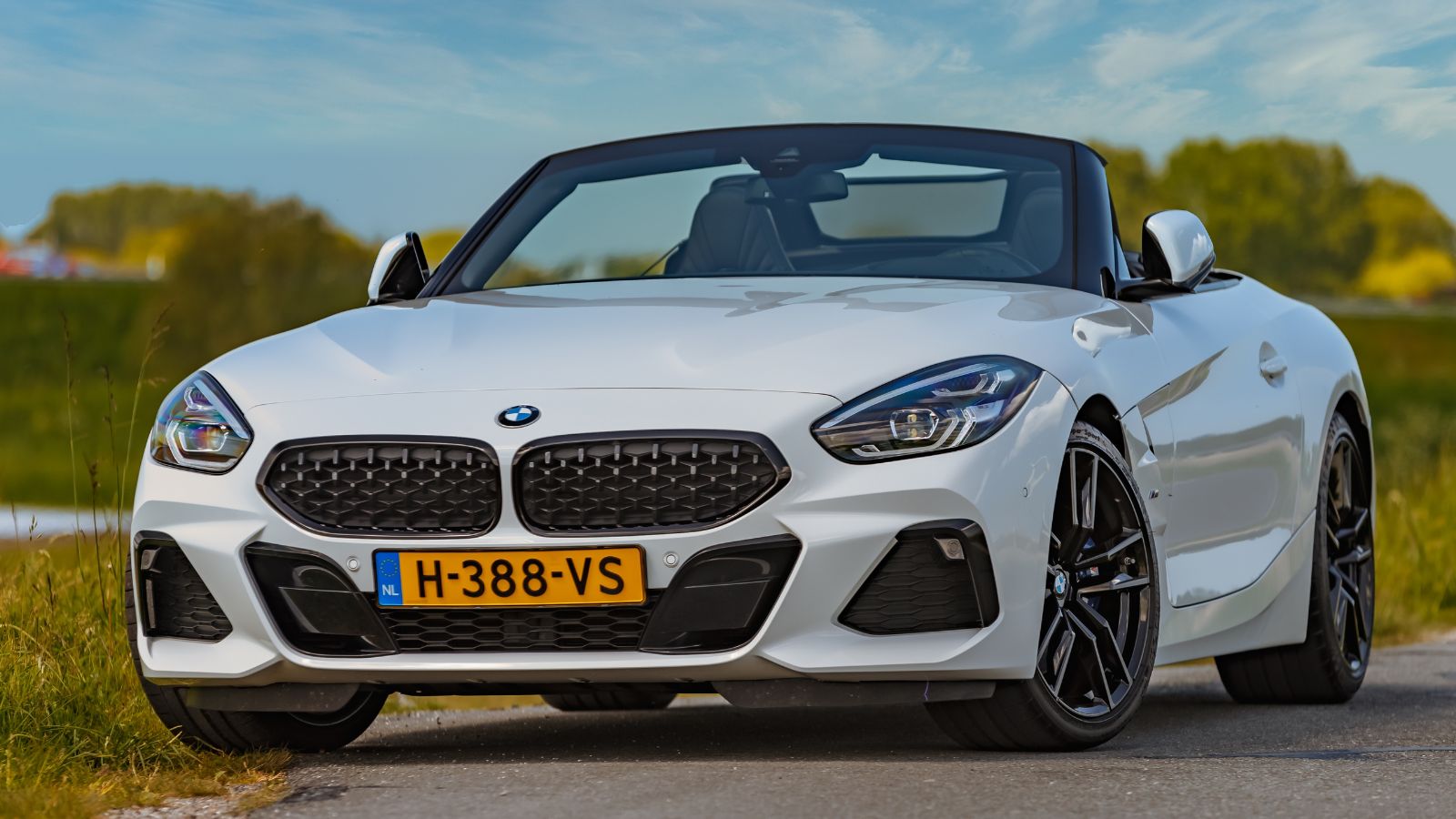
The BMW Z4 feels smooth and refined during summer drives. Its convertible design suits warm conditions well. Winter highlights its limitations. The low ride height makes snow driving difficult. Rear-wheel drive struggles with traction on icy roads. The cabin can feel cold with the top up. Insulation is not strong enough for harsh climates. Short wheelbase affects stability on slippery surfaces. It becomes less relaxing to drive daily. What feels premium in summer becomes inconvenient when temperatures fall, and roads turn unpredictable.
Porsche 718 Boxster
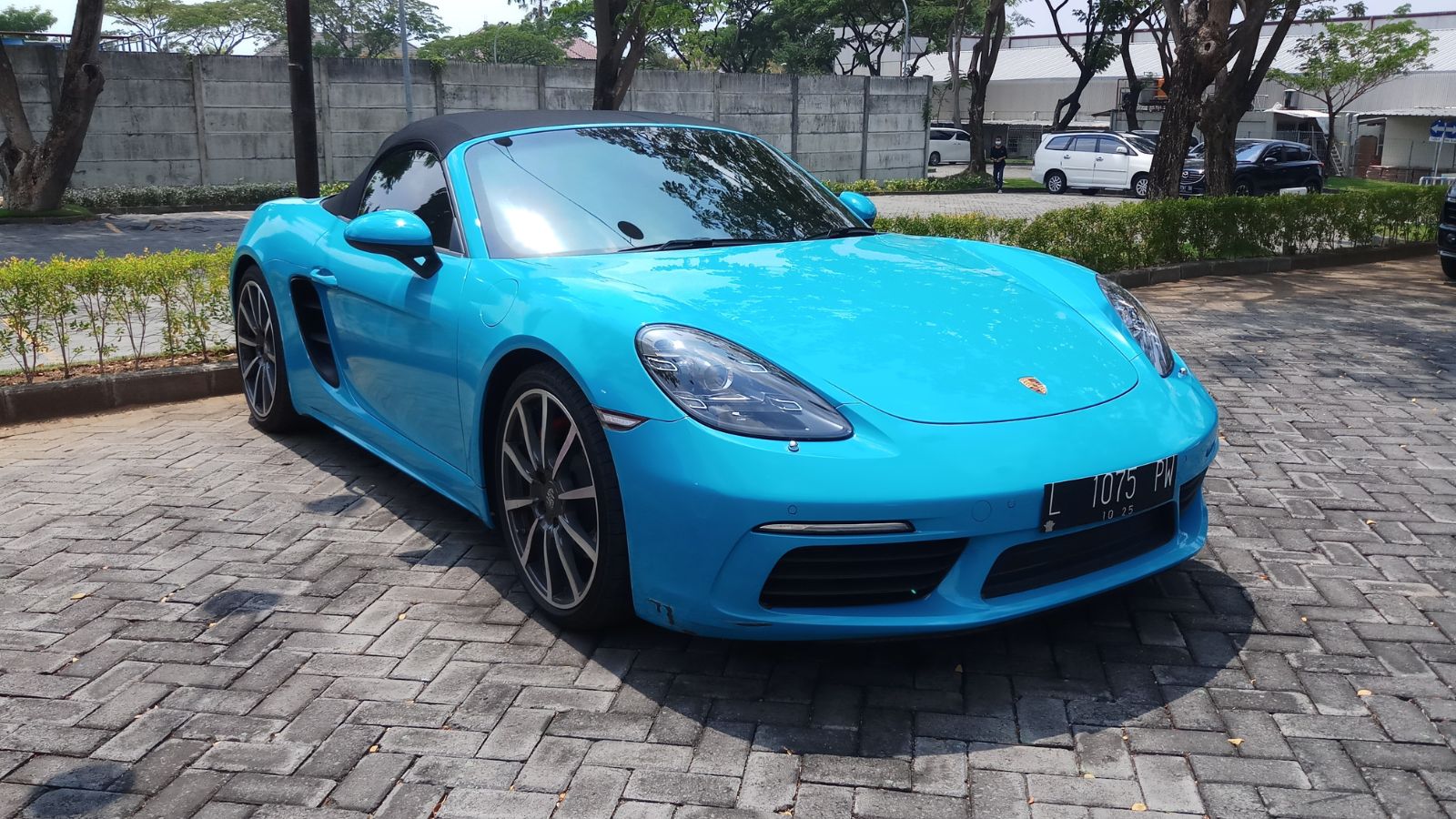
The Porsche 718 Boxster offers sharp handling in warm weather. Its lightweight design feels precise and engaging. Winter conditions expose challenges. Rear-wheel drive reduces grip on snow and ice. The low body can scrape against packed snow. Cabin warmth is not as strong as expected. Driving becomes less enjoyable on cold roads. Tires lose effectiveness quickly in freezing temperatures. Visibility can drop with snow buildup. It remains a sports car at heart. That focus makes winter driving feel less comfortable and more demanding.
Dodge Challenger
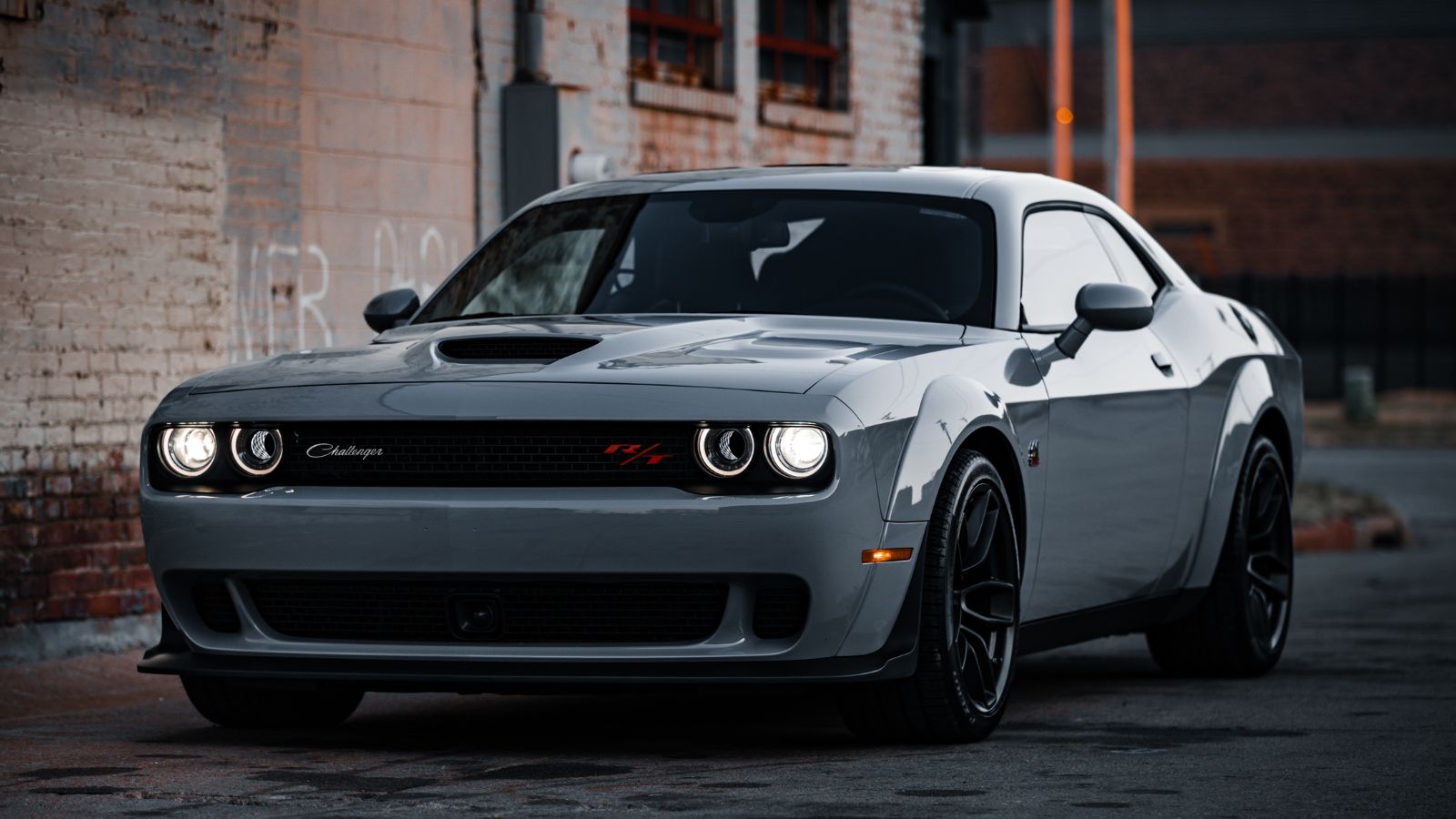
The Dodge Challenger feels powerful and smooth in summer. Its wide stance helps stability on dry roads. Winter driving becomes tricky. Rear-wheel drive limits traction on icy surfaces. The car’s weight makes stopping distances longer. Snow can build up around the low front end. Steering feels less precise in slippery conditions. Heating works well but takes time to spread evenly. Large size adds difficulty in tight winter spaces. It remains comfortable but not confident. Warm weather suits its character far better than cold climates.
Nissan 370Z
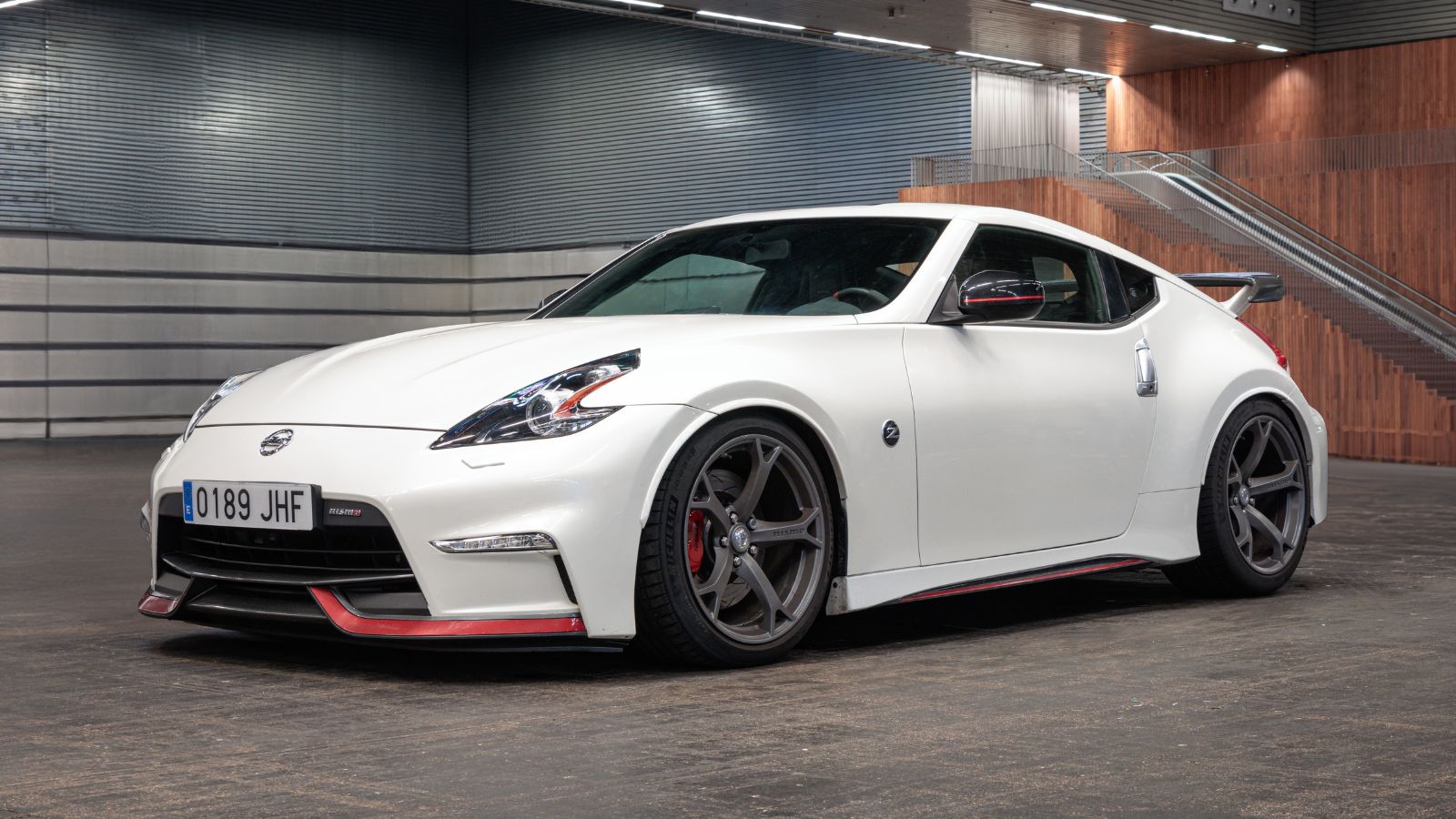
The Nissan 370Z feels responsive and quick during summer drives. Its compact size adds to the fun. Winter conditions reduce that appeal. Rear-wheel drive struggles for grip on ice. The car sits low, which limits snow clearance. Cabin comfort drops in colder weather. Road noise feels stronger on rough winter surfaces. Short wheelbase affects stability during sudden movements. It requires careful driving at all times. What feels agile in summer can feel nervous in winter, especially on untreated roads or steep areas.
Audi TT
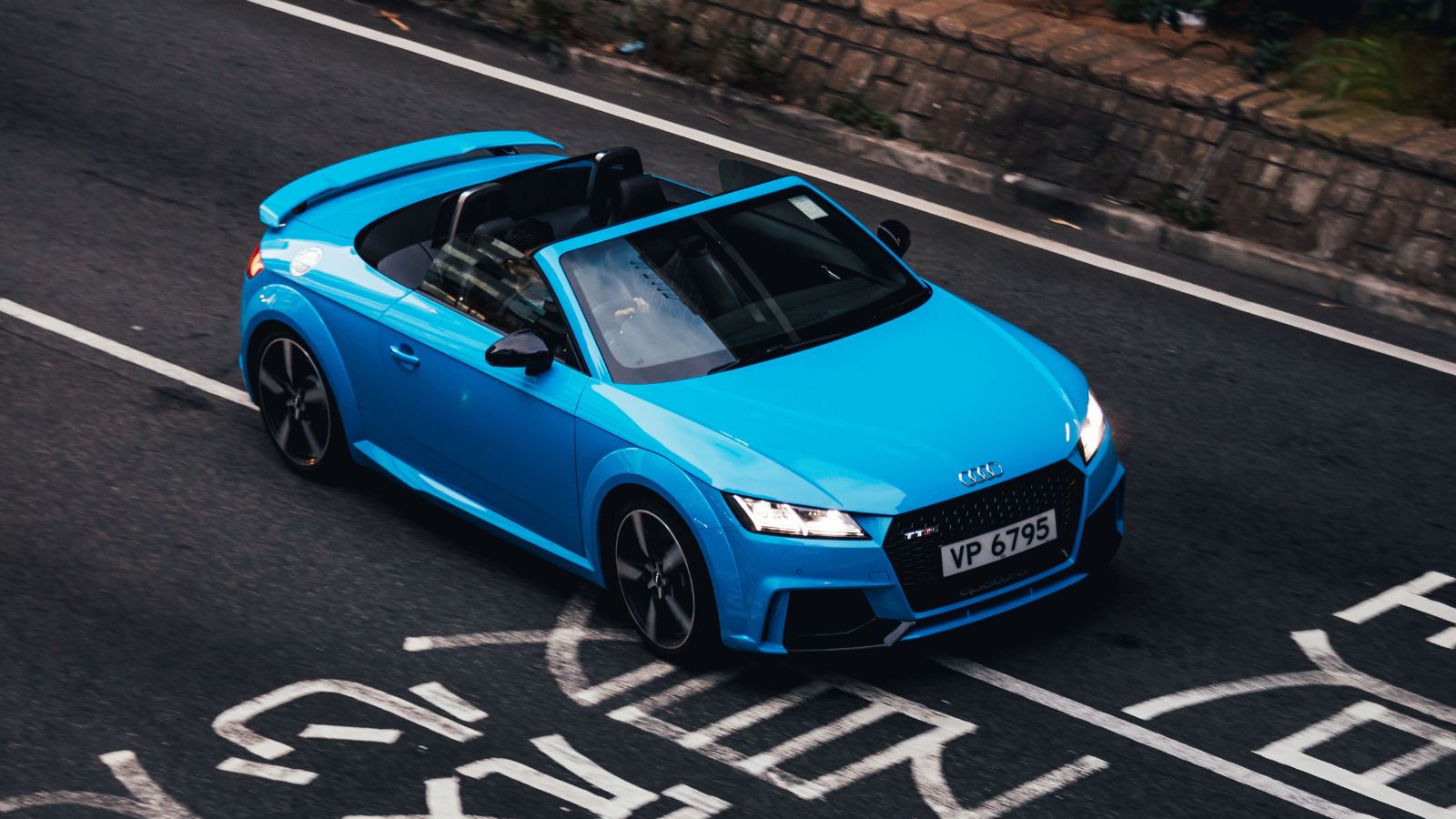
The Audi TT feels planted and refined in warm conditions. Its design suits sporty driving. Some versions offer all-wheel drive, which helps slightly. Winter still exposes issues. Low ground clearance limits usability in deep snow. The cabin can feel tight with heavy clothing. Visibility reduces with snow buildup on small windows. Heating performance is decent but not exceptional. Short wheelbase affects ride comfort on rough winter roads. It remains usable but less enjoyable. Summer brings out its strengths far more clearly.
Toyota 86 / Subaru BRZ
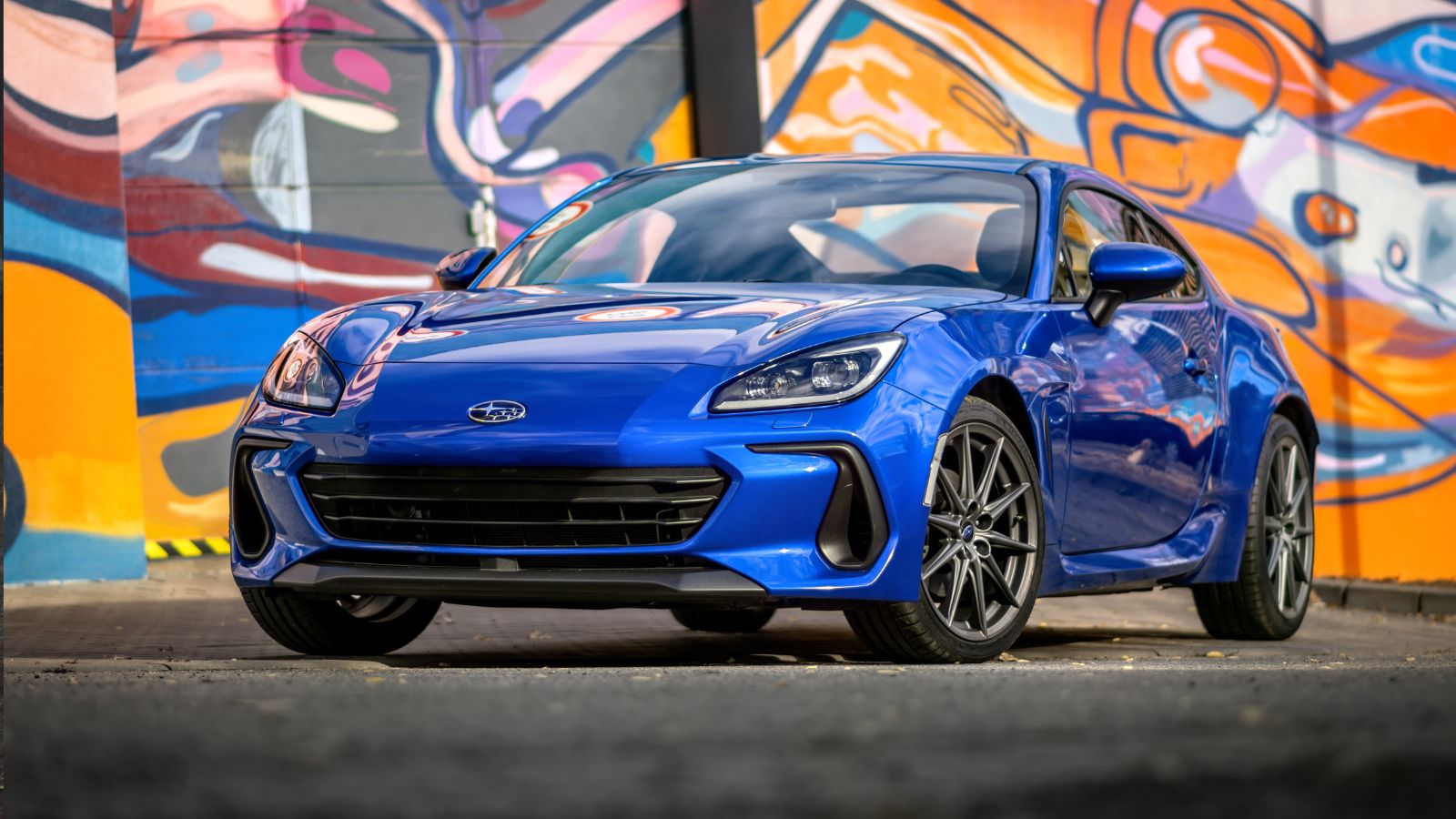
The Toyota 86 and Subaru BRZ feel balanced and fun in summer. They focus on lightweight driving dynamics. Winter changes the experience. Rear-wheel drive reduces traction on icy roads. The car’s low height limits snow handling. Cabin heating takes time to feel effective. Tires struggle to maintain grip in cold conditions. A short wheelbase can feel unstable during slides. It requires skill and attention in winter. What feels playful in warm weather becomes demanding once temperatures drop and surfaces lose grip.
Jeep Wrangler (Soft Top)
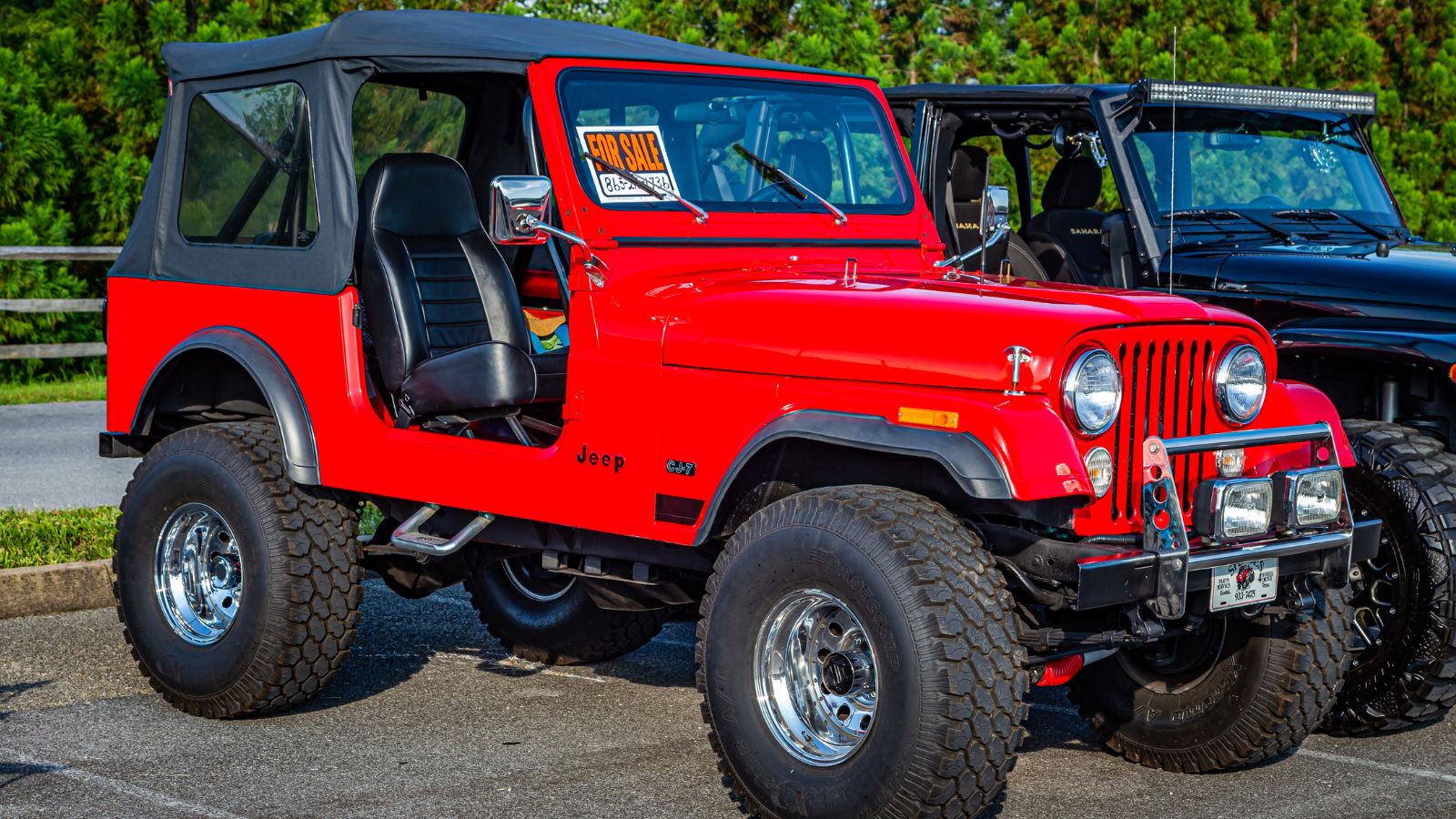
The Jeep Wrangler feels open and free during summer drives. The soft top adds to that relaxed feel. Winter highlights clear drawbacks. Soft tops provide limited insulation from cold air. Cabin warmth takes longer to build. Wind noise becomes stronger in freezing temperatures. Ride quality feels rough on icy roads. Short wheelbase affects stability on slippery surfaces. It remains capable off-road, even in snow. Comfort becomes a concern for daily driving. Summer suits its open design much better than winter.
Mini Cooper (Base FWD Models)
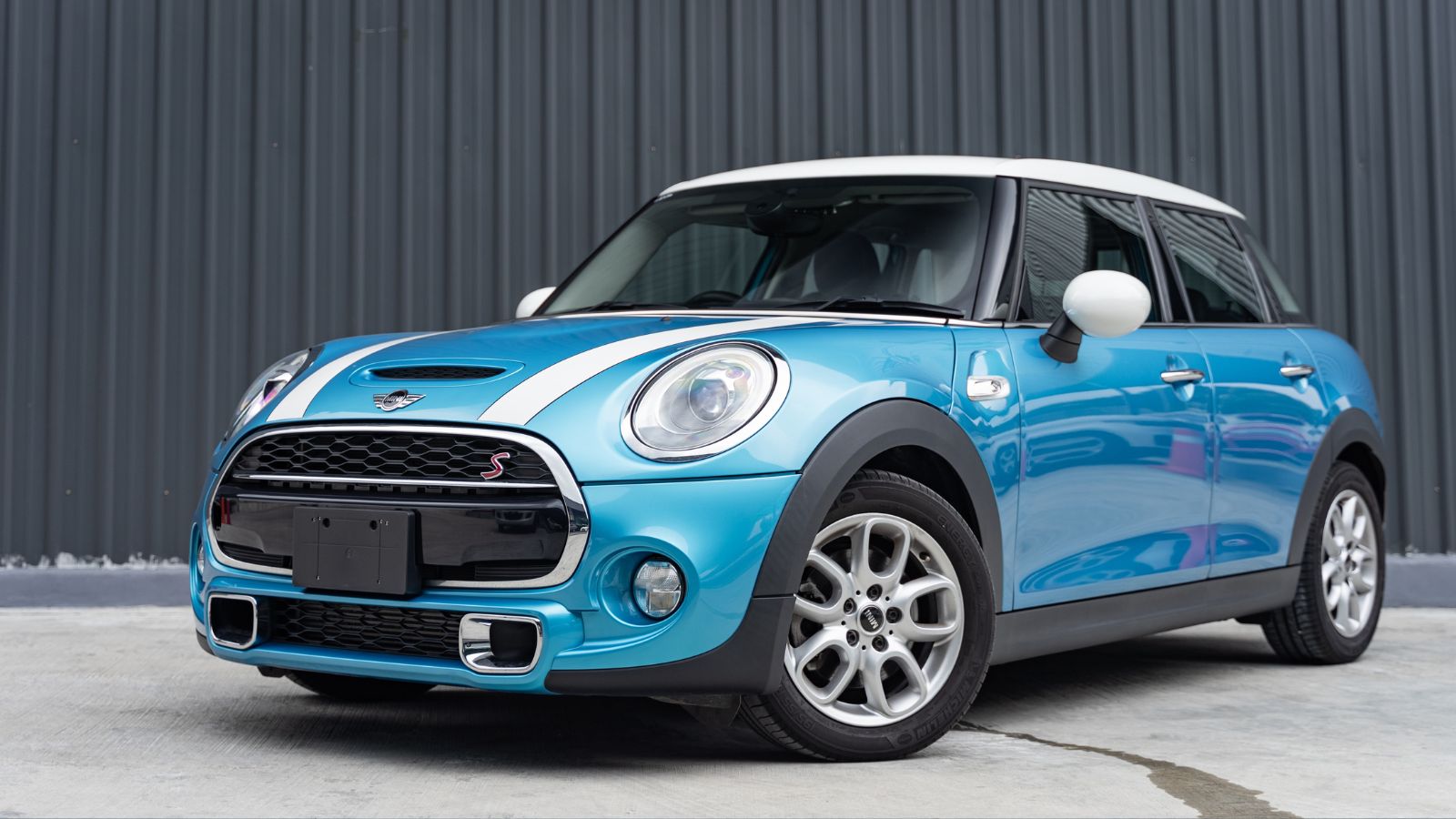
The Mini Cooper feels lively and quick in summer. Its small size helps in city driving. Winter shows mixed results. Front-wheel drive helps with traction, but low clearance limits snow driving. A short wheelbase can feel unstable on icy roads. Cabin heating is decent but not fast. Ride quality feels firm on rough winter surfaces. Tires struggle without a proper winter setup. It remains usable but less comfortable. What feels fun and responsive in summer can feel jittery when roads become cold and uneven.
Tesla Model 3 (RWD Version)
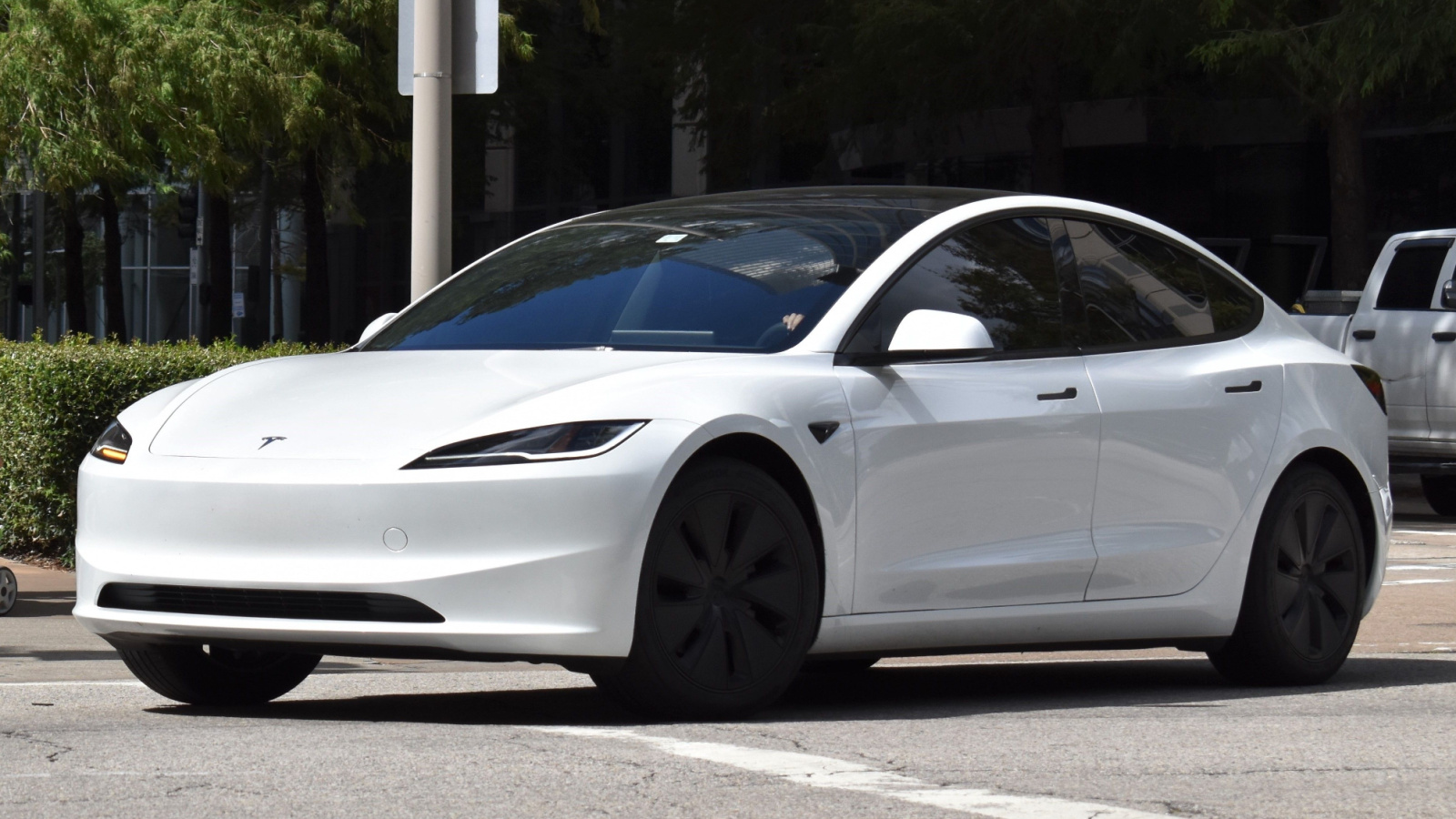
The Tesla Model 3 in rear-wheel drive form feels smooth in summer. Instant torque adds to its appeal. Winter conditions reduce efficiency and range. Battery performance drops in cold weather. Traction becomes an issue on icy roads. Regenerative braking can feel unpredictable on slippery surfaces. Cabin heating uses battery power quickly. Charging times can increase in low temperatures. It remains usable with planning. The experience feels less carefree compared to warm-weather driving, where efficiency and grip are easier to maintain.
Chevrolet Corvette
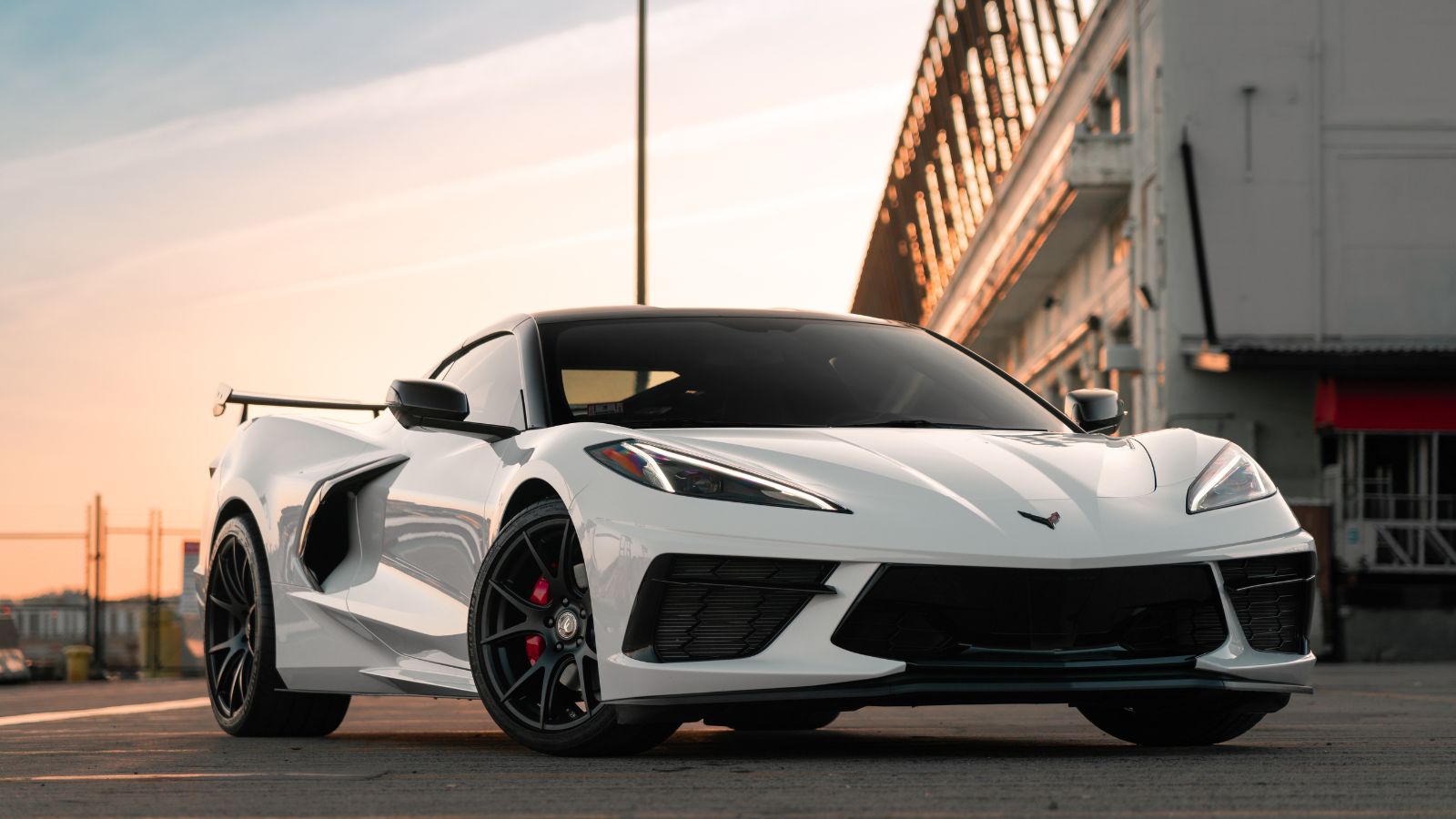
The Chevrolet Corvette feels fast and controlled in warm conditions. Its performance shines on dry pavement. Winter driving changes everything. Rear-wheel drive struggles with traction. Low ground clearance limits movement through snow. Wide tires reduce grip on icy surfaces. Cabin comfort is not built for cold climates. Heating works, but feels secondary to performance. Visibility drops with snow buildup. It becomes a seasonal car for many owners. Summer highlights its strengths, while winter exposes its limits very quickly.
Honda Civic Si
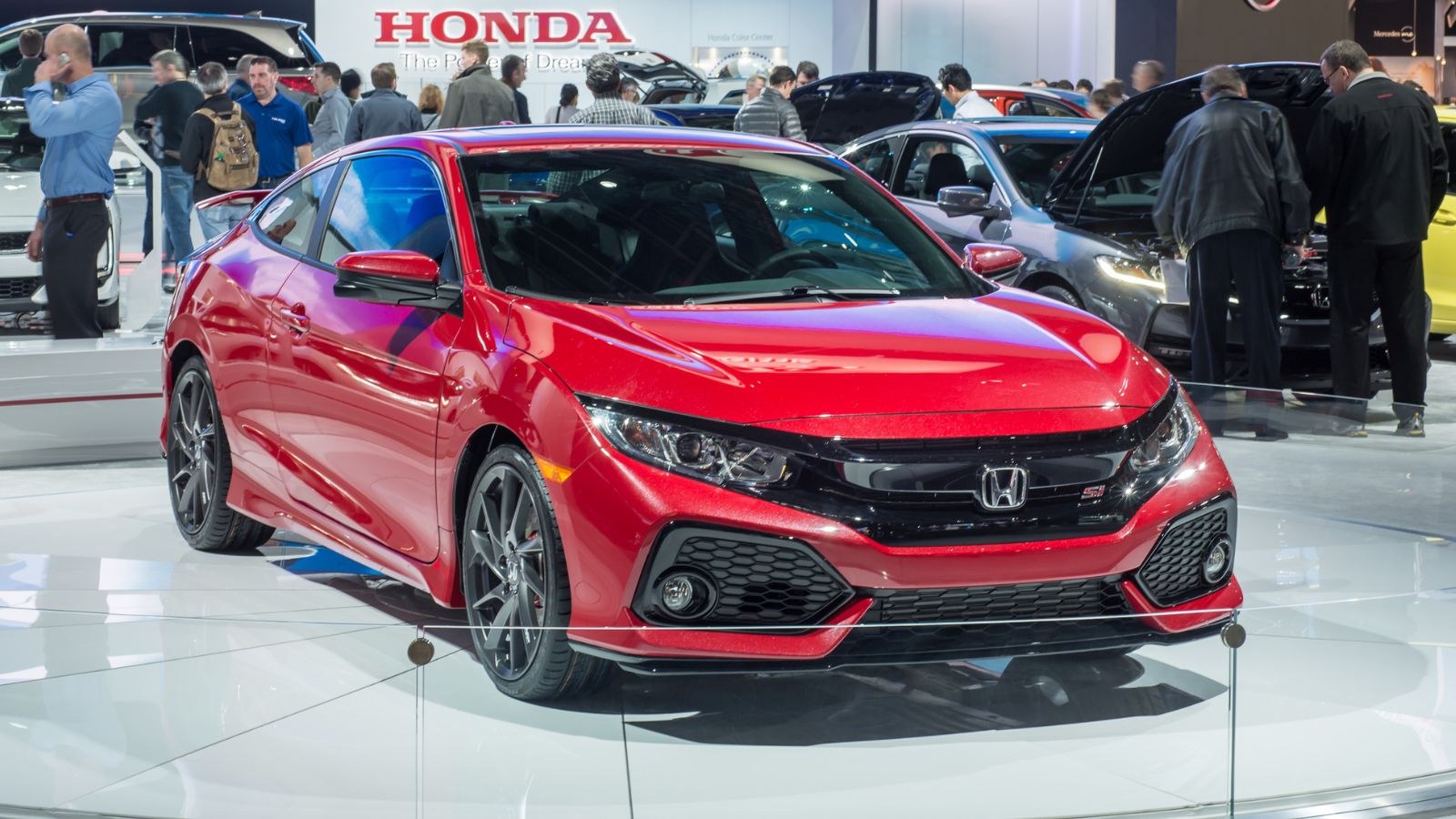
The Honda Civic Si feels sharp and responsive in summer. Its manual gearbox adds to driver engagement. Winter introduces some drawbacks. Front-wheel drive helps with traction, but low-profile tires reduce grip. The firm suspension feels harsh on rough winter roads. Cabin heating is adequate but not quick. Road noise increases on cold pavement. It remains practical but less comfortable. What feels sporty in summer can feel tiring in winter conditions, especially during longer drives or uneven road surfaces.
Volkswagen Golf GTI
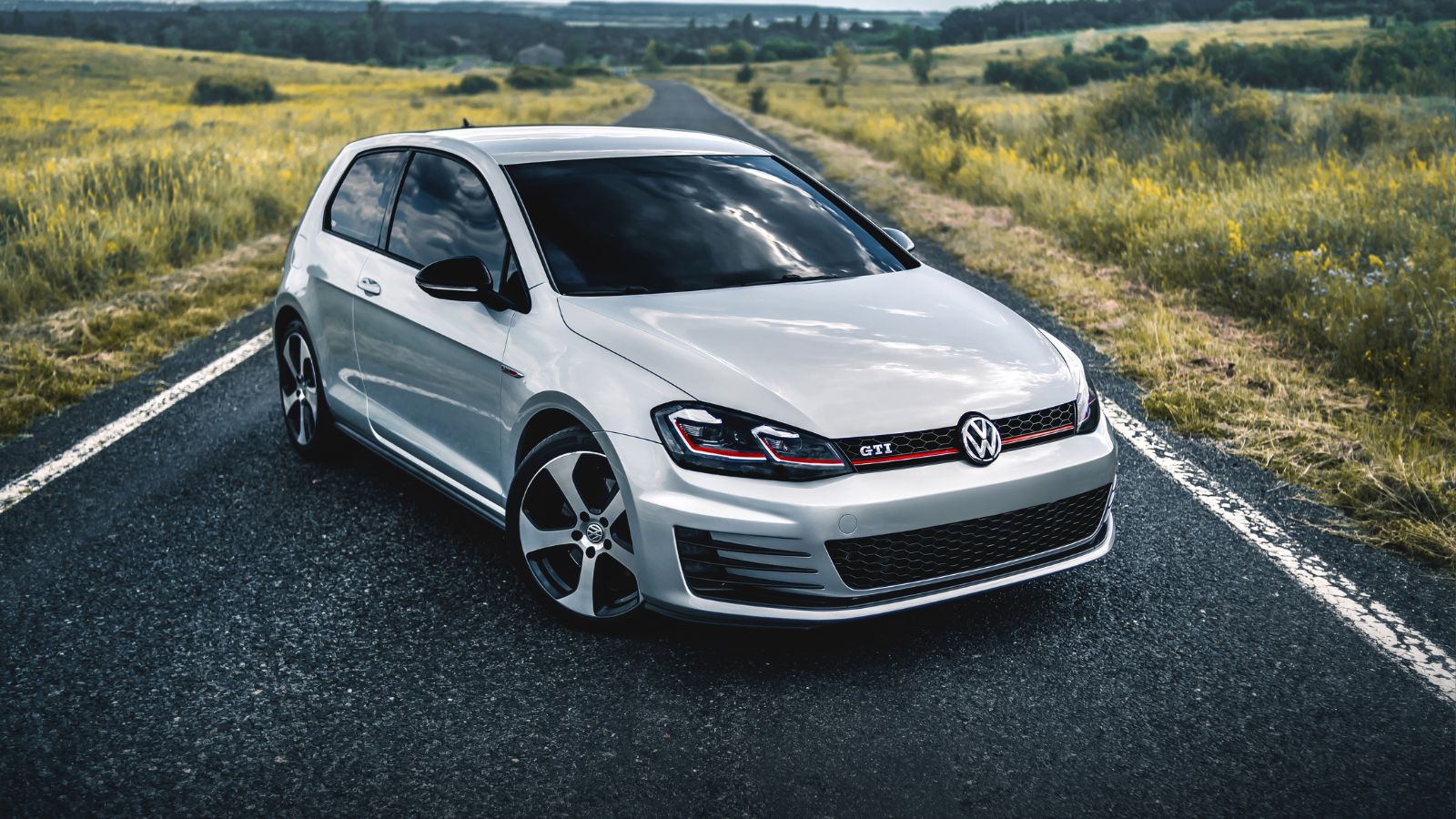
The Volkswagen Golf GTI feels balanced and quick in summer. It offers strong handling on dry roads. Winter driving is manageable but not ideal. Front-wheel drive helps, but torque can cause wheel spin. Low clearance limits deep snow performance. The cabin heats well, but takes time in freezing weather. Ride quality becomes firm on icy roads. Tires need proper upgrades for safety. It remains usable but less enjoyable. Warm weather allows it to feel more composed and predictable overall.
Mercedes-Benz SLK
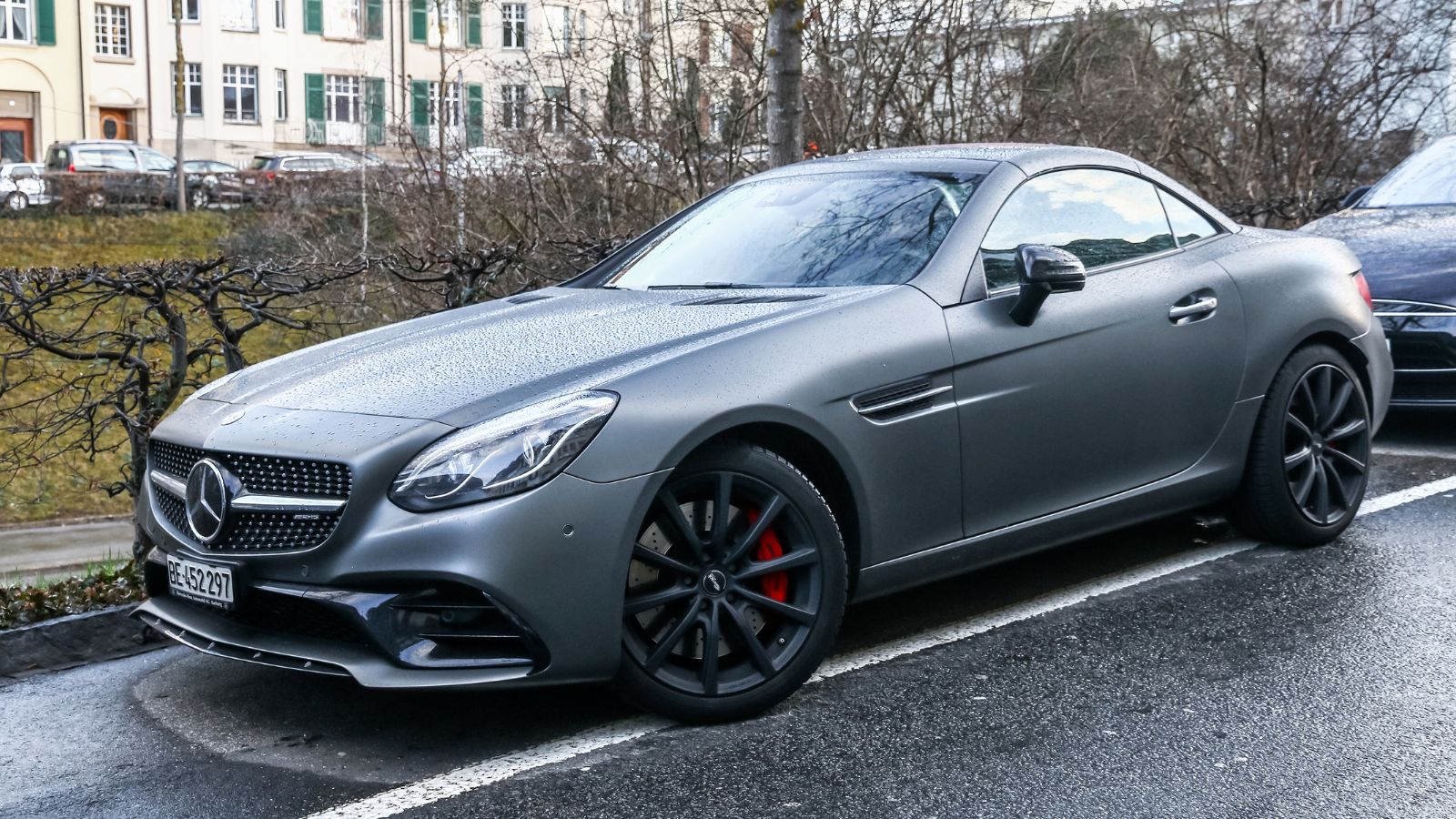
The Mercedes-Benz SLK feels refined and smooth during summer drives. Its compact convertible design suits warm conditions. Winter exposes its weaknesses. Rear-wheel drive limits traction on icy roads. The hardtop helps with insulation, but cannot match full sedans. Cabin warmth takes time to build. Low ride height affects snow driving ability. It feels less stable on slippery surfaces. Daily usability drops in cold climates. What feels elegant in summer becomes less practical once temperatures fall and roads become unpredictable.
22 Things Canadians Do to Their Cars in Spring That Mechanics Hate

Spring brings relief to many Canadian drivers after months of snow, freezing temperatures, and icy roads that put serious strain on vehicles. As temperatures rise across the country, drivers begin washing cars, switching tires, and preparing vehicles for warmer weather and upcoming road trips. However, mechanics across Canada notice the same mistakes every spring when drivers attempt to recover from winter damage. Road salt, potholes, and harsh winter driving conditions often leave vehicles with hidden problems that drivers ignore. Some spring habits even create new mechanical issues that could have been avoided with proper maintenance. Here are 22 things Canadians do to their cars in spring that mechanics hate.