


























A luxury lease once offered a tidy bargain: premium comfort, a fresh vehicle every few years, and a payment that looked easier to manage than financing the full purchase price. That calculation has become less convincing for some Canadian households. Vehicle prices remain far above pre-pandemic levels, insurance and operating expenses are climbing, and lease contracts can feel restrictive when work, family, or travel patterns change. At the same time, mainstream cars and crossovers now offer technology and comfort features that used to help justify a luxury badge. The result is not a wholesale rejection of premium vehicles, but a more careful reassessment of what they deliver for the money. These 12 reasons explain why some Canadians are deciding that the prestige, convenience, and short ownership cycle of a luxury lease no longer outweigh the total cost and contractual trade-offs.
Payments No Longer Feel Like a Shortcut

Leasing can still produce a lower monthly payment than financing the same vehicle, but the gap does not automatically make a luxury model affordable. A lease payment reflects the vehicle’s price, expected depreciation, financing charge, term, taxes, and fees. When the starting price is high, even a favourable residual value leaves a large amount to cover. Statistics Canada reported that dealerships received an average of $55,827 per new vehicle sold in 2025, up from $43,567 in 2019, illustrating how much the overall market moved upward.
Borrowing conditions have eased from their recent peak, yet they remain far removed from the ultra-low-rate environment that shaped many pre-2022 deals. For a household comparing a premium crossover with a well-equipped mainstream alternative, several hundred dollars a month can now represent groceries, childcare, travel, or debt repayment. The luxury lease may still fit on paper, but it can feel less like a clever shortcut and more like a permanent claim on monthly cash flow.
Taxes Make Six-Figure Models Harder to Rationalize

Canada’s federal luxury tax adds another layer when a new subject vehicle is priced above $100,000. The tax is generally calculated as the lesser of 10% of the vehicle’s taxable amount or 20% of the amount above the threshold. It can also apply when a qualifying vehicle is leased out for the first time, meaning the economics of an expensive lease can be affected even when the customer never takes ownership.
Regular sales taxes also matter. Lease payments generally include GST, HST, or provincial sales tax, while insurance and maintenance are normally paid separately. A model advertised with an attractive pre-tax payment can therefore look noticeably different once the full monthly outflow is calculated. Consider a buyer who adds larger wheels, premium paint, driver-assistance packages, and upgraded audio to an already expensive SUV. Options can push the vehicle across the luxury-tax threshold and increase the capitalized cost at the same time. For some Canadians, that turns a desired upgrade into a difficult value proposition.
Insurance Has Become a Bigger Part of the Decision

The monthly lease payment is only one line in the budget. Statistics Canada reported that passenger-vehicle insurance premiums were 6.0% higher in June 2026 than a year earlier. That increase affects the whole market, but expensive vehicles can be particularly sensitive to repair costs, parts prices, theft risk, and the complexity of cameras, radar units, lighting systems, and body panels. A minor collision involving a sensor-filled bumper can become a large claim.
Theft has also changed the conversation. Équité Association estimated that Canadian auto-theft insurance claims still totalled about $900 million in 2025 despite a national decline in thefts. Insurers price policies partly according to the risk associated with a specific vehicle, and high-theft models can carry a painful premium. A driver may be comfortable with a lease quote, only to reconsider after receiving the insurance estimate. When the premium approaches the cost of a second modest car payment, the badge can begin to feel less aspirational and more like an ongoing surcharge.
Maintenance, Tires, and Repairs Still Arrive Separately

A luxury lease can create the impression that nearly everything is bundled into one predictable payment. In practice, routine maintenance, insurance, seasonal tires, damage, and many wear items remain the customer’s responsibility unless a separate plan covers them. Statistics Canada’s transportation index showed prices for passenger-vehicle parts, maintenance, and repairs up 2.9% year over year in June 2026, adding pressure beyond the lease itself.
Premium vehicles can also come with large wheels, performance tires, run-flat designs, specialized fluids, or brand-specific service expectations. Lease-return standards may require tires to match original specifications and retain minimum tread depth. Mercedes-Benz Canada, for example, tells returning lessees to ensure tire type, size, load rating, speed rating, and condition meet its guidelines. A family that damages one wheel on a pothole or wears through a set of tires earlier than expected may face a four-figure decision. That unpredictability makes a simpler vehicle with less costly consumables increasingly attractive.
Kilometre Limits Clash With Unpredictable Lives

Closed-end leases normally set a maximum number of kilometres for the term, and excess driving can generate a charge when the vehicle is returned. That arrangement works best when commuting and travel patterns are stable. Modern routines are often anything but stable. A remote employee may suddenly return to the office, a parent may take on school transportation, or a family may begin making regular highway trips to care for relatives in another city.
The problem is not merely the cost per extra kilometre. It is the feeling of having to ration the use of an expensive vehicle. Some lessees monitor the odometer before weekend trips, borrow another household car, or avoid using the vehicle for a long vacation. Mercedes-Benz describes kilometre limits as a standard feature of its closed-end leases, while OMVIC warns consumers not to exceed the allowance if they want to avoid lease-end charges. For drivers who value flexibility, financing or buying a less expensive model can feel more natural than paying a premium for a vehicle they hesitate to drive.
Lease-End Inspections Can Turn Small Flaws Into Stress

A returned luxury vehicle is judged against detailed condition standards. Dents, scratched wheels, windshield damage, stained upholstery, missing keys, mismatched tires, and neglected maintenance can all lead to charges. BMW Canada’s condition guidance, for example, distinguishes acceptable and unacceptable damage using measurements for dents, chips, scratches, and glass. Mercedes-Benz also uses third-party inspections and issues statements that can include excess wear, kilometre overages, damage, and other outstanding amounts.
The standards are understandable because the leasing company must remarket the vehicle, but they can change how ownership feels. A door ding in a grocery-store parking lot becomes more than a cosmetic annoyance; it becomes a future invoice. Parents may worry about leather damage from child seats, while urban drivers may become preoccupied with curb rash or bumper marks. Protection plans can reduce some exposure, but they add another upfront cost and contain limits. Some Canadians are deciding that a vehicle should serve daily life without turning every small imperfection into a contract question.
Getting Out Early Can Be Complicated

A three- or four-year lease assumes that the driver’s needs and finances will remain reasonably stable. Life rarely signs the same contract. A job loss, relocation, growing family, separation, health issue, or new commute can make the vehicle unsuitable long before maturity. Ending the agreement early may involve a contractual calculation, dealer negotiation, buyout, or lease transfer rather than simply returning the keys.
Consumer guidance reflects that rigidity. OMVIC notes that Ontario has no general cooling-off period once a vehicle purchase or lease contract is signed, and it points to lease-takeover services as one possible alternative to an expensive early termination. Lexus Canada similarly directs customers to the early-termination provisions in their contract. For a household already under pressure, the effort required to exit can make the original “flexibility” of leasing feel overstated. Some shoppers therefore prefer a less expensive vehicle they can finance, sell, trade, or keep for many years without needing permission from a leasing company.
Residual-Value Volatility Has Weakened Confidence

Residual value is central to leasing because it estimates what the vehicle will be worth at the end of the term. A strong forecast can lower the amount of depreciation built into the payment; a weaker forecast can push it higher. Canadian Black Book’s 2025 depreciation report found that luxury and prestige segments experienced the steepest declines in 2024, while mainstream vehicles and light trucks were more resilient. That does not make every luxury lease unattractive, but it helps explain why lenders and customers are paying closer attention.
The uncertainty is especially visible in premium electric vehicles. Canadian Black Book reported that battery-electric vehicles experienced the sharpest depreciation and linked weaker values to oversupply and rapid technological change. For consumers, the lease can still provide protection from resale risk, yet the protection has a price: cautious residual assumptions can raise payments, and an unattractive buyout may remove the appeal of keeping the vehicle. Some Canadians would rather purchase a proven mainstream hybrid or used luxury model after the largest depreciation has already occurred.
Mainstream Vehicles Now Deliver Much of the Comfort
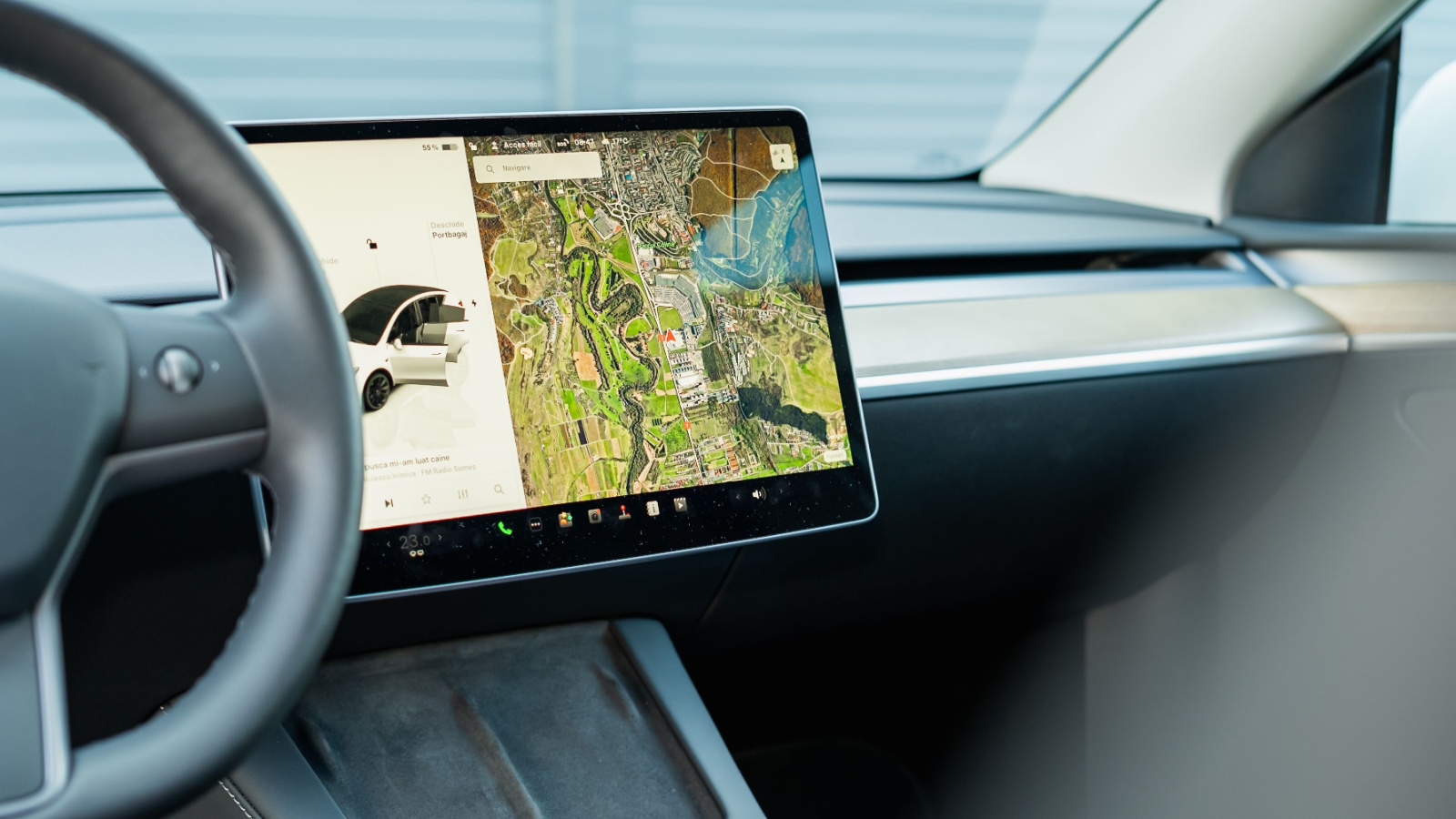
The equipment gap between luxury and mainstream vehicles has narrowed. Features such as heated seats, adaptive cruise control, lane-keeping assistance, large touchscreens, digital instrument displays, blind-spot monitoring, and premium audio are now available far below traditional luxury pricing. Toyota’s 2026 Corolla lineup, for example, offered a 10.5-inch touchscreen, a 12.3-inch digital gauge cluster, heated rear seats, and an upgraded JBL audio system on upper trims. Honda’s 2026 Civic offered standard heated front seats and available heated rear seats and steering-wheel heating.
Not every mainstream cabin matches the materials, quietness, dealership experience, or performance of a true luxury model. Still, the practical differences are smaller during an ordinary commute. A driver using wireless smartphone integration, heated seats, adaptive cruise, and a clear reversing camera may find that the less expensive vehicle already covers the features used every day. When the luxury upgrade mainly buys a badge, extra power, or finer trim, the lease premium can be harder to defend.
More Technology Does Not Always Feel More Premium

Luxury brands often lead with large screens, automated controls, connected services, digital keys, voice assistants, and complex driver aids. Those systems can be impressive during a test drive, but they also create more opportunities for frustration. J.D. Power’s 2026 Vehicle Dependability Study found that infotainment remained the most problematic vehicle category after three years of ownership, while its 2026 Initial Quality Study said connectivity problems continued to strain the new-vehicle experience.
This matters because technology is frequently part of the justification for changing vehicles every few years. If the newest interface is distracting, subscription-based, slow to connect, or less intuitive than physical controls, the customer may not feel rewarded for paying more. A premium cabin that requires several screen taps to adjust a basic function can feel less luxurious than a simpler interior that works immediately. Some Canadians are therefore choosing vehicles with proven controls and mature systems, even when that means giving up the newest display or semi-automated feature.
Business Tax Benefits Have Clear Limits

Luxury leasing is sometimes framed as especially attractive for professionals and business owners because eligible vehicle expenses may be deductible. The tax rules, however, do not provide an unlimited write-off for an expensive vehicle. For new leases entered into in 2026, the federal deductible leasing-cost limit remains $1,100 per month before tax, subject to the detailed calculation and the proportion of business use. Personal driving is not transformed into a business expense simply because the vehicle carries a client-facing badge.
That ceiling matters when a premium SUV or sedan costs substantially more each month. The amount above the permitted limit does not suddenly become economical because the vehicle is used for work. Recordkeeping, business-use percentages, and taxable-benefit rules can further reduce the simplicity of the sales pitch. An accountant may still support a luxury lease in the right circumstances, but many self-employed Canadians are comparing it with a less expensive model that stays closer to the deductible range. The practical goal is mobility for the business, not the largest possible payment.
Household Priorities Are Shifting Toward Resilience

The final reason is broader than cars. Canadian households are carrying heavy debt and remain sensitive to food, housing, insurance, and borrowing costs. Statistics Canada reported household credit-market debt equal to 179.6% of disposable income in the first quarter of 2026. TransUnion’s July 2026 consumer research found that half of respondents said income was not keeping pace with inflation, while 51% had cut discretionary spending.
A luxury lease is a recurring commitment that competes with savings, mortgage renewals, education costs, travel, and emergency funds. Even households that can technically qualify may no longer want the fixed obligation. The change can be subtle: a professional replaces a premium SUV with a mainstream hybrid, keeps an older paid-off car for another two years, or buys a lightly used luxury model instead of leasing new. The decision is less about rejecting comfort than protecting flexibility. In an uncertain economy, having room in the budget can feel more valuable than having the newest badge in the driveway.
22 Things Canadians Do to Their Cars in Spring That Mechanics Hate

Spring brings relief to many Canadian drivers after months of snow, freezing temperatures, and icy roads that put serious strain on vehicles. As temperatures rise across the country, drivers begin washing cars, switching tires, and preparing vehicles for warmer weather and upcoming road trips. However, mechanics across Canada notice the same mistakes every spring when drivers attempt to recover from winter damage. Road salt, potholes, and harsh winter driving conditions often leave vehicles with hidden problems that drivers ignore. Some spring habits even create new mechanical issues that could have been avoided with proper maintenance. Here are 22 things Canadians do to their cars in spring that mechanics hate.