


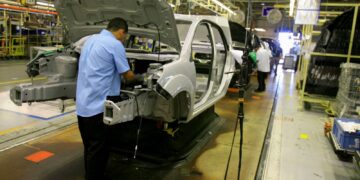























A vehicle search that once ended at the provincial border now often stretches across the country. Canadians are comparing listings in neighbouring provinces—and sometimes thousands of kilometres away—because local supply, pricing, condition, and equipment can vary sharply. The appeal is not simply finding a cheaper sticker. A distant vehicle may offer the exact trim, a cleaner underbody, stronger maintenance records, or a body style that has become scarce nearby.
These 12 reasons explain why cross-provincial car buying is becoming a practical option for some households, tradespeople, collectors, and electric-vehicle shoppers. They also show why the apparent bargain must be measured against taxes, inspections, transport, registration, insurance, and the protections available when a purchase crosses jurisdictions.
The Search Pool Is Much Larger

Shopping only within a familiar radius can make a thin market look even thinner. A national search opens access to far more dealerships, private sellers, lease returns, and trade-ins. AutoTrader’s market reporting is based on hundreds of thousands of listings collected across Canada, which shows why a buyer in a smaller city may see a dramatically different selection after removing the provincial boundary.
That broader pool matters because Canadian used-vehicle supply is still carrying the effects of lower new-vehicle production and sales between 2020 and 2023. Fewer vehicles from those years are now returning as off-lease units or trade-ins. A family searching locally for a three-row hybrid may find only two candidates, while the same search across neighbouring provinces produces dozens. The attraction is not necessarily adventure or novelty. It is often the practical realization that the best match may be 600 kilometres away rather than six kilometres away.
Regional Price Gaps Can Be Significant

Provincial price differences can be large enough to justify a flight, shipping fee, or long drive home. AutoTrader’s December 2025 regional data placed the average listed used-vehicle price at $39,140 in British Columbia, $38,922 in Alberta, and $33,464 in Ontario. That put the British Columbia average roughly $5,700 above Ontario’s, although vehicle mix, age, mileage, and local demand all influence those averages.
Averages do not guarantee that every Ontario car is cheaper or every western vehicle is expensive. They do show why buyers carefully compare identical models nationally instead of trusting one local asking price. Consider a two-year-old compact SUV listed several thousand dollars lower in another province with similar kilometres and equipment. Even after an inspection and transport, the total may remain attractive. Price gaps can also reverse for particular trucks, luxury vehicles, or electric models, so successful shoppers compare like-for-like vehicles rather than relying on provincial reputations alone.
The Exact Trim May Be Somewhere Else

Many cross-provincial purchases begin with a specification, not a bargain. A buyer may want a manual transmission, a discontinued wagon, a particular towing package, ventilated seats, or a colour that was produced in small numbers. Local dealers cannot stock every combination, and AutoTrader’s 2025 market review noted that some makes and models remained in short supply even while overall new-vehicle inventory improved to about 77 days.
The search becomes especially difficult when several requirements overlap. A used pickup with a long box, crew cab, gasoline engine, and factory tow package may be common in one region but nearly absent in another. The same applies to accessible vans, performance trims, and luxury cars. Crossing a provincial line lets buyers choose the configuration they actually need instead of paying to modify a near match later. Here, extra travel is treated as part of finding exactly the right product, not merely an inconvenience.
EV Supply Is Geographically Uneven
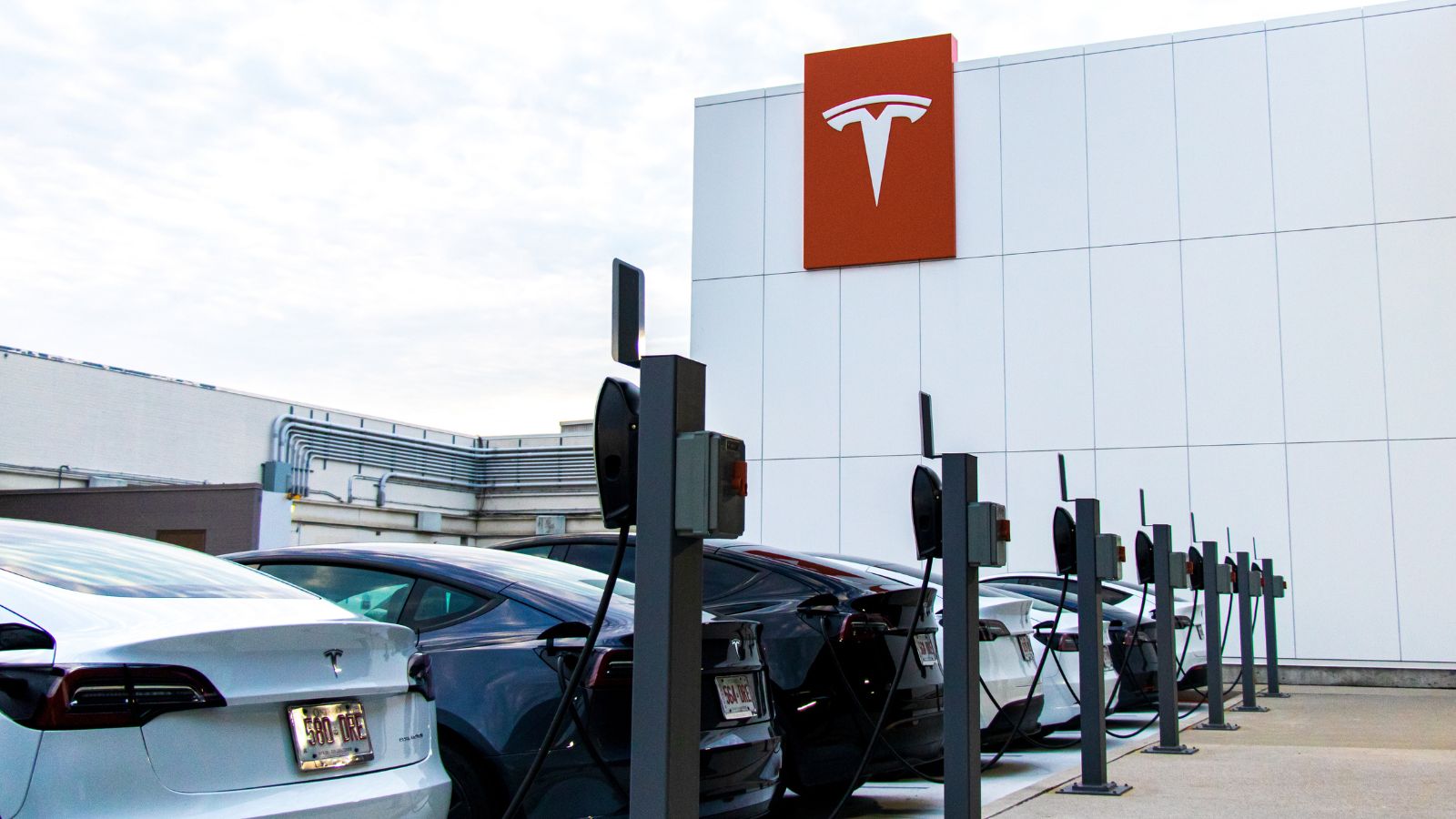
Electric-vehicle supply has developed unevenly across Canada, creating a strong reason for some buyers to search beyond home. In 2024, Quebec accounted for 54.4 per cent of Canada’s new zero-emission vehicle registrations, while Ontario represented 20.9 per cent and British Columbia 16.9 per cent. Those concentrations eventually feed provincial used markets through trade-ins, lease returns, and owners moving to newer models.
The pattern continues to shift with incentives and demand. Statistics Canada reported 43,113 new zero-emission registrations in the first quarter of 2026, equal to 10.8 per cent of all new registrations and 15.8 per cent more than a year earlier. A buyer seeking a used electric hatchback, a plug-in hybrid with a specific range, or a model previously allocated heavily to Quebec may therefore find more choice there. The lower sticker price must still be weighed carefully against battery condition, winter range, warranty coverage, transport, tax, and inspection requirements.
Scarce Body Styles Force Wider Searches
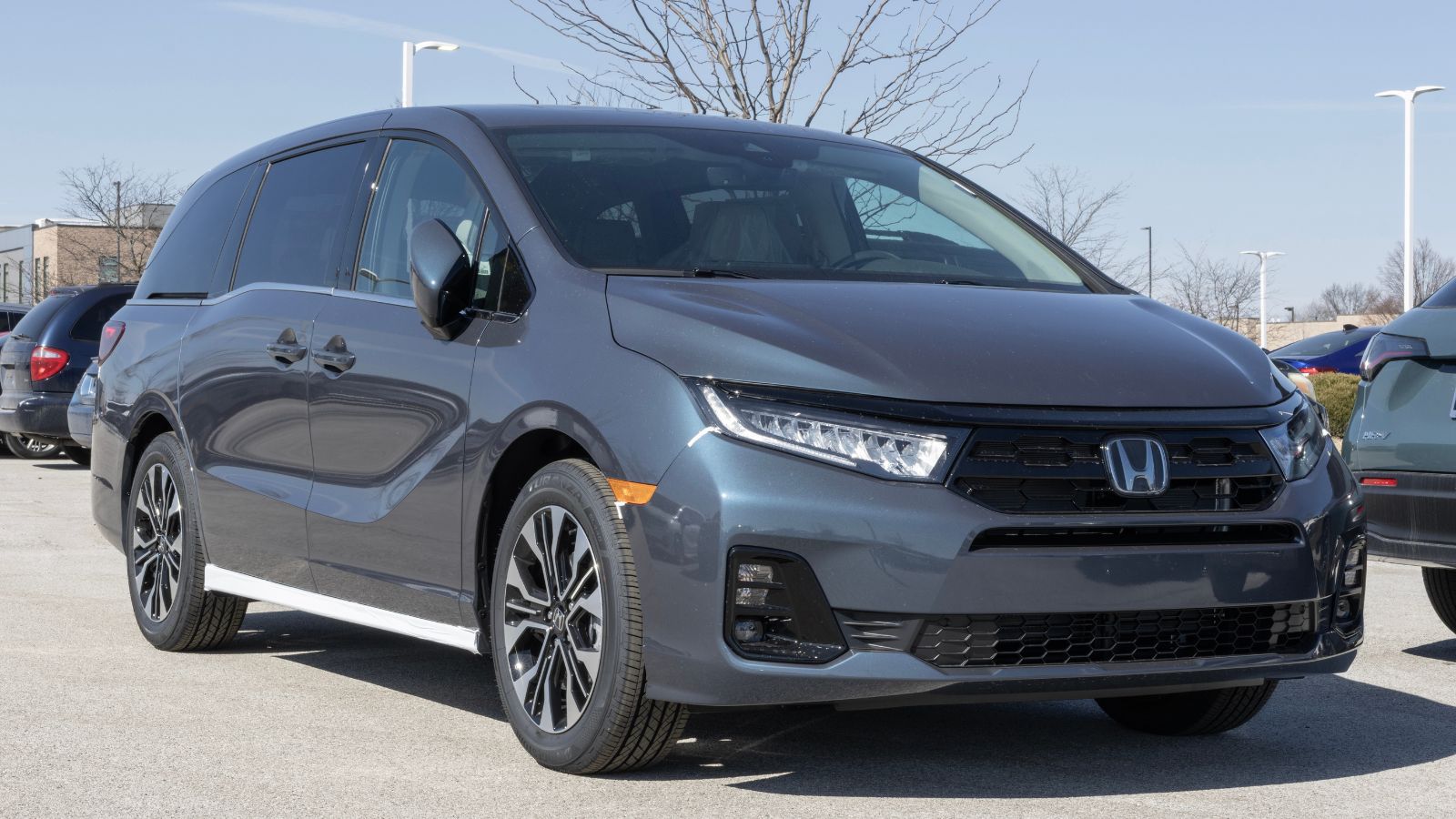
Not every vehicle category has the same depth of supply. AutoTrader’s fourth-quarter 2025 inventory chart showed roughly 120,000 used SUVs in its marketplace, compared with about 60,000 cars, 35,000 trucks, and only around 12,000 minivans. That imbalance helps explain why buyers of scarce or specialized body styles often widen their search sooner than shoppers looking for mainstream crossovers.
A household needing sliding doors and three usable rows may have little patience for waiting months for the right minivan. A contractor may need a specific payload rating, axle ratio, box length, or commercial upfit. When only a small fraction of national listings fit those requirements, provincial borders become arbitrary filters that remove viable candidates. The result is targeted long-distance shopping: buyers are not browsing every car in Canada but searching for one narrow combination. Travelling farther can be easier than compromising on safety, everyday seating, cargo capacity, or essential work capability.
Buyers Are Looking for Cleaner Underbodies
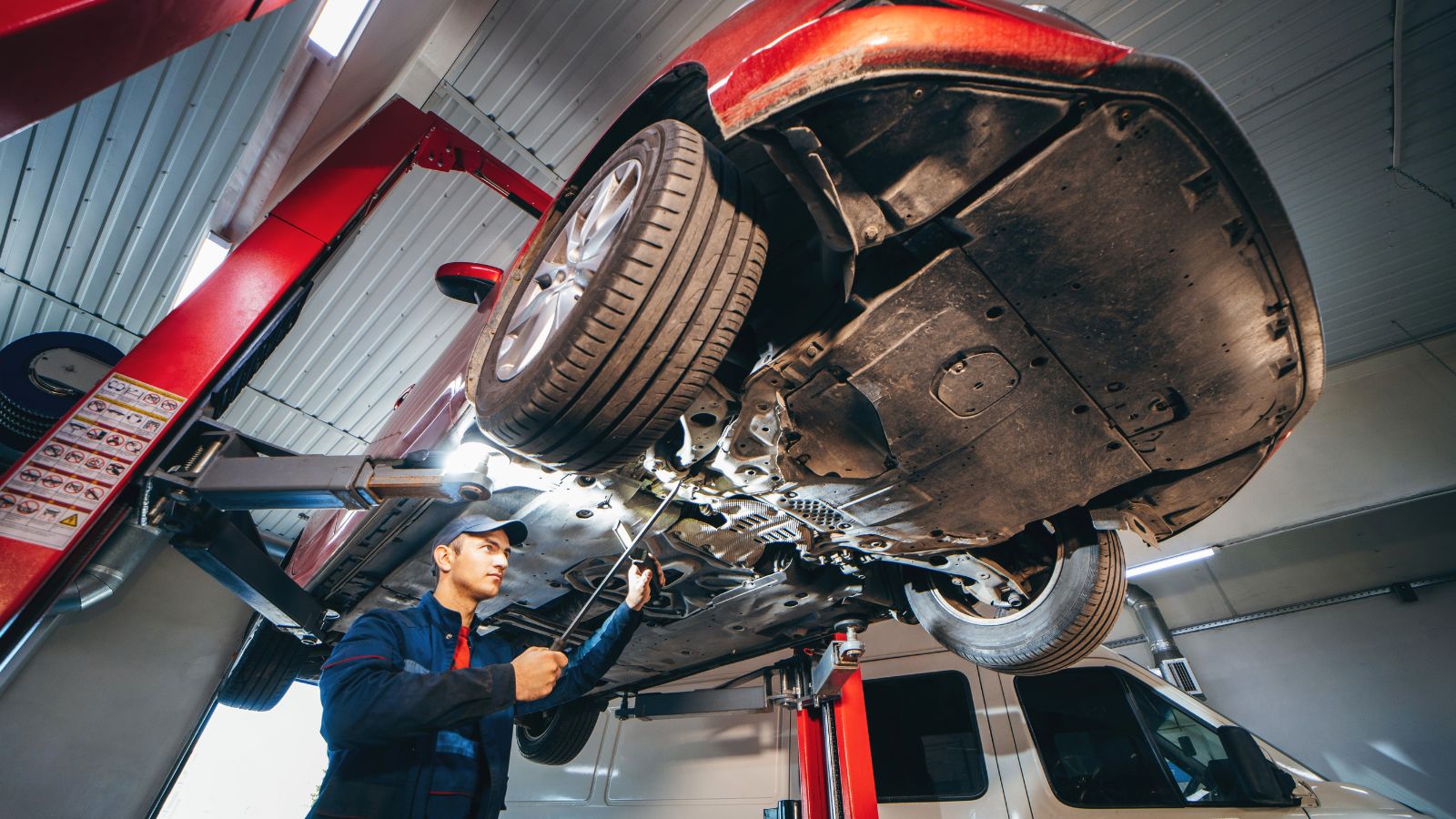
Vehicle condition is another major draw, especially when shoppers are worried about corrosion. Canadian road salt and brine can remain underneath a vehicle and contribute to rust or discolouration, while National Research Council material explains that water mixed with road salt acts as an electrolyte that supports corrosion. That makes underbody condition a consideration on older cars, trucks, and SUVs.
Some buyers therefore search regions perceived to use less salt or to have milder winters. A 10-year-old car with clean brake lines, subframes, fasteners, and rocker panels can be worth more than a cheaper local example already showing structural corrosion. Geography, however, is only a clue. Coastal moisture, gravel roads, flood exposure, poor storage, and neglected washing can damage vehicles anywhere. A so-called western car or island car should still be lifted and inspected. The real objective is not buying a province’s reputation; it is locating a demonstrably better-preserved vehicle.
Local Dealer Pressure Creates Opportunities
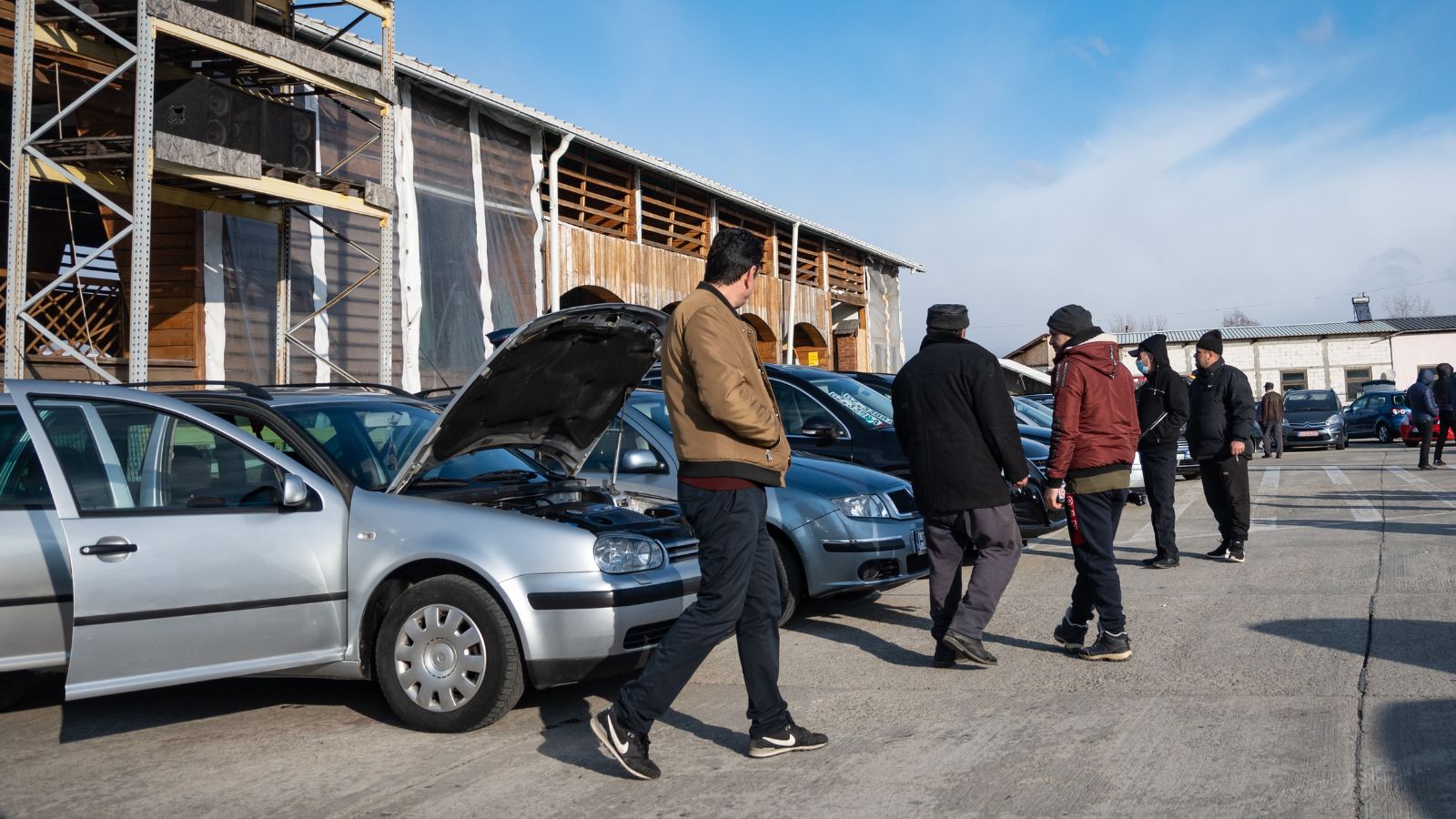
Dealer inventory and local demand do not move in perfect unison across Canada. AutoTrader reported that provincial used sales differed in 2025, with Ontario and British Columbia recording annual growth while Alberta and Quebec declined. It also found that overall new-vehicle supply had improved, but availability still varied by manufacturer and model. Differences can create pockets where a dealer is more motivated to sell.
A vehicle that is highly desirable in one city may sit longer somewhere else because local tastes, fuel prices, weather, employment conditions, and brand loyalty differ. Buyers increasingly notice when the same model carries a stronger discount, lower finance markup, or more included equipment outside their home market. The comparison is the complete written offer, not the advertised monthly payment. Documentation fees, accessories, finance conditions, trade-in values, transport, and tax can erase an apparent advantage. Still, genuine regional competition can give an out-of-province buyer better negotiating room.
Remote Verification Is Better Than Before

Remote shopping has become more credible because buyers can verify more information before a trip. CARFAX Canada advises out-of-province shoppers to confirm that a private seller’s identification matches the ownership and registration, review vehicle history, and arrange an inspection. Photos, video, service invoices, lien checks, and cold-start recordings can narrow the field before money is committed.
Recall research has also improved. Since January 1, 2025, federal rules have required manufacturers to provide online recall information and a vehicle-identification-number lookup tool. Transport Canada maintains a national recall database. These resources do not eliminate hidden damage, but they make it easier to reject questionable vehicles early. A cautious buyer can verify the VIN across the windshield, registration, history report, service records, and recall search before booking travel. The process is still less comfortable than inspecting a car nearby, yet documentation has reduced the information gap that once made provincial borders feel riskier.
Independent Inspections Reduce the Guesswork

An independent pre-purchase inspection can make a distant vehicle easier to evaluate when the buyer cannot inspect it personally. CARFAX Canada recommends a thorough test drive and an inspection by a qualified mechanic before purchase. A buyer can hire a nearby shop, request a written report with photographs, and ask for checks of corrosion, leaks, collision repairs, tires, brakes, diagnostic codes, and model-specific trouble spots.
That inspection should not be confused with the provincial inspection needed for registration. Alberta requires an out-of-province inspection before plates are issued. Ontario requires a safety standards certificate before plates can be attached in applicable cases, while most vehicles entering British Columbia need a passed inspection report. These checks determine compliance with standards; they are not guarantees of reliability or future repair costs. Buyers who understand the difference use both layers: mechanical due diligence before purchase and the required regulatory inspection before registration.
Permits and Shipping Make Pickup Possible

Bringing a car home is more manageable than many buyers assume. Alberta offers an in-transit permit to move an unregistered vehicle between two points in Canada. Ontario allows qualifying vehicles to use a special permit for temporary operation, including newly purchased vehicles taken to another jurisdiction. British Columbia directs importers to arrange interim insurance and obtain an in-transit permit from the province where the vehicle is purchased.
Those options support several practical plans. A buyer may fly to the selling city, complete the paperwork, and drive home. Others hire a carrier for winter travel, collector cars, or unplated vehicles. Dealers may also coordinate shipping and documentation. The details must be confirmed before pickup because permit validity, insurance, plate rules, and required documents vary. When planned correctly, a provincial border becomes a paperwork problem rather than a physical barrier. That practical shift has made distant listings feel like realistic inventory rather than unreachable advertisements.
The Math Can Still Work After Taxes

Cross-provincial buying rarely provides a simple sales-tax escape. Provinces generally collect applicable tax when the vehicle enters the buyer’s home jurisdiction. Ontario, for example, generally collects retail sales tax on private out-of-province vehicle purchases when registration is transferred. British Columbia warns that provincial sales tax may apply to vehicles imported from another province, and Quebec collects QST through the SAAQ.
This matters because a lower advertised price can look better than it really is. Buyers need a total-cost calculation that includes tax treatment, inspection, repairs required to pass, temporary permits, insurance, shipping, travel, secure payment arrangements, and registration fees. Dealer and private transactions may also be taxed differently, and exemptions depend on specific circumstances. Yet some deals still survive the calculation. When a vehicle is several thousand dollars cheaper, unusually well equipped, or substantially cleaner, the added costs may be acceptable. The motivation is legitimate value, not a tax loophole.
Some Buyers Value the Better Car More
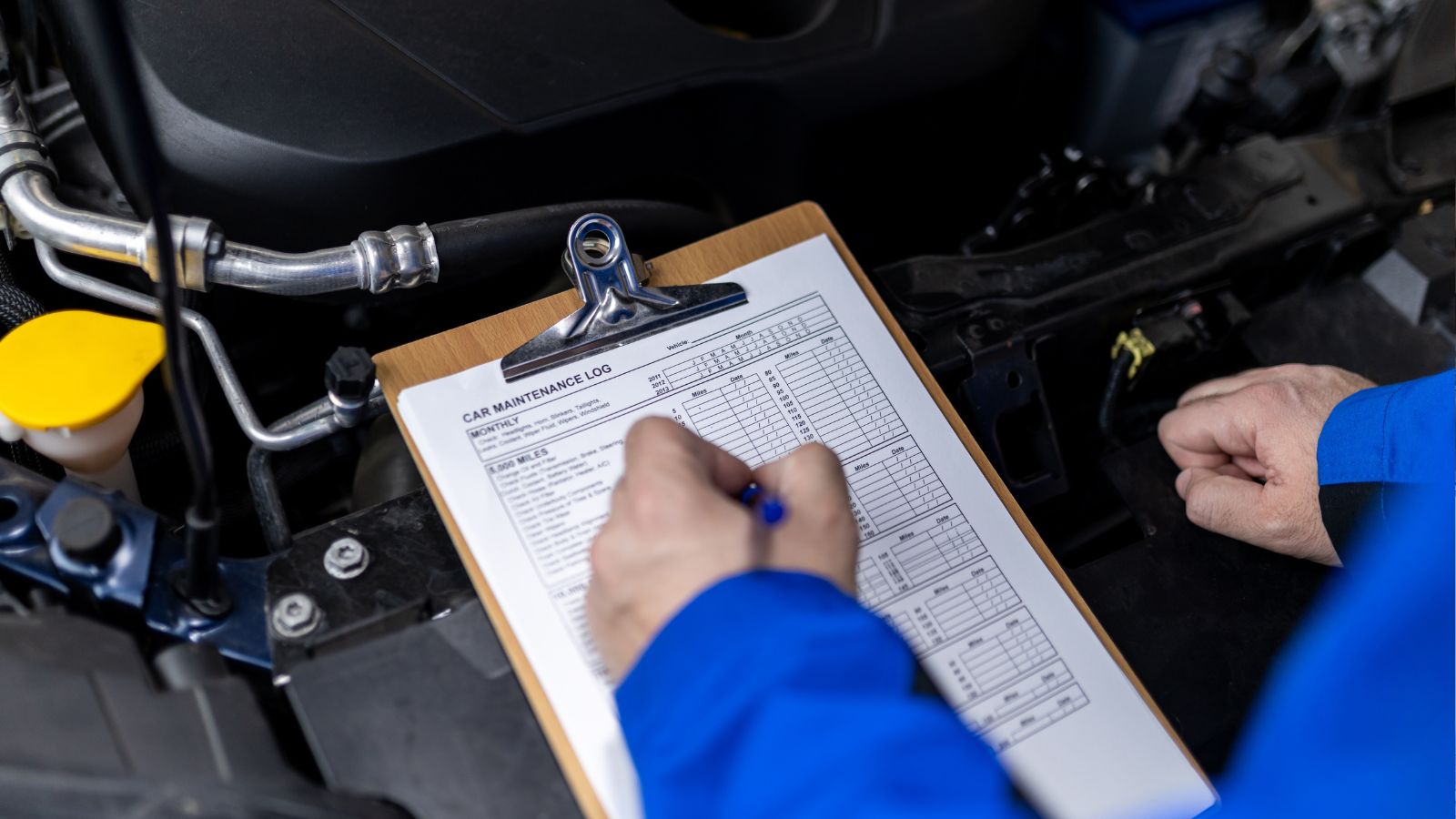
The final reason is simple: the distant car is better. It may have lower kilometres, stronger maintenance records, the correct options, fewer owners, no collisions, or a price that remains competitive after every added cost. Buyers who keep vehicles for many years may view a weekend of travel and extra paperwork as minor compared with living with the wrong vehicle every day.
The trade-off is inconvenience when problems arise. Remedies depend on the seller, transaction, and province. Ontario’s dealer regulator notes that its jurisdiction concerns sales by registered dealers within Ontario, while British Columbia’s regulator warns that an out-of-province buyer may need legal advice. Private sales generally provide fewer protections than licensed-dealer purchases. Eligible owners may still use the cross-Canada CAMVAP program for certain manufacturer warranty disputes. Careful buyers therefore verify the seller, contract, lien status, history, inspection, tax, warranty, and registration path before deciding that better really means better.
22 Things Canadians Do to Their Cars in Spring That Mechanics Hate

Spring brings relief to many Canadian drivers after months of snow, freezing temperatures, and icy roads that put serious strain on vehicles. As temperatures rise across the country, drivers begin washing cars, switching tires, and preparing vehicles for warmer weather and upcoming road trips. However, mechanics across Canada notice the same mistakes every spring when drivers attempt to recover from winter damage. Road salt, potholes, and harsh winter driving conditions often leave vehicles with hidden problems that drivers ignore. Some spring habits even create new mechanical issues that could have been avoided with proper maintenance. Here are 22 things Canadians do to their cars in spring that mechanics hate.