




















• About
  • Contact
AutoIgloo
  • News & Trends
    16 Cars That Could Be the Biggest Ownership Money Pits in Canada This Summer

    Mercedes-Benz Car Sales Plunge 20.7% in Canada as Battery EVs Make Up Just 2% of Deliveries

    21 Vehicles Insurance Companies Are Quietly Flagging as “High Risk” in Canada (2026 Update)

    GM Confirms Oshawa Will Stop Building Silverado 1500 Trucks in November

    16 Cars That Are a Nightmare to Repair Because Parts Are Backordered

    Toyota Recalls 7,846 RAV4 Plug-in Hybrids in Canada Over Risk of Sudden Power Loss

    Tesla Pushes Its Latest FSD Update to Canadian Cars Overnight as Rollout Accelerates

    Tesla’s FSD Safety Claims Face New Scrutiny as Canadians Pay $99 a Month for the System

    Hyundai Canada Puts $350,000 Into B.C. Children’s Cancer Care as National Dealer Program Tops $4.1 Million

    Hyundai Unveils New Electrification and Hydrogen Tech as Auto Industry Rethinks the EV-Only Bet

    Porsche Wants to Charge More for Its Most Expensive Cars as 9,000 Jobs Disappear

    Porsche Wants to Charge More for Its Most Expensive Cars as 9,000 Jobs Disappear

  • Car Reviews
    Honda Asked Suppliers for 30% Parts Cost Cuts as $9.4-Billion Savings Drive Hits Global Supply Chain

    Why Some Buyers Are Choosing Older Hondas Over Newer SUVs

    18 Things That Can Make a Car Unsafe for Winter Road Trips

    Why Some Drivers Are Avoiding Vehicles With Complex Infotainment Systems

    21 Cars Canadians Are Starting to Regret Buying

    Why Some Drivers Regret Buying Big Wheels and Low-Profile Tires

    17 Vehicles That Are Quietly Getting Crushed by Insurance Costs in Canada

    Why So Many Drivers Are Nervous About Chinese-Made EV Batteries

    20 Used SUVs Canadians Should Think Twice About Buying

    20 Used SUVs Canadians Should Think Twice About Buying

    15 Vehicles That Are Starting to Feel Like a Bad Deal Around May Long Weekend

    15 Vehicles That Are Starting to Feel Like a Bad Deal Around May Long Weekend

  • Buying Guides
    18 Things That Can Make a Car Harder to Park Than Expected

    Why Some Buyers Regret Choosing the Sport Package

    The Traffic Stop Mistake That Can Turn a Warning Into a Ticket

    20 Things Canadians Should Check Before Buying a Vehicle With a Loan Still Owing

    The Dealership Fee That Buyers Should Always Ask About

    The Dealership Fee That Buyers Should Always Ask About

    23 Features That Are Making New Cars Harder (and Pricier) to Repair in Canada

    Why Some Canadians Are Avoiding Cars With Expensive Windshields

    18 Red Flags a Used Vehicle May Be a Money Pit

    The Car Buying Mistake That Makes Negotiating Almost Impossible

    Why Some Canadians Are Regretting Buying Vehicles With No Spare Tire

    Why Some Canadians Are Regretting Buying Vehicles With No Spare Tire

  • Comparisons
    Honda Asked Suppliers for 30% Parts Cost Cuts as $9.4-Billion Savings Drive Hits Global Supply Chain

    Why Some Buyers Are Choosing Older Hondas Over Newer SUVs

    25 EV Charging Mistakes Canadians Make in March (That Wreck Range)

    Why Some Canadians Are Choosing Hybrids Over Full EVs Again

    21 Used Car Features That Can Become Expensive Problems Later

    Why Some Canadians Are Choosing Front-Wheel Drive Over All-Wheel Drive

    Canada’s Auto Fight Gets Uglier as BYD Threatens to Sue Trump Administration

    Tesla Vs. BYD: Are Chinese EV’s Actually Better for Canadians?

    17 Vehicles That Are Quietly Getting Crushed by Insurance Costs in Canada

    Why So Many Drivers Are Nervous About Chinese-Made EV Batteries

    20 Used SUVs Canadians Should Think Twice About Buying

    20 Used SUVs Canadians Should Think Twice About Buying

  • EVs & Hybrids
    18 Cars That Will Feel Dated Fast as New Chinese EVs Arrive

    12 EVs Now Price Below $41,000 in Canada—Fiat 500e Falls Under $30,000 With Rebate

    The Used EV Question Canadians Should Ask Before Buying One

    The Used EV Question Canadians Should Ask Before Buying One

    Why Some EV Owners Are Getting Sticker Shock From Home Charging Setups

    Why Some EV Owners Are Getting Sticker Shock From Home Charging Setups

    20 Signs Your Car Battery Is About to Leave You Stranded

    Canadian Auto Jobs Become a Central Fault Line as Ottawa Reveals Why It Rejected U.S. Vehicle Terms

    25 EV Charging Mistakes Canadians Make in March (That Wreck Range)

    Why Some Canadians Are Choosing Hybrids Over Full EVs Again

    The EV Charging Habit That Can Annoy Everyone Around You

    Canada Is Missing an EV-Battery Export Opening as EU Lithium Demand Heads for a 9-to-12-Fold Jump: Report

  • More
    • Pricing & Deals
    • Winter Driving
    • Ownership & Maintenance
No Result
View All Result
AutoIgloo
  • News & Trends
    16 Cars That Could Be the Biggest Ownership Money Pits in Canada This Summer

    Mercedes-Benz Car Sales Plunge 20.7% in Canada as Battery EVs Make Up Just 2% of Deliveries

    21 Vehicles Insurance Companies Are Quietly Flagging as “High Risk” in Canada (2026 Update)

    GM Confirms Oshawa Will Stop Building Silverado 1500 Trucks in November

    16 Cars That Are a Nightmare to Repair Because Parts Are Backordered

    Toyota Recalls 7,846 RAV4 Plug-in Hybrids in Canada Over Risk of Sudden Power Loss

    Tesla Pushes Its Latest FSD Update to Canadian Cars Overnight as Rollout Accelerates

    Tesla’s FSD Safety Claims Face New Scrutiny as Canadians Pay $99 a Month for the System

    Hyundai Canada Puts $350,000 Into B.C. Children’s Cancer Care as National Dealer Program Tops $4.1 Million

    Hyundai Unveils New Electrification and Hydrogen Tech as Auto Industry Rethinks the EV-Only Bet

    Porsche Wants to Charge More for Its Most Expensive Cars as 9,000 Jobs Disappear

    Porsche Wants to Charge More for Its Most Expensive Cars as 9,000 Jobs Disappear

  • Car Reviews
    Honda Asked Suppliers for 30% Parts Cost Cuts as $9.4-Billion Savings Drive Hits Global Supply Chain

    Why Some Buyers Are Choosing Older Hondas Over Newer SUVs

    18 Things That Can Make a Car Unsafe for Winter Road Trips

    Why Some Drivers Are Avoiding Vehicles With Complex Infotainment Systems

    21 Cars Canadians Are Starting to Regret Buying

    Why Some Drivers Regret Buying Big Wheels and Low-Profile Tires

    17 Vehicles That Are Quietly Getting Crushed by Insurance Costs in Canada

    Why So Many Drivers Are Nervous About Chinese-Made EV Batteries

    20 Used SUVs Canadians Should Think Twice About Buying

    20 Used SUVs Canadians Should Think Twice About Buying

    15 Vehicles That Are Starting to Feel Like a Bad Deal Around May Long Weekend

    15 Vehicles That Are Starting to Feel Like a Bad Deal Around May Long Weekend

  • Buying Guides
    18 Things That Can Make a Car Harder to Park Than Expected

    Why Some Buyers Regret Choosing the Sport Package

    The Traffic Stop Mistake That Can Turn a Warning Into a Ticket

    20 Things Canadians Should Check Before Buying a Vehicle With a Loan Still Owing

    The Dealership Fee That Buyers Should Always Ask About

    The Dealership Fee That Buyers Should Always Ask About

    23 Features That Are Making New Cars Harder (and Pricier) to Repair in Canada

    Why Some Canadians Are Avoiding Cars With Expensive Windshields

    18 Red Flags a Used Vehicle May Be a Money Pit

    The Car Buying Mistake That Makes Negotiating Almost Impossible

    Why Some Canadians Are Regretting Buying Vehicles With No Spare Tire

    Why Some Canadians Are Regretting Buying Vehicles With No Spare Tire

  • Comparisons
    Honda Asked Suppliers for 30% Parts Cost Cuts as $9.4-Billion Savings Drive Hits Global Supply Chain

    Why Some Buyers Are Choosing Older Hondas Over Newer SUVs

    25 EV Charging Mistakes Canadians Make in March (That Wreck Range)

    Why Some Canadians Are Choosing Hybrids Over Full EVs Again

    21 Used Car Features That Can Become Expensive Problems Later

    Why Some Canadians Are Choosing Front-Wheel Drive Over All-Wheel Drive

    Canada’s Auto Fight Gets Uglier as BYD Threatens to Sue Trump Administration

    Tesla Vs. BYD: Are Chinese EV’s Actually Better for Canadians?

    17 Vehicles That Are Quietly Getting Crushed by Insurance Costs in Canada

    Why So Many Drivers Are Nervous About Chinese-Made EV Batteries

    20 Used SUVs Canadians Should Think Twice About Buying

    20 Used SUVs Canadians Should Think Twice About Buying

  • EVs & Hybrids
    18 Cars That Will Feel Dated Fast as New Chinese EVs Arrive

    12 EVs Now Price Below $41,000 in Canada—Fiat 500e Falls Under $30,000 With Rebate

    The Used EV Question Canadians Should Ask Before Buying One

    The Used EV Question Canadians Should Ask Before Buying One

    Why Some EV Owners Are Getting Sticker Shock From Home Charging Setups

    Why Some EV Owners Are Getting Sticker Shock From Home Charging Setups

    20 Signs Your Car Battery Is About to Leave You Stranded

    Canadian Auto Jobs Become a Central Fault Line as Ottawa Reveals Why It Rejected U.S. Vehicle Terms

    25 EV Charging Mistakes Canadians Make in March (That Wreck Range)

    Why Some Canadians Are Choosing Hybrids Over Full EVs Again

    The EV Charging Habit That Can Annoy Everyone Around You

    Canada Is Missing an EV-Battery Export Opening as EU Lithium Demand Heads for a 9-to-12-Fold Jump: Report

  • More
    • Pricing & Deals
    • Winter Driving
    • Ownership & Maintenance
No Result
View All Result
AutoIgloo
No Result
View All Result

Home » News & Trends

Toyota Recalls 7,846 RAV4 Plug-in Hybrids in Canada Over Risk of Sudden Power Loss

Nate Brewer by Nate Brewer
October 8, 2026
Reading Time: 5 mins read
A A
Photo Credit: Shutterstock

Photo Credit: Shutterstock

465
SHARES
1.5k
VIEWS
Share on FacebookShare on Twitter

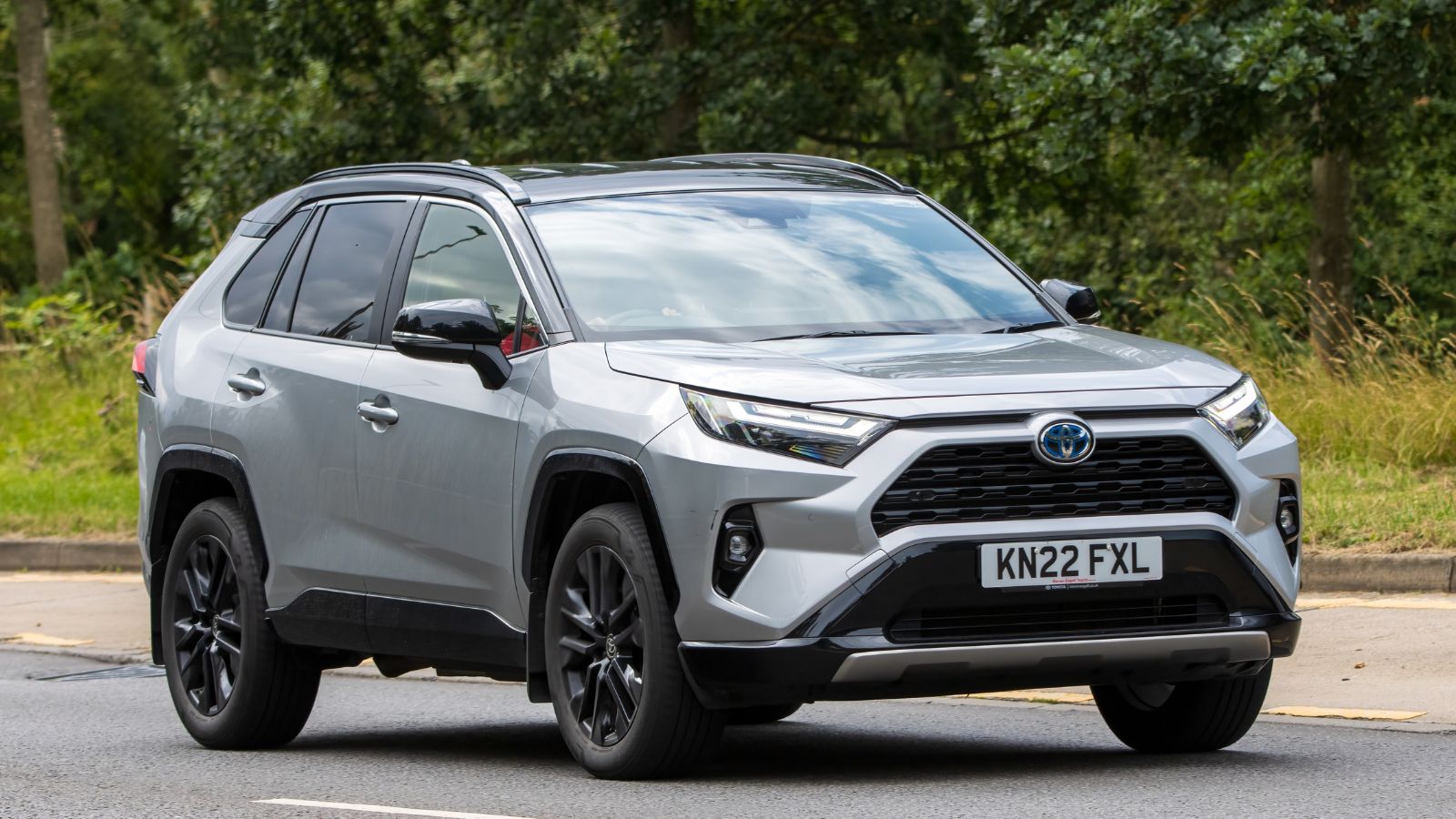
A vehicle can still steer and coast when propulsion disappears, but losing the ability to accelerate in fast-moving traffic can quickly turn an ordinary drive into a safety problem. Toyota has recalled approximately 7,846 model-year 2026 RAV4 Plug-in Hybrid vehicles in Canada after identifying a fault in an electronic control unit connected to the plug-in hybrid system.

Toyota says the problem can cause the system to shut down while the vehicle is being driven. At higher speeds, that can result in a loss of motive power and increase the risk of a crash. The automaker plans to correct the problem with a software update performed by Toyota dealers at no cost to affected owners.

The Recall Covers Certain 2026 RAV4 Plug-in Hybrids

Toyota Canada announced the safety recall on October 7, 2026, saying approximately 7,846 vehicles are involved nationwide. The campaign applies to certain examples of the model-year 2026 RAV4 Plug-in Hybrid rather than every RAV4 on Canadian roads. That distinction is important because the RAV4 lineup also includes conventional hybrid versions that use different components and configurations.

The Canadian campaign is part of a broader North American action. Toyota separately announced that approximately 31,000 model-year 2026 RAV4 Plug-in Hybrid vehicles are involved in the United States. Both announcements describe the same basic concern: an electronic control unit fault that could shut the plug-in hybrid system down while the vehicle is moving. The numbers underscore that this is not an isolated dealership service bulletin or convenience issue. Toyota has classified the problem as a safety recall because a shutdown can affect the vehicle’s ability to keep moving with traffic.

An Electronic Control Unit Can Shut the Hybrid System Down

At the centre of the recall is an electronic control unit, or ECU, associated with the RAV4’s plug-in hybrid system. Modern electrified vehicles depend on interconnected control computers to manage propulsion, battery operation and the coordination between gasoline and electric components. Toyota says a fault can occur in the affected ECU and cause the plug-in hybrid system to shut down while driving.

Toyota’s initial Canadian announcement does not go further into the internal sequence that produces the fault. It does not specify a particular temperature, state of charge, driving mode or accelerator input that owners must avoid. That makes it important not to assume the problem is identical to previous Toyota plug-in hybrid software recalls simply because an ECU and a loss of propulsion are involved. What Toyota has confirmed is the safety outcome that matters most: if the system shuts down, the RAV4 can lose motive power while it is already travelling on the road.

Loss of Power Is More Serious at Highway Speeds

A propulsion failure is different from a complete loss of steering or braking, but it can still place a driver in a difficult situation. A vehicle that suddenly cannot maintain speed may have trouble merging, crossing lanes, climbing a grade or keeping pace with traffic. Toyota specifically highlights loss of motive power at higher speeds as the condition that can increase the risk of a crash.

That safety concern explains why software problems can generate recalls even when no mechanical component has physically broken. Transport Canada treats defects that interfere with the safe functioning of a vehicle and can appear with little or no warning as potential safety defects. The issue is not simply whether the RAV4 will eventually stop. A sudden reduction in the driver’s ability to respond to surrounding traffic can create risk before the vehicle reaches a safe location. For owners who regularly use expressways or high-speed rural routes, that distinction is especially relevant.

Toyota Says the Repair Will Be a Free Software Update

The planned repair does not involve replacing the entire plug-in hybrid system or traction battery. Toyota says authorized dealers will update the software in the affected ECU at no charge. Software-based remedies have become increasingly common as vehicles rely more heavily on electronic control modules to coordinate powertrain functions, safety features and energy management.

Toyota says all known owners of affected Canadian vehicles will be instructed to return to a dealership, with notifications expected by early December 2026. That timing does not mean owners have to ignore the issue until a letter arrives. Toyota provides a VIN-based recall lookup that can be used to check an individual vehicle’s status, and owners can also contact the Toyota Customer Interaction Centre. Transport Canada generally advises owners to complete safety-recall repairs as soon as they are notified and to follow any interim instructions supplied by the manufacturer.

Owners Should Check Their VIN Rather Than Rely on Model Year Alone

Seeing “2026 RAV4 Plug-in Hybrid” in a recall announcement does not automatically mean every example of the vehicle requires the repair. Canadian recall guidance stresses that recalls can apply only to particular production periods, components, powertrain configurations or VIN ranges. Two vehicles carrying the same model-year badge can therefore have different recall status.

Toyota is directing Canadian owners to its recall website, where a vehicle identification number can be entered to determine whether a particular RAV4 is involved. The VIN is the 17-character identifier assigned to an individual vehicle and is commonly found at the base of the windshield and on registration documents. Checking by VIN is particularly useful when a campaign has just been announced, because owner letters can take weeks to arrive. Transport Canada also recommends using manufacturer VIN lookup systems and checking recall information regularly rather than assuming that silence in the mailbox means a vehicle has no outstanding safety campaigns.

The Recall Hits an All-New Generation of Toyota’s Popular PHEV

The timing is notable because the 2026 RAV4 Plug-in Hybrid represents a major redesign. Toyota introduced it as part of the sixth generation of the RAV4 and equipped Canadian versions with its latest plug-in hybrid powertrain. The system combines a 2.5-litre four-cylinder gasoline engine, electric motors and a larger traction battery, producing 324 system horsepower.

Current Toyota Canada specifications list a 22.7-kWh battery and estimated electric driving ranges that vary by configuration, reaching as high as 89 kilometres for some versions. The range and performance improvements were important parts of Toyota’s pitch for the redesigned vehicle, which is offered in several plug-in hybrid configurations including SE, XSE, an XSE Technology Package and GR SPORT. That context makes the recall especially significant: it affects a newly launched powertrain intended to demonstrate the next stage of Toyota’s plug-in hybrid technology, rather than an older model nearing the end of its production cycle.

Toyota Has Faced a Different RAV4 Prime Power-Loss Recall Before

The description of the new campaign may sound familiar to longtime RAV4 Prime owners. In 2023, Toyota recalled certain model-year 2021 RAV4 Prime vehicles because software in the hybrid vehicle control ECU could allow the hybrid system to shut down under a specific combination of conditions. Transport Canada said rapid acceleration after extended EV-mode driving in cold temperatures could cause battery voltage to fall suddenly and potentially result in a loss of power to the wheels.

That earlier Canadian campaign was corrected through an ECU software update as well. However, it should not be treated as proof that the 2026 problem has the same underlying cause. The older recall involved a previous generation and a specifically documented cold-weather battery-voltage scenario. Toyota’s October 2026 announcement describes the new issue more broadly as a fault in an ECU for the plug-in hybrid system. Until additional technical documentation is published, the two campaigns are best understood as separate recalls that happen to share the potential consequence of losing propulsion.

What Canadian Owners Should Do Now

Toyota’s October 7 Canadian announcement does not instruct owners to stop driving their RAV4 Plug-in Hybrids, nor does it impose a temporary charging restriction. That differs from some recalls in which automakers explicitly tell drivers to park a vehicle, limit charging or avoid a particular operating condition while waiting for repairs. In this case, Toyota’s stated action is to identify affected vehicles, notify their owners and install updated ECU software at dealerships.

Owners do not need to wait passively for the mailed notice. Checking the VIN through Toyota’s Canadian recall system is the fastest way to determine whether a specific vehicle is currently listed, and Toyota says its Customer Interaction Centre can provide additional assistance. Once the repair is available or an owner receives instructions, Transport Canada recommends arranging recall work promptly. If a vehicle unexpectedly loses propulsion or displays serious hybrid-system warnings before the repair, the safest priority is to move out of the traffic stream when possible, stop in a secure location and seek assistance rather than attempting to continue a normal trip.


Recommended.

Volkswagen Recalls 208,724 Tiguan, Atlas and Audi Q3 Models in U.S. Over Steering-Loss Risk

Volkswagen Recalls 4 Million Vehicles Over Steering-Corrosion Risk in Biggest Action Since Dieselgate

September 26, 2026
The EV Charging Habit That Can Annoy Everyone Around You

Europe’s EV Share Tops 25% as Canada Heads Into a Much Different Electric-Car Market

August 25, 2026

Trending.

Chinese EV Price Pressure Gets a New Benchmark as Voyah Opens $63,420 Luxury MPV Orders

Europe’s EV Share Jumps to 30.5% as Electric-Car Sales Blow Past Forecasts

September 17, 2026
GM Readies New Gas and Duramax Engines for Silverado HD and Sierra HD Ahead of November Production

GM’s New V8s Put Canadian Auto Jobs Back in Focus at St. Catharines Plant

September 19, 2026
Canada’s Auto Industry Says Tariff Fight Has Already Cost the Sector More Than $100 Billion

Trump’s 50% Canada Auto-Tariff Threat Is Now Forcing Automakers to Plan Around a January 1 Deadline

September 27, 2026
Canada’s Ballard Puts a 250,000-Mile Performance Guarantee Behind Hydrogen Buses

Canada’s Ballard Puts a 250,000-Mile Performance Guarantee Behind Hydrogen Buses

October 2, 2026
Volvo Starts Scoring How Drivers Brake and Corner for Insurance Discounts — Canada Is Left Out of First Rolloutv

Volvo Plans 13 New Models by 2030 as EV and Hybrid Battle Intensifies

September 17, 2026
  • About
  • Contact
  • Privacy Policy
  • Disclaimer
  • Editorial Policies
  • Terms and Conditions
A Revir Media Group Website

2026 Autoigloo - © All rights reserved

No Result
View All Result
  • News & Trends
  • Car Reviews
  • Buying Guides
  • Comparisons
  • EVs & Hybrids
  • More
    • Pricing & Deals
    • Winter Driving
    • Ownership & Maintenance

2026 Autoigloo - © All rights reserved

This website uses cookies. By continuing to use this website you are giving consent to cookies being used. Visit our Privacy and Cookie Policy.


