

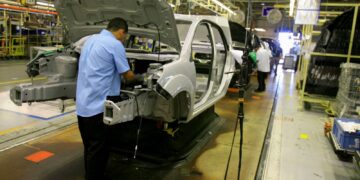























Winter in Canada does more than test your patience. It batters roads with freeze-thaw cycles that create deep potholes. Those craters can wreck tires, bend rims, and punish suspension parts in seconds. Repairs add up fast, especially when shocks, control arms, or steering components fail. A little preparation before spring can save real money and stress. The key is to spot weak points early and fix small issues before they grow. Drivers who plan ahead often avoid the worst surprises. Here are 27 things Canadian drivers should do before pothole season destroys their suspension.
Inspect Your Tires for Damage
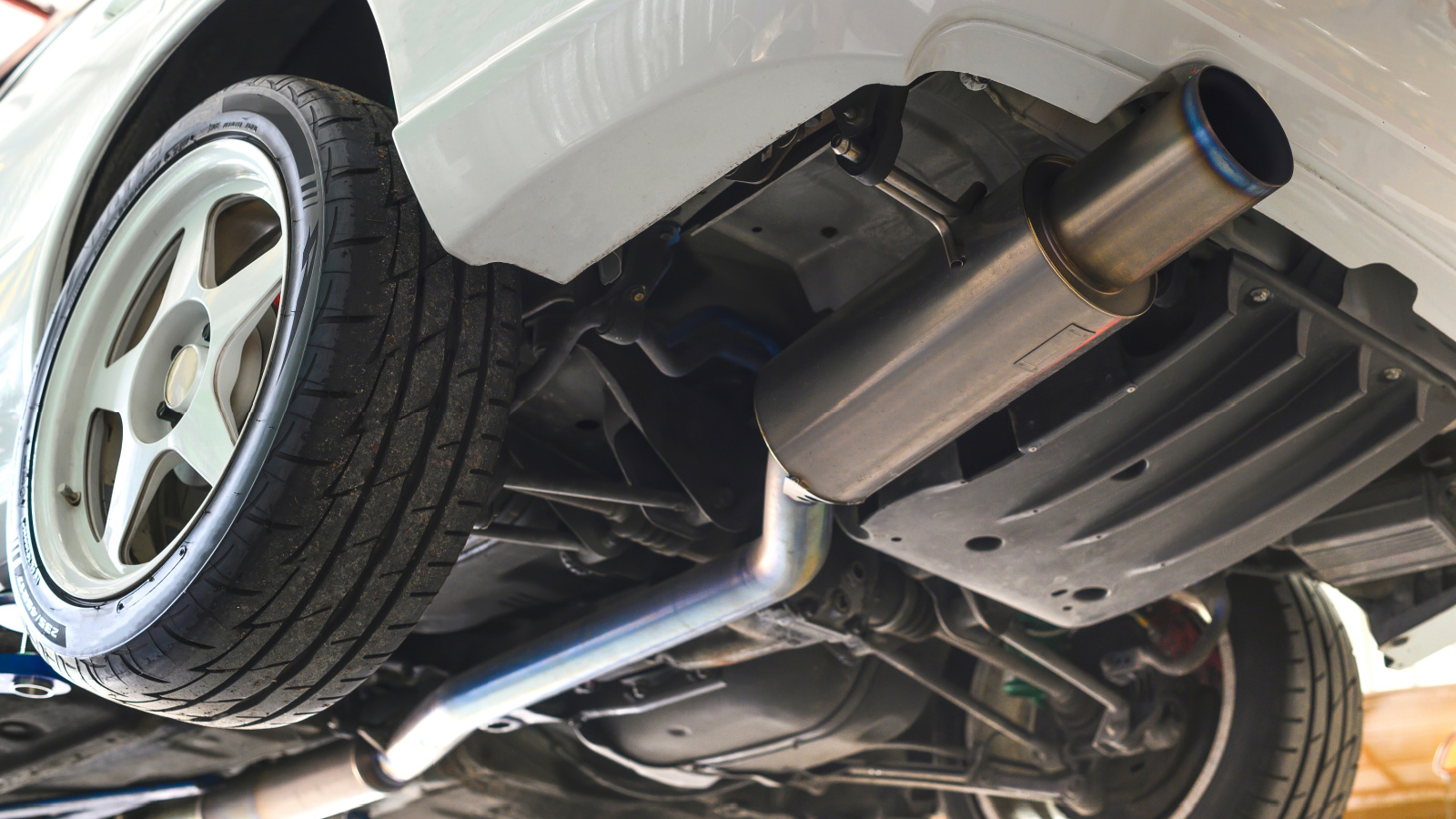
Start with the only part touching the road. Check each tire for cracks, bulges, or uneven wear. Cold weather weakens rubber and lowers pressure. Potholes hit harder when tires are already compromised. Run your hand along the sidewalls and tread. Look for cuts or bubbles that signal internal damage. Even small flaws can turn into blowouts after one sharp impact. Measure tread depth with a gauge or coin. Replace worn tires before spring driving ramps up. Healthy tires cushion impacts and reduce stress on suspension parts.
Check Tire Pressure Weekly

Temperature swings cause pressure changes. For every drop in temperature, tire pressure falls. Underinflated tires absorb pothole impacts poorly. That extra force transfers straight into your suspension. Check pressure with a reliable gauge when tires are cold. Compare readings to the door sticker, not the tire sidewall. Adjust as needed and recheck after a day. Proper inflation improves ride quality and handling. It also protects wheels from bending during sudden impacts. A simple weekly habit can prevent expensive repairs later.
Examine Your Wheel Alignment
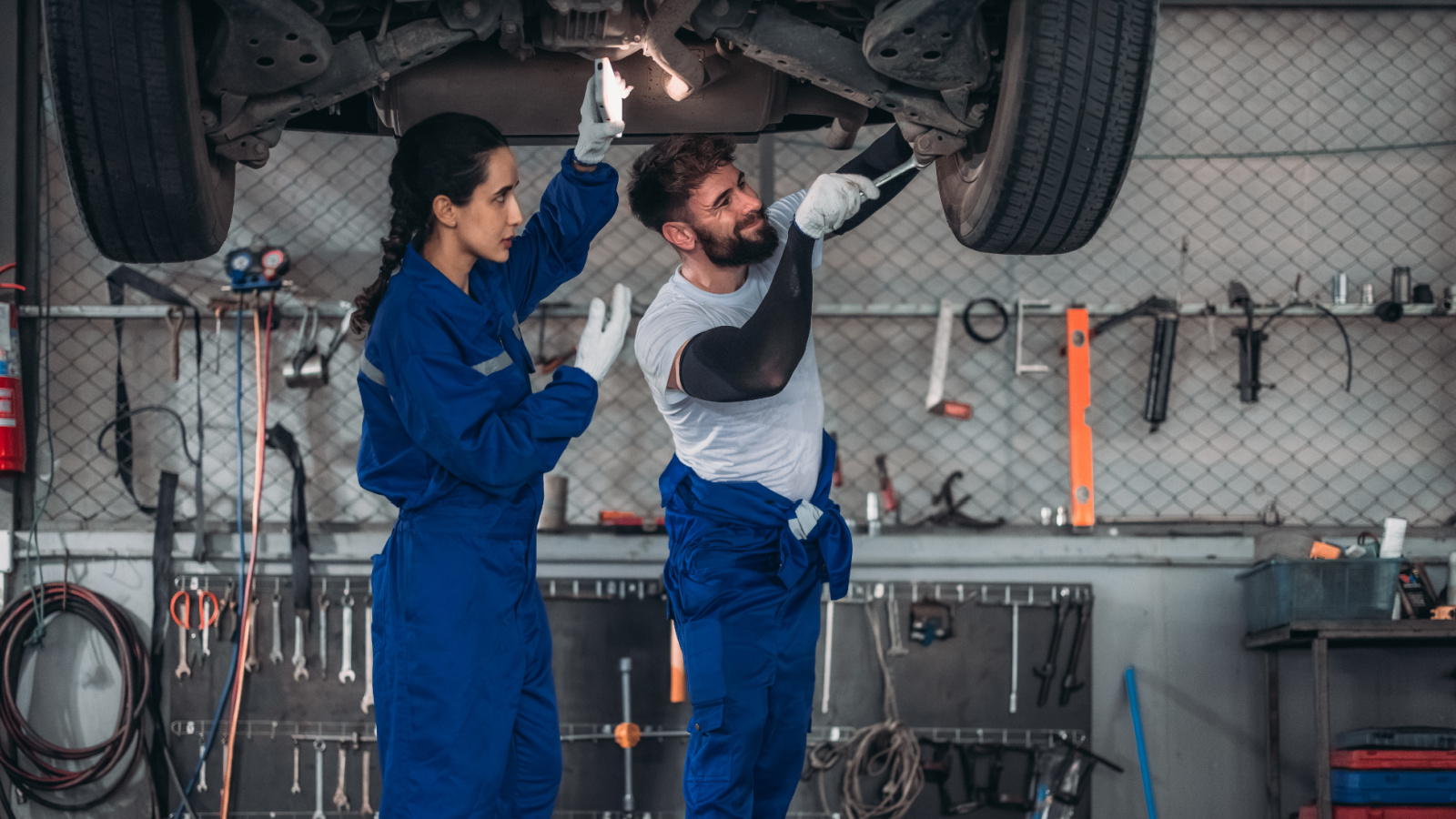
If your car pulls to one side, alignment may be off. Uneven tire wear is another warning sign. Misalignment increases strain on suspension components. Potholes make that strain worse. A quick alignment check at a shop costs far less than new tires. Correct alignment keeps wheels pointing straight. It improves steering response and stability. Drivers often ignore mild pulling until damage spreads. Fixing alignment early protects ball joints and control arms. It also makes highway driving smoother and safer.
Inspect Shock Absorbers and Struts
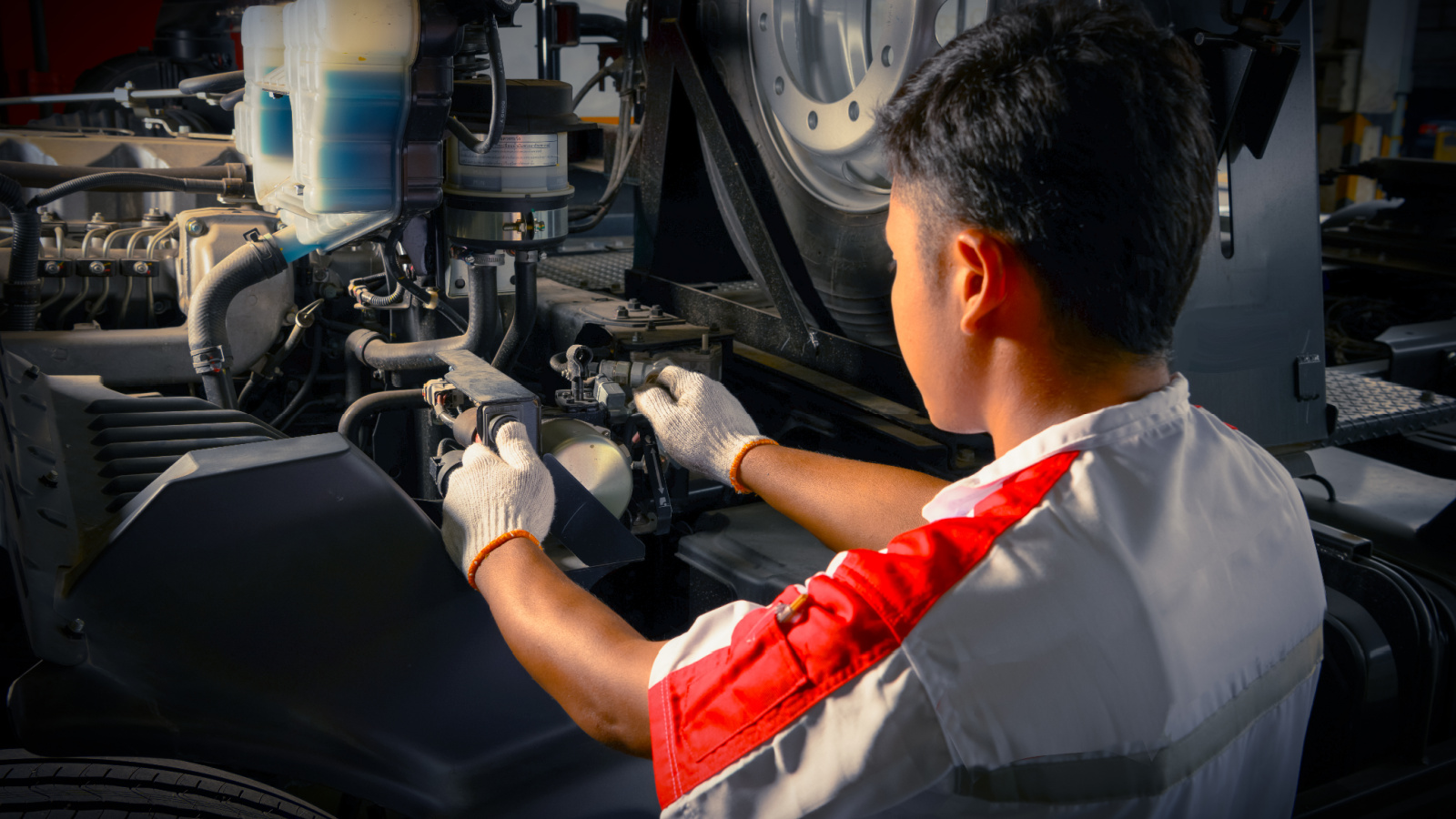
Shocks and struts control bounce and stability. When worn, they struggle to absorb impacts. Push down firmly on each corner of your car. If it keeps bouncing, something is wrong. Look for fluid leaks near the struts. Listen for clunking over small bumps. Weak dampers allow metal parts to slam together. That damage multiplies during pothole season. Replacing worn shocks improves braking and control. It also reduces stress on springs and steering components. Catching wear early prevents larger suspension failures.
Check Ball Joints for Play
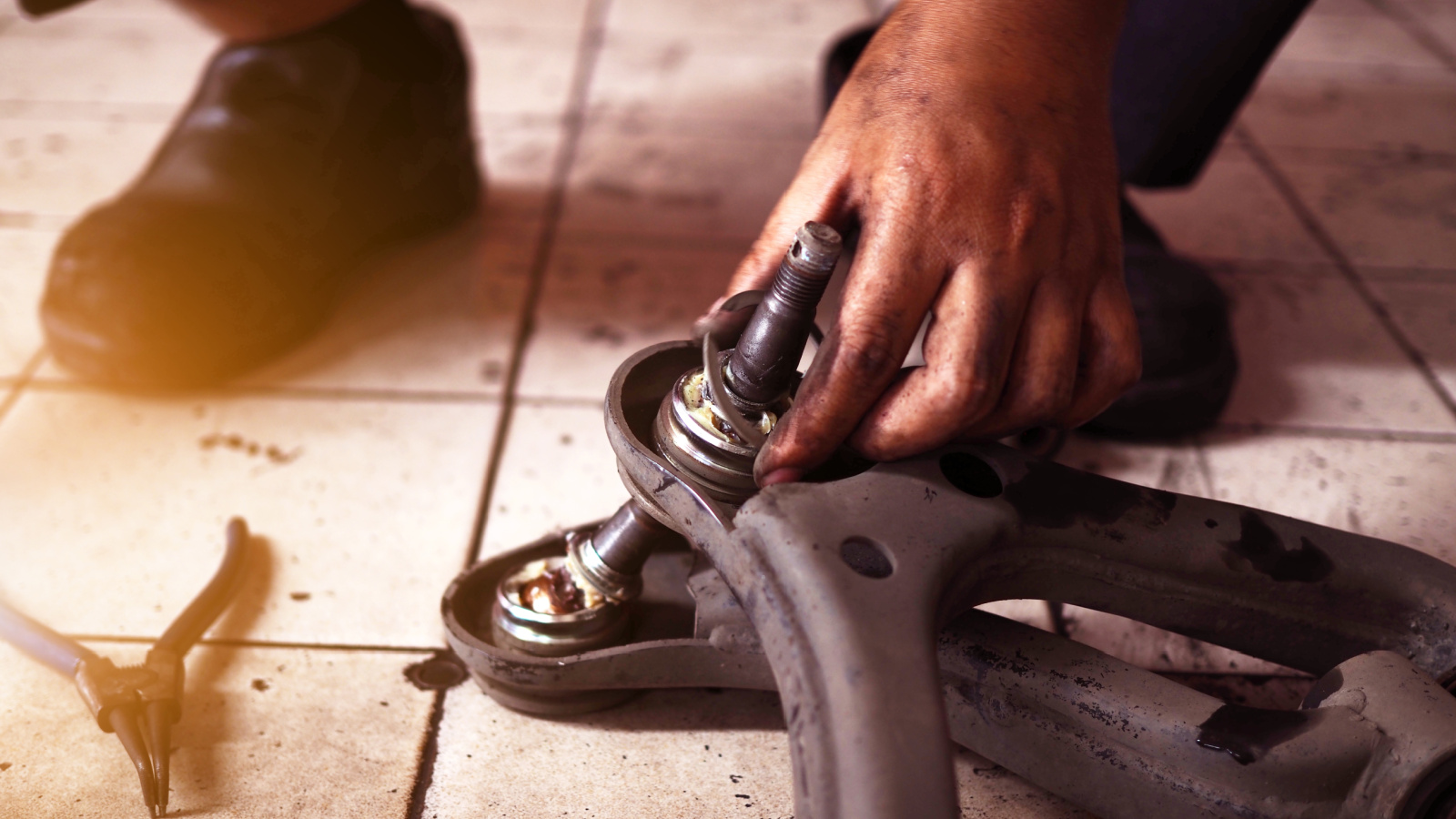
Ball joints connect control arms to steering knuckles. They allow smooth movement over uneven surfaces. Worn joints create looseness in steering. You might hear knocking while turning or driving slowly. Lift the vehicle safely and check for movement in the wheels. Excess play signals wear. Ignoring failing ball joints risks sudden separation. That can cause loss of control. Replacing them before heavy road damage hits is wise. Strong ball joints keep suspension geometry stable. They also protect tires from uneven wear.
Inspect Control Arm Bushings
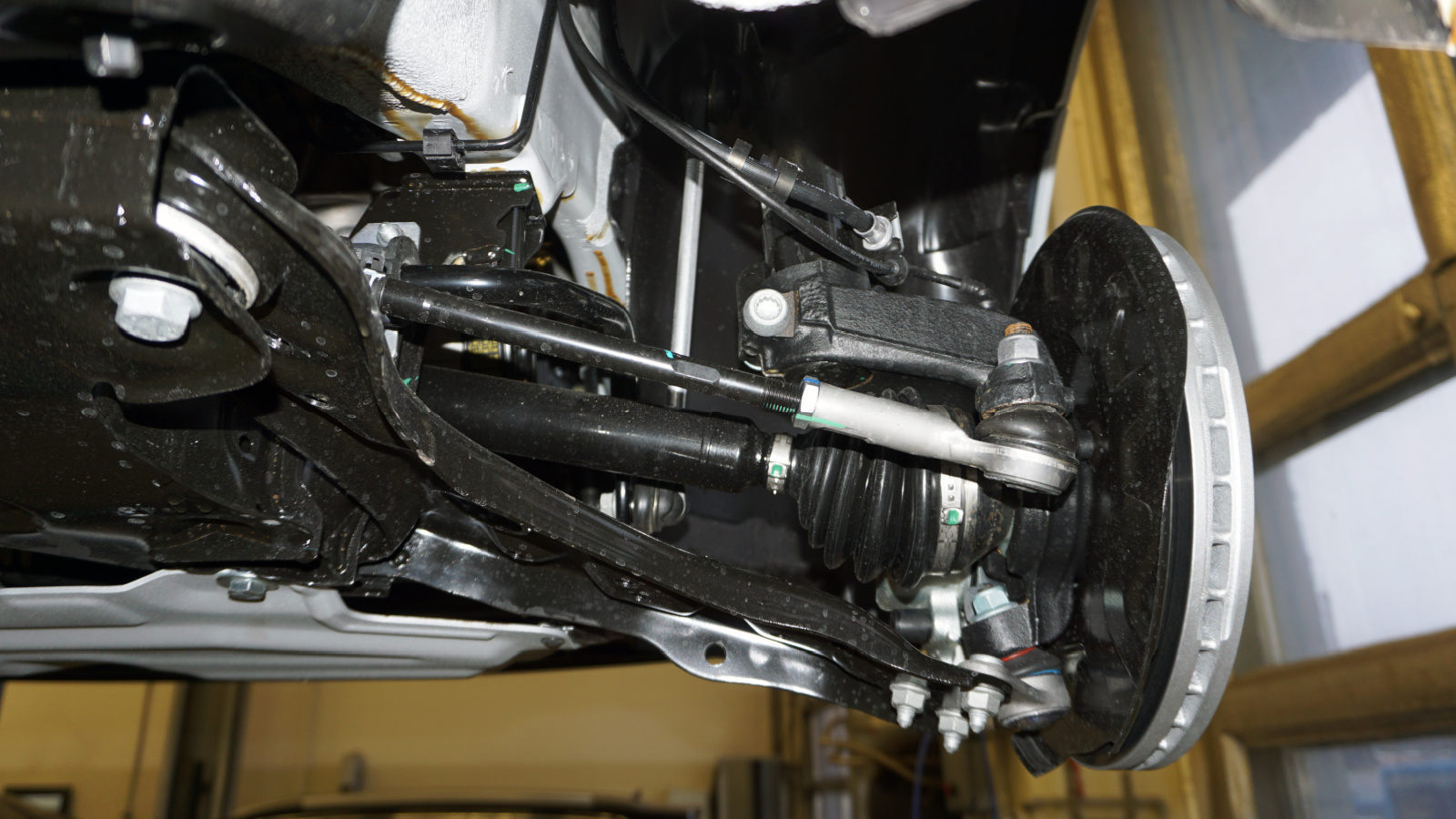
Rubber bushings cushion metal parts in your suspension. Over time, they crack or dry out. Winter salt speeds that process. Damaged bushings allow parts to shift under load. That movement increases vibration and noise. You may notice clunks when braking or accelerating. A mechanic can inspect them during routine service. Replacing worn bushings restores tight handling. It also prevents premature wear on other components. Small rubber parts may seem minor, yet they play a big role in ride quality.
Look for Bent or Cracked Rims
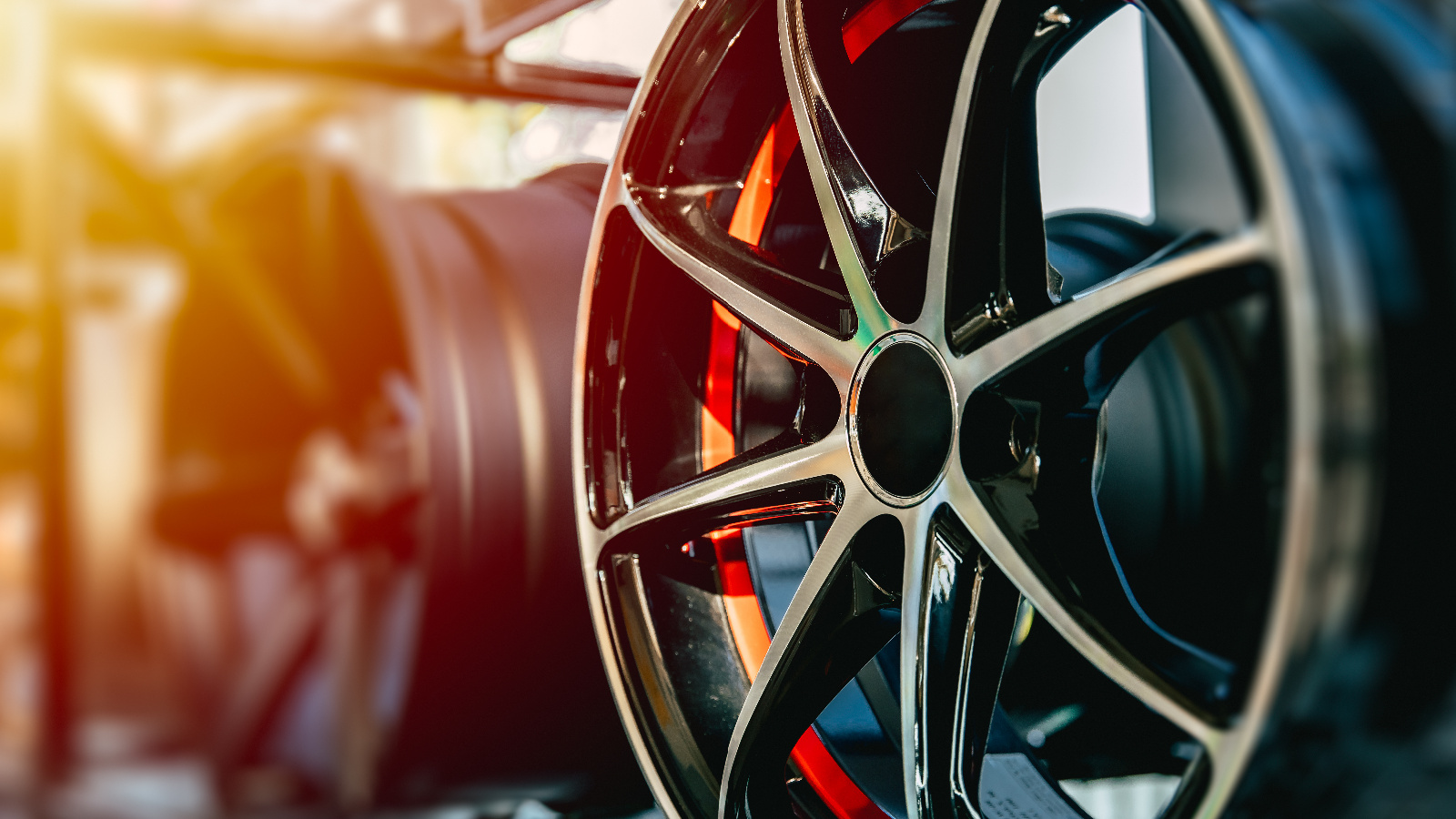
Potholes often bend alloy wheels. Even small bends affect balance. Vibrations at highway speed may signal rim damage. Inspect wheels closely for cracks or flat spots. Clean off road grime to see clearly. A bent rim weakens structural strength. Another hard hit could cause air loss. Repair or replace damaged wheels before spring. Straight wheels help tires wear evenly. They also protect suspension from uneven forces. Addressing rim damage early avoids sudden tire failure on busy roads.
Test Your Steering Response
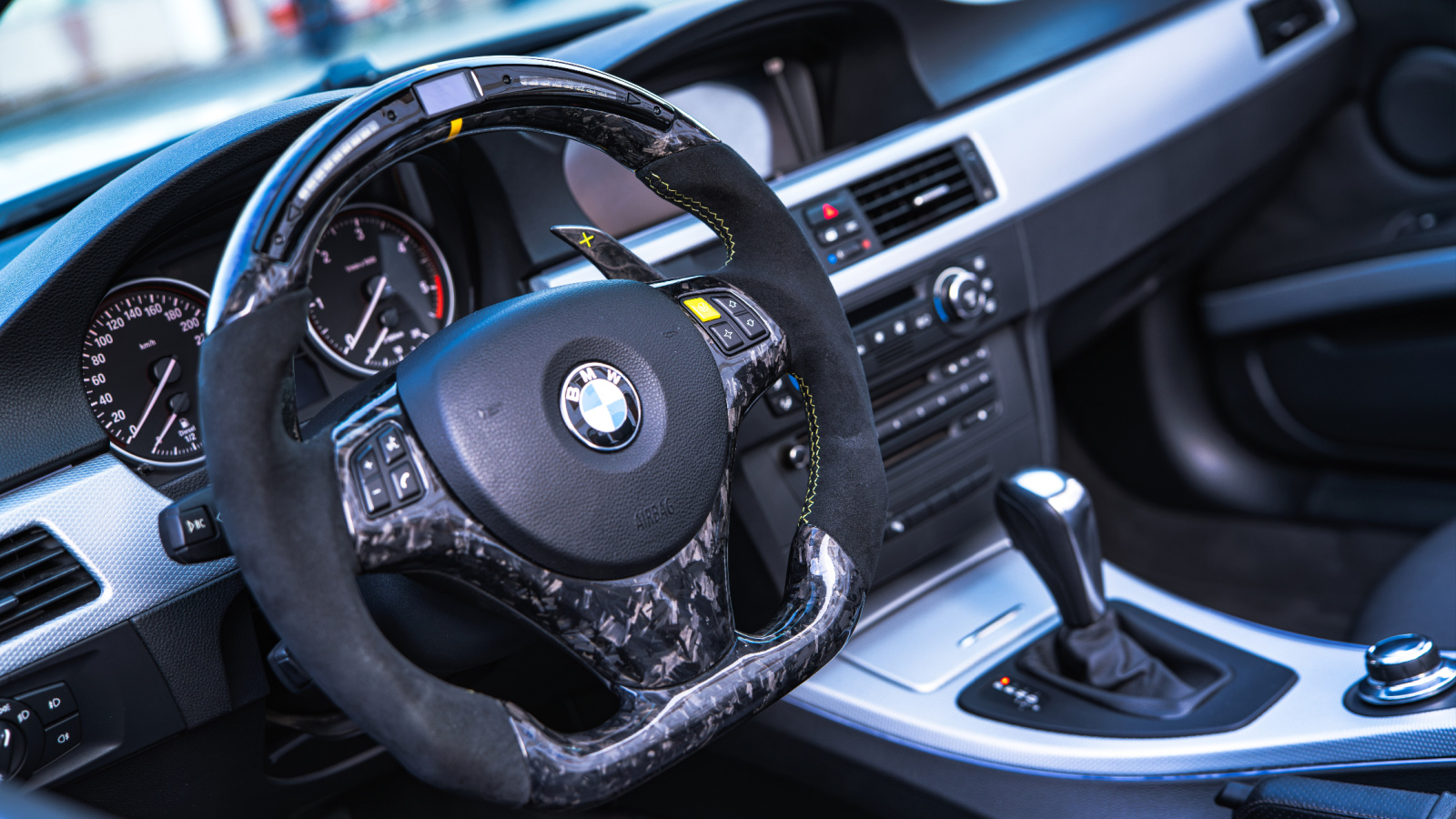
Loose or delayed steering hints at trouble. Find an empty parking lot to test the response. Turn the wheel gently at low speed. Notice any clicking or grinding sounds. Steering should feel smooth and direct. Slop in the wheel often points to worn tie rods. Potholes put extra stress on steering links. If ignored, minor looseness becomes serious play. Prompt inspection prevents costly damage. Good steering feedback also improves confidence during rough road conditions.
Check Tie Rod Ends
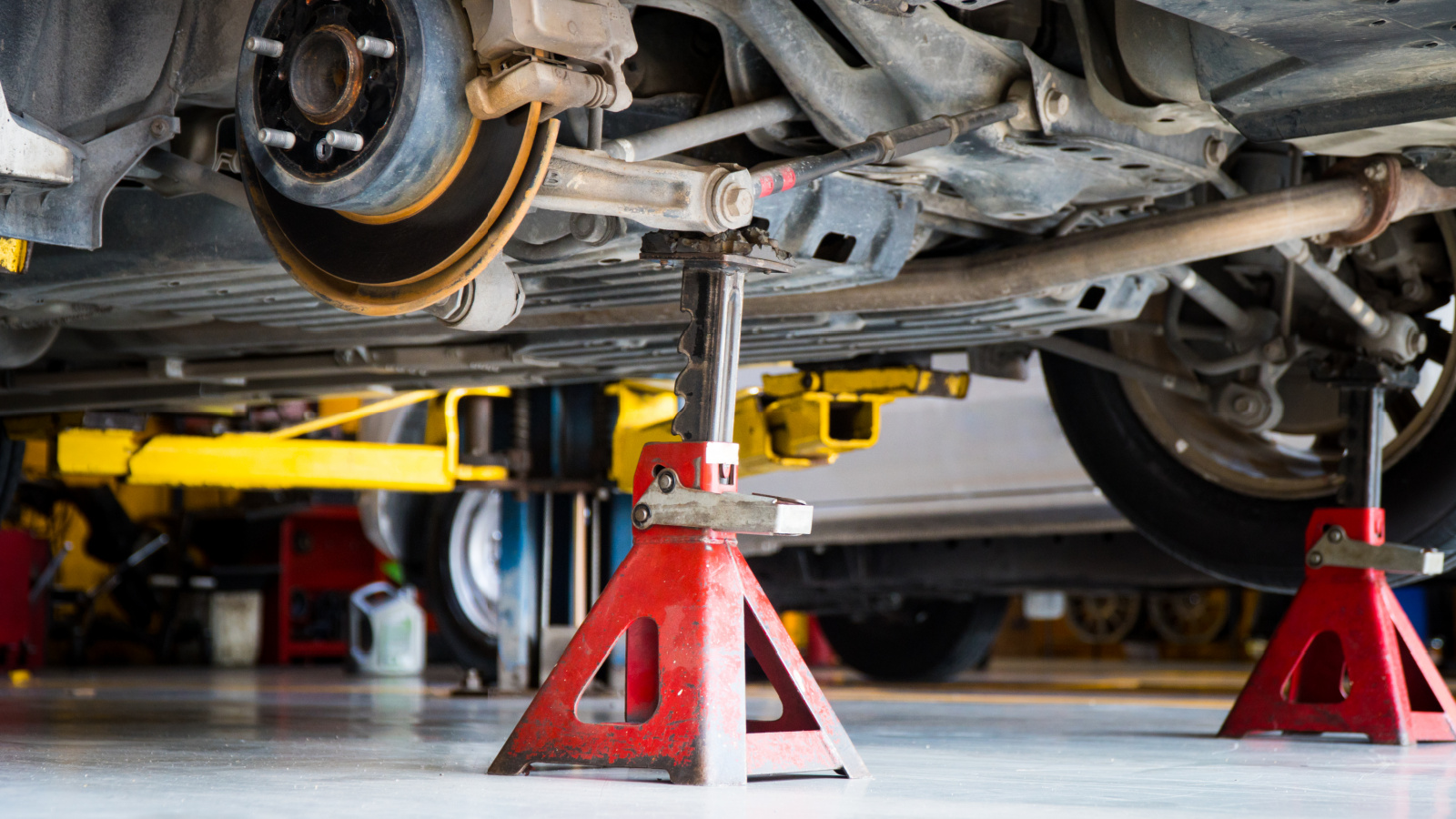
Tie rods connect the steering to the wheels. Worn ends create wandering or vibration. Look for torn rubber boots. Grease leaks indicate wear. A mechanic can test for movement while the wheels are lifted. Loose tie rods reduce steering precision. They also increase tire wear. Replacing worn ends keeps wheels properly aligned. Strong tie rods absorb sudden impacts better. Spring road damage will test them. Do not wait until steering feels unstable.
Inspect Sway Bar Links
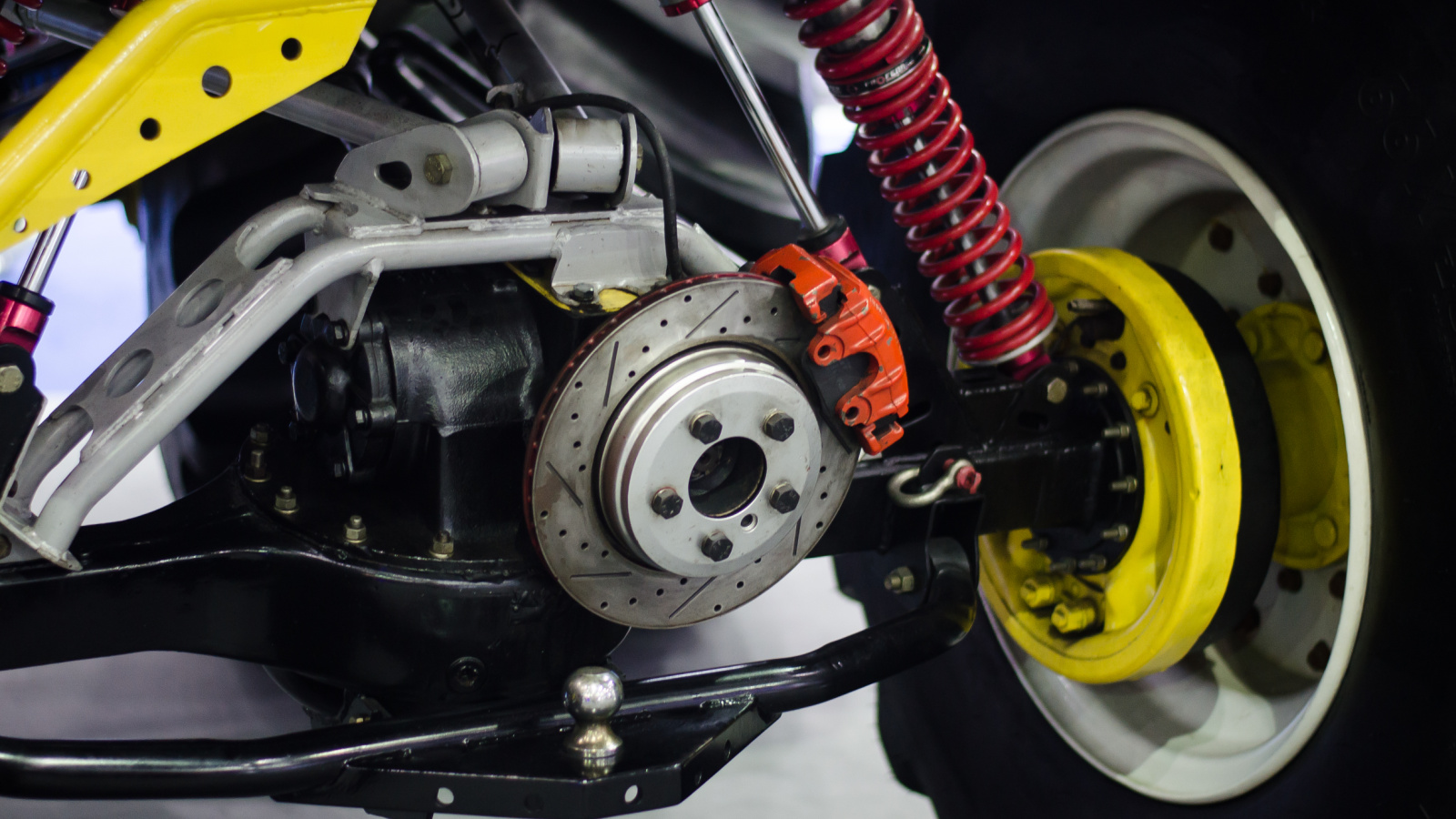
Sway bars reduce body roll during turns. Links connect the bar to suspension arms. When links fail, clunking noises appear over bumps. Handling may feel less stable. Check for broken bushings or rusted hardware. These parts are affordable to replace. Ignoring them stresses other suspension pieces. Good sway bar links improve control on uneven pavement. They also reduce stress during sudden maneuvers. Fixing worn links now avoids greater instability later.
Examine Wheel Bearings
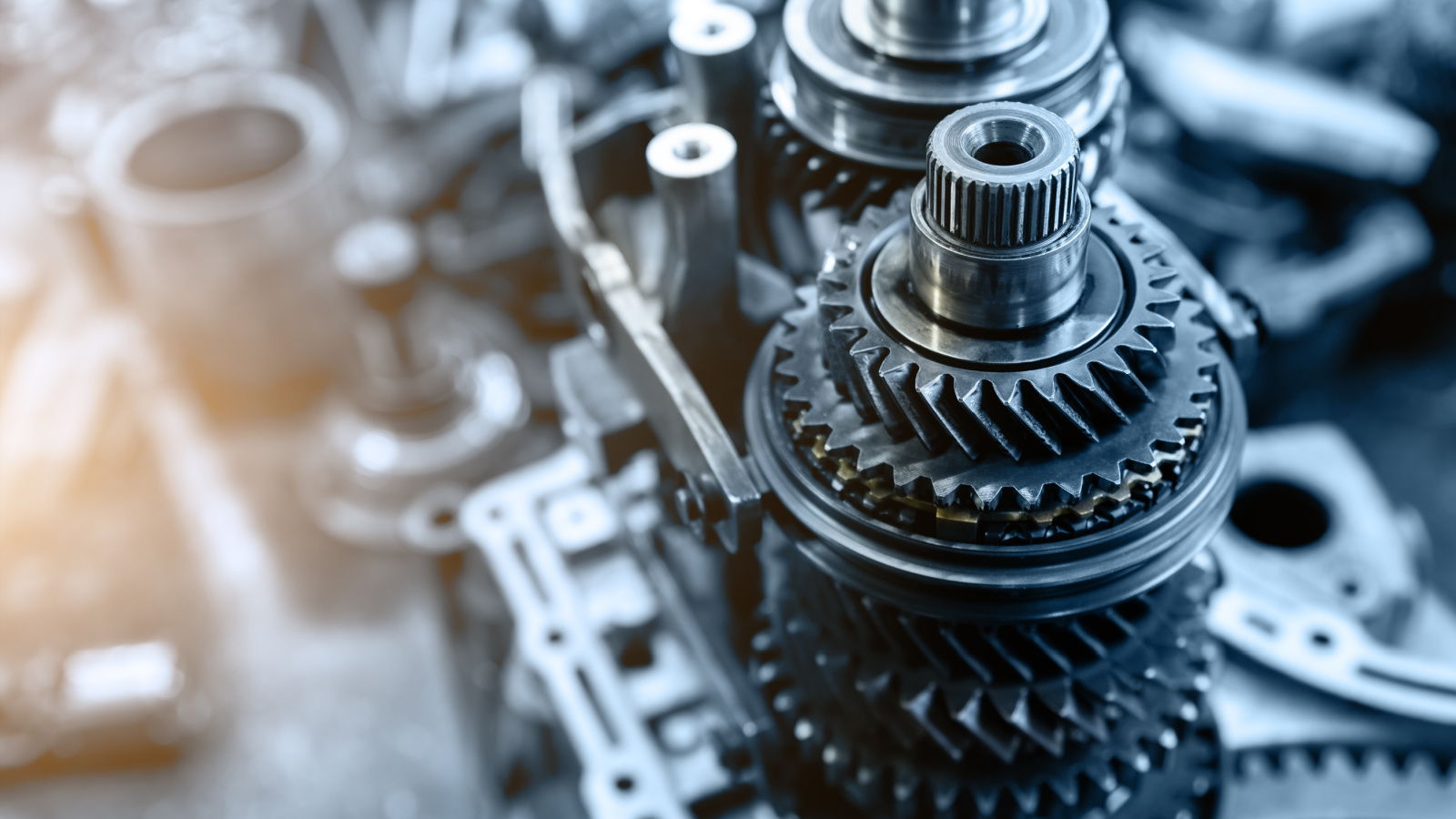
Wheel bearings allow smooth rotation. When worn, they hum or growl at speed. Noise often increases during turns. Ignoring failing bearings risks wheel seizure. Potholes worsen internal damage quickly. Jack up the car and spin each wheel. Listen carefully for grinding sounds. Any roughness deserves attention. Replacing bearings early prevents hub damage. It also keeps handling predictably. Smooth bearings reduce friction and stress. Spring roads are not forgiving to weak components.
Look Under the Vehicle
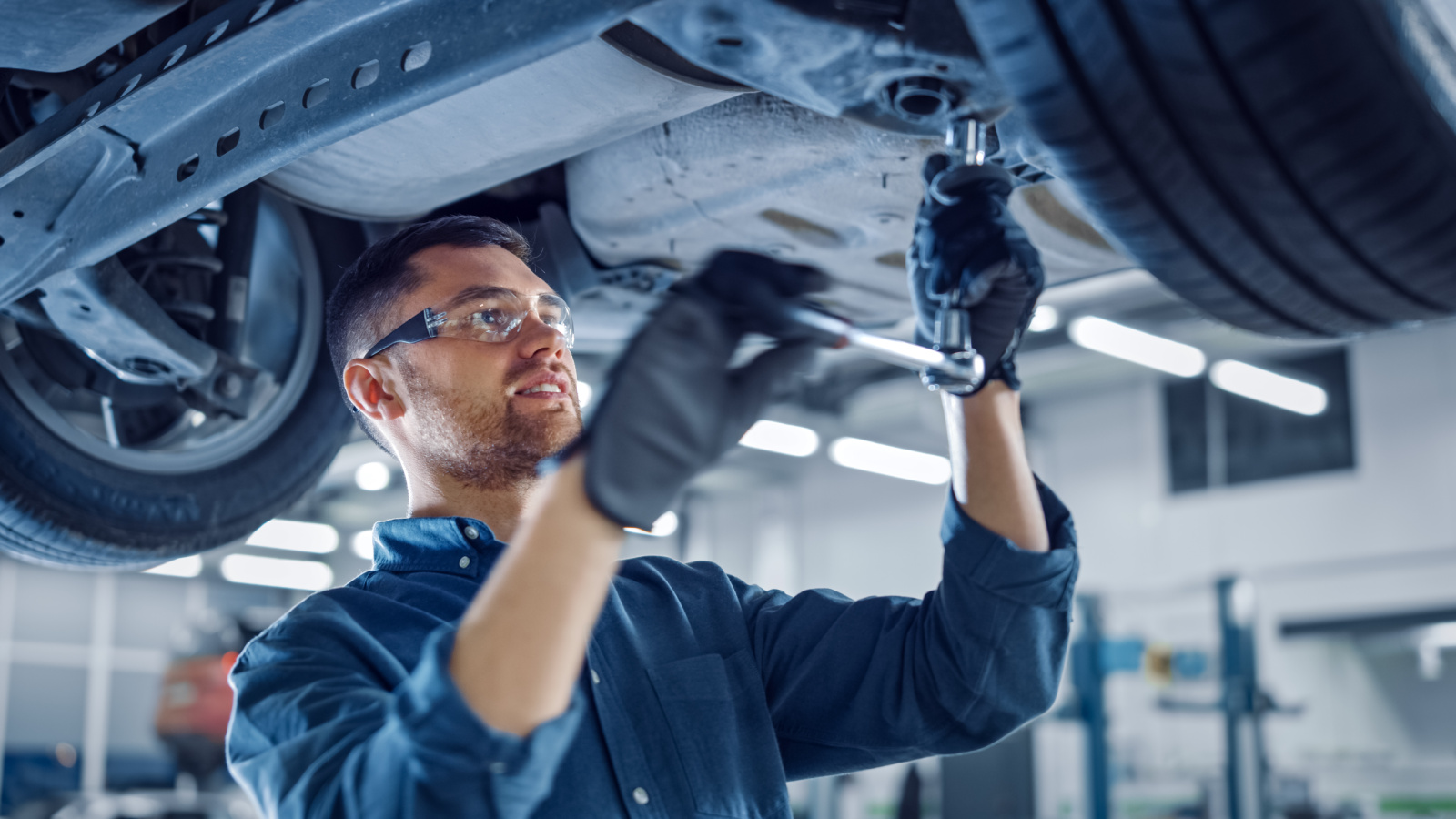
Take a careful look underneath your vehicle before pothole season begins. Use a flashlight and check for loose panels, hanging splash guards, or exposed wiring. Winter driving often knocks protective covers out of place. Road salt also speeds up rust on brackets and mounting points. Surface corrosion may look harmless, yet it weakens metal over time. Tighten anything visibly loose and schedule repairs for damaged shields. A quick inspection now can prevent larger failures when a deep pothole strikes at full speed.
Rotate Your Tires
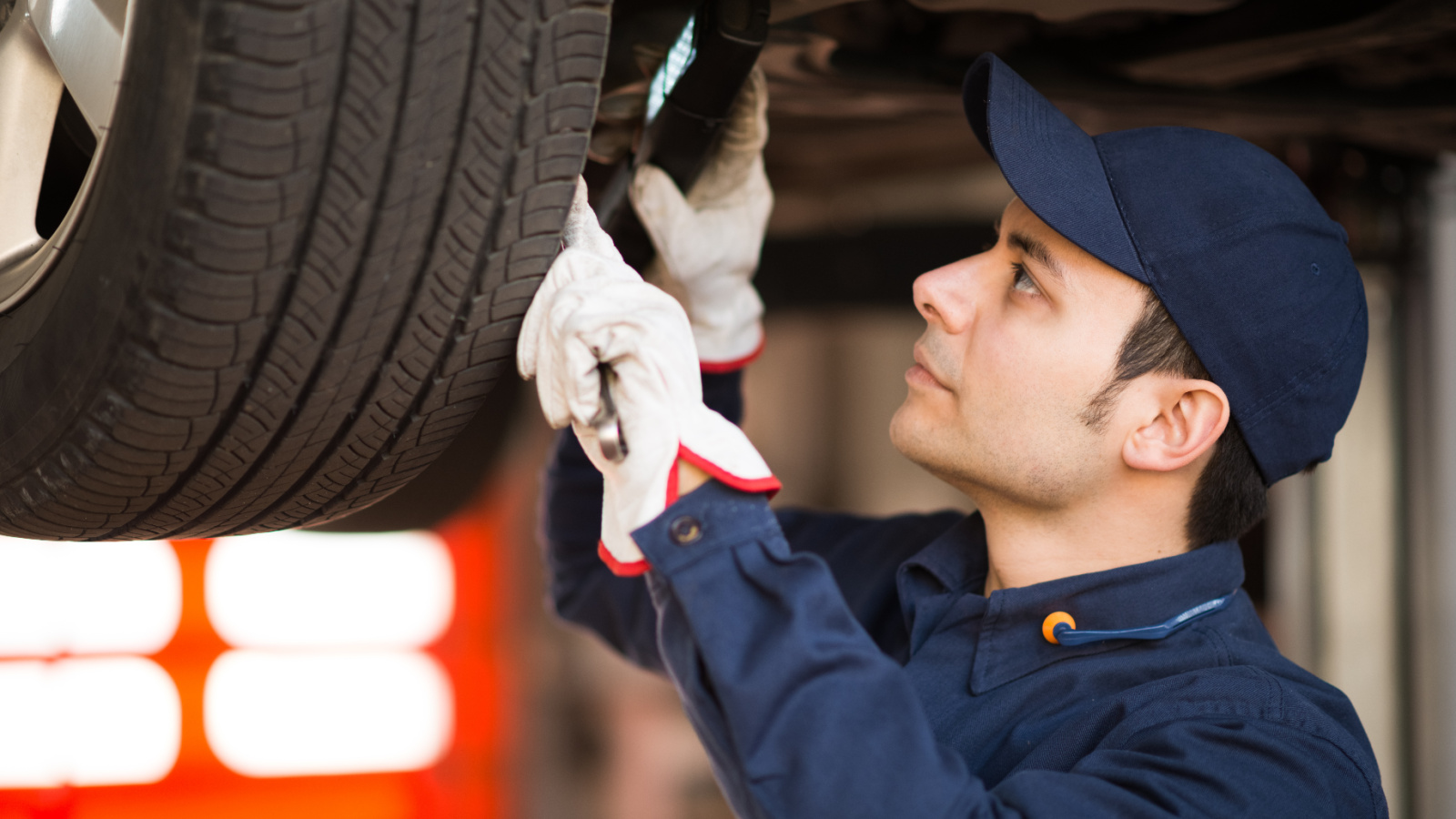
Tire rotation keeps wear patterns even across all four wheels. Uneven tread reduces stability when hitting rough pavement. Follow your vehicle manual for the correct rotation pattern. Most drivers benefit from rotating every 8,000 kilometres. Even wear improves grip and balance during sudden impacts. Tires with thin edges are more likely to suffer sidewall damage. Balanced wear also reduces vibration that strains suspension components. A simple rotation appointment costs far less than replacing damaged tires and suspension parts after spring driving.
Balance Your Wheels
Wheel balancing corrects uneven weight distribution around each tire and rim. Even small imbalances create vibrations at highway speeds. That shaking travels into suspension components and weakens them gradually. Ask for balancing during seasonal tire changes or after installing new tires. Smooth rotation helps absorb pothole impacts more evenly. Drivers often ignore mild steering wheel vibrations, yet those signals matter. Properly balanced wheels protect bearings, tie rods, and control arms. A smoother ride today can prevent expensive repairs once roads deteriorate.
Inspect Brake Components
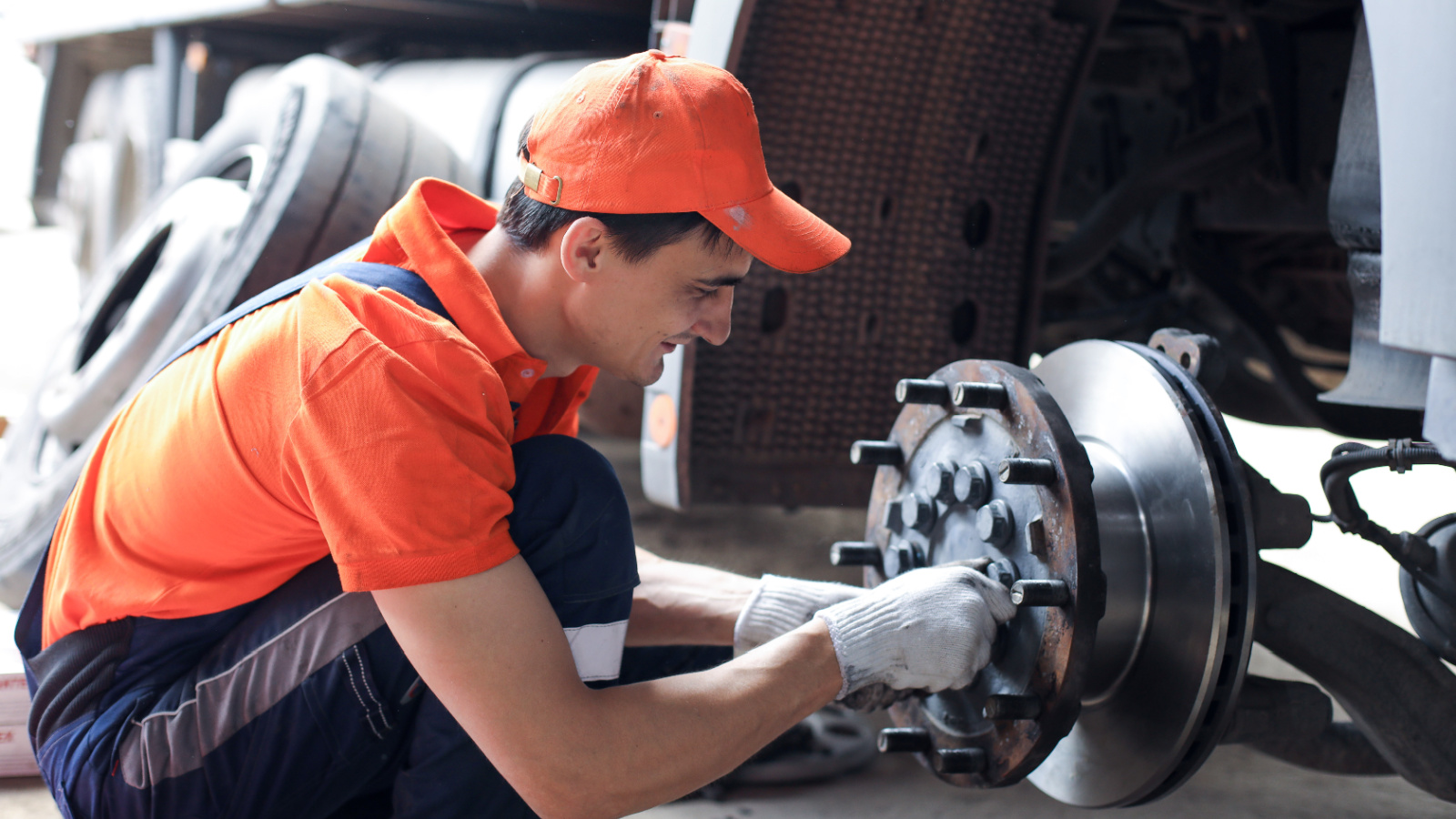
Brakes work closely with suspension during sudden stops and impacts. Worn brake pads reduce stopping power and increase strain on front suspension parts. Inspect pad thickness and check rotors for grooves or warping. Listen for squealing or grinding sounds while driving. Vibrations during braking may indicate uneven rotor surfaces. Addressing brake wear improves overall control on damaged roads. Reliable braking allows smoother deceleration before hitting rough patches. Healthy brake components reduce stress that can compound suspension damage during pothole season.
Replace Worn Springs
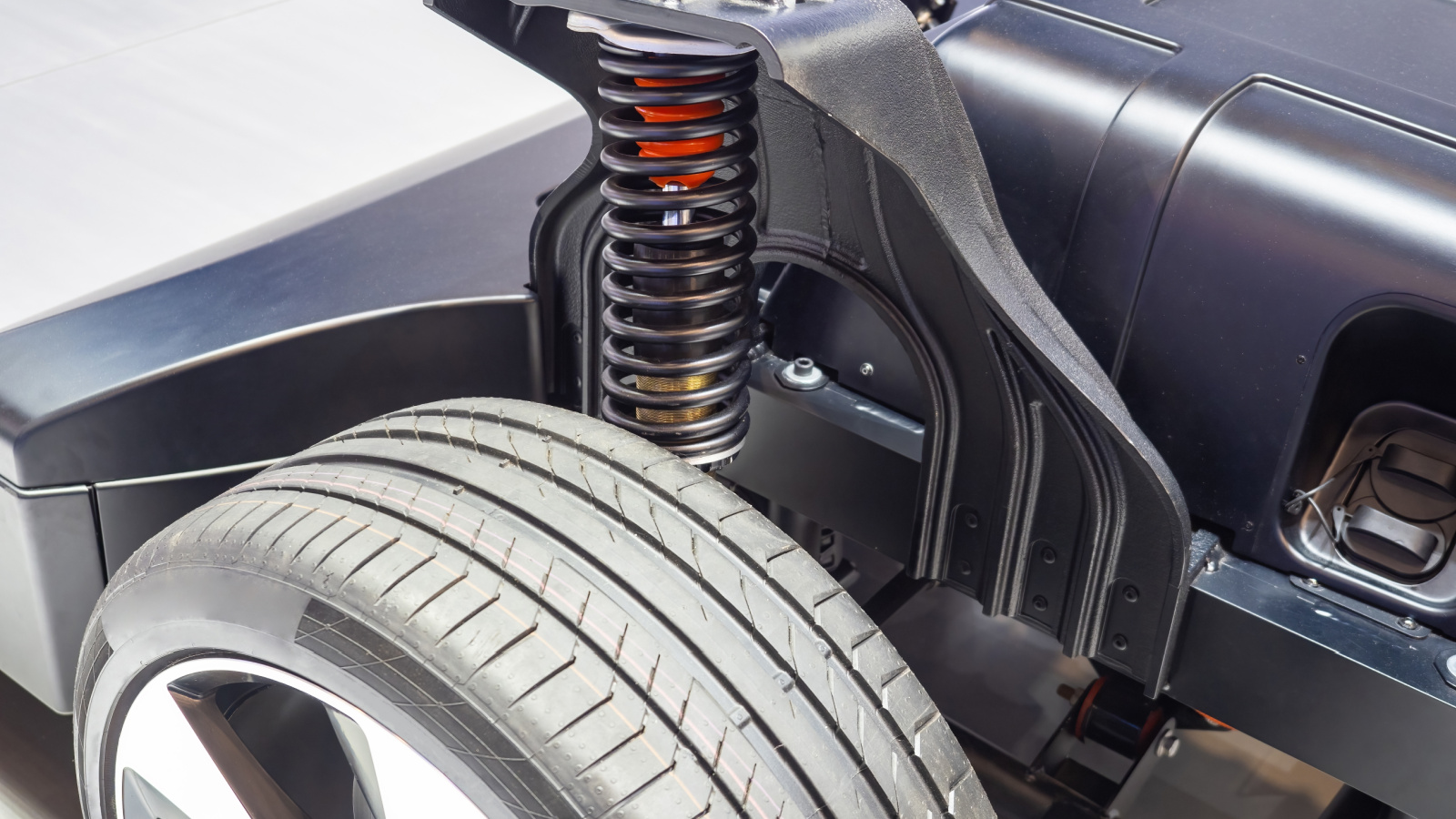
Coil springs carry the vehicle’s weight and maintain proper ride height. Over time, they weaken or crack. Sagging springs lower ground clearance, increasing the risk of bottoming out in deep potholes. Compare each corner of the vehicle for uneven height. Listen for clunks when driving over bumps. Weak springs force struts and shocks to work harder than designed. Replacing worn springs restores proper suspension geometry. Correct ride height improves handling and protects steering components from excessive strain during harsh spring conditions.
Clean and Protect Undercarriage
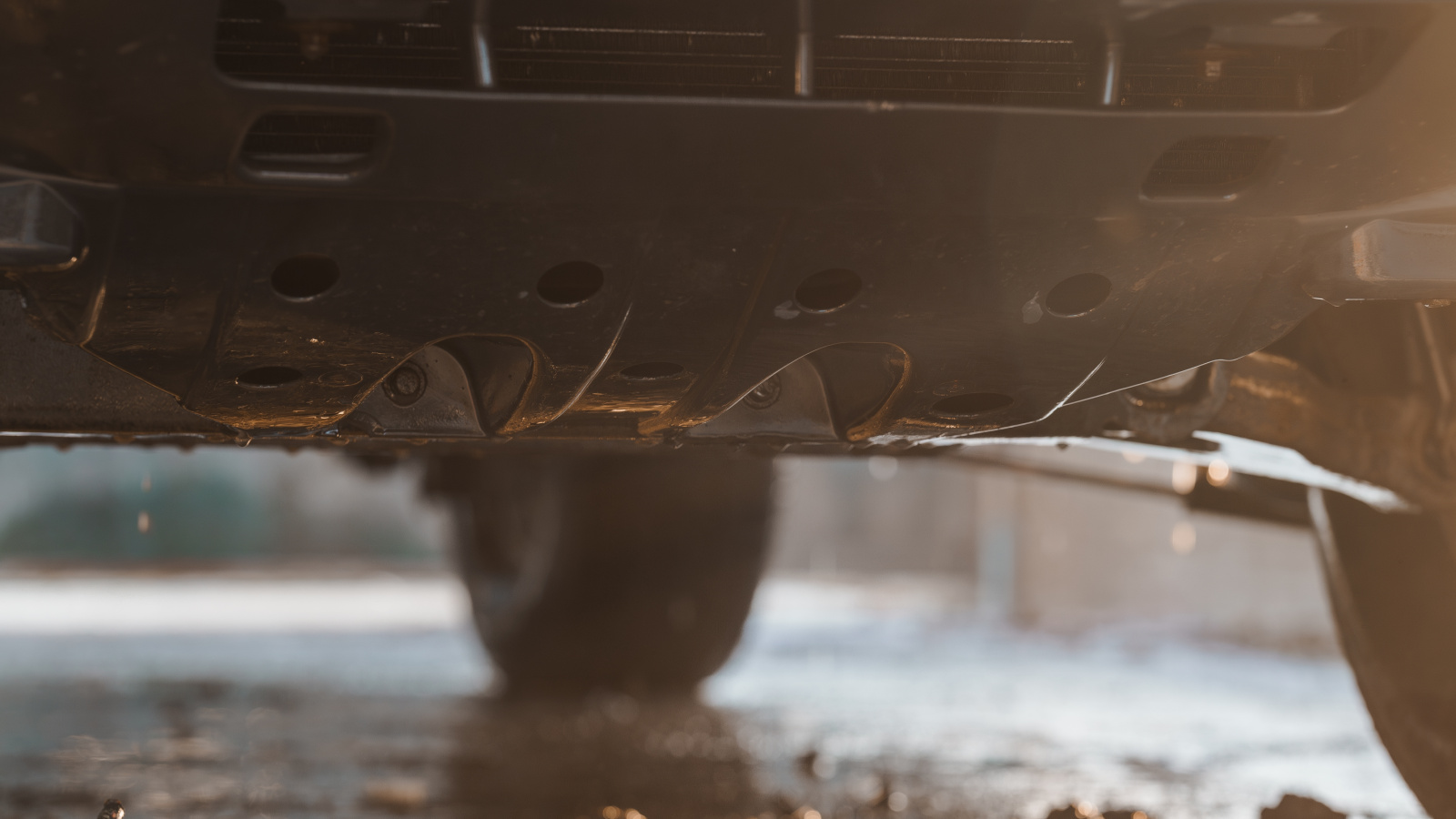
Salt and grime accumulate underneath vehicles throughout winter. If left untouched, corrosion spreads quickly across suspension mounts and metal arms. Schedule a thorough undercarriage wash before spring driving begins. Pay close attention to wheel wells and mounting points. Removing salt slows rust formation significantly. Protective coatings may offer added defense in harsh climates. Corroded parts become brittle and vulnerable during sudden impacts. Keeping the underside clean extends component life. Regular washing costs little compared to replacing rust-damaged suspension hardware.
Check Engine and Transmission Mounts
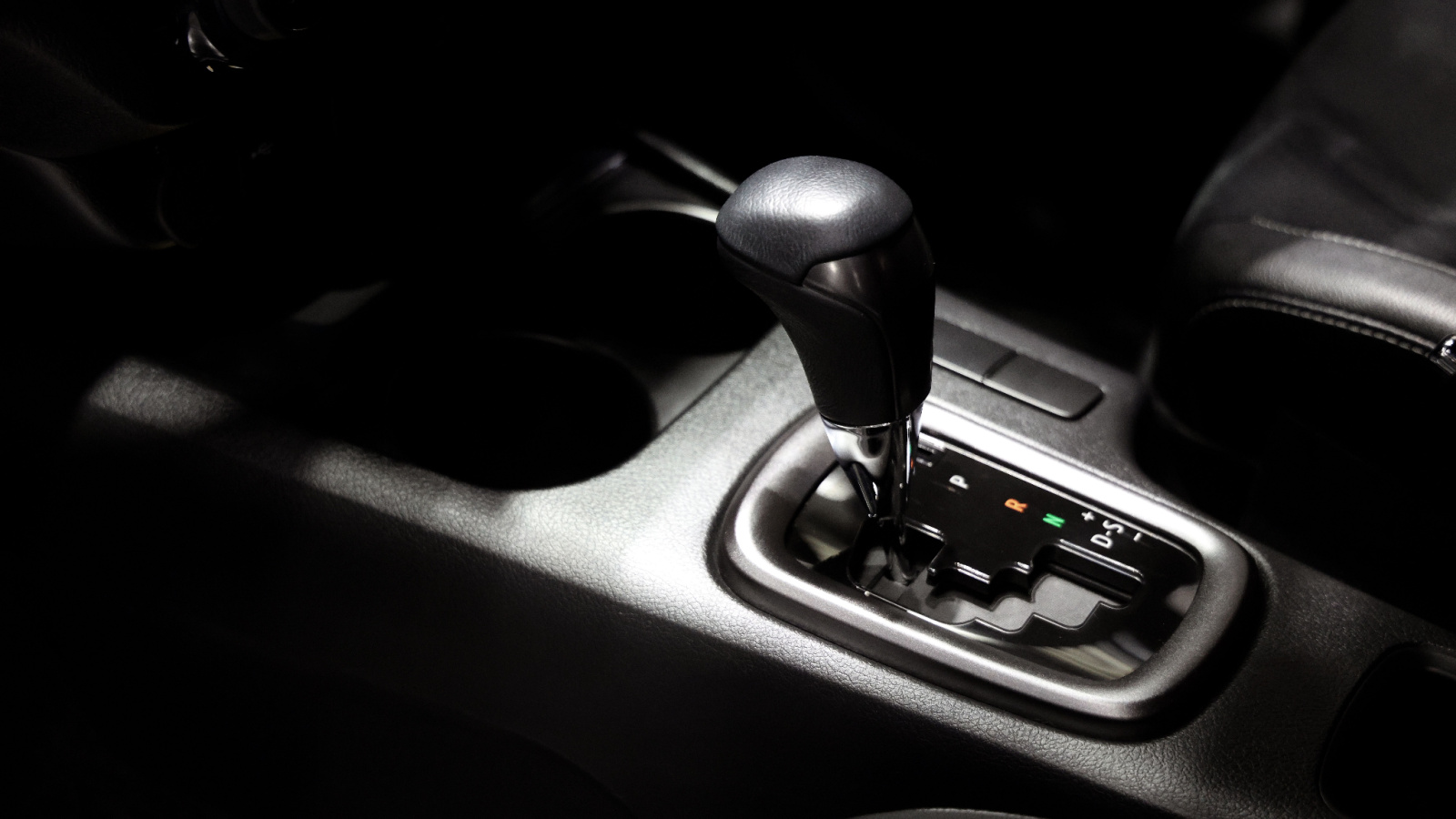
Engine and transmission mounts stabilize heavy components inside the vehicle. When mounts crack or tear, extra movement occurs during bumps. That movement increases stress on nearby suspension parts. Inspect for visible splits in rubber or unusual vibration at idle. Clunking sounds during acceleration may signal mount wear. Weak mounts amplify shock from pothole impacts. Replacing damaged mounts keeps the drivetrain stable. Reduced movement protects both suspension and steering systems. Addressing mounting issues early prevents more complicated and costly repairs later.
Review Your Insurance Coverage

Spring potholes often lead to bent rims, blown tires, and suspension damage. Review your auto insurance policy before problems arise. Comprehensive coverage may include road hazard incidents, depending on your provider. Some cities offer claims for documented pothole damage. Keep photos and repair receipts if damage occurs. Understanding your coverage limits reduces stress during emergencies. Insurance will not stop mechanical failures, yet it can limit financial impact. A short policy review now can prevent confusion after an unexpected repair bill.
Keep Emergency Tools in the Car

A deep pothole can cause a sudden flat tire without warning. Keep a properly inflated spare tire in your trunk. Store a jack, lug wrench, and flashlight alongside it. Gloves and reflective markers add extra safety. Check that your spare is road-ready before spring travel begins. Practice locating safe jack points under your vehicle. Prepared drivers handle roadside issues calmly. Having basic tools nearby saves time and frustration. Simple readiness can turn a stressful breakdown into a manageable inconvenience.
Drive Defensively

Driving habits play a major role in suspension health. Scan the road ahead and watch for dark patches or uneven surfaces. Increase the following distance to improve visibility. Slowing down before rough sections reduces impact force dramatically. Avoid sudden swerves that strain steering components. Smooth braking protects control arms and tie rods. Staying alert helps you choose safer paths through damaged pavement. Defensive driving reduces wear on every suspension part. Calm, measured reactions prevent minor impacts from becoming major mechanical repairs.
Avoid Standing Water

Standing water often hides deep potholes beneath the surface. Slow down before entering puddles, especially on unfamiliar roads. Keep the steering wheel straight when crossing water-covered sections. Sudden turns increase the risk of rim damage. After passing through water, listen for new vibrations or noises. Hidden impacts can bend wheels or damage suspension links instantly. Caution reduces surprise damage. Not every hazard is visible from the driver’s seat. A careful approach prevents unnecessary stress on suspension components.
Schedule a Spring Inspection

Book a professional inspection once winter ends. Mechanics can identify worn suspension parts before they fail. Ask them to check alignment, bushings, shocks, and steering links. Early detection keeps repair costs manageable. Technicians often notice subtle wear that drivers overlook. A small issue repaired promptly prevents larger breakdowns later. Seasonal inspections fit naturally into tire change appointments. Routine checks protect safety and vehicle value. Planning a visit before the pothole season peaks can save significant money over time.
Replace Worn Wiper Blades

Clear visibility helps drivers spot potholes sooner. Worn wiper blades smear water and leave streaks on the windshield. Spring often brings heavy rain and melting snow. Replace old blades before storms begin. Clean glass improves reaction time when hazards appear suddenly. Better sight lines reduce panic braking and sharp swerves. Those reactions strain suspension and steering components. A small maintenance task improves overall safety. Fresh wiper blades support smoother driving during unpredictable spring weather conditions.
Monitor Warning Lights

Modern vehicles use sensors to monitor steering and stability systems. Dashboard warning lights should never be ignored. A traction or steering alert may signal underlying suspension issues. Scan trouble codes promptly if lights appear. Electronic systems rely on accurate input from mechanical components. Faulty readings can mask serious problems. Addressing warnings early prevents damage from spreading. Ignoring alerts risks costly repairs later. Paying attention to small signals keeps the entire suspension system functioning as intended.
Keep Proper Following Distance

Maintaining a safe distance from other vehicles provides time to react. Large trucks often block your view of road damage ahead. Extra space allows smoother braking when potholes appear suddenly. Hard braking transfers large forces to the front suspension components. Gentle deceleration reduces that strain significantly. Patience protects both mechanical components and passengers. Proper spacing also lowers collision risk in heavy traffic. Defensive spacing is simple, yet many drivers overlook it. Giving yourself room preserves suspension integrity throughout spring.
Budget for Preventive Repairs
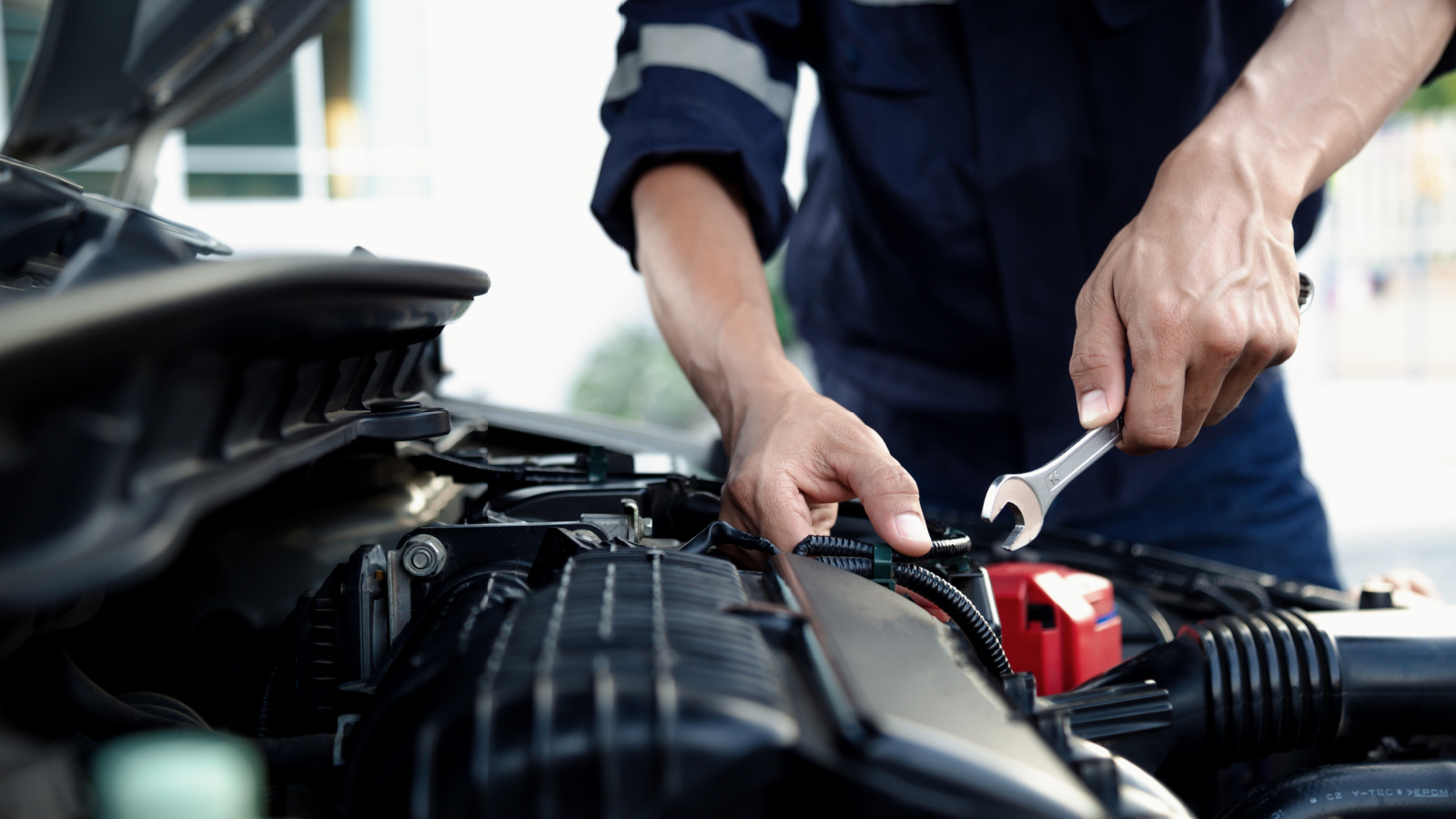
Suspension wear rarely happens overnight. Small issues grow worse with every impact. Set aside funds for minor repairs before they escalate. Replacing a worn bushing costs far less than repairing multiple damaged parts. Preventive maintenance protects vehicle value and safety. Waiting too long often multiplies expenses quickly. Planning financially makes repair decisions easier. Drivers who prepare ahead of time avoid rushed choices under pressure. A modest maintenance budget now can shield you from large suspension bills later.