

























Most engines do not fail because a driver ignored one dramatic sign. Trouble often develops after small maintenance duties are postponed until wear, leakage, or contamination has had time to spread. One habit offers unusually strong protection for a modest amount of effort: checking the engine-oil level regularly and changing the oil and filter according to the vehicle maker’s schedule.
These 12 practical lessons explain why that routine matters, how to perform it correctly, and where common shortcuts create risk. The goal is not to promise that oil maintenance can prevent every mechanical failure. It is to show how consistent attention can reduce avoidable wear, expose leaks earlier, protect fuel economy, and give an internal-combustion car a better opportunity to remain dependable well into higher mileage.
Build the Habit Around Oil, Not Guesswork
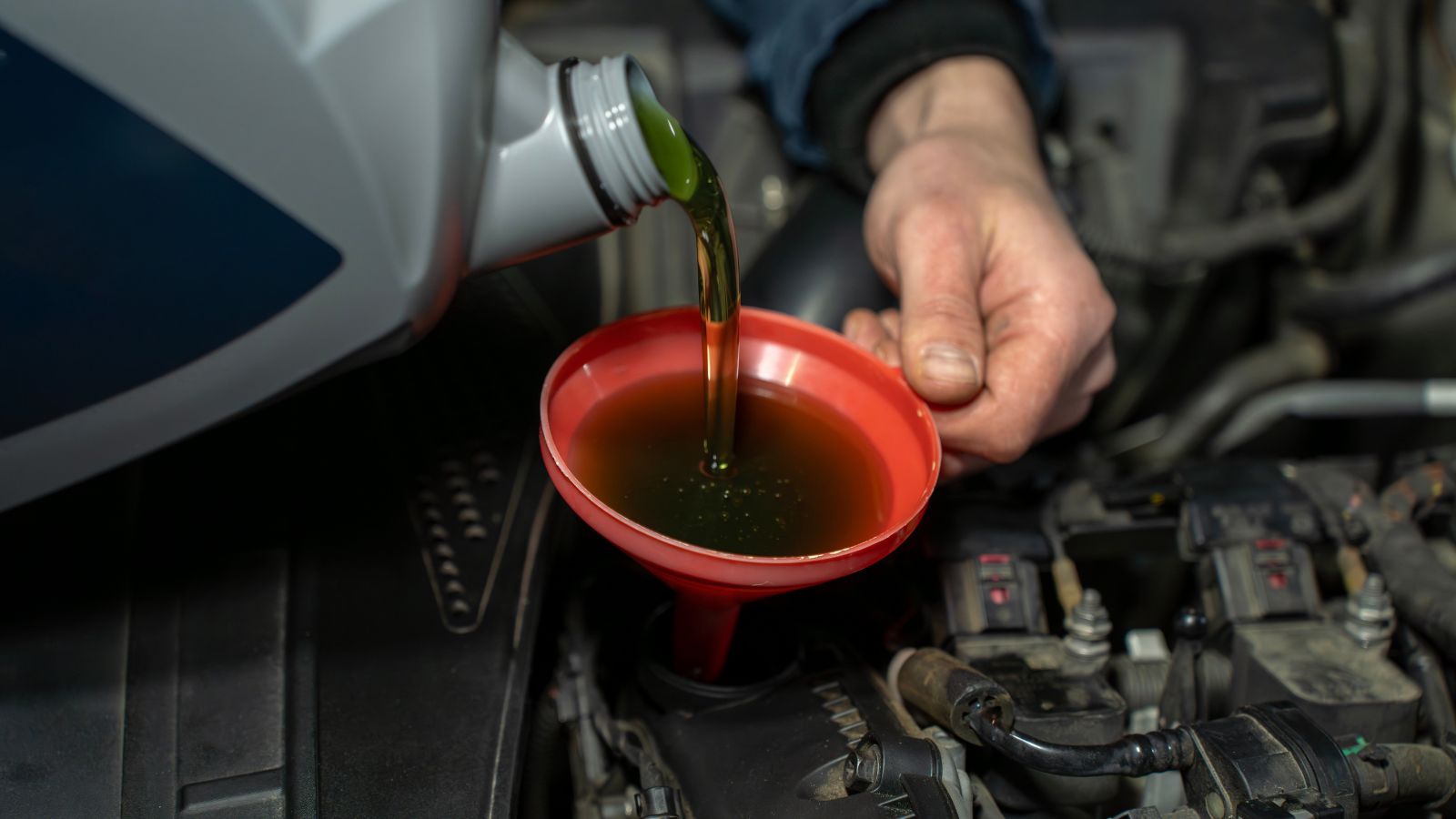
A car does not reach high mileage because of one heroic repair. It gets there because small, repeatable jobs are completed before neglect turns into damage. The most useful of those jobs is simple: check the engine-oil level regularly, use the correct oil, and replace the oil and filter when the manufacturer says they are due. The Federal Trade Commission warns that postponing routine maintenance such as oil changes can contribute to poor fuel economy, unreliability, expensive breakdowns, and warranty complications.
That habit costs little compared with internal engine work. A monthly check may take only a few minutes, while an oil change is predictable enough to place on a calendar. The point is not to chase an arbitrary “every 3,000 miles” rule or assume every vehicle is identical. It is to create a dependable rhythm based on the owner’s manual, the dashboard monitor, and the car’s actual operating conditions.
Understand What Oil Protects
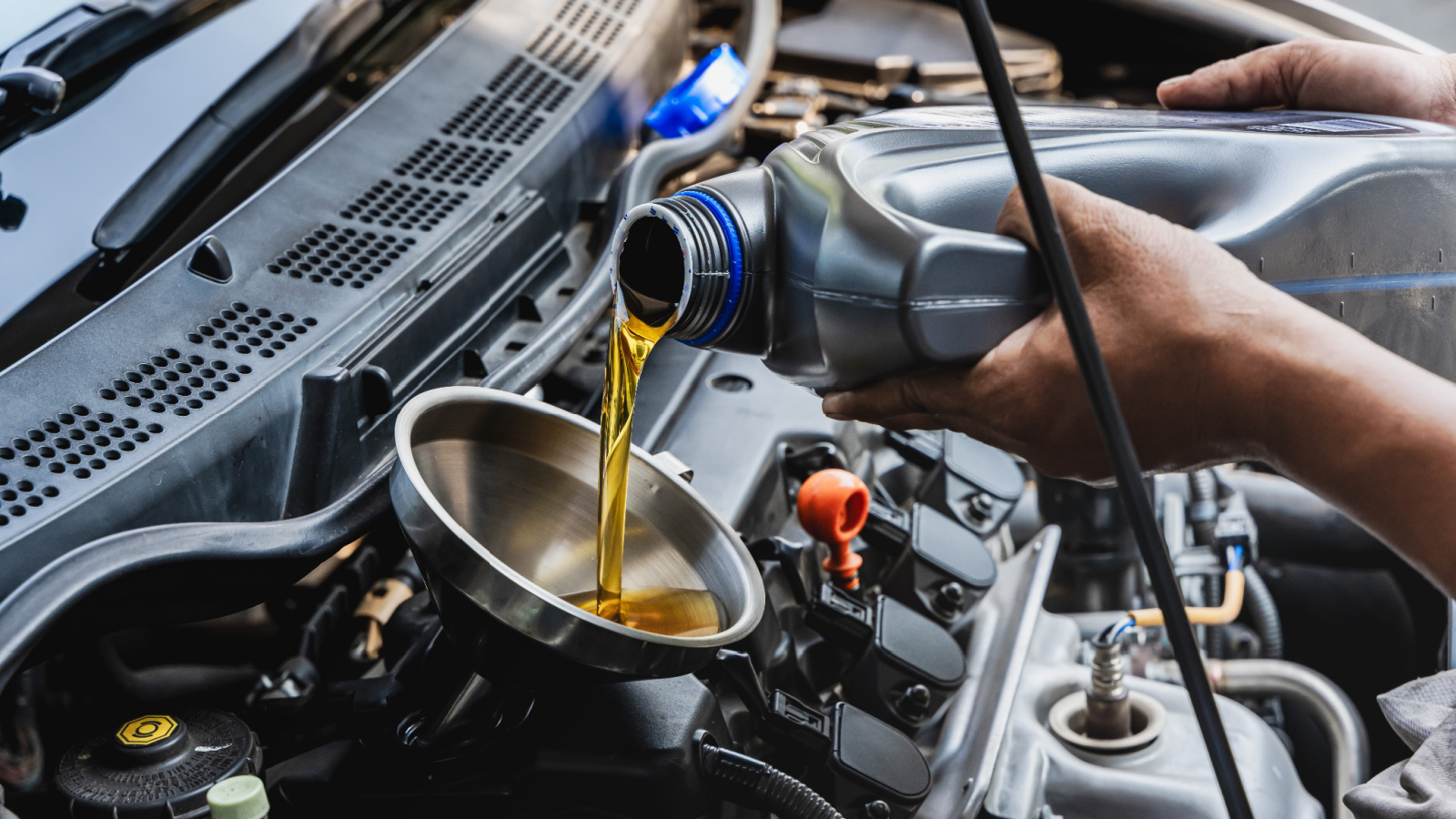
Engine oil works in an extremely demanding environment. It must flow through narrow passages, separate moving metal surfaces, carry heat, suspend contaminants, and help control deposits while the engine heats and cools. Tribology research describes lubrication as central to limiting friction and wear in piston rings, cylinder liners, bearings, and valve-train parts. When the protective film becomes insufficient, surface contact and wear become more likely.
That is why oil maintenance is about preserving an operating system, not merely replacing dark liquid. Oils contain balanced base stocks and additives for wear protection, oxidation control, detergency, and viscosity stability. API performance categories are tested against requirements developed with automakers and the lubricant industry. A commuter may never see these processes, but the result is familiar: an engine that starts quietly, maintains pressure, and avoids deposits has a better chance of delivering years of dependable service than one repeatedly run low or overdue.
Check the Level Before It Becomes a Warning

An oil-change sticker cannot reveal whether the engine has lost oil between services. Engines may consume oil, and seals, gaskets, filter housings, drain plugs, or other components can leak. Manufacturers therefore separate two jobs that owners confuse: changing oil at the required interval and checking the level between changes. General Motors instructs owners of one Duramax engine to check every 400 miles, especially before a long trip; Toyota guidance for some models recommends a monthly check.
The frequency varies, so the manual remains the authority. The lesson is that waiting for a dashboard warning leaves less margin for error. A glance at the dipstick can expose a falling level while the engine still sounds normal. One owner may discover a slow seep before a holiday drive; another may learn that an older engine uses oil during sustained highway travel. In both cases, information arrives before the situation becomes an emergency.
Read the Dipstick Correctly
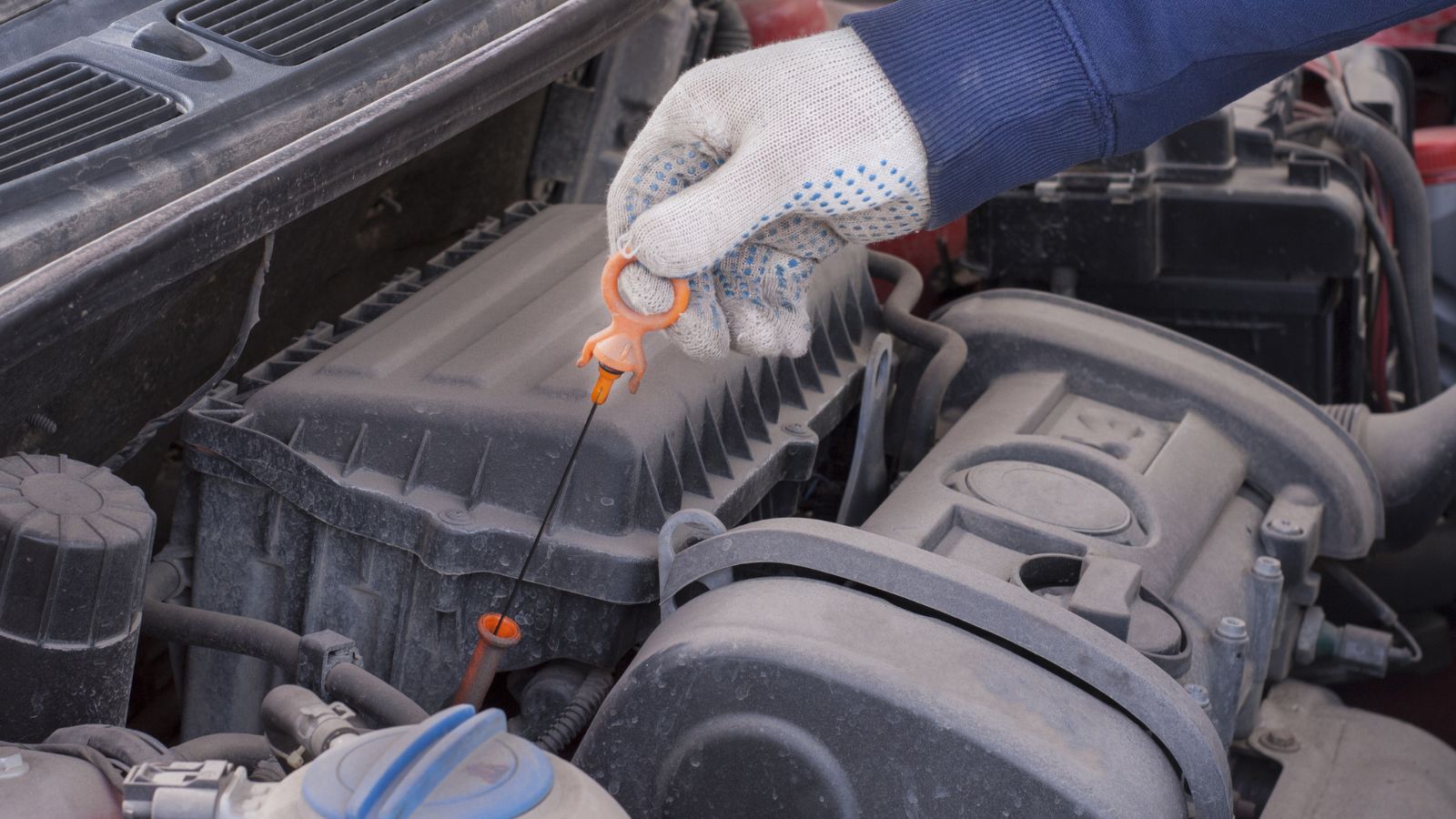
An oil check can produce a misleading result. The vehicle should be on level ground, and the engine should be off long enough for oil to drain into the pan. The waiting period differs by model: some manuals specify checking cold, while others provide instructions for a warm engine. The method is to follow the procedure written for that vehicle rather than relying on a universal parking-lot shortcut.
For a dipstick, remove it, wipe it clean, reinsert it fully, then withdraw it again and read both sides. The level should sit within the marked operating range. Add only the amount and type specified, then recheck; overfilling can cause problems. AAA describes the process as a simple monthly task and notes that a reading near the low mark may point to leakage or another issue. Five minutes are more useful than a rushed reading taken on a slope immediately after shutdown.
Follow the Vehicle’s Own Interval

Oil-change intervals are not interchangeable. Engine design, oil capacity, turbocharging, fuel type, lubricant specification, operating temperature, and software all influence the schedule. The FTC advises owners to use the manufacturer’s maintenance schedule for their driving and to question shop recommendations that call for extra service without a clear reason. Many modern gasoline vehicles specify intervals longer than the old 3,000-mile rule, while some engines still require shorter service.
The owner’s manual, maintenance guide, or oil-life monitor should set the baseline. A dashboard percentage is not decorative; systems from manufacturers such as Honda and General Motors calculate remaining oil life from vehicle use and operating conditions. The monitor must be reset only after the service is completed. Imagine two identical cars: one spends its life on highway trips, while the other idles, tows, and makes short winter runs. Their odometers may match, but their oil does not experience the same workload.
Treat Severe Use as Severe

“Severe service” often sounds like off-road punishment, yet ordinary routines can qualify. Manufacturer schedules identify repeated short trips in freezing weather, dusty-road use, towing, heavy loading, prolonged idling, or extensive low-speed operation as reasons for additional maintenance. Toyota’s 2026 Corolla Cross guide, for example, calls for oil and filter replacement every 5,000 miles or six months under specified dusty-road or repeated short-trip conditions, even though longer intervals may apply in normal use.
This distinction matters because mileage alone does not capture engine hours, moisture, fuel dilution, dust, or repeated warm-up cycles. A delivery vehicle covering modest daily mileage may run far longer than a commuter traveling the same distance on an open highway. General Motors converts extended idling into equivalent mileage in some diesel schedules. Drivers who honestly classify their use avoid the mistake of applying the easiest schedule to the hardest routine. The manual’s severe-use table deserves closer reading.
Use the Exact Grade and Specification

Buying “good oil” is not precise enough. The bottle must match the viscosity grade and performance specification required by the engine maker. API explains that viscosity describes an oil’s flow characteristics at temperatures, while certification marks identify performance categories. Some diesel oils are not interchangeable across categories, and obsolete gasoline-engine categories may not provide suitable protection for newer designs. The owner’s manual settles the choice.
Correct oil can affect efficiency. The U.S. Department of Energy says using the manufacturer-recommended grade can improve fuel economy by about 1% to 2%. That figure is modest at one fill-up but meaningful across years of driving. More importantly, the correct specification is designed around the engine’s bearings, oil pump, timing components, turbocharger, emissions hardware, and cold-start needs. A bargain bottle with the wrong label can be false economy. Recording the grade and approval in a phone note prevents confusion at stores or quick-lube counters.
Change the Filter at the Same Time
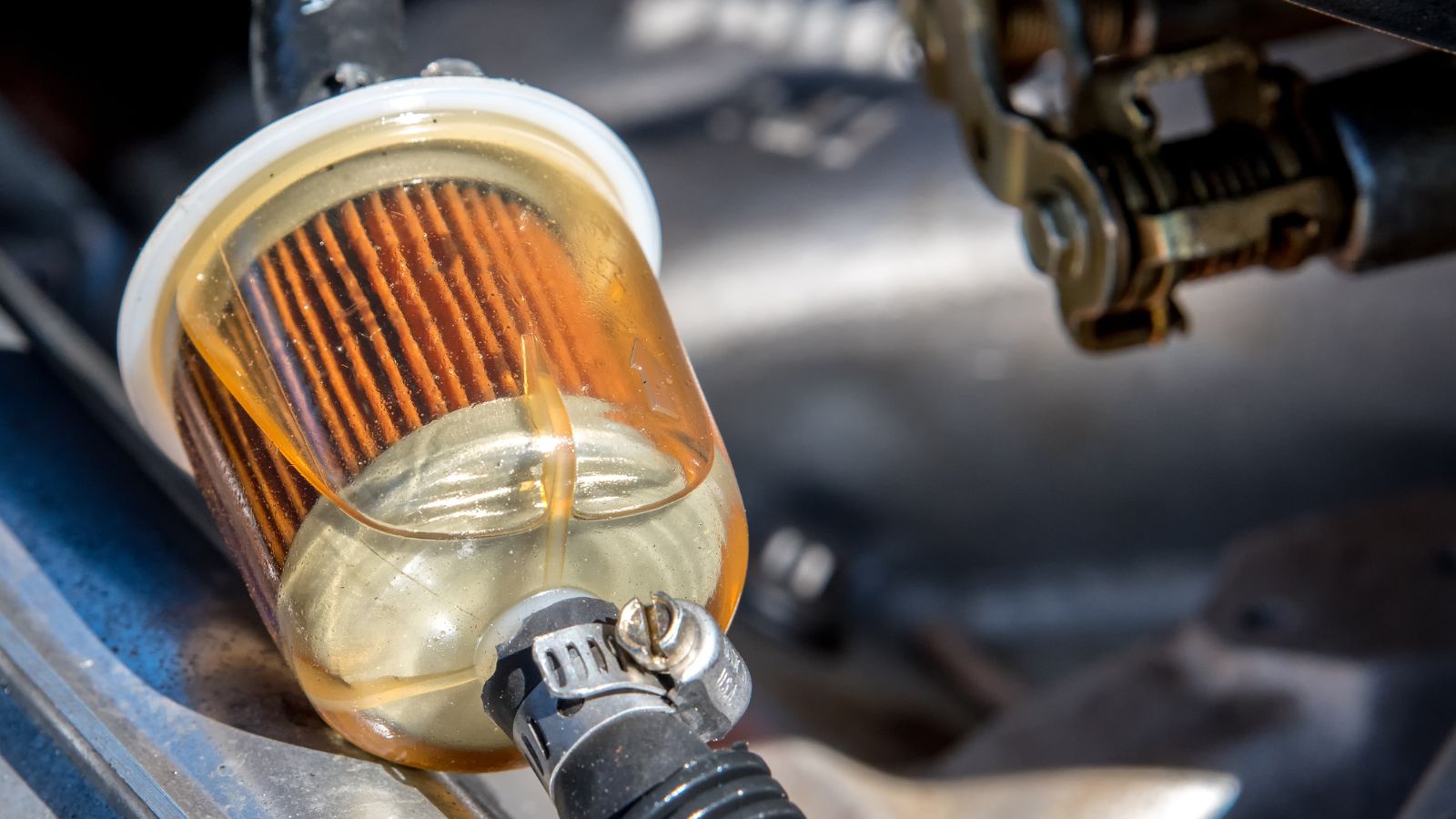
Fresh oil should not work through an overdue filter. The filter captures particles and debris carried by circulating lubricant, helping keep abrasive material away from closely fitted components. Laboratory tribology research has found that solid contaminants in engine oil can raise friction, wear, surface roughness, and power losses; particle size and concentration influence severity. Filtration is therefore part of contamination control, not an optional add-on to the oil change.
Manufacturers pair the services. General Motors’ oil-life guidance triggers replacement of engine oil and filter, and Toyota schedules similarly specify changing them together. The correct filter must fit, seal, and meet the engine maker’s requirements for that specific model. A shortcut—reusing a filter to save a small amount—creates an unnecessary unknown inside an expensive engine. The sensible package is straightforward: correct oil, correct quantity, correct filter, a new drain-plug seal where required, and a final leak check after service.
Watch for Leaks and Rising Consumption

Oil checks create an early-warning system. The dipstick reveals trends, while the parking space can reveal clues. The FTC advises checking wet spots and notes that dark brown or black oily fluid can indicate an engine-oil leak involving a seal or gasket. Manufacturer service bulletins list oil marks beneath the vehicle, engine-compartment odour, and measurable oil loss among leak symptoms.
One low reading is useful; a pattern is more informative. Record the date, odometer, and quantity added. If the engine needs top-ups, the log gives a technician evidence instead of vague memory. A driver who notices the level falling every few weeks can arrange diagnosis before a long trip or before oil reaches the minimum mark. The aim is not to panic over every stain—air-conditioning water is normal—but to investigate persistent oil loss, smoke, burning smells, or fresh wetness rather than repeatedly topping up and ignoring the cause.
Never Judge Oil by Color Alone

Dark oil is not automatically overdue, and clean-looking oil is not healthy. Detergent and dispersant additives are designed to hold combustion by-products in suspension, so oil can darken while performing. Conversely, age, oxidation, fuel dilution, viscosity change, additive depletion, or contamination may not be obvious from a glance. AAA advises following the factory maintenance schedule rather than using colour as the deciding test for replacement.
This prevents two mistakes. One owner may waste money by changing serviceable oil because it turned dark; another may extend a change because the dipstick looks amber after easy kilometres. Neither colour tells the story. Oil-life monitors, time, mileage, operating conditions, and manufacturer instructions provide a stronger decision framework. Used-oil laboratory analysis can answer deeper questions for fleets, unusual engines, or extended-drain programs, but it is rarely necessary for ordinary ownership. For most drivers, consistent schedule-based maintenance is simpler and more defensible than visual guesswork.
Take Oil Warnings Seriously
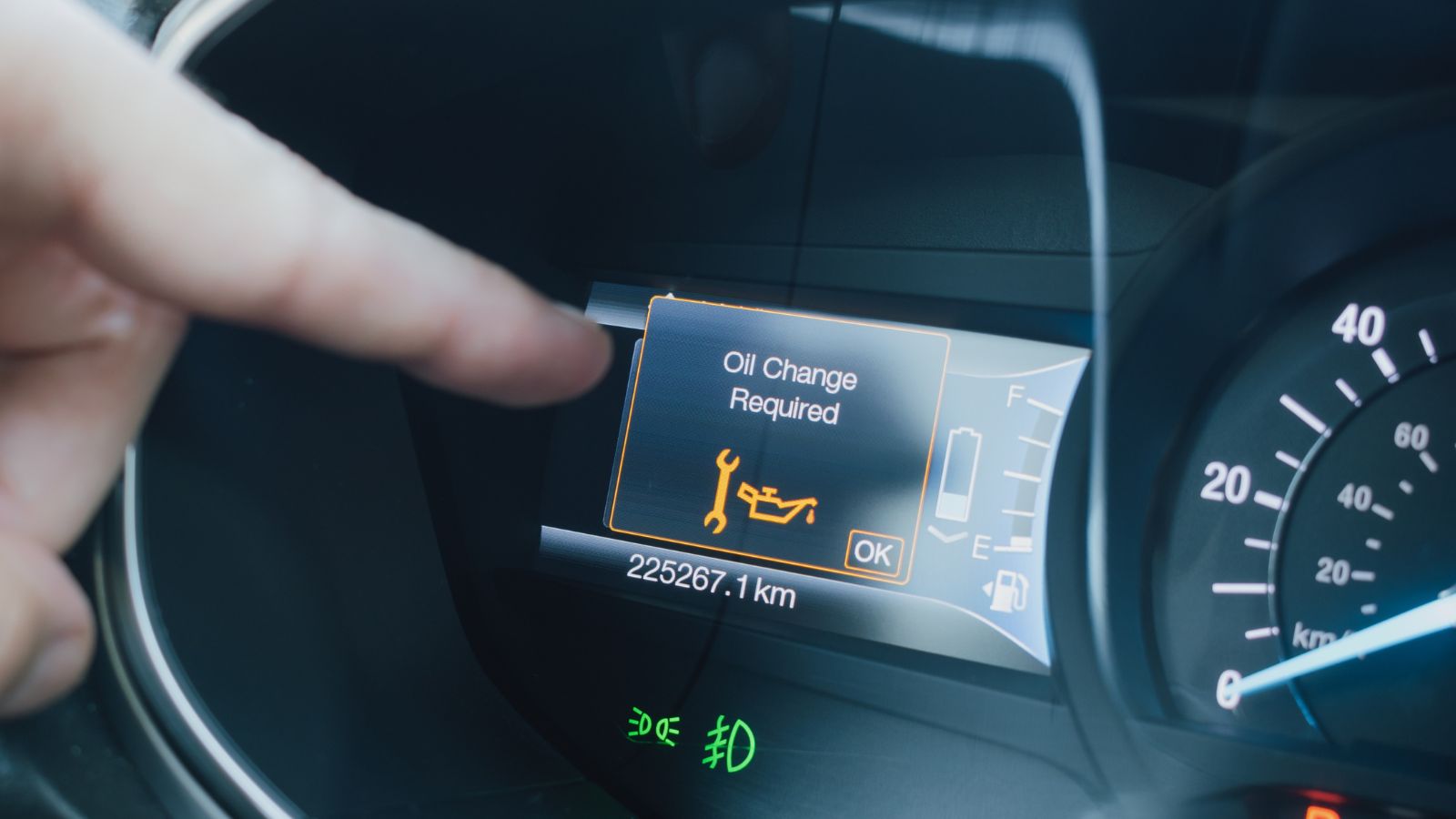
An oil-can warning deserves a different response from a routine service reminder. A maintenance message indicates that an oil change is approaching or due. A low-oil-pressure warning can signal that the engine is not receiving lubrication. Honda instructs drivers to stop safely, check the level, add oil if necessary, and seek repair if the indicator does not turn off. Continuing to drive can turn a fault into severe damage.
The distinction should be learned before the light appears. A low level may cause pressure trouble, but topping up cannot solve a failed pump, blocked pickup, internal leak, faulty sensor, or other problem. Switch off the engine as soon as it is safe, consult the manual, and avoid restarting to “see whether it clears.” Practically, the warning is the car asking for protection, not permission to finish the week. Prompt action preserves the best chance of limiting damage and diagnosis costs.
Make the Routine Impossible to Forget

The effective maintenance plan is the one that survives busy weeks. Tie the oil-level check to an event: the first fuel stop of each month, payday, a car wash, or the evening before a long drive. Keep a rag, disposable gloves, a funnel, and a sealed container of approved oil in the garage. A phone reminder can carry the vehicle’s mileage, oil grade, filter number, and next service target.
After every change, save the invoice, photograph the odometer, and confirm that the oil-life monitor was reset. Honda warns that resetting without performing service—or servicing without resetting—can make reminders inaccurate. Records also help a technician understand consumption and prove maintenance when warranty or resale questions arise. The habit is intentionally dull, which is its strength. Twelve months of small checks create more protection than one burst of attention after a warning light, unfamiliar noise, or expensive breakdown has appeared.
22 Things Canadians Do to Their Cars in Spring That Mechanics Hate

Spring brings relief to many Canadian drivers after months of snow, freezing temperatures, and icy roads that put serious strain on vehicles. As temperatures rise across the country, drivers begin washing cars, switching tires, and preparing vehicles for warmer weather and upcoming road trips. However, mechanics across Canada notice the same mistakes every spring when drivers attempt to recover from winter damage. Road salt, potholes, and harsh winter driving conditions often leave vehicles with hidden problems that drivers ignore. Some spring habits even create new mechanical issues that could have been avoided with proper maintenance. Here are 22 things Canadians do to their cars in spring that mechanics hate.