

























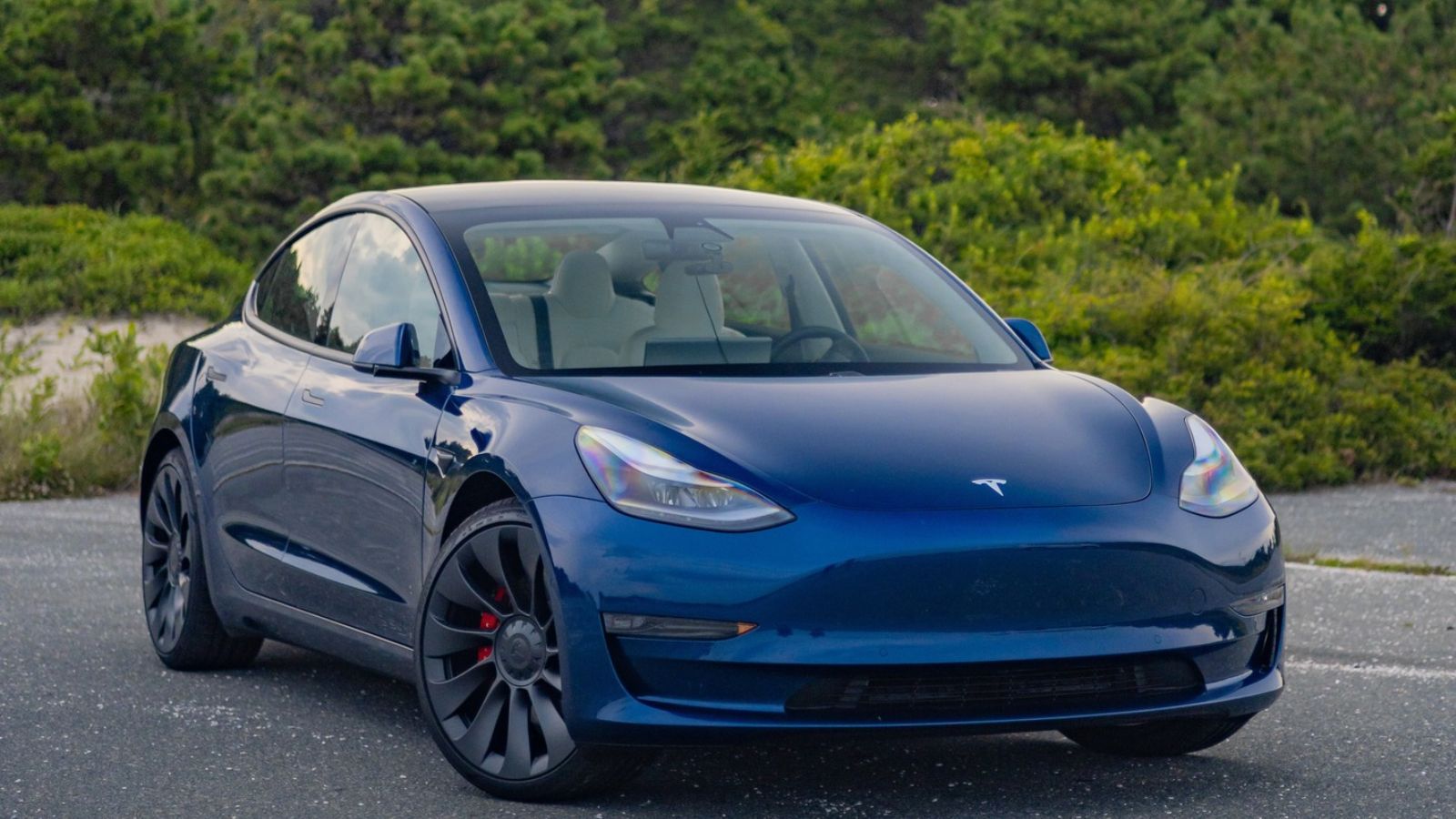
Canada’s sub-$40,000 Tesla has hit an unexpected roadblock. On October 12, Tesla paused new Canadian orders for its Shanghai-built Model 3 Premium, including the rear-wheel-drive version advertised at $39,490. Yet Ottawa’s import tracker, updated October 9, showed unused quota capacity for 33,069 China-built vehicles. The apparent mismatch raises a practical question about an affordable electric-car option: when can orders reopen?
Tesla says strong demand exhausted the import volume available to it. A subsequent explanation from its Canadian policy executive points to limits communicated to individual manufacturers, while Ottawa is reviewing how to distribute the remaining quota. For buyers, that distinction could determine whether a planned purchase proceeds before year’s end or waits until 2027. All prices are in Canadian dollars.
Two Premium Versions Leave the Order Page
The ordering change affects both Shanghai-built Model 3 Premium versions: the rear-wheel-drive car priced from $39,490 and the all-wheel-drive version at $49,990. The U.S.-built Model 3 Performance remained available when the pause was announced, with a starting price of $74,990. These are advertised vehicle prices; taxes and applicable delivery or other charges affect the final bill. The immediate result is a substantial gap in Tesla’s Canadian sedan range for shoppers considering a new order.
Moving from the paused entry model to the Performance would add $35,500 to the base price, an increase of roughly 90%. Even compared with the Premium AWD, the step up is $25,000. For a household planning around a $40,000 vehicle, that is a different spending decision altogether. Tesla’s announcement concerns new orders and does not establish that existing purchases have been cancelled. Customers already waiting for a car still need information tied to their individual order, including any revised delivery estimate.
Why the $39,490 Price Stood Out
The Premium RWD arrived in Canada at $39,490 in May 2026, giving the Model 3 a substantially more accessible starting point. Tesla sourced the car from its Shanghai factory, and its Canadian listing advertised an estimated 463 kilometres of range. That combination gave shoppers a concrete price and driving-range figure to consider when comparing an electric sedan with other vehicles. The figure was a base price, so it still required a realistic allowance for the rest of the purchase bill.
The trade-policy change behind those imports took effect on March 1. Canada repealed the 100% surtax on covered Chinese-made electric vehicles and introduced an import quota, with eligible vehicles entering at the ordinary 6.1% tariff. The rules turn on where a vehicle is manufactured, allowing Shanghai-built Teslas to use the China-origin program. The affordability lesson is immediate: factory sourcing and border policy can help bring a familiar car within reach, while access to that same import system can interrupt its availability.
The 33,069 Figure Counts Vehicle Capacity
Global Affairs Canada’s tracker provides a clear national total. For the quota year running from March 1, 2026, to February 28, 2027, it lists a maximum of 49,000 vehicles, utilization of 15,931 and a remaining balance of 33,069. That means about 67.5% of the annual capacity was unused at the report’s October 9 update. The date belongs alongside the number: it is a published snapshot of recorded quota use, with no breakdown of Tesla’s future orders.
The word “permits” also needs care. Government regulations allow several vehicles to enter under one shipment-specific permit, so 33,069 describes remaining vehicle capacity. The program covers eligible China-origin vehicles across manufacturers, and its reporting includes some conventional hybrids alongside battery-electric cars. Its totals therefore cannot be read as Tesla sales or deliveries. What the tracker establishes is substantial unused national capacity; determining how much of that capacity Tesla could obtain requires information about the administration of the program.
Unused Summer Capacity Carried Into Autumn
The size of the remaining balance becomes easier to understand when the two import windows are separated. Canada initially made room for 24,500 vehicles between March 1 and August 31. Recorded use reached 15,603, leaving 8,897 unused places. Those places carried into the second period, which began September 1 with another 24,500. Together, they created capacity for 33,397 vehicles through February 28, 2027. The second window therefore opened with considerably more room than its basic six-month allowance.
By October 9, recorded use in that second window stood at 328 vehicles, leaving 33,069 places, or approximately 99% of its available capacity. The same remaining balance equals about 67.5% of the full-year quota because the annual calculation includes imports from the first window. Both percentages are valid, but they describe different starting totals. For anyone trying to understand the interruption, the carryover explains why Ottawa could show a large unused balance several months after the program began.
Tesla Says Manufacturers Receive Advance Limits
Tesla’s Canadian policy executive, Iain Myrans, offered a more specific explanation after the order pause. In a LinkedIn statement reported on October 14, he said Global Affairs Canada tells manufacturers in advance the maximum number of vehicles they can expect to import during a particular period. He also pointed to the government’s authority to control permit quantities and conditions. According to his account, the publicly described first-come, first-served process operates alongside decisions about individual manufacturers’ access.
That explanation makes it possible for a large national balance to coexist with a company reaching the volume it expects to receive. It also changes the question from whether Canada has used all 49,000 places to how Tesla’s own access was determined. Myrans did not publish Tesla’s specific number, and the public tracker cannot fill that gap. His statement provides the company’s account of the restriction, while leaving the scale and timing of its available volume unresolved. Buyers still have no publicly disclosed allocation against which to assess the proposed wait.
Ottawa Confirms Talks but Withholds Company Details
Global Affairs Canada addressed the issue in an October 14 response published by Drive Tesla. Spokesperson Rachael Dolan said the department was consulting interested companies about making use of the remaining quota and assessing the program’s implementation. She linked that work to a longer-term policy intended to encourage joint ventures, Canadian supply chains and Canadian employment. The response confirms that the allocation question forms part of a wider industrial-policy discussion, beyond the immediate problem facing Model 3 customers.
The department declined to disclose company names, shipment details or anticipated quota use, citing commercial confidentiality. It also did not confirm or deny a Tesla-specific ceiling. That leaves an understandable information gap for consumers: the public can see the national balance, but cannot see the manufacturer-level expectations behind Tesla’s announcement. A clearer explanation of allocation principles could help people understand the wait while protecting sensitive business information. As it stands, the government response describes ongoing consultations without establishing when they will produce a change for Canadian Tesla buyers.
First-Come Rules Still Allow Reserved Capacity
The governing notice, issued by Global Affairs Canada on August 29, describes a first-come, first-served system for eligible importers. However, section 3.4.6 also allows the department to set aside some capacity to provide equitable access for manufacturers, including new entrants. Those provisions explain how access can involve more than checking the remaining national balance. The published notice establishes the power to reserve room, although it supplies no figure identifying how much has been assigned to Tesla or another manufacturer.
Permits also operate on a shipment timetable. Importers can apply up to 30 days before a shipment’s expected arrival, and permits can be valid for a maximum of 60 days. Covered vehicles require the relevant permit to enter Canada. A customer’s online order, a manufacturer’s expected allocation and a shipment’s customs paperwork therefore represent different stages of the process. The implication is practical: a positive quota balance alone cannot establish how many additional vehicles Tesla can confidently schedule for import or promise to prospective buyers.
A Low Sticker Price Does Not Ensure a Rebate
The $39,490 Model 3 also illustrates the difference between import permission and eligibility for purchase incentives. Canada’s Electric Vehicle Affordability Program offers up to $5,000 for eligible battery-electric vehicles in 2026, but qualifying vehicles must be manufactured in Canada or a country with a Canadian free-trade agreement. Shanghai-built Model 3 Premium cars fail that manufacturing-origin requirement. Their advertised price therefore cannot simply be reduced by another $5,000 when estimating the cost of buying one.
Other imported EVs must also meet the program’s $50,000 final-transaction-value ceiling, calculated using Transport Canada’s rules. Canadian-made vehicles have no price ceiling under the program. As a simple illustration, a hypothetical eligible $44,000 electric car receiving the full $5,000 incentive would have a $39,000 vehicle cost before other applicable charges. Taxes and fees are applied before the incentive. That calculation shows why a higher advertised price can still produce a competitive bill. Shoppers comparing alternatives to the paused Tesla need the actual vehicle price, confirmed incentive eligibility and required charges to understand the difference.
Canada Is Balancing Affordable Imports and Local Jobs
Ottawa’s published consultation on the quota sets out ambitions beyond bringing more imported cars into dealerships. It sought views on encouraging Canadian investment and supporting the domestic automotive industry while improving access to affordable electric vehicles. Those objectives help explain the interest in how capacity is distributed among manufacturers. A policy that gives established importers immediate access could put more vehicles on sale quickly; reserving some room for other participants could support a broader market over time.
The arrangement also includes a specific affordability reserve. Starting in the second quota year, 10% of capacity is reserved for vehicles with a free-on-board price of $35,000 or less, rising to 50% in year five. That is an export-price measure, with Canadian retail prices determined separately. For workers hoping for new manufacturing investment and households hoping for cheaper transportation, the policy has two different tests of success. The Tesla pause brings the immediate test into focus: whether the way permits are administered allows affordable vehicles to reach buyers while the longer-term investment strategy develops.
March 2027 Is an Expectation With Conditions
Tesla’s notice points to March 2027 as the expected time for ordering to resume, conditional on the government making more quota available. That timing aligns with the next quota year, which begins March 1. The published policy calls for annual growth of 6.5%; applied to the first year’s 49,000 vehicles, that produces a second-year allowance of 52,185. A larger national ceiling could improve access, but it does not establish Tesla’s share or guarantee the exact day its order page will reopen.
An ordering restart would also be separate from the date a customer receives a vehicle. Tesla’s message offers no guaranteed March delivery, and the additional volume available to the company remains undisclosed. For someone whose current car needs replacing before winter, waiting therefore requires a realistic assessment of timing as well as price. The developments to watch are clearer allocation guidance from Ottawa and an updated ordering announcement from Tesla. Those will show whether the affordable Model 3 can return sooner and what customers can actually plan around.