















• About
  • Contact
AutoIgloo
  • News & Trends
    Nearly 90 Tesla Owners Lose ‘Full Self-Driving’ Refund Fight as Court Rejects Driverless-Car Interpretation

    Nearly 90 Tesla Owners Lose ‘Full Self-Driving’ Refund Fight as Court Rejects Driverless-Car Interpretation

    Toyota Sales Fall Nearly 20% in China While U.S. Demand Climbs More Than 8%

    Toyota Sales Fall Nearly 20% in China While U.S. Demand Climbs More Than 8%

    Canada Admits Little Progress in U.S. Auto-Tariff Talks as 25% Duties Remain in Place

    Canada Admits Little Progress in U.S. Auto-Tariff Talks as 25% Duties Remain in Place

    Trump’s 50% Canada Tariffs Face New U.S. Lawsuit Over Trade Rules That Include American-Made Cars

    Alberta Moves to Give Car Buyers Refund Rights After Three Failed Repairs Under New Lemon Law

    Ottawa Expects No U.S. Trade Deal Before November Vote as Trump’s 50% Auto-Tariff Threat Looms

    Mexico Pushes for Its Own U.S. Auto-Tariff Deal Before November 3 as Canada’s Negotiations Stall

    Honda Urges Canada Not to Expand 49,000-Vehicle Chinese Import Quota as CUSMA Fight Intensifies

    Honda Urges Canada Not to Expand 49,000-Vehicle Chinese Import Quota as CUSMA Fight Intensifies

  • Car Reviews
    Mitsubishi Outlander Review: Is It Still the Underrated Family SUV?

    Mitsubishi Outlander Review: Is It Still the Underrated Family SUV?

    19 Cars With Windshields That Crack Constantly on Canadian Highways

    Subaru Forester vs Toyota RAV4: Which SUV Is Better for Canadian Winters?

    20 Cars Canadians Should Avoid If They Hate Expensive Windshield Replacements

    Hyundai Tucson vs Kia Sportage: Which Compact SUV Is the Better Everyday Buy?

    BYD, CATL and Xiaomi Are in the Mix for Xi’s Washington Trip as Canada and U.S. Split on Chinese EV Access

    Toyota RAV4 Plug-In Hybrid vs Regular Hybrid: Which One Should Canadians Buy?

    17 Vehicles That Are Quietly Getting Crushed by Insurance Costs in Canada

    Honda CR-V Hybrid Review: The Family SUV That Plays It Safe

    2026 Toyota RAV4 vs Honda CR-V: Which SUV Makes More Sense for Canadians?

    2026 Toyota RAV4 vs Honda CR-V: Which SUV Makes More Sense for Canadians?

  • Buying Guides
    Mitsubishi Outlander Review: Is It Still the Underrated Family SUV?

    Mitsubishi Outlander Review: Is It Still the Underrated Family SUV?

    16 Used SUVs That Suddenly Don’t Look Like Smart Buys in Canada

    Nissan Rogue vs Honda CR-V: Which SUV Feels Better After the Test Drive?

    19 Cars With Windshields That Crack Constantly on Canadian Highways

    Subaru Forester vs Toyota RAV4: Which SUV Is Better for Canadian Winters?

    Mazda CX-5 vs Mazda CX-50: Which One Feels More Premium for the Money?

    Mazda CX-5 vs Mazda CX-50: Which One Feels More Premium for the Money?

    17 Vehicles That Are Quietly Getting Crushed by Insurance Costs in Canada

    Honda CR-V Hybrid Review: The Family SUV That Plays It Safe

    18 Cars With Parts Prices So Wild They’re Becoming Hard to Own in Canada

    Is the New Toyota RAV4 Still the Safest Bet in Canada?

  • Comparisons
    19 Cars With Windshields That Crack Constantly on Canadian Highways

    Subaru Forester vs Toyota RAV4: Which SUV Is Better for Canadian Winters?

    21 Vehicles With the Best Real-World Fuel Economy in Canada (Not Just the Sticker)

    Toyota Corolla Cross vs Honda HR-V: Which Small SUV Is Less Compromised?

    20 Cars Canadians Should Avoid If They Hate Expensive Windshield Replacements

    Hyundai Tucson vs Kia Sportage: Which Compact SUV Is the Better Everyday Buy?

    BYD, CATL and Xiaomi Are in the Mix for Xi’s Washington Trip as Canada and U.S. Split on Chinese EV Access

    Toyota RAV4 Plug-In Hybrid vs Regular Hybrid: Which One Should Canadians Buy?

    Honda Asked Suppliers for 30% Parts Cost Cuts as $9.4-Billion Savings Drive Hits Global Supply Chain

    Why Some Buyers Are Choosing Older Hondas Over Newer SUVs

    25 EV Charging Mistakes Canadians Make in March (That Wreck Range)

    Why Some Canadians Are Choosing Hybrids Over Full EVs Again

  • EVs & Hybrids
    BYD, CATL and Xiaomi Are in the Mix for Xi’s Washington Trip as Canada and U.S. Split on Chinese EV Access

    Toyota RAV4 Plug-In Hybrid vs Regular Hybrid: Which One Should Canadians Buy?

    Geely Auto’s Core Profit Jumps 46% as Chinese EV Expansion Accelerates — With Canada Now Opening to Geely-Owned Lotus

    Geely Confirms Canadian Vehicle Sales for 2027 as Chinese Automakers Challenge Established Brands

    18 Cars That Will Feel Dated Fast as New Chinese EVs Arrive

    12 EVs Now Price Below $41,000 in Canada—Fiat 500e Falls Under $30,000 With Rebate

    The Used EV Question Canadians Should Ask Before Buying One

    The Used EV Question Canadians Should Ask Before Buying One

    Why Some EV Owners Are Getting Sticker Shock From Home Charging Setups

    Why Some EV Owners Are Getting Sticker Shock From Home Charging Setups

    20 Signs Your Car Battery Is About to Leave You Stranded

    Canadian Auto Jobs Become a Central Fault Line as Ottawa Reveals Why It Rejected U.S. Vehicle Terms

  • More
    • Pricing & Deals
    • Winter Driving
    • Ownership & Maintenance
No Result
View All Result
AutoIgloo
No Result
View All Result

Home » News & Trends

Nearly 90 Tesla Owners Lose ‘Full Self-Driving’ Refund Fight as Court Rejects Driverless-Car Interpretation

Nate Brewer by Nate Brewer
October 29, 2026
Reading Time: 6 mins read
A A
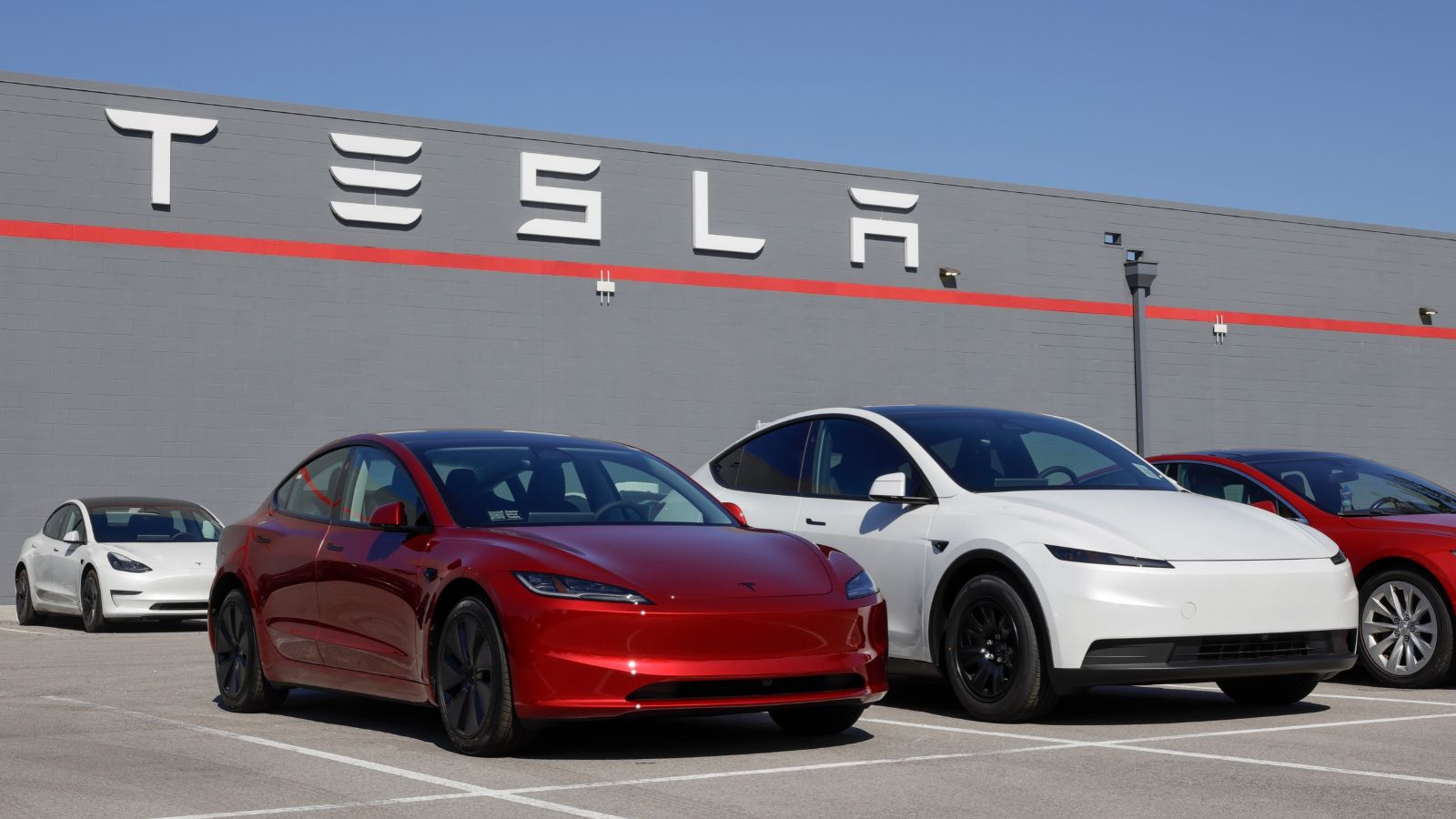
Photo Credit: Shutterstock

Photo Credit: Shutterstock

465
SHARES
1.5k
VIEWS
Share on FacebookShare on Twitter

For Tesla owners who paid extra for the promise of more advanced driving technology, years of waiting eventually became a legal battle over what the company was actually required to deliver. On October 29, 2026, a South Korean court sided with Tesla, rejecting a refund lawsuit brought by nearly 90 customers who argued that the automaker had failed to provide the fully autonomous driving capabilities they expected.

The ruling centred on a critical distinction: Tesla’s Full Self-Driving (FSD) option did not legally guarantee a vehicle capable of operating without human intervention. Judges also considered the features already delivered, the limitations of older vehicle hardware, and the regulatory obstacles affecting development. The decision represents an important victory for Tesla, while raising broader questions about how automakers sell technology that may take years to fulfil its ambitions.

How a Costly Software Option Became a Lawsuit

Behind the ruling was an ordinary purchasing decision with an uncertain payoff. South Korean buyers who acquired Teslas between 2019 and 2022 selected the optional Full Self-Driving package, often paying around 9 million won. These were vehicles equipped with Tesla’s Hardware 3 computer. The added charge bought software capabilities and the expectation that more advanced functions would arrive, not a guarantee that every advertised ambition was already available.

By December 2024, frustration had turned into litigation. The owners sought to cancel their FSD purchase agreements and recover their payments from Tesla Korea. The Seoul Central District Court’s 30th Civil Division, chaired by Judge Kim Seok-beom, rejected the case on October 29, 2026. The verdict came at the first-instance level, rather than from the country’s highest court. For buyers who had spent years waiting, the practical question was whether an expensive vision of future motoring had become an unfulfilled contractual obligation.

Owners Said the Technology Never Matched the Promise

The plaintiffs argued that Tesla’s Full Self-Driving label described something more ambitious than the assistance they could use. They maintained that vehicles should ultimately be capable of driving under all conditions without a human at the controls. Korean reporting also described their objection to Tesla’s earlier references to city-driving features expected in 2019, which they said had not materialized as promised.

Another concern centred on what happened as Tesla’s technology evolved. The owners pointed to the shift toward the name Full Self-Driving (Supervised) and the availability of subscription sales as signs, in their view, that the original goal had changed. They also questioned whether their older Hardware 3 vehicles could ever perform the most ambitious functions. These were arguments advanced by the customers, not conclusions the court accepted. The dispute therefore turned on whether disappointment with a future-facing product amounted to a legally enforceable breach of the original purchase terms.

The Court Rejected the Driverless-Car Interpretation

The most important distinction involved the meaning of autonomous driving. Level 5 automation describes a vehicle able to handle driving on all roads and in all conditions without needing a human driver. By contrast, Level 2 driver assistance can steer and control speed at the same time, but the person behind the wheel must remain fully attentive. Those categories, used by transportation regulators, carry very different expectations about who is responsible for driving.

Seoul’s judges concluded that the FSD option purchased by the plaintiffs did not amount to a contractual promise of Level 5 automation. Instead, they interpreted it as a package of driver-assistance capabilities that could develop over time and require intervention. That finding removed the foundation of the owners’ argument that Tesla had failed because a fully driverless car had not arrived. The court interpreted the contract narrowly, without declaring that the technology’s name could never confuse consumers.

Existing Autopilot Features Helped Tesla’s Defence

The court did not judge the purchase solely by the most advanced feature still missing. It also looked at functions customers had already received. According to the ruling described by Korean outlets, the package included basic Autopilot capabilities such as lane keeping and adaptive cruise control, along with Enhanced Autopilot functions including automated parking and vehicle summoning. These are driver-assistance tools, even though they fall short of a car capable of driving everywhere by itself.

That mattered because the owners wanted to cancel the FSD agreements and reclaim the option payments. The judges considered the presence of usable functions evidence that Tesla had performed at least part of its contractual obligations. From the customers’ perspective, access to lane assistance was not equivalent to the driverless future they believed they had funded. Legally, however, the court treated partial delivery as evidence against the claim that Tesla had supplied nothing of value.

A Software Update Changed the Court’s Assessment

One consequential development came through a recent software update. The court also cited FSD v14 Lite, which extended features to some older Hardware 3 Teslas. These included traffic-light and road-sign recognition plus city-driving functions. Those features do not remove the need for an attentive driver, but they made the technology look less like a permanently frozen purchase.

The timing mattered. Owners argued they should not have to wait indefinitely for something sold years earlier, and some maintained that updates delivered after they sought contract cancellation could not cure the original problem. However, the court treated the improvements as evidence the option was still capable of further delivery rather than fundamentally impossible to perform. That difference between a late update and a failed contract became central to the outcome. It also shows why software-driven vehicles complicate a familiar consumer dispute: the product may change long after the money has been paid.

The Hardware 3 and Hardware 4 Dispute

Hardware 3 versus Hardware 4 was another dividing line. Owners who purchased FSD with the earlier computer argued that their cars might never support the higher capabilities demonstrated on newer Tesla hardware. Judges rejected that concern as proof of impossible performance. Instead, the court focused on terms attached to the computers originally supplied. That distinction matters when a car’s software continues evolving long after purchase.

According to the ruling, the owners bought an FSD option designed for Hardware 3-equipped cars, not a guarantee of an identical software version available on Hardware 4. That is a narrower promise than consumers might intuitively expect when a feature keeps the same name across model years. A vehicle can receive meaningful improvements without matching every capability of a newer platform. The judgment therefore rested less on comparing the two computer generations’ technical specifications than on matching delivered and prospective features to the purchase agreement.

Technology and Regulation Shaped the Deadline

Tesla’s development timetable was another factor in the verdict. Korean judges described the FSD agreement as one whose additional functions would become available when technological advancement and regulatory approval allowed them. In legal terms, the obligation did not come with a fixed, unqualified deadline. The plaintiffs knew that some future features could take considerable time, the court found, even if they could not predict how long.

Those conditions matter beyond Seoul. Tesla’s own support information says advanced assistance needs active supervision and that activation varies by country, software version and vehicle configuration. It also states some features depend on development and regulatory approval. A demonstration in one market does not automatically authorize the same functionality elsewhere. The judges treated compliance-related delays differently from a refusal to supply a feature already required under the contract. That distinction favoured Tesla. For buyers, the resulting wait could still feel almost impossible to measure.

Why a Long Wait Did Not Produce Refunds

At the heart of the claim was an attempt to undo the purchase agreement, rather than demand a goodwill credit. The owners argued Tesla had failed to perform, had missed the time by which it reasonably should have delivered, and bore responsibility for defects in what had been sold. In their account, the passage of years was itself evidence that continuing to wait had become unreasonable.

The panel rejected each route to reimbursement. It found the absence of Level 5 automation did not establish impossibility of performance, the timing of future features was conditional, and delays tied to applicable rules did not establish Tesla’s fault. It also declined to impose defect-warranty liability, noting features already delivered and the buyers’ continuing eligibility to receive further developments. This did not mean the owners’ frustration was imaginary. It meant the court found their purchase agreements insufficient grounds for the particular remedy they demanded.

A Different Legal Battle Is Unfolding in the United States

Tesla’s victory in South Korea arrives during a dispute in the United States. On October 16, 2026, the U.S. Court of Appeals for the Ninth Circuit overturned a decision permitting California buyers to litigate FSD-marketing claims as classes. The judges said a lower court had not adequately established that all members of the proposed groups had seen the same allegedly misleading statements about vehicle hardware before purchasing.

That outcome was procedural, not a finding that Tesla’s advertising was accurate. The underlying American lawsuit remains pending and still faces further proceedings, according to the appellate order. The contrast with Seoul is important: the Korean court addressed the specific contractual obligations of buyers seeking refunds, while the American appeal examined whether claims could be handled collectively. Separate legal systems can reach decisions favouring Tesla for entirely different reasons. Neither judgment, on its own, definitively resolves every controversy over Full Self-Driving marketing.

What the Ruling Means for Tesla Buyers Elsewhere

For buyers considering advanced driver assistance, the Seoul ruling highlights the difference between a feature’s name and its purchase terms. A software package may include functions available on delivery and others promised only after development or regulatory permission. Tesla’s current Canadian support page explicitly says Full Self-Driving (Supervised) requires an attentive driver and does not make a vehicle autonomous. It also cautions that available functionality depends on hardware, software and region.

That makes documentation important when expensive options are sold as technology that can improve later. Consumers can compare what their own vehicle can actually do today with what is described as conditional, preserve original purchase materials and ask whether upgrades require different hardware. The South Korean decision does not determine buyers’ rights in other jurisdictions. Its clearest message is that the precise contract and features delivered can matter more in court than the impression created by a product’s name.

Recommended.

Chinese Brands Hit Record 12% of Europe’s Car Market as Canada Opens the Door to More China-Made EVs

EU Pressures Britain to Raise Tariffs on Chinese Cars — Sharpening Canada’s Split From Western Auto Policy

September 25, 2026
16 Vehicles That Are Going to Plummet in Resale Value If Chinese EVs Flood the Market

Polestar Abandons Fight Against Trump’s U.S. Ban, Leaving Canada as Its North American Lifeline

July 20, 2026

Trending.

Canada’s Ballard Puts a 250,000-Mile Performance Guarantee Behind Hydrogen Buses

Canada’s Ballard Puts a 250,000-Mile Performance Guarantee Behind Hydrogen Buses

October 2, 2026
10 Reasons the Canadian Car Market Feels Different Heading Into Summer

Canadian Auto Sales Rise 3.4% for a Fourth Straight Month—but 2026 Still Trails Last Year

October 3, 2026
PBO Warns U.S. Tariff War Threatens Up to 185,000 Canadian Jobs, With Auto Manufacturing Among Hardest Hit

PBO Warns U.S. Tariff War Threatens Up to 185,000 Canadian Jobs, With Auto Manufacturing Among Hardest Hit

October 21, 2026
16 Cars That Could Be Hit Hardest by Canada’s New Price Pressures

Ford Says F-150 Production Is Back—but Parts Shortage Will Still Hit Third-Quarter Shipments

October 1, 2026
15 Vehicles Canadians May Want to Avoid Before May Long Weekend

Tesla Buyers in Canada Are Reporting Fresh Model Y Delivery Delays as Some Orders Slip Into October and November 2.

September 27, 2026
  • About
  • Contact
  • Privacy Policy
  • Disclaimer
  • Editorial Policies
  • Terms and Conditions
A Revir Media Group Website

2026 Autoigloo - © All rights reserved

No Result
View All Result
  • News & Trends
  • Car Reviews
  • Buying Guides
  • Comparisons
  • EVs & Hybrids
  • More
    • Pricing & Deals
    • Winter Driving
    • Ownership & Maintenance

2026 Autoigloo - © All rights reserved

This website uses cookies. By continuing to use this website you are giving consent to cookies being used. Visit our Privacy and Cookie Policy.