


























Canadian car shoppers are no longer just comparing sticker prices. Financing costs, parts inflation, shifting EV incentives, trade uncertainty, insurance pressure, and softer used-vehicle values are all changing what counts as a “safe” purchase. A vehicle that looked manageable when monthly payments were low can feel very different once repairs, depreciation, charging access, or tariff-related supply issues enter the picture.
These 17 cars and light vehicles stand out because they sit close to one or more pressure points in Canada’s 2026 market: high transaction prices, expensive components, import exposure, EV price competition, or fragile resale expectations. None is automatically a bad choice, but each may require a closer look before a buyer assumes the old value story still holds.
Jeep Wrangler
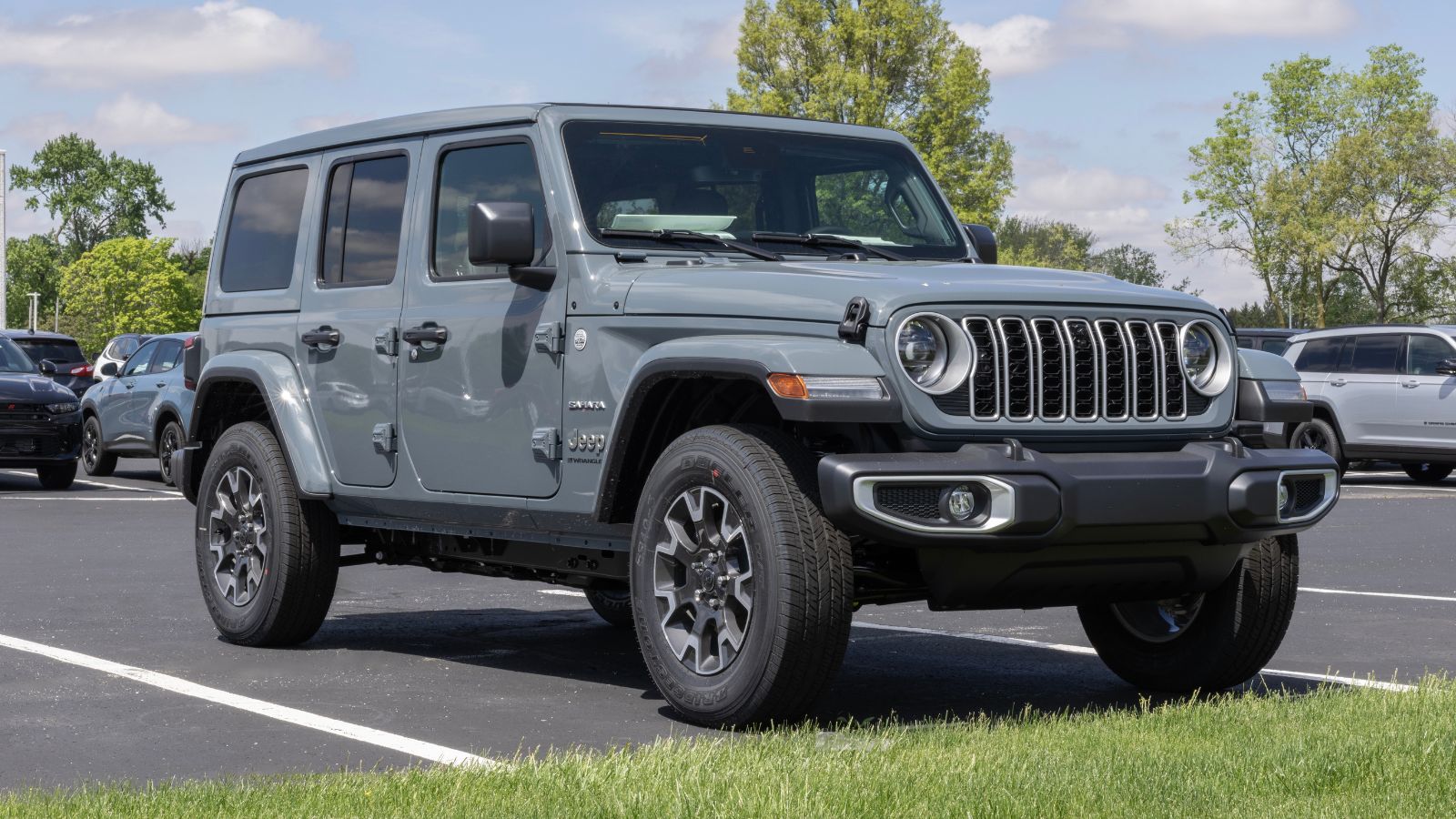
The Jeep Wrangler has long enjoyed unusually strong resale value in Canada, helped by its loyal following, simple visual identity, and four-season adventure image. That reputation can make it feel insulated from normal affordability pressure. Yet the 2026 market is different. New vehicle transaction values in Canada remain far above pre-pandemic levels, and the Wrangler’s trims can climb quickly once buyers add four-door practicality, automatic transmission, hardtop equipment, winter-friendly options, or the 4xe plug-in hybrid version.
The problem is that the Wrangler’s charm does not erase its cost profile. Insurance, tire wear, fuel use, and off-road-oriented parts can be more expensive than shoppers expect from something that looks rugged and straightforward. A buyer who planned on a “forever vehicle” may still be fine, but someone stretching for a lifestyle purchase could feel exposed if financing rates stay firm and used-vehicle values soften. In a tighter market, nostalgia does not always protect monthly budgets.
Ram 1500
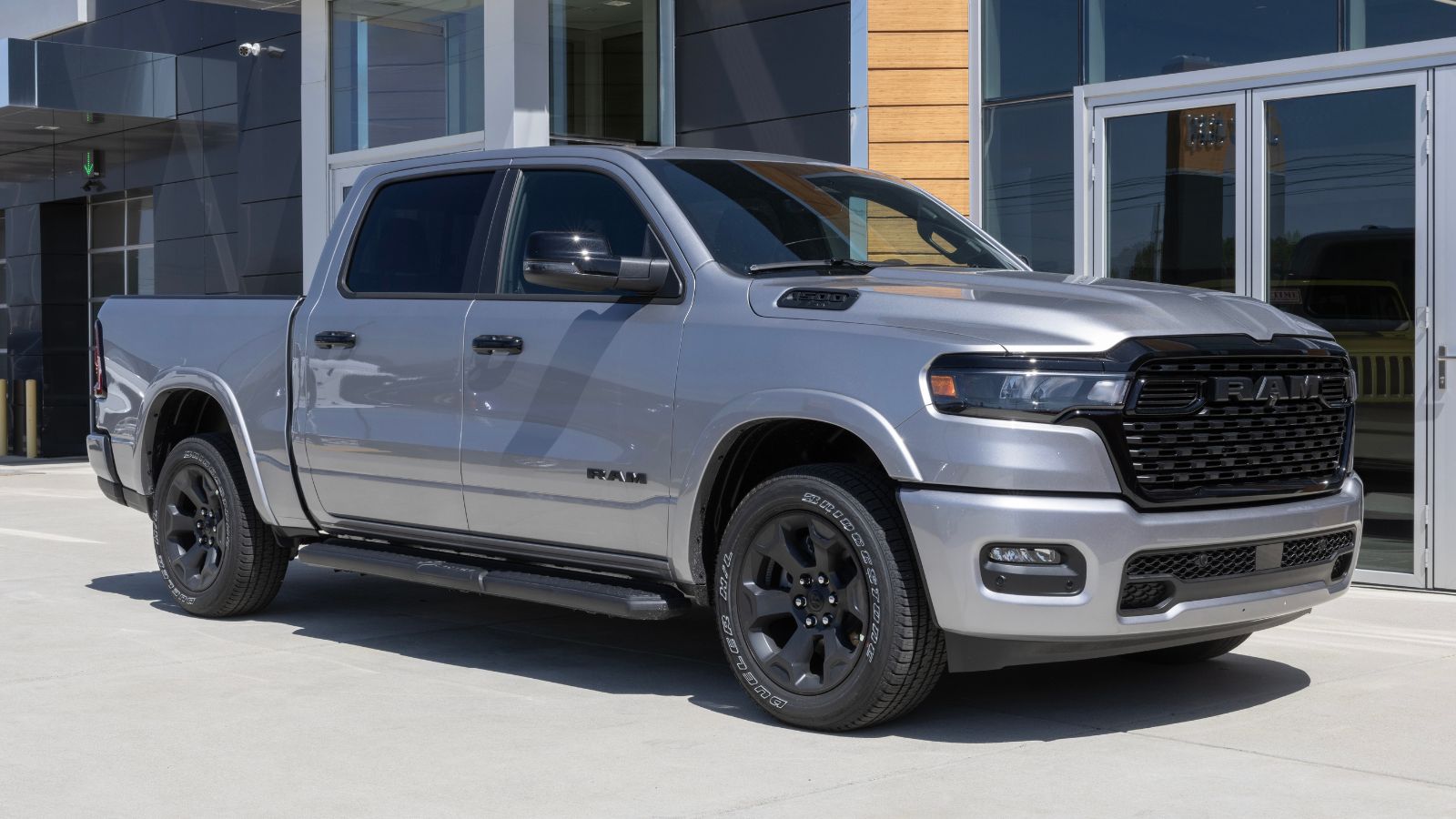
The Ram 1500 remains one of Canada’s most recognizable full-size pickups, and its comfort-focused cabins have helped it compete well beyond traditional work-truck buyers. That strength also creates risk. Higher trims can approach luxury-vehicle pricing, especially once buyers add crew cab layouts, larger screens, four-wheel drive, premium audio, towing packages, and appearance groups. When the market puts pressure on monthly payments, highly optioned pickups are among the first vehicles to feel the squeeze.
Ram also faces the challenge of segment saturation. Canadian buyers still love trucks, but used-truck depreciation can become more noticeable when supply improves and buyers start resisting expensive payments. A pickup bought for occasional weekend hauling can become hard to justify when fuel, tires, insurance, and financing all move in the wrong direction. For business owners, the math may still work. For suburban households buying more truck than they truly need, the price pressure could hit harder.
Ford F-150 Lightning
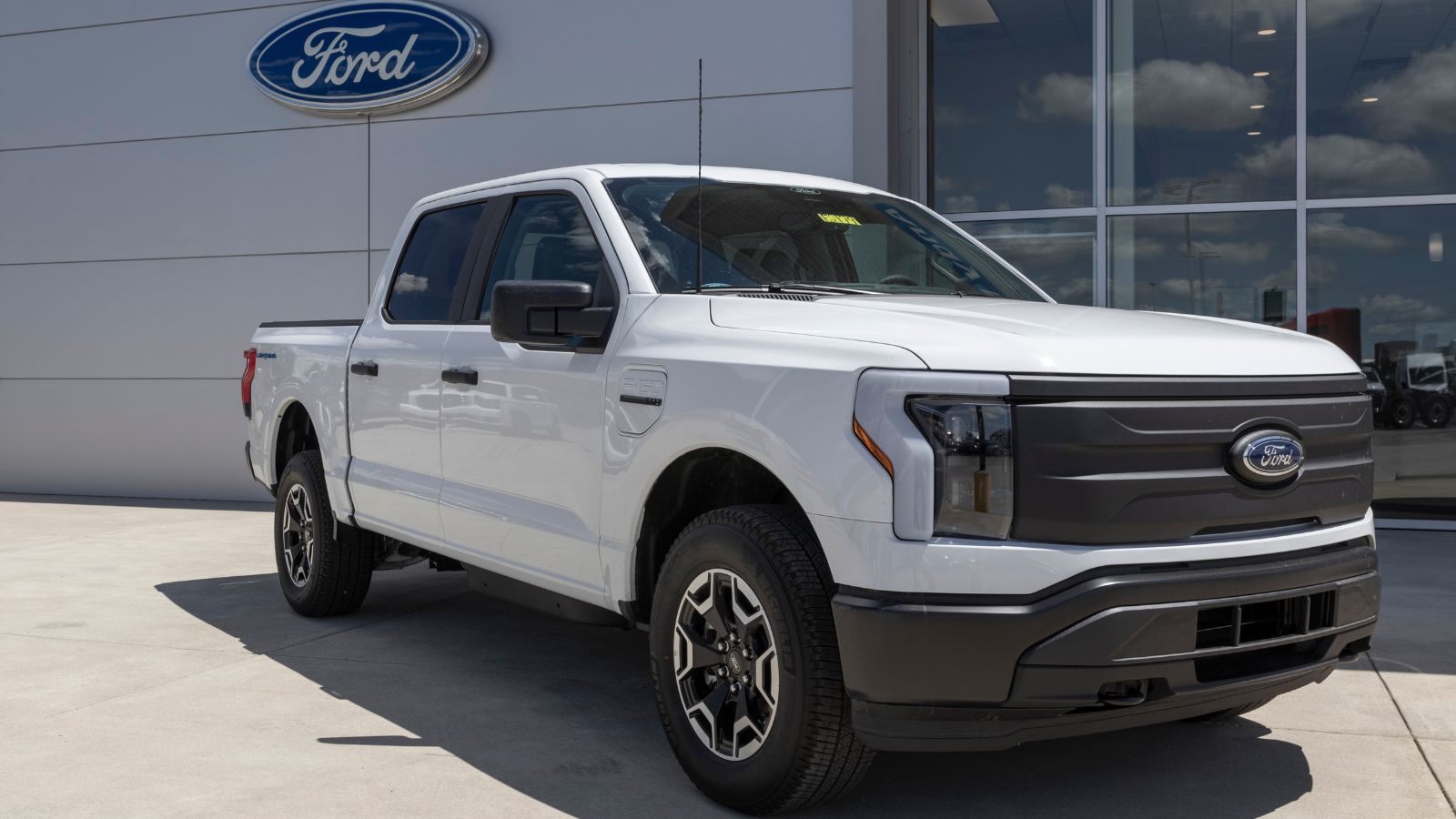
The Ford F-150 Lightning carries the emotional weight of Canada’s pickup culture into the EV era. It offers quiet power, home-backup capability in certain setups, and familiar F-150 packaging. Those strengths are real, but they do not eliminate the financial uncertainty around electric pickups. EV prices have become more competitive, government support rules keep changing, and buyers are paying closer attention to real-world winter range, charging logistics, and resale risk.
Electric pickups also face a narrow buyer pool. A contractor who can charge at a depot may see strong value, while a rural owner towing in cold weather may see more compromises. That gap matters when used values adjust. If Canada’s EV affordability program pulls buyers toward lower-priced electric crossovers, a large electric truck with a high initial price may need sharper discounts to move. The Lightning could still be a smart tool, but its value case is more sensitive than its badge suggests.
Ford Mustang Mach-E
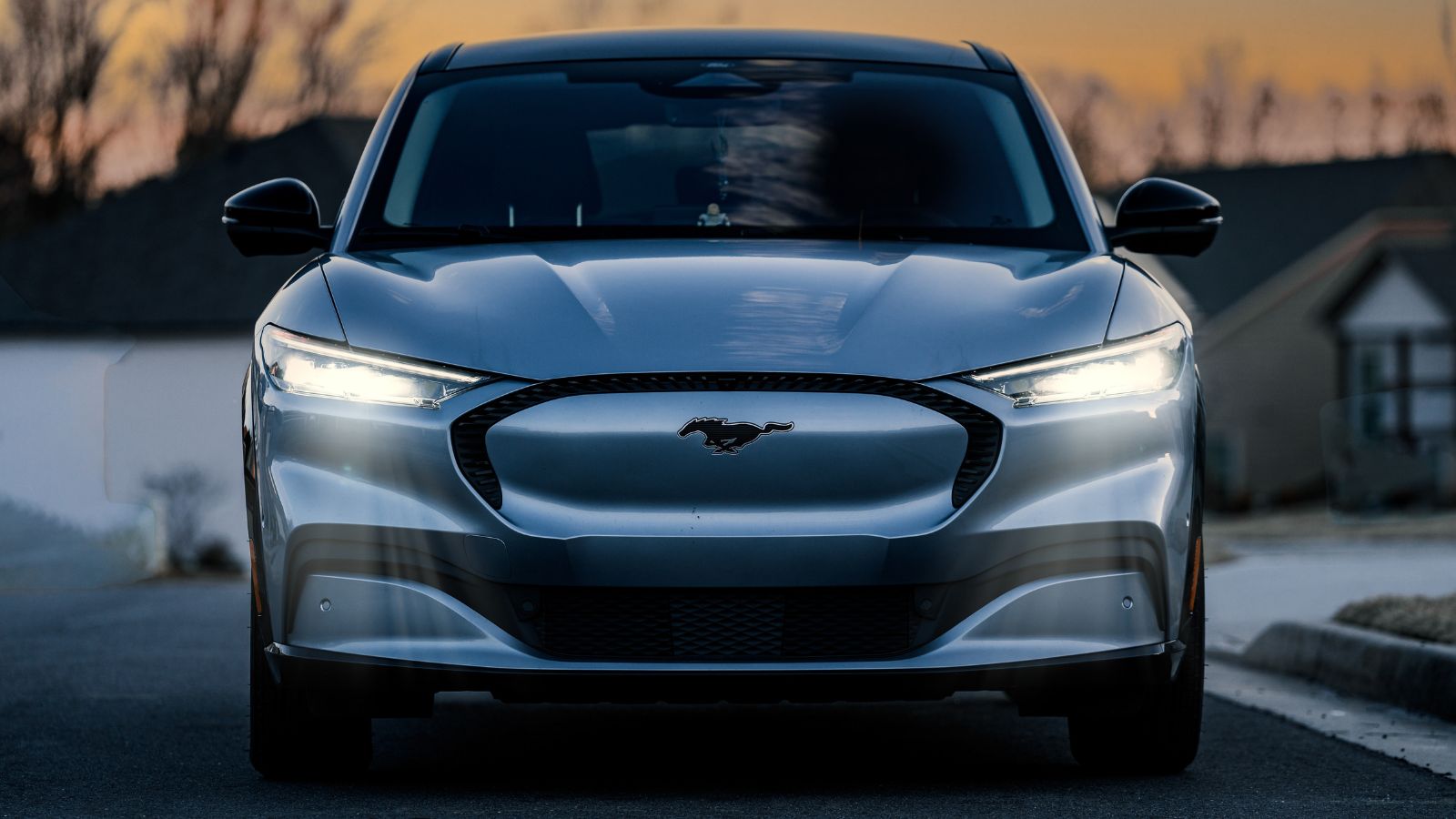
The Mustang Mach-E entered Canada with a mix of brand drama, strong performance, and mainstream EV ambition. In 2026, however, it faces a tougher field. Hyundai, Kia, Tesla, Chevrolet, Volkswagen, and Nissan all fight in the same electric crossover space, and several have used price cuts or incentives to stay competitive. That turns the Mach-E from a standout novelty into a vehicle that must defend every dollar on the window sticker.
The pressure is not only about purchase price. EV buyers are increasingly comparing charging access, winter efficiency, software experience, and long-term battery confidence. Small changes in equipment packaging can also matter when shoppers are already stretching to qualify for payments. A Mach-E with the right discount can still make sense, especially for drivers who like its styling and performance. But if the transaction price stays too close to newer or cheaper rivals, depreciation could become the hidden cost.
Chevrolet Equinox EV
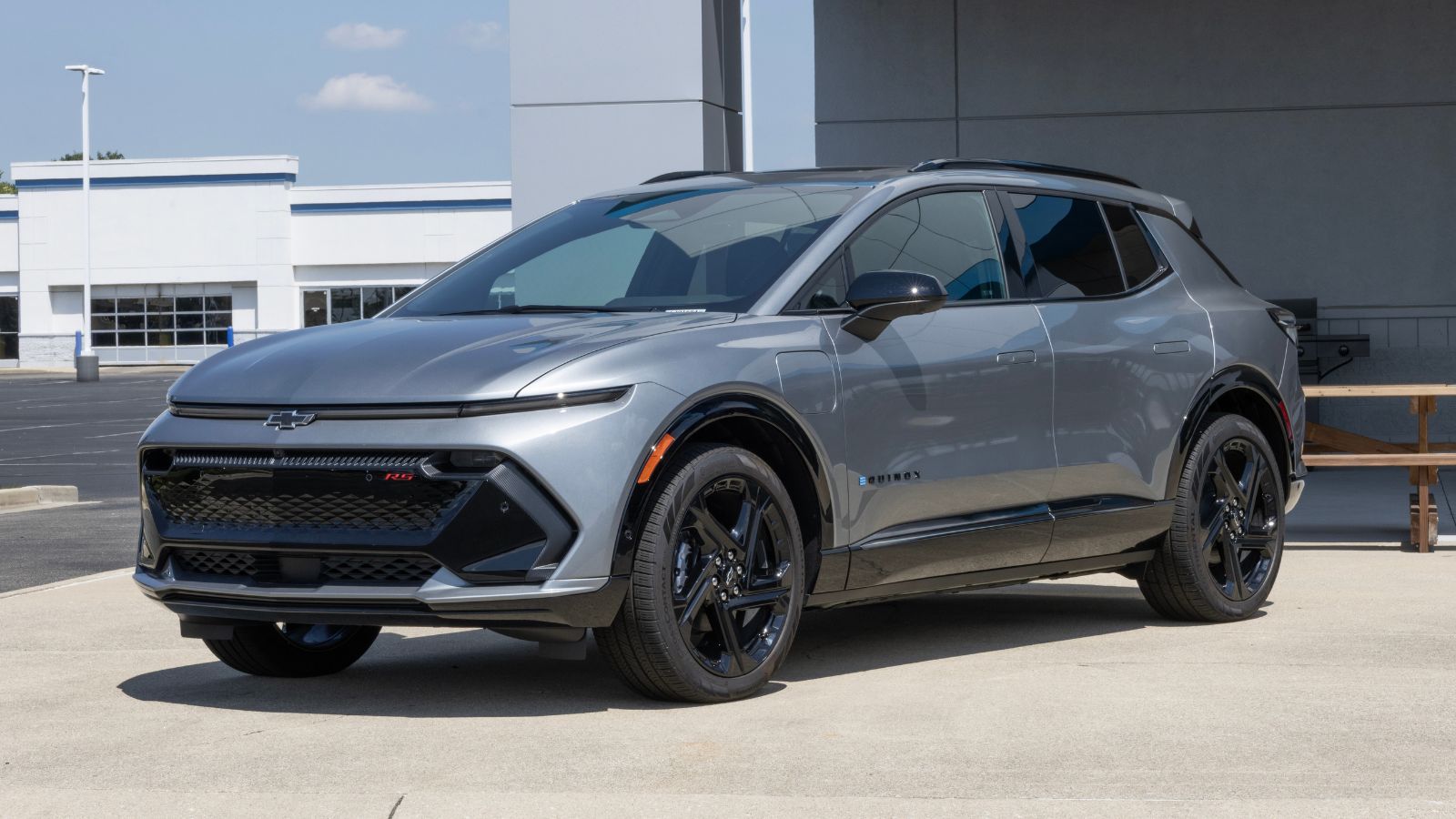
The Chevrolet Equinox EV was designed to make electric driving feel more mainstream, and that gives it a strong story in Canada. It carries a familiar name, a practical crossover shape, and pricing intended to sit below many earlier EVs. Yet it also lands in a market where affordability expectations are moving quickly. When buyers hear that federal EV incentives can reach thousands of dollars, they naturally compare final transaction costs rather than just MSRP.
That creates pressure for the Equinox EV because it must compete with discounted rivals and potentially cheaper imported EVs. A household considering one as a second vehicle may be highly sensitive to payment changes, winter range estimates, charging-installation costs, and insurance. Even a relatively affordable EV can feel expensive if the buyer needs a Level 2 charger at home or drives long rural routes. The Equinox EV’s risk is not that it lacks appeal; it is that Canada’s EV price floor keeps shifting.
Tesla Model Y
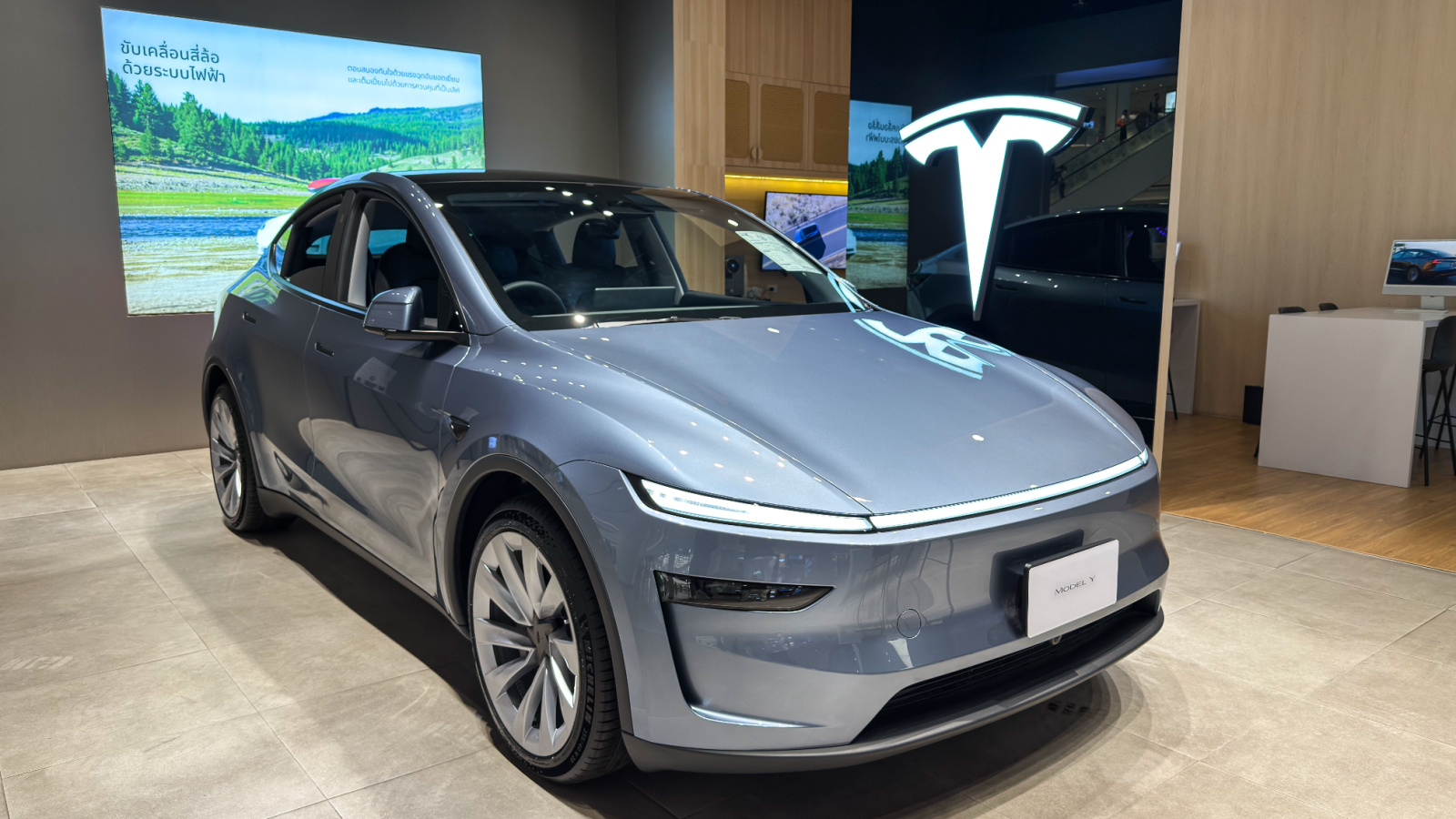
The Tesla Model Y remains one of the most important EVs in Canada because it shaped expectations around electric crossovers. Its strengths are obvious: charging access, software familiarity, strong acceleration, and broad public awareness. But price pressure can hit leaders as well as laggards. When a vehicle becomes the benchmark, every new incentive, tariff change, discount, and Chinese-built EV discussion gets measured against it.
Canada’s evolving tariff treatment of Chinese-built EVs could matter greatly for Tesla, especially if import rules allow more lower-cost vehicles into the market. A Model Y buyer who paid a premium during tighter supply may later face sharper comparisons from newer rivals. Tesla can respond with price adjustments, but that helps new buyers more than recent owners. The Model Y is still a serious contender, yet its resale story may be more volatile than shoppers who remember earlier EV shortages assume.
Kia EV6
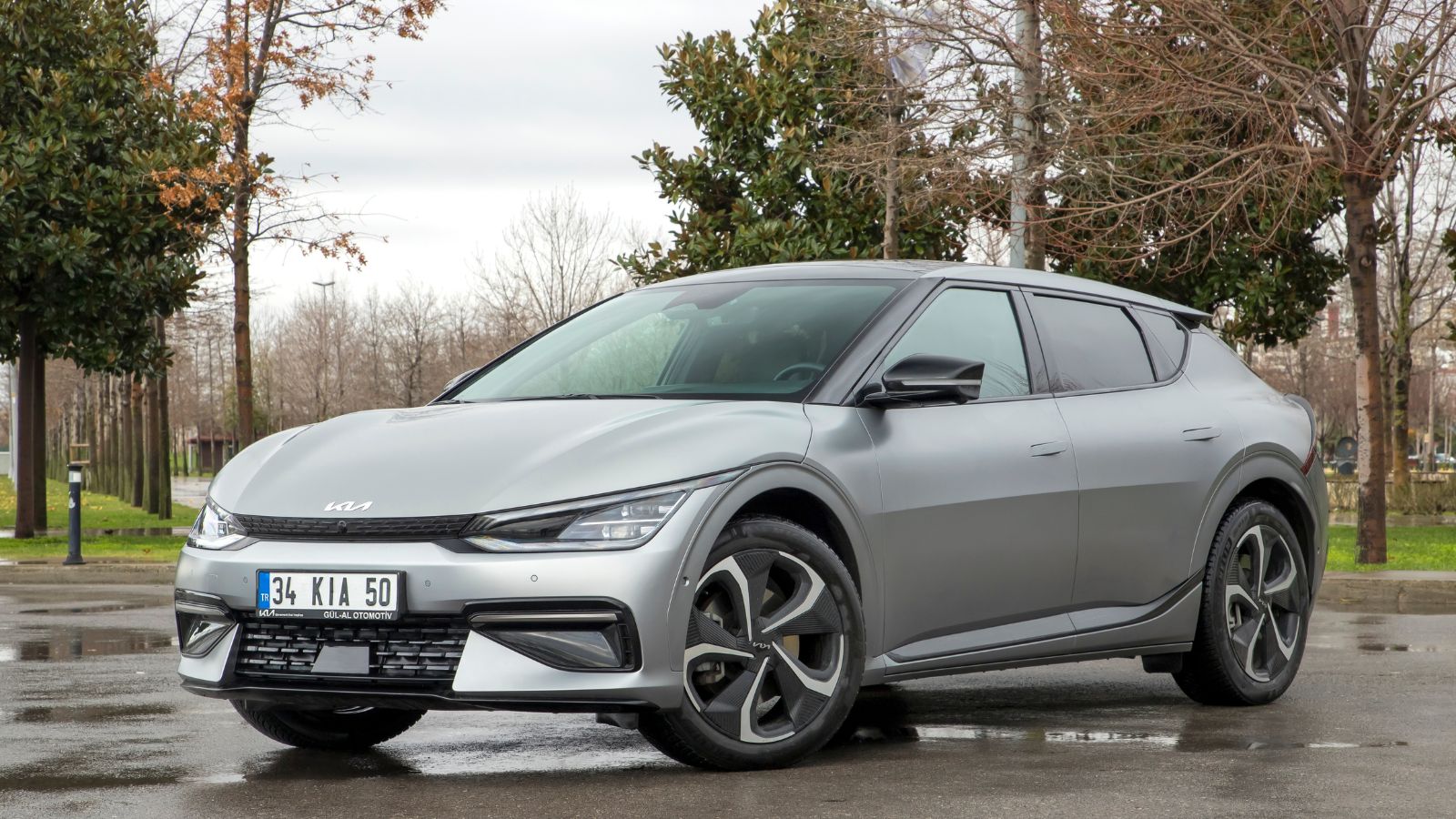
The Kia EV6 shares some of the same appeal as the Ioniq 5, including fast charging and a modern cabin, but it carries a sportier identity. That can attract buyers who want something more stylish than a conventional crossover. The risk is that style alone may not protect it from Canada’s new price pressures. When shoppers compare electric crossovers, they often focus on monthly cost, winter range, cargo space, charging network access, and rebate eligibility before design emotion.
The EV6 can also be caught in a narrow pricing lane. If it is too close to premium EVs, buyers may trade up. If it is too far above newer affordable EVs, buyers may trade down. That middle position becomes tricky when incentives, dealer discounts, or import competition change quickly. For a buyer who values the driving experience, it still has a strong case. For one looking mainly for electric value, the EV6 may face more resistance than it did during the earlier EV excitement cycle.
Volkswagen ID.4
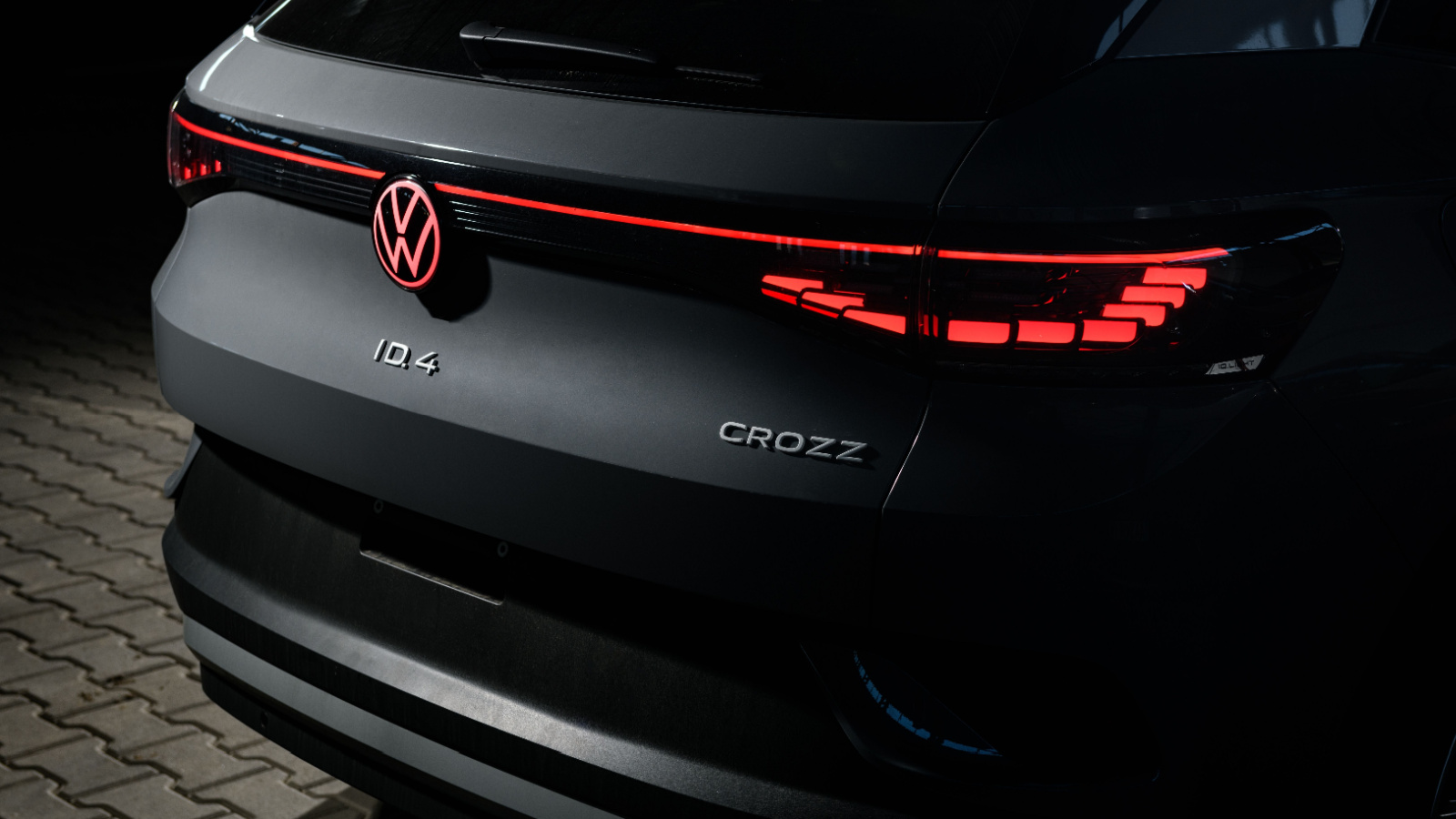
The Volkswagen ID.4 was meant to give Canadians a practical, approachable electric SUV with familiar Volkswagen sensibility. Its conventional shape is part of the appeal: not everyone wants an EV that looks futuristic. But in a market full of electric crossovers, quiet competence is not always enough. The ID.4 must now compete with rivals that may offer faster charging, more dramatic styling, stronger tech branding, or sharper pricing.
Price pressure is especially important because EV shoppers often compare total ownership costs in detail. A small difference in MSRP can become much larger once taxes, fees, interest, charger installation, and insurance are included. The ID.4 can still work well for buyers who want a comfortable everyday EV, but it risks being squeezed between discounted mainstream models and more attention-grabbing alternatives. If Canadian EV competition intensifies, practical-but-pricey may become a harder position to defend.
Nissan Ariya
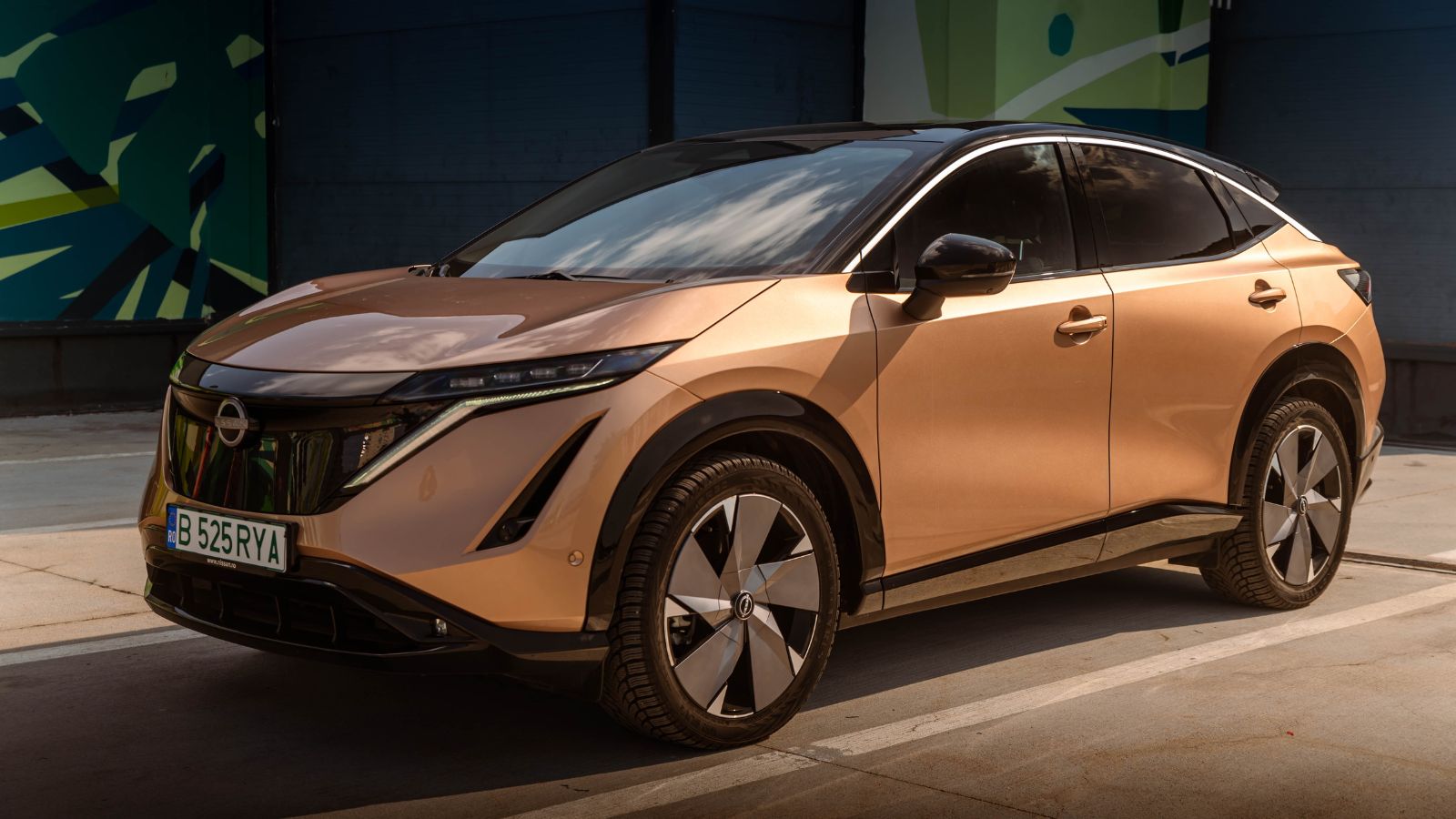
The Nissan Ariya offers a refined cabin, smooth driving feel, and a more upscale personality than the older Leaf. But that also places it in a vulnerable price zone. It is not the cheapest EV crossover, and it does not have the same market momentum as Tesla or Hyundai’s best-known electric models. In Canada’s current environment, that can make every discount, rebate, and inventory decision more important.
The Ariya’s challenge is timing. It entered a market that has become less forgiving toward expensive EVs without clear leadership in range, charging speed, or price. Buyers who once accepted high EV pricing because supply was tight now have more alternatives and more patience. If used EV values continue to normalize, shoppers may hesitate before paying premium money for a model with less resale certainty. The Ariya may appeal to comfort-focused drivers, but it could be hit hard if EV price competition keeps accelerating.
Toyota RAV4 Plug-in Hybrid
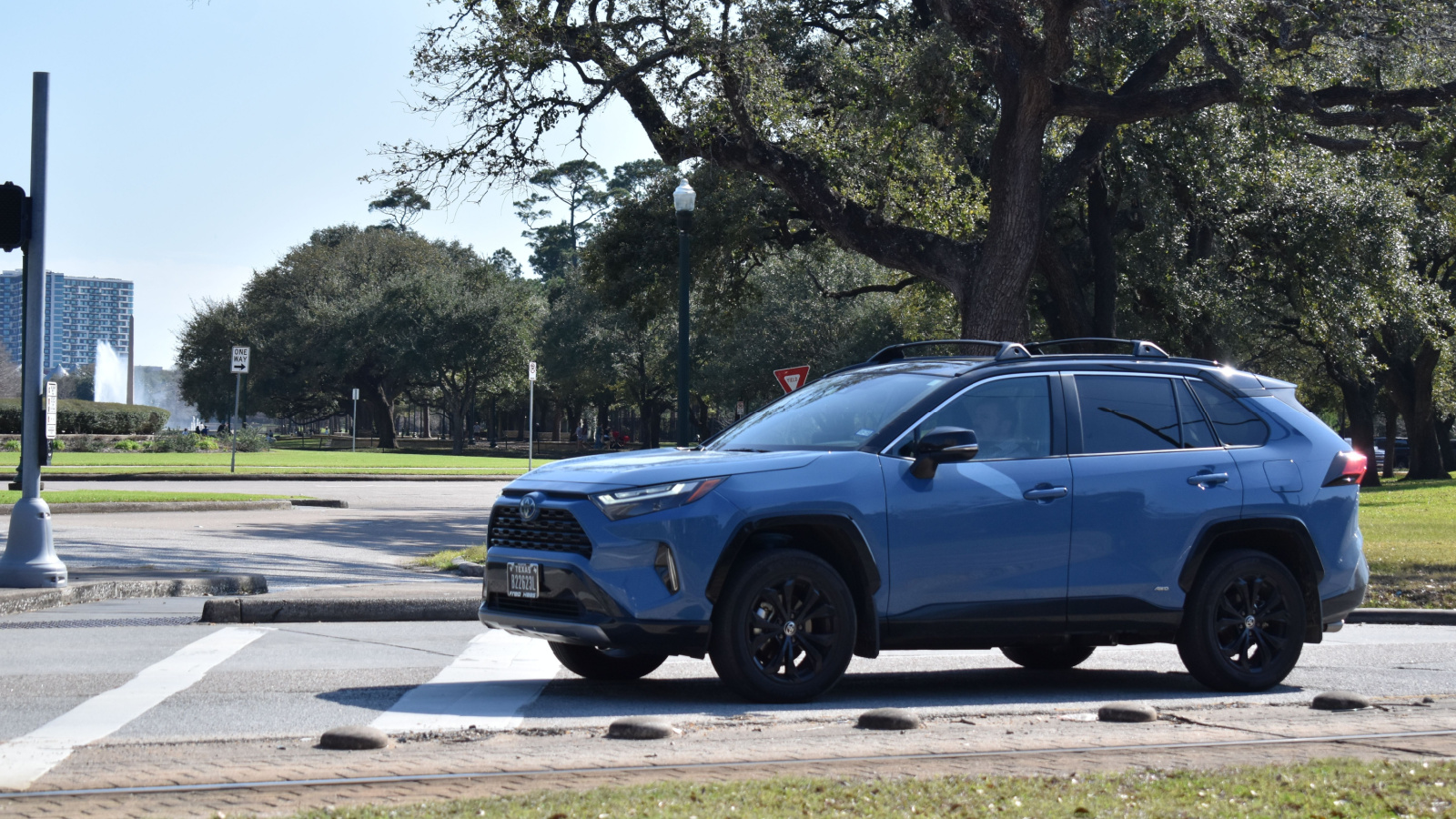
The Toyota RAV4 Plug-in Hybrid has a reputation that many competitors would envy. It combines Toyota’s reliability image, crossover practicality, strong fuel savings, and useful electric-only driving for short trips. That reputation has supported high demand and, at times, limited availability. Yet price pressure can still reach vehicles that seem nearly bulletproof. A plug-in hybrid with a high transaction price becomes more sensitive to financing costs, rebate rules, and how often the owner actually plugs in.
The key issue is payback. A buyer who commutes daily on electricity may see meaningful savings, especially with home charging. A buyer who treats it like a normal hybrid may not recover the premium as quickly. When household budgets tighten, Canadians may compare it with a regular RAV4 Hybrid and ask whether the extra cost is worth it. The RAV4 Plug-in Hybrid remains desirable, but its “smart buy” status depends heavily on use case.
Chrysler Pacifica Plug-In Hybrid
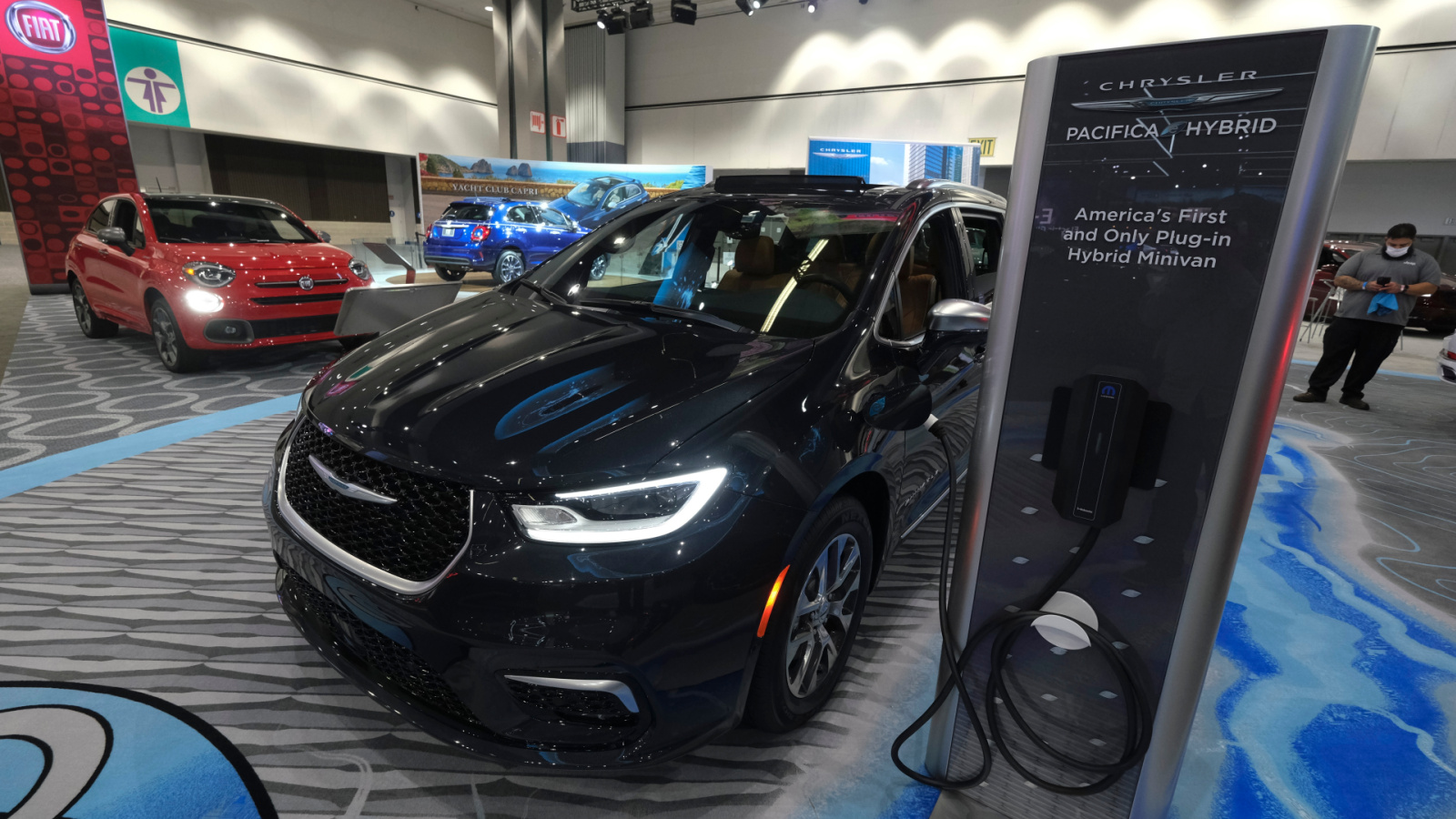
The Chrysler Pacifica Plug-In Hybrid occupies a rare space in Canada: a family minivan with electric commuting ability. For households with children, cargo, and daily school runs, that sounds almost perfect. The catch is price. Minivans already tend to be expensive because the segment has fewer competitors, and the plug-in system adds another layer of cost. When financing rates and repair costs rise, family buyers feel those pressures quickly.
There is also a complexity factor. Sliding doors, entertainment systems, hybrid components, battery hardware, and family wear-and-tear can all affect long-term ownership. A Pacifica Plug-In Hybrid can be highly efficient when charged regularly and driven in predictable routines. But buyers who take frequent long trips, lack home charging, or stretch into a high trim may find the savings less dramatic. It remains one of the most useful electrified family vehicles, but usefulness does not always mean immunity from price shock.
Chevrolet Tahoe
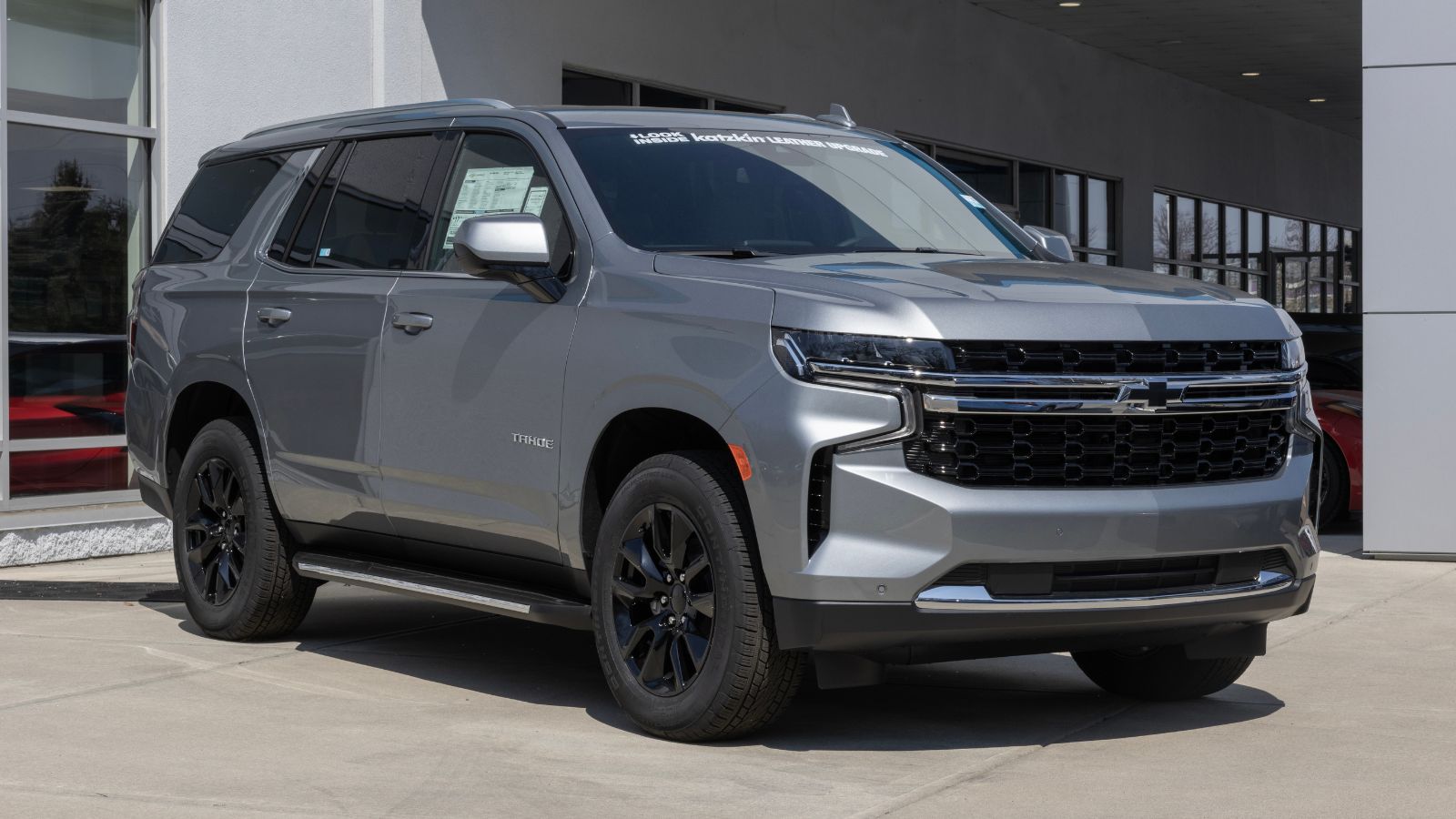
The Chevrolet Tahoe is a big SUV for families, towing, and long-distance comfort, but it also sits near the centre of Canada’s affordability debate. Large SUVs carry high purchase prices, big tires, expensive brakes, thirsty engines in many configurations, and insurance bills that can surprise shoppers. A Tahoe can make sense for a family that truly needs three rows, cargo space, and towing capacity. It becomes harder to justify when it is mostly used for commuting.
The Tahoe also faces the psychological problem of “monthly payment normalization.” During the last few years, many buyers became used to seeing expensive vehicles everywhere. That does not mean the budgets behind them are comfortable. If trade-in values soften or financing remains sticky, large SUVs may see more resistance. The Tahoe’s size and capability are real advantages, but they also make it one of the first vehicles exposed when Canadians start cutting back from maximum-vehicle purchases.
GMC Yukon
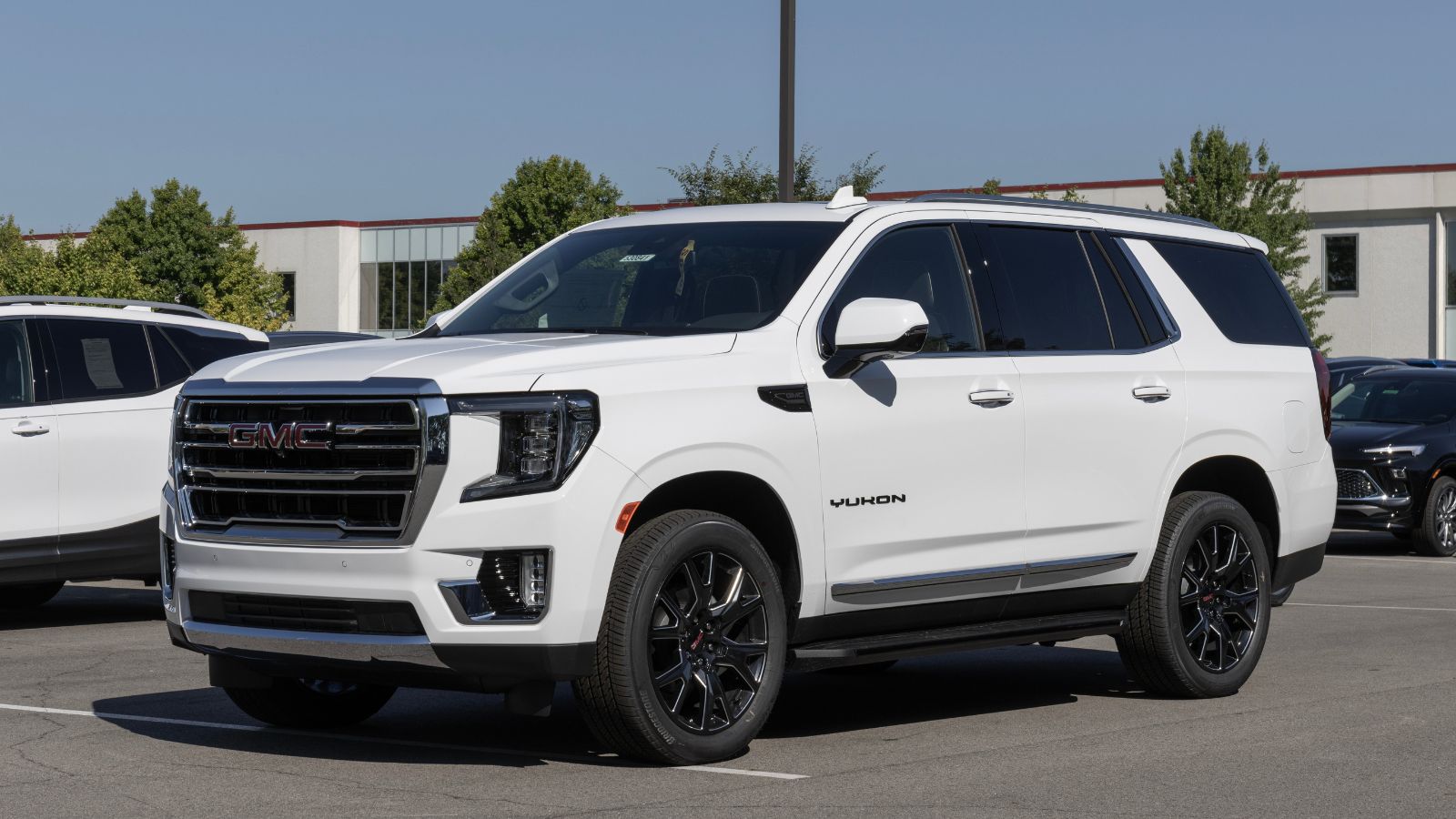
The GMC Yukon shares much of the Tahoe’s large-SUV formula but often leans more upscale, especially in Denali and AT4 trims. That makes it attractive to buyers who want truck-based capability without giving up a premium cabin. It also makes it more vulnerable to price pressure. Once a Yukon is equipped with luxury features, advanced driver assistance, larger wheels, and four-wheel drive, the payment can resemble a luxury lease more than a practical family expense.
The Yukon’s risk comes from the gap between image and total cost. It may feel like a durable, long-term family investment, but maintenance, tires, fuel, and depreciation can still be substantial. In markets where buyers become more selective, expensive trims can face sharper discounting than core utility models. For households towing boats or trailers, the Yukon remains compelling. For households mainly chasing comfort and presence, Canada’s new price environment could make the ownership math less forgiving.
Dodge Hornet
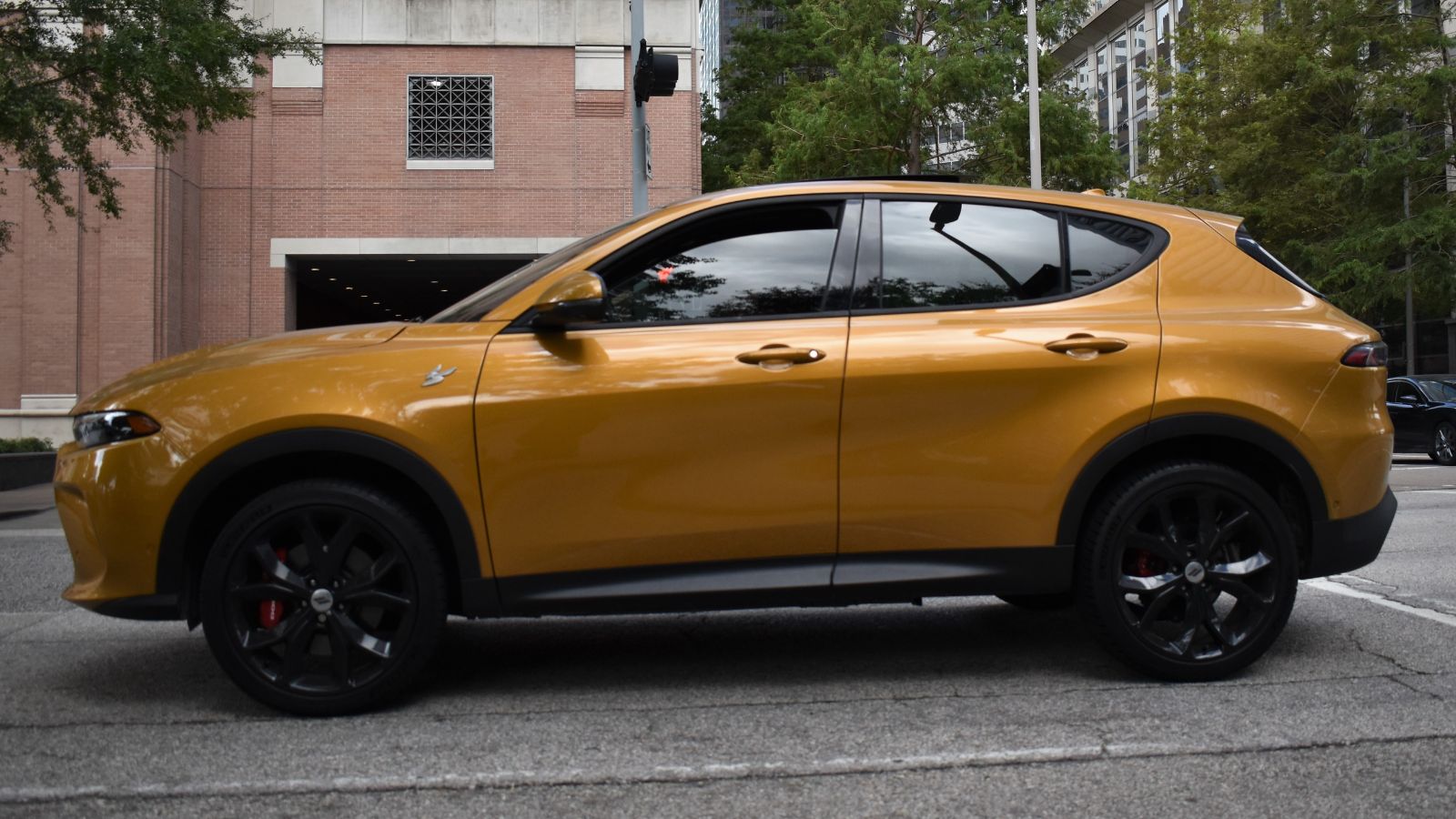
The Dodge Hornet entered Canada as a compact performance-oriented crossover, including gasoline and plug-in hybrid versions. On paper, that gives it a fresh niche: smaller than a Durango, sportier than many compact SUVs, and available with electrification. The problem is that compact crossovers are one of the most competitive corners of the market. Buyers can compare it against established names with broader dealer familiarity, stronger resale histories, and clearer value stories.
Price pressure may hit the Hornet because it does not yet have decades of trust behind it. In a tighter market, shoppers often retreat to proven models when monthly payments rise. A vehicle that needs to explain itself has a harder job. The plug-in hybrid version can appeal to commuters with charging access, but only if the final price makes sense after incentives and fees. Without strong discounts or a clear ownership advantage, the Hornet could become a tougher sell than its performance personality suggests.
Nissan Rogue
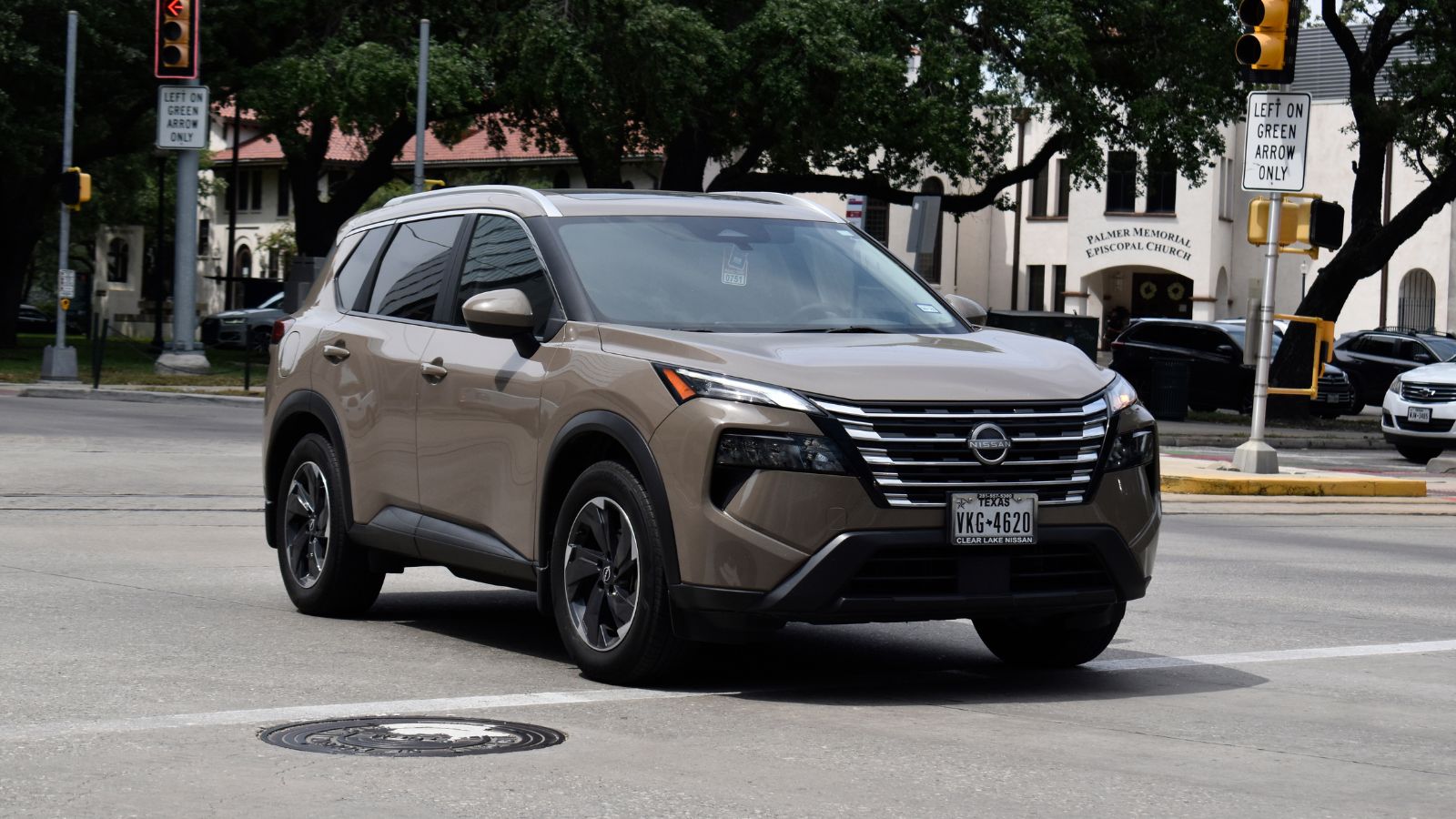
The Nissan Rogue is a mainstream Canadian staple, often chosen by families and commuters who want compact-SUV practicality without moving into luxury pricing. That popularity is a strength, but it can also create pressure when the used market shifts. High-volume vehicles rely on steady demand, competitive financing, and strong lease returns. If buyers become more payment-sensitive, they may shop harder across Honda, Toyota, Hyundai, Kia, Mazda, and Chevrolet alternatives.
The Rogue’s vulnerability is not that it lacks usefulness. It is that usefulness has become widely available. When many compact SUVs offer similar space, safety tech, fuel economy, and all-wheel drive, price becomes a deciding factor. Even modest increases in payments or insurance can push buyers toward a discounted rival. The Rogue can still be a sensible choice, especially with the right deal, but its value proposition must remain sharp. In 2026, “popular” does not automatically mean protected.
Honda Civic
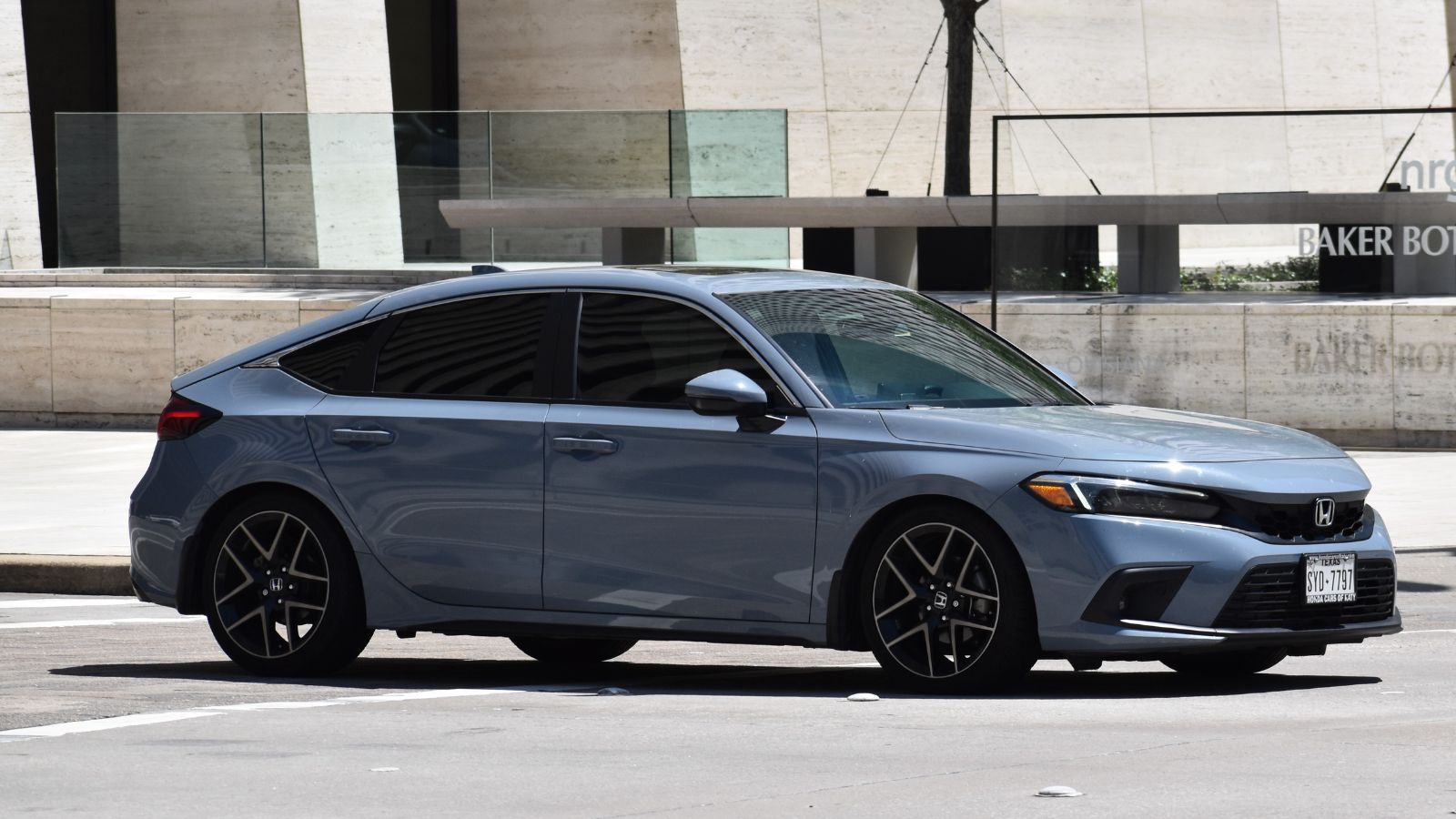
The Honda Civic has long been one of Canada’s default answers for affordable, reliable transportation. That reputation remains powerful, but the compact-car market has changed. New passenger car sales have been weaker than truck and SUV demand, and many buyers now cross-shop compact cars against small crossovers. At the same time, popular trims can become surprisingly expensive once buyers add automatic transmission, safety packages, winter tires, protection plans, and financing.
The Civic’s risk is expectation. Many Canadians still think of it as an inexpensive first car or low-cost commuter, but modern pricing may not match that memory. Used Civics also tend to hold value well, which is good for owners but frustrating for buyers looking for bargains. If new-car payments stay high and used values normalize unevenly, shoppers may question whether the Civic premium still makes sense. It remains one of the strongest compact choices, but it is no longer automatically cheap.
Toyota Corolla Cross
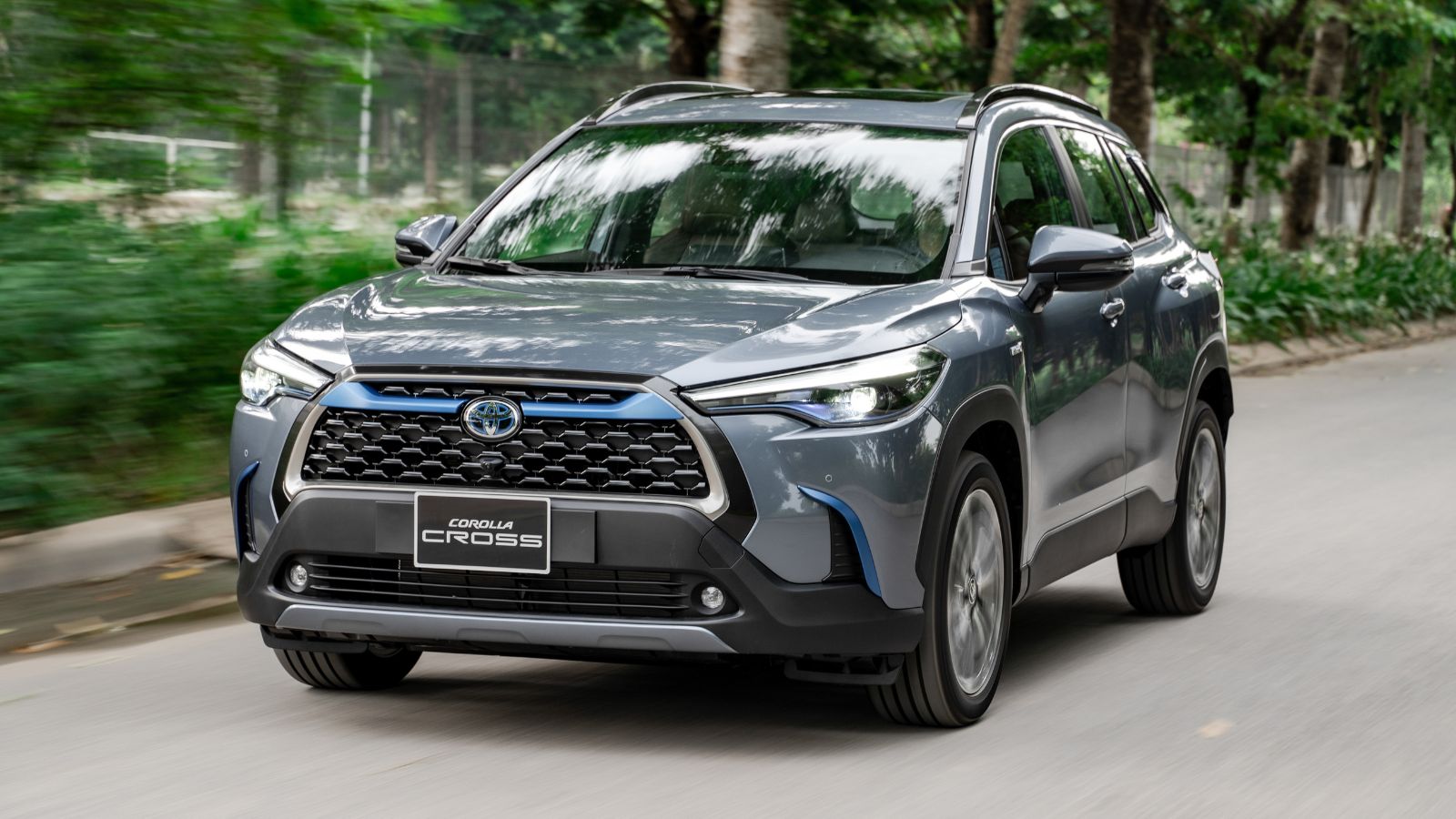
The Toyota Corolla Cross benefits from two powerful words in Canada: Toyota and Corolla. That gives it immediate credibility among buyers who want reliability, fuel efficiency, and small-SUV practicality. Yet its very popularity can create price pressure. When a vehicle is viewed as a safe bet, shoppers may accept higher prices, longer waits, or fewer discounts. That works until budgets tighten and buyers begin comparing every dollar against competitors.
The Corolla Cross also faces internal competition. Some buyers may choose a Corolla sedan for lower cost, while others may stretch to a RAV4 for more space and power. That middle position can be vulnerable if financing costs make every upgrade feel heavier. The hybrid version strengthens the case, but it can also raise the upfront price. For many Canadians, the Corolla Cross will remain sensible. The risk is paying a “Toyota safety premium” so high that the value advantage starts to fade.
Subaru Outback
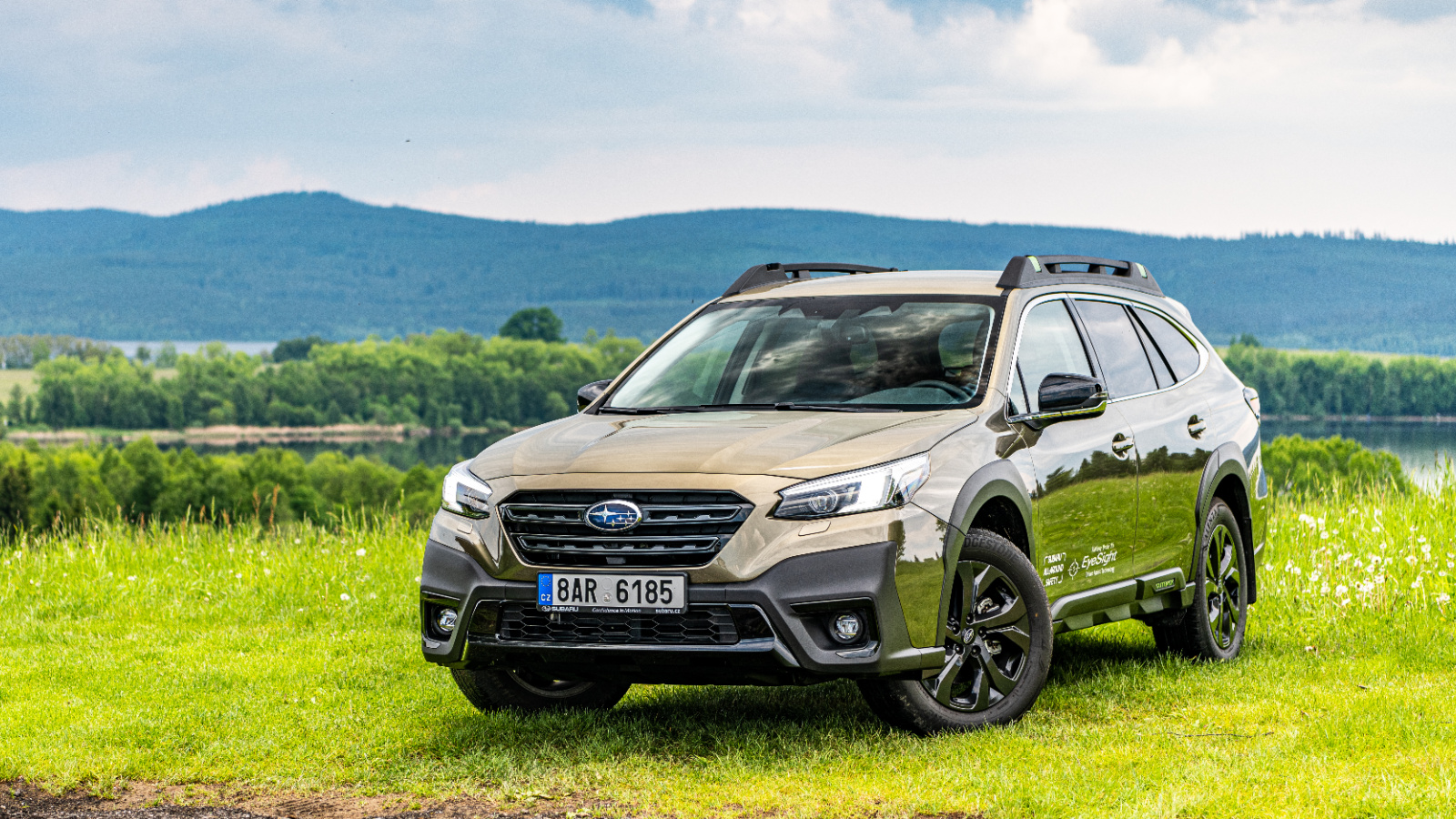
The Subaru Outback has a loyal Canadian following because it feels built for real weather: all-wheel drive, wagon-like cargo space, ground clearance, and a practical outdoors image. In snowy provinces, that reputation matters. But the Outback is not immune to price pressure. As trims move upward, it can compete with larger crossovers and entry-luxury alternatives, especially once buyers add turbo power, leather, safety features, accessories, and winter packages.
Its ownership story also depends on how much of its capability is truly used. For drivers who regularly face rough roads, ski trips, cottage routes, or unplowed streets, the Outback can justify itself. For mostly urban drivers, cheaper crossovers may deliver enough capability at a lower payment. If used-vehicle depreciation broadens across segments, lightly used Outbacks may become more appealing than new ones. That could put pressure on new pricing and make the Outback’s safe-bet status more conditional than before.
22 Things Canadians Do to Their Cars in Spring That Mechanics Hate

Spring brings relief to many Canadian drivers after months of snow, freezing temperatures, and icy roads that put serious strain on vehicles. As temperatures rise across the country, drivers begin washing cars, switching tires, and preparing vehicles for warmer weather and upcoming road trips. However, mechanics across Canada notice the same mistakes every spring when drivers attempt to recover from winter damage. Road salt, potholes, and harsh winter driving conditions often leave vehicles with hidden problems that drivers ignore. Some spring habits even create new mechanical issues that could have been avoided with proper maintenance. Here are 22 things Canadians do to their cars in spring that mechanics hate.