























Canadian car shoppers have become harder to impress in 2026. After years of high prices, long waitlists, EV excitement, rugged-lifestyle marketing, and “must-have” tech features, many once-celebrated vehicles are now facing a more practical question: do they still justify the attention?
This look at 15 cars Canadians are beginning to see as overhyped in 2026 focuses on models whose reputation, pricing, ownership realities, theft exposure, charging concerns, reliability chatter, or market saturation may be making buyers more cautious. None are automatically bad choices, but each carries a gap between expectation and everyday Canadian ownership that is getting harder to ignore.
Tesla Model Y
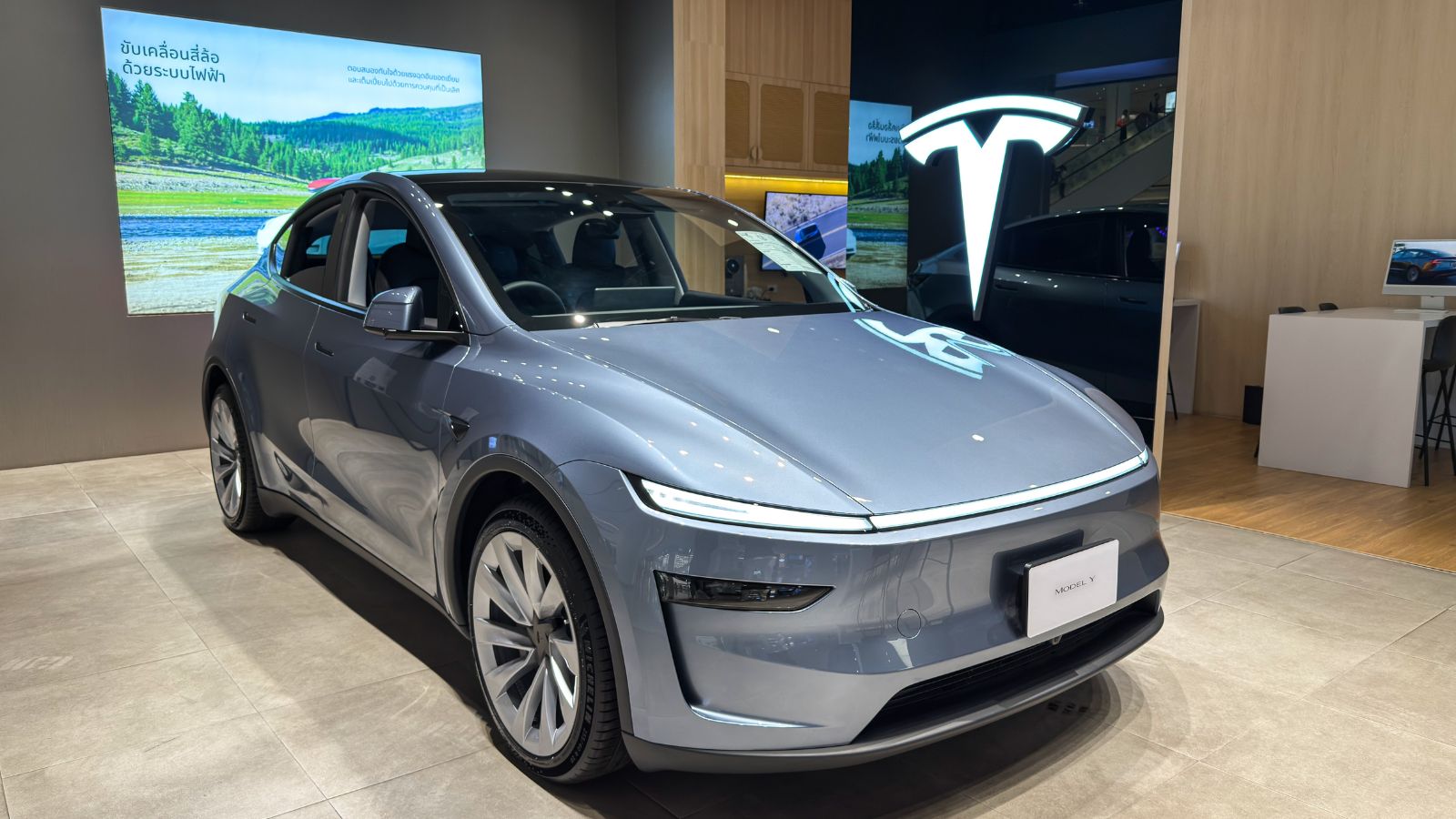
The Tesla Model Y still has enormous brand power in Canada, but its shine is less automatic than it used to be. For several years, it benefited from being the default answer for shoppers who wanted an electric crossover with strong range, fast charging access, and a futuristic cabin. In 2026, that familiarity cuts both ways. More Canadians now see the Model Y everywhere, and some of the novelty has worn off.
The bigger issue is value perception. Tesla’s Canadian pricing has shifted sharply in recent years, federal EV incentives have changed, and used EV prices have become more volatile. A vehicle once treated like a near-guaranteed smart buy now has to compete against more polished electric SUVs, improving hybrids, and shoppers who are more aware of depreciation risk. The Model Y remains capable, but the hype no longer feels untouchable.
Toyota RAV4
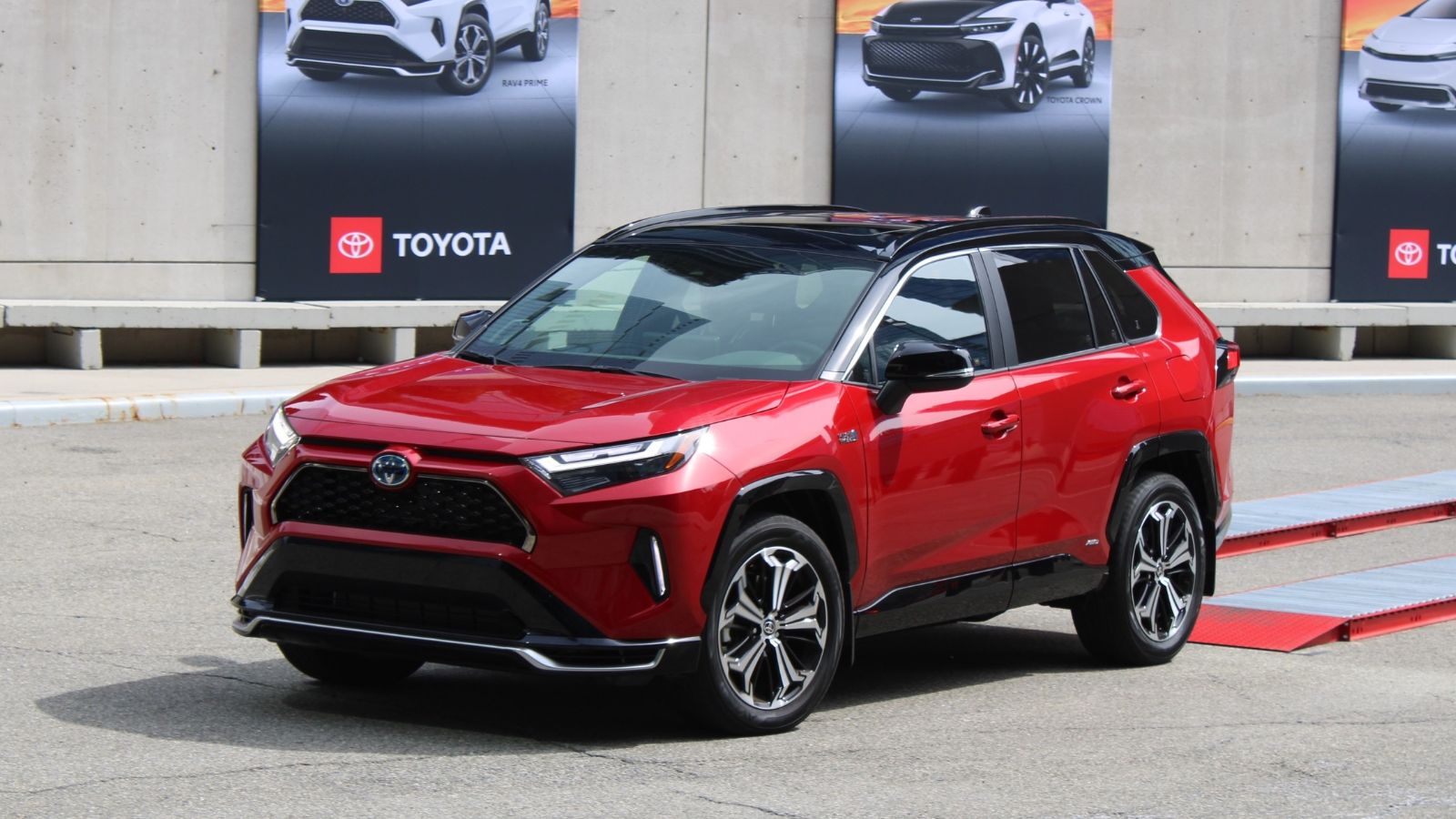
The Toyota RAV4 is one of Canada’s most trusted nameplates, which is exactly why some buyers are starting to question the premium attached to it. Its reputation for practicality, resale strength, and hybrid efficiency is well earned, but the RAV4 has become such an obvious recommendation that used examples can still command stubborn prices. For value-focused shoppers, that can make the math feel less exciting.
There is also the theft conversation. Popularity brings visibility, and in Canada that has meant more attention from thieves for certain high-demand SUVs. Insurance concerns, wait times for desirable trims, and the feeling that every driveway already has one can soften the appeal. The RAV4 is not overhyped because it is weak; it is beginning to feel overhyped because expectations are almost impossibly high.
Honda Civic
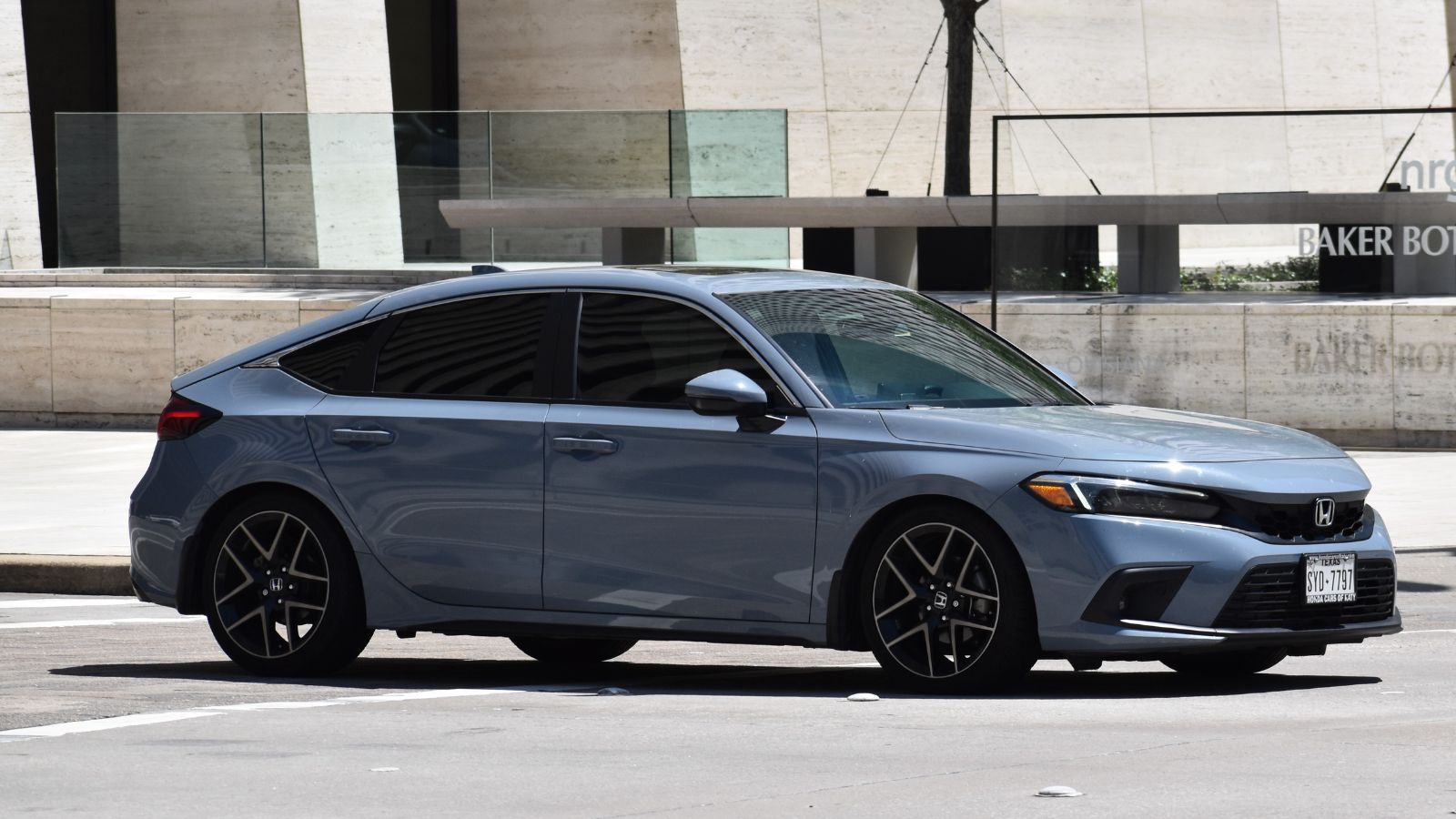
The Honda Civic has long been a Canadian default for commuters, students, and small families. Its reputation for reliability, efficiency, and strong resale value remains powerful, and recent Civic models are more refined than older compact cars many Canadians grew up with. That success, however, has pushed the Civic into a different price conversation. A compact car no longer feels like a bargain simply because it carries a familiar badge.
Some buyers now look at higher trims and wonder whether the Civic has drifted too far from its simple, affordable roots. Insurance costs, used-market demand, and the popularity of sporty or hybrid versions can make it feel less like the humble smart choice and more like a premium compact wearing a mainstream badge. It is still a strong car, but the “can’t-go-wrong” reputation is facing more scrutiny.
Ford F-150
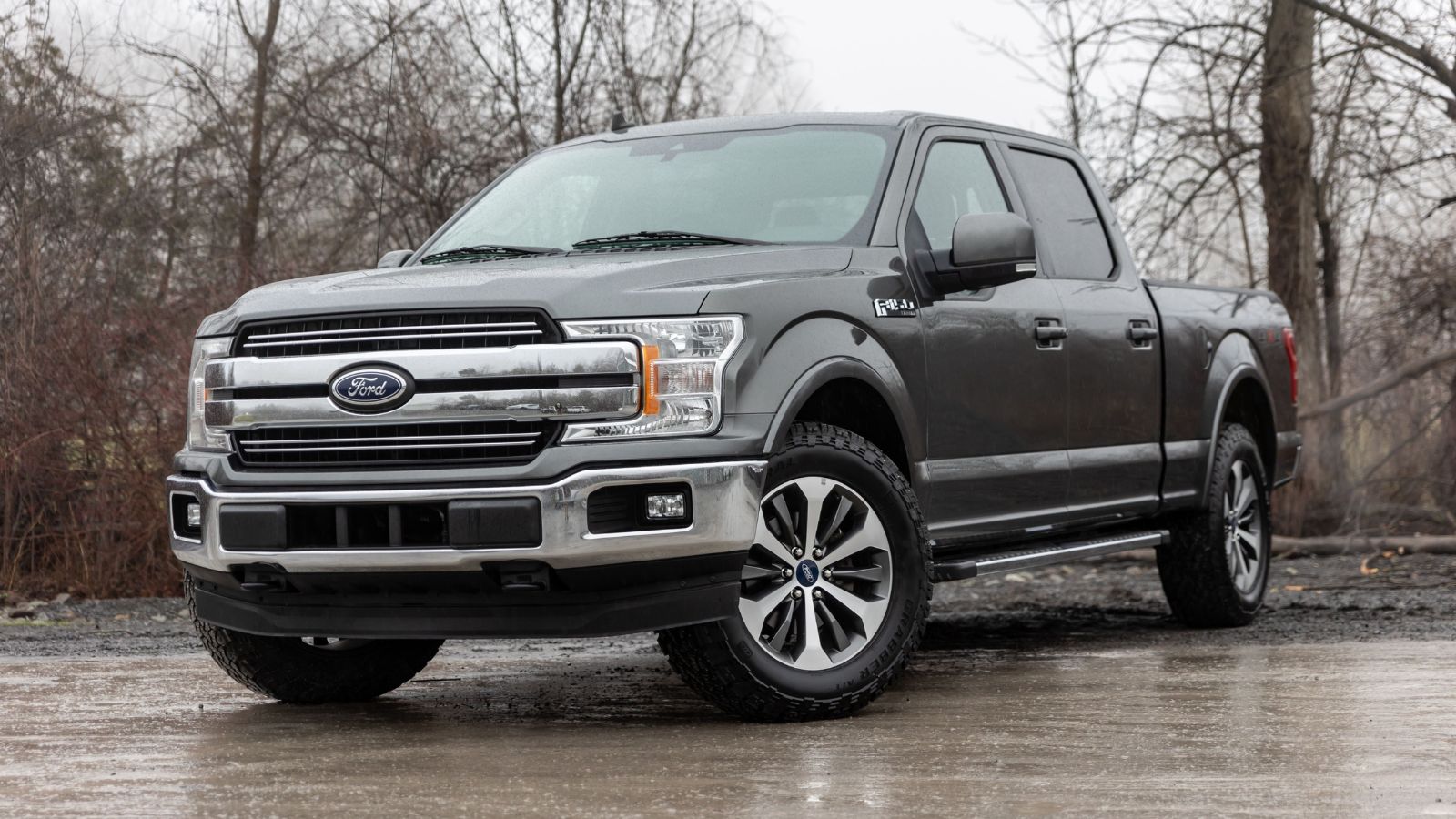
The Ford F-150 remains deeply woven into Canadian roads, job sites, cottage routes, and suburban driveways. Its capability is real, and its long-running popularity is not accidental. Yet in 2026, the hype around full-size trucks feels more complicated. Many Canadians are looking more closely at monthly payments, fuel costs, insurance, and whether they truly need a vehicle built for towing and hauling every week.
The F-150 can be brilliant for contractors, rural households, and owners who use its capacity. For everyone else, the size and cost can start to feel excessive. Add theft exposure for popular pickups and the fact that high-trim trucks can approach luxury-vehicle pricing, and the once-simple appeal becomes more debatable. Canadians are not rejecting the F-150; many are just rethinking whether its image has outgrown their needs.
Jeep Wrangler
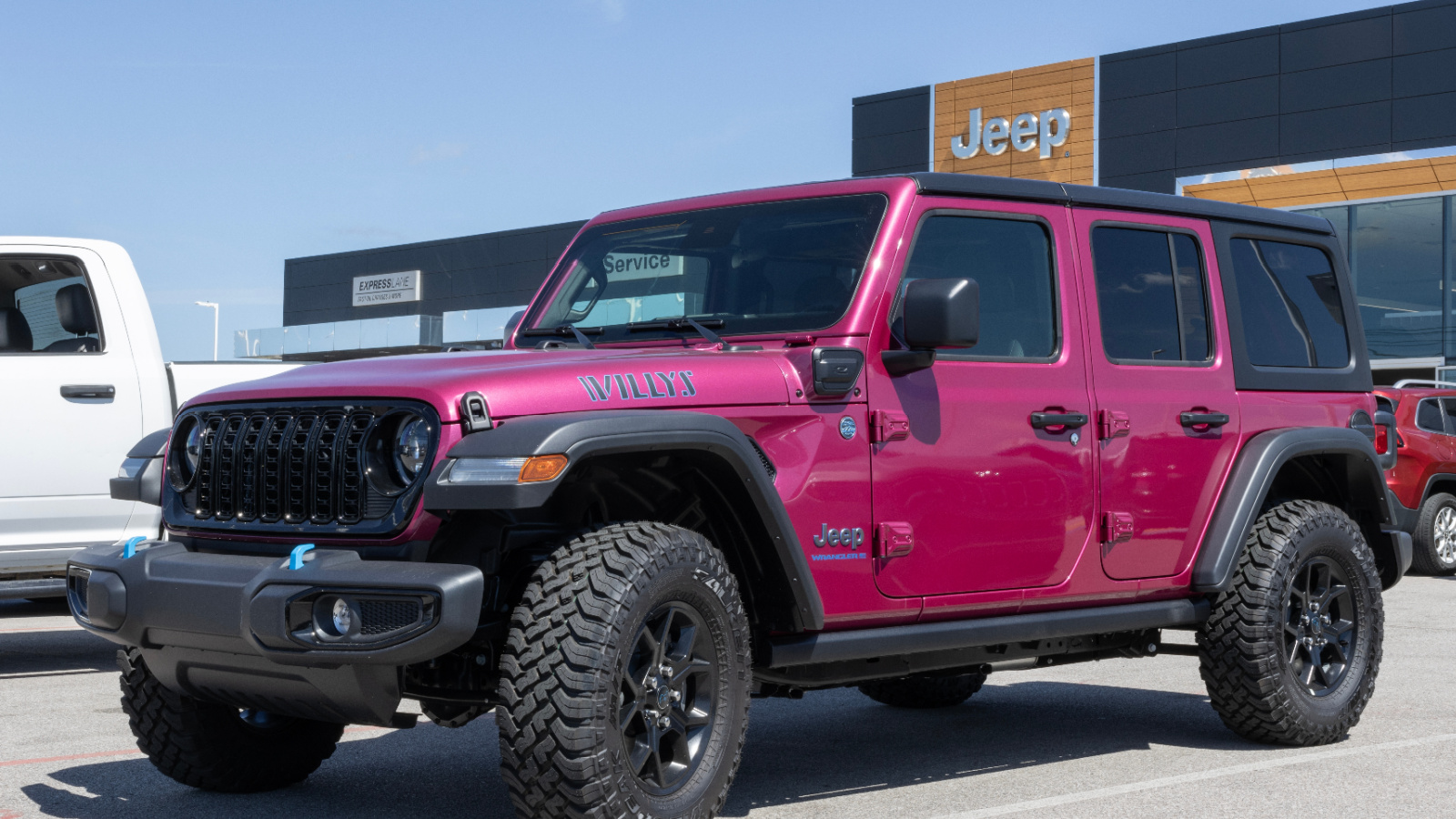
Few vehicles sell an identity as effectively as the Jeep Wrangler. It promises trail capability, open-air driving, and a sense of adventure that looks great in ads and weekend photos. In Canada, though, daily ownership often tells a more ordinary story: cold starts, highway noise, fuel consumption, winter slush, parking garages, and long commutes. The Wrangler’s strengths are real, but they are not always used often enough to justify the compromises.
That gap is why the hype is softening. Many buyers love the idea of owning a Wrangler more than the routine of living with one. The more extreme trims can be expensive to fuel and insure, while used examples often hold value because the image stays strong. For drivers who rarely leave pavement, the Wrangler can feel less like freedom and more like a costly costume.
Kia EV9
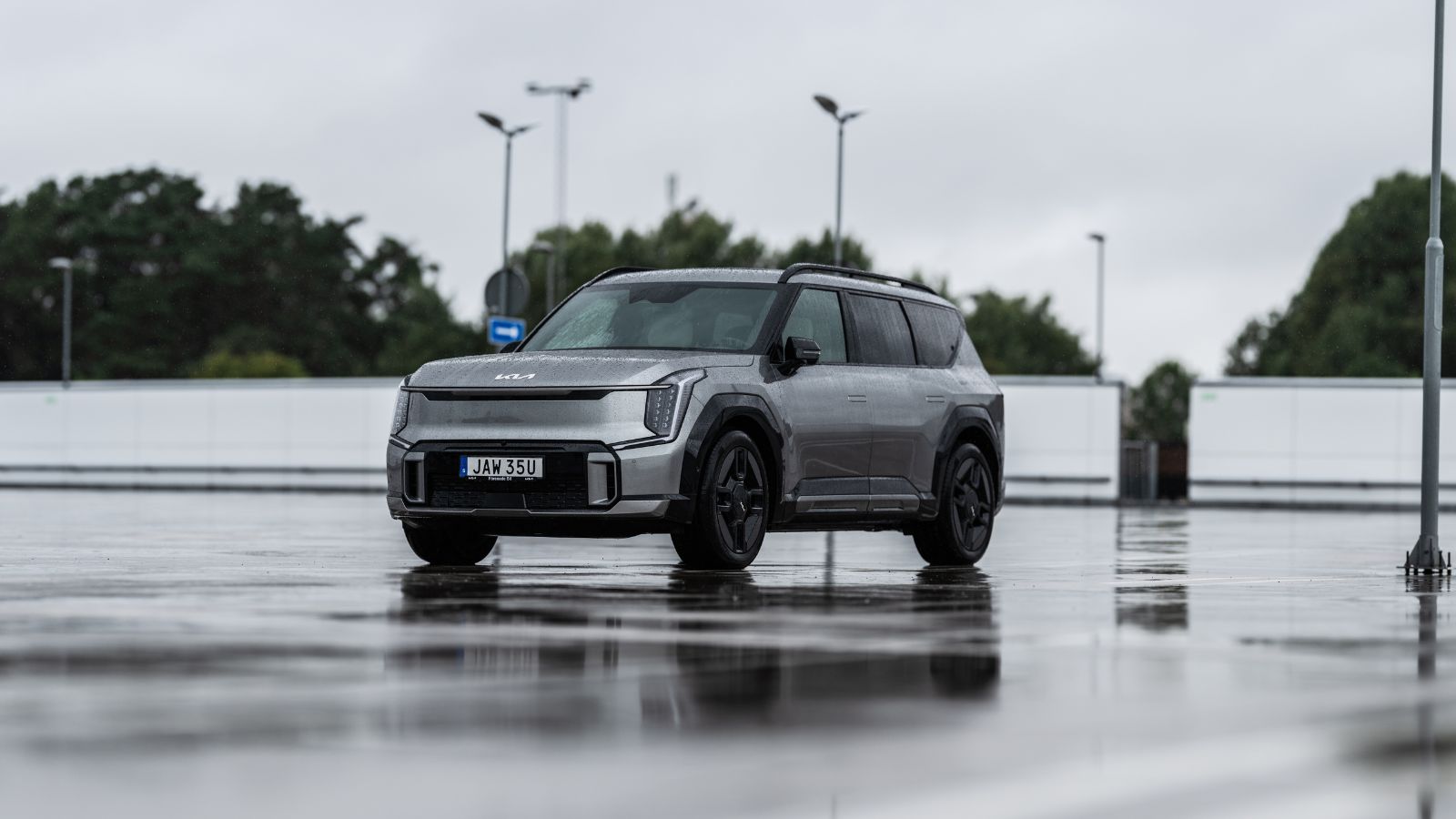
The Kia EV9 arrived with major excitement because it promised something families had been waiting for: a three-row electric SUV with modern styling and real road-trip ambition. In theory, it solves a big Canadian problem by offering space without gasoline. In practice, the EV9 is still a large, expensive EV entering a market where many families are watching borrowing costs, insurance, and charging access more carefully.
The concern is not that the EV9 lacks substance. It is spacious, distinctive, and important for the EV segment. The issue is that early hype can make it sound like the easy answer for every family, when cold-weather range, home charging, long-distance infrastructure, and purchase price still matter. For Canadians outside major charging corridors or without easy overnight charging, the EV9 can feel less revolutionary and more conditional.
Honda Prologue
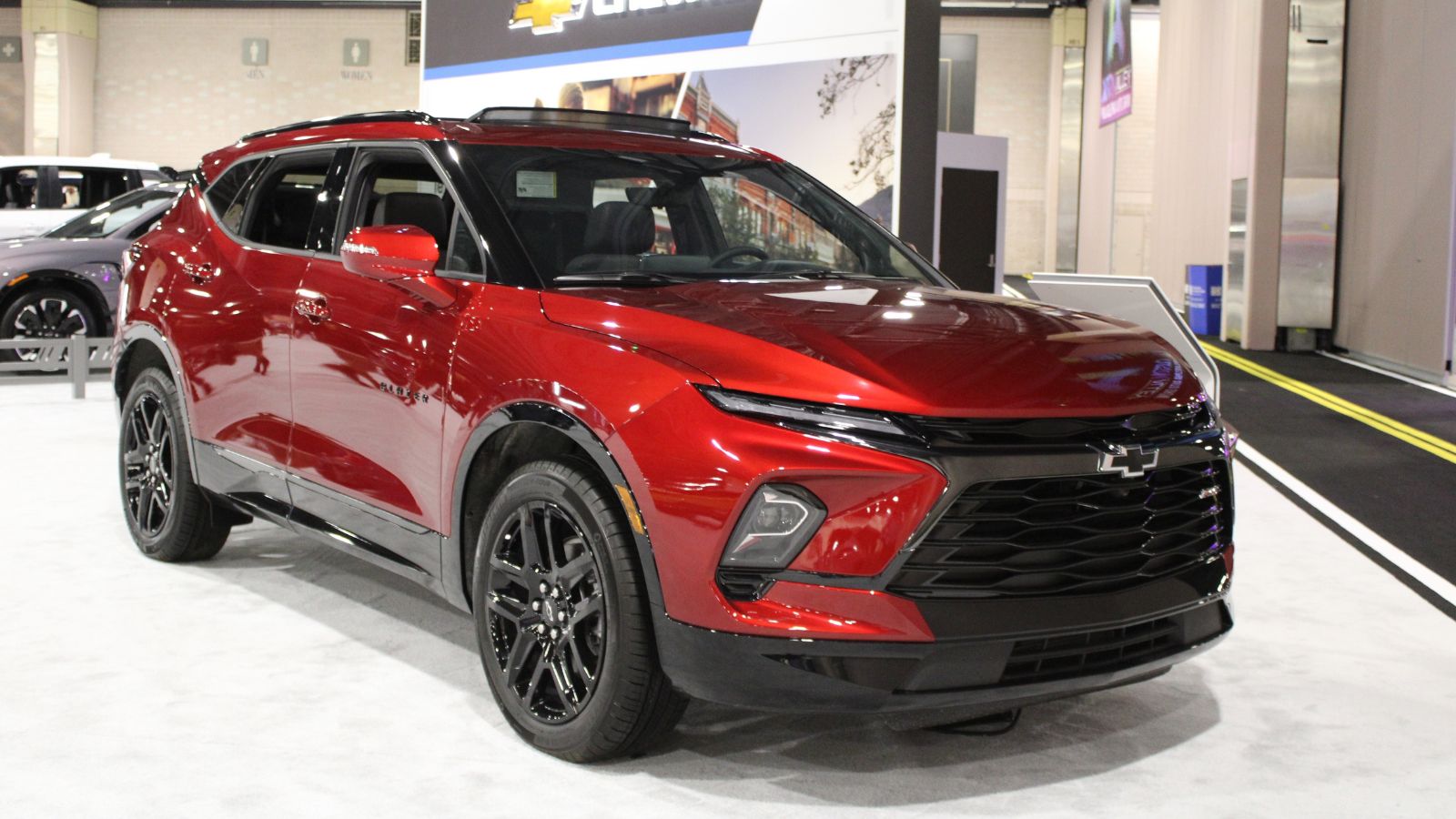
The Honda Prologue entered the market with a powerful badge advantage. Canadians know Honda for durable Civics, CR-Vs, and Accords, so a Honda-branded electric SUV sounded like a safe way into EV ownership. The problem is that the Prologue’s story is not as simple as past Honda success stories. It was developed with General Motors’ Ultium platform, which makes it feel less like a traditional Honda underneath.
That does not automatically make it a poor choice, but it does complicate the hype. Early recalls and software-related concerns have made some buyers more cautious, especially because EV shoppers already worry about infotainment, battery management, and dealer readiness. For Canadians who expected the Prologue to feel like an electric CR-V with Honda’s usual predictability, the reality may feel more experimental than the badge suggests.
Toyota Prius
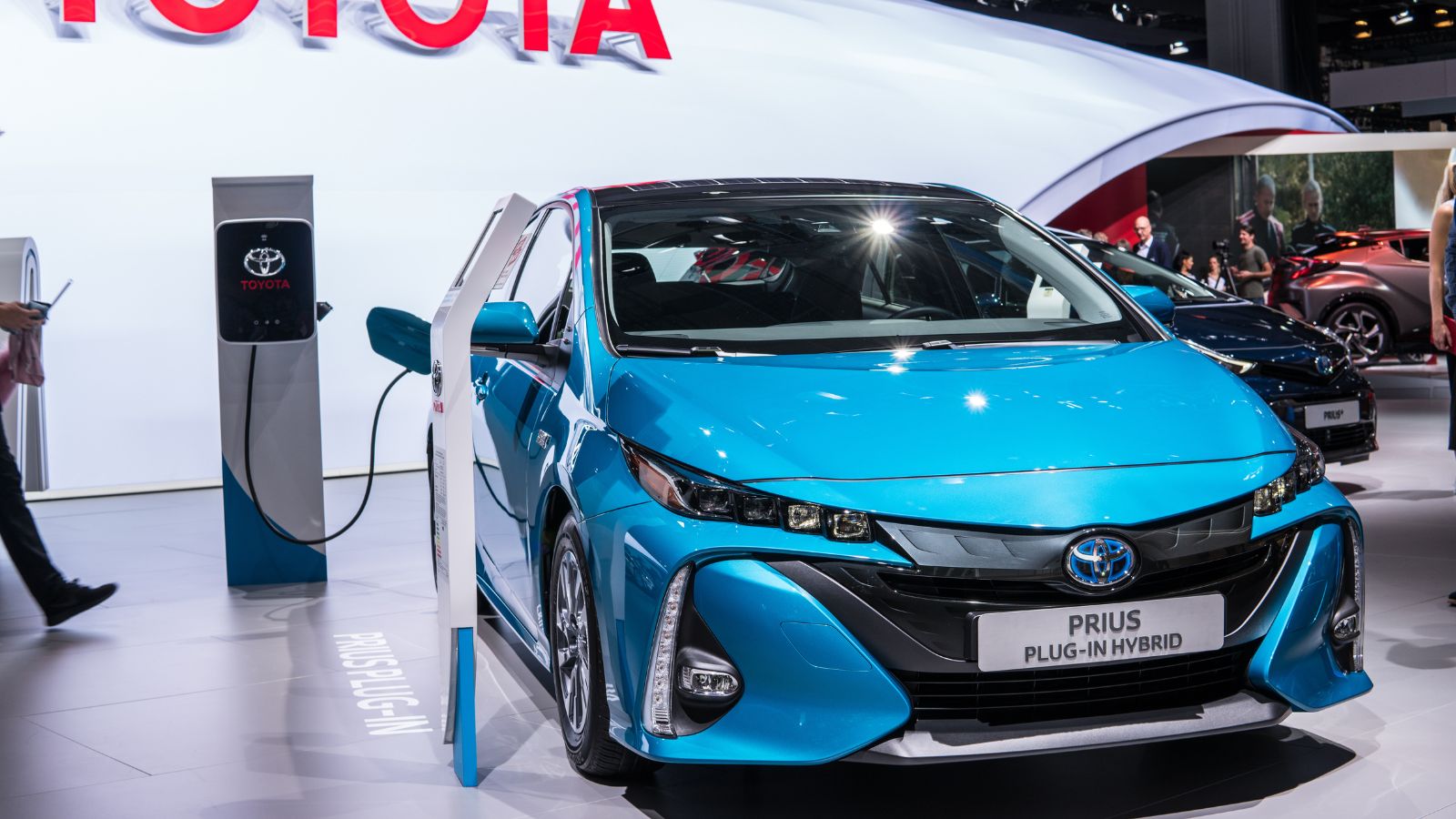
The redesigned Toyota Prius won back attention with striking styling, better performance, and exceptional fuel efficiency. For years, the Prius was admired but rarely described as desirable. Now it looks sharper and drives with more confidence, which has made it unexpectedly fashionable. That sudden cool factor is also why some Canadians are beginning to see it as overhyped.
The Prius still makes tremendous sense for drivers who prioritize fuel savings and long-term reliability. The issue is availability and pricing. When a once-frugal hybrid becomes hard to find or priced close to larger, more versatile vehicles, the emotional pitch starts to compete with the spreadsheet. It remains one of the smartest efficient cars on the market, but its new image can sometimes make a practical purchase feel inflated.
Ford Mustang Mach-E
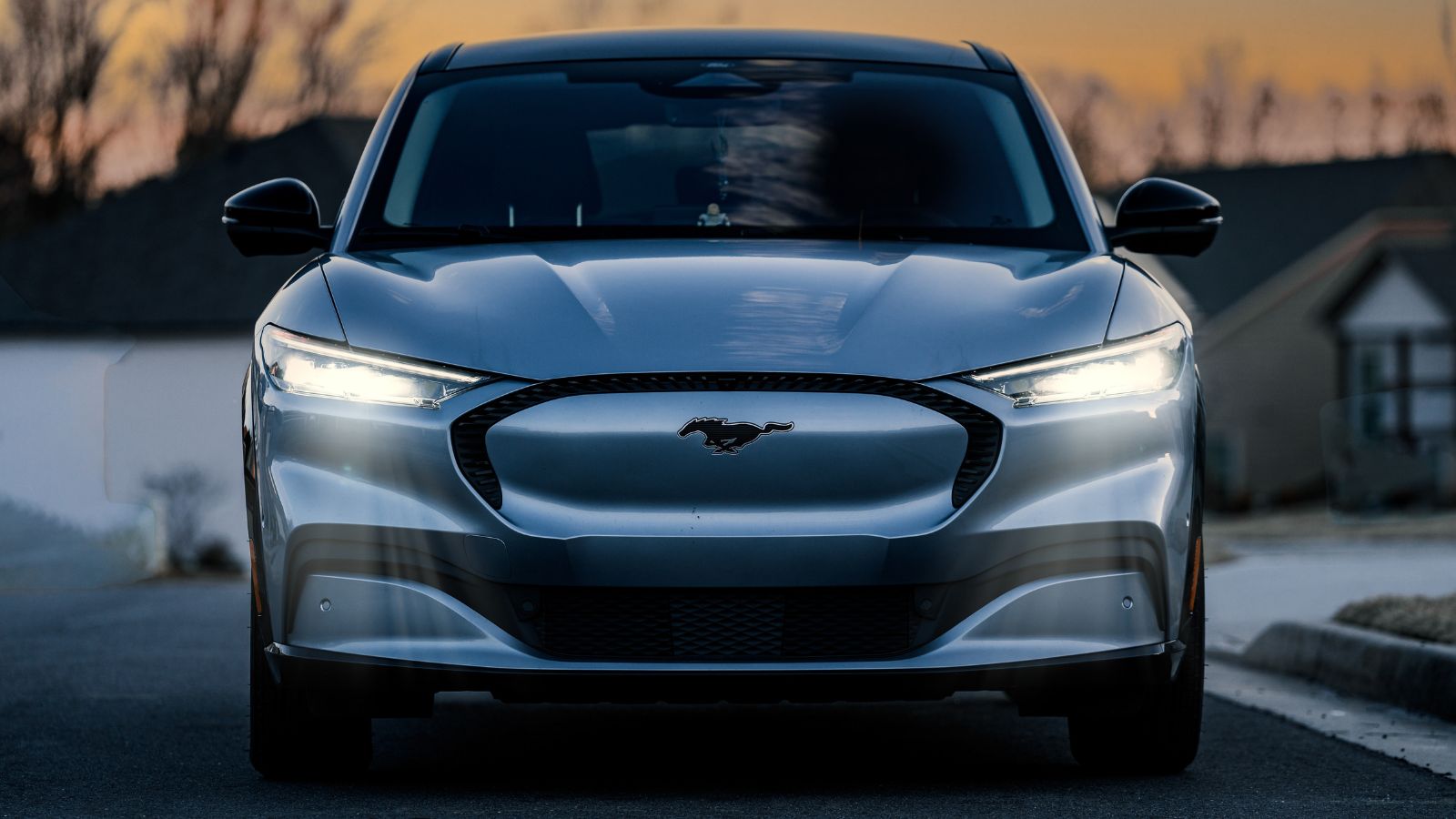
The Ford Mustang Mach-E continues to spark debate because it carries a famous performance name while functioning as an electric crossover. That branding helped it get attention, but it also created expectations that are difficult to satisfy. Some Canadians admire it as a stylish EV, while others still see the Mustang badge as a stretch for a family-friendly electric SUV.
In 2026, the hype faces a second challenge: the EV market has become more crowded and price-sensitive. The Mach-E must now compete not only on design and performance but also on range, charging experience, incentives, depreciation, and software confidence. For buyers who love the look and want an EV with personality, it can still make sense. For skeptics, the name may be doing more work than the ownership case.
Chevrolet Corvette
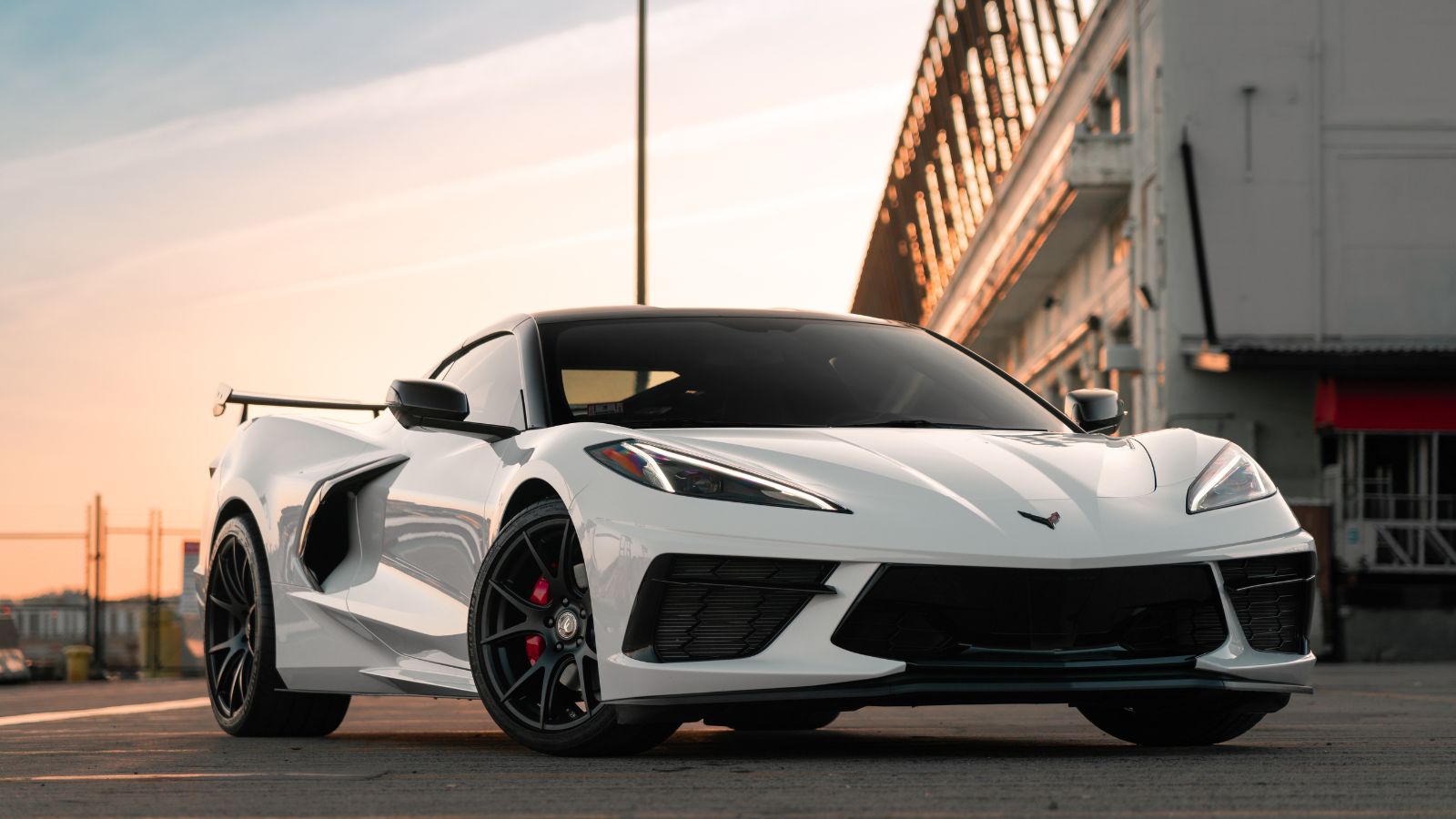
The Chevrolet Corvette has become one of the most talked-about performance cars because it offers exotic-car layout and speed for far less than many European rivals. In Canada, that value story remains compelling, especially for enthusiasts who have watched supercar prices climb. But the hype around the Corvette can make ownership sound easier than it is.
Canadian roads, weather, insurance, storage, tire costs, and limited seasonal usability all matter. A Corvette can feel thrilling on the right road in July, then impractical when snow, potholes, and garage space enter the picture. For some buyers, it is a dream car that delivers. For others, the excitement fades when the car spends months parked or becomes too precious for everyday use. The performance bargain is real, but the lifestyle fit is narrower than the buzz suggests.
Subaru WRX
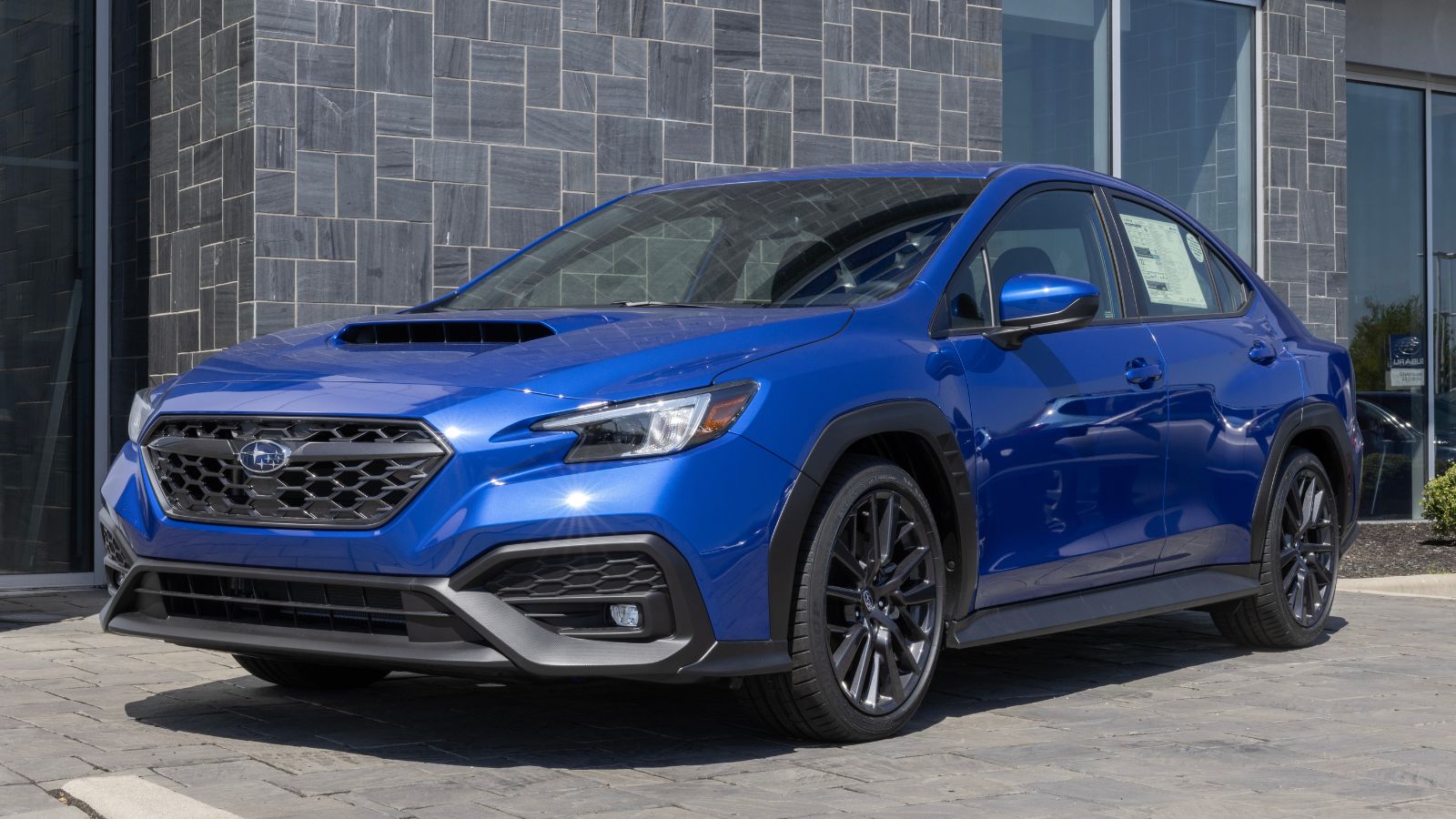
The Subaru WRX still carries rally-inspired credibility, all-wheel-drive confidence, and a loyal enthusiast base. In Canada, those traits matter because winter driving is not just a marketing theme. The WRX can be genuinely appealing for someone who wants a manual transmission, turbocharged power, and year-round traction. Yet the hype around it has become more complicated.
Many Canadians now compare the WRX not with older sport compacts, but with refined hot hatches, efficient hybrids, and used luxury sedans. Its fuel economy, ride firmness, insurance profile, and polarizing styling can make the ownership case less obvious. For enthusiasts, it still has character. For shoppers expecting a practical winter sports sedan with few compromises, the WRX may feel like a car whose reputation is stronger than its everyday comfort.
Dodge Charger Daytona EV
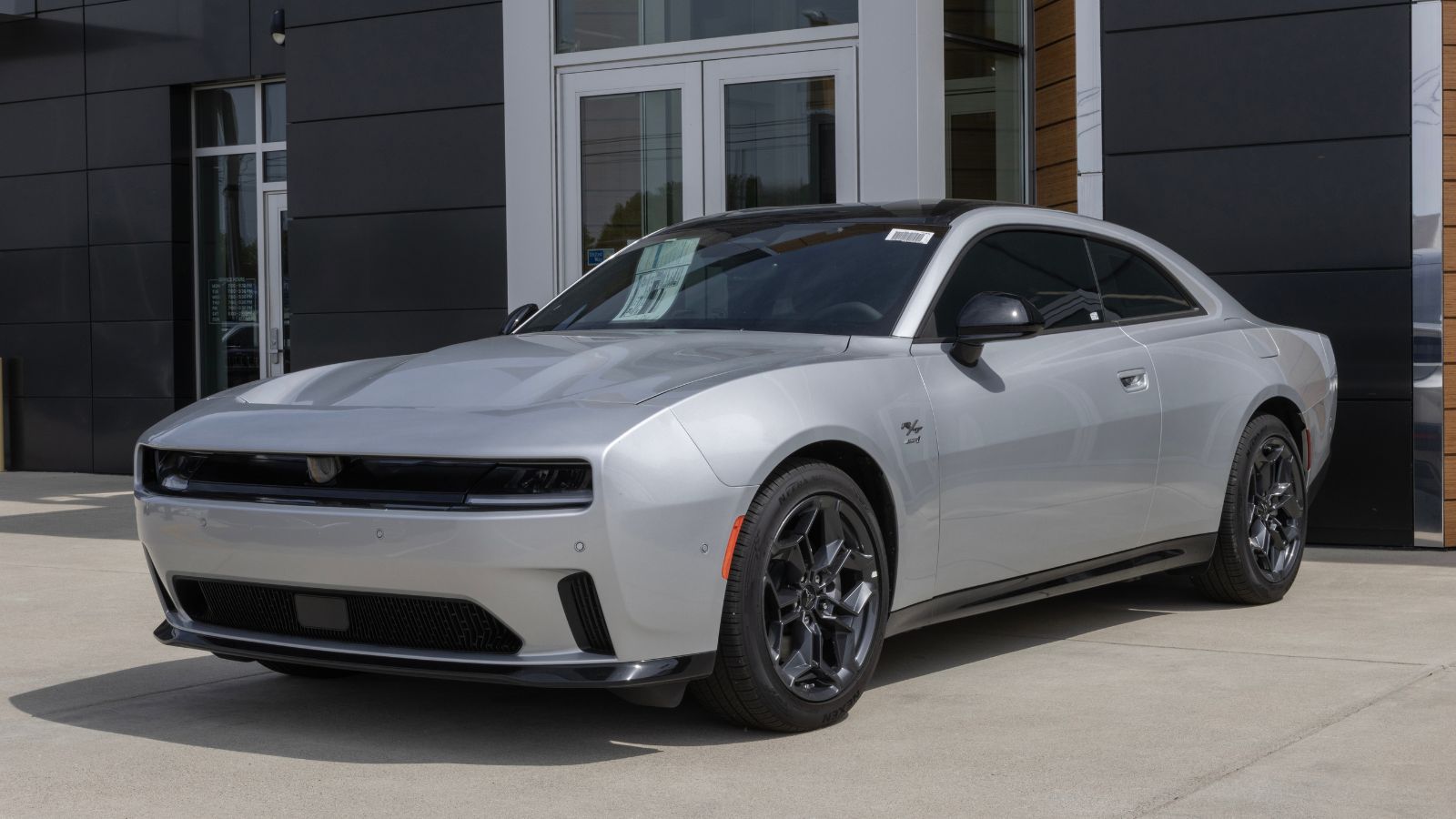
The Dodge Charger Daytona EV is designed to carry muscle-car drama into the electric era. That alone guarantees attention. The challenge is that muscle-car fans are not always asking for silent efficiency, and EV shoppers are not always asking for artificial muscle-car theatre. In Canada, where winter range, charging access, and price sensitivity are major factors, the Charger Daytona’s emotional pitch has to work very hard.
Its performance image may attract curiosity, but some Canadians are likely to see it as more spectacle than solution. A heavy electric performance coupe or sedan can be exciting, yet the ownership case depends on charging, real-world range, insurance, and whether buyers accept a new definition of muscle. The hype is understandable, but the audience may be narrower than the marketing suggests.
Volkswagen ID. Buzz
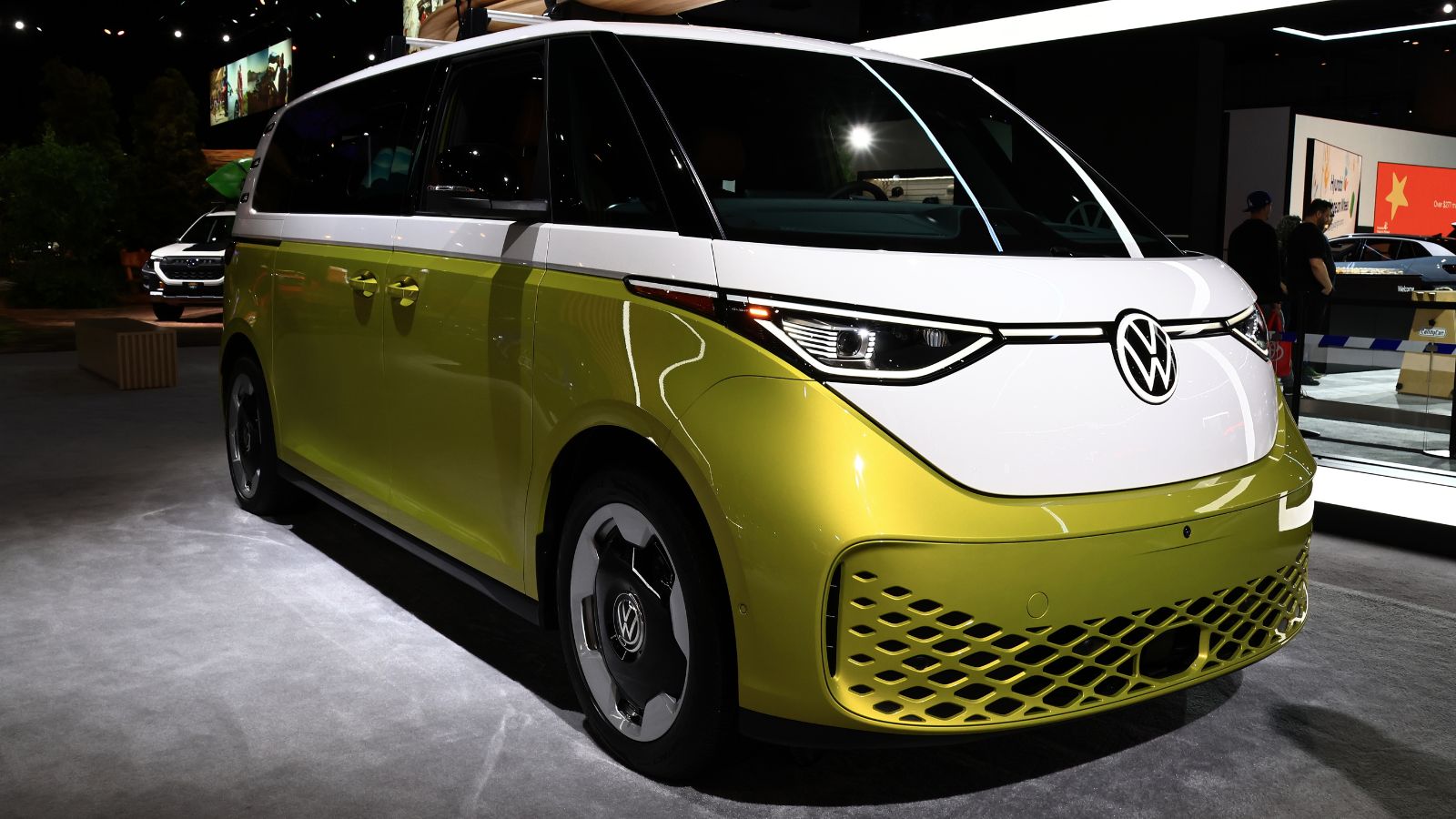
The Volkswagen ID. Buzz has one of the strongest nostalgia plays in the auto market. Its design references the classic VW bus, while its electric platform makes it feel modern and family-friendly. That combination creates instant attention, especially among Canadians who like vehicles with personality. But nostalgia can inflate expectations quickly.
The practical questions are harder. Electric vans are expensive, large, and heavily dependent on charging routines. For families, the ID. Buzz has to compete against minivans, three-row SUVs, and used luxury options that may offer more range confidence or lower purchase prices. It may be charming, but charm does not erase winter range concerns, cargo needs, or monthly payments. The ID. Buzz is memorable; whether it is sensible for most Canadian households is another matter.
Lexus RX
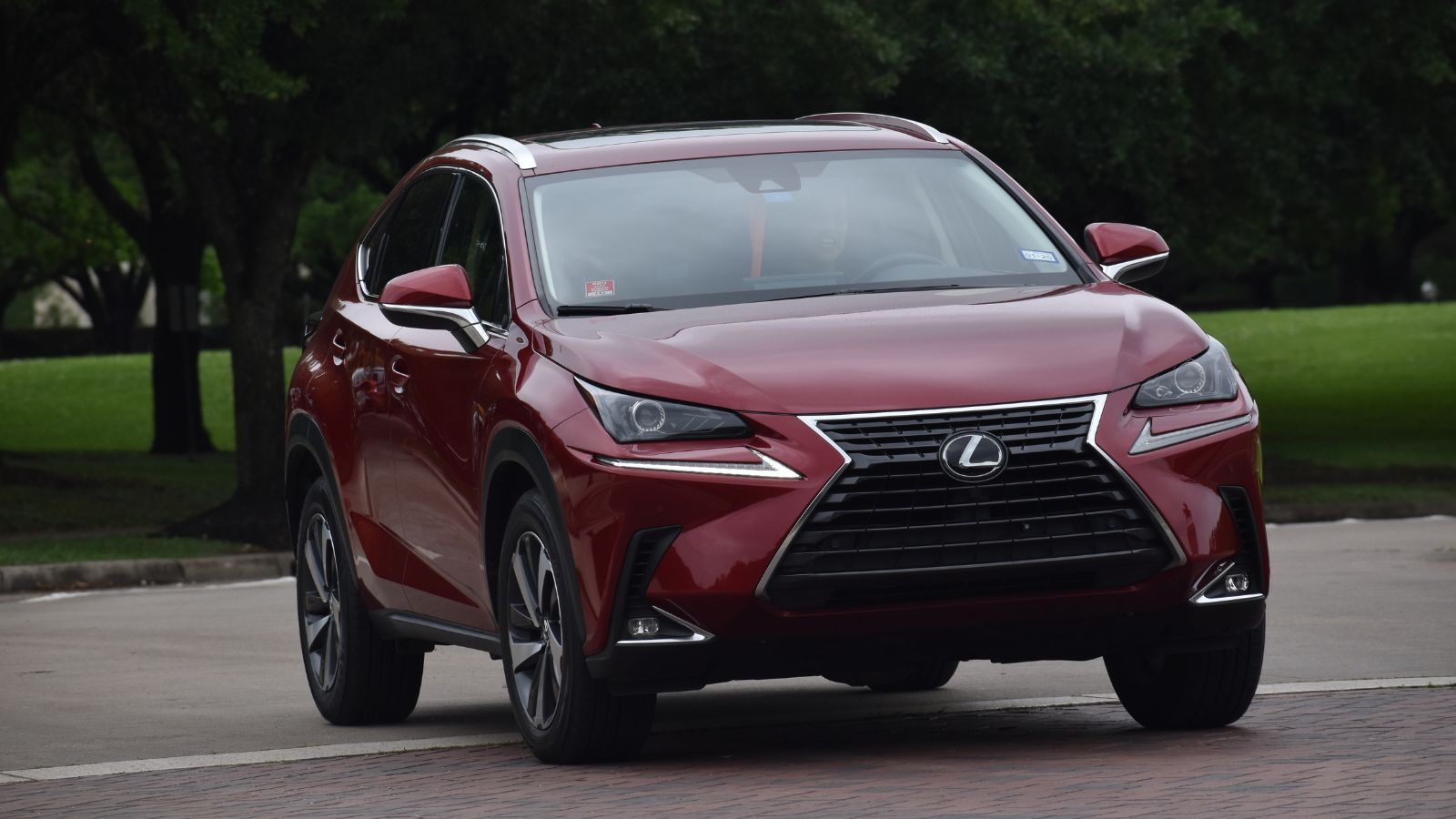
The Lexus RX has long been a symbol of quiet success in Canada. It is comfortable, refined, and backed by Toyota’s reputation for dependability. Those strengths have made it a default luxury SUV for buyers who want premium comfort without taking a major reliability gamble. The downside is that the RX’s reputation can make it feel almost too safe, especially as luxury rivals push more dramatic design, performance, and technology.
The overhyped feeling also comes from theft and insurance concerns attached to desirable luxury SUVs in Canada. A vehicle can be excellent and still become frustrating if ownership includes higher premiums, anti-theft worries, and strong demand that keeps prices elevated. The RX remains a smart luxury choice, but its popularity has made some Canadians wonder whether they are paying for peace of mind or just joining a very expensive crowd.
Chrysler Pacifica Plug-In Hybrid
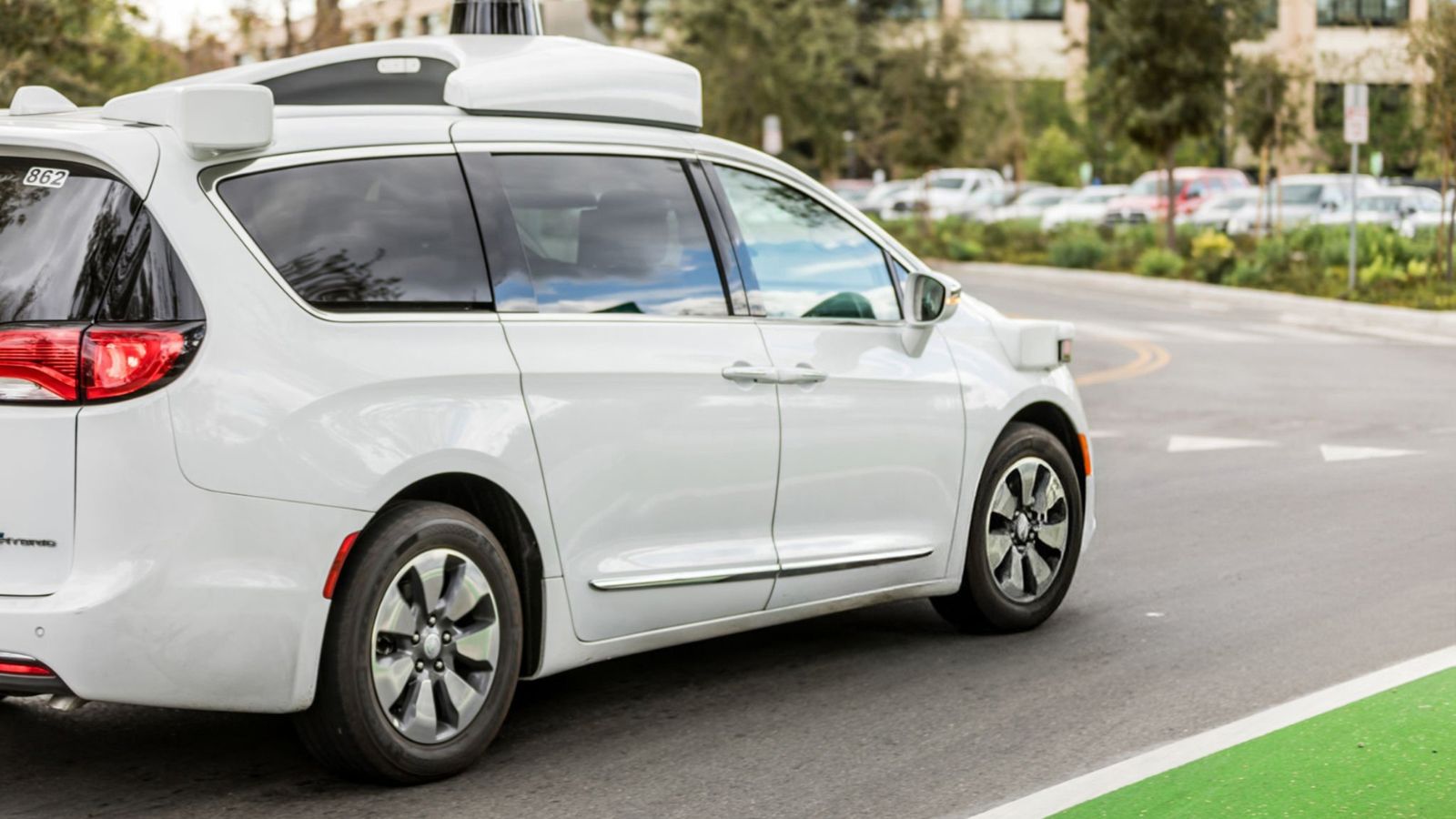
The Chrysler Pacifica Plug-In Hybrid often sounds like the perfect Canadian family compromise: minivan space, electric commuting, and gasoline backup for road trips. On paper, that formula is extremely persuasive. It offers a practical answer for households not ready to go fully electric, especially those with school runs, hockey bags, groceries, and grandparents to move.
The problem is that plug-in hybrids can become overhyped when buyers underestimate complexity. They have both electric and gasoline systems, and owner satisfaction depends on charging discipline, trip patterns, reliability, and repair confidence. Reliability concerns around plug-in hybrids as a category have made some Canadians more cautious. The Pacifica PHEV can be ideal for the right family, but it is not the simple, low-risk shortcut its best-case scenario sometimes suggests.
22 Things Canadians Do to Their Cars in Spring That Mechanics Hate

Spring brings relief to many Canadian drivers after months of snow, freezing temperatures, and icy roads that put serious strain on vehicles. As temperatures rise across the country, drivers begin washing cars, switching tires, and preparing vehicles for warmer weather and upcoming road trips. However, mechanics across Canada notice the same mistakes every spring when drivers attempt to recover from winter damage. Road salt, potholes, and harsh winter driving conditions often leave vehicles with hidden problems that drivers ignore. Some spring habits even create new mechanical issues that could have been avoided with proper maintenance. Here are 22 things Canadians do to their cars in spring that mechanics hate.