




















• About
  • Contact
AutoIgloo
  • News & Trends
    Canada-U.S. Auto Tariff Talks Go Down to the Wire With 50% Duties Three Days Away

    Magna, Linamar and Martinrea Shares Sink as Trump Threatens Canadian Auto Supply Chain

    15 “Tech Add-Ons” That Sound Cool but Can Void Coverage or Spike Your Premium

    New Home EV Charger Launches in Canada With 11.5-kW Charging Without Requiring a Bigger Electrical Panel

    Canadian Collision Repair Values Fall Again as 60,000-Order Study Shows Shop Efficiency Slipping

    Canadian Auto Dealers Warn Trump’s Tariff Threat Killed the Relief Industry Was Counting On

    BYD’s New Canadian Page Touts Five-Minute Charging That Still Works at -30°C

    BYD’s New Canadian Page Touts Five-Minute Charging That Still Works at -30°C

    BYD Quietly Adds Canada to Its Global Website With a ‘Coming Soon’ Page as U.S. Auto Fight Deepens

    BYD Quietly Adds Canada to Its Global Website With a ‘Coming Soon’ Page as U.S. Auto Fight Deepens

    19 Things That Can Make Your Car Insurance Claim Get Denied

    Canada Will Unveil New U.S. Retaliation Today as Auto Trade Fight Moves Into Its Next Phase

  • Car Reviews
    18 Things That Can Make a Car Unsafe for Winter Road Trips

    Why Some Drivers Are Avoiding Vehicles With Complex Infotainment Systems

    21 Cars Canadians Are Starting to Regret Buying

    Why Some Drivers Regret Buying Big Wheels and Low-Profile Tires

    17 Vehicles That Are Quietly Getting Crushed by Insurance Costs in Canada

    Why So Many Drivers Are Nervous About Chinese-Made EV Batteries

    20 Used SUVs Canadians Should Think Twice About Buying

    20 Used SUVs Canadians Should Think Twice About Buying

    15 Vehicles That Are Starting to Feel Like a Bad Deal Around May Long Weekend

    15 Vehicles That Are Starting to Feel Like a Bad Deal Around May Long Weekend

    15 Vehicles That Are Starting to Scare Off Canadian Buyers

    15 Vehicles That Are Starting to Scare Off Canadian Buyers

  • Buying Guides
    25 EV Charging Mistakes Canadians Make in March (That Wreck Range)

    Why Some Canadians Are Choosing Hybrids Over Full EVs Again

    22 Signs a Car Has Been in a Serious Crash Even if the Report Looks Clean

    21 Things That Make a Used Car Listing Seem Suspicious

    23 Features That Are Making New Cars Harder (and Pricier) to Repair in Canada

    Why Some Buyers Regret Choosing the Cheapest Trim Level

    18 Things That Can Make a Car Unsafe for Winter Road Trips

    Why Some Drivers Are Avoiding Vehicles With Complex Infotainment Systems

    22 Things Canadians Should Know Before Buying a Diesel Vehicle

    22 Things Canadians Should Know Before Buying a Diesel Vehicle

    15 Ways a Low Monthly Payment Can Fool Canadian Car Buyers

    The Car Buying Mistake That Gives Dealers More Control

  • Comparisons
    25 EV Charging Mistakes Canadians Make in March (That Wreck Range)

    Why Some Canadians Are Choosing Hybrids Over Full EVs Again

    21 Used Car Features That Can Become Expensive Problems Later

    Why Some Canadians Are Choosing Front-Wheel Drive Over All-Wheel Drive

    Canada’s Auto Fight Gets Uglier as BYD Threatens to Sue Trump Administration

    Tesla Vs. BYD: Are Chinese EV’s Actually Better for Canadians?

    17 Vehicles That Are Quietly Getting Crushed by Insurance Costs in Canada

    Why So Many Drivers Are Nervous About Chinese-Made EV Batteries

    20 Used SUVs Canadians Should Think Twice About Buying

    20 Used SUVs Canadians Should Think Twice About Buying

    16 Cars That Are a Nightmare to Repair Because Parts Are Backordered

    23 Cars Canadians Love That Have One Deal-Breaker Flaw

  • EVs & Hybrids
    20 Signs Your Car Battery Is About to Leave You Stranded

    Canadian Auto Jobs Become a Central Fault Line as Ottawa Reveals Why It Rejected U.S. Vehicle Terms

    25 EV Charging Mistakes Canadians Make in March (That Wreck Range)

    Why Some Canadians Are Choosing Hybrids Over Full EVs Again

    The EV Charging Habit That Can Annoy Everyone Around You

    Canada Is Missing an EV-Battery Export Opening as EU Lithium Demand Heads for a 9-to-12-Fold Jump: Report

    16 Used-EV Surprises Canadians Don’t See Coming Until After They Buy

    The EV Charging Habit That Can Annoy Everyone Around You

    17 SUVs That Are Losing Their Appeal Fast in Canada

    GM Canada Says EV Sales Jumped More Than 30% as CUSMA Uncertainty Hangs Over Showrooms

    9 Auto Brands Canadians Are Watching Much More Closely Right Now

    Toyota Canada Says Electrified Vehicles Are Now Nearly 70% of Its Q2 Sales

  • More
    • Pricing & Deals
    • Winter Driving
    • Ownership & Maintenance
No Result
View All Result
AutoIgloo
  • News & Trends
    Canada-U.S. Auto Tariff Talks Go Down to the Wire With 50% Duties Three Days Away

    Magna, Linamar and Martinrea Shares Sink as Trump Threatens Canadian Auto Supply Chain

    15 “Tech Add-Ons” That Sound Cool but Can Void Coverage or Spike Your Premium

    New Home EV Charger Launches in Canada With 11.5-kW Charging Without Requiring a Bigger Electrical Panel

    Canadian Collision Repair Values Fall Again as 60,000-Order Study Shows Shop Efficiency Slipping

    Canadian Auto Dealers Warn Trump’s Tariff Threat Killed the Relief Industry Was Counting On

    BYD’s New Canadian Page Touts Five-Minute Charging That Still Works at -30°C

    BYD’s New Canadian Page Touts Five-Minute Charging That Still Works at -30°C

    BYD Quietly Adds Canada to Its Global Website With a ‘Coming Soon’ Page as U.S. Auto Fight Deepens

    BYD Quietly Adds Canada to Its Global Website With a ‘Coming Soon’ Page as U.S. Auto Fight Deepens

    19 Things That Can Make Your Car Insurance Claim Get Denied

    Canada Will Unveil New U.S. Retaliation Today as Auto Trade Fight Moves Into Its Next Phase

  • Car Reviews
    18 Things That Can Make a Car Unsafe for Winter Road Trips

    Why Some Drivers Are Avoiding Vehicles With Complex Infotainment Systems

    21 Cars Canadians Are Starting to Regret Buying

    Why Some Drivers Regret Buying Big Wheels and Low-Profile Tires

    17 Vehicles That Are Quietly Getting Crushed by Insurance Costs in Canada

    Why So Many Drivers Are Nervous About Chinese-Made EV Batteries

    20 Used SUVs Canadians Should Think Twice About Buying

    20 Used SUVs Canadians Should Think Twice About Buying

    15 Vehicles That Are Starting to Feel Like a Bad Deal Around May Long Weekend

    15 Vehicles That Are Starting to Feel Like a Bad Deal Around May Long Weekend

    15 Vehicles That Are Starting to Scare Off Canadian Buyers

    15 Vehicles That Are Starting to Scare Off Canadian Buyers

  • Buying Guides
    25 EV Charging Mistakes Canadians Make in March (That Wreck Range)

    Why Some Canadians Are Choosing Hybrids Over Full EVs Again

    22 Signs a Car Has Been in a Serious Crash Even if the Report Looks Clean

    21 Things That Make a Used Car Listing Seem Suspicious

    23 Features That Are Making New Cars Harder (and Pricier) to Repair in Canada

    Why Some Buyers Regret Choosing the Cheapest Trim Level

    18 Things That Can Make a Car Unsafe for Winter Road Trips

    Why Some Drivers Are Avoiding Vehicles With Complex Infotainment Systems

    22 Things Canadians Should Know Before Buying a Diesel Vehicle

    22 Things Canadians Should Know Before Buying a Diesel Vehicle

    15 Ways a Low Monthly Payment Can Fool Canadian Car Buyers

    The Car Buying Mistake That Gives Dealers More Control

  • Comparisons
    25 EV Charging Mistakes Canadians Make in March (That Wreck Range)

    Why Some Canadians Are Choosing Hybrids Over Full EVs Again

    21 Used Car Features That Can Become Expensive Problems Later

    Why Some Canadians Are Choosing Front-Wheel Drive Over All-Wheel Drive

    Canada’s Auto Fight Gets Uglier as BYD Threatens to Sue Trump Administration

    Tesla Vs. BYD: Are Chinese EV’s Actually Better for Canadians?

    17 Vehicles That Are Quietly Getting Crushed by Insurance Costs in Canada

    Why So Many Drivers Are Nervous About Chinese-Made EV Batteries

    20 Used SUVs Canadians Should Think Twice About Buying

    20 Used SUVs Canadians Should Think Twice About Buying

    16 Cars That Are a Nightmare to Repair Because Parts Are Backordered

    23 Cars Canadians Love That Have One Deal-Breaker Flaw

  • EVs & Hybrids
    20 Signs Your Car Battery Is About to Leave You Stranded

    Canadian Auto Jobs Become a Central Fault Line as Ottawa Reveals Why It Rejected U.S. Vehicle Terms

    25 EV Charging Mistakes Canadians Make in March (That Wreck Range)

    Why Some Canadians Are Choosing Hybrids Over Full EVs Again

    The EV Charging Habit That Can Annoy Everyone Around You

    Canada Is Missing an EV-Battery Export Opening as EU Lithium Demand Heads for a 9-to-12-Fold Jump: Report

    16 Used-EV Surprises Canadians Don’t See Coming Until After They Buy

    The EV Charging Habit That Can Annoy Everyone Around You

    17 SUVs That Are Losing Their Appeal Fast in Canada

    GM Canada Says EV Sales Jumped More Than 30% as CUSMA Uncertainty Hangs Over Showrooms

    9 Auto Brands Canadians Are Watching Much More Closely Right Now

    Toyota Canada Says Electrified Vehicles Are Now Nearly 70% of Its Q2 Sales

  • More
    • Pricing & Deals
    • Winter Driving
    • Ownership & Maintenance
No Result
View All Result
AutoIgloo
No Result
View All Result

Home » News & Trends

Canada’s Car-Theft Drop Is Real — But Nearly 21,000 Vehicles Were Still Stolen in Six Months

Nate Brewer by Nate Brewer
August 23, 2026
Reading Time: 5 mins read
A A
Photo Credit: Shutterstock

Photo Credit: Shutterstock

474
SHARES
1.5k
VIEWS
Share on FacebookShare on Twitter

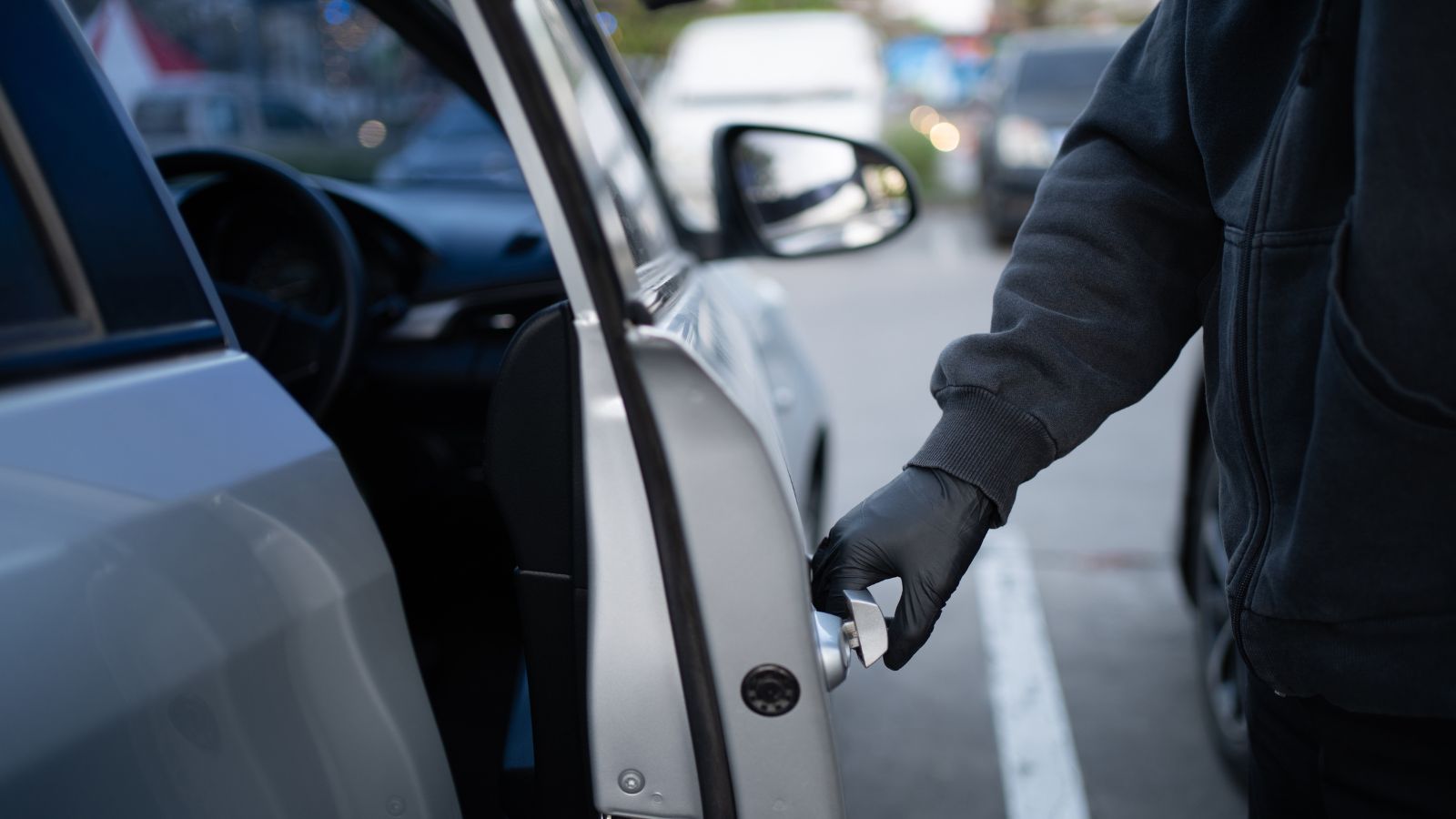
Canada’s vehicle-theft crisis is moving in the right direction, but the numbers remain difficult to call normal. During the first six months of 2026, 20,759 private passenger vehicles were reported stolen across the country, a 10.1% decline from the same period a year earlier. That improvement extends a retreat from the extraordinary theft levels seen earlier in the decade.

Yet nearly 21,000 thefts in half a year still translate into roughly 115 vehicles disappearing every day. For households, insurers, police and governments, the challenge has therefore shifted rather than vanished. Organized theft networks are adapting, recovery rates remain uneven, and Canadians continue to question whether modern vehicles are adequately protected against increasingly sophisticated attacks.

The National Decline Is Significant, Not Cosmetic

Canada recorded 20,759 private passenger vehicle thefts between January and June 2026, compared with 23,093 during the same six months of 2025. That 10.1% decline represents more than 2,300 fewer stolen vehicles in only half a year. It also continues a broader reversal after several years in which auto theft became one of the country’s most visible property-crime problems.

The improvement is substantial enough that it cannot simply be dismissed as statistical noise. Équité Association says national auto theft has fallen by roughly one-third since 2023, when the crisis was near its recent peak. Still, the raw volume matters. Spread across the first 181 days of 2026, the national total works out to about 115 stolen passenger vehicles every day. Progress is therefore real, but thousands of families are still discovering an empty driveway or parking space each month.

Theft Levels Are Moving Closer to Pre-Crisis Territory

One encouraging comparison is with 2021, before the sharp acceleration in thefts that followed. The first half of that year produced 20,313 thefts, according to industry data cited by the Insurance Institute of Canada. The first-half 2026 total of 20,759 is only modestly above that benchmark, suggesting the extraordinary spike of the past several years is being unwound.

The full-year numbers tell a similar story. Canada recorded 46,999 private passenger vehicle thefts in 2025, down 18% from 57,359 in 2024. Even after that improvement, insurance claims related to auto theft were estimated at roughly $900 million for the year. Those costs ultimately spread beyond the people whose vehicles are taken. Insurers price risk across large pools of customers, while police investigations, port inspections and replacement transportation add broader economic costs to a crime that can begin in a driveway in only minutes.

Ontario and Quebec Still Carry a Large Share of the Problem

Ontario recorded 8,796 thefts in the first half of 2026, down 8.4% from 9,601 a year earlier. Quebec recorded another 3,641, a 6.4% reduction from 3,888. Together, the two provinces accounted for almost 60% of all private passenger vehicle thefts captured in the national first-half total, keeping Central Canada at the heart of the country’s theft challenge even as overall numbers improve.

Recovery is another reason the regional picture remains complicated. Équité’s 2025 figures put recovery rates at 51% in Ontario and 48% in Quebec, meaning a large share of stolen vehicles were still not returned to their owners. For a household, that distinction matters. A statistical decline may be reassuring, but the consequences of an unrecovered vehicle can include an insurance settlement, replacement-shopping costs, disrupted work or school routines and the unsettling realization that organized thieves may have targeted a vehicle only metres from the front door.

Western Canada Is Seeing an Even Sharper Improvement

Western Canada recorded 7,449 stolen private passenger vehicles in the first half of 2026, down 14.3% from 8,695 during the same period in 2025. Alberta alone fell from 4,411 to 3,744 thefts, a 15.1% decline that was the strongest decrease among the major regions highlighted in Équité’s first-half report. That represents 667 fewer stolen vehicles in Alberta in six months.

Western Canada’s recovery performance has also historically been stronger than that of Ontario and Quebec. For 2025, Équité reported a recovery rate of 73% across Western Canada and 71% in Alberta. Different theft patterns help explain why national numbers cannot be interpreted as a single uniform problem. Some vehicles are stolen for local criminal use and later recovered, while others are re-identified, stripped for parts or moved into export channels. A falling theft count is encouraging, but where a vehicle goes after it disappears remains just as important.

The Driveway Remains the Most Personal Front Line

The emotional side of auto theft becomes clearer when the location of the crime is considered. In Équité’s 2026 public-opinion research, 82% of people affected by vehicle theft said the theft happened at their home or immediately nearby. That helps explain why the crime can feel more invasive than the loss of property alone. The vehicle may be replaceable; the sense that strangers operated beside a family’s home during the night is harder to restore.

The same research, conducted among 2,503 Canadian adults in June, found that 64% were concerned about becoming a victim or about the safety of their family. Only 18% believed vehicles currently being sold were sufficiently equipped to withstand technology-based theft methods. Those figures show why falling theft counts have not automatically restored public confidence. For many owners, steering-wheel locks, driveway cameras, secure garages and key protection have become ordinary household precautions rather than niche security measures.

Thieves Have Changed With the Technology

Modern vehicle theft is no longer defined only by broken windows and hot-wiring. Industry investigators point to techniques involving key-fob relay attacks, electronic reprogramming, vehicle identification number manipulation and other methods designed to bypass factory security. Once a vehicle is stolen, criminals may re-VIN it for resale, dismantle it for parts or move it through a logistics network toward an export destination.

That adaptability is one reason theft can decline without the underlying criminal market disappearing. Équité reported that finance-related vehicle fraud discovered around the ports of Montreal and Halifax increased 72% in 2025. Instead of physically stealing every vehicle, criminals can use stolen, synthetic or manipulated identities to obtain financing and acquire vehicles fraudulently. The result may look different at the beginning of the crime, but the end goal can be similar: obtaining a high-value vehicle that can be resold, exported or converted into criminal proceeds.

Ports Are Becoming Part of the Anti-Theft Battlefield

Canada’s ports have become important choke points because some stolen and fraudulently obtained vehicles are moved abroad in shipping containers. Project NoCargo, an RCMP-led initiative involving the Canada Border Services Agency and INTERPOL Ottawa, illustrates the scale of that effort. During its first year, authorities intercepted or recovered 392 fraudulently acquired vehicles valued at an estimated $28 million at locations including Halifax, Montreal, Toronto and Vancouver.

The project is particularly focused on vehicles obtained through finance fraud, including cases involving stolen or manufactured identities. Separate CBSA enforcement figures showed that officers had intercepted or detained 742 stolen vehicles in 2026 by August 5. That followed 1,590 in 2025 and 2,277 in 2024. Lower interception totals can partly reflect fewer overall thefts, but the enforcement numbers also demonstrate how vehicle theft increasingly requires cooperation among police, insurers, lenders, border officers, ports and international partners rather than conventional local policing alone.

Governments Are Putting More Resources Into Enforcement

Ottawa’s National Action Plan on Combatting Auto Theft, launched in 2024, brought together measures spanning policing, border enforcement, information sharing and prosecution. The federal government committed $28 million to strengthen CBSA capacity, including additional officers, targeting capabilities and detection technology. Separate funding was directed toward provincial and municipal police services and Canada’s cooperation with INTERPOL as authorities tried to disrupt organized groups rather than simply recover individual vehicles.

The legal framework has also changed. The federal Bail and Sentencing Reform Act received royal assent in June 2026, with relevant changes coming into force on July 15. The legislation included targeted amendments dealing with auto theft, organized crime and other serious offences. Technology funding is moving alongside enforcement: Transport Canada announced $1.6 million in March for three Canadian projects developing anti-theft technologies. Together, those measures show a strategy increasingly focused on the entire theft ecosystem.

Vehicle Design May Determine Whether the Decline Lasts

The next phase of Canada’s response increasingly involves the vehicles themselves. In December 2025, the federal government proposed updating Canada’s theft-protection requirements for new vehicles, replacing an older immobilizer standard with newer technical standards including ANSI/CAN/UL/ULC 338:2025 and provisions aligned with United Nations Regulation No. 162. The proposal is intended to make mandated theft protection more resistant to newer electronic attack tools.

The regulatory proposal does not, however, settle every concern surrounding connected-vehicle cybersecurity. Équité has argued for stronger cybersecurity testing and additional international standards as thieves continue to exploit electronic systems. Public expectations are also moving in that direction: nearly three-quarters of Canadians in Équité’s 2026 research supported mandatory advanced anti-theft technology in new vehicles. Canada’s falling theft numbers demonstrate that intervention can work. Keeping them down may depend on making the vehicle itself a much harder target.


Recommended.

16 Cars That Are Easy to Steal Without the Right Updates (And How to Check Yours)

17 Cars That Are Starting to Feel Too Expensive to Keep in 2026

May 20, 2026
Canadian Collision Repair Values Fall Again as 60,000-Order Study Shows Shop Efficiency Slipping

Canadian Auto Dealers Warn Trump’s Tariff Threat Killed the Relief Industry Was Counting On

August 25, 2026

Trending.

⁠$28 Billion in Canadian Goods Face 50% Trump Tariffs at Midnight as Deal Still Isn’t Final

Canada-U.S. Trade Deal Fell Apart After Washington Left Ontario-Built Ford and GM Trucks Out of Auto Tariff Relief

August 23, 2026
Quebec’s BRP Prepares 2027 Vehicle Reveal Tonight as Canadian Manufacturer Pushes New Can-Am Lineup

Quebec’s BRP Prepares 2027 Vehicle Reveal Tonight as Canadian Manufacturer Pushes New Can-Am Lineup

August 17, 2026
Doug Ford Says U.S. ‘Wasn’t Budging’ on 25% Auto Tariffs as Ontario Puts ‘Every Single Tool’ on the Table

Doug Ford Says U.S. ‘Wasn’t Budging’ on 25% Auto Tariffs as Ontario Puts ‘Every Single Tool’ on the Table

August 23, 2026
Mexico Pushes U.S. to Cut Auto Tariff From 25% to 5%–10% — and Give Canadian Parts More Room

Ottawa’s Chinese-EV Quota Opens Canada to 6.1% Tariffs Instead of the Former 100% Surtax

August 22, 2026
19 Things That Can Make Your Car Insurance Claim Get Denied

Foreign Insurer Can Apply to Enter Canada’s Auto-Insurance Market Starting Today

August 17, 2026
  • About
  • Contact
  • Privacy Policy
  • Disclaimer
  • Editorial Policies
  • Terms and Conditions
A Revir Media Group Website

2026 Autoigloo - © All rights reserved

No Result
View All Result
  • News & Trends
  • Car Reviews
  • Buying Guides
  • Comparisons
  • EVs & Hybrids
  • More
    • Pricing & Deals
    • Winter Driving
    • Ownership & Maintenance

2026 Autoigloo - © All rights reserved

This website uses cookies. By continuing to use this website you are giving consent to cookies being used. Visit our Privacy and Cookie Policy.