























A used car can look almost irresistible on a screen. Clean photos, low kilometres, a polished description and a price below comparable listings can create the impression that someone has stumbled onto the bargain everyone else missed. The trouble is that an online listing captures only a carefully selected version of a vehicle. Condition, maintenance, accident repairs, corrosion, paperwork and driving behaviour become much harder to disguise once the car is physically examined. These 12 reasons explain how a promising online deal can change dramatically during an in-person visit—and why the most important part of used-car shopping often begins after the browser tab is closed.
Photos Can Hide More Than They Show

Online photos are useful for narrowing a search, but they are poor substitutes for walking around a vehicle in daylight. Scratches can disappear under reflections, dents can be photographed from flattering angles, and dark wheel wells can hide corrosion or damaged trim. Even colour differences between body panels may be difficult to recognize when photographs have been taken under different lighting conditions. Ontario’s vehicle regulator specifically recommends seeing and inspecting a vehicle rather than relying exclusively on pictures when shopping online.
The in-person walkaround is where small contradictions start appearing. A car described as “immaculate,” for example, may have a cracked windshield, parking-lot dents, cloudy headlights and scuffed wheels that never appeared prominently in the advertisement. None automatically makes the vehicle a bad purchase, but several neglected details can change its value quickly. Examining the car during daylight is particularly useful because scratches, paint imperfections and previous body work are easier to identify.
Fresh Paint Can Tell an Older Story

A glossy finish is normally appealing, but unusually fresh paint on an older vehicle deserves closer examination. Differences in colour, texture or shine between neighbouring panels can indicate previous refinishing. Uneven gaps around the hood, trunk or doors can also suggest that panels were removed, replaced or repositioned. CARFAX Canada recommends checking for mismatched paint, fresh paint and inconsistent panel gaps when physically inspecting a used vehicle.
Previous collision repair does not automatically make a vehicle unsuitable, particularly when repairs were completed properly. The important issue is understanding what happened and how extensively the vehicle was damaged. Ontario provides a useful regulatory example: registered dealers must disclose structural damage and certain repairs, and damage from an incident costing more than $3,000 to repair must be disclosed in the contract. Two or more adjacent replaced body panels are another prescribed disclosure. A suspicious-looking repair should therefore trigger questions about documentation, repair quality and vehicle history rather than assumptions based on appearance alone.
Rust Can Turn a Cheap Car Into an Expensive One
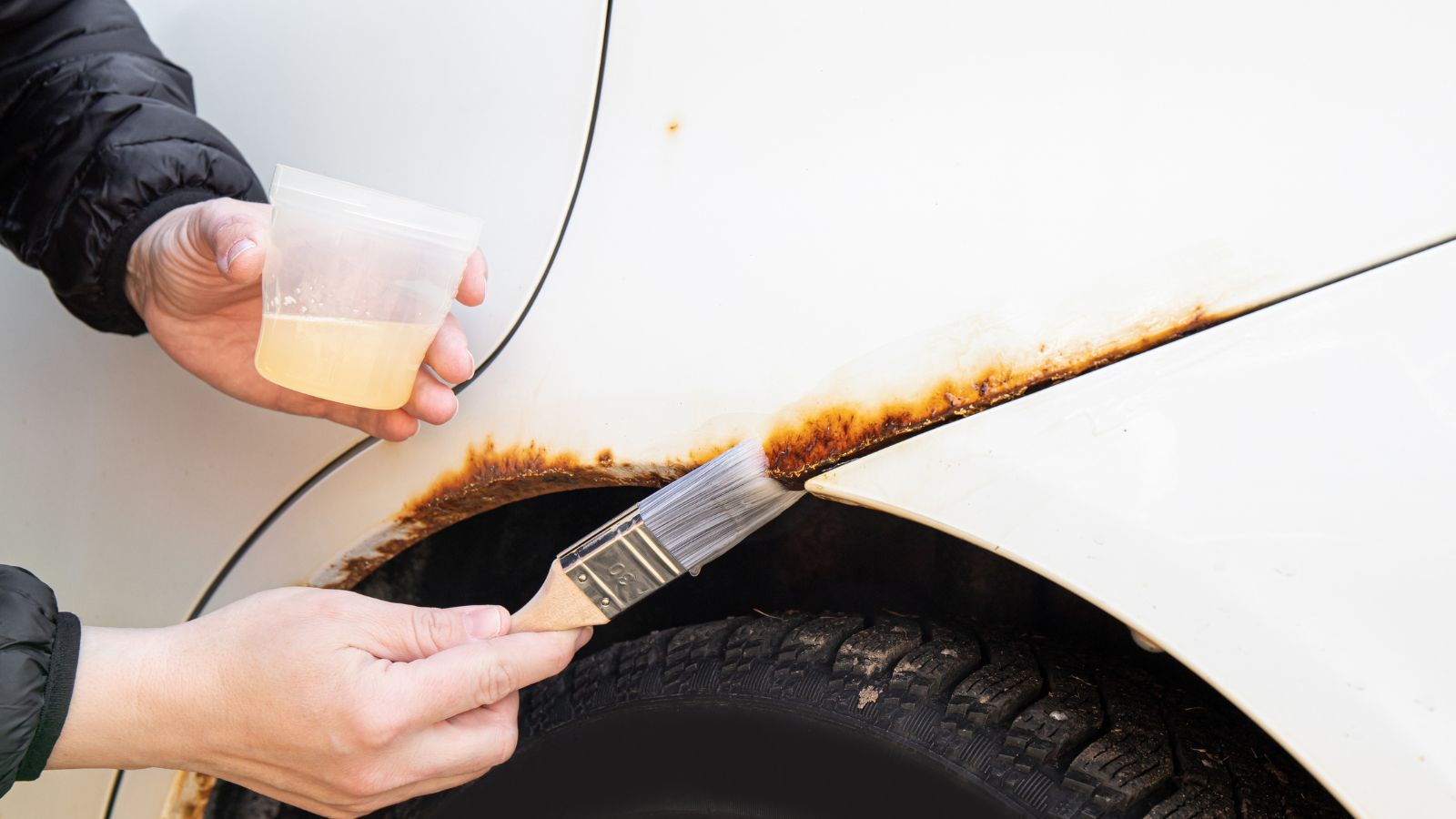
Surface rust on a small body panel may be mostly cosmetic. Corrosion underneath the vehicle can be a much different problem. Canadian winters expose vehicles to salt, slush, moisture and repeated freeze-thaw cycles, and CAA notes that road salt and de-icing treatments are highly corrosive to metal components. Rust can develop on parts that rarely appear in advertisements, including the frame, brake lines, fuel lines, exhaust, suspension and wheel wells.
That makes the underside of a bargain-priced vehicle one of its most important areas to inspect. A clean hood and freshly detailed interior say little about the condition of metal that has spent ten winters inches above salted pavement. CAA has warned that severe frame and body corrosion can make an older vehicle unsafe or economically unreasonable to repair. A prospective purchase that needs extensive corrosion work can therefore lose its apparent price advantage remarkably quickly. When serious rust is suspected, examination on a lift by a mechanic provides far more information than crouching beside the vehicle in a parking lot.
The Tires Can Reveal Neglect Immediately
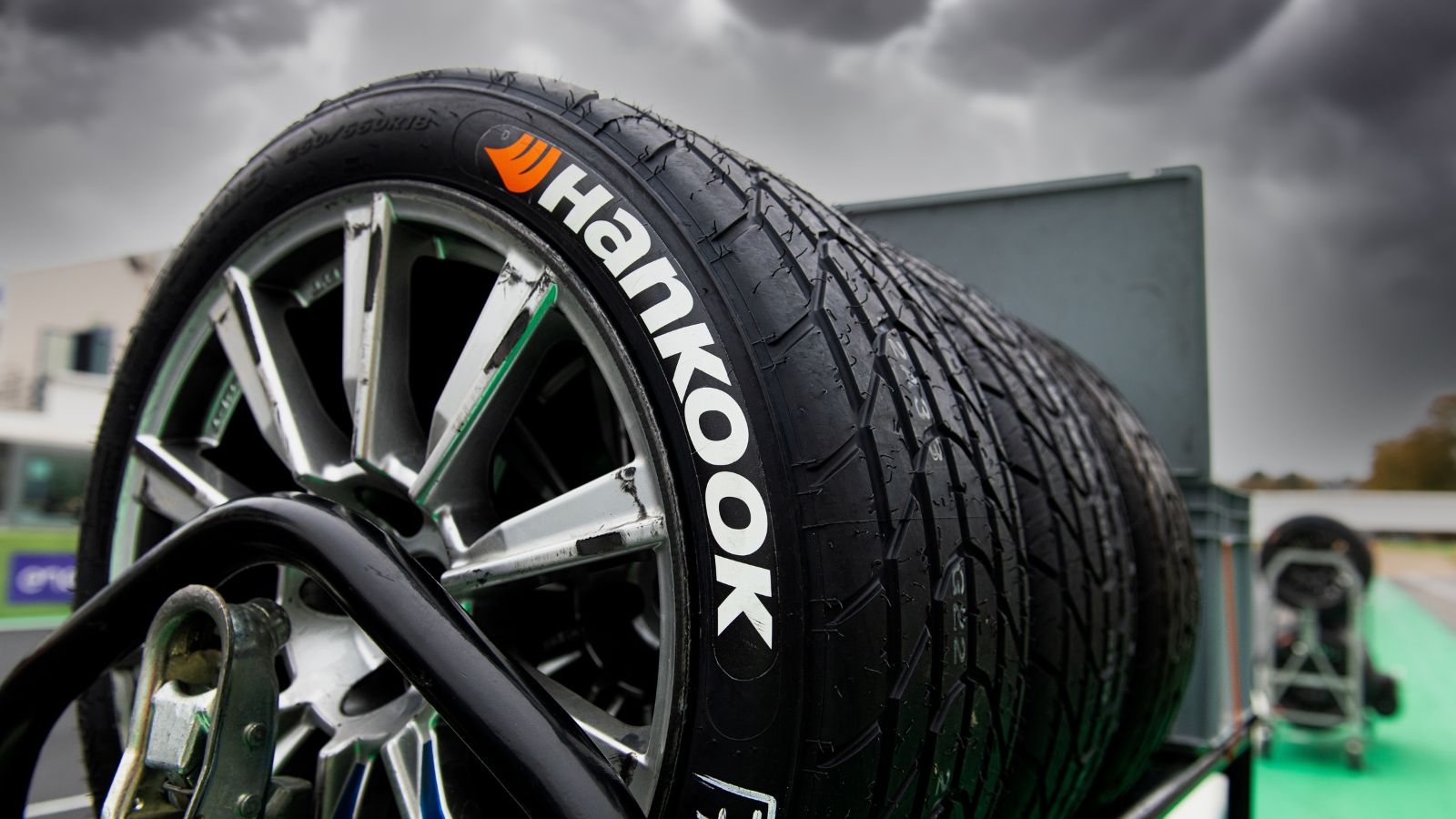
Four shiny wheels can make a used vehicle photograph well, yet the rubber mounted on them may reveal a less flattering story. Uneven tread can point toward alignment or suspension issues. Cracks, bulges and cuts may require replacement, while four different tires can raise questions about previous maintenance decisions. Transport Canada recommends using the same type of tire in all wheel positions to preserve proper handling and warns that damaged or seriously worn tires can create safety problems.
Tread depth also matters. Transport Canada identifies tread-wear indicators around the legal minimum range of roughly 1.6 millimetres and recommends replacing tires before they reach that minimum when maximum wet or snow traction is important. Its winter guidance is even more conservative, advising against using winter tires with less than 4 millimetres of tread in severe snow conditions. A car priced attractively online can therefore arrive with hundreds or potentially thousands of dollars in near-term tire expense, especially when a complete matched set is needed. Tire condition also provides a useful clue about how carefully previous owners maintained the rest of the vehicle.
The Test Drive Can Change the Entire Impression

A stationary car can hide problems remarkably well. Once moving, the steering, transmission, brakes and suspension begin providing information that no photograph can capture. OMVIC recommends a thorough test drive rather than a quick trip around the block, including reaching highway speeds where practical. Buyers are advised to notice whether acceleration is smooth, the steering wanders, the transmission shifts properly and the suspension behaves normally over road imperfections.
Braking deserves equal attention in a safe location. A pedal that feels unusually soft, a vehicle that pulls to one side or vibrations during braking can all justify further investigation. Consider a crossover that appears pristine online and idles quietly in the seller’s driveway. At 90 or 100 km/h, however, it may develop a steering-wheel vibration that was impossible to detect earlier. That symptom could have several causes, from tire balance to suspension issues, and diagnosing it properly requires inspection. A genuine bargain should still feel convincing after the vehicle has been driven under conditions resembling normal use.
Dashboard Lights and Electronics Can Rewrite the Story
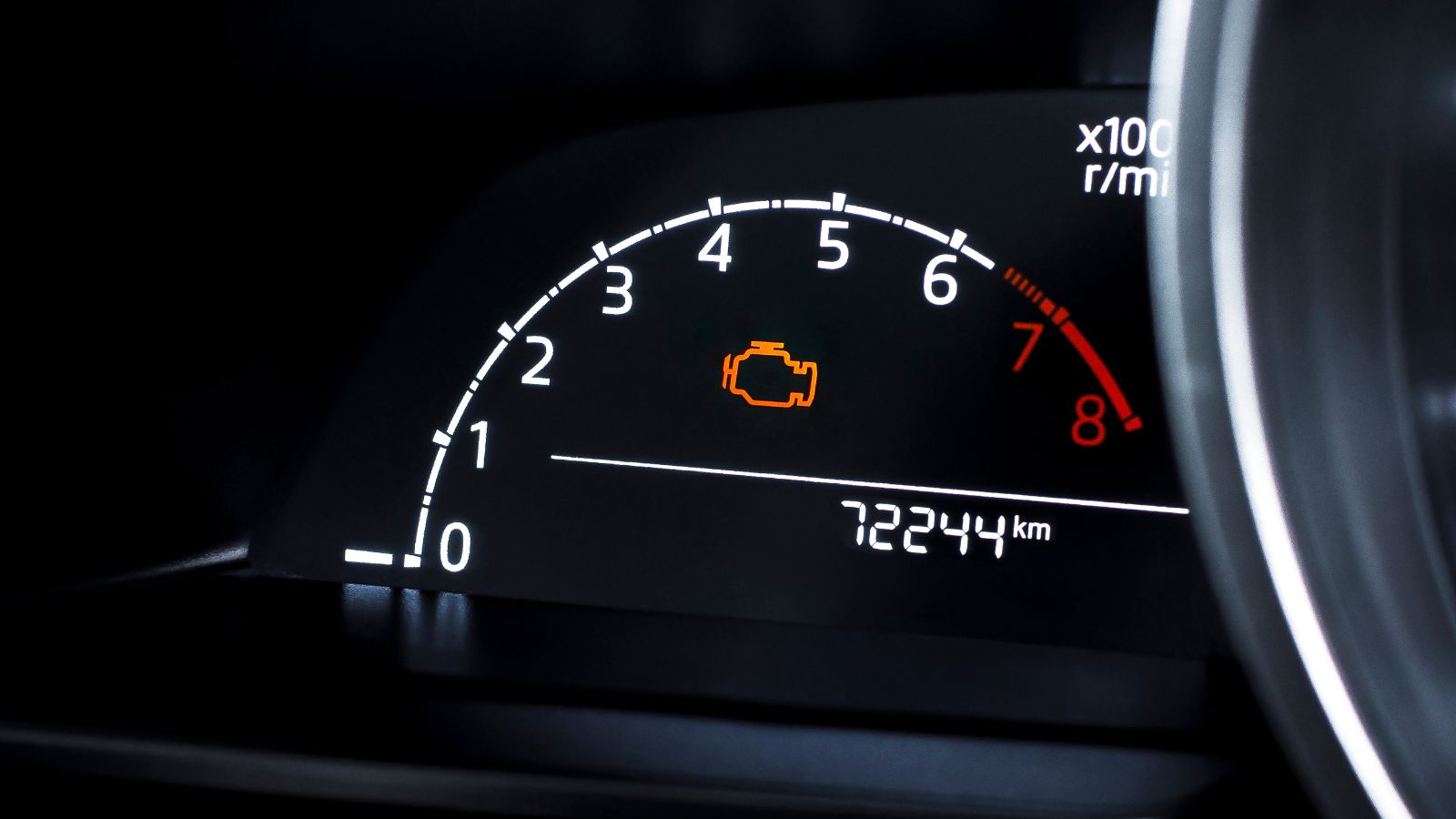
Modern vehicles communicate many problems through their instrument panels, which makes the startup sequence worth watching carefully. A check-engine light can represent something relatively simple or a more significant engine-related fault. CAA notes that oil-pressure warnings can indicate a potentially serious lubrication problem, while battery, brake and temperature warnings can point toward charging, braking or overheating issues. Any unexplained warning deserves diagnosis rather than a seller’s casual reassurance.
The rest of the electronics matter too. OMVIC advises testing equipment such as heating, air conditioning, Bluetooth, windows and locks during a test drive. On newer cars, that list can extend to cameras, parking sensors, heated seats, power liftgates and infotainment functions. Imagine discovering after purchase that the air conditioning does not cool, one camera is unavailable and the power hatch operates intermittently. Individually, those defects might appear manageable; together, they can dramatically change the economics of the purchase. The attractive online price only matters when the vehicle’s advertised features actually function.
Missing Maintenance Records Leave Expensive Questions
A seller describing a car as “dealer maintained” or “meticulously serviced” should ideally have paperwork that supports the description. CAA recommends asking for registration documents and maintenance history when evaluating a used vehicle and notes that a well-maintained car will often come with invoices and receipts. Vehicle-history reports may also contain service information, although no single database necessarily captures every repair or oil change completed during a vehicle’s life.
Missing records do not automatically prove neglect. Some owners perform maintenance themselves, use independent shops that do not report data, or simply lose receipts. The problem is uncertainty. Without evidence, it becomes harder to establish whether important maintenance occurred at the appropriate intervals. A vehicle approaching a major scheduled service can therefore look affordable online while carrying significant near-term work. Records also help confirm the seller’s broader story: dates, kilometre readings and repair invoices can be compared with the odometer and vehicle history. Consistency is reassuring; unexplained gaps and contradictions deserve more questions.
Low Mileage Should Match the Wear Everywhere Else
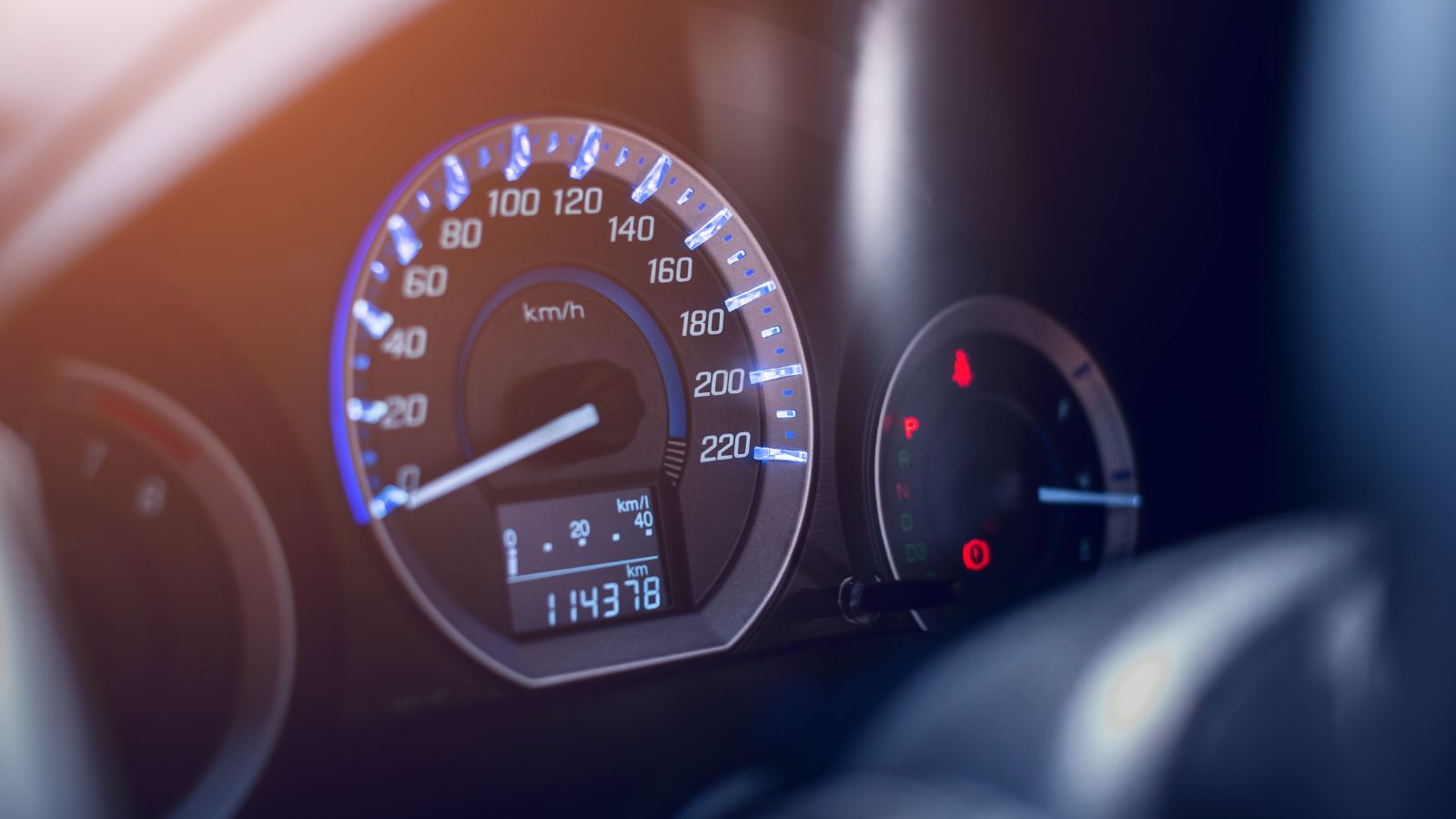
Low kilometres are one of the easiest ways to make an online listing appear valuable, which is precisely why the number on the dashboard should be checked against the rest of the vehicle. OMVIC advises comparing historical odometer readings with the current display and watching for physical wear that seems inconsistent with claimed mileage. Worn steering wheels, pedals, upholstery, suspension components and heavily pitted windshields can all provide clues when a supposedly lightly driven vehicle looks unusually tired.
The risk is not merely theoretical. In August 2026, OMVIC highlighted an Ontario Marketplace purchase in which the buyer later discovered that the odometer had reportedly been rolled back by more than 100,000 kilometres. Historical readings in resources such as Ontario’s Used Vehicle Information Package and vehicle-history reports can help identify inconsistencies. Minor discrepancies do not necessarily prove fraud, but a mileage pattern that moves backwards or clashes dramatically with the physical condition deserves investigation. A low-kilometre bargain loses much of its appeal when there is uncertainty about how far the vehicle has actually travelled.
Water Damage Can Hide Behind a Detailed Interior
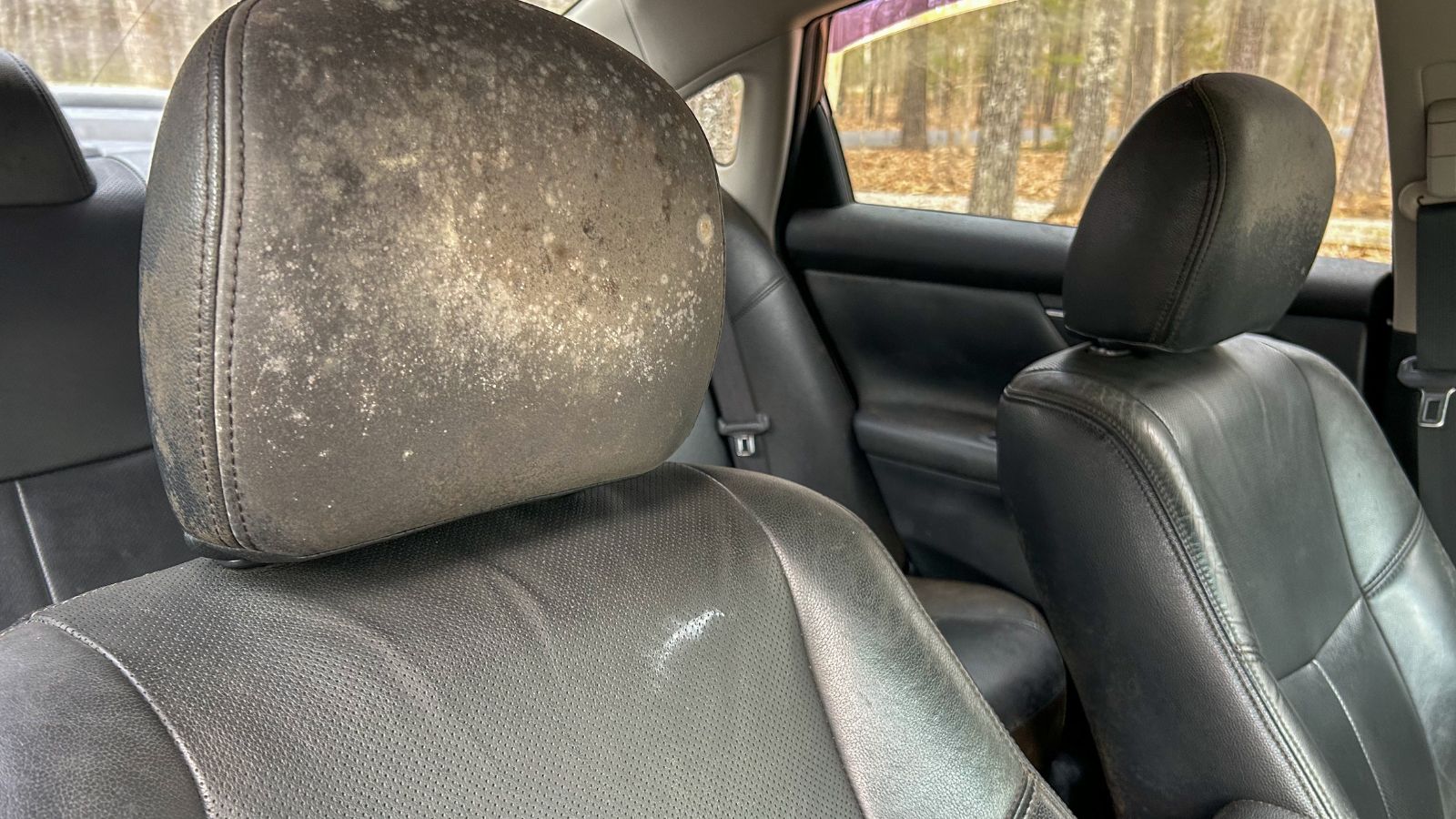
A freshly shampooed interior normally looks like a sign that someone prepared the car carefully for sale. Occasionally, excessive cleaning can make water-damage clues harder to notice. CARFAX Canada recommends checking for musty odours, water stains, mud or silt beneath carpets, rust in unusual interior locations and moisture or condensation around instruments. An overpowering air freshener is not proof of a problem, but it can make an unexplained smell worth investigating further.
Flood exposure matters because its consequences may not become obvious during a brief visit. CARFAX Canada warns that water damage can have lingering effects on electrical, steering and braking systems and that corrosion-related problems may develop over time. Ontario also requires registered dealers to disclose qualifying flood or immersion damage when liquid reached at least the interior floorboards. A vehicle can therefore start, drive and photograph beautifully while still carrying a complicated history. Looking underneath mats, inside the trunk and around low-mounted electrical areas adds only a few minutes to an inspection but can reveal clues that polished listing photographs never showed.
The VIN and Recall Status May Expose Unfinished Business
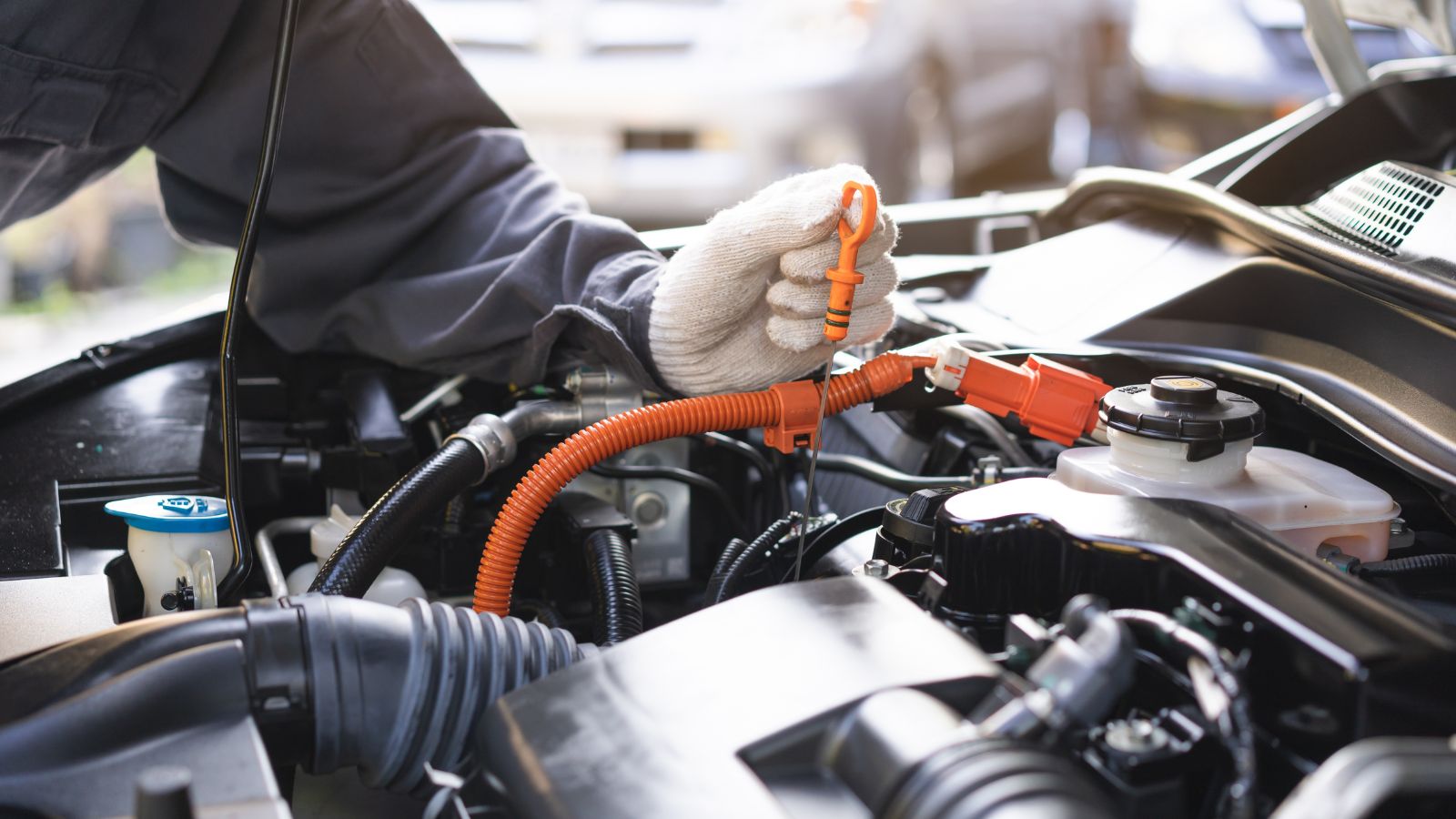
The vehicle identification number deserves more attention than simply confirming that one appears in the advertisement. It should match the dashboard, door-area labels, ownership documentation and any history report. OMVIC lists mismatched or apparently altered VINs among serious buying red flags. Scratched identification plates, unusual fasteners or numbers that differ between documents justify stopping the transaction until the discrepancy has been explained properly.
The VIN also opens the door to recall research. Transport Canada maintains recall information and directs consumers to manufacturer tools that can identify outstanding campaigns using a vehicle’s VIN. Its guidance specifically encourages checking recalls when buying a used vehicle. Many recall repairs are performed without charge when the vehicle qualifies, so an open recall does not automatically make a car undesirable. It does, however, reveal unfinished safety-related business that should be understood before purchase. Checking the number takes little time and can also confirm whether the attractive online listing actually describes the same vehicle sitting in front of the buyer.
The Paperwork Can Make the “Deal” Disappear

Mechanical condition is only part of a used car’s value. Ownership and financial paperwork can introduce problems that no test drive reveals. In Ontario private sales, the Used Vehicle Information Package includes registration history and lien information, and the province requires sellers to provide the package in applicable transactions. A lien represents a creditor’s legal interest in the vehicle, so the debt should be resolved appropriately before ownership changes hands.
Dealer pricing can create a different surprise. Ontario requires advertised dealer prices to include the mandatory fees the dealer intends to collect; HST and the actual cost of licensing are the principal permitted additions when properly disclosed. Administration charges, freight, safety costs and other mandatory dealer fees cannot simply appear later on top of an advertised price. Rules differ among provinces, making local consumer-protection requirements important. Either way, the principle is straightforward: the bargain advertised online should survive contact with the bill of sale. A great vehicle at a suddenly different price is no longer the same deal.
An Independent Inspection Is Where the Deal Gets Real
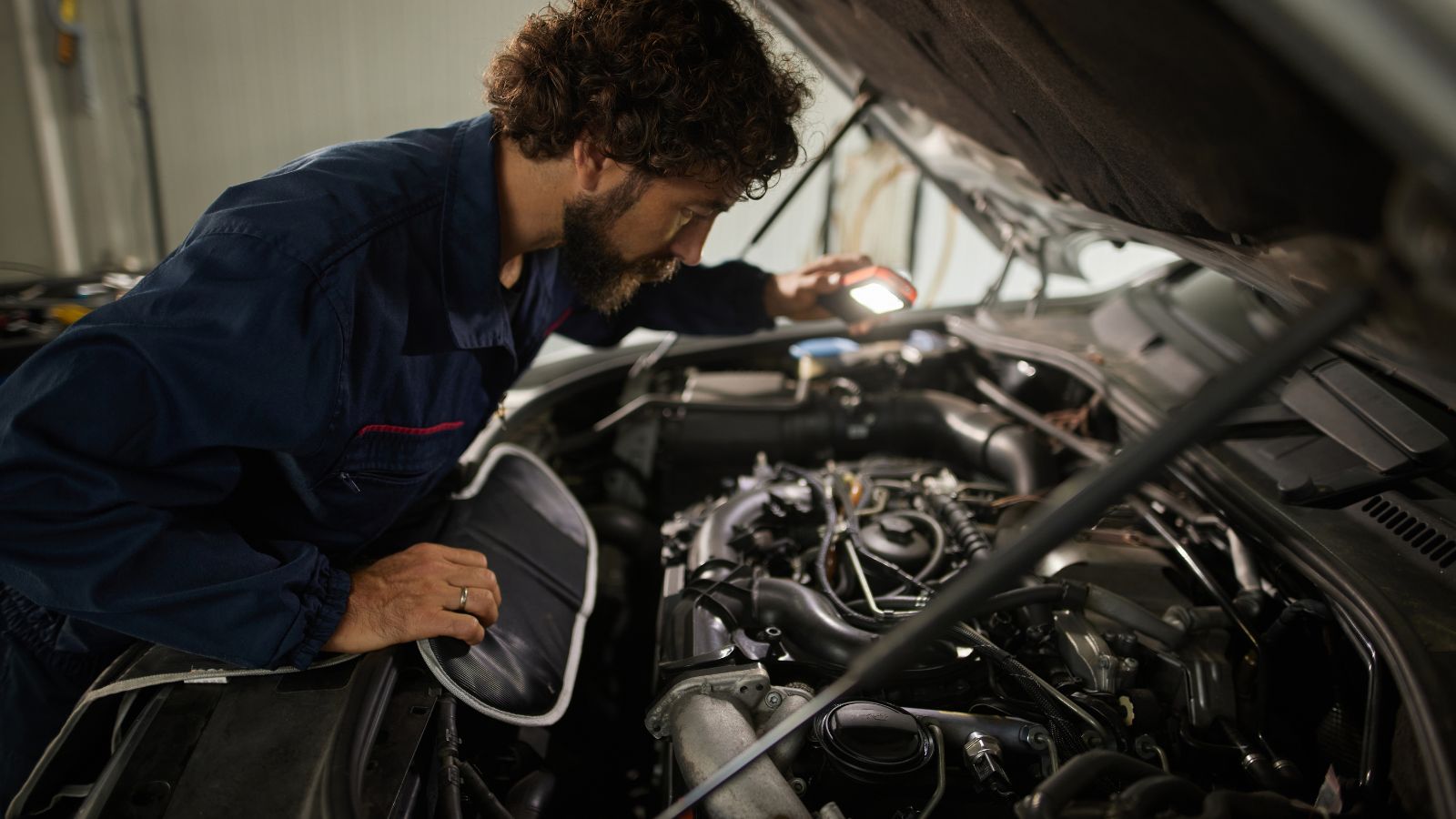
The strongest safeguard is also the one a rushed buyer is most tempted to skip: an independent pre-purchase inspection. OMVIC recommends having used vehicles examined by a trusted mechanic, particularly when warranty coverage has expired, because an inspection can uncover problems the seller either did not disclose or genuinely did not know existed. CAA similarly recommends an independent professional inspection before committing substantial money to a used vehicle.
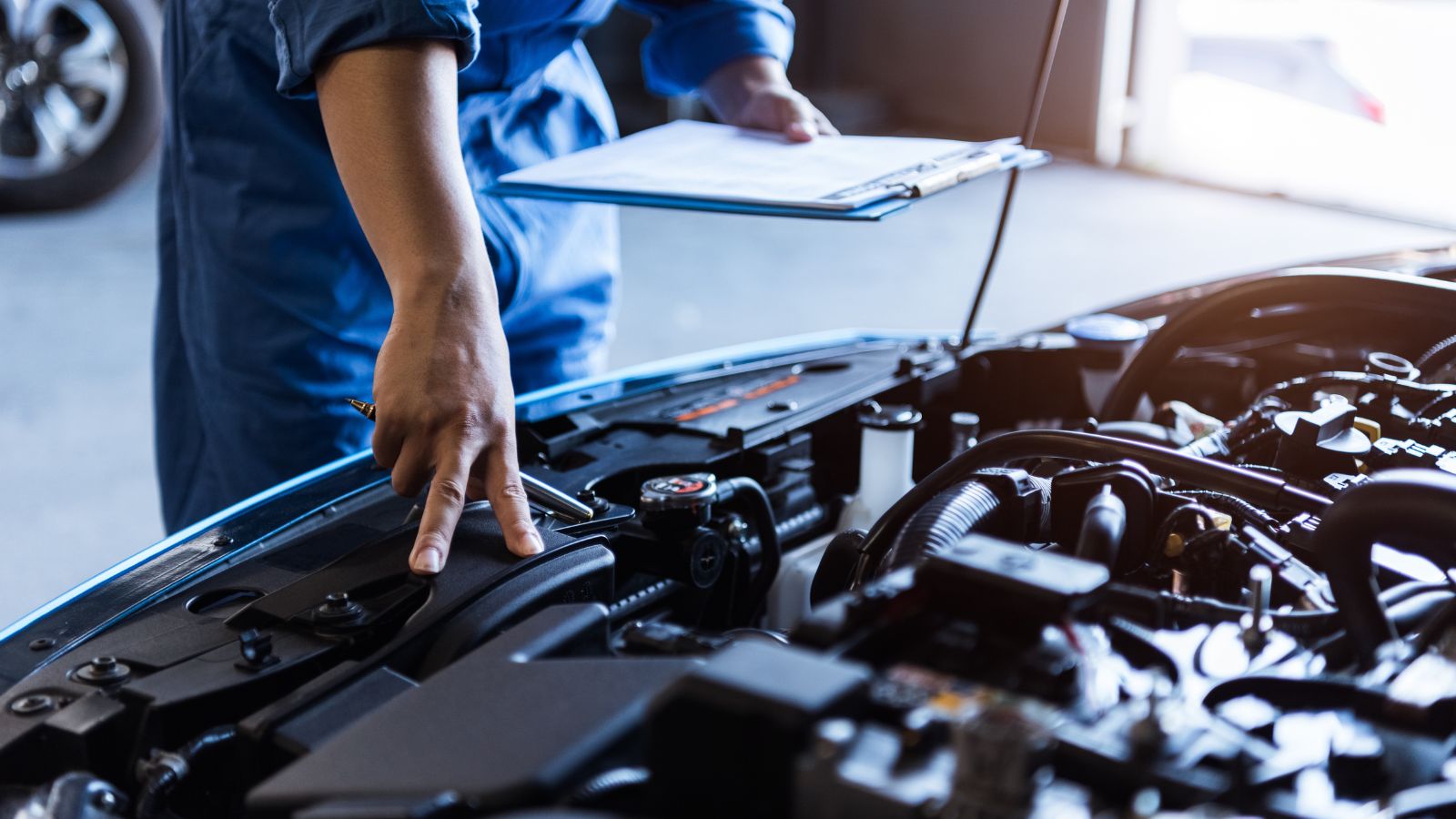
A mechanic can put the vehicle on a lift, assess brakes and suspension, look for leaks and corrosion, evaluate previous repairs and identify maintenance that may soon be required. The resulting information does not always kill the deal. Sometimes it confirms that a car is in excellent condition; other times it provides a realistic repair estimate that can inform negotiations. The biggest red flag may be a seller who refuses reasonable inspection access. OMVIC advises walking away when a seller resists an independent mechanical inspection. A real bargain should withstand scrutiny rather than depend on preventing it.
19 Used Cars Canadians Should Avoid in 2026 (Based on Owner Complaints)

Buying a used car in Canada can feel safe until repair bills start stacking up. Owner complaints tell a different story than glossy listings. Transmission failures, electrical problems, and weak winter reliability show up again and again in consumer reports. Many of these issues appear after warranties expire, when owners least expect them. Some vehicles look affordable upfront, but become expensive to keep on the road. Others struggle in cold weather, urban driving, or long highway commutes. Here are 19 used cars Canadians should avoid in 2026 (based on owner complaints).
19 Used Cars Canadians Should Avoid in 2026 (Based on Owner Complaints)