

















Canada’s compact-SUV choice rarely gets more consequential than this. The redesigned 2026 Toyota RAV4 arrives with hybrid power and all-wheel drive across its conventional Canadian lineup, while the refreshed 2026 Honda CR-V keeps a broader mix of turbocharged gasoline and hybrid choices. Both seat five, both are deeply tied to Canadian manufacturing, and both are built around the realities of commuting, family hauling, cottage trips and winter weather.
This comparison covers 12 areas that matter most to Canadian buyers: price, powertrains, fuel economy, winter capability, cargo space, towing, driving manners, technology, safety, plug-in flexibility, warranty and Canadian manufacturing, and overall value. On paper, the two SUVs remain close rivals. Once Canadian pricing and specifications are examined more closely, however, their strengths begin to separate.
Price: The RAV4 Makes Hybrid AWD Surprisingly Affordable
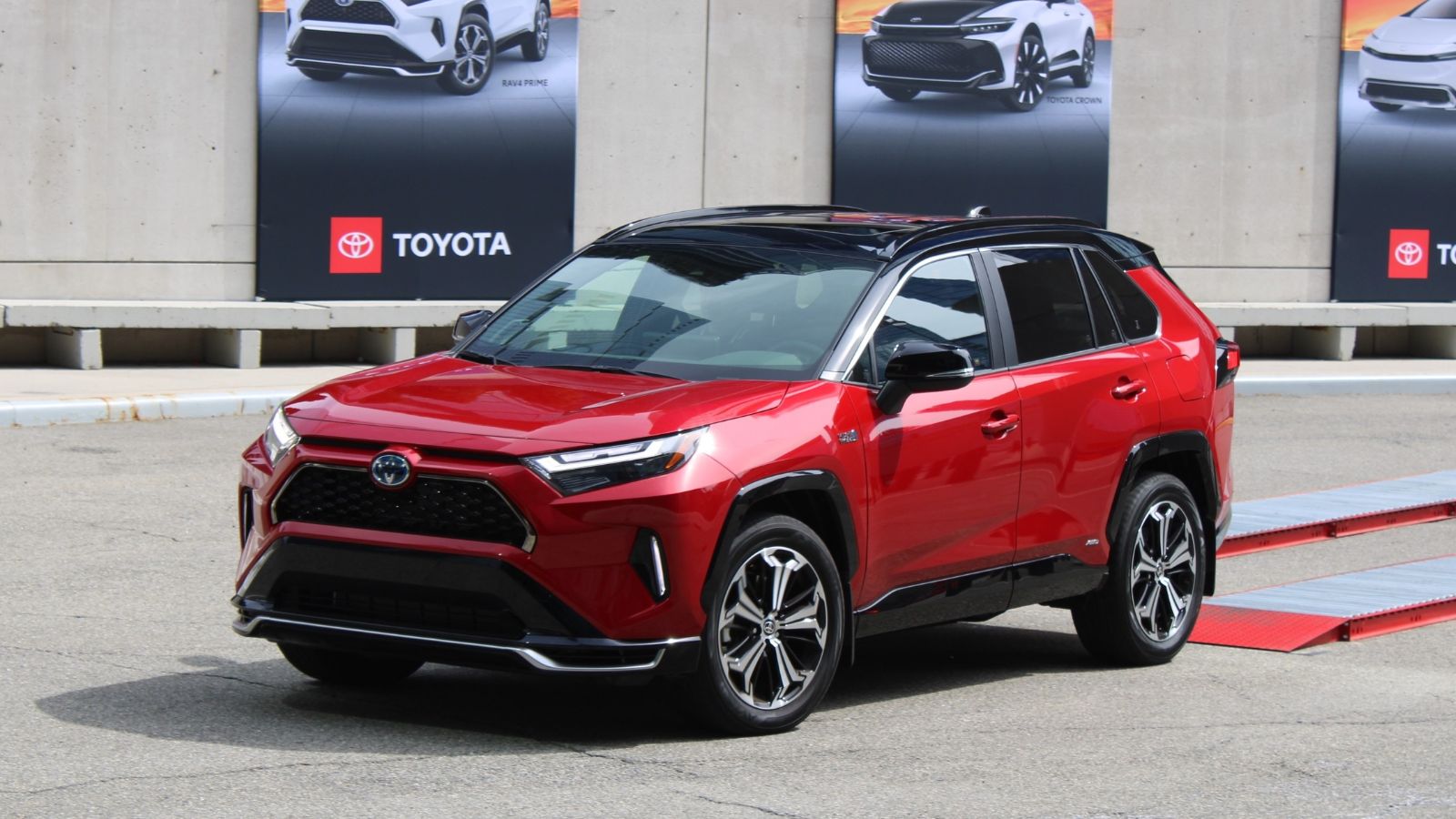
The headline number works strongly in Toyota’s favour. The 2026 RAV4 LE AWD starts at an MSRP of $37,500, and that price already includes both a hybrid powertrain and all-wheel drive. Honda technically has the cheaper vehicle: the 2026 CR-V LX with front-wheel drive starts at $36,975. Yet adding Honda’s Real Time AWD system pushes the CR-V LX to $39,775, meaning Toyota’s hybrid AWD entry model is actually $2,275 less expensive than Honda’s AWD gasoline starting point. For Canadians who consider AWD close to essential, especially outside the mildest parts of the country, that comparison matters more than the lowest advertised sticker.
The price gap becomes much larger when hybrid models are compared. Honda’s least expensive hybrid is the CR-V Sport Hybrid AWD at $45,900, fully $8,400 more in MSRP than the RAV4 LE. Honda gives buyers more standard equipment as they climb into the Sport Hybrid, so this is not a pure trim-for-trim comparison. Still, Toyota has removed the traditional financial barrier to getting hybrid efficiency. Someone shopping primarily for an efficient AWD family SUV no longer has to move several rungs up the trim ladder to get it in the RAV4.
Powertrains: Toyota Has Gone All-In on Electrification
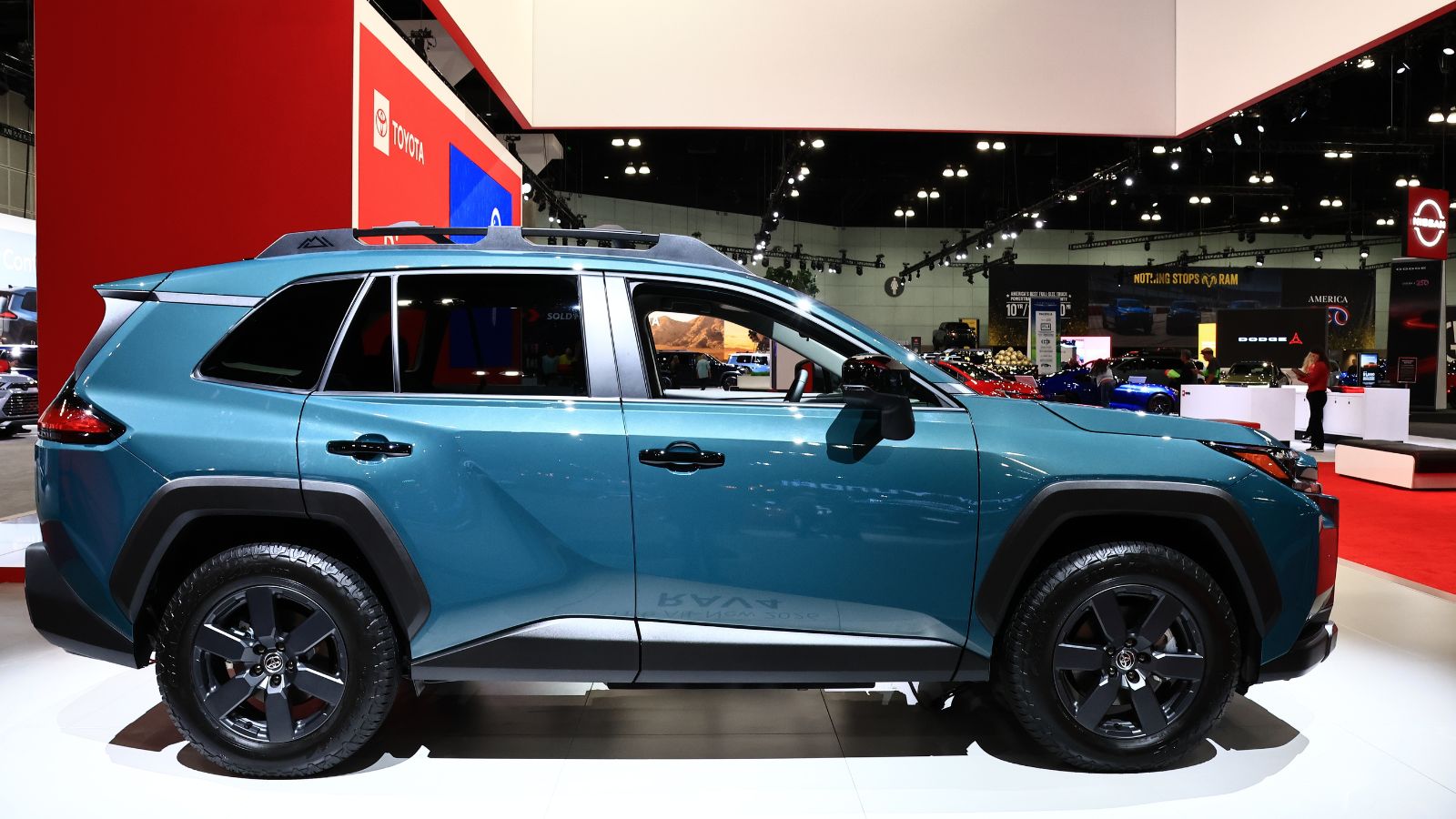
Toyota made one of the biggest strategic changes to the RAV4 for 2026 by eliminating the conventional gasoline-only powertrain in Canada. Every standard RAV4 now uses Toyota’s fifth-generation hybrid system, pairing a 2.5-litre four-cylinder engine with electric motors for 236 net horsepower. That is up from 219 horsepower in the previous-generation RAV4 Hybrid. The setup does not require plugging in, and all Canadian versions use AWD. In practical terms, buyers no longer have to choose between an inexpensive gas model and a more efficient hybrid—the hybrid has effectively become the regular RAV4.
Honda offers more choice. The CR-V LX and Sport retain a 1.5-litre turbocharged four-cylinder producing 190 horsepower and 179 lb-ft of torque, while the Sport Hybrid, TrailSport Hybrid, EX-L Hybrid and Touring Hybrid use Honda’s two-motor system. The hybrids produce 204 horsepower and 247 lb-ft of combined torque. That gives Honda an advantage for buyers who specifically want a conventional gasoline drivetrain, but Toyota counters with considerably more hybrid horsepower and electrification across the entire range. The philosophical difference is clear: Honda still treats hybrid power as one branch of the lineup, while Toyota has made it the foundation of the vehicle.
Fuel Economy: Toyota Wins a Battle Canadians Will Notice at the Pump

Fuel consumption is one of the clearest numerical victories for the RAV4. Toyota rates the RAV4 LE AWD at 5.1 L/100 km in city driving, 6.0 on the highway and 5.5 combined. The XLE is rated at 5.7 combined, while the Limited and XSE come in at 5.8. Honda’s mainstream CR-V hybrids—the Sport Hybrid, EX-L Hybrid and Touring Hybrid—are rated at 6.0 city, 6.9 highway and 6.4 combined. Even Honda’s hybrid therefore consumes roughly 0.9 L/100 km more than the most efficient RAV4 on the official combined cycle.
That difference can become meaningful over years of ownership. At 20,000 kilometres annually, a 0.9-L/100-km gap represents about 180 litres of gasoline. At an illustrative fuel price of $1.60 per litre, that would amount to roughly $288 annually, or around $1,440 over five years before accounting for changes in fuel prices or driving conditions. Even the rugged versions favour Toyota: the RAV4 Woodland is rated at 6.2 L/100 km combined, compared with 6.7 for the CR-V TrailSport Hybrid. Meanwhile, the AWD gasoline CR-V is rated at 8.4 L/100 km combined, making the efficiency argument for electrification especially obvious.
Winter Driving: Standard AWD Gives Toyota a Simple Advantage
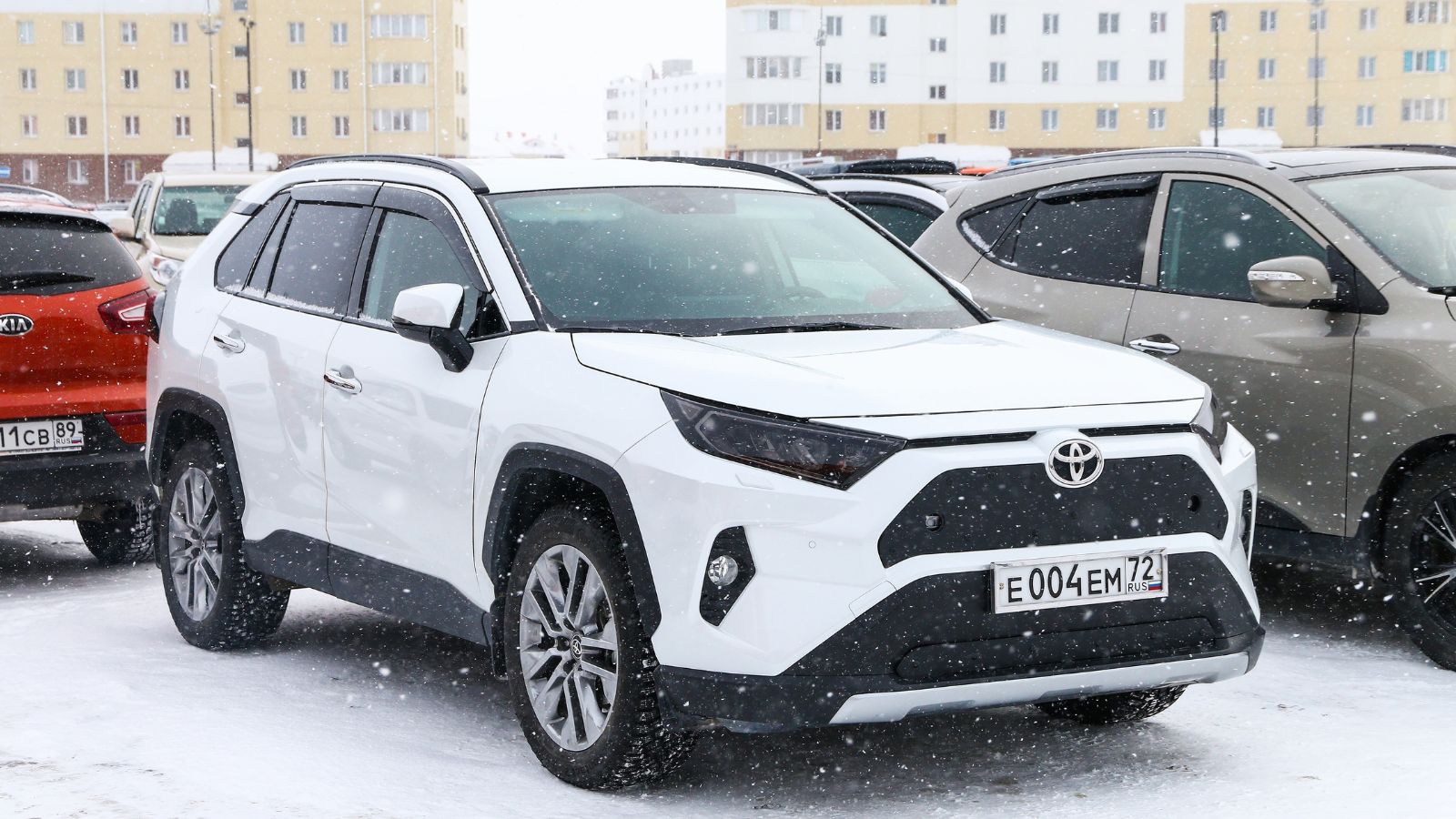
Canadian winter capability is more complicated than simply checking an AWD box, but Toyota makes that part easy. Every conventional 2026 RAV4 sold in Canada has all-wheel drive. Most CR-Vs do as well, although Honda continues to offer its least expensive LX with front-wheel drive. Ground clearance is similarly competitive: regular RAV4 trims provide 206 mm, the RAV4 Woodland increases that to 216 mm, and AWD versions of the CR-V provide about 208 mm. These are useful numbers when dealing with an unplowed driveway or the ridge of packed snow left behind by a municipal plow.
The adventure-oriented versions take slightly different approaches. Honda equips the CR-V TrailSport Hybrid with Continental CrossContact ATR all-terrain tires and AWD, while Toyota gives the Woodland 18-inch all-terrain wheels and tires, extra ground clearance, roof rails and other outdoor-oriented equipment. Neither setup eliminates the need for proper winter tires. Transport Canada notes that all-season and summer tires begin losing elasticity below 7°C and recommends installing winter tires in sets of four. AWD can improve the ability to get moving on a slippery surface, but tire grip remains crucial for braking and cornering. For Canadian buyers, Toyota’s real advantage is that AWD requires no trim decision at all.
Cargo and Space: Both Are Practical, but the Numbers Trade Places
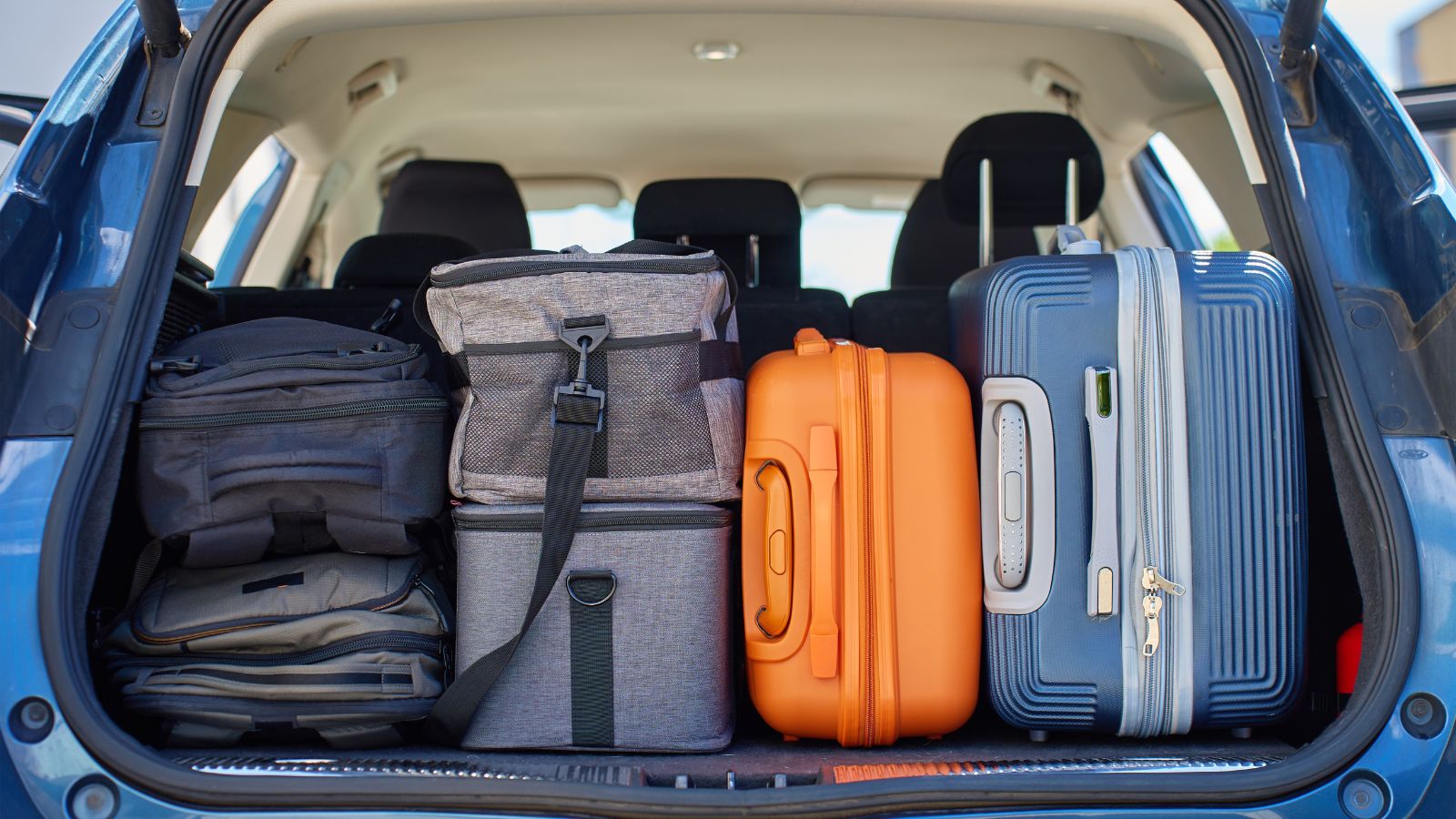
The RAV4 and CR-V remain family-friendly precisely because neither requires much compromise in everyday cargo use. Toyota lists 1,070 litres of cargo capacity behind the second row in every conventional 2026 RAV4 Hybrid. Honda lists 1,028 litres behind the rear seats in CR-V Hybrid models. That gives the Toyota a modest 42-litre advantage with all five seats in use—a useful difference when a stroller, grocery haul, sports bags and winter coats all need to occupy the cargo area at once. Honda’s gasoline CR-V models do better at 1,113 litres because they do not have the hybrid hardware packaged underneath.
With the seats folded, the picture becomes closer and can even lean toward Honda depending on the specification being compared. Honda’s current Canadian specification sheet lists 2,030 litres for CR-V Hybrid models with the rear seats down, while independent Canadian testing lists approximately 1,994 litres for the RAV4. The Honda is also physically longer: roughly 4,695 mm versus 4,601 mm for most RAV4 trims. The difference is not dramatic enough to make either SUV impractical. Toyota maximizes useful space surprisingly well within a slightly shorter body, while Honda’s long wheelbase and generous 1,042 mm of second-row legroom reinforce its reputation as a comfortable family hauler.
Towing: The RAV4 Has a Major Advantage for Weekend Equipment
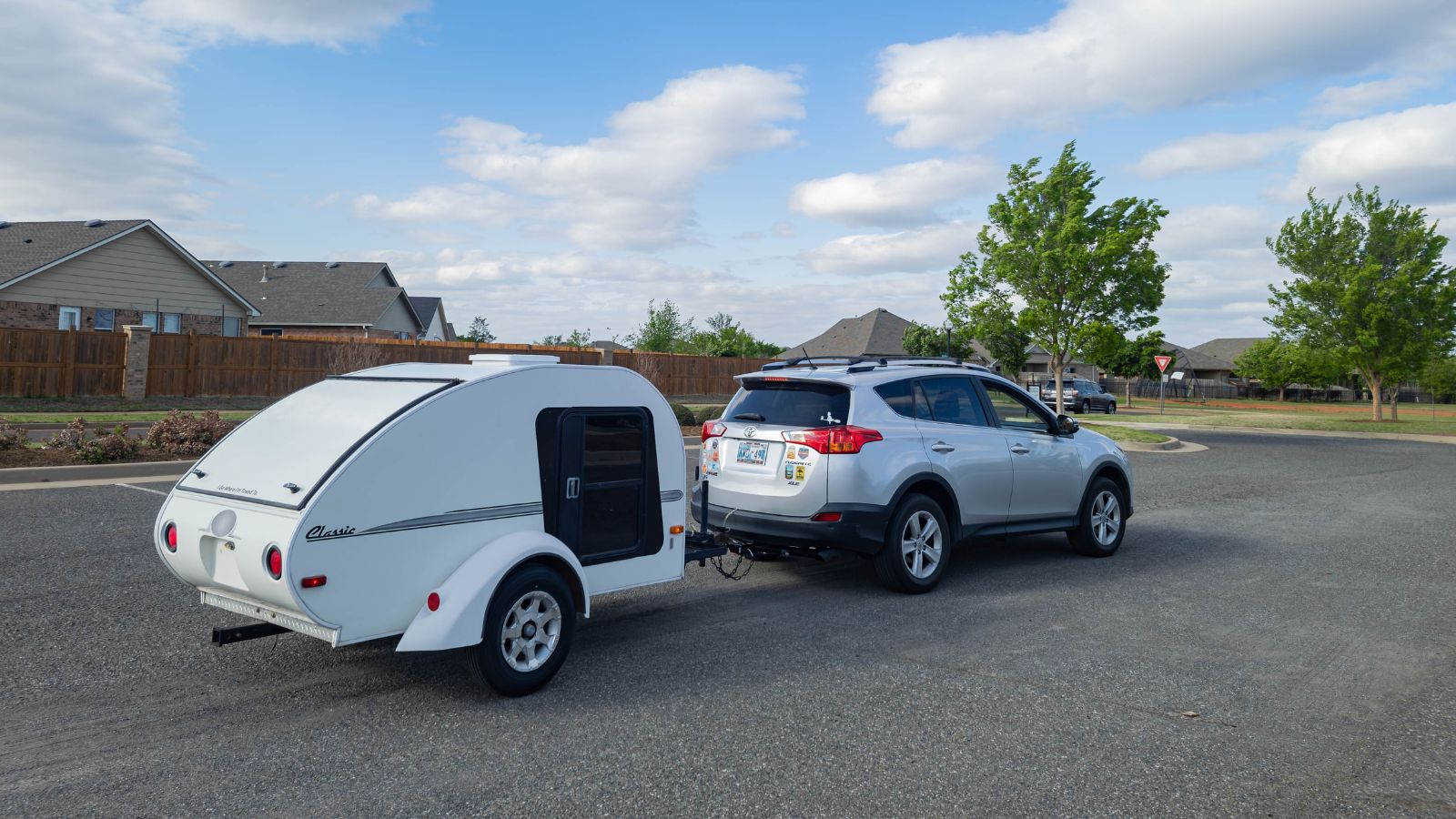
This is one comparison where the two vehicles are not particularly close. Toyota rates the base RAV4 LE to tow up to 794 kg, or 1,750 lb. Move to an XLE, Woodland, XSE or Limited and the maximum rating rises to 1,588 kg, or 3,500 lb, when properly equipped. The Woodland makes that capability especially obvious by including a tow hitch as part of its outdoors-focused equipment. That makes the RAV4 viable for a broader range of small camping trailers, utility trailers, personal watercraft and similar recreational loads.
Honda’s limits are substantially lower. The gasoline CR-V LX and Sport can tow up to 680 kg, roughly 1,500 lb, when properly equipped. The hybrid CR-V trims are rated for only 453 kg, or roughly 1,000 lb, and require the appropriate towing equipment. Plenty of owners will never tow anything heavier than a small utility trailer or bike carrier, making the distinction irrelevant for them. But for a Canadian household hoping to combine efficient weekday commuting with weekends hauling a small trailer to a campground or lake, the RAV4 provides significantly more flexibility. Toyota manages to offer that additional capacity without giving up its strong fuel-economy advantage during normal unloaded driving.
Driving Experience: The CR-V Still Has an Edge in Polish
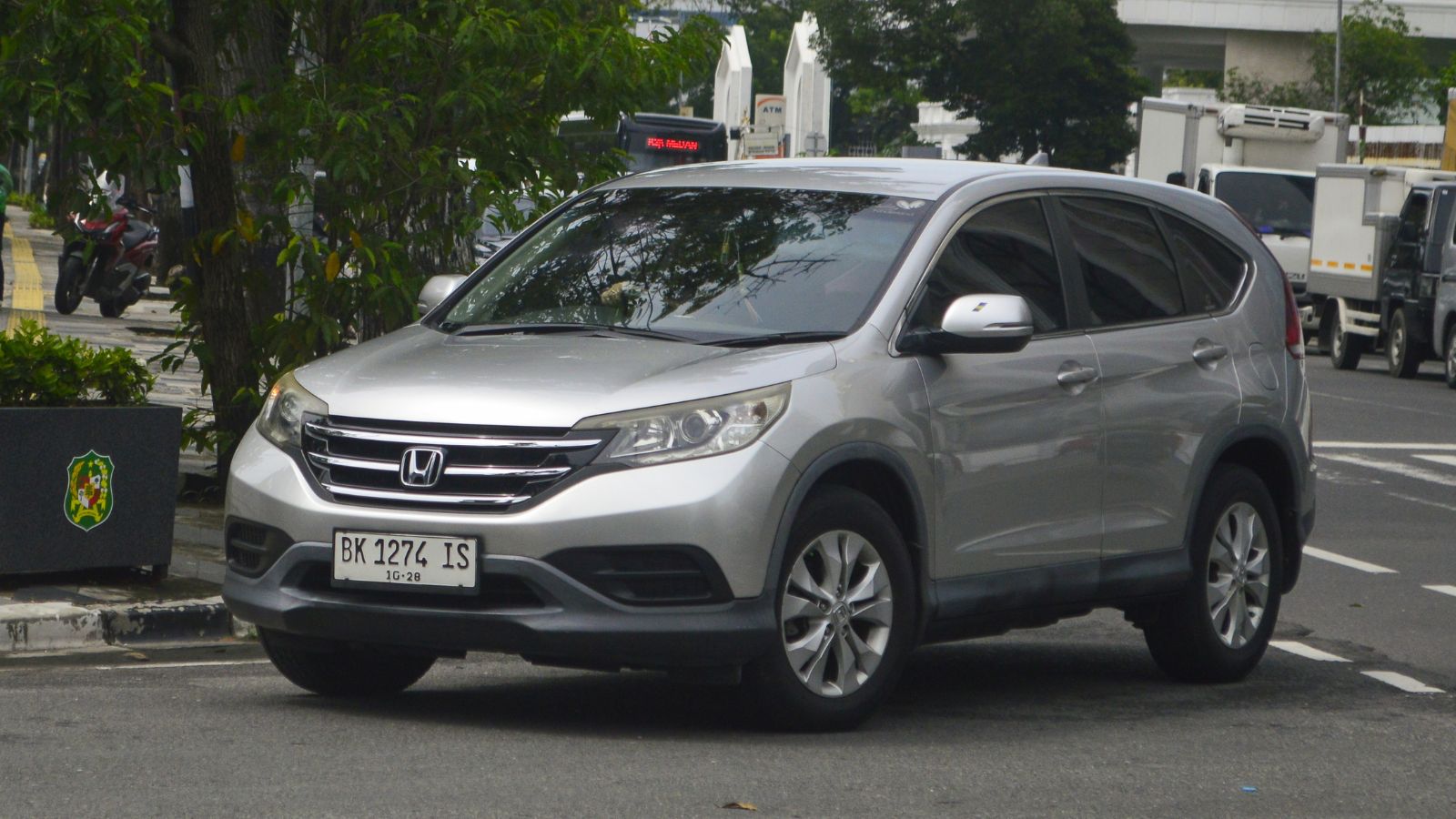
Specifications do not capture one of the Honda’s strongest qualities: how cohesive it feels on the road. In a Canadian comparison test, AutoTrader found the CR-V Hybrid smoother and more refined than the RAV4, with light but direct steering and a particularly good balance between comfort and control. The publication scored the Honda 8.5 out of 10 for driving feel compared with 8.0 for the Toyota. Honda’s two-motor hybrid system can transition between electric and gasoline operation with little drama, and the CR-V’s suspension is tuned to feel controlled without becoming unnecessarily stiff.
That does not make the RAV4 unpleasant. Independent testing describes the Toyota’s chassis as well sorted and comfort-oriented, with responsive steering, improved brake feel and easy manoeuvrability in urban environments. The biggest criticism is noise when the powertrain is asked for maximum acceleration; pressing the accelerator hard can make the 2.5-litre engine quite vocal. Around town, however, the extra 32 horsepower over the Honda hybrid helps the RAV4 feel adequately energetic. Buyers who value steering feel and powertrain refinement may prefer the CR-V after a back-to-back test drive. Those who simply want a predictable, comfortable and easy-to-drive crossover are unlikely to find the RAV4 lacking.
Technology: Toyota’s Redesign Brings a Noticeably More Modern Dashboard
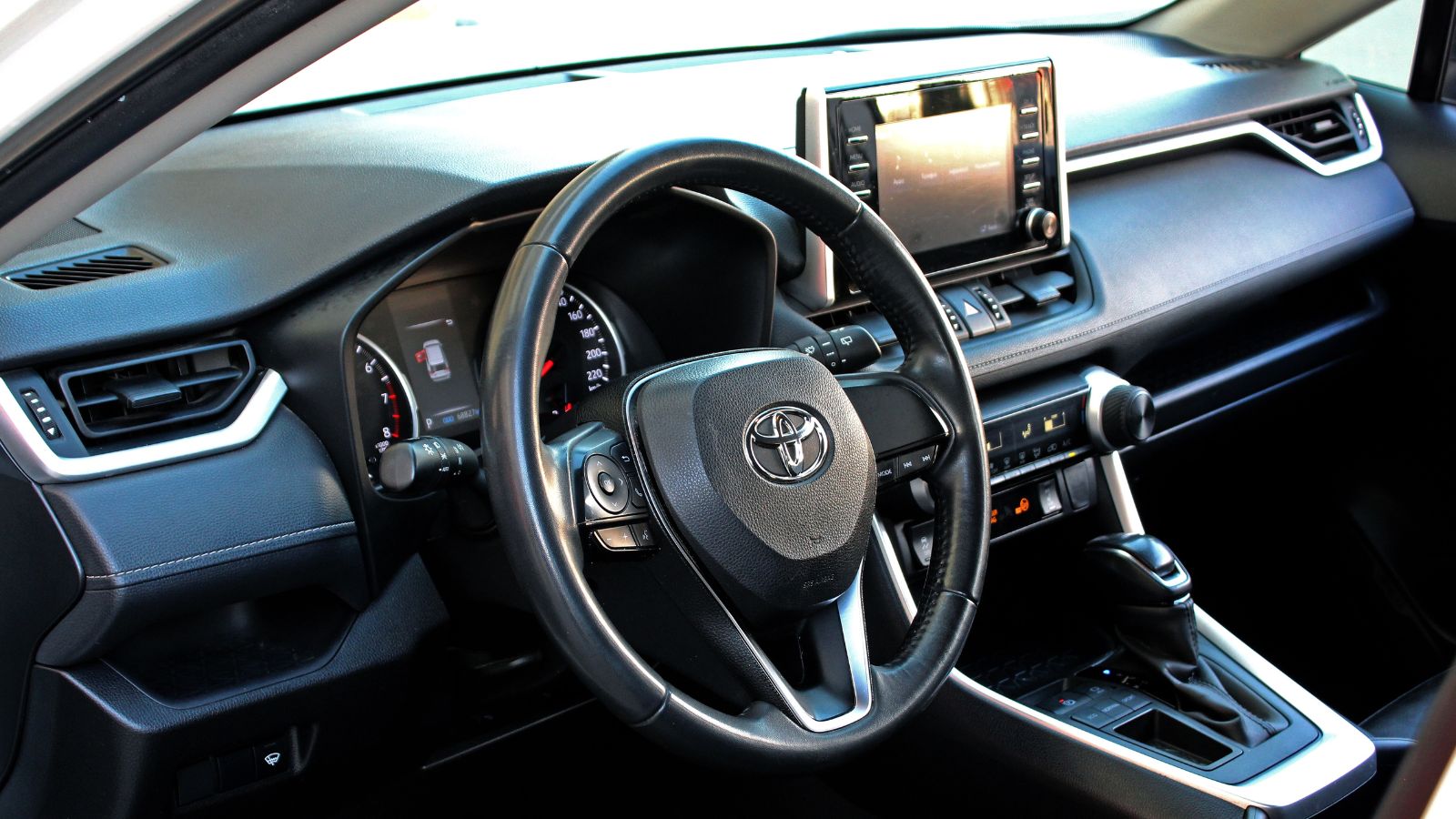
Toyota’s complete redesign gives the RAV4 an obvious advantage in screen hardware. Even the base LE receives a 10.5-inch multimedia touchscreen paired with a 12.3-inch digital driver display. Higher RAV4 grades can move up to a 12.9-inch central touchscreen, while available equipment includes features such as a Panoramic View Monitor, digital rear-view mirror, head-up display and advanced parking assistance depending on trim. Toyota also introduced a standard built-in Drive Recorder that can use the vehicle’s exterior cameras to capture manually selected or triggered events—effectively integrating a useful dash-camera-style function into the vehicle.
Honda improved the CR-V for 2026 as well. Every trim now receives a 9-inch centre touchscreen, wireless Apple CarPlay and Android Auto, and a wireless phone charger. The official Canadian specification table adds a 10.2-inch digital instrument display to the TrailSport Hybrid, EX-L Hybrid and Touring Hybrid, while lower models use a 7-inch meter display. Touring buyers also get Google built-in and a 12-speaker Bose audio system. Honda’s technology remains intuitive and functional rather than flashy. Toyota simply benefits from having launched an entirely new generation, giving it larger displays and a longer menu of available electronic conveniences.
Safety: Both Cover the Essentials, but Toyota Debuts Its Newest Suite
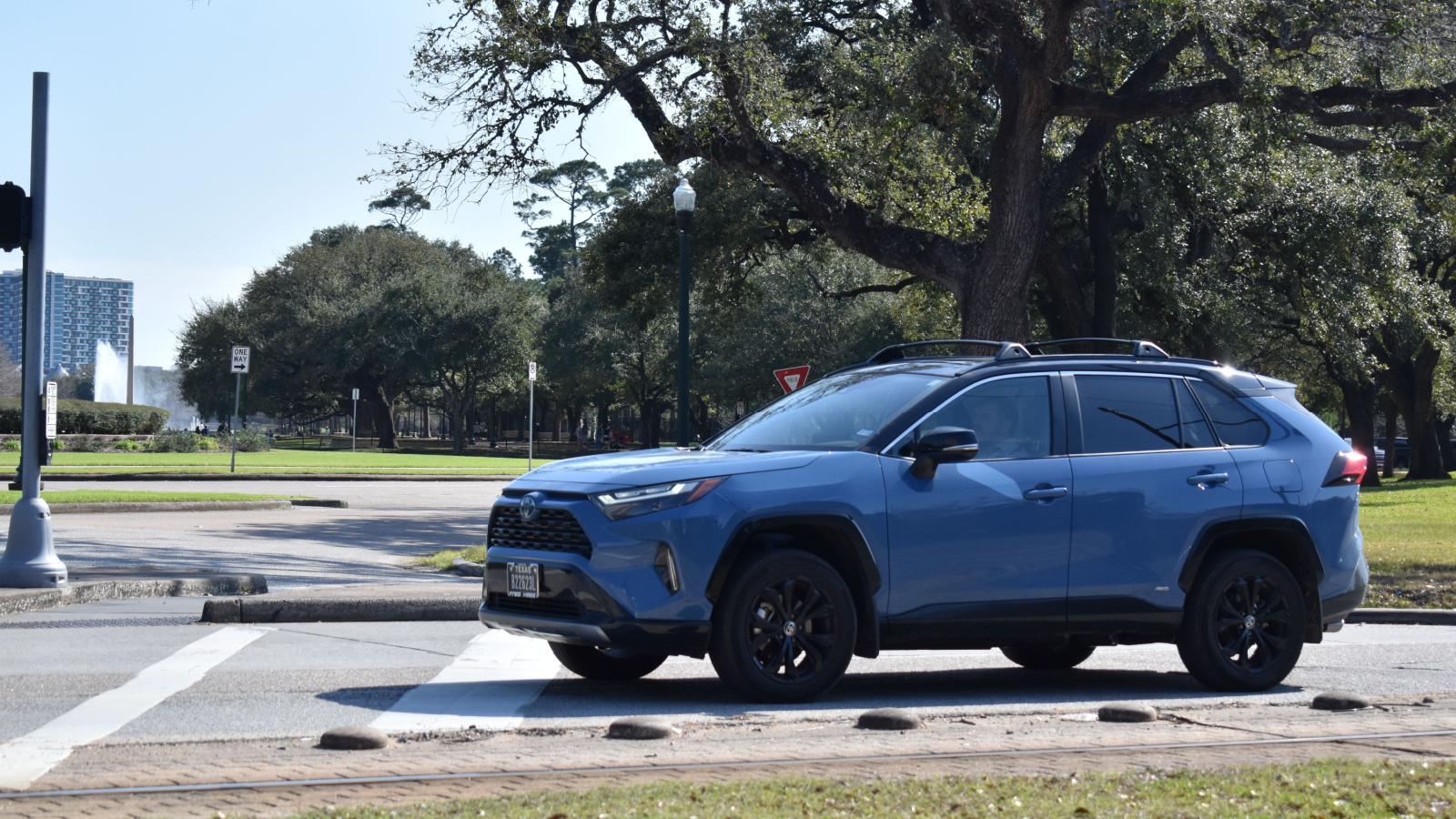
Toyota uses the new RAV4 to introduce Toyota Safety Sense 4.0, the latest generation of its active driver-assistance package. Every RAV4 receives the system as standard, including updated detection capabilities supporting technologies such as the pre-collision system and lane-tracing assistance. Blind-spot monitoring and rear cross-traffic alert are also standard. Higher grades can add technologies such as Traffic Jam Assist, Front Cross Traffic Alert with Braking and Lane Change Assist. The redesigned RAV4 therefore serves as something of a technological launch vehicle for Toyota’s latest safety software.
Honda counters with a broad Honda Sensing package across every CR-V trim. Standard systems include Collision Mitigation Braking, Road Departure Mitigation, adaptive cruise control, lane-keeping assistance, lane-departure warning, Traffic Jam Assist, traffic-sign recognition, blind-spot monitoring, rear cross-traffic monitoring and automatic high beams. The Touring Hybrid adds Low-Speed Braking Control, while parking sensors appear on EX-L and Touring models. Equipment lists cannot determine which SUV will avoid every real-world collision, and neither manufacturer presents these systems as substitutes for an attentive driver. What they do show is that neither company reserves basic active safety for expensive trims. Toyota’s advantage is mostly freshness and the additional capabilities available with its newest architecture.
Plug-In Hybrid: Toyota Offers an Entire Option Honda Cannot Match
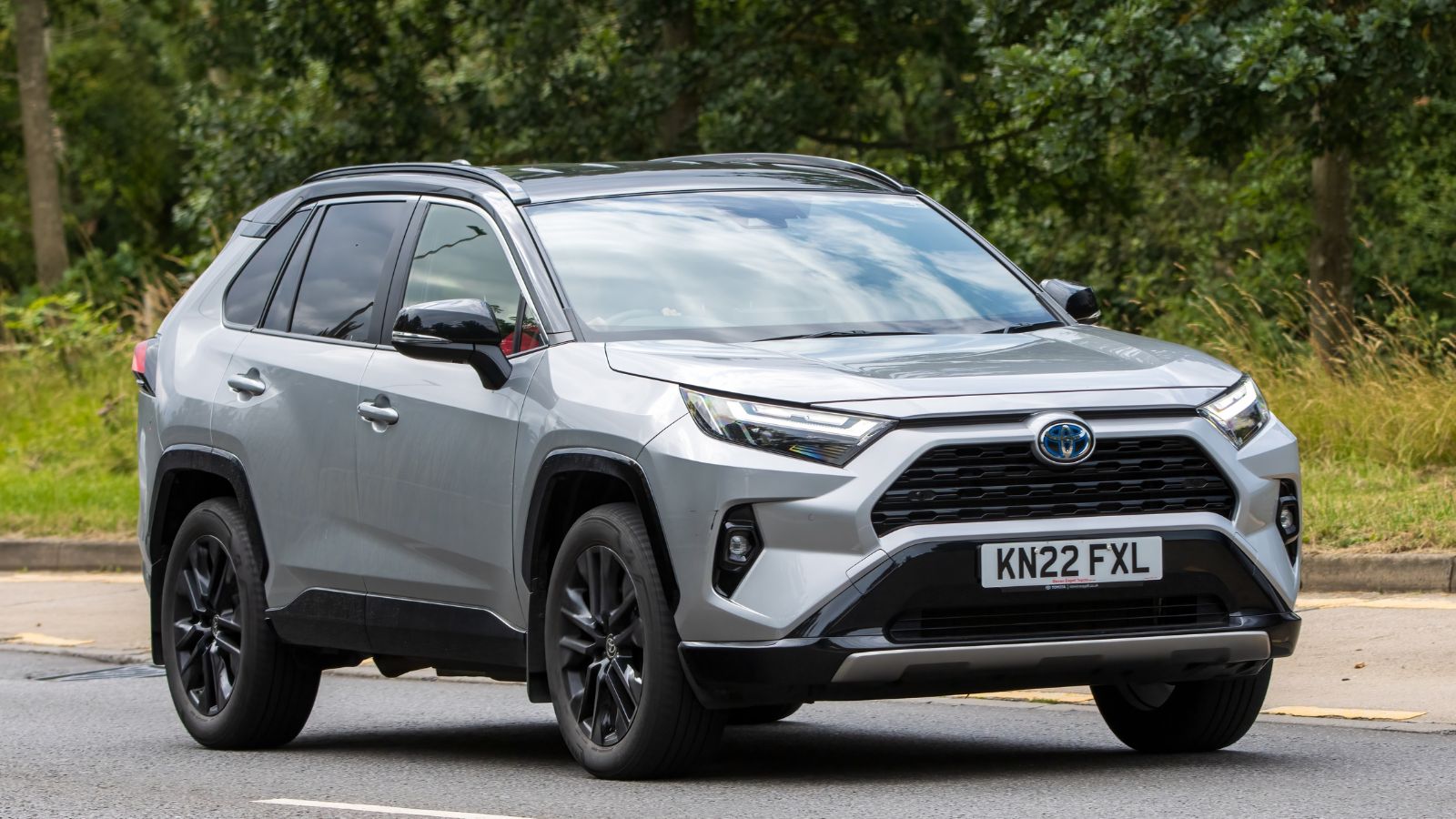
The regular RAV4 Hybrid already has an efficiency advantage, but Toyota goes one step further with a plug-in version. The 2026 RAV4 Plug-in Hybrid starts at $48,750 and produces 324 horsepower, making it substantially more powerful than either regular hybrid SUV. Its 22.7-kWh battery provides an estimated 89 kilometres of electric driving range in SE trim, 85 km in XSE form and 79 km in the performance-oriented GR SPORT. Once the battery’s usable electric charge is depleted, the vehicle continues operating as a gasoline-electric hybrid rather than becoming dependent on a charging station.
Honda does not offer a plug-in CR-V in its 2026 Canadian lineup. That gives Toyota a unique option for a household with reliable home charging. A commuter travelling 30 or 40 kilometres each way could potentially complete a large share of routine driving without starting the gasoline engine, while retaining the convenience of quick refuelling for a long-distance road trip. There are compromises: the RAV4 PHEV starts substantially above the normal hybrid and cargo capacity drops to 951 litres. Still, for buyers who want meaningful electric driving without committing to a fully battery-electric vehicle, the RAV4 occupies a category the CR-V simply does not address.
Warranty and Canadian Manufacturing: Both Have Strong Canadian Credentials

Choosing between these SUVs does not mean choosing between a Canadian-built vehicle and an imported rival. Toyota Motor Manufacturing Canada began producing the sixth-generation RAV4 in Woodstock, Ontario, in January 2026. Toyota says more than four million RAV4s have been produced by its Canadian operations since 2009, while TMMC employs more than 8,500 people at its Cambridge and Woodstock facilities. All conventional 2026 RAV4 Hybrids sold in Canada are assembled domestically. Honda builds gasoline and hybrid CR-Vs in Alliston, Ontario, where Honda of Canada Manufacturing employs more than 4,200 associates. Its facilities produced about 401,000 vehicles in 2025.
Warranty coverage creates another small but meaningful distinction. Both manufacturers provide three-year/60,000-km basic coverage, while Honda’s powertrain warranty runs five years/100,000 km. Honda covers its hybrid system, including the battery assembly, for eight years or 160,000 km. Toyota also provides eight years/160,000 km of hybrid-component coverage, but extends specific hybrid-battery coverage to 10 years or 240,000 km. For drivers intending to keep an SUV well beyond the usual financing term, that additional Toyota battery coverage can provide useful reassurance.
Verdict: The RAV4 Makes More Sense for Most Canadians, but the CR-V Still Has a Case
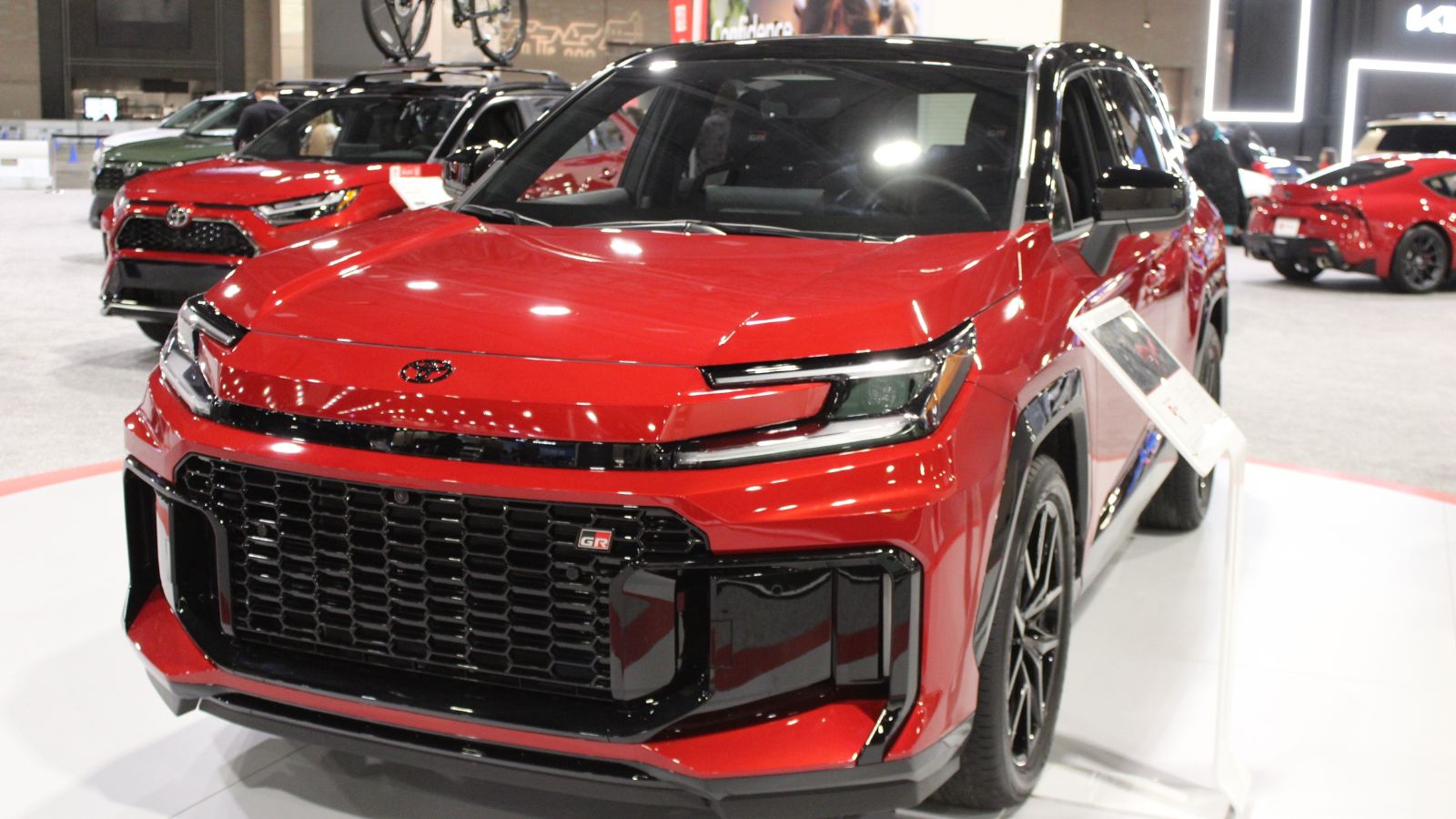
The 2026 Honda CR-V remains an excellent compact SUV. Its cabin is spacious, its controls are uncomplicated, its hybrid powertrain is exceptionally smooth, and independent testing continues to praise its steering and overall chassis refinement. Honda also preserves something Toyota no longer offers: a straightforward gasoline model. The $36,975 front-drive LX is the least expensive way into either lineup, and buyers who care more about the CR-V’s road manners and interior feel than maximum fuel savings could reasonably conclude that the Honda is worth paying for. There is no obvious weak vehicle in this comparison.
For the typical Canadian household trying to combine winter capability, fuel efficiency, reasonable purchase price and long-term flexibility, however, the 2026 Toyota RAV4 makes more sense overall. Its $37,500 starting price includes AWD and hybrid power, its official fuel consumption is lower, most trims tow substantially more, cargo capacity remains competitive, and Toyota offers a plug-in version for buyers ready to charge at home. The 10-year/240,000-km hybrid-battery warranty adds another ownership advantage. Honda wins the refinement argument; Toyota wins more of the measurable value arguments. In a segment built around practicality, that is enough to give the RAV4 the edge.
19 Used Cars Canadians Should Avoid in 2026 (Based on Owner Complaints)

Buying a used car in Canada can feel safe until repair bills start stacking up. Owner complaints tell a different story than glossy listings. Transmission failures, electrical problems, and weak winter reliability show up again and again in consumer reports. Many of these issues appear after warranties expire, when owners least expect them. Some vehicles look affordable upfront, but become expensive to keep on the road. Others struggle in cold weather, urban driving, or long highway commutes. Here are 19 used cars Canadians should avoid in 2026 (based on owner complaints).
19 Used Cars Canadians Should Avoid in 2026 (Based on Owner Complaints)