

















• About
  • Contact
AutoIgloo
  • News & Trends
    Volvo Starts Scoring How Drivers Brake and Corner for Insurance Discounts — Canada Is Left Out of First Rolloutv

    Volvo Pulls 2026 Outlook After Global Sales Drop Nearly 11% in Q3

    Canada’s Ballard Puts a 250,000-Mile Performance Guarantee Behind Hydrogen Buses

    Canada’s Ballard Puts a 250,000-Mile Performance Guarantee Behind Hydrogen Buses

    Vancouver EV-Charging Firm Hypercharge Closes U.S. Takeover With 18 Million Shares

    Vancouver EV-Charging Firm Hypercharge Closes U.S. Takeover With 18 Million Shares

    BMW’s SUV/Light-Truck Sales Surge 48% in Canada as Passenger Cars Fall 13%

    BMW’s SUV/Light-Truck Sales Surge 48% in Canada as Passenger Cars Fall 13%

    Cancelled U.S. EV Projects Had Promised 27,000 Jobs as North America’s Auto Investment Map Gets Rewritten

    Algoma Steel Guides to $10M–$20M Q3 EBITDA Loss as Shipments Land Near 145,000 Tons

    18 Cars That Could Be the Next Big “Pass” for Canadian Buyers

    U.S. Sales of Windsor-Built Chrysler Pacifica Rise 6% as Stellantis Q3 Holds Flat

  • Car Reviews
    Honda Asked Suppliers for 30% Parts Cost Cuts as $9.4-Billion Savings Drive Hits Global Supply Chain

    Why Some Buyers Are Choosing Older Hondas Over Newer SUVs

    18 Things That Can Make a Car Unsafe for Winter Road Trips

    Why Some Drivers Are Avoiding Vehicles With Complex Infotainment Systems

    21 Cars Canadians Are Starting to Regret Buying

    Why Some Drivers Regret Buying Big Wheels and Low-Profile Tires

    17 Vehicles That Are Quietly Getting Crushed by Insurance Costs in Canada

    Why So Many Drivers Are Nervous About Chinese-Made EV Batteries

    20 Used SUVs Canadians Should Think Twice About Buying

    20 Used SUVs Canadians Should Think Twice About Buying

    15 Vehicles That Are Starting to Feel Like a Bad Deal Around May Long Weekend

    15 Vehicles That Are Starting to Feel Like a Bad Deal Around May Long Weekend

  • Buying Guides
    18 Things That Can Make a Car Harder to Park Than Expected

    Why Some Buyers Regret Choosing the Sport Package

    The Traffic Stop Mistake That Can Turn a Warning Into a Ticket

    20 Things Canadians Should Check Before Buying a Vehicle With a Loan Still Owing

    The Dealership Fee That Buyers Should Always Ask About

    The Dealership Fee That Buyers Should Always Ask About

    23 Features That Are Making New Cars Harder (and Pricier) to Repair in Canada

    Why Some Canadians Are Avoiding Cars With Expensive Windshields

    18 Red Flags a Used Vehicle May Be a Money Pit

    The Car Buying Mistake That Makes Negotiating Almost Impossible

    Why Some Canadians Are Regretting Buying Vehicles With No Spare Tire

    Why Some Canadians Are Regretting Buying Vehicles With No Spare Tire

  • Comparisons
    Honda Asked Suppliers for 30% Parts Cost Cuts as $9.4-Billion Savings Drive Hits Global Supply Chain

    Why Some Buyers Are Choosing Older Hondas Over Newer SUVs

    25 EV Charging Mistakes Canadians Make in March (That Wreck Range)

    Why Some Canadians Are Choosing Hybrids Over Full EVs Again

    21 Used Car Features That Can Become Expensive Problems Later

    Why Some Canadians Are Choosing Front-Wheel Drive Over All-Wheel Drive

    Canada’s Auto Fight Gets Uglier as BYD Threatens to Sue Trump Administration

    Tesla Vs. BYD: Are Chinese EV’s Actually Better for Canadians?

    17 Vehicles That Are Quietly Getting Crushed by Insurance Costs in Canada

    Why So Many Drivers Are Nervous About Chinese-Made EV Batteries

    20 Used SUVs Canadians Should Think Twice About Buying

    20 Used SUVs Canadians Should Think Twice About Buying

  • EVs & Hybrids
    The Used EV Question Canadians Should Ask Before Buying One

    The Used EV Question Canadians Should Ask Before Buying One

    Why Some EV Owners Are Getting Sticker Shock From Home Charging Setups

    Why Some EV Owners Are Getting Sticker Shock From Home Charging Setups

    20 Signs Your Car Battery Is About to Leave You Stranded

    Canadian Auto Jobs Become a Central Fault Line as Ottawa Reveals Why It Rejected U.S. Vehicle Terms

    25 EV Charging Mistakes Canadians Make in March (That Wreck Range)

    Why Some Canadians Are Choosing Hybrids Over Full EVs Again

    The EV Charging Habit That Can Annoy Everyone Around You

    Canada Is Missing an EV-Battery Export Opening as EU Lithium Demand Heads for a 9-to-12-Fold Jump: Report

    16 Used-EV Surprises Canadians Don’t See Coming Until After They Buy

    The EV Charging Habit That Can Annoy Everyone Around You

  • More
    • Pricing & Deals
    • Winter Driving
    • Ownership & Maintenance
No Result
View All Result
AutoIgloo
  • News & Trends
    Volvo Starts Scoring How Drivers Brake and Corner for Insurance Discounts — Canada Is Left Out of First Rolloutv

    Volvo Pulls 2026 Outlook After Global Sales Drop Nearly 11% in Q3

    Canada’s Ballard Puts a 250,000-Mile Performance Guarantee Behind Hydrogen Buses

    Canada’s Ballard Puts a 250,000-Mile Performance Guarantee Behind Hydrogen Buses

    Vancouver EV-Charging Firm Hypercharge Closes U.S. Takeover With 18 Million Shares

    Vancouver EV-Charging Firm Hypercharge Closes U.S. Takeover With 18 Million Shares

    BMW’s SUV/Light-Truck Sales Surge 48% in Canada as Passenger Cars Fall 13%

    BMW’s SUV/Light-Truck Sales Surge 48% in Canada as Passenger Cars Fall 13%

    Cancelled U.S. EV Projects Had Promised 27,000 Jobs as North America’s Auto Investment Map Gets Rewritten

    Algoma Steel Guides to $10M–$20M Q3 EBITDA Loss as Shipments Land Near 145,000 Tons

    18 Cars That Could Be the Next Big “Pass” for Canadian Buyers

    U.S. Sales of Windsor-Built Chrysler Pacifica Rise 6% as Stellantis Q3 Holds Flat

  • Car Reviews
    Honda Asked Suppliers for 30% Parts Cost Cuts as $9.4-Billion Savings Drive Hits Global Supply Chain

    Why Some Buyers Are Choosing Older Hondas Over Newer SUVs

    18 Things That Can Make a Car Unsafe for Winter Road Trips

    Why Some Drivers Are Avoiding Vehicles With Complex Infotainment Systems

    21 Cars Canadians Are Starting to Regret Buying

    Why Some Drivers Regret Buying Big Wheels and Low-Profile Tires

    17 Vehicles That Are Quietly Getting Crushed by Insurance Costs in Canada

    Why So Many Drivers Are Nervous About Chinese-Made EV Batteries

    20 Used SUVs Canadians Should Think Twice About Buying

    20 Used SUVs Canadians Should Think Twice About Buying

    15 Vehicles That Are Starting to Feel Like a Bad Deal Around May Long Weekend

    15 Vehicles That Are Starting to Feel Like a Bad Deal Around May Long Weekend

  • Buying Guides
    18 Things That Can Make a Car Harder to Park Than Expected

    Why Some Buyers Regret Choosing the Sport Package

    The Traffic Stop Mistake That Can Turn a Warning Into a Ticket

    20 Things Canadians Should Check Before Buying a Vehicle With a Loan Still Owing

    The Dealership Fee That Buyers Should Always Ask About

    The Dealership Fee That Buyers Should Always Ask About

    23 Features That Are Making New Cars Harder (and Pricier) to Repair in Canada

    Why Some Canadians Are Avoiding Cars With Expensive Windshields

    18 Red Flags a Used Vehicle May Be a Money Pit

    The Car Buying Mistake That Makes Negotiating Almost Impossible

    Why Some Canadians Are Regretting Buying Vehicles With No Spare Tire

    Why Some Canadians Are Regretting Buying Vehicles With No Spare Tire

  • Comparisons
    Honda Asked Suppliers for 30% Parts Cost Cuts as $9.4-Billion Savings Drive Hits Global Supply Chain

    Why Some Buyers Are Choosing Older Hondas Over Newer SUVs

    25 EV Charging Mistakes Canadians Make in March (That Wreck Range)

    Why Some Canadians Are Choosing Hybrids Over Full EVs Again

    21 Used Car Features That Can Become Expensive Problems Later

    Why Some Canadians Are Choosing Front-Wheel Drive Over All-Wheel Drive

    Canada’s Auto Fight Gets Uglier as BYD Threatens to Sue Trump Administration

    Tesla Vs. BYD: Are Chinese EV’s Actually Better for Canadians?

    17 Vehicles That Are Quietly Getting Crushed by Insurance Costs in Canada

    Why So Many Drivers Are Nervous About Chinese-Made EV Batteries

    20 Used SUVs Canadians Should Think Twice About Buying

    20 Used SUVs Canadians Should Think Twice About Buying

  • EVs & Hybrids
    The Used EV Question Canadians Should Ask Before Buying One

    The Used EV Question Canadians Should Ask Before Buying One

    Why Some EV Owners Are Getting Sticker Shock From Home Charging Setups

    Why Some EV Owners Are Getting Sticker Shock From Home Charging Setups

    20 Signs Your Car Battery Is About to Leave You Stranded

    Canadian Auto Jobs Become a Central Fault Line as Ottawa Reveals Why It Rejected U.S. Vehicle Terms

    25 EV Charging Mistakes Canadians Make in March (That Wreck Range)

    Why Some Canadians Are Choosing Hybrids Over Full EVs Again

    The EV Charging Habit That Can Annoy Everyone Around You

    Canada Is Missing an EV-Battery Export Opening as EU Lithium Demand Heads for a 9-to-12-Fold Jump: Report

    16 Used-EV Surprises Canadians Don’t See Coming Until After They Buy

    The EV Charging Habit That Can Annoy Everyone Around You

  • More
    • Pricing & Deals
    • Winter Driving
    • Ownership & Maintenance
No Result
View All Result
AutoIgloo
No Result
View All Result

Home » News & Trends

Canada’s Ballard Puts a 250,000-Mile Performance Guarantee Behind Hydrogen Buses

Nate Brewer by Nate Brewer
October 2, 2026
Reading Time: 6 mins read
A A
Photo Credit: Shutterstock

Photo Credit: Shutterstock

465
SHARES
1.5k
VIEWS
Share on FacebookShare on Twitter

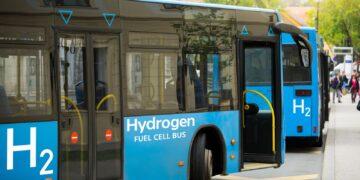
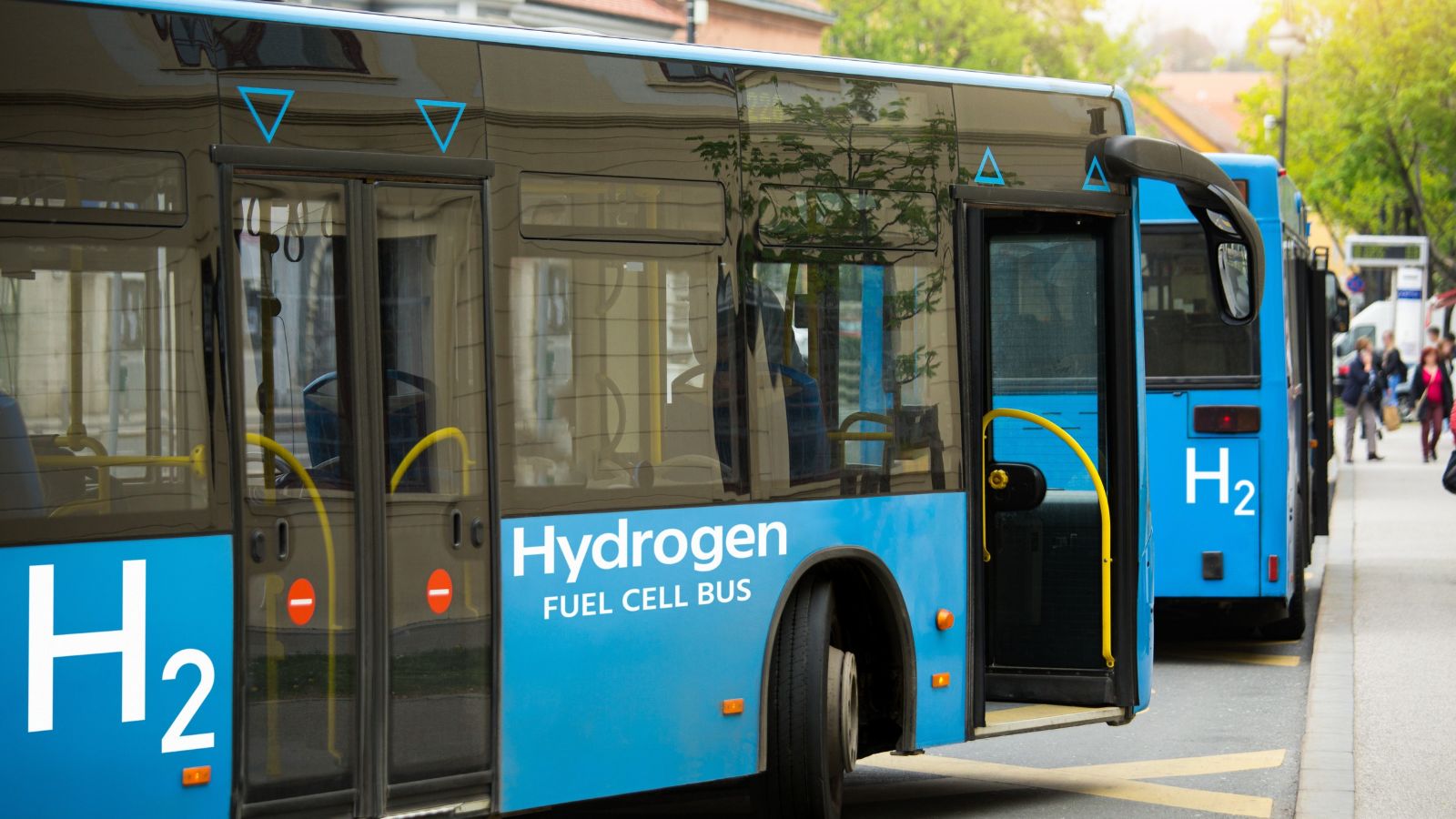
Ballard Power Systems is putting a much bigger promise behind one of the hardest parts of hydrogen transit: long-term fuel-cell performance. The Canadian company has launched Fleet360 for new FCmove-HD+ module sales in North America, with its FCcare+ package guaranteeing specified fuel-cell-module power output for up to 250,000 miles of operation. That distinction matters—the commitment applies to the fuel-cell module’s power performance, not every component of an entire bus, and Ballard says the exact guarantees and service obligations depend on the agreement selected. Even so, the move gives transit agencies something they have often wanted from emerging zero-emission technology: a clearer way to plan maintenance, parts support and lifecycle costs before buses accumulate years of daily service.

A 250,000-Mile Guarantee Changes the Sales Pitch

Hydrogen buses have long been sold on operational advantages such as long range and fast refuelling, but fleet managers ultimately live with a different set of questions. How quickly will the fuel-cell stack degrade? What happens when performance begins to fall? How long will parts take to arrive, and how much uncertainty has to be built into a maintenance budget? Fleet360 is Ballard’s attempt to put more structure around those questions. The premium FCcare+ package adds a power-output performance guarantee lasting up to 250,000 miles of fuel-cell operation, while the underlying service offer also includes defined support commitments.

The wording is important. Ballard has not announced a blanket 250,000-mile bumper-to-bumper warranty on a complete hydrogen bus, nor has it said that a module will run that distance without maintenance or refurbishment. Coverage is tied to the selected package and contract. That makes the announcement less sweeping than the headline number may initially sound, but potentially more useful to procurement teams because it turns a key technical performance metric into a contractual commitment instead of relying only on general durability claims.

Fleet360 Is More Than a Warranty

The guarantee sits inside a broader maintenance system rather than standing alone. Ballard’s FCpulse platform is designed to show fuel-cell health, performance and service-parts trends, giving maintenance teams a state-of-health dashboard, deeper data-visualization tools and quarterly performance reports. The goal is to identify modules that need attention before a problem becomes a road call, then give the depot enough information to schedule technicians, parts and workshop time more deliberately.

The FCcare package includes full parts coverage plus commitments around response, spare-parts delivery and resolution, while FCcare+ layers the 250,000-mile power guarantee on top. Ballard is also offering technician training through Ballard Academy and refurbishment planning through Core+. Behind that is a Remote Operations Centre in Vancouver for triage, diagnostics and engineering escalation, along with expanded field-service capability and U.S. parts inventory in Bend, Oregon. For a transit agency, the practical value is less about a dashboard on a screen than about shortening the chain between an alert, a diagnosis, a replacement part and a bus returning to service.

Ballard Is Backing the Promise With Years of Road Data

A long performance guarantee is easier to market when there is a large operating history behind it. Ballard says Fleet360 builds on more than 186 million miles, or 300 million kilometres, of operational service and more than 3,000 fuel-cell engines on the road. The company also says nearly 330 Ballard-powered fuel-cell buses have been deployed across North America, including more than 225 in California and more than 30 in Nevada. Those figures come from Ballard, but they show the scale of field experience the company is invoking to support the new service program.

That history matters because transit duty is punishing. City buses spend years cycling through acceleration, braking, idling, heating and cooling demands while operating on tight schedules. Earlier generations of fuel-cell buses were often treated as demonstration projects; today’s procurement decisions increasingly ask whether the technology can be maintained like ordinary fleet equipment rather than managed like a science experiment. Ballard’s latest pitch is essentially that it has collected enough real-world operating data to move from simply selling modules toward accepting more responsibility for how those modules perform over time.

New Flyer Gives the Program a Large North American Pipeline

Fleet360 is arriving as Ballard’s relationship with New Flyer is expanding. In March 2026, Ballard announced a commercial agreement covering 500 FCmove-HD+ fuel-cell engines, representing 50 MW in total. Deliveries were scheduled to begin in 2026 for New Flyer’s Xcelsior CHARGE FC buses across North America, and Ballard described it as the largest single commitment from New Flyer since the companies began working together. That creates a natural customer base for lifecycle support as more modules move from factory deliveries into daily transit operation.

New Flyer’s current Xcelsior CHARGE FC uses a 100-kW Ballard FCmove-HD+ module. The manufacturer lists up to 370 miles of range on a single refuelling for its standard configuration, with refuelling times varying by bus size and conditions; its current specifications cite roughly six to 20 minutes. Those figures are manufacturer claims and real-world results depend on route, climate, passenger load and fueling infrastructure, but they explain why some agencies consider hydrogen for long or intensive blocks of service where stopping to recharge a large battery fleet can complicate scheduling.

Why 250,000 Miles Is a Meaningful Threshold

The number becomes more understandable when placed beside the service expectations for a full-size transit bus. The Federal Transit Administration has historically used a minimum service-life category of 12 years or 500,000 miles for heavy-duty large buses. Separately, the U.S. Department of Energy’s technical targets for fuel-cell transit buses have used the same 12-year, 500,000-mile bus-lifetime benchmark, along with a 25,000-hour power-plant lifetime target. Against that background, a 250,000-mile module performance guarantee reaches a substantial portion of a bus’s expected working mileage.

It is not an apples-to-apples comparison: the FTA figure applies to the vehicle, while Ballard’s guarantee concerns fuel-cell-module power output, and DOE’s power-plant durability target is measured in hours. Still, transit agencies buy buses around lifecycle assumptions, so a performance promise expressed in hundreds of thousands of miles can be easier to incorporate into fleet planning than a vague durability claim. At 35,000 miles annually—the middle mileage case used in an FTA lifecycle analysis—250,000 miles represents just over seven years of operation. Actual yearly mileage, of course, varies substantially among routes and agencies.

Range and Refuelling Explain Hydrogen’s Transit Appeal

Fuel-cell buses occupy a particular niche in the zero-emission transition. They are electric-drive vehicles, but instead of relying only on a large battery charged from the grid, they use hydrogen in a fuel cell to generate electricity on board, with a battery handling energy buffering and regenerative braking. That architecture can provide long operating range while keeping depot refuelling closer to the familiar rhythm of conventional fleets. New Flyer’s Xcelsior CHARGE FC is marketed at up to 370 miles per fill, and the Department of Energy has historically used 300 miles and a sub-10-minute fill as technical targets for fuel-cell transit buses.

Those characteristics can matter on long suburban runs, high-mileage blocks, steep routes or fleets that have limited electrical capacity at a depot. They do not make hydrogen universally superior to battery-electric buses. Battery buses remain a more established zero-emission option for many routes and avoid the need to produce, transport and store hydrogen. The operational question is increasingly route-specific: whether a fleet values long range and rapid centralized refuelling enough to justify the additional hydrogen infrastructure and fuel supply chain.

Hydrogen Cost and Infrastructure Remain the Hard Part

A stronger module guarantee does not solve the biggest economic questions around hydrogen. A 2024 Rutgers study examining fuel-cell bus total cost of ownership found that results changed significantly depending on fleet size, hydrogen production pathway, delivery method, infrastructure expense and fuel cost. In its small-fleet case, hydrogen options remained more expensive than diesel; larger-fleet scenarios improved as infrastructure and supply costs were spread across more vehicles. A separate 2024 systematic review likewise concluded that fuel-cell buses were not yet broadly cost competitive while identifying a downward trend in acquisition and fuel costs.

Real-world evaluations have also shown why operators scrutinize more than the bus itself. Work by the National Renewable Energy Laboratory has documented challenges in earlier deployments involving hydrogen cost, fueling reliability, achieving complete fills and overall fleet availability. Those findings do not automatically describe modern buses or every current deployment, but they show where financial and operational risk can migrate once the vehicle technology improves. Fleet360 directly addresses maintenance, diagnostics, parts and module performance; it does not eliminate the need for dependable hydrogen supplies or make the fuel inexpensive. The business case still depends on the entire system surrounding the bus.

A Growing Market Makes Lifecycle Certainty More Valuable

Hydrogen buses remain a minority of the U.S. zero-emission bus market, but the segment is growing. CALSTART’s March 2026 market update counted 855 full-size fuel-cell electric buses funded, ordered, delivered or deployed in the United States as of July 2025, an increase of 49 percent from the previous reporting period. Battery-electric buses were still far more numerous at 7,261. California alone accounted for 690 fuel-cell buses in CALSTART’s dataset, reflecting the state’s comparatively deep hydrogen ecosystem and long history of fuel-cell transit deployments.

For Ballard, that growth makes after-sale support increasingly important. The company reported second-quarter 2026 revenue of $20.6 million, including $9.7 million from buses, and said a shift toward higher-margin service revenue was contributing to its improving business mix. Ballard also said greater product durability and field reliability had enabled reversals of some previous warranty provisions. Fleet360 does not guarantee that hydrogen buses will win more procurements or that Ballard’s margins will increase, but it shows how the Canadian company wants to compete: not simply by shipping fuel-cell modules, but by attaching measurable performance, diagnostics and lifecycle support to them.


Recommended.

23 Features That Are Making New Cars Harder (and Pricier) to Repair in Canada

Why Some Canadians Are Avoiding Cars With Expensive Windshields

September 10, 2026
9 Auto Brands Canadians Are Watching Much More Closely Right Now

Honda’s $15B Ontario EV Dream Reportedly Freezes, Putting Carney’s Auto Strategy on the Defensive

May 11, 2026

Trending.

Chinese EV Price Pressure Gets a New Benchmark as Voyah Opens $63,420 Luxury MPV Orders

Europe’s EV Share Jumps to 30.5% as Electric-Car Sales Blow Past Forecasts

September 17, 2026
GM Readies New Gas and Duramax Engines for Silverado HD and Sierra HD Ahead of November Production

GM’s New V8s Put Canadian Auto Jobs Back in Focus at St. Catharines Plant

September 19, 2026
Chinese EV Price Pressure Gets a New Benchmark as Voyah Opens $63,420 Luxury MPV Orders

Ottawa EV Owners Put Electric Cars on Display as Gas Prices Push Back Toward $2 a Litre

September 5, 2026
16 Cars That Could Lose Their Cool Factor Fast in Canada This Summer

Tesla Raises Canadian Prices by as Much as $30,000 as U.S. Auto Tariffs Hit Buyers

September 4, 2026
Canada’s Auto Industry Says Tariff Fight Has Already Cost the Sector More Than $100 Billion

Trump’s 50% Canada Auto-Tariff Threat Is Now Forcing Automakers to Plan Around a January 1 Deadline

September 27, 2026
  • About
  • Contact
  • Privacy Policy
  • Disclaimer
  • Editorial Policies
  • Terms and Conditions
A Revir Media Group Website

2026 Autoigloo - © All rights reserved

No Result
View All Result
  • News & Trends
  • Car Reviews
  • Buying Guides
  • Comparisons
  • EVs & Hybrids
  • More
    • Pricing & Deals
    • Winter Driving
    • Ownership & Maintenance

2026 Autoigloo - © All rights reserved

This website uses cookies. By continuing to use this website you are giving consent to cookies being used. Visit our Privacy and Cookie Policy.