

























A used-car listing can look convincing while leaving out the details that matter most. Clean photos, low kilometres and a tempting price may create a strong first impression, but the real history of a vehicle often lives in the paperwork, ownership records and questions a seller would rather not answer. Some warning signs point to ordinary carelessness; others can signal undisclosed collision damage, odometer manipulation, an outstanding lien or even an illegal seller posing as a private owner. These 17 signs focus on the inconsistencies that deserve a closer look before money changes hands. None automatically proves a vehicle is bad, but when several appear together, the attractive listing may be telling only the most convenient part of the story.
The Price Is Suspiciously Lower Than Comparable Cars

Every genuine bargain has a reason behind it. When a late-model vehicle with attractive mileage is thousands of dollars cheaper than several comparable examples, the discount deserves an explanation rather than immediate celebration. Sellers sometimes price vehicles aggressively because they need a quick sale, but unusually low prices are also recognized as a warning sign associated with curbsiders and misrepresented vehicles.
The hidden reason can vary considerably. A vehicle might have previously been written off, repaired after substantial damage, burdened by an outstanding lien or advertised with mileage that does not represent its true use. Comparing several vehicles of the same model year, trim and approximate mileage provides useful context. If one listing sits dramatically below the rest, a buyer should ask what specifically accounts for that difference. A believable answer should usually be supported by paperwork, history records or visible condition rather than a vague explanation about simply needing the car gone immediately.
The VIN Is Missing, Hidden, or Doesn’t Match
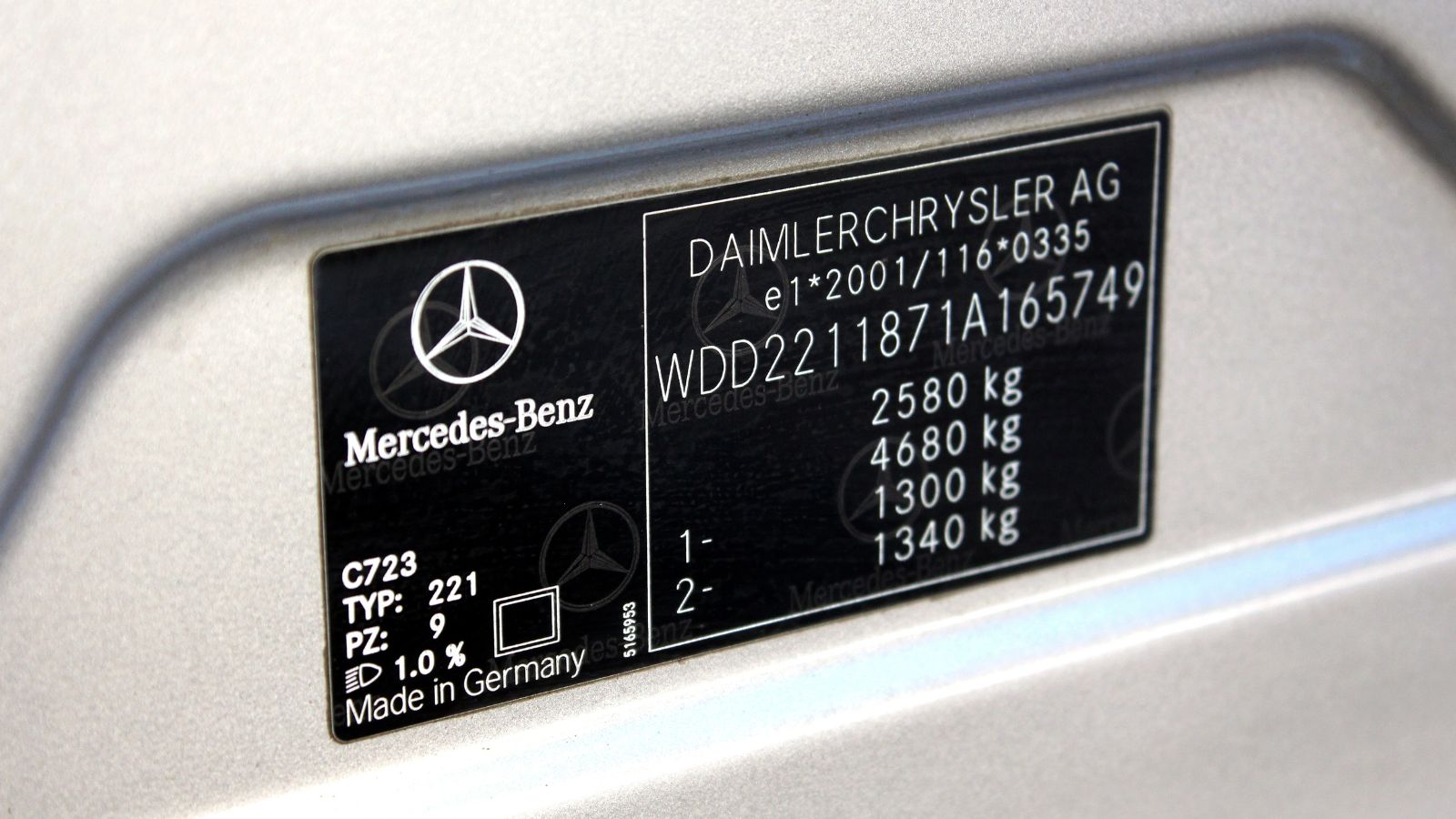
The vehicle identification number is one of the most important pieces of information in a used-car transaction. It connects the physical vehicle with registration information, ownership records and available history reports. A seller who refuses to provide it before a serious buyer views the vehicle creates an unnecessary obstacle to basic due diligence.
More concerning is a VIN that changes depending on where it is checked. The number visible through the windshield should correspond with other identifying locations on the vehicle and with the ownership documents and history report. Missing plates, suspicious fasteners, altered characters or conflicting numbers deserve immediate investigation. Re-VINning and VIN cloning are used to disguise the identity of stolen vehicles, potentially giving a stolen car the records of a legitimate one. Buyers do not need to diagnose VIN fraud themselves. They simply need to recognize that unexplained inconsistencies involving the vehicle’s identity are serious enough to stop the transaction until everything can be independently verified.
The Seller’s Name Doesn’t Match the Registration
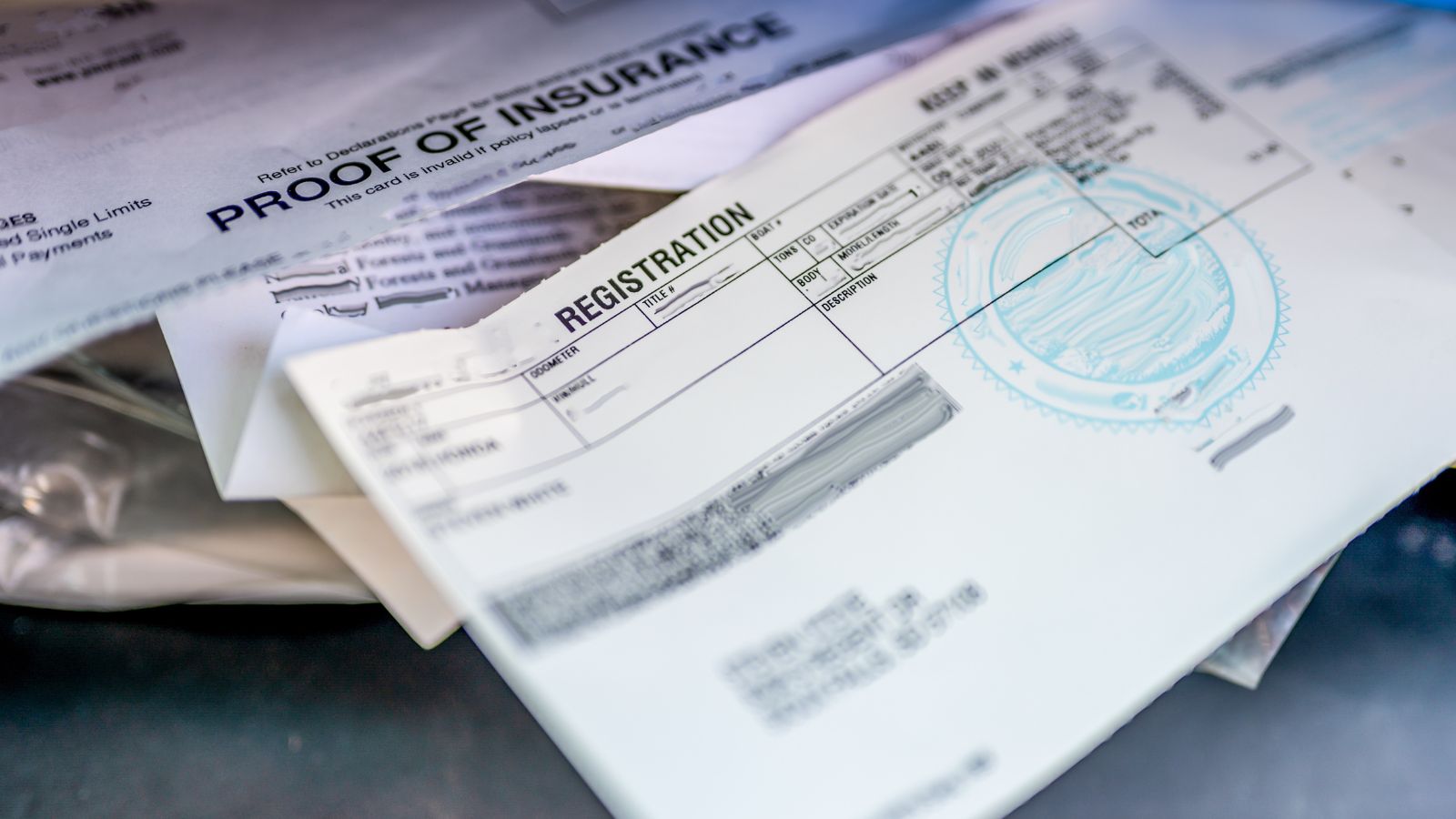
A private seller should normally be able to demonstrate that the vehicle actually belongs to the person offering it for sale. When identification and ownership documents show different names, explanations such as “it belongs to my cousin,” “I’m helping a friend” or “I never bothered transferring it” should prompt additional scrutiny.
Ontario’s motor-vehicle regulator specifically warns buyers about vehicles that are not registered in the seller’s name. Illegal dealers known as curbsiders often pose as ordinary owners while repeatedly buying and reselling vehicles for profit. Keeping vehicles out of their own names can make those sellers harder to trace once problems emerge. There can be legitimate circumstances in which someone assists another person with a sale, but the documentation should still make the transaction clear. Before paying, a buyer should understand exactly who legally owns the vehicle, who has authority to sell it and whose name will appear on the bill of sale. Ambiguity about ownership is not a minor paperwork problem.
The “Private Seller” Has Several Cars for Sale

Someone replacing a family vehicle will usually have one vehicle to sell. Discovering that the same supposedly private seller has several cars advertised at once tells a different story. Ontario regulators identify multiple simultaneous vehicle listings as one potential sign of a curbsider—an unregistered seller operating like a dealer while avoiding the rules imposed on registered businesses.
A quick search of the seller’s phone number, username or other listings can therefore be revealing. Several unrelated vehicles photographed in similar locations or described with nearly identical language can suggest that selling cars is more than an occasional activity. That matters because buyers dealing privately generally do not receive the same regulatory protections available when purchasing from a registered dealer. Curbsiders have also been associated with undisclosed accident damage, odometer manipulation and rebuilt vehicles. Multiple listings do not prove wrongdoing, but they should change the conversation. The seller should be able to clearly explain why several vehicles are being offered and establish legitimate ownership of the specific car being considered.
The Seller Discourages a History Report or UVIP
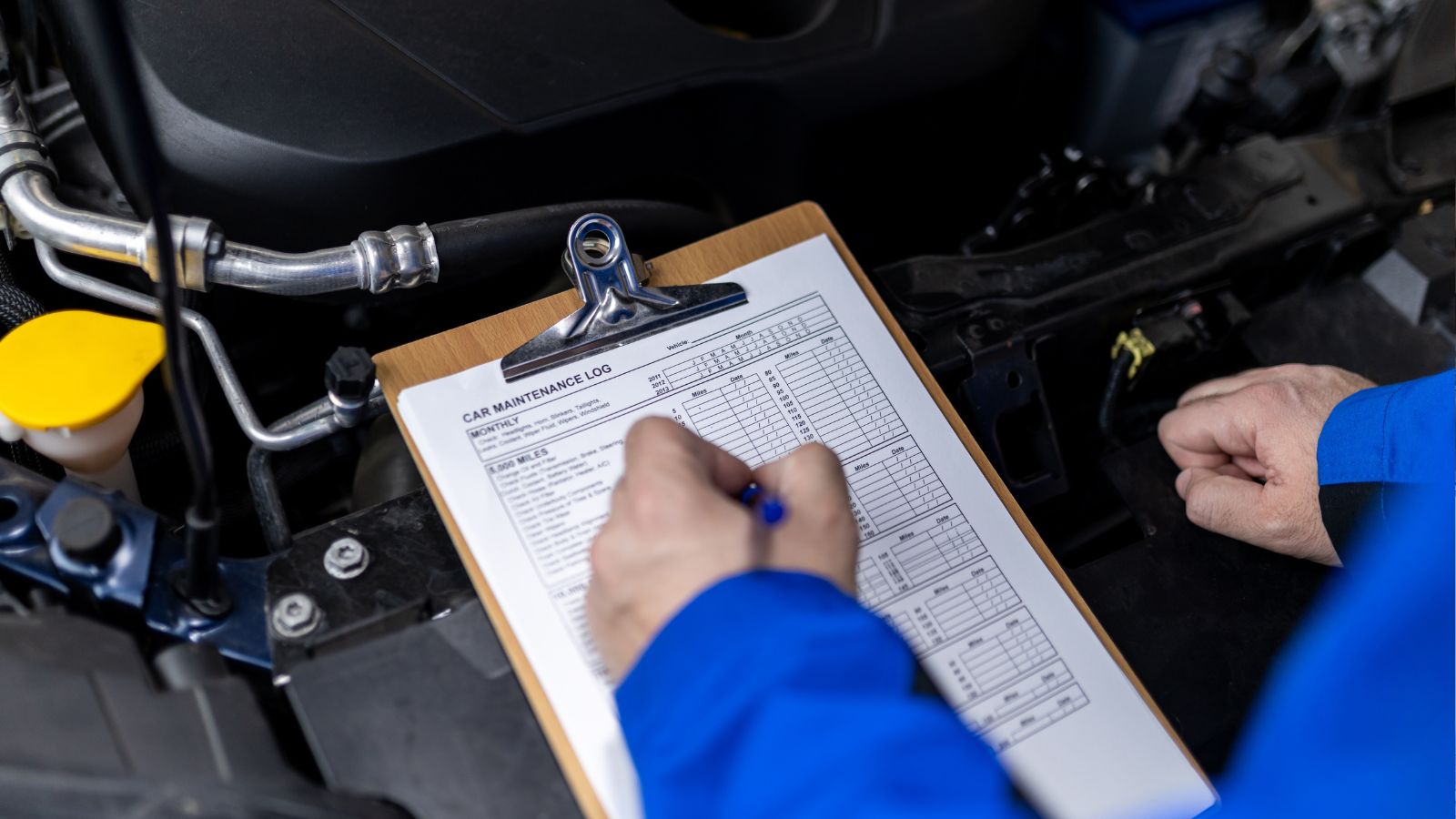
A history report cannot reveal every event in a vehicle’s life, but a seller who actively discourages independent research deserves scrutiny. Vehicle-history information can identify reported collision damage, odometer readings, branding, previous registrations, service entries, theft records and other details that help test whether an advertisement is accurate.
Ontario private sellers have an additional obligation: a Used Vehicle Information Package, or UVIP, is generally required when qualifying used vehicles are sold privately. The package contains information such as Ontario ownership history, recorded odometer readings, lien information and the vehicle’s status. A seller claiming that paperwork is unnecessary, refusing to provide the information needed to obtain records or insisting that a verbal description should be sufficient is asking the buyer to accept unnecessary uncertainty. Even a clean history report should not replace an inspection because unreported events can exist. Still, resistance to independent documentation is very different from an incomplete database. The former reflects a seller’s behaviour, and that behaviour can itself be informative.
The Accident Story Is Vague and Repair Records Are Missing

“Minor accident” can describe everything from a scraped bumper to a collision involving thousands of dollars in repairs. A listing that acknowledges damage without explaining when it happened, where the vehicle was struck or what was repaired provides too little information to judge the significance of that history.
Reported accident records may include information about impact location, insurance estimates, structural damage and repair costs. Documentation from a collision facility can add valuable context by showing exactly what parts and procedures were involved. When a seller insists that previous damage was insignificant but cannot produce invoices, photographs or other records, an independent inspection becomes especially important. Accident history does not automatically make a used vehicle unsuitable; properly repaired cars are bought and sold every day. The concern is unexplained damage combined with a story designed to make questions disappear. A transparent seller should be willing to discuss known incidents and allow the buyer to determine whether the quality of the repairs matches the price being asked.
Rebuilt, Salvage, or Total-Loss History Is Buried

Words such as “rebuilt” and “salvage” carry meanings far beyond ordinary cosmetic damage. Ontario’s branding system records certain severely damaged vehicles so prospective owners can understand their history. A salvage vehicle has been written off as a total loss but may potentially be repaired, while a rebuilt vehicle was previously salvage and has gone through required structural steps before returning to road use.
That does not mean every rebuilt vehicle should automatically be rejected. What matters is transparency, documentation, repair quality and price. The warning sign is a seller who buries the information deep in the description, uses vague phrases such as “previous claim” or discusses the branding only after a buyer has already invested considerable time. Ontario-registered dealers have specific disclosure requirements concerning branding and insurance total-loss history. Private-sale buyers should independently review the available registration and history information. A dramatically discounted vehicle can look far less mysterious once a prior write-off is discovered, which is precisely why branding deserves attention before negotiations become emotionally difficult to abandon.
The Mileage Looks Too Good for the Vehicle’s Wear
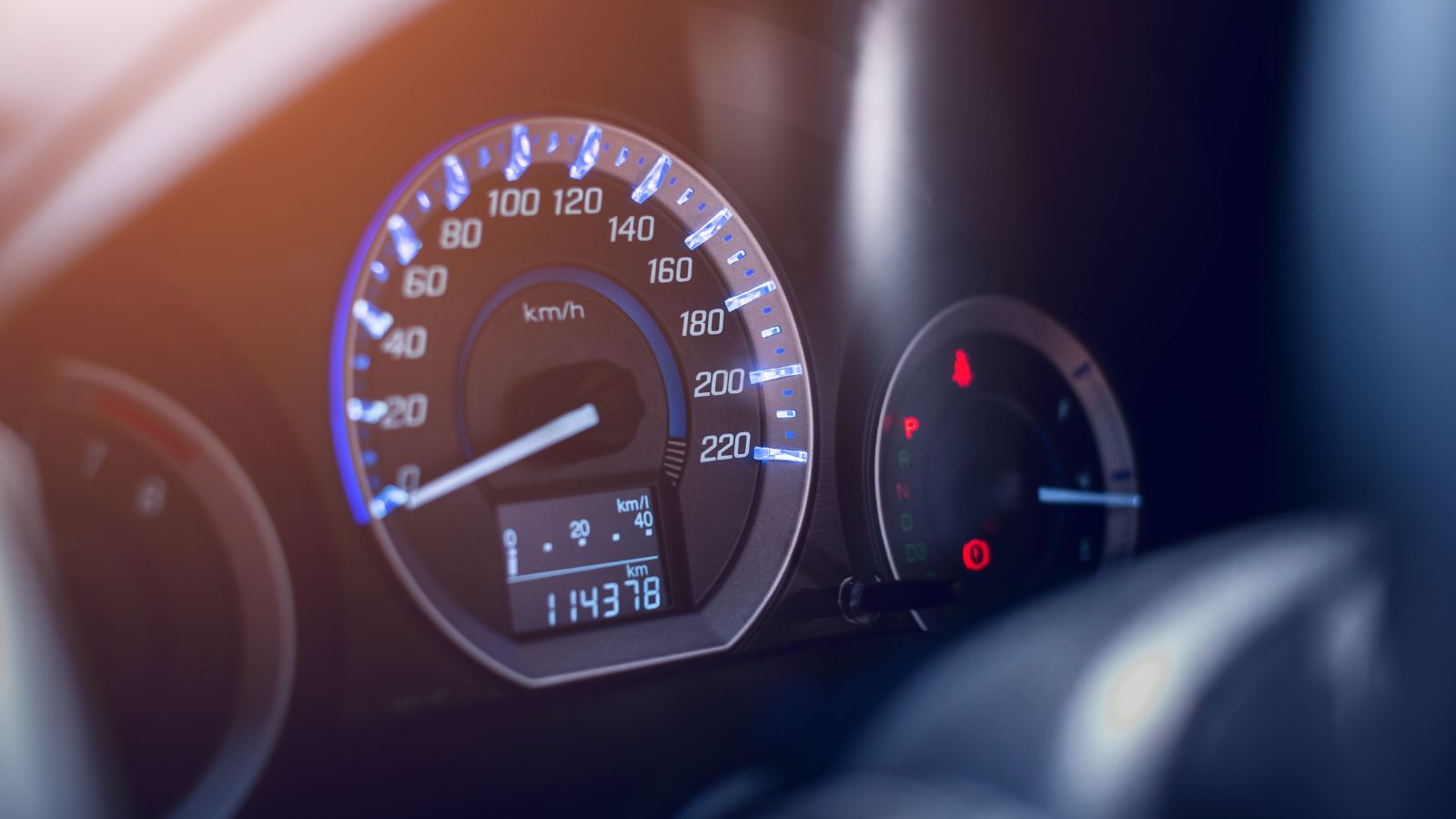
Low kilometres can add considerable appeal to an older used car, but the number displayed on the dashboard should make sense when compared with the rest of the vehicle. Heavily worn pedal pads, a polished steering wheel, tired upholstery, suspension wear or a badly pitted windshield can raise questions when an advertisement claims exceptionally light use.
Odometer manipulation remains a genuine problem even in the era of digital dashboards. CARFAX Canada reported detecting more than 20,000 vehicles with potentially rolled-back odometers in reports generated during 2025. Historical mileage records can therefore be useful because readings recorded during servicing, registration or other events should generally progress logically over time. Small inconsistencies can occur because of data-entry mistakes or reporting delays, so one unusual entry is not automatic proof of fraud. Larger unexplained reversals are different. When physical wear, historical records and the dashboard disagree, the advertised kilometre figure should not be accepted simply because it appears on an electronic display.
Maintenance Claims Cannot Be Backed Up

“Dealer maintained,” “always serviced” and “oil changed religiously” sound reassuring, but maintenance claims become more useful when there is documentation behind them. Receipts, work orders and available service-history entries can show when oil changes, inspections, brake work and other maintenance actually occurred.
A missing record is not necessarily evidence of neglect. Owners may perform their own maintenance, independent shops may not report information to vehicle-history databases and paperwork can genuinely be lost. The concern grows when the seller makes unusually specific claims while producing nothing to support them. Maintenance history can also help confirm mileage because service visits frequently include odometer readings. Large gaps may lead to reasonable questions about whether scheduled work was completed or whether the vehicle spent time outside the seller’s described routine. A buyer does not need a receipt for every windshield wiper. What matters is whether the overall documentation supports the story being used to justify the vehicle’s price and condition, particularly when major maintenance is claimed to have been recently completed.
An Independent Inspection or Proper Test Drive Is Off Limits

Few seller behaviours are more concerning than refusing an independent mechanical inspection. Even comprehensive history records can miss problems because not every collision, repair or mechanical failure is reported to a database. A qualified mechanic can assess the vehicle that actually exists today rather than relying solely on its recorded past.
The same principle applies to the test drive. Mechanical noises, transmission behaviour, steering vibration, warning lights and suspension problems may not reveal themselves while a vehicle is parked in a driveway. Ontario regulators specifically identify resistance to inspections and test drives as warning signs. Sellers may have reasonable rules about insurance, identification or who drives the vehicle, but those concerns can usually be addressed without preventing evaluation entirely. “My mechanic already checked it” is not equivalent to allowing the buyer’s mechanic to examine it. If a seller wants full market value while refusing reasonable scrutiny of the product being sold, the restriction itself becomes part of the vehicle’s risk profile.
The Photos Are Stock, Borrowed, or Carefully Avoid Damage

Good vehicle photographs do more than make an advertisement attractive. They allow shoppers to examine the exterior from several angles, view the interior, check the odometer and see obvious wear before arranging an appointment. A listing filled with manufacturer photos, repeated glamour angles or images that mysteriously avoid one side of the vehicle offers less evidence about the actual car.
Stock photographs are not automatically fraudulent—dealerships sometimes use representative images—but online marketplaces warn that stolen or generic pictures can also appear in fraudulent advertisements for vehicles the seller does not possess. Genuine private sellers should normally be able to provide current photographs when asked. Missing images of damaged areas deserve particular attention when the description claims exceptional condition. Reverse-image searching suspicious photos can sometimes reveal that they came from another listing or dealership. The goal is not to demand professional photography. Ordinary smartphone pictures showing the real car, its condition, identification details and imperfections are generally more useful than polished images that reveal almost nothing.
“As-Is” Is Treated Like a Meaningless Disclaimer
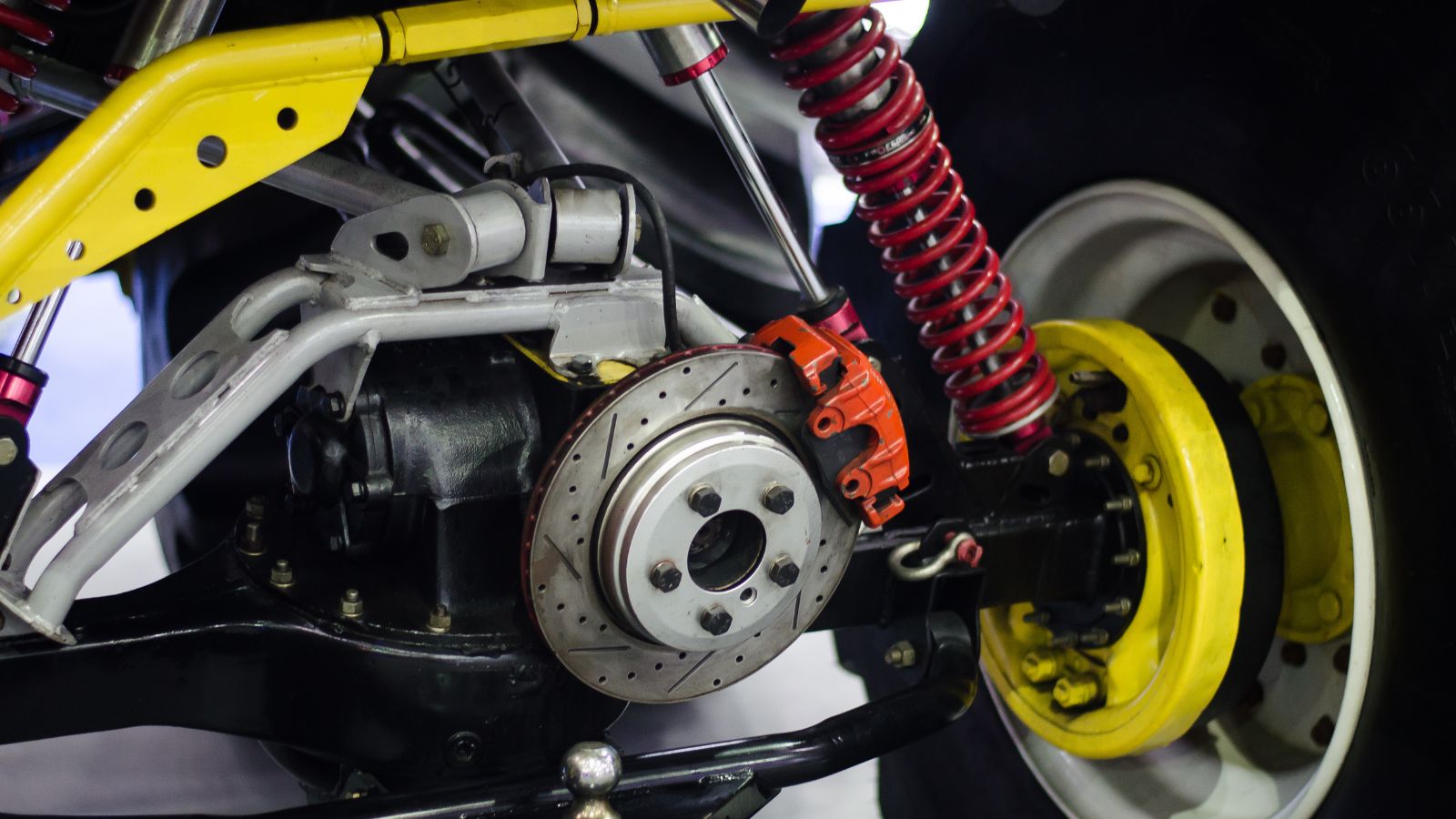
The phrase “as-is” sometimes appears in advertisements as though it simply means no warranty is included. In Ontario dealer transactions, the term has a much more consequential meaning. Required language explains that an as-is vehicle is not represented as roadworthy, mechanically sound or maintained to any guaranteed level and may require substantial repairs before it can legally or practically be driven.
That makes a casually buried “as-is” notation worth investigating. A low advertised price can become far less attractive if the vehicle needs brakes, suspension work, structural repairs or another expensive job before certification. Buyers should distinguish between a vehicle that merely lacks a warranty and one being sold specifically without representation that it meets roadworthiness requirements. Even a Safety Standards Certificate has limits: Ontario regulations describe it as evidence that specified basic safety standards were met on the inspection date, not a comprehensive guarantee of reliability. The safest assumption is that “as-is” warrants questions about what work remains and what an independent inspection reveals.
Heavy Perfume or Fresh Detailing Seems to Be Hiding Something

A spotless cabin is usually a positive sign, but an overwhelmingly scented interior can occasionally deserve a second look. Flood-damaged vehicles may retain musty odours in carpet and seat padding, while strong cleaners or air fresheners can temporarily cover smells that would otherwise prompt questions.
Other clues can appear in less visible places. Mud or staining underneath carpet, unusual rust in protected areas, water lines in the trunk, condensation inside instruments or recently replaced carpeting can be consistent with past water exposure. These signs are not conclusive individually; older cars develop smells, leaks and corrosion for many ordinary reasons. The point is to investigate when several indicators appear together. Vehicle-history records may contain reported flood or weather damage, but databases depend on information supplied to them and cannot guarantee that every incident was recorded. A mechanical inspection is particularly valuable because water exposure can affect electrical, braking and other systems in ways that are not obvious during a short walk-around.
The Lien Status Is Left Vague

A car can look perfect, drive well and still come with a financial problem attached to it. A lien is a legal claim connected with a vehicle when money remains owing to a lender. That is why a seller saying “the loan will be taken care of later” should not be treated as the same thing as documented proof that the lien has been discharged.
The issue is common enough to deserve routine attention. CARFAX Canada says roughly 40 per cent of used vehicles checked with its lien product in 2025 showed a registered lien. The existence of financing does not automatically make a vehicle a bad purchase; many legitimate owners sell cars before their loans have fully matured. The important part is ensuring the debt is properly cleared through an appropriate process before ownership changes hands. Depending on jurisdiction and circumstances, lien searches may involve provincial records. Buyers should verify rather than rely on verbal assurances, particularly when a seller is rushing the transaction or proposes using the sale proceeds to solve the problem afterward.
The Seller Has Owned the Car for an Unusually Short Time

A vehicle changing hands shortly after purchase can have an innocent explanation. Financial circumstances change, owners relocate and people occasionally discover that they simply bought the wrong car. Still, very recent ownership is worth asking about because Ontario regulators specifically identify short registration periods as a possible curbsider warning sign.
The surrounding details determine how concerning it becomes. A seller who bought the vehicle three weeks earlier, has another car advertised, cannot produce meaningful maintenance records and offers a complicated reason for selling presents a very different situation from someone with clear paperwork and a verifiable explanation. Ownership history contained in records such as Ontario’s UVIP can help establish when the current owner acquired the vehicle. Buyers should ask directly how long the vehicle has been owned and why it is being resold. Quick flipping can sometimes be part of an unregistered vehicle-selling operation, particularly when combined with prices below market value, cash-only demands or vehicles that were never properly registered to the person offering them.
The Seller Pushes a Deposit or Quick Off-Platform Deal

Urgency is useful to scammers because careful buyers need time to verify information. Claims that ten other people are on the way, that a deposit must be sent immediately or that the seller can only communicate through a private messaging service should change the pace of the transaction rather than accelerate it.
Canadian automotive marketplaces and Ontario regulators have warned about fraudulent advertisements involving stolen dealer photos and identities, followed by requests for deposits on vehicles that do not actually belong to the supposed seller. AutoTrader advises buyers not to send money before seeing the vehicle in person and lists pressure to act quickly, refusal of phone calls and attempts to move conversations to unfamiliar channels among warning signs. A legitimate desirable vehicle can certainly attract multiple buyers, so urgency alone proves nothing. But there is rarely a good reason to surrender due diligence. Seeing the car, confirming the seller’s identity, checking documents and understanding exactly what any deposit covers should come before money disappears electronically.
The Ad, Paperwork, VIN, and Seller’s Story Don’t Match

The biggest warning sign is often not one dramatic discovery but several small contradictions. The listing says one mileage figure while the dashboard shows another. The seller describes the vehicle as accident-free while the history report records damage. The trim badge does not match VIN information, or the ownership documents identify a different person than the one negotiating the sale.
Some discrepancies have harmless explanations. Mileage can increase after an advertisement is posted, administrative errors happen and vehicle-history databases are not perfect. What matters is whether the seller can explain inconsistencies clearly and whether independent records support the explanation. Ontario regulators specifically advise buyers to compare VINs across the vehicle and documentation and to watch for incomplete or altered paperwork. Registered dealers also face detailed disclosure obligations covering mileage, branding, previous use, structural damage and other material facts. A trustworthy listing should become clearer as evidence is gathered. If every additional document creates another contradiction, the real story may be considerably more complicated than the advertisement suggested.
19 Used Cars Canadians Should Avoid in 2026 (Based on Owner Complaints)

Buying a used car in Canada can feel safe until repair bills start stacking up. Owner complaints tell a different story than glossy listings. Transmission failures, electrical problems, and weak winter reliability show up again and again in consumer reports. Many of these issues appear after warranties expire, when owners least expect them. Some vehicles look affordable upfront, but become expensive to keep on the road. Others struggle in cold weather, urban driving, or long highway commutes. Here are 19 used cars Canadians should avoid in 2026 (based on owner complaints).
19 Used Cars Canadians Should Avoid in 2026 (Based on Owner Complaints)