


























A vehicle can look fairly priced right up until the paperwork lands on the desk. One line labelled “admin,” “documentation,” or “dealer fee” can change the real cost of the deal, especially when buyers have spent most of the negotiation focused on the vehicle price or monthly payment. The important question is not simply whether such a fee exists, but whether it was disclosed properly, included where required, and actually negotiable.
Across Canada, provincial rules differ in detail, yet regulators repeatedly emphasize transparent pricing and clear disclosure. These 13 points explain why the dealership fee deserves attention, how it can affect the final amount financed, and what buyers should ask before signing anything.
The Fee Is Usually a Dealer Charge, Not a Tax

Documentation and administration fees are generally charges created by the dealership for processing a transaction, rather than taxes imposed directly on the buyer by government. In British Columbia, the Vehicle Sales Authority describes dealer fees as documentation, administration, and other processing charges added by dealers, and separates them from taxes and other amounts required by law.
That distinction is important because a fee can sound more official than it really is. A line labelled “registration,” “processing,” or “documentation” may cover dealership work such as paperwork, lien checks, vehicle-history reports, or transaction administration. Buyers should ask who receives the money, what service the charge pays for, and whether the amount is set by law or by the dealership. If the answer is vague, that is a reason to slow the transaction down. A dealer-created fee should never be casually confused with sales tax, licensing, or another government-mandated cost during the purchase.
Ask About It Before Negotiating the Final Price

The best time to ask about an administration or documentation fee is before the final price has been negotiated. That timing prevents a common frustration: agreeing on a vehicle price, mentally closing the deal, and then discovering another dealer charge in the business office. British Columbia’s regulator specifically says dealer fees should be disclosed before the final price is negotiated.
This changes the tone of bargaining. Instead of arguing over a fee after hours have already been spent at the dealership, the buyer can ask for the complete pre-tax amount at the beginning. A request for every mandatory dealer charge puts the conversation on clearer footing. Manitoba’s Consumer Protection Office similarly says dealers should disclose fees during negotiations, not after a purchase price has been established. When the true total is known early, buyers can compare offers accurately and decide whether a lower advertised price is actually the better deal.
An Advertised Price May Already Have to Include It

In several provinces, mandatory dealer fees cannot simply be added on top of an advertised vehicle price. Ontario requires dealer advertisements with a price to include the fees and charges the dealer intends to collect, except HST and licensing. Alberta’s all-in pricing rule likewise requires advertised prices to include administration and documentation fees, with GST and financing-related costs treated separately.
Quebec, Manitoba, and Saskatchewan also have strong all-in or drive-away pricing rules. Quebec says administration fees must be included in the advertised price, while Saskatchewan specifically lists administrative and documentation fees among charges that belong in the advertised amount. The practical lesson is to save the advertisement and compare it with the purchase paperwork. If a mandatory dealer fee suddenly appears above a price represented as complete, the issue may be more than an unpleasant surprise. Depending on the province and circumstances, it may conflict with consumer-protection or vehicle-advertising rules.
Federal Drip-Pricing Rules Add Another Layer

Provincial motor-vehicle rules are not the only reason hidden mandatory fees deserve scrutiny. The Competition Bureau says drip pricing occurs when a business advertises a price that cannot actually be obtained because mandatory fixed charges are added later. Under the Competition Act, that can raise deceptive-marketing concerns unless the extra fixed amount is imposed by government on the purchaser.
For car buyers, the principle is straightforward even though individual transactions vary. A low headline price should not become unattainable simply because a dealership adds a compulsory non-government fee at the end. That does not mean every dealer fee is prohibited. It means the way the price is represented matters. Buyers should distinguish between a fee transparently built into or disclosed with the price and one that appears only after the advertised figure has attracted attention. The latter is the kind of pricing surprise federal enforcement rules are designed to address.
Dealer Fees Can Be Negotiable

A dealership may present an administration or documentation charge as a standard part of doing business, but “standard” does not always mean untouchable. The Financial Consumer Agency of Canada advises people shopping for auto financing that they may be able to negotiate dealer administration fees. British Columbia’s Vehicle Sales Authority also says dealer and finance-placement fees are often negotiable.
Negotiation does not have to focus on deleting the line item itself. A dealership may insist that its internal fee remains on the contract while agreeing to reduce the vehicle price by an equivalent amount. From the buyer’s perspective, the target is the total pre-tax cost, not the label attached to one line. If one dealer charges a larger documentation fee but discounts the vehicle more heavily, it could still have the better total. Conversely, a generous-looking vehicle discount may be offset by dealer charges. The final number determines the bargain.
Do Not Let a Dealer Fee Masquerade as a Government Fee

One important question is whether the charge is actually required by government. British Columbia’s Vehicle Sales Authority says dealer fees must not be presented as government fees, and it warns that a dealership should not describe a charge as mandatory if it is not. Buyers are less likely to challenge something that sounds like a tax or regulatory levy.
Genuine government-related charges exist in vehicle transactions, including sales taxes and, depending on location, registration or licensing costs. There can also be industry levies that dealers are allowed to recover from customers. The key is accurate description. Ontario’s regulator identifies a specific per-vehicle transaction fee, while B.C. has a VSA transaction levy. That is different from a dealership creating its own administrative amount and implying that a regulator demanded it. Asking “Who sets this fee?” and “Where is that requirement published?” can clarify the difference before a contract is signed.
Finance Placement Fees Deserve a Separate Question

Buyers who finance through a dealership may encounter another similar line: a finance arrangement or finance placement fee. British Columbia’s Vehicle Sales Authority says some dealers charge these fees for arranging financing with a bank or finance company. It also says such fees must be disclosed before signing, should not be falsely described as lender-required, and reflected in annual percentage rate calculations where applicable.
That makes the finance office a second place to check for charges after the vehicle price has been settled. A buyer comparing a bank loan with dealer-arranged financing should look beyond the quoted interest rate and monthly payment. The Financial Consumer Agency of Canada recommends comparing financing fees, amount financed, interest rate, payment schedule, and loan term. Dealer-arranged financing may compete, but only if the complete borrowing cost is visible. In practice, a placement fee becomes more significant when it is financed and repaid with interest.
Read the Bill of Sale Line by Line

The bill of sale is where vague promises turn into actual dollars. Ontario’s regulator requires fees and charges included in an advertised price to be itemized separately on the bill of sale. Alberta’s regulator likewise stresses that the final bill of sale should accurately reflect the transaction, including extra items, down payments, trade-ins, and mandatory charges.
That itemization gives buyers a chance to catch changes before signing. A negotiated discount may be smaller than expected, a fee may have been added twice, or an optional product may have migrated into the paperwork without discussion. The safest approach is to compare three numbers: the advertised price, negotiated price, and final pre-tax price. Then inspect every line explaining the difference. Buyers should ask for a copy of the final paperwork and avoid relying on handwritten notes or verbal assurances that do not appear in the contract. Correcting misunderstandings is harder after signing.
Pre-Installed Extras Can Function Like Hidden Fees

Dealer charges do not always appear under the word “fee.” Pre-installed products such as tire-protection packages, anti-theft devices, nitrogen, warranties, fuel, or security products can raise the effective price just as easily. Ontario’s OMVIC says pre-installed products or services that the dealer intends to charge for must be included in the advertised price. Saskatchewan’s drive-away pricing guidance makes a similar point.
This is why buyers should ask not only about documentation fees but also about mandatory accessories attached to the vehicle. A product can be physically present and still create a pricing problem if the advertised price did not reflect a compulsory charge for it. The important distinction is whether the buyer chose the add-on after seeing the deal or whether the dealership made it unavoidable. A $500 accessory package and a $500 administration fee affect the wallet similarly when neither can be declined. Clear disclosure should come before agreement.
Monthly Payments Can Hide the Effect of Fees
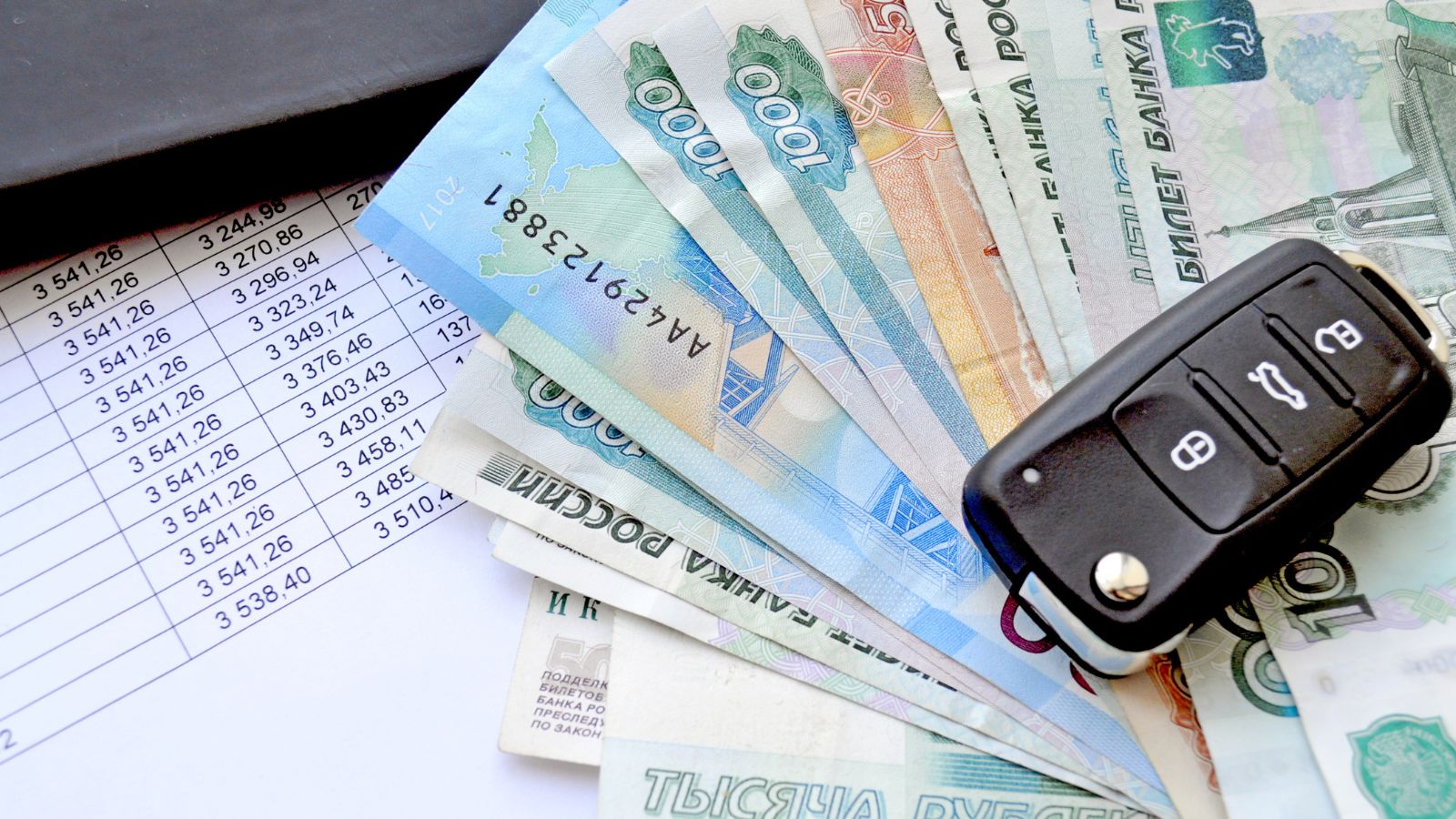
A dealer fee can feel smaller when it is folded into a long loan and translated into dollars per payment. That is one reason federal guidance tells car shoppers to look beyond the monthly amount. The Financial Consumer Agency of Canada says buyers should consider the total cost over the loan term, including interest, rather than focusing only on what fits into a monthly budget.
Its example shows how term length changes the outcome. On a $25,000 vehicle financed at 5%, FCAC calculates a total cost of $26,974 over 36 months versus $29,681 over 84 months. A financed dealer fee adds to the principal and can generate interest. The fee may look modest when spread across seven years, but the contract contains the full amount. Buyers should ask for the cash price, amount financed, borrowing cost, and total obligation before deciding whether the overall payment is affordable.
Compare Dealers Using the Same Total

A fair comparison between dealerships requires more than lining up advertised prices. One seller may include mandatory charges up front, while another may use a lower headline number and disclose additional costs elsewhere. Regulators in Ontario, Alberta, Manitoba, Saskatchewan, Quebec, and British Columbia emphasize forms of total-price transparency, even though the legal details and exclusions differ by province.
The practical comparison is the amount required to take the same vehicle home under the same payment method, before taxes that apply equally. Asking each dealer for a written breakdown reduces the chance that a price difference is a documentation charge hiding elsewhere. It also makes discounts easier to evaluate. A dealership advertising a slightly higher price may be cheaper if its mandatory fees are already included. Buyers comparing financing should separately compare the loan rate, finance charges, and term so that vehicle pricing and borrowing costs do not become mixed together.
Save the Advertisement Before Visiting the Store

A screenshot can be surprisingly useful during a vehicle purchase. Alberta’s AMVIC consumer guide recommends taking a photo or copy of an advertisement so the buyer can check that the seller adheres to the advertised price. Saskatchewan’s consumer regulator gives similar advice, telling buyers to take a picture of the advertised price and bring it to the dealer.
Online listings can change quickly, especially when inventory systems update or promotions expire. Saving the ad preserves the price, stock number, disclosed fees, incentives, and financing conditions that were visible when the buyer decided to make contact. It also helps distinguish a genuine misunderstanding from a later change in the deal. If a disagreement arises, regulators or dealership management will have something concrete to review rather than competing memories of what the website said. The habit takes seconds and gives buyers a much stronger reference point when the paperwork arrives at signing.
If the Fee Appears at the End, Stop Before Signing

The final defence against an unexpected dealer fee is not signing until the numbers make sense. Regulators advise buyers to review disclosures and purchase documents carefully before committing. OMVIC tells Ontario consumers to report dealers that try to add fees to an advertised price contrary to all-in pricing rules. In Alberta, AMVIC accepts complaints involving advertising and vehicle sales, while other provinces have consumer-protection or dealer regulators.
A buyer who sees a new fee should ask where it was first disclosed, whether it is optional, who sets it, and why it was not included earlier. The original advertisement and written quote should be placed beside the contract. If the explanation does not match the paperwork, the safest move is to pause the purchase and seek guidance from the provincial authority. A dealership fee is easier to question before a signature turns the disputed amount into part of a binding transaction.
19 Used Cars Canadians Should Avoid in 2026 (Based on Owner Complaints)

Buying a used car in Canada can feel safe until repair bills start stacking up. Owner complaints tell a different story than glossy listings. Transmission failures, electrical problems, and weak winter reliability show up again and again in consumer reports. Many of these issues appear after warranties expire, when owners least expect them. Some vehicles look affordable upfront, but become expensive to keep on the road. Others struggle in cold weather, urban driving, or long highway commutes. Here are 19 used cars Canadians should avoid in 2026 (based on owner complaints).
19 Used Cars Canadians Should Avoid in 2026 (Based on Owner Complaints)