




















A winter drive can end without drama, yet a problem may be developing after the engine is switched off. One easily overlooked mistake is leaving the parking brake applied after travelling through wet snow, slush, or freezing conditions. Moisture and packed snow around the rear brakes can freeze while the vehicle sits, potentially leaving the brake stuck the next morning. The situation deserves particular attention because some modern electronic parking brakes can be affected too.
The risk is real enough that several major automakers address it directly in their winter-driving instructions. It also comes with an important qualification: parking procedures vary by vehicle and terrain, especially on slopes. These 12 considerations explain how the problem develops, why forcing a frozen brake can make matters worse, and how a short winter parking routine can reduce the chances of an expensive morning surprise.
The Mistake Happens After a Slushy Drive
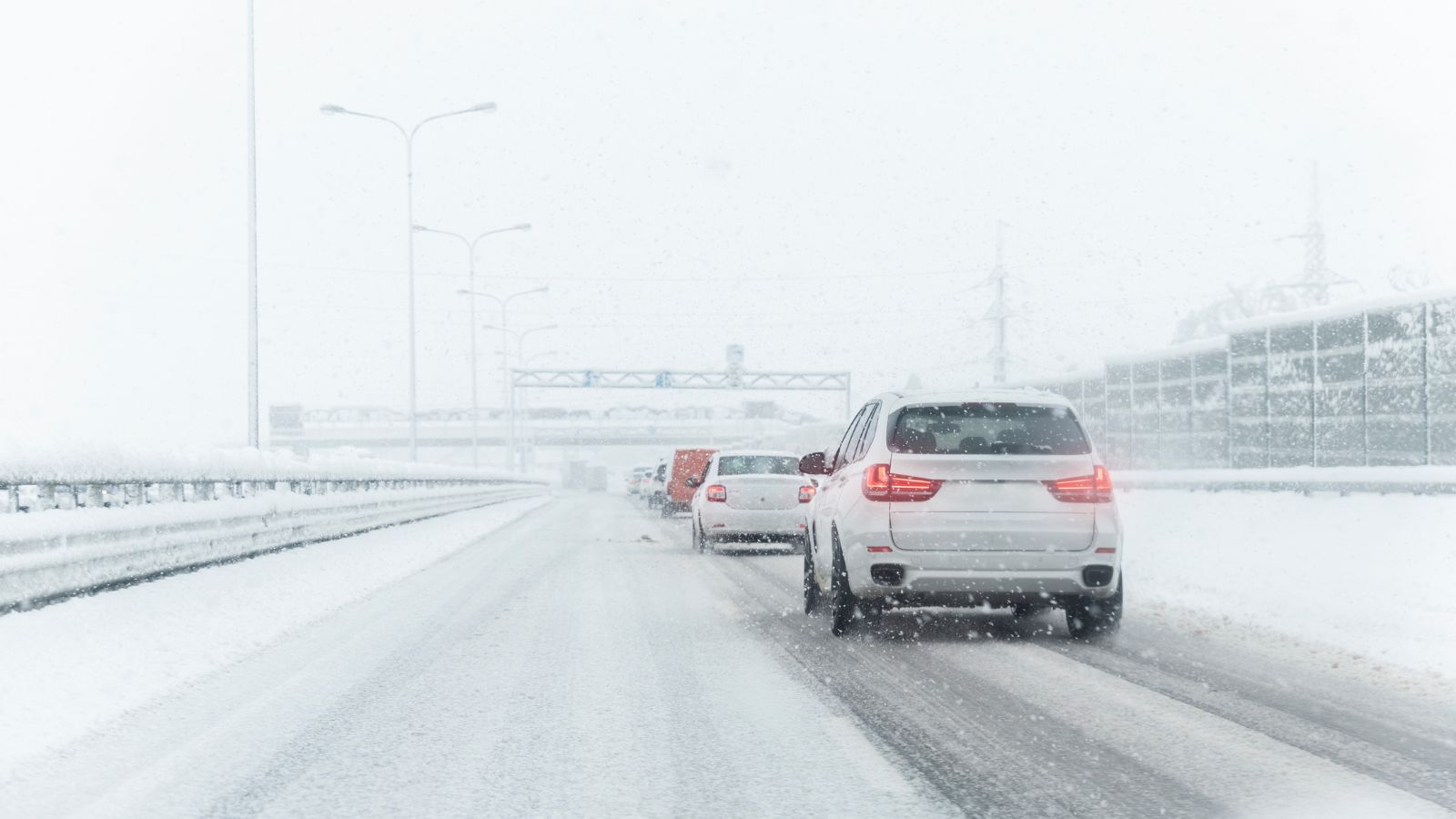
The problem often starts with an entirely ordinary trip home. A vehicle drives through melting snow, salted slush, or a poorly cleared residential street, and moisture reaches the wheel and brake areas. The driver pulls into the driveway, shifts into Park and applies the parking brake just as on any other evening. Nothing seems wrong because nothing is wrong yet. The trouble can develop only after the vehicle sits in falling temperatures.
Automakers specifically recognize this scenario. Hyundai and Kia winter guidance says a parking brake can freeze in the engaged position when the brakes are wet or snow and ice have accumulated near the rear brakes. That makes the seemingly harmless decision to leave it applied an important cold-weather consideration. It does not mean parking brakes should simply be abandoned every winter. Instead, the correct procedure depends on the vehicle, driveway and owner’s manual. The key is recognizing that a wet, snowy arrival can require different thinking from a dry summer evening.
Moisture Can Freeze the Brake in the Applied Position
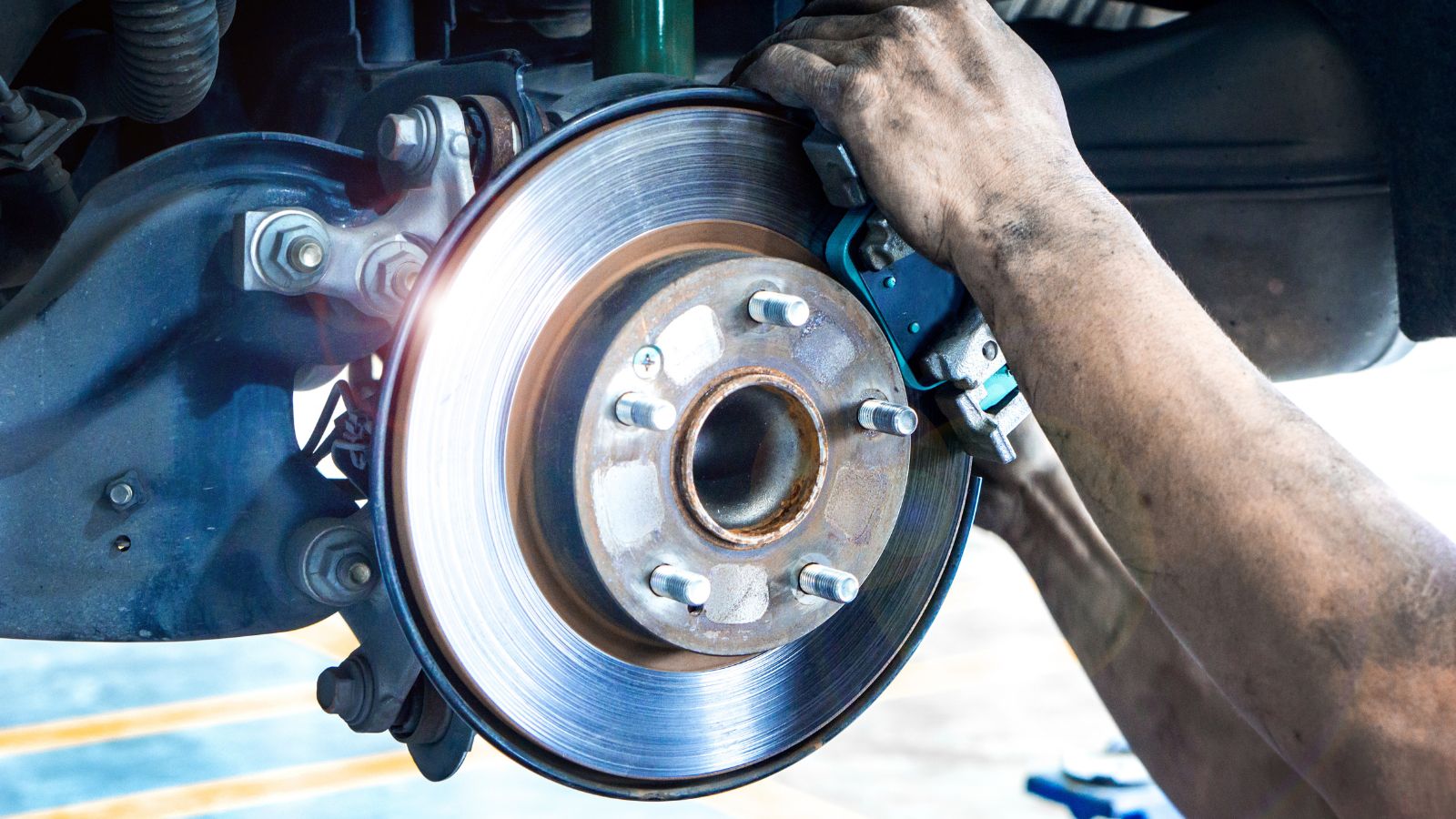
A parking brake works by keeping braking components mechanically or electronically applied while the vehicle is stationary. When water or wet snow is present around those components and temperatures fall sufficiently, freezing can prevent everything from returning to its normal released position. The result may not become obvious until several hours later, which is why the problem can feel as though the car changed overnight.
Toyota goes even further in some winter-driving instructions, warning that brakes left damp in cold temperatures may freeze. Hyundai and Kia manuals likewise identify wet brakes as one of the conditions in which the parking brake is most likely to remain frozen in the engaged position. Picture a car arriving home after an evening of heavy, near-freezing snow: heat around the brakes helps turn some of that snow into water, and the vehicle is then left outside as temperatures fall. By morning, the combination that was merely wet at bedtime can be rigid enough to interfere with normal brake release.
Packed Snow Around the Rear Wheels Makes the Situation Worse

Snow stuck to a car is not always the light, powdery material sitting on the roof. Tires can throw dense mixtures of snow, road grime and water into wheel housings during a drive. Manufacturers specifically single out accumulation around the rear brakes when explaining when a parking brake is most likely to freeze. That location matters because parking-brake mechanisms commonly act on the rear braking system.
The accumulation can be easy to miss after pulling into a dark driveway. From several metres away, a car may look reasonably clean even while thick chunks of snow are packed behind its rear wheels. Toyota winter guidance therefore tells owners to check for excess snow or ice around the tires and on the brakes, while Hyundai and Kia recommend checking winter accumulation around and beneath the vehicle. A quick look before walking inside can reveal material that otherwise remains against the brake area for hours. Removing loose buildup while it is still relatively soft is generally easier than confronting a solid frozen mass the next morning.
Electronic Parking Brakes Are Not Immune
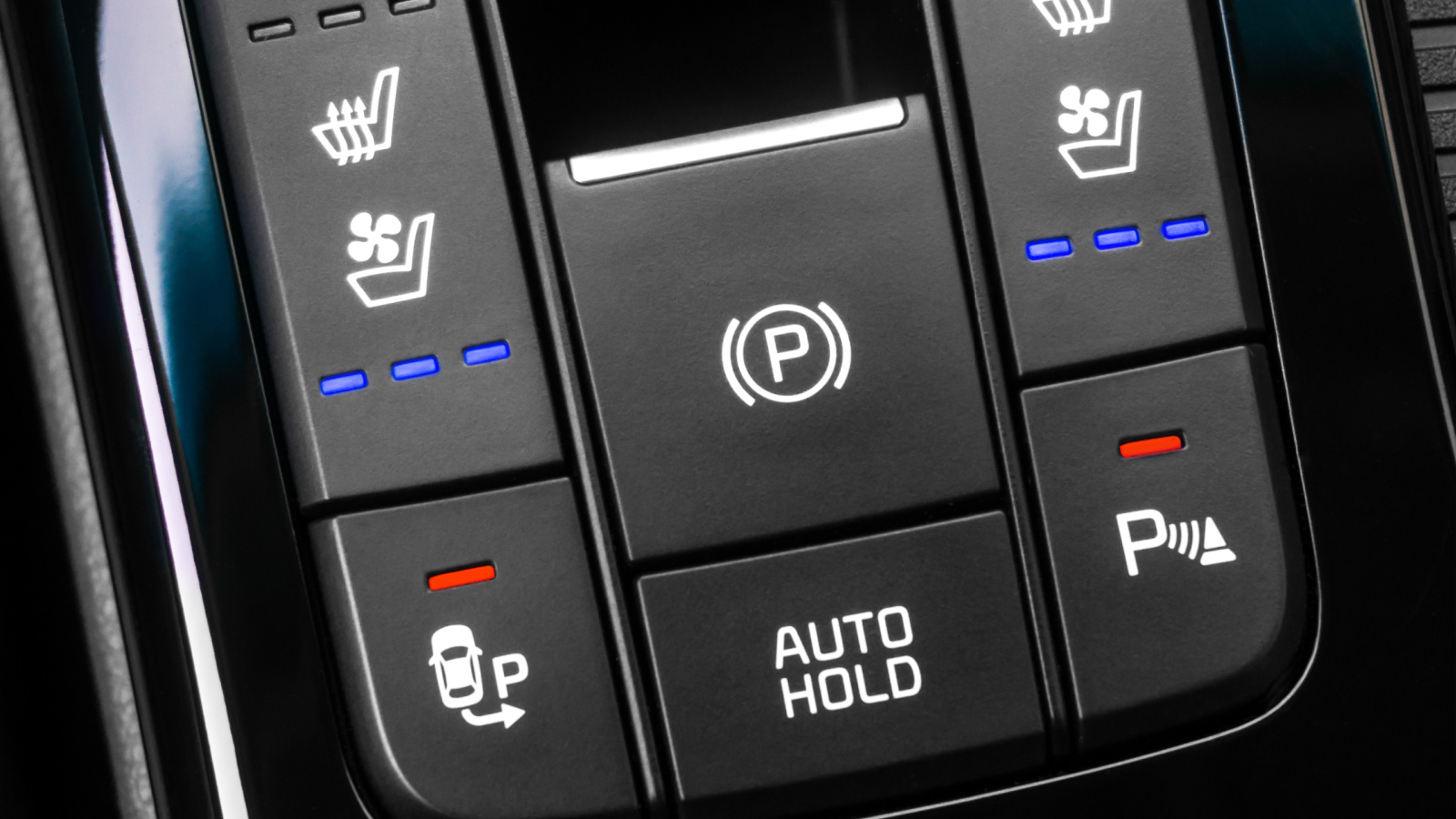
A button on the console may make a parking brake feel fundamentally different from an old-fashioned hand lever, but electronic operation does not eliminate the winter-freezing issue. Hyundai’s electronic parking brake guidance explicitly says the EPB-related device may freeze in winter and become impossible to release. Mazda also advises owners of certain EPB-equipped vehicles to cancel automatic parking-brake operation when freezing is likely.
That is an important detail for owners of newer vehicles. A driver may reasonably assume that an electric motor and dashboard switch have removed the vulnerabilities associated with older cables and levers. Yet the brake still ultimately has to hold components at the wheels. Hyundai even provides model-specific winter instructions recommending Park and wheel chocks on a flat surface when the EPB should not be used because freezing is possible. The takeaway is not that electronic systems are unreliable; it is that the owner’s manual still matters. Technology changes how the brake is operated, but snow, water and freezing temperatures remain physical problems.
Automatic Parking-Brake Modes Can Set the Trap Quietly
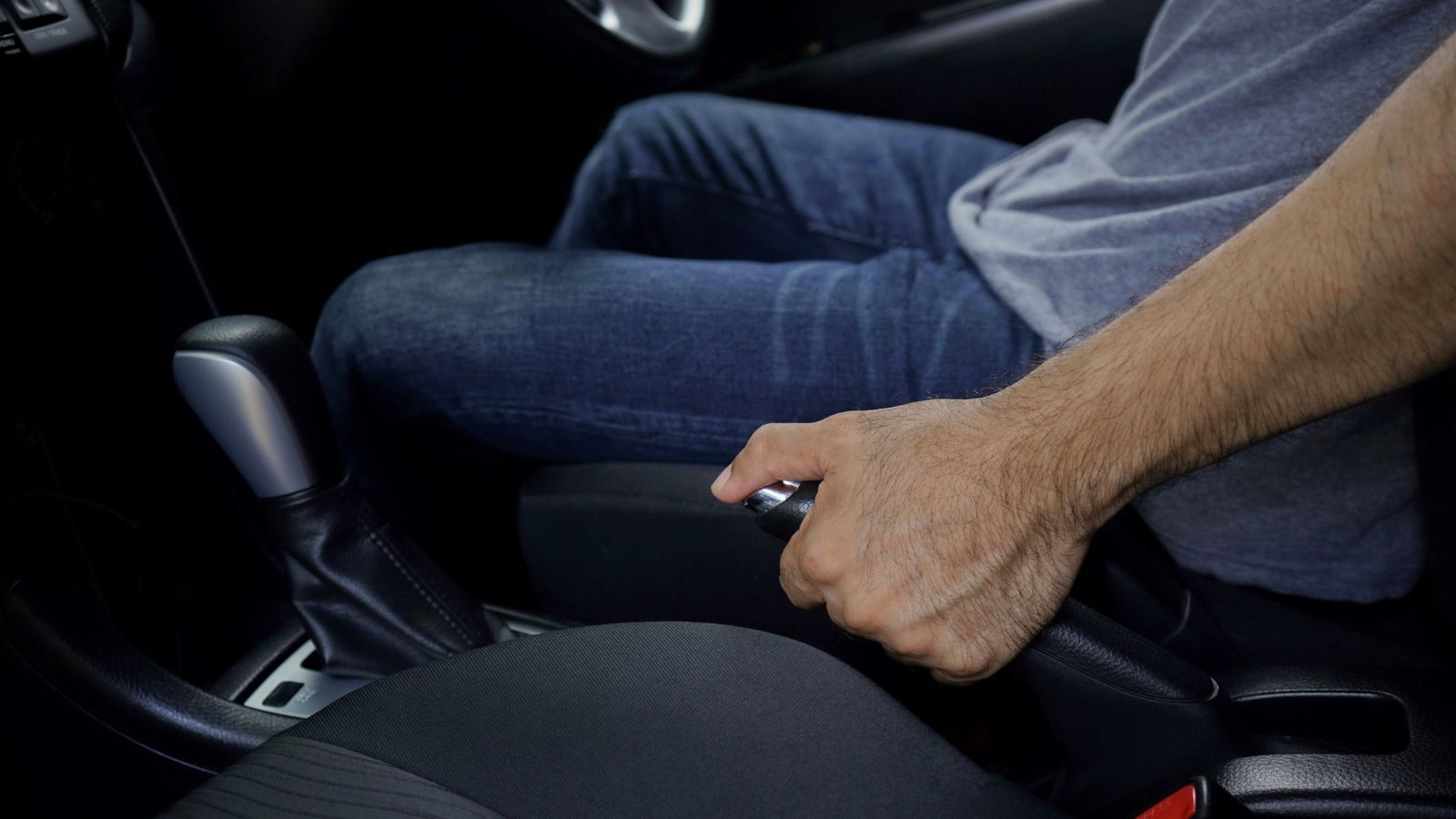
Some drivers may not consciously apply the parking brake at all. Modern vehicles can engage an electronic parking brake automatically after shifting into Park, switching the vehicle off or using functions such as Auto Hold. That convenience is useful through most of the year, but several manufacturers provide special winter instructions because automatic engagement can be undesirable when freezing conditions threaten.
Toyota’s winter-driving information for some models tells drivers to switch off the parking brake’s automatic mode because the brake may freeze and become unable to release. Hyundai similarly explains that an EPB can apply automatically when the vehicle is shifted into Park or when Auto Hold is active, and its winter guidance describes how to prevent that automatic application when freezing is a concern. This creates an easy-to-miss situation: a driver may do nothing unusual, leave the vehicle and still return to a frozen brake. Knowing whether a particular car automatically sets its parking brake is therefore one of the more useful owner’s-manual checks before the first serious snowfall.
Trying to Power Through It Can Cause Real Wear
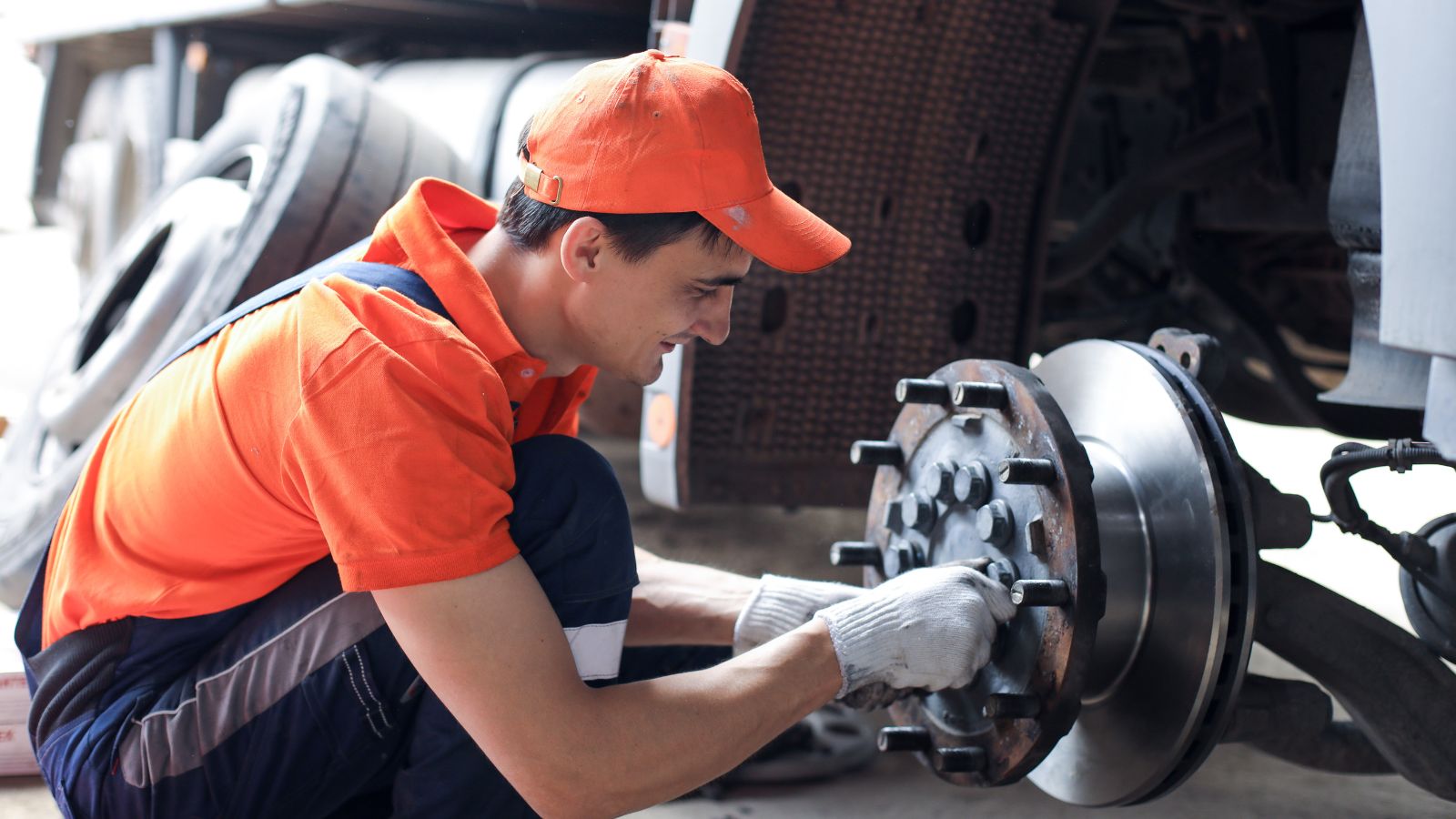
The overnight freeze may be inconvenient, but attempting to overcome it with engine power can turn inconvenience into damage. Hyundai warns that driving with the electronic parking brake applied may cause excessive brake-pad and rotor wear. Its guidance also says an applied parking brake can overheat the braking system and contribute to premature wear or damage. Kia publishes similar warnings and specifically cautions against applying accelerator power while the parking brake remains engaged.
That makes the instinctive morning reaction particularly risky. Suppose the car shifts normally into Reverse but feels unusually reluctant to move. Pressing the accelerator harder may seem like the quickest way to break free of packed snow. If the actual resistance is a brake that has not released, however, the drivetrain is fighting the braking system. Warning lights, unusual resistance or a brake that clearly remains engaged deserve investigation rather than additional throttle. A frozen component that might have been thawed or serviced can become a much larger repair concern if it is dragged while still firmly applied.
A Brake That Will Not Release Is Not Something to Fight

One reassuring possibility is that winter ice will eventually thaw. The dangerous assumption is that every parking brake that refuses to release must merely be frozen. A warning light that remains illuminated or a brake that does not release completely can also indicate a mechanical or electronic problem. Manufacturers therefore advise against simply forcing the vehicle to move until the resistance disappears.
Kia’s owner’s guidance says that if a parking brake does not release, or does not release completely, the system should be inspected. Hyundai takes an especially cautious approach with certain electronic parking brakes: if the EPB will not release normally, its manual directs the owner to have the vehicle transported on a flatbed for inspection. That distinction matters on a rushed winter morning. An owner may know that the vehicle spent the night outdoors after driving through slush, but that history does not prove ice is the only problem. If normal manufacturer-approved release procedures fail, treating the condition as a brake fault is safer than repeatedly applying throttle.
Flat Ground Gives Drivers More Winter Parking Options
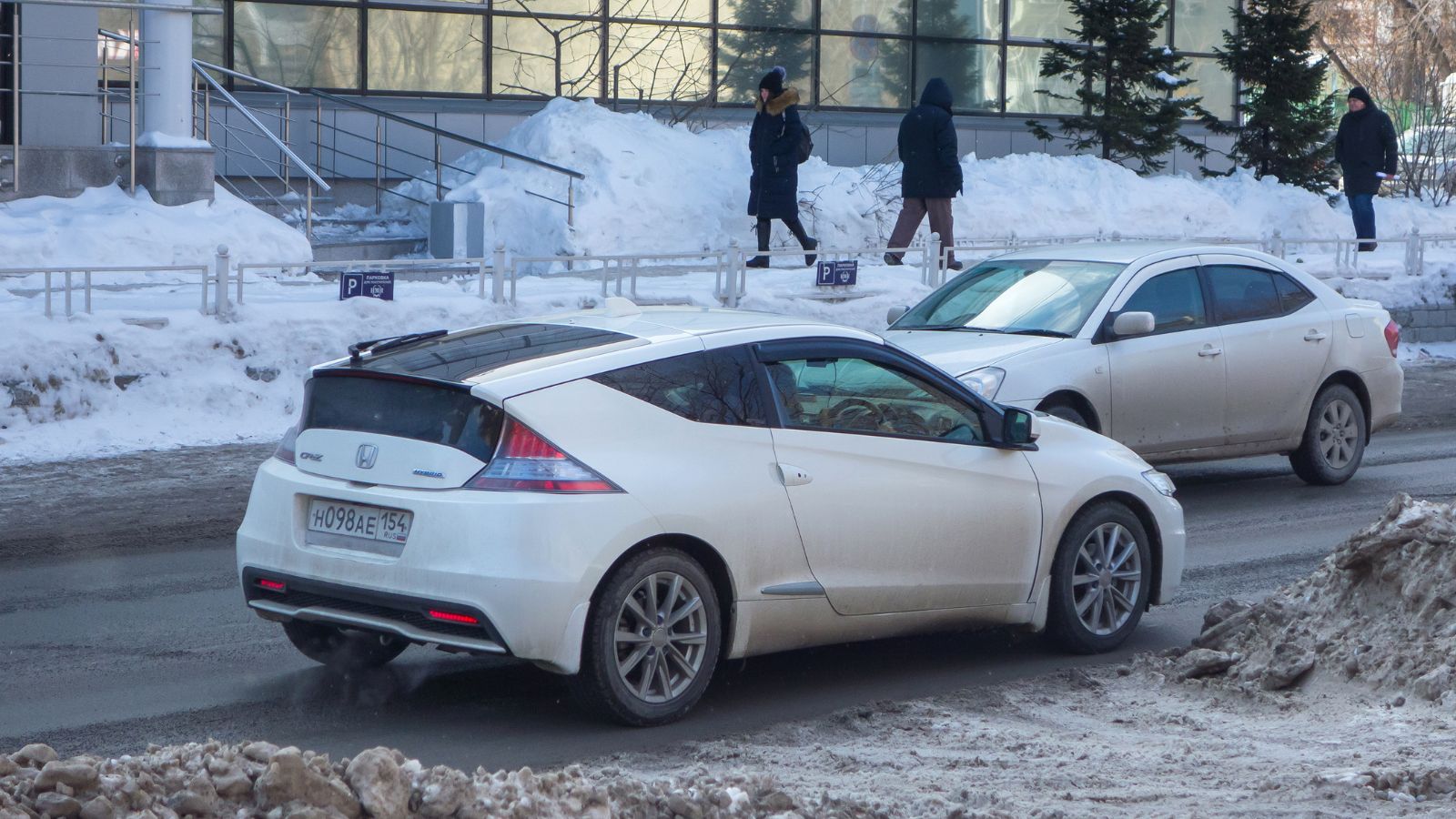
The advice to avoid a parking brake during a freeze risk comes with an essential condition that should never be buried: the vehicle must still be secured against unintended movement. Hyundai’s winter EPB instructions specifically describe parking on a flat surface with the transmission in Park and using wheel chocks when necessary. Toyota also requires wheels to be blocked when certain vehicles are parked without their parking brake in freezing conditions.
That is why a level residential driveway can make winter planning considerably simpler than a steep one. An automatic-transmission vehicle in Park has a transmission parking mechanism, while properly positioned wheel chocks provide another physical barrier against rolling. Neither detail should be improvised without checking the vehicle’s instructions. A household that routinely parks outside could keep suitable chocks somewhere dry and easy to reach rather than trying to find them during a storm. The important principle is redundancy: avoiding one potential freezing problem should never create a different hazard by leaving a vehicle inadequately secured.
A Sloped Driveway Requires a Different Plan
A steep driveway changes the calculation because preventing the vehicle from rolling becomes the dominant safety concern. Standard owner guidance frequently calls for firm parking-brake application when parking on a hill, along with selecting Park or the appropriate manual-transmission gear. Kia also recommends turning the front wheels toward or away from a curb depending on whether the vehicle faces downhill or uphill, and using wheel blocks where needed.
That can appear to conflict with winter instructions warning against a frozen parking brake. The resolution is that there is no universal rule suitable for every slope, transmission and parking-brake design. The specific owner’s manual should govern. If a manufacturer recommends avoiding the parking brake only on flat ground during freezing conditions, that limitation matters. Where possible, relocating the vehicle to a level parking area may be preferable to experimenting on an icy incline. A winter shortcut that prevents a frozen brake is not worthwhile if it increases the possibility of an unattended car moving downhill. Secure parking remains the first requirement.
Packed Snow Under the Fenders Can Create Another Problem
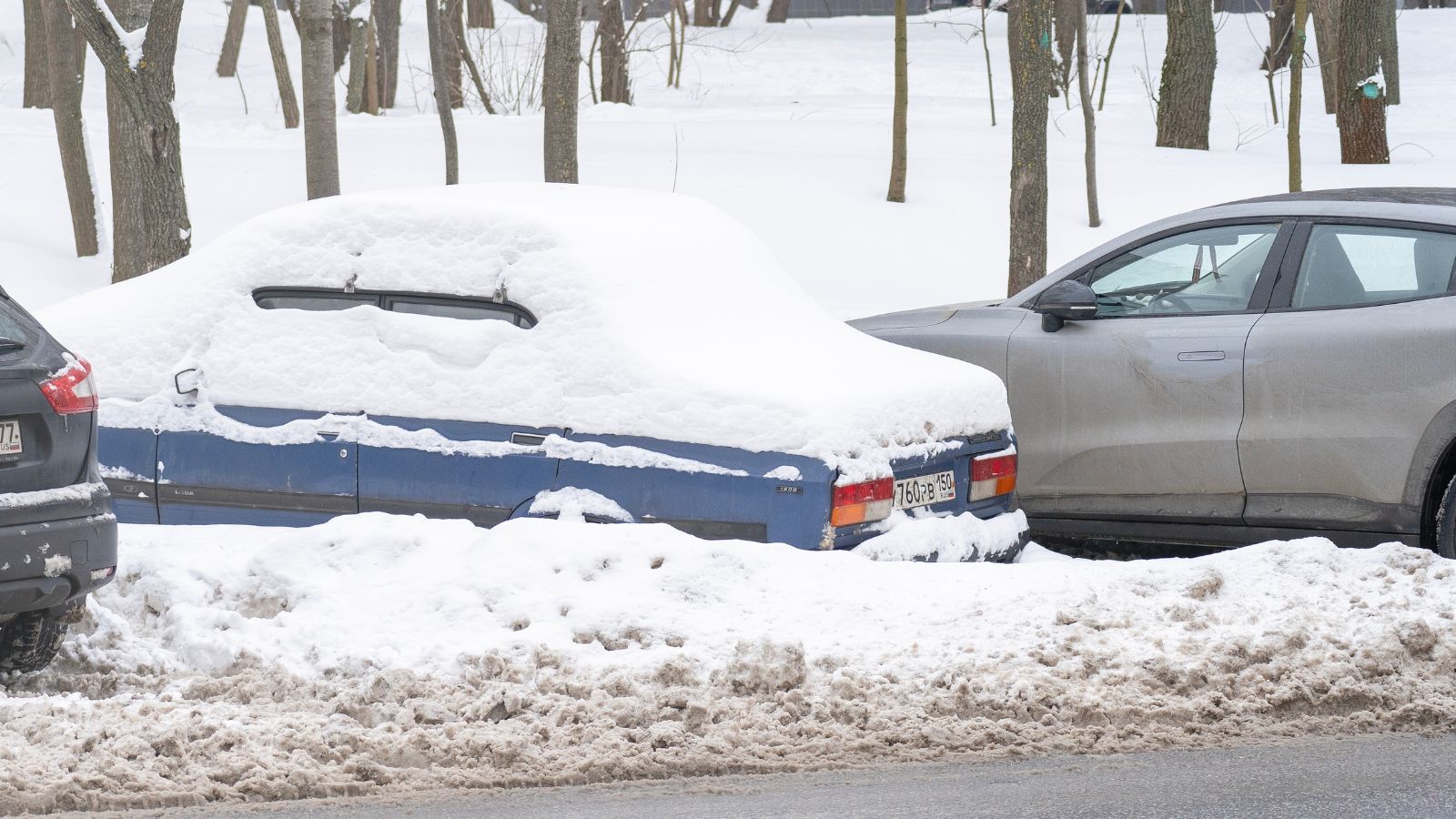
The parking brake is not the only part of a snow-covered car that deserves attention before an overnight freeze. Hyundai and Kia both warn that snow and ice can accumulate under the fenders and interfere with steering. Their winter guidance recommends periodic checks to make sure the front wheels and steering components can move without obstruction in severe conditions.
That warning helps explain the large frozen lumps often discovered behind tires after a snowy commute. Material thrown into the wheel housing can become increasingly compact, especially through repeated cycles of driving, partial melting and refreezing. A driver who clears only the windshield may therefore miss something much closer to the tires themselves. The sensible response is not aggressive chiselling around delicate components. Loose snow can be removed carefully, while hard ice that appears to obstruct a wheel should be dealt with cautiously rather than defeated by turning the steering wheel against it. A brief wheel-well inspection can prevent a second winter surprise from appearing alongside a frozen parking brake.
Salty Slush Adds a Longer-Term Corrosion Problem
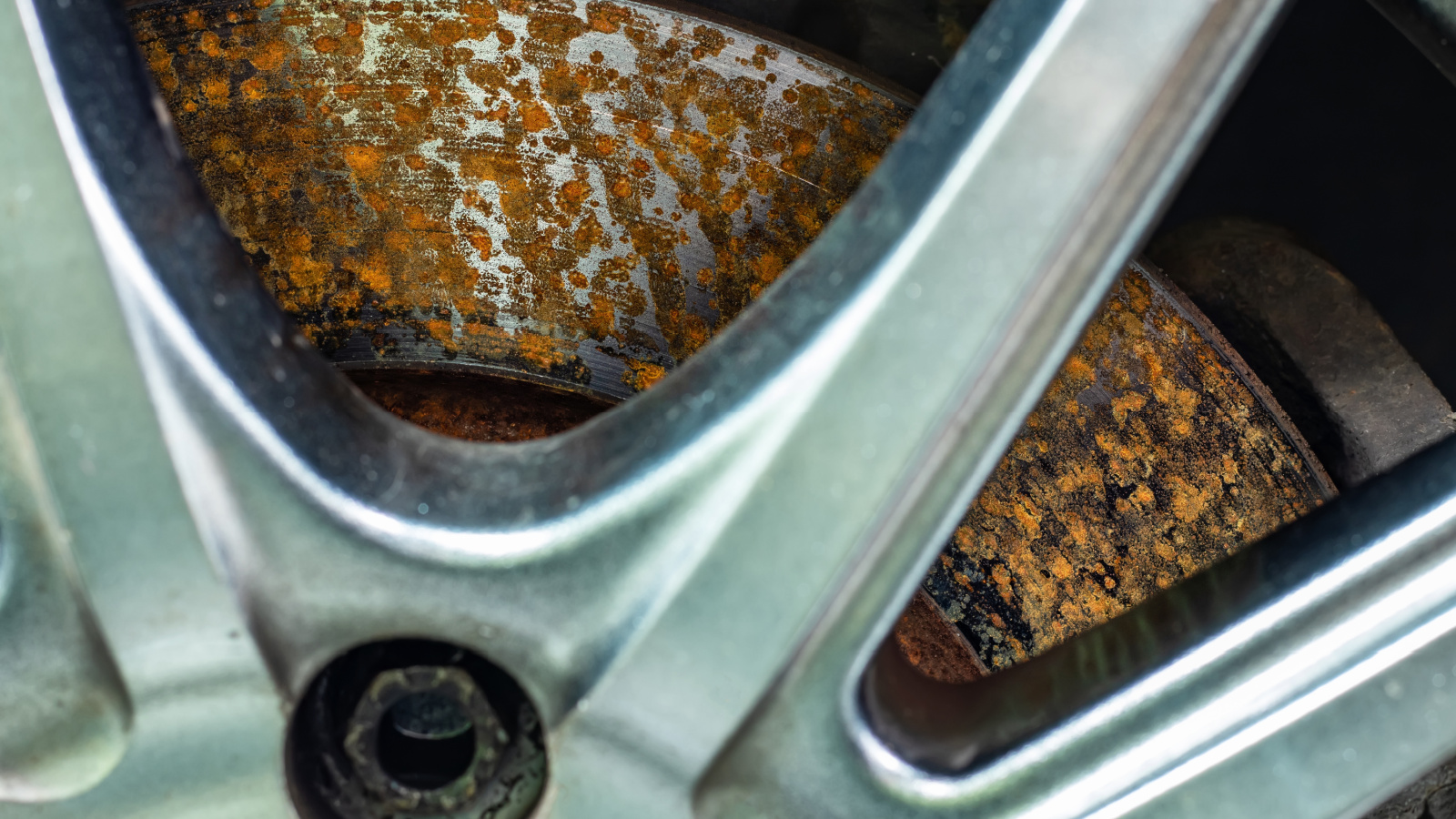
The same slush capable of freezing around brakes often contains road salt. Environment and Climate Change Canada says roughly 5 million tonnes of road salts are spread on Canadian roads each year. Those salts are valuable for winter road safety, but chloride exposure is also a well-established corrosion concern for vehicles. Canada’s National Research Council specifically identifies winter de-icing salt as a destructive element in automotive corrosion research.
Academic testing reinforces the point. Recent research on automotive steels found sodium chloride and calcium chloride de-icers can accelerate corrosion, while older controlled road studies reported substantially greater chassis corrosion on salted roads than comparable unsalted sections. That does not mean one snowy night will suddenly rust through a brake assembly. Corrosion is cumulative. However, repeatedly leaving salt-laden moisture packed against the underbody, brake surroundings and chassis gives that corrosive environment more opportunities to act. Clearing heavy buildup and periodically washing winter grime from appropriate vehicle surfaces addresses a different timescale of the same snowy-driveway problem.
A Two-Minute Winter Parking Routine Can Prevent the Morning Surprise

The simplest prevention begins before everyone disappears inside for the night. After driving through heavy snow or slush, look around the wheels for obvious packed buildup, particularly near the rear brakes and inside the wheel housings. Know whether the vehicle automatically engages its parking brake and consult its winter section for the manufacturer’s instructions. If those instructions permit avoiding the brake during a freeze risk, follow the prescribed combination of Park, a level location and wheel chocks rather than inventing a substitute.
The next morning deserves another quick inspection. Toyota advises removing excess ice or snow from areas including the chassis, tires and brakes, while Transport Canada tells drivers to remove snow from the vehicle before setting out. Most importantly, a car that resists movement with a parking-brake warning illuminated should not simply receive more throttle. The overnight freeze itself may be temporary; forcing an applied brake can create lasting wear. Two minutes of attention in the driveway is considerably cheaper than turning a predictable winter condition into damaged brake components.
19 Used Cars Canadians Should Avoid in 2026 (Based on Owner Complaints)

Buying a used car in Canada can feel safe until repair bills start stacking up. Owner complaints tell a different story than glossy listings. Transmission failures, electrical problems, and weak winter reliability show up again and again in consumer reports. Many of these issues appear after warranties expire, when owners least expect them. Some vehicles look affordable upfront, but become expensive to keep on the road. Others struggle in cold weather, urban driving, or long highway commutes. Here are 19 used cars Canadians should avoid in 2026 (based on owner complaints).
19 Used Cars Canadians Should Avoid in 2026 (Based on Owner Complaints)