
























A windshield used to be one of the simpler parts of a car to understand: glass broke, glass got replaced. That is changing quickly. On many newer vehicles, the windshield now supports cameras, heating elements, acoustic layers, rain sensors, head-up displays and other technology that can make replacement far more complicated and expensive than many owners expect.
For Canadian drivers dealing with gravel, freeze-thaw cycles, insurance deductibles and increasingly sophisticated vehicles, that extra complexity can turn an ordinary stone chip into a surprisingly large ownership expense. The 12 factors below explain why some Canadians are starting to look more closely at windshield costs before choosing a vehicle, and why a feature that seems minor in the showroom can matter years later when the glass is damaged.
ADAS Cameras Have Turned the Windshield Into a Safety Component
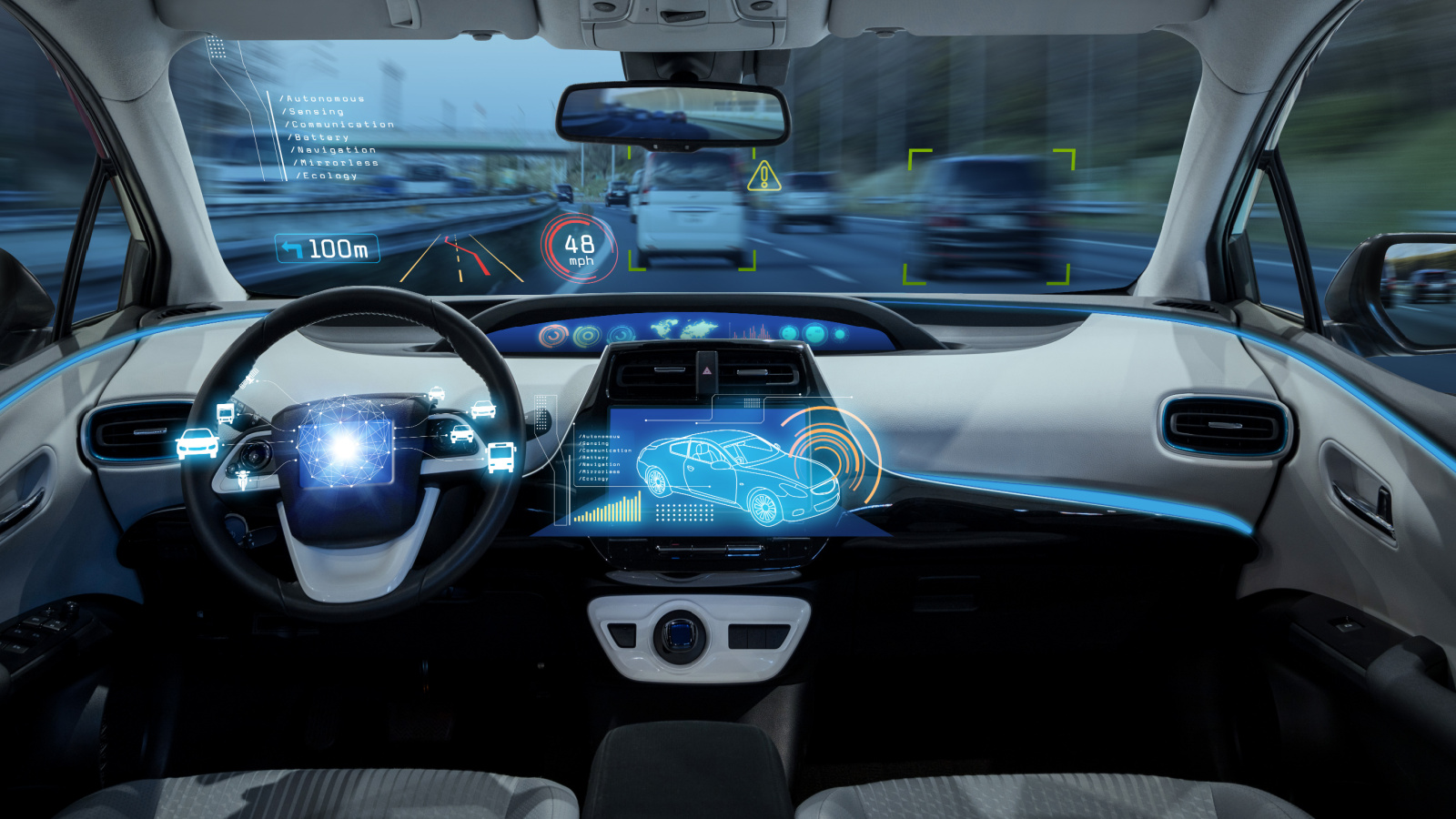
A modern windshield is no longer just a curved sheet of laminated glass. On many newer vehicles, a forward-facing camera sits behind it and feeds systems such as automatic emergency braking, lane-departure warning and adaptive cruise control. Replacing the glass can disturb the camera’s position, which is why manufacturers commonly specify recalibration after the job.
That changes the ownership calculation. A stone chip that would once have meant a straightforward glass appointment can now involve diagnostic equipment, manufacturer-specific targets and a technician trained to restore the camera’s alignment. Even a small positional error matters because the system is interpreting objects hundreds of feet ahead. For Canadians comparing vehicles with similar performance and comfort, the windshield can therefore become a hidden service item worth pricing before purchase. A vehicle with simpler glass may be less impressive on a specification sheet, but its repair path can be far easier to predict overall.
Calibration Can Add Another Layer to the Bill
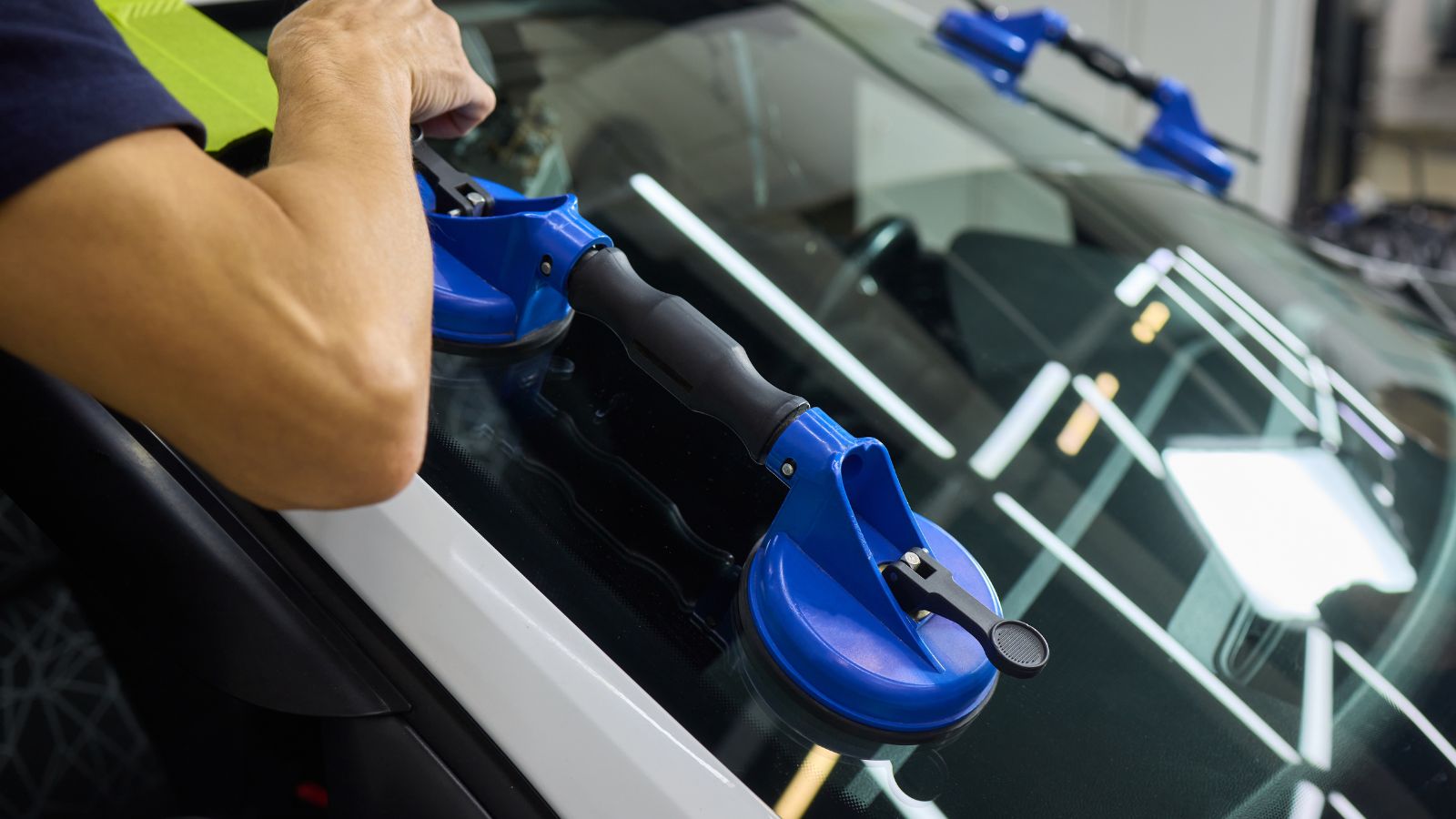
Calibration can add both money and inconvenience to a windshield replacement. Depending on the vehicle, a shop may need a static procedure using precisely positioned targets, a dynamic procedure performed during a road test, or a combination of both. Canadian auto-glass providers note that the process can take around an hour or more in addition to the replacement itself.
The extra expense is not theoretical. AAA’s repair-cost research found that, in its test vehicles, transferring and calibrating a windshield-mounted camera added about US$360 to the glass-replacement scenario. The exact Canadian bill varies by model, shop and insurance coverage, but the underlying point is consistent: the glass is only one line on the invoice. Drivers who remember paying a few hundred dollars for a windshield on an older car can be surprised when a newer vehicle requires calibration equipment and added labour before its safety systems are ready for normal use.
Replacement Prices Now Span a Huge Range
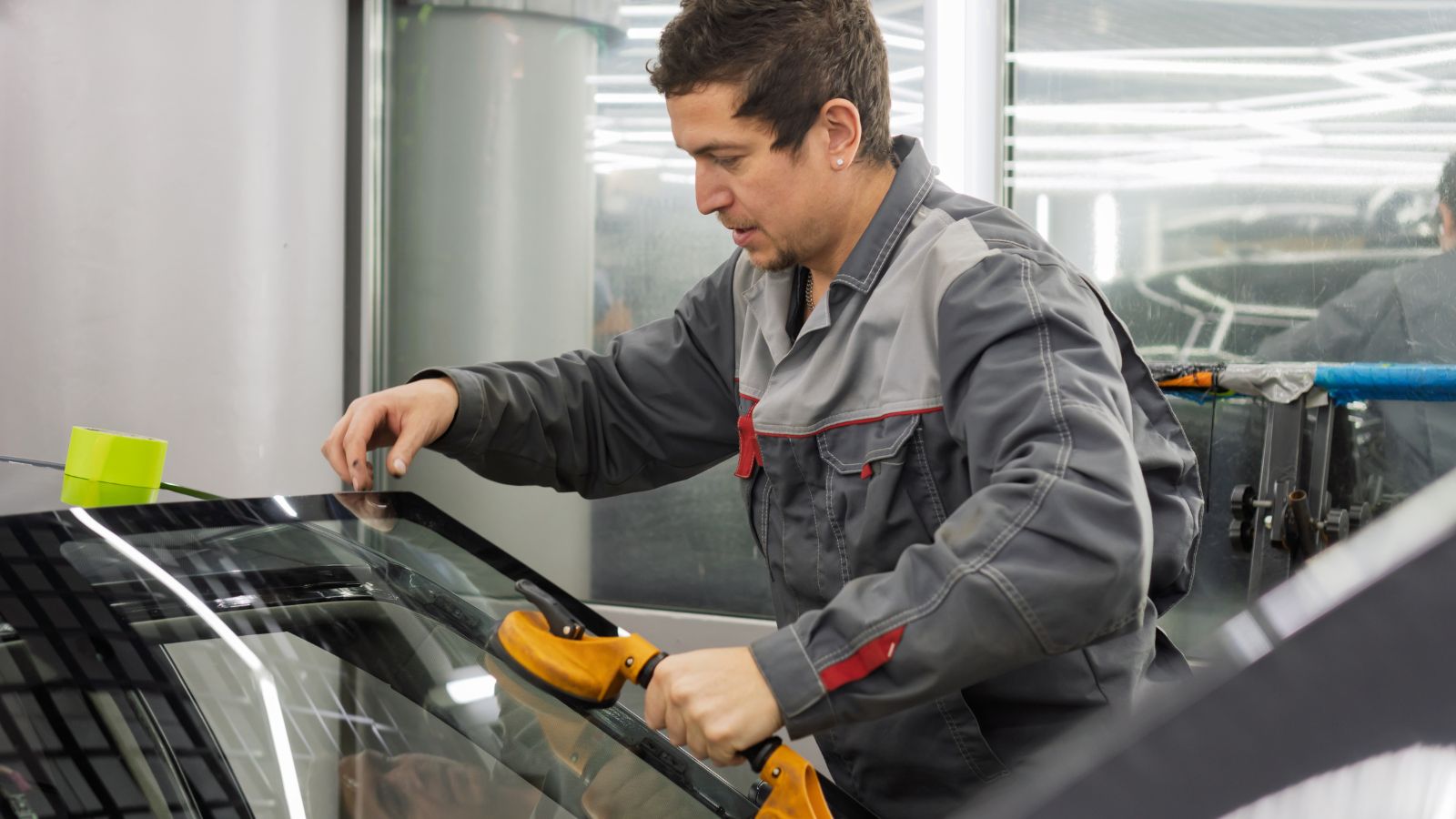
Canadian replacement prices now cover a very wide range. Recent Canadian consumer guidance places minor chip repairs at roughly C$50 to C$150, while a full windshield replacement commonly runs from about C$300 to C$1,000 or more. Newer vehicles with cameras, luxury glass or other embedded features can push beyond the ordinary end of that range.
That difference matters because windshield damage is not a once-in-a-lifetime possibility. A single rock strike can turn a routine commute into an unplanned repair decision, and the financial impact feels very different on a vehicle with a basic replacement pane than on one requiring specialized glass and calibration. For households already budgeting for higher insurance, tires, financing and maintenance, an expensive windshield becomes another ownership risk to consider. The concern is less about whether the feature is desirable and more about whether an otherwise minor incident can suddenly produce a four-figure bill eventually for households.
Head-Up Displays Require Specialized Glass

Head-up displays make the windshield itself part of the vehicle’s information system. Rather than simply reflecting an image from a projector, HUD-compatible glass is engineered so speed, navigation prompts and warnings appear sharply in the driver’s field of view. Glass manufacturers use specialized laminated structures, including wedge-shaped interlayers, to reduce double images and distortion.
That precision can narrow replacement choices. If the wrong glass is installed, the display may appear blurry, doubled or misaligned. Some automakers also specify original-equipment glass for vehicles with cameras or HUD systems because optical quality, bracket location and glass geometry can affect performance. From an ownership perspective, this turns a comfort feature into a future parts requirement. A Canadian shopper may enjoy the cleaner dashboard and convenient projection during a test drive, yet still decide that a conventional instrument display is preferable if replacing the windshield later could require a more specialized and expensive component.
Heating, Acoustic Layers and Sensors Add Complexity
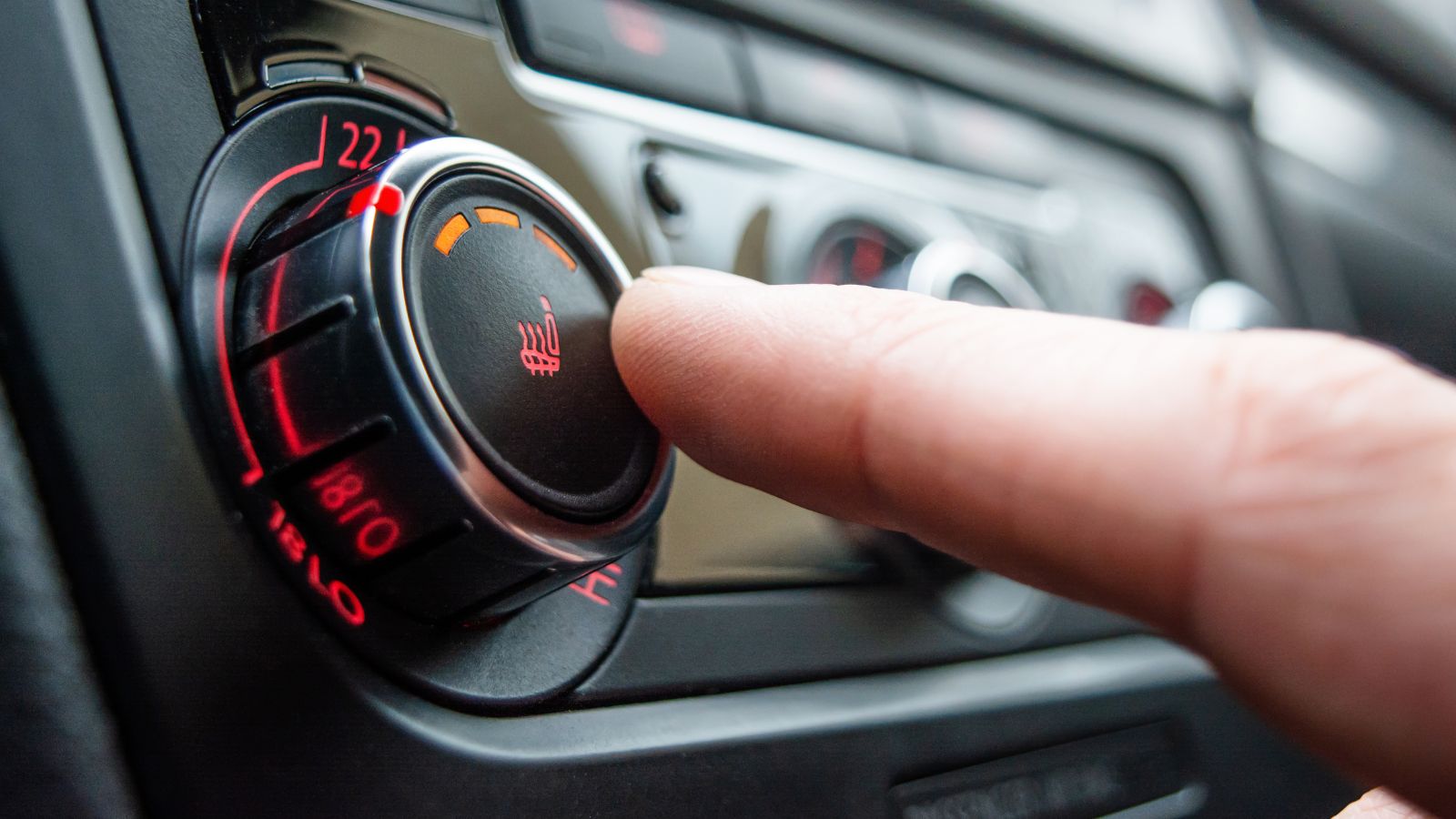
Windshields can carry far more technology than most owners notice. Heated wires or coatings can speed de-icing, acoustic interlayers can reduce road and wind noise, rain sensors can activate wipers automatically, and infrared or solar-control coatings can help manage cabin heat. Each feature improves comfort, but it also makes replacement glass more vehicle-specific.
The complexity is especially relevant in Canada, where heated glass has obvious winter appeal. A replacement must match the functions the vehicle originally had, and some sensors or attachments may require specific procedures after the old glass is removed. Consumer Reports notes that modern windshield areas can include rain sensors, heaters, electronically activated bands and head-up displays in addition to ADAS cameras. None of these technologies is inherently a bad choice. The issue is accumulation: a windshield combining several premium features becomes a sophisticated automotive component rather than a relatively interchangeable piece of safety glass today too.
OEM Versus Aftermarket Glass Is Not Always Simple

The choice between original-equipment and equivalent replacement glass can complicate the bill further. Canadian glass chains commonly offer original-equipment-equivalent windshields as a less expensive alternative, and research commissioned by Belron Canada found that camera calibration could be performed successfully with qualifying aftermarket glass in the vehicles it tested.
However, the answer is not universal. Some manufacturers publish stricter replacement requirements. Ford, for example, has stated through repair guidance summarized by I-CAR that it does not approve aftermarket windshield or side glass for certain applications, citing concerns about camera-bracket positioning, optical distortion, head-up display quality and noise. That leaves owners navigating vehicle-specific rules rather than assuming the cheapest pane is appropriate. For cost-conscious Canadians, the uncertainty itself can be a deterrent. A model whose windshield has multiple acceptable replacement options may feel easier to own than one whose repair procedure effectively points toward a more expensive factory-branded part in practice today.
Insurance Does Not Always Make the Expense Disappear

Insurance can soften a large windshield bill, but it does not make the cost irrelevant. In Ontario, comprehensive coverage for damage to the vehicle is optional, and deductibles apply according to the policy. A driver carrying a substantial deductible may still pay a meaningful share of a replacement even when the claim is covered.
British Columbia shows how different the experience can be. ICBC says qualifying chip repairs are free for customers with Comprehensive coverage, while a windshield that must be replaced can require a deductible. That creates a strong incentive to repair damage early, but it also highlights why buyers should understand glass coverage before choosing expensive glazing. Insurance rules vary by province and insurer, and specialty glass endorsements can have their own limits. A costly windshield is much less intimidating with generous coverage than when deductibles, exclusions or calibration charges leave a large amount out of pocket unexpectedly.
A Tiny Chip Can Become a Full Replacement

A tiny chip can become expensive because repairability depends on more than diameter. ICBC’s current guidance says damage may require replacement when it develops into a long crack, sits over a heating element, or covers a sensor or camera system. Damage that is small and safely located may qualify for repair instead.
Canadian temperature swings make early action especially important. ICBC has warned that chips can spread during freeze-and-thaw cycles, turning repairable damage into a larger crack. It is a familiar winter scenario: a driver parks with a small stone mark, temperatures drop overnight, and the line grows after the cabin warms. On a basic windshield the consequence is inconvenient; on a HUD- and camera-equipped windshield it can be more expensive. The concern is not that advanced windshields break more easily, but that the financial penalty grows when ordinary damage crosses from repair to replacement unexpectedly for owners over time.
Rock and Gravel Damage Is an Everyday Risk

Road debris makes windshield cost particularly noticeable in Canada because a rock strike does not require a collision. ICBC’s Comprehensive coverage specifically lists falling or flying objects, including rock or gravel hitting the windshield, as covered non-collision damage. The insurer also advises drivers to maintain distance from other vehicles to reduce windshield-damage risk.
That everyday exposure changes how some owners think about expensive glass. A premium engine may never need a major repair during an ownership period, but the windshield is exposed on every highway trip. Trucks, winter sanding material and loose gravel can create the kind of impact that starts a claim or repair appointment. Buyers in regions where chipped glass feels routine may therefore pay more attention to replacement pricing than before. The calculation is practical: the more exposed a component is to random road damage, the more its replacement cost matters in the real-world ownership budget overall.
Simpler Windshields Can Make Ownership More Predictable

Simpler windshields can make repair bills easier to forecast. Canadian cost guides show a large gap between basic replacement glass and windshields requiring advanced safety calibration or premium features. Consumer Reports has similarly documented that ADAS-capable glass can cost substantially more than a conventional windshield once specialized glass and recalibration are involved.
That can give older or lower-trim vehicles an unexpected ownership advantage. A buyer may give up a head-up display, acoustic laminate or heated windshield, but gain a broader selection of replacement parts and a less complicated installation. The appeal is similar to choosing smaller wheels because tires cost less: the feature sacrificed is visible every day, while savings become obvious when something goes wrong. This does not mean a base model is always cheaper overall. It means windshield specification has joined tire size, lighting technology and sensor-packed bumpers as a detail that can materially change repair costs substantially.
Windshield Cost Is Becoming a Smart Pre-Purchase Question
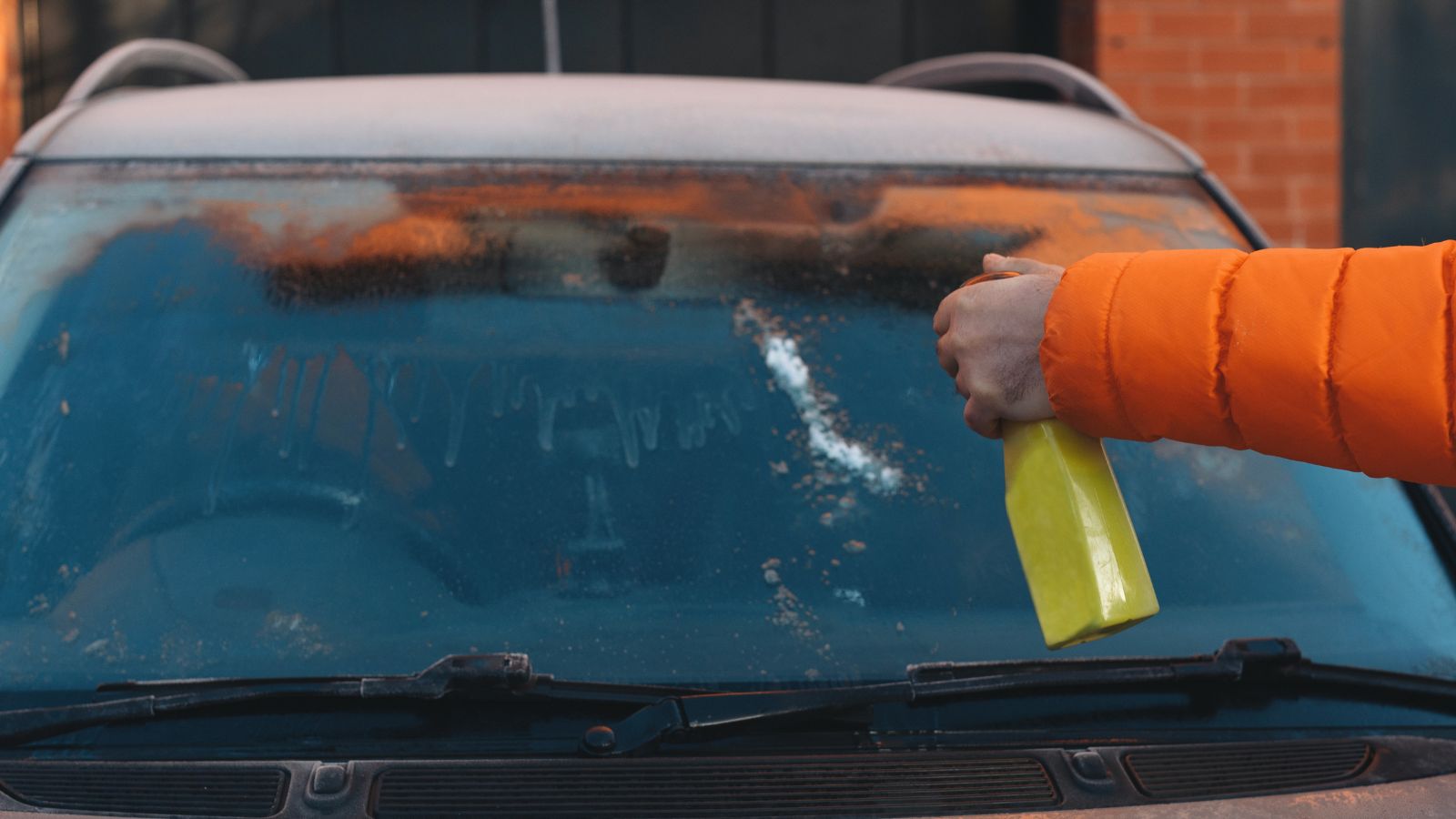
Windshield pricing is becoming a sensible pre-purchase question, especially in the used market. Two vehicles with similar asking prices can carry different replacement exposure depending on whether they have a forward camera, HUD, heating elements, acoustic laminate or manufacturer-specific glass requirements. Canadian replacement estimates range from a few hundred dollars to C$1,000 or more, making the difference large enough to affect an ownership budget.
A practical buyer can ask for a replacement quote using the year, trim and vehicle details before signing. The same check should include whether camera calibration is required, whether equivalent glass is acceptable, and how insurance treats glass claims. That homework can reveal a cost invisible during a normal test drive. The windshield may be flawless on purchase day, but it remains exposed to weather and road debris. For some Canadians, one unlucky stone creating a complex claim can be enough to favour the simpler vehicle.
There Is Still a Safety Trade-Off to Consider
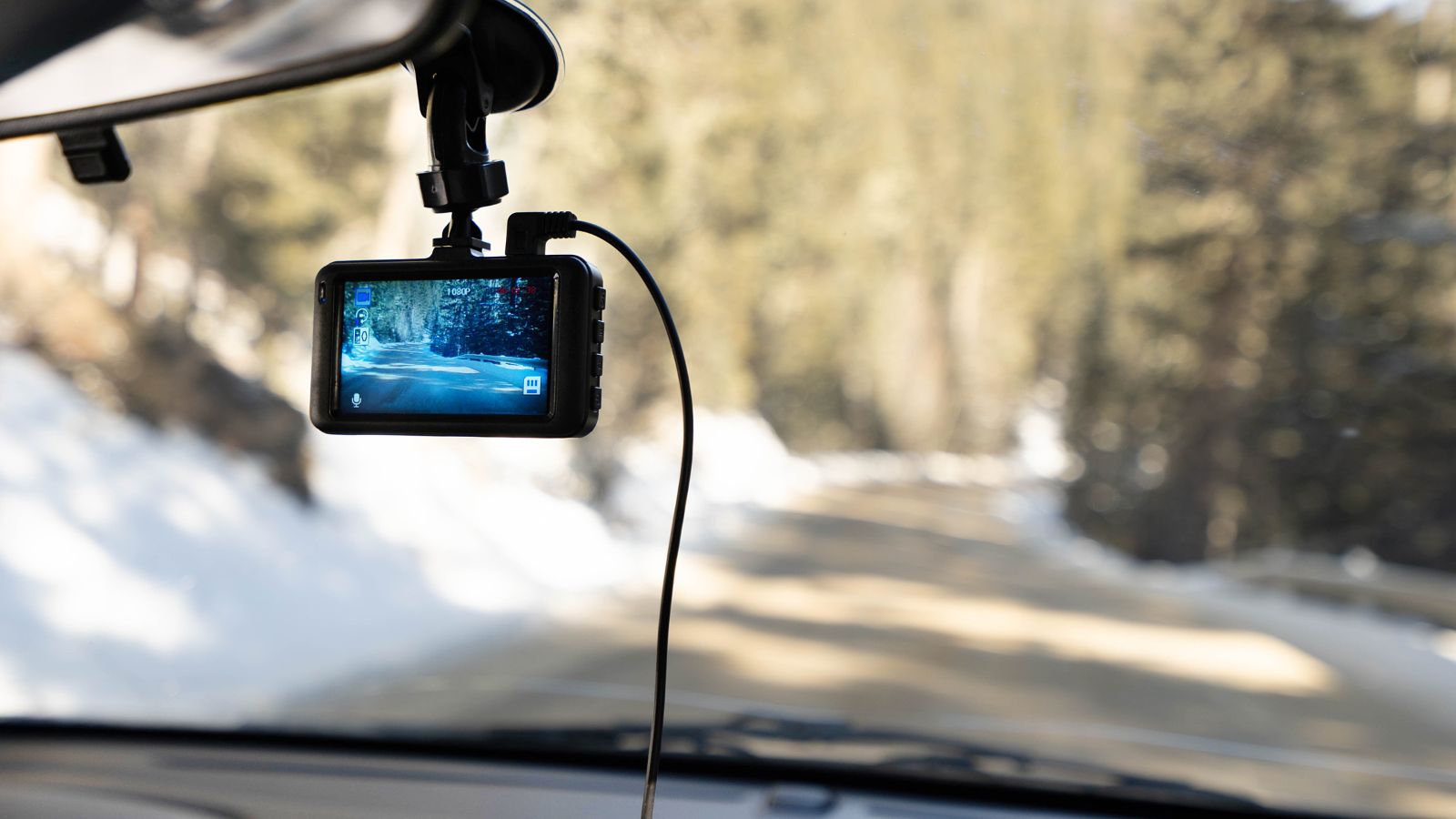
There is an important safety trade-off behind all of this cost avoidance. Many cameras that make windshield replacement more complicated support technologies with strong real-world safety evidence. The Insurance Institute for Highway Safety reports that forward collision warning combined with automatic emergency braking cuts rear-end crashes by about half, while lane-departure warning has also been associated with reductions in relevant crashes and injuries.
That is why choosing a cheaper windshield should not automatically mean choosing a car without driver-assistance technology. Consumer Reports has cautioned against avoiding proven safety features solely because they can raise repair costs. A balanced approach is to compare the whole ownership package: replacement-glass pricing, insurance coverage, calibration availability, safety ratings and trim features. Some Canadians may still prefer simpler cars, but the strongest reason is repair-cost predictability, not a conclusion that newer technology lacks value. The cheapest windshield is not necessarily attached to the safest vehicle.
19 Used Cars Canadians Should Avoid in 2026 (Based on Owner Complaints)

Buying a used car in Canada can feel safe until repair bills start stacking up. Owner complaints tell a different story than glossy listings. Transmission failures, electrical problems, and weak winter reliability show up again and again in consumer reports. Many of these issues appear after warranties expire, when owners least expect them. Some vehicles look affordable upfront, but become expensive to keep on the road. Others struggle in cold weather, urban driving, or long highway commutes. Here are 19 used cars Canadians should avoid in 2026 (based on owner complaints).
19 Used Cars Canadians Should Avoid in 2026 (Based on Owner Complaints)