























A snowbank can look like the safest possible parking barrier—soft, forgiving, and unlikely to leave more than a dusting of snow on the paint. In reality, roadside piles often contain compacted snow, refrozen crust, road salt, gravel, ice chunks, and hidden curbs. Pressing a vehicle’s bumper into one can damage low-hanging trim, break mounting clips, disturb sensors, or affect components concealed behind the painted cover.
The greatest risk comes from treating the bank as a convenient stopping point instead of leaving open space in front of the vehicle. These 12 concerns explain how an apparently harmless winter parking habit can quickly become an expensive repair.
Snowbanks Are Not Always Soft
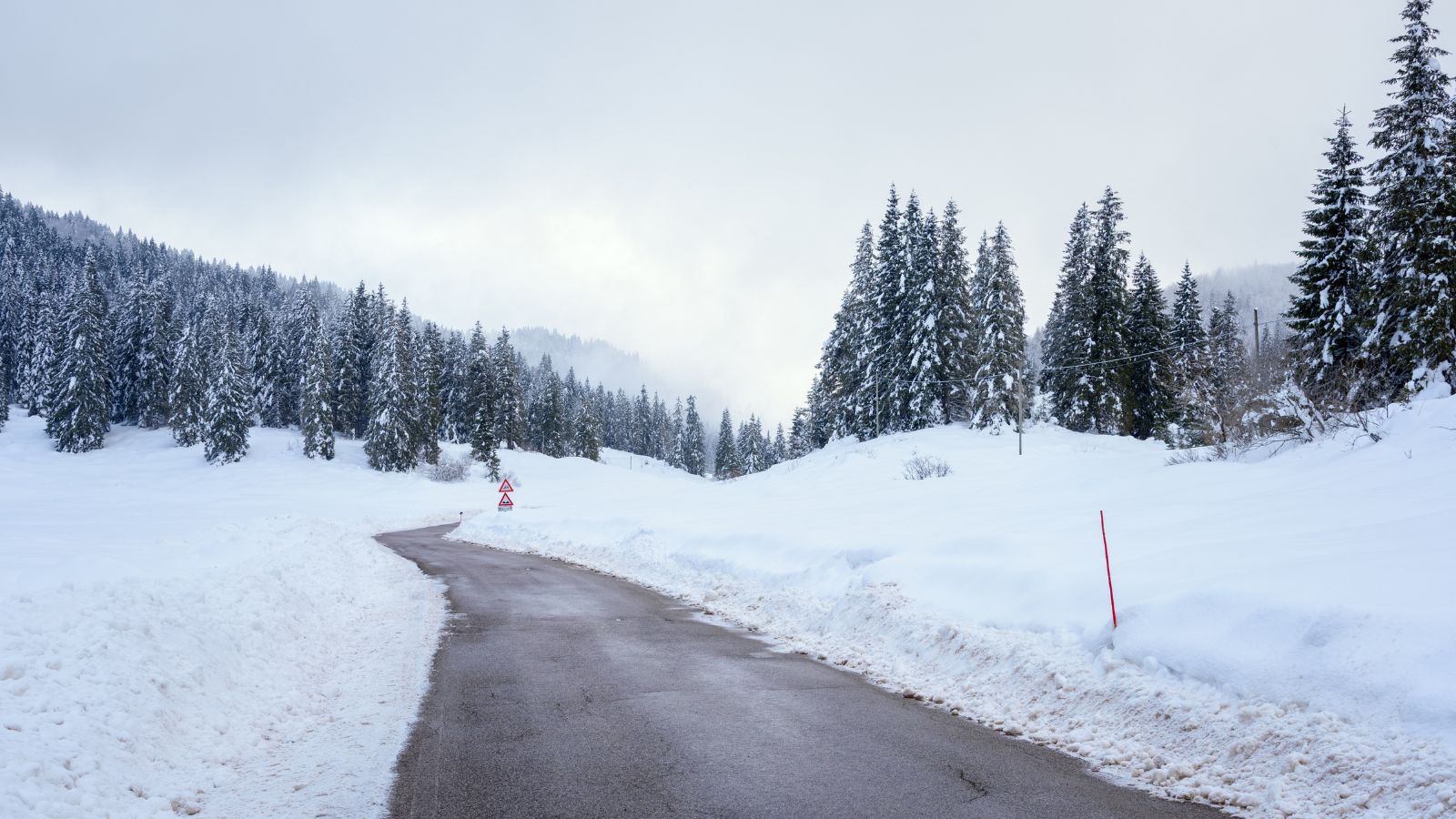
Fresh snowfall can look harmless, but a roadside bank is rarely made of untouched powder. Plows compress snow, wind packs it, and passing temperature changes increase its density. Canadian snow research has long treated hardness and density as measurable engineering properties because compacted snow can support significant loads. That means a bumper entering a bank may meet a dense wall rather than a cushion, especially near the curb where repeated plowing creates layered deposits.
The common mistake is using the bumper as a parking stop—creeping forward until the car visibly presses into the bank. Even at walking speed, the contact force becomes concentrated on the bumper cover, grille opening, lower valance, or one corner of the vehicle. Federal low-speed bumper standards are designed around controlled test conditions, not an irregular mound containing ice, grit, or buried objects. A driver may feel almost no impact in the cabin while the exterior plastic flexes, cracks, or separates from its mounting points.
Freeze–Thaw Cycles Make the Risk Worse
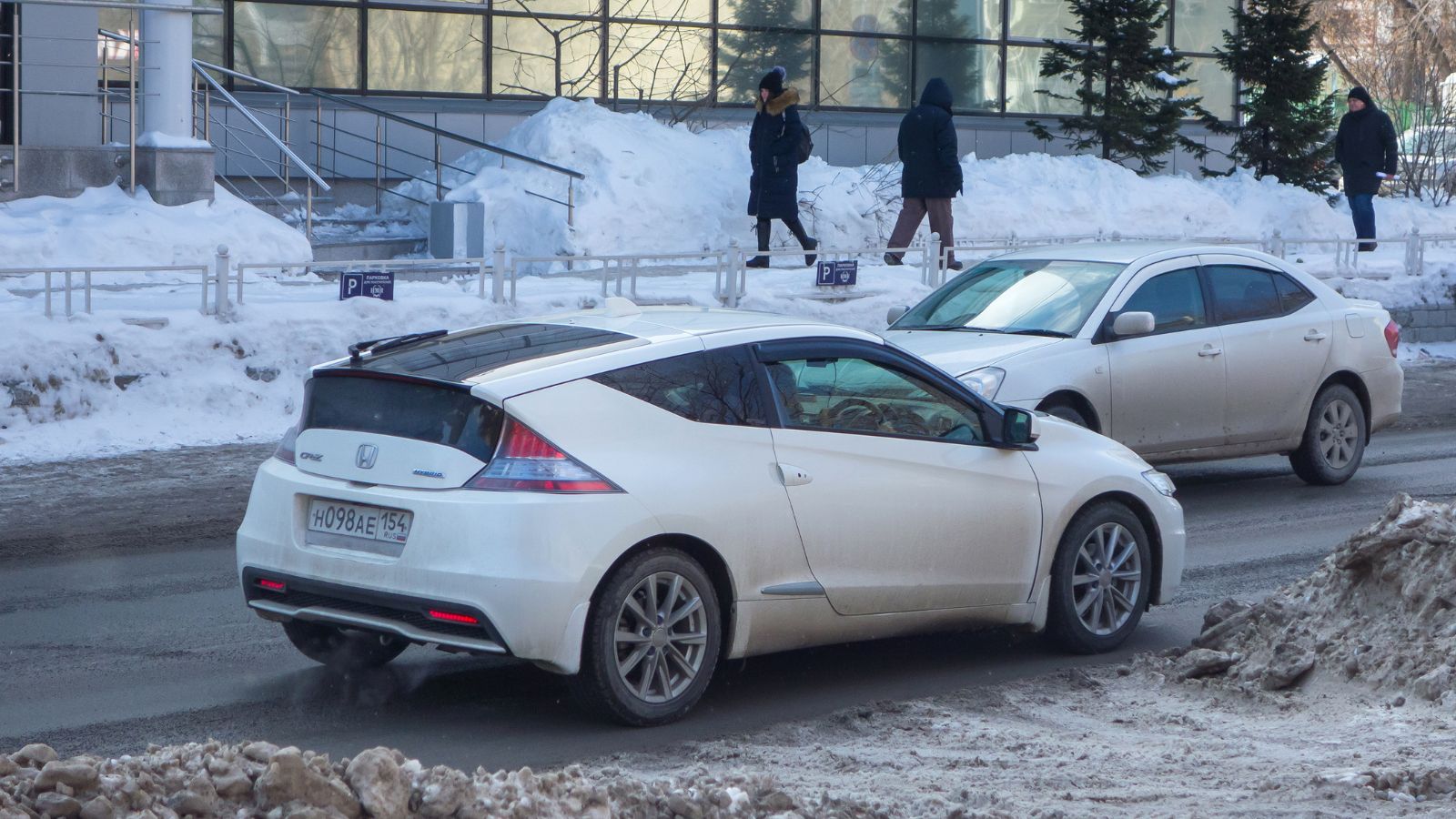
A snowbank can change character within hours. Sunlight, warmer daytime air, exhaust heat, and road spray can soften its surface; falling temperatures can then refreeze that moisture into a crust. Environment and Climate Change Canada describes winter snow as ranging from fresh powder to hard, dry crust, with freeze–thaw cycles producing alternating layers of snow and ice. Avalanche Canada similarly defines melt-freeze crusts as hard layers created when surface snow melts and refreezes.
That layered structure explains why a bank that felt soft one afternoon may be unyielding the next morning. The bumper may break through a thin outer crust and then become wedged in denser material underneath. Pushing farther can load the bumper unevenly, while reversing can pull against frozen edges. The safest assumption is that an old or plowed snowbank is solid until proven otherwise. Its appearance says little about what lies below the visible surface, particularly after several days of traffic splash, compaction, and overnight freezing.
Cold Plastic Has Less Margin for Abuse
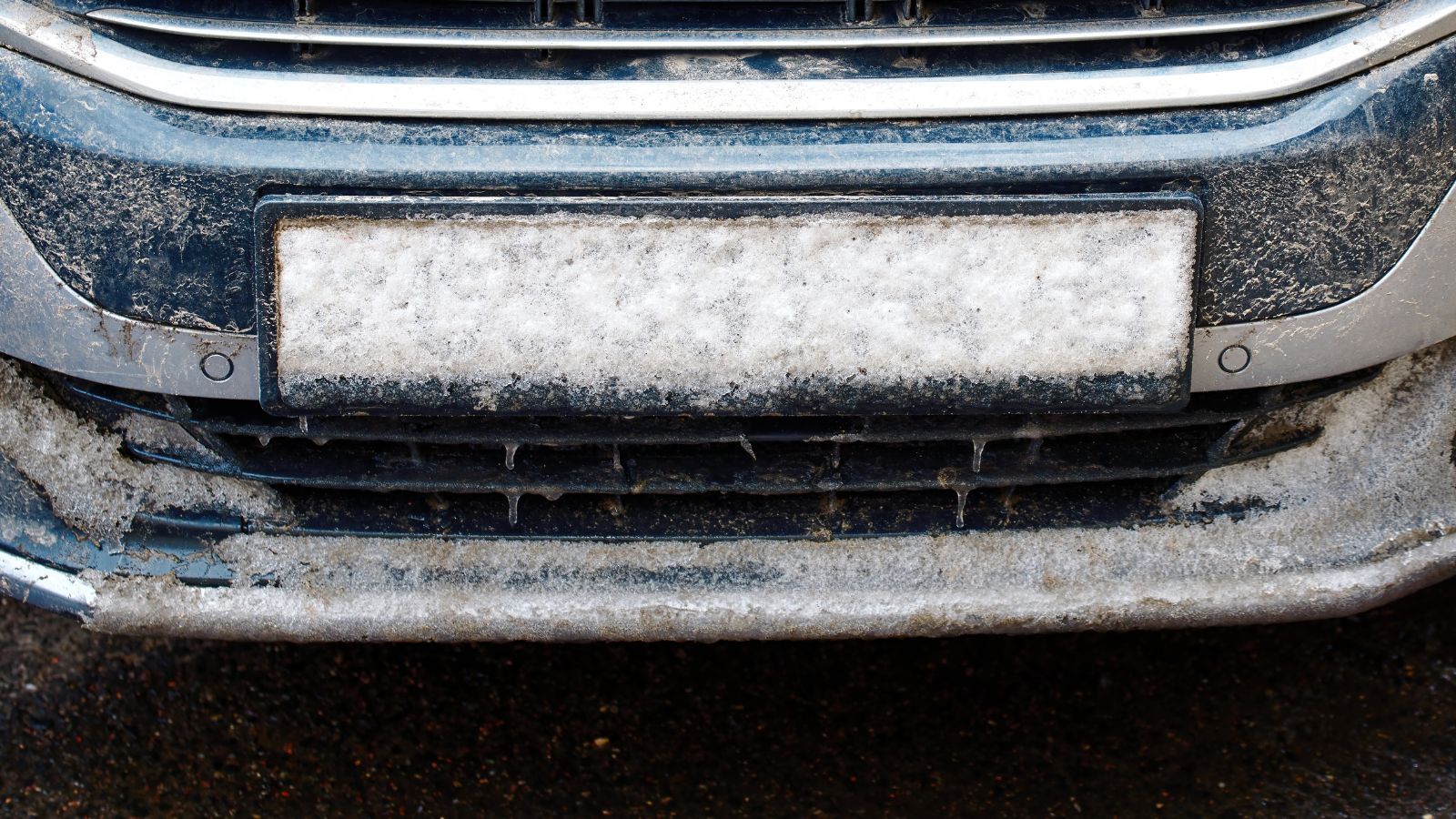
Modern bumper covers are engineered to flex, but their performance still depends on material formulation, temperature, impact speed, and the shape of the object being struck. Automotive exterior parts commonly use polypropylene-based or thermoplastic-olefin compounds because they combine low weight, mouldability, and impact resistance. Technical research on bumper materials specifically tests low-velocity impacts at temperatures as low as minus 30 C because cold-weather cracking is a real design concern.
This does not mean every cold bumper becomes brittle or that normal winter use will damage it. It means a frozen bumper cover may have less tolerance for a sharp, concentrated load than the same part in milder conditions. A rounded laboratory impact and a jagged chunk of refrozen snow are not equivalent. Previous scrapes, repaired cracks, aged paint, and stressed mounting tabs can reduce the remaining margin further. A slow push into a bank may therefore produce a split that would not have appeared during similarly gentle contact on a warm day.
Snow Can Hide Curbs, Rocks, and Road Debris
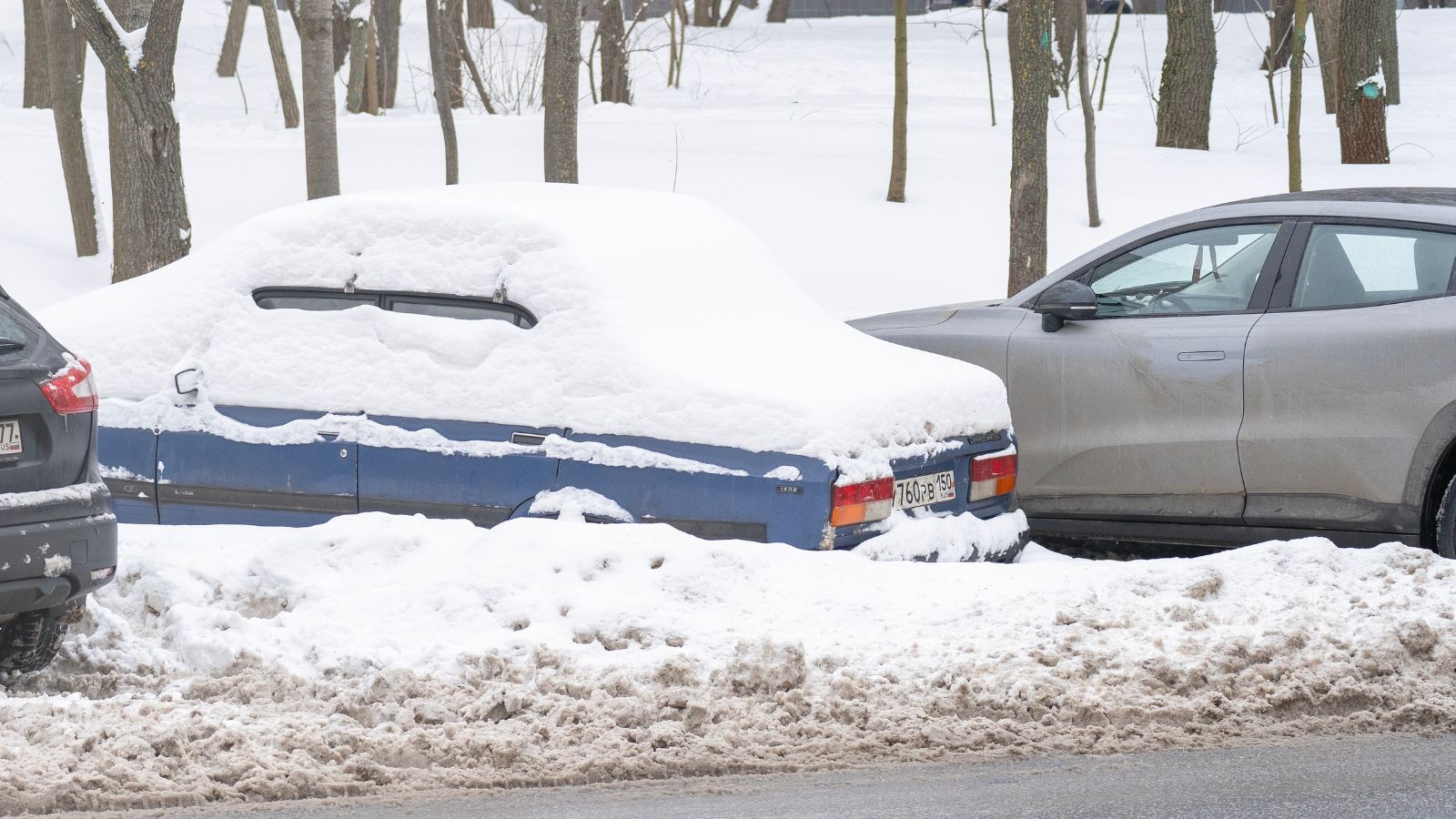
The visible face of a snowbank is only the outer layer. Along streets and parking lots, the pile may cover a concrete curb, landscaping stone, frozen garbage, wheel stops, or chunks of asphalt lifted by plowing. Municipal winter-maintenance guidance repeatedly warns that objects hidden by snow can be damaged—or damage equipment—because operators cannot see them. The same visibility problem applies to a driver judging how much empty space remains ahead of a bumper.
This is why stopping based on the snow surface is unreliable. A car may compress several centimetres of loose material and then suddenly strike a buried curb at bumper-corner height. Because the hidden obstacle is rigid, the load can be focused on a small area rather than distributed across the bumper. The resulting damage may appear as a localized crack, a popped corner, or a distorted grille opening. In darker parking areas, a quick walk-around with a phone light is far safer than assuming a smooth white mound contains nothing harder underneath.
The Lower Air Dam Often Makes First Contact
On many cars, the lowest front component is not the reinforced bumper beam. It is a plastic air deflector, spoiler, grille extension, or splash shield that manages airflow and helps protect the underside. These pieces can sit below the painted bumper face and may contact a snowbank before the driver realizes the main bumper is close. Their thin construction and exposed position make them vulnerable to bending, scraping, and tearing when pushed into dense snow.
Damage can be easy to miss because the part may spring partly back into place after the car is moved. Later, it may hang down, rub a tire, vibrate at highway speed, or pull on adjacent fasteners. A broken lower panel can also leave the engine-bay underside more exposed to slush and debris. The key lesson is that hood visibility does not reveal the vehicle’s lowest point. Ground clearance varies by model, load, tire size, and suspension position, so a bank that clears one vehicle may catch another well before its bumper face reaches the snow.
Clips and Mounting Tabs Can Fail First
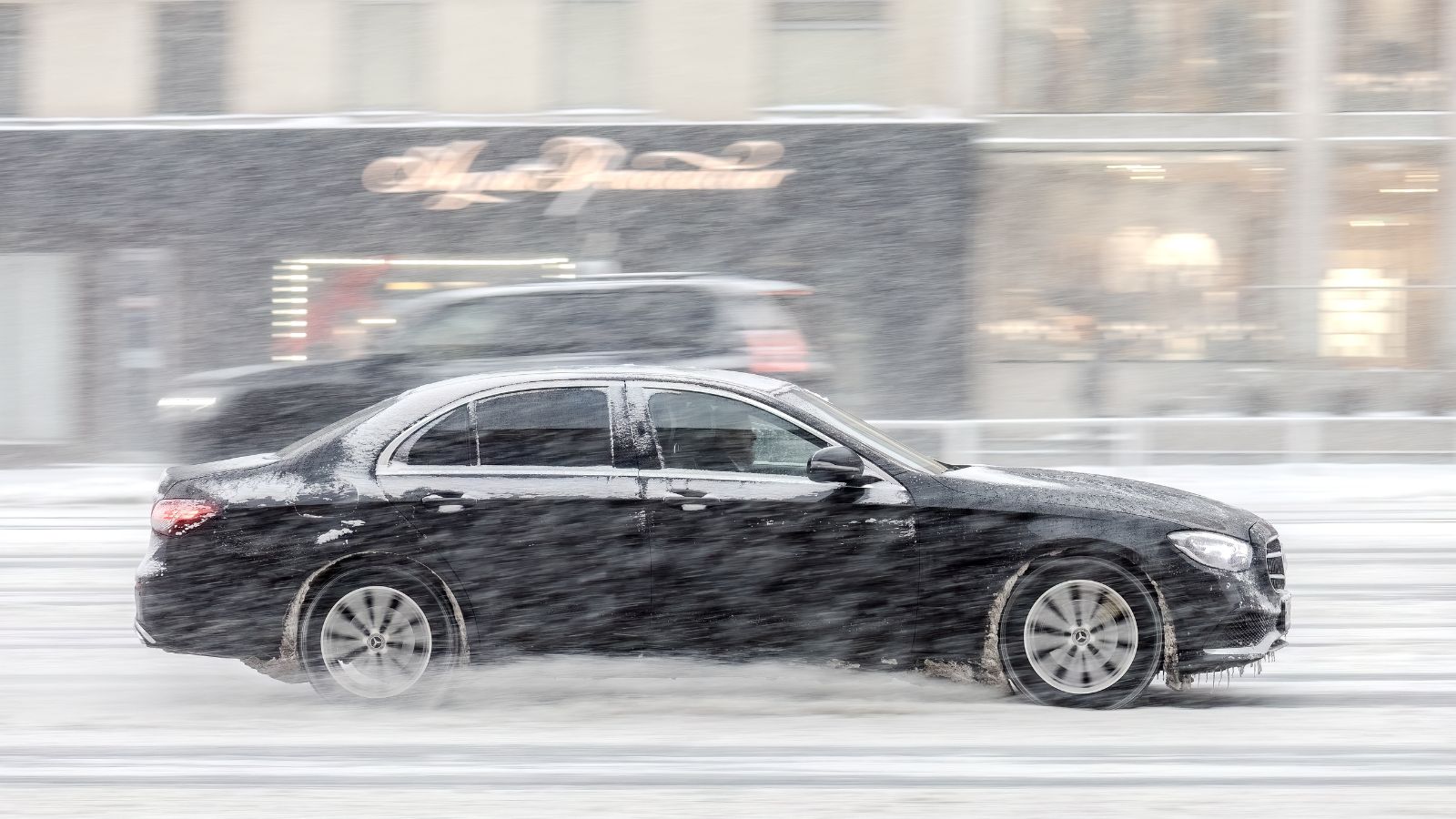
A painted bumper cover is not normally attached as one solid piece. It is held in alignment by retainers, tabs, screws, push clips, and brackets around the grille, wheel openings, lamps, and underbody. These small components allow efficient assembly and help the cover maintain tight body gaps. They can also become the weak link when a snowbank pushes the cover upward, backward, or sideways instead of applying a straight, evenly distributed load.
The first sign may be a bumper corner sitting slightly proud of the fender rather than an obvious crack. A tab can tear from the cover, a plastic retainer can split, or a push clip can pull through its hole. Pressing the corner back into place may create a temporary cosmetic improvement, but it does not restore a broken attachment. Once loosened, airflow, vibration, and another buildup of snow can enlarge the separation. A careful inspection should compare both sides, check wheel-arch gaps, and look underneath for missing fasteners or panels that no longer sit flat.
Pulling Away Can Cause More Damage Than Pushing In
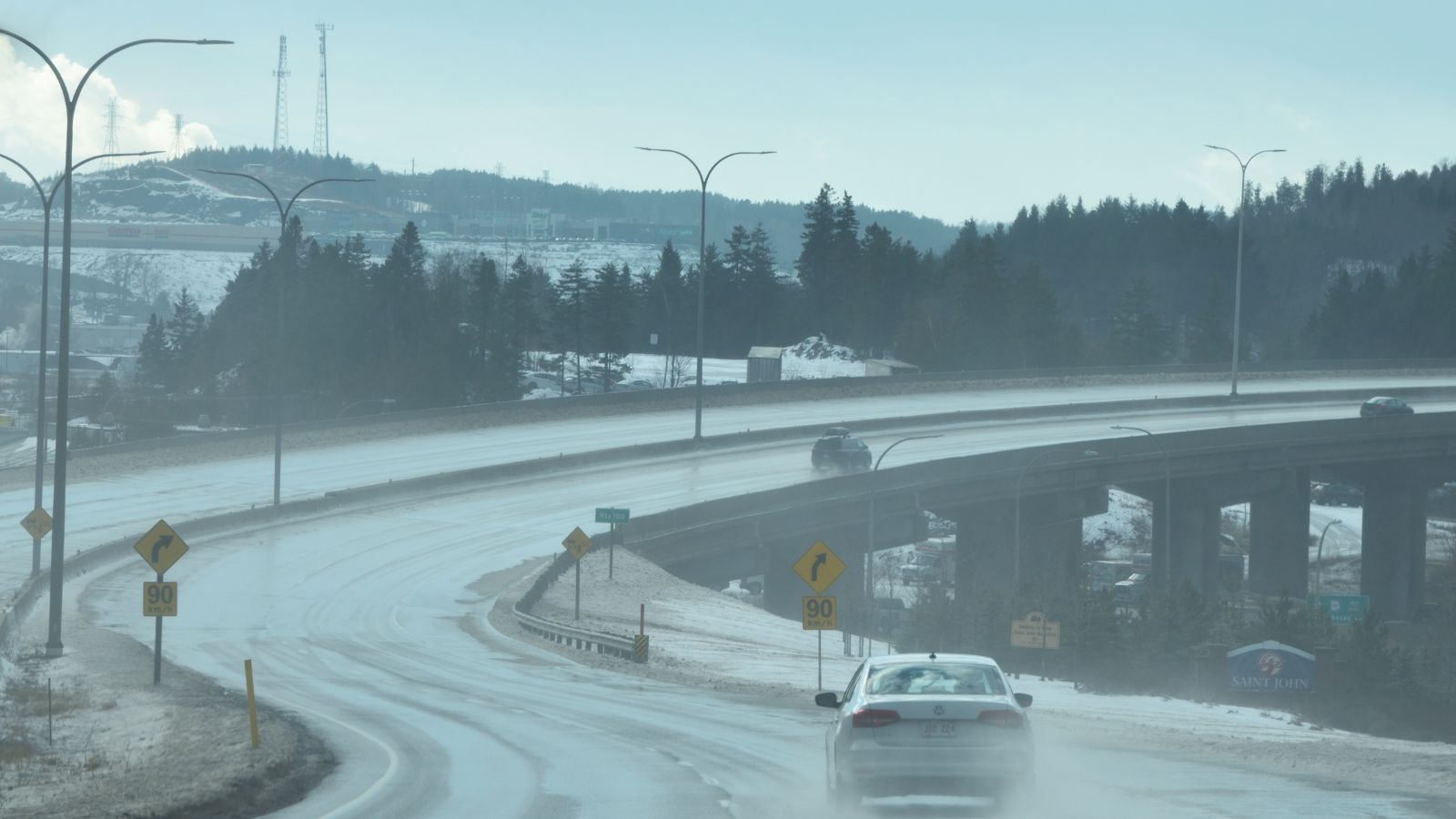
The damaging moment does not always occur during the initial contact. A bumper pushed into deep snow may compress the bank around its lower edge and wheel-arch corners. If that snow then freezes, or if the cover hooks behind a hard crust, reversing changes the force from compression to tension. Instead of merely flexing inward, the bumper cover is pulled outward against its clips, tabs, and lower screws.
This is why a driver who feels the car bound up should not simply add throttle and back away. Spinning tires can also throw packed snow and ice against the underbody. A better response is to stop, examine the contact area, and remove snow from around the bumper with a small shovel or brush. The goal is to free the panel before moving the vehicle. If the bumper is already displaced, pulling harder can turn a repair involving several clips into a torn mounting flange or a cover that requires replacement and refinishing.
Bumper Sensors May Be Blocked or Misaligned
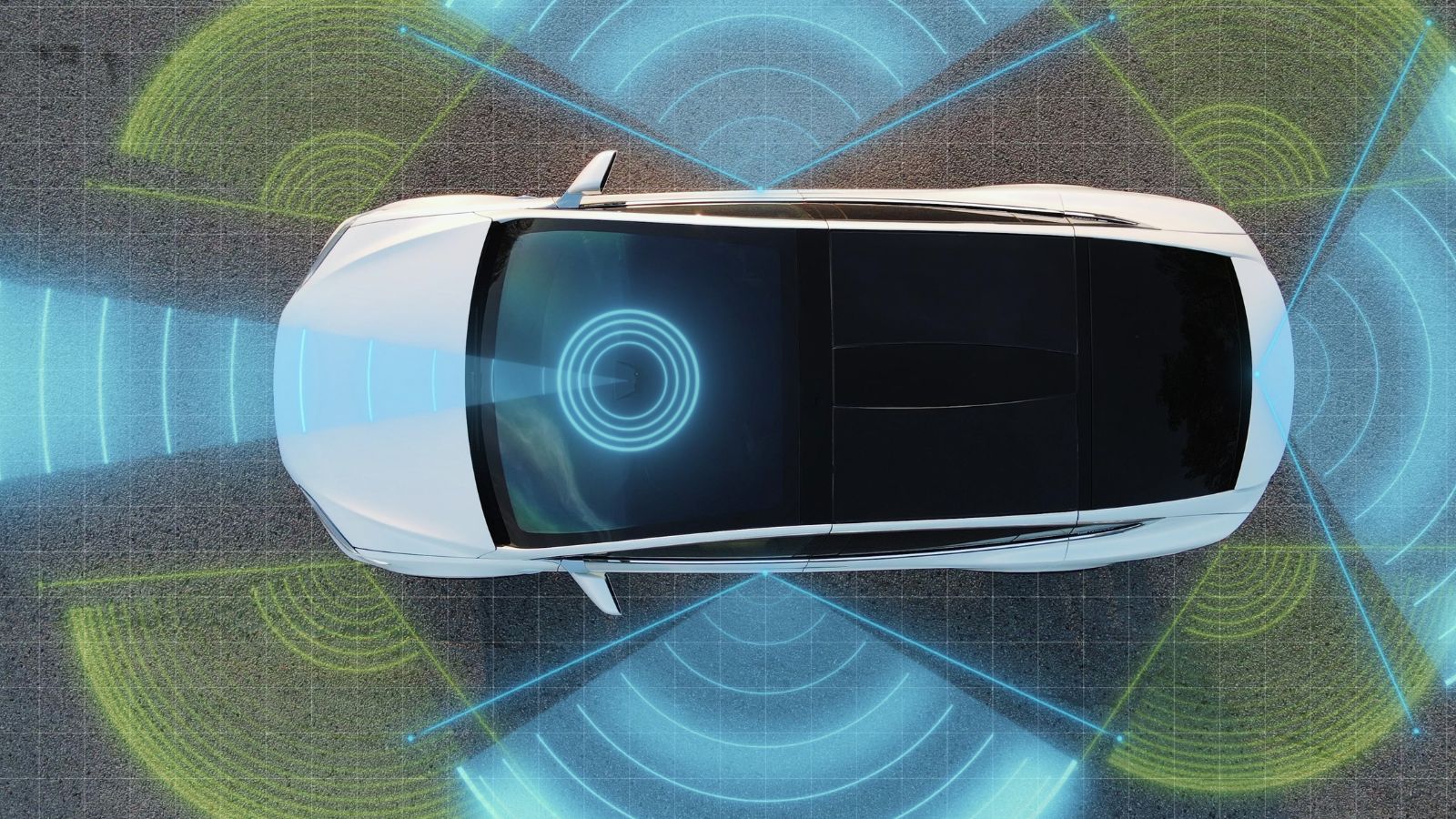
Modern bumpers often carry more than cosmetic trim. Ultrasonic parking sensors may be mounted directly in the cover, while radar units and related driver-assistance hardware can sit behind the bumper or grille. Owner manuals from manufacturers including Ford and Mazda warn that snow, ice, mud, or other obstructions can block sensor areas, reduce detection range, or make a parking-assistance system unavailable.
A snowbank contact creates two different concerns. Temporary buildup may cause false warnings or silence a system until the area is cleaned. Physical movement of the bumper, sensor bracket, or radar mounting point can create a more persistent problem even when the exterior looks acceptable. Drivers should not rely on a parking graphic or warning tone to judge distance from a bank, because the same snow being approached may be interfering with the sensor. After contact, continuing warning messages, uneven sensor behaviour, or new driver-assistance faults justify a professional inspection and, where specified by the manufacturer, calibration.
Hidden Energy-Absorbing Parts Can Be Affected
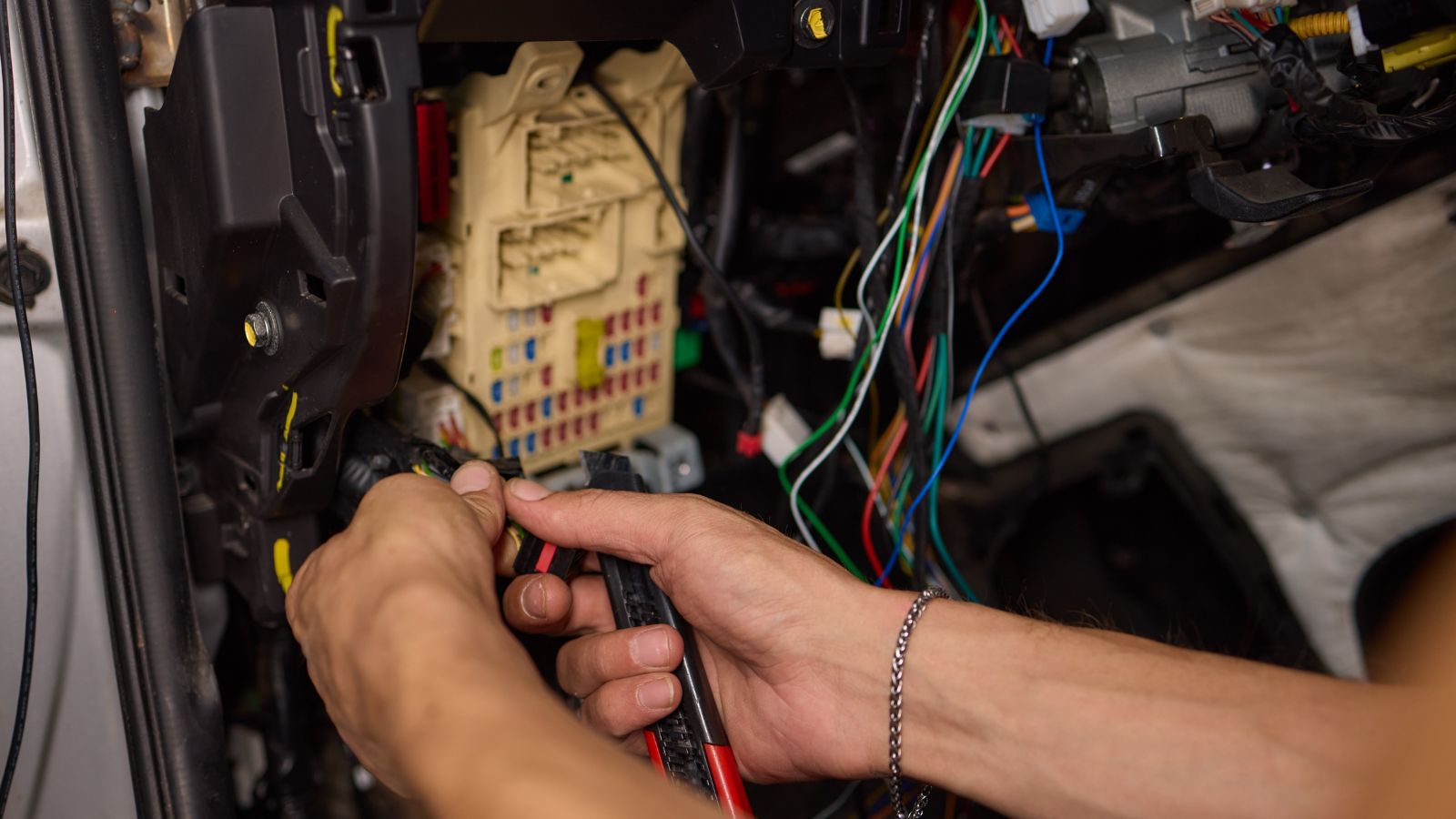
Behind the painted cover, a bumper assembly may include an energy absorber, reinforcement beam, crush boxes, brackets, wiring, and mounting points. I-CAR explains that energy absorbers are designed to crush or collapse during minor impacts, while bumper reinforcements distribute collision energy. Those parts are not always visible without removing or loosening the cover, which is why an apparently minor exterior mark cannot prove that everything beneath it remains undamaged.
A snowbank impact is often less severe than a vehicle collision, but the irregular contact can bypass the centre of the bumper and load a corner, lower bracket, or isolated mounting point. Warning signs include a cover that no longer matches the body contour, widening panel gaps, rattling, loose lamps, or a sensor fault. IIHS low-speed test procedures have included bumper disassembly specifically to check for hidden damage. When the contact was hard enough to deform the cover or break fasteners, an inspection behind the surface is more reliable than judging the repair need from paint condition alone.
Salt-Laden Slush Can Compound the Problem
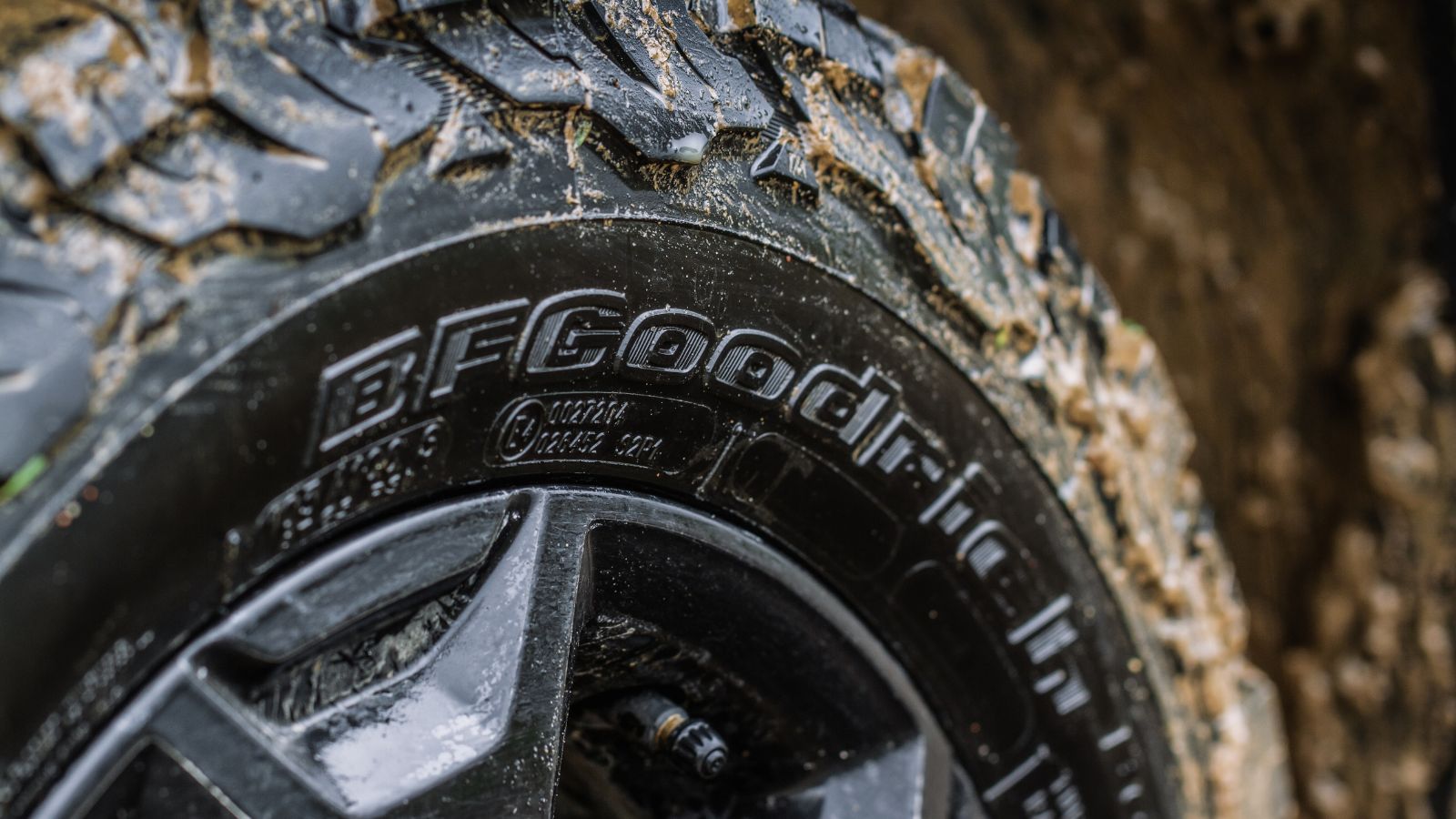
Snowbanks beside treated roads often contain more than snow. They collect salt, sand, soil, and dirty meltwater thrown outward by tires and plows. Chloride-based de-icers are effective for winter maintenance, but transportation research links road salt with corrosion of motor vehicles and exposed metal structures. Transport Canada recalls also document cases in which mixtures of snow, water, and road salt contributed to corrosion of vehicle components.
A cracked cover, missing fastener, or displaced splash shield can create new paths for that mixture to reach brackets, connectors, reinforcement hardware, or damaged coatings. Corrosion is not an instant consequence of one parking mistake, and the bumper cover itself may be plastic. The concern is prolonged retention of salty moisture in seams and cavities that were not meant to remain open. After a hard snowbank contact, removing packed slush and rinsing the affected area when temperatures permit can limit residue. Any exposed metal, torn wiring protection, or standing moisture deserves attention during the repair.
Small Clues Can Reveal a Larger Repair
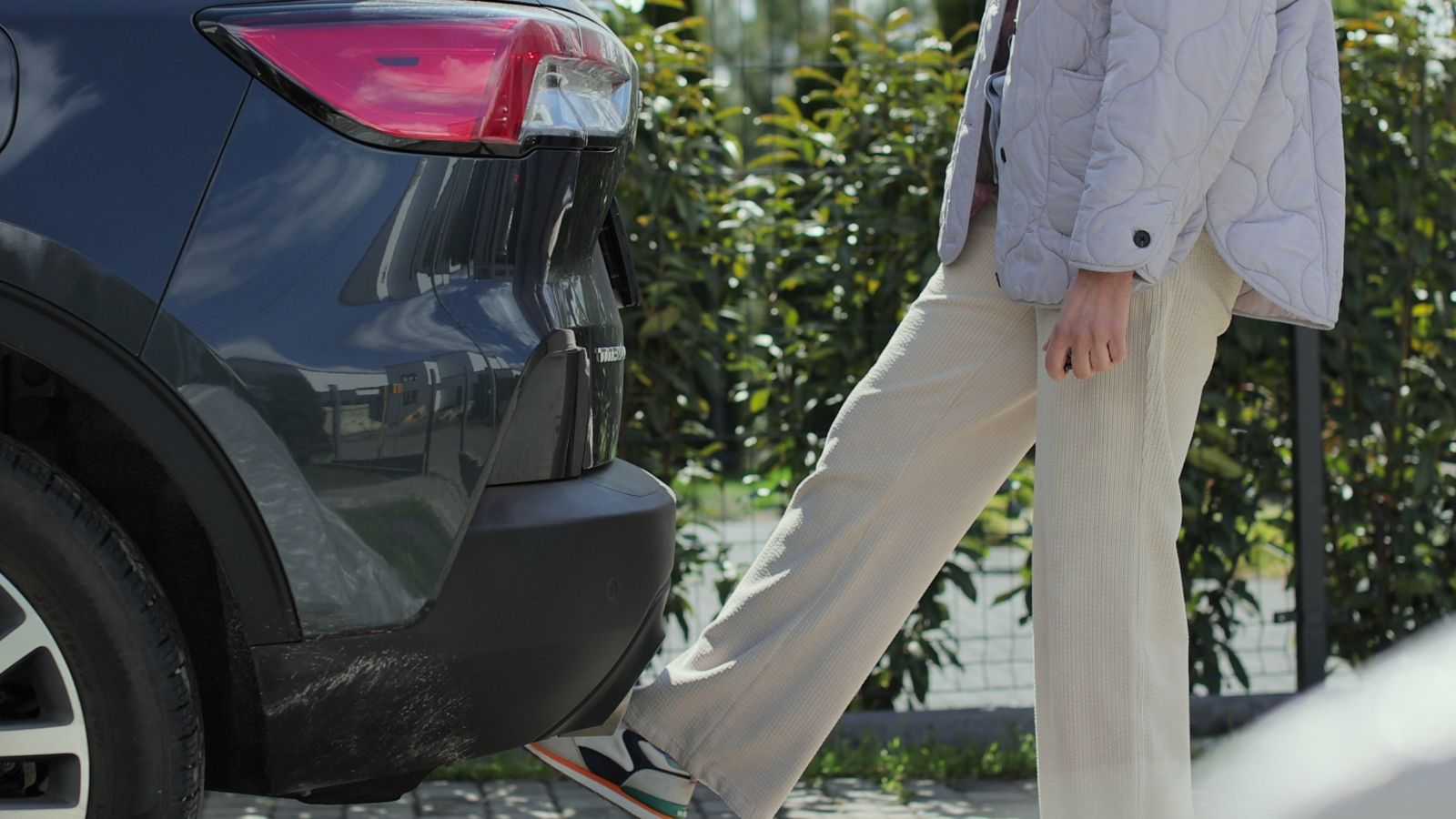
After contact, the most useful inspection is systematic rather than dramatic. Start with the bumper’s overall alignment: compare the gap at each fender, lamp, grille edge, and liftgate or trunk opening. Look for fresh white stress marks in dark plastic, hairline cracks near sensor holes, paint that has spider-webbed, and corners that move when lightly pressed. Underneath, check whether the air deflector and splash shield remain secure and clear of the tires.
Then test the functions located in the affected area. Confirm that lamps operate, parking sensors behave normally, the trunk or hatch opens without rubbing, and no warning message remains after snow and ice are removed. I-CAR’s damage-assessment guidance emphasizes identifying direct and indirect damage and inspecting the underbody when necessary. A loose edge that can catch airflow, a panel near a tire, leaking fluid, damaged lighting, or a persistent safety-system fault should be addressed before normal driving. Cosmetic scratches alone are different from structural or electronic symptoms.
A Better Parking Routine Prevents the Damage
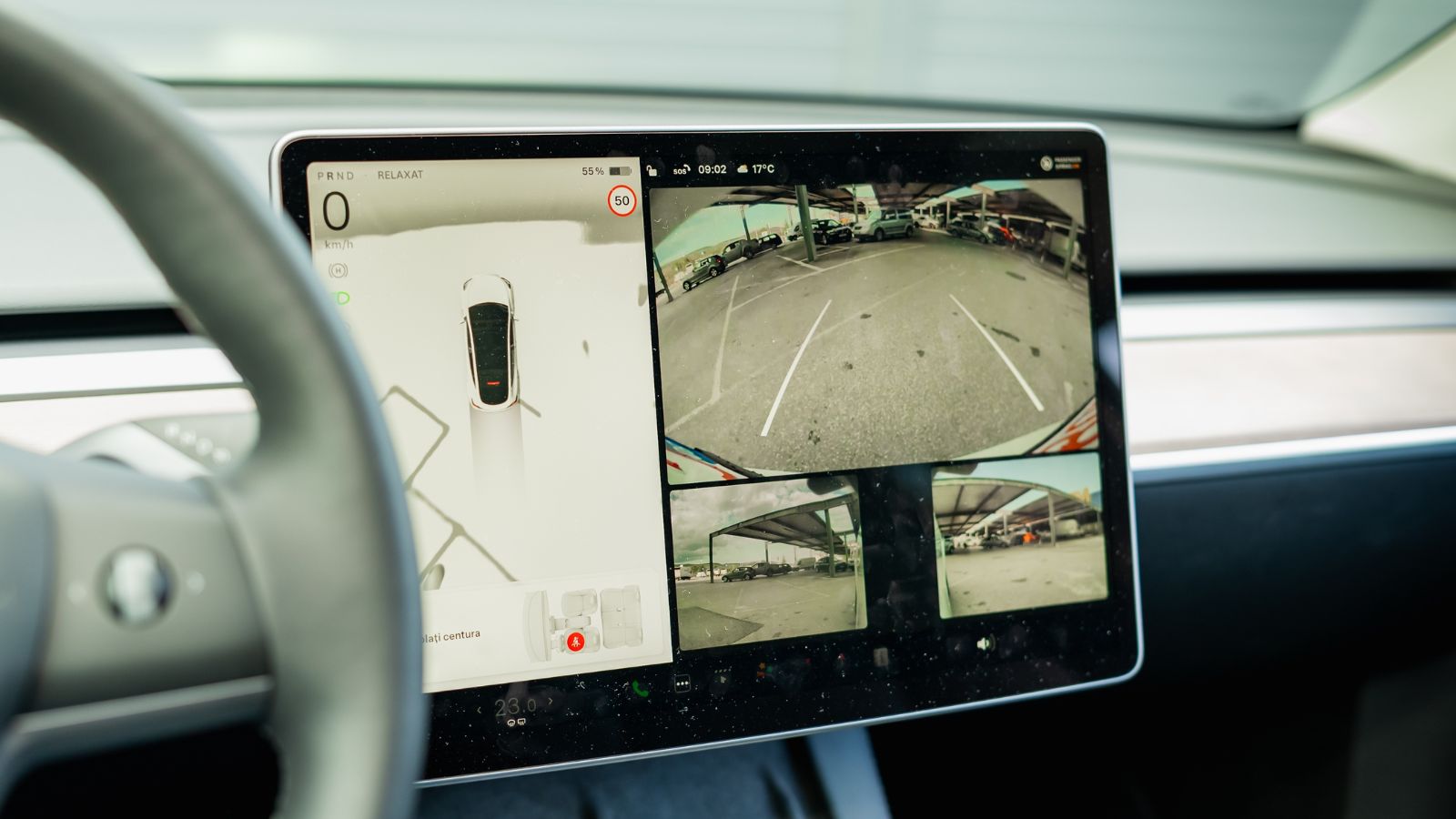
The safest routine is simple: treat every snowbank as an unknown obstacle and leave a visible gap. Approach at idle speed, stop earlier than feels necessary, and use a clear reference point such as a curb line, parking-space marking, camera view, or a passenger’s guidance. Parking sensors can help, but manufacturer warnings make clear that snow and ice can limit them. When distance is uncertain, getting out to look is faster than arranging a bumper repair.
Keep a compact shovel and brush in the vehicle so space can be cleared rather than created with the bumper. Avoid parking where municipal snow removal is scheduled, because cities may tow vehicles and snow-moving equipment operates with limited room and visibility. Before leaving after heavy accumulation, free the bumper, wheel wells, and underbody edges instead of forcing the car through hardened windrows. The habit requires only a few extra moments, yet it protects fragile trim, concealed fasteners, sensors, and the energy-management parts behind the cover.
16 Costco Canada Habits That Could Be Costing Shoppers More Than They Save
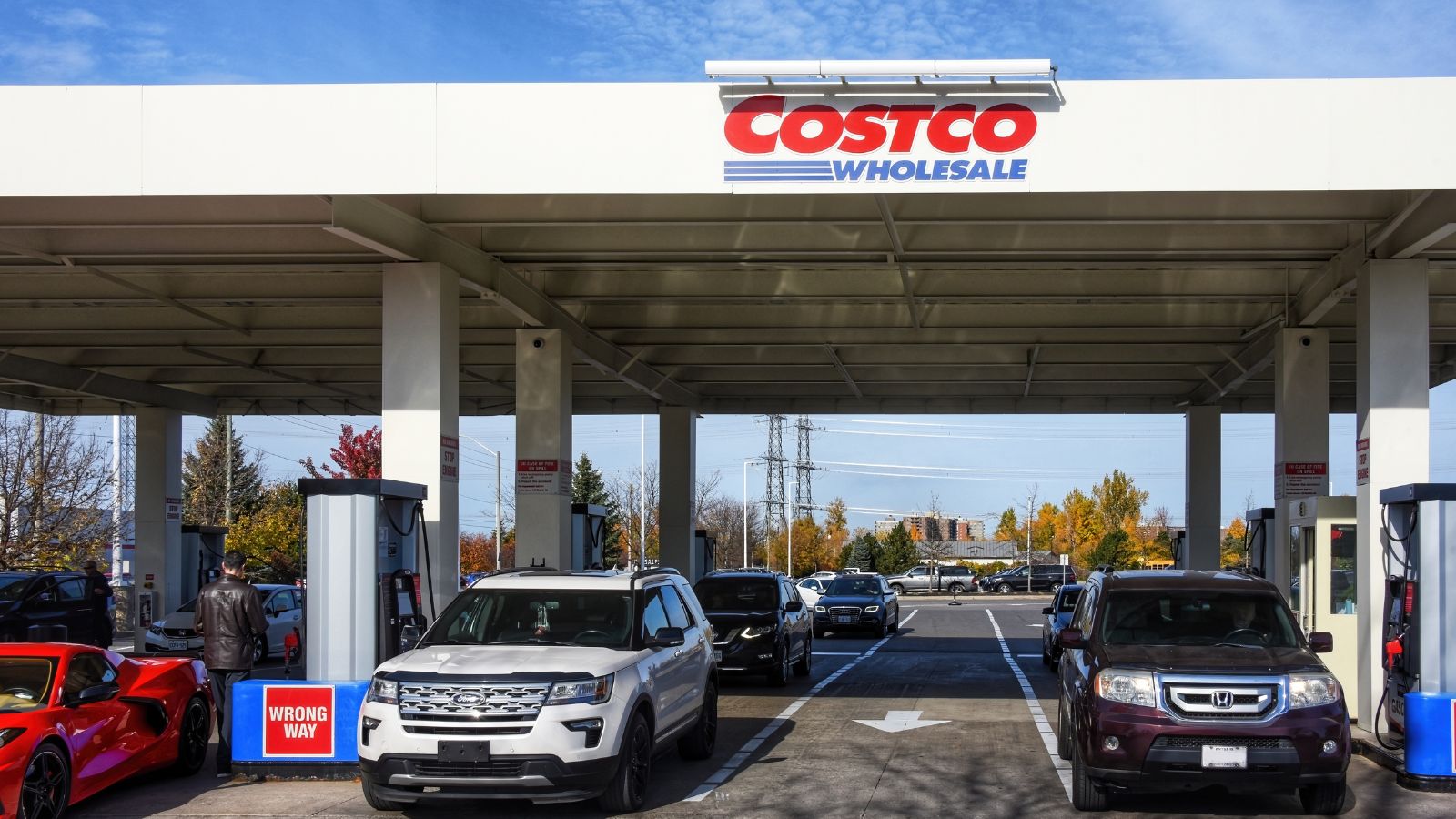
The Executive Membership can feel like an obvious upgrade because the 2% annual reward sounds straightforward. For households that spend heavily at Costco Canada, the extra fee may be easy to justify. But the habit becomes costly when shoppers upgrade first and calculate later. A Gold Star Membership costs less, while Executive costs more and only pays off if eligible annual spending is high enough to offset the difference.
16 Costco Canada Habits That Could Be Costing Shoppers More Than They Save