






















A passenger can become tense before a driver realizes anything feels wrong. The trigger is often not speed alone, but tailgating: staying so close to the vehicle ahead that every brake light looks like the start of a collision. The driver may feel alert and in control, while everyone else sees a shrinking escape route and braces for a sudden stop.
These 12 aspects explain why the habit creates instant unease, how speed and weather make it worse, why trucks and motorcycles demand extra room, and how a simple time-gap check can restore a calmer, safer ride. The concern is not merely emotional. Close spacing reduces the time available to recognize danger, decide what to do, and slow the vehicle smoothly.
The Habit Has a Name—Tailgating
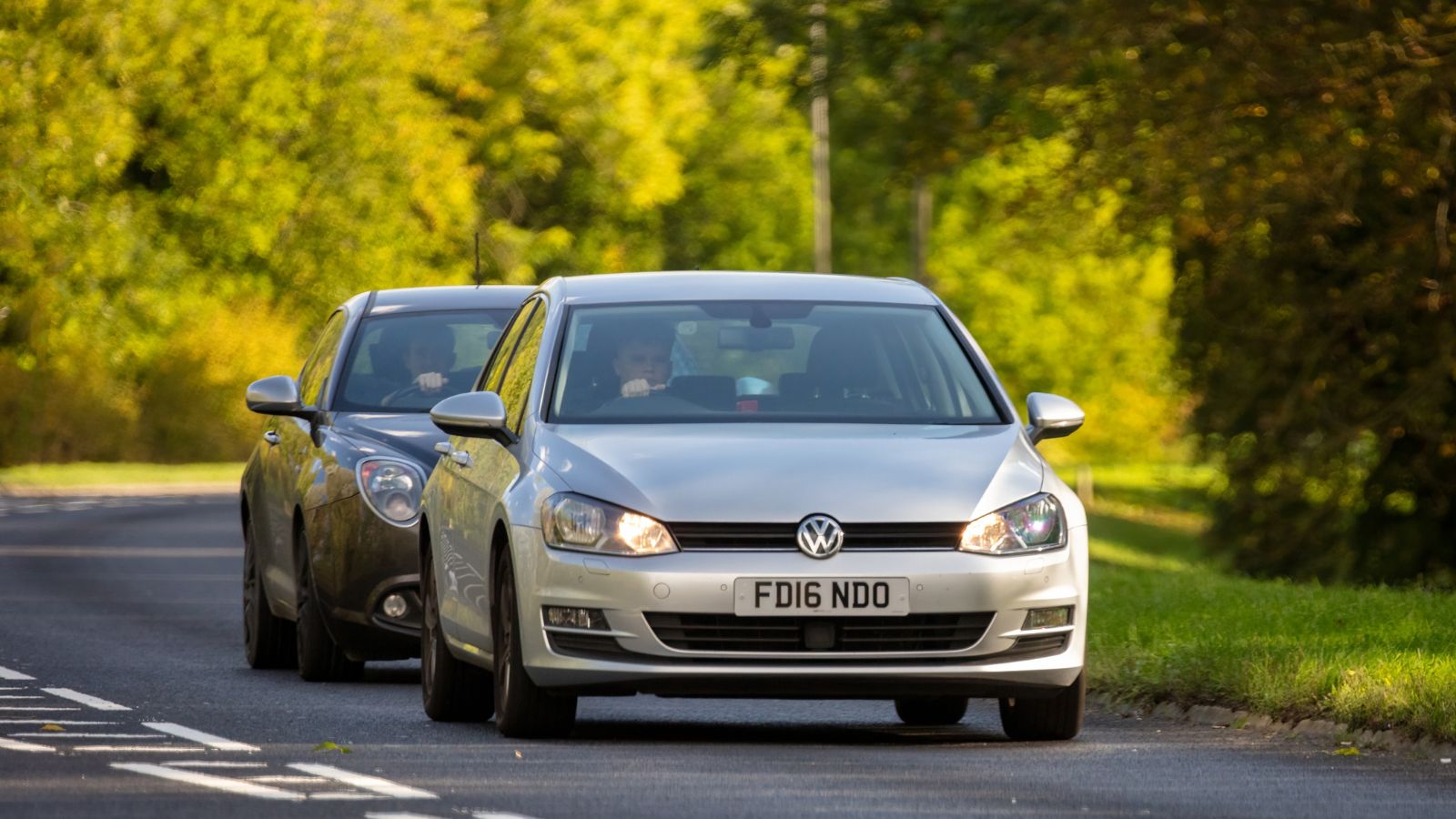
Tailgating means keeping so little space behind another vehicle that a safe response becomes difficult if traffic changes suddenly. It can look ordinary in dense traffic, especially when several drivers are doing it, yet passengers often read the scene differently. They see the rear bumper filling the windshield, notice the driver’s foot moving repeatedly between pedals, and wonder what happens if the car ahead stops.
A 2025 ICBC-Ipsos survey of 800 licensed British Columbia drivers found that 77 percent admitted tailgating at least occasionally. When drivers were on the receiving end, 86 percent reported feeling frustrated, scared, angry, or intimidated; 23 percent specifically said they felt scared. The survey measured reactions among drivers rather than passengers, but it shows how quickly close spacing creates emotional pressure. Inside the tailgating vehicle, a passenger has even less control over the gap, which can make the same visual threat feel immediate and unavoidable.
The Safety Cushion Vanishes
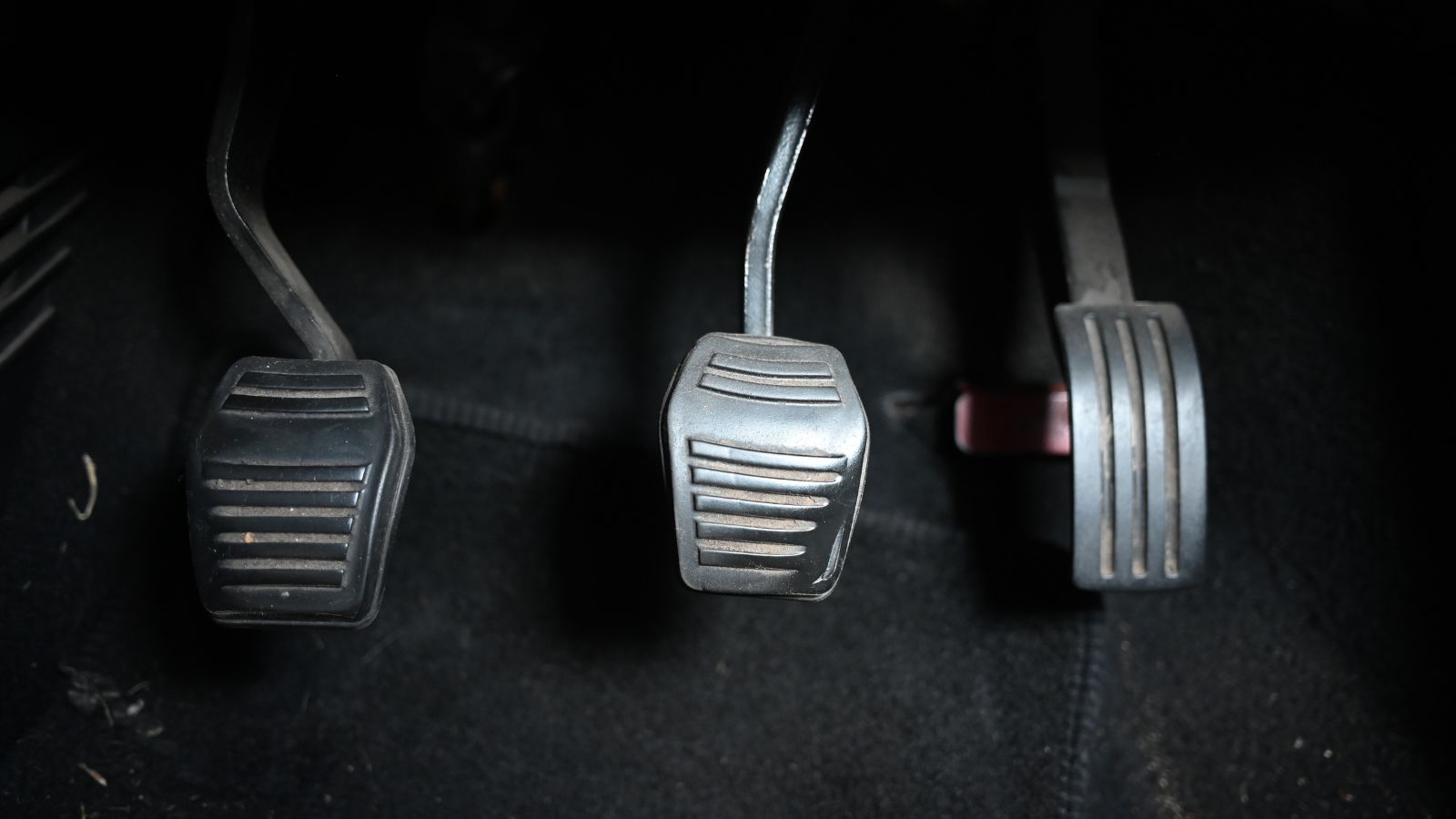
Every safe stop begins before the brake pedal moves. A driver must see a hazard, understand what is happening, choose a response, and physically act. Federal Highway Administration guidance uses 2.5 seconds as a perception-reaction assumption for stopping sight distance, while research cited by the agency shows that unalerted responses can take longer. Tailgating spends most of that time cushion before anything occurs.
That is why a narrow gap makes passengers uneasy even when the driver insists the brakes are good. Braking ability matters only after the driver begins braking, and the vehicle ahead may have better tires, stronger brakes, or earlier warning of the hazard. A child running into traffic, a dropped object, or sudden congestion can turn a routine commute into an emergency. With room ahead, the driver can lift off the accelerator and slow progressively. Without it, recognition and braking are compressed into one abrupt, visible reaction.
A Small Brake Tap Feels Like an Emergency

When a driver leaves adequate room, a slowdown ahead can be answered with an early lift of the accelerator and gentle braking. Tailgating changes that rhythm. The same brake light appears later in the time window, so the driver may need a sharper pedal input. Passengers feel their bodies pitch forward, seat belts tighten, drinks move, and loose items slide, even when no collision occurs.
Vehicle-comfort research treats acceleration, deceleration, and “jerk”—the rate at which acceleration changes—as important measures of passenger discomfort. One peer-reviewed simulator study exposed 23 participants to motion pulses with different acceleration and jerk levels to examine their relationship with discomfort. Other research similarly identifies longitudinal acceleration and jerk as comfort indicators. The lesson is simple: passengers do not judge a ride only by whether the car ultimately stops. They also judge how suddenly the vehicle changes speed, and close spacing creates the conditions for harsh corrections.
Passengers See Risk Differently
A driver knows when the accelerator has been released, how firmly the brakes can be applied, and whether an escape lane looks open. Passengers do not have access to those controls or intentions. They receive only visual clues: a shrinking gap, illuminated brake lights, a blocked shoulder, or the driver’s late movement toward the pedal. That information imbalance can make a manoeuvre feel more threatening from another seat.
Research on passenger preferences supports the value of earlier, more predictable responses. In a study involving an online sample of 118 people, a simulator group of 28, and a vehicle-in-the-loop group of 10, passengers preferred earlier braking when an automated vehicle approached a conflict at an urban junction. The setting was not human tailgating, so the finding should not be stretched beyond its scope. Still, it helps explain a familiar reaction: passengers feel safer when slowing begins before the situation looks urgent.
Highway Speed Hides the Real Distance
At highway speed, a gap that looks generous can disappear in seconds because the vehicle covers so much ground. Saskatchewan’s driver handbook shows that at 100 km/h, a vehicle travels about 28 metres every second. A three-second interval represents roughly 84 metres. A one-second interval is about 28 metres, and that distance must absorb perception, decision-making, pedal movement, and any difference in braking performance.
Passengers sense this mismatch intuitively. Roadside objects sweep past quickly, while the car ahead appears fixed in the windshield, creating the illusion that both vehicles are moving safely as one unit. The illusion ends when traffic compresses. A lead driver may see a queue, animal, or debris before the tailgating driver does and begin slowing immediately. The passenger then watches 28 metres of roadway vanish each second. At that pace, even a glance at a mirror or dashboard can consume a share of the available margin.
Bad Weather Turns Unease Into Alarm
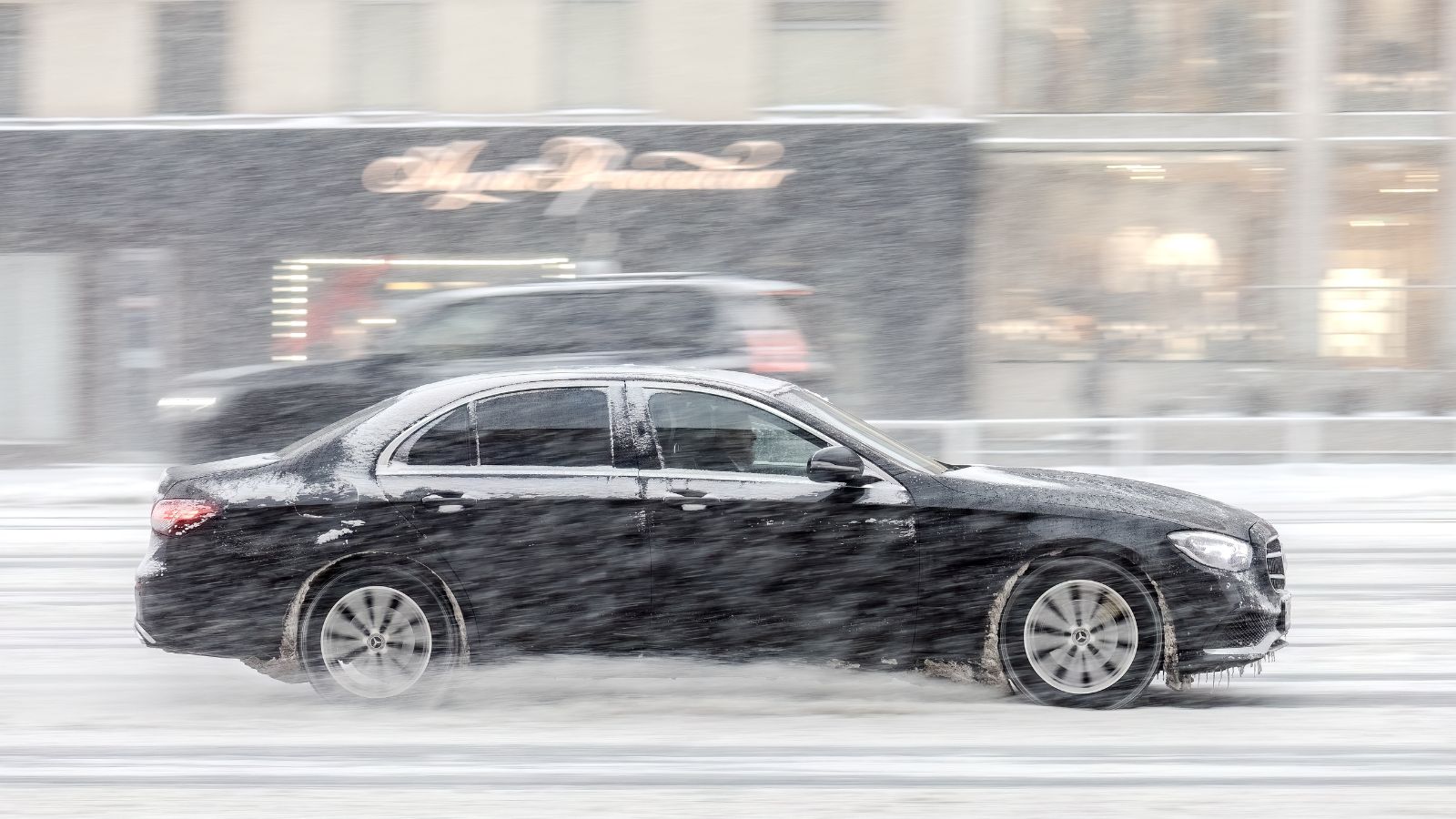
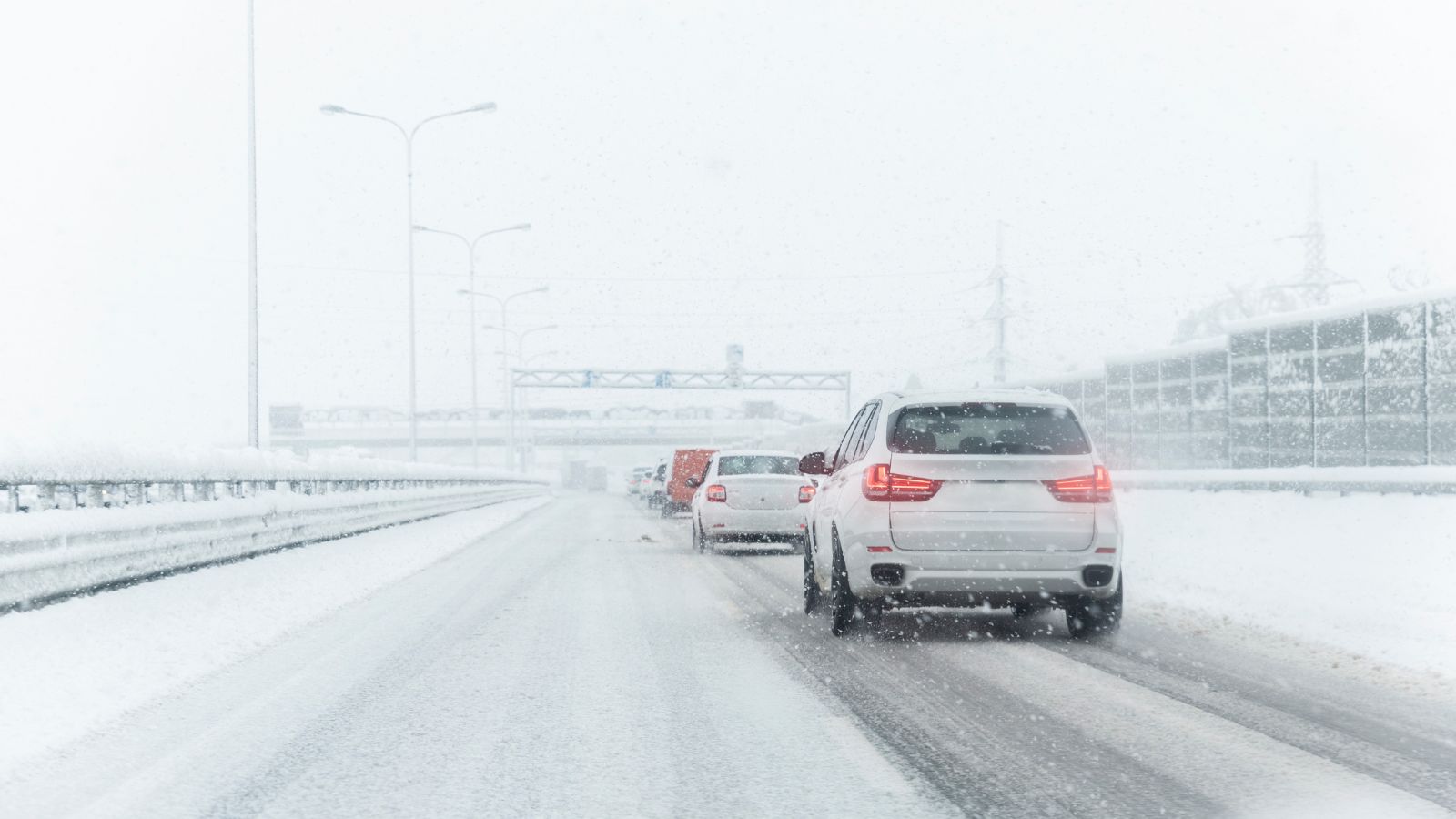
Rain, snow, fog, darkness, and glare reduce the information a driver receives when more stopping room is needed. Ontario’s driver handbook notes that rain reduces visibility and advises increasing the gap in poor conditions. ICBC recommends extending the interval to four seconds when weather is bad or visibility is reduced. Those recommendations reflect two problems: hazards are harder to see, and available traction may be lower.
The warning signs are obvious. Spray hides the next vehicle’s tires, snow erases lane markings, and reflections make brake lights harder to interpret. If the driver stays close, every slowdown can suddenly look like a gamble. Consider a wet highway behind a vehicle that suddenly swerves around standing water. A driver with extra room can identify the puddle and adjust smoothly. A tailgater may see it only after the lead vehicle moves, leaving the passenger to experience a sharp brake or abrupt steering correction.
Large Vehicles Block the Story Ahead
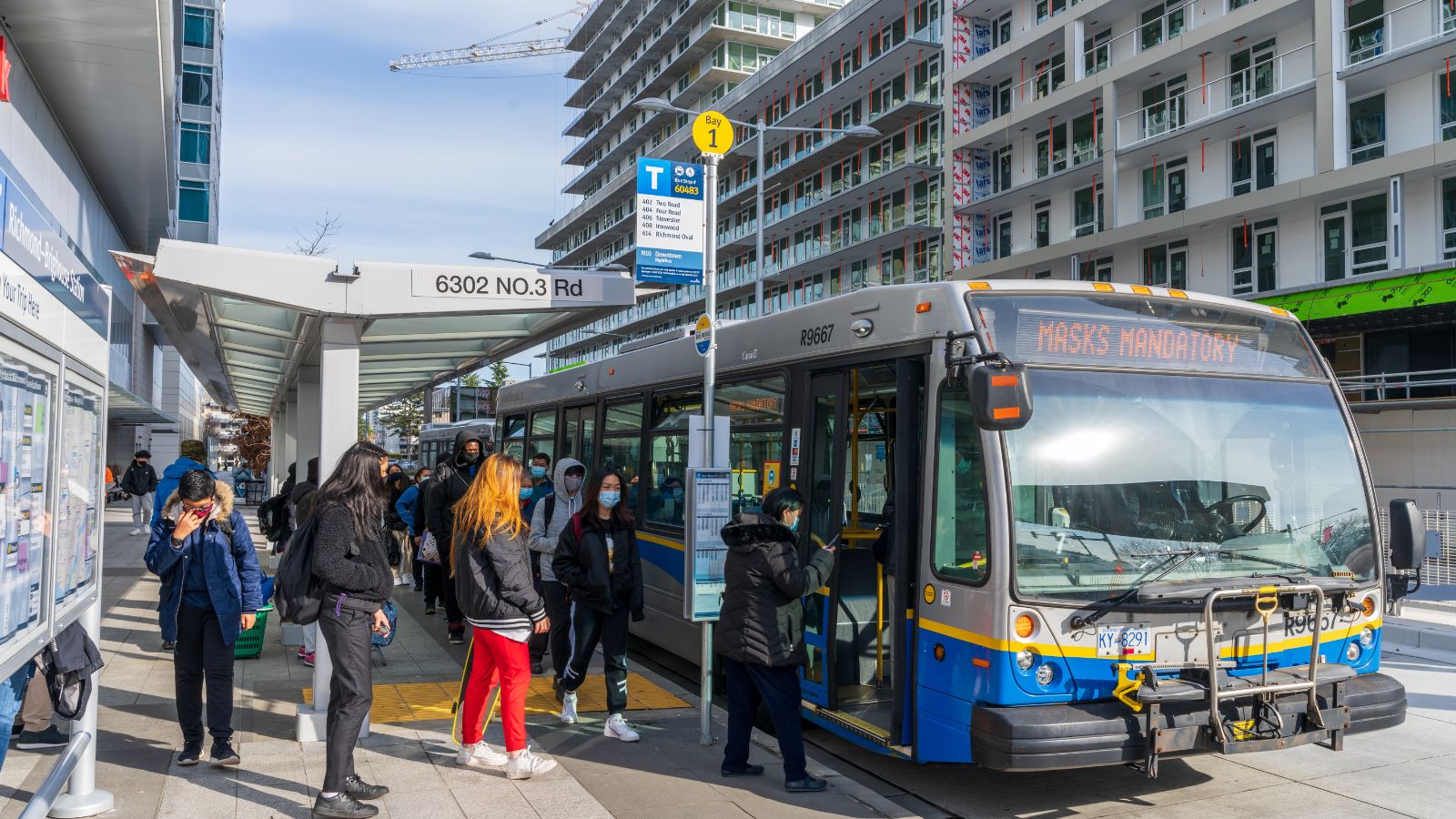
Following a truck or bus too closely creates another problem: it removes the view of traffic farther ahead. Transport Canada advises drivers to keep a safe distance around large vehicles, while provincial guidance recommends extra space because trucks can block hazards and limit sightlines. A trailer filling the windshield can feel like a moving wall with no preview of what is developing beyond it.
Consider a truck approaching a line of stopped traffic. Its driver may see the queue and begin braking early, but the car tucked close behind may see only the trailer doors. By the time the truck’s brake lights appear, the car driver has fewer options and less room. Dropping back widens the field of view, reveals lane changes and signals farther ahead, and allows smoother decisions. The gap does not meaningfully slow the trip; it restores crucial useful road information that dangerously close spacing had hidden.
Motorcycles Need More Space, Not Less
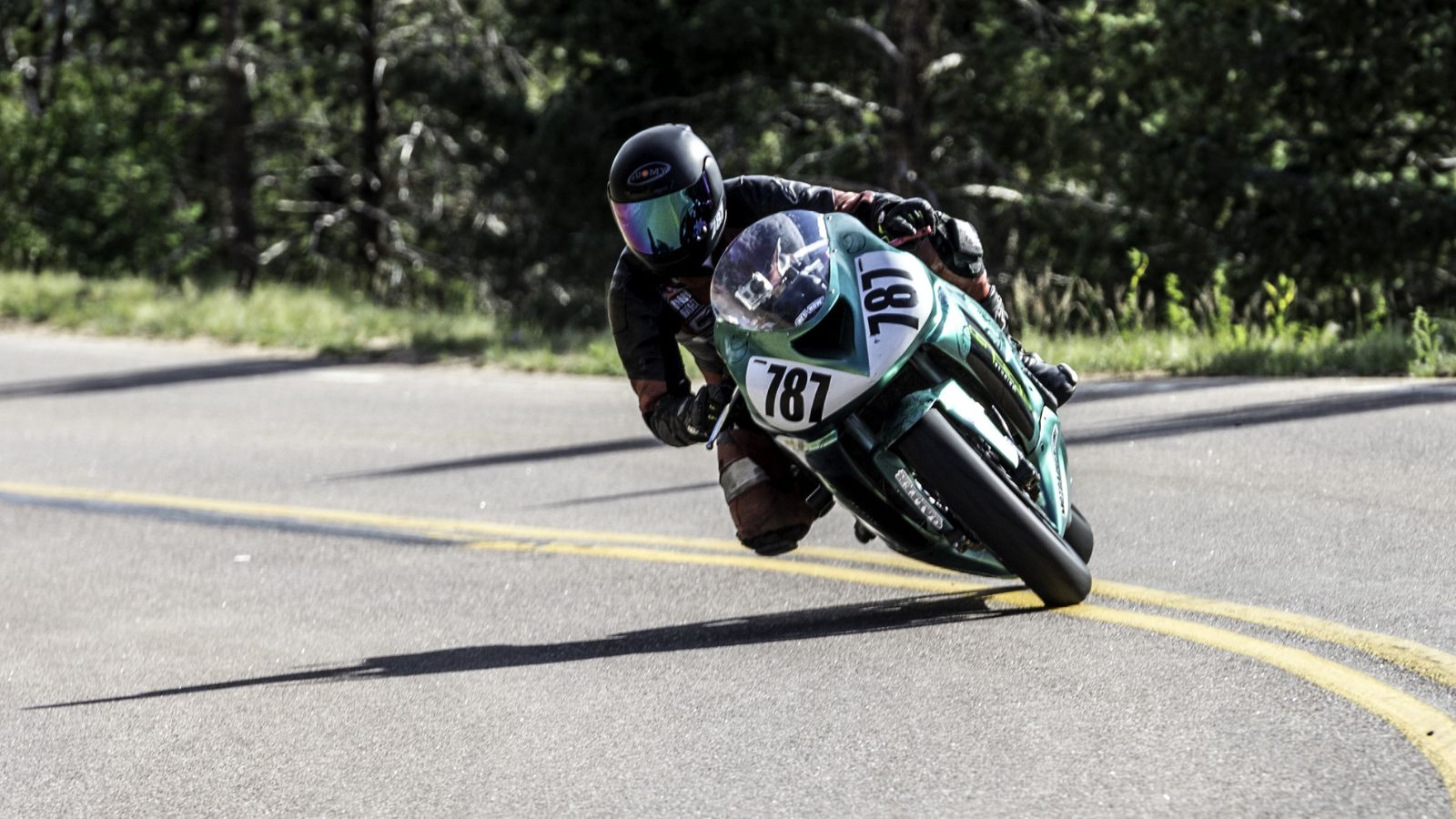
Motorcycles are smaller, tempting some drivers to treat them as requiring less room. Guidance says otherwise. ICBC advises leaving at least three to four seconds behind a motorcycle, and its materials note that motorcycles can stop quickly. Riders may change position to avoid gravel, potholes, oil, or debris a car could straddle. A close car leaves little tolerance for those movements.
Passengers notice the vulnerability before the driver does. There is no rear structure between the car and the rider, so the consequences of a mistake look uncomfortably direct. ICBC reported in 2026 that distraction, speed, and following too closely were leading factors attributed to drivers in motorcycle crashes. Not every motorcycle will brake more sharply than every car, but riders face different hazards and have less physical protection. Extra space communicates patience, reduces pressure on the rider, and creates room for both vehicles to respond safely, smoothly, and predictably.
Driver Assistance Does Not Cancel Physics
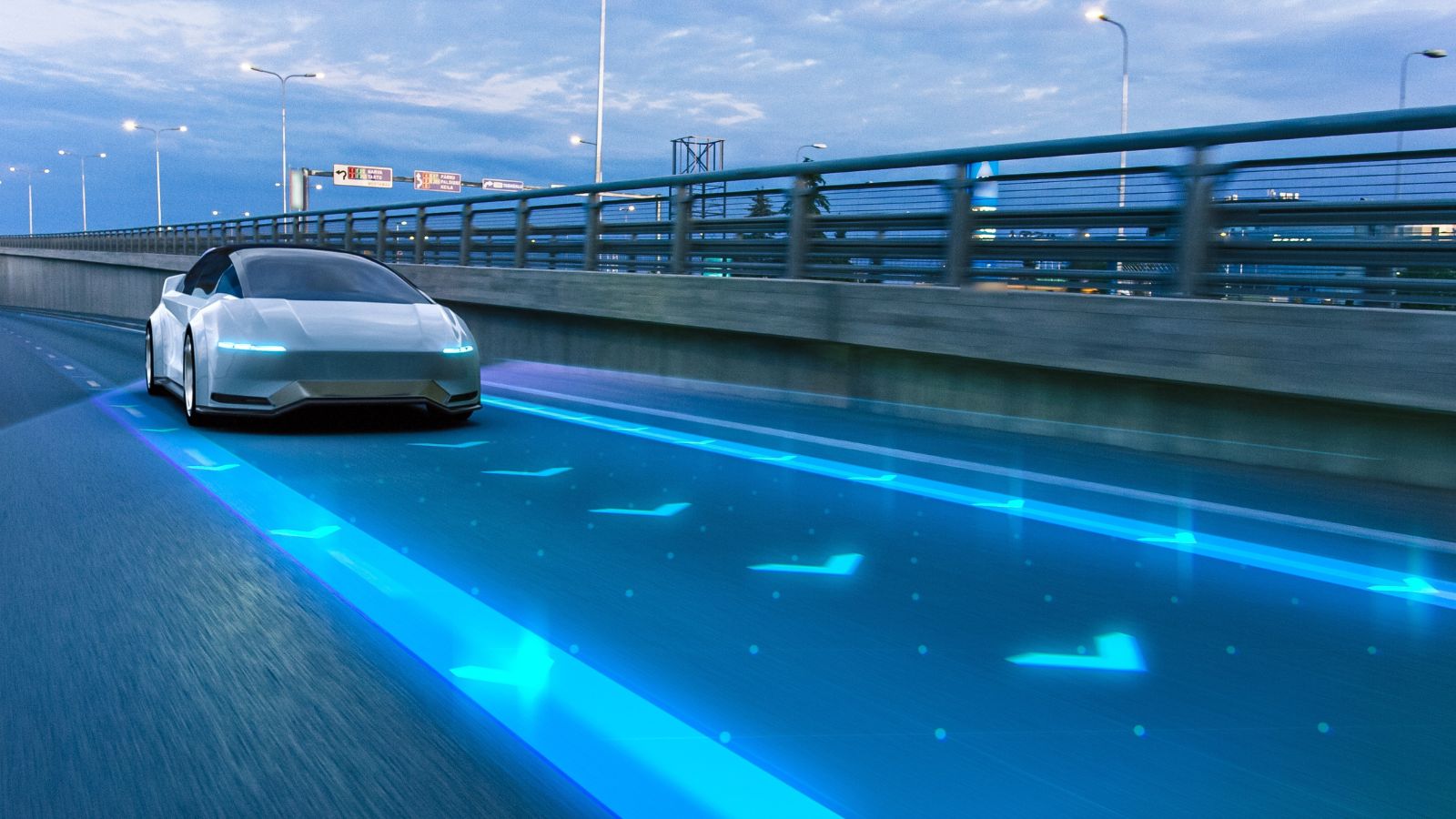
Adaptive cruise control can maintain a gap and adjust speed when it detects traffic ahead, but it is assistance, not a substitute for judgment. Transport Canada warns that these systems do not replace driver attention, may provide only limited braking, and may fail to respond to stopped vehicles. Drivers may need to brake when traffic cuts in or the vehicle ahead slows sharply.
This matters because technology can create misplaced reassurance. A driver may choose the closest distance setting, assume the sensors will handle changes, and wait longer before intervening. The passenger sees the same narrow gap but cannot know what the system detects or whether its camera and radar are affected by weather or road shape. Warning tones can make the moment more alarming. The calmest use of driver assistance keeps a generous setting, preserves attention, and treats every alert as backup rather than permission to crowd traffic closely.
It Can Spark a Chain of Aggression

Tailgating is not always intended as intimidation, but it is often interpreted that way. NHTSA includes following too closely among behaviours that can indicate aggressive driving, when combined with speeding or unsafe lane changes. Ontario’s driver handbook also warns that tailgating can frustrate or anger other motorists and contribute to road-rage conflict. Passengers may therefore worry about both a crash and the reaction of the driver ahead.
The escalation can happen. The lead driver may slow deliberately, tap the brakes, block a pass, or change lanes abruptly. The tailgater may respond with flashing lights, a horn, or an unsafe overtake. ICBC’s 2025 survey found that people being tailgated reported frustration, fear, anger, and intimidation, while some admitted reacting by deliberately slowing or speeding up. A passenger trapped inside that exchange has no control over either vehicle. Creating distance removes the provocation and gives everyone more time to make calmer choices.
The Three-Second Test Makes the Problem Visible
Following distance is difficult to judge in metres while moving, so driver handbooks recommend measuring time. Choose a fixed object such as a sign or pavement mark. When the vehicle ahead passes it, count. If the car reaches the same object before the interval ends, the gap is too short. Ontario describes a two-second minimum in good conditions, while Saskatchewan recommends three seconds.
Using three seconds as a normal-condition target gives passengers a sign that the driver is managing risk rather than relying on instinct. At higher speeds, the physical distance automatically grows; at lower speeds, it contracts naturally. The count should increase in poor weather, behind large vehicles, or when visibility is limited. If another vehicle moves into the space, easing off the accelerator recreates the interval. The goal is not to defend an empty patch of road. It is to preserve time for seeing, deciding, and braking smoothly.
Backing Off Restores Passenger Trust
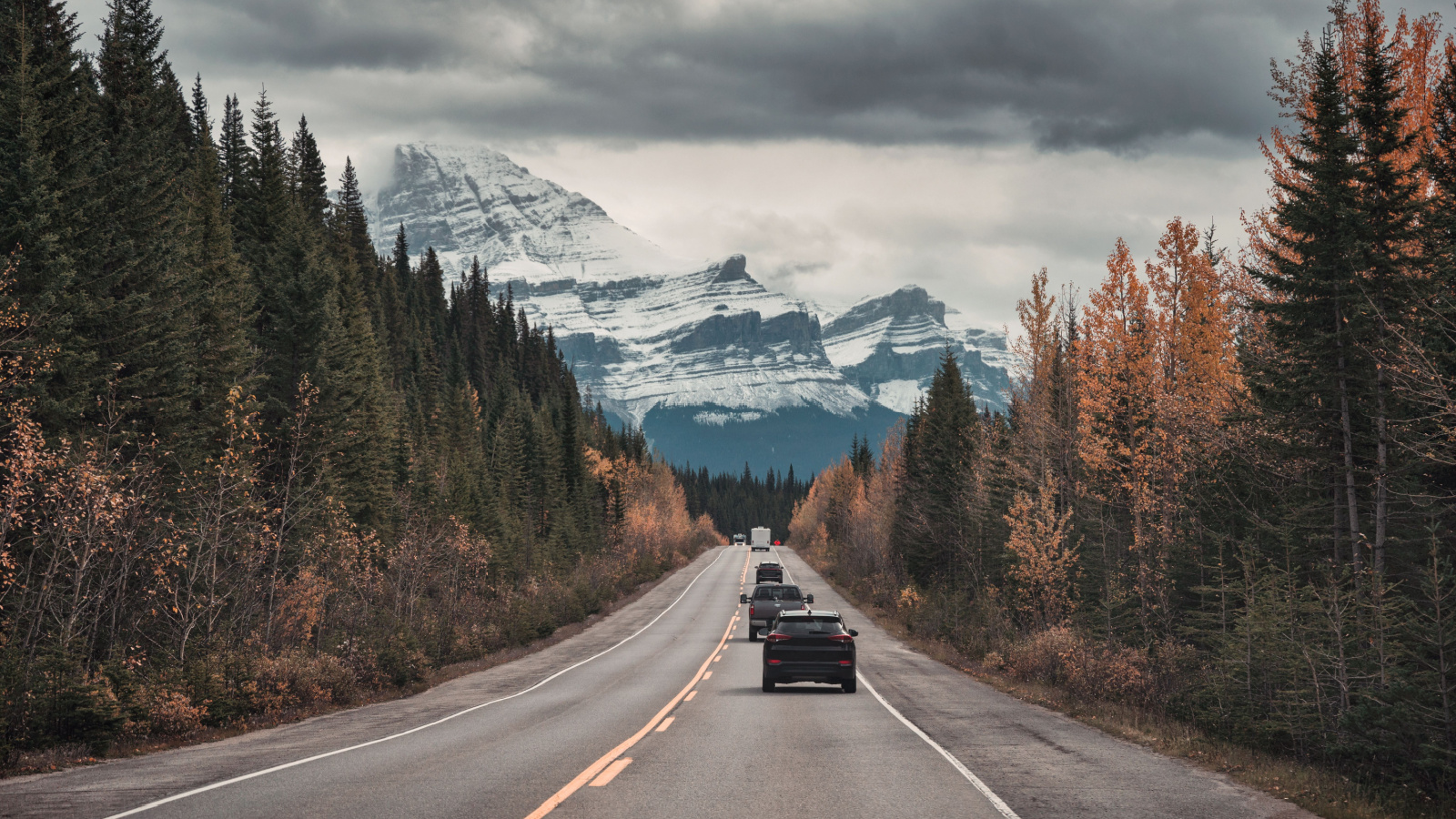
The quickest way to calm a tense cabin is visible through the windshield: create more space and begin slowing earlier. Research on passenger comfort links driving style with ride quality, while studies of acceleration and jerk show why smooth, predictable speed changes matter. Work on automated-vehicle passengers has found preferences for early braking and steady deceleration rather than responses that appear urgent.
A reset requires neither an apology nor a speed reduction. The driver can ease off the accelerator, rebuild a three-second interval, scan ahead, and avoid closing every gap after another vehicle merges. On a slowdown, the difference becomes obvious. Instead of a late brake application, the vehicle decelerates gradually, and passengers do not brace against the seat belt. That calmer motion communicates competence better than saying everything is under control. Space turns hidden confidence into something everyone in the vehicle can clearly see, understand, and feel in practice.
22 Things Canadians Do to Their Cars in Spring That Mechanics Hate
Spring brings relief to many Canadian drivers after months of snow, freezing temperatures, and icy roads that put serious strain on vehicles. As temperatures rise across the country, drivers begin washing cars, switching tires, and preparing vehicles for warmer weather and upcoming road trips. However, mechanics across Canada notice the same mistakes every spring when drivers attempt to recover from winter damage. Road salt, potholes, and harsh winter driving conditions often leave vehicles with hidden problems that drivers ignore. Some spring habits even create new mechanical issues that could have been avoided with proper maintenance. Here are 22 things Canadians do to their cars in spring that mechanics hate.