
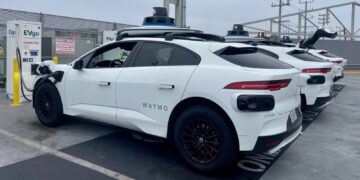

























Lane assist was supposed to make modern driving calmer: a quiet nudge, a gentle warning, a backup layer when attention slips for a second. Yet for some drivers, the feature has become less like a helpful co-pilot and more like a passenger who grabs the wheel at the wrong moment.
This piece looks at 12 reasons some drivers are switching lane assist off, even as safety researchers continue to find real benefits when the technology works as intended. The tension is not simply about whether lane assist is “good” or “bad.” It is about trust, road conditions, system design, driver comfort, and the gap between what the technology promises and what it feels like on an imperfect road.
The Steering Can Feel Like It Is Fighting the Driver
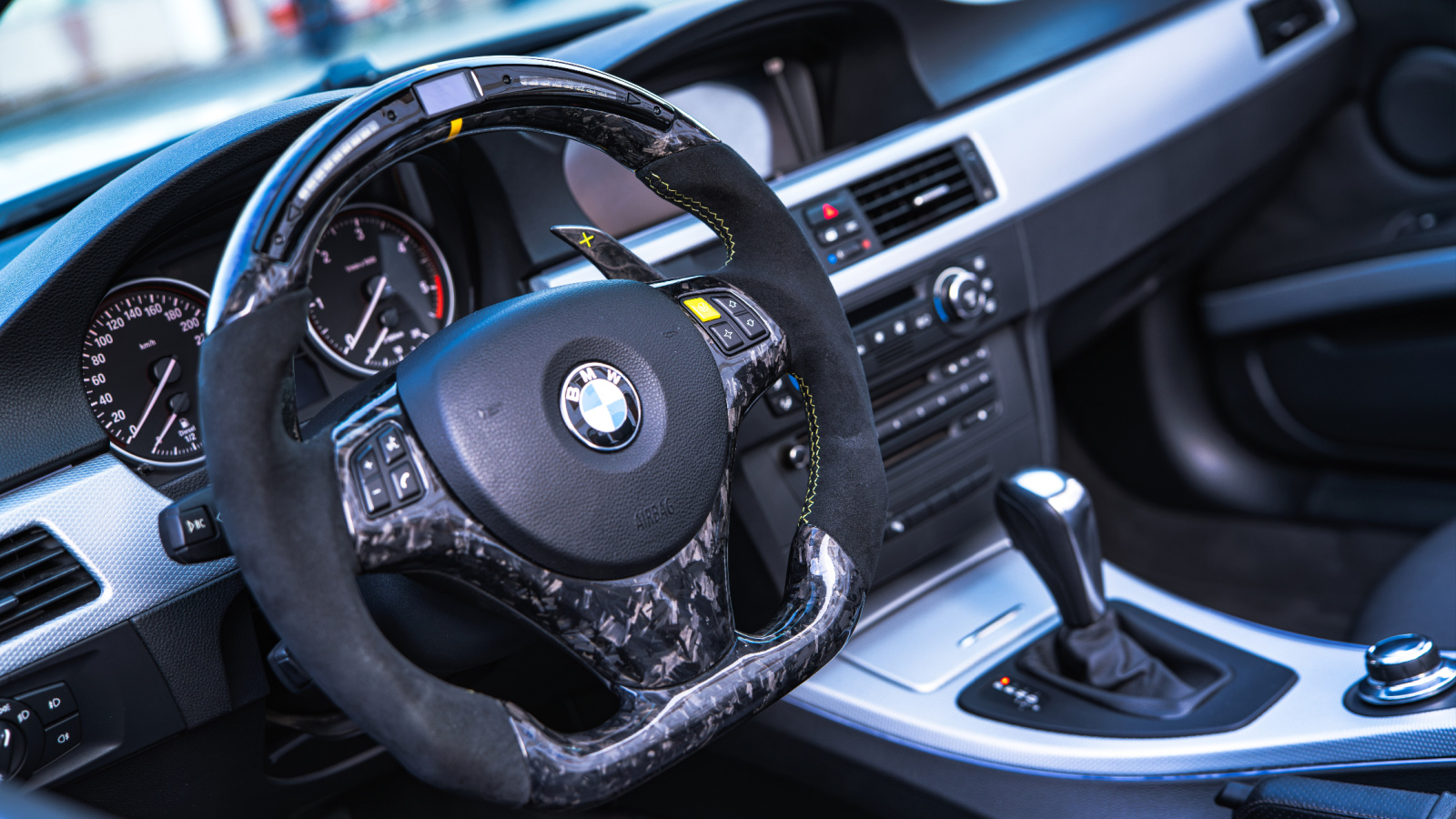
One of the most common complaints is not that lane assist exists, but that it sometimes feels too forceful. A driver may be gently moving around a pothole, giving extra space to a cyclist, or edging away from a truck in a narrow lane when the steering wheel suddenly resists. Even when the system is technically doing what it was designed to do, the sensation can feel like an argument between human judgment and machine correction.
That tug can be especially unnerving for people who prefer a lighter steering feel or drive on roads where lane positioning is often flexible. Some systems apply subtle steering torque, while others feel more assertive. A commuter who encounters construction cones every morning may decide that the repeated corrections are not worth the stress. The safety idea is sound, but the human experience can feel intrusive when the system does not understand why the vehicle is being placed slightly off-center.
Faded Lane Markings Can Confuse the System
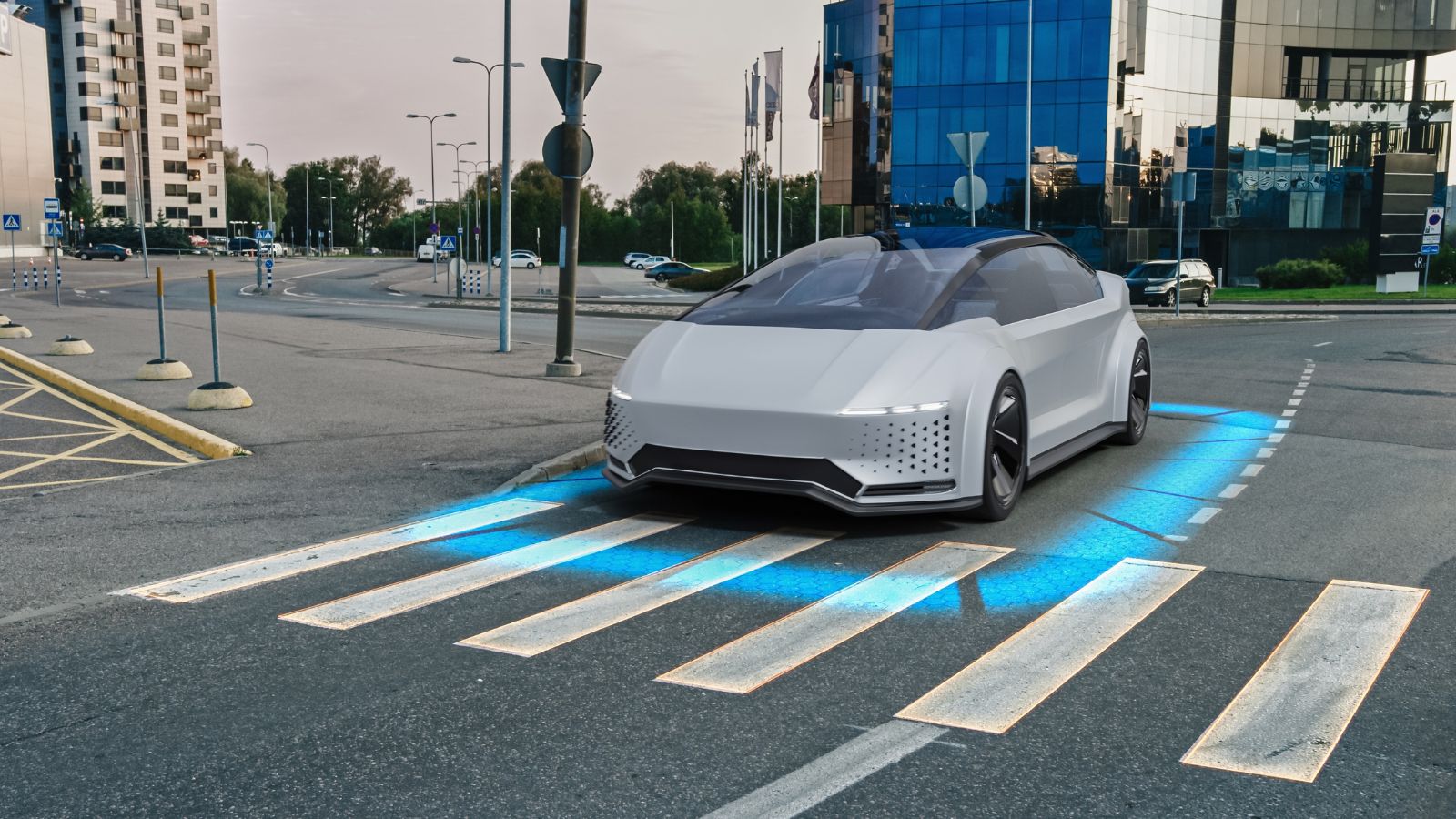
Lane assist depends heavily on the vehicle’s ability to identify lane markings, usually through camera-based sensing. That works best on clean, well-painted roads with clear contrast between the pavement and the lane lines. On older roads with faded paint, patched asphalt, temporary markings, or leftover construction lines, the system may struggle to decide where the lane actually is.
Drivers notice this uncertainty quickly. A vehicle may drift toward one side, issue unnecessary alerts, or momentarily lose confidence and then re-engage. In areas with harsh winters, heavy rain, road salt, or frequent repairs, lane lines can disappear or become visually messy. A system that behaves smoothly on a fresh highway can feel unpredictable on a worn suburban road. For drivers, inconsistency is often worse than limitation, because it makes the feature difficult to trust from one trip to the next.
Rain, Glare, and Snow Can Change the Whole Experience
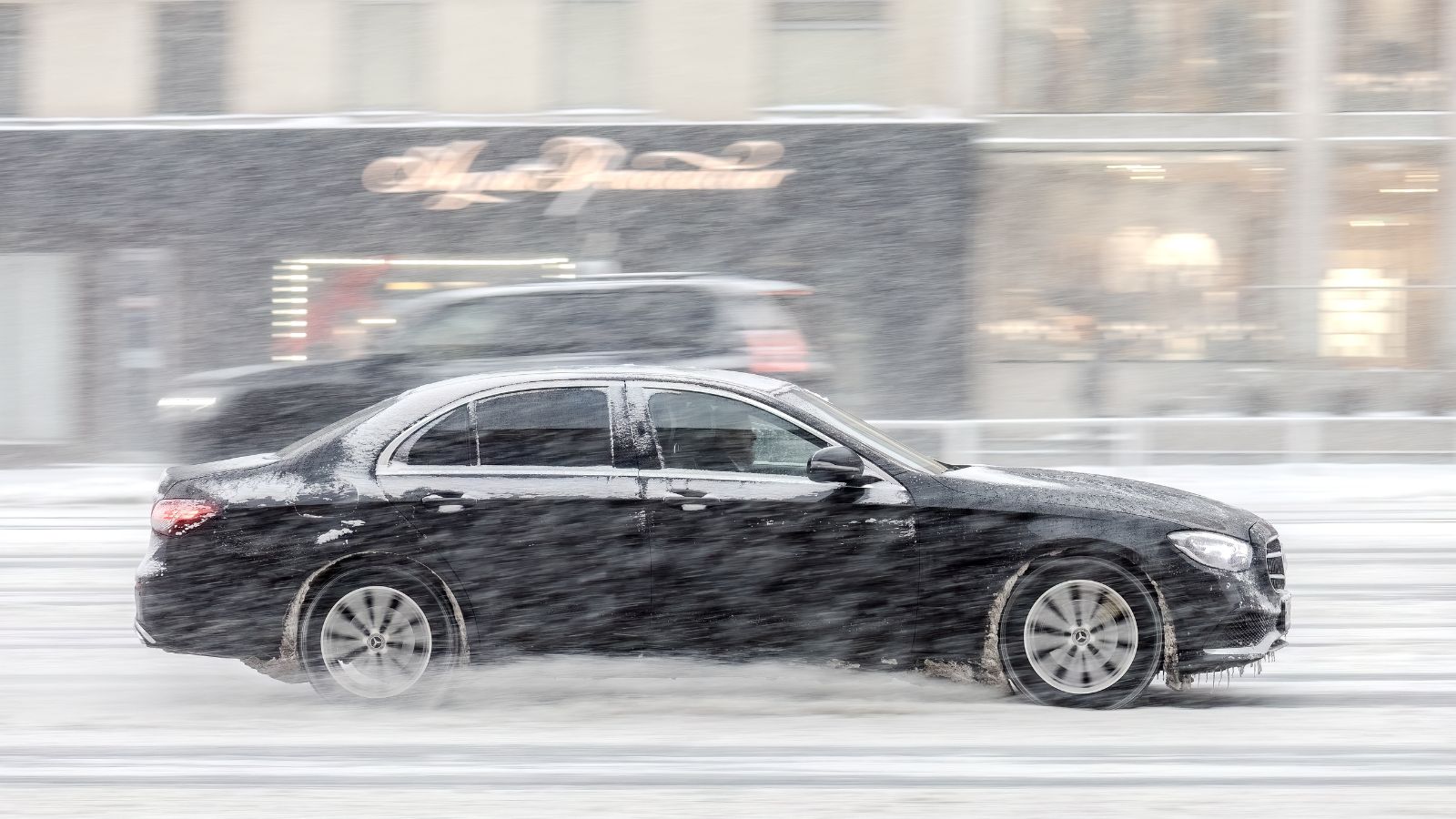
Weather can turn a helpful feature into a frustrating one. Rain can reduce contrast between the lane lines and the road surface. Glare can wash out markings. Snow, slush, and road grime can hide the lines entirely. Even when the driver can still make sense of the lane by using road edges, traffic flow, and local familiarity, the camera may have a much narrower understanding of what it is seeing.
This creates a mismatch that some drivers find hard to accept. A person driving through a wet evening commute may feel fully in control, while the lane assist system issues alerts or briefly disengages. In winter regions, the problem becomes more noticeable because lane boundaries are often implied rather than clearly painted. When a feature works beautifully in good conditions but becomes fussy in bad ones, some drivers choose to turn it off before it adds another distraction.
Curves Can Expose the Limits of Lane Centering
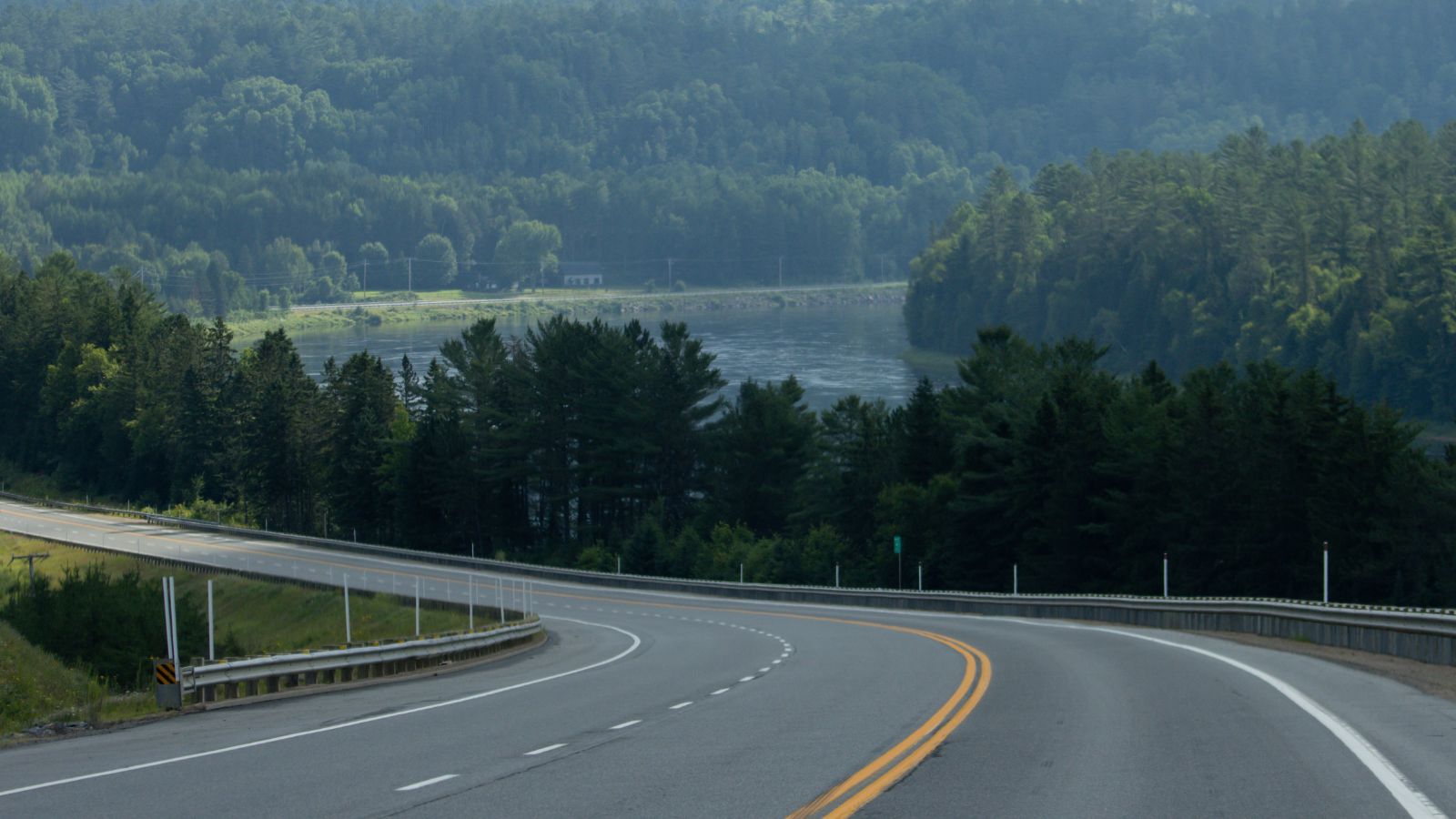
Curved roads are another common source of discomfort. Human drivers often position a vehicle slightly differently through a curve, making small adjustments based on speed, sightlines, shoulder width, and the behavior of nearby traffic. Lane assist systems, by contrast, may follow a more rigid lane-centering strategy that does not always match how experienced drivers naturally steer.
On a sweeping highway bend, the system may feel late, vague, or too eager to pull the vehicle back toward the middle. On sharper curves, some systems may reduce assistance or warn the driver to take over more actively. The result can feel inconsistent: too involved on one bend, not involved enough on the next. Drivers who regularly travel rural roads, mountain routes, or older highways with tight geometry may decide that the feature feels better suited to straight, modern freeways than to the roads they actually use.
Alerts Can Become Background Noise
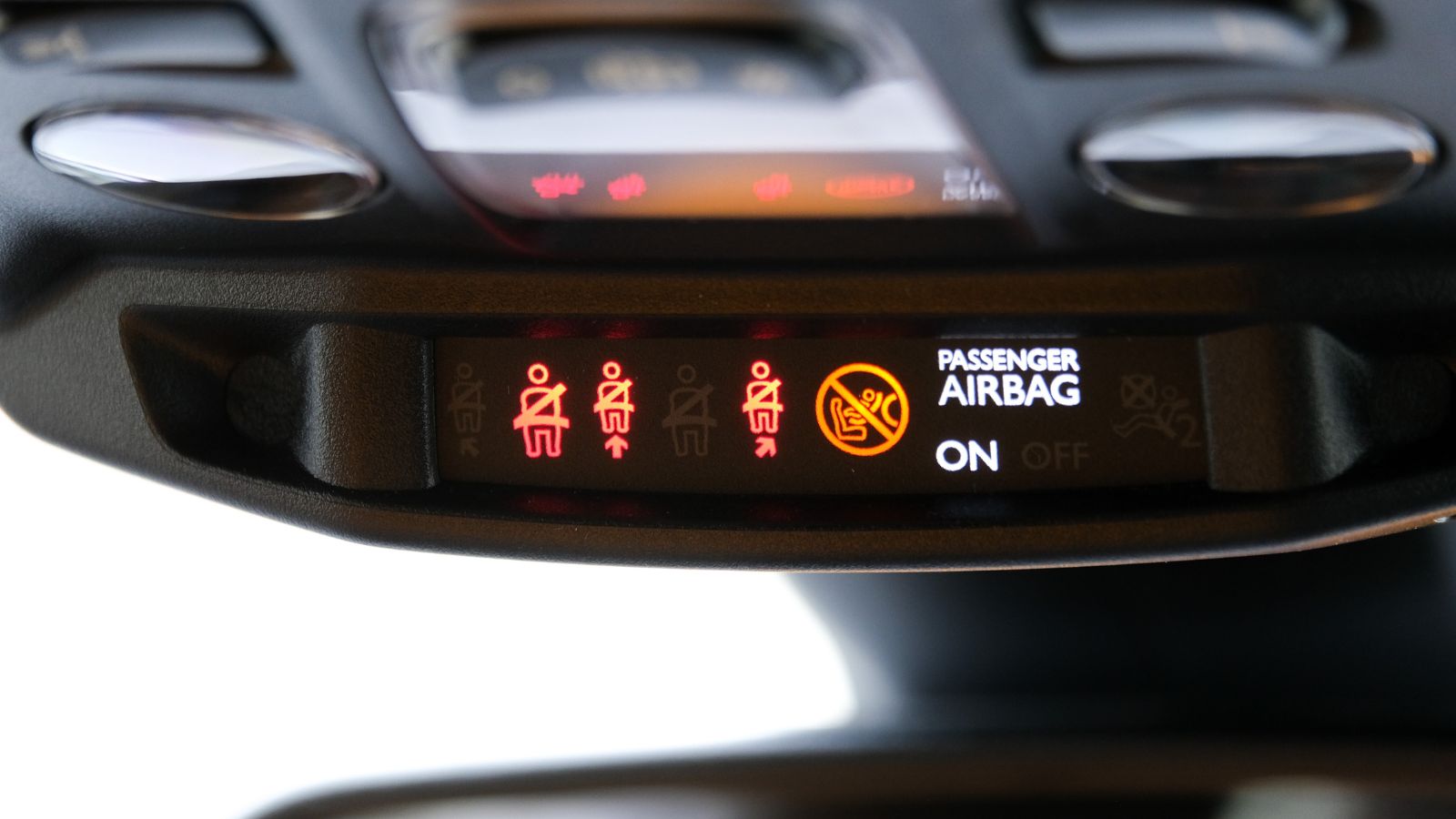
Warnings are useful only when drivers treat them as meaningful. If a lane departure alert sounds too often during normal driving, it can start to feel like nuisance noise. A vibration, chime, or dashboard flash that appears during every narrow lane, road repair, or unmarked merge can lose its urgency. Over time, the driver may stop responding emotionally to the alert.
That is a serious design challenge. Safety technology has to be noticeable enough to get attention, but not so frequent that it becomes irritating. Some drivers turn off lane warnings because they feel scolded by the car, even when they are driving carefully. A highway commuter may cross imperfect markings dozens of times in a week without danger. If each moment triggers the same level of warning, the system can feel less like protection and more like nagging.
Construction Zones Can Make Lane Assist Feel Out of Place
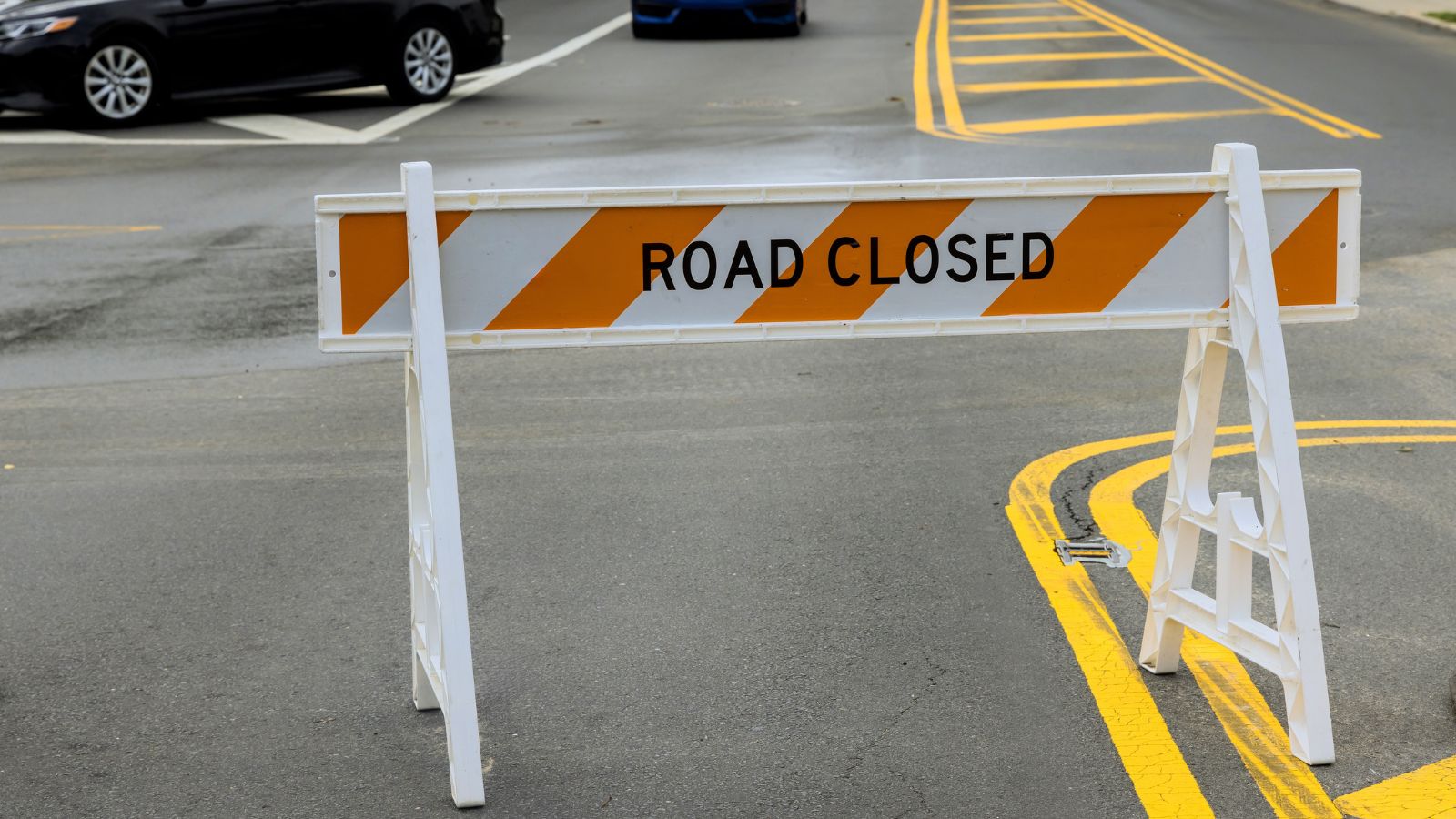
Construction zones are difficult for lane assist systems because the visual environment can change rapidly. Orange cones, temporary lane shifts, old painted lines, new tape lines, concrete barriers, and narrowed lanes can all appear at once. Human drivers can interpret flaggers, traffic patterns, and temporary signs, but the vehicle’s lane recognition may focus on markings that are outdated, incomplete, or contradictory.
This is where many drivers become uncomfortable. A car that tries to follow an old line through a work zone, or nudges toward a lane boundary that no longer represents the safest path, can create a moment of panic. Even a minor steering correction can feel badly timed when lanes are narrow and workers are nearby. For that reason, some drivers disable lane assist before entering construction-heavy routes, preferring full manual control until the road environment becomes normal again.
Narrow Roads Make the Corrections Feel More Dramatic

Lane assist can be most noticeable when there is not much room to begin with. On narrow roads, bridges, rural lanes, or city streets with parked cars, drivers often make constant small adjustments to create safe space. The vehicle may be technically close to a lane edge, but the driver may be intentionally avoiding a mirror, pothole, cyclist, curb, or wide oncoming truck.
In those moments, lane assist may interpret deliberate positioning as drift. The steering nudge can feel dramatic because there is little margin around the vehicle. A driver who spends most of the week on tight streets may find the system more irritating than someone who mostly uses wide highways. The problem is not always that the technology is malfunctioning. It is that the system may not understand the practical compromises drivers make when the marked lane is not the whole story.
Some Drivers Dislike the Loss of Control
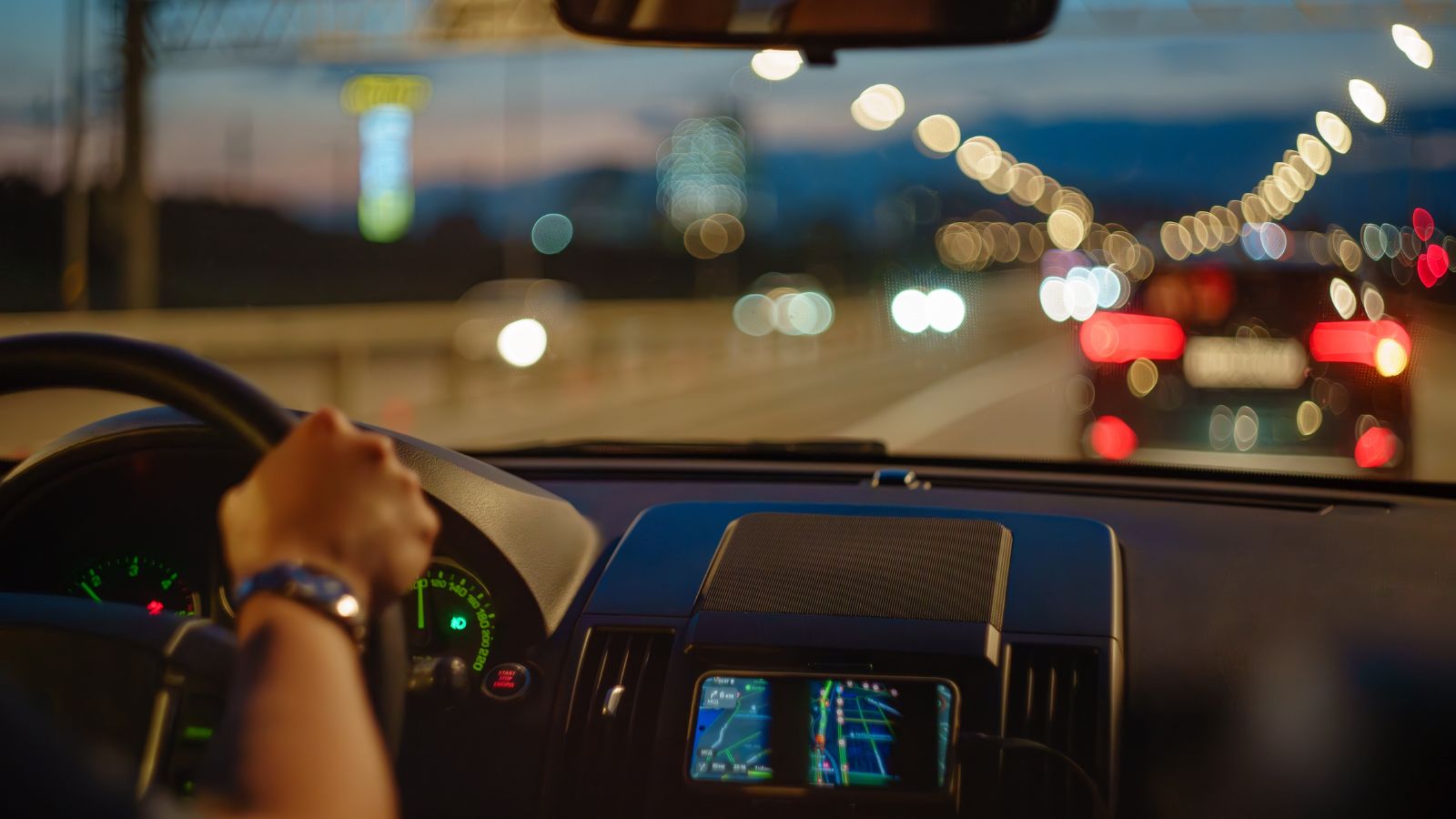
Driving is partly mechanical and partly psychological. Even small steering interventions can change how connected a driver feels to the vehicle. For people who learned to drive before advanced assistance became common, the idea of the car correcting the wheel may feel uncomfortable. They may accept anti-lock brakes or stability control because those intervene during emergencies, but lane assist can intervene during ordinary moments.
That difference matters. A driver may not object to safety technology in principle, yet still dislike feeling supervised on every trip. Some owners turn the system off not because they believe it is useless, but because they prefer the car to warn rather than steer. The issue is trust and agency. When a vehicle gives a gentle alert, the driver remains clearly in charge. When it applies steering input, even lightly, some people feel the boundary has shifted too far.
Different Brands Behave Very Differently
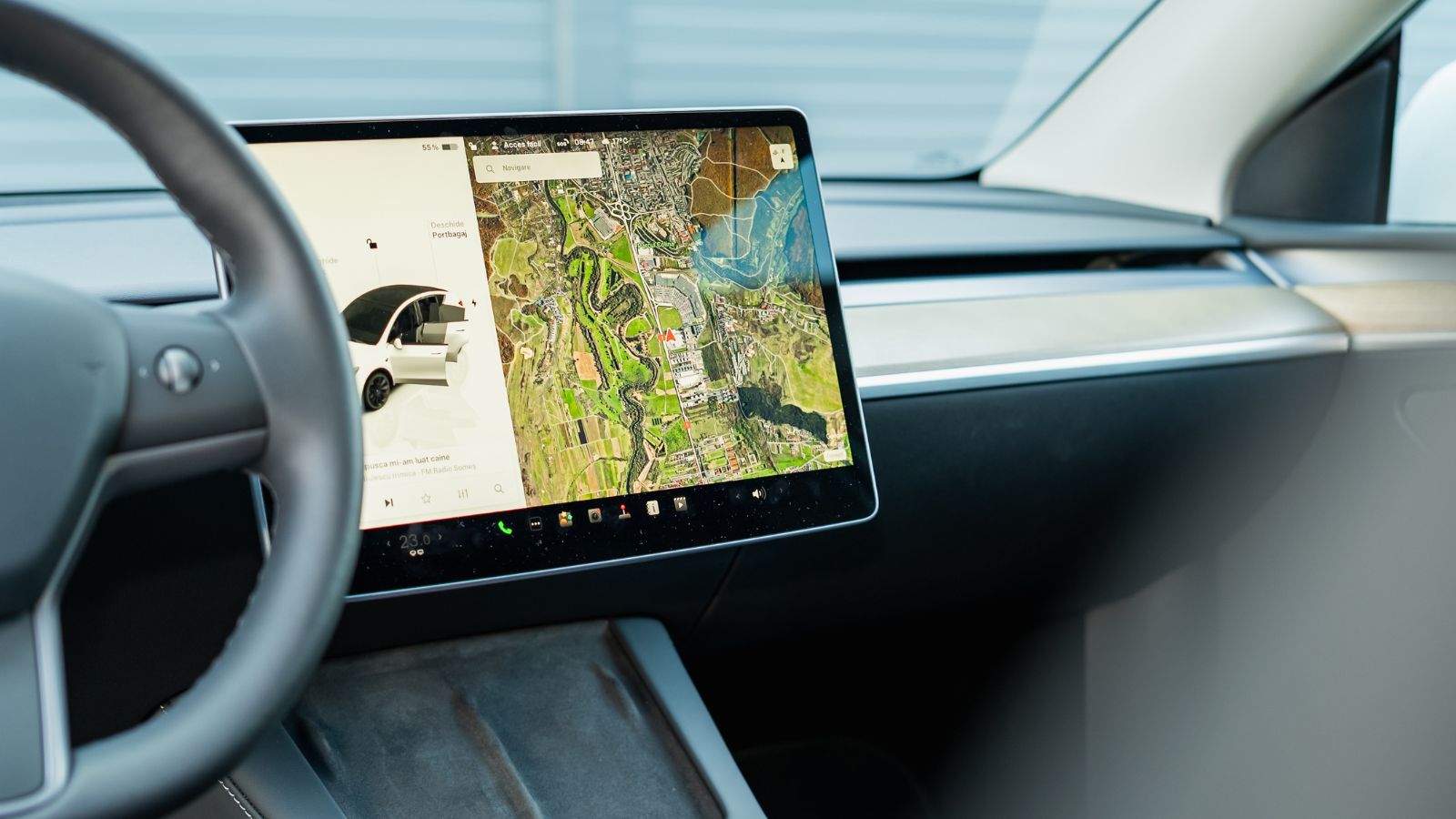
Lane assist is not a single experience. Automakers use different cameras, software logic, steering calibration, alert styles, activation speeds, and menu settings. One vehicle may gently vibrate the wheel near a lane edge, while another may actively pull toward the center. Some systems are easy to override; others feel more insistent. Even within the same brand, newer models can behave differently from older ones.
That variation explains why driver opinions can be so divided. One person may praise lane assist after driving a well-calibrated system on a long highway trip, while another may disable it after a week in a vehicle that feels jumpy on local roads. Industry testing has increasingly treated driver engagement, backup safety, and ease of use as part of the overall evaluation, not just whether the car can stay centered. The best systems feel collaborative. The least liked ones feel unpredictable or bossy.
Drivers May Not Understand What the System Is Designed to Do
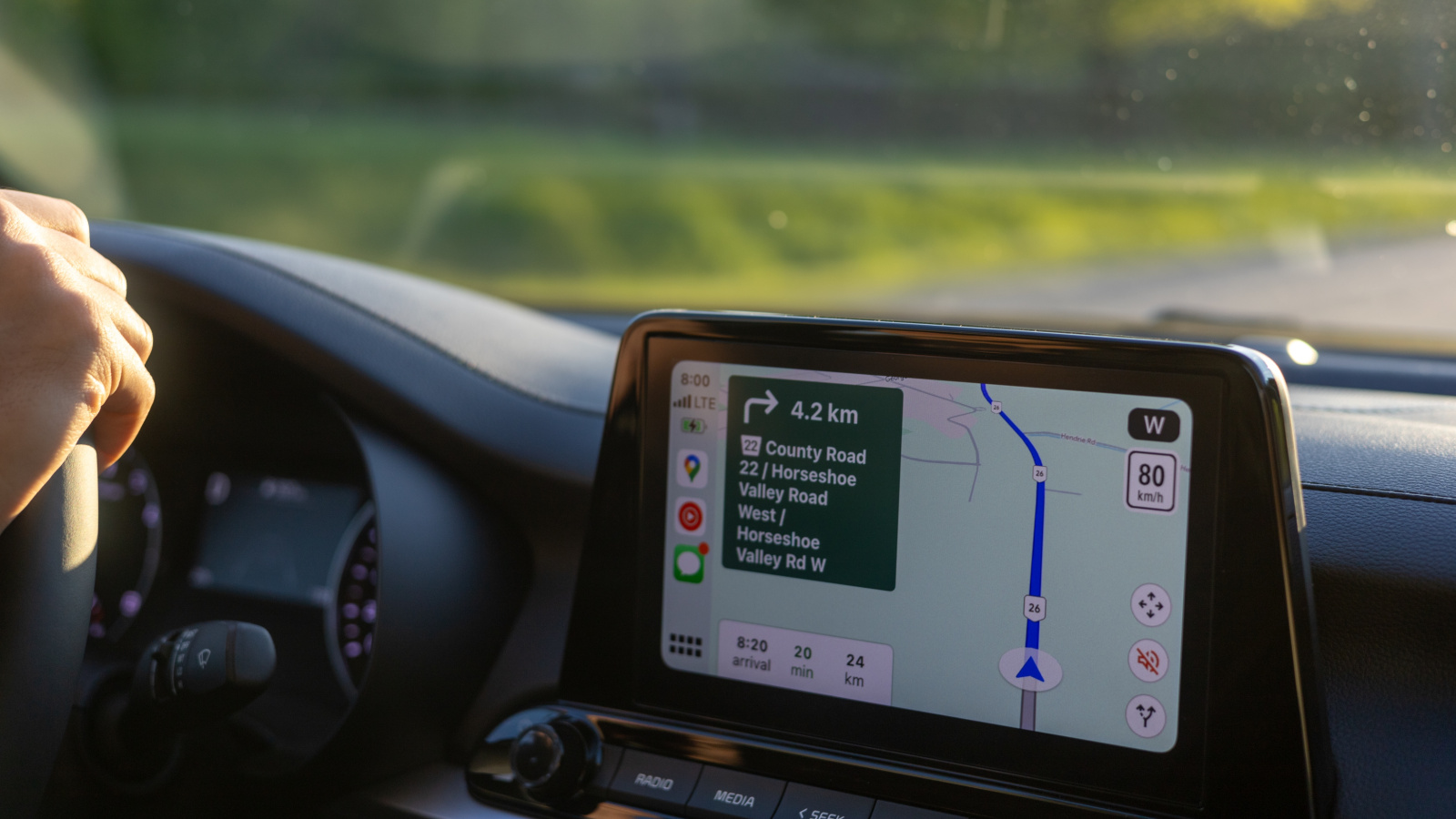
Some frustration comes from unclear expectations. Lane departure warning, lane keeping assist, and lane centering are related, but they are not the same. A warning-only system alerts the driver when the vehicle drifts. Lane keeping assist can apply corrective steering or braking. Lane centering may continuously help keep the vehicle near the middle of the lane, often as part of a broader highway assistance package.
When these features are marketed with similar names, owners may not know exactly what their vehicle will do. A driver expecting a quiet backup feature may be surprised by active steering. Another may expect the car to handle curves more confidently than it can. Confusion can lead to either overreliance or annoyance. Better education at delivery, clearer dashboard language, and more consistent naming could reduce the number of drivers who disable the system after a few unpleasant surprises.
The System May Encourage Too Much Reliance

Some drivers turn lane assist off for the opposite reason: they worry it makes them too relaxed. On long highway trips, a smooth lane-centering system can reduce fatigue, but it can also create a feeling that the car is handling more of the driving than it actually is. If the driver becomes less attentive, a sudden failure to detect markings or a sharp road change can become more dangerous.
This is why safety organizations continue to emphasize that these systems assist rather than replace the driver. Lane assist can reduce certain risks, especially unintentional drift, but it still depends on road visibility, system limits, and active supervision. Some cautious drivers prefer to avoid leaning on it too much. They may use it selectively on open highways, then turn it off in complex traffic so their attention stays fully engaged.
The Benefits Are Real, but Trust Is Fragile
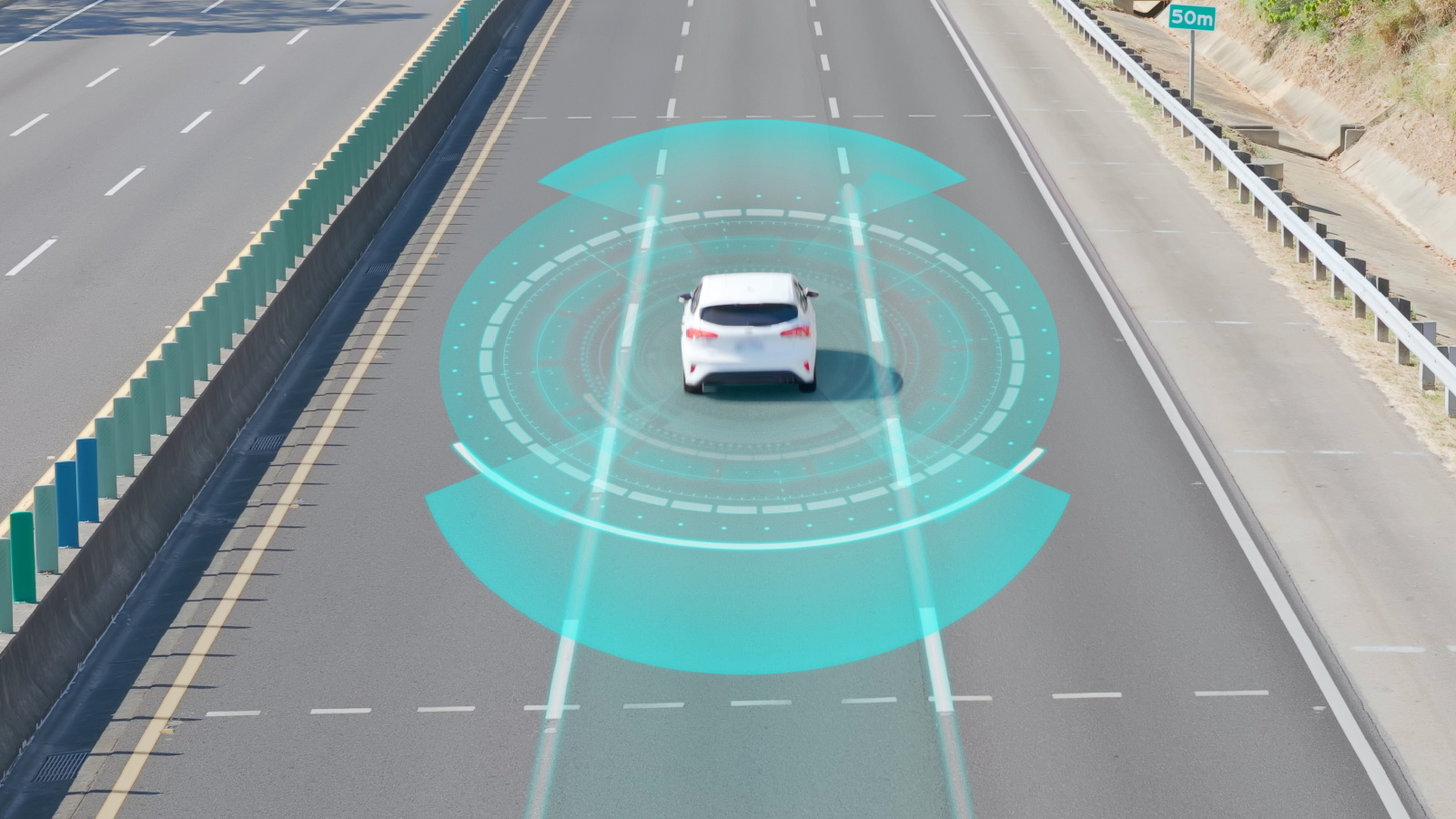
The strongest argument for keeping lane assist on is that lane-departure crashes can be severe. Run-off-road, sideswipe, and head-on crashes are exactly the kinds of events these systems are meant to help prevent. Safety research has found meaningful potential benefits, including estimates that equipped vehicles are less likely to be involved in some fatal road-departure crashes.
Still, trust is fragile. A feature can be statistically helpful and personally annoying at the same time. Many drivers are not rejecting safety; they are rejecting poor timing, confusing alerts, rough steering feel, or inconsistent performance on real roads. The future of lane assist may depend less on making the technology more aggressive and more on making it more cooperative. Drivers are more likely to leave it on when it feels like a calm backup, not a second driver with different instincts.
22 Things Canadians Do to Their Cars in Spring That Mechanics Hate

Spring brings relief to many Canadian drivers after months of snow, freezing temperatures, and icy roads that put serious strain on vehicles. As temperatures rise across the country, drivers begin washing cars, switching tires, and preparing vehicles for warmer weather and upcoming road trips. However, mechanics across Canada notice the same mistakes every spring when drivers attempt to recover from winter damage. Road salt, potholes, and harsh winter driving conditions often leave vehicles with hidden problems that drivers ignore. Some spring habits even create new mechanical issues that could have been avoided with proper maintenance. Here are 22 things Canadians do to their cars in spring that mechanics hate.