Canadian SUV shoppers are getting pickier, and for good reason. Higher borrowing costs, expensive insurance, volatile resale values, EV rebate changes, theft concerns, and repair complexity have made some once-obvious choices feel less convincing. A nameplate can still sell well and remain popular, yet lose appeal when the ownership math starts looking less friendly.
These 18 SUVs are not necessarily bad vehicles. Many have loyal owners, strong features, or impressive capability. The concern is that their shine is fading faster in Canada as buyers compare real-world costs, reliability records, fuel use, charging realities, theft exposure, and depreciation risk more closely than before.
Toyota RAV4
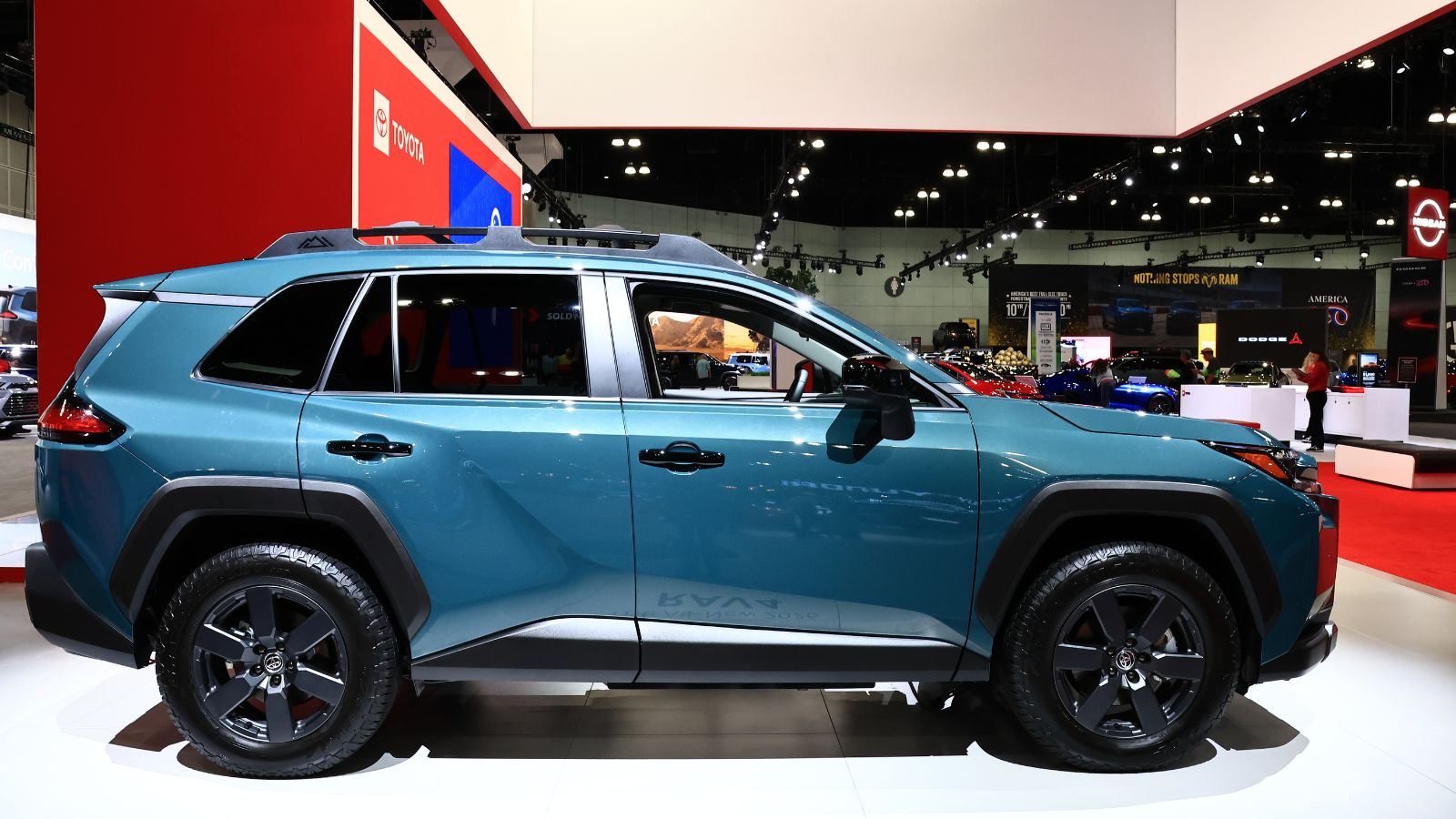
The Toyota RAV4 still has enormous strengths: broad availability, strong hybrid demand, practical sizing, and a reputation that continues to pull shoppers into showrooms. That popularity, however, has also created a new kind of hesitation. In Canada, the RAV4 has become one of the most visible examples of a vehicle that can be both highly desirable and frustrating to own because of external pressures. Buyers who once saw it as the safe, obvious compact SUV may now be weighing insurance quotes, anti-theft devices, wait times, and used-market premiums more carefully.
The theft issue is especially hard to ignore. The RAV4 became Canada’s most stolen vehicle in recent national reporting, with more than 2,000 thefts recorded in 2024. That does not erase its strengths, but it changes the emotional calculation. A family parking one in a driveway in Ontario or Quebec may now think about steering locks, tracking systems, and insurance deductibles alongside fuel economy and cargo space. For a mainstream SUV built on dependability, that added anxiety can make the ownership experience feel less simple than it used to.
Lexus RX
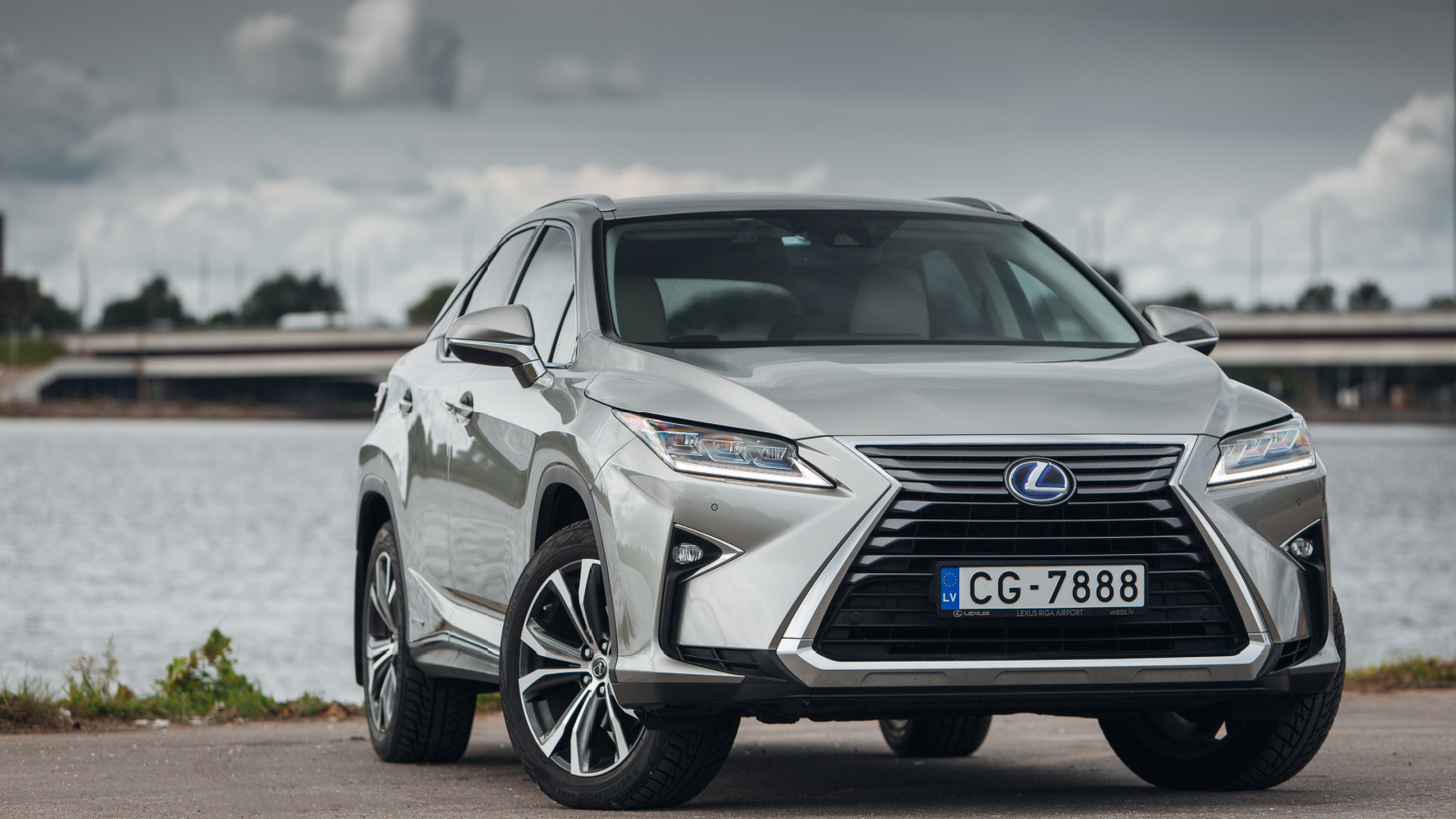
The Lexus RX has long been a Canadian luxury SUV default: comfortable, quiet, resale-friendly, and less showy than many European rivals. Its appeal is still strong among buyers who want refinement without drama. Yet the RX is also facing the downside of being recognizable, valuable, and widely sought after. Luxury SUVs with strong resale value are attractive not only to legitimate buyers but also to theft networks, which has made some shoppers more cautious about parking, premiums, and long-term ownership costs.
The bigger issue is that the RX’s strengths now come with more conditions. A used RX may still command a healthy price, while a newer one can carry luxury-level insurance and repair expectations. Buyers who once assumed Lexus meant “low-stress luxury” may find that the real Canadian experience includes higher vigilance, extra security measures, and more expensive coverage in some regions. When competitors offer newer interfaces, longer EV ranges, or lower entry prices, the RX can start to feel less like the effortless upgrade it once was.
Jeep Grand Cherokee 4xe
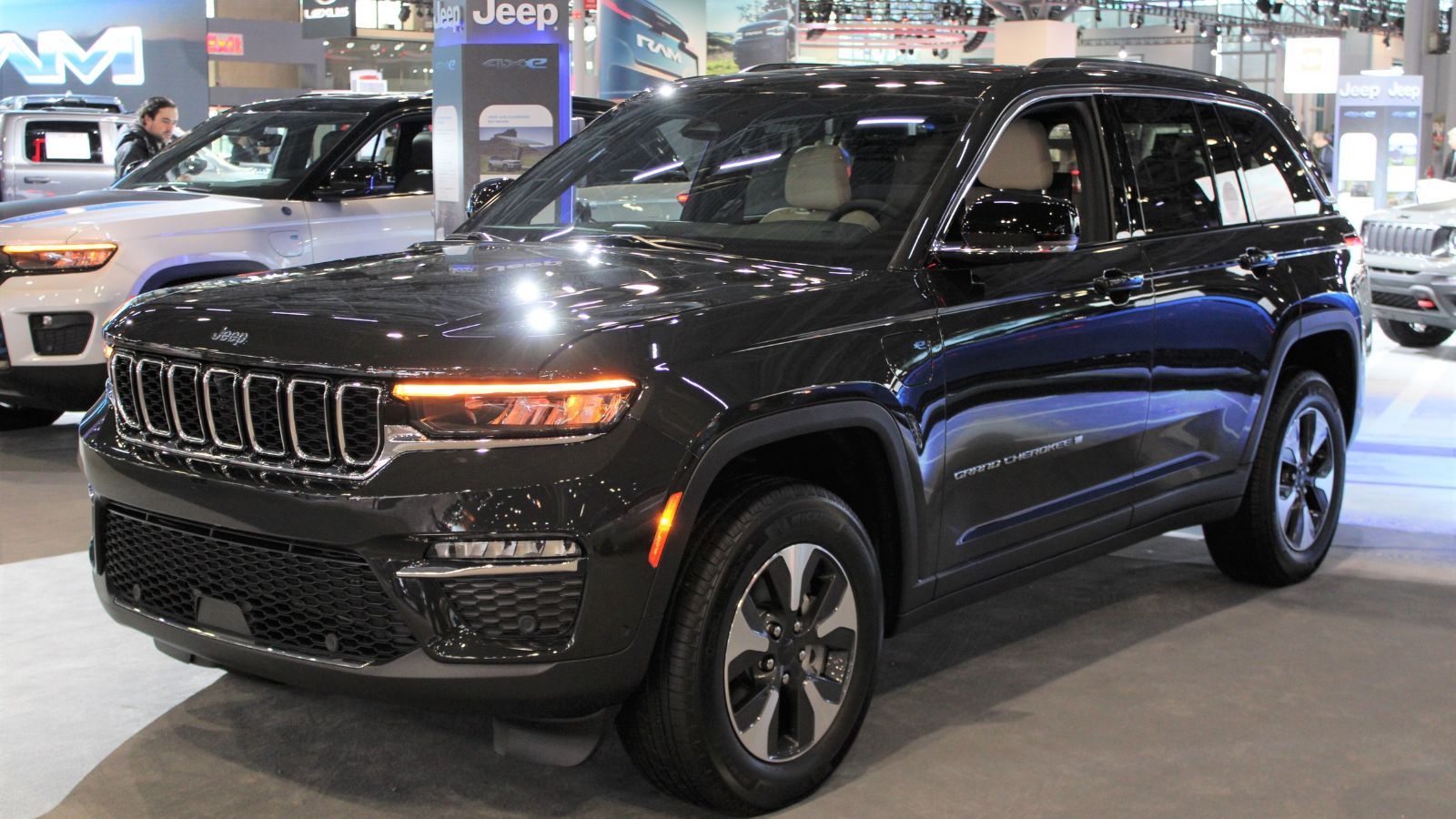
The Jeep Grand Cherokee 4xe looks compelling on paper because it combines premium SUV comfort, genuine off-road credibility, and plug-in hybrid capability. For Canadian buyers who like the idea of electric commuting without giving up gas range, that formula makes sense. The problem is that plug-in hybrids only deliver their best savings when they are charged consistently. Without daily charging, the extra hardware can become dead weight, and the vehicle may feel more complex than a regular hybrid or a simple gasoline SUV.
Reliability concerns have also dulled the appeal. Consumer Reports has flagged the Grand Cherokee’s reliability as below average, with the plug-in version faring worse in its latest brand reliability discussion. That matters because the 4xe asks buyers to accept a premium price, a turbocharged engine, battery components, electric motors, and Jeep’s traditional capability systems all in one package. For a commuter in Mississauga, Calgary, or Halifax who mainly wants a comfortable SUV, the ownership equation may feel less reassuring than the badge and showroom experience suggest.
Jeep Wrangler 4xe
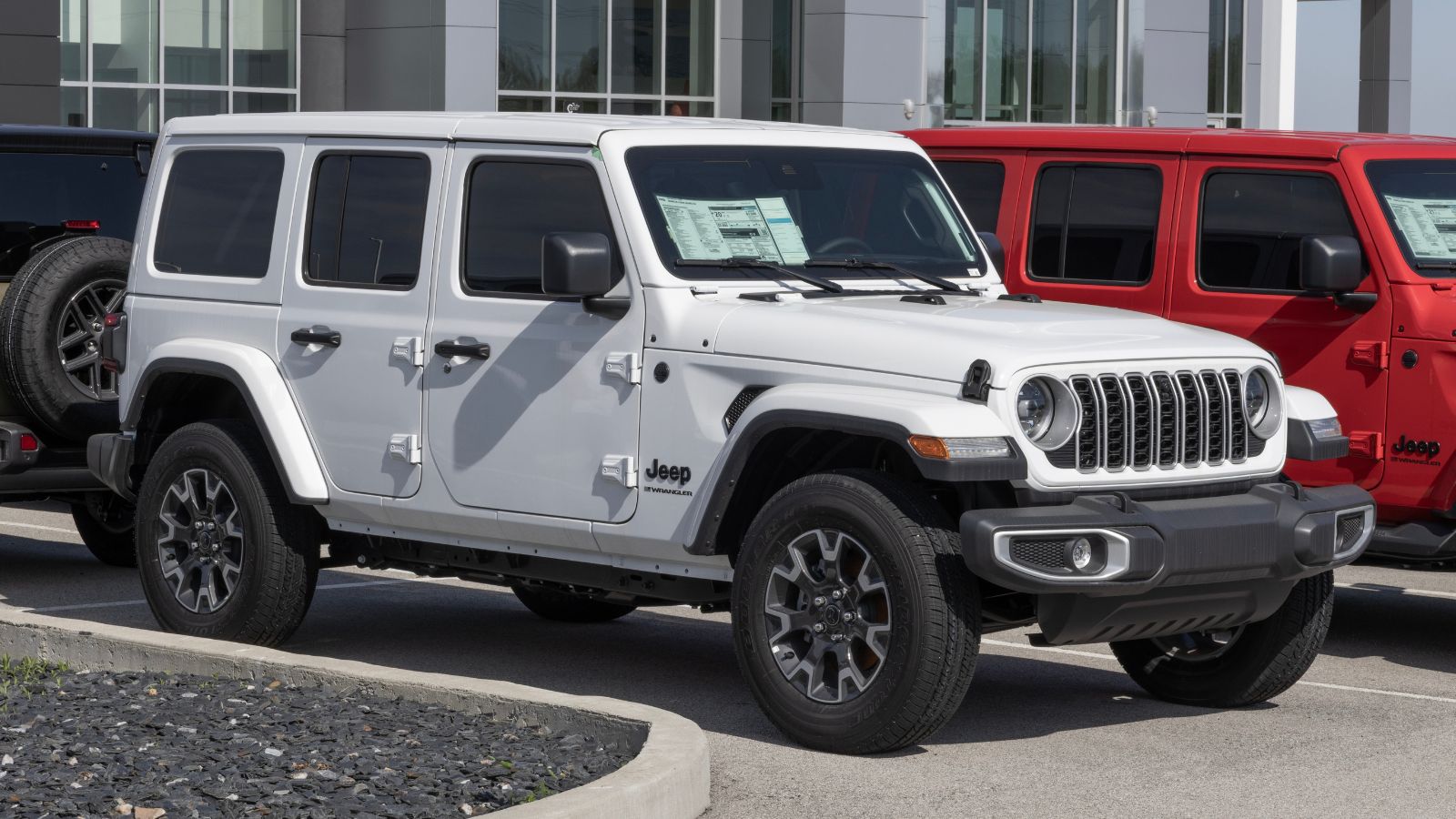
The Wrangler 4xe remains one of the most distinctive SUVs on Canadian roads. It has removable panels, trail credibility, instant electric torque, and a personality most crossovers cannot imitate. But that personality is also part of the challenge. The Wrangler’s appeal depends heavily on buyers valuing its rugged character enough to accept compromises in road noise, ride comfort, aerodynamics, cargo practicality, and fuel efficiency when the battery is depleted.
The plug-in hybrid version adds another layer. Its electric range can be useful for short urban trips, yet the benefit fades quickly for drivers who lack home charging or spend more time on highways. Recent recall attention around Jeep 4xe models has also made some shoppers more hesitant about complicated electrified off-roaders. A Wrangler still makes emotional sense for people who use what it offers. For buyers who mostly want an SUV image with everyday comfort, the 4xe can start to feel expensive, compromised, and less charming after the novelty wears off.
Volkswagen ID.4
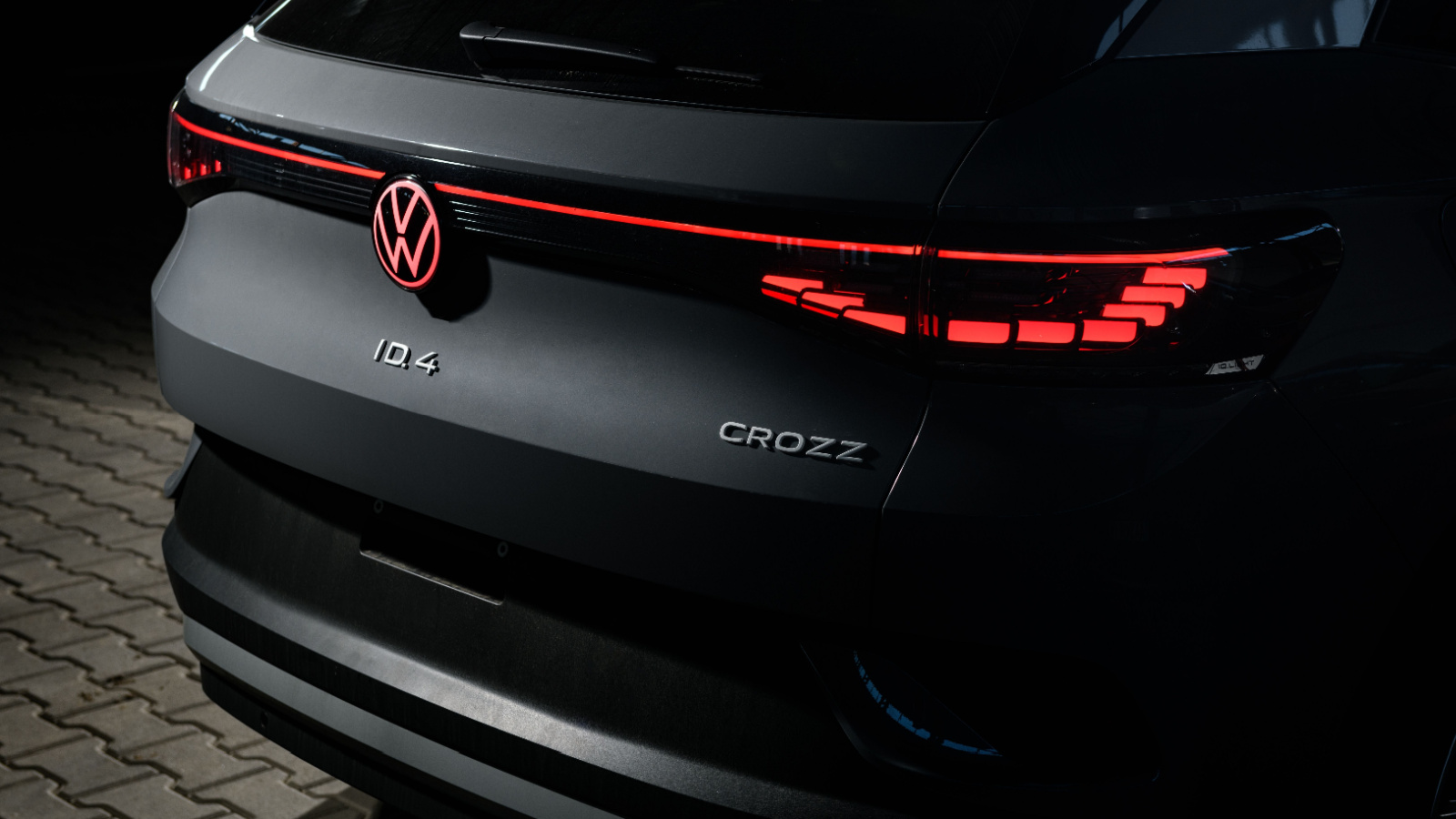
The Volkswagen ID.4 entered the Canadian market as a sensible electric SUV: roomy, quiet, approachable, and more conventional than some flashier EVs. That should have made it a strong long-term contender. Instead, its appeal has been challenged by recall headlines, software frustrations, and a shifting EV market where incentives and charging confidence matter almost as much as range. For buyers who want their first EV to feel easy, uncertainty can become a major obstacle.
Transport Canada issued a recall covering 2021 to 2024 ID.4 models because water could enter the door handles and potentially cause a door to open while driving. Consumer Reports also listed the ID.4 among low-scoring reliability models for 2025, citing trouble spots such as EV battery, charging, drive system, climate system, brakes, body hardware, and electronics. The ID.4 still has a calm driving feel and useful size, but in a market where hybrid SUVs feel safer to many Canadians, the ID.4 has to work harder to regain trust.
Chevrolet Blazer EV
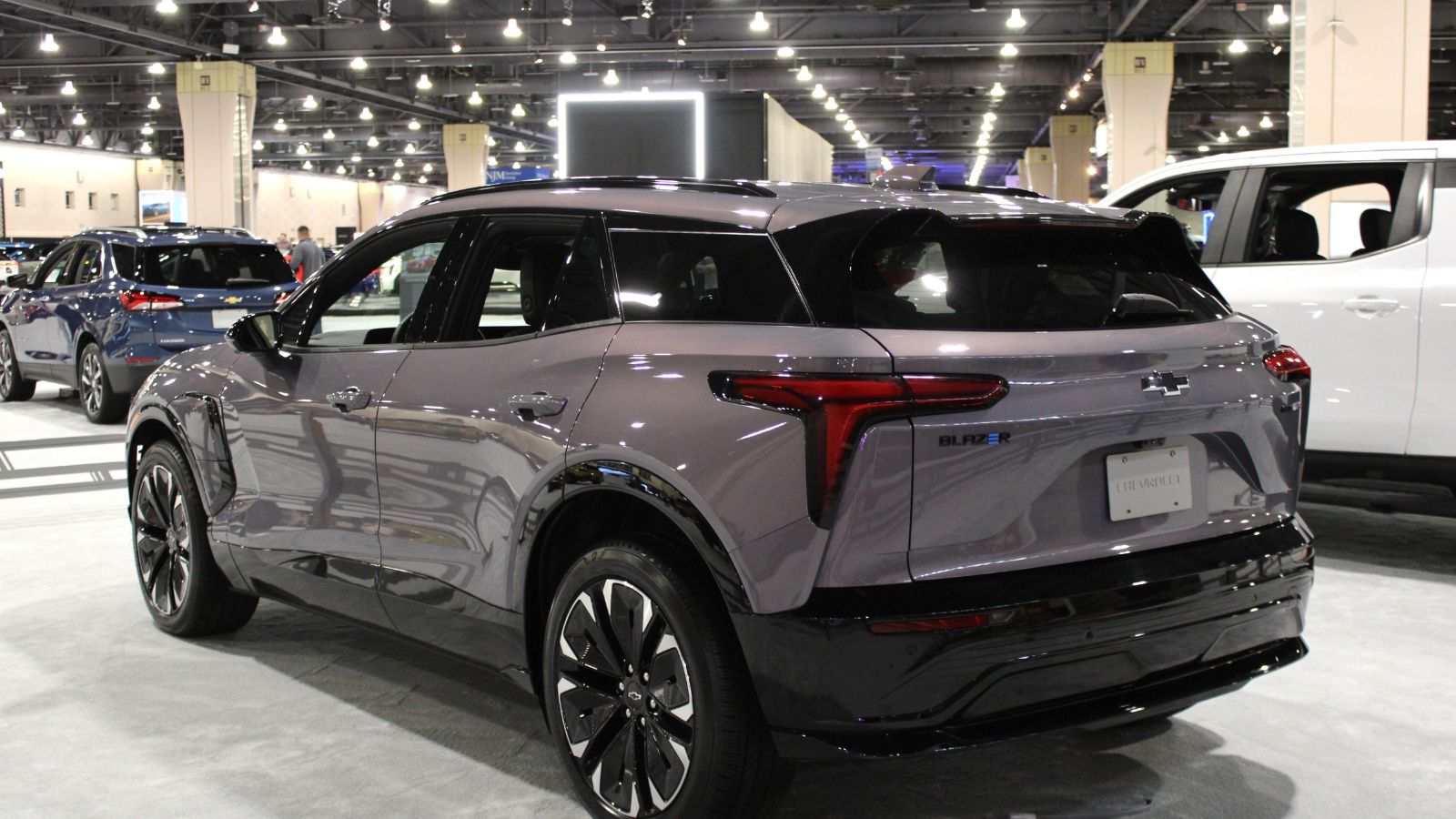
The Chevrolet Blazer EV had the ingredients for a breakout: a familiar SUV name, dramatic styling, GM’s Ultium platform, and the promise of mainstream electric driving. The challenge is that early software and quality narratives became part of the vehicle’s identity almost immediately. General Motors temporarily paused Blazer EV sales after software issues affected the touch-screen interface and fast-charging functions, then resumed sales after updates. That kind of launch stumble can linger in buyers’ minds even after fixes arrive.
Canadian EV shoppers are already dealing with a changing incentive environment, charging-route questions, winter range concerns, and higher insurance uncertainty for some electric models. Against that backdrop, the Blazer EV has less room for friction. A gasoline Blazer buyer expects familiarity; an EV buyer expects confidence. If the infotainment system, charging experience, or recall record feels unsettled, the SUV’s bold looks may not be enough. For many households, a proven hybrid or a simpler compact SUV can feel easier to justify.
Ford Explorer
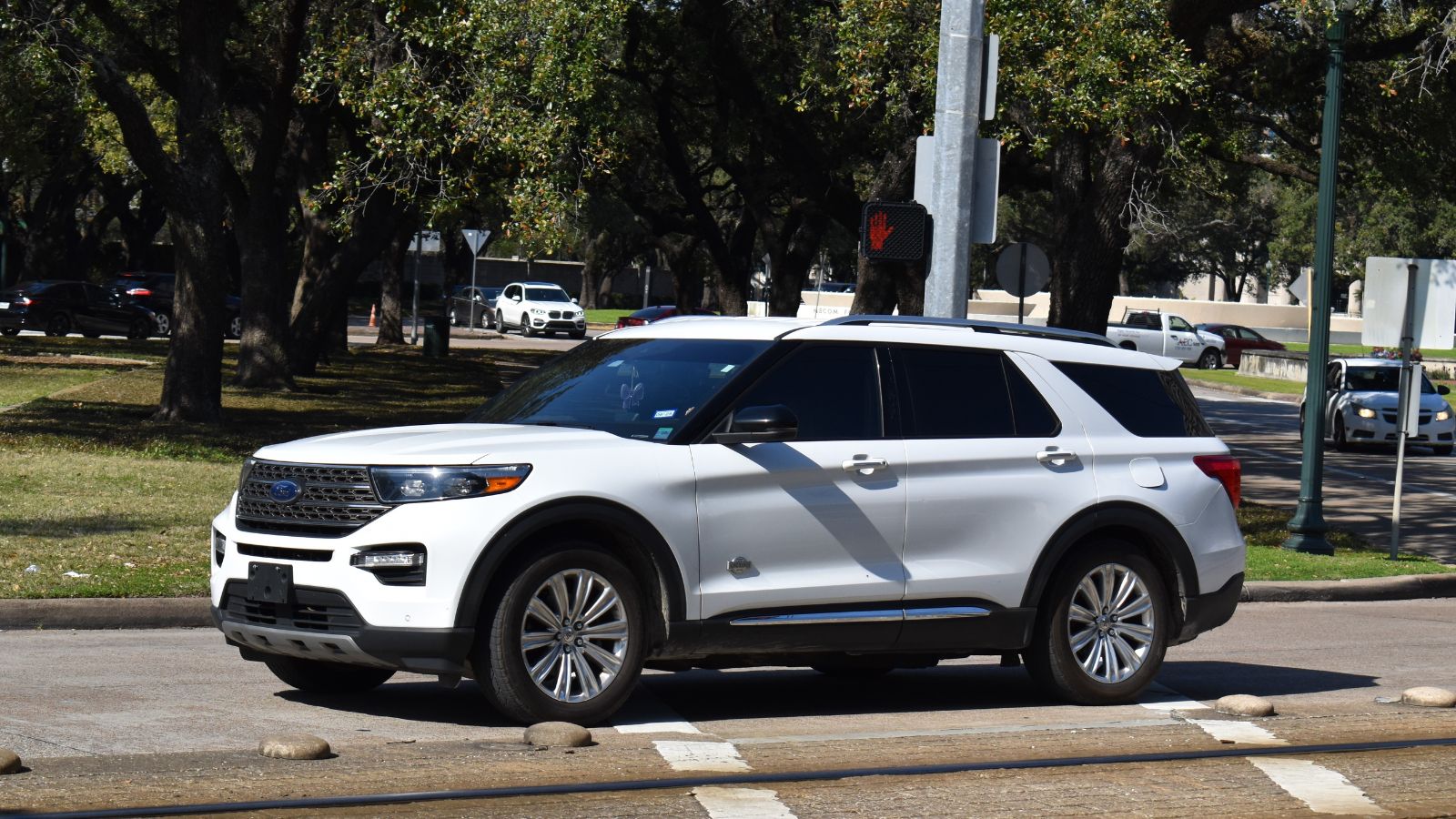
The Ford Explorer is a well-known three-row SUV with a long history in Canada, and it still offers the size many families want. Its appeal weakens when buyers compare it against newer three-row rivals that feel more efficient, more refined, or more space-optimized. Three-row SUV buyers tend to be practical: they care about third-row usability, cargo room with seats up, safety tech, fuel costs, and how painless the vehicle feels over several years.
Recent recall attention has not helped. Ford has faced recalls involving Explorer-related safety systems and rearview camera or driver-assistance technology in newer SUVs. Even when recalls are handled properly, they add another errand to already busy family life. The Explorer’s rear-drive-based platform gives it a more substantial feel than some rivals, but that can also mean fuel consumption and pricing that push shoppers toward hybrid competitors or minivans. For buyers who need space more than image, the Explorer no longer feels like the automatic family answer.
Ford Bronco Sport
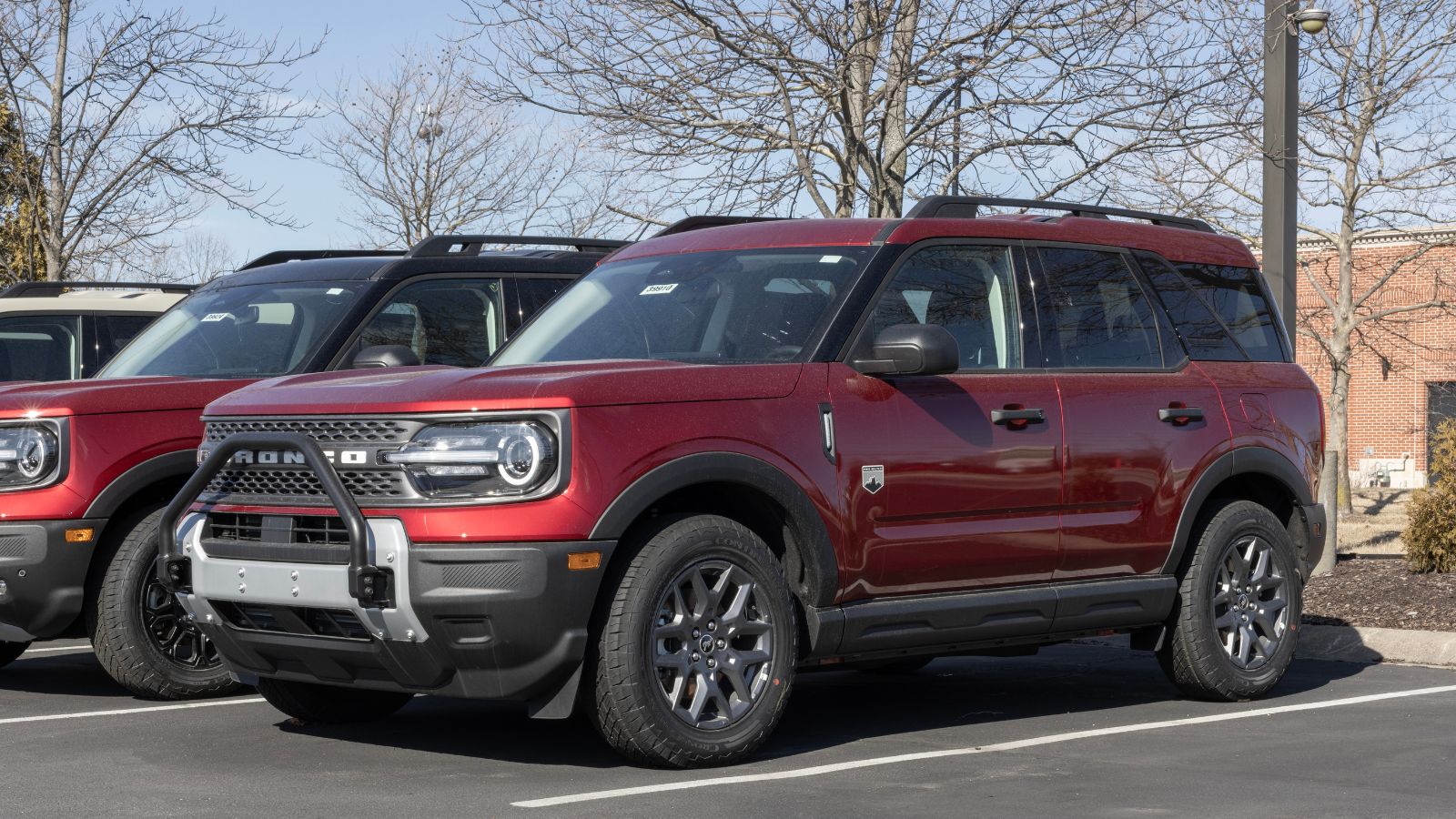
The Ford Bronco Sport benefits from one of the strongest design stories in the compact SUV world. It looks adventurous, has clever cargo touches, and gives suburban buyers a taste of Bronco character without the size or price of the full model. That appeal is real, but it can fade once shoppers compare the Bronco Sport with more efficient, roomier, or better-rated compact crossovers.
Safety and comfort details matter in this class because many buyers use compact SUVs as daily transportation, not weekend trail machines. IIHS ratings for the 2025 Bronco Sport show good results in some areas, but weaker results in the updated moderate-overlap front test and whiplash prevention categories. That does not make it unsafe, yet it complicates the pitch when rivals compete aggressively on family-friendly safety credentials. The Bronco Sport still has charm, but charm alone becomes harder to sell when buyers are counting monthly payments, fuel bills, cargo measurements, and safety scores.
Mazda CX-90 PHEV
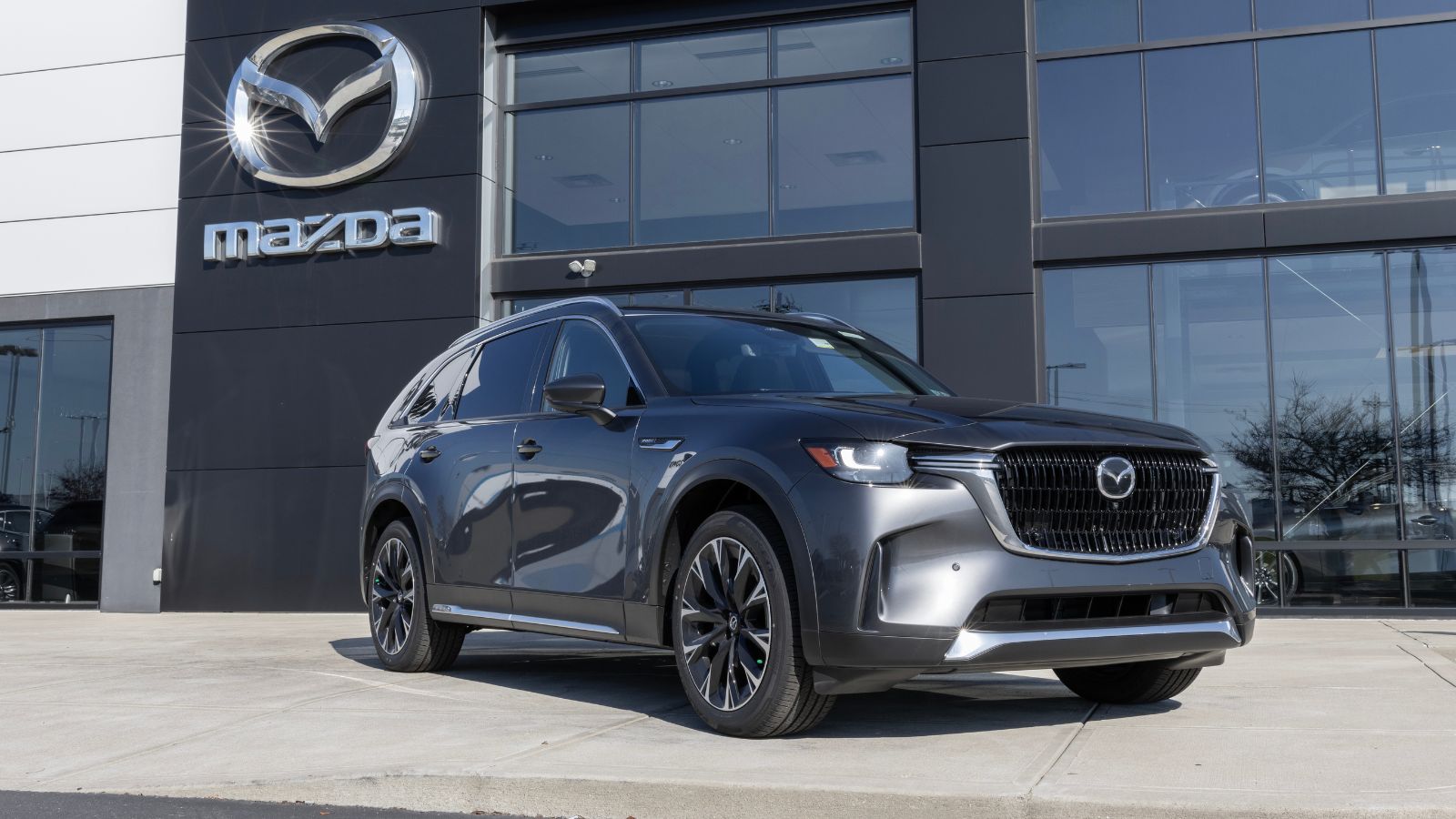
The Mazda CX-90 PHEV is one of the more ambitious three-row SUVs on sale in Canada. It brings premium styling, a refined cabin, and a plug-in hybrid option that seems ideal for households wanting lower fuel use without committing to a full EV. The issue is that ambition can also create growing pains. A first-generation flagship with a complex drivetrain has to prove itself quickly, especially when family buyers value predictability.
Transport Canada issued a recall for certain Mazda vehicles involving an incorrect fuel-level display, warning that a driver could be unaware of how much fuel remained and that the vehicle could stall. For a vehicle marketed partly around upscale confidence, that kind of issue can feel out of step with expectations. The CX-90 PHEV may still appeal to drivers who want something more elegant than the typical family hauler. But for shoppers prioritizing proven long-term simplicity, it may feel like a wait-and-see SUV rather than a safe leap.
Nissan Rogue
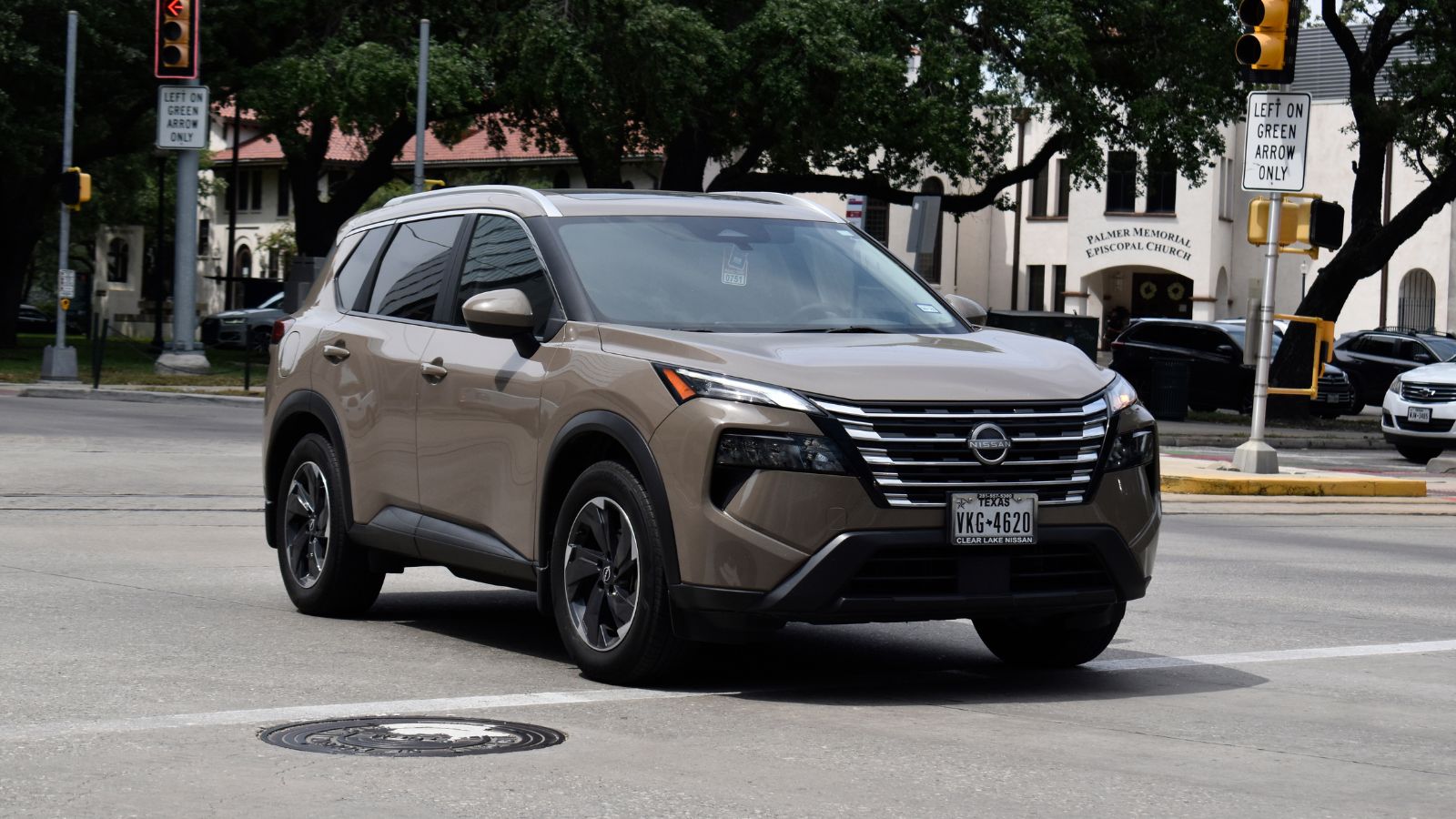
The Nissan Rogue remains a major player in Canada’s compact SUV market. It is practical, comfortable, and often priced attractively against the Toyota RAV4 and Honda CR-V. Its appeal, however, is being squeezed by strong hybrid competition and by buyers who increasingly expect compact SUVs to deliver excellent fuel economy without complicated trade-offs. The Rogue’s turbocharged three-cylinder engine is efficient on paper, but some shoppers still prefer the perceived durability of a conventional four-cylinder hybrid system.
The Rogue also faces the problem of familiarity. It sells well, but it no longer feels especially distinctive in a crowded class. A buyer comparing compact SUVs may see the CR-V as roomier, the RAV4 Hybrid as more fuel-stingy, the Tucson as more aggressively styled, and the CX-5 or CX-50 as more engaging. That leaves the Rogue relying on value, comfort, and dealer offers. Those are useful strengths, yet they can make a vehicle feel like a rational fallback rather than an exciting first choice.
Mitsubishi Outlander PHEV
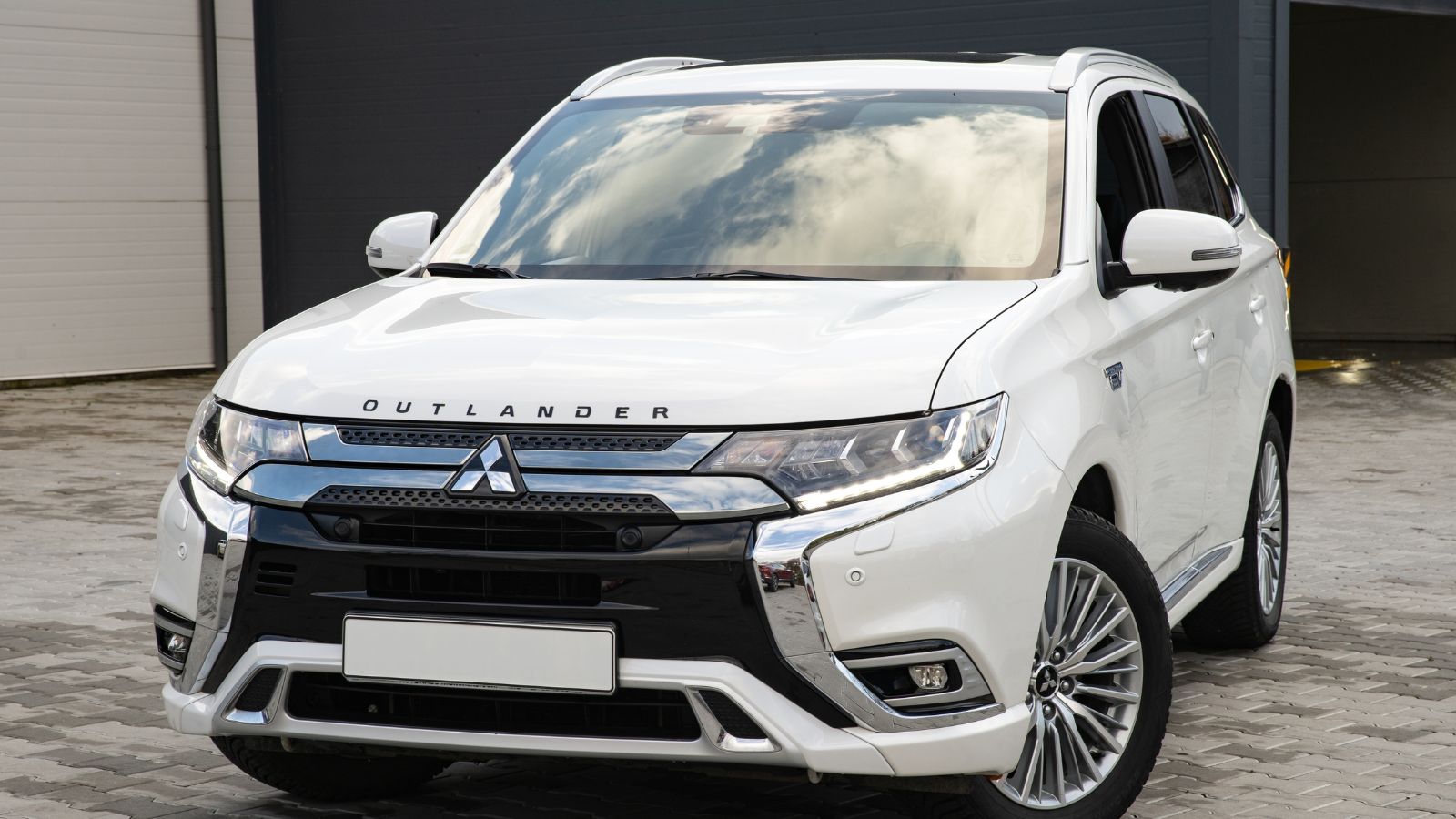
The Mitsubishi Outlander PHEV deserves credit for helping bring plug-in hybrid SUVs into mainstream Canadian consideration. It offers electric driving for short trips, gasoline backup for long routes, and available all-wheel drive, which fits the needs of many Canadian households. The challenge is that the market around it has moved quickly. More hybrids, more EVs, and more polished family SUVs now compete for the same practical buyer.
The Outlander PHEV can also be a difficult value calculation. Plug-in hybrids make the most sense when owners can charge regularly and use the electric range often. Without that routine, the added battery and hardware may not pay off in fuel savings. The end of the federal iZEV program also reduced the incentive cushion that once made eligible electrified vehicles easier to justify. For households without home charging, the Outlander PHEV may still be useful, but it no longer feels as uniquely ahead of the curve as it once did.
Cadillac Escalade
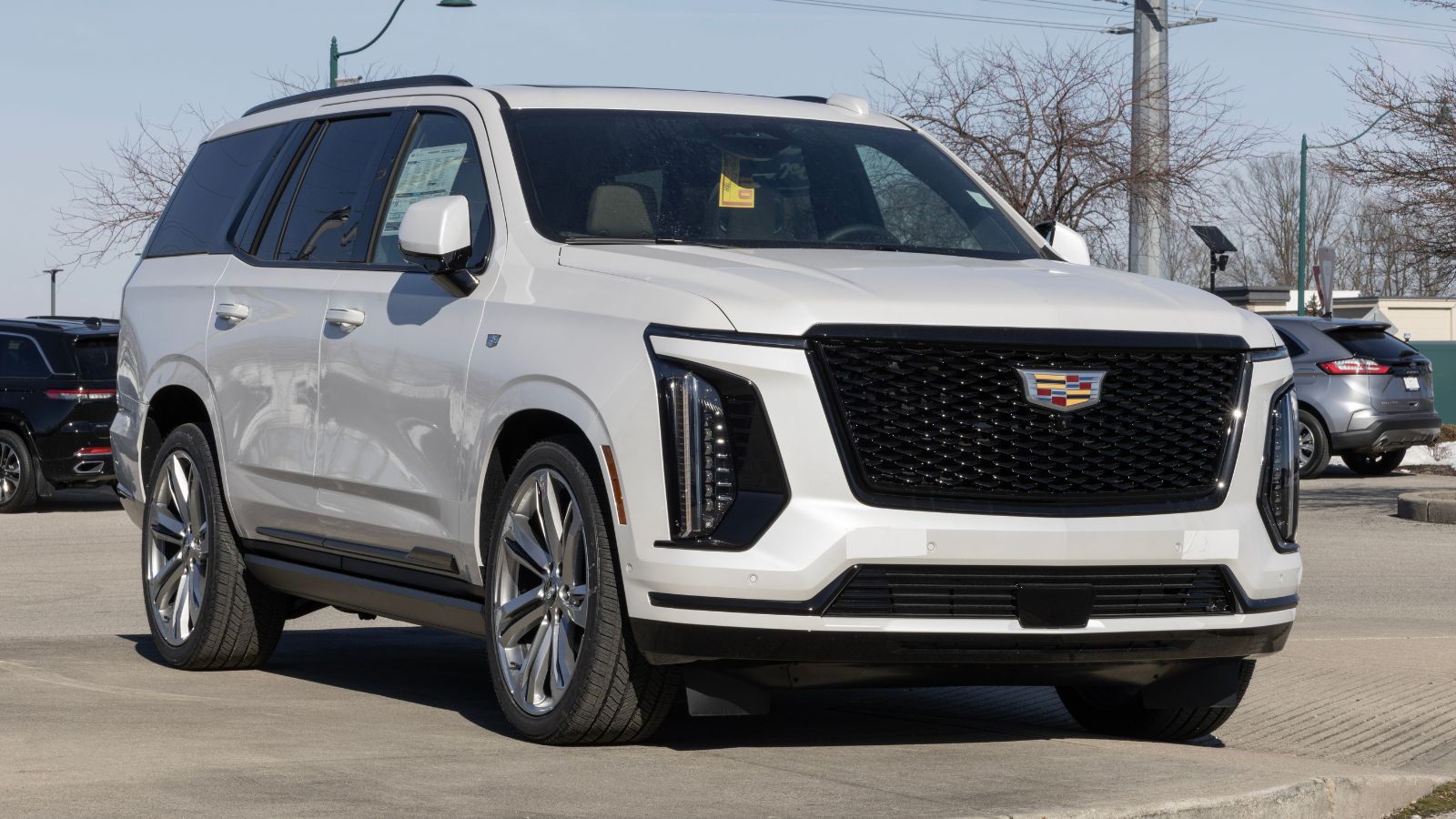
The Cadillac Escalade still has presence few SUVs can match. It is large, luxurious, powerful, and deeply tied to status. But in Canada, that kind of appeal is increasingly colliding with practicality. Large luxury SUVs can bring high fuel costs, expensive tires, costly repairs, and insurance considerations that make ownership feel heavier than the showroom experience suggests. For buyers who do not need towing ability or maximum passenger space, the Escalade can feel excessive very quickly.
The theft environment also affects the Escalade’s appeal. Newer, higher-value SUVs and trucks remain prominent targets for organized theft networks, especially in provinces where export-related theft has been a persistent concern. The Escalade’s luxury image can therefore become a liability in daily life. Parking at a mall, airport, or driveway may come with more worry than expected. For some buyers, a smaller luxury SUV or well-equipped mainstream model now delivers enough comfort without the same attention, fuel appetite, or ownership anxiety.
Range Rover Evoque
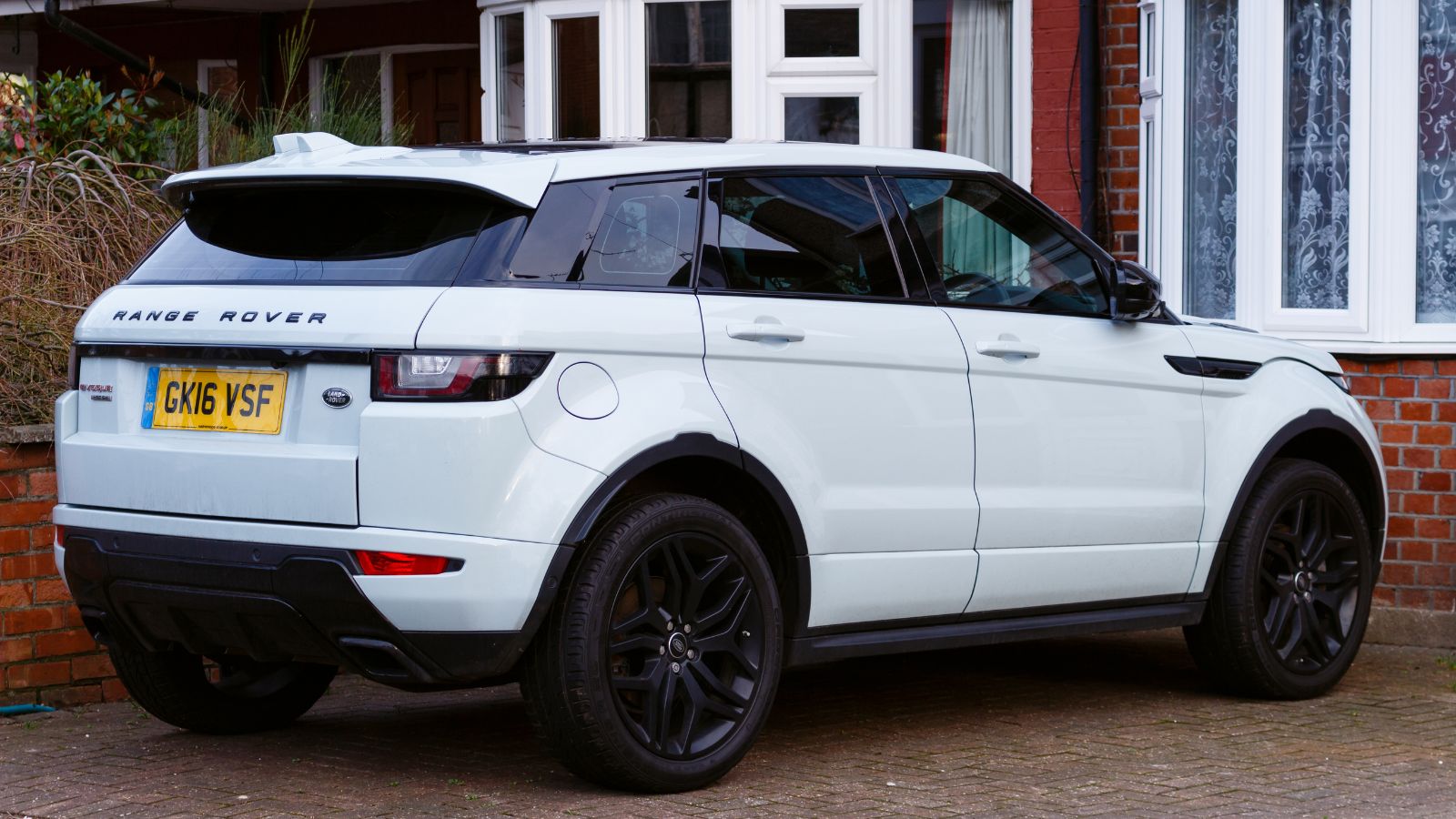
The Range Rover Evoque has always sold a stylish promise: premium design, compact luxury, and a fashionable SUV stance. In Canada, that promise can be appealing in cities where parking space is tight but luxury image still matters. The problem is that shoppers have become less patient with vehicles that look expensive and also feel expensive to maintain. A compact luxury SUV has to deliver more than badge appeal when mainstream rivals now offer excellent interiors and technology.
Reliability perception is the Evoque’s biggest obstacle. Jaguar Land Rover products often face scrutiny over repair costs and dependability, and British consumer reporting has highlighted dissatisfaction with some Evoque hybrid ownership experiences, including downtime and parts delays. Even if an individual vehicle performs well, perception matters in the used market. A Canadian buyer considering a pre-owned Evoque may picture a beautiful winter driveway companion, then start calculating warranty coverage, dealer access, and repair bills. That mental shift can cool the excitement fast.
Kia Telluride
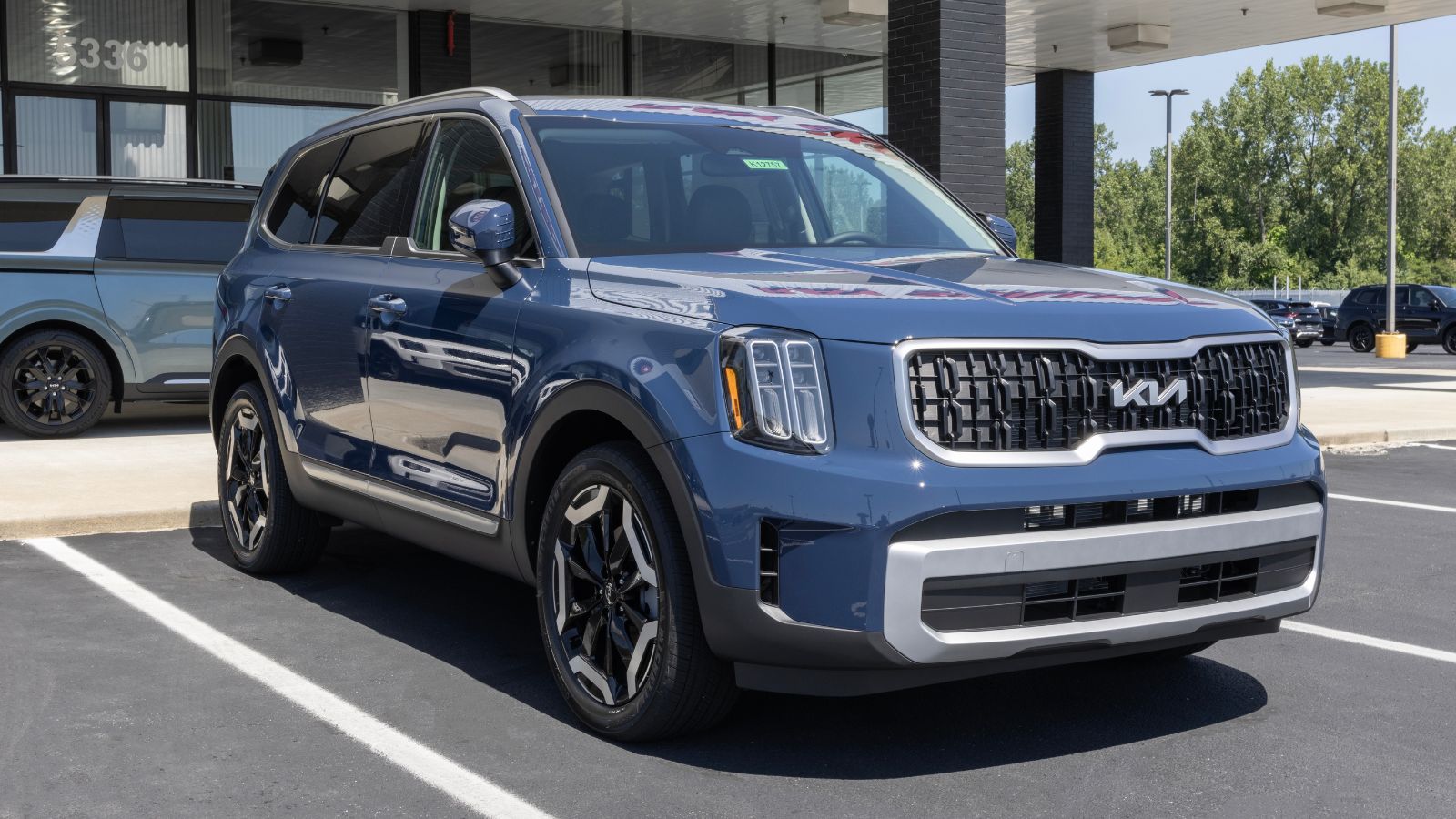
The Kia Telluride built its reputation by looking upscale, feeling spacious, and undercutting traditional premium SUVs. Canadian families noticed. Its bold design, usable third row, and strong feature content helped it become one of the most talked-about three-row SUVs in the segment. The difficulty now is that expectations have caught up with it. Once a vehicle is praised heavily, buyers become less forgiving about fuel use, wait times, markups, recalls, and long-term costs.
The Telluride’s gasoline-only approach also leaves it exposed as more shoppers consider hybrids. A large family SUV that does not offer a hybrid option can feel dated beside rivals that promise lower fuel consumption in city driving. It still does many things well, especially comfort and packaging, but the value story is not as fresh as it was. For buyers who remember the Telluride as the clever alternative, today’s market may make it feel more like a mainstream three-row with premium expectations attached.
BMW X5 Plug-In Hybrid
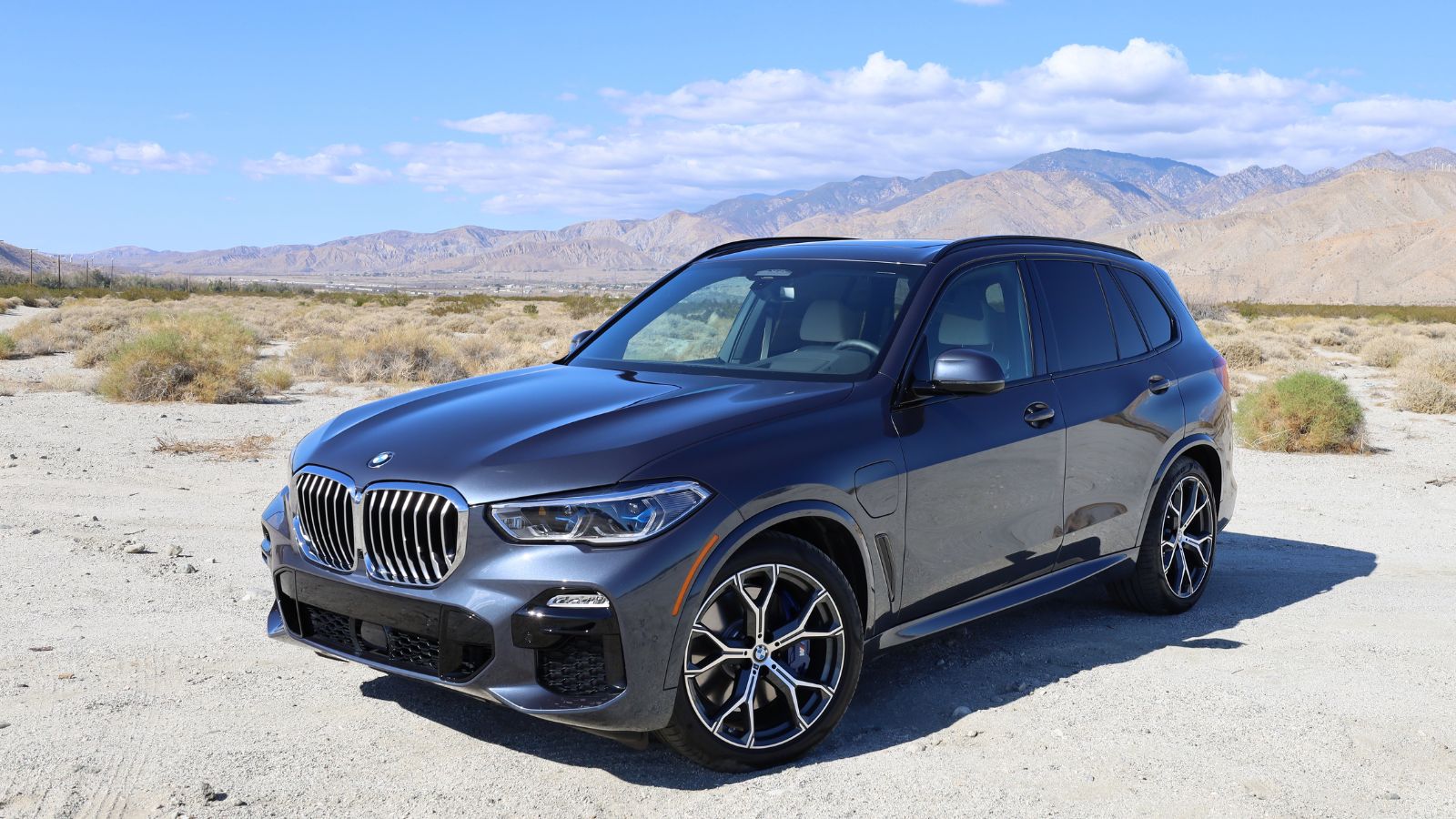
The BMW X5 plug-in hybrid has obvious appeal: strong performance, a luxury badge, usable electric range, and a cabin suited to long Canadian highway drives. It can be an excellent fit for households that charge daily and want one vehicle to handle commuting, cottage trips, and winter travel. The appeal weakens when ownership costs enter the discussion. Luxury plug-in hybrids combine premium-brand servicing with hybrid and EV components, which can make long-term ownership feel more complicated than a conventional SUV.
The end of broad federal iZEV incentives also changes the psychology around electrified luxury SUVs. Buyers at this price level may not depend on rebates, but incentives helped soften the perception of paying extra for plug-in hardware. Without that cushion, the X5 PHEV must justify itself through real charging habits. If the battery is rarely charged, much of the benefit disappears. For some Canadian buyers, a regular hybrid, diesel alternative in the used market, or simpler luxury SUV may feel like the more rational long-term choice.
Mercedes-Benz GLC
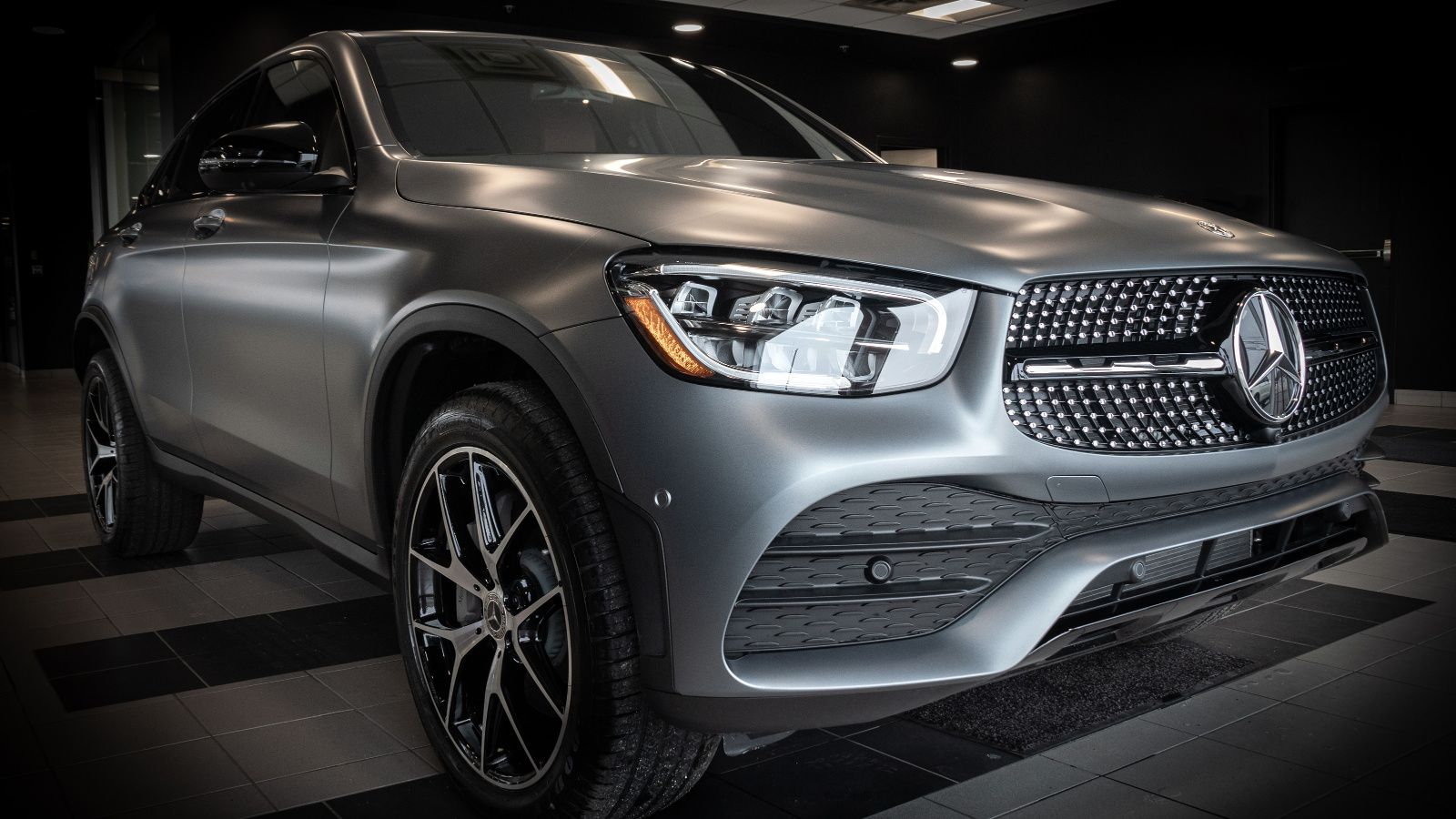
The Mercedes-Benz GLC remains one of the most recognizable compact luxury SUVs in Canada. It has the badge, the interior ambience, and the right size for buyers moving up from mainstream crossovers. Its appeal is fading in part because compact luxury SUVs are no longer automatically impressive. Well-equipped mainstream models now offer panoramic screens, heated rear seats, advanced driver assistance, and premium audio, narrowing the emotional gap.
The GLC also asks buyers to accept luxury-brand maintenance, higher repair expectations, and depreciation risk in a category crowded with alternatives. A buyer comparing a GLC against a Lexus NX, Acura RDX, Genesis GV70, or even a loaded Mazda CX-50 may start questioning how much the badge is worth. Technology-heavy interiors can feel special at first, but they can also age quickly if software, touch controls, or repair costs become annoyances. The GLC still has status, but status is a harder sell when budgets are tight.
Tesla Model Y
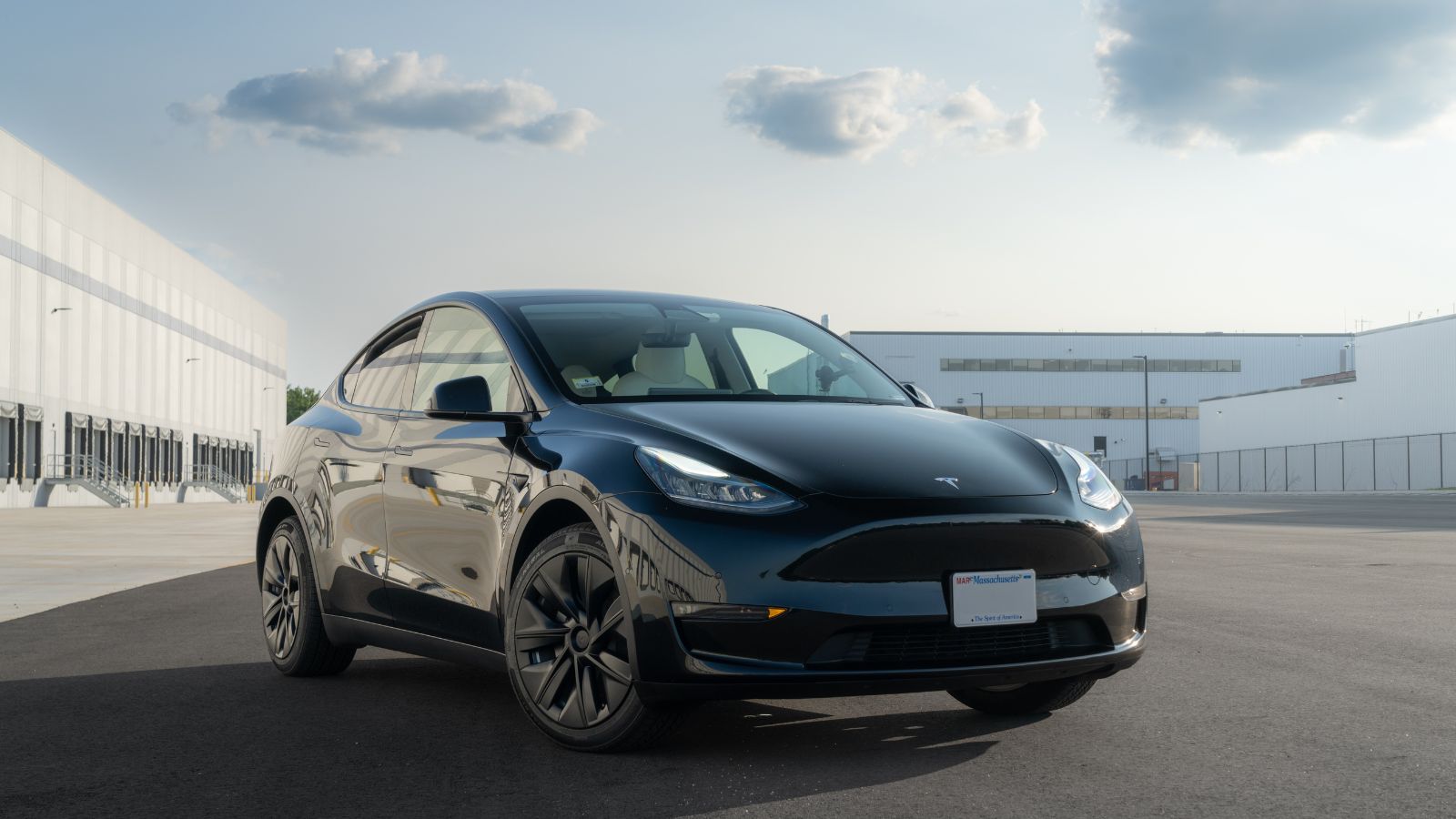
The Tesla Model Y remains one of the most important electric SUVs in Canada, with strong acceleration, a vast charging ecosystem, and a minimalist interior that many owners appreciate. Its appeal, however, has become more complicated. Federal incentive uncertainty, changing EV demand, pricing volatility, insurance questions, and stronger competition have made the Model Y feel less untouchable than it once did. The market no longer treats Tesla as the only obvious EV answer.
Canada’s federal iZEV program closed in 2025, removing a major purchase incentive that had helped eligible zero-emission vehicles. Tesla also became entangled in Canadian rebate and tariff-related controversy, which added noise around the brand. For buyers, the practical questions remain simple: winter range, charging convenience, insurance, resale value, and service access. The Model Y still performs well in many of those areas, but the sense of inevitability has faded. More Canadians now compare it against hybrids, used EVs, and newer electric SUVs before deciding.