


























Canadian used-vehicle shoppers have spent several years watching reasonable options get snapped up quickly, especially compact SUVs, pickups, hybrids, and anything with low kilometres. That pressure has not disappeared, but the market is finally showing more pockets of relief. Average used prices in Canada have eased from pandemic-era highs, electric vehicles have become far more negotiable, and some once-hot crossovers are no longer commanding the same urgency.
These 15 used vehicles stand out because Canadians may now find more room to compare trims, question asking prices, and avoid overpaying. None is automatically a bargain in every province or condition, but each has become more interesting as supply, depreciation, fuel costs, insurance realities, or shifting buyer demand changes the math.
Tesla Model 3
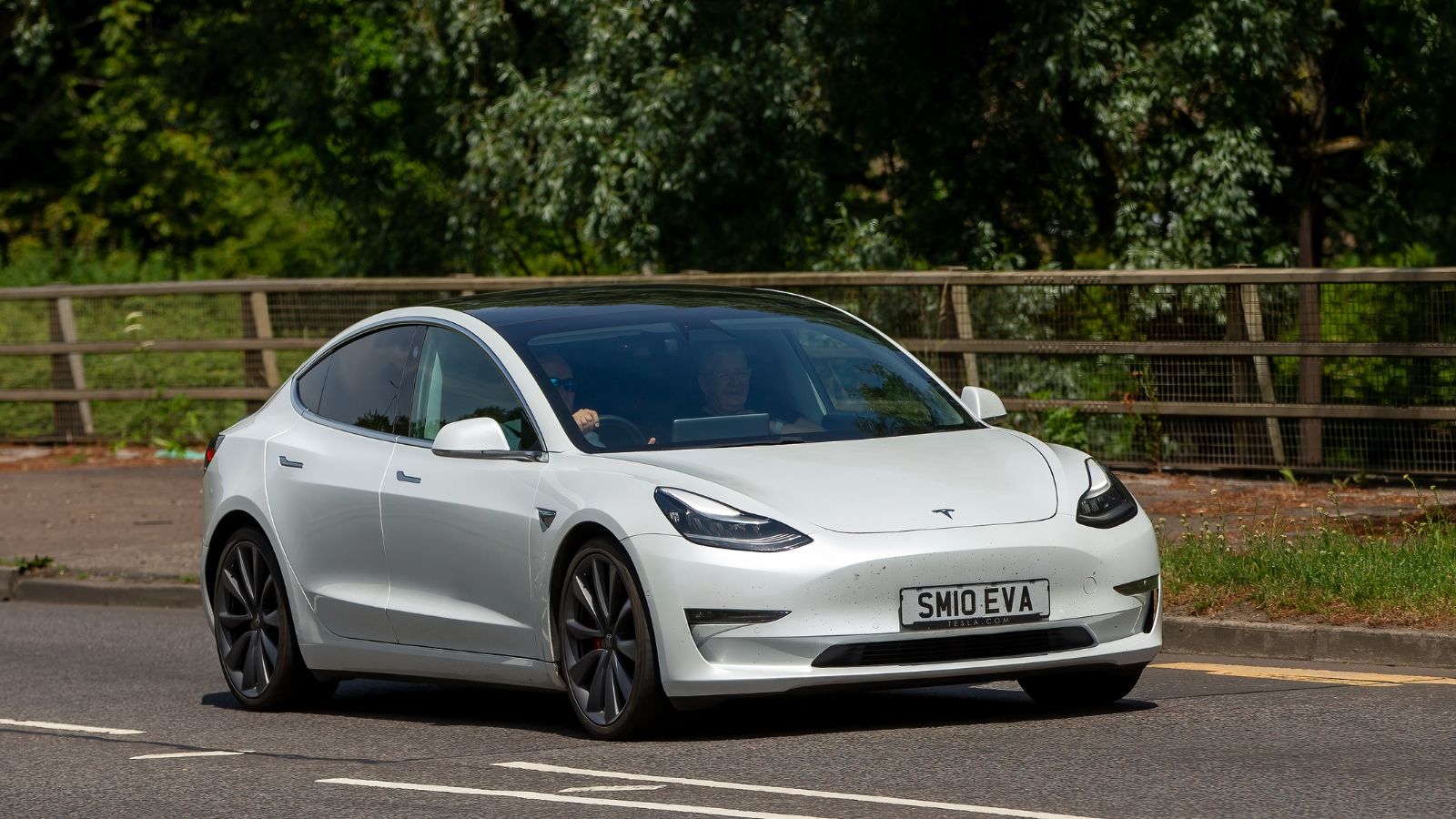
The Tesla Model 3 has moved from near-unobtainable used status to one of the most negotiable electric cars on the Canadian market. Early demand, long wait times, and high fuel prices once helped keep used values unusually strong. Now, more leased and privately owned examples are returning to the market, and shoppers are seeing wider price gaps between mileage, battery condition, trim, and accident history.
The break is especially noticeable for older Standard Range and Long Range models. Buyers still need to check battery health, charging history, remaining warranty, tire wear, and winter range expectations, but the Model 3 no longer feels like a take-it-or-leave-it purchase. For commuters with home charging, that shift matters. A buyer who once stretched into a higher payment may now find a cleaner example, better trim, or stronger negotiating position without chasing every listing the day it appears.
Tesla Model Y
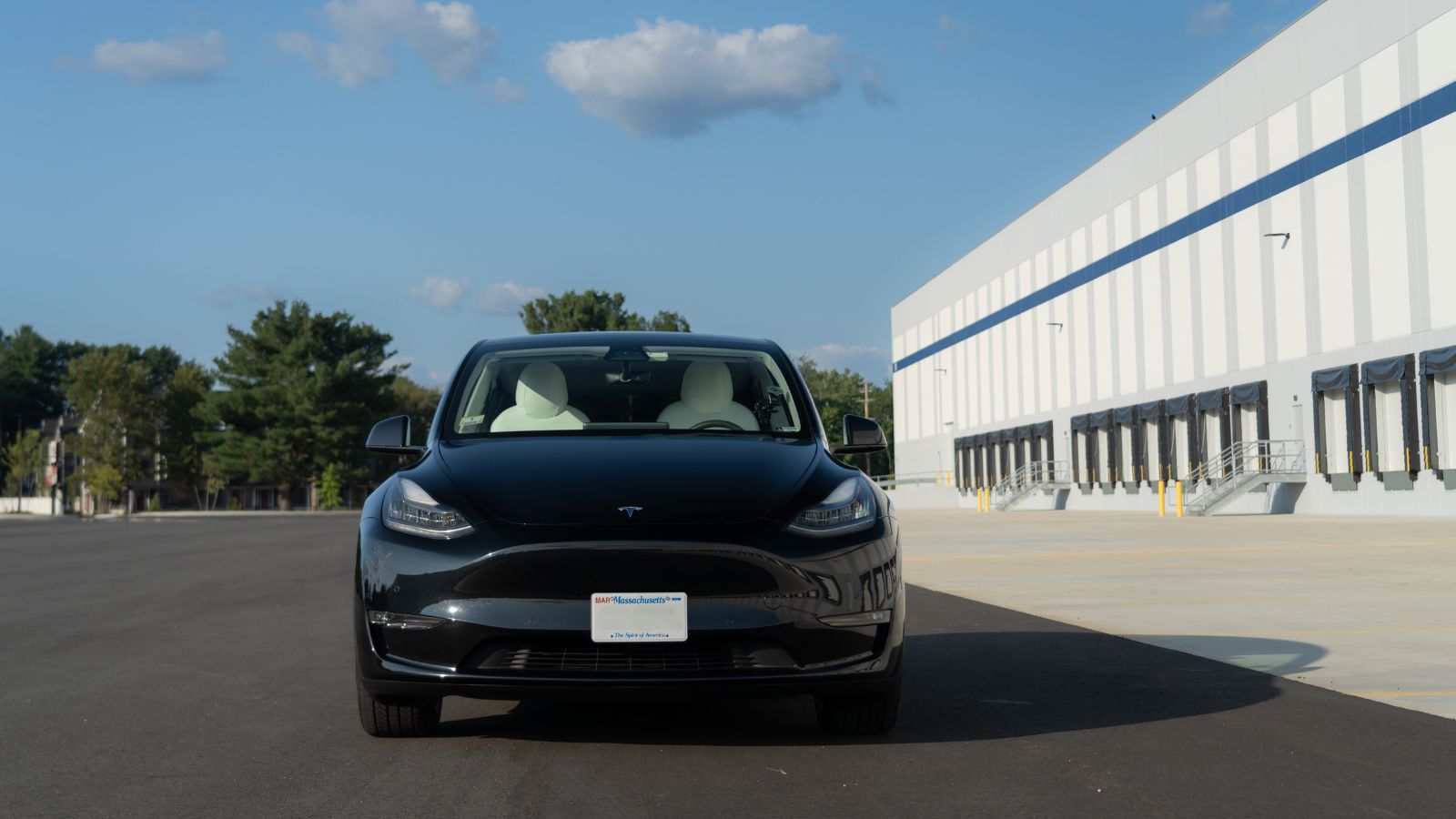
The Model Y became one of Canada’s most visible EVs almost overnight, helped by crossover practicality and strong public interest in electric SUVs. That popularity also created a large future used supply. As more Model Ys enter the second-hand market, buyers are seeing less of the old frenzy that made lightly used examples feel nearly as expensive as new ones.
The opportunity is not just about price. The Model Y has enough cargo space for family use, a strong charging network, and available all-wheel drive, but used shoppers can now be more selective. Paint condition, wheel damage, panel alignment, tire replacement costs, and battery warranty coverage all deserve attention. The real break comes from choice: instead of grabbing the first acceptable listing, Canadians can compare years, ranges, and software features more calmly than during the peak EV rush.
Chevrolet Bolt EV and Bolt EUV
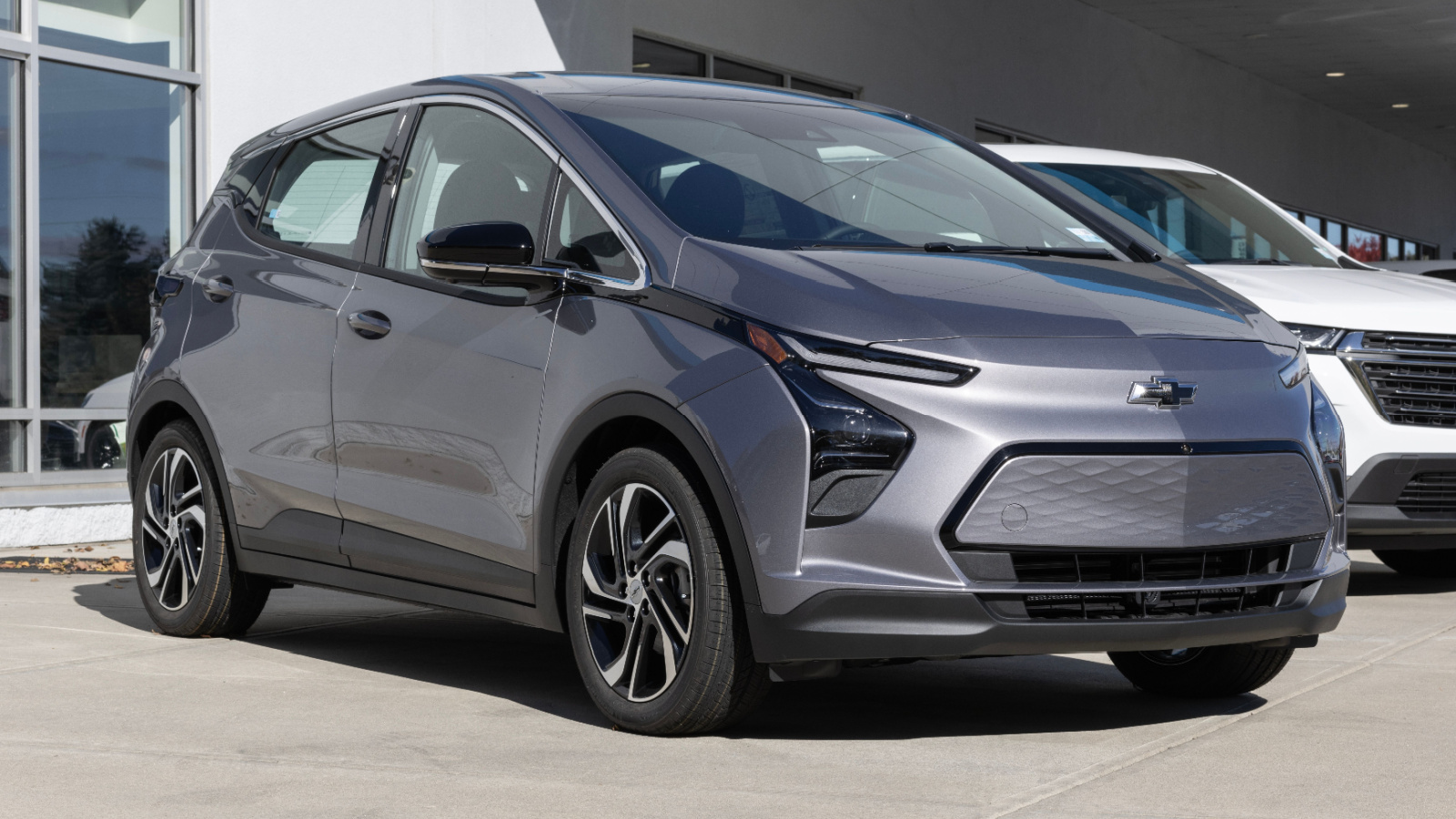
The Chevrolet Bolt EV and slightly roomier Bolt EUV have become some of the most practical used-EV deals in Canada. They lack the brand glamour of Tesla and do not charge as quickly as newer EVs, but their lower used prices, compact size, and real-world commuting usefulness make them hard to ignore for households with predictable daily driving.
The key is diligence. Buyers should confirm recall work, battery replacement history where applicable, warranty details, and charging needs before treating any listing as a bargain. Still, the Bolt’s value story is strong because depreciation has done much of the painful work for the second owner. For city and suburban drivers who can charge at home or work, a used Bolt can turn fuel savings into something tangible rather than theoretical. It is one of the clearest examples of EV hesitation creating an opening for patient shoppers.
Nissan Leaf
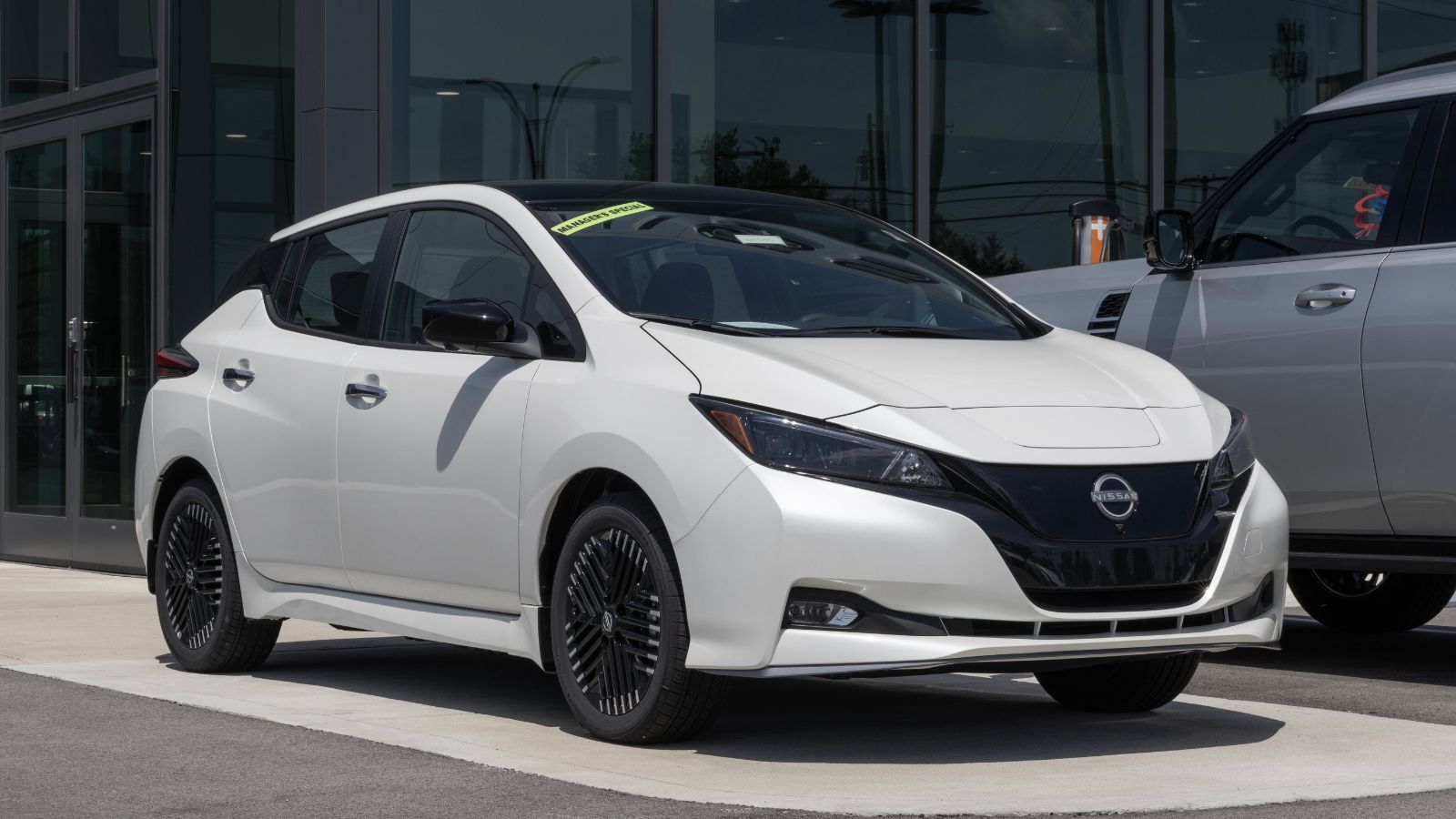
The Nissan Leaf is not the flashiest electric car, and that is partly why used buyers are finally getting a break on it. Older Leafs are limited by shorter range, slower charging capability, and battery degradation concerns, especially when compared with newer EVs. Those weaknesses have pushed many buyers toward newer models, leaving better room for negotiation on Leafs that still fit modest driving needs.
For the right Canadian household, that can be useful. A second car used for errands, school runs, short commutes, or predictable city driving does not always need long-distance range. Buyers should look closely at battery health bars, cold-weather range expectations, charging connector compatibility, and whether the vehicle fits daily routines without stress. The Leaf is not a universal answer, but falling enthusiasm has made it more realistic as a budget EV. Its best use case is narrow, but within that lane it can be surprisingly sensible.
Ford Mustang Mach-E
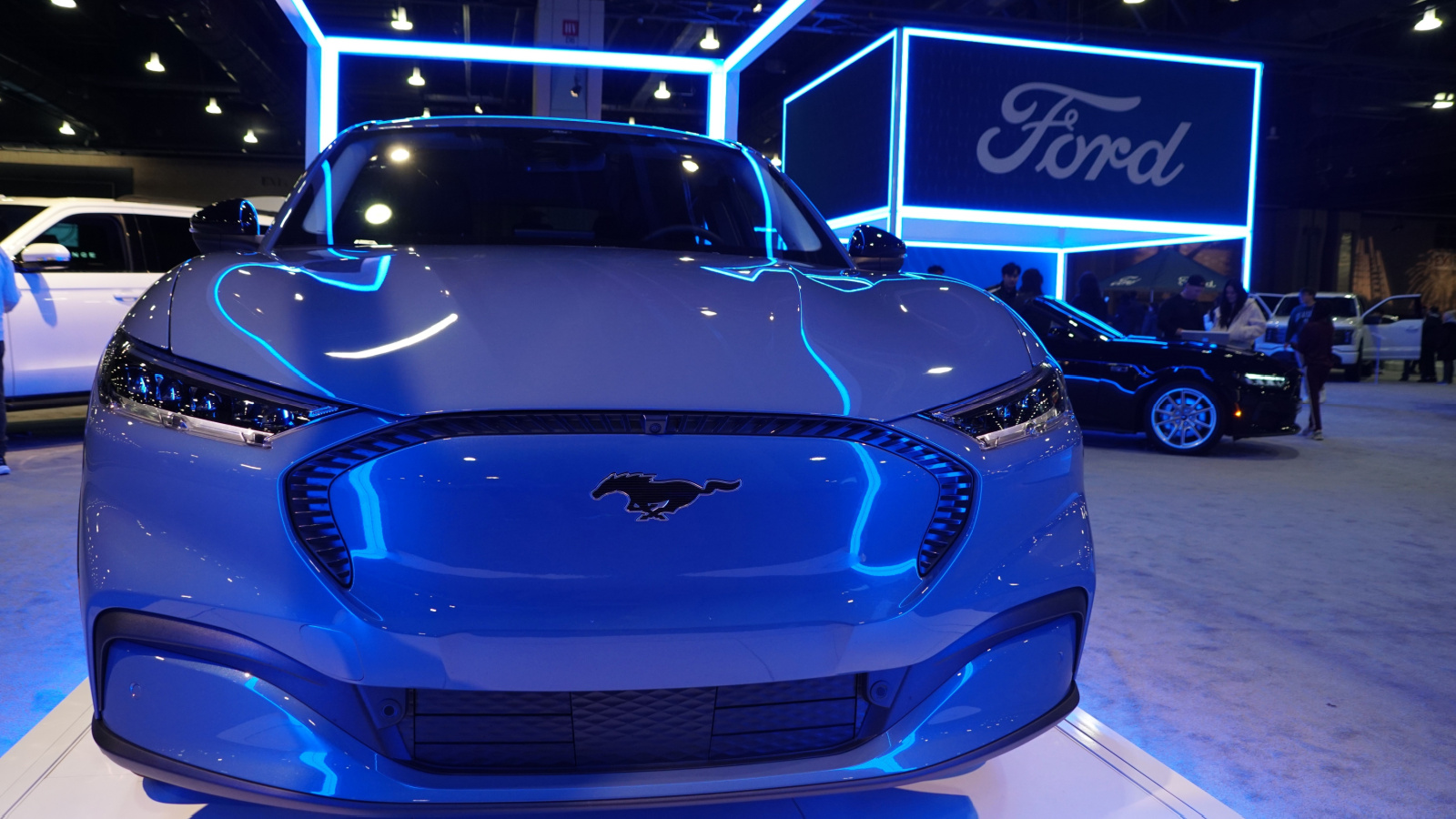
The Ford Mustang Mach-E arrived with strong attention and a premium-leaning image, but used pricing has softened as more EV choices have entered the market. Canadians who liked the idea of an electric crossover but found new prices hard to justify may now find the Mach-E more approachable, particularly in trims that originally carried ambitious sticker prices.
This is a vehicle where depreciation can help the second owner more than the first. It offers modern styling, useful range in many versions, and available all-wheel drive, but shoppers should compare battery size, charging speed, software updates, and winter performance carefully. The Mach-E’s badge also creates mixed expectations: some buyers want a traditional Mustang experience, while others simply want a quiet electric crossover. That identity gap can work in favour of used shoppers. When demand is less emotional, pricing usually becomes more realistic.
Hyundai Kona Electric
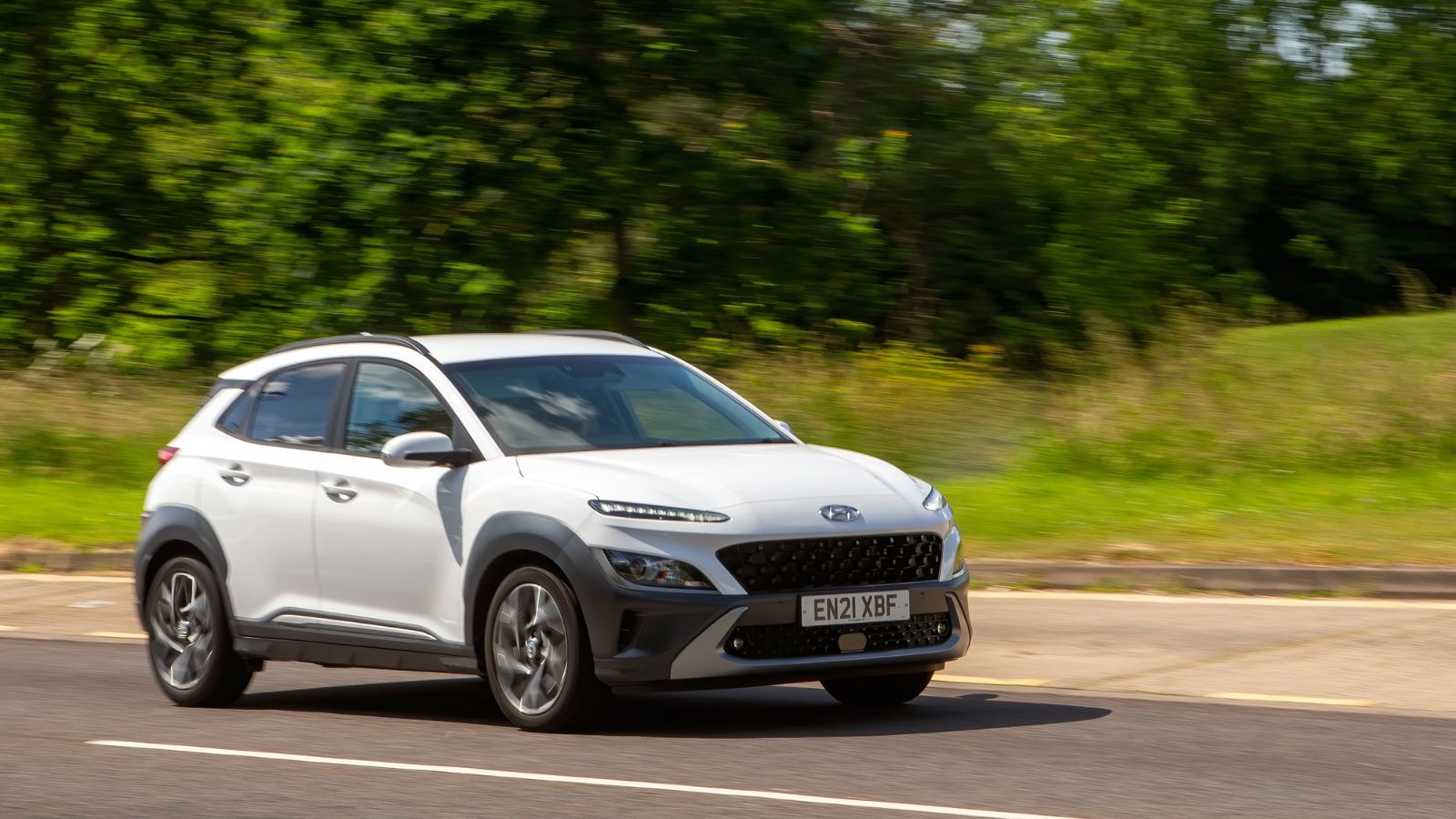
The Hyundai Kona Electric has quietly become a stronger used option because it combines manageable size with respectable range, especially for buyers who do not need a large SUV. During the tight used-car years, efficient compact crossovers were hard to buy cheaply. Now, used EV depreciation and growing competition have made the Kona Electric less expensive to consider.
Its small cabin and limited rear-seat space will not suit every family, but that is also why prices can be more reasonable than larger electric crossovers. Buyers should check battery warranty status, charging behaviour, recall history, and winter tire condition, since compact EVs can lose range quickly in cold weather. For singles, couples, or small households, the Kona Electric can be a practical middle ground. It avoids the bulk and cost of larger EVs while still offering enough range for many Canadian commutes.
Ford Escape
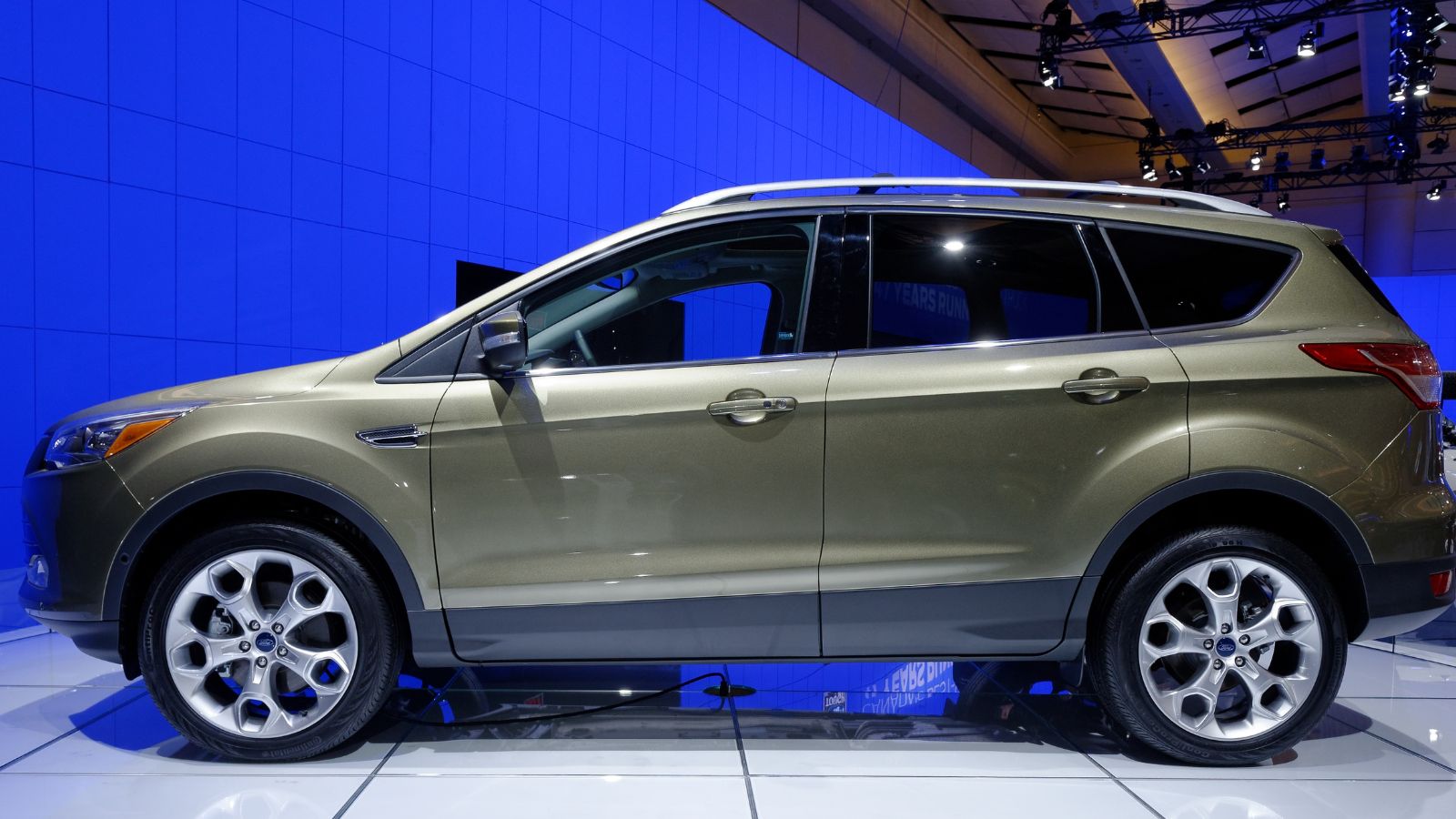
The Ford Escape is one of those used vehicles that benefits shoppers simply because there are usually many of them around. It has been a common compact SUV in Canada for years, and that supply can make pricing more flexible than on scarcer rivals. Gas, hybrid, and plug-in hybrid versions also give buyers different ways to balance fuel costs, purchase price, and daily driving needs.
The break depends heavily on trim and history. Some examples are former rentals, fleet vehicles, or high-mileage commuters, so a low asking price is not enough on its own. Buyers should compare service records, transmission behaviour, rust condition, and whether the exact engine has known trouble spots. Still, the Escape’s familiarity helps. Parts availability, mechanic knowledge, and broad inventory make it easier to walk away from an overpriced listing and find another one nearby.
Nissan Rogue
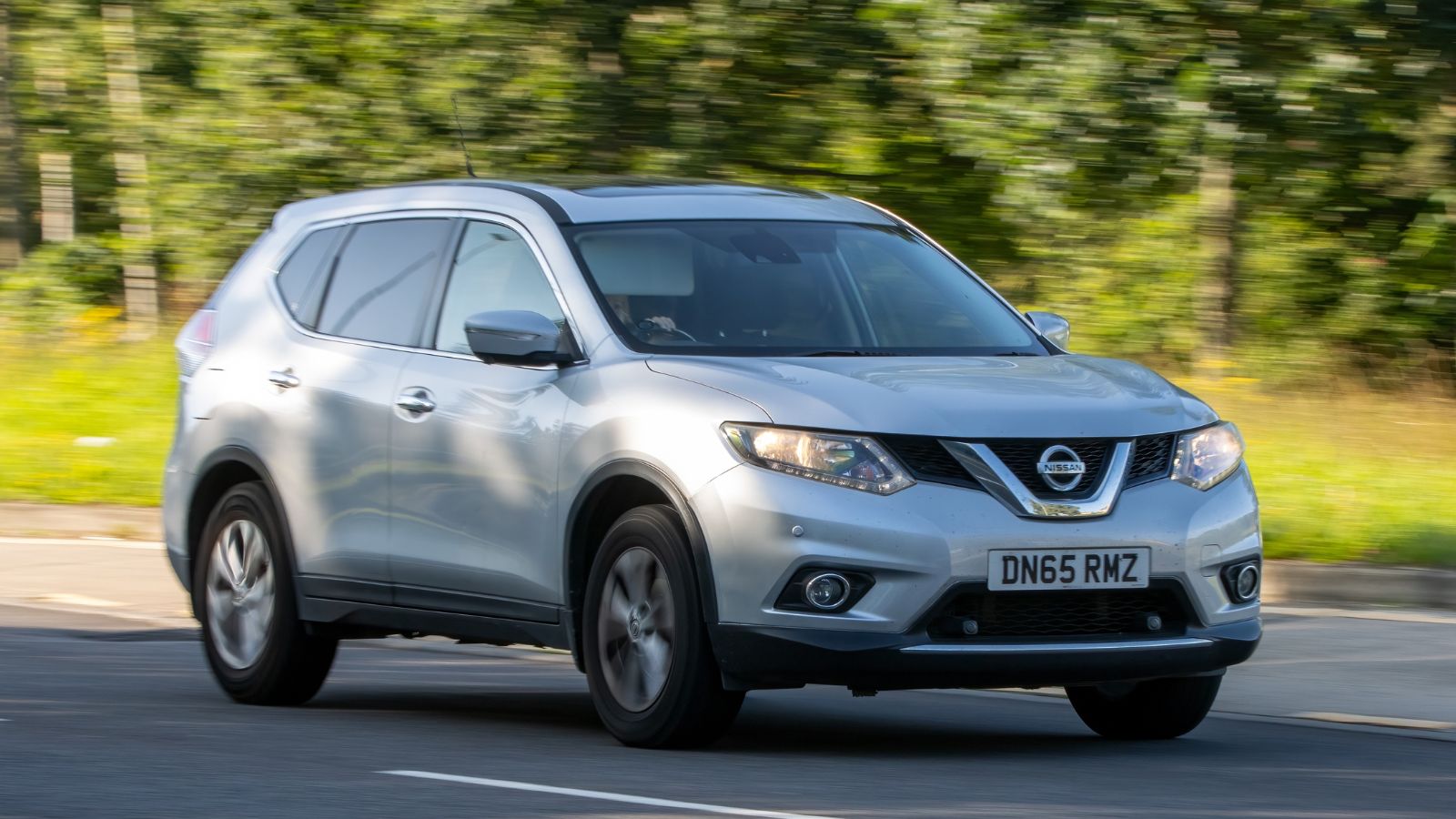
The Nissan Rogue remains a common sight in Canadian driveways, which gives used buyers leverage that was harder to find when compact SUVs were scarce. Its appeal is obvious: practical space, comfortable seating, available all-wheel drive, and a family-friendly shape. But because the Rogue sells in large numbers, the used market often has enough supply for shoppers to compare condition and kilometres carefully.
The main caution is drivetrain history, particularly on older models where continuously variable transmission concerns can affect buyer confidence. That concern is exactly why some listings may be more negotiable than comparable Toyota or Honda crossovers. A well-maintained Rogue with documented service can still make sense, especially for buyers who want an SUV without paying the premium attached to more reputation-proof nameplates. The break comes from separating carefully kept examples from tired ones instead of paying top dollar for the badge alone.
Volkswagen Tiguan
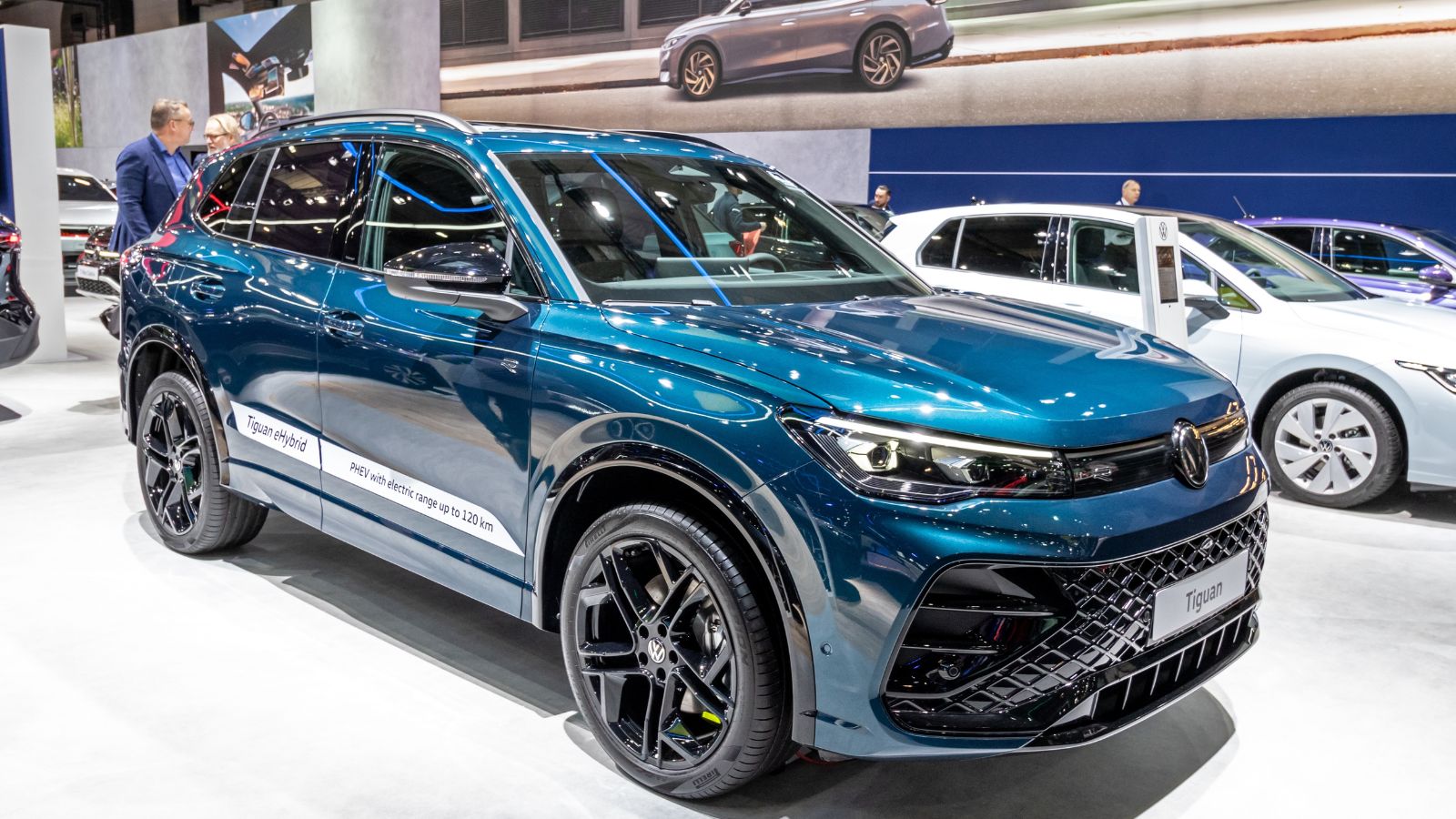
The Volkswagen Tiguan often gives used shoppers more vehicle for the money than some Japanese compact SUV rivals. It offers a roomy cabin, available three-row seating in some model years, European-style road manners, and a more upscale feel than its used price sometimes suggests. As warranty periods expire, however, some buyers become cautious about maintenance costs, and that caution can soften asking prices.
That creates an opening for informed Canadians. A Tiguan with complete service records, no deferred maintenance, and a clean inspection can be a compelling family vehicle, especially when priced below similarly sized competitors. Buyers should budget realistically for brakes, tires, electronics, and German-brand service costs, rather than treating it like a basic appliance. The deal is not about rock-bottom ownership costs. It is about getting space, comfort, and refinement at a discount because the market prices in maintenance anxiety.
Chevrolet Equinox
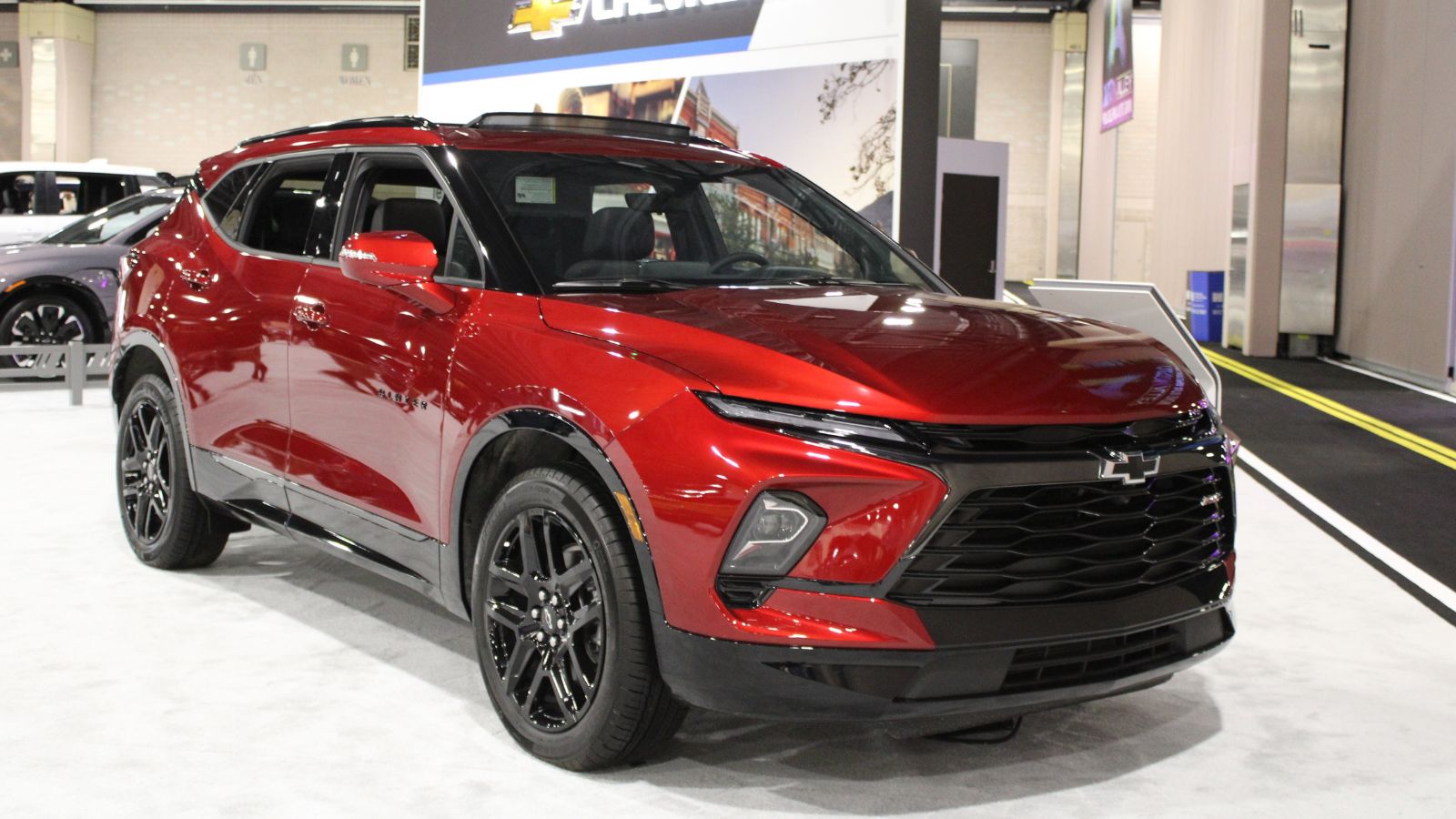
The Chevrolet Equinox is rarely the most exciting compact SUV, but that is part of its used-market advantage. It competes in a crowded category where buyers often chase Toyota, Honda, Subaru, or newer hybrid options first. As a result, used Equinox listings can sit longer or require more aggressive pricing, particularly when several similar examples are available in the same region.
For practical shoppers, the Equinox can deliver everyday usefulness without the emotional markup attached to trendier SUVs. It offers decent interior space, straightforward controls, and broad dealer familiarity across Canada. The key is avoiding neglected examples and checking engine, oil consumption history, turbo performance in newer versions, and maintenance records. When priced correctly, it can be a sensible family runabout. Its value is not built on prestige; it is built on being common, understandable, and easier to negotiate than higher-demand rivals.
Jeep Compass
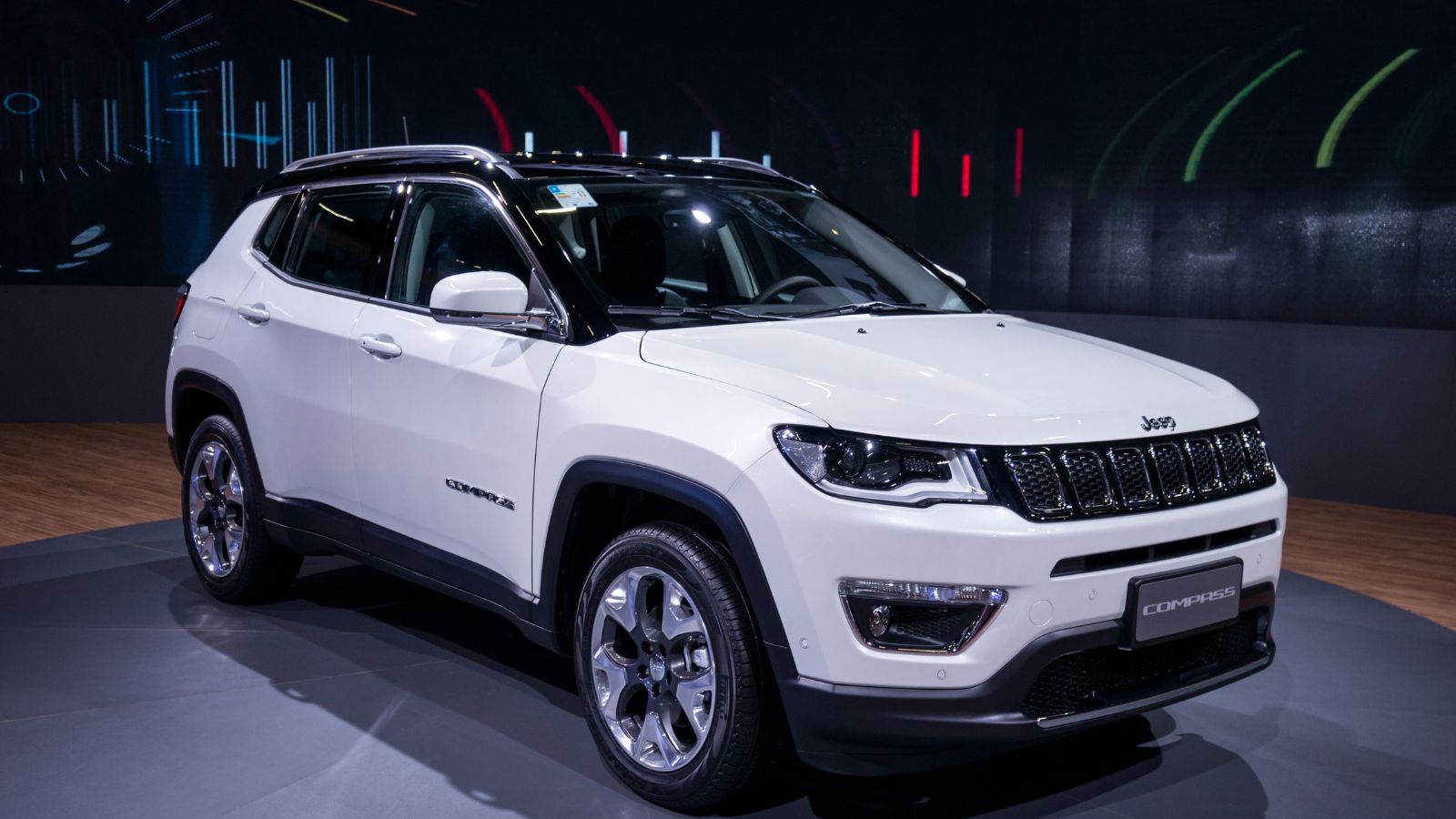
The Jeep Compass has the look many crossover buyers like, but it has not always enjoyed the resale strength of the most trusted compact SUVs. That gap can benefit used buyers who want something small, upright, and winter-friendly without paying the prices attached to stronger resale brands. In many markets, the Compass is easier to negotiate than a comparable Toyota RAV4 or Honda CR-V.
Still, the discount exists for a reason. Buyers should pay close attention to powertrain feel, electronics, service history, and whether the vehicle has been used hard in winter conditions. The Compass can be appealing for light-duty commuting and urban use, but it should not be mistaken for a rugged Wrangler substitute. Its best value appears when the asking price reflects its position in the market. A careful inspection can turn a heavily discounted listing into a reasonable purchase instead of a false economy.
Subaru Ascent
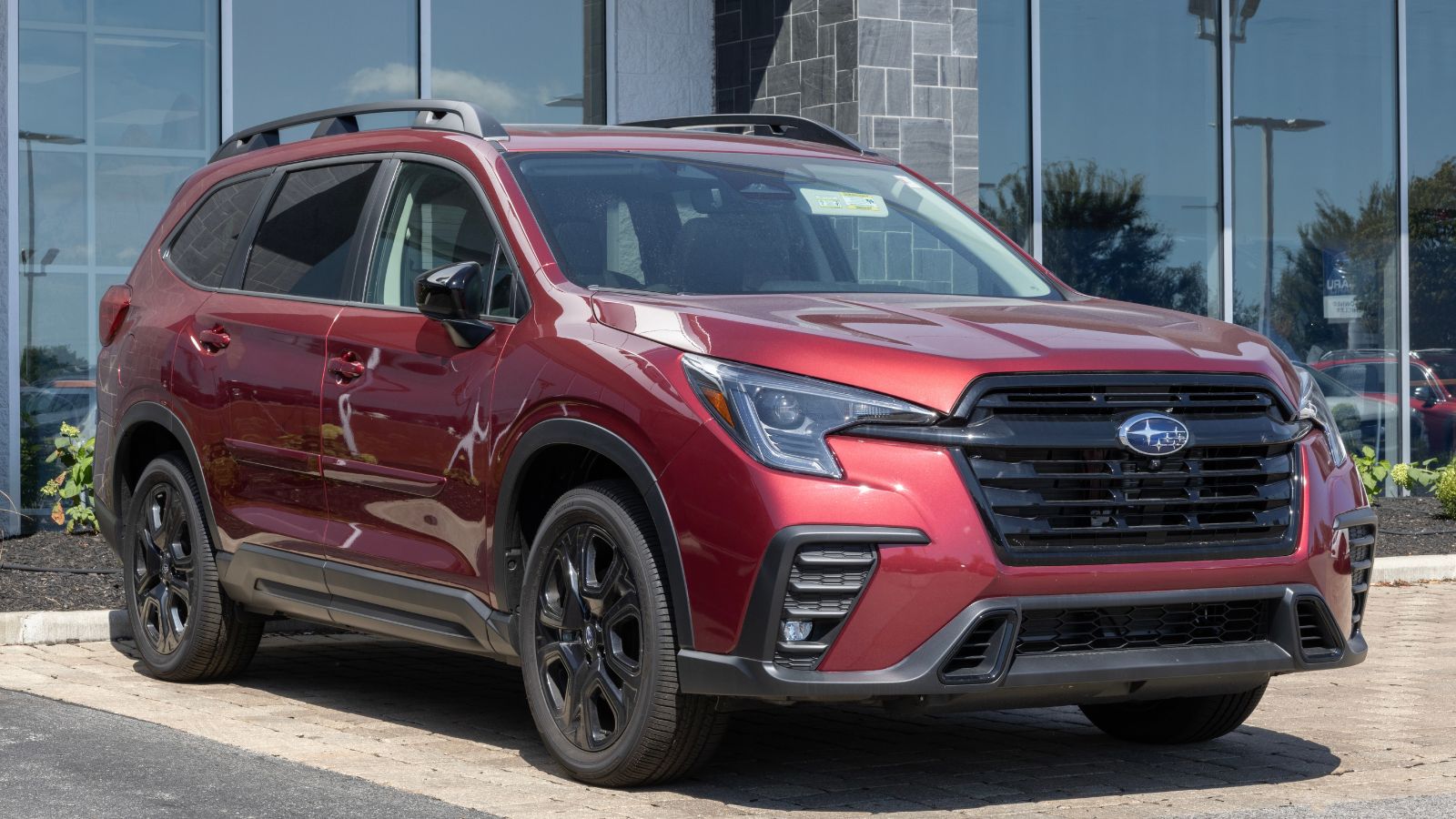
The Subaru Ascent is a three-row SUV that can now look more attractive on the used market than it did at full new-vehicle pricing. It offers standard all-wheel drive, family-friendly space, and strong bad-weather appeal, all of which matter in many Canadian regions. Yet it has faced more mixed ownership perceptions than Subaru’s smaller, long-established models, and that can soften used values.
For buyers who need three rows but do not want minivan pricing or full-size SUV fuel bills, the Ascent deserves a careful look. The important word is careful. Service records, transmission behaviour, towing history, brake wear, and recall completion should all be checked before purchase. When those boxes are clean, the Ascent can provide a lot of winter-ready space for less money than some rivals. Its discount is strongest where buyers remain more familiar with the Outback and Forester than Subaru’s larger SUV.
BMW 3 Series

Used BMW 3 Series sedans often become tempting once depreciation has taken hold, and the current market gives Canadians more reason to look closely. New luxury-car prices remain high, but used compact luxury sedans can fall quickly as leases end and buyers shift toward SUVs. That means a well-kept 3 Series can cost far less than its original sticker while still feeling modern and refined.
The break, however, must be measured against ownership costs. Tires, brakes, electronics, premium fuel, and out-of-warranty repairs can erase savings if the wrong car is chosen. The strongest value usually comes from documented maintenance, sensible mileage, and avoiding heavily modified or neglected examples. For buyers who budget properly, the 3 Series can deliver a near-premium-new experience at a used price. The bargain is not only the purchase price; it is the ability to be selective.
Mercedes-Benz C-Class
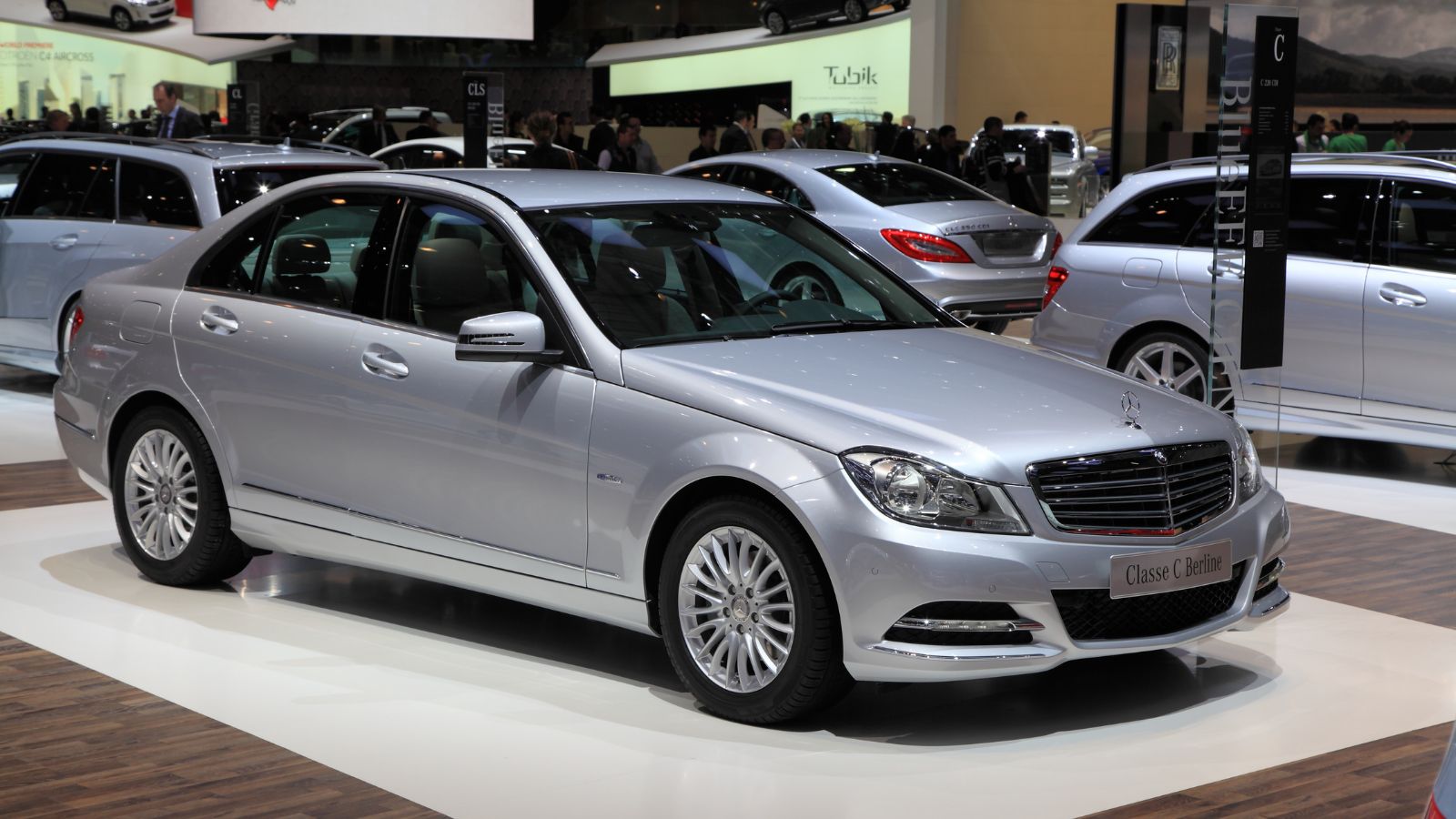
The Mercedes-Benz C-Class is another luxury sedan where depreciation can work in favour of the second or third owner. Many Canadians now prioritize SUVs, hybrids, and lower operating costs, leaving compact luxury sedans with a smaller buyer pool than they once had. That shift can make C-Class listings more negotiable, especially outside the most desirable trims or colour combinations.
It remains important not to confuse affordability with low-cost ownership. A lower used price does not make luxury-brand service, tires, sensors, or body repairs inexpensive. Buyers should check service history, warranty options, accident records, and whether the car has lived through salted winters without hidden corrosion issues. When the vehicle is clean and priced realistically, though, the C-Class can feel like a significant upgrade for the money. The market break is clearest for shoppers who value comfort and refinement more than crossover cargo height.
Ram 1500
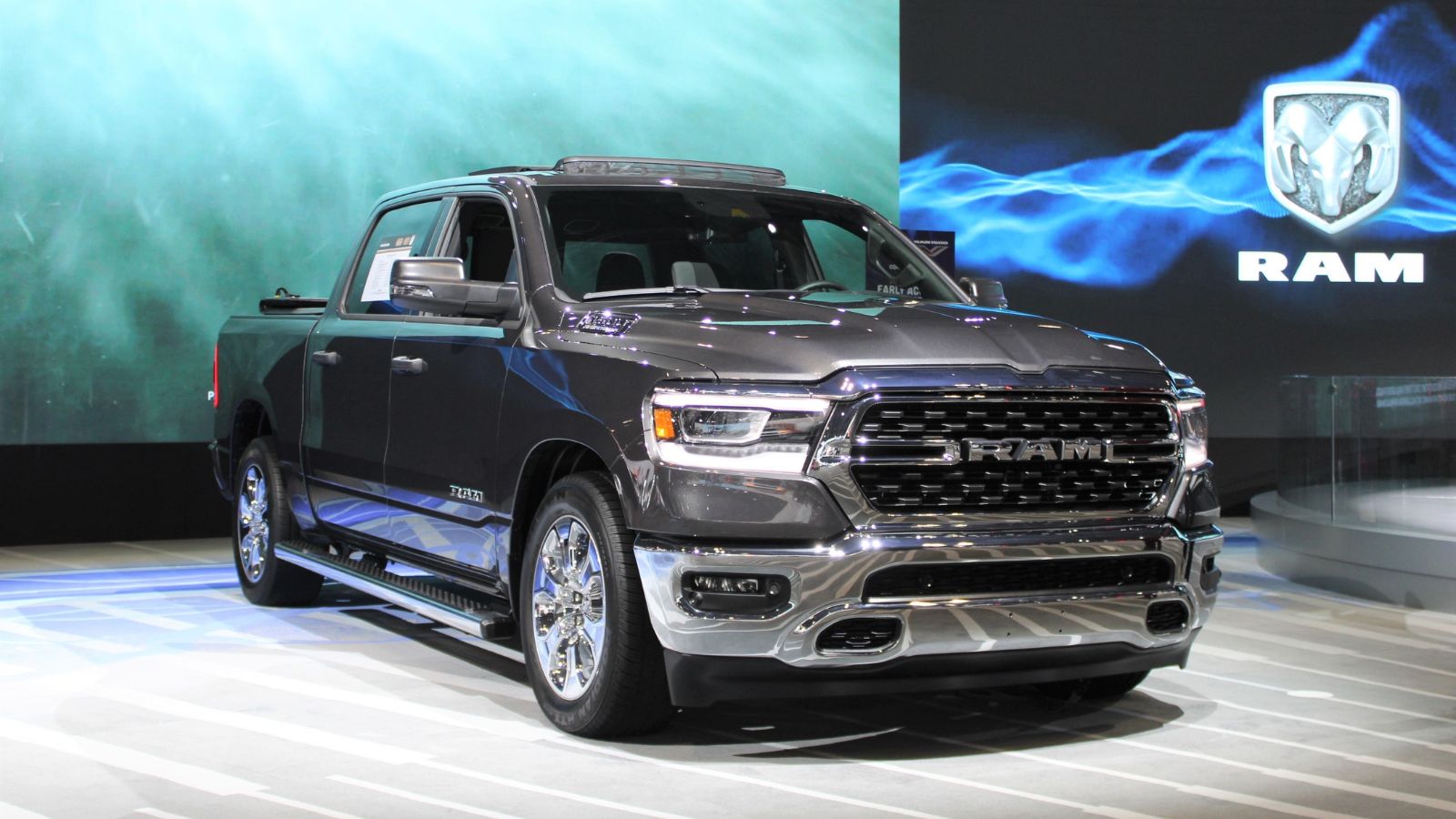
The Ram 1500 was one of the vehicles that benefited from intense truck demand when used inventory was tight. In many parts of Canada, pickups remain expensive because they are tools, family haulers, and lifestyle vehicles all at once. Even so, higher fuel costs, expensive financing, and strong new-truck incentives can make some used Ram listings more negotiable than they were a few years ago.
The best opportunities often appear in well-equipped gas models with higher kilometres, older body styles, or trims that are costly to insure and fuel. Buyers should inspect suspension wear, towing history, rust, exhaust issues, and whether the truck has been used for heavy work. A cheap truck can become expensive quickly, but the Ram’s broad supply helps shoppers compare. For someone who genuinely needs pickup capability, the current market offers more patience and leverage than the peak shortage years allowed.
22 Things Canadians Do to Their Cars in Spring That Mechanics Hate

Spring brings relief to many Canadian drivers after months of snow, freezing temperatures, and icy roads that put serious strain on vehicles. As temperatures rise across the country, drivers begin washing cars, switching tires, and preparing vehicles for warmer weather and upcoming road trips. However, mechanics across Canada notice the same mistakes every spring when drivers attempt to recover from winter damage. Road salt, potholes, and harsh winter driving conditions often leave vehicles with hidden problems that drivers ignore. Some spring habits even create new mechanical issues that could have been avoided with proper maintenance. Here are 22 things Canadians do to their cars in spring that mechanics hate.