Canada’s vehicle market still feels stretched. Even with inventory improving, price pressure has not fully disappeared, monthly payments remain elevated, and shoppers are being pushed to think harder about fuel, resale, and long-term ownership costs instead of just sticker price. In that kind of environment, the models that tend to hold up best are not always the flashiest ones.
This list looks at 18 vehicles that seem better positioned than most to ride out that squeeze. Some win on fuel economy, some on retained value, some on practical packaging, and some because they sit right in the middle of what Canadian buyers keep coming back to when money feels tighter. None is recession-proof, but each has traits that give it a more believable shot at staying appealing when affordability becomes the main filter.
Toyota Corolla Hybrid
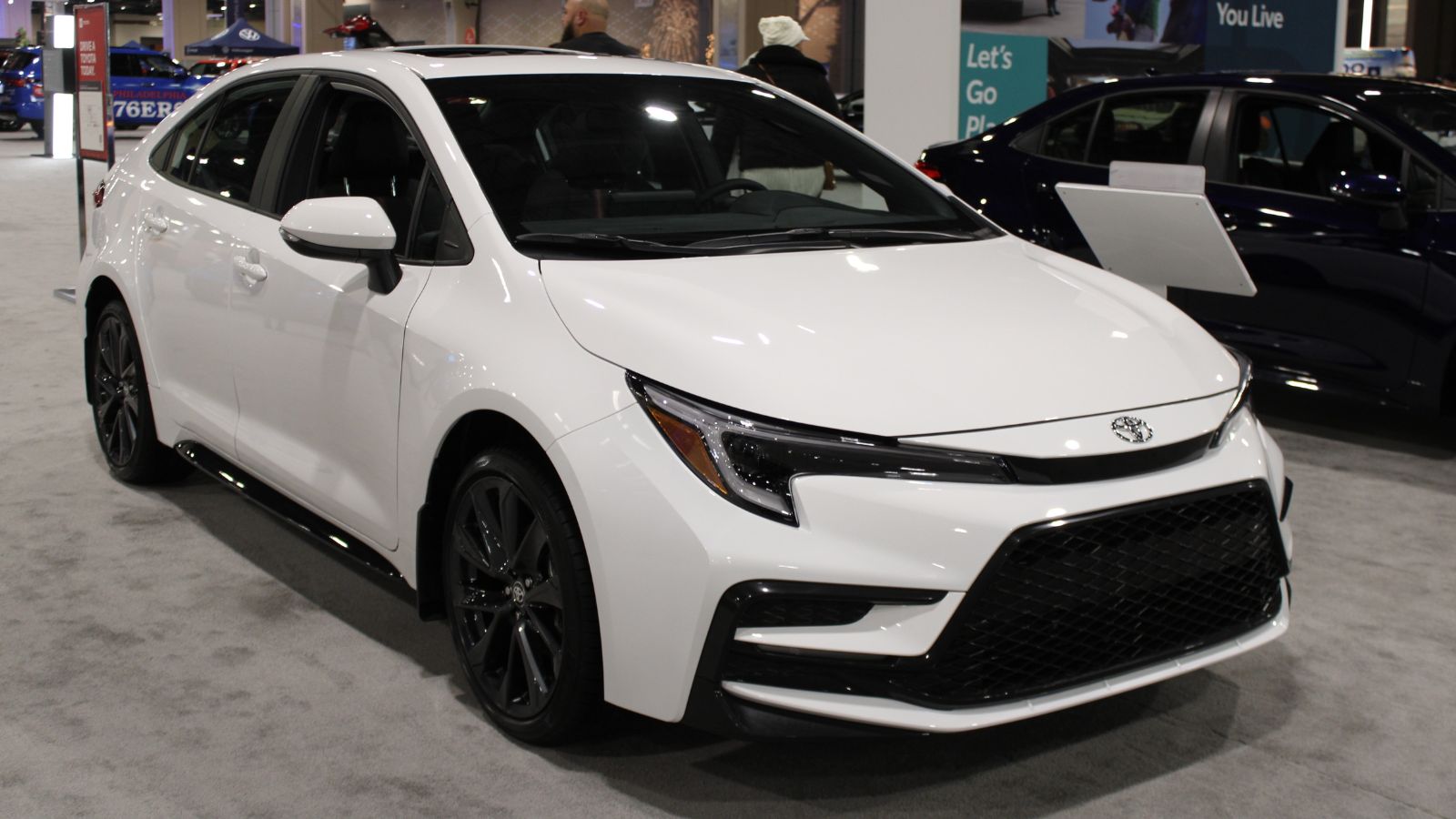
The Corolla Hybrid has the kind of profile that usually ages well in a stressed market: modest entry pricing, strong fuel economy, and a nameplate that has been easy for Canadians to understand for decades. When buyers get more cautious, simple transportation with a reputation for low drama often becomes more attractive, not less. That matters because price squeezes do not only change budgets; they change what people are willing to risk.
There is also a deeper value story here. A highly efficient compact sedan is easier to justify when insurance, fuel, and financing costs all matter at once. The Corolla Hybrid does not need to win on excitement to stay relevant. It just has to keep being the car that feels sensible on Monday, easy to park on Wednesday, and inexpensive to feed on Friday. In a market where many vehicles still feel oversized or overpriced for daily life, that kind of consistency can become its own form of strength.
Honda Civic Hybrid
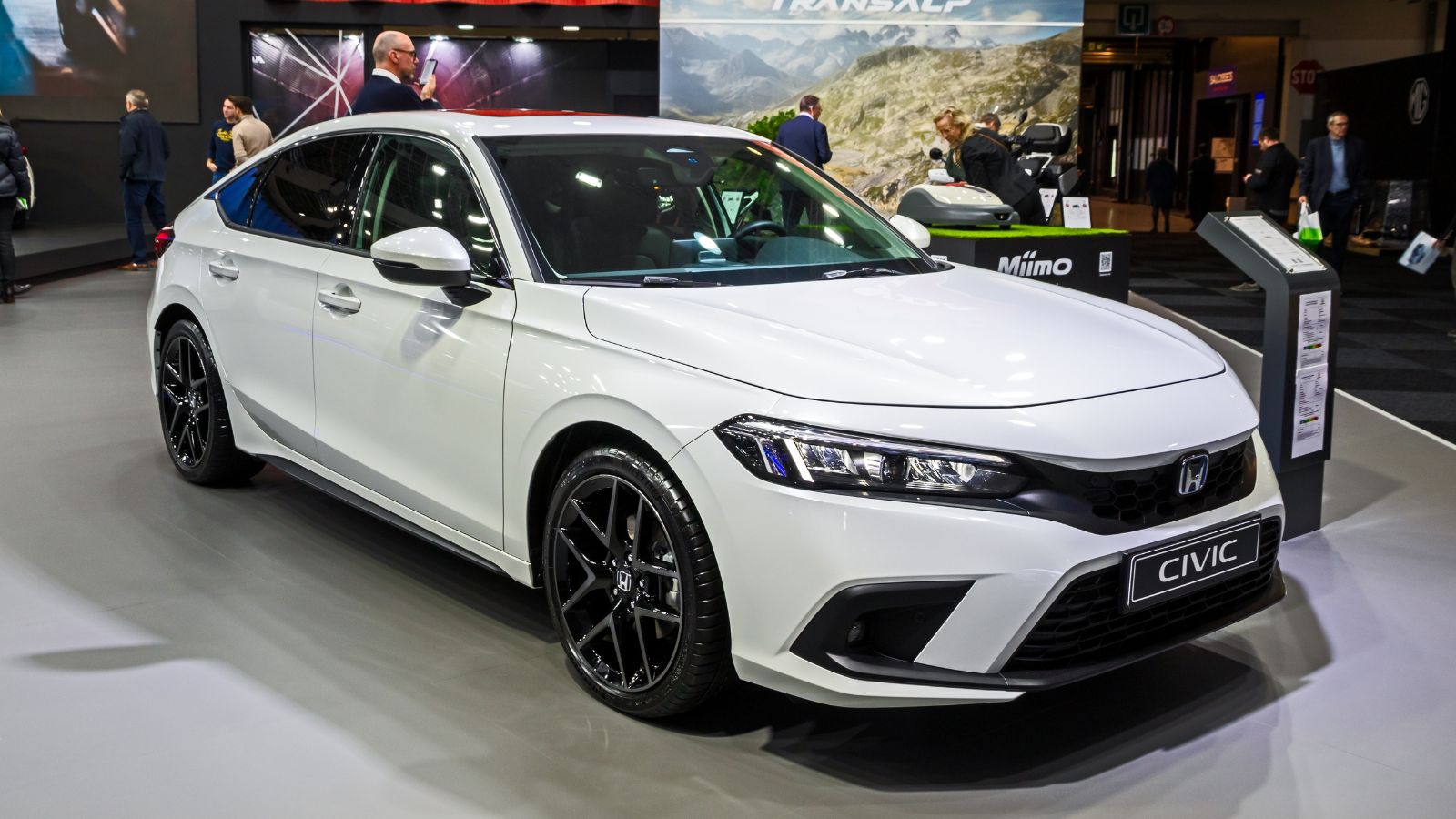
The Civic has long been one of those rare mainstream cars that feels financially rational without feeling stripped down. That balance becomes especially important when shoppers are trying to protect themselves from higher running costs but still want something that feels modern, polished, and satisfying to drive. The hybrid version pushes that formula further by adding real efficiency without turning the car into a penalty box.
What helps the Civic Hybrid stand out is that it does not ask buyers to sacrifice power to get thrift. That matters more than it sounds. In a tighter market, many people are willing to go smaller, but they are less willing to go dull. A compact sedan that still feels upscale and reasonably quick has a better chance of holding attention than a bargain model that feels like a compromise from the first test drive. The Civic’s blend of mainstream trust, strong recognition, and hybrid savings gives it a sturdier case than most compact cars trying to compete on price alone.
Toyota RAV4 Hybrid
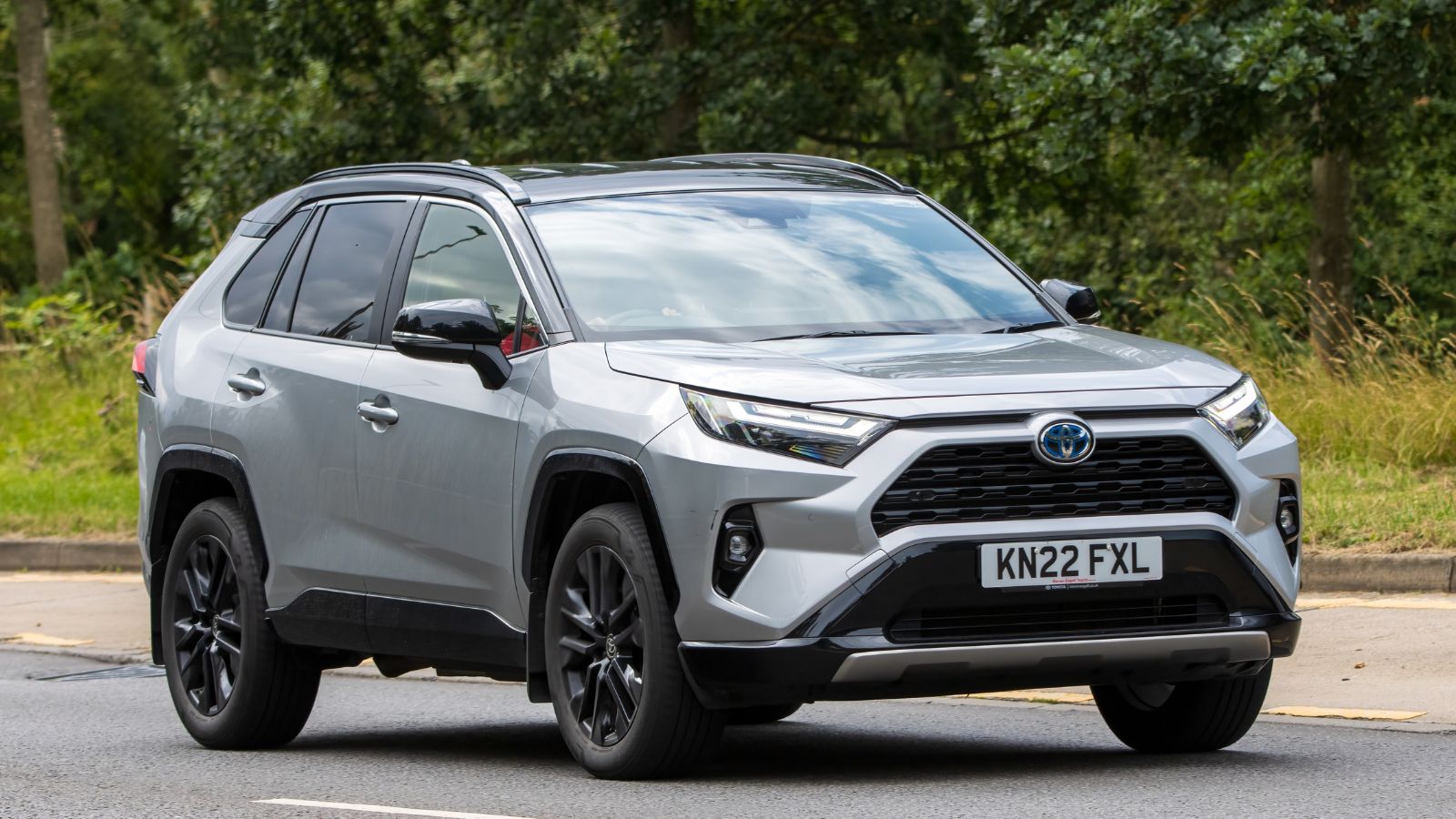
The RAV4 Hybrid sits in one of the safest places a vehicle can occupy in Canada: the mainstream compact SUV sweet spot. It offers the size many households want, the fuel savings many households now need, and the Toyota badge that still carries real weight in resale conversations. When affordability tightens, that combination is hard to shake because it speaks to both first owners and second owners at the same time.
There is also something reassuring about its market fit. This is not a niche solution for a narrow buyer. It is the sort of vehicle that works for commuters, small families, and people who need one do-everything machine through all four seasons. Being built in Canada only strengthens that practical appeal, especially at a moment when trade friction and pricing uncertainty remain part of the conversation. If the market keeps rewarding familiar, efficient, high-demand hybrids, the RAV4 Hybrid looks better insulated than most vehicles that are either larger, thirstier, or harder to resell.
Honda CR-V Hybrid
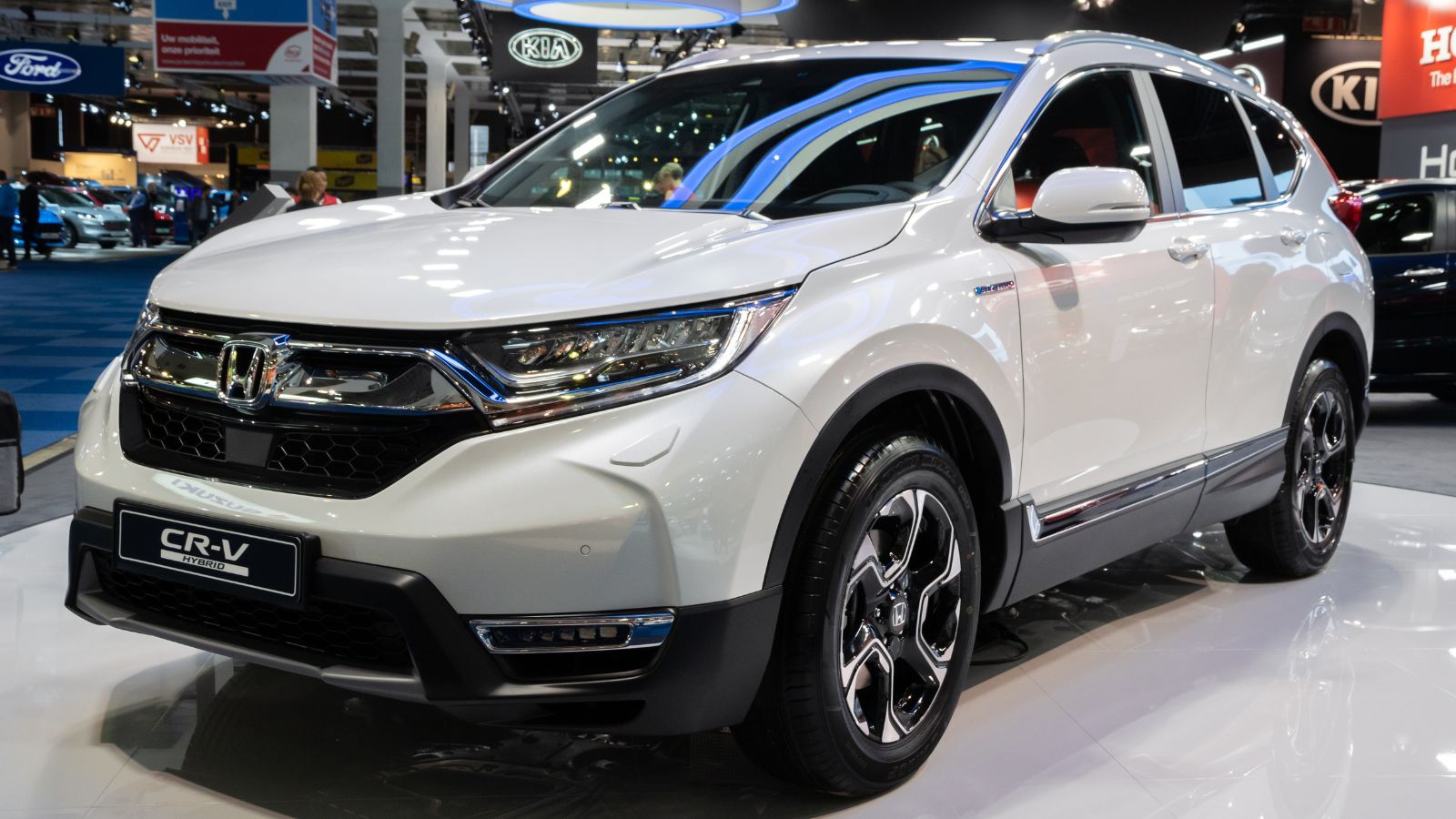
The CR-V Hybrid feels like a vehicle designed for the current Canadian mood: practical, roomy, efficient, and not trying too hard. That matters because price-sensitive buyers are not always looking for the cheapest option; many are looking for the safest long-term decision. A compact SUV with a hybrid powertrain, real everyday space, and a familiar badge often fits that description better than a larger vehicle with a heavier payment and worse fuel burn.
It also helps that the CR-V still reads as a mainstream family default rather than a gamble. Vehicles that survive affordability squeezes well tend to be the ones people can explain to themselves quickly. The CR-V Hybrid makes that easy. It keeps the crossover packaging Canadians already like, softens fuel costs, and avoids the range concerns that still hold some shoppers back from full EVs. In other words, it lands in the middle of the market rather than the edges. That usually gives a vehicle more staying power when consumers become more defensive with their money.
Subaru Crosstrek
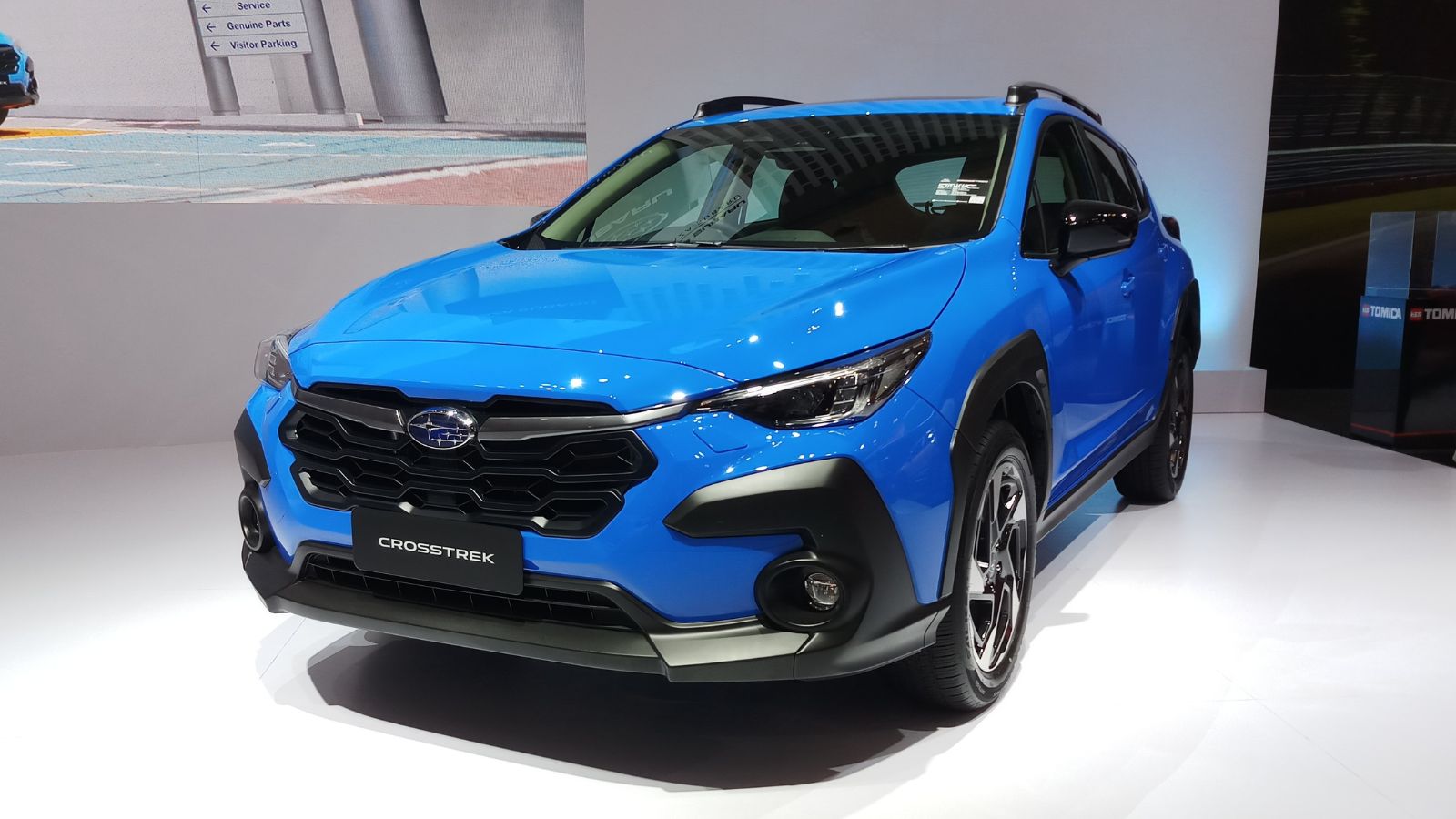
The Crosstrek has one major advantage in Canada that is easy to overlook until prices get tight: it bakes in capability that some rivals charge extra for. Standard full-time AWD is not just a spec-sheet point in this country; for many buyers it is a quality-of-life feature. When money is tighter, shoppers often become less interested in paying a premium for optional add-ons and more interested in getting one well-rounded package from the start.
That makes the Crosstrek unusually resilient. It offers hatchback-like footprint, crossover-like ride height, and winter confidence without moving buyers into a much larger payment category. It also helps that the model has earned continued recognition in residual-value discussions, which suggests the market still sees it as more than just a lifestyle accessory. In a price squeeze, that matters. The vehicles that tend to hold together best are the ones that feel useful every day and believable as used purchases later. The Crosstrek checks both boxes in a way many small SUVs still do not.
Mazda CX-5
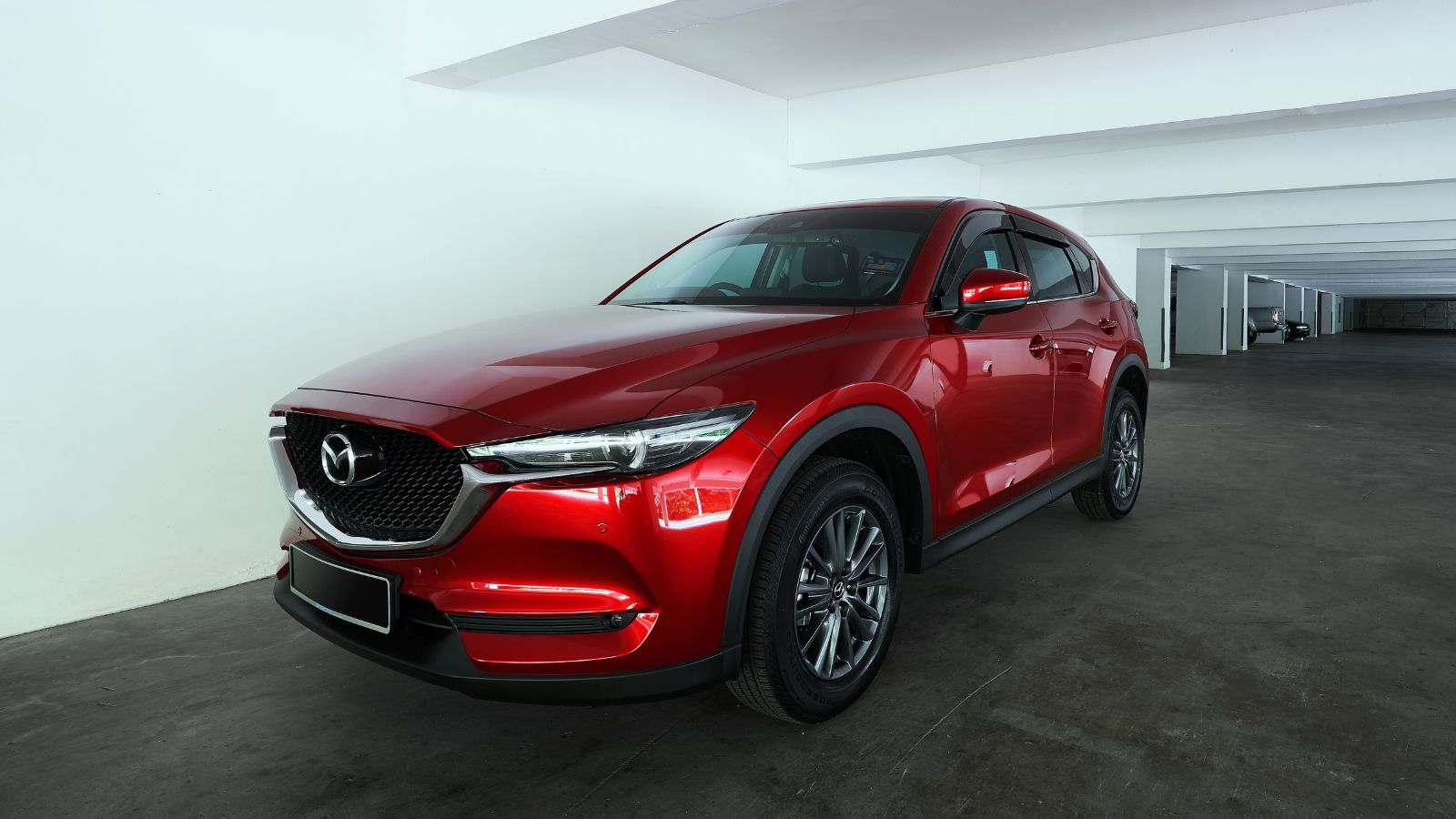
The CX-5 has become a dependable answer for buyers who want something that feels a little richer than the average mainstream SUV without blowing up the budget. In a squeezed market, that positioning can work in its favour. Some people trade down from premium brands but still want quality materials, clean design, and a cabin that does not feel disposable. The CX-5 often catches that shopper before they drift into something more expensive.
Its case is practical, too. Standard AWD in Canada, useful cargo space, and a pricing structure below many larger SUVs make it easier to defend as an all-purpose household vehicle. It is not the cheapest compact utility on paper, but it tends to feel more substantial than entry-level rivals that rely mainly on low MSRP hooks. When people start comparing not just price but overall ownership satisfaction, the CX-5 becomes interesting. It offers enough polish to feel like a smart stretch, but not so much that it looks reckless in a market still sensitive to every extra monthly dollar.
Hyundai Elantra Hybrid
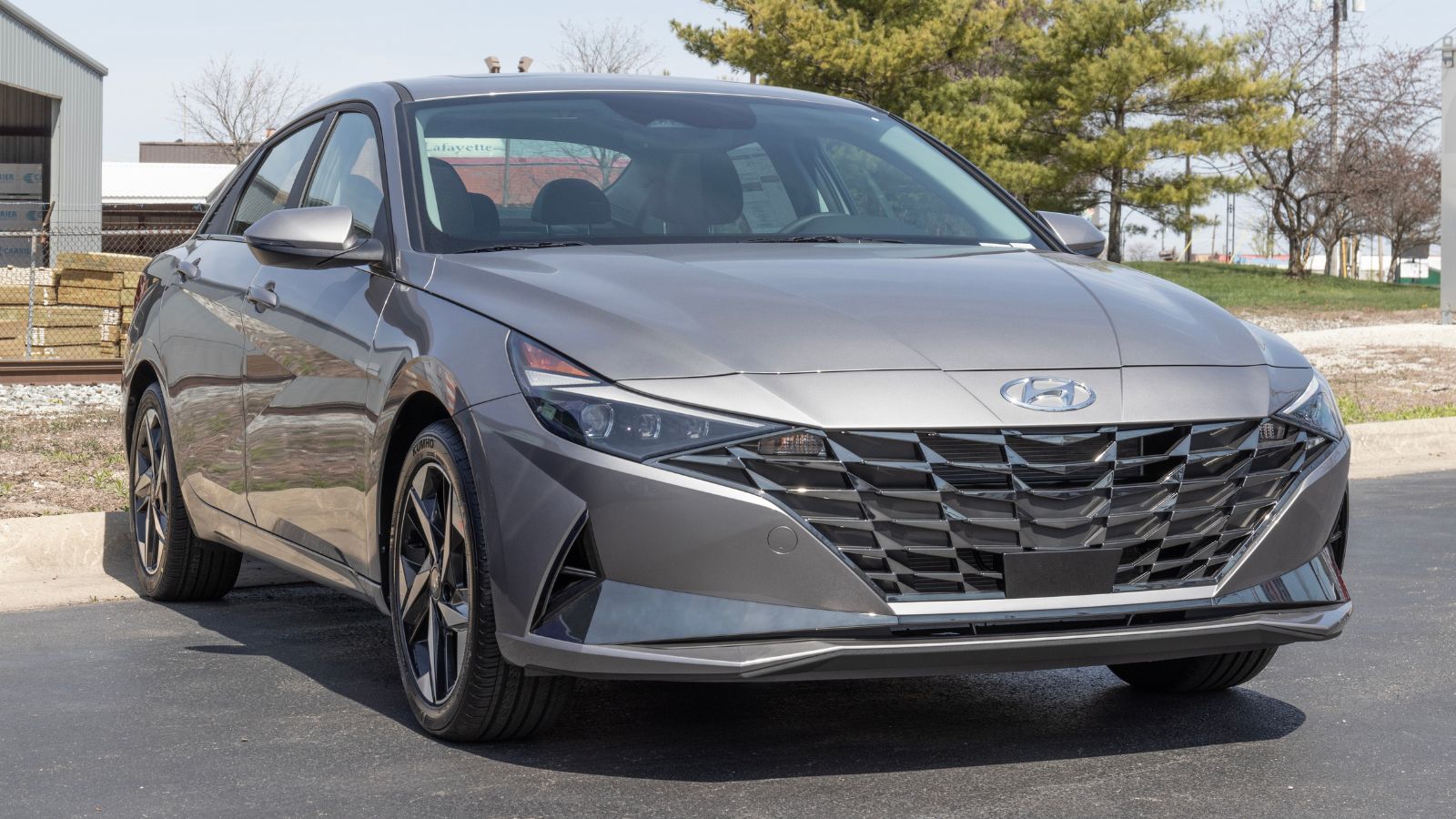
The Elantra Hybrid is exactly the kind of car that can benefit when affordability becomes the main story. Sedans often regain attention when SUVs get too expensive, and hybrids become more compelling when fuel savings are easier to calculate than resale guesses. Put those together and the Elantra Hybrid starts to make a lot of sense for anyone who wants transportation that feels current without carrying crossover-size costs.
Its appeal is not only about thrift. Hyundai has positioned it as a tech-forward compact with efficiency numbers that are hard to ignore in day-to-day driving. That matters because low-cost vehicles survive price squeezes best when they do not feel low-rent. A car that looks sharp, comes with a modern interior, and still returns strong efficiency can feel like a clever move rather than a fallback move. In markets under pressure, perception matters almost as much as math. The Elantra Hybrid works because it gives buyers a story they can feel good about: lower fuel bills without the sense of having settled for less.
Chevrolet Trax
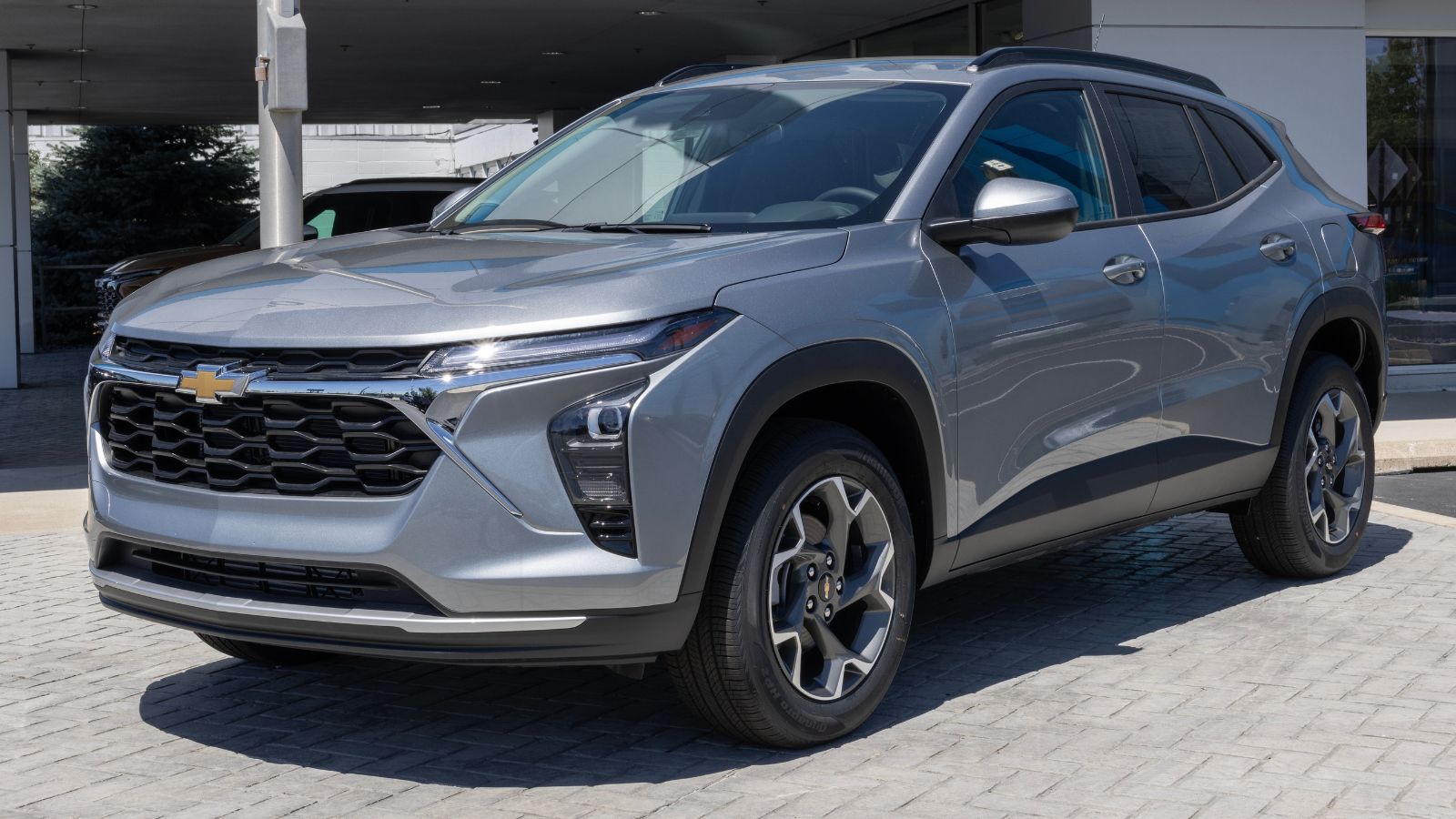
The Trax has become one of the clearest examples of how a straightforward value play can matter more than prestige when the market gets uncomfortable. It is a small SUV with approachable pricing, familiar fuel costs, and enough modern tech to feel current. That formula sounds simple, but simplicity can be powerful when buyers are exhausted by the price jumps attached to bigger, flashier crossovers.
Its strongest argument may be that it lands near the point where many households stop feeling priced out. Not everyone wants a sedan, and not everyone can justify a mid-size SUV. The Trax gives buyers a middle path: upright seating, useful cargo room, and a lower financial barrier than many rivals. Canadian Black Book recognition for retained value only strengthens that story. In a price squeeze, models that feel attainable on the way in and still desirable on the way out tend to keep momentum. The Trax looks like one of those vehicles, especially for shoppers who want crossover practicality without entering a far pricier segment.
Toyota Prius
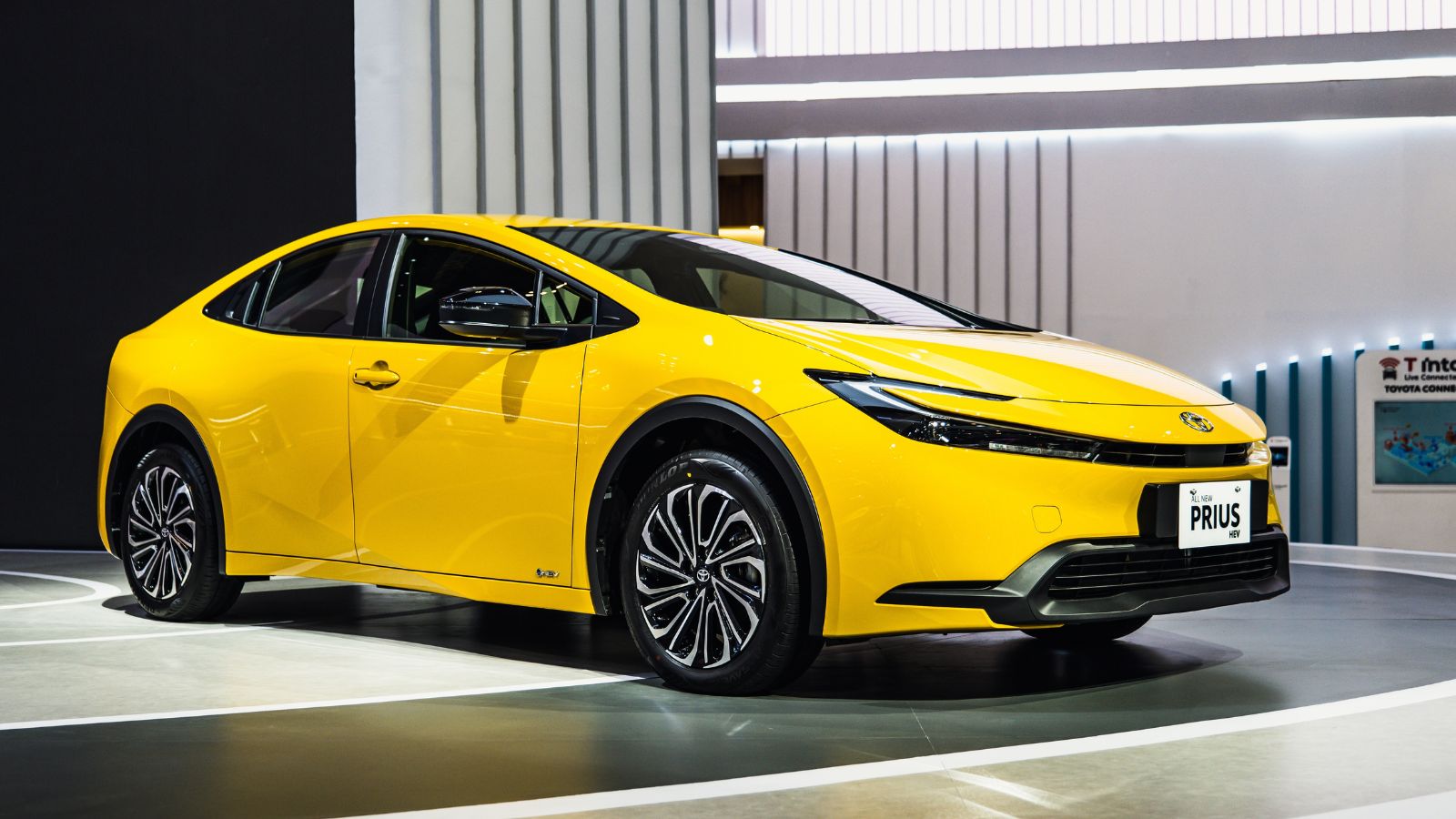
The Prius has moved beyond its old image as a niche efficiency statement and now looks more like a rational premium-economy choice. In a Canadian market where households are still balancing higher vehicle costs with everyday fuel spending, that can matter a great deal. It is no longer just about being frugal; it is about buying a vehicle whose main advantage becomes more visible every time prices elsewhere stay stubbornly high.
The Prius also benefits from something many efficient vehicles lack: retained-value credibility. When a model is recognized for both fuel economy and future value, it becomes easier to justify even if its purchase price is not bargain-basement low. That is especially important in a squeeze, because buyers often widen the lens from upfront cost to total ownership logic. Add strong recent demand for the Prius family in Canada and the picture sharpens. This is not simply a car for eco-minded shoppers anymore. It is a car that makes sense for people who want to limit downside while still driving something distinct, modern, and very inexpensive to run.
Toyota Camry Hybrid
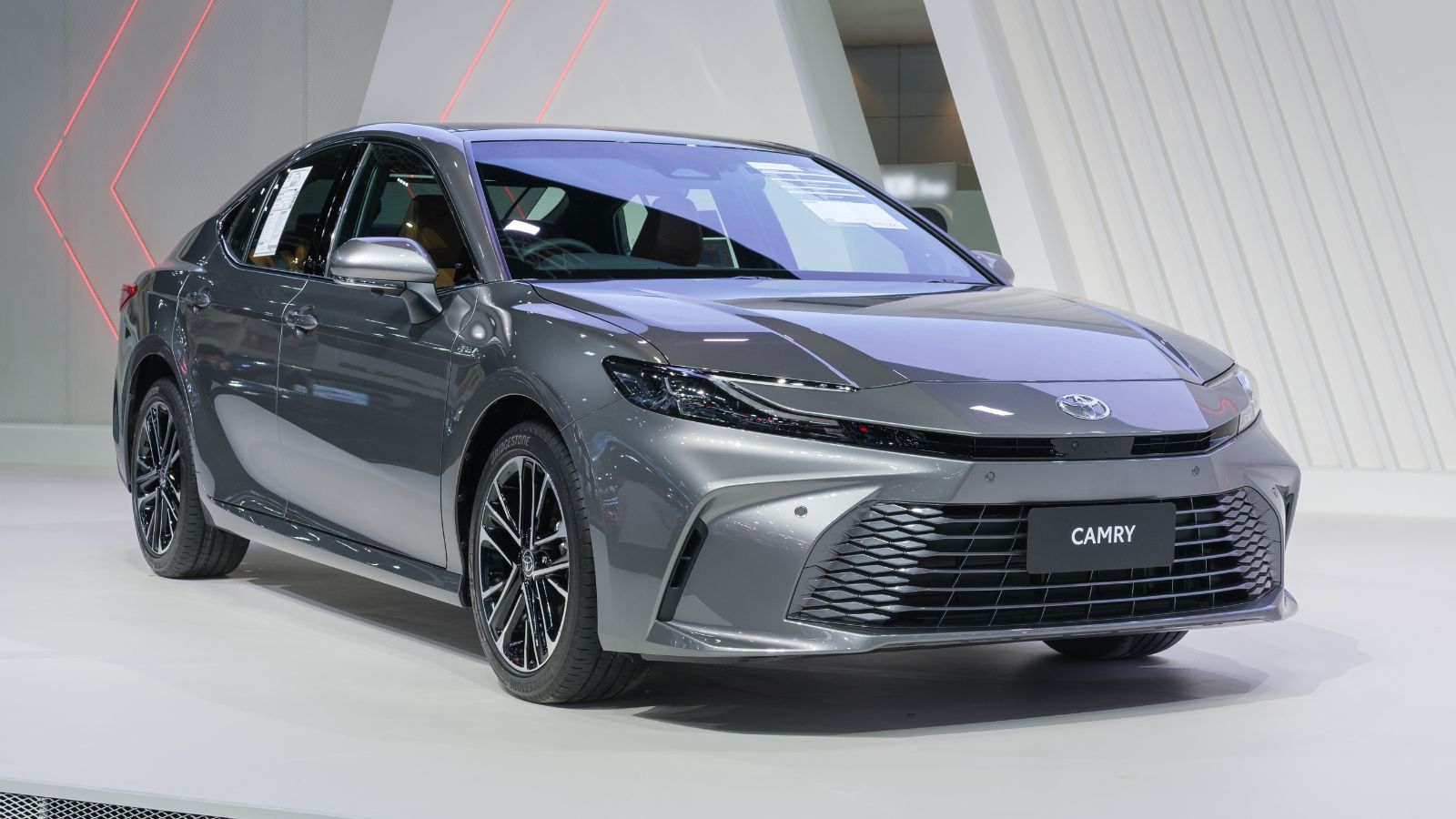
The Camry Hybrid plays a slightly different game from compact hybrids. It is for buyers who still want the comfort and presence of a mid-size sedan but are no longer willing to pay the operating-cost penalty that used to come with that size. That makes it a timely vehicle. In a squeezed market, mid-size sedans can look smart again when they deliver room and refinement without pushing buyers into heavier SUV economics.
Toyota has made the Camry even more convincing by leaning fully into the hybrid identity. That removes some of the old indecision from the lineup and makes the value proposition easier to understand. Fuel economy is strong, demand has been healthy, and residual-value recognition helps reinforce the idea that this is not a disposable commuter but a durable ownership play. For Canadians who are tired of oversized monthly payments but not ready to go back to a tiny car, the Camry Hybrid occupies a very useful middle ground. It feels grown-up and efficient at the same time, which is a rare combination when budgets are being watched closely.
Ford Maverick Hybrid
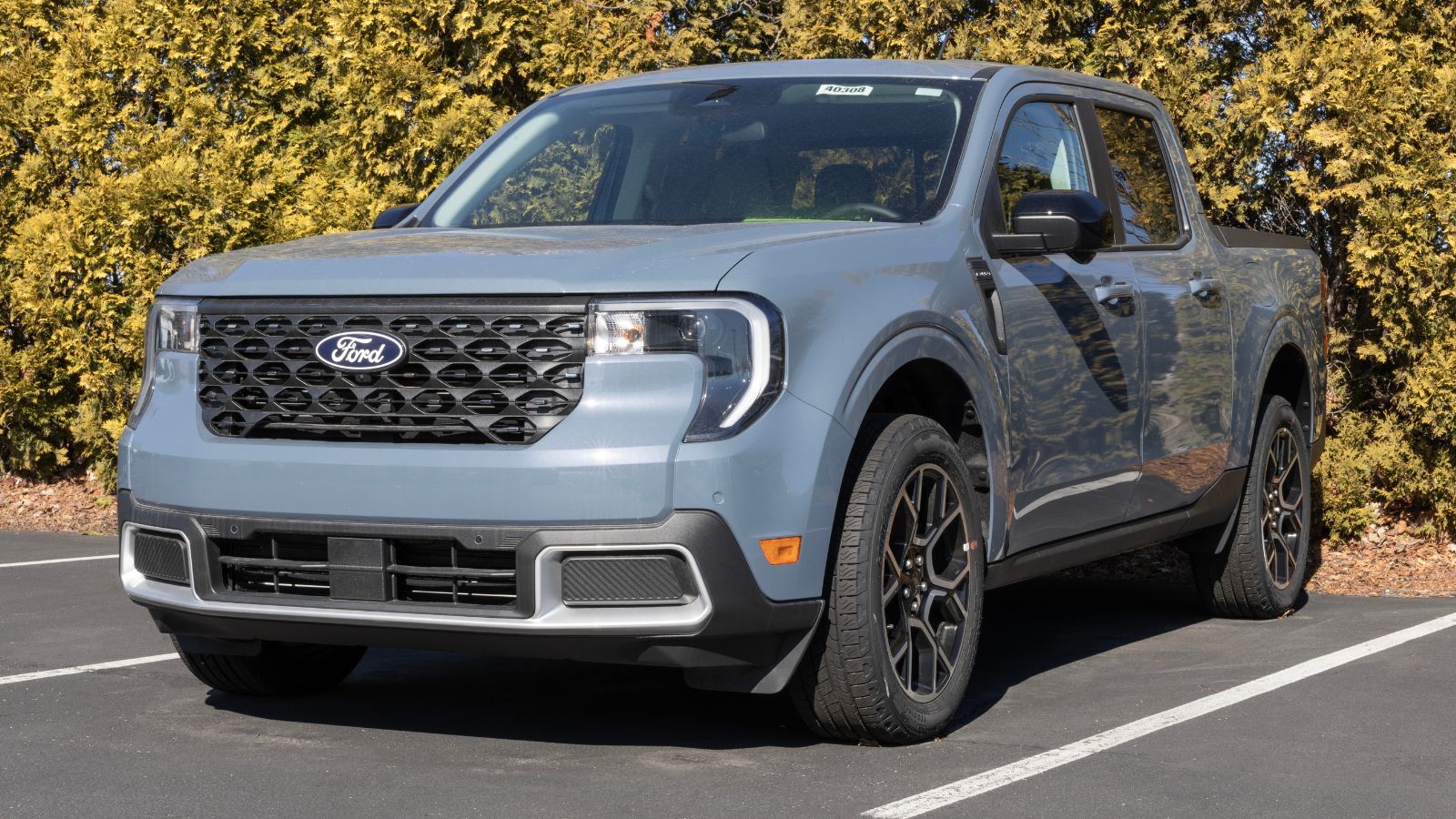
The Maverick Hybrid deserves attention because it solves a problem many Canadian buyers have: they want truck utility, but they do not want full-size truck economics. That gap has become more obvious as larger pickups keep moving further upmarket in both price and size. A compact pickup with hybrid efficiency and real everyday usefulness can look unusually well-positioned when many households are rethinking what they actually need.
Its strength is not just novelty. The Maverick has been recognized in residual-value rankings, which suggests the market sees lasting appeal rather than a brief curiosity. That matters because vehicles that blend usefulness with restraint often age well when money gets tighter. A buyer who occasionally hauls gear, makes hardware-store runs, or wants a higher seating position may not need a $70,000 truck to do it. The Maverick Hybrid offers a more disciplined answer. In a squeezed environment, disciplined answers often win. It feels like a product designed for a more careful era, and that makes it easier to imagine staying in demand even if pricing pressure persists.
Nissan Sentra
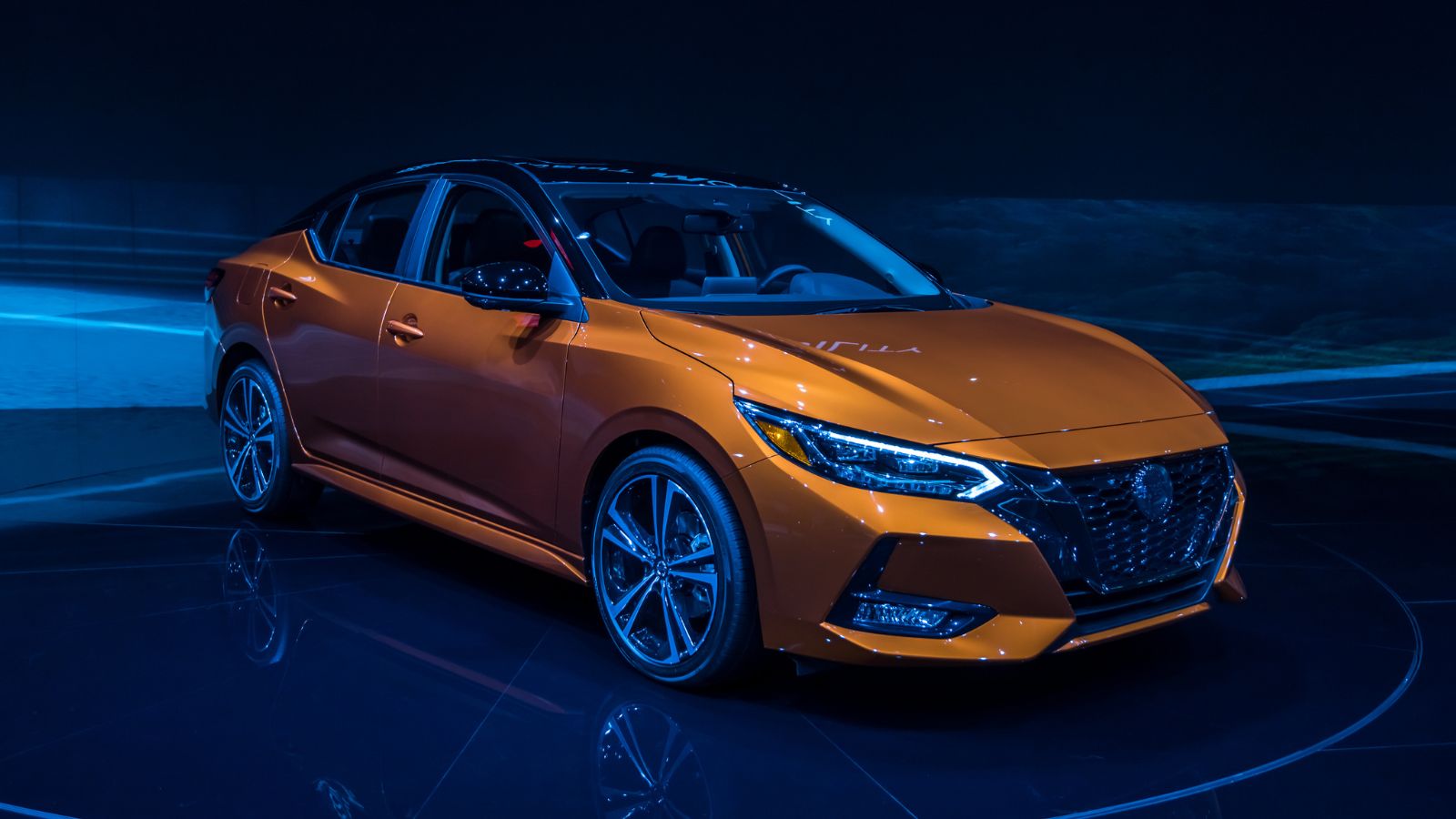
The Sentra is easy to underestimate because it does not usually dominate headlines, but quiet value can be a real strength when the market gets difficult. Compact sedans come back into focus quickly when buyers want lower payments, better efficiency, and fewer ownership unknowns. The Sentra fits that brief without feeling stripped to the bone, which gives it a better chance of staying competitive than some older-school budget cars that now feel a generation behind.
Its fuel economy numbers are respectable, and the overall package leans into exactly what squeezed shoppers tend to prioritize: easy driving, practical size, and familiarity. There is also an underrated psychological advantage here. A vehicle does not have to be the class leader to survive a price squeeze well; it just has to feel like a safe decision. The Sentra often reads that way. It is the sort of car people buy when they want fewer surprises and more predictability, and those are attractive traits whenever financing costs and household budgets are still under pressure.
Subaru Forester
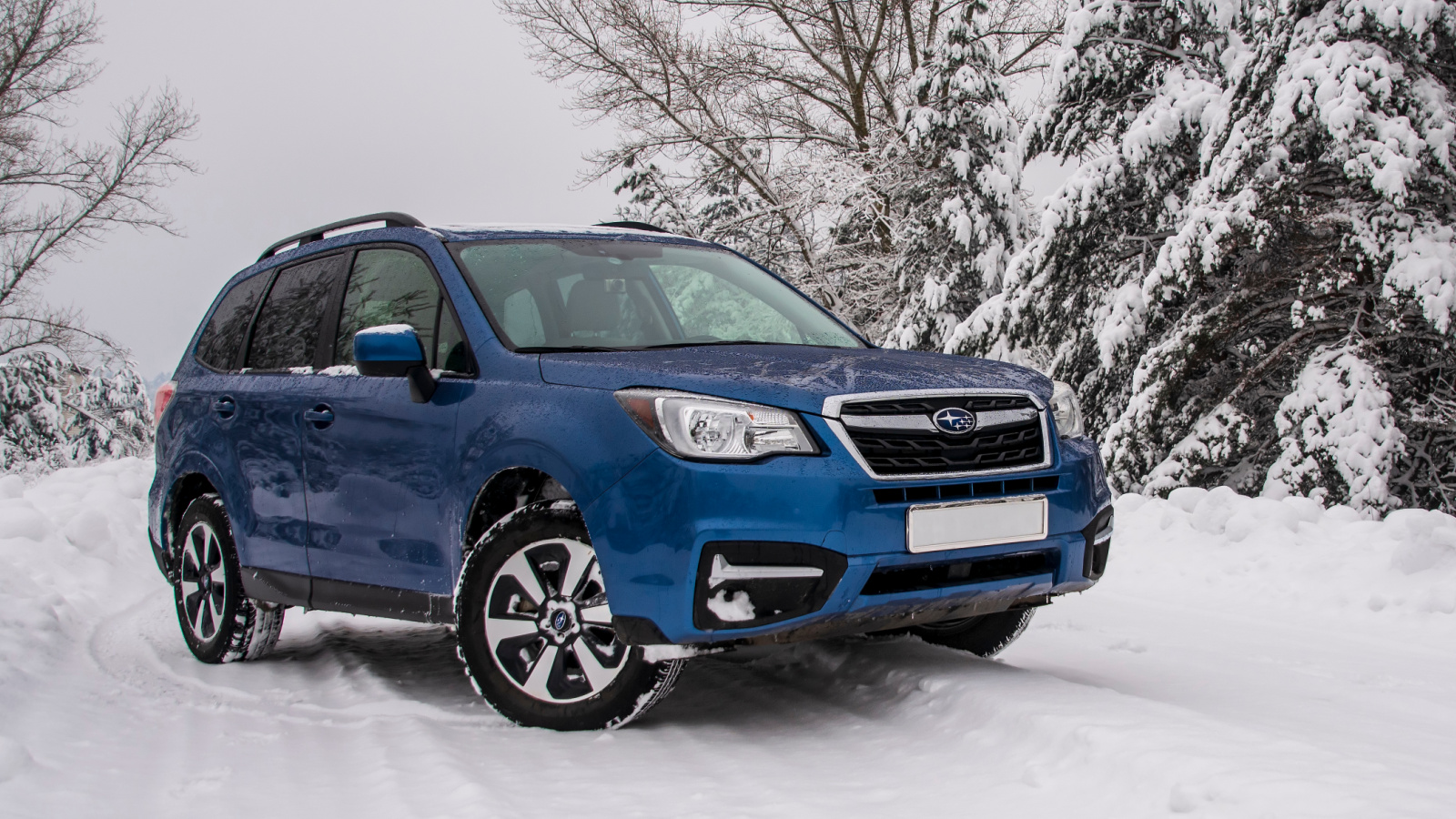
The Forester has long appealed to buyers who want substance more than show, and that profile can age very well in a high-cost market. Standard full-time AWD, a straightforward cabin, and a reputation for all-weather usefulness all help it stay relevant when families are trying to make one vehicle cover as many jobs as possible. In Canada, that kind of flexibility has real value, especially once winter enters the equation.
What makes the Forester more interesting now is that Subaru is broadening the range with a hybrid version while keeping the same practical identity. That suggests the model is evolving without losing the traits that made it dependable in the first place. Even the regular version makes a decent affordability case when compared with larger SUVs that bring bigger payments and fuel bills. The Forester is not usually the emotional pick in the showroom, but pressure tends to reward calm choices. A roomy, trusted, AWD-equipped SUV that does not overcomplicate the ownership proposition can remain very attractive when people are spending more carefully.
Toyota Corolla Cross Hybrid
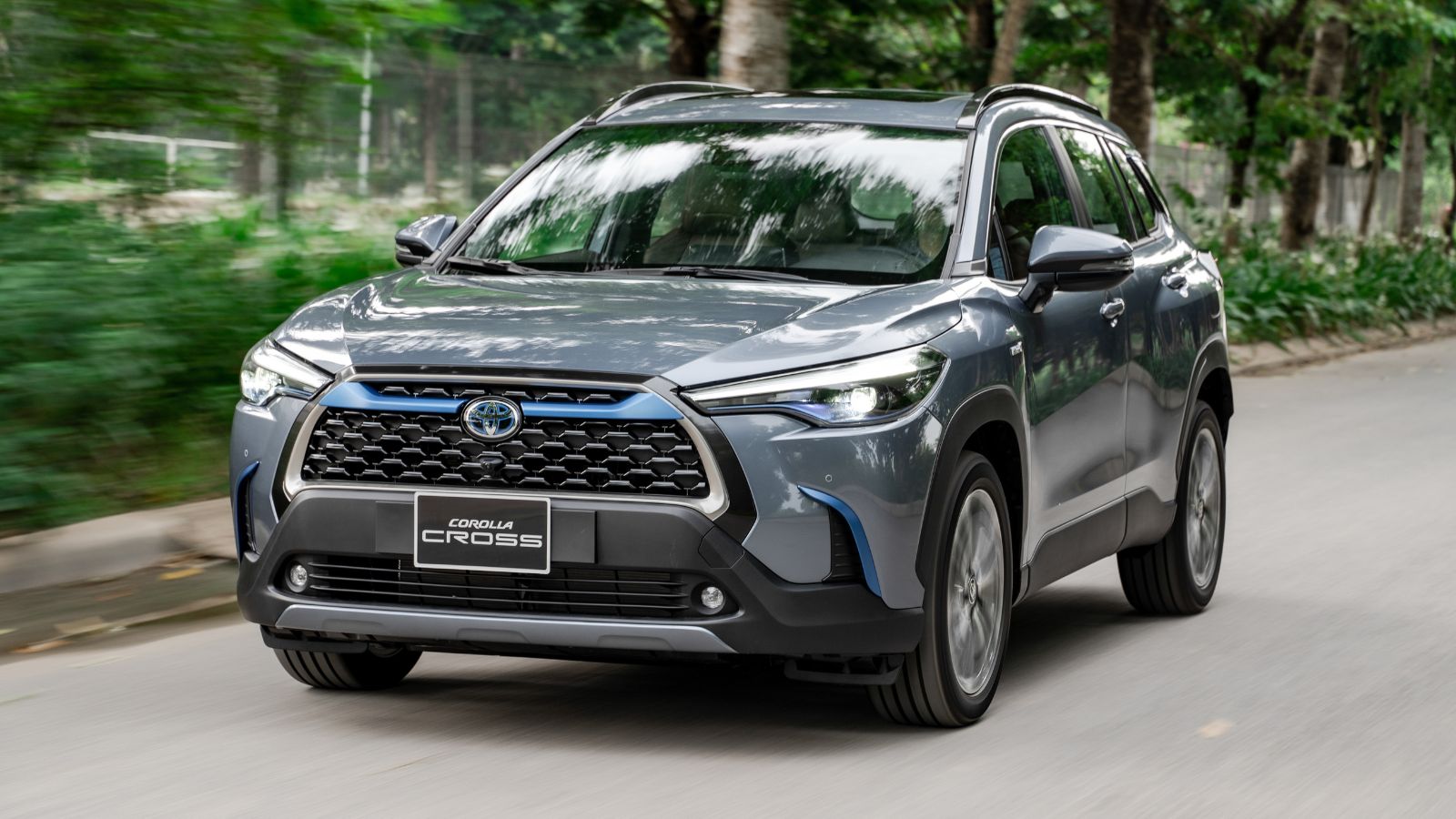
The Corolla Cross Hybrid looks like a direct response to today’s Canadian market realities. It offers the raised ride height and hatch-friendly practicality people want, but it avoids stepping too far into the heavier cost structure of larger SUVs. In other words, it sits exactly where a lot of squeezed buyers want to land: small enough to stay efficient, useful enough to replace a traditional family car.
Toyota’s recent sales results make that positioning look even more relevant. The model has already posted a strong quarter in Canada, which hints that shoppers are seeing the same logic. Strong efficiency, standard AWD in hybrid form, and the trust associated with the Corolla name all help. That is a powerful combination because it blends familiarity with current market demand. If the coming stretch continues to reward vehicles that are practical, efficient, and easy to explain financially, the Corolla Cross Hybrid has a very believable case. It is not the most dramatic vehicle on the road, but it may be one of the easiest to defend when every ownership cost is under scrutiny.
Hyundai Kona
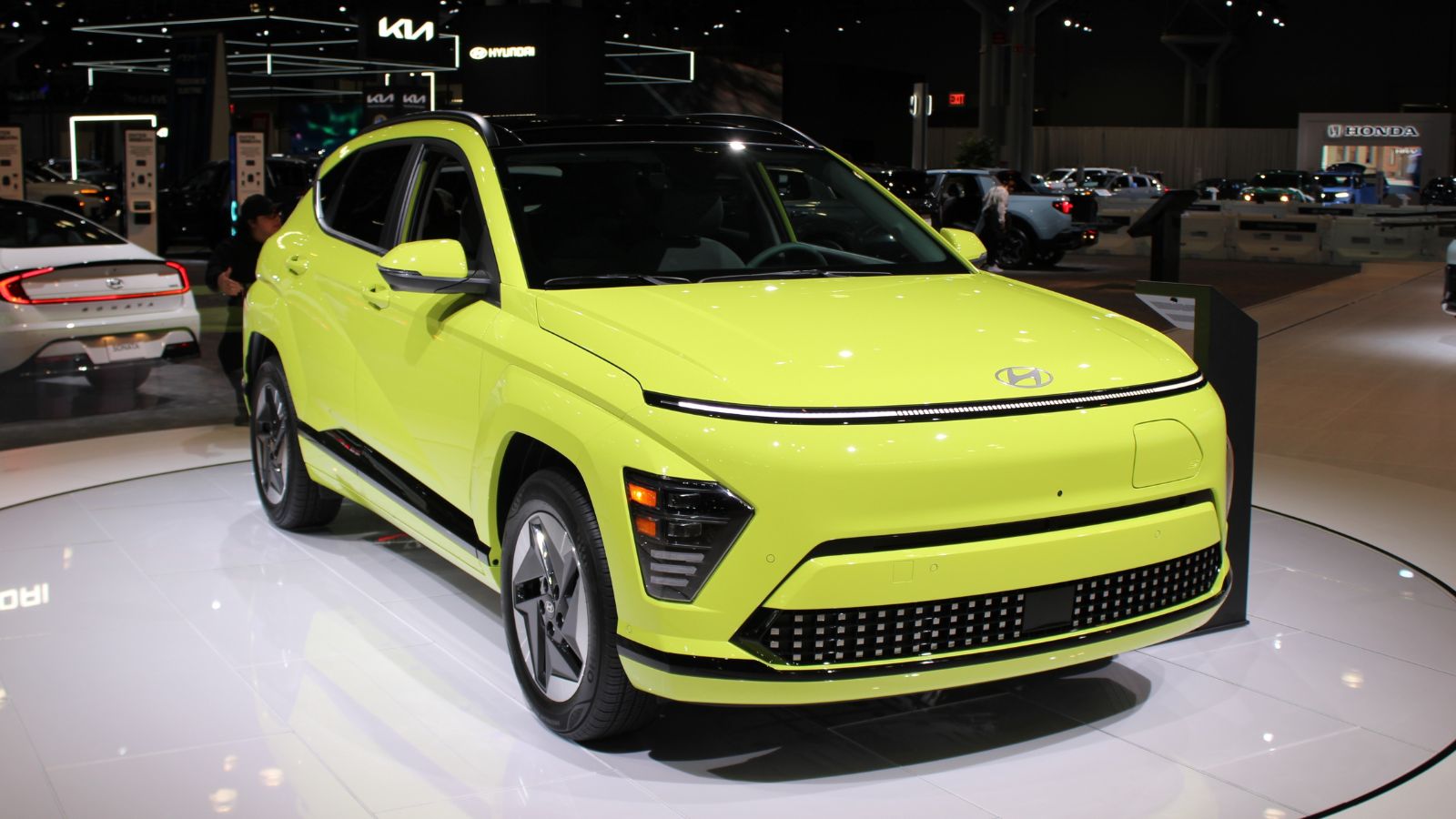
The Kona works because it understands the new entry point for many buyers. Plenty of Canadians still want a crossover shape, but fewer want to pay the premium that used to come with it. The Kona’s pricing keeps it within reach of shoppers who want something newer and more versatile than a compact sedan without immediately leaping into a much larger payment bracket. That positioning alone gives it a fighting chance in a squeezed market.
Its efficiency story helps, too. Even in basic front-drive form, the Kona remains reasonable on fuel, which matters because smaller crossovers can lose their appeal quickly if they are not materially cheaper to run than bigger ones. The Kona also benefits from looking contemporary rather than bare-bones, which is important at the entry level. Buyers under pressure still want a vehicle that feels like a choice, not a concession. That is where the Kona has an edge. It packages current styling, manageable size, and tolerable running costs into something that feels urban, flexible, and realistic for the way many households actually shop now.
Mazda3 AWD
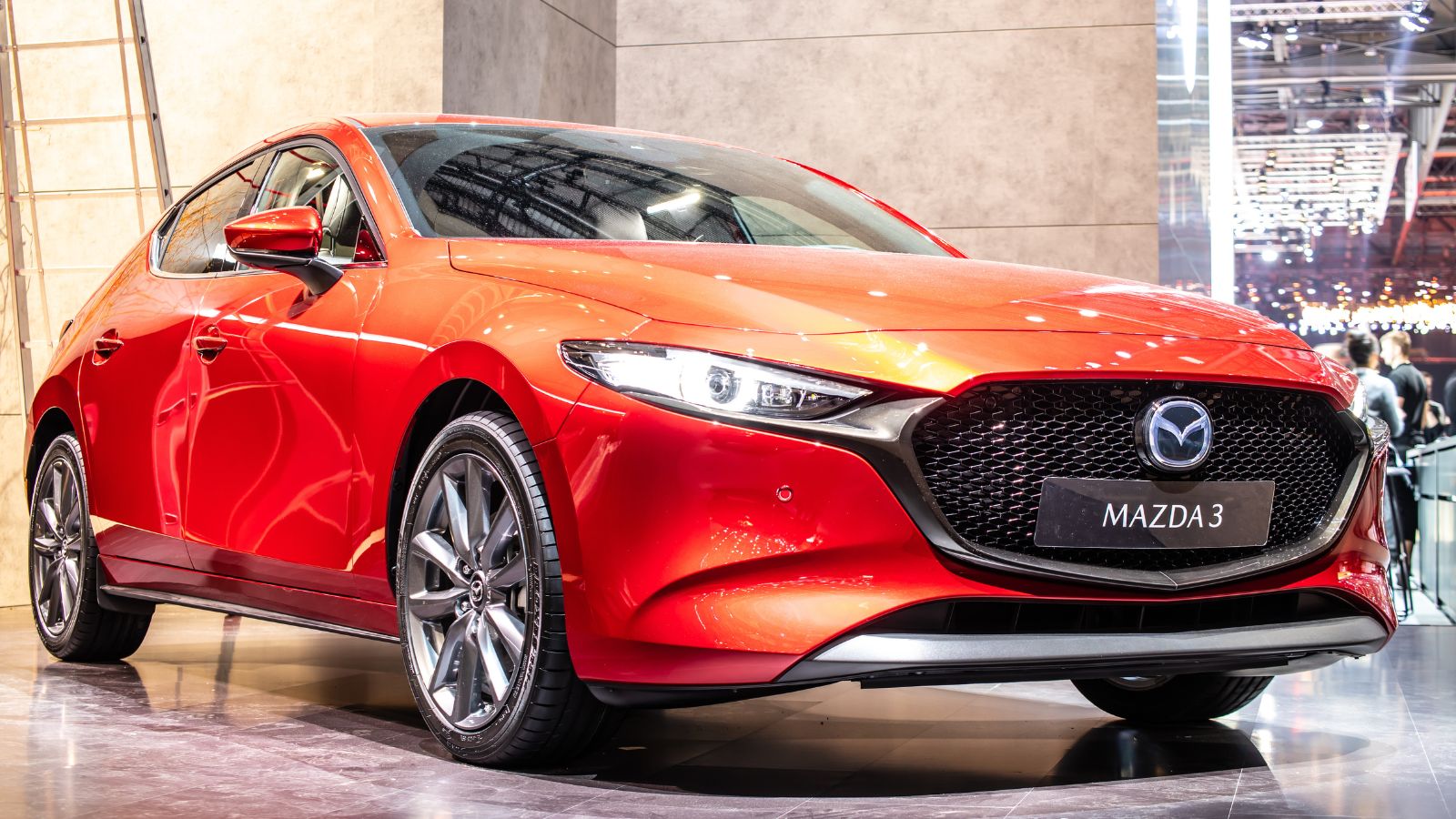
The Mazda3 offers a slightly different kind of protection against a price squeeze. Instead of competing on absolute lowest cost, it competes on how much car it gives buyers before they feel pushed into luxury territory. That matters because some shoppers want to step down from a premium badge or avoid one entirely, but still want a vehicle that feels composed, quiet, and thoughtfully finished. The Mazda3 remains one of the strongest answers to that brief.
AWD availability is a major part of the story in Canada. It gives the Mazda3 an advantage over many compact-car rivals that still ask buyers to choose between efficiency and winter confidence. Add solid fuel economy and a starting price that remains well below true premium alternatives, and the appeal becomes clearer. This is a compact car for buyers who care about cost but also care about feel. In a tighter market, that can be a durable formula. Vehicles that make people feel smart rather than deprived often hold attention longer, and the Mazda3 has spent years building exactly that kind of identity.
Honda HR-V
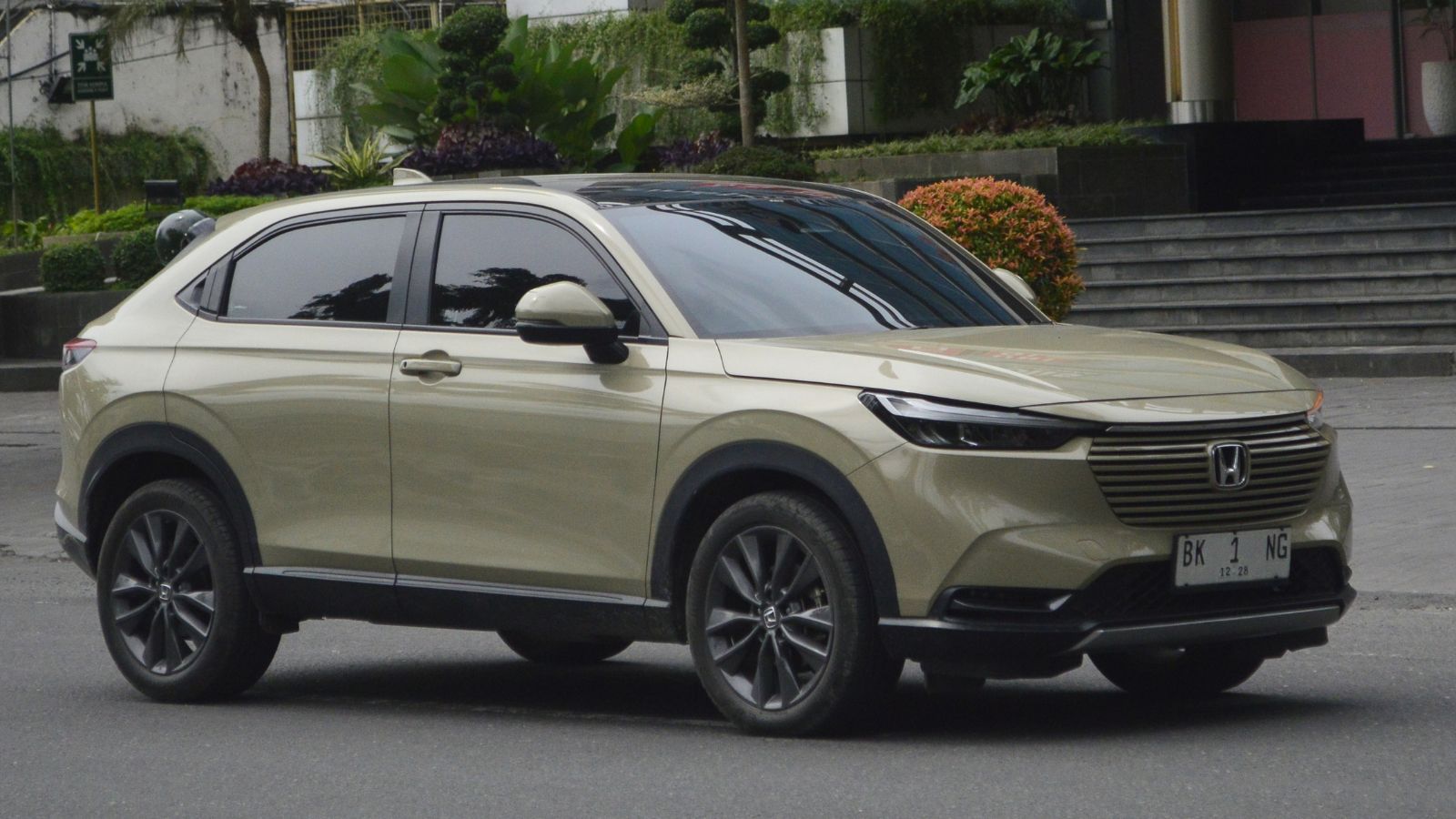
The HR-V is not the cheapest small crossover in Canada, but it has the kind of balance that can matter more than absolute lowest price. It offers the higher driving position and everyday flexibility many buyers insist on, while keeping its footprint and fuel consumption from drifting too far upward. In a squeezed market, vehicles that stay disciplined without feeling cramped tend to have more durable appeal than larger, costlier alternatives.
Honda’s version also leans into trust and ease of ownership. Available AWD, reasonable fuel economy, and familiar Honda ergonomics help the HR-V feel less like an experiment and more like a long-term default choice. That matters because price-sensitive shoppers often become risk-averse shoppers too. They are not just comparing numbers; they are comparing how likely a vehicle is to make sense three years from now. The HR-V rarely feels extreme in any category, and that is exactly why it works. It lives in the middle of the market, where many Canadians still want to be, especially when every extra expense is being noticed.
Nissan Kicks Play
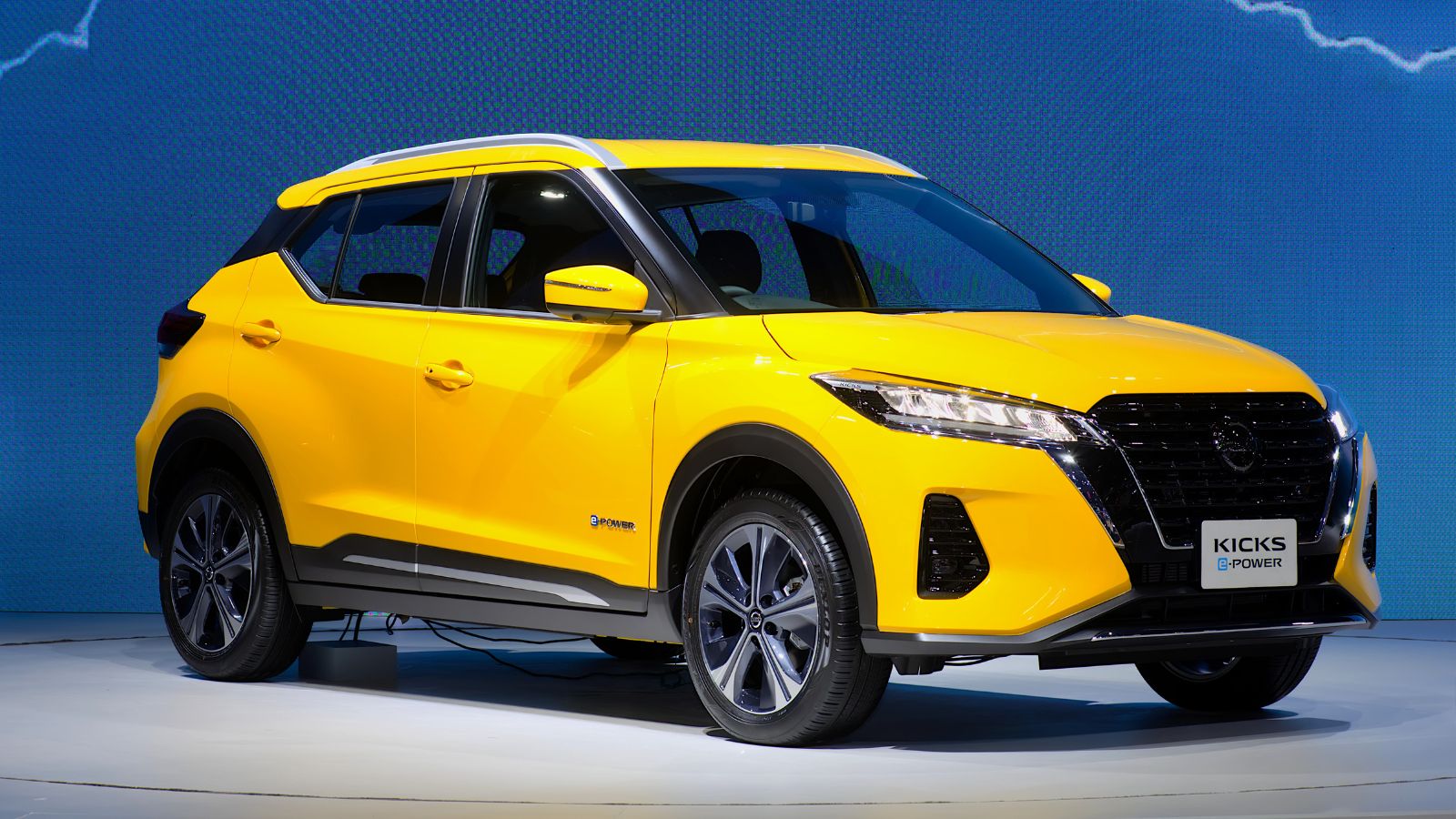
The Kicks Play has a case because it stays close to the original promise of the subcompact crossover: city-friendly size, useful cargo room, and lower running costs than larger utilities. That mission has become more relevant again as many mainstream SUVs have drifted upward in both price and complexity. When affordability tightens, simple crossovers that still do the basics well can suddenly look a lot smarter than trendier alternatives.
Its fuel economy remains one of the clearest reasons it deserves a look. Buyers who want hatchback practicality but prefer the crossover seating position will likely appreciate that it does not punish them too badly at the pump. The Kicks Play also feels like a pragmatic response to the market rather than a prestige play. That is often a strength. Not every vehicle needs to wow; some just need to remove friction from daily life. In a Canadian price squeeze, those vehicles can outperform expectations because they line up with what cautious shoppers are actually trying to buy: flexibility, predictability, and an easier monthly equation.
22 Things Canadians Do to Their Cars in Spring That Mechanics Hate

Spring brings relief to many Canadian drivers after months of snow, freezing temperatures, and icy roads that put serious strain on vehicles. As temperatures rise across the country, drivers begin washing cars, switching tires, and preparing vehicles for warmer weather and upcoming road trips. However, mechanics across Canada notice the same mistakes every spring when drivers attempt to recover from winter damage. Road salt, potholes, and harsh winter driving conditions often leave vehicles with hidden problems that drivers ignore. Some spring habits even create new mechanical issues that could have been avoided with proper maintenance. Here are 22 things Canadians do to their cars in spring that mechanics hate.