
























Long highway drives in Canada demand comfort, stability, and quiet performance. Distances are vast, and the weather can shift quickly. Some vehicles handle these conditions with ease, while others make every kilometre feel longer. Poor seats, loud cabins, weak engines, and short range can ruin a trip. Many buyers focus on price or style, then regret it on open highways. Here are 18 vehicles that are worst for long highway drives in Canada.
Jeep Wrangler
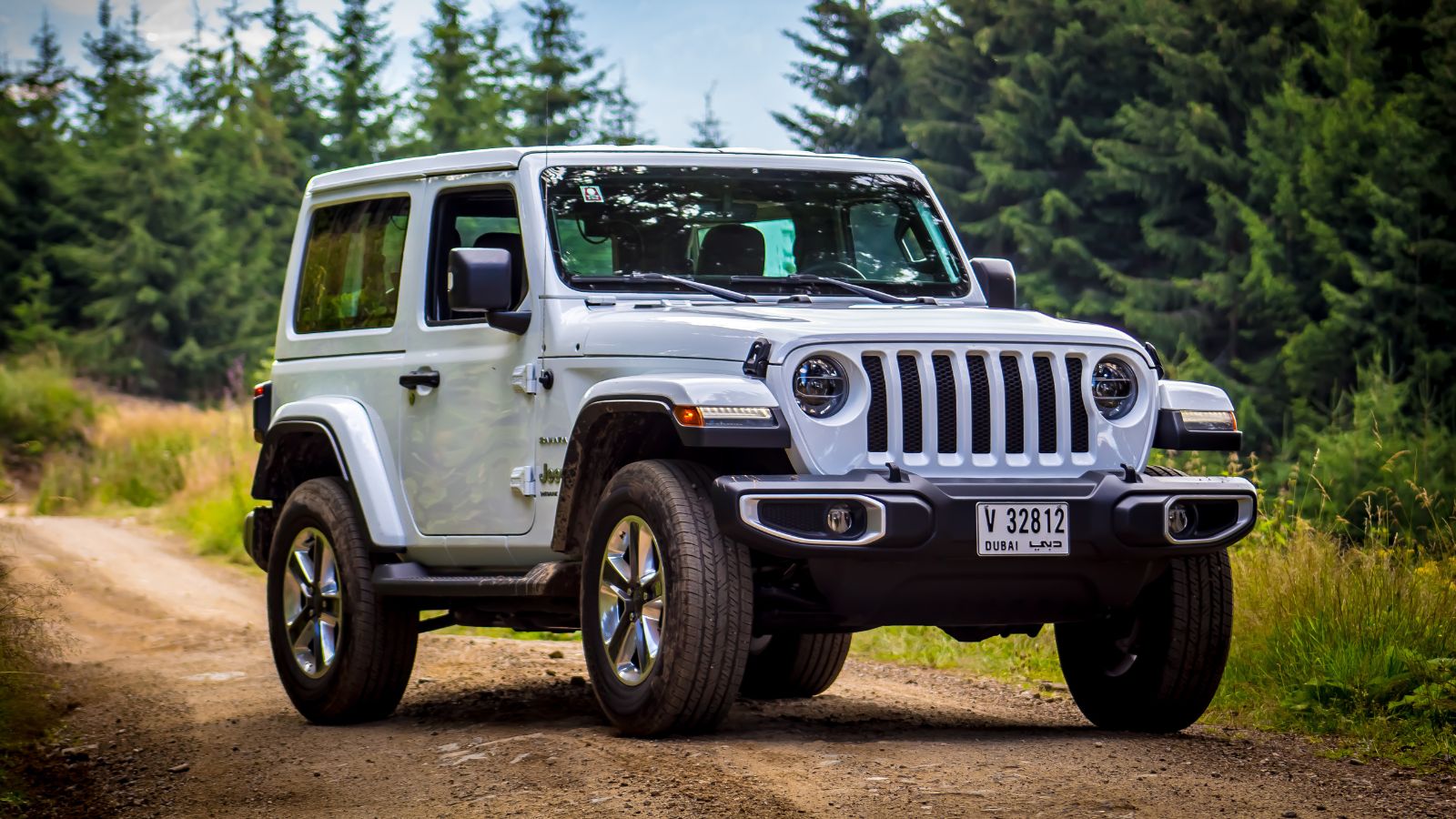
The Jeep Wrangler feels out of place on long highways. Its boxy shape creates constant wind noise. The ride feels bouncy at higher speeds. Steering lacks precision, which demands constant correction. Long drives become tiring due to upright seating. Fuel economy is also poor for extended trips. The short wheelbase adds instability on uneven pavement. It excels off-road but struggles on smooth highways. Road trips expose their limitations quickly. Drivers often feel fatigued after hours behind the wheel. It suits adventure trails better than endless stretches of asphalt.
Toyota Tacoma
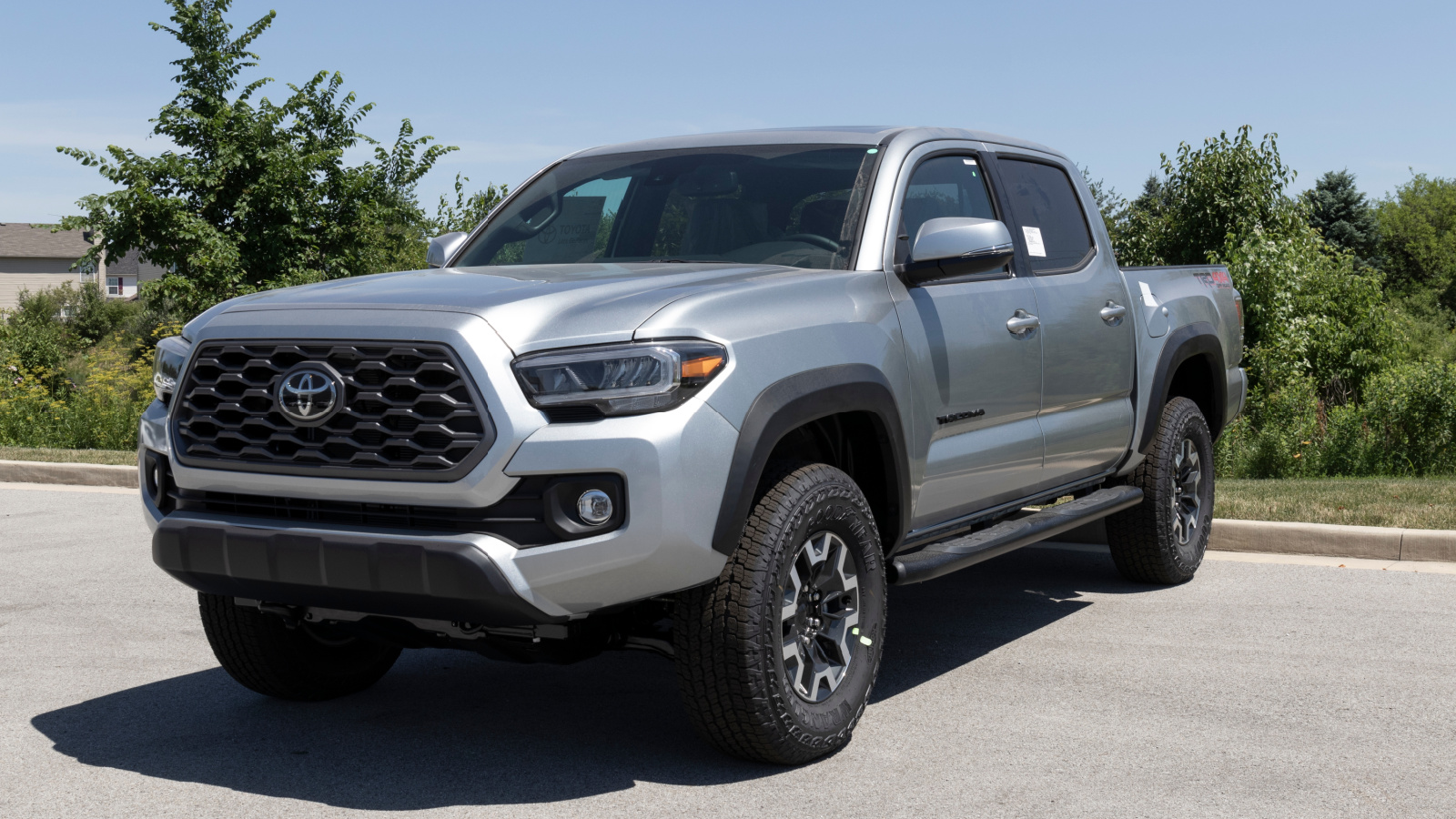
The Toyota Tacoma handles tough terrain well but feels stiff on highways. Its suspension is tuned for durability, not comfort. The rear seats feel cramped for passengers. Cabin noise becomes noticeable at cruising speeds. The engine can feel strained during overtaking. Fuel consumption rises during long drives. The driving position feels awkward for some people. Long trips highlight its lack of refinement. It performs best in rugged environments. On highways, it feels less relaxed than competitors. Drivers often wish for smoother ride quality.
Nissan Versa
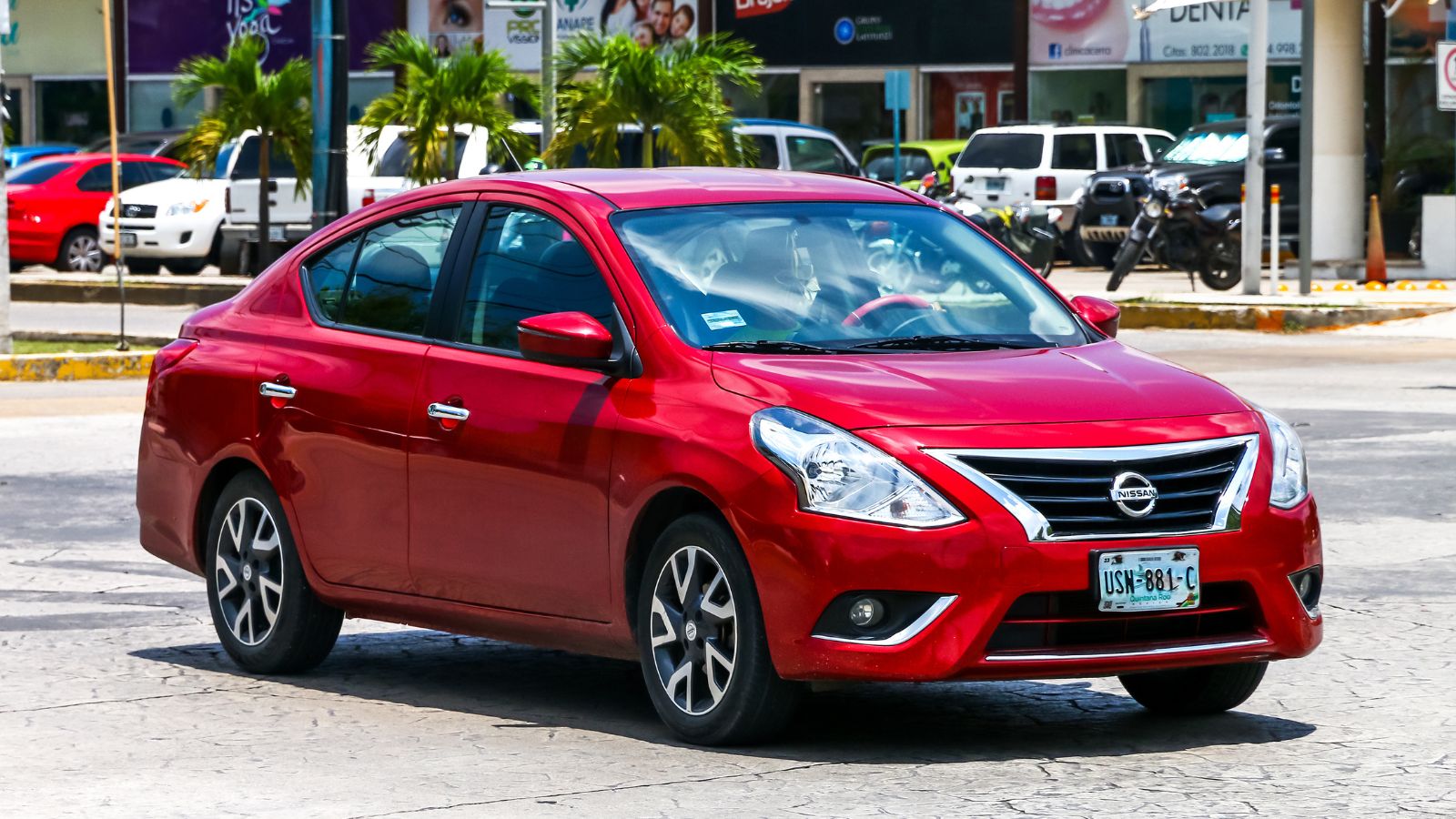
The Nissan Versa struggles with power on highways. Acceleration feels slow when merging or overtaking. The engine becomes noisy at higher speeds. Cabin insulation is minimal, so road noise builds quickly. Seats lack proper support for long hours. The lightweight design can feel unstable in strong winds. Long trips can feel exhausting over time. Fuel efficiency is decent, but it does not offset comfort issues. It suits short city drives better. On highways, it feels outmatched. Drivers often feel the need for more power and stability.
Mitsubishi Mirage
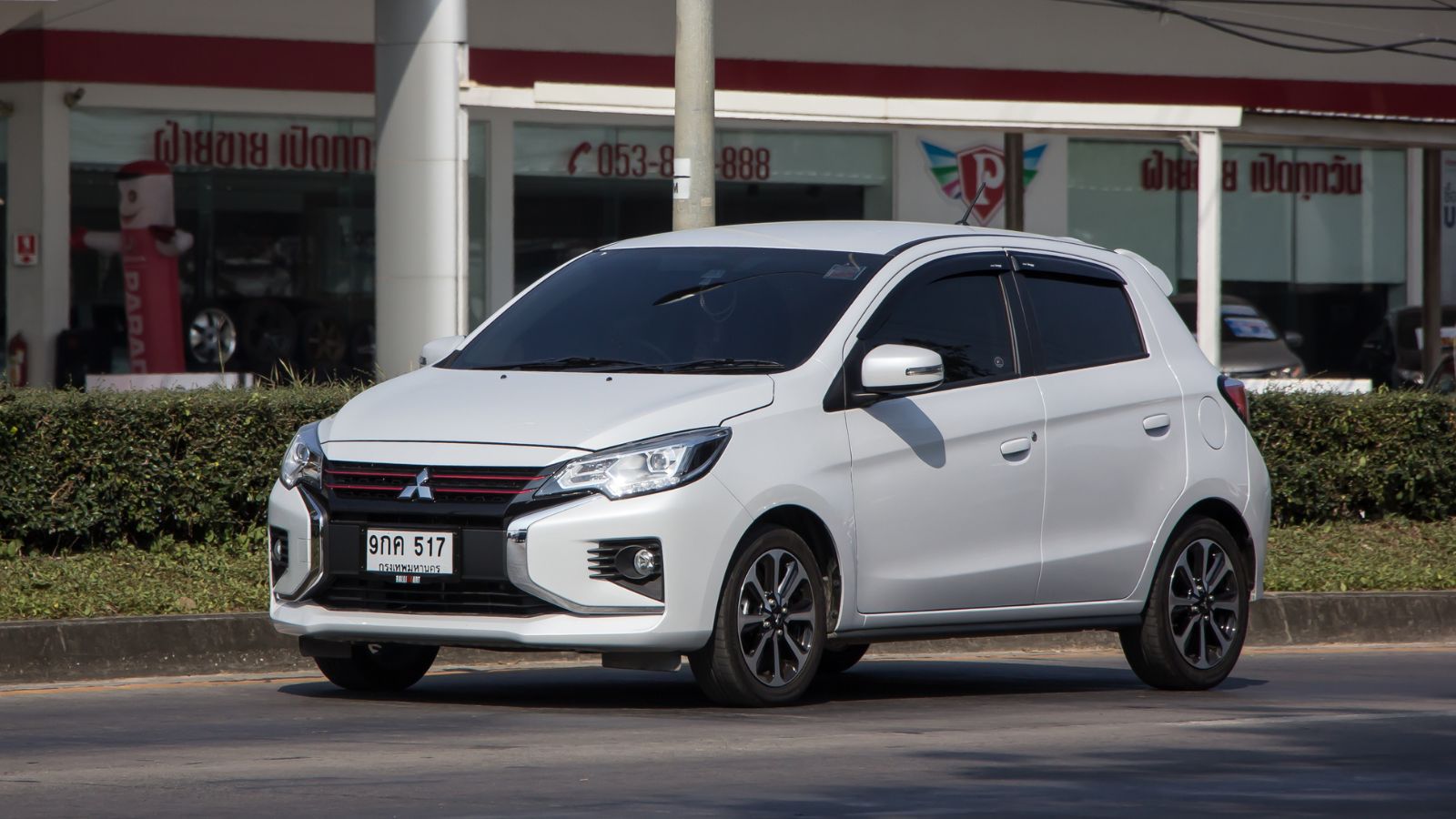
The Mitsubishi Mirage is one of the weakest highway performers. Its small engine struggles to maintain speed on inclines. Acceleration feels sluggish and strained. Cabin noise is constant at highway speeds. The seats offer limited cushioning and support. The car feels light in crosswinds. Long drives can feel tiring and uncomfortable. Fuel savings are the main benefit. However, comfort suffers during extended trips. It is best suited for short urban commutes. On highways, it quickly shows its limits.
Chevrolet Spark
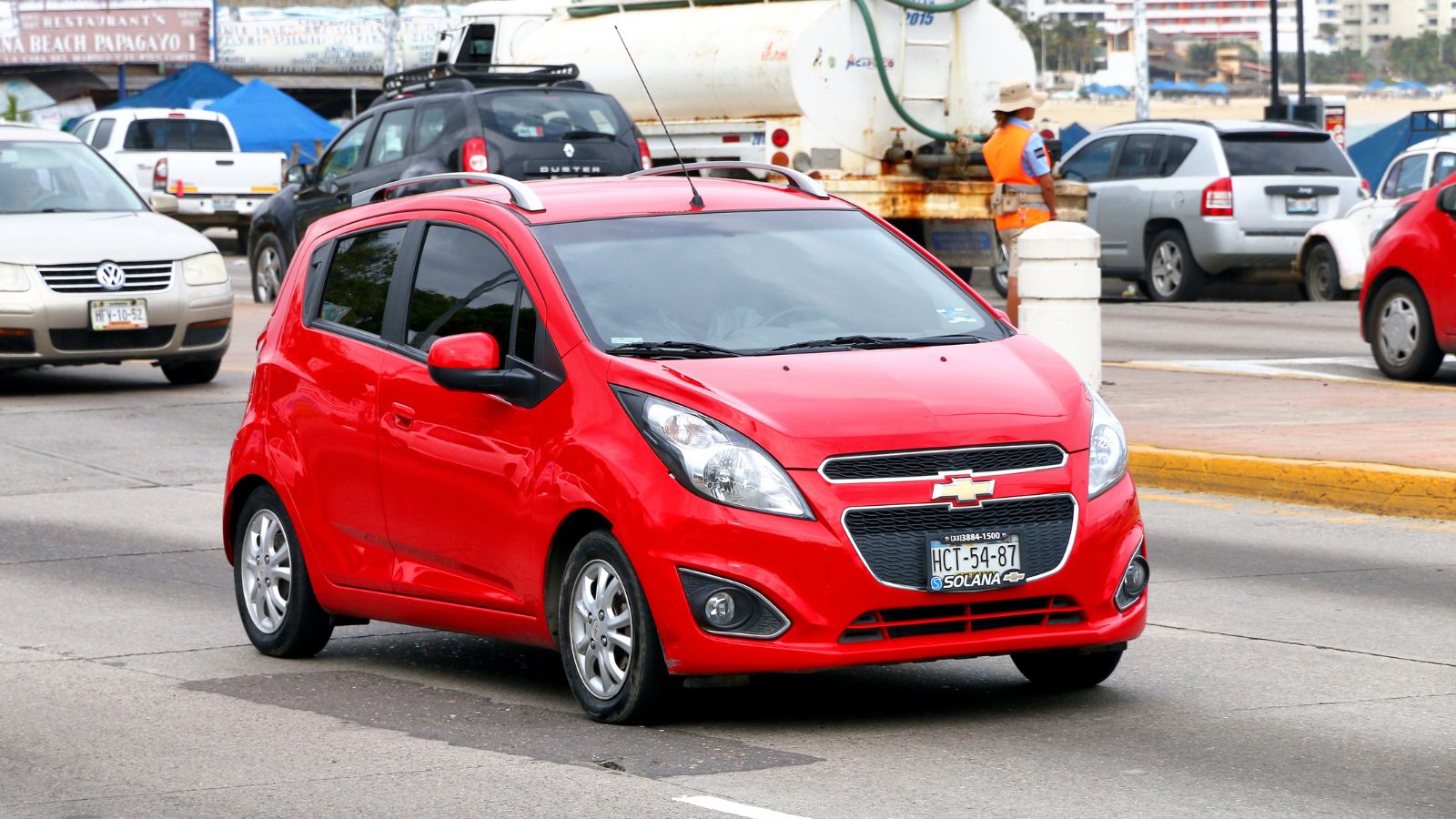
The Chevrolet Spark feels underpowered on long highway routes. The engine works hard to keep up with traffic. Noise levels rise quickly as speed increases. The short wheelbase affects stability on uneven roads. Seats feel basic and lack long-distance comfort. Cargo space is limited for road trips. Wind noise becomes noticeable at higher speeds. It handles city driving better than highways. Long journeys feel draining over time. Drivers often feel restricted by its size and performance. It struggles to provide a relaxed driving experience.
Ford EcoSport
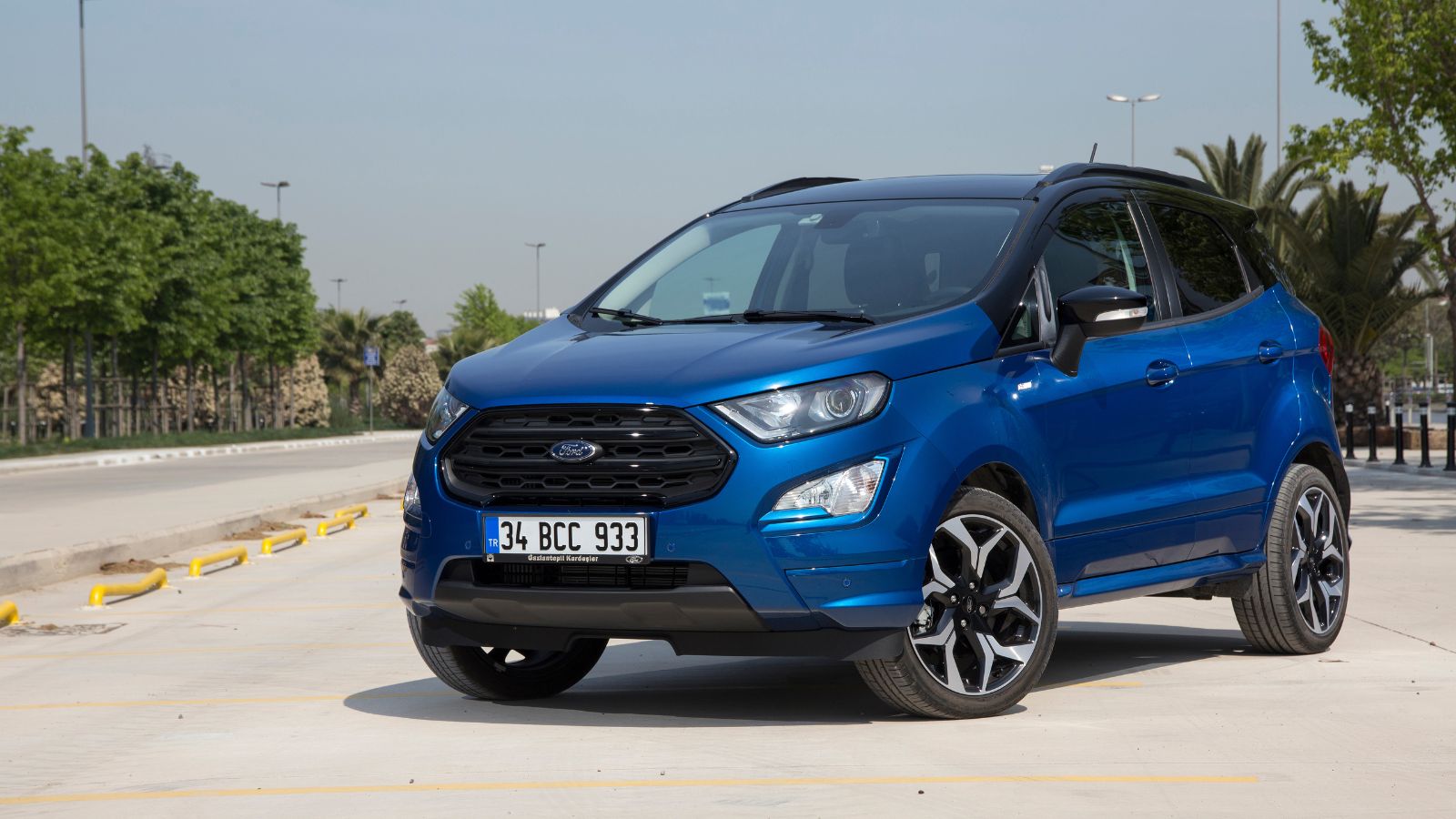
The Ford EcoSport feels unsettled on highways. Its short stance affects stability at speed. The engine can feel underpowered during passing maneuvers. Cabin noise increases noticeably on open roads. Seats lack strong lumbar support. Fuel economy drops during long drives. The ride can feel choppy over uneven pavement. Long trips highlight its limitations. It performs better in city conditions. Highway driving feels less refined compared to rivals. Drivers often notice fatigue after extended hours.
Jeep Renegade
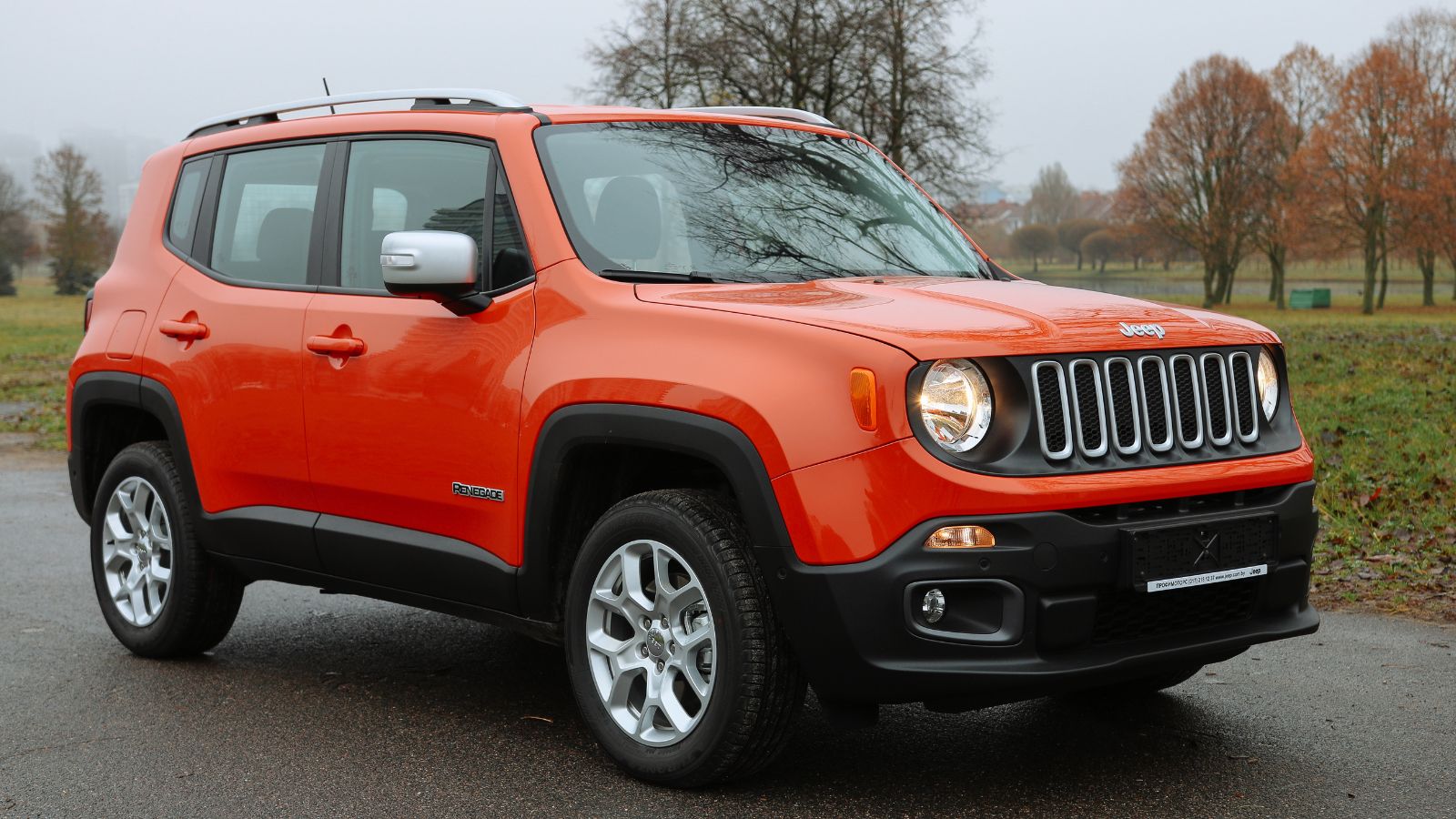
The Jeep Renegade offers style but lacks highway comfort. Its engine feels strained at higher speeds. Cabin noise is noticeable during long drives. The ride quality feels firm on rough roads. Seating support is limited for extended trips. Fuel efficiency is average at best. Wind noise becomes distracting over time. It handles short commutes well. Long-distance driving feels tiring quickly. The small size adds to instability in windy conditions. It works better for urban environments than for highways.
Toyota C-HR
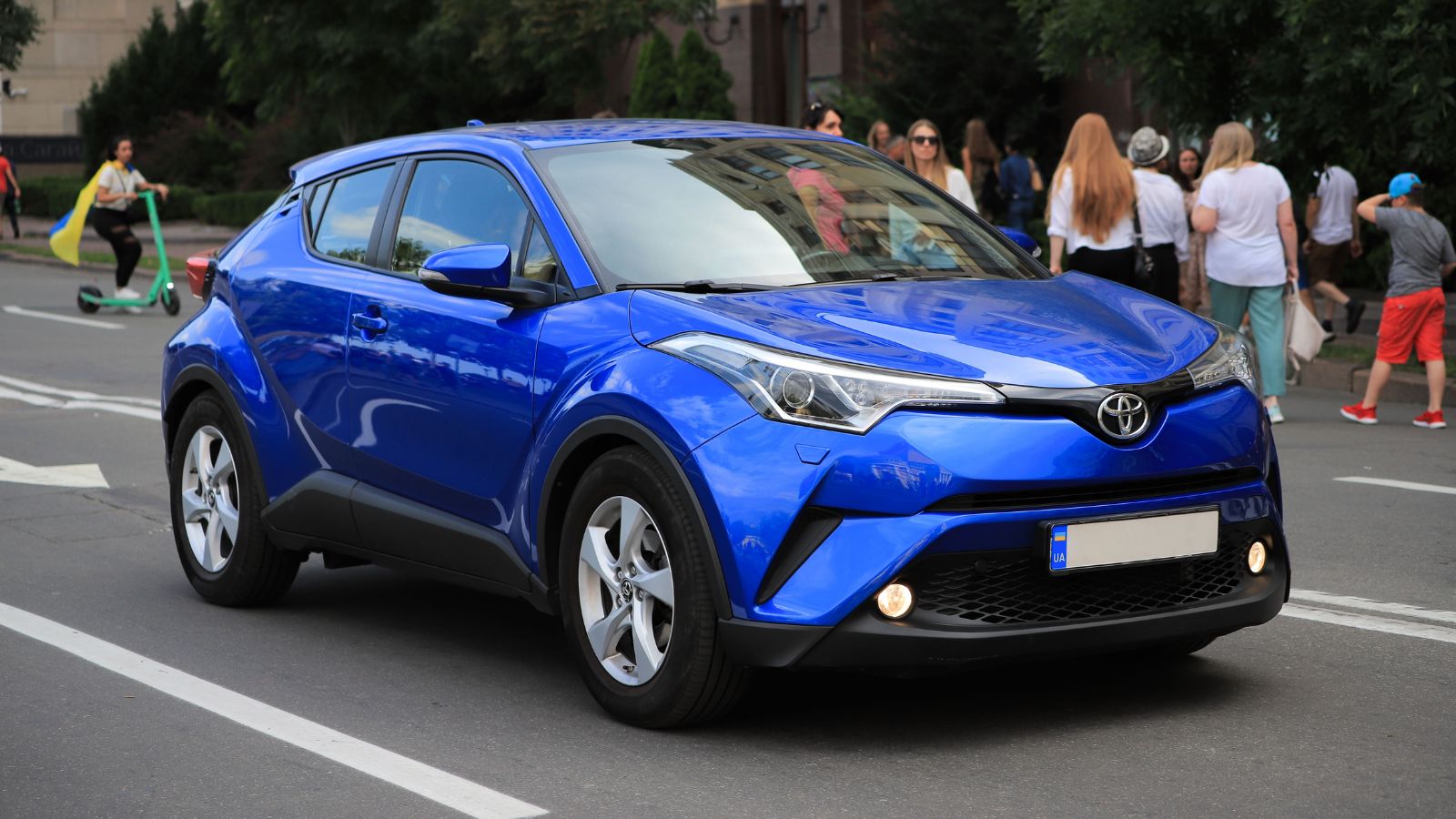
The Toyota C-HR struggles with highway power. Its engine feels sluggish during acceleration. Passing other vehicles requires patience. Cabin noise builds at higher speeds. Rear visibility is limited, which adds stress. Seats feel tight for long drives. The ride can feel firm on uneven surfaces. Fuel economy is decent but not outstanding. Long trips feel less comfortable than expected. It suits city driving better. Highway journeys highlight the lack of flexibility.
Subaru Crosstrek (Base Engine)

The base Subaru Crosstrek feels underpowered on highways. Acceleration is slow when merging or overtaking. The engine produces noticeable noise at higher speeds. The cabin lacks strong insulation from road sounds. Seats are supportive but not ideal for very long drives. Fuel economy is average for its class. The ride feels stable but not engaging. Long trips reveal their limitations. It performs better with a stronger engine option. The base model feels stretched on highways.
Hyundai Venue
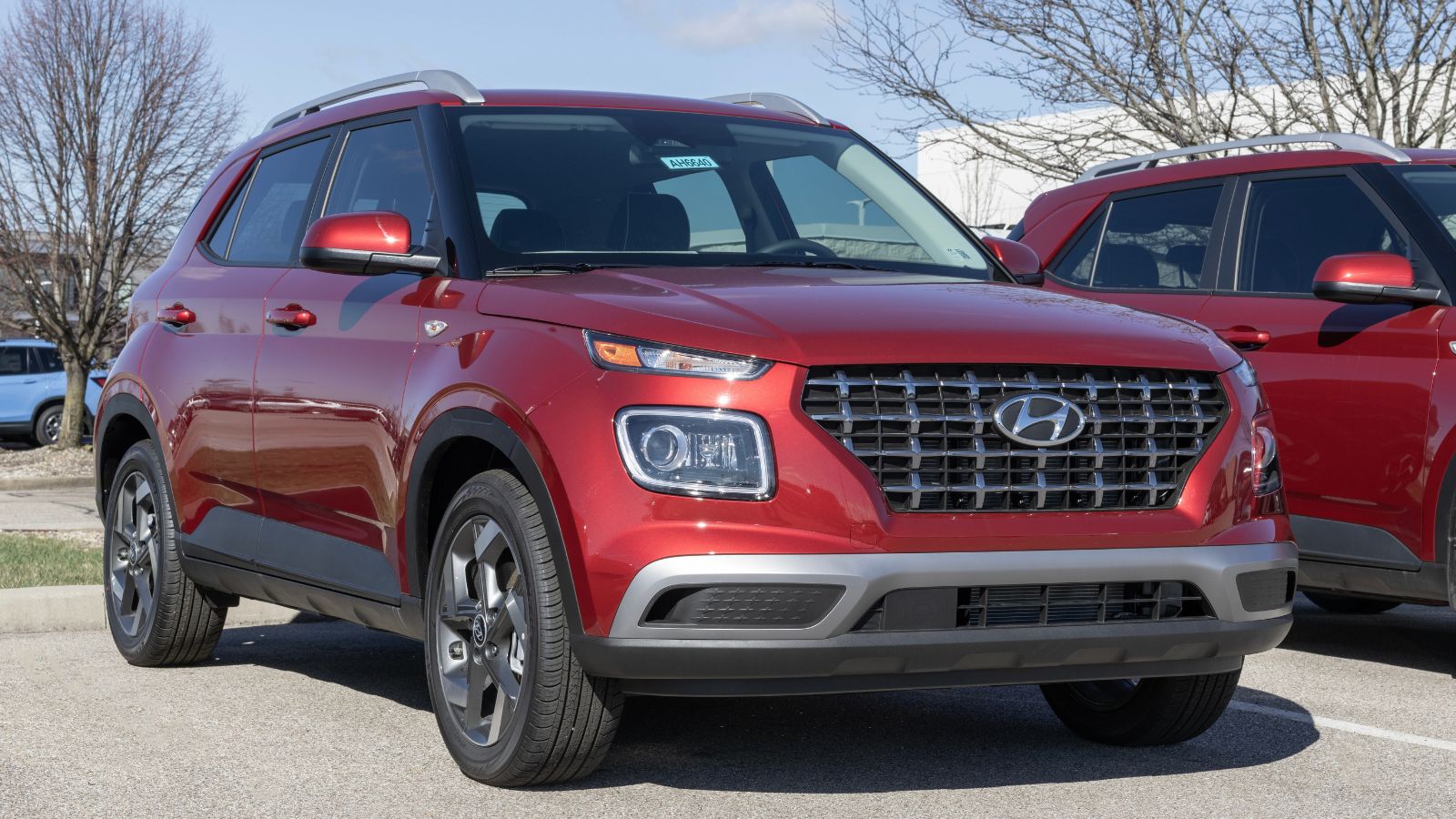
The Hyundai Venue is not built for long highway comfort. Its small engine struggles at higher speeds. Cabin noise increases steadily during long drives. The ride can feel stiff over uneven roads. Seats lack deep cushioning for extended trips. Wind noise becomes noticeable quickly. Fuel economy is good, but not enough to offset discomfort. It excels in urban settings. Highway driving feels less relaxed. Drivers often feel fatigue after long journeys. It suits short distances better.
Kia Soul (Base Engine)
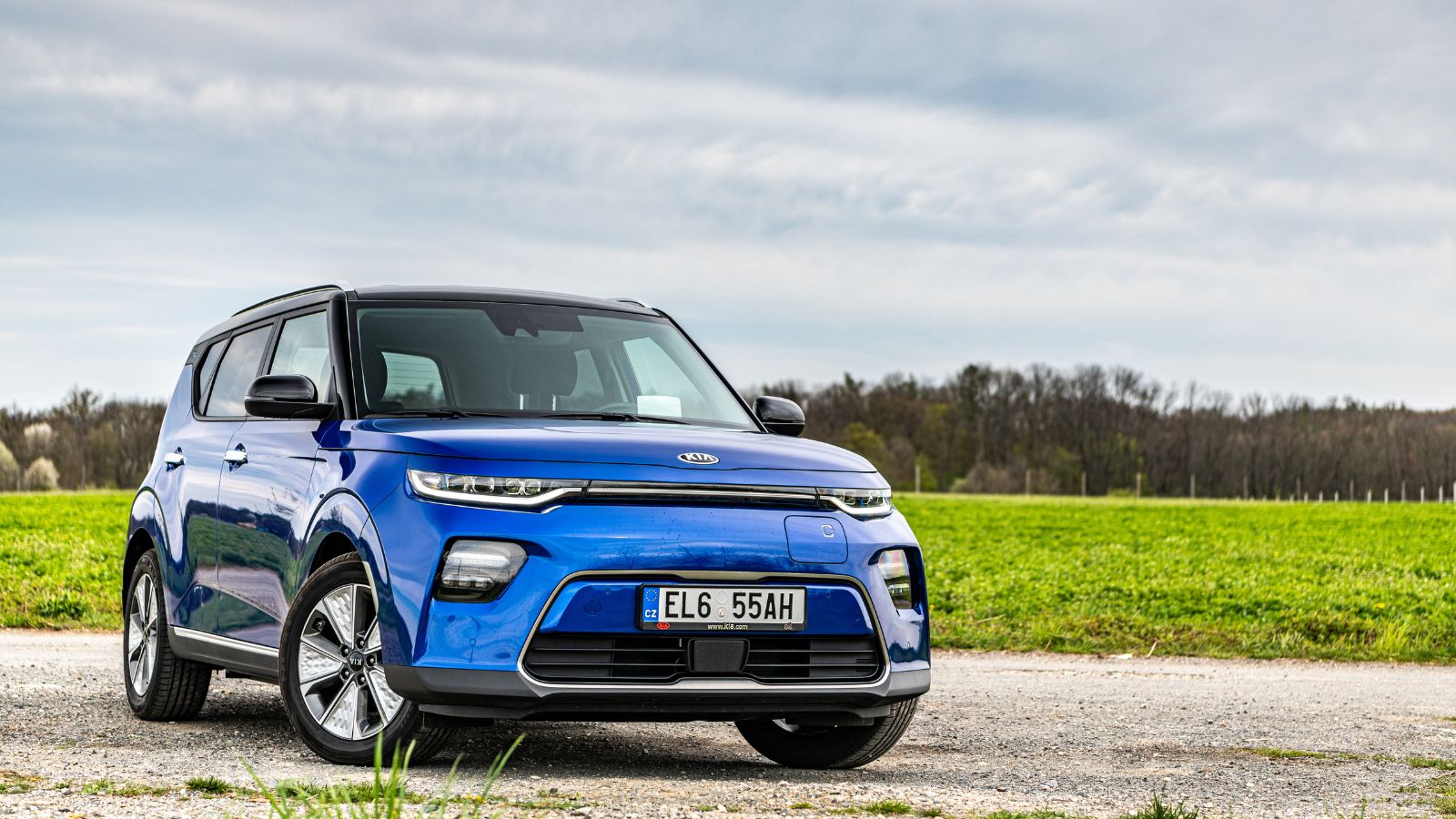
The Kia Soul with the base engine feels slow on highways. Acceleration is modest during passing situations. The boxy shape increases wind noise at speed. Cabin insulation feels average during long drives. Seats offer decent comfort at first, but lose support later. Long trips can feel tiring for drivers and passengers. Fuel economy remains decent but not impressive. The ride stays stable but lacks smoothness. It performs better in city traffic overall. On highways, it feels less composed. Drivers often notice fatigue building over longer distances.
Nissan Kicks
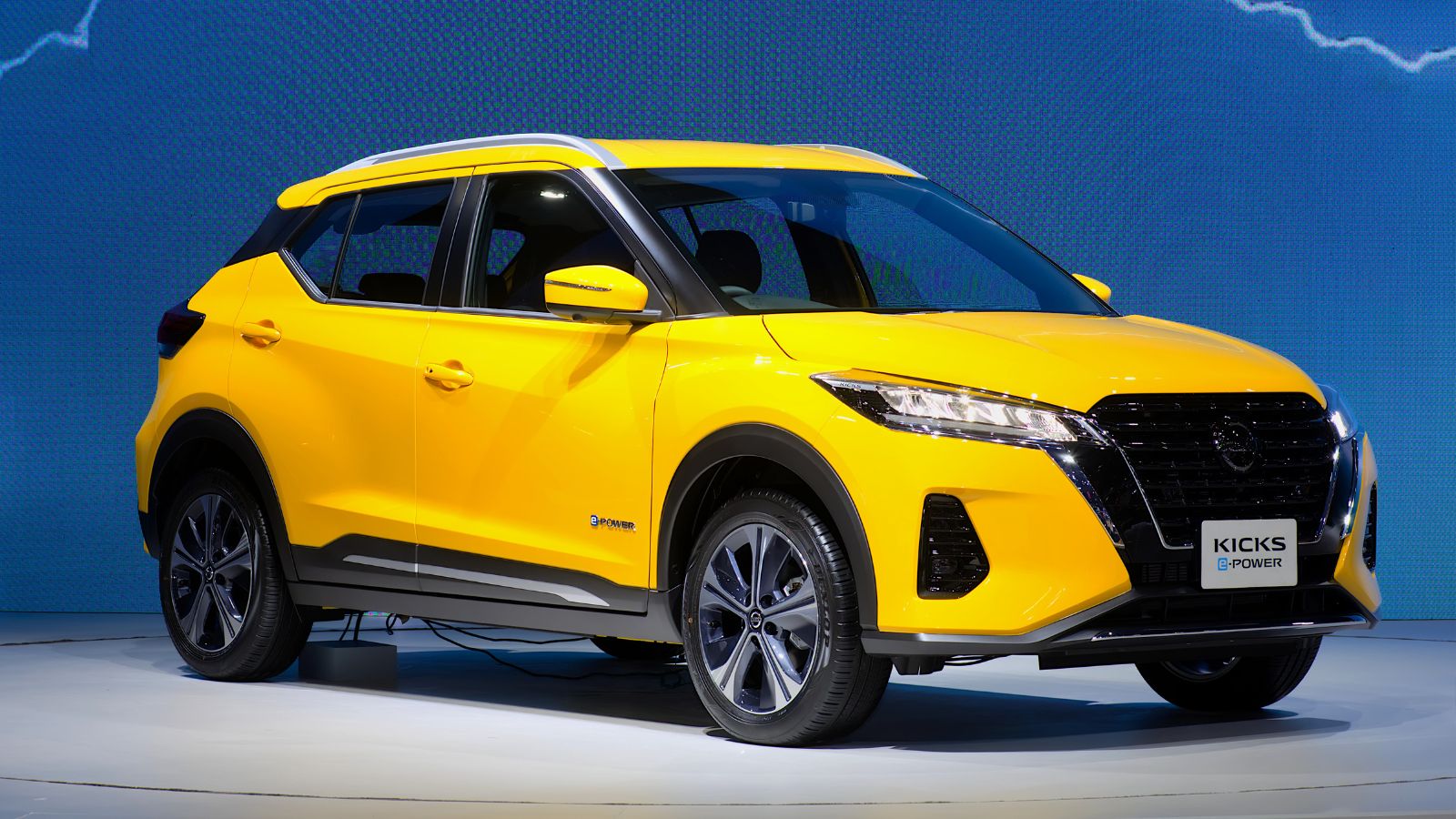
The Nissan Kicks struggles with highway performance due to its weak engine. Acceleration feels slow when merging or overtaking traffic. Passing requires careful timing and planning. Cabin noise becomes noticeable as speed increases. Seats lack strong support for extended drives. The lightweight build affects stability in windy conditions. Fuel efficiency is good, but it does not solve comfort issues. It handles city driving with ease. Long highway trips feel less relaxing overall. The ride can feel unsettled on rough roads. Drivers may feel strained after extended travel.
Chevrolet Trax (Older Models)
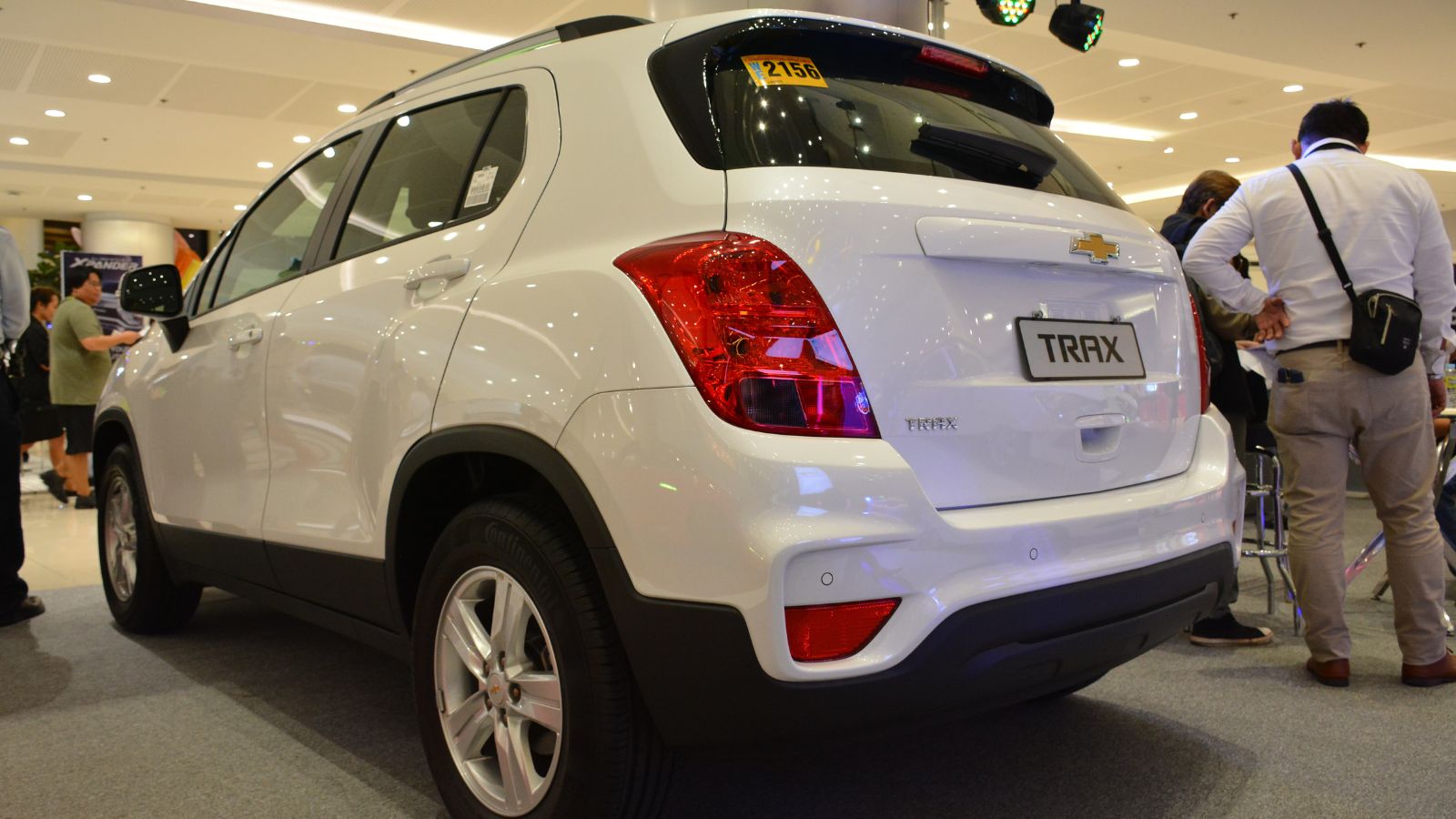
Older Chevrolet Trax models lack refinement on highways. The engine feels underpowered at higher speeds. Acceleration is slow during passing situations. Cabin noise becomes constant over long distances. The ride feels uneven on rough pavement sections. Seats lack strong support for extended trips. Fuel economy remains average for its class. It performs better for short urban drives. Long highway trips can feel tiring over time. The small size adds to instability in the wind. Drivers often notice discomfort after several hours on the road.
Fiat 500
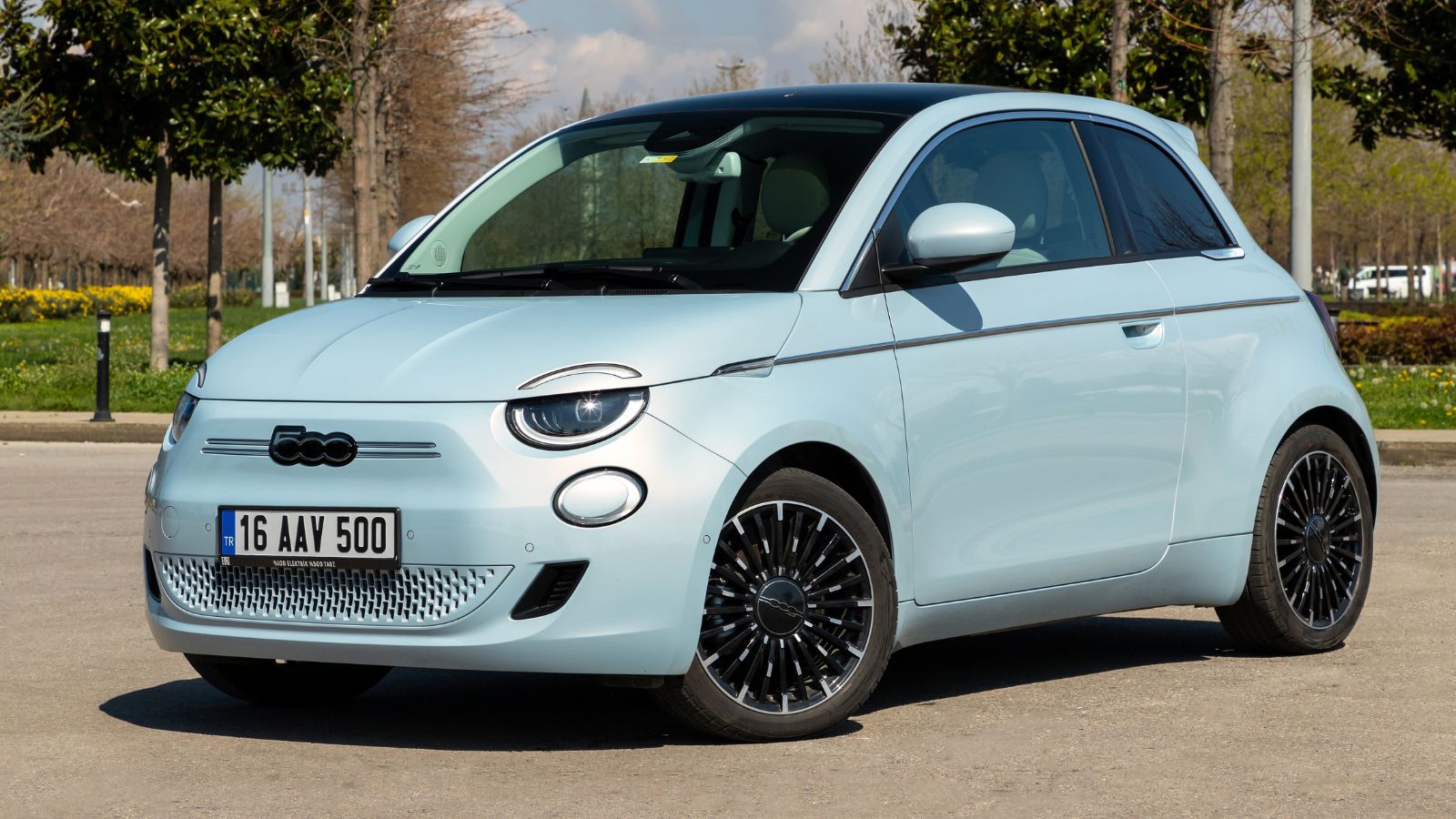
The Fiat 500 is not suited for long highway drives. Its small size affects stability at higher speeds. The engine feels strained during extended travel. Cabin noise remains high on open roads. Seats are compact and lack long-distance comfort. Wind affects handling more than expected. Fuel economy is good, but it does not offset discomfort. It excels in tight city environments. Long trips feel exhausting quickly for occupants. The limited cabin space adds to fatigue. It struggles to deliver a relaxed highway driving experience.
Mini Cooper (Base Model)
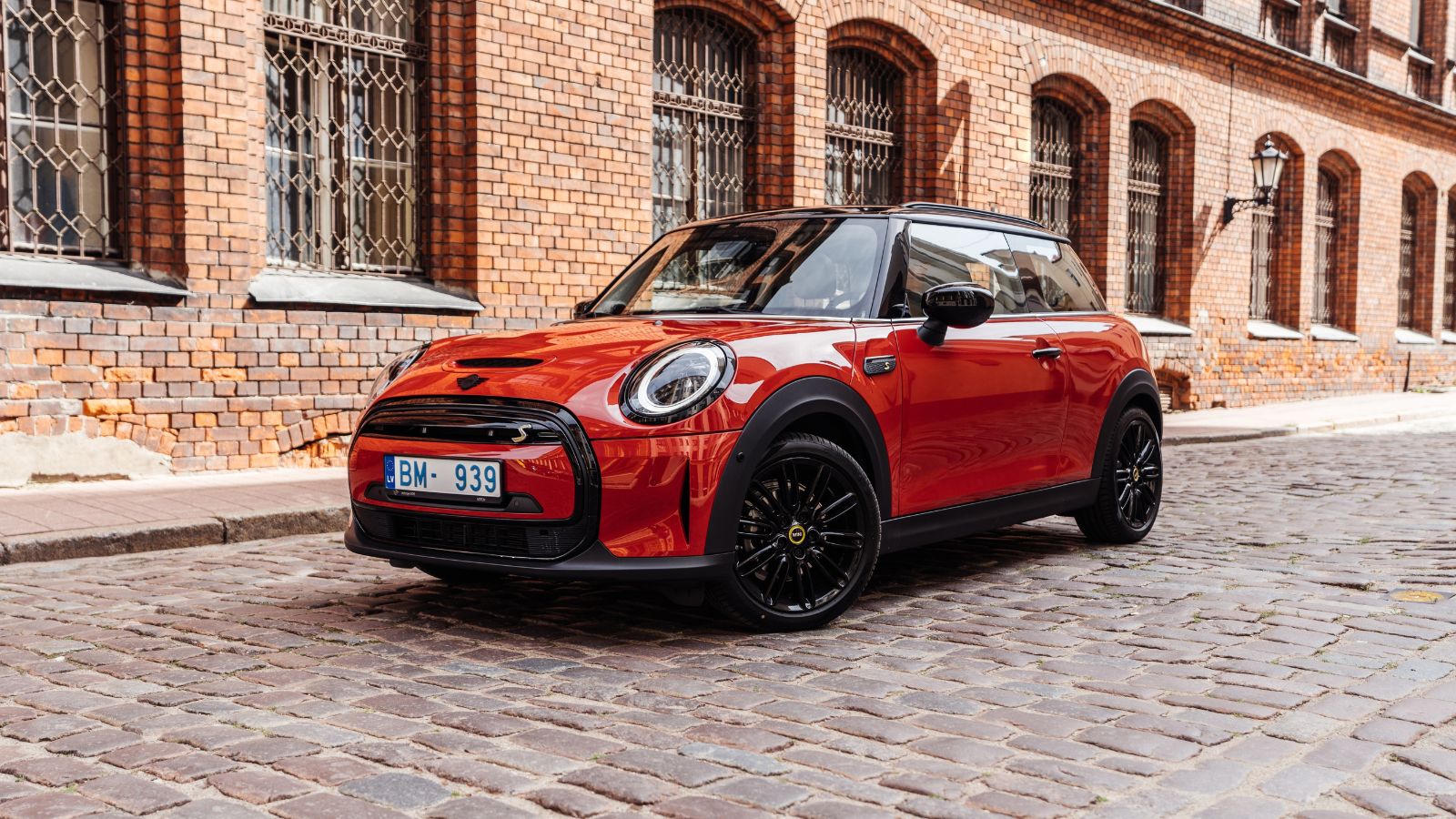
The Mini Cooper base model feels lively in city driving. On highways, it becomes less comfortable over time. The ride feels firm during long stretches. Cabin noise builds steadily at higher speeds. Seats offer support but lack long-distance cushioning. Fuel economy remains decent for its size. The small body affects stability in strong winds. Long trips can feel tiring for drivers. It performs best during short commutes and urban use. Highway comfort is not its main strength. Drivers may feel fatigue after extended journeys.
Mazda CX-3
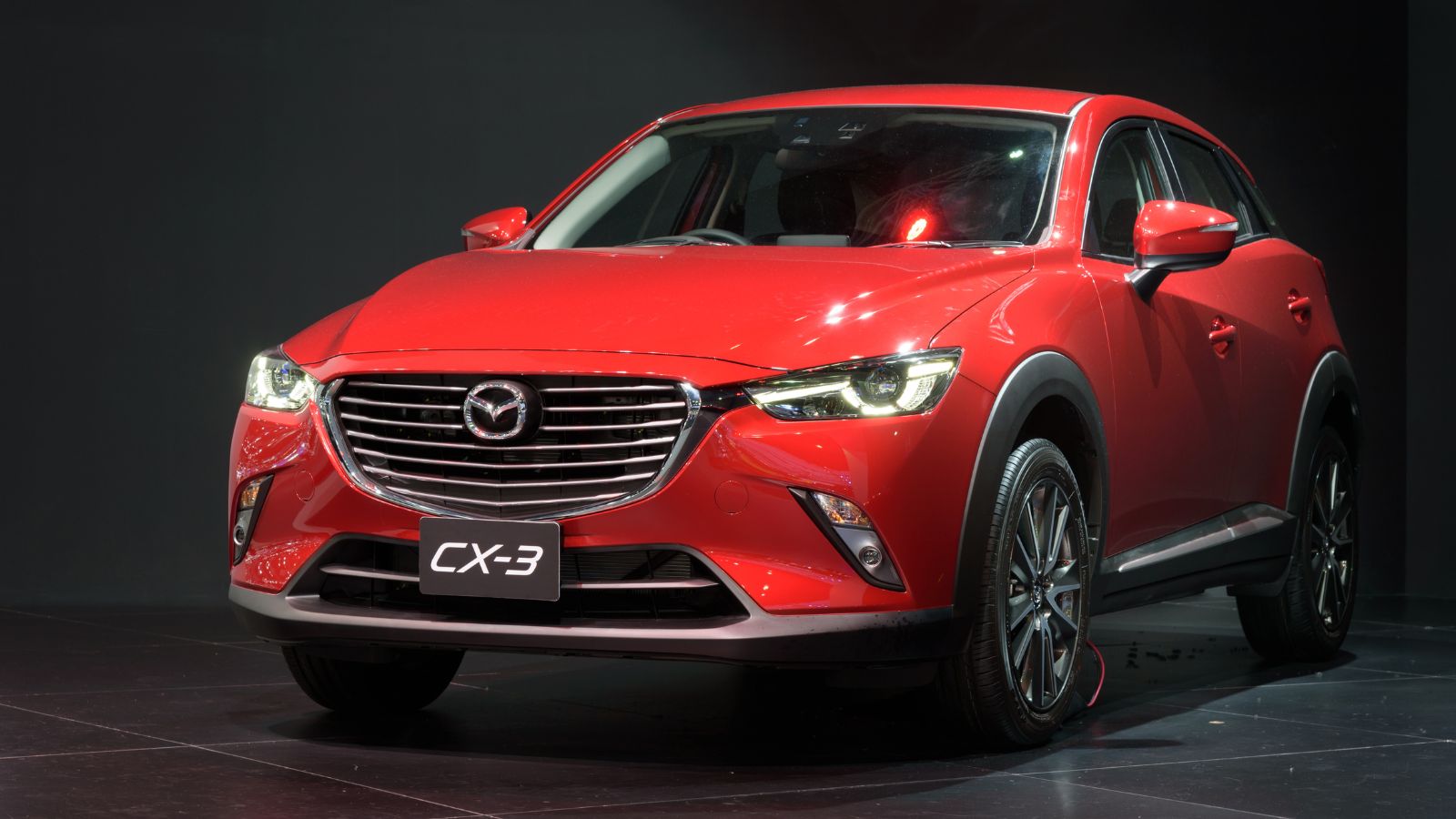
The Mazda CX-3 feels cramped during long highway trips. Rear space is limited for passengers and luggage. Cabin noise becomes noticeable as speed increases. The ride feels firm on uneven pavement sections. The engine performs adequately but lacks strong power. Seats provide moderate comfort for shorter drives. Long journeys reveal its tight interior space. Fuel economy remains reasonable for its class. It suits city driving more than highways. Extended trips feel less relaxing overall. Drivers may feel restricted after several hours on the road.
Ford Fiesta
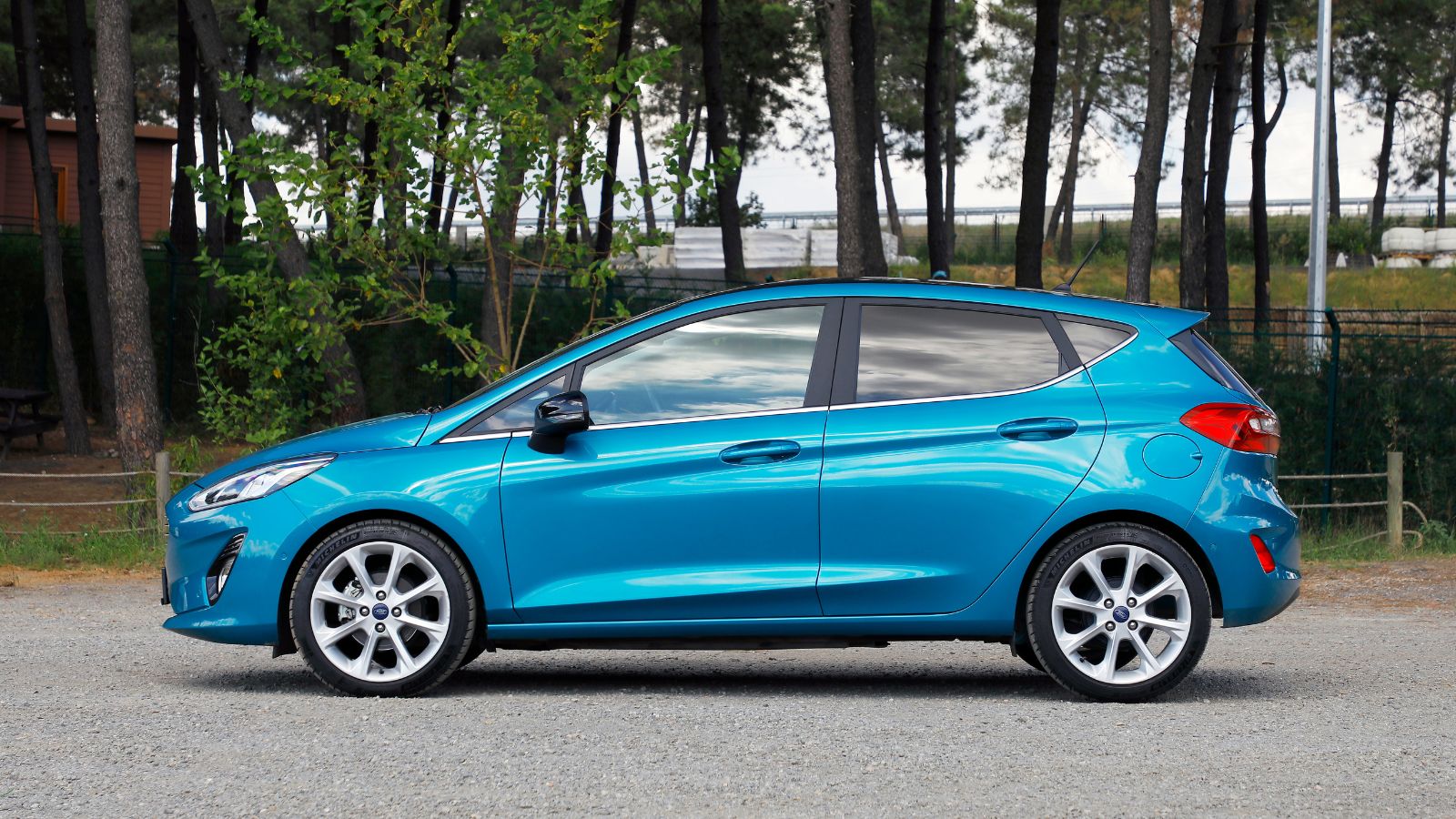
The Ford Fiesta handles city roads with ease. On highways, it feels less composed over time. The cabin gets noisy at higher speeds. Seats lack proper support for long drives. The engine performs well but feels strained after hours. Fuel efficiency remains a strong point. The ride can feel stiff on rough surfaces. Long trips become tiring for drivers and passengers. It works better for daily commuting. Highway comfort feels limited compared to larger vehicles. Drivers often notice fatigue building during extended highway travel.
Smart Fortwo
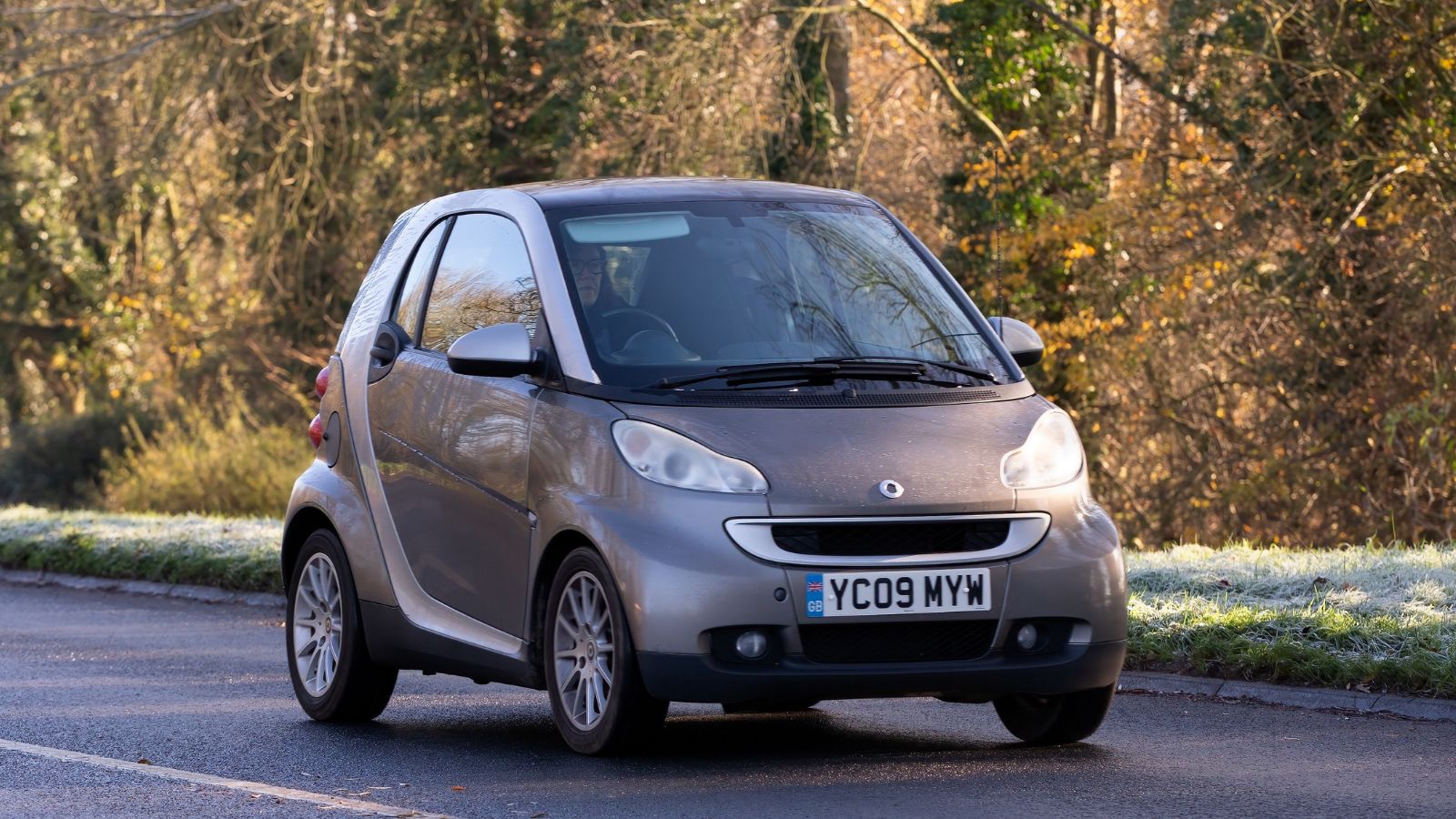
The Smart Fortwo is not designed for long highway drives. Its very small size affects stability at speed. The engine struggles during acceleration on open roads. Cabin noise remains high throughout highway travel. Seats lack comfort for extended driving sessions. Wind impacts handling more than expected. Fuel efficiency is strong, but not enough to compensate. It performs best in dense city environments. Long highway trips feel stressful for drivers. Limited space adds to discomfort over time. It feels out of place on long-distance routes.
22 Things Canadians Do to Their Cars in Spring That Mechanics Hate

Spring brings relief to many Canadian drivers after months of snow, freezing temperatures, and icy roads that put serious strain on vehicles. As temperatures rise across the country, drivers begin washing cars, switching tires, and preparing vehicles for warmer weather and upcoming road trips. However, mechanics across Canada notice the same mistakes every spring when drivers attempt to recover from winter damage. Road salt, potholes, and harsh winter driving conditions often leave vehicles with hidden problems that drivers ignore. Some spring habits even create new mechanical issues that could have been avoided with proper maintenance. Here are 22 things Canadians do to their cars in spring that mechanics hate.