

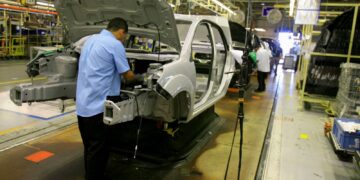























A faint squeal, a dime-sized stain, or a warning light that disappears after restarting the engine can seem too minor to justify a repair appointment. Yet many expensive automotive failures begin with symptoms that are easy to dismiss. Modern vehicles are interconnected systems, so a small change in sound, smell, temperature, fluid level, or handling may be the first evidence that another component is working harder than intended. These 21 small car problems deserve attention because early diagnosis can sometimes mean replacing a worn seal, sensor, hose, or pad instead of paying for damage that spreads into the engine, transmission, braking system, or suspension.
Intermittent Check-Engine Light
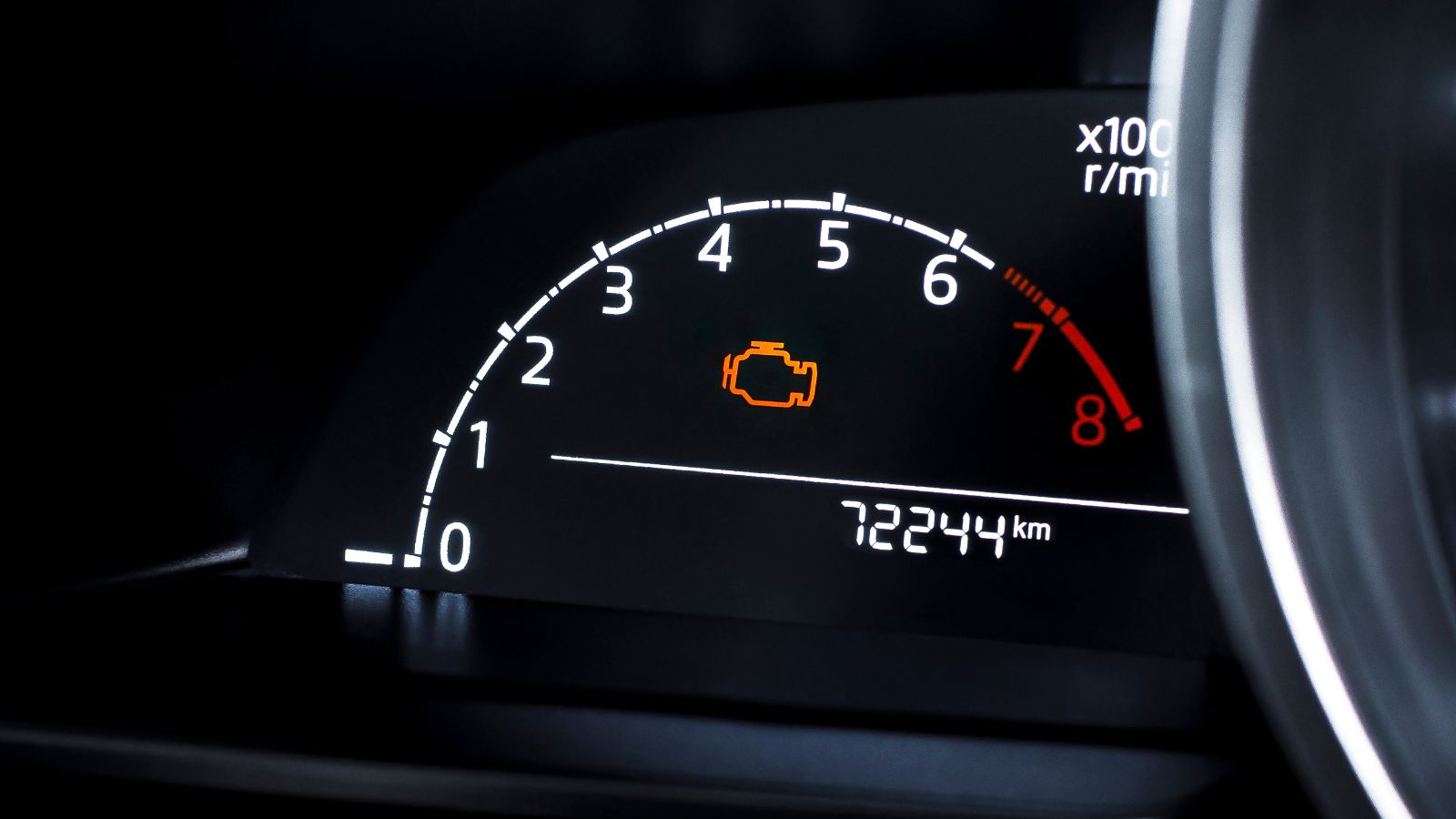
A check-engine light that appears for a day and then disappears can feel less urgent than one that stays illuminated. The underlying fault, however, may still be recorded in the vehicle’s onboard diagnostic system. That stored trouble code can help a technician identify problems involving ignition, fuel delivery, air measurement, evaporative emissions, or exhaust controls before the vehicle develops more obvious symptoms.
A loose fuel cap may trigger a relatively simple warning, but repeated illumination should not automatically be blamed on the cap. A deteriorating spark plug, ignition coil, oxygen sensor, or fuel-control component may allow the engine to continue running while fuel economy and performance gradually worsen. The situation becomes more urgent when the light flashes, because flashing can indicate an active misfire capable of overheating and damaging the catalytic converter. A driver who postpones a small diagnostic charge may eventually face both an engine repair and replacement of an expensive emissions component.
Slower-Than-Normal Cranking
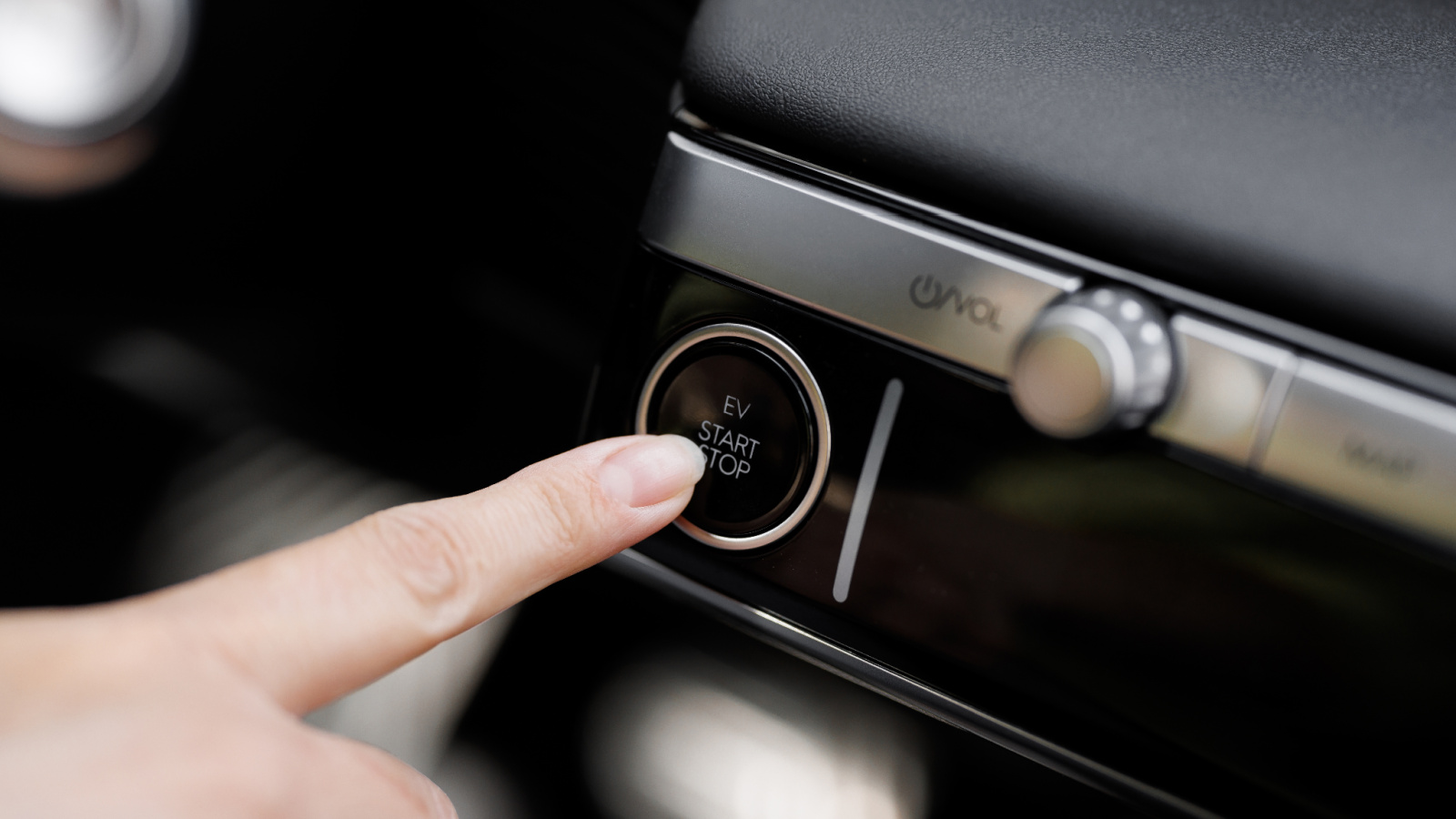
Engines develop a familiar starting rhythm, which makes even a slight delay noticeable. A starter that turns the engine more slowly on cool mornings may still succeed for weeks, encouraging the owner to treat the change as harmless. Slow cranking commonly points toward a weakening battery, dirty or loose terminals, damaged cables, or another charging-system problem that should be tested before the vehicle refuses to start.
Conventional starter batteries commonly last about three to five years, although heat, short trips, infrequent driving, and heavy electrical demand can shorten their service life. Consider a commuter whose car starts on the second attempt every morning. Replacing or servicing the battery early may be inconvenient, but waiting until it fails can add towing, missed work, emergency installation, and possibly further diagnostic costs. If a healthy battery repeatedly becomes discharged, the larger problem may involve an alternator, parasitic electrical draw, or poor connection rather than the battery itself.
Dimming or Flickering Lights

Headlights that briefly dim at idle or interior lights that pulse with the engine may seem like aging bulbs. When several lights change brightness together, the more likely concern is unstable system voltage. Corroded connections, damaged wiring, a weak battery, a slipping alternator belt, or a failing alternator can all interfere with the steady electrical supply required by modern vehicles.
The financial risk extends beyond replacing a bulb. Today’s cars rely on electronic modules to control the engine, transmission, airbags, steering assistance, entertainment system, and numerous comfort features. Charging-system faults may produce misleading warning lights or intermittent malfunctions before the car eventually stalls or fails to restart. A technician can test battery condition, alternator output, cable resistance, and belt tension instead of guessing which component is responsible. Catching a poor connection early may require only cleaning or tightening hardware; ignoring it can leave a discharged battery and a damaged charging component competing for attention on the same repair order.
A Sweet Smell or Falling Coolant Level
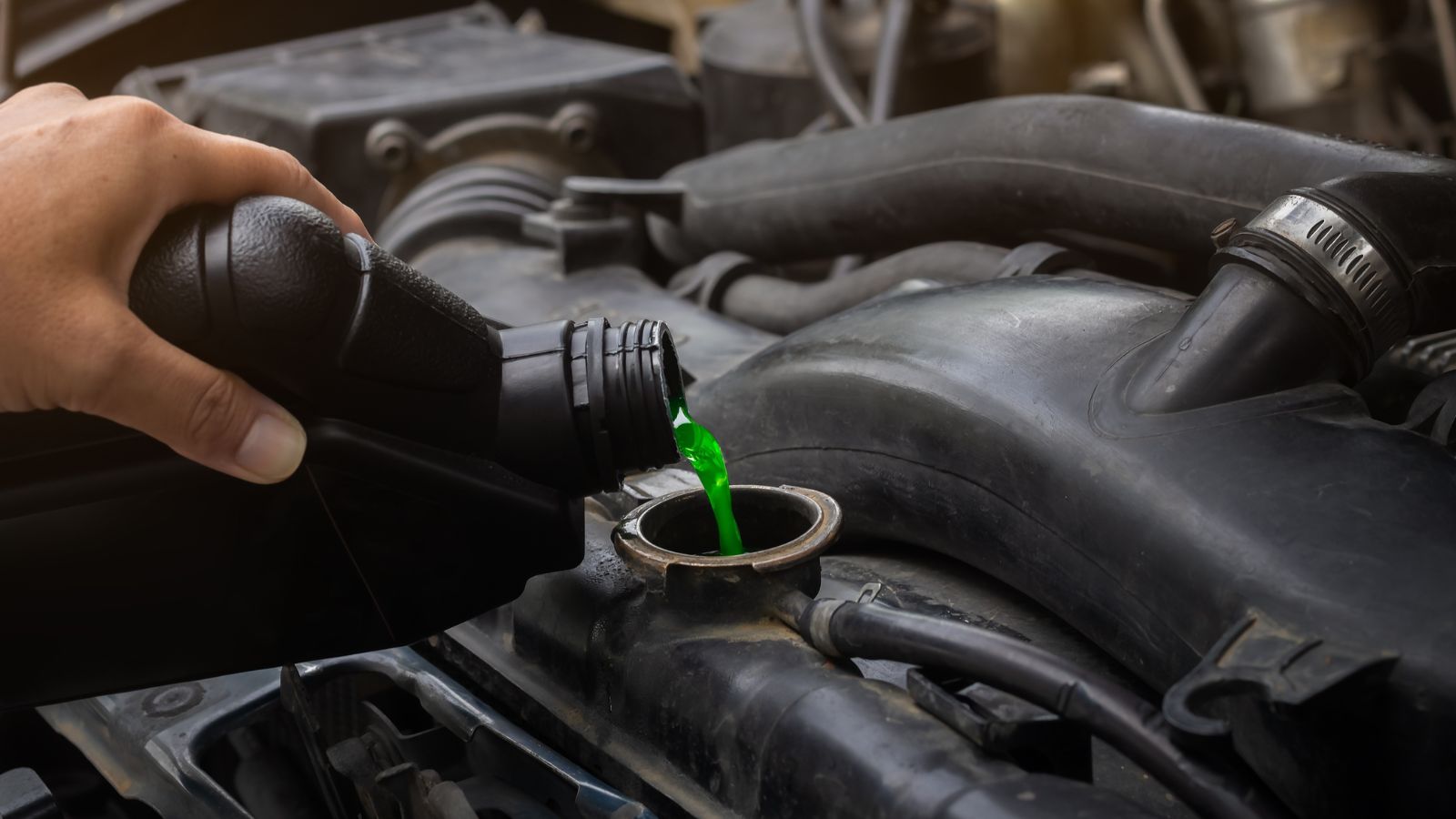
Engine coolant often has a distinctly sweet or syrup-like odor. Smelling it after parking, or noticing that the reservoir repeatedly needs topping up, can signal a leak from a hose, radiator, water pump, thermostat housing, heater core, gasket, or another cooling-system connection. The leak may be so small that the liquid evaporates on a hot engine before forming a visible puddle.
The danger lies in assuming that adding coolant solves the problem. A cooling system is designed to remain sealed, and repeated fluid loss means something is escaping or being consumed. As the level falls, the engine may develop hot spots or overheat, potentially damaging seals, plastic components, cylinder-head surfaces, or the head gasket. A small hose clamp or gasket repair is far less disruptive than an overheating event on a crowded highway. Any inspection should take place with the engine cool because opening a pressurized hot cooling system can release scalding fluid and steam.
Fresh Oil Spots or Frequent Top-Ups
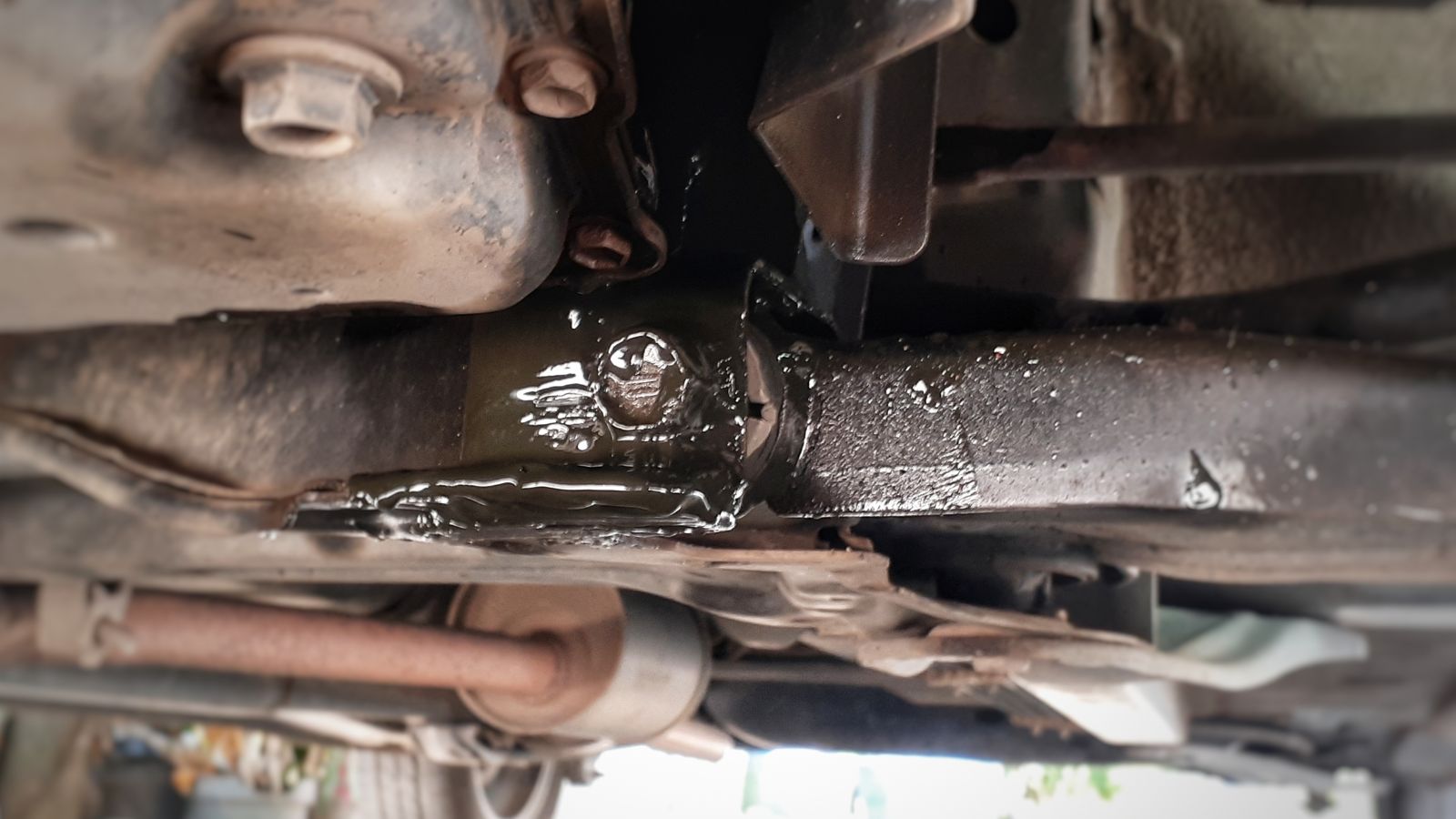
A few dark drops on a driveway may not look serious, especially when the dipstick still shows an acceptable level. Oil leaks can originate from valve-cover gaskets, oil-pan seals, filter housings, crankshaft seals, pressure switches, or numerous other points. Some remain slow for months, while others worsen rapidly as seals harden, fasteners loosen, or pressure changes.
Engine oil separates and lubricates moving parts that operate under heat and load. If a leak lowers the level or contributes to inadequate oil pressure, friction and temperature can rise inside the engine. The first sign may be nothing more than an occasional oil smell after parking; the final consequence can involve damaged bearings, camshafts, turbocharger components, or other costly internal parts. Owners should also confirm that the liquid is actually engine oil, since transmission and power-steering fluids may appear similar once dirty. Recording how quickly the level falls gives a technician useful evidence about the severity of the leak.
A Temperature Gauge That Creeps Higher
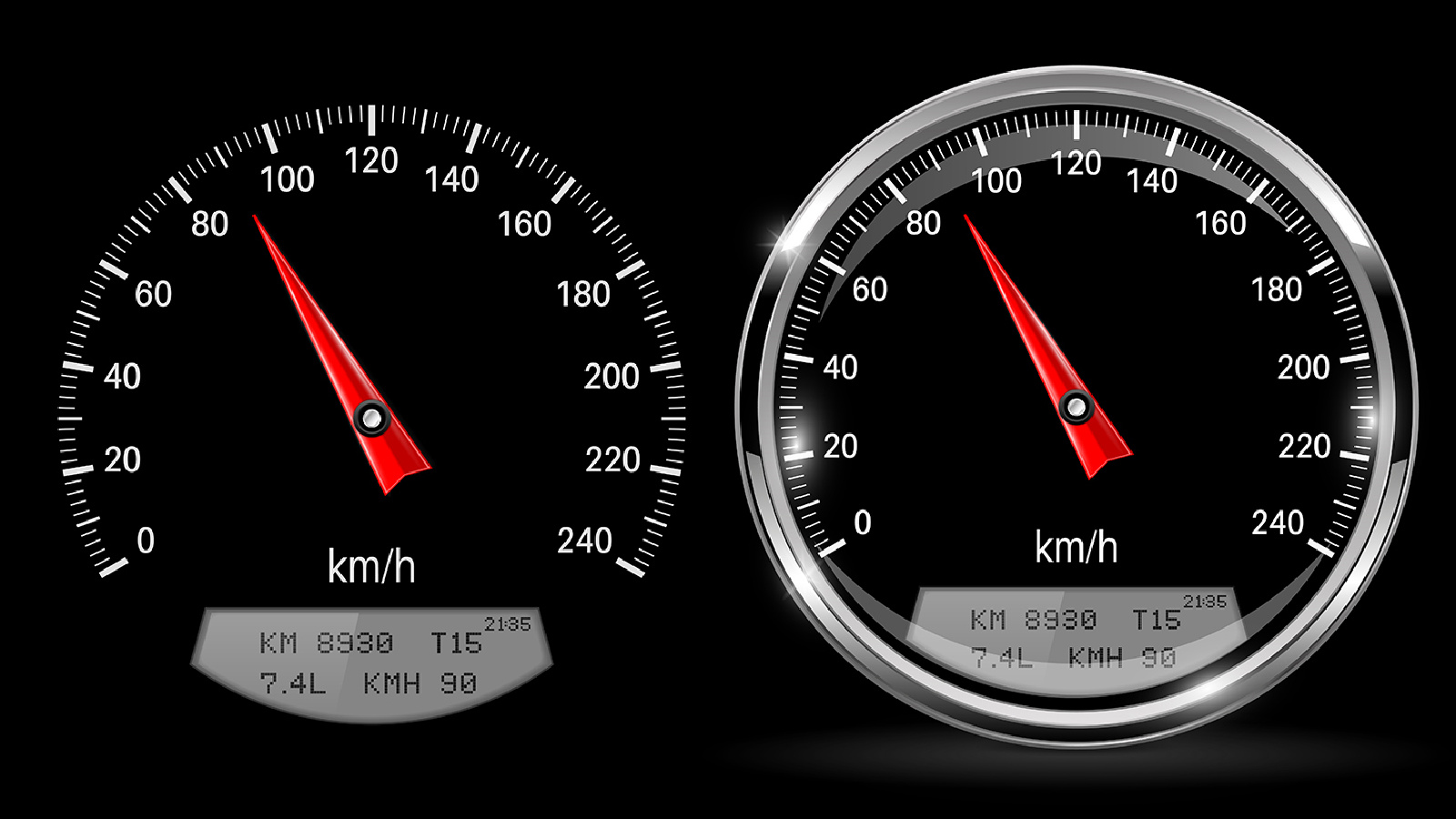
Not every overheating problem begins with steam pouring from beneath the hood. The first warning may be a temperature gauge that sits slightly higher in traffic, rises during long climbs, or returns to normal once the car reaches highway speed. That pattern can indicate declining coolant flow, restricted airflow, a weak radiator fan, a thermostat problem, a water-pump issue, or low coolant.
Continuing to drive while the temperature repeatedly climbs can turn cooling-system maintenance into major engine work. Excess heat may warp metal surfaces, weaken gaskets, damage hoses, and degrade oil’s ability to protect internal components. A motorist may rationalize the movement because the needle never reaches the red zone, yet the changing pattern itself is important. The gauge should be treated as a trend indicator, not merely an emergency alarm. If a high-temperature warning appears, the safest response is to stop when possible, shut down the engine, and allow the system to cool rather than trying to complete one more journey.
Brake Squeal That Becomes Grinding
Some brake noise can occur because of moisture, dust, temperature, or pad material. Persistent high-pitched squealing, however, often comes from wear indicators designed to warn that the friction material is approaching its replacement point. At that stage, the car may still stop normally, which makes postponement tempting.
The repair becomes more expensive when squealing changes into harsh scraping or grinding. Once pad material is exhausted, metal components can contact and score the brake rotor. A job that might have required pads and basic servicing may then require rotors, additional hardware, or caliper work. Braking performance can also deteriorate as heat builds and damaged surfaces provide less predictable friction. A driver who notices a sound only during the final few metres of a stop should still arrange an inspection. Brake wear may differ from wheel to wheel, particularly when a caliper or sliding mechanism is sticking.
A Soft or Spongy Brake Pedal
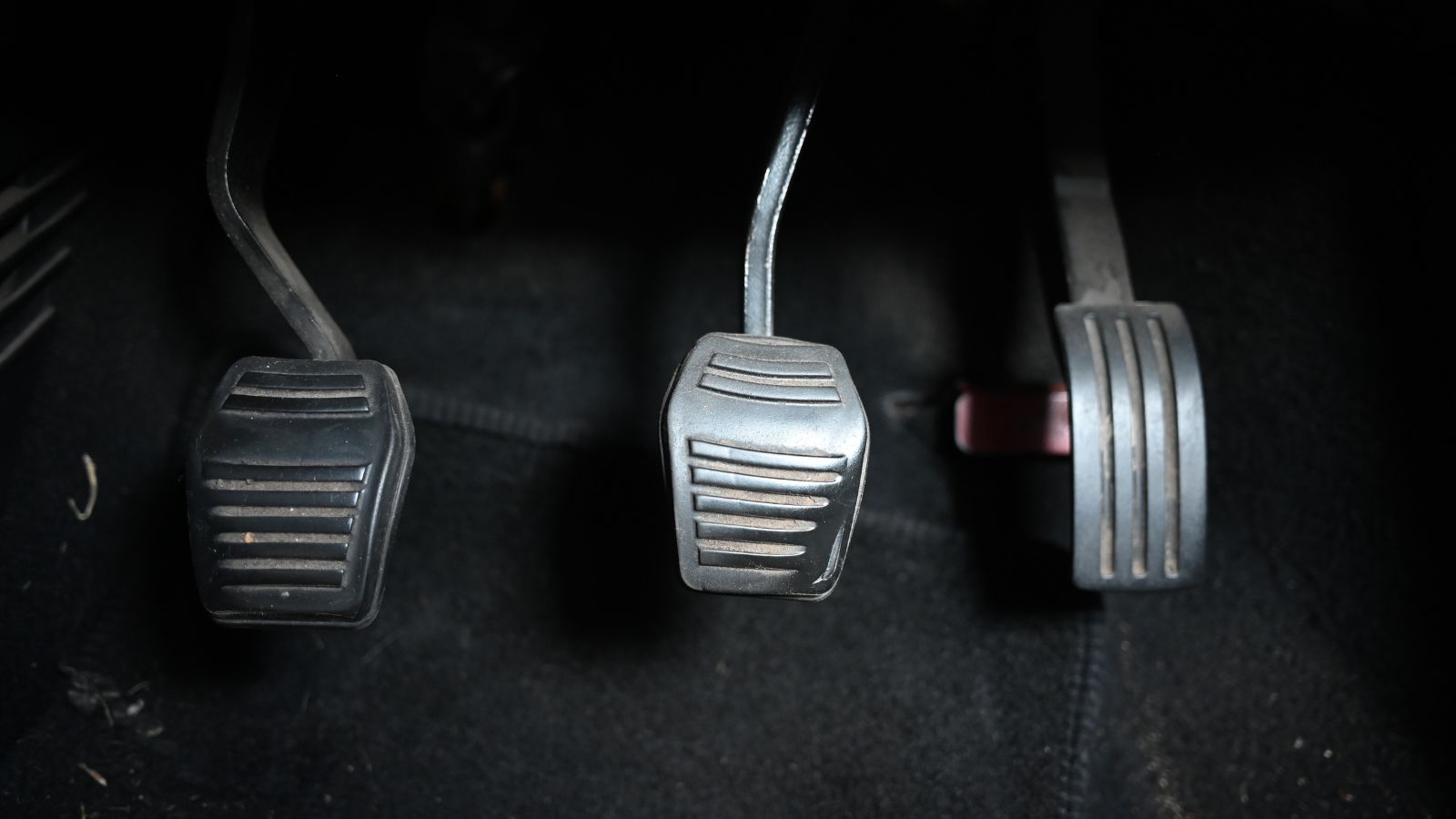
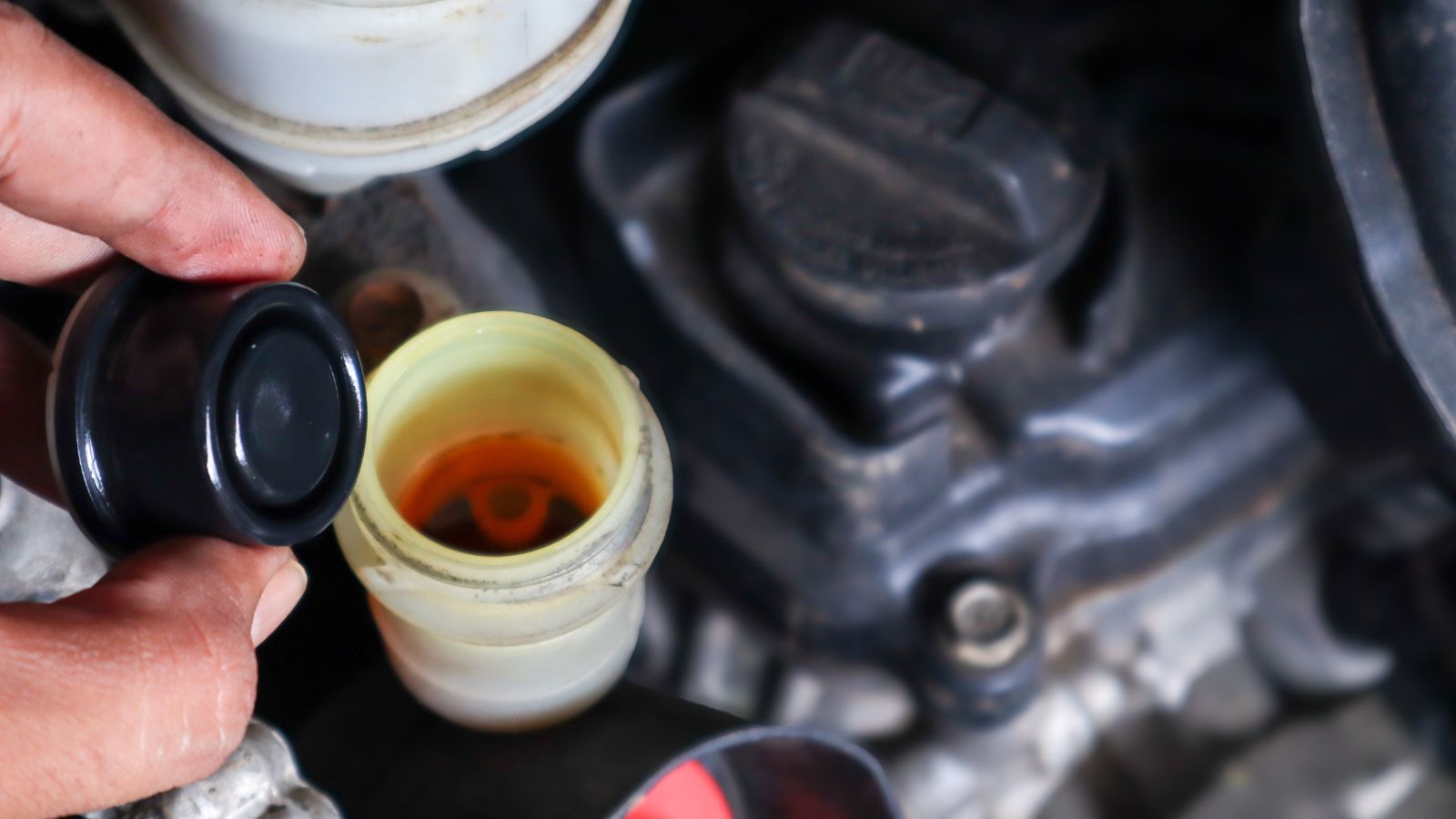
A brake pedal that feels softer than usual, travels farther, or requires pumping should never be dismissed as normal aging. Hydraulic braking systems depend on fluid pressure. Air in the system, a fluid leak, deteriorated hoses, a master-cylinder problem, overheated fluid, or an issue within another hydraulic component can reduce the pedal’s firmness and alter stopping response.
The vehicle may continue stopping during gentle city driving, creating a false sense of security. The weakness can become much more apparent during an emergency stop, when maximum pressure is needed immediately. Low brake fluid also deserves investigation rather than an automatic top-up, because the level may fall as pads wear or because fluid is leaking. One hypothetical school-run vehicle may feel merely “different” for several mornings before the pedal suddenly sinks farther at a busy junction. Because braking defects have direct safety consequences, diagnosis should come before further routine driving.
Steering-Wheel Vibration

A mild steering-wheel tremor at a particular speed is often blamed on rough pavement. When the vibration repeatedly appears within the same speed range, it can point toward wheel imbalance, tire damage, uneven wear, a bent wheel, alignment trouble, or wear in steering and suspension components. Vibration that occurs mainly during braking may lead the investigation toward the brakes instead.
An imbalance may sound minor, but the repeated motion can contribute to irregular tire wear and place additional stress on suspension parts. Michelin notes that tire imbalance and alignment are separate conditions: a correctly aligned car may still vibrate because a wheel is unbalanced, while a perfectly balanced wheel may still wear unevenly because alignment angles are wrong. A proper inspection therefore looks beyond simply adding wheel weights. Catching a damaged tire or worn joint early may preserve the remaining tires and prevent the vehicle from developing looser, noisier handling.
Uneven or Cupped Tire Wear
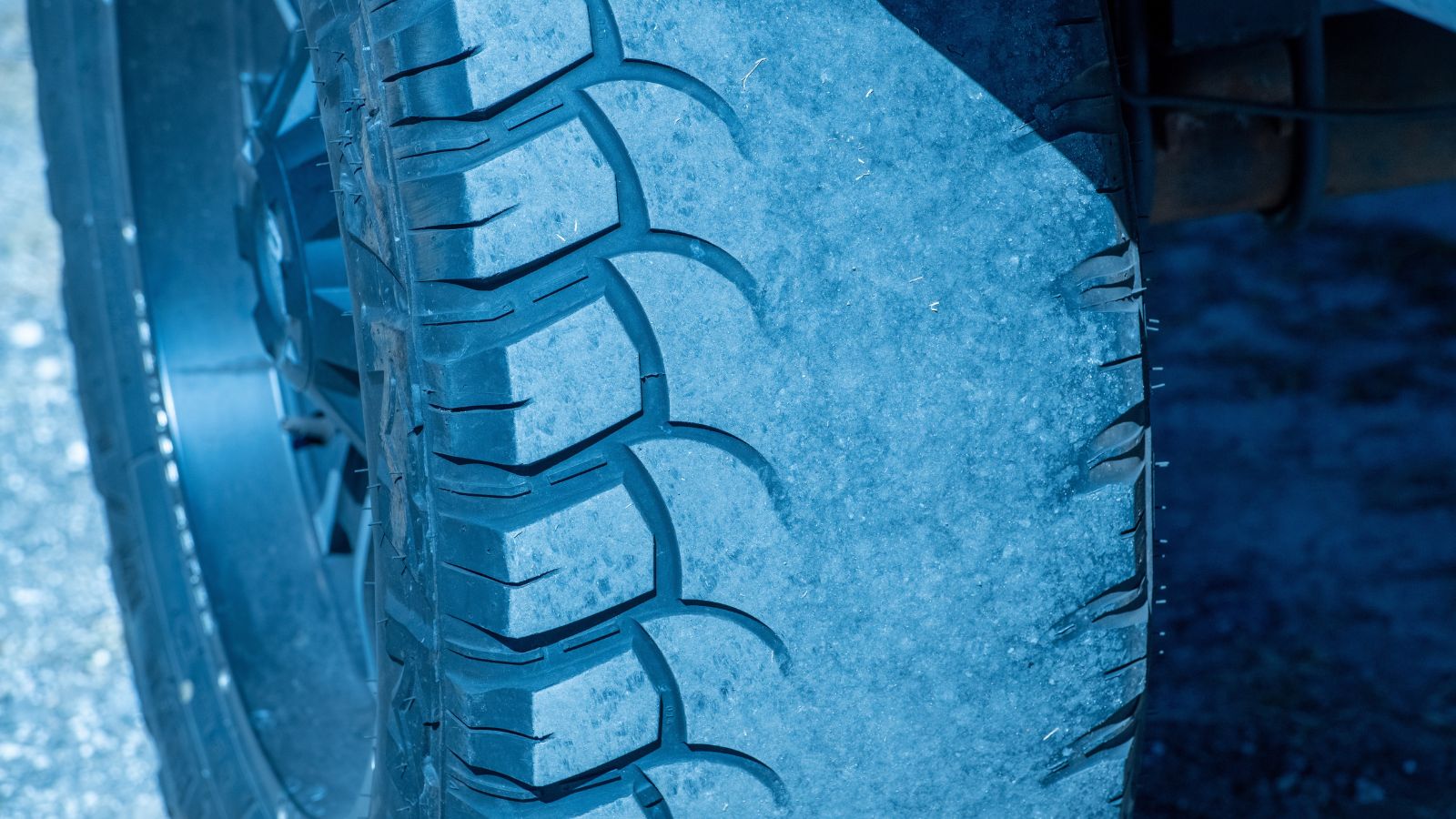
Tire tread acts like a record of what has been happening underneath the car. Wear concentrated on both shoulders can suggest chronic underinflation, while centre wear may indicate excessive pressure. Wear on one edge often points toward alignment trouble. Scalloped or cupped patches can be associated with imbalance, worn shock absorbers, or other suspension problems.
Replacing the tire without correcting the cause may only reset the clock. The new tread can begin developing the same pattern, leaving the owner to pay for another premature replacement. Uneven wear may also reduce predictable grip and increase vibration or road noise. A monthly visual inspection can reveal patterns long before the tire looks completely worn from a distance. Running a hand carefully across the tread may expose feathered edges, although embedded objects and exposed cords make caution essential. The deeper bill is frequently not the first tire—it is the second set ruined by an alignment or suspension fault that was never addressed.
A Recurring TPMS Warning
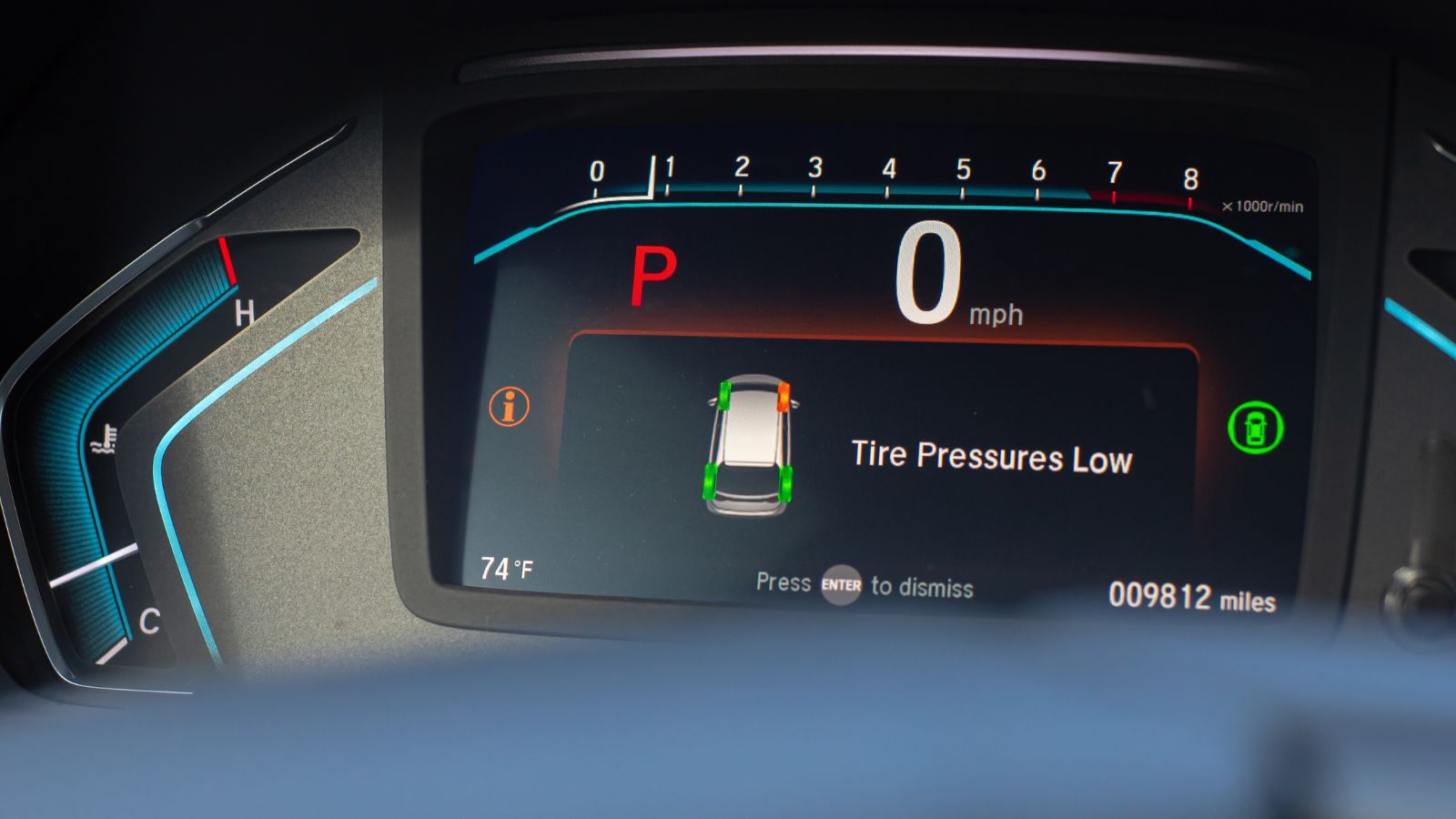
A tire-pressure monitoring light that appears on cold mornings and disappears after several kilometres may reflect marginally low pressure. Air pressure falls as ambient temperatures drop and increases as the tires warm during driving. The temporary disappearance of the light does not mean the cold pressure was correct, so each tire should be checked with an accurate gauge.
A solid TPMS warning generally indicates that at least one tire is significantly underinflated. A light that flashes before remaining on can indicate a monitoring-system malfunction. Underinflation generates additional heat, accelerates tread wear, affects handling, and reduces fuel efficiency. Federal guidance notes that properly inflated tires can improve fuel economy, while underinflation can reduce mileage incrementally with each pound-per-square-inch decrease across the tires. The expensive outcome may involve a destroyed tire, damaged wheel, failed sensor, or loss-of-control incident rather than the few minutes required to check pressure.
Clunks Over Bumps
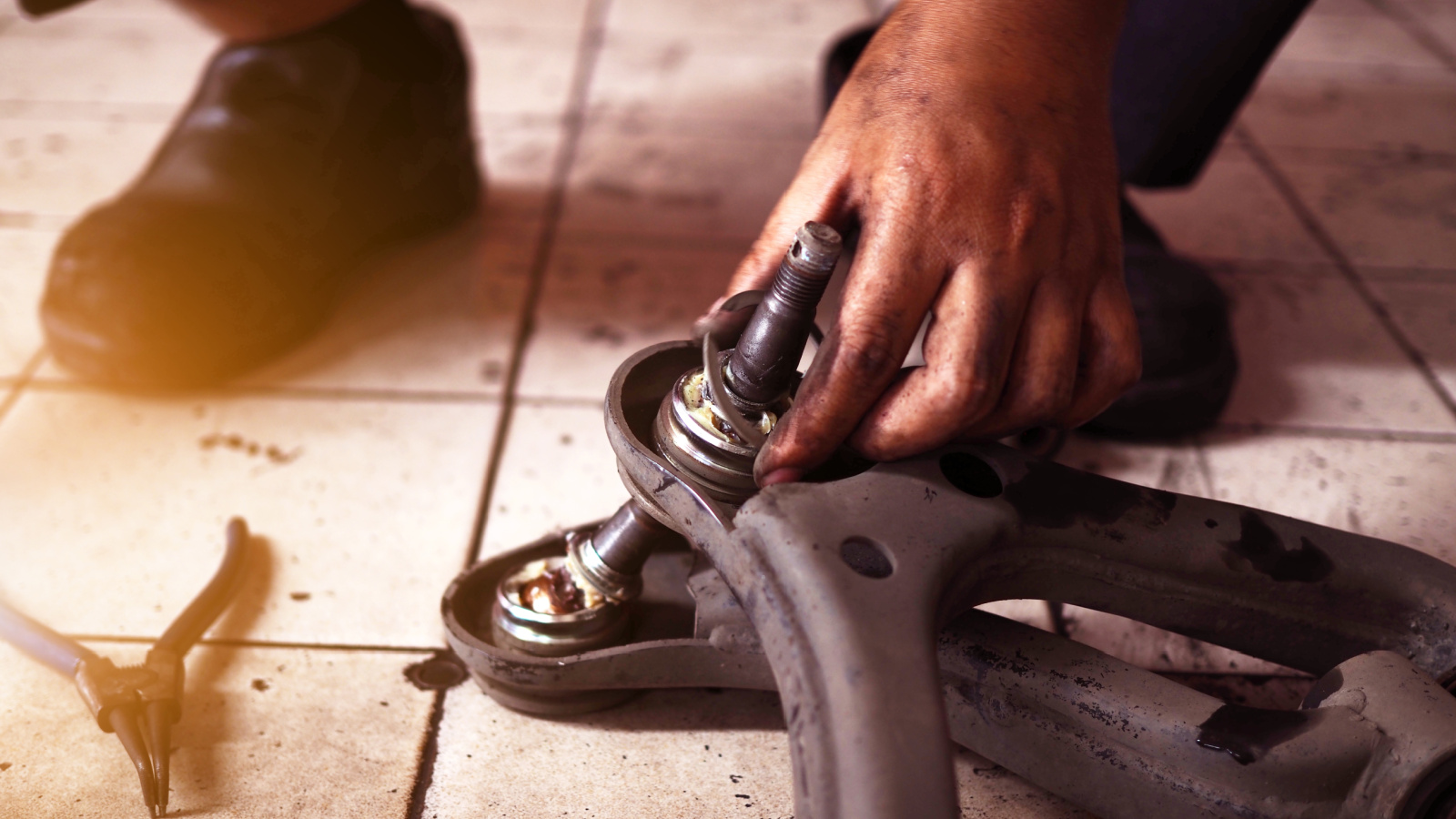
A single clunk from the suspension can disappear for days, especially when it occurs only over sharp driveway entrances or potholes. Repeated knocking may come from worn strut mounts, shock hardware, control-arm bushings, ball joints, stabilizer links, or loose fasteners. The noise is produced when components move farther than intended or make contact under suspension load.
Worn shocks and struts do more than make the ride uncomfortable. They help control body movement and keep the tires in stable contact with the road. As their performance declines, braking, cornering, and tire wear can be affected. Additional suspension movement may also accelerate wear in related steering and braking parts. A delivery driver who hears a light knock during every speed bump may adapt to it until the car begins bouncing or wandering. Diagnosing the original mount or link early can be much less expensive than replacing several components after looseness and abnormal movement have spread through the assembly.
A Hum or Growl That Changes in Turns
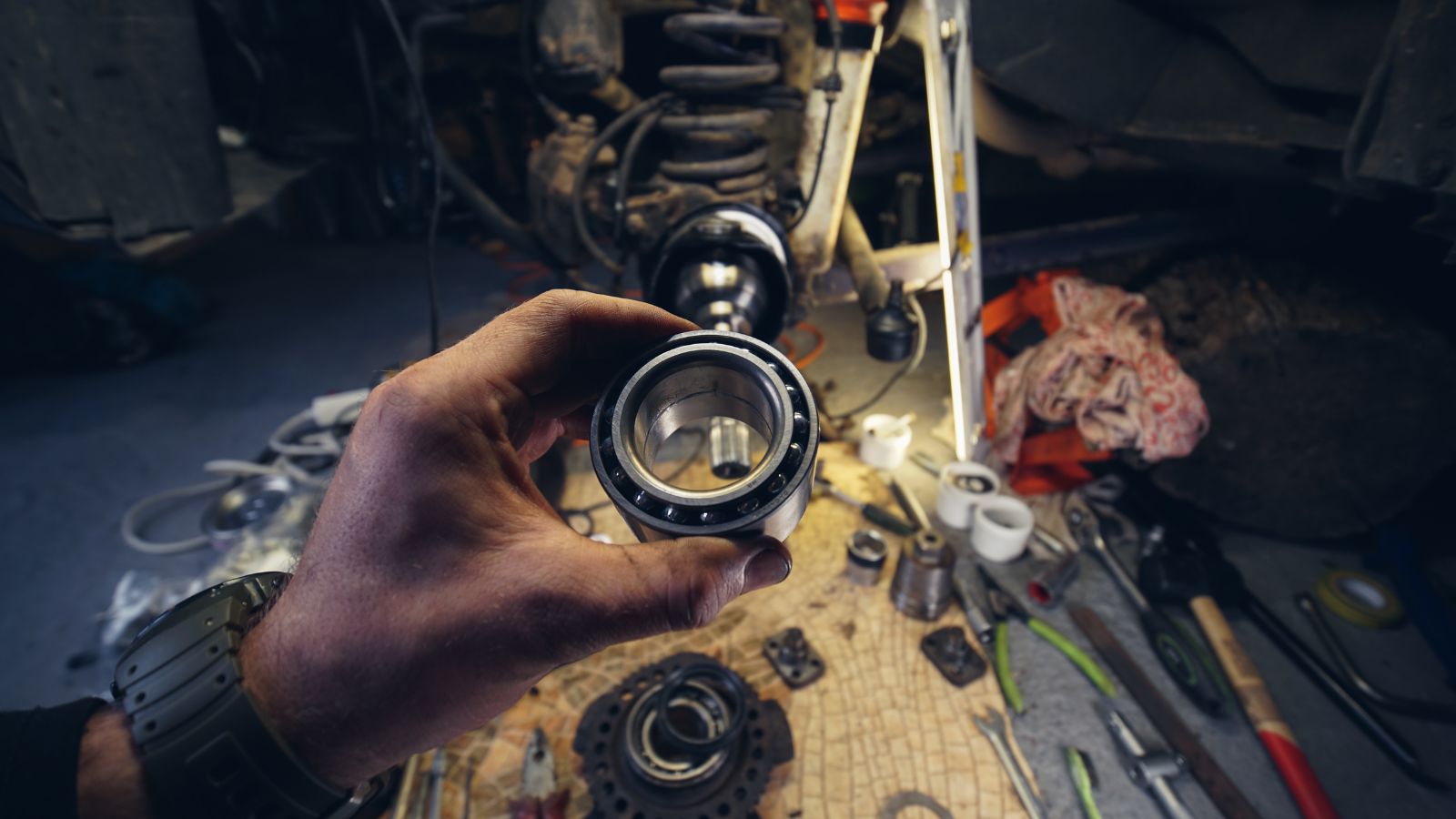
Road noise naturally increases on coarse pavement, but a steady humming, rumbling, or growling sound that rises with vehicle speed deserves investigation. A worn wheel-hub bearing is one possible cause, particularly when the noise changes as the steering wheel is turned slightly and the vehicle’s weight shifts from one side to the other.
Wheel bearings support rotating assemblies while carrying substantial vehicle loads. Damage may progress from background noise to vibration, looseness, irregular tire wear, or warning-light activity, depending on the vehicle’s design. Tire patterns and drivetrain components can produce similar sounds, so replacement should follow diagnosis rather than guesswork. A motorist may first notice the hum only when the radio is off, then gradually increase the volume to cover it. That masks the symptom but does not slow the wear. Early inspection helps distinguish a bearing from a tire or suspension problem before several parts are replaced unnecessarily.
Delayed Shifts or Apparent Slipping
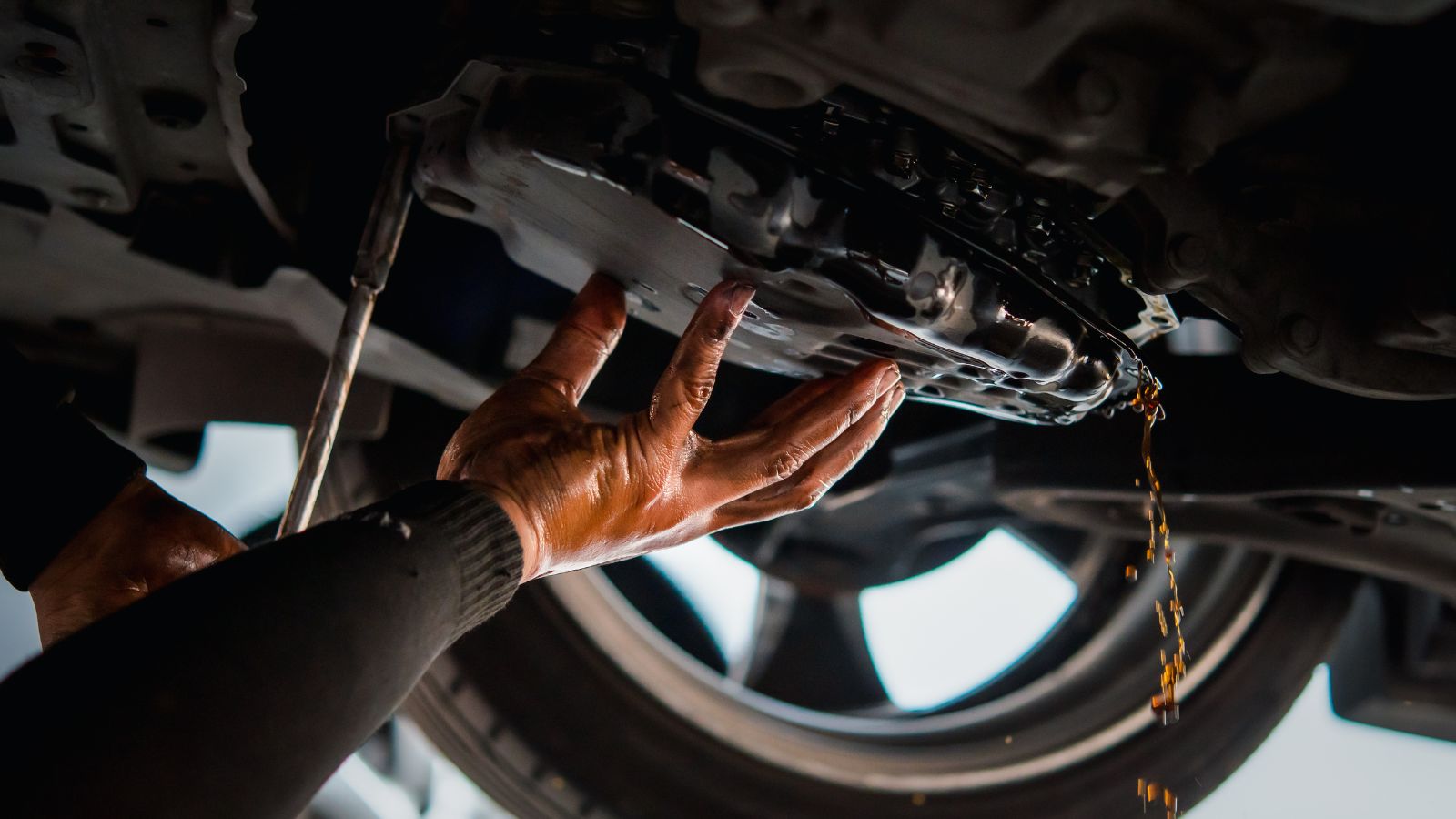
A brief pause when selecting drive or reverse can be easy to excuse on an older vehicle. Jerking, hesitation, delayed engagement, or an engine that revs without corresponding acceleration may indicate low or degraded transmission fluid, an electrical-control fault, hydraulic problems, clutch wear, or internal transmission damage. Some continuously variable transmissions operate differently from conventional automatics, so comparison with the vehicle’s normal behaviour matters.
Transmission problems rarely improve through continued use. Low fluid can reduce lubrication and hydraulic pressure, while overheating and slipping generate additional wear. A leaking seal or faulty sensor may be manageable when addressed early, but persistent operation can affect clutches, pumps, valve bodies, bearings, or other internal components. Recording whether the symptom occurs when cold, hot, accelerating, or selecting a particular gear helps the technician narrow the diagnosis. Ignoring the first hesitation because the car “eventually goes” can transform a targeted repair into a rebuild or replacement.
Rough Idle or an Occasional Misfire
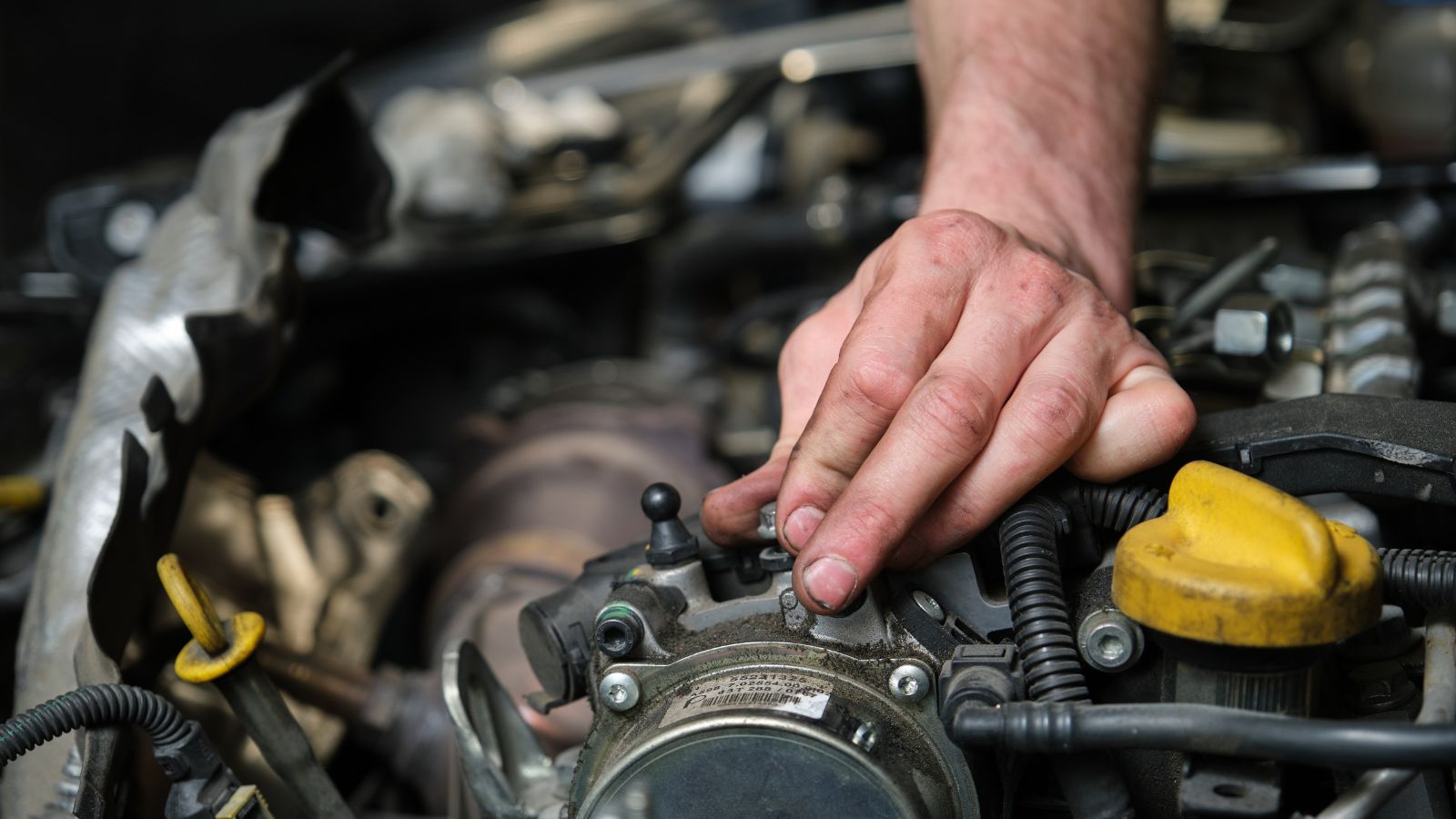
An engine that trembles slightly at a traffic light may still accelerate normally, making the roughness seem like little more than age. Possible causes include worn spark plugs, ignition-coil trouble, vacuum leaks, fuel-injector problems, air-metering faults, low compression, or contaminated fuel. The onboard diagnostic system may detect a misfire before the driver notices a major loss of power.
Misfires matter because unburned fuel can enter the exhaust system. That fuel may raise catalytic-converter temperatures and eventually damage the converter. Rough running can also increase fuel consumption and place stress on engine mounts, which are forced to absorb stronger vibrations. A driver might postpone service because the shaking disappears above idle speed, only to encounter a flashing check-engine light during acceleration weeks later. Reading stored diagnostic codes and testing the associated systems is more reliable than replacing parts based solely on the first code displayed.
A Rotten-Egg or Strong Exhaust Odor
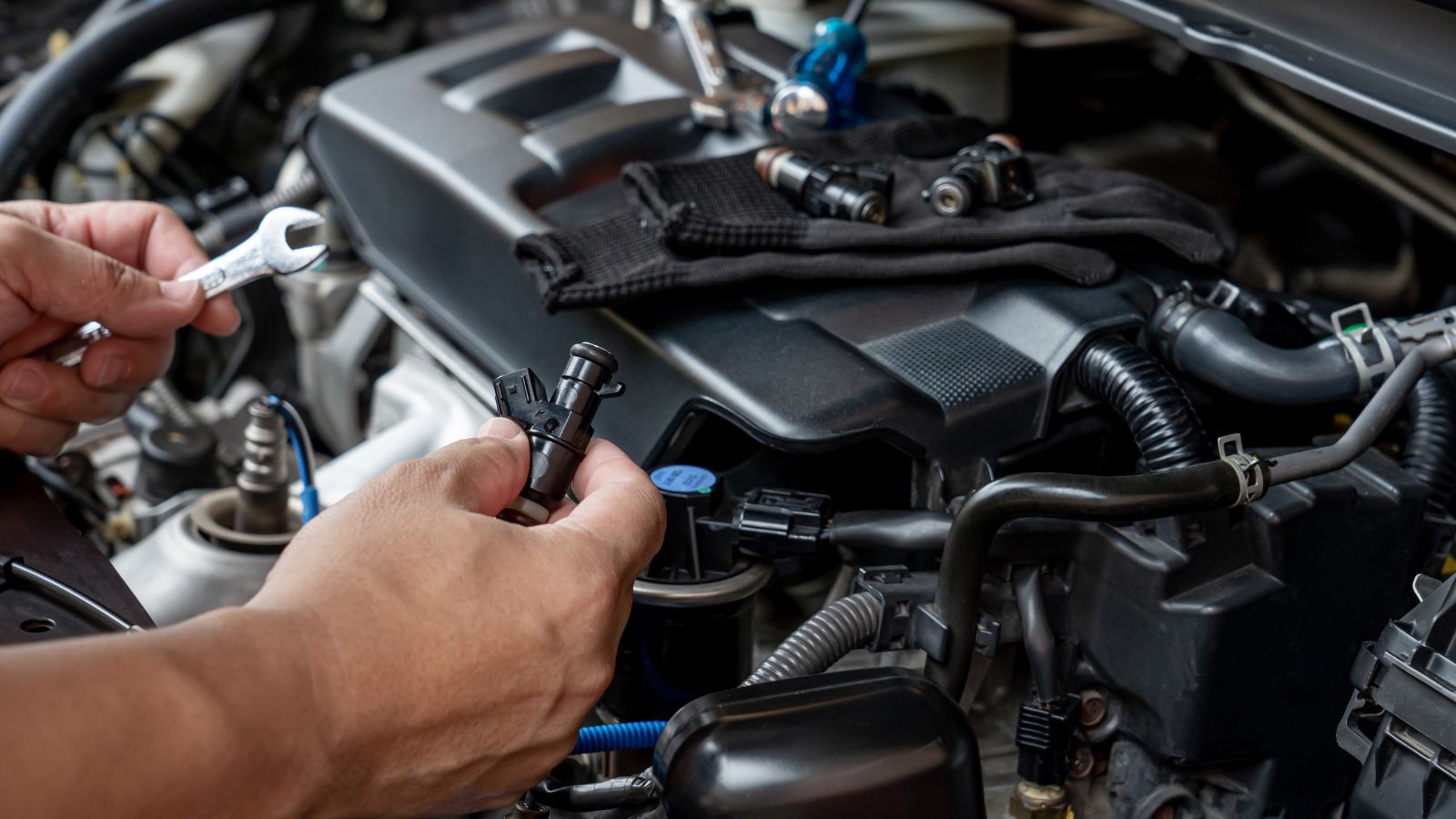
A sulfur-like “rotten egg” smell can point toward a catalytic converter or fuel system problem, while exhaust odours inside the cabin may indicate leakage somewhere in the exhaust path. Neither should be treated as an ordinary characteristic of an aging car. A rich-running engine, ignition fault, contaminated fuel, or failing emissions component may be involved.
The catalytic converter is designed to reduce harmful pollutants in the exhaust. When excessive fuel reaches it, the converter may overheat or become damaged, creating both performance and emissions concerns. Exhaust leaks also deserve urgent attention because exhaust gases can contain carbon monoxide. Opening a window is not a repair, and air movement around the vehicle can change while driving. What begins as a faint smell after startup may lead to replacement of a converter, manifold, pipe, sensor, or damaged mounting hardware. Prompt diagnosis can sometimes uncover the upstream engine fault before it destroys the emissions component.
A Sudden Drop in Fuel Economy

Fuel consumption naturally changes with traffic, temperature, driving speed, cargo, and air-conditioning use. A sustained decline without an obvious lifestyle change may reveal underinflated tires, dragging brakes, worn spark plugs, a faulty oxygen sensor, low transmission fluid, poor engine temperature control, or another problem that is making the vehicle work harder.
The change is often gradual enough to escape notice until several fuel receipts are compared. Government fuel-economy guidance says that fixing a serious maintenance problem such as a faulty oxygen sensor can improve mileage by as much as 40 percent in an affected vehicle. That figure does not mean every efficiency loss has one cause, but it shows how costly a malfunction can become through wasted fuel alone. Tracking kilometres and litres over several fill-ups provides more useful evidence than relying only on the dashboard estimate. An efficiency decline accompanied by warning lights, rough running, unusual heat, or shifting changes deserves mechanical investigation.
A Burning Smell After Driving

Burning odours can come from overheated brakes, leaking oil, slipping belts, electrical insulation, transmission fluid, rubber hoses, or debris touching a hot exhaust surface. The smell may vanish by the time the hood is opened, but its timing provides important clues. An odour after braking suggests a different investigation from one that appears after using electrical accessories or climbing a steep hill.
A sticking brake caliper, for example, may keep one pad pressed against the rotor. The vehicle may still move normally while the brake overheats, wears rapidly, and potentially damages the rotor, bearing, or nearby components. Oil dripping onto an exhaust surface can smoke and create a fire risk. Electrical smells may signal overheated wiring or a failing charging component. Instead of repeatedly testing whether the smell returns, a driver should note the conditions, stop if smoke or warning lights appear, and arrange an inspection before heat converts a limited fault into wider damage.
Air Conditioning That Needs Recharging

Air conditioning that gradually becomes weak is often treated as a system that simply “uses up” refrigerant. Automotive air-conditioning systems are sealed, however, and repeated loss of cooling can indicate refrigerant escaping through seals, hoses, the condenser, compressor, evaporator, or service connections. Recharging may restore cold air temporarily without correcting the leak.
The larger bill arrives when repeated top-offs replace diagnosis. Low refrigerant can affect how the system operates, while a failing compressor or contaminated system may require more extensive parts and labour. The Environmental Protection Agency advises that topping off or recharging does not permanently repair a refrigerant leak; locating and repairing the leaking component provides the longer-lasting solution. A vehicle that needs refrigerant every summer is not displaying normal seasonal behaviour. A proper service should confirm the refrigerant type, evaluate system pressures, search for leakage, and avoid mixing incompatible products.
Whining or Heavy Steering at Low Speed

A groan or whine while parking may indicate low or contaminated power-steering fluid on vehicles with hydraulic assistance. The steering may also feel unusually heavy, inconsistent, or jerky. Possible causes include a leaking hose, worn pump, damaged steering rack, slipping drive belt, or air entering the hydraulic system.
Continuing to operate a hydraulic system with inadequate fluid can overheat and damage the pump. A damp hose or occasional red or amber spot may therefore be the early stage of a much larger steering repair. Newer vehicles often use electric power-assisted steering and may not contain hydraulic fluid, so the diagnostic path depends on the design. Electric systems can develop their own motor, sensor, wiring, or control faults. In either case, changing steering effort is important because it affects the driver’s ability to place the vehicle accurately, particularly during low-speed manoeuvres or emergency corrections.
Rust Bubbles and Flaking Underneath
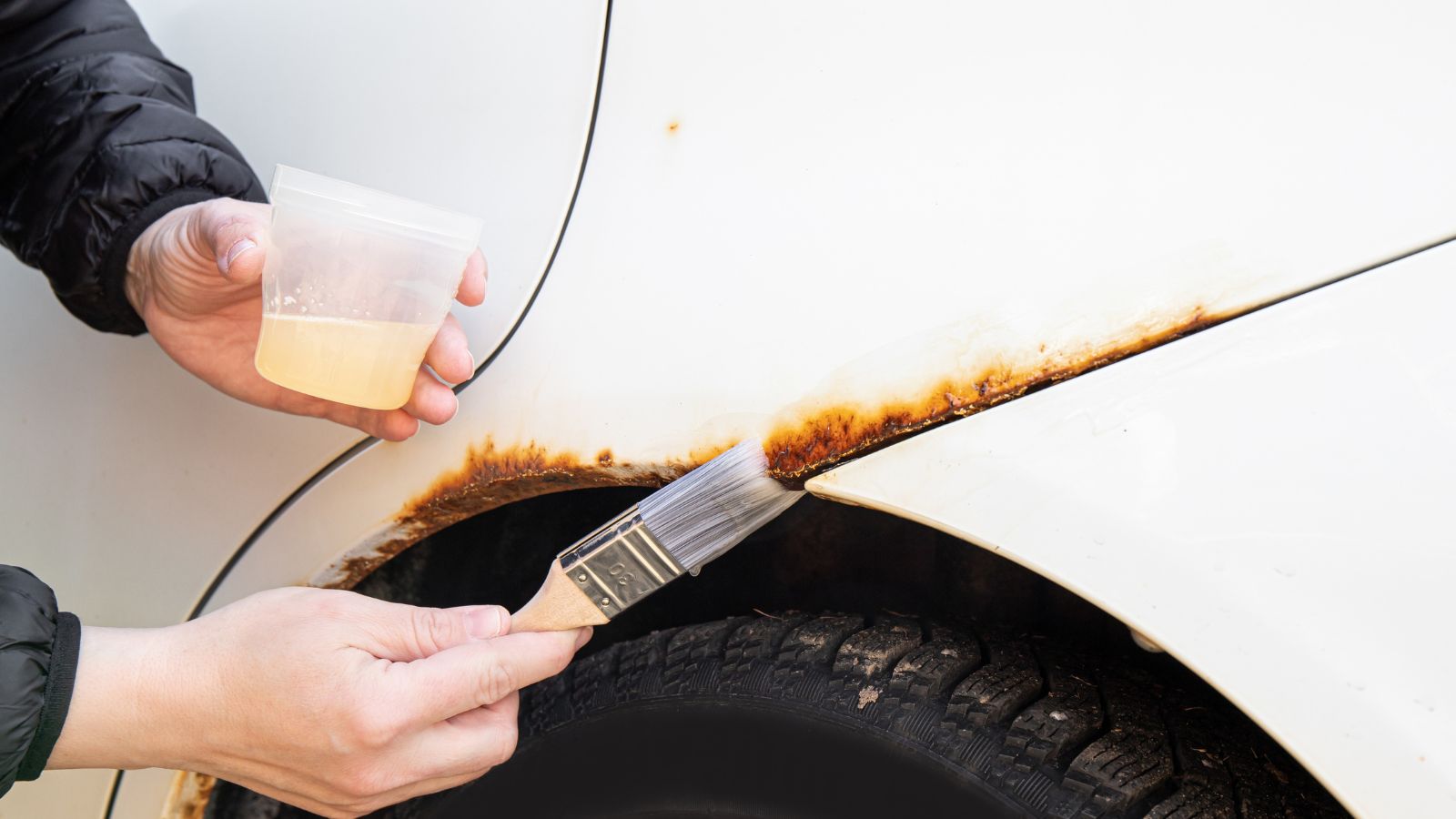
A small paint bubble around a wheel arch may look cosmetic, but bubbling often means corrosion is already developing beneath the visible finish. Surface rust on removable body panels is different from corrosion affecting brake lines, suspension mounts, subframes, structural rails, or seat and restraint attachment areas. Location matters as much as size.
Road salt, moisture, mud, blocked drain points, and damaged protective coatings can allow corrosion to progress in hidden cavities. NHTSA recall records contain examples in which long-term corrosion weakened structural components and increased crash risk. That does not mean every rust spot threatens the vehicle’s integrity, but it shows why an underside inspection is important. Early surface corrosion may be cleaned, treated, and protected. Once metal becomes deeply scaled, perforated, or structurally weakened, repair may require fabrication, component replacement, or retirement of the vehicle. The cheapest moment to investigate rust is usually when it still appears insignificant.
22 Things Canadians Do to Their Cars in Spring That Mechanics Hate

Spring brings relief to many Canadian drivers after months of snow, freezing temperatures, and icy roads that put serious strain on vehicles. As temperatures rise across the country, drivers begin washing cars, switching tires, and preparing vehicles for warmer weather and upcoming road trips. However, mechanics across Canada notice the same mistakes every spring when drivers attempt to recover from winter damage. Road salt, potholes, and harsh winter driving conditions often leave vehicles with hidden problems that drivers ignore. Some spring habits even create new mechanical issues that could have been avoided with proper maintenance. Here are 22 things Canadians do to their cars in spring that mechanics hate.