

























A vehicle can make an excellent first impression in the quiet, controlled setting of a dealership. Plush seats, a smooth ride, dramatic screens, and softly padded surfaces often feel luxurious during a short demonstration. Daily ownership, however, exposes details that a brief drive rarely reveals.
Long commutes, highway travel, rough pavement, summer heat, repeated errands, and crowded parking lots can transform small compromises into persistent frustrations. Comfort is not determined by softness alone; it also depends on support, movement, visibility, control placement, cabin temperature, noise, and how naturally the vehicle fits its occupants. These 20 reasons explain why a vehicle that initially feels relaxing may become increasingly annoying once the novelty fades and real-world routines begin.
Soft Cushions May Not Provide Lasting Support
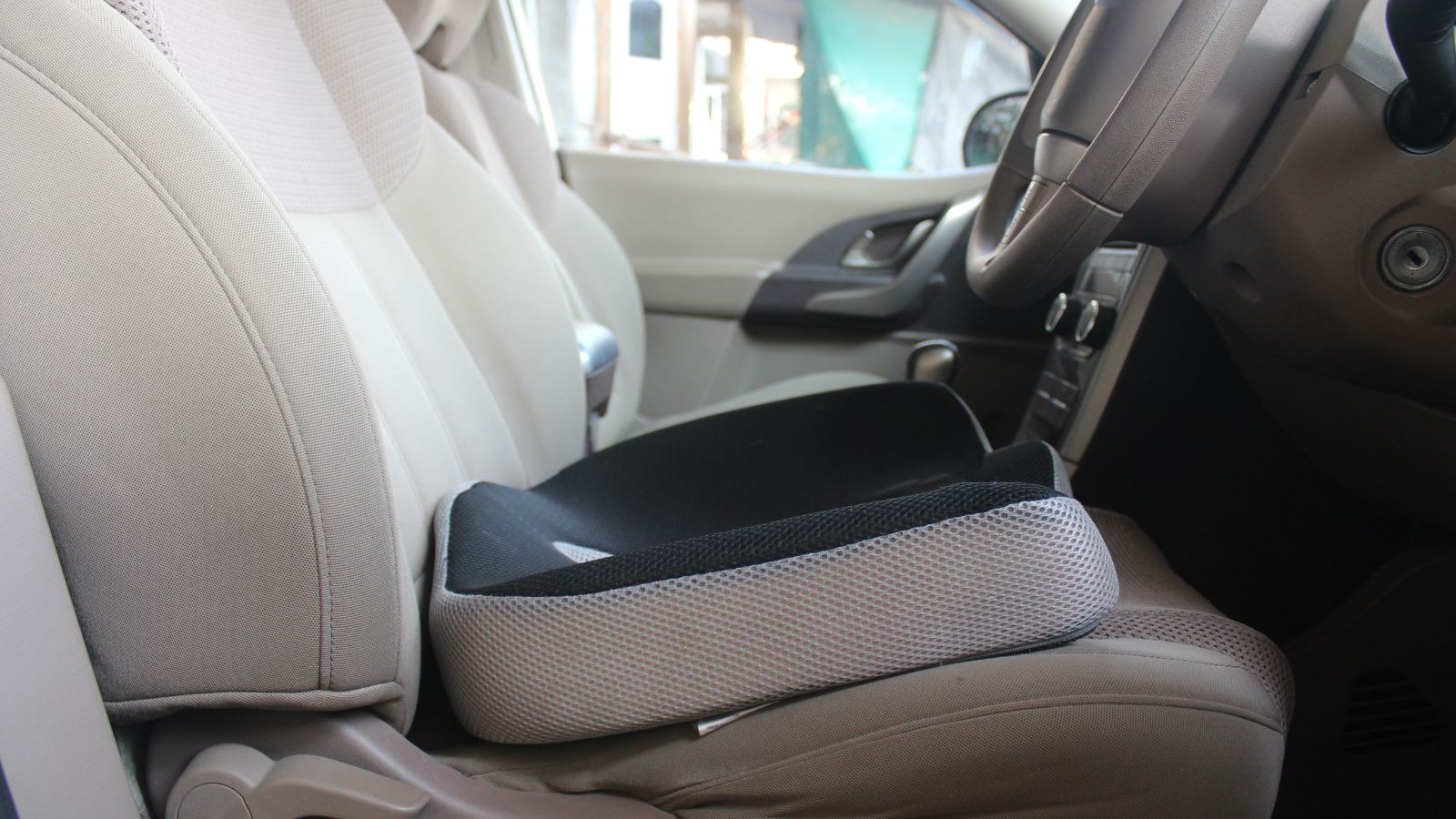
A deeply cushioned seat can create an immediate sense of luxury. During the first few minutes, the driver sinks into the foam, pressure points seem absent, and the cabin feels more like a lounge than a machine. Yet softness and long-term comfort are not the same. Research into vehicle seating has found that foam composition and pressure distribution influence posture, movement, and perceived discomfort as time passes. A cushion that allows the pelvis to sink too far can make it harder to maintain a stable position.
The problem often appears during the first long commute or road trip. The driver begins shifting from side to side, adjusting the backrest, or leaning against the centre console for support. What felt welcoming in the showroom may eventually feel shapeless. Seating studies commonly evaluate discomfort over hours rather than minutes because pressure distribution changes during prolonged contact. A better test is not whether the seat feels soft immediately, but whether the body remains evenly supported after an hour without constant repositioning.
Limited Lumbar Adjustment Can Become Impossible to Ignore
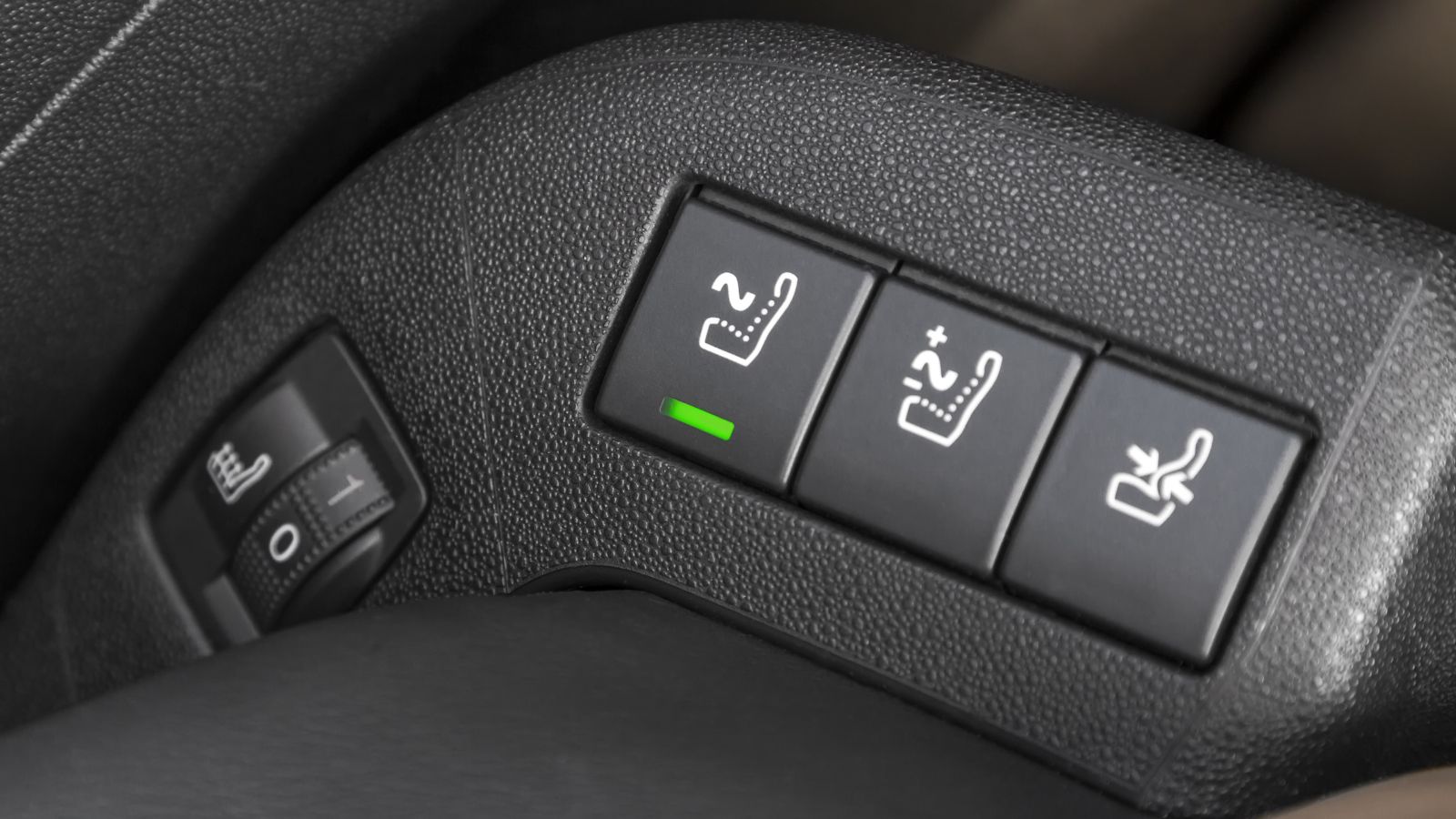
A mild lack of lower-back support may be almost invisible on a short drive. The seatback may initially feel smooth and generously padded, especially when the driver is concentrating on acceleration, steering, and unfamiliar controls. After repeated journeys, however, a fixed or poorly positioned lumbar bulge can become one of the vehicle’s most irritating features. It may press too high, sit too low, or fail to provide enough depth for the driver’s spinal shape.
Lumbar support is not merely a luxury option. Research has associated appropriately designed support with changes in spinal and pelvic posture and, in some driving studies, reduced reports of lower-back discomfort. The key word is appropriately. A system offering only one direction of adjustment may not accommodate different heights or body proportions. An inflatable four-way system can also be frustrating when its range is too narrow. Owners sometimes compensate with cushions, folded towels, or unusually reclined seating positions, effectively redesigning an expensive seat with household accessories.
A Short Seat Cushion Can Leave the Legs Unsupported
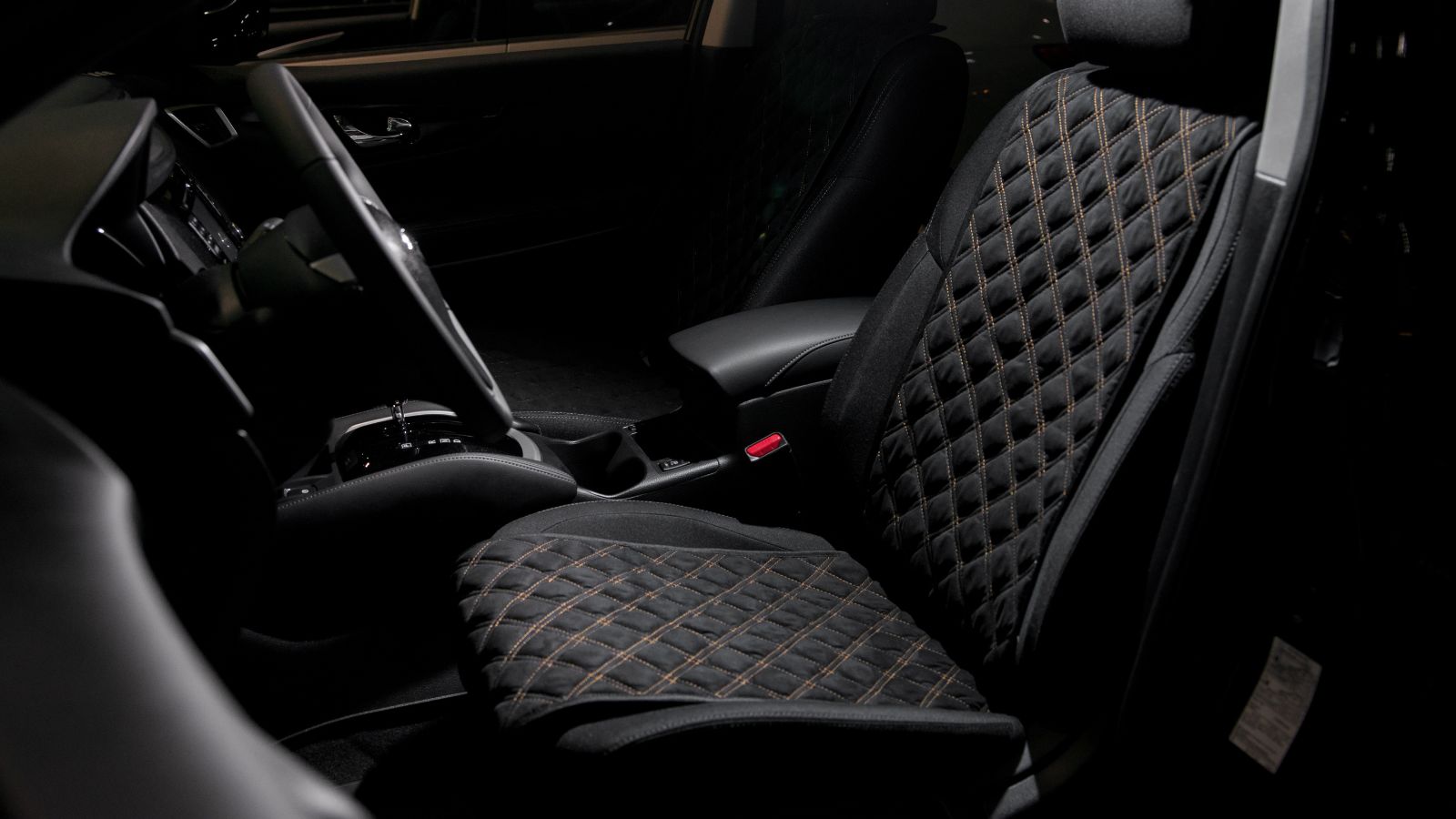
A seat base can feel spacious while the vehicle is parked yet reveal its limitations after sustained driving. When the cushion is too short, much of the thigh remains unsupported. This can concentrate pressure near the hips while requiring the legs to maintain more of their own position. Taller occupants are especially likely to notice the problem, although cushion length must also avoid pressing against the back of the knees of shorter drivers.
Thigh support has been identified as a recurring source of automotive seat complaints. One large-scale ergonomics project examined feedback from more than 92,000 new-vehicle buyers to improve cushion-length targets. That scale demonstrates why a dimension that receives little attention on specification sheets matters greatly in daily use. Some vehicles offer extendable thigh supports, but their usefulness depends on range, shape, and whether the extension creates a noticeable ridge. Without adequate support, a driver may repeatedly change seat height or move farther from the pedals, trading one discomfort for another.
Sporty Side Bolsters May Feel Restrictive Over Time
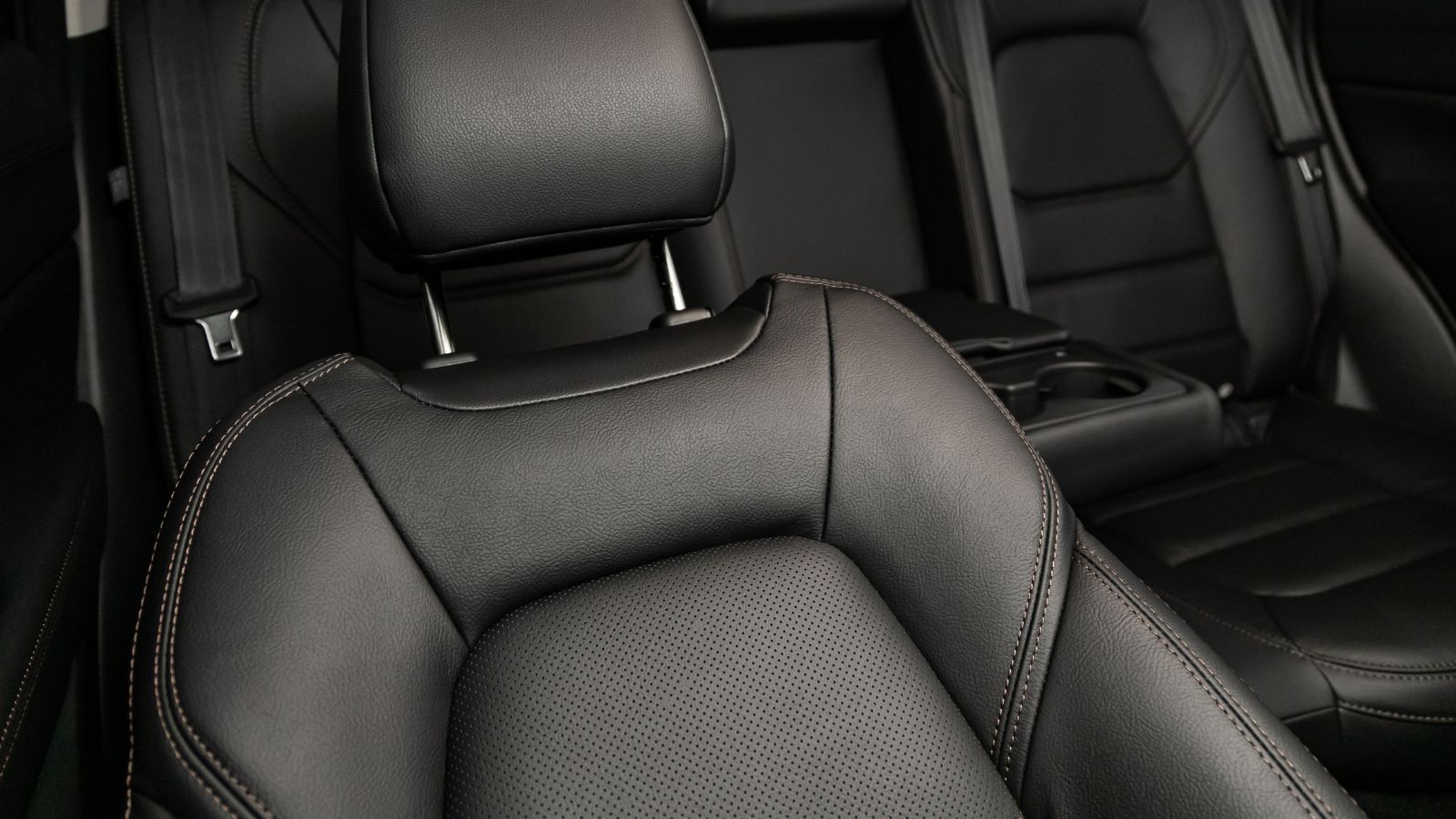
Pronounced seat bolsters can make a vehicle feel secure and performance-focused during a spirited test drive. They hold the torso and thighs in place through corners, reducing the need to brace against the steering wheel or door. The same contours can become irritating during ordinary commuting, particularly when they do not match an occupant’s hip width, shoulder breadth, or preferred posture.
Ergonomic research has linked seat fit to dimensions such as cushion width, backrest width, bolster height, and curvature. A narrow seat may create pressure along the outer thighs, ribs, or shoulder blades. The discomfort can build slowly, meaning a 15-minute drive may not expose it. Bolsters can also make entering and exiting more awkward because occupants repeatedly slide across raised edges, potentially accelerating upholstery wear. A supportive seat should hold the body without forcing it into one rigid position. When the fit is wrong, the driver may spend every journey searching for a posture the seat was never designed to accommodate.
The Head Restraint May Push the Head Too Far Forward
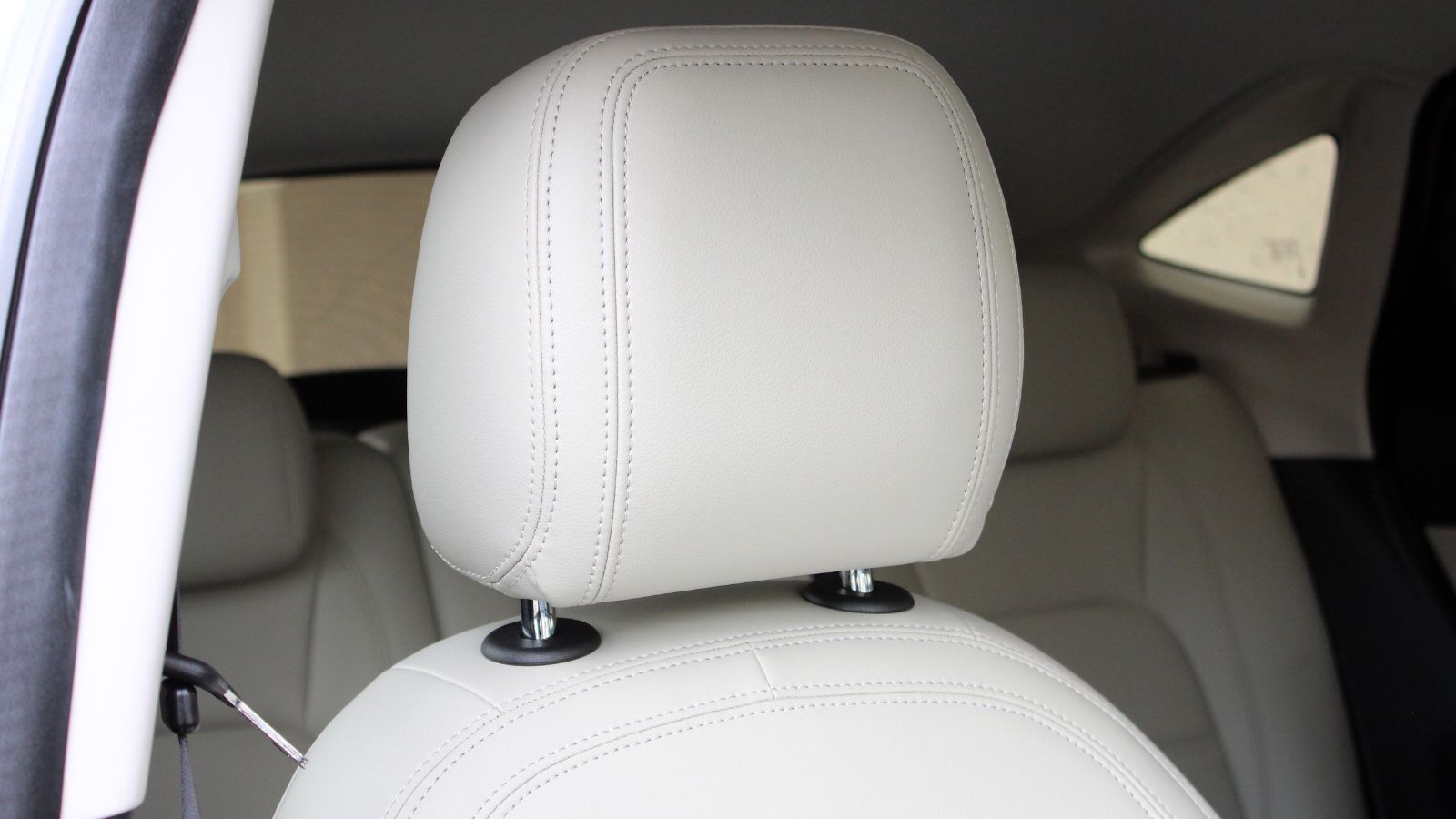
A close head restraint is important for reducing neck movement in a rear collision. However, its shape and relationship with the seatback can still affect everyday posture. Some restraints angle noticeably forward, particularly when the seatback is upright. An occupant with a rounded upper back, thick clothing, or a particular body shape may feel as though the head is being pushed forward even when the restraint is adjusted to its rearward position.
The irritation often emerges gradually as tension develops around the neck and shoulders. Reclining the seatback may relieve the pressure, but that can move the driver farther from the steering wheel or encourage an unsuitable arm position. Safety evaluations emphasize that a restraint should be high enough and close enough to support the head during a crash, so simply removing it or reversing it is not an appropriate solution. The better approach is evaluating the entire seat-and-restraint geometry during a long drive. A design can meet its protective purpose while still feeling uncomfortable for certain occupants.
Awkward Entry and Exit Can Spoil Daily Comfort
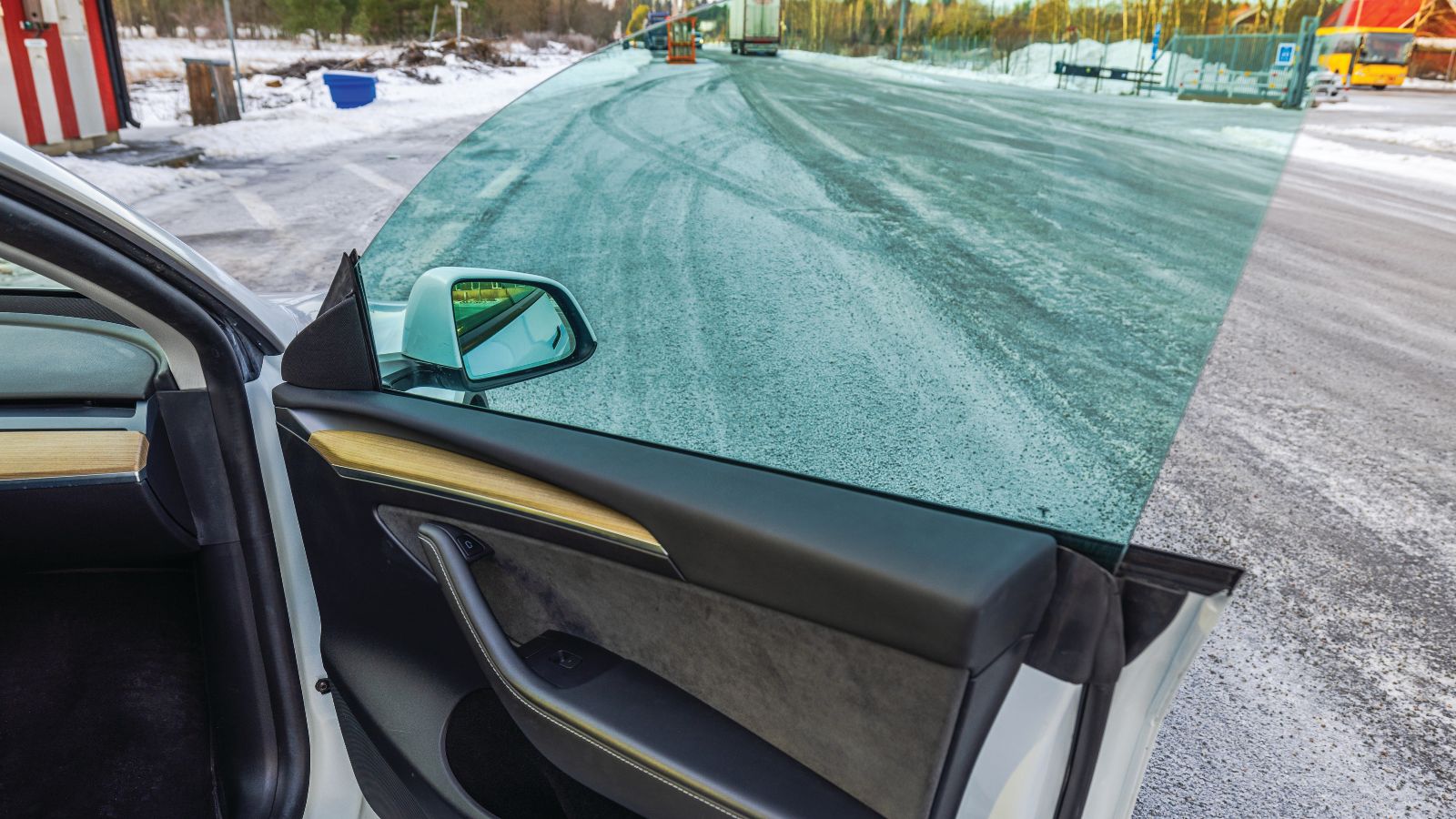
Once seated, a low-roofed sedan or sleek crossover may feel exceptionally comfortable. The annoyance begins every time an occupant has to climb in or out. A low roof opening encourages neck and trunk bending, while a wide sill forces the body to move farther sideways before reaching the seat. High-riding vehicles present the opposite issue, sometimes requiring a step upward followed by a twisting movement around the steering wheel.
Ingress and egress deserve more attention because they are repeated several times a day. An ergonomics experiment involving adjustable roof heights and sill widths found that a roof-height difference of only 45 millimetres could separate an uncomfortable opening from one participants considered unacceptable. That is less than the height of many takeaway coffee cups. The issue can become more significant for older occupants, people carrying children, or anyone entering in a tight parking space where the door cannot fully open. A comfortable driving position offers limited value when reaching it requires an awkward physical routine.
Touchscreen Controls Can Turn Simple Tasks Into Work

A large central screen creates a clean, modern cabin. During a dealership demonstration, animated menus and customizable displays can feel sophisticated. Daily driving reveals the trade-off when frequently used functions are placed several layers deep. Adjusting fan speed, changing seat temperature, activating a defogger, or switching audio sources may require precise taps while the vehicle is moving over imperfect pavement.
Touchscreens generally demand more visual attention than controls that can be identified by shape and operated through touch. NHTSA’s human-factors work treats visual, cognitive, and manual demand as central parts of the distraction problem. Euro NCAP’s updated assessment approach also gives greater attention to intuitive interfaces and physical controls for commonly used functions. The irritation is not simply that the screen contains many features. It is that the same task must be visually located every time, often without tactile confirmation. A dashboard that looks beautifully minimal while parked can feel unnecessarily complicated in traffic, rain, darkness, or winter gloves.
Poorly Placed Controls Can Cause Repeated Reaching
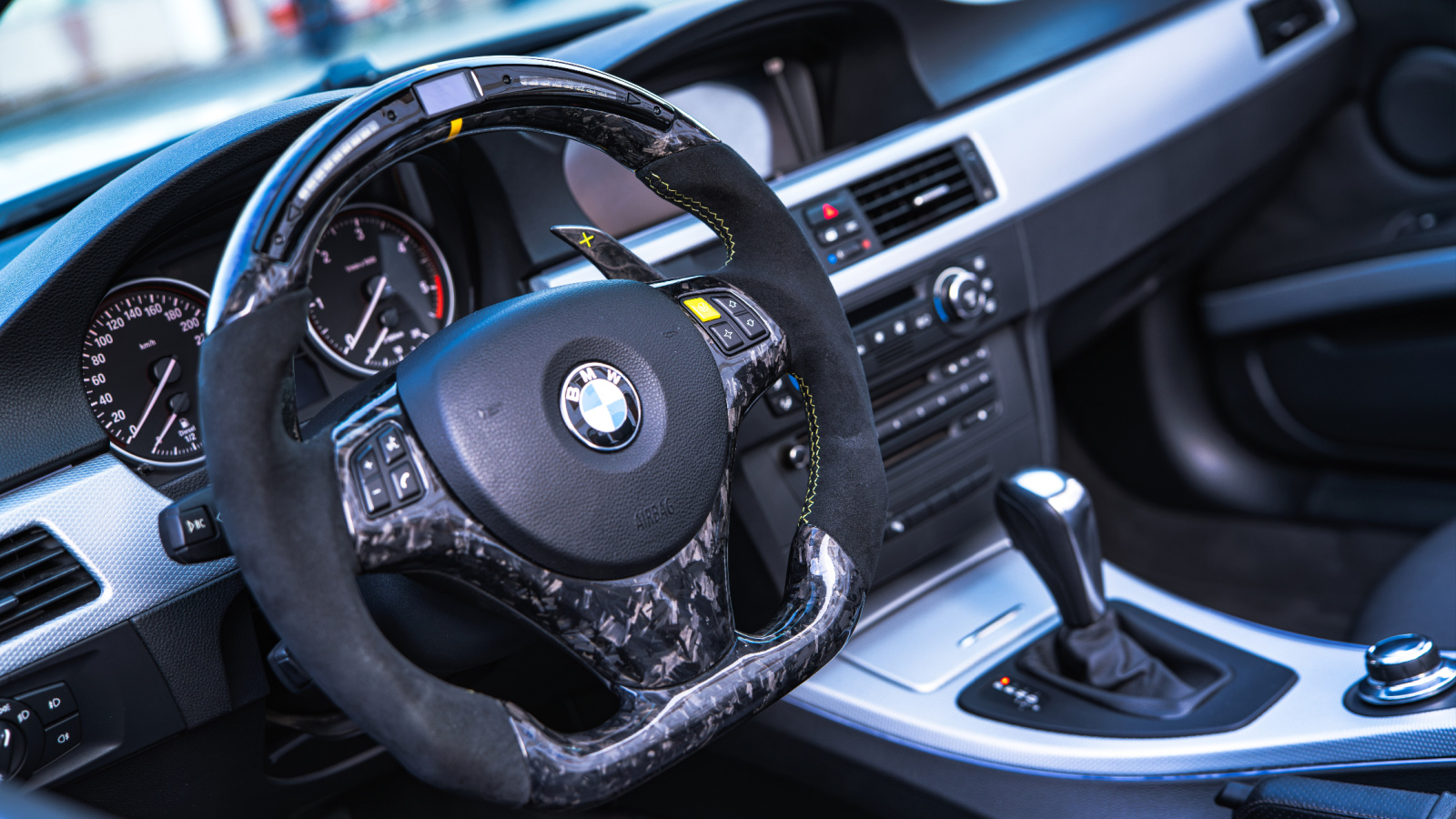
Physical buttons are not automatically convenient. Their location, angle, size, and relationship with the driver’s seating position all matter. A control may look perfectly accessible from outside the vehicle yet require the driver to stretch, twist a shoulder, or move away from the seatback. Shorter occupants may struggle with controls placed far forward, while taller drivers may find buttons positioned too close or hidden behind the steering wheel.
Research into in-vehicle reach discomfort has shown that target location and occupant stature affect how comfortable a movement feels. Problems become more noticeable when the same action is repeated, such as changing drive modes, using a rotary controller, adjusting mirrors, or operating a low-mounted parking brake switch. Even door handles and window controls can become annoying when the wrist must bend unnaturally. A single awkward reach during a test drive seems insignificant. Hundreds of repetitions over a year turn it into a defining part of ownership. Good ergonomics allow important controls to fall naturally within reach without pulling the torso away from its supported position.
Large Wheels Can Make Ordinary Roads Feel Harsh
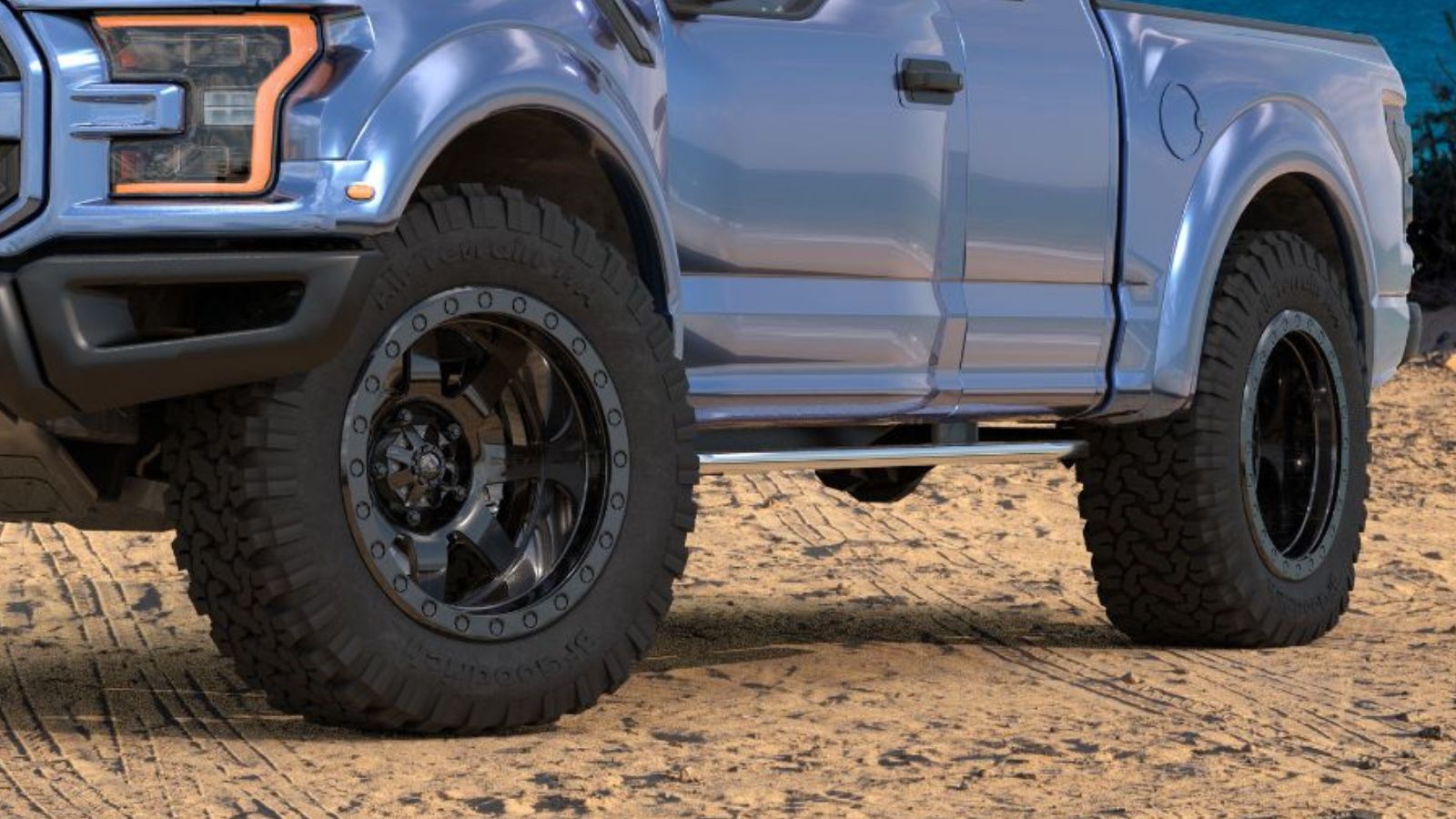
Large alloy wheels often improve a vehicle’s showroom presence. They fill the wheel arches, make the body appear more athletic, and may sharpen steering response. To preserve the original overall tire diameter, larger wheels are normally paired with lower-profile tires. That leaves less flexible sidewall between the wheel and the road, reducing the tire’s ability to soften sharp impacts.
The compromise may remain hidden on freshly paved roads near a dealership. It becomes obvious on patched streets, expansion joints, potholes, and broken urban pavement. Smaller wheels with higher-profile tires generally provide more impact absorption and may improve ride comfort when approved for the vehicle. Large wheels can also make impacts sound more severe inside the cabin, even when the suspension prevents a major body movement. Owners who chose an appearance package may eventually discover that the least expensive trim had the more comfortable setup. Replacing wheels later can be costly, particularly when compatible tires, sensors, and manufacturer-approved sizes must be considered.
A Very Soft Suspension Can Create Too Much Motion
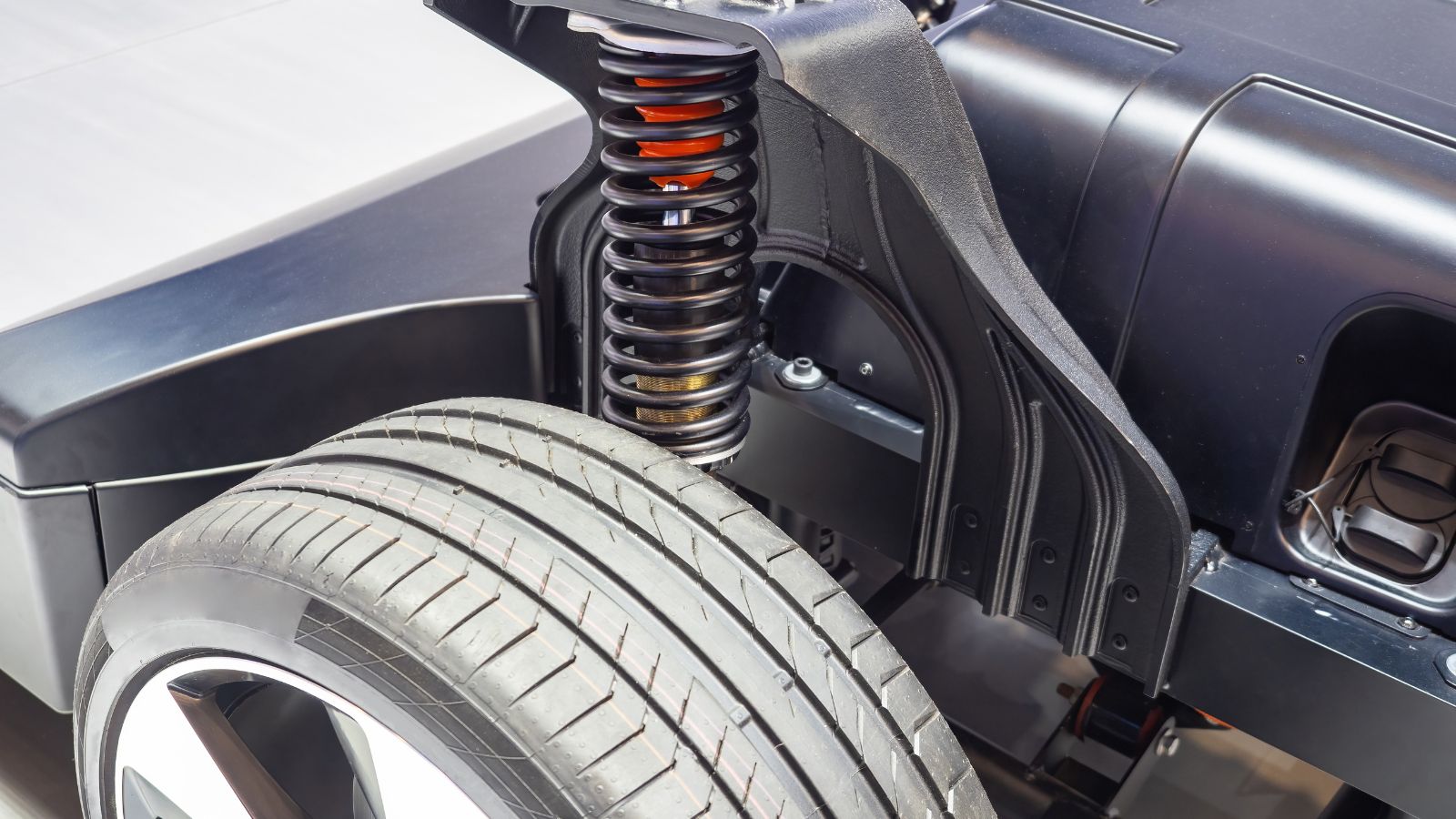
A soft suspension often impresses immediately because it absorbs small bumps without sharp impacts. The body seems to float over rough pavement, giving passengers the impression of expensive isolation. However, comfort also depends on controlling what happens after the initial bump. If the body continues pitching, rolling, or bouncing, passengers may feel less settled than they would in a slightly firmer but better-controlled vehicle.
Vehicle-motion research shows that longitudinal and lateral acceleration can contribute substantially to discomfort. Excessive body movement becomes particularly noticeable on winding roads, undulating highways, speed humps, and repeated stop-and-go travel. Passengers may experience more discomfort than the driver because the driver can anticipate steering, braking, and acceleration. A brief test on straight roads may therefore conceal the problem. The suspension should absorb disturbances without allowing the cabin to keep moving long after the wheels encounter them. A vehicle that feels impressively soft at 30 kilometres per hour can become tiring when its occupants spend an hour gently rocking in several directions.
Highway Noise May Be Hidden During a City Test Drive

Modern vehicles can sound remarkably quiet while moving slowly through city traffic. At highway speed, the noise balance changes. Wind rushing around mirrors, pillars, roof rails, seals, and door frames becomes more prominent. Tire noise also changes according to pavement texture, tread design, pressure, and vehicle insulation. A cabin that seemed peaceful near the dealership may require raised voices and higher audio volume on a long trip.
Automotive acoustic research identifies wind noise as a major contributor to cabin sound at highway speeds. Tire-road noise can also reduce perceived sound quality and passenger comfort. The problem is easy to miss because many test-drive routes remain below sustained highway speeds or use unusually smooth roads. Crosswinds and turbulent air around other vehicles may expose sounds that a controlled route never produces. Noise is also cumulative. A mild hum that seems harmless for five minutes can become mentally tiring after two hours. Evaluating a vehicle on the roads and at the speeds it will regularly encounter is essential.
Climate Control May Not Keep Everyone Comfortable
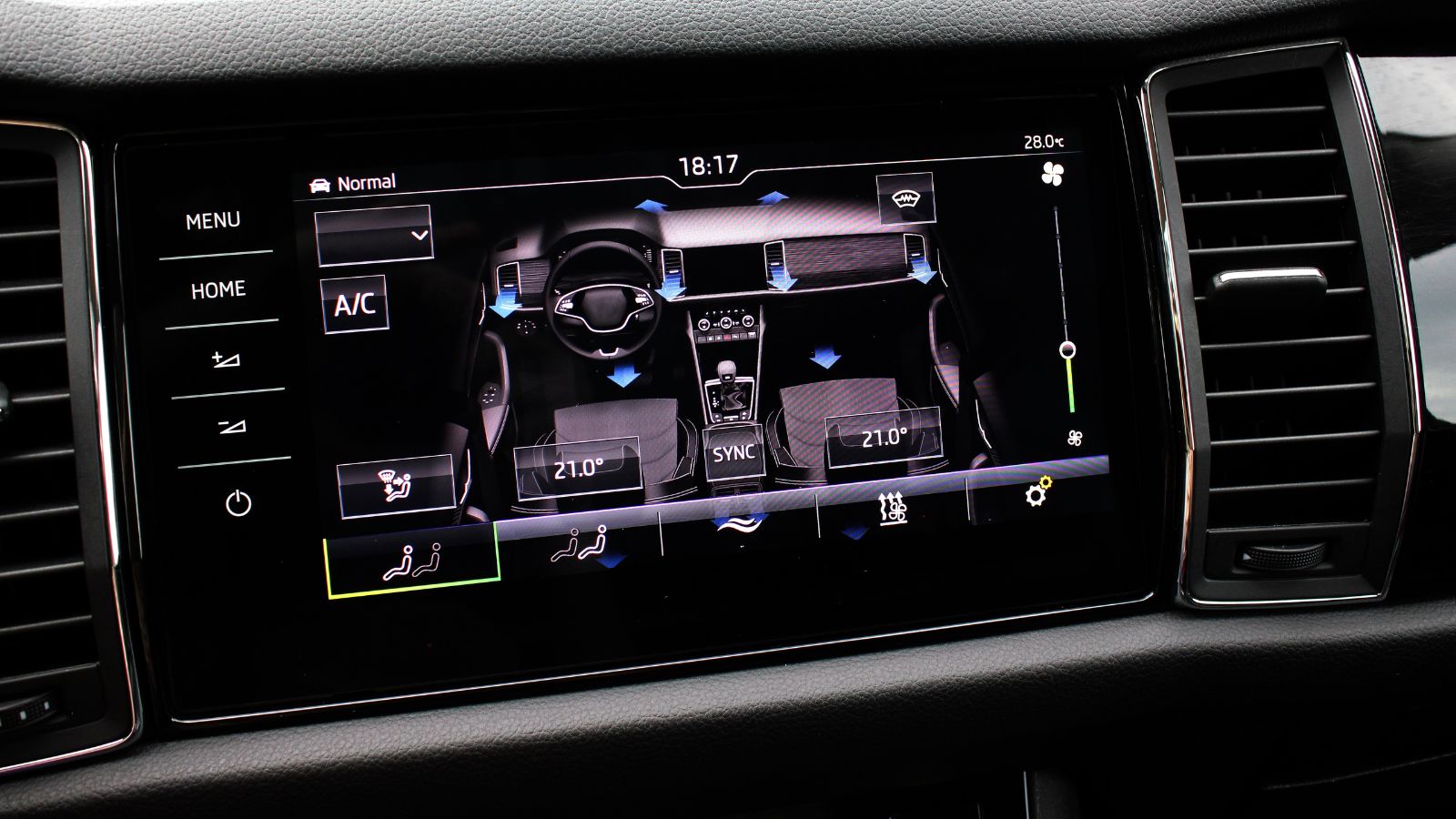
Powerful air conditioning can cool the front seats quickly during a demonstration, creating a strong impression of cabin comfort. Real use may reveal uneven airflow, noisy blower operation, slow rear-cabin cooling, or temperature swings caused by an automatic system that repeatedly changes fan speed. The driver may feel chilled while rear passengers remain warm, especially in vehicles without rear vents or separate climate zones.
Automotive thermal-comfort research shows that outlet placement, airflow distribution, temperature, and blower settings all influence how quickly occupants become comfortable. Average cabin temperature alone does not tell the whole story because air may strike one occupant directly while barely reaching another. Seat ventilation can help, but its effectiveness depends on how cooling is distributed across the cushion and backrest. Families often discover these differences on the first hot road trip, when sunlight, luggage, and several occupants increase the cooling demand. A system that performs well for one person during a short drive may be much less convincing with every seat occupied.
A Panoramic Roof Can Increase Heat Exposure
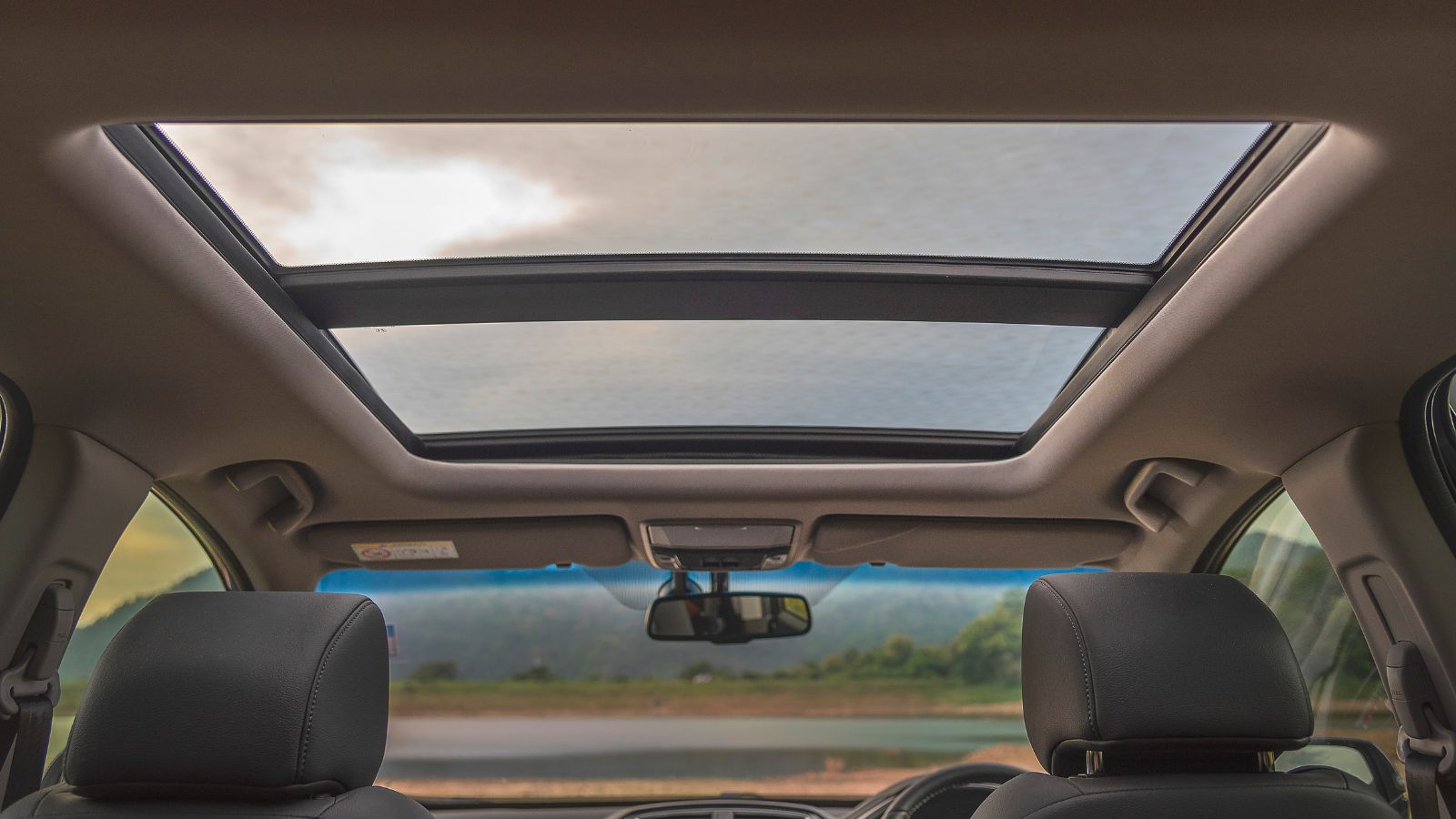
A panoramic glass roof creates an airy interior and can make a compact cabin feel more spacious. The effect is especially appealing in a showroom or on an overcast day. Under strong sunlight, the large glazed area becomes another route for solar energy to enter the cabin. Tinted glass can reduce brightness without necessarily eliminating the heat occupants feel radiating from above.
Vehicle thermal studies show that solar radiation transmitted through glazing is absorbed by interior surfaces and contributes to cabin heat. Research from national laboratories has also found that solar-reflective glass and ventilation can reduce thermal loads and interior temperatures. Actual performance varies according to glass treatment, roof shade, climate, vehicle colour, and parking conditions. The annoyance often becomes apparent when the vehicle sits outdoors for several hours or when rear passengers receive direct overhead sunlight. A thin powered shade may block glare but provide less insulation than an opaque metal roof and conventional headliner. The dramatic view can therefore come with greater reliance on air conditioning during hot weather.
Automatic Stop-Start Can Interrupt Smooth Progress
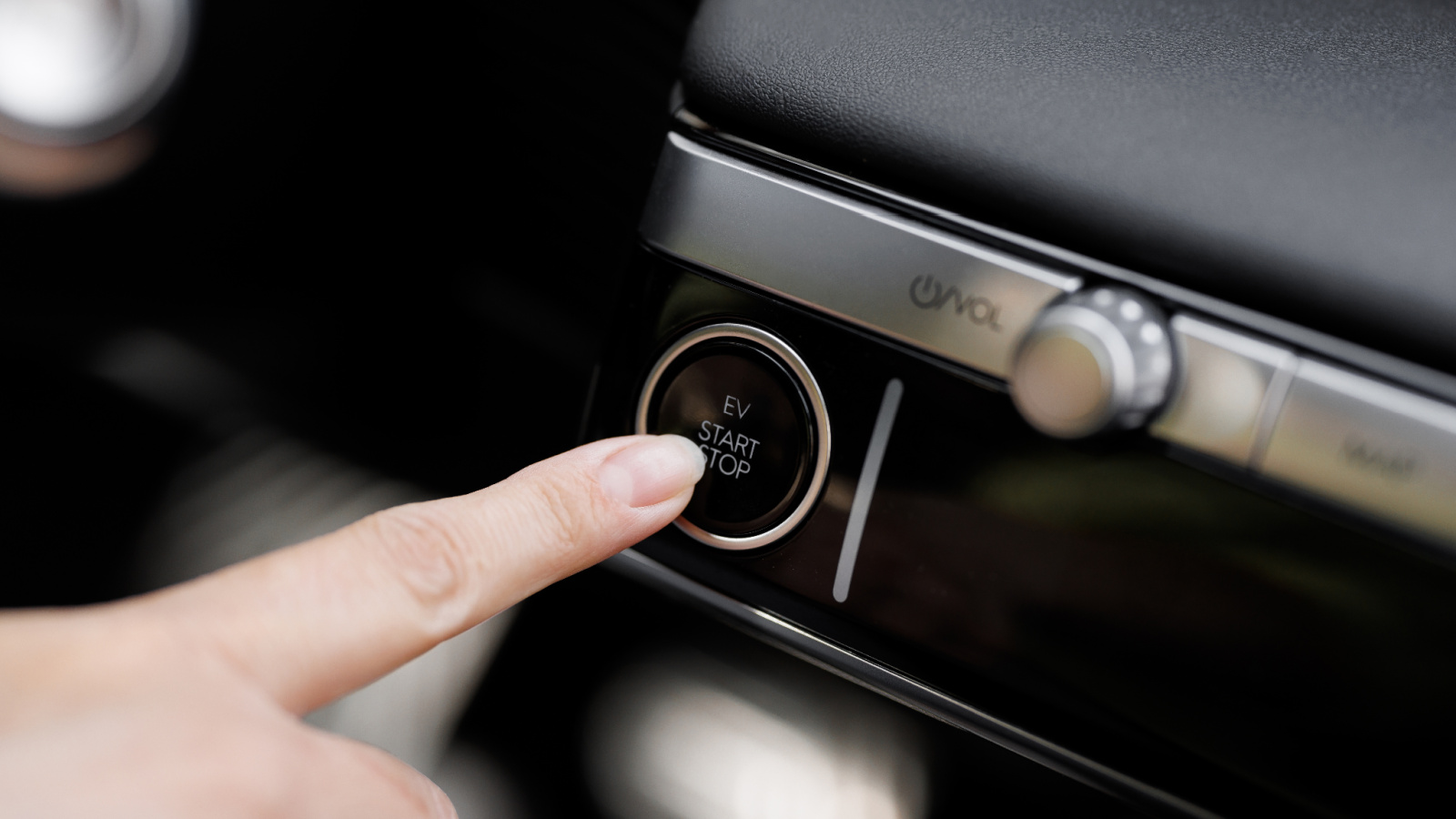
Automatic stop-start systems are intended to reduce unnecessary idling by switching off the engine when the vehicle is stationary and restarting it when movement is required. During an initial drive, the feature may appear clever or barely noticeable. In heavy traffic, repeated shutdowns and restarts can become more prominent, particularly when the engine produces vibration or takes a perceptible moment to respond.
Research and technical discussions of stop-start systems have identified restart delay, vibration, and nuisance shutdowns among common concerns. The experience varies significantly between vehicles. Hybrid systems can restart through electric assistance with little disturbance, while some conventional powertrains produce a noticeable shudder. Drivers may also dislike the engine stopping during brief pauses at intersections, parking manoeuvres, or moments when rapid acceleration is expected. Some vehicles remember the disabled setting, while others reactivate it at every startup. The fuel-saving technology may be technically effective, yet a poorly calibrated implementation can make a previously smooth vehicle feel hesitant and unpredictable during ordinary urban driving.
Driver-Assistance Alerts Can Become Relentless
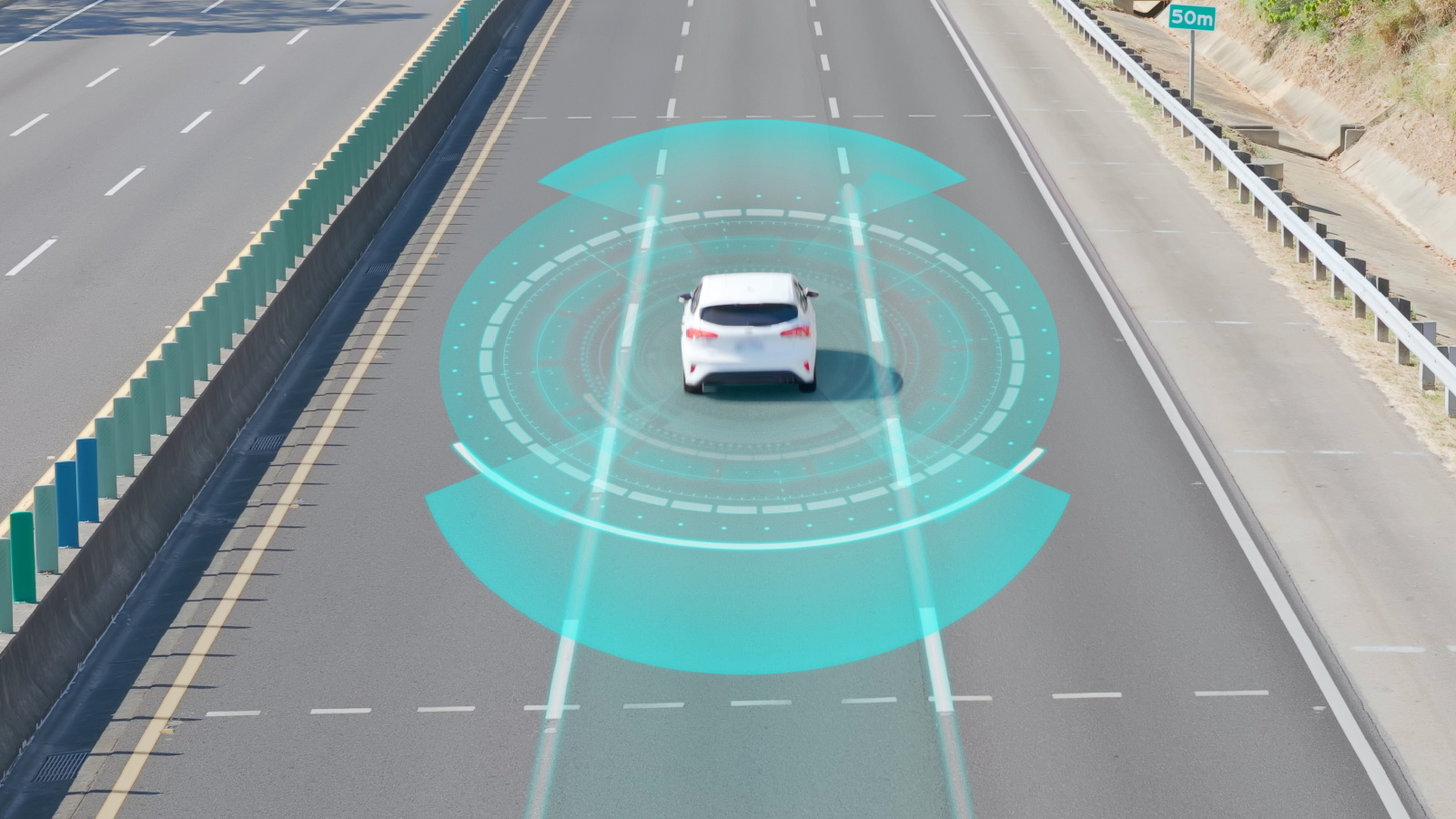
Lane warnings, speed-limit notifications, attention monitoring, blind-spot alerts, and collision warnings can provide valuable protection. A short demonstration usually shows the technology at its best: one clear warning during an obvious situation. Daily driving may reveal false alarms, frequent chimes, abrupt steering corrections, or alerts triggered by road markings and conditions the system interprets poorly.
Consumer acceptance is becoming an important part of safety-system evaluation. Euro NCAP’s 2026 methodology specifically considers real-world usability, smoothness, intrusive intervention, and consumer concerns about annoying warnings. Research into lane-keeping assistance has also examined the unpleasant feelings caused by unexpected steering torque. The risk is that frustrated drivers begin switching systems off, potentially losing useful protection along with the irritating behaviour. Settings menus may allow sensitivity adjustments, but these can be buried or reset after each journey. Assistance is most comfortable when its operation is predictable, clearly communicated, and proportionate to the risk rather than constantly demanding attention.
A Dual-Clutch Transmission May Feel Awkward at Low Speed
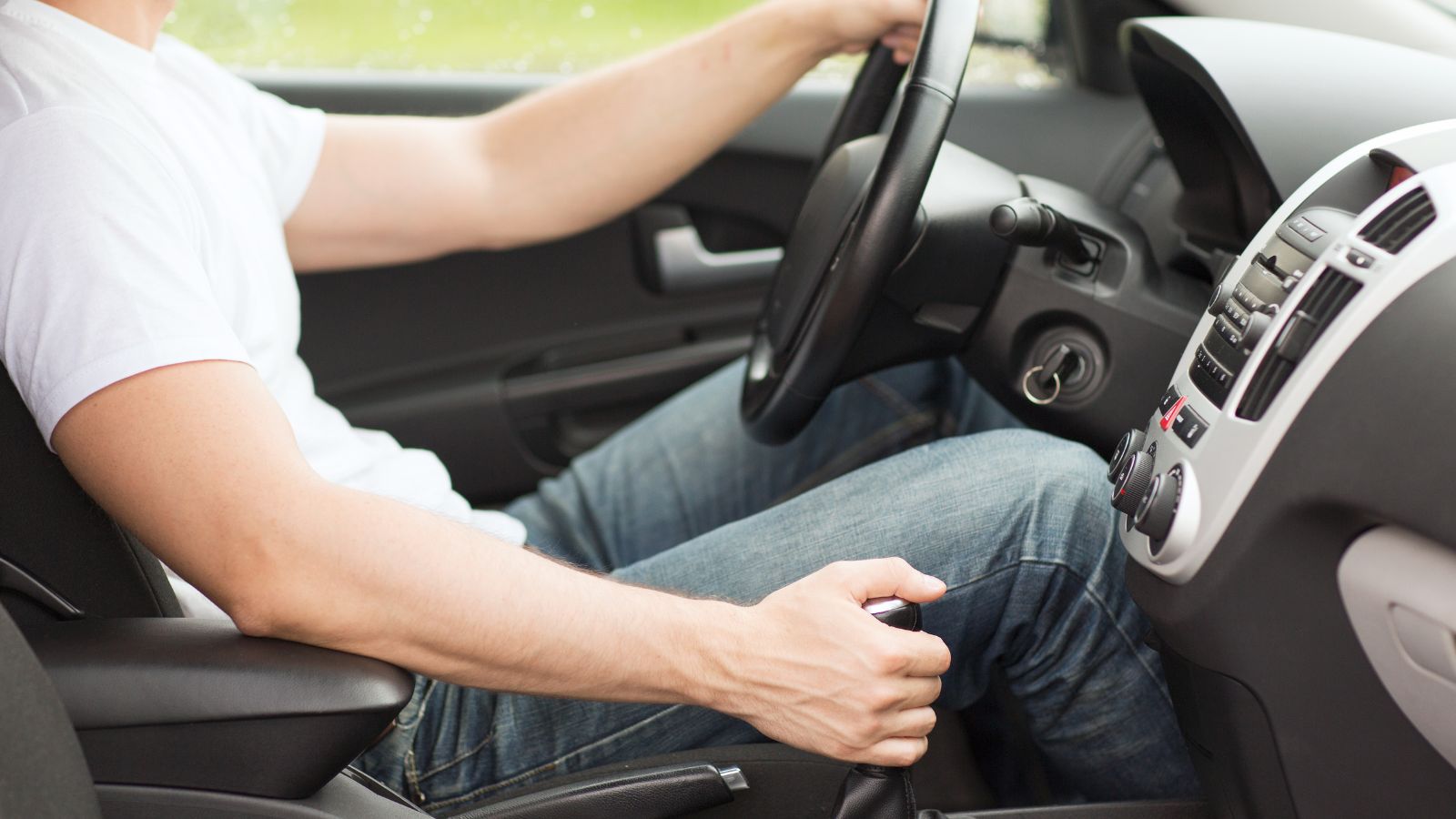
Dual-clutch transmissions can deliver quick shifts and strong efficiency once the vehicle is moving. On an open road, they often feel responsive and sophisticated. At parking-lot speeds, however, their behaviour can resemble a manually operated gearbox because internal clutches must engage and slip rather than relying entirely on the fluid coupling used by a traditional automatic transmission.
Some manufacturers explicitly advise drivers to apply the accelerator smoothly to avoid shuddering or jerkiness when moving away, particularly on an incline. That characteristic may not appear during a fast dealership route but can become obvious in stop-and-go traffic, tight parking spaces, and slow uphill manoeuvres. The driver may feel a pause followed by sudden engagement or notice the vehicle resisting the gentle creeping motion expected from a conventional automatic. Calibration differs widely, and many dual-clutch units are smooth in normal use. Nevertheless, buyers attracted by fast shifts should also evaluate the transmission at walking speed, where daily annoyance is more likely to develop.
Strong Regenerative Braking Can Make Passengers Queasy

One-pedal driving can feel remarkably convenient at first. Lifting the accelerator slows the vehicle while returning energy to the battery, reducing the need to move repeatedly between pedals. The driver quickly learns to modulate the accelerator. Passengers do not control the movement, so frequent or abrupt deceleration may feel less predictable to them.
Studies of electric-vehicle motion sickness have examined regenerative braking, acceleration patterns, road conditions, and the absence of familiar engine cues. A survey involving 639 respondents found that electric vehicles were associated with more severe motion-sickness symptoms in some circumstances, although conventional vehicles were associated with greater symptom frequency. Other research has linked stronger regenerative-braking settings with increased passenger discomfort. The effect is not universal and often improves with smooth pedal use. Still, a vehicle that feels effortless from the driver’s seat may be unpleasant from the rear seat. Testing different regeneration levels with regular passengers can reveal whether the default calibration suits the household.
Poor Visibility Can Create Constant Low-Level Stress

A high dashboard, thick roof pillars, small rear window, or rising beltline may make the cabin feel secure and substantial. The same design can create blind zones that become irritating in parking lots, intersections, roundabouts, and narrow streets. Cameras and sensors help, but they do not always replace the confidence of seeing directly through the glass.
NHTSA has conducted extensive work on direct rear visibility and technologies intended to augment it. IIHS researchers have also developed methods for mapping the nearest visible ground around a vehicle, noting that eye height and seat position can affect what a driver can see. The daily problem is not limited to reversing. A thick front pillar can briefly hide a pedestrian or vehicle as the driver turns, requiring deliberate head movement to check around it. Cameras may become dirty, obscured by rain, or distorted in low light. A cabin can therefore feel relaxing while stationary yet demand continuous compensation once driven in complex surroundings.
Inadequate Storage Can Become a Daily Irritation
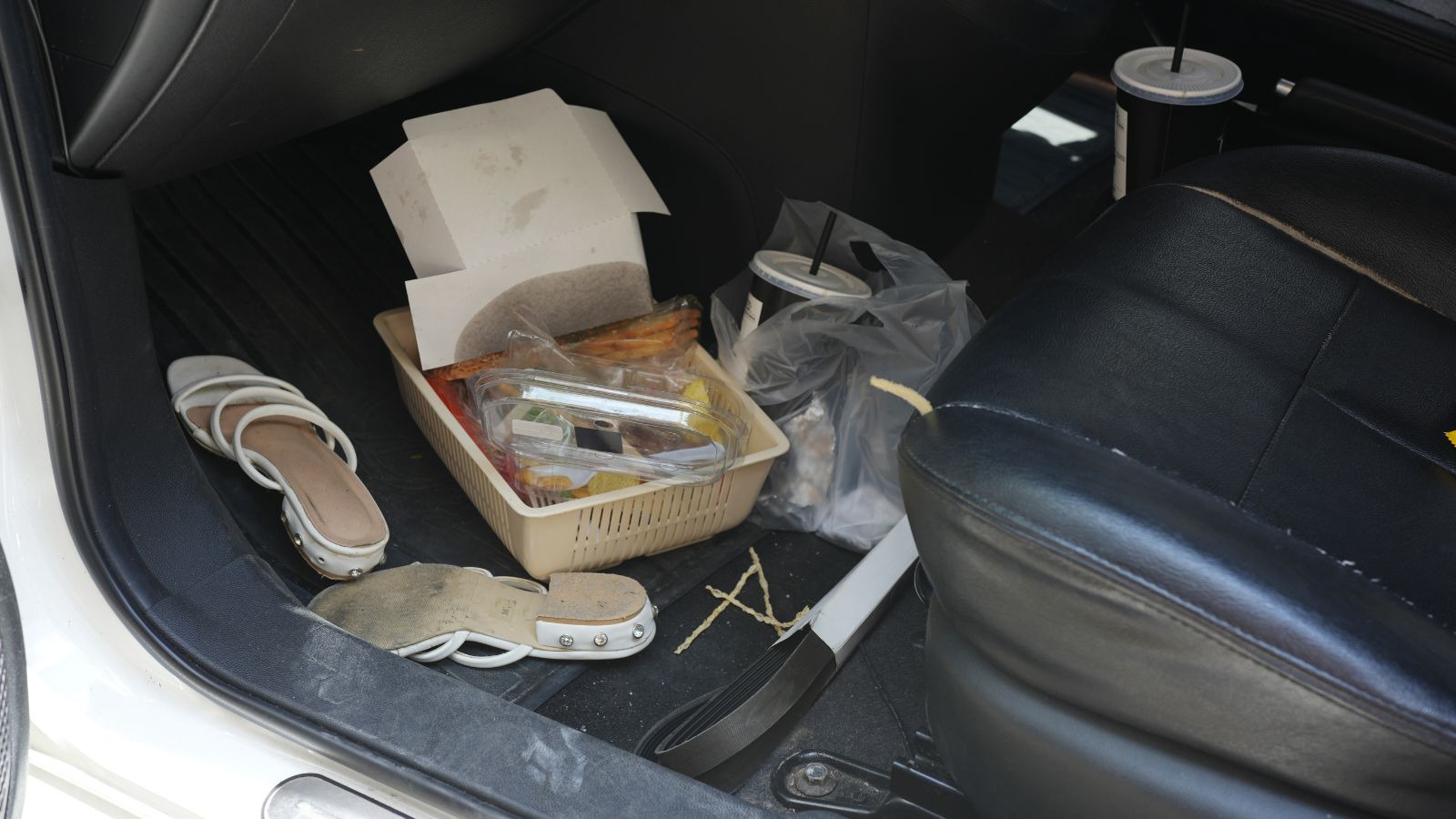
Storage rarely dominates a test drive. A driver may place a phone in a pocket, leave a drink at the dealership, and pay little attention to the centre console. Ownership introduces charging cables, sunglasses, keys, toll cards, tissues, water bottles, coins, and items carried by passengers. Poorly shaped compartments can leave these objects sliding, rattling, blocking controls, or occupying cupholders needed for drinks.
A study of 70 participants examining vehicle-storage preferences found that smartphones, beverages, wallets, and everyday supplies were among the most relevant items across commuting, leisure, and vacation scenarios. Participants generally preferred valuables within reach and sight. Cupholder frustration has also remained a recurring concern in large automotive quality studies as drink containers have changed in shape and size. A beautifully designed console can become annoying when the wireless charging pad overheats a phone, the door pocket cannot accept a bottle, or the cupholder interferes with the gear selector. Small inconveniences become prominent because occupants interact with them almost every day.
Cargo Access May Be Harder Than the Capacity Suggests
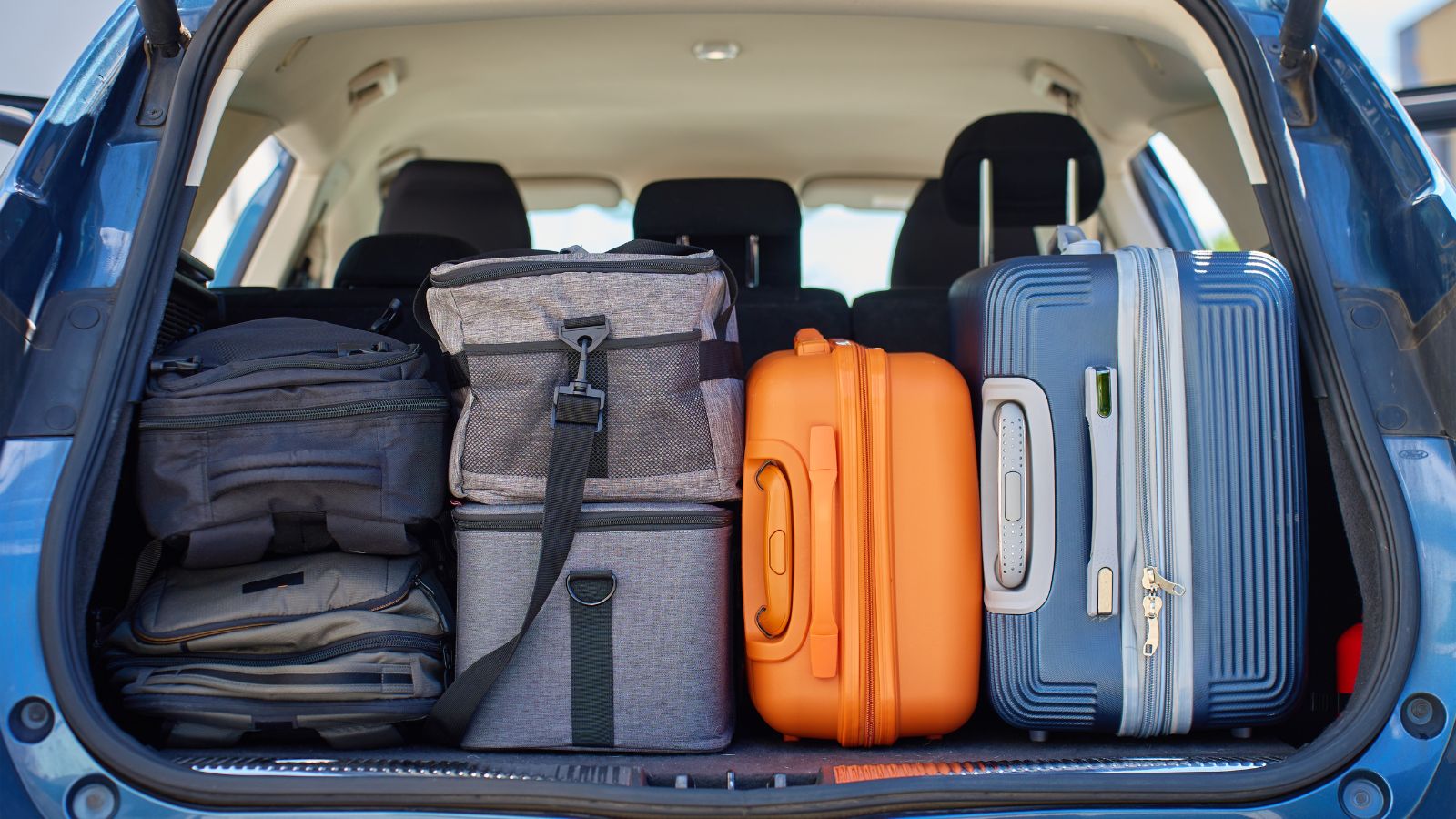
A large cargo-volume figure can make a vehicle appear highly practical. Capacity measurements, however, do not fully describe how easily the space can be used. A high loading lip, sloping roof, narrow hatch opening, deep cargo well, or raised floor can make groceries, strollers, suitcases, and mobility equipment awkward to load even when they technically fit.
Manual-handling research has used tasks that simulate lifting grocery bags into a car trunk and over a sill, illustrating why loading height and obstacles matter. The inconvenience becomes more obvious when an item is heavy, fragile, or difficult to grip. Tall SUVs may reduce the need to bend deeply but require objects to be lifted higher. Sedans may provide a long trunk while forcing the loader to reach far forward under the rear window. Powered tailgates add convenience until they open too slowly or cannot clear a low ceiling. True cargo comfort depends on opening shape, floor height, reach distance, and the loading routine—not only the number printed in the brochure.
16 Costco Canada Habits That Could Be Costing Shoppers More Than They Save

The Executive Membership can feel like an obvious upgrade because the 2% annual reward sounds straightforward. For households that spend heavily at Costco Canada, the extra fee may be easy to justify. But the habit becomes costly when shoppers upgrade first and calculate later. A Gold Star Membership costs less, while Executive costs more and only pays off if eligible annual spending is high enough to offset the difference.
16 Costco Canada Habits That Could Be Costing Shoppers More Than They Save