

















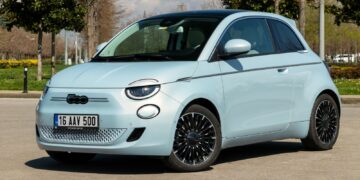




SUVs became the default family answer in Canada because they seemed practical, elevated, winter-friendly, and easier to live with than sedans or minivans. But the old assumption that an SUV is automatically the safer, smarter, lower-stress choice is wearing thin. Theft risk, expensive repairs, recall activity, fuel bills, insurance pressure, and complicated technology are changing the calculation.
Here are 16 SUVs that can still make sense for the right household, but no longer feel like the automatic safe choice in Canada. The concern is not that every model is bad or unsafe; it is that each one now carries a real-world caveat that buyers may want to weigh carefully before signing.
Toyota RAV4
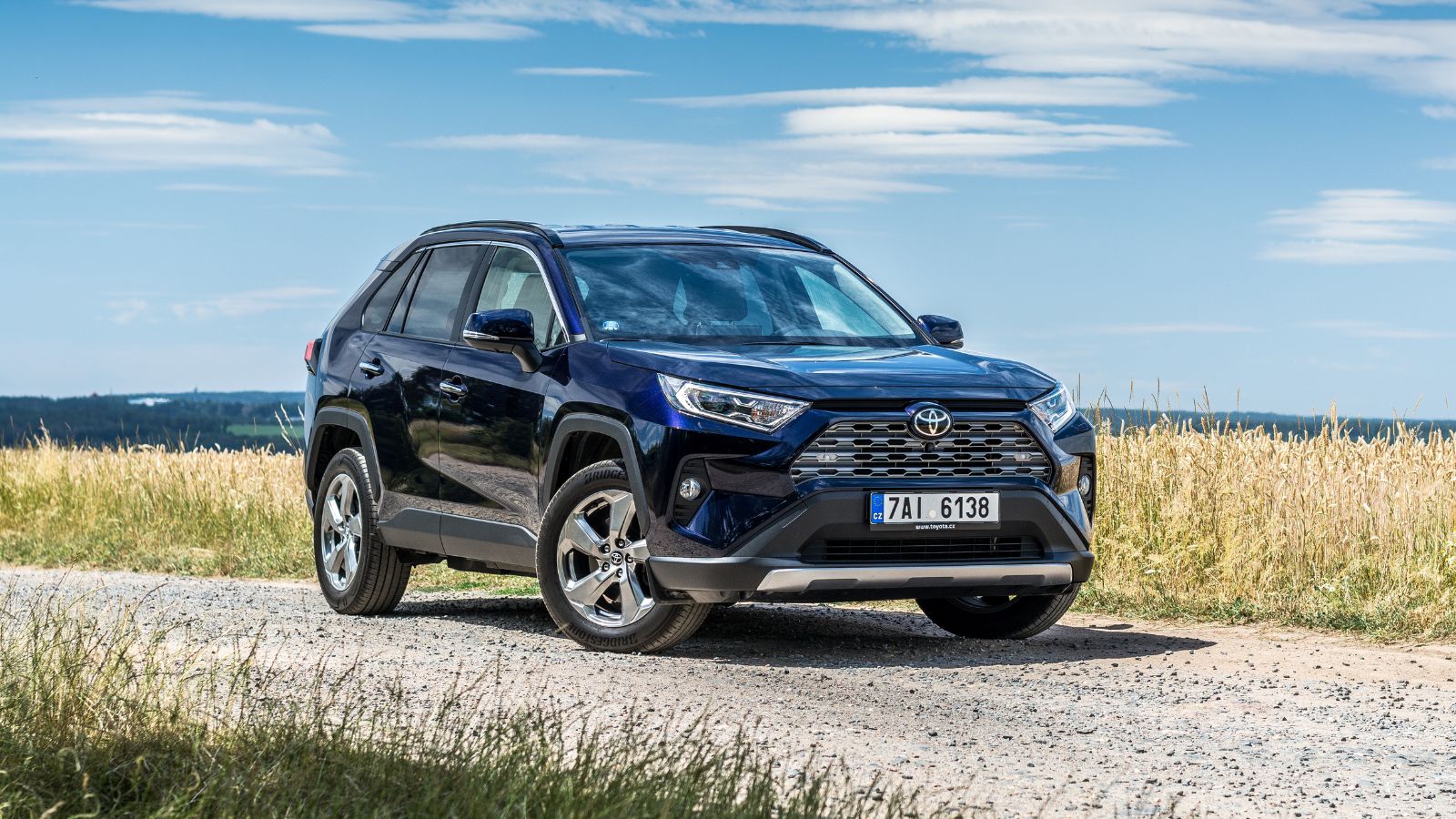
The Toyota RAV4 has long been the easy recommendation: practical size, strong resale value, available hybrid power, and a reputation that carries weight in Canadian driveways. That popularity is exactly what has started to work against it. Recent Canadian theft data shows the RAV4 has become one of the country’s most targeted vehicles, with newer models especially attractive because of demand, parts value, and export potential.
For many buyers, the RAV4 still checks the right boxes, but “safe choice” now depends heavily on location and insurance reality. In parts of Ontario and Quebec, a RAV4 parked outside overnight can feel less like a low-stress appliance and more like a vehicle that needs extra anti-theft layers. Steering-wheel locks, tracking devices, garage parking, and higher premiums can change the ownership experience.
Honda CR-V
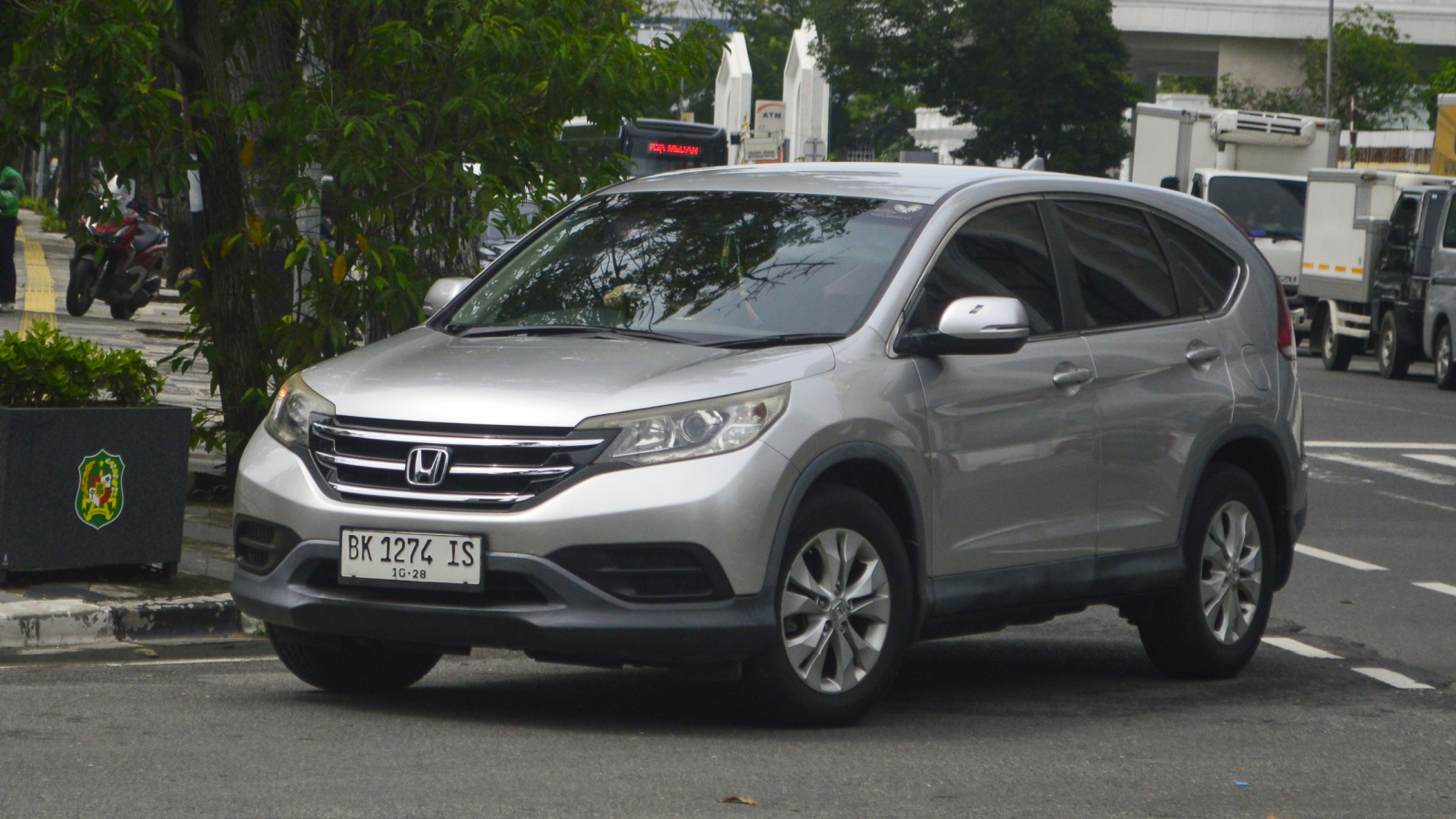
The Honda CR-V remains one of Canada’s best-known compact SUVs, and that familiarity is part of its appeal. Families know the name, used shoppers trust the brand, and the cargo space makes daily life easier. Yet the CR-V’s broad popularity has also made it a recurring target in theft reports, particularly in urban and suburban markets where organized auto theft has focused heavily on high-demand SUVs.
That creates a frustrating contradiction. The CR-V is bought precisely because it feels sensible, but sensible no longer means invisible. A commuter in the GTA or Montreal area may find that insurers, security recommendations, and resale-market demand all tell the same story: this is not just a family vehicle, it is a high-value target. The practical strengths remain, but the peace-of-mind advantage is no longer automatic.
Toyota Highlander
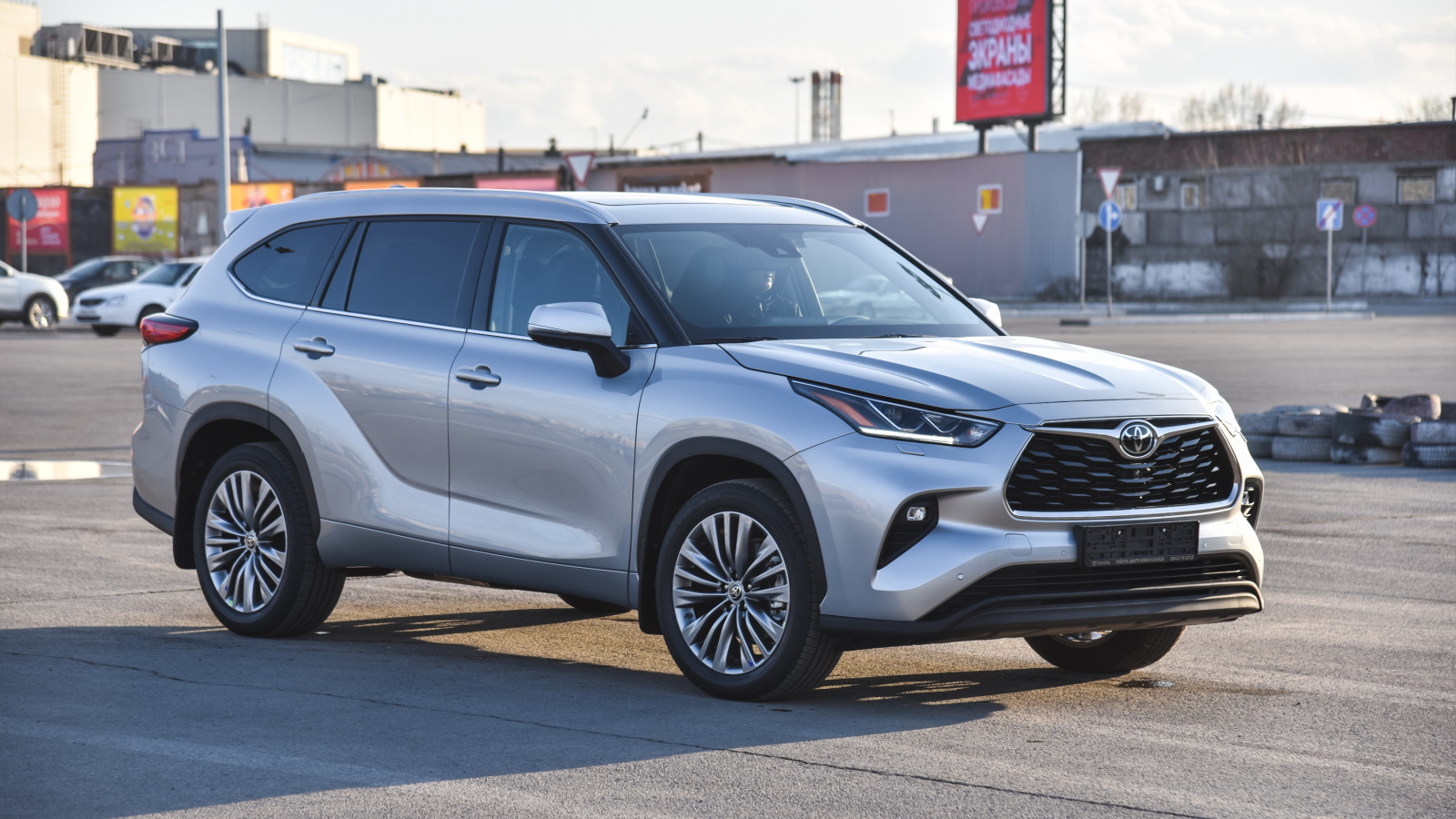
The Toyota Highlander has built its reputation on three-row practicality without the bulk of a full-size SUV. For Canadian families that need school-run space, winter confidence, and Toyota’s resale strength, it still looks compelling. The issue is that the Highlander has appeared near the top of Canadian theft rankings in recent years, making its strong market demand a double-edged sword.
That can surprise owners who assumed a mainstream Toyota would be a quiet, low-drama pick. In higher-risk regions, the Highlander’s popularity can invite added insurance scrutiny and more security planning. A vehicle bought for family convenience may require after-purchase spending on anti-theft devices, secure parking, or tracking subscriptions. It is still capable and useful, but the ownership math is less simple than the badge suggests.
Lexus RX
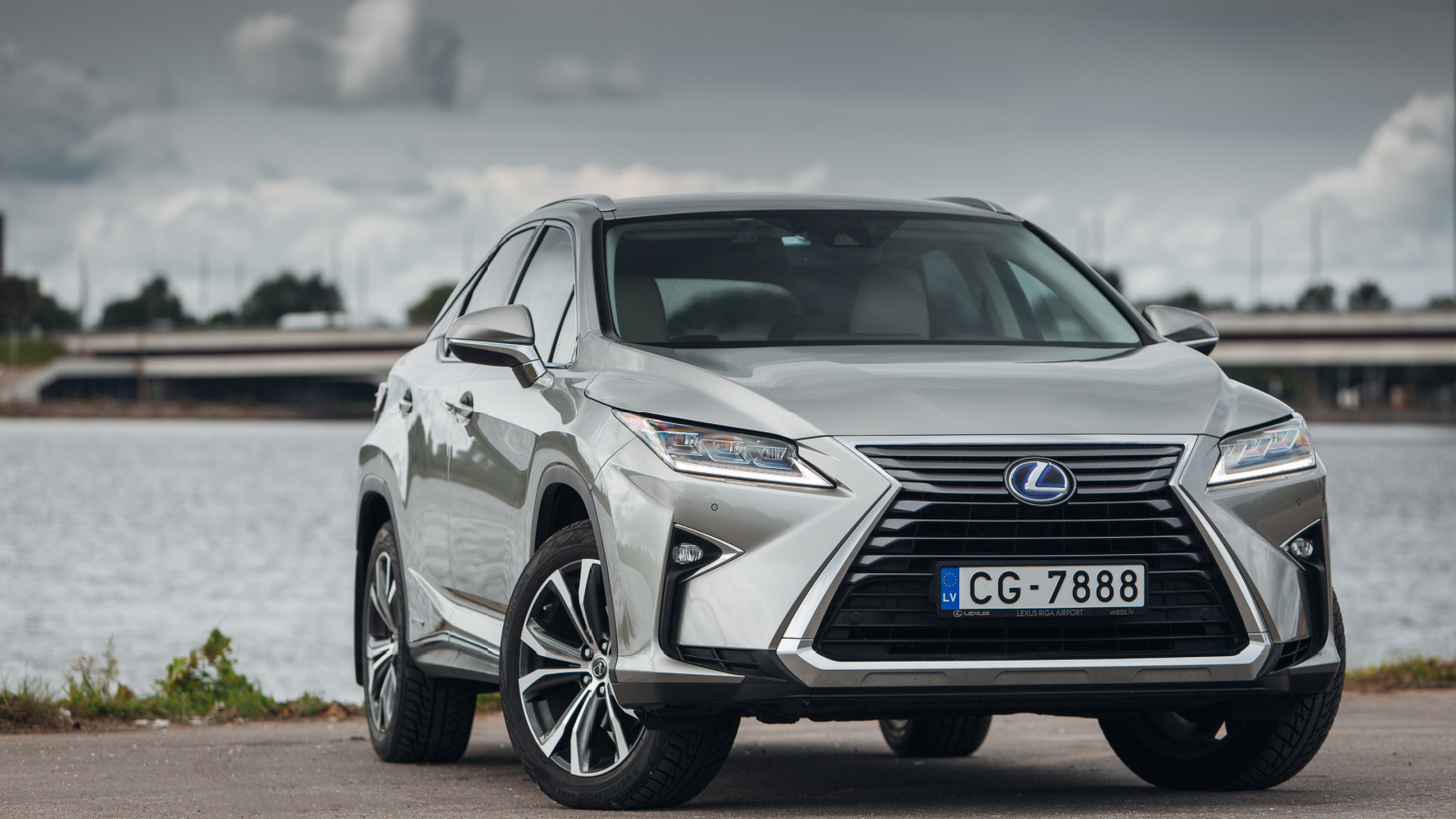
The Lexus RX used to feel like one of the safest luxury SUV bets in Canada: comfortable, refined, reliable, and easier to live with than flashier European rivals. That reputation remains powerful, but the RX has also become a regular name in Canadian theft discussions. Its resale value, global desirability, and luxury-brand appeal make it attractive far beyond ordinary buyers.
For owners, that means the RX can feel less relaxing than its quiet cabin suggests. A well-equipped RX parked in a driveway may carry a different risk profile than shoppers expect from a brand associated with dependability. The concern is not merely theft itself, but the wider ownership burden: insurance costs, replacement delays, and the hassle of protecting a vehicle that was bought for calm, not complication.
Jeep Wrangler
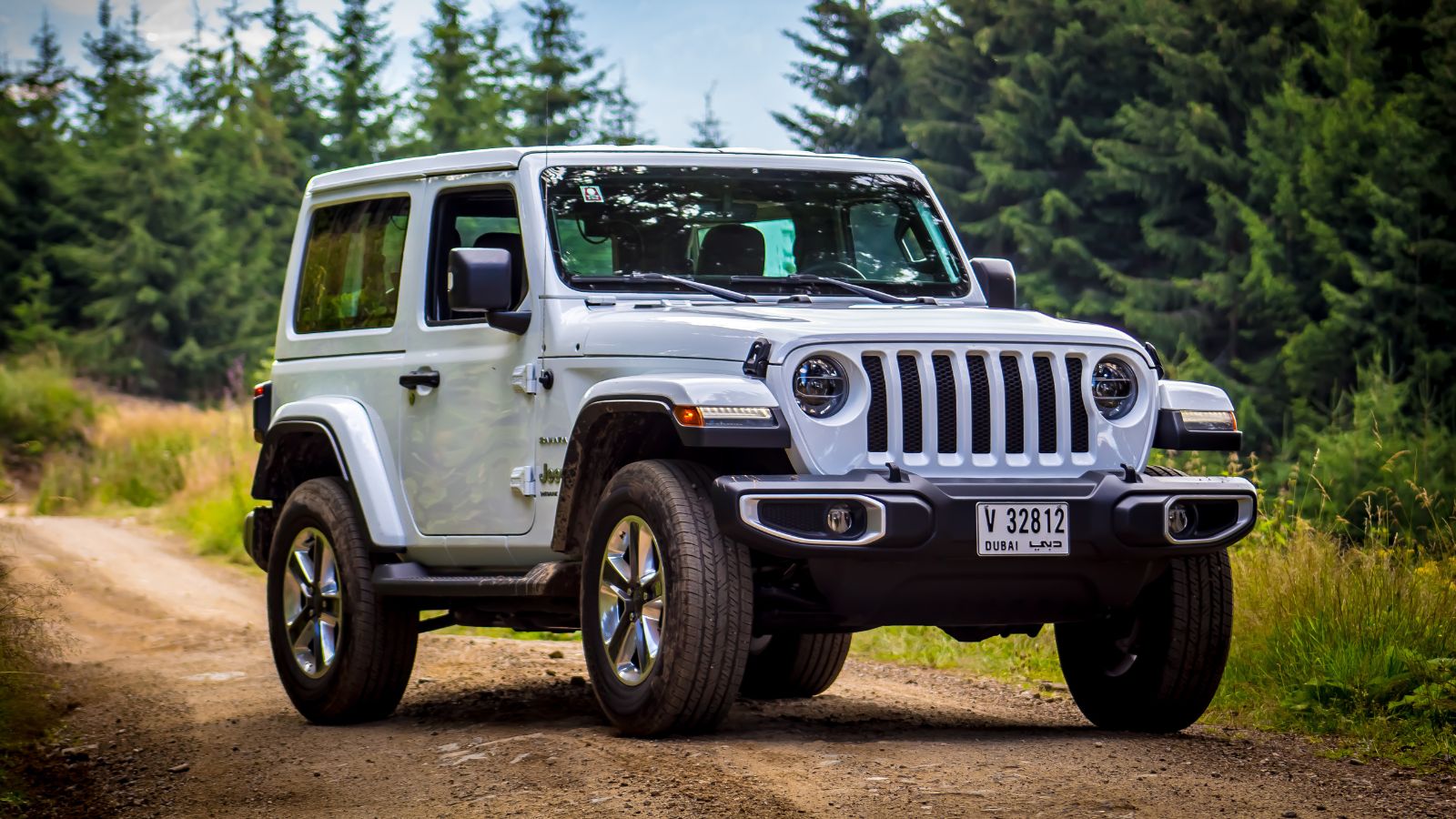
The Jeep Wrangler sells on personality. It looks rugged, holds value well, and offers a kind of open-air character few SUVs can match. In Canada, that image works in cottage country, mountain towns, and city streets alike. But the Wrangler has also appeared in Canadian theft rankings, and its popularity in the used market keeps demand strong for both complete vehicles and parts.
There is also the everyday reality of owning something designed around capability and character rather than quiet efficiency. Tires, fuel, wind noise, winter refinement, and insurance can all feel different from a conventional crossover. A Wrangler can be deeply satisfying for the right owner, but it is no longer a simple “buy it and relax” SUV. It asks for commitment, and sometimes a bigger budget than expected.
Jeep Grand Cherokee
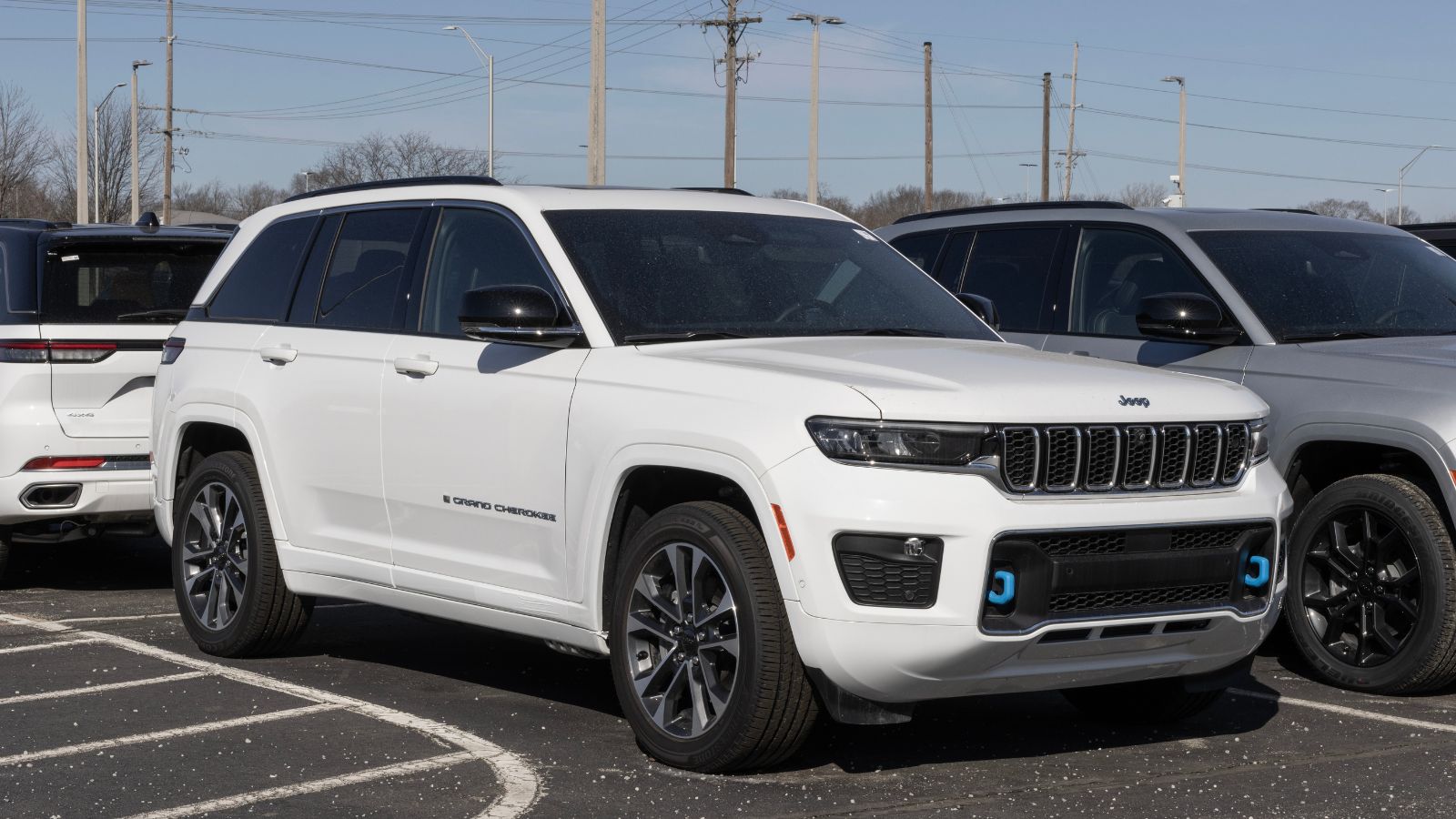
The Jeep Grand Cherokee occupies a tempting middle ground: upscale enough to feel premium, rugged enough to feel capable, and common enough to seem practical. In Canada, it has often appealed to drivers who want more personality than a typical crossover. Recent recall activity involving Grand Cherokee and Grand Cherokee 4xe models, however, has made some shoppers more cautious.
The plug-in hybrid versions add another layer of complexity. Electrified powertrains can reduce fuel use in the right routine, but they also introduce high-voltage components and more complicated repair considerations. When recall notices mention issues such as potential fire risk, engine failure, or occupant-restraint concerns, buyers are reminded that a premium-feeling SUV can still carry costly technical baggage. It remains appealing, but not effortlessly reassuring.
Land Rover Range Rover
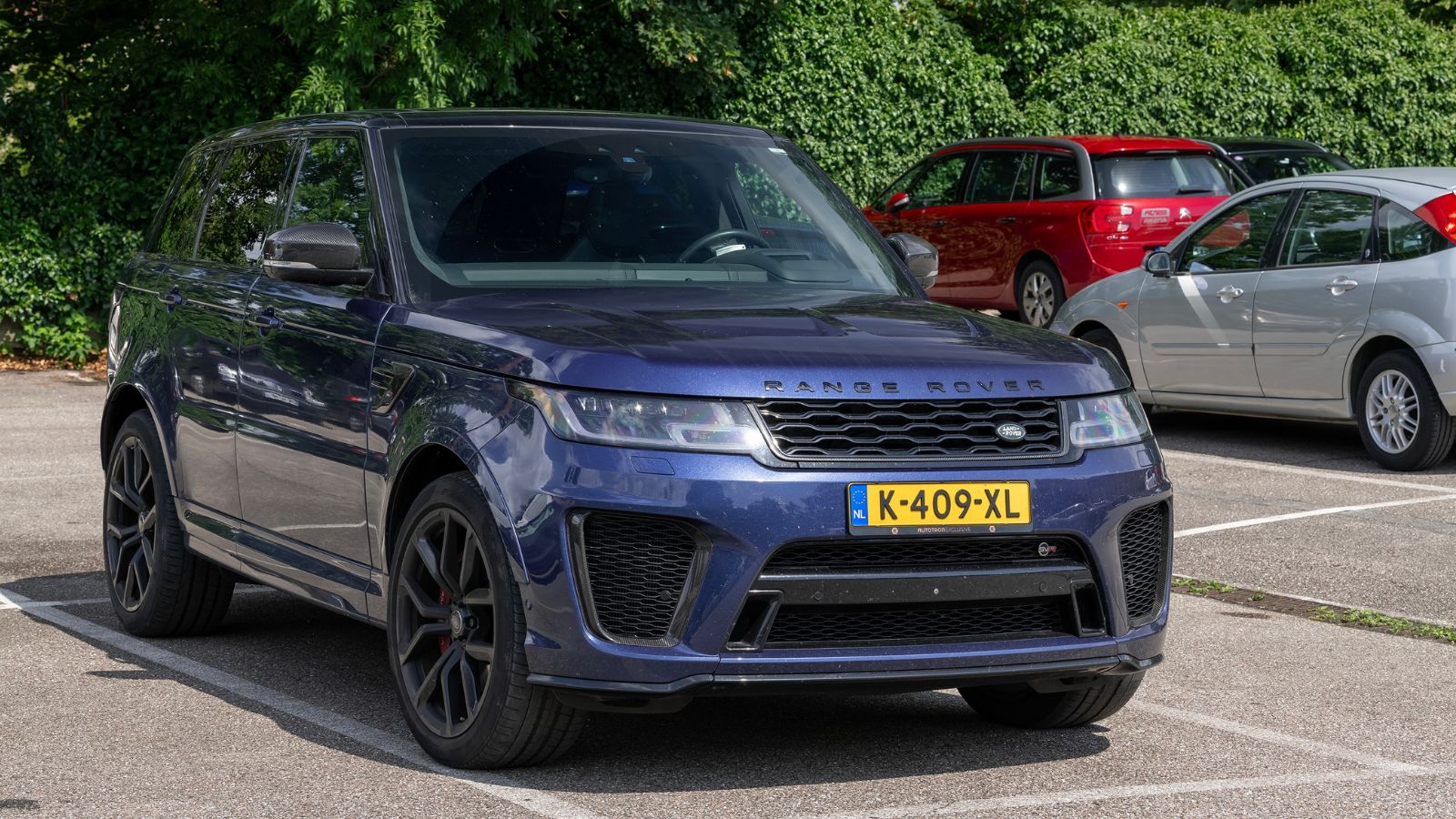
Few SUVs project confidence like a Range Rover. It suggests luxury, winter command, and status in one expensive package. In Canada, though, that same desirability can work against owners. Range Rover models have appeared on theft lists, particularly in regions where high-end SUVs are attractive to organized theft networks and export channels.
The ownership experience also tends to be expensive even before theft risk enters the discussion. Tires, brakes, electronic systems, air suspension components, and specialized service can make routine ownership feel premium in all the wrong ways. A used Range Rover may look like a bargain compared with its original price, but the repair ceiling remains luxury-grade. It can still feel special, but it no longer feels like the safe luxury shortcut.
Chevrolet Tahoe
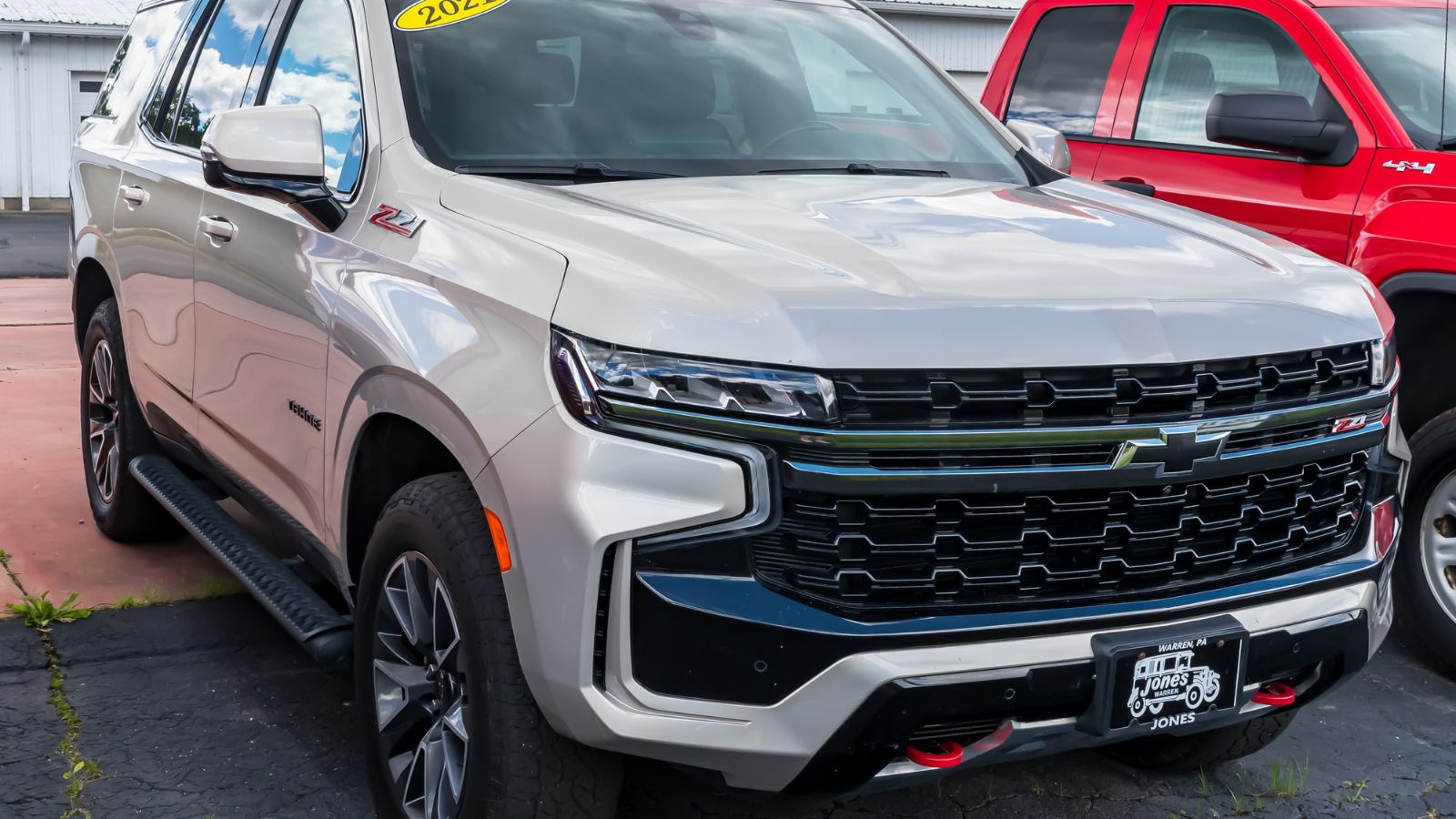
The Chevrolet Tahoe is a familiar full-size SUV choice for Canadian families who need towing strength, passenger space, and road-trip comfort. It feels substantial, and that size often creates an impression of security. Yet full-size SUVs bring full-size costs: fuel use, tire replacements, brake work, and parking practicality can become much harder to ignore when gas prices or insurance premiums rise.
The Tahoe and its related GM siblings have also appeared in Canadian theft data, especially because large SUVs hold value and have parts demand. For families that genuinely need the capability, the Tahoe can make sense. For buyers who mostly want an elevated daily driver, it may feel like too much vehicle. The “safe” feeling can fade quickly when each fill-up and service visit reflects its size.
GMC Yukon
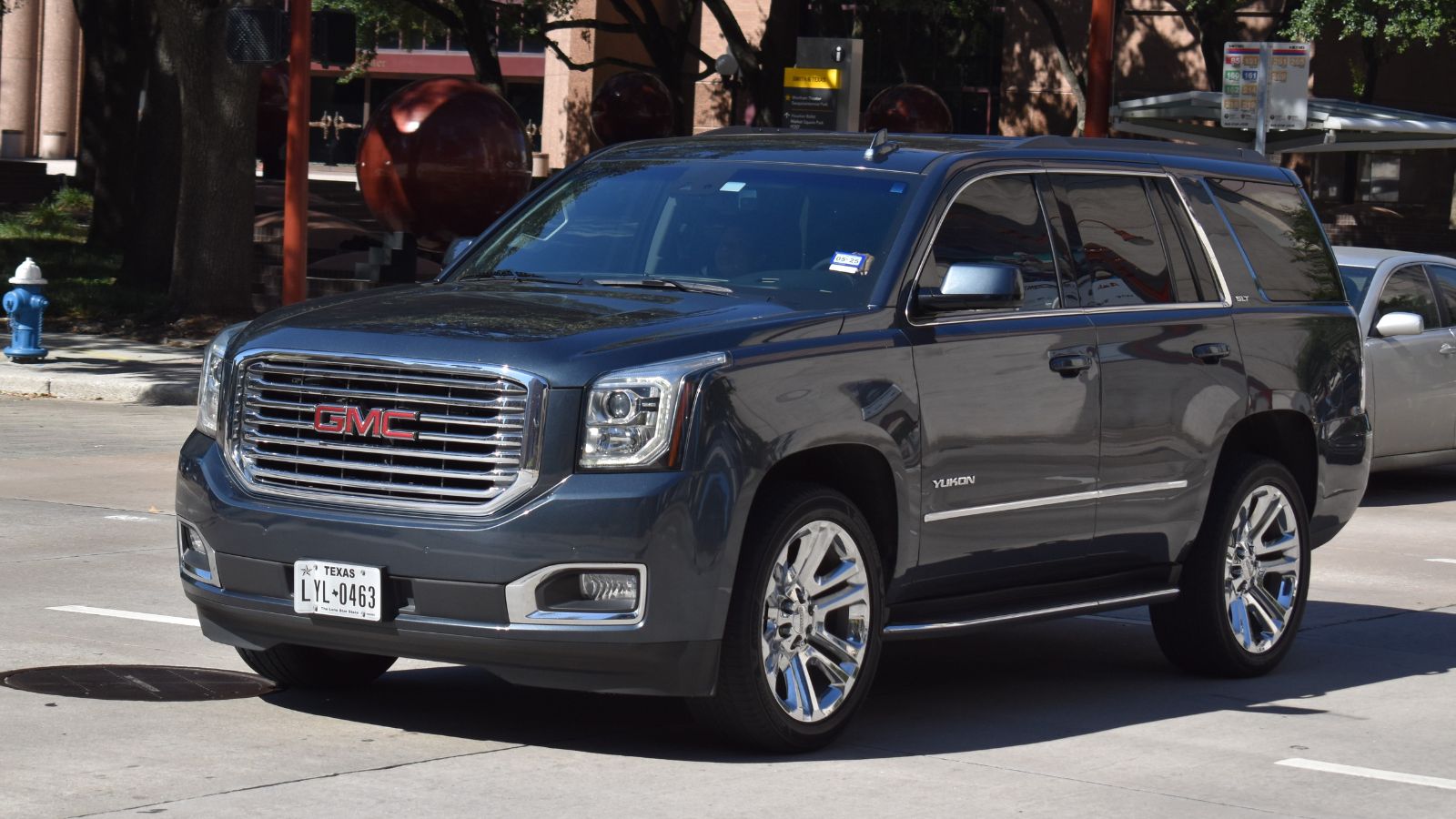
The GMC Yukon shares much of the Tahoe’s appeal but often adds a more premium feel, especially in Denali form. It is comfortable, powerful, and suited to long Canadian highways, trailers, and large families. But a Yukon is not a low-risk ownership decision. Its purchase price, insurance exposure, and operating costs can be significant, and its desirability can make it visible to thieves.
The Yukon also illustrates a broader shift in SUV buying. Bigger once felt safer by default, but modern ownership includes more than crash confidence. A large, expensive SUV can mean higher repair bills after minor damage, more expensive winter tires, and greater fuel sensitivity. For households that use its full capability, the Yukon is rational. For image-driven buyers, it can become an expensive answer to a smaller problem.
Volkswagen Atlas
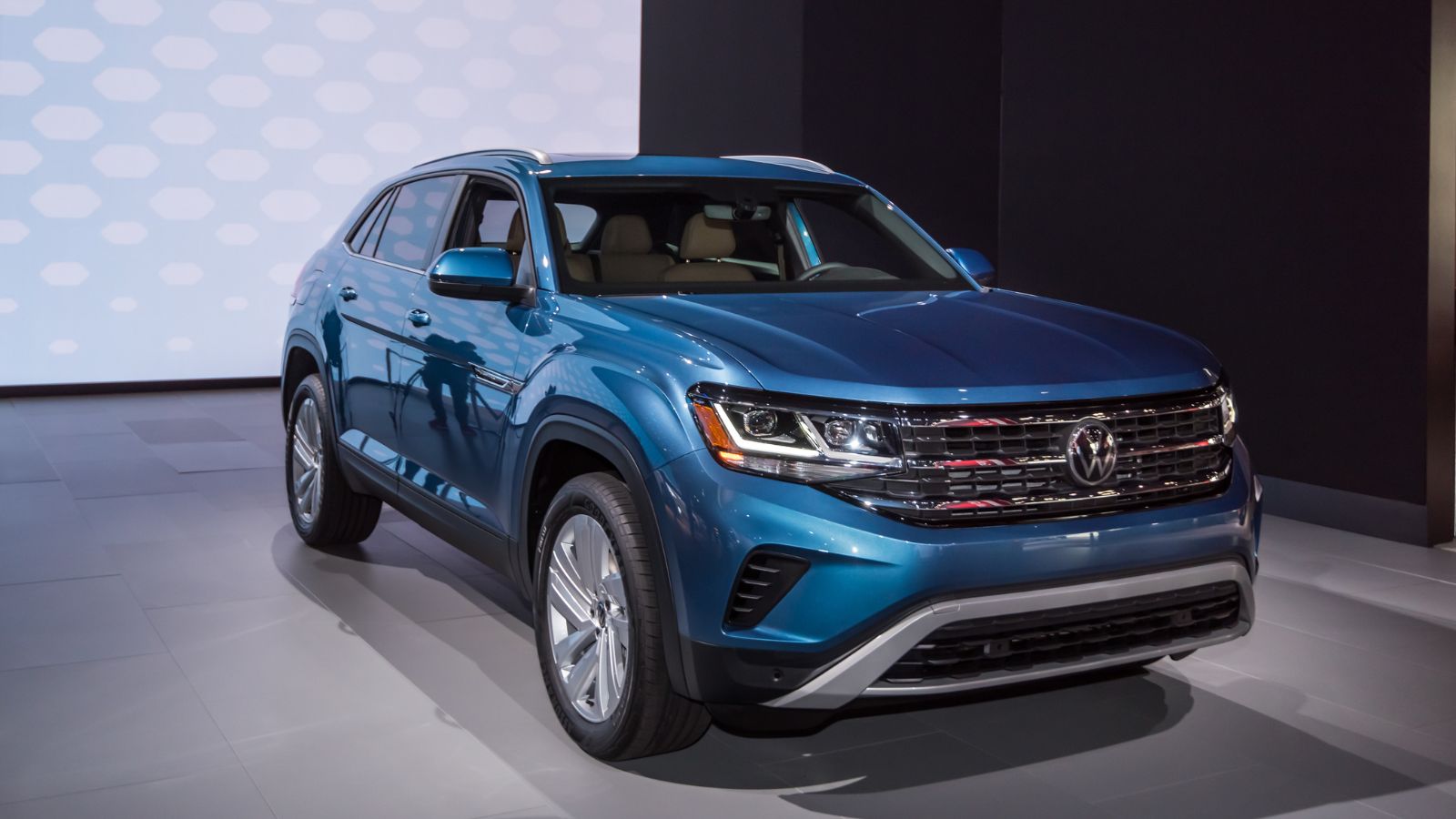
The Volkswagen Atlas won Canadian attention by offering generous space without moving fully into truck-based SUV territory. It is roomy, family-friendly, and often priced attractively against three-row rivals. However, recent recall history has made the Atlas feel less carefree than its practical shape suggests, with reported issues involving airbag sensors, rearview camera display problems, loose bolts, wheel hardware, and other safety-related concerns.
For buyers, the issue is not that every Atlas is problematic; it is that family SUVs are supposed to reduce stress. When a vehicle is chosen for school runs, car seats, and highway trips, repeated safety notices can wear down confidence. The Atlas still has strengths, especially cabin space, but a careful recall-history check and service-document review now feel essential rather than optional.
Ford Explorer
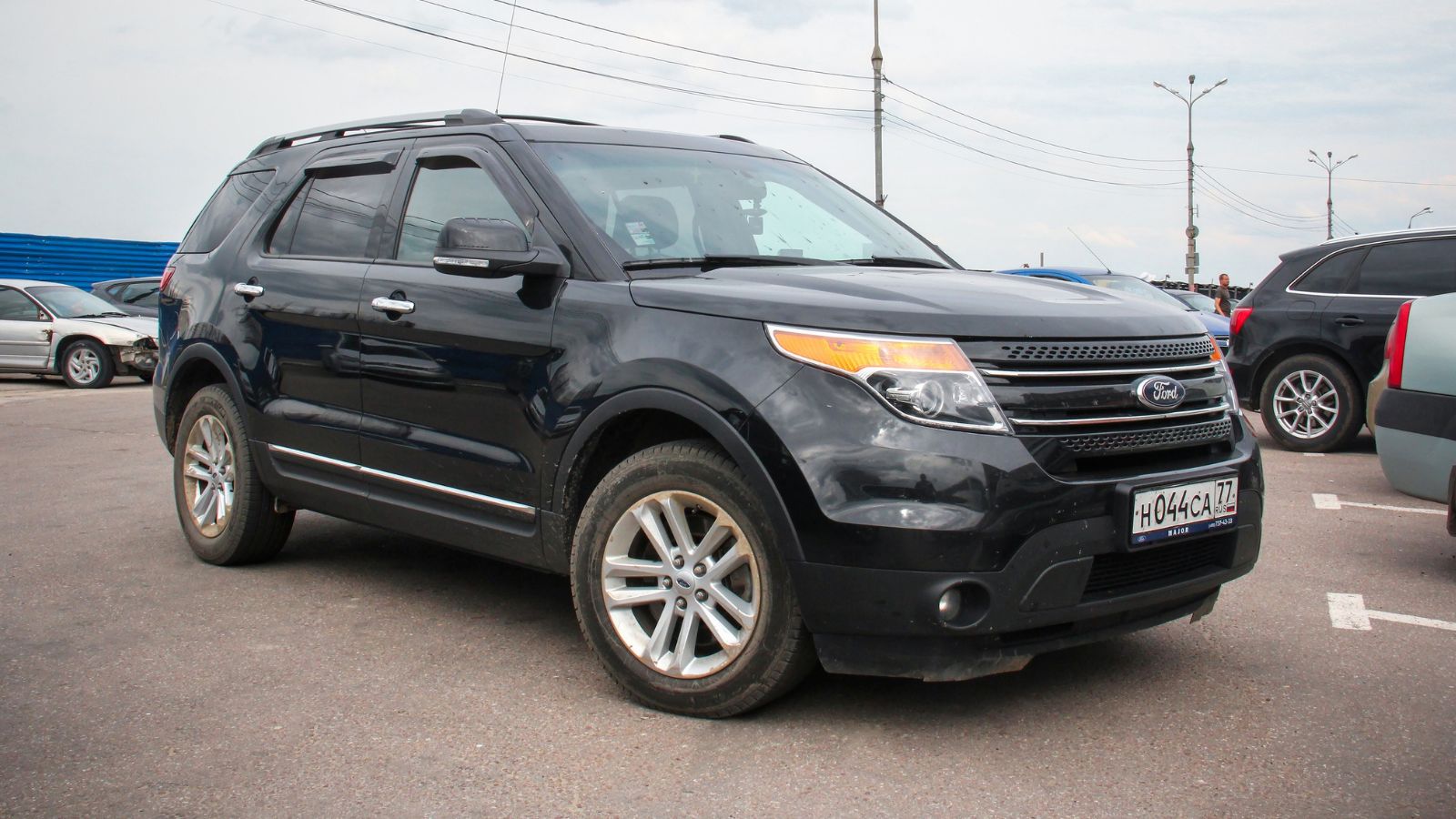
The Ford Explorer has a long history in Canada, and the newer versions blend family use with police-fleet familiarity and strong engines. That familiar name can make it feel like a safe mainstream pick. Recent recall activity, however, has highlighted concerns involving camera systems, driver-assistance functions, seat-belt components in earlier model years, and cold-weather-related block heater risks on certain Ford vehicles.
Those details matter in Canada because safety technology and winter equipment are not luxury extras; they are part of daily driving. If a rearview camera, pre-collision assist, or lane-keeping system does not function properly, the ownership experience changes. The Explorer still offers space and capability, but shoppers may want to treat it less like a default family answer and more like a vehicle that needs careful model-year research.
Hyundai Palisade
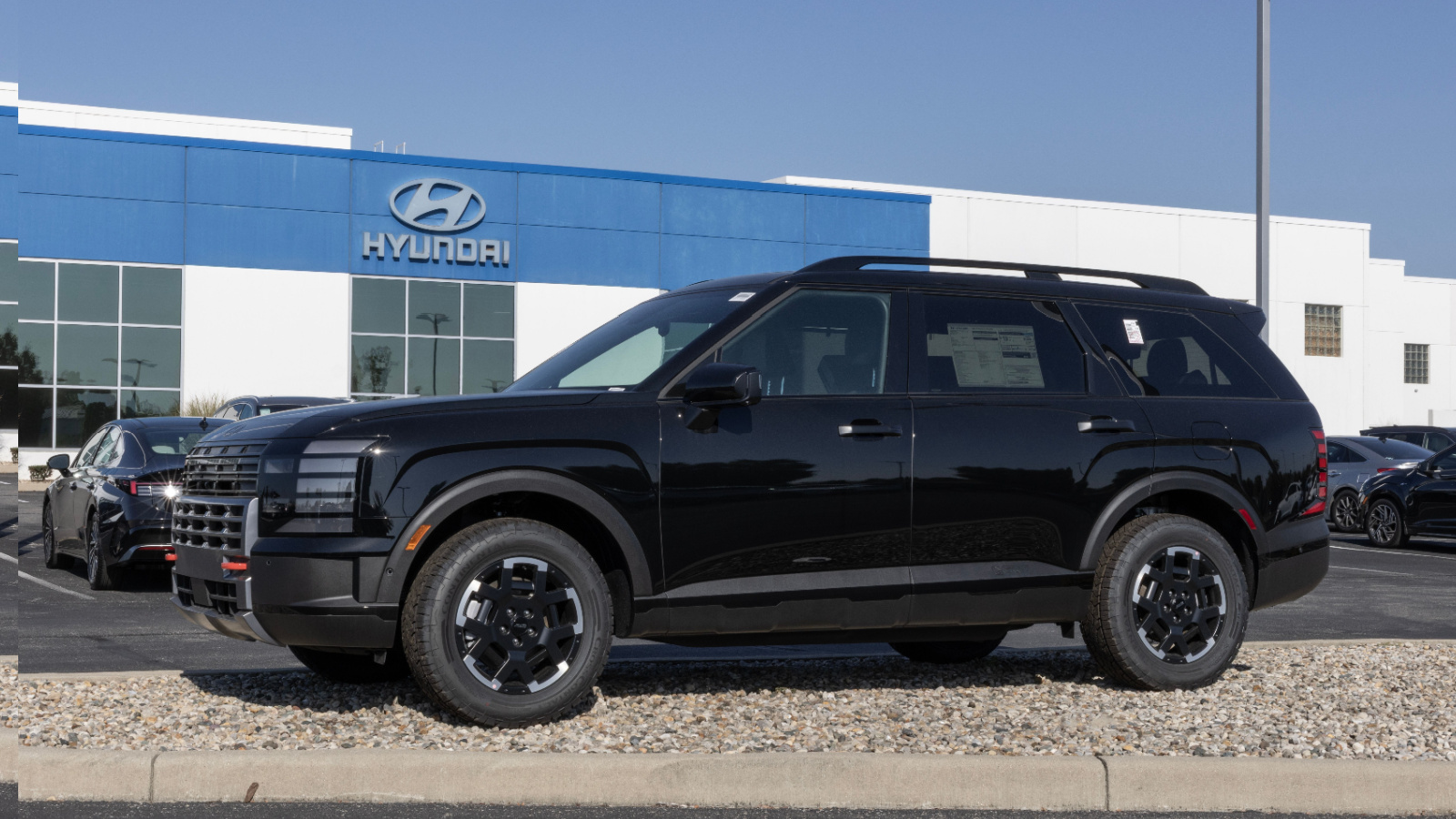
The Hyundai Palisade earned praise by offering near-luxury comfort without a luxury badge. Canadian families liked the quiet ride, three-row space, and strong feature value. But recent safety recalls involving seat-belt indicators, seat-belt buckle concerns, and power-operated rear seats on newer Palisade models have complicated the calm, family-first image.
That matters because the Palisade’s entire pitch is trust: it is supposed to carry children, luggage, grandparents, and daily routines with minimum fuss. When the news around a family SUV involves occupant detection, seat belts, or rear-seat power functions, buyers understandably pay attention. The Palisade can still be a comfortable and well-equipped choice, but the old “great value, no worries” narrative now needs more qualification.
Kia Telluride
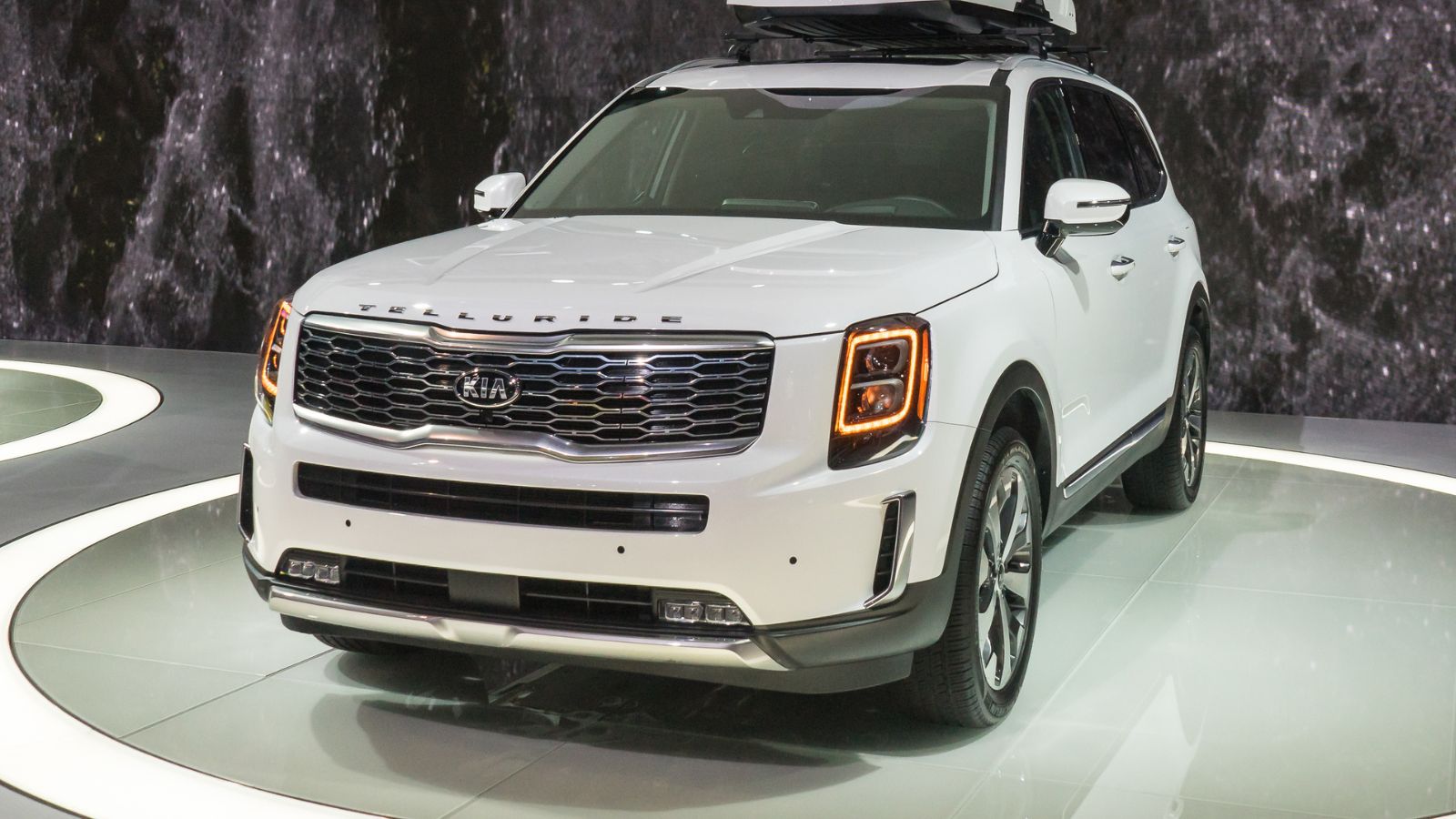
The Kia Telluride became one of the most admired three-row SUVs because it felt upscale, spacious, and well-priced. It gave families a premium experience without a premium badge, which made it a strong alternative to older favourites. Recent recall notices involving exterior trim that could loosen and detach, however, show how even highly regarded SUVs can develop practical ownership headaches.
A detachable trim piece may sound minor compared with engine or airbag concerns, but the safety issue is real when parts can become road hazards. For Canadian families driving highways in winter weather, construction zones, or cottage routes, small defects can feel larger in real life. The Telluride remains appealing, but shoppers may want to verify recall completion and avoid assuming strong reviews eliminate every risk.
Nissan Rogue
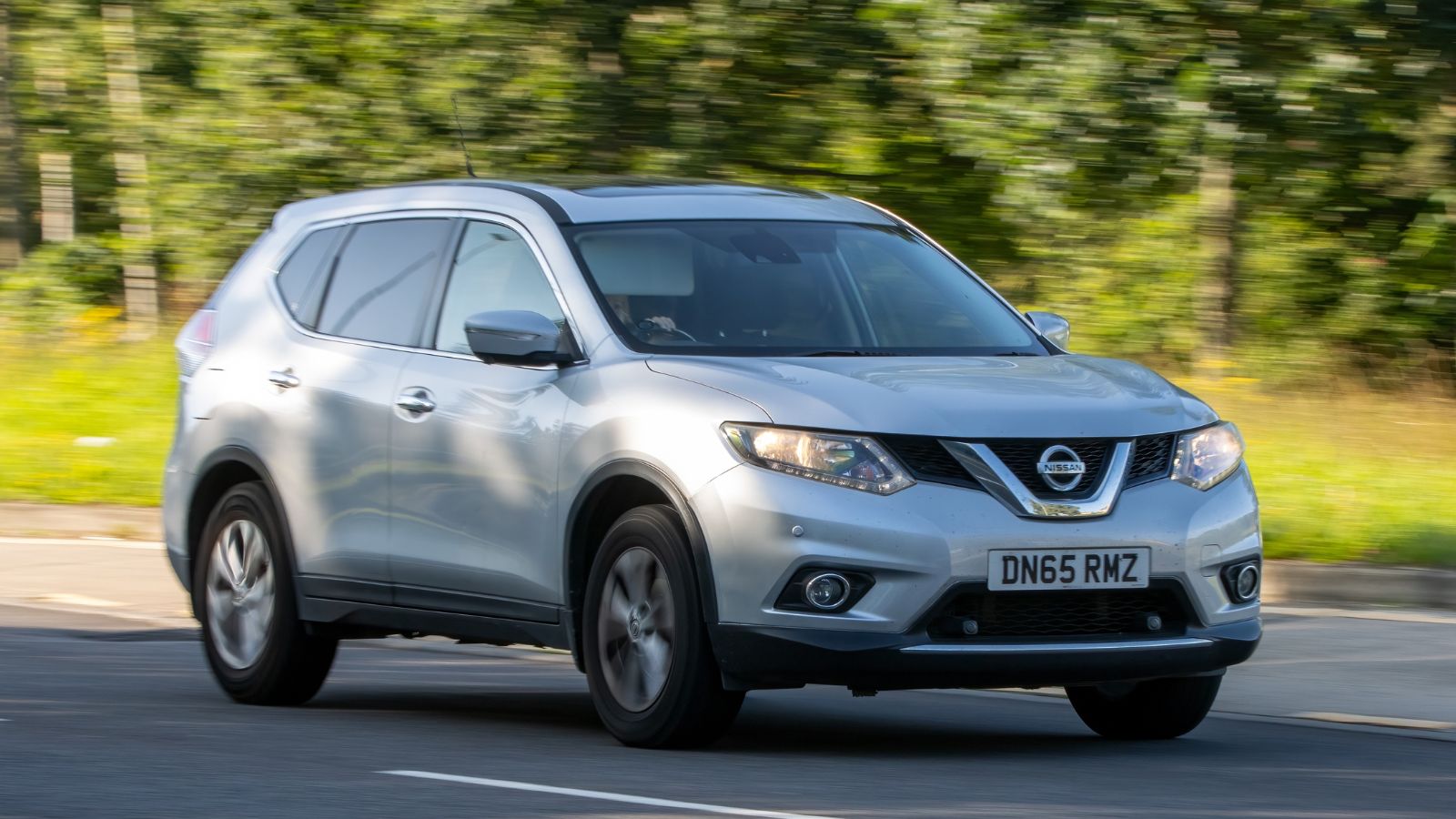
The Nissan Rogue is everywhere in Canada because it fits the compact SUV formula well: manageable size, good cargo space, and broad availability. For budget-conscious families, it often looks like a sensible alternative to Toyota and Honda pricing. The complication is recent recall attention around certain Nissan VC-Turbo engines and fuel-system issues, including concerns that could lead to stalling or engine problems.
That changes how buyers should look at the Rogue, especially used examples. A lower transaction price can be attractive, but only if service history, recall completion, and warranty coverage are clear. Modern small turbocharged engines can deliver strong fuel economy, but they are also more complex than older naturally aspirated designs. The Rogue can still serve many households well, but it no longer feels like a no-questions shortcut.
Mazda CX-5
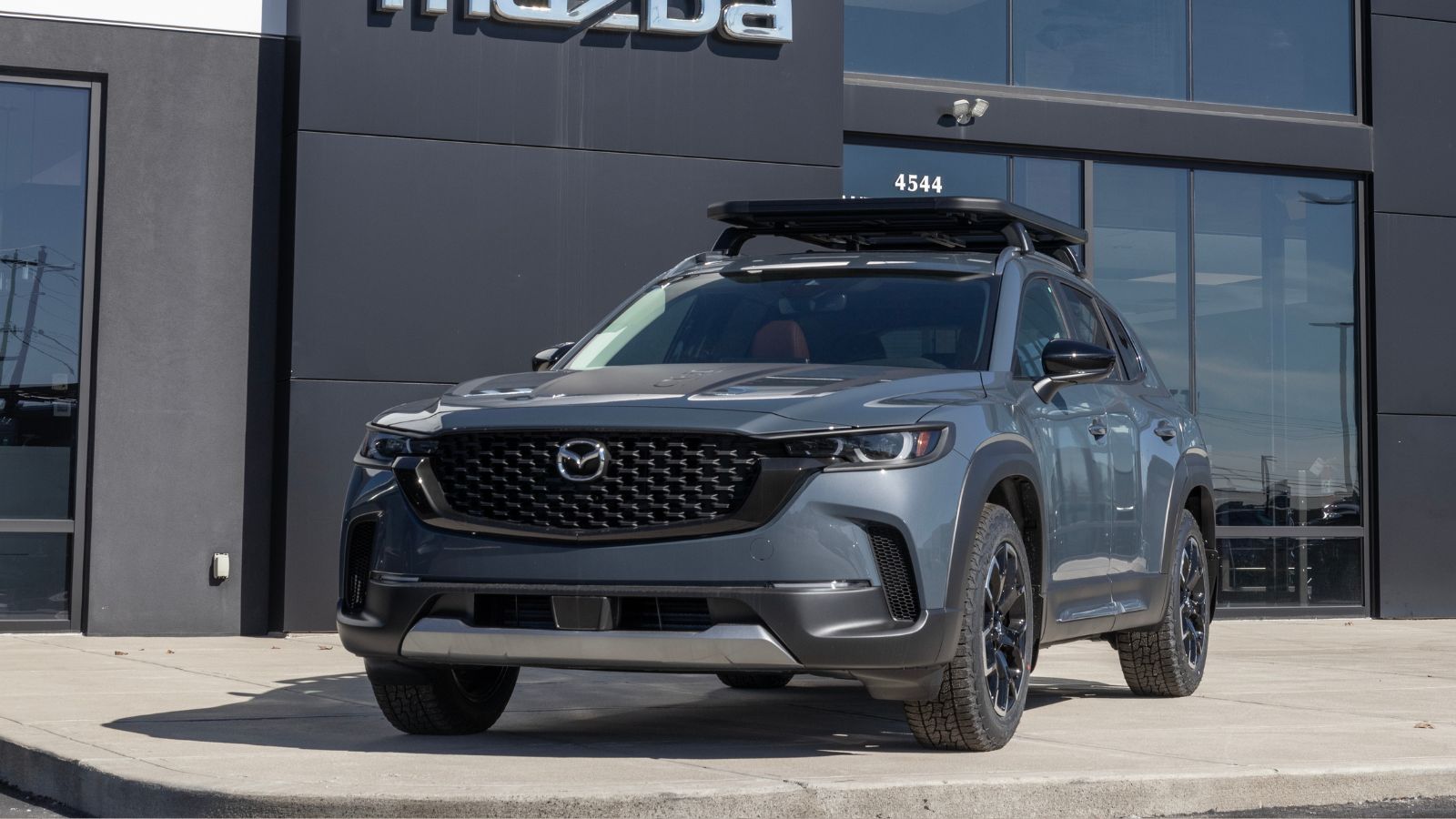
The Mazda CX-5 has often been the enthusiast’s sensible SUV: more polished to drive than many rivals, upscale inside, and still practical enough for Canadian life. Its reputation is generally strong, but in some regions it has appeared among frequently stolen SUVs, particularly in Quebec. That makes its popularity and resale strength a mixed blessing.
The CX-5 also sits in a competitive space where buyers may stretch their budgets for higher trims, turbo engines, or all-wheel drive. Those choices improve the experience but can add costs in fuel, tires, and repairs. For many owners, the CX-5 remains a satisfying vehicle. The caution is that it should not be treated as invisible or immune from the same theft and ownership pressures affecting other popular compact SUVs.
Hyundai Tucson
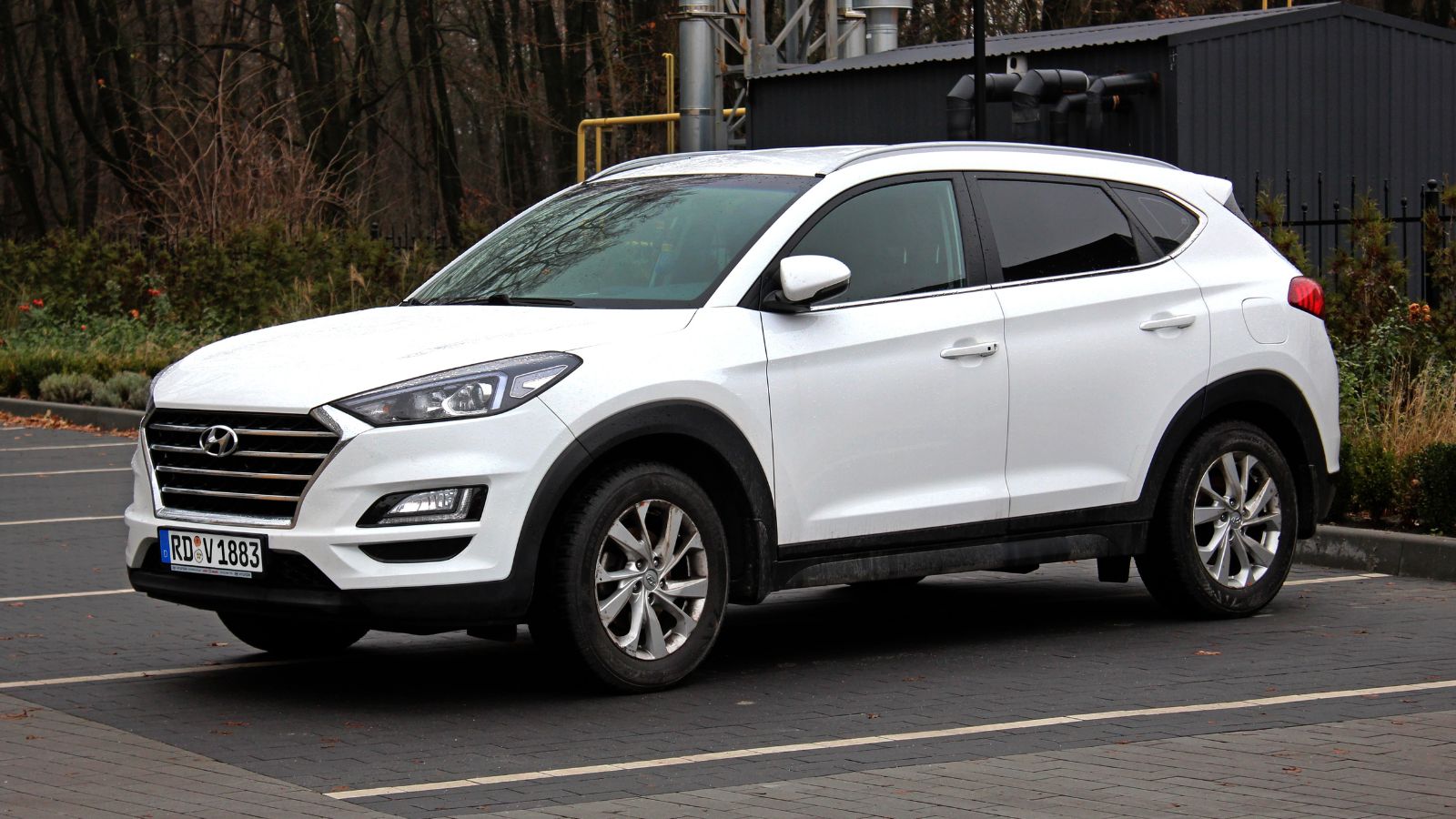
The Hyundai Tucson became a strong Canadian contender because it offers sharp styling, available hybrid power, and plenty of features for the money. It feels modern and practical, especially for households moving out of older sedans. But the Tucson has also appeared in regional theft data, and Hyundai’s broader recall history keeps some cautious buyers watching service bulletins more closely than before.
The concern is not that the Tucson lacks appeal. It is that value-packed SUVs can become complicated when demand is high, technology is dense, and thieves pay attention to common models. A buyer who chooses a Tucson for affordability may still face insurance questions, anti-theft upgrades, or trim-specific repair costs. In today’s Canadian market, the smartest version may be the one with the cleanest history and simplest long-term math.
Toyota Grand Highlander
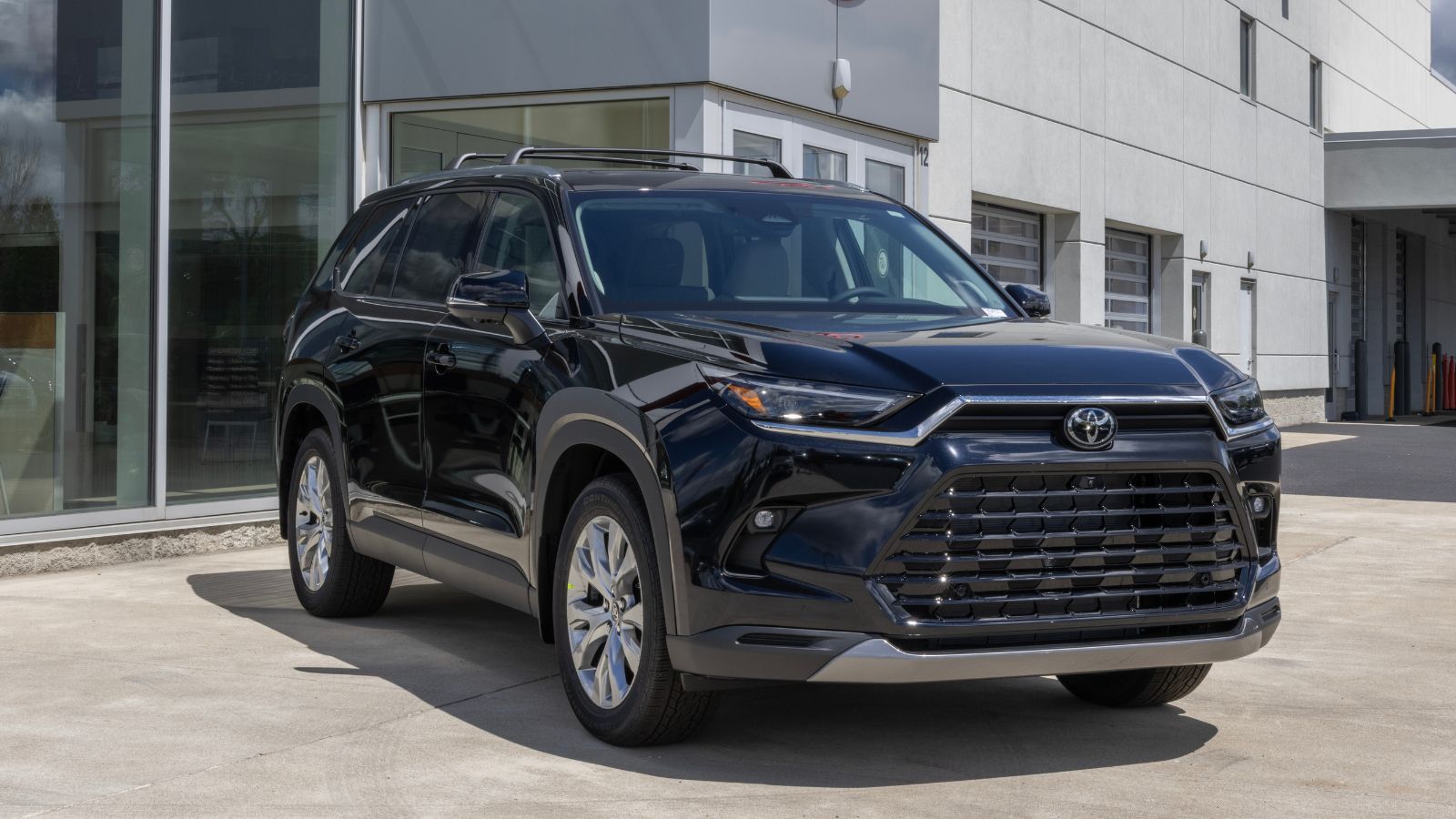
The Toyota Grand Highlander looked like a near-perfect Canadian family solution when it arrived: more space than a Highlander, available hybrid power, and Toyota’s trusted name. That made it feel like one of the safest new three-row bets. But early recall activity involving side curtain airbags and second-row seatback recliners has made the model feel less automatically reassuring than its badge suggests.
New vehicles can have early production issues, and recalls are part of modern vehicle ownership. Still, family buyers tend to be less forgiving when the concerns involve airbags or rear seats. The Grand Highlander may yet become a long-term favourite, but early adopters are carrying some first-cycle uncertainty. For shoppers, the safe move is to confirm recall repairs, check build dates, and avoid assuming Toyota branding removes all launch-year risk.
22 Things Canadians Do to Their Cars in Spring That Mechanics Hate
Spring brings relief to many Canadian drivers after months of snow, freezing temperatures, and icy roads that put serious strain on vehicles. As temperatures rise across the country, drivers begin washing cars, switching tires, and preparing vehicles for warmer weather and upcoming road trips. However, mechanics across Canada notice the same mistakes every spring when drivers attempt to recover from winter damage. Road salt, potholes, and harsh winter driving conditions often leave vehicles with hidden problems that drivers ignore. Some spring habits even create new mechanical issues that could have been avoided with proper maintenance. Here are 22 things Canadians do to their cars in spring that mechanics hate.