

























A car can survive an occasional mistake, but repeated habits often tell a different story. Mechanics routinely encounter expensive failures that began as small, preventable choices: a warning light ignored for weeks, a clutch pedal used as a footrest, or a tire left soft because it still looked fine.
Modern vehicles are durable, yet they depend on precise fluids, electronic monitoring, correct tire pressures, and thoughtful driving techniques. Damage is rarely dramatic at first. It arrives quietly as heat, friction, contamination, or extra load until a routine service visit becomes a major repair. These 16 car habits explain why technicians sometimes wince before they even open the hood—and how ordinary drivers can avoid creating problems that were never inevitable.
Ignoring Warning Lights Until the Car Feels Different
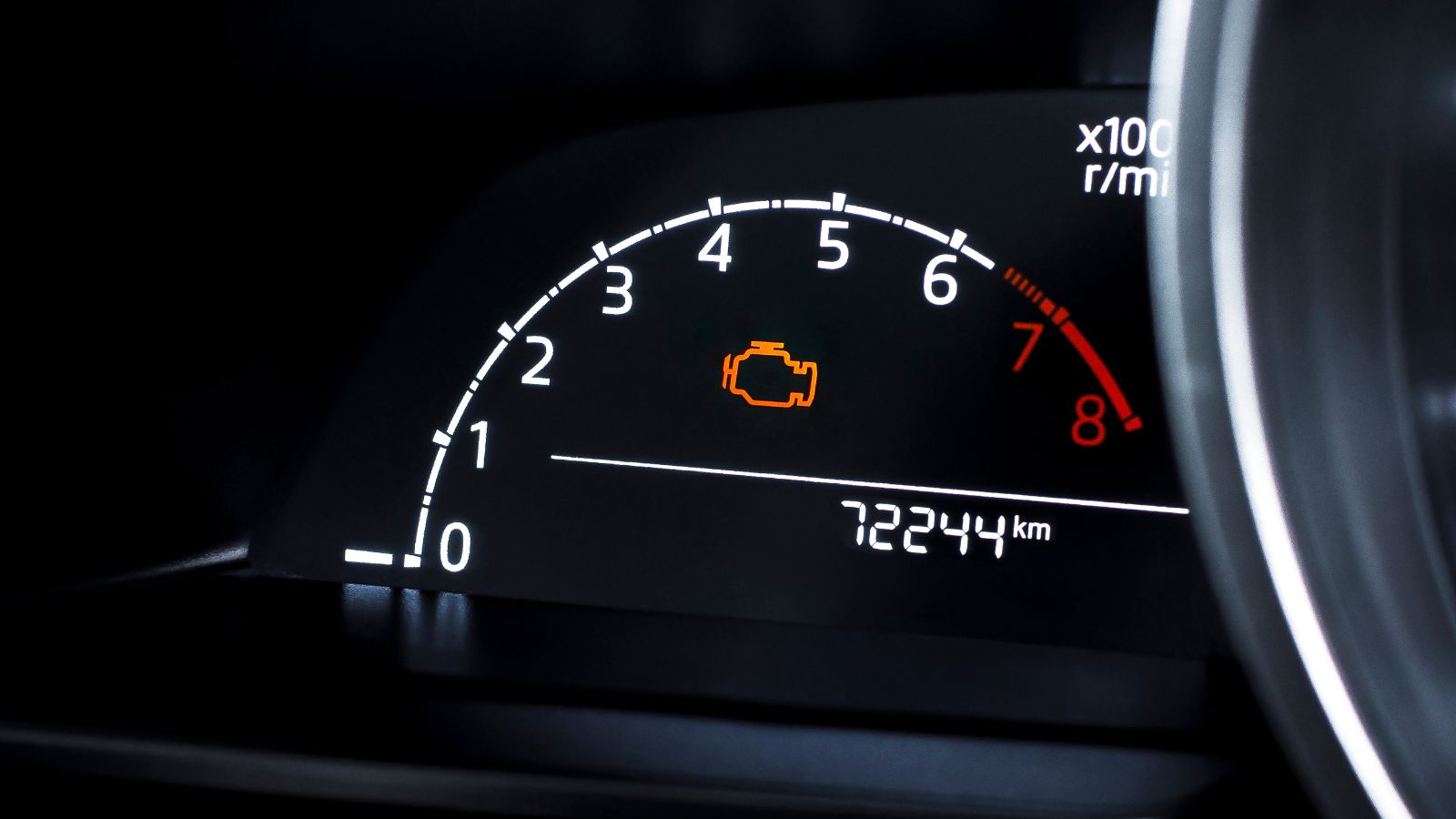
Dashboard warnings are not all equal, but treating every illuminated symbol as background decoration is a reliable way to make a small fault more serious. A steady check-engine light may allow time to arrange service, while warnings for low oil pressure, overheating, charging failure, or a major brake-system problem can require an immediate safe stop. The owner’s manual matters because the correct response varies by vehicle and by the colour, wording, and behaviour of the warning.
Mechanics often hear that a driver kept going because the car “still sounded normal.” That is exactly what makes warning lights useful: onboard systems can detect abnormal pressure, temperature, voltage, or emissions performance before a person notices obvious symptoms. Continuing to drive may remove the chance for a simple diagnosis and repair. A technician would much rather inspect a newly illuminated light than explain why an engine, catalytic converter, battery, or braking component was damaged after days of avoidable driving.
Stretching Oil Changes Far Beyond the Recommended Schedule
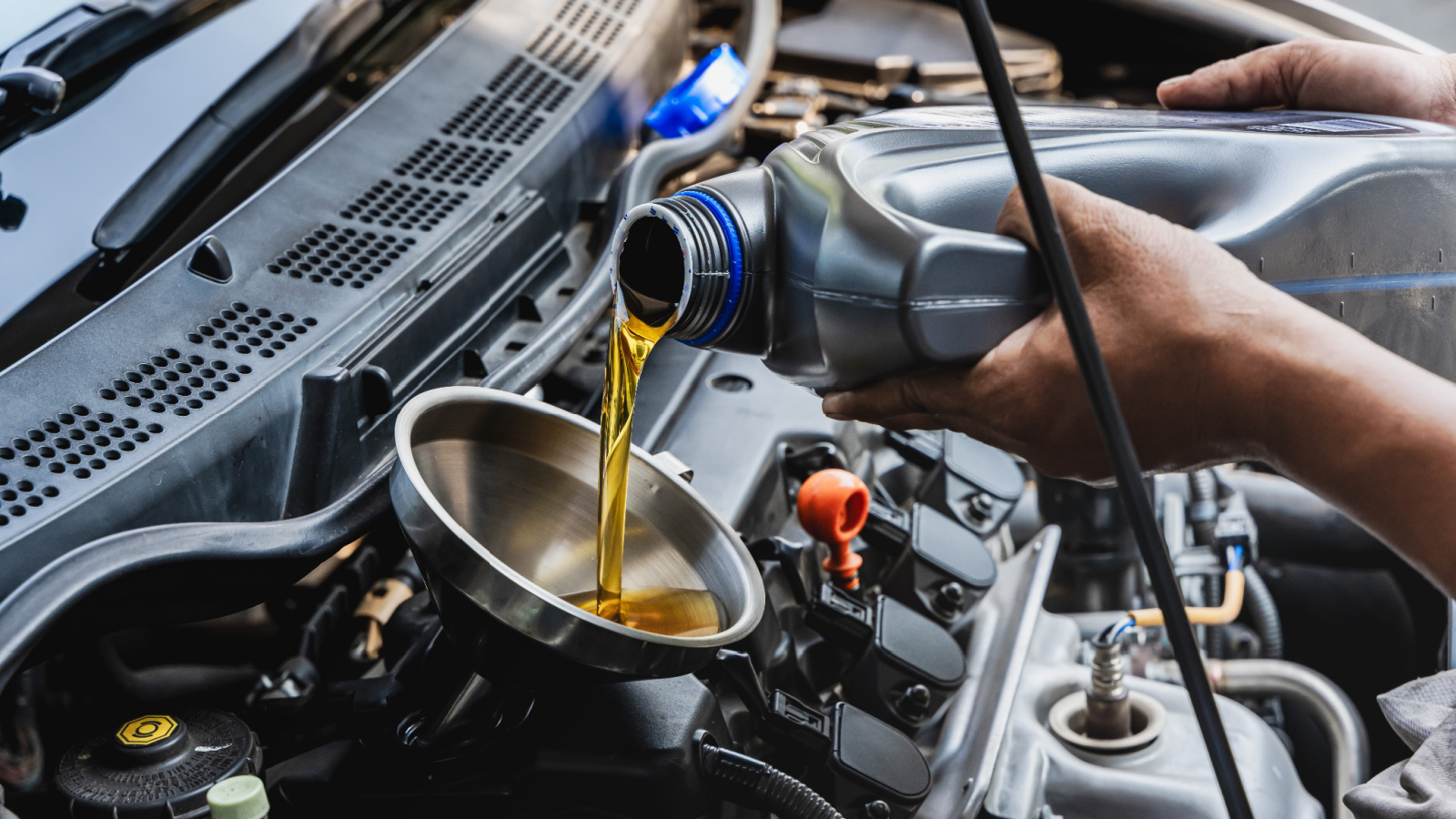
Engine oil is asked to lubricate moving parts, carry heat, suspend contaminants, and help protect internal surfaces. Over time, the oil and its additive package are exposed to heat, combustion byproducts, moisture, and repeated cold starts. That is why manufacturers publish time-and-distance schedules or use oil-life monitoring systems. Treating an oil-change reminder as an opening suggestion rather than a maintenance limit can leave an engine operating with oil that is no longer performing as intended.
The worst cases often begin innocently. A driver delays service for a busy month, then another, while assuming that modern synthetic oil makes intervals irrelevant. It does not. The appropriate interval depends on the engine, oil specification, driving pattern, climate, towing, idling, and short-trip use. Mechanics cringe when there is no reliable service history because deposits, restricted oil flow, or accelerated wear may already be developing. Following the vehicle’s own schedule is considerably cheaper than testing how long an engine can tolerate neglect.
Never Checking the Oil Level Between Services
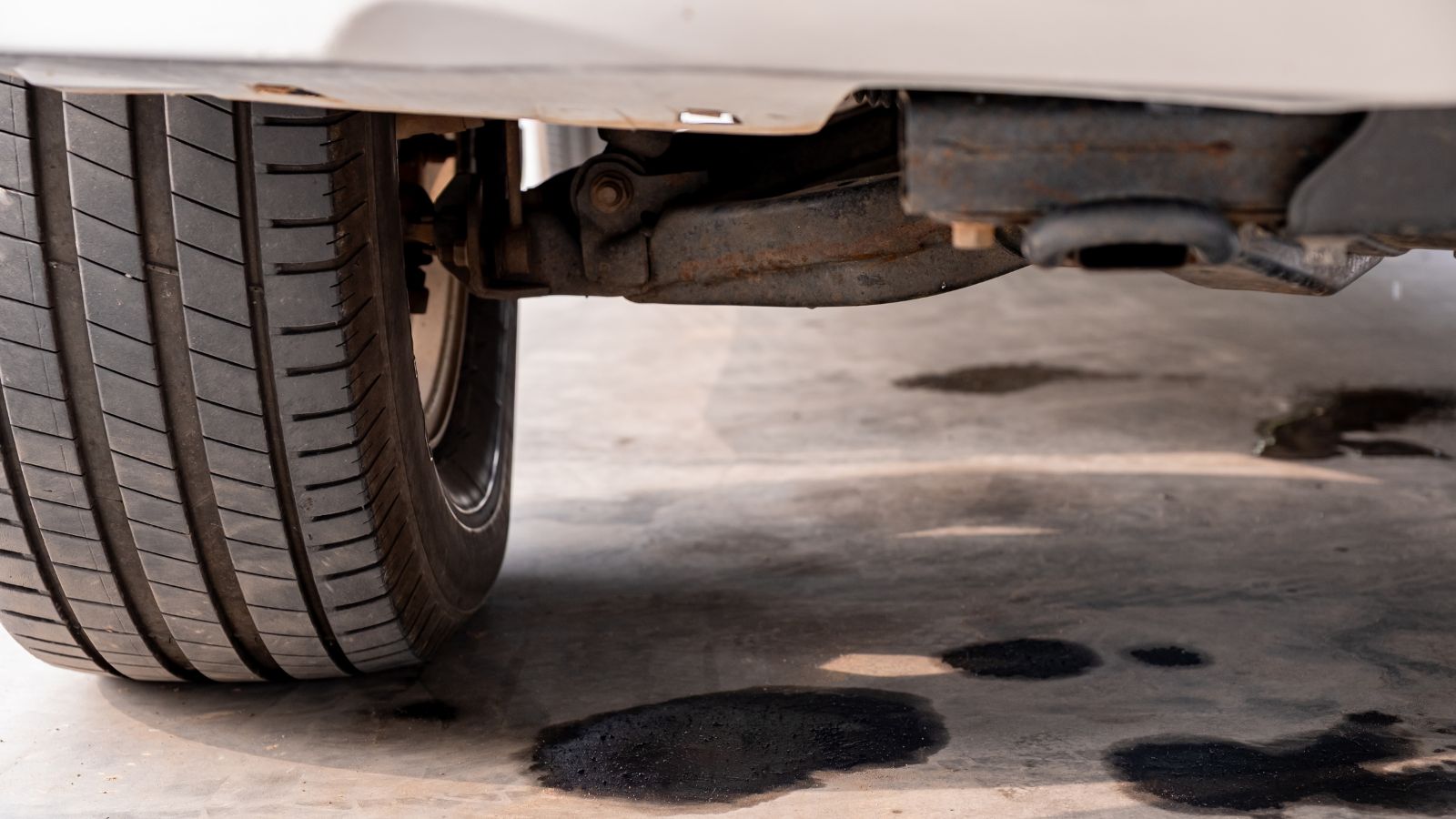
An oil change does not guarantee that the level will remain correct until the next appointment. Manufacturers acknowledge that engines can consume some oil during normal operation, and consumption may increase with high engine speeds, heavy loads, frequent acceleration, long idling, or severe traffic. A leak, damaged seal, or emerging mechanical problem can lower the level even faster. Drivers who never lift the hood may miss the warning until pressure drops or engine noise appears.
Checking the dipstick is simple on vehicles that still have one, but the procedure matters. The car should be on level ground, the recommended waiting period should be observed, and overfilling must be avoided. On vehicles with electronic measurement, the manufacturer’s instructions apply instead. Mechanics are especially uneasy when a driver relies entirely on the oil-pressure light because that warning generally concerns pressure, not an early measurement of oil quantity. A monthly check and another before long trips can reveal consumption trends while the remedy remains straightforward.
Pouring In Whatever Oil or Fluid Is Available
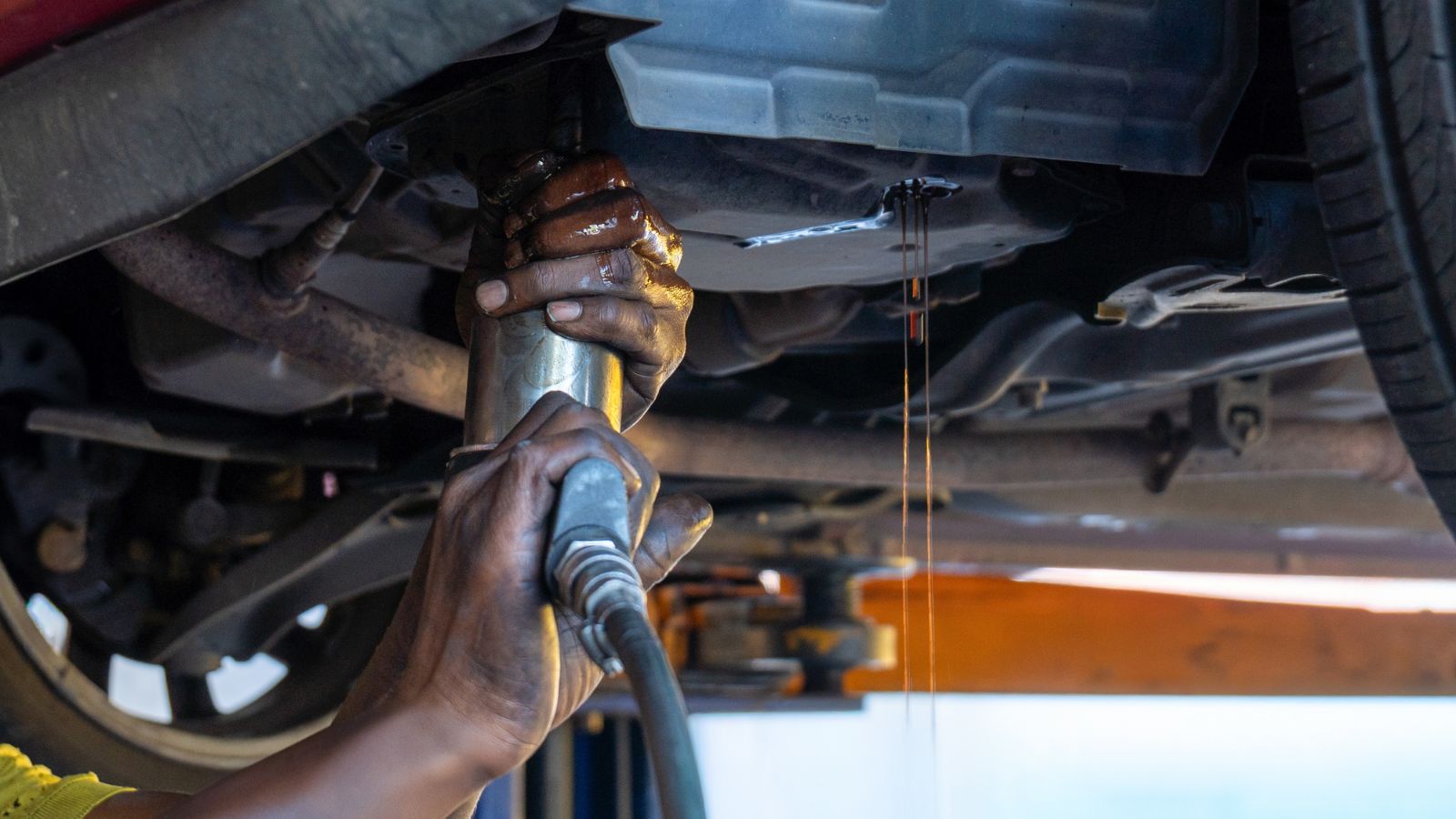
Automotive fluids are not interchangeable simply because they share a colour or sit on the same store shelf. Engines require a specified viscosity and performance standard. Cooling systems may require a particular chemistry and concentration. Brake systems can specify different fluid standards, while automatic and continuously variable transmissions can be highly sensitive to exact formulations. Using a “close enough” product may affect lubrication, corrosion protection, hydraulic operation, shifting quality, emissions performance, or warranty coverage.
A common workshop story begins with a well-intentioned top-up from an unlabelled bottle in the garage. The driver saves a few minutes, but the technician must later identify what was added, determine whether the fluids are compatible, and decide whether the system needs to be drained and flushed. Even the correct fluid can create problems when overfilled. The safest habit is to consult the owner’s manual, verify the specification printed on the container, use clean equipment, and stop when there is uncertainty. Guessing is not maintenance; it is an uncontrolled experiment inside an expensive machine.
Driving Around on Underinflated Tires
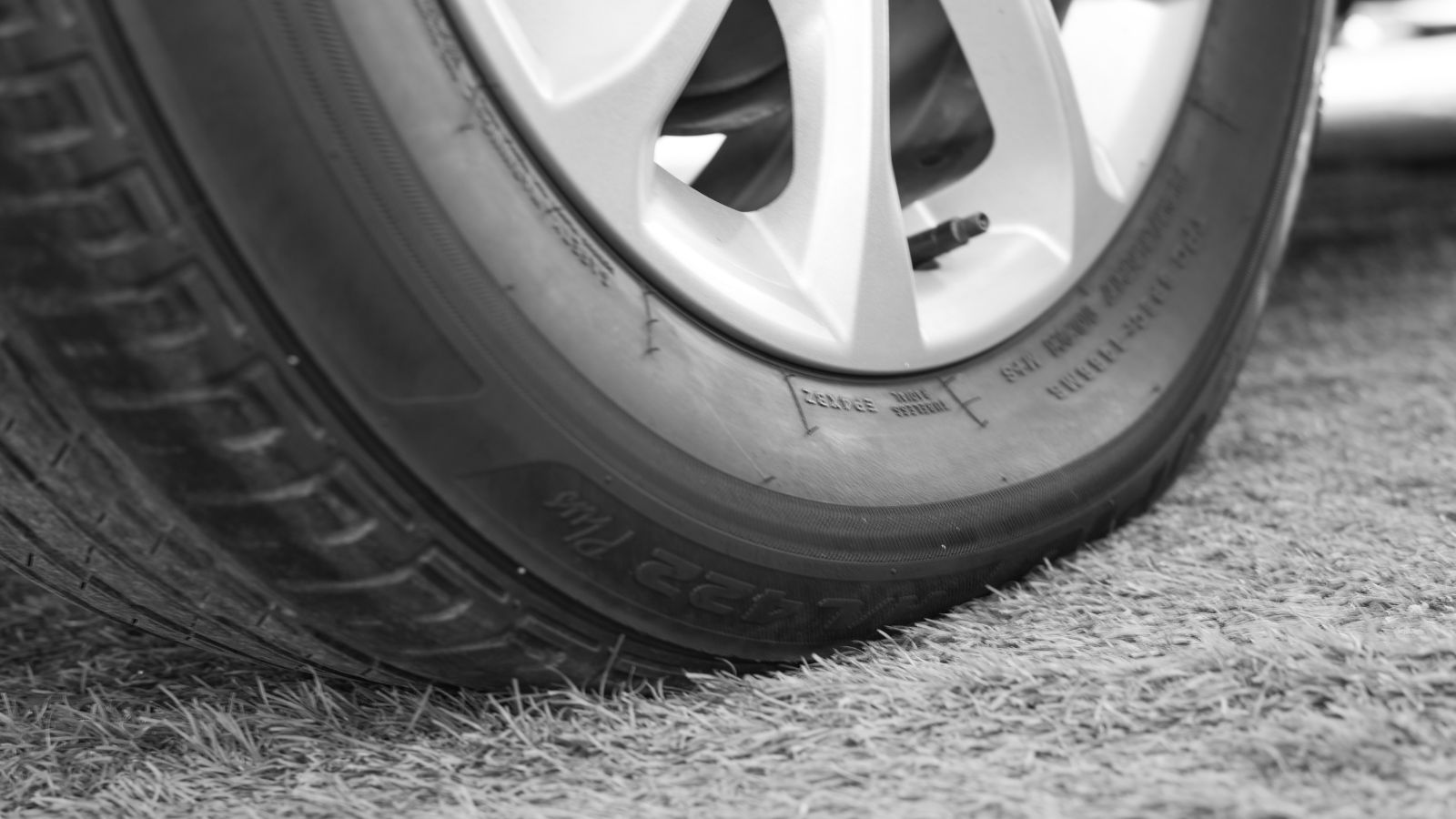
A tire can be seriously underinflated without appearing flat. Tire-pressure monitoring systems are valuable, but they generally illuminate only after pressure has fallen significantly, so they do not replace regular checks with a gauge. Underinflation increases tire flex and heat, can worsen handling, contributes to uneven wear, and raises rolling resistance. Government fuel-economy guidance estimates that mileage can fall by approximately 0.2 percent for every one-psi pressure drop across all four tires.
Mechanics cringe when the sidewalls are scuffed, the tread shoulders are worn, and the driver says the warning light had been illuminated for months. The correct pressure is normally found on the driver-door placard or in the owner’s manual, not the maximum figure moulded into the tire sidewall. Pressure should be checked when the tires are cold, including the spare where applicable. A monthly inspection also creates an opportunity to find nails, cuts, bulges, cracking, or uneven tread before a roadside failure—or a tire damaged beyond repair—makes the lesson considerably more expensive.
Riding the Brakes Down Long Hills

Keeping steady pressure on the brake pedal throughout a long descent may feel controlled, but it can build substantial heat in the pads, rotors, drums, and brake fluid. Excessive heat can reduce braking effectiveness and shorten component life. Driver guidance commonly recommends selecting a lower gear before descending a steep grade so the engine or electric drivetrain can help control speed, allowing the service brakes to work in shorter, deliberate applications rather than remaining partially engaged.
The habit can leave recognizable evidence in a workshop. A vehicle may arrive with a hot smell, discoloured components, rapidly worn pads, or a driver reporting that the pedal felt different near the bottom of a mountain road. Mechanics know the brakes were designed to stop the vehicle, not continuously absorb every bit of downhill energy. Speed should be reduced before the descent, and the appropriate gear or descent-control feature should be selected. Coasting in neutral or holding down the clutch removes engine braking, increases reliance on the foot brake, and can make the situation worse.
Resting a Foot on the Clutch or Brake Pedal

Some drivers hover a foot over a pedal because it feels faster and more convenient. The problem is that even light, unnoticed pressure can partially engage the brake or clutch system. Manufacturer guidance has explicitly warned that resting a foot on the clutch or brake pedal can cause needless wear, overheating, and poorer fuel economy. In a manual car, partial clutch pressure may keep the release mechanism loaded or allow slight slippage that converts engine power into unwanted heat.
The damage often develops so gradually that the habit never feels responsible. A clutch begins to engage higher, a release bearing becomes noisy, or brake components wear earlier than expected. The driver may blame weak parts, while the technician sees evidence consistent with constant pedal contact. The better routine is simple: place the left foot on the dead pedal when it is not needed for shifting and keep the right foot clear of the brake unless braking is intended. Pedals are controls, not footrests, and small pressure repeated over thousands of kilometres is no longer a small matter.
Shifting Between Reverse and Drive Before Fully Stopping
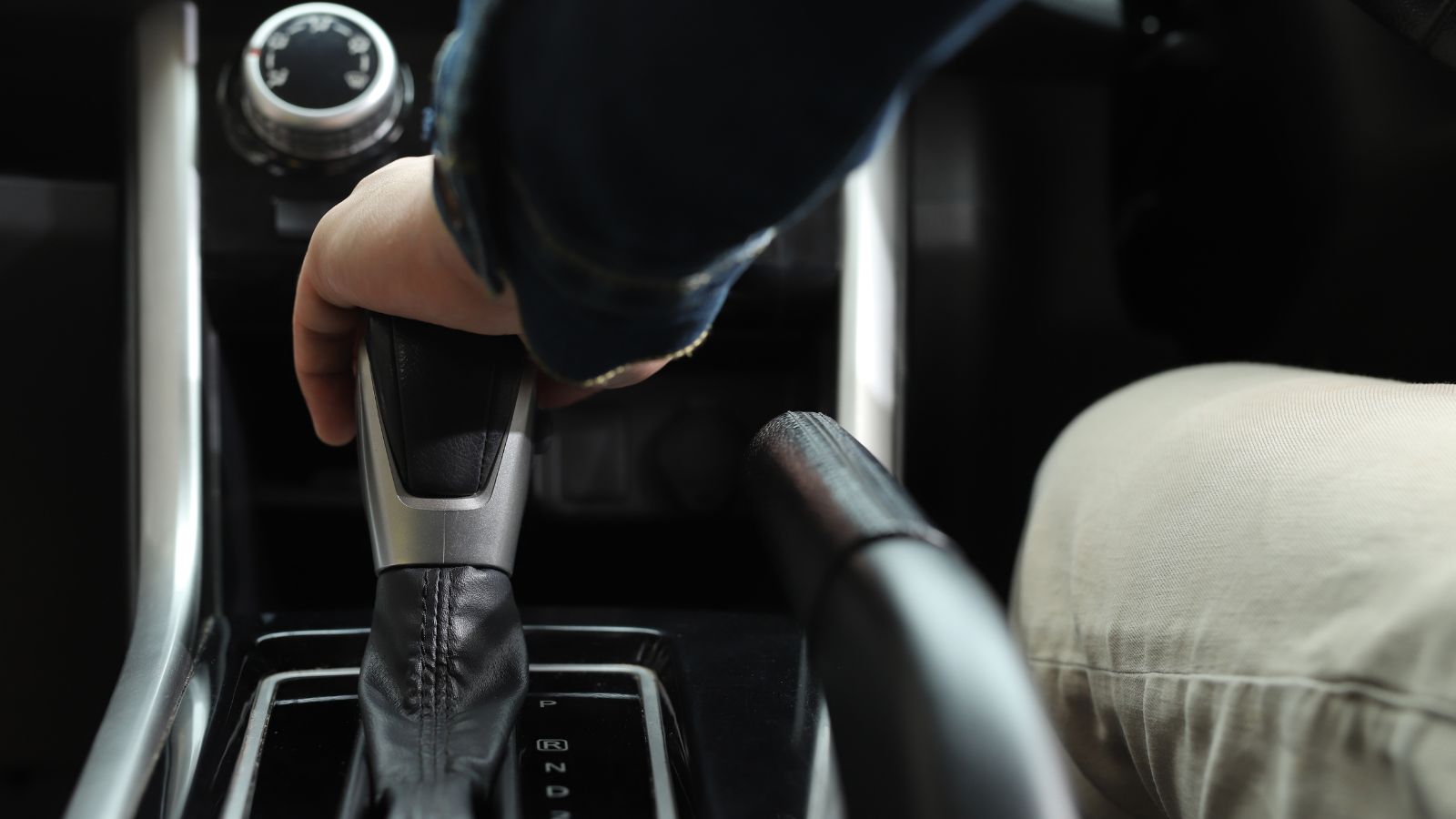
Rocking quickly from Reverse to Drive may save a second in a parking lot, but it asks the transmission to stop the vehicle’s remaining movement while simultaneously engaging the opposite direction. Manufacturer instructions commonly warn against selecting a forward driving position while the vehicle is still moving backward. Depending on the transmission design, repeated abuse can load internal clutches, gears, mounts, and other driveline components in ways they were not intended to handle.
Warning signs can begin as a harsh engagement, clunk, delayed response, or occasional shudder. By the time the driver complains, the habit may have been repeated hundreds of times. Mechanics cringe because prevention requires no tools and almost no time: press the brake, allow the vehicle to stop completely, select the new direction, and wait for engagement before accelerating. The same patience helps when shifting into Park. One deliberate pause protects expensive transmission components while also reducing the possibility of an abrupt lurch near another car, pedestrian, garage wall, or crowded parking aisle.
Flooring the Accelerator Immediately After a Cold Start
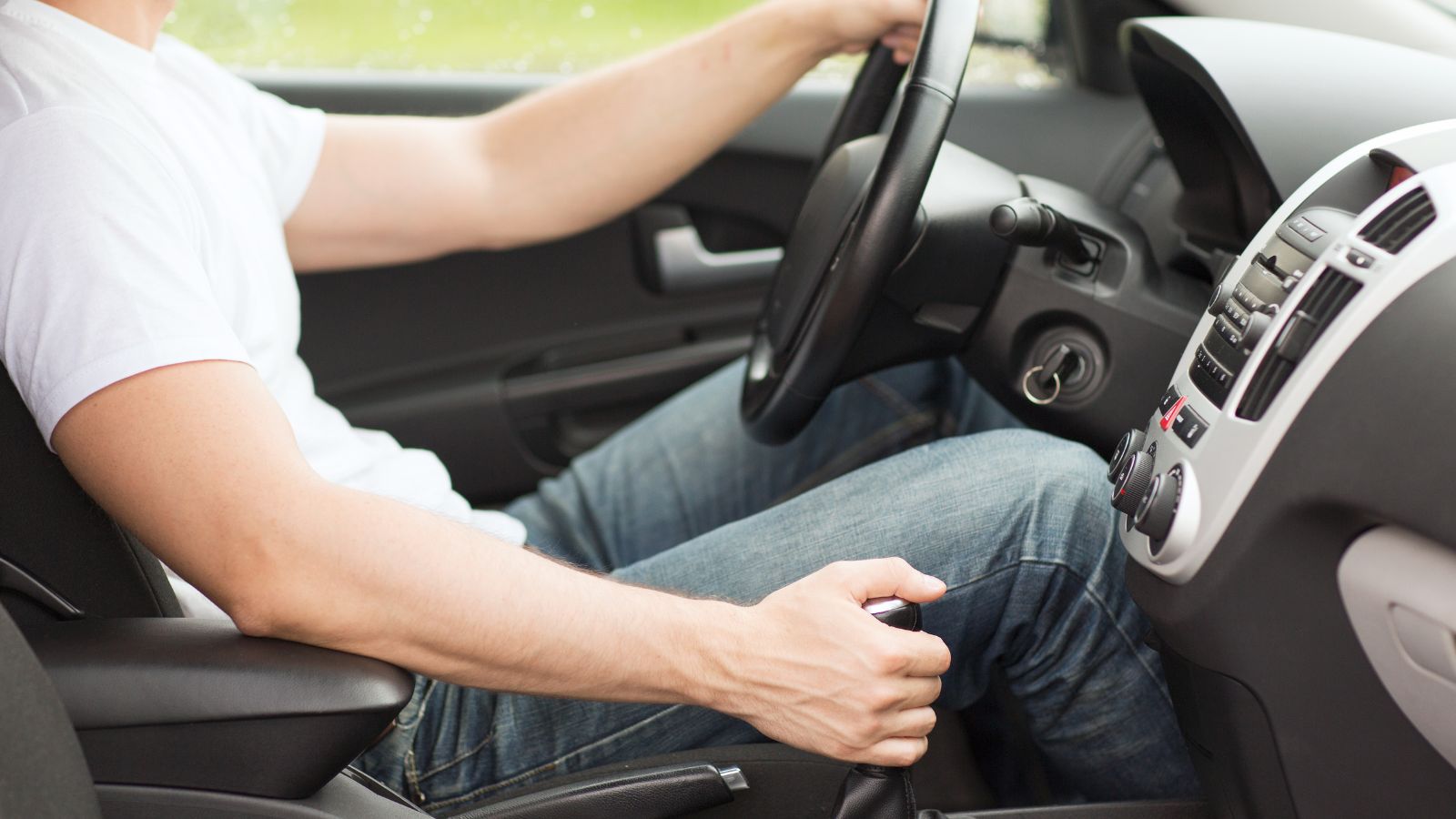
Modern engines generally do not require a long stationary warm-up, but that does not mean they should be raced the moment they start. Manufacturer manuals continue to caution against racing a cold engine. During the first minutes of operation, oil and coolant are warming, component clearances are changing, and transmission or differential fluids may also be below their intended operating temperatures. Heavy throttle and high engine speed place greater demand on components before the entire powertrain has stabilized.
A mechanic can usually distinguish normal winter noise from a vehicle that is repeatedly driven hard while cold. The sensible approach is to start the engine, allow a brief moment for stable operation and clear visibility, and then drive gently until temperatures rise. High revolutions, hard acceleration, and heavy loads should be avoided during that period. This does not require crawling along or idling for twenty minutes. It simply means giving the machine time to reach its intended operating condition. Smooth early driving can also bring an engine up to temperature more effectively than prolonged stationary idling.
Letting the Car Roll Against Park Instead of Using the Parking Brake
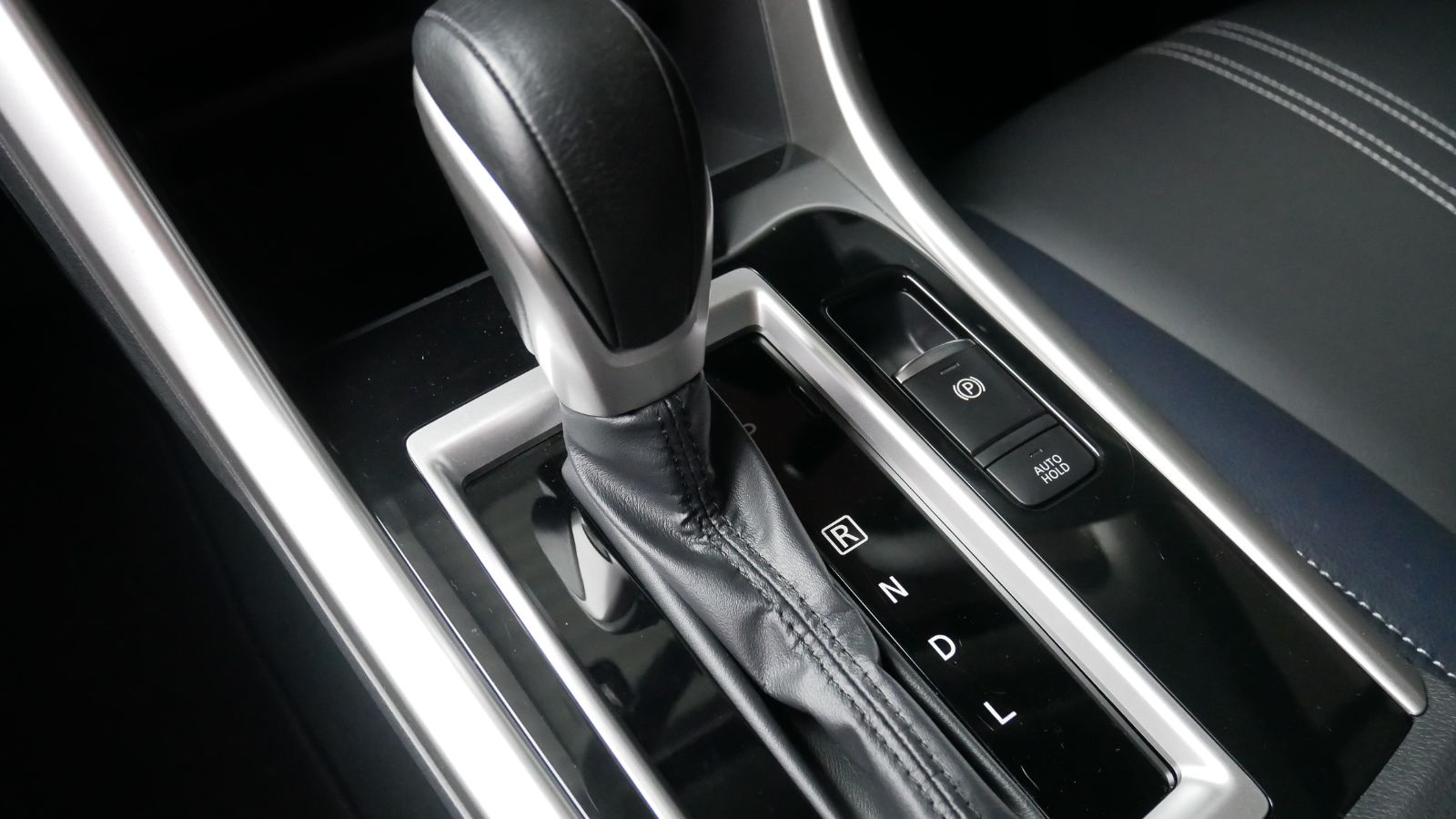
Selecting Park is not a substitute for securing a vehicle properly. Manufacturer instructions commonly direct drivers to stop fully, shift into Park, set the parking brake, and confirm that the vehicle cannot move. On a slope, releasing the foot brake before the parking brake holds can allow the car to roll until the transmission’s parking mechanism catches. The clunk sometimes heard when shifting out of Park later indicates that the driveline was left under load.
Mechanics cringe because this habit places avoidable stress on a mechanism intended to lock the transmission while a dedicated braking system is available to hold the vehicle. A smoother sequence is to keep the foot brake applied, engage the parking brake, select Park as instructed, and then release the foot brake. Wheel direction and local hill-parking guidance also matter on steep roads. An exception can arise in extreme freezing conditions, where certain manufacturers recommend different precautions because wet parking brakes may freeze. In those circumstances, the manual may call for securely chocking the wheels instead.
Loading the Vehicle Beyond Its Rated Capacity
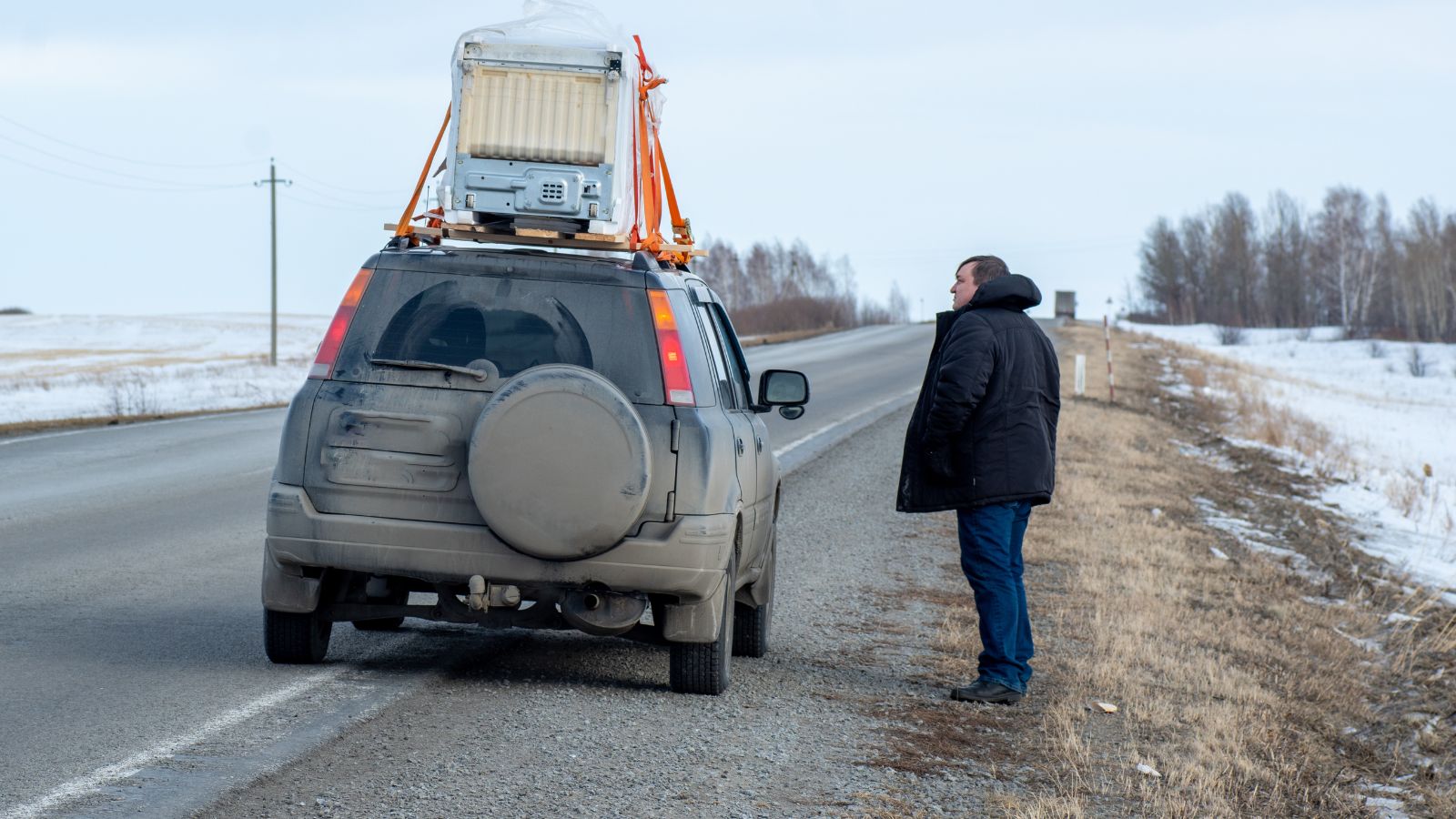
Cargo space is not the same thing as payload capacity. The Tire and Loading Information label states the combined allowable weight of occupants and cargo, and that figure can be reached quickly when several adults, luggage, tools, accessories, or trailer tongue weight are included. Overloading places additional demand on the tires, brakes, suspension, wheel bearings, cooling system, and drivetrain. It can also alter the vehicle’s steering response, stability, and stopping behaviour.
The workshop version is often a family vehicle packed for a move or a pickup carrying dense material because there was still visible room in the bed. Mechanics may find overloaded tires, sagging suspension, overheated brakes, or uneven wear, yet the driver never checked the capacity label. Federal safety information warns that incorrect loading can overload tires, contribute to tire failure, and increase crash risk. Before hauling, drivers should calculate the actual load, count passengers, respect gross and axle-weight limits, distribute cargo correctly, and remember that aftermarket equipment can reduce the vehicle’s remaining usable payload.
Ignoring Coolant Loss or Using the Wrong Mixture
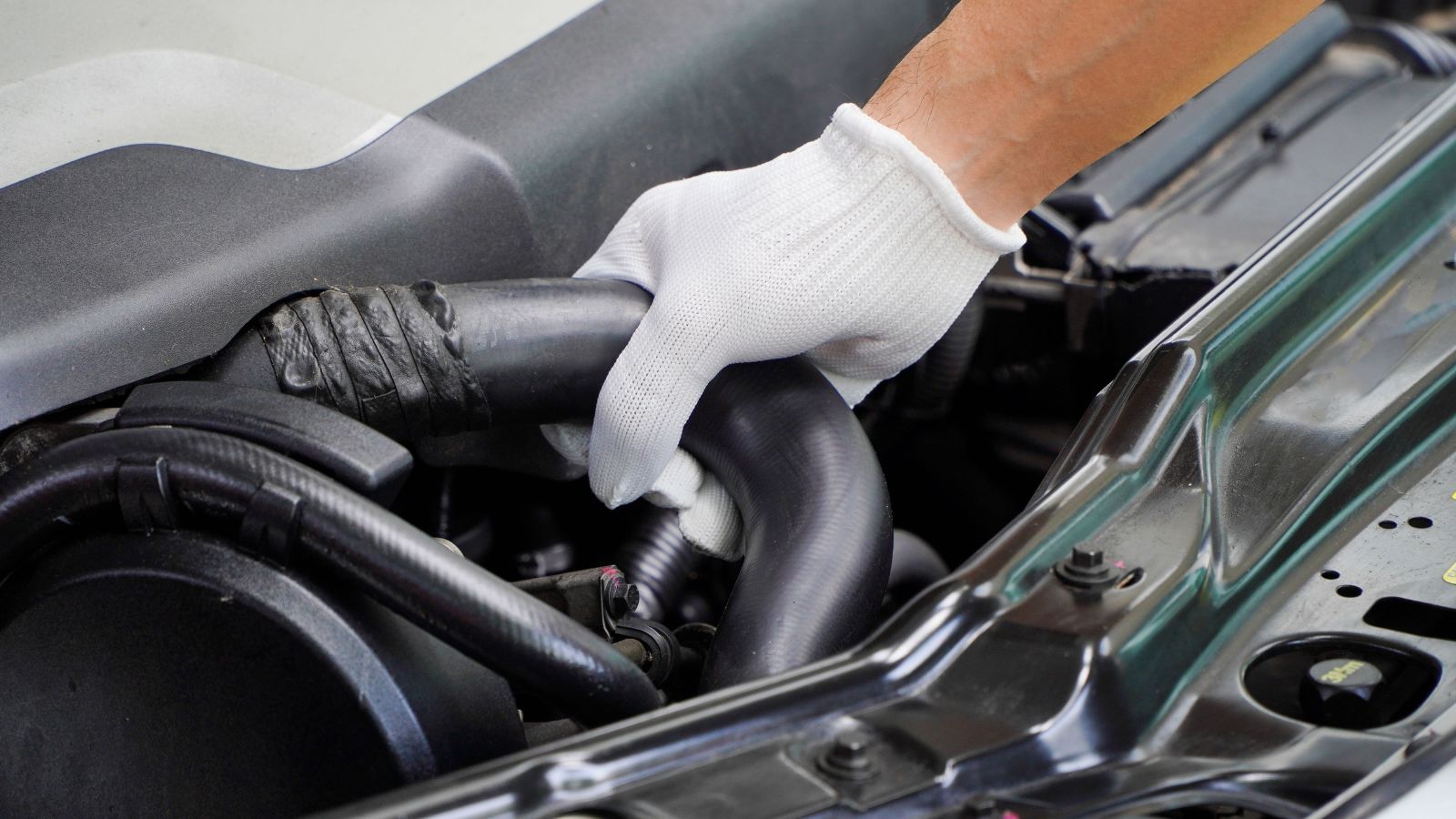
Coolant does more than prevent freezing. The correct mixture helps transfer heat, protect against corrosion, and lubricate parts of the cooling system. Manufacturer instructions specify coolant chemistry and concentration because incompatible products or plain water may not provide the intended protection. A reservoir that repeatedly drops below its normal range is not asking for endless top-ups; it is signalling that the system may have a leak or another fault requiring diagnosis.
Mechanics cringe when a driver arrives after repeatedly adding water, mixing unknown coolants, or continuing to travel with an overheating warning. A small hose leak or weak cap can become a major engine repair or a stranded vehicle when temperature rises too far. Cooling systems must also be treated with respect because removing a cap while the engine is hot can release pressurized coolant and cause serious burns. The level should be checked only as instructed, rapid loss should be investigated, and the specified product should be used. An overheating warning calls for a safe stop, not a hopeful attempt to keep moving.
Treating the Low-Fuel Warning as a Refuelling Schedule
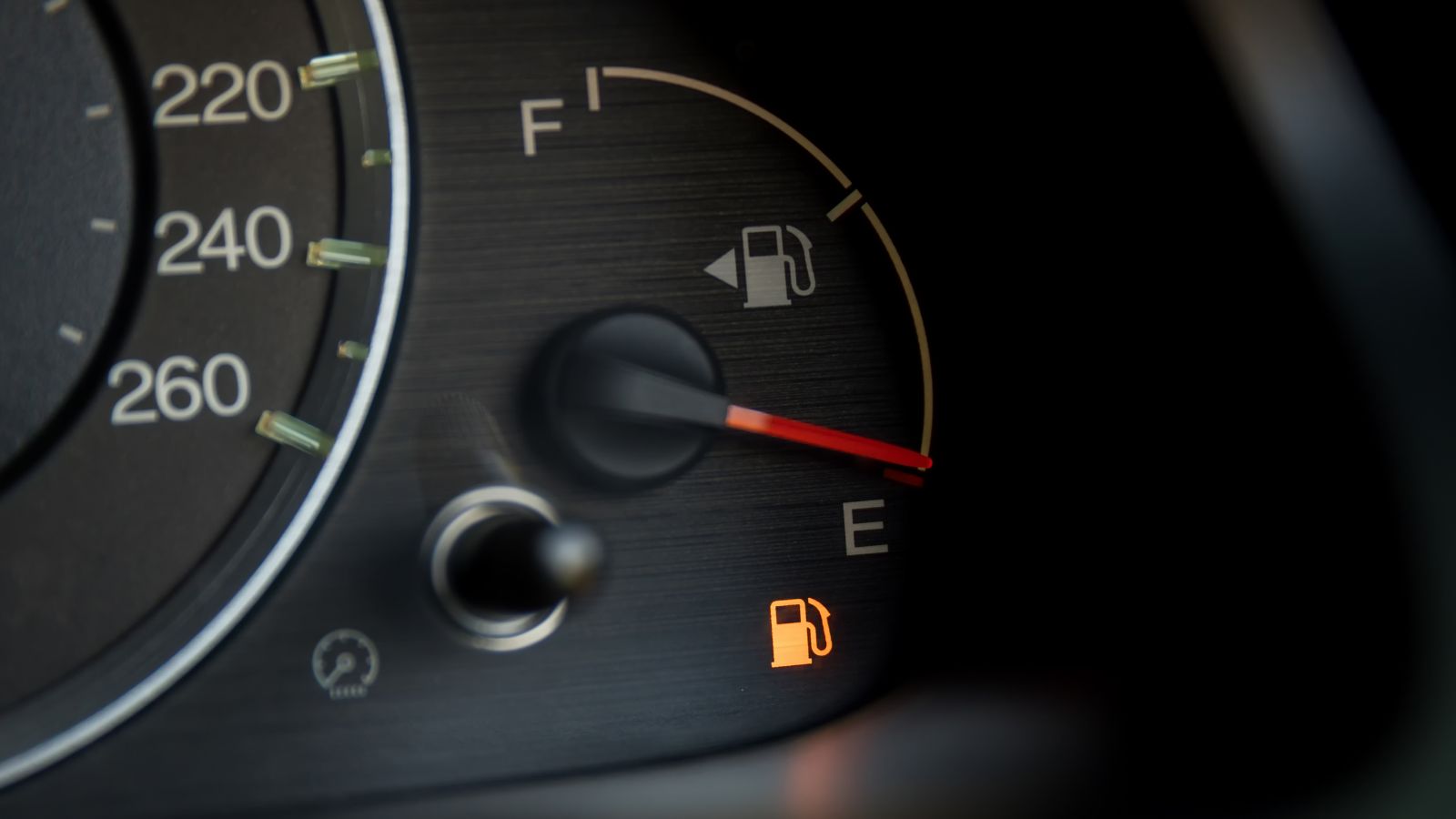
Driving until the gauge is nearly empty may feel efficient, but it reduces the margin available for traffic congestion, detours, steep grades, inaccurate range estimates, or a closed service station. Running out can create an immediate safety problem, particularly on a high-speed road or during extreme weather. Some manufacturers also explain that an in-tank fuel pump is cooled by surrounding fuel and advise refuelling before the tank is empty. Diesel vehicles can require additional procedures following fuel starvation.
Mechanics cringe when a no-start is presented as a mysterious electrical failure and the first diagnosis is simply an empty tank. Constantly operating near the bottom of the gauge can also make it harder to distinguish an actual fuel-level sender problem from ordinary driving behaviour. The practical habit is not to panic at half a tank, but to refuel with a sensible reserve instead of making the estimated remaining range a personal challenge. Range displays are calculations based on recent conditions. They are useful planning tools, but they are not guarantees.
Hitting Potholes or Curbs and Never Checking for Damage
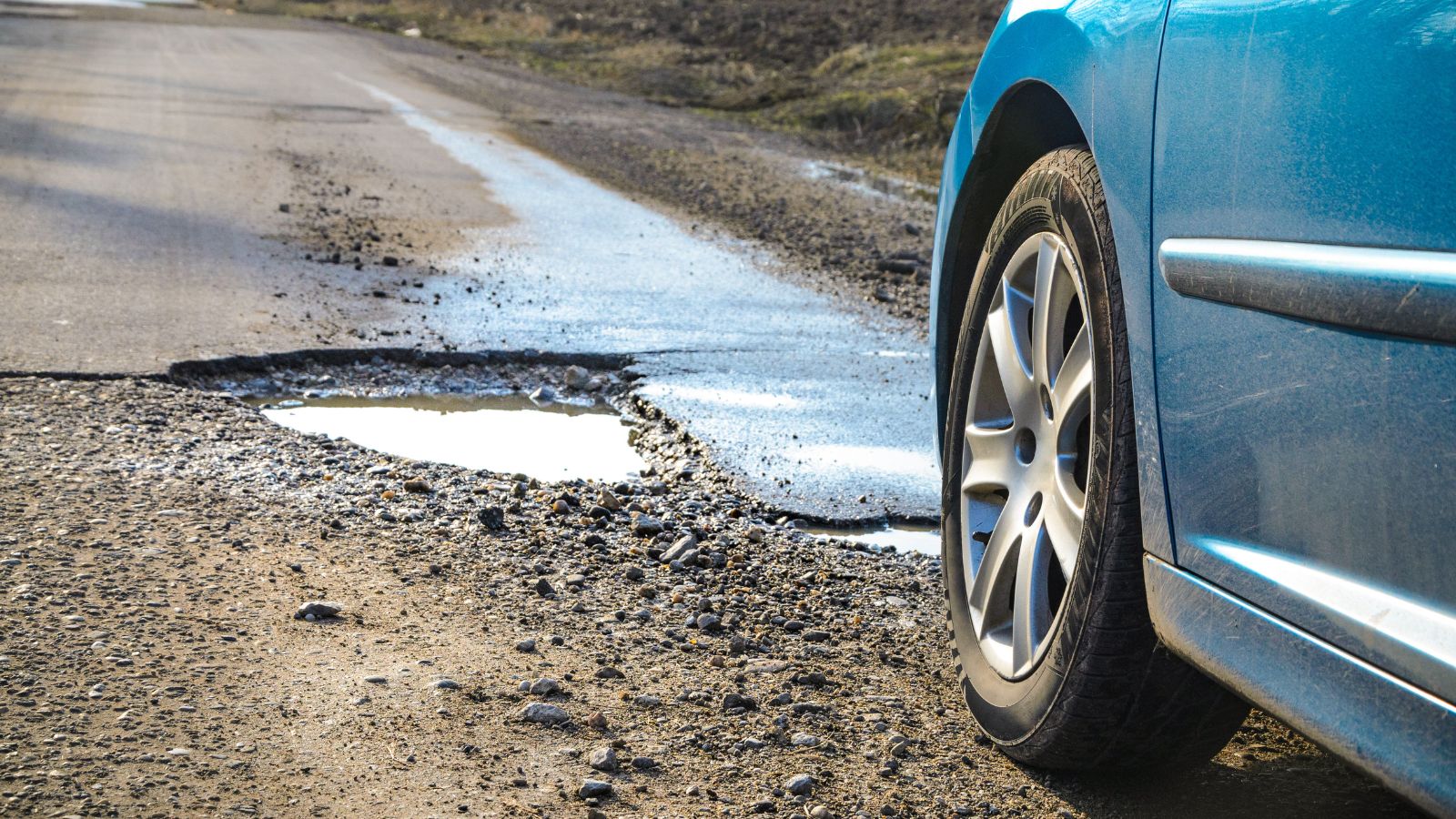
A hard impact can damage more than the part a driver can immediately see. Potholes and curbs can cut or pinch a tire, bend a wheel, disturb alignment, dislodge wheel weights, or damage steering and suspension components. Safety guidance notes that a tire may suddenly lose pressure after a pothole strike or curb impact. Automotive organizations also advise watching for pulling, new vibration, unusual noises, steering changes, or uneven tire wear after a significant hit.
Mechanics cringe when a vehicle arrives weeks later with a destroyed tire shoulder or badly worn tread because the driver assumed that no immediate flat meant no damage. Some problems are subtle and progressive. After a hard impact, the tire and wheel should be examined, pressure should be checked, and handling should be monitored. A bulge, cut, crack, persistent vibration, or pull deserves professional attention. Drivers should not swerve blindly into another lane to avoid a pothole, but they should reduce speed safely when possible. One inspection is cheaper than multiple ruined tires or a failure involving a weakened component.
Continuing to Drive With a Flashing Check-Engine Light
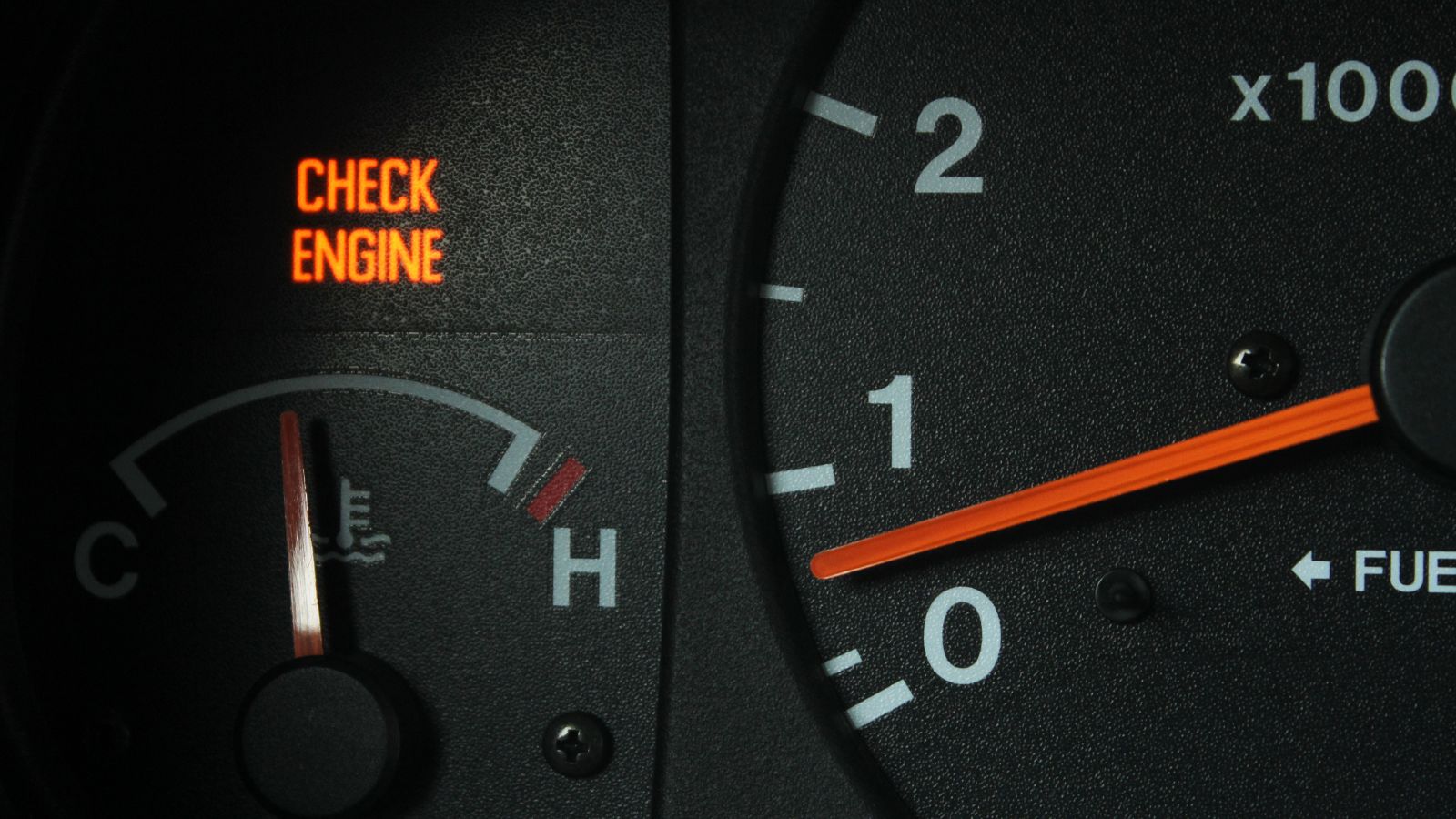
A steady check-engine light and a flashing one do not communicate the same degree of urgency. Environmental Protection Agency guidance explains that a blinking or flashing malfunction indicator can signal a severe engine misfire. Unburned fuel may enter the exhaust and produce enough heat to damage the catalytic converter within a relatively short period. Drivers are advised to reduce speed, avoid heavy loads or high-speed operation, and obtain service promptly while following model-specific instructions.
Mechanics cringe when a driver reports that the vehicle shook violently for days but remained in service because it could still move. A worn spark plug, failed ignition coil, injector problem, wiring fault, or compression issue may begin as a repairable misfire. Continued operation can add an expensive emissions-system failure or leave the vehicle stalled. The safest action depends on the severity and manufacturer guidance, but obvious shaking, power loss, overheating, a strong fuel smell, or a flashing light calls for immediate caution. Accelerating harder to “clear it out” is not a legitimate diagnostic strategy.
Jump-Starting a Battery Without Following the Correct Procedure
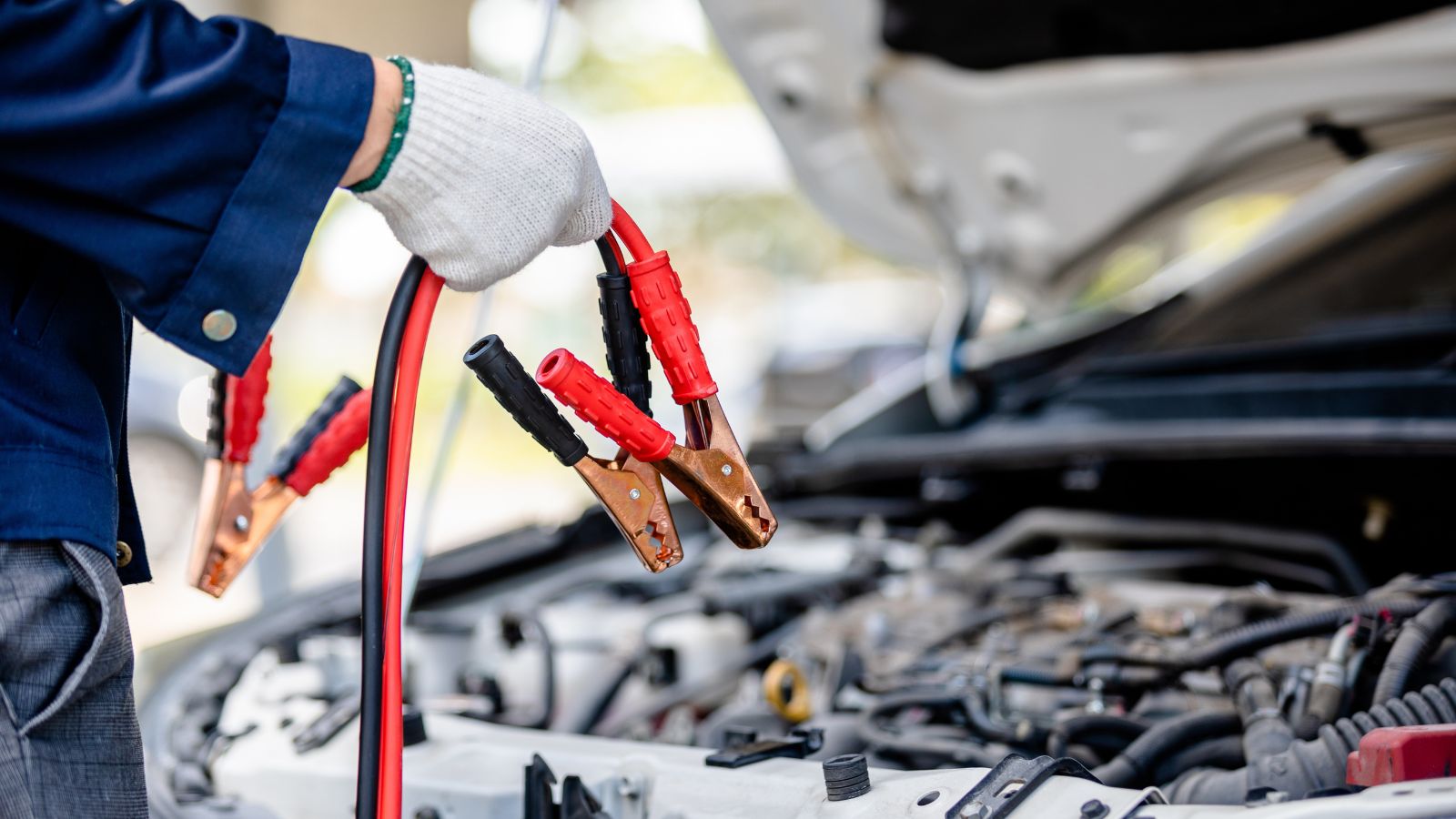
Jumper cables can carry substantial electrical current, while a conventional lead-acid battery may produce flammable hydrogen gas. That makes connection order, polarity, vehicle position, and grounding important. Safety guidance calls for the ground lead to be connected away from the discharged battery and for the ignition, lights, and accessories to be switched off before connections are made. Vehicle manufacturers provide model-specific procedures because hybrids, battery sensors, start-stop systems, and remote jump terminals can differ.
Mechanics cringe when clamps are reversed, allowed to touch, or attached beside a damaged or frozen battery. Incorrect jump-starting can create sparks, damage electrical modules, overheat cables, or contribute to a battery explosion and acid exposure. Both vehicles should be secured, the manuals consulted, and suitable eye protection used. No attempt should be made around a battery that is leaking, swollen, visibly cracked, or suspected of being frozen. When the correct procedure remains uncertain, professional roadside assistance is safer than improvisation. A dead battery is inconvenient; turning it into an electrical-system repair or personal injury is far worse.
16 Costco Canada Habits That Could Be Costing Shoppers More Than They Save
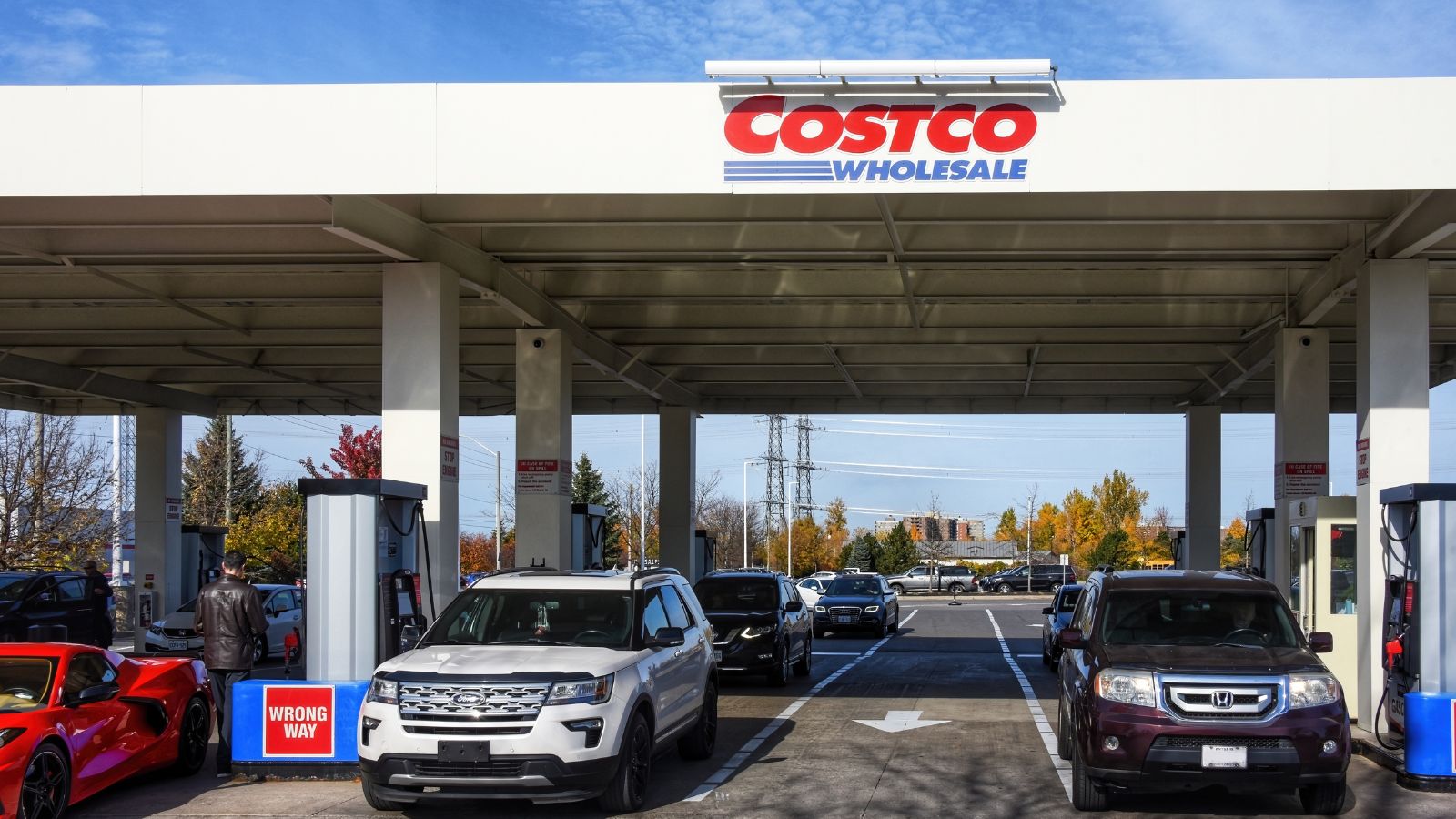
The Executive Membership can feel like an obvious upgrade because the 2% annual reward sounds straightforward. For households that spend heavily at Costco Canada, the extra fee may be easy to justify. But the habit becomes costly when shoppers upgrade first and calculate later. A Gold Star Membership costs less, while Executive costs more and only pays off if eligible annual spending is high enough to offset the difference.
16 Costco Canada Habits That Could Be Costing Shoppers More Than They Save