
























Keyless entry was sold as one of those small luxuries that quickly became hard to imagine living without: walk up, touch the handle, get in and go. Yet the same feature is now creating second thoughts for some owners as theft methods, battery dependence, replacement costs and increasingly complicated security routines chip away at the original promise of effortless access.
The technology itself is not uniformly bad, and newer systems can be far more secure than older ones. The frustration comes from inconsistency — two vehicles with “keyless entry” can behave very differently under attack or when something goes wrong. Here are 12 reasons some drivers are becoming less enthusiastic about keyless systems, even as automakers continue refining them.
Relay Theft Changed the Trust Equation
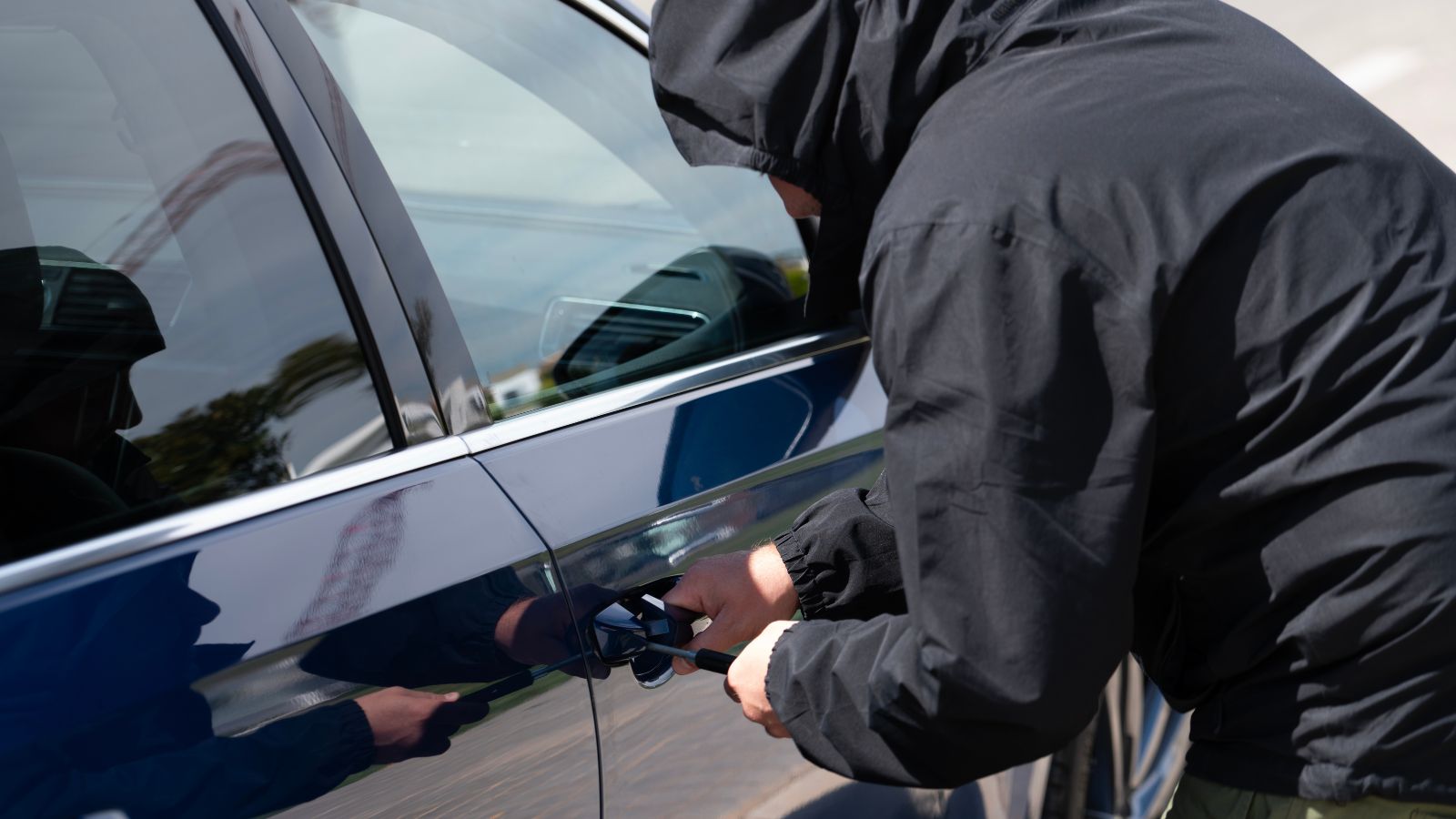
The biggest blow to confidence came from relay theft. Passive keyless systems are designed to recognize a nearby fob and unlock the vehicle without a button press. Criminals learned to exploit that convenience by relaying or amplifying the radio exchange between a car and a fob located inside a home. The owner can still have both keys, the doors can show no obvious damage, and the vehicle can nevertheless disappear from a driveway. That feels fundamentally different from older theft methods because the security feature itself becomes part of the attack path.
Independent vehicle-security researchers have warned about relay attacks for years. Thatcham Research has documented how criminals can fool vulnerable systems into believing the key is nearby, while ADAC’s long-running keyless tests show the problem has not vanished. ADAC reported in August 2026 that it had tested about 850 vehicles over a decade. Security had improved substantially, but roughly 30 percent of the vehicles it examined still needed better protection against keyless theft.
Not Every Keyless System Is Equally Secure
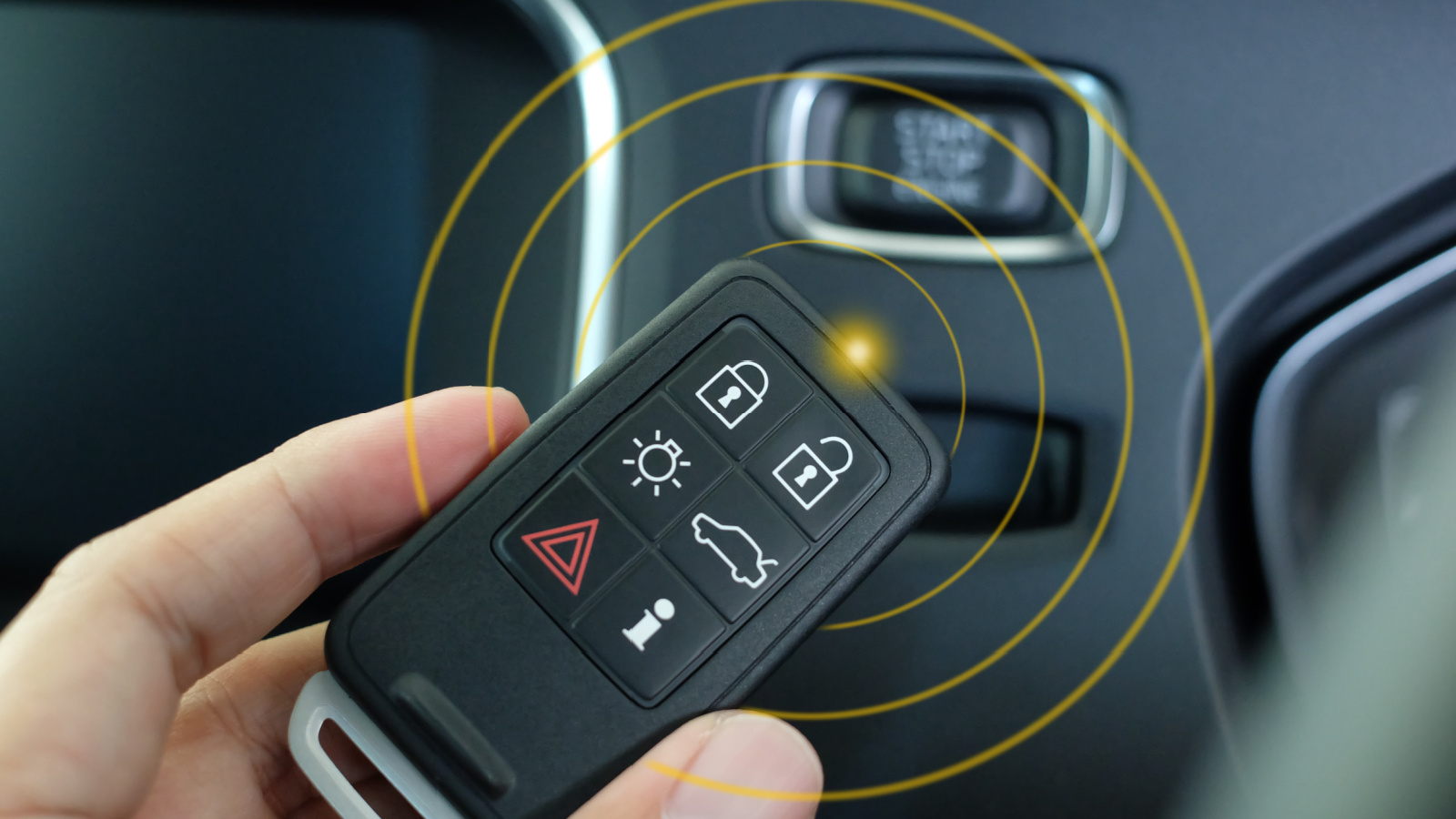
One source of frustration is that “keyless entry” tells a buyer surprisingly little about how secure the system actually is. Some vehicles use older radio designs vulnerable to relay attacks, while newer models may add motion-sensing fobs, ultra-wideband ranging or other safeguards. Two cars can therefore offer almost identical convenience while having very different resistance to electronic theft. Unless a buyer researches the exact model year and security architecture, the difference may be invisible at the dealership.
The industry has made real progress. Motion-sensing fobs can stop transmitting after sitting still, and ultra-wideband systems can measure distance far more precisely than traditional passive-entry technology. Automotive technology suppliers describe UWB secure ranging as a way to resist relay attacks because the vehicle can verify physical proximity rather than simply accepting an amplified signal. The catch is uneven deployment. Older vehicles remain on the road for years, and even among newer cars, protection depends on the specific system rather than a generic “smart key” badge.
A Lock Command Is Not Always a Lock
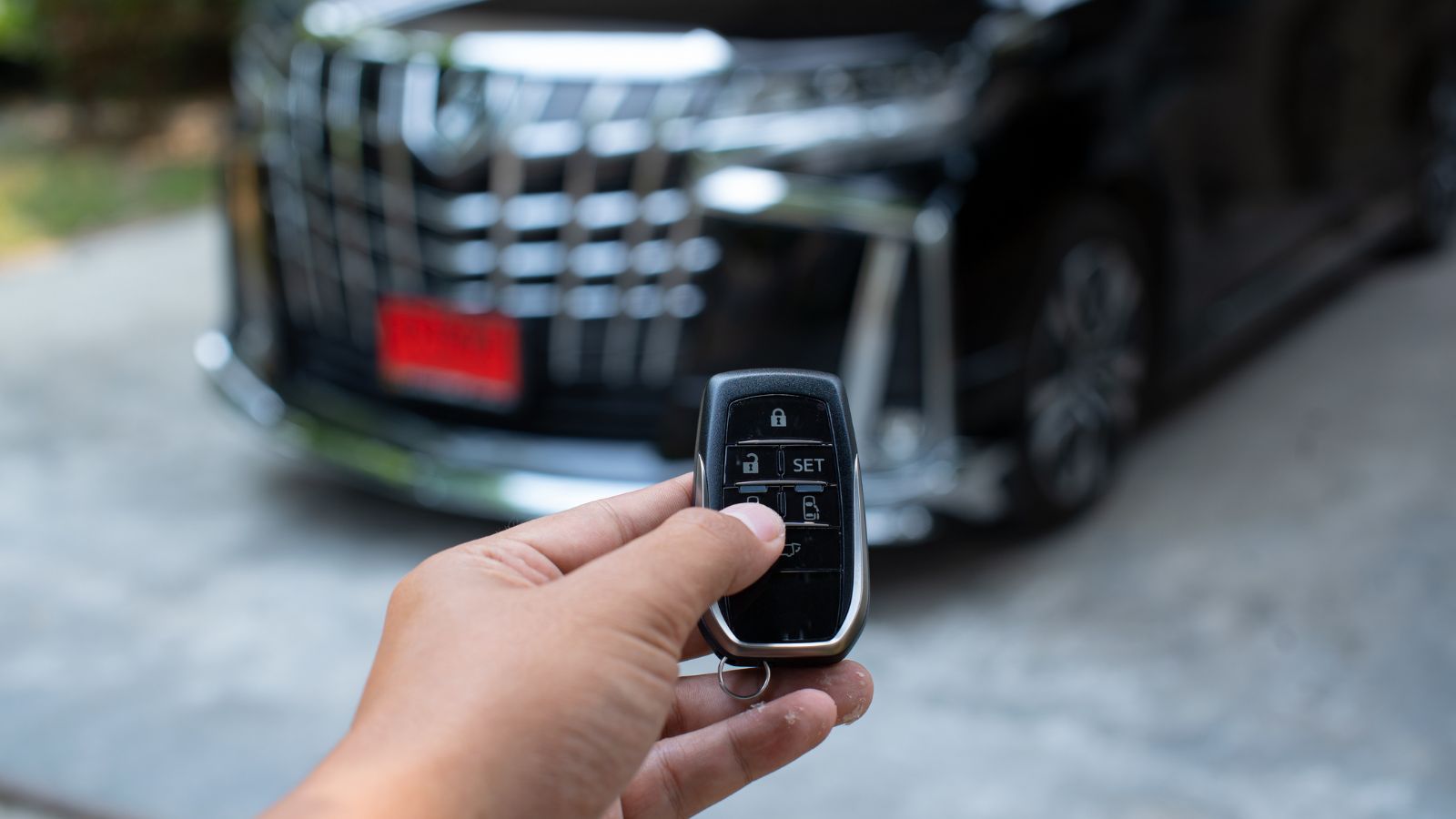
Traditional keys gave drivers a physical action and a clear result. Remote and keyless systems add a wireless step, creating another failure mode: the locking signal can be blocked. Thatcham Research has described “jamming” attacks in which a device prevents a remote locking command from reaching the car. A driver walks away assuming the vehicle is secure, while the doors are still open. The thief does not need to defeat a lock later because the car was never locked in the first place.
That possibility has changed everyday behaviour for cautious owners. Security guidance recommends watching for confirmation such as a flash of the indicators, the sound of the locks or folding mirrors. In other words, the feature designed to make locking nearly thoughtless can require an extra verification ritual. That is a small inconvenience, but it matters because keyless systems are sold on frictionless use. When drivers feel compelled to turn around, tug a handle or stare at the mirrors every time they park, some begin to wonder whether a conventional lock-and-key process was really less convenient.
The Fob Battery Becomes a Tiny Point of Failure
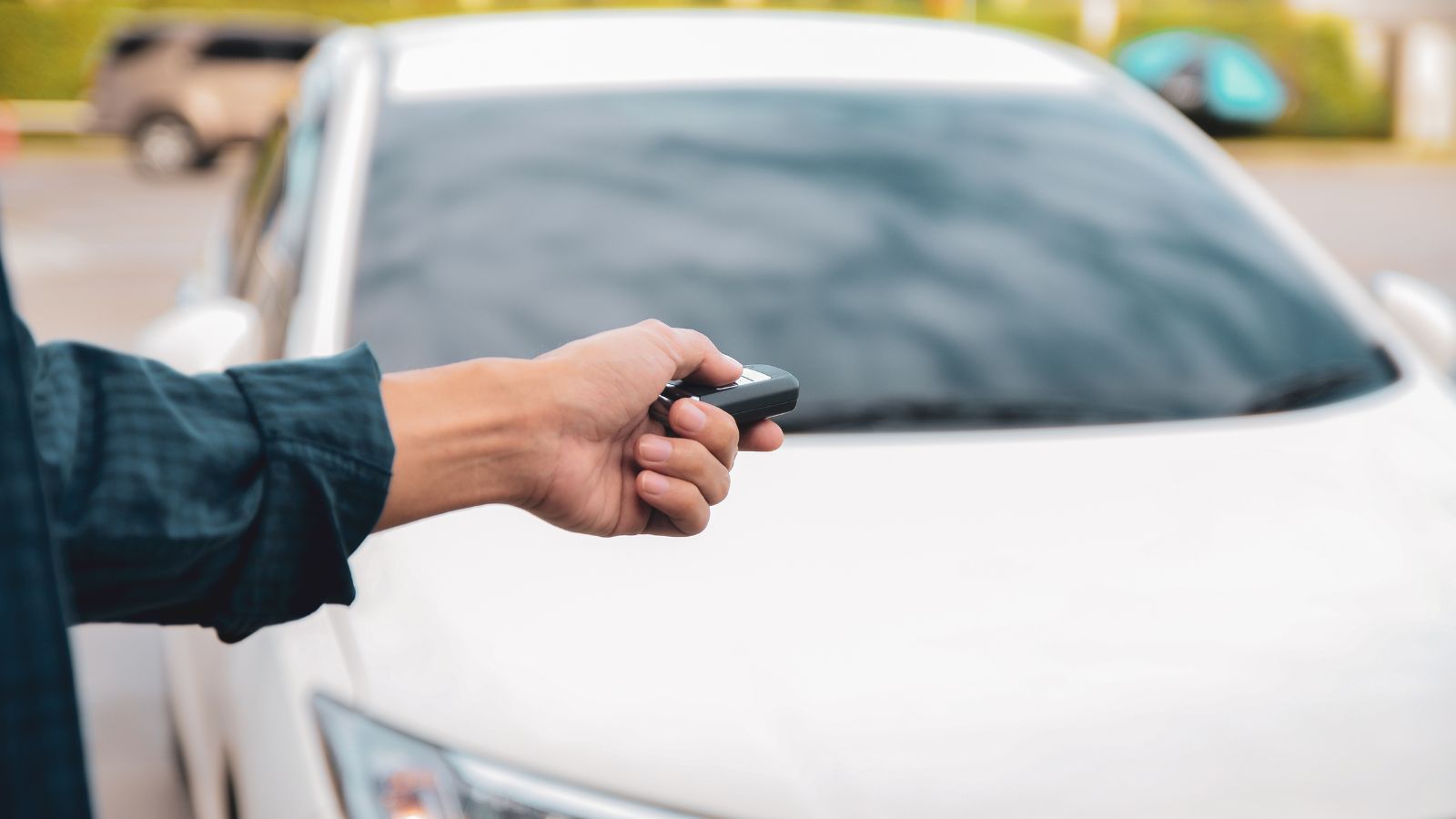
A metal key does not need a coin-cell battery to open a door. A smart fob does, and owners may not think about that battery until the system starts behaving strangely. Honda owner information, for example, says keyless remote battery life is around two years on some models, although actual longevity varies with use and radio conditions. As the battery weakens, range may shrink, doors may stop responding normally and the dashboard may warn that the remote battery is low.
Manufacturers usually provide an emergency procedure, so a dead fob battery does not automatically make the car unusable. Honda instructs drivers on certain models to hold the remote close to the ENGINE START/STOP button so the vehicle can still recognize it. AAA likewise notes that many fobs contain a hidden mechanical key for emergency door access. The problem is familiarity: these backup steps are rarely part of normal driving. When the battery fails in a dark parking lot or bad weather, a supposedly simpler system can suddenly demand a hidden key blade and an unfamiliar procedure.
The Emergency Key Can Feel Like a Secret Feature
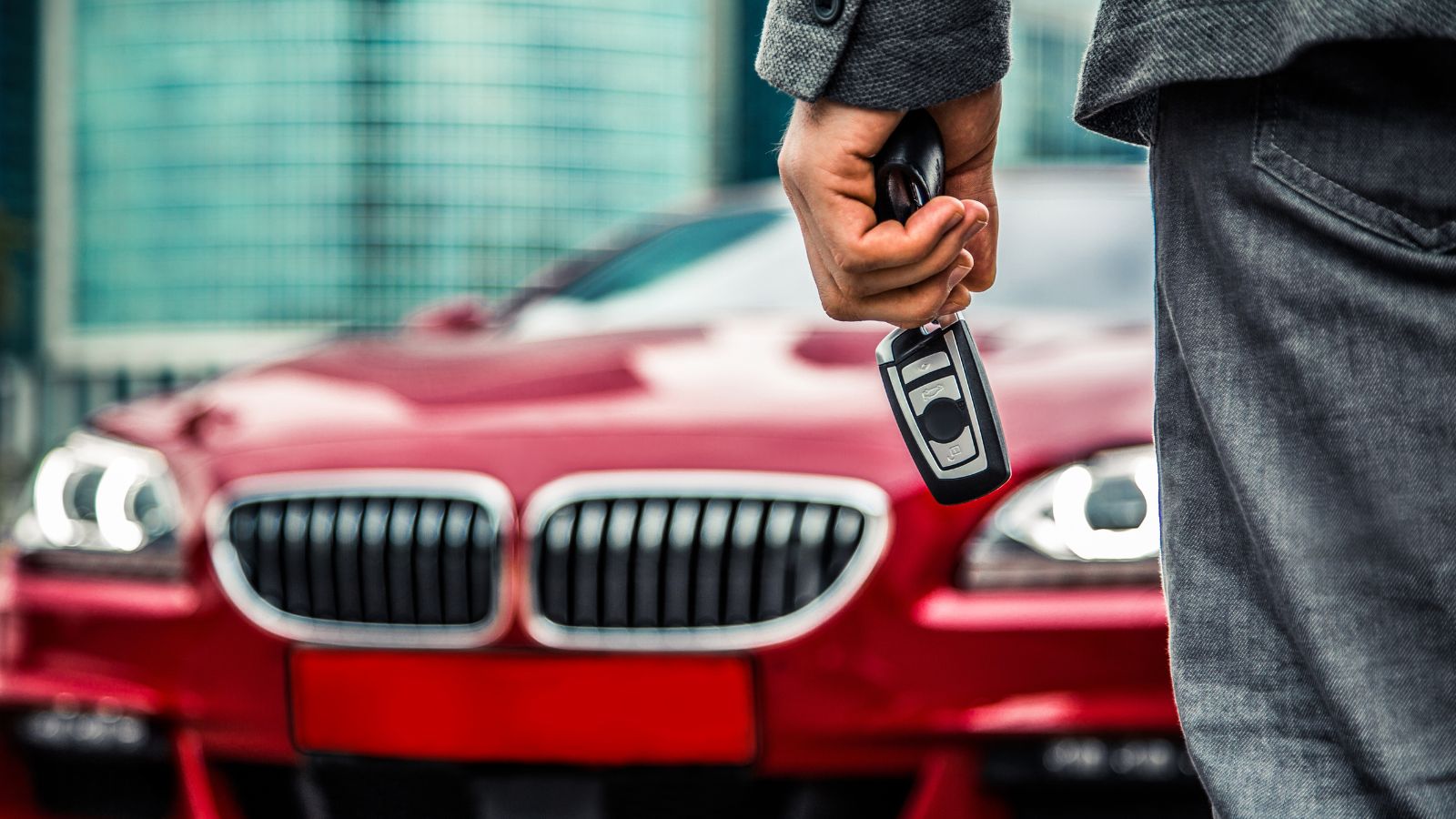
Keyless vehicles generally still have a mechanical fallback, but manufacturers often hide it because the design is meant to look clean and modern. The metal blade may be tucked inside the fob, while the exterior key cylinder can sit behind a removable cap or beneath the door handle. That is elegant when everything works and surprisingly awkward when the electronics do not. Someone facing a dead fob for the first time may have to figure out how to release the blade, locate the concealed cylinder and unlock the door without damaging trim.
Owner manuals make clear that this backup exists, but they also show why it can be unintuitive. Honda’s instructions for some models explain that the built-in key must be removed from the remote and inserted into a hidden cylinder behind the door handle. Kelley Blue Book likewise notes that proximity-key vehicles typically retain a mechanical backup because batteries and radio communication can fail. The fallback is sensible engineering. Still, drivers who prefer a visible keyhole may see the arrangement as technology making the emergency solution harder to understand.
Losing a Smart Key Can Be Expensive
Misplacing an old-fashioned car key was annoying, but replacing one could be relatively simple. A modern smart fob is an electronic security device that may include secure wireless communication, a transponder, remote buttons and a mechanical emergency blade. Replacement often involves not just buying hardware but also programming it to the vehicle. That turns a common human mistake — losing a key — into a service visit that can cost hundreds of dollars.
Kelley Blue Book’s 2025 guidance put a typical smart-key replacement at roughly $200 to $400 including programming, with some luxury examples higher. It cited dealer quotes of around $500 for a BMW X7 fob, while emphasizing that costs vary considerably by vehicle. Consumer Reports has also documented how newer fobs can require specialized programming equipment and that some vehicles are less accommodating of inexpensive aftermarket replacements. For households that want multiple working keys, the expense can add up quickly. Drivers who value simplicity may find it difficult to celebrate hands-free entry after learning that a small fob can cost more to replace than many routine maintenance items.
Keyless Ignition Adds a Different Kind of Risk
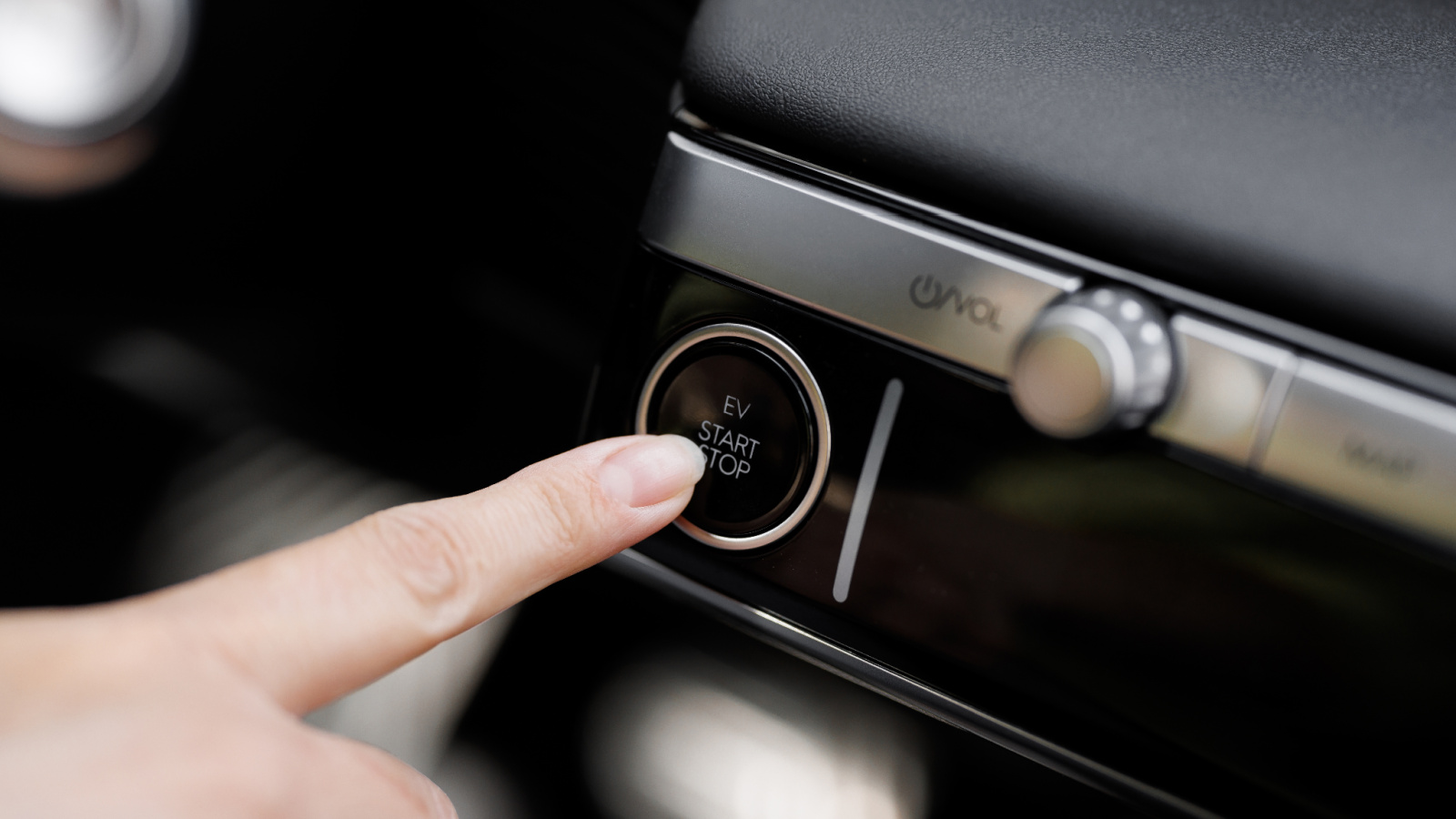
Keyless entry is often bundled with push-button ignition, and that pairing has created a separate safety concern: a driver can leave the vehicle without performing the familiar act of removing a key from the ignition. U.S. safety regulators have examined the risk of people exiting vehicles with the engine still running or without fully securing the transmission. The concern becomes particularly serious in an attached garage, where an idling gasoline engine can allow dangerous carbon monoxide to accumulate.
The issue became significant enough that U.S. law directed the Department of Transportation to establish requirements addressing automatic shutoff in internal-combustion vehicles equipped with keyless ignition. NHTSA’s rulemaking record specifically discusses engines unintentionally left running, carbon-monoxide exposure and related keyless-ignition concerns. Many modern vehicles use warnings, chimes or automatic shutoff strategies, but the human-factors lesson remains. Removing a physical key once provided a strong tactile cue that driving was finished. Push-button systems shift more of that confirmation to lights, messages and software, which some drivers find easier to overlook.
The Car May Keep Running After the Fob Leaves
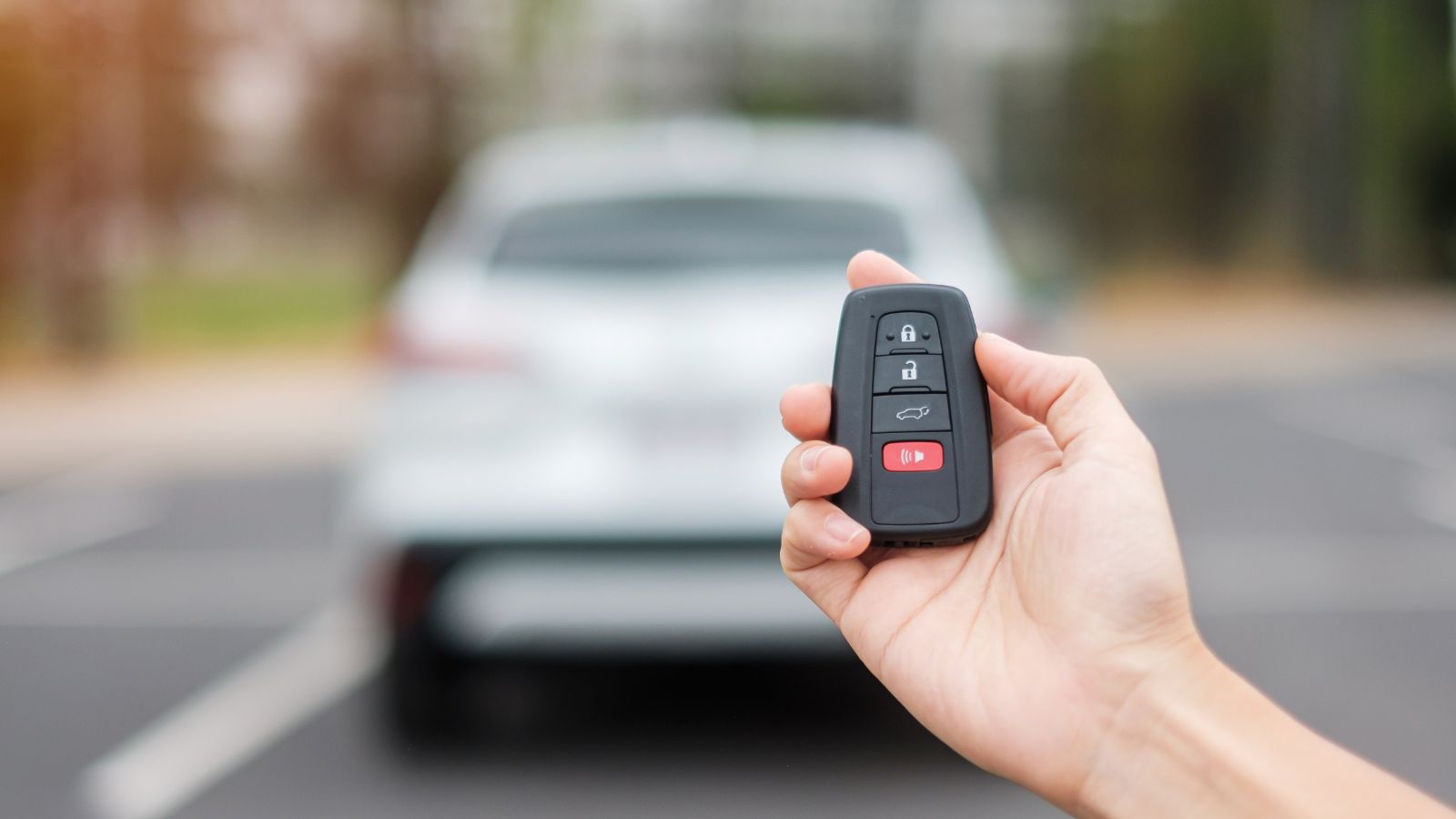
Another behaviour that surprises some owners is what happens when the fob leaves a vehicle after the engine has already started. On many keyless-start cars, removing the fob does not immediately stop the engine. That is intentional; shutting down a moving vehicle because the key fell out of a bag or was accidentally taken away could create a more immediate safety problem. Instead, the vehicle generally warns the occupants that the remote is missing and continues operating until the engine is switched off.
Manufacturer documentation illustrates the practical consequence. On certain Honda models, once the keyless remote has been taken out after startup, the vehicle cannot be restarted after the engine is shut down until the fob returns. That can create an awkward real-world scenario: one person starts the car, gets out with the key in a pocket, and another drives away. The second driver may travel normally but later discover that the vehicle will not restart. The system is behaving as designed, yet the experience can feel less predictable than a physical key that visibly stays with the vehicle while it is running.
Radio Interference Can Make Normal Use Unpredictable
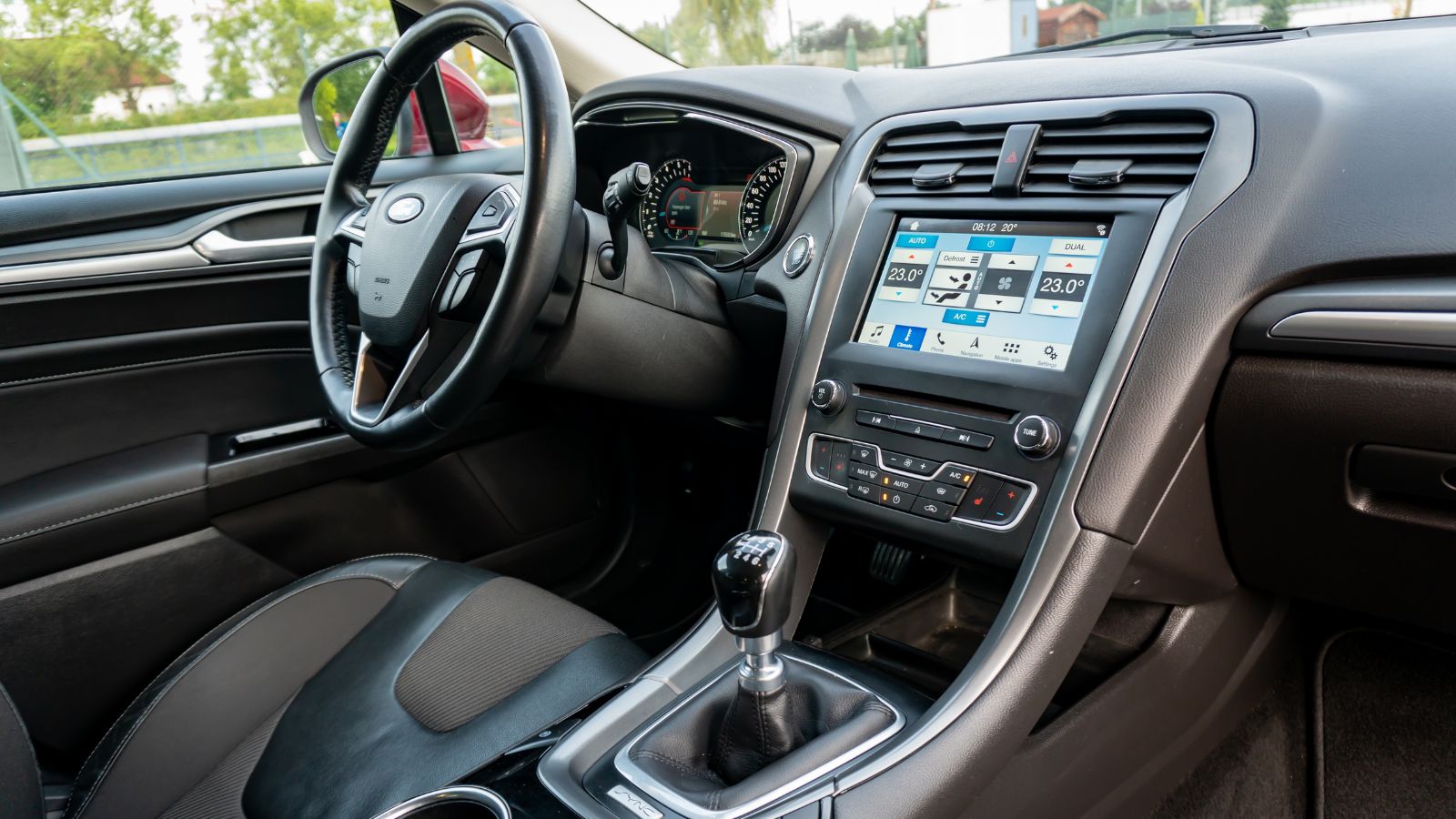
Keyless entry depends on radio communication, which means the surrounding environment can affect how well it works. Automaker manuals warn that strong radio waves, nearby wireless devices and even metal objects around the fob can interfere with communication. Honda says locking, unlocking or starting may be inhibited or unstable under some of those conditions. Toyota has published similar warnings, identifying locations with strong radio transmissions or electrical noise among environments where smart-key operation can be affected.
Most of the time, these systems work so reliably that owners barely notice the radio technology behind them. That is why an occasional failure can feel particularly irritating. A driver may stand beside a car that unlocked perfectly hundreds of times and suddenly find that the handle sensor or start button does not respond. The fix may be as simple as moving the fob, using the backup key or holding the remote closer to the start button. Even so, people who prefer mechanical controls often dislike systems whose behaviour can change because of invisible interference they cannot immediately diagnose.
Convenience Can Require a Faraday Pouch and a Steering Lock
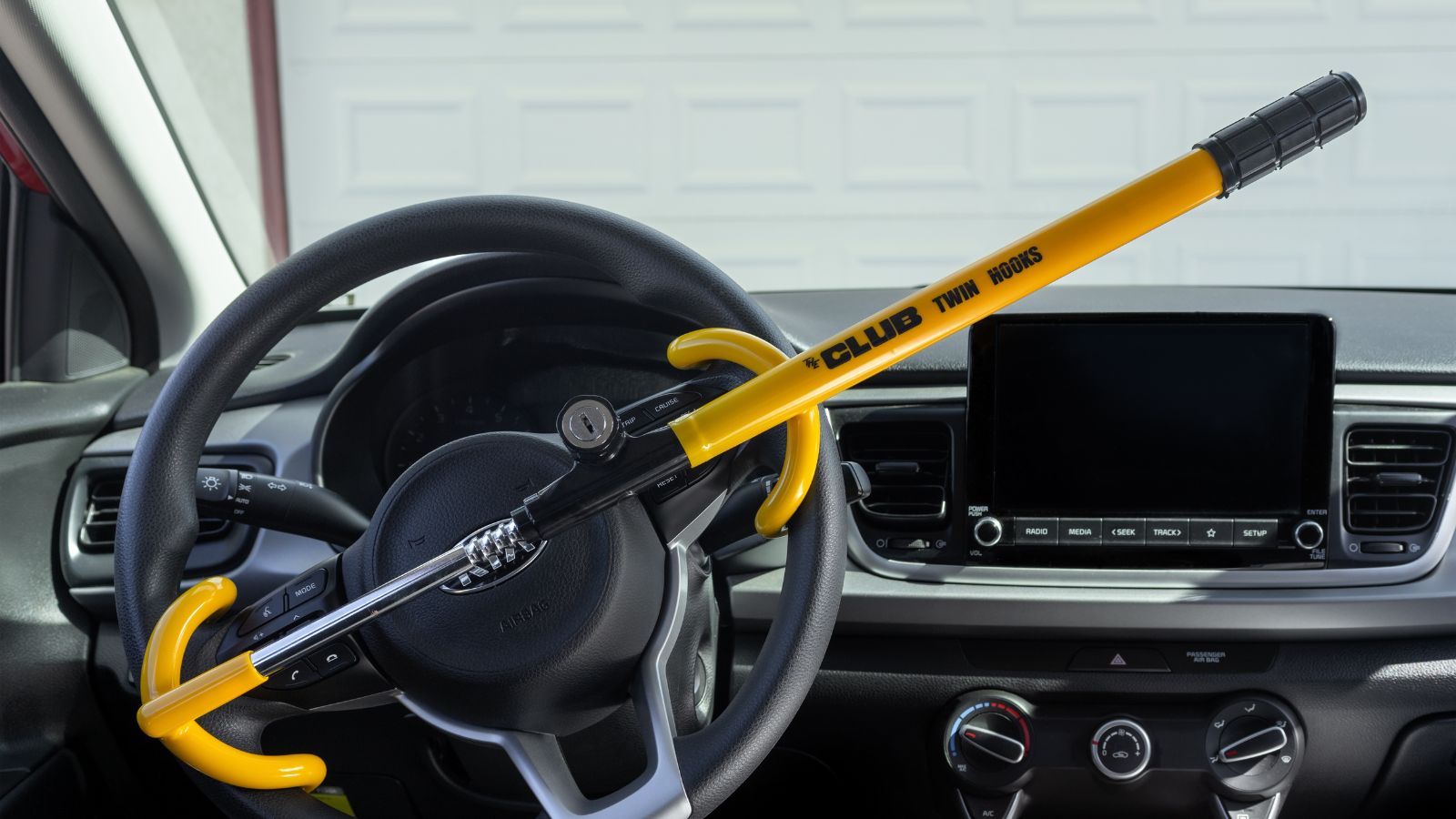
There is an irony at the heart of the backlash: a feature created to eliminate the need to handle a key can lead security-conscious owners to add more things to handle. Thatcham Research recommends storing potentially vulnerable passive-entry fobs away from doors and windows and using a signal-blocking Faraday pouch where appropriate. Canadian insurance guidance has likewise promoted layered theft defenses that can include key-fob protectors, steering-wheel locks, aftermarket immobilizers and tracking systems.
Those measures can be worthwhile, but they change the ownership experience. Instead of dropping keys in a bowl by the front door, an owner may place the primary and spare fobs in shielded containers, confirm the vehicle actually locked and attach a steering lock. TD Insurance, for example, identifies key-fob protection, steering locks, trackers and aftermarket immobilizers among theft-prevention options. None of that proves keyless entry is inherently a bad feature. It does explain why some drivers feel the original convenience promise has been diluted. When protecting a hands-free system requires several hands-on precautions, mechanical simplicity can start looking attractive again.
Insurance Can Turn Theft Risk Into an Ownership Cost
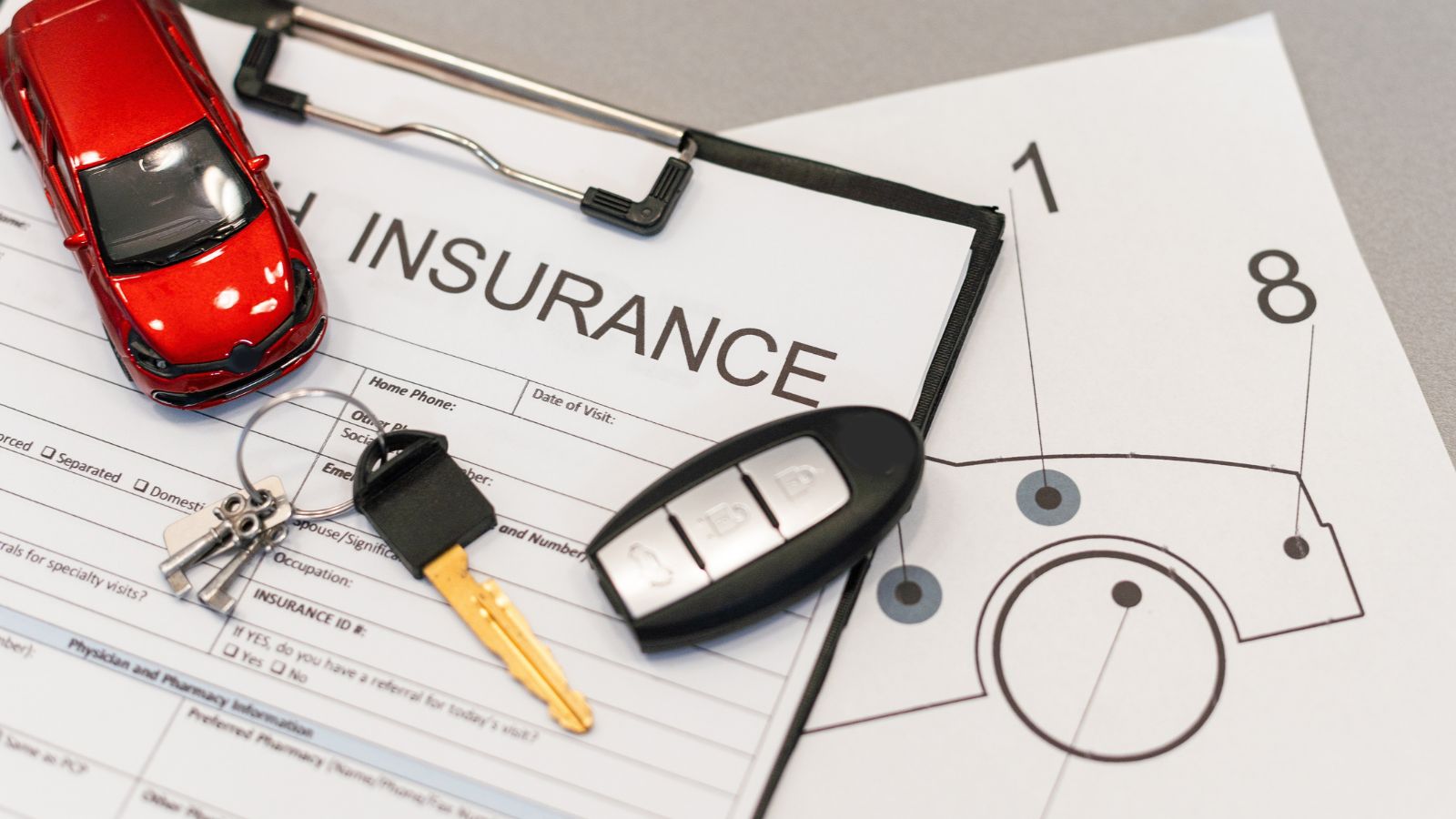
Security concerns do not stop at the driveway. In high-theft markets, insurers have increasingly incorporated vehicle theft risk into pricing and anti-theft requirements. Ontario’s Financial Services Regulatory Authority has acknowledged that some insurers use surcharges for vehicles considered at elevated theft risk while encouraging the installation of anti-theft devices to reduce losses. The regulator has also emphasized that insurers should keep pricing practices and mitigation incentives aligned with changing theft conditions.
Specific programs demonstrate how tangible that cost can become. A 2025 Ontario rate manual from an Aviva-group insurer listed a $1,000 high-theft-vehicle surcharge in qualifying circumstances when an affected vehicle carried theft coverage without an approved recovery device, with provisions allowing the surcharge to be removed or refunded when qualifying equipment was installed. Other insurers may use discounts or different anti-theft programs instead. These measures are driven by overall vehicle-theft experience rather than keyless entry alone, but electronic theft techniques are part of the modern risk landscape. For some owners, access technology can therefore influence not only peace of mind but also the money and equipment required to insure a vehicle comfortably.
The Technology Is Improving, but Buyers Still Have to Research It
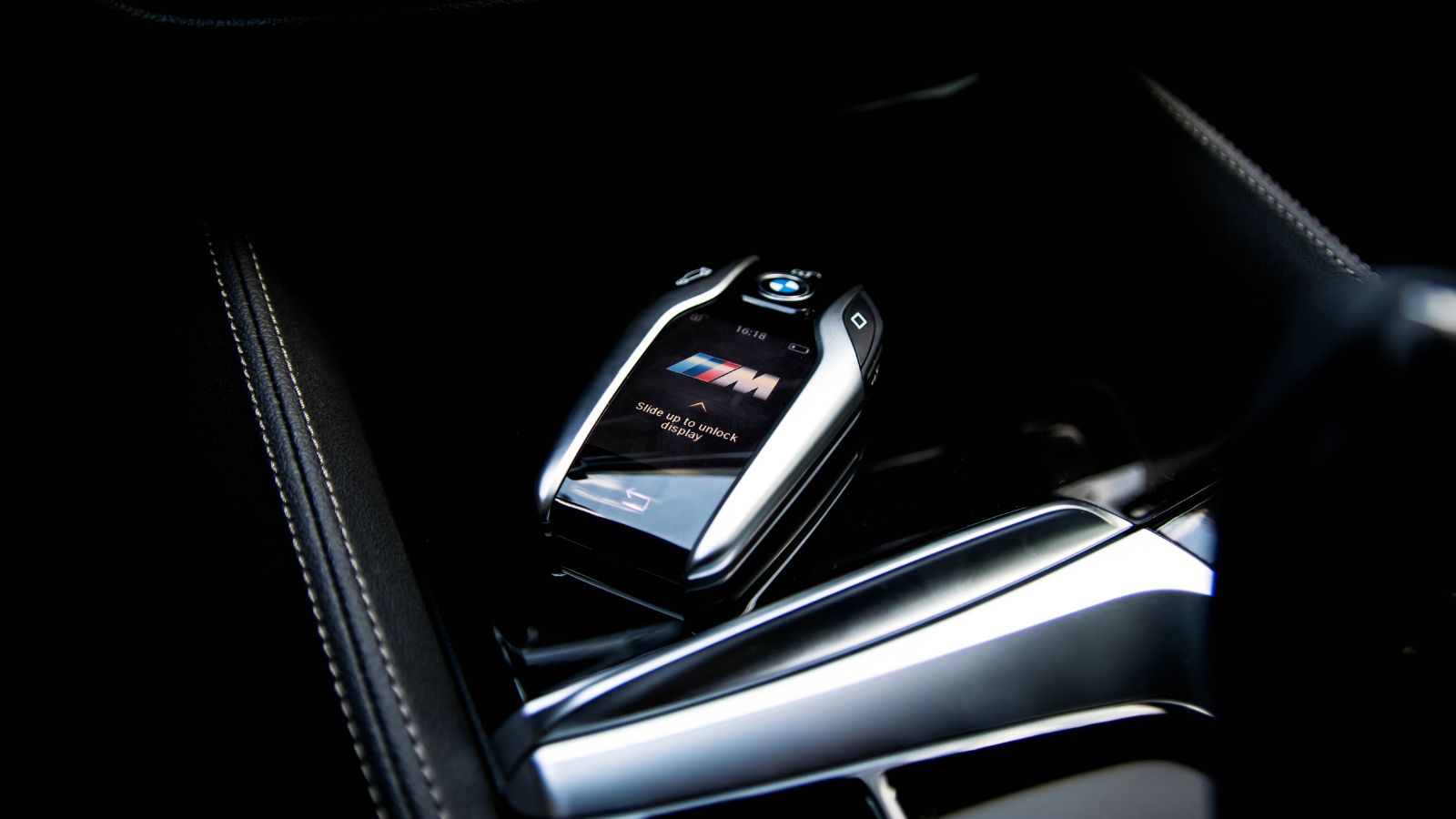
The case against keyless entry is not that the technology has stood still. It has improved. ADAC’s August 2026 review of a decade of keyless testing found that about 70 percent of the roughly 850 vehicles it had examined were better protected against keyless theft, a major change from the early years of widespread relay vulnerability. Modern motion-sensing fobs, secure ranging and ultra-wideband systems demonstrate that automakers and suppliers understand the threat and have practical ways to reduce it.
What frustrates drivers is that the label on the feature has not become more informative. “Keyless entry” can describe an older relay-vulnerable setup, a motion-sensing fob that sleeps when stationary or a newer UWB system designed to verify distance. Canadian concern nevertheless remains high. Équité Association reported in 2026 that only 18 percent of respondents in its national auto-theft research believed vehicles sold today were adequately protected against modern technology-based theft. That gap between improving engineering and weak public confidence helps explain the backlash. Many drivers are not rejecting convenience itself; they are rejecting the need to research security architecture before trusting it.
19 Used Cars Canadians Should Avoid in 2026 (Based on Owner Complaints)

Buying a used car in Canada can feel safe until repair bills start stacking up. Owner complaints tell a different story than glossy listings. Transmission failures, electrical problems, and weak winter reliability show up again and again in consumer reports. Many of these issues appear after warranties expire, when owners least expect them. Some vehicles look affordable upfront, but become expensive to keep on the road. Others struggle in cold weather, urban driving, or long highway commutes. Here are 19 used cars Canadians should avoid in 2026 (based on owner complaints).
19 Used Cars Canadians Should Avoid in 2026 (Based on Owner Complaints)