


























A modern car can beep, flash, vibrate and even tug at the steering wheel before a driver senses anything is wrong. Those interventions can prevent crashes, yet frequent or poorly timed warnings can also become exhausting. The tension is not simply between technology and tradition; it is between useful protection and systems that struggle to understand context.
These 12 reasons explain why some drivers are losing patience with overly sensitive safety alerts, from false positives and weather-limited sensors to attention monitors that misread ordinary glances. They also show why the answer is not to abandon safety technology. Better calibration, clearer communication and more thoughtful controls can preserve the benefits while reducing the constant sense that the vehicle is second-guessing every move.
Too Many Warnings Become Background Noise
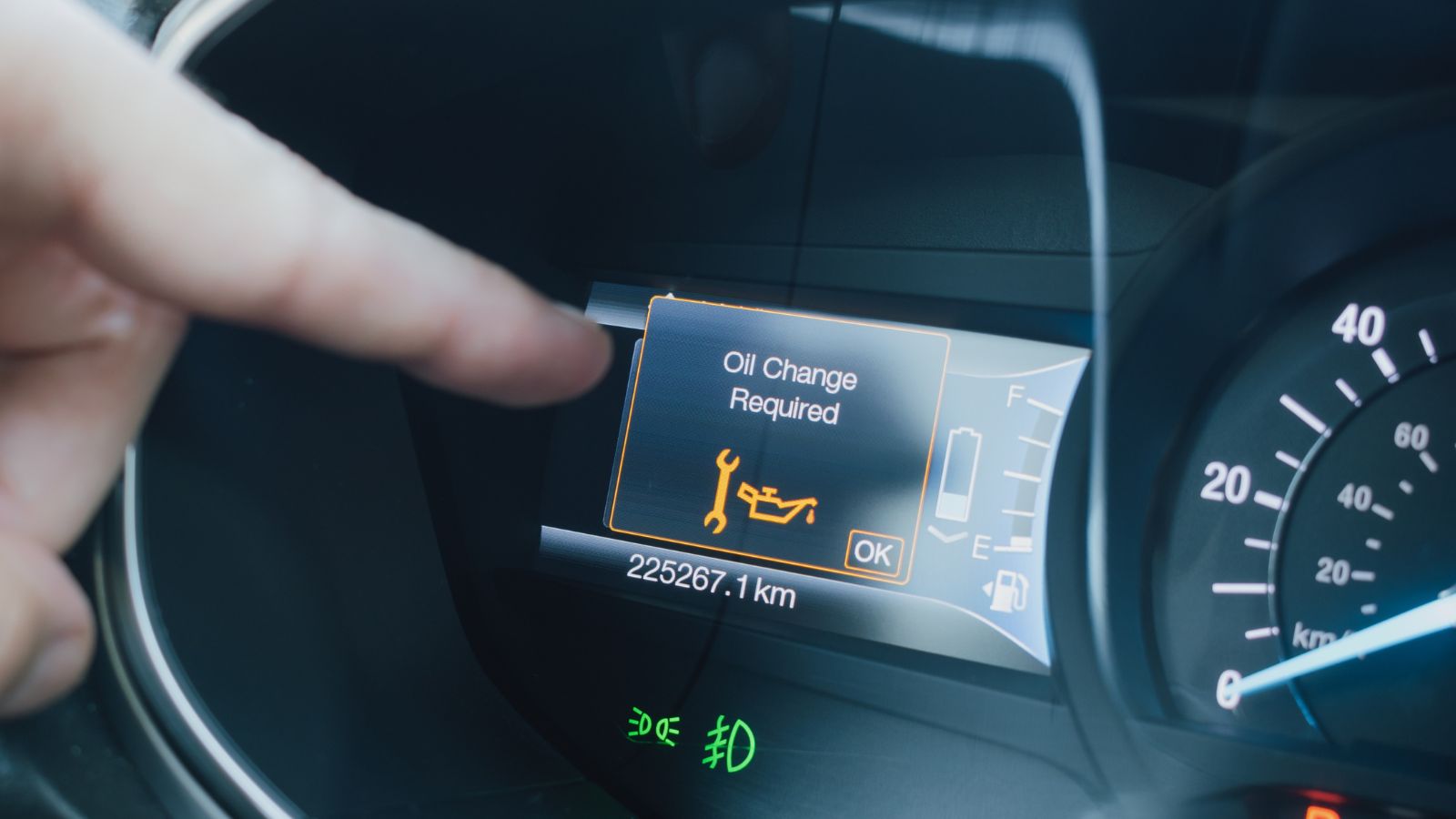
A warning earns attention by being unusual. When the cabin chimes for a slightly wandering lane, a car passing nearby, an unbuckled bag, a speed-limit change and a momentary glance toward the mirrors, that scarcity disappears. The first alert feels urgent; the fifth can blend into the soundtrack of the trip. Human-factors researchers have specifically warned that multiple auditory systems can create alarm fatigue, increase mental workload and encourage drivers to disable warnings.
The irritation is not always aimed at safety itself. It is often a reaction to poor prioritization. An alert about an immediate collision should not sound emotionally similar to a reminder that the vehicle has crossed a painted line by a few centimetres. Consider a commuter on a narrow urban road where parked cars force repeated small steering adjustments. If the vehicle protests every correction, the driver may begin treating every chime as routine. A genuinely important warning must then fight through the noise created by lesser ones.
False Positives Damage Trust Faster Than Drivers Expect
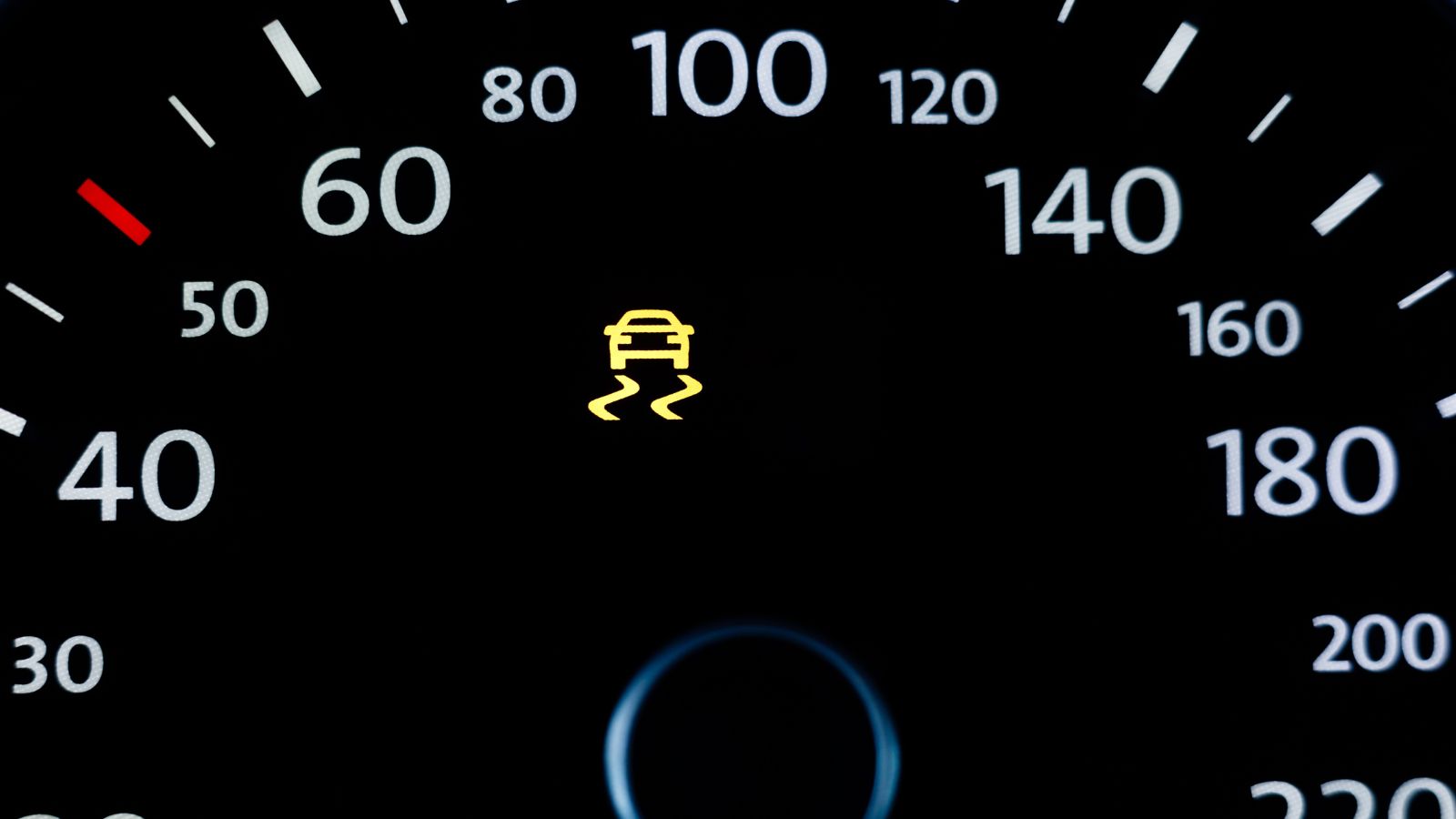
Drivers do not need a system to be perfect, but they do need its interventions to make sense. A warning that repeatedly appears when no obvious hazard exists teaches the driver that the machine’s judgment is questionable. Research on cooperative automotive warning systems has found that false alarms can reduce compliance and overall effectiveness. Simulator research has also associated false alerts with lower trust, anxiety and alert fatigue.
The effect is easy to picture. A forward-collision warning may sound as a vehicle ahead completes a turn, even though the path is already clearing. A blind-spot light may remain illuminated beside a concrete barrier or guardrail. Each event is small, yet the memory accumulates. Eventually, the driver may delay reacting for a fraction of a second while mentally checking whether the alert is “real this time.” That hesitation defeats the purpose of early warning. Sensitivity therefore has a cost when it is not paired with enough contextual intelligence to distinguish a developing threat from ordinary traffic movement.
Real Roads Are Messier Than Lane Algorithms Expect
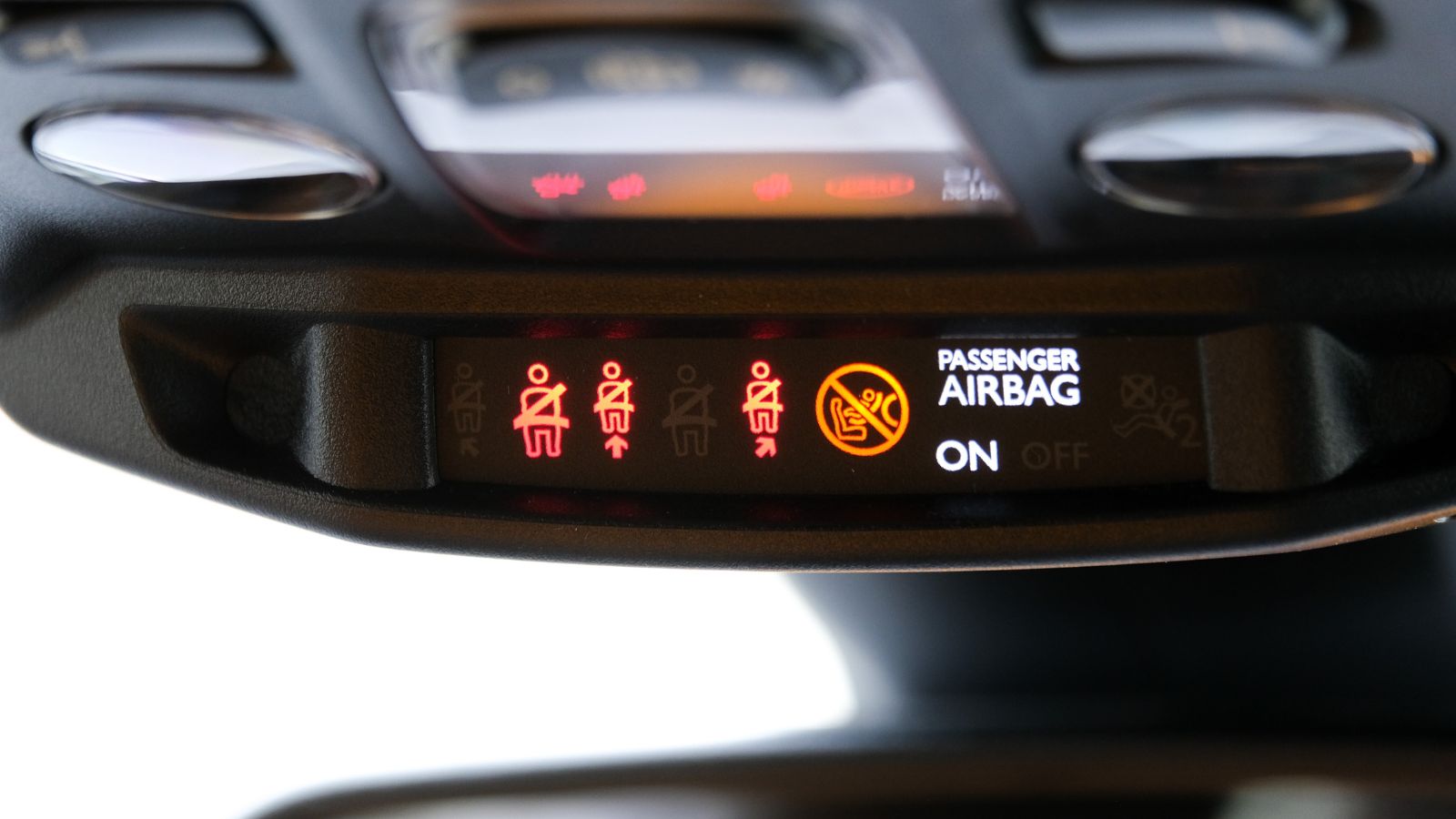
Lane-departure technology generally relies on cameras or other visual sensors to identify painted boundaries and estimate the vehicle’s position. That sounds straightforward on a freshly marked highway, but roads frequently contain faded stripes, temporary construction lines, repaired pavement, merging lanes and curves with inconsistent edges. A system designed around clean markings may warn during a deliberate manoeuvre or lose confidence exactly when the roadway becomes visually complicated.
A familiar example occurs in work zones where old lane markings remain faintly visible beside temporary yellow or white lines. A human driver can use cones, traffic flow and road geometry to infer the intended path. A camera may give more weight to the wrong stripe. Similar confusion can happen on narrow rural roads when a driver moves slightly toward the shoulder to create space for an oncoming truck. The alert may be correctly detecting lateral movement while failing to understand why that movement is sensible. Drivers become frustrated when the vehicle recognizes a line but misses the broader situation that gives the line meaning.
Rain, Snow and Grime Change What Sensors Can See
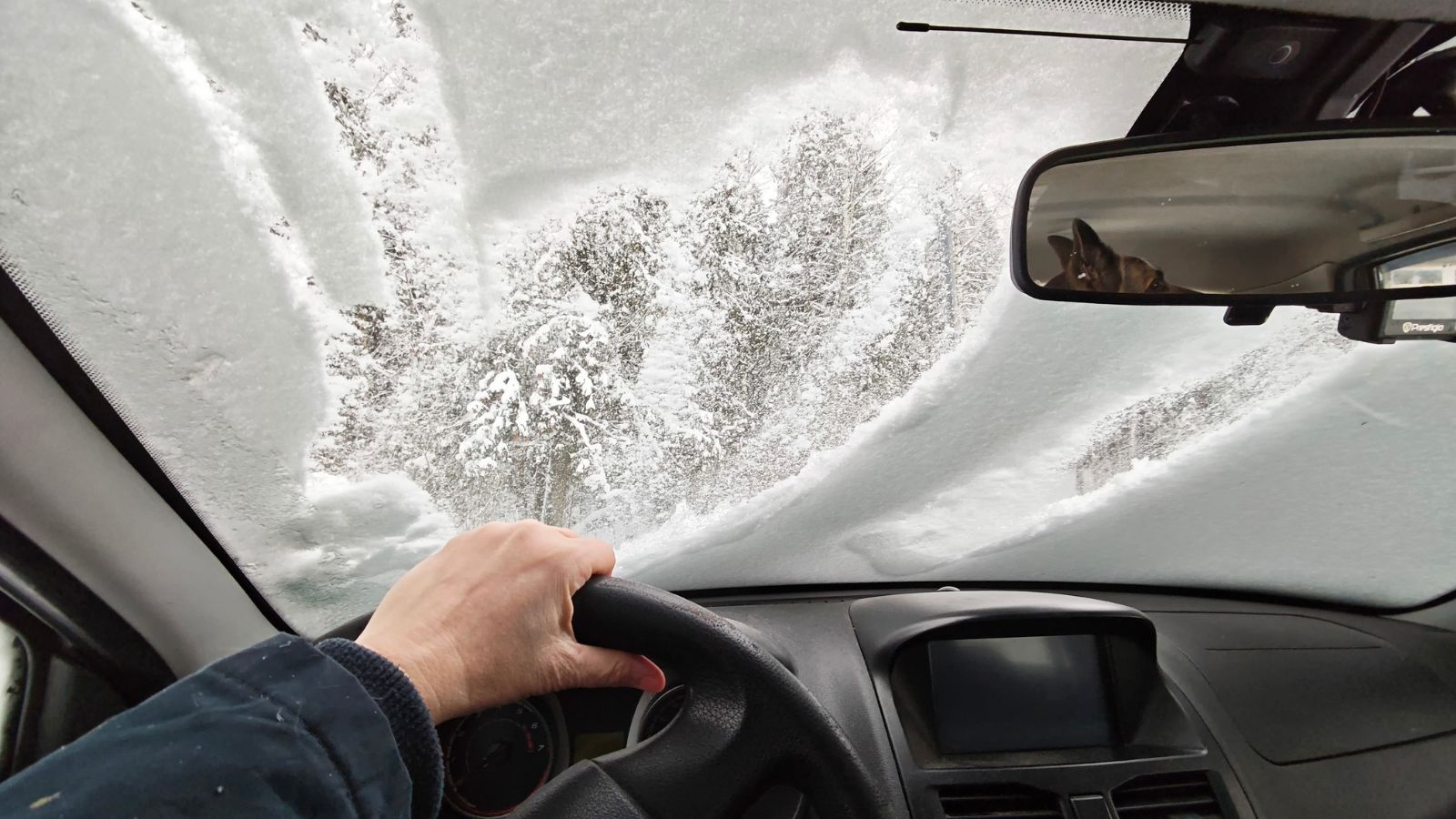
Advanced safety features are often demonstrated in clear conditions, while daily driving happens through rain, spray, snow, fog and dirty windshields. Cameras need sufficient visibility and contrast to identify road markings and objects. Radar and ultrasonic sensors can also be obstructed or affected by environmental clutter. In AAA closed-course rain testing, lane-keeping vehicles departed their lanes in 69 percent of test runs, while vehicles using automatic emergency braking collided with a stopped target in 33 percent of the 35-mph runs.
Those results do not mean the technology is useless in poor weather. They help explain why alerts may become inconsistent or why a system may suddenly announce that assistance is unavailable. A driver heading through slushy traffic can experience repeated sensor-blocked messages as snow builds around a bumper-mounted sensor. Another may receive lane warnings because standing water and reflections blur the paint. The annoyance comes from unpredictability: a feature that behaved quietly on a dry morning can become nervous, unavailable or contradictory during an evening storm, precisely when the driver already has more work to do.
Every Brand Draws the Line Differently
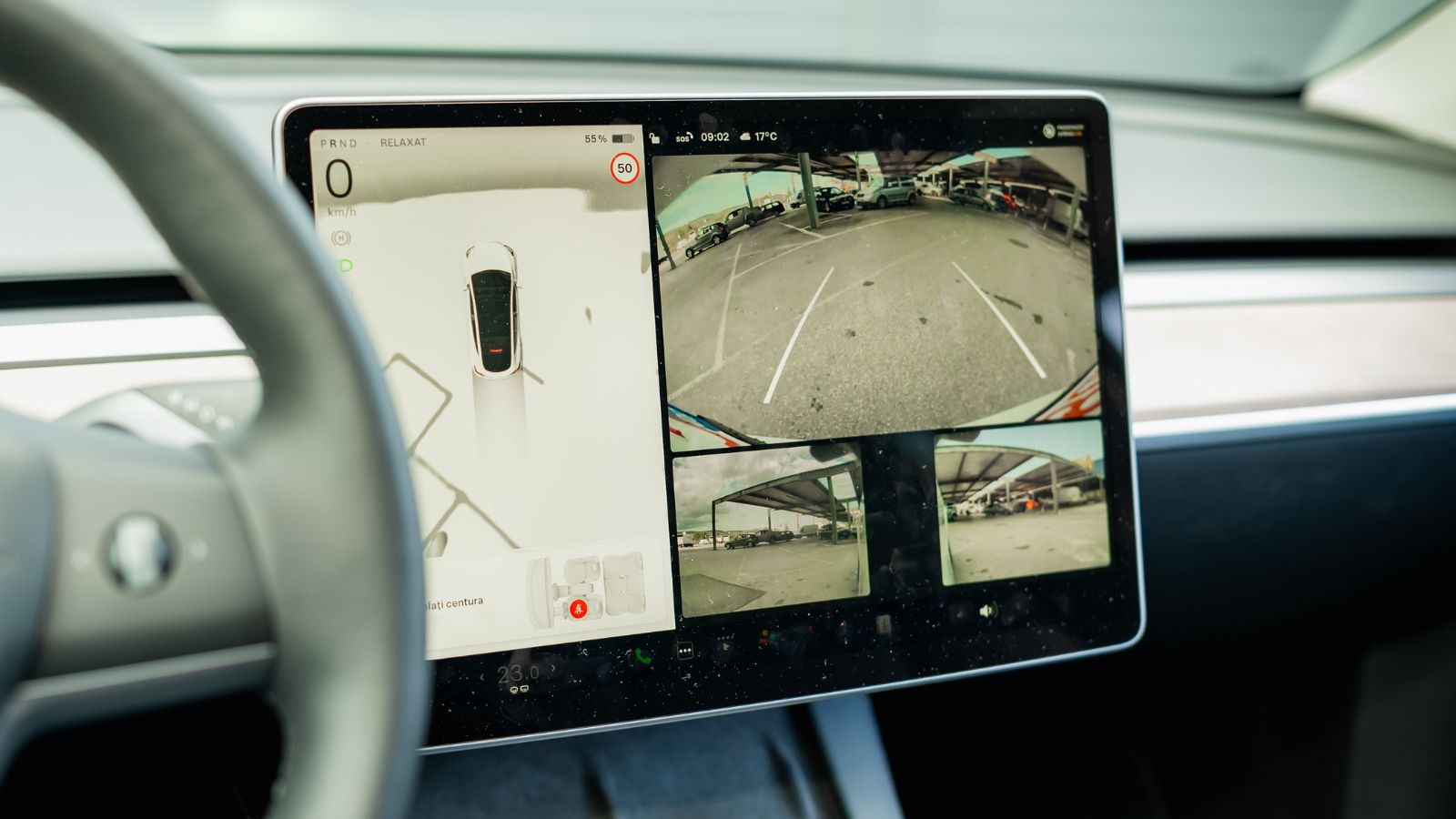
A driver moving from one vehicle to another may discover that familiar-sounding safety features behave very differently. One lane system waits until a tire touches the marking; another begins steering much earlier. Some blind-spot systems use a small mirror light, while others add a chime, steering resistance or seat vibration. Even feature names vary. A coalition involving AAA, Consumer Reports, J.D. Power, the National Safety Council, PAVE and SAE International has promoted common terminology because inconsistent labels can confuse consumers about what systems actually do.
Calibration differences make that confusion more personal. A rental car may feel overly cautious to someone whose own vehicle rarely intervenes. A new owner may assume “lane assist” means warning only, then feel the steering wheel move unexpectedly. J.D. Power research has found that some owners consider certain advanced technologies continually annoying or of limited usefulness. Without a common baseline for timing, intensity and terminology, drivers must learn the personality of every vehicle. Unfamiliar behaviour may consequently be interpreted as needless interference rather than a predictable safety function.
Alerts Compete for the Same Limited Attention

Safety warnings are meant to redirect attention, but redirecting attention has a cognitive cost. A driver hearing a sudden chime must identify its source, interpret a dashboard symbol, scan the road and decide whether action is necessary. When several systems speak at once, the car can create the very workload it is trying to reduce. Human-factors guidance notes that annoying auditory alerts may be distracting and that the problem can become worse when multiple safety applications each carry their own warning.
Imagine reversing from a crowded parking space. The rear cross-traffic alert sounds, parking sensors accelerate their beeping, a seat-belt reminder continues and the infotainment screen displays a camera message. None of those warnings is absurd on its own. Together, they can obscure which threat deserves immediate attention. Well-designed systems use distinct sounds, escalating urgency and clear visual direction. Poorly integrated ones merely stack notifications. Drivers tire of the stack because it forces them to become an air-traffic controller inside the cabin, sorting simultaneous signals while still steering a moving vehicle through a confined space.
Driver-Monitoring Cameras Can Misread Normal Behaviour
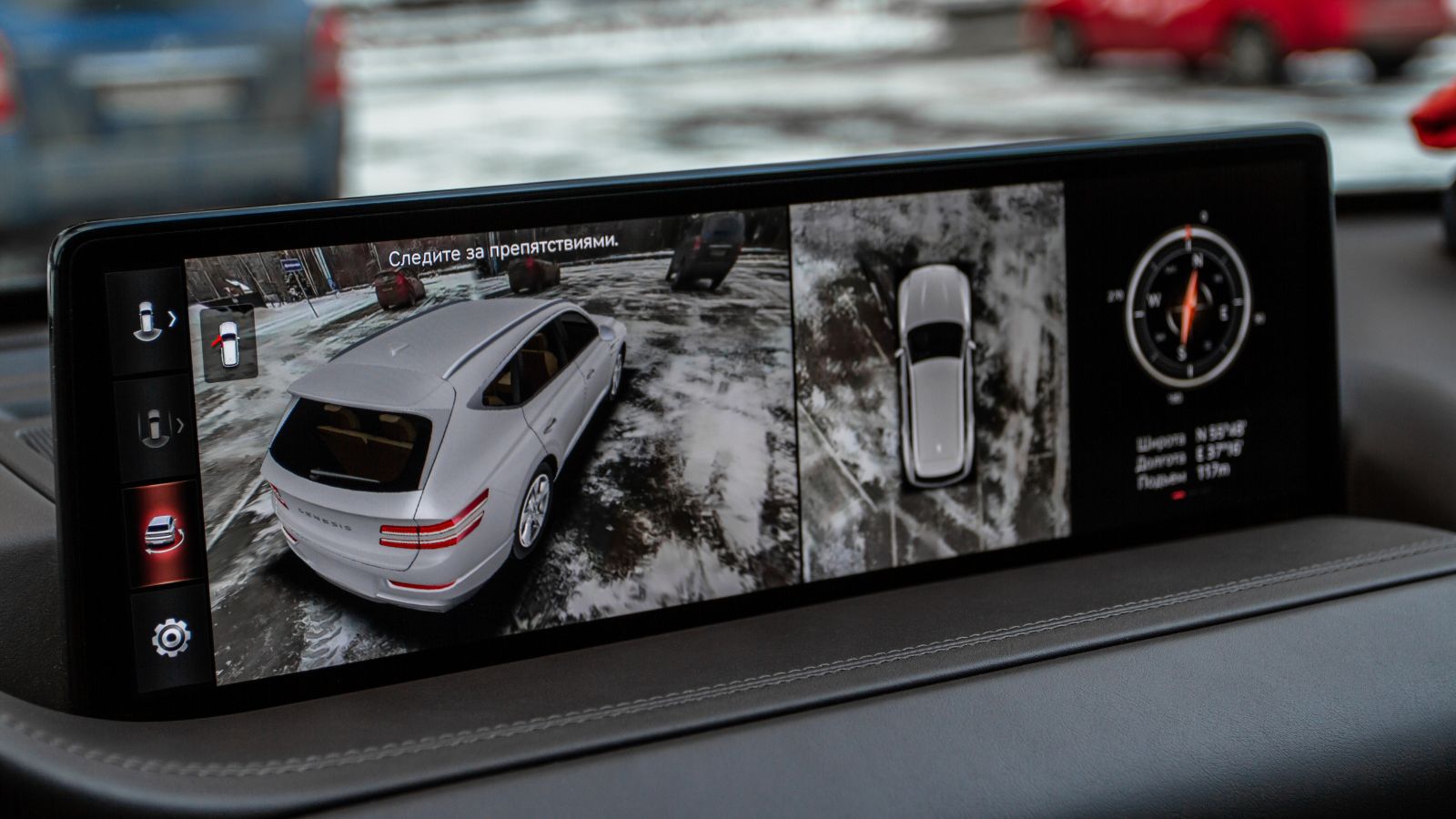
Driver-monitoring systems infer attention from observable cues such as head position, eye movement, eyelid behaviour and repeated glances away from the road. That is a demanding interpretation problem. Euro NCAP’s 2026 protocol distinguishes between movements led mainly by the head and those led mainly by the eyes. It also recognizes that monitoring can become degraded when eye tracking is unavailable. The complexity shows why a simple rule, such as treating every downward glance as distraction, can produce irritating results.
A driver may look toward a mirror before changing lanes, check a dashboard warning, lean around a windshield pillar or glance at a navigation instruction. Those actions can be brief, purposeful and safety-related. A poorly calibrated monitor may still display a “keep eyes on road” message, particularly when sunglasses, lighting, facial position or camera visibility complicate measurement. Not every system will fail in those circumstances, but the possibility follows from the difficulty of interpreting driver state. The frustration begins when the vehicle judges attention without understanding the legitimate task that caused the glance, leaving a responsible driver feeling incorrectly scolded.
Steering Corrections Can Feel Like a Tug-of-War
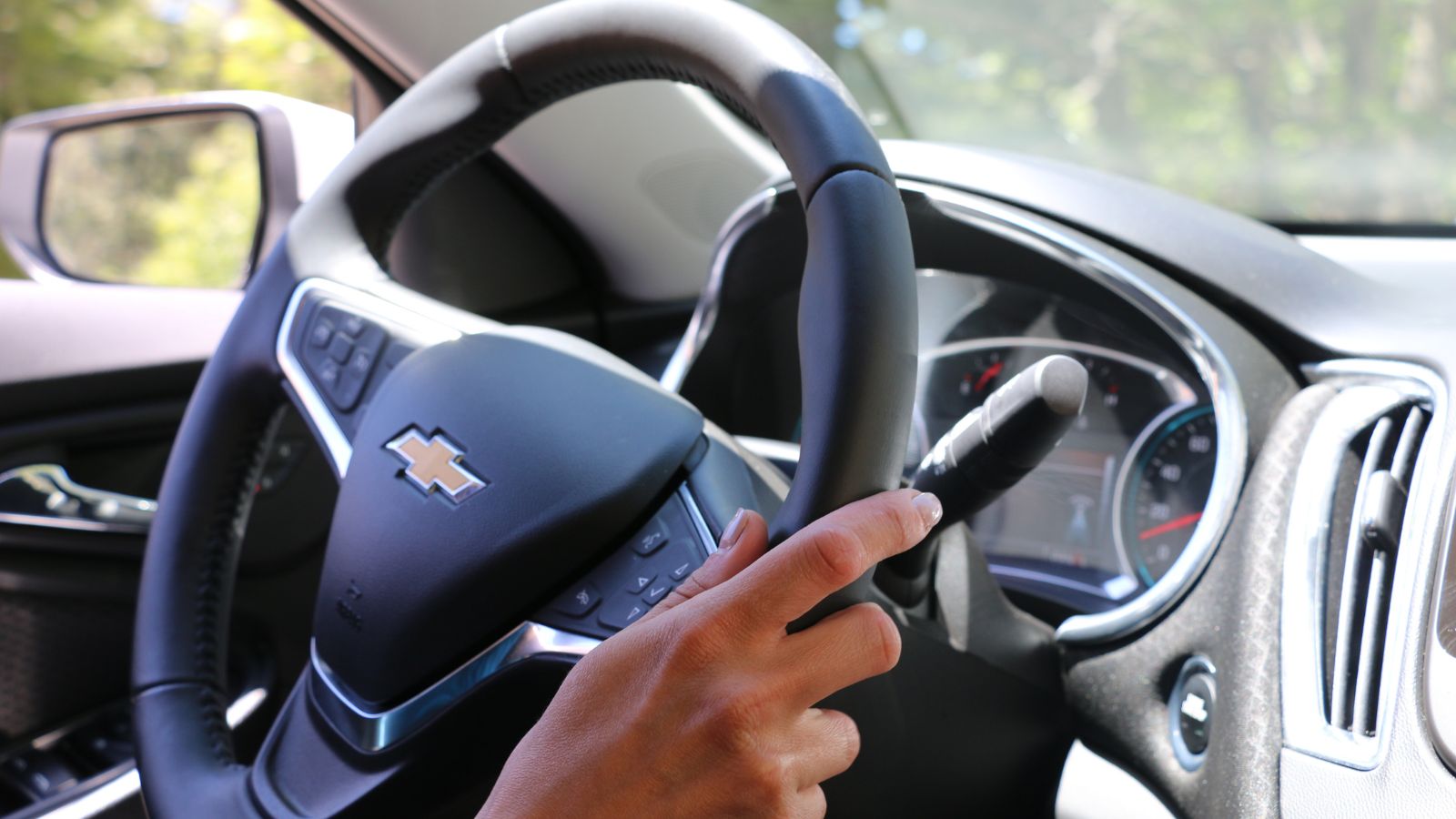
Lane-departure prevention goes beyond warning by applying a small steering adjustment to keep a vehicle from crossing a boundary. The intervention can be valuable during genuine drift, but it may feel intrusive when the driver is already steering intentionally. Construction zones, cyclists, potholes, snowbanks and vehicles encroaching from another lane can all require movement that does not match the system’s preferred path. Resistance through the wheel can then feel less like assistance and more like an argument.
Earlier lane-warning systems were often switched off because drivers found them annoying. By 2024, IIHS found that lane-warning or prevention technology remained active in 87 percent of nearly 2,400 vehicles examined, compared with 51 percent in a similar study conducted eight years earlier. IIHS attributed some of the improvement to design changes, including greater use of haptic feedback instead of audible warnings. That progress confirms an important point: drivers are more willing to keep assistance active when it communicates subtly and allows an intentional steering input to remain clearly in command.
Automatic Braking Can React to the Wrong Threat

Automatic emergency braking is designed for moments when a collision appears imminent and the driver has not reacted quickly enough. Because braking immediately changes the vehicle’s speed, an unnecessary activation feels more serious than an unwanted chime. The term “phantom braking” is often used for sudden braking without an apparent obstacle. In 2024, NHTSA expanded an investigation covering approximately three million Honda vehicles after receiving 2,876 complaints and reports of crashes and injuries that might have been associated with unexpected braking activation.
An investigation does not prove that every complaint has the same cause, nor does it mean automatic braking is broadly unsafe. It demonstrates why drivers react strongly when an intervention seems unexplained. A shadow, overhead structure, vehicle in another lane or rapidly clearing object can look different to sensors than it does to a person with full context. One harsh braking event may be enough to make an owner tense whenever the dashboard flashes. The system must balance two costly errors: braking when it should not and failing to brake when it should. Excess sensitivity shifts some fear from the hazard ahead to the vehicle’s own response.
Default-On Rules Can Make Irritation Feel Inescapable

Some safety functions are designed or assessed on the assumption that they will be active at the beginning of every trip. Euro NCAP’s 2026 driver-monitoring protocol, for example, requires eligible systems to default on at each journey, prevents deactivation through a momentary single-button press and does not allow the driver to adjust detection sensitivity. European intelligent-speed-assistance requirements have also contributed to recurring speed-limit information and warning features in newer vehicles.
The policy logic is understandable: a feature cannot provide protection when it is permanently disabled after one unpleasant experience. The user-experience problem appears when the same driver must repeat a multi-step shutdown every morning because local roads trigger constant warnings. That ritual can turn annoyance into resentment. It may also encourage drivers to rush through menus before moving without learning exactly what they are disabling. A better compromise would maintain safety defaults while providing clear temporary modes, transparent explanations and context-sensitive behaviour. Drivers generally accept intervention more readily when they understand why it occurred and can make limited, deliberate adjustments without fighting the interface.
Poor Timing Can Startle Instead of Help
A warning must arrive early enough to support action but late enough to avoid crying wolf. Research on forward-collision alerts has shown that timing influences driver trust and braking behaviour. Human-factors guidance also emphasizes matching a sound’s perceived urgency to the urgency of the event. A signal that feels more urgent than the situation warrants may cause confusion, distraction or an inappropriate response. Loudness, repetition and tone therefore matter almost as much as detection accuracy.
Consider a car approaching slow traffic. An alert that sounds while there is still abundant space may teach the driver that the threshold is unnecessarily cautious. One that waits until the closing gap is frighteningly small can provoke a panicked brake application. Irritating systems may alternate between those extremes because they do not fully account for road grade, the leading vehicle’s trajectory or the driver’s existing pedal input. A startled driver may lift abruptly, glance down at the display or steer unnecessarily. The warning has technically gained attention, but not in the calm, correctly directed way that supports safe decision-making.
Drivers Want Smarter Help, Not Less Safety
Frustration with sensitive alerts should not be mistaken for rejection of crash-avoidance technology. Owner research has generally found strong support for many driver-assistance features. IIHS studies have also associated forward-collision warning with automatic braking, lane-departure warning and blind-spot warning with reductions in the specific crash types they are intended to address. The challenge is preserving those benefits without making the vehicle feel distrustful of every small human decision.
The encouraging evidence is that design improvements matter. IIHS found almost nine in ten equipped vehicles kept lane systems active in its 2024 study. AAA testing also found that newer 2024 automatic-braking systems avoided every forward collision in its closed-course tests at speeds up to 35 mph, a substantial improvement over the older models tested. Better sensors, clearer naming, haptic rather than constant audible feedback, explainable alerts and accessible controls can rebuild goodwill. The ideal system stays quiet during competent routine driving, speaks clearly when risk rises and intervenes decisively only when evidence is strong. Drivers are not asking the car to stop caring; they are asking it to decide more intelligently when help is necessary.
19 Used Cars Canadians Should Avoid in 2026 (Based on Owner Complaints)

Buying a used car in Canada can feel safe until repair bills start stacking up. Owner complaints tell a different story than glossy listings. Transmission failures, electrical problems, and weak winter reliability show up again and again in consumer reports. Many of these issues appear after warranties expire, when owners least expect them. Some vehicles look affordable upfront, but become expensive to keep on the road. Others struggle in cold weather, urban driving, or long highway commutes. Here are 19 used cars Canadians should avoid in 2026 (based on owner complaints).
19 Used Cars Canadians Should Avoid in 2026 (Based on Owner Complaints)