


























Winter in Canada does not end when the snowbanks shrink and the roads finally look dry. The bills often keep arriving well into spring and summer, because cold starts, road salt, potholes, slush, gravel, and months of stop-and-go caution leave behind more than memories. What looks like a normal seasonal change can quietly turn into a chain of repairs, service appointments, and lower trade-in offers.
These 18 lingering costs show how winter driving keeps reaching into household budgets long after the last icy commute. Some are obvious, like tires and windshields. Others hide underneath the vehicle, inside the brakes, in the wiring, or in the resale value that disappears before many owners realize what happened.
Underbody washes and rustproofing
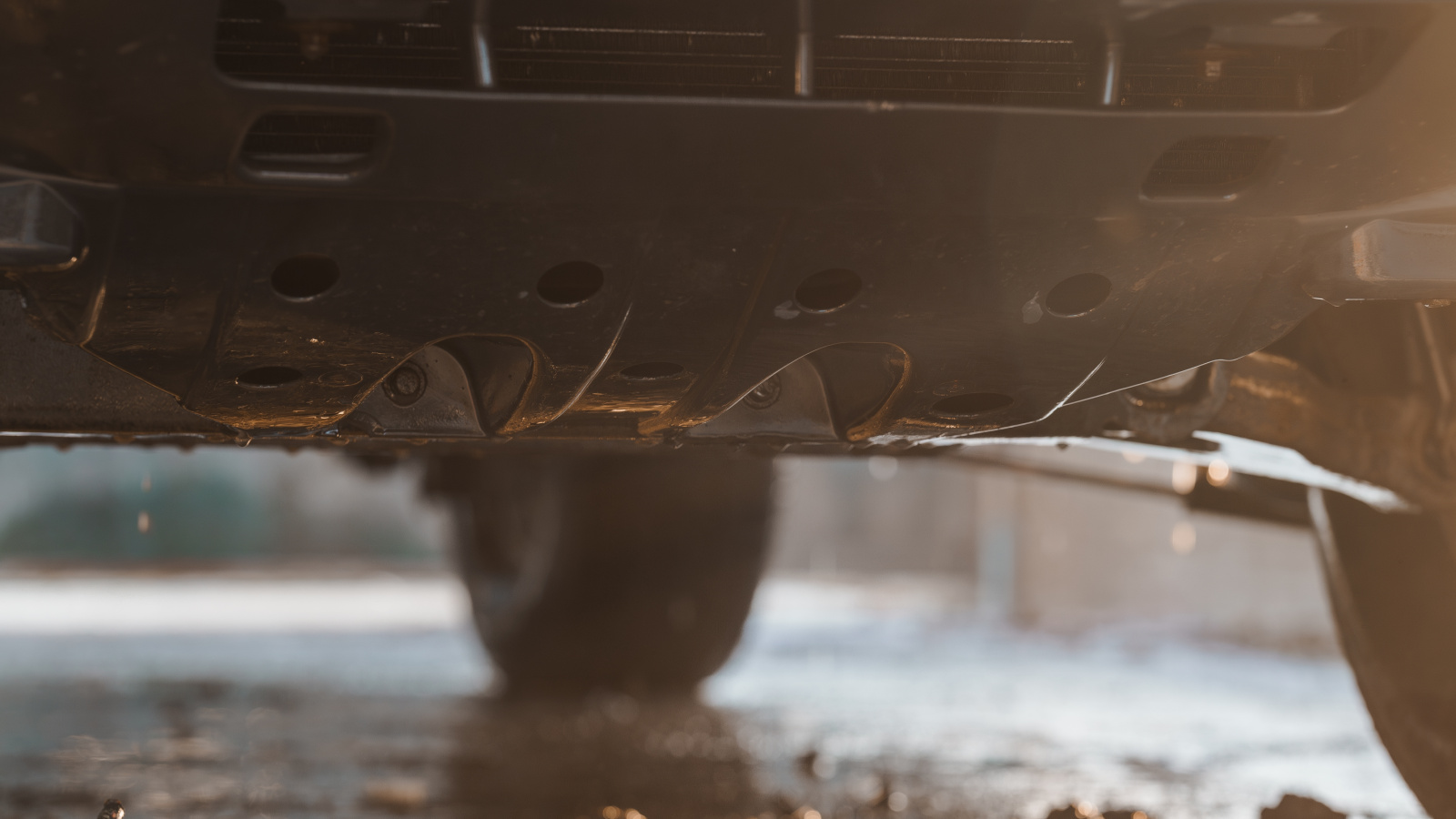
One of the most persistent post-winter expenses is not a dramatic breakdown but a steady effort to stop corrosion from getting worse. In Canada, road salt is a safety necessity, but it is also relentless. Once the thaw arrives, many drivers discover that the real spring ritual is not just changing tires but paying for underbody washes, rustproofing appointments, and inspections of wheel wells, seams, and hidden metal surfaces. What makes this cost frustrating is that it rarely feels optional. Skip it, and a small patch of corrosion can spread into something structurally serious months later.
That is why this expense tends to linger. A driver may wash the car in March, notice bubbling paint in April, book rust treatment in May, and then return for touch-ups by fall. The money leaks out in stages rather than one shocking invoice. In places where salt and moisture sit on vehicles for months, the damage does not stop simply because the roads are dry. Winter leaves behind a chemical residue that keeps working long after the season looks over, turning prevention into a recurring line item.
Paint chip repairs and protective waxing
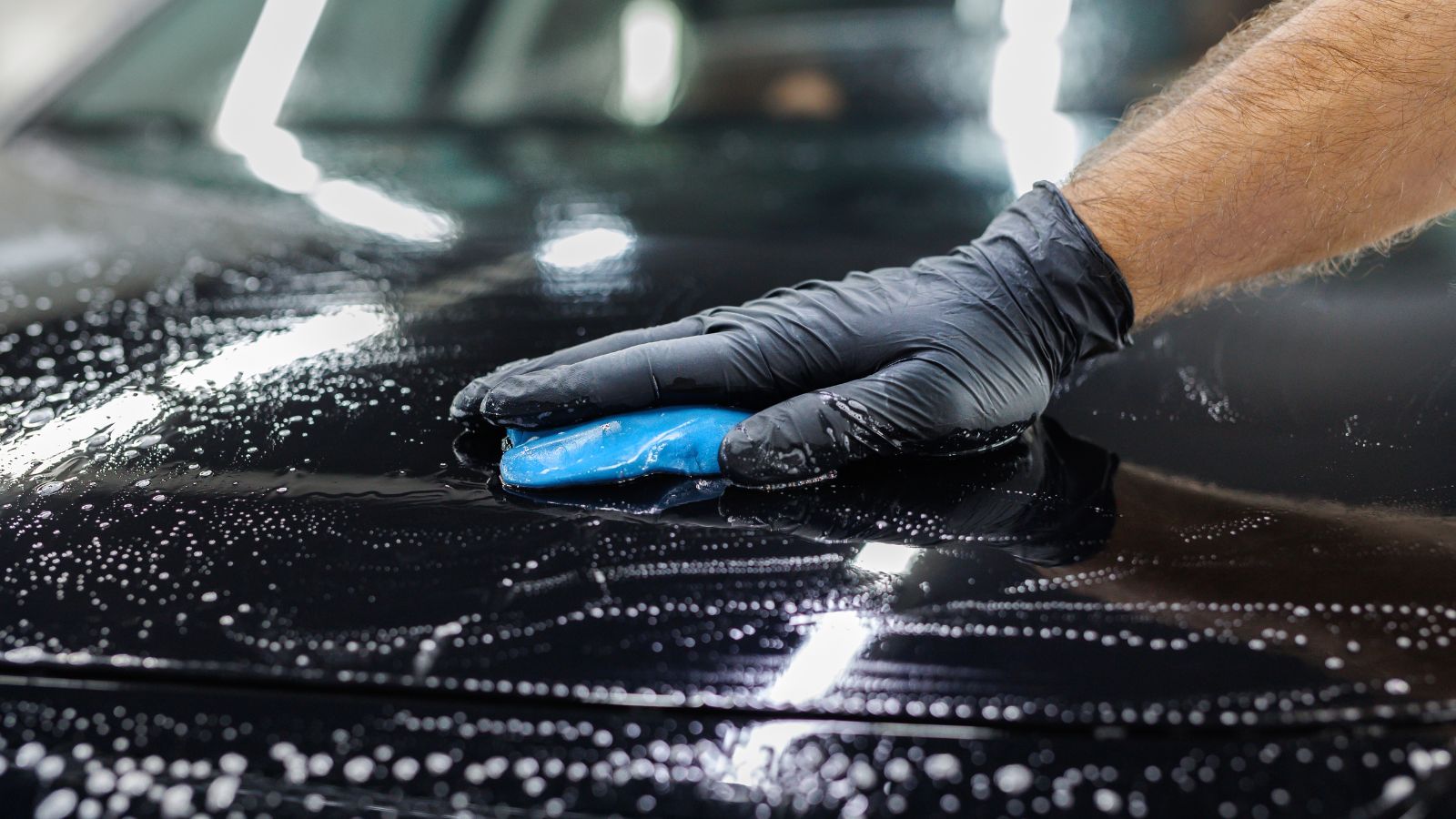
A Canadian winter rarely attacks a vehicle’s paint in one dramatic moment. It usually starts with a tiny stone chip on the hood, a scratch near a wheel arch, or a nick on the lower door panel where slush and grit hit hardest. By spring, that minor cosmetic flaw becomes something owners are urged to fix quickly, because exposed metal is where rust begins. The result is a string of small but real costs: touch-up paint, paint correction, polishing, wheel-well cleaning, and protective waxing. None of those jobs feel enormous on their own, but together they create a surprisingly familiar post-winter bill.
This is also one of the more human costs because it often starts with good intentions. Someone gives the vehicle its first warm-weather wash, sees the damage clearly for the first time, and realizes the problem is no longer just aesthetic. Waxing after winter is not only about shine; it is a way to protect the finish after months of abuse. The annoyance is that owners are paying to undo damage that was not fully visible in January. Winter’s mess hides the evidence until spring light exposes every chip, scratch, and dull patch that now needs attention.
Brake inspections, pad work, and fluid service
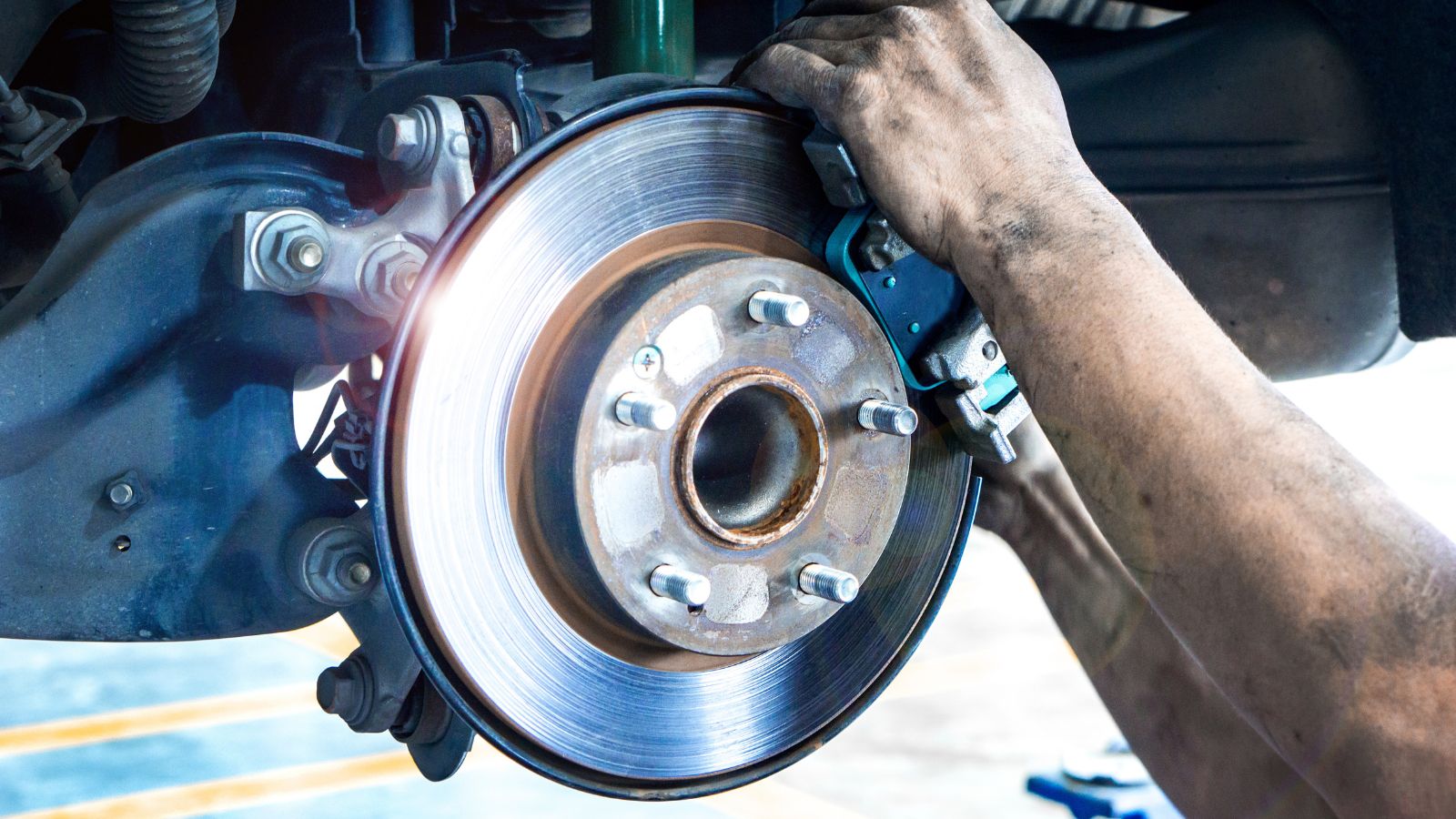
Brakes are another part of the vehicle that can keep charging Canadians long after winter roads clear. Salt, grime, and repeated wet-dry cycles do not just make wheels dirty; they can interfere with the parts that need to move smoothly and predictably. By spring tire-change season, many shops recommend inspecting calipers, pads, rotors, and brake lines because winter can remove lubricants, promote corrosion, and leave components sticking or wearing unevenly. That turns a routine seasonal appointment into a larger service visit that may include cleaning, lubrication, pad replacement, rotor work, or a brake-fluid flush.
The cost becomes easier to understand once symptoms show up. A mushy pedal, squeal at low speed, or light vibration under braking often appears after winter rather than during it. That delay is part of why the bills feel sneaky. The driver thinks the car survived the cold months just fine, only to learn that winter damage was still building underneath. In more serious cases, corrosion has been serious enough to appear in Transport Canada defect investigations involving brake lines. Most vehicles will not reach that point, but the reminder is blunt: brakes are one of the last systems worth postponing when winter has been hard on the car.
Wheel alignments that spring potholes make unavoidable

Few post-winter charges feel more predictable than the alignment bill. Canadian winters create perfect conditions for potholes, cracked pavement, and hard impacts hidden under slush or standing water. A car can seem mostly fine after one rough hit, yet still end up pulling slightly to one side, wearing its tires unevenly, or feeling unsettled at highway speed. That is why alignment checks keep showing up as a spring expense even for drivers who did not think they hit anything serious enough to matter.
The sting is that alignment problems are rarely isolated. One bad pothole can push a vehicle out of spec, and then the owner begins paying twice: once for the alignment itself and again through accelerated tire wear or poorer handling if the issue is ignored. CAA has cited research showing pothole damage can range from a few hundred dollars to more than $6,000, depending on the vehicle and the parts affected. That range explains why Canadians often treat wheel alignment like a small repair when it is really part of a larger winter-aftershock. It is not just about keeping the steering wheel straight; it is about stopping a chain reaction of extra costs.
Suspension and steering repairs that arrive in warm weather
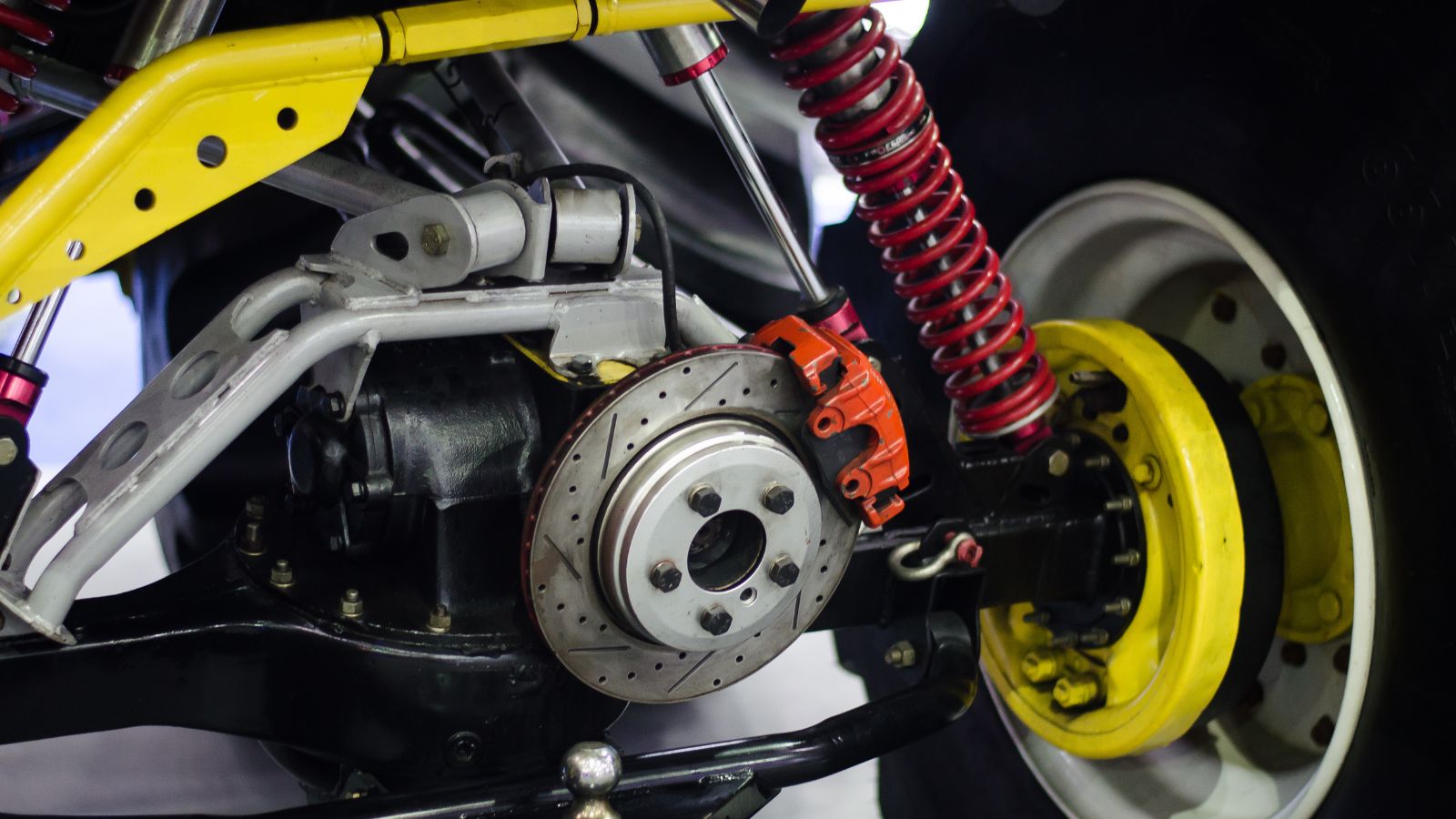
If winter had a favourite target besides the underbody, it would be the suspension. Shocks, struts, bushings, links, and other steering and suspension parts absorb punishment every time a vehicle drops into broken pavement or climbs out of a frozen rut. The problem is that damage does not always reveal itself instantly. It often announces itself later through clunks, looseness, extra bouncing, vague steering, or tires that start wearing in a way that suggests something deeper than low pressure. By then, the season is over, but the invoice is just getting started.
This category tends to frustrate owners because it feels like a repair for roads rather than for driving habits. Many Canadians are careful drivers, yet still end up paying because spring roads are simply brutal. BCAA has specifically flagged worn steering and suspension components as part of winter’s toll, and CAA has tied rough pavement to ongoing suspension trouble. In practical terms, that means a driver who thought spring would bring relief instead gets a shop call about worn end links, leaking struts, or a component that no longer holds alignment properly. Winter driving ends, but the suspension keeps collecting rent.
Tire replacements that winter quietly accelerated
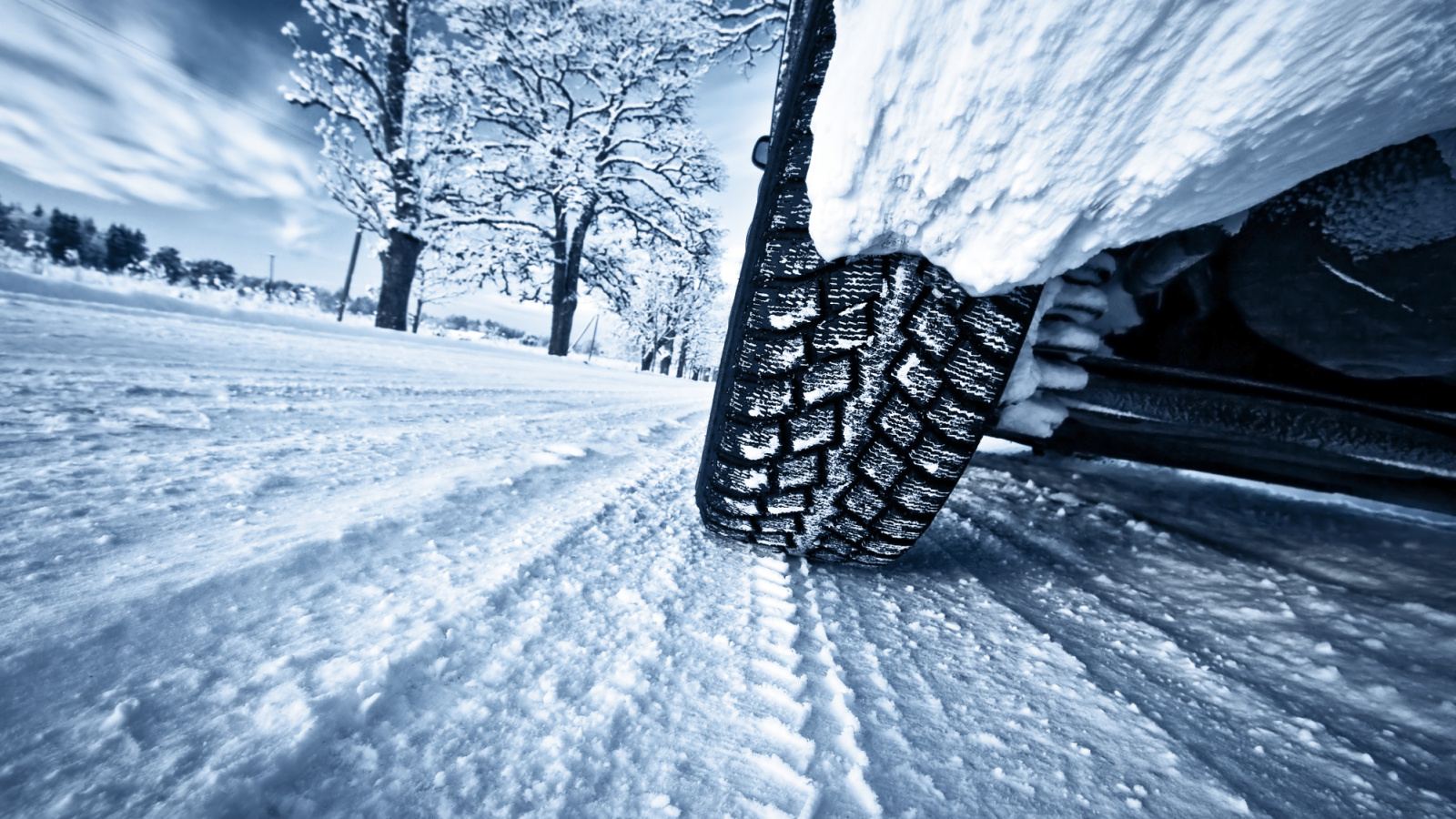
Tires are where many winter costs become impossible to ignore. Some damage is obvious, such as a bulge after a pothole strike or a sidewall cut from a crater edge. Other damage is more gradual: tread worn unevenly from poor alignment, softer winter rubber chewed up on warm pavement, or a set that simply aged faster because of months of hard cold-weather use. By spring, owners who hoped to squeeze out one more season often realize the math no longer works. The tires need replacing now, not later.
That surprise is especially common when winter tires stay on too long. CAA notes that driving winter tires through warm months can reduce their lifespan by up to 60 percent, which turns a delayed swap into an expensive shortcut. The pain is worse because the purchase rarely comes alone. New tires often trigger mounting, balancing, valve service, and sometimes an alignment at the same visit. The final total can feel out of proportion to what seemed like a harmless choice to wait a few extra weeks. But winter tires are built for cold, not heat, and warm-weather wear is one of the easiest ways to turn a good set into a prematurely finished one.
Bent rims and tire-pressure sensor trouble
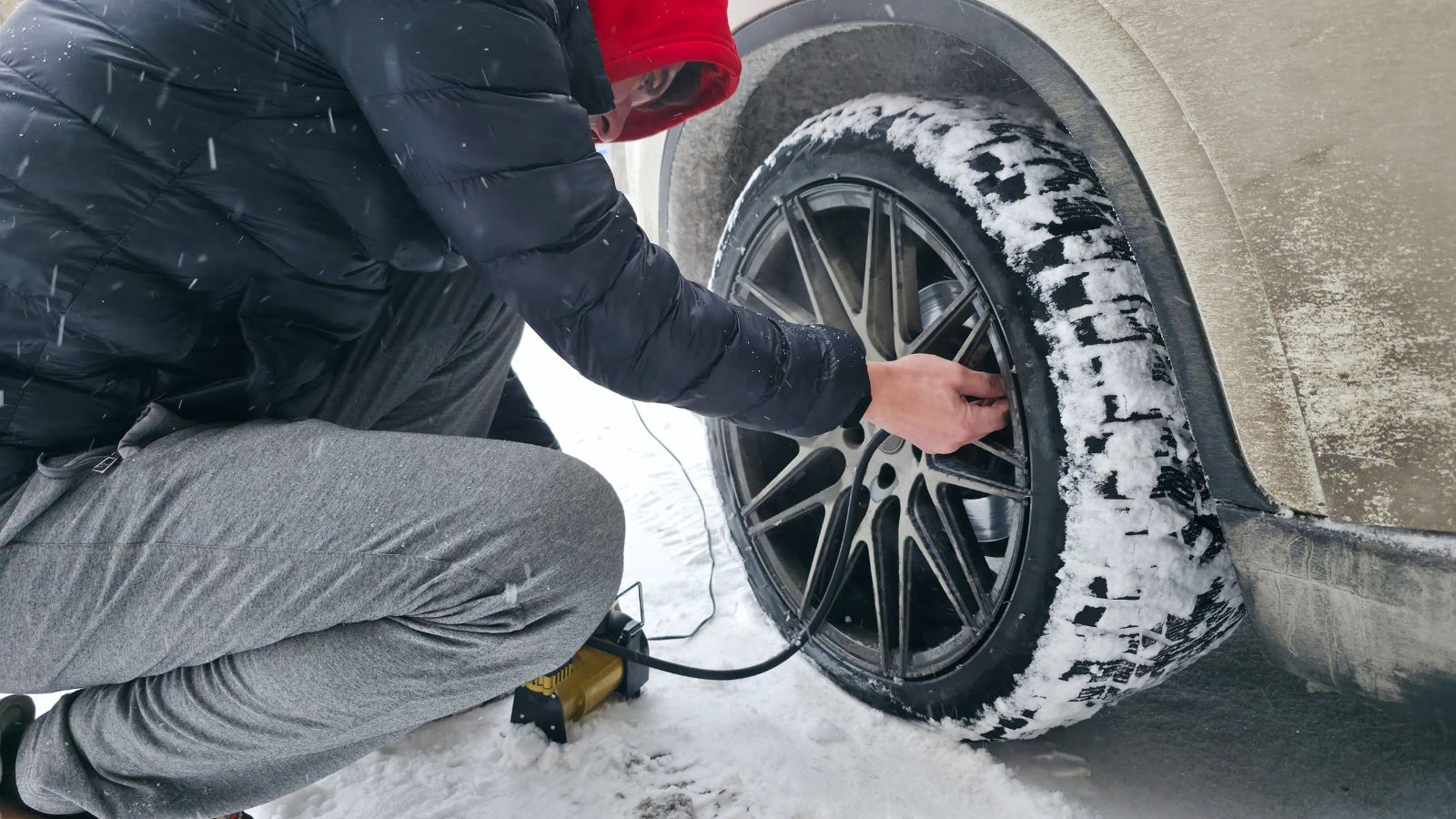
Not every winter road impact kills a tire. Sometimes it damages the wheel itself, which is why rim repair remains a stubborn warm-weather cost for many Canadians. A pothole hit that feels survivable from the driver’s seat can still bend a rim enough to create a slow leak, vibration, or constant need for air. That sends the owner back for straightening, refinishing, or replacing a wheel that technically still rolls but no longer seals or balances the way it should. On vehicles with nicer alloys, the bill can jump fast.
This is also where winter’s hidden damage starts getting more technical. Transport Canada has documented corrosion-related failures involving tire-pressure monitoring valve stems across multiple makes and models, showing how road salt can affect parts drivers barely think about. So the spring tire visit can turn into more than a simple swap; it becomes a conversation about leaking valve stems, sensor replacement, damaged wheels, and why the warning light keeps coming back. For a lot of households, that is the pattern that defines post-winter car spending: the appointment starts as basic maintenance and ends with a parts list nobody planned for.
Seasonal tire swaps, balancing, and storage fees
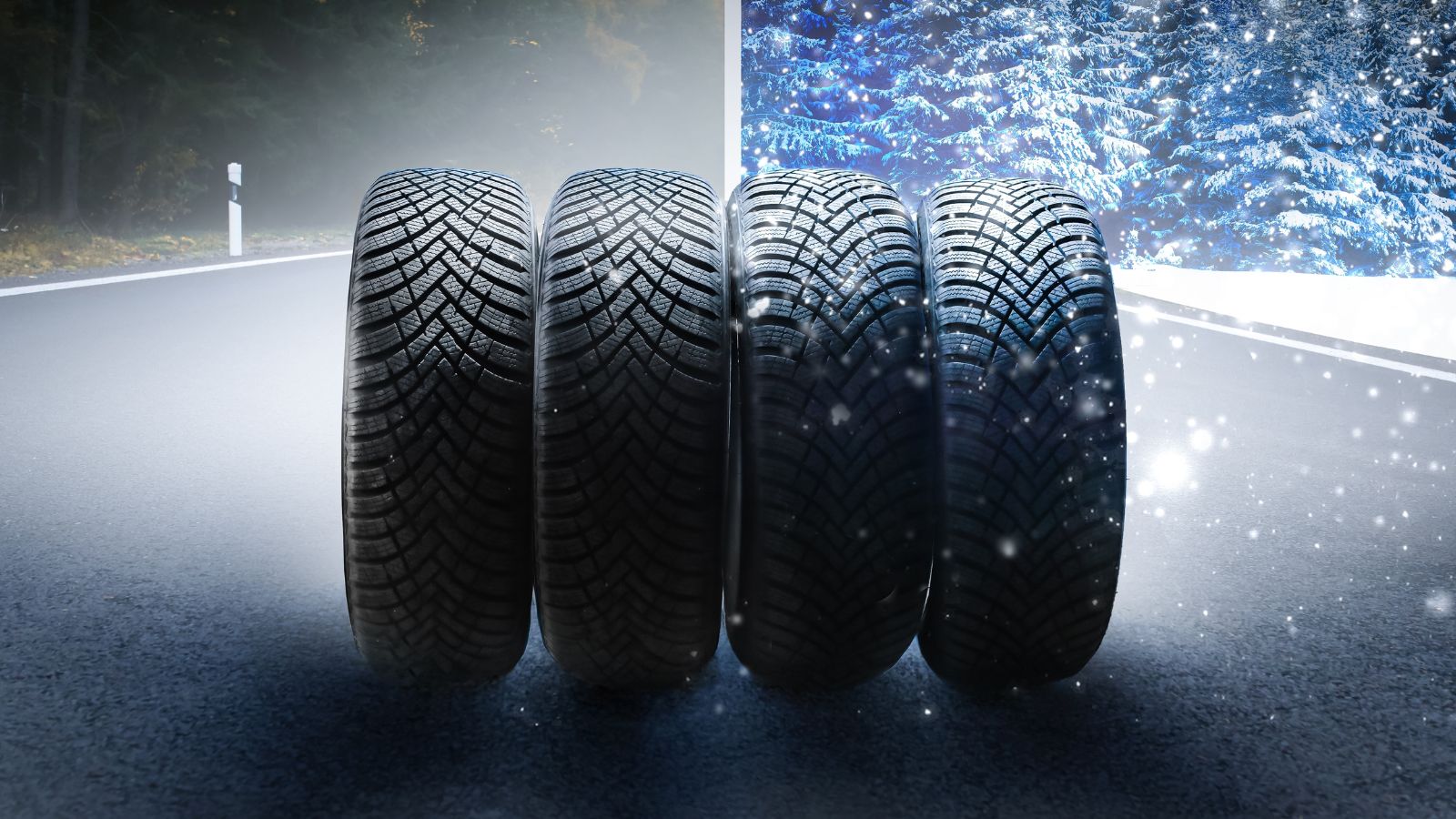
Even when nothing is broken, winter still leaves behind a maintenance bill simply because so many Canadians run dedicated winter tires. That is often the smart choice, and industry surveys show winter tire use in Canada remains high. But the cost of using the right tires does not end with the purchase. Every spring, there is the swap itself, and frequently balancing, inspection, and storage fees on top of it. Drivers with no garage or limited space know this rhythm well: the seasons change, and another tire invoice appears.
The irony is that this cost exists partly because people are doing the responsible thing. Transport Canada and auto groups keep repeating the same basic guidance: below 7°C, winter tires perform better; above that threshold, it is time to move back to summer or all-season rubber after a stable warm stretch. CAA’s “7-for-7” rule captures that timing well, but following it still costs money. For families with two vehicles, the seasonal switch can feel like a small subscription to living in Canada. It is one of the least dramatic post-winter expenses, yet one of the most dependable, because it returns every year whether or not the car needs anything else.
Extra fuel from low pressure and warm-weather rolling resistance
Not all post-winter costs arrive as repair orders. Some show up more quietly at the pump. Tire pressure swings with temperature, and many vehicles finish winter on tires that are underinflated, unevenly worn, or still wearing winter rubber into warmer weather. Each of those problems makes the vehicle work harder. Drivers may not notice it on a single tank, but over weeks of commuting and errands, the extra fuel use becomes a real expense that lingers after winter is gone.
Transport Canada puts hard numbers behind that problem: one tire underinflated by 8 psi can increase fuel consumption by 4 percent and reduce tire life by 15,000 kilometres. Add CAA’s warning that winter tires have higher rolling resistance on hot pavement, and the post-winter fuel penalty becomes easier to picture. This is why some households feel as if their car got more expensive to run in April even though road conditions improved. The issue is not spring itself. It is the winter setup that was never fully undone. A car that leaves winter misaligned, underinflated, or on the wrong rubber keeps charging its owner a little bit at a time.
Windshield chip repairs and full glass replacement

Canadian winters are brutal on windshields because sand, salt, gravel, and freeze-thaw cycles turn a tiny chip into a real problem fast. Many drivers finish winter with at least one mark on the glass they planned to “watch for a while.” Then a warm afternoon, a cool night, or one hard bump sends that chip crawling across the windshield. Suddenly the choice is no longer whether to repair it, but whether to replace the whole thing. That is why glass bills often arrive after winter, not in the middle of it.
The frustrating part is how small the original damage can be. CAA advises repairing a chip roughly the size of a dime or smaller immediately because waiting can lead to an expensive replacement. On newer vehicles, the bill can be even more painful because windshields are not just sheets of glass anymore; they often sit in front of sensors and driver-assistance systems that raise replacement costs. Insurance Bureau of Canada has also pointed out that windshields with built-in rain sensors cost more to replace. So a chip from late February can become a much larger spring expense, even when the vehicle otherwise feels fine.
Wiper blades and washer fluid that suddenly stop being optional
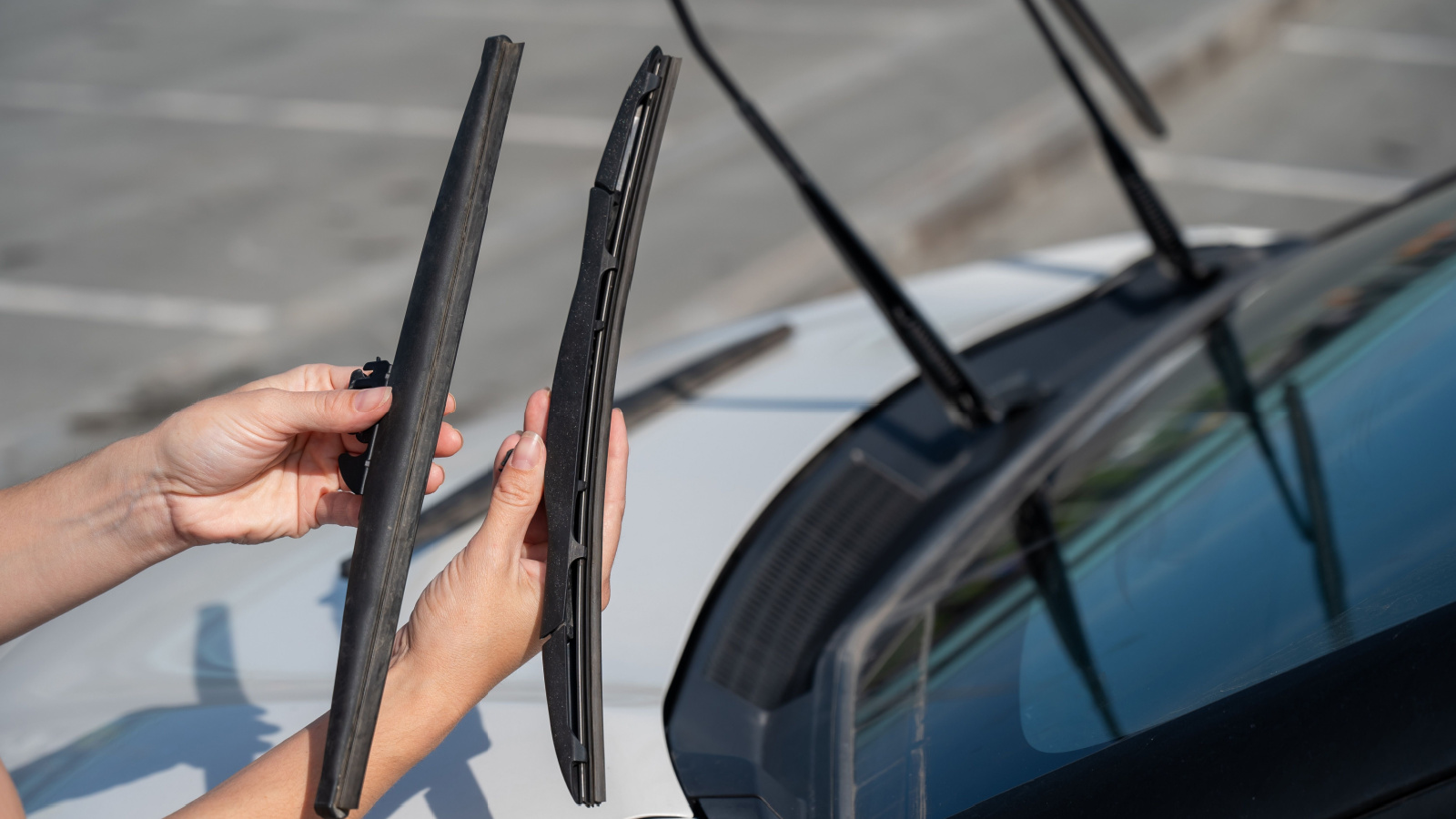
Wiper blades look cheap until a driver realizes how much daily safety depends on them. After months of scraping ice, dragging over salty slush, and fighting grit on the windshield, many blades are effectively done by spring. They smear, chatter, skip, or leave a film right in the driver’s line of sight. That makes replacement one of those small but unavoidable warm-weather purchases. It is rarely the biggest bill on the list, but it is one of the clearest examples of winter continuing to charge rent.
The same goes for washer fluid. Winter formulations get used heavily, reservoirs get drained faster, and warm-weather driving introduces new grime like dust, pollen, and insects. AMA recommends making fresh wipers part of semi-annual maintenance, and BCAA says blades generally deserve replacement every six to 12 months. That advice sounds simple until it collides with real life: one vehicle becomes two, a neglected rear wiper gets added, and a bottle or two of fluid joins the cart. Individually, none of it feels serious. Collectively, it is another reminder that the end of icy roads does not mean the end of winter vehicle spending.
Battery replacement and terminal cleanup
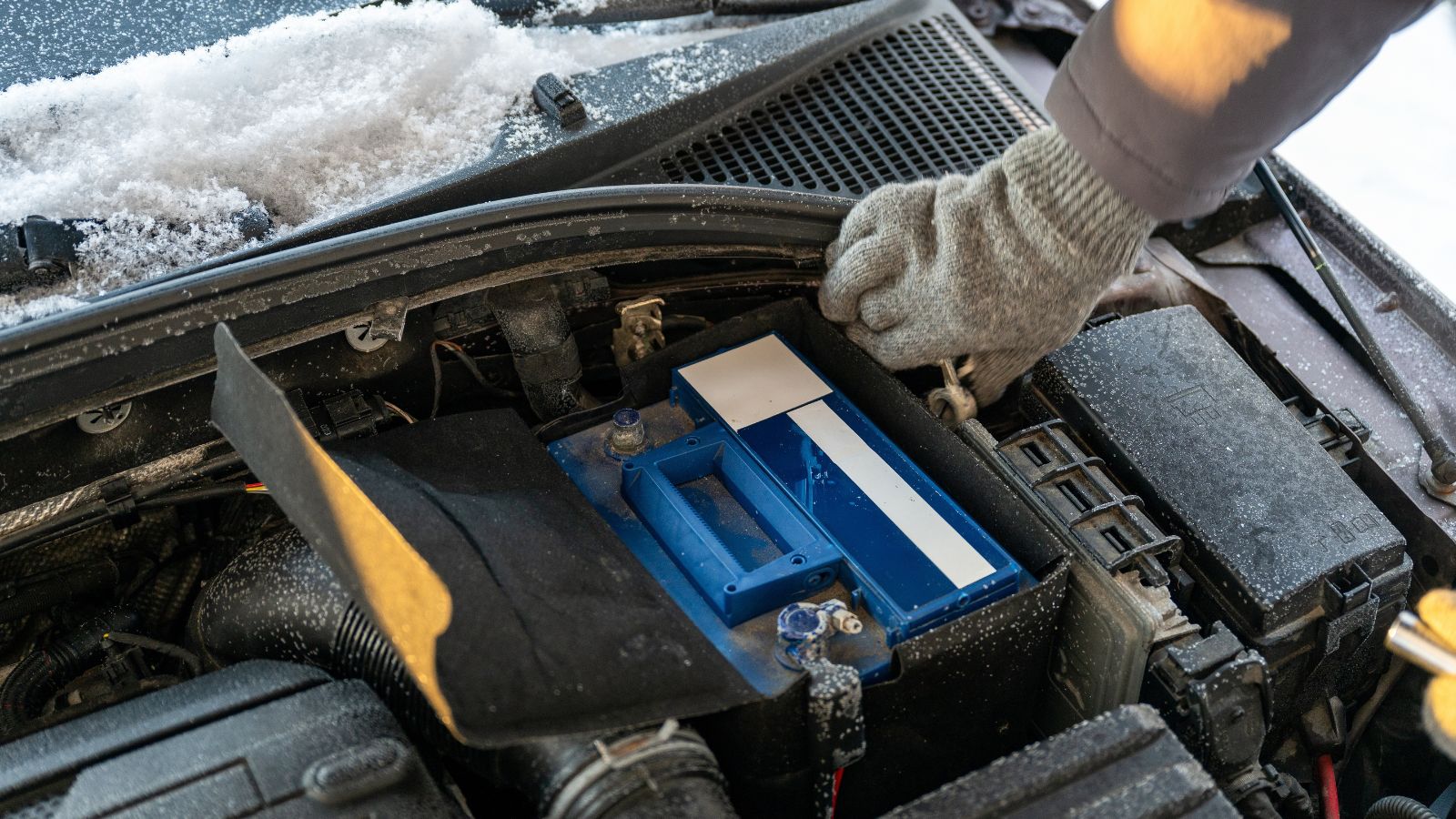
For many Canadians, winter’s parting gift is a battery that barely hangs on until the weather improves. Cold starts demand more from the battery at the exact moment low temperatures reduce available power. A vehicle can survive the harshest weeks and still come out of winter noticeably weaker, especially if the battery was already a few years old. Then spring arrives, and instead of relief, the owner gets slow cranks, dim lights, warning messages, or a roadside boost that leads to a replacement.
Auto clubs have seen this pattern so often that it barely counts as a surprise anymore. CAA says dead or dying batteries make up the biggest influx of roadside assistance calls during cold spells, while BCAA notes that battery strength drops sharply as temperatures fall. The cost also goes beyond the battery itself. Corroded terminals may need cleaning, modern batteries often cost more than drivers expect, and installation adds another charge if the job is not done at home. Because many batteries last only three to five years, winter often becomes the season that pushes an aging one over the edge, leaving the actual bill for later.
Electrical wiring and lighting repairs from salt exposure
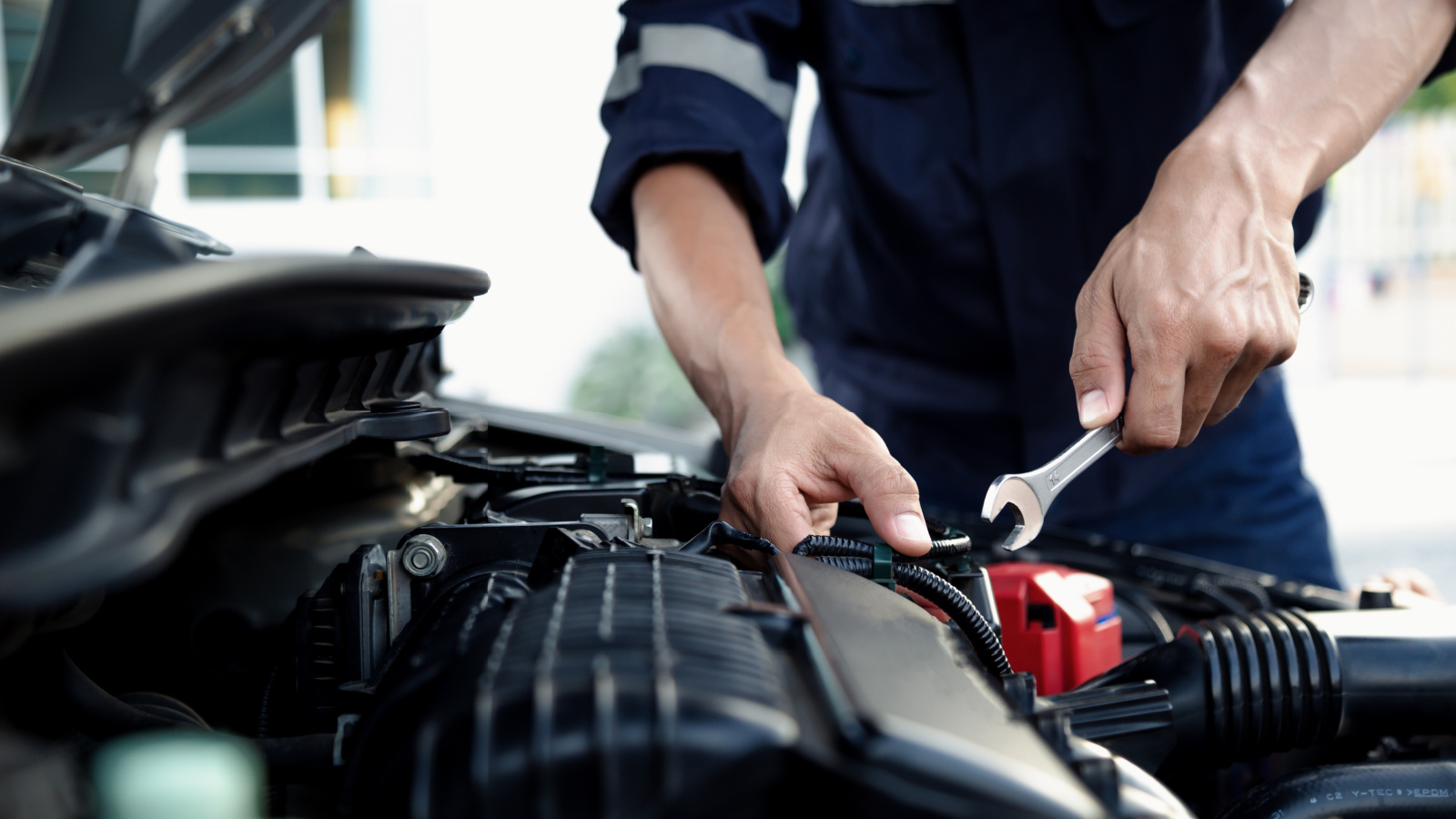
One of the more maddening post-winter expenses is electrical trouble that seems random until a technician traces it back to corrosion. A light stops working, a warning appears, a connector fails, or a circuit behaves intermittently. Drivers often assume electrical issues are bad luck, but winter road salt has a way of creeping into connectors, terminals, and wiring areas that are exposed to moisture. By spring, the failure may look like a standalone fault even though the corrosion has been building for months.
AMA specifically warns that winter salt can slowly damage electrical wiring, which is why spring checks often include lights and indicators. Transport Canada recalls offer a sharper reminder of what that corrosion can do: in one Ford recall affecting vehicles used in Canadian salt-belt provinces, road salt entering the battery junction box could corrode fuse and wiring terminals, leading to stalling or loss of exterior lighting. Most drivers will not face something that severe, but the pattern is familiar enough to matter. A vehicle that made it through winter without mechanical drama can still send its owner chasing electrical gremlins long after the snow is gone.
Cabin air filter, blower, and A/C fixes
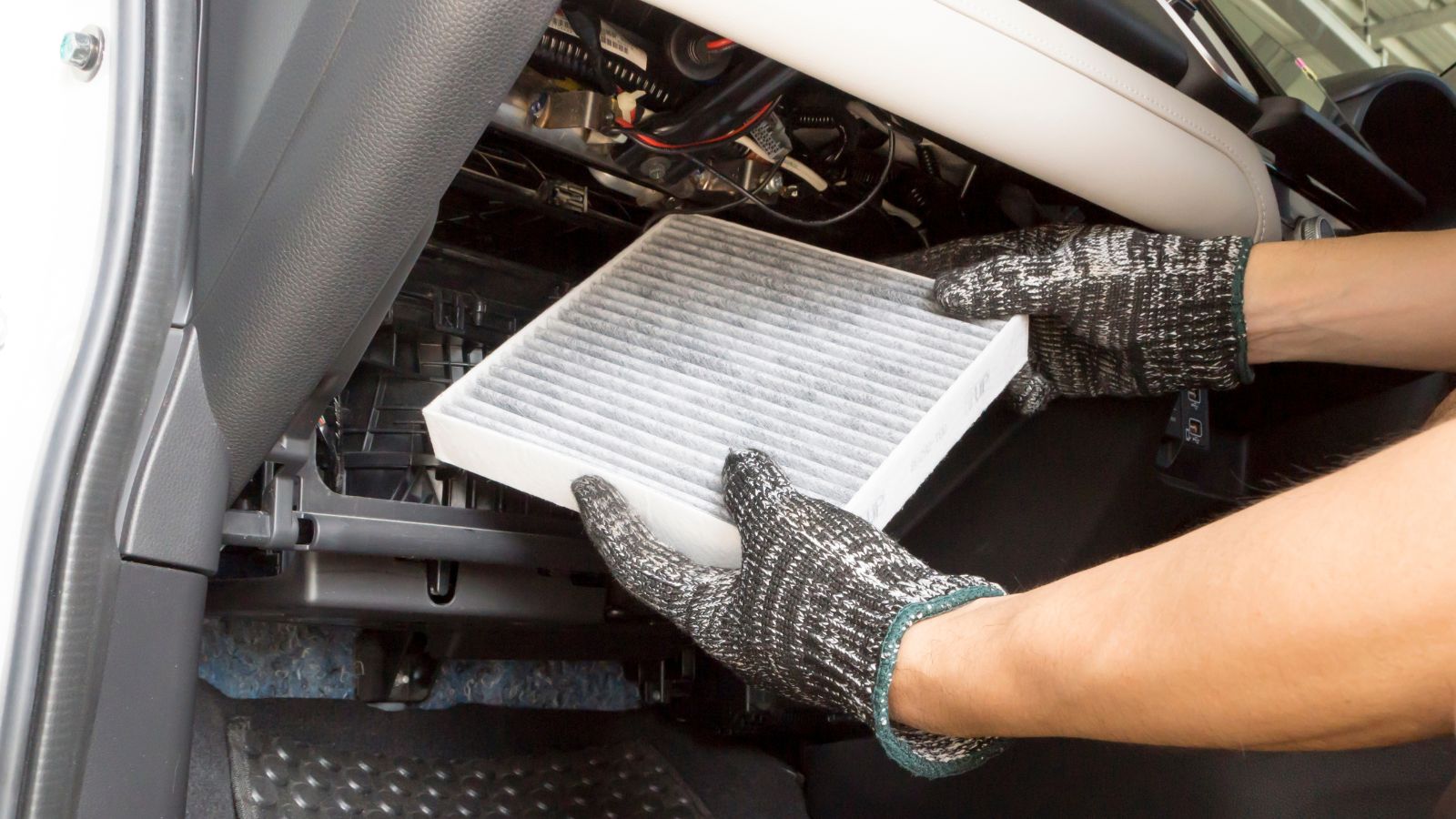
The HVAC system is easy to take for granted until the first truly warm day arrives and the air coming through the vents smells stale, blows weakly, or never gets properly cold. That is when many Canadians start paying for problems that winter either worsened or conveniently hid. A dirty cabin filter, a tired blower motor, trapped debris, or an A/C issue may not feel urgent in January. In May or June, it becomes a quality-of-life repair that suddenly moves up the list.
BCAA notes that a dirty cabin filter lets dust into the interior and causes dirt to build up on the heating unit, hurting efficiency. AMA adds that weak A/C performance in spring can point to a refrigerant leak, compressor trouble, or a clogged air filter or blower issue. In other words, the seasonal transition exposes problems that winter made easy to postpone. A family heading toward cottage weekends or summer highway trips often decides this is not the year to live with weak ventilation. So the service appointment gets booked, and another winter-linked cost appears even though the roads outside are finally clear.
Belts, hoses, and cooling-system work
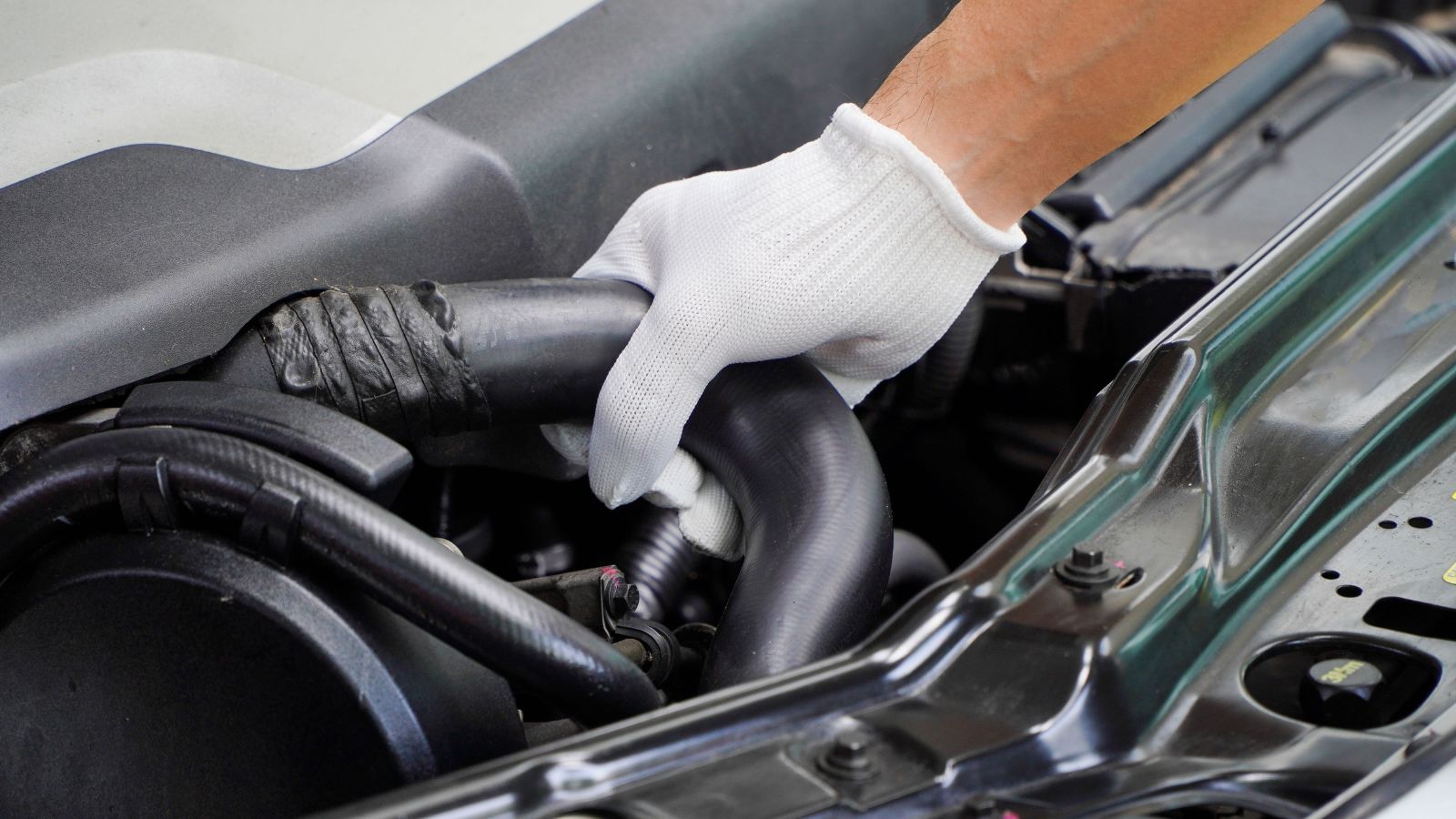
Rubber parts do not get much sympathy during Canadian winters, yet they take a beating from cold starts, deep freezes, and large temperature swings. By the time spring maintenance begins, hoses and belts that looked acceptable a few months earlier may be brittle, cracked, or simply closer to failure than anyone realized. These are the kinds of parts owners often ignore because they do not look dramatic right up until they cause a real breakdown. That is exactly why they become a recurring warm-weather expense.
BCAA warns that cold winter temperatures can make belts and hoses weak and brittle, and the consequences of ignoring them are expensive: overheating, loss of power steering, or failure in the charging system. Cooling-system checks also become more urgent as summer approaches because any weakness that barely survived winter can become obvious once temperatures rise. This is the sort of bill that feels especially unfair because it does not come with obvious winter drama like a skid or a pothole. It arrives quietly, during preventive maintenance, when a technician spots wear and tells the owner that fixing it now is far cheaper than being stranded later.
Carpet cleaning, upholstery care, and hidden floor rust
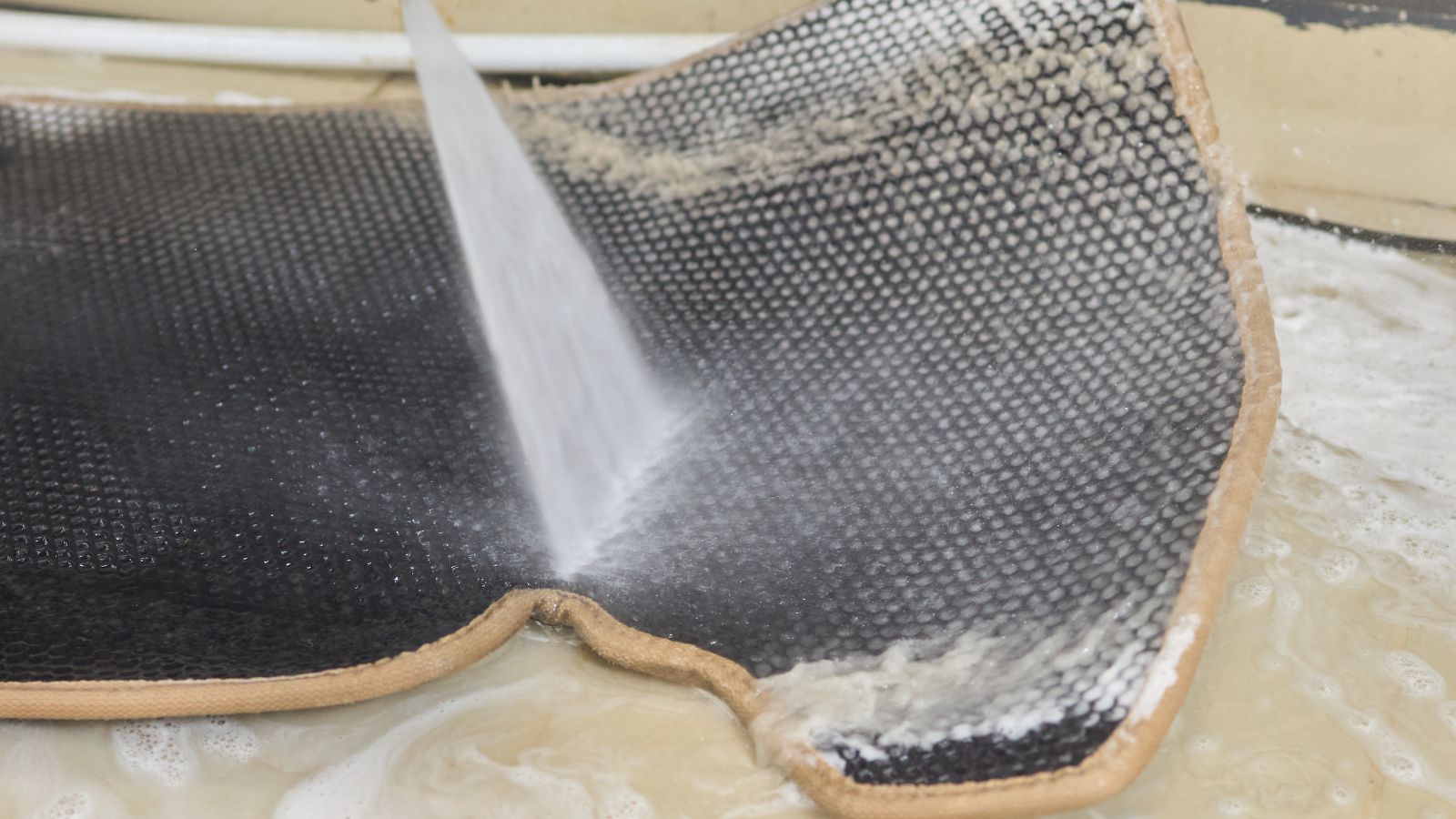
The inside of the vehicle may look like a cosmetic concern, but winter grime makes it more expensive than that. Boots drag in salt water, slush, and grit for months, and floor mats rarely catch all of it. By spring, carpets can be stained, upholstery can hold moisture, and the cabin may smell older than it should. That usually leads to shampooing, detailing, protective treatments, or replacing mats. It is easy to dismiss those as vanity purchases until the alternative becomes clear.
CAA points out that when carpet is exposed to a lot of salt water over winter, rust can form underneath where owners cannot see it. That changes the whole equation. Interior cleaning stops being about appearance alone and becomes part of damage control. This is especially relevant for vehicles meant to be kept a long time or traded in while still looking well cared for. A thorough detail after winter can feel indulgent, but many Canadians eventually learn it is cheaper than letting stains, odours, and hidden moisture settle in. Winter leaves a mess on the floor long after it leaves the roads, and somebody ends up paying to get rid of it.
Insurance deductibles and future premium pressure

Some winter costs are not mechanical at all. They live on the insurance side, where a collision, slide, or even a parking-lot incident during snow season can keep costing money long after the body shop is finished. The first hit may be the deductible. The second is the less visible one: a claim or at-fault loss that can influence what happens at renewal. By the time warmer weather arrives, the actual driving conditions may be better, but the financial effect of one bad winter incident can still be unfolding.
Insurance Bureau of Canada explains that insurers consider driving and insurance history when setting rates, and it also notes that repair costs feed into premium pressures more broadly. On top of that, IBC has warned that an at-fault loss can trigger the deductible and affect future rates. Even something like a hit-and-run becomes expensive if the other driver is not identified. This is why a winter accident often ends up being paid for in stages: first in the deductible, then in out-of-pocket inconvenience, and later in the cost of insurance that no longer feels as forgiving as it did before the snow season went wrong.
Resale and trade-in value that winter damage quietly erodes
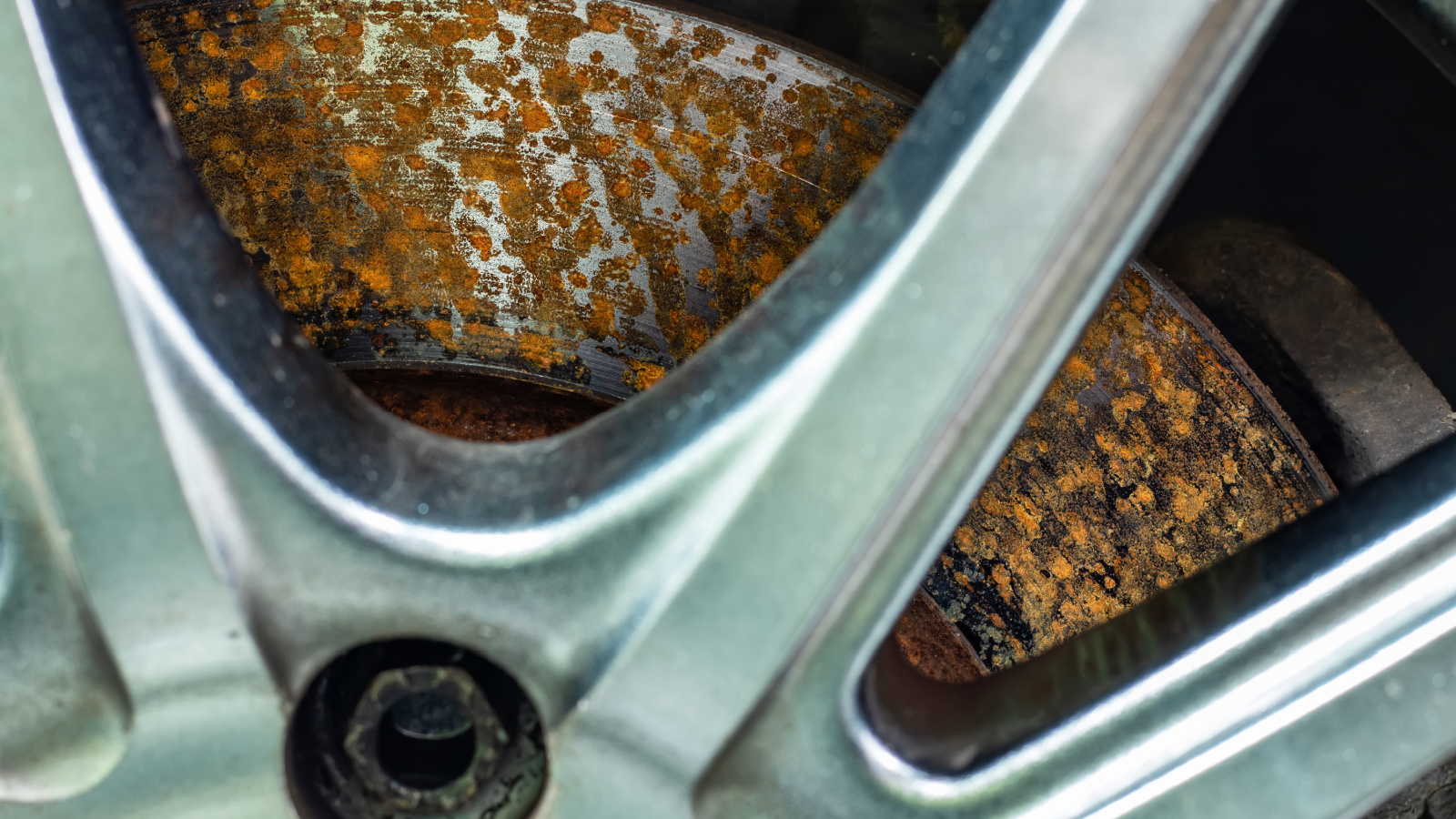
The final cost may be the one owners notice last: the money they do not get back when it is time to sell or trade in the vehicle. Winter damage often chips away at resale value in small visible clues rather than one catastrophic flaw. Rust in a wheel arch, scratched rims, worn tires, salt-stained carpet, chipped glass, or maintenance records full of deferred fixes all signal the same thing to buyers and dealers: this vehicle has had a harder life than its owner may want to admit.
That is why winter’s most expensive bill can arrive years later. AutoTrader notes that rust, scratched rims, worn tires, dirty interiors, chipped windows, and poor maintenance all drag down value. BCAA goes even further in used-car guidance, calling significant rust on a vehicle under 10 years old a serious red flag. In practical terms, that means the owner pays twice: once to live through winter with the vehicle, and again when the market discounts that wear and tear. The sting is not always visible in a repair receipt. Sometimes it appears in a trade-in number that lands lower than expected, because winter has been quietly depreciating the car all along.
22 Things Canadians Do to Their Cars in Spring That Mechanics Hate

Spring brings relief to many Canadian drivers after months of snow, freezing temperatures, and icy roads that put serious strain on vehicles. As temperatures rise across the country, drivers begin washing cars, switching tires, and preparing vehicles for warmer weather and upcoming road trips. However, mechanics across Canada notice the same mistakes every spring when drivers attempt to recover from winter damage. Road salt, potholes, and harsh winter driving conditions often leave vehicles with hidden problems that drivers ignore. Some spring habits even create new mechanical issues that could have been avoided with proper maintenance. Here are 22 things Canadians do to their cars in spring that mechanics hate.