


























A paid-off vehicle in the driveway has started to look less like a compromise and more like a financial strategy. Across Canada, the decision to delay replacing a car is being shaped by higher prices, tighter credit, insurance pressure, uncertain technology shifts, and changing household priorities.
This explores 12 reasons more Canadians are holding onto older vehicles longer, from the sticker shock of new models to the growing appeal of careful maintenance. The trend is not only about nostalgia or reluctance to upgrade. For many households, an older car that still starts every morning may feel like one of the few predictable costs left.
Sticker Shock Has Made Replacement Feel Riskier
The most obvious reason Canadians are keeping older vehicles is simple: replacing one has become expensive enough to pause the conversation. Even when used prices cooled from pandemic peaks, many buyers still face numbers that feel far above what they remember from five or six years ago. A family replacing a compact SUV may find that “used” no longer automatically means affordable.
That changes the emotional math. A paid-off 2014 sedan with winter tires, known service history, and a few cosmetic flaws can look more sensible than a newer vehicle carrying years of payments. Owners who once traded in before the 150,000-kilometre mark are now more likely to repair suspension, brakes, or exhaust work and keep driving.
Financing Costs Still Weigh on Buyers

Vehicle prices are only part of the pressure. Financing has become a bigger obstacle because the monthly payment now reflects both the vehicle price and the cost of borrowing. Even after interest rates eased from their highest levels, many Canadians remain cautious about adding a new loan to an already crowded household budget.
Lenders have also become more selective. A buyer with solid income but heavier debt may not receive the same easy approval or comfortable payment structure that was common when rates were lower. That makes keeping an older vehicle feel less like settling and more like avoiding a long financial commitment that could become stressful if income, rent, mortgage payments, or grocery costs shift again.
Household Budgets Are Already Crowded

For many households, the old car is not being kept because it is perfect. It is being kept because everything else is competing for cash. Mortgage renewals, rent, groceries, utilities, child care, and insurance have all become part of a tighter monthly calculation. A vehicle payment can be the one bill that a household chooses not to add.
This is especially true for younger Canadians and families still building savings. A couple in Alberta or Ontario may decide that a $1,200 repair is frustrating but still easier to absorb than five or six years of payments. The repair hurts once. A loan reshapes the budget every month, and that difference matters when financial flexibility feels scarce.
Repairs Can Look Better Than Payments
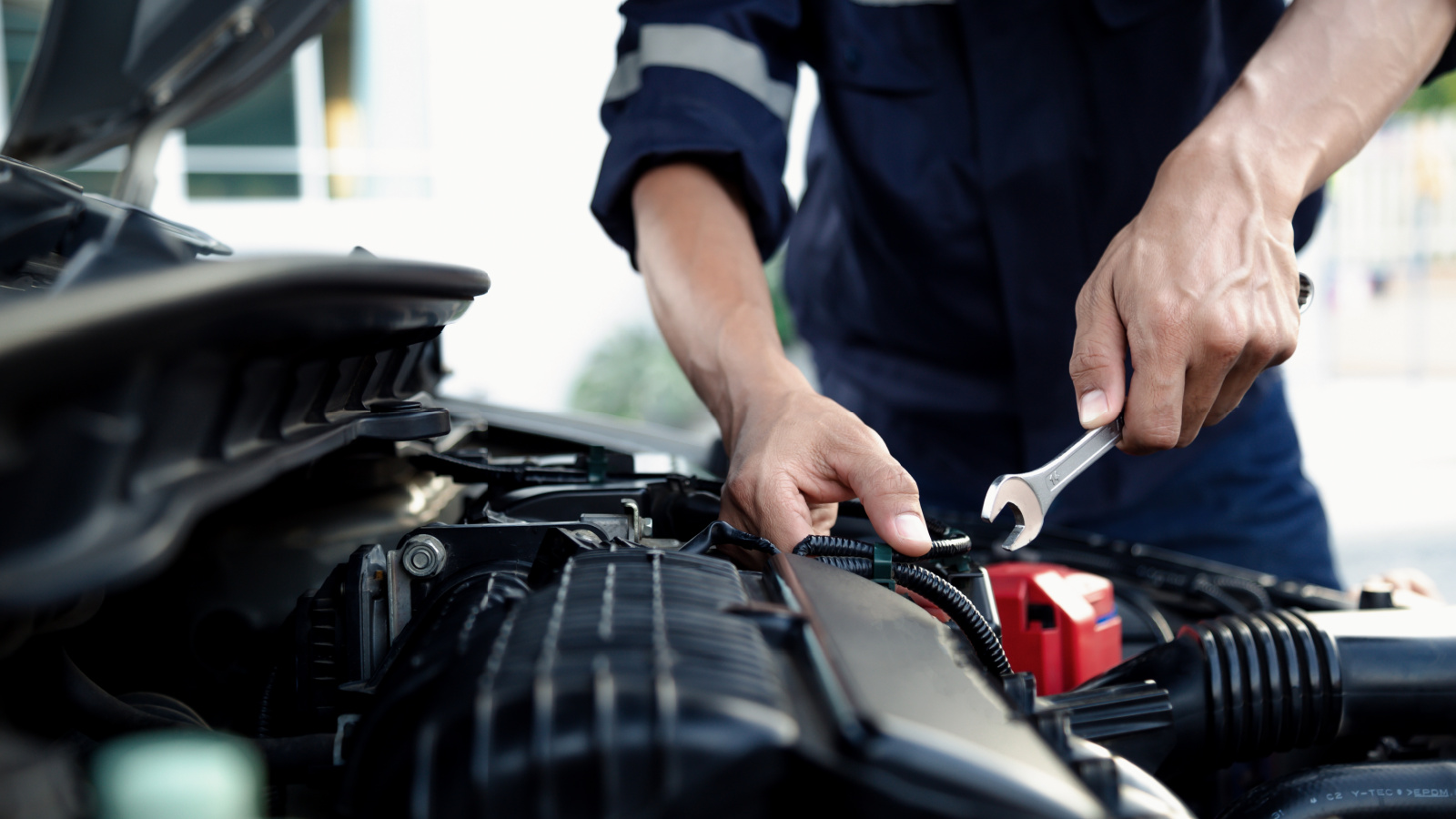
Repair bills feel painful at the service counter, but many Canadians are comparing them against the full cost of replacement. A brake job, battery, tires, or even a timing chain repair can seem expensive until it is measured against a new loan, higher insurance, registration fees, taxes, and depreciation. That comparison often keeps older cars on the road.
A well-maintained older vehicle also has one advantage a replacement does not: familiarity. Owners know the quirks, the previous repairs, and whether the car has been reliable through Canadian winters. A mechanic’s estimate may trigger a hard conversation, but if the vehicle is structurally sound, many households choose the repair and buy another year of predictable transportation.
Older No Longer Means Unusual
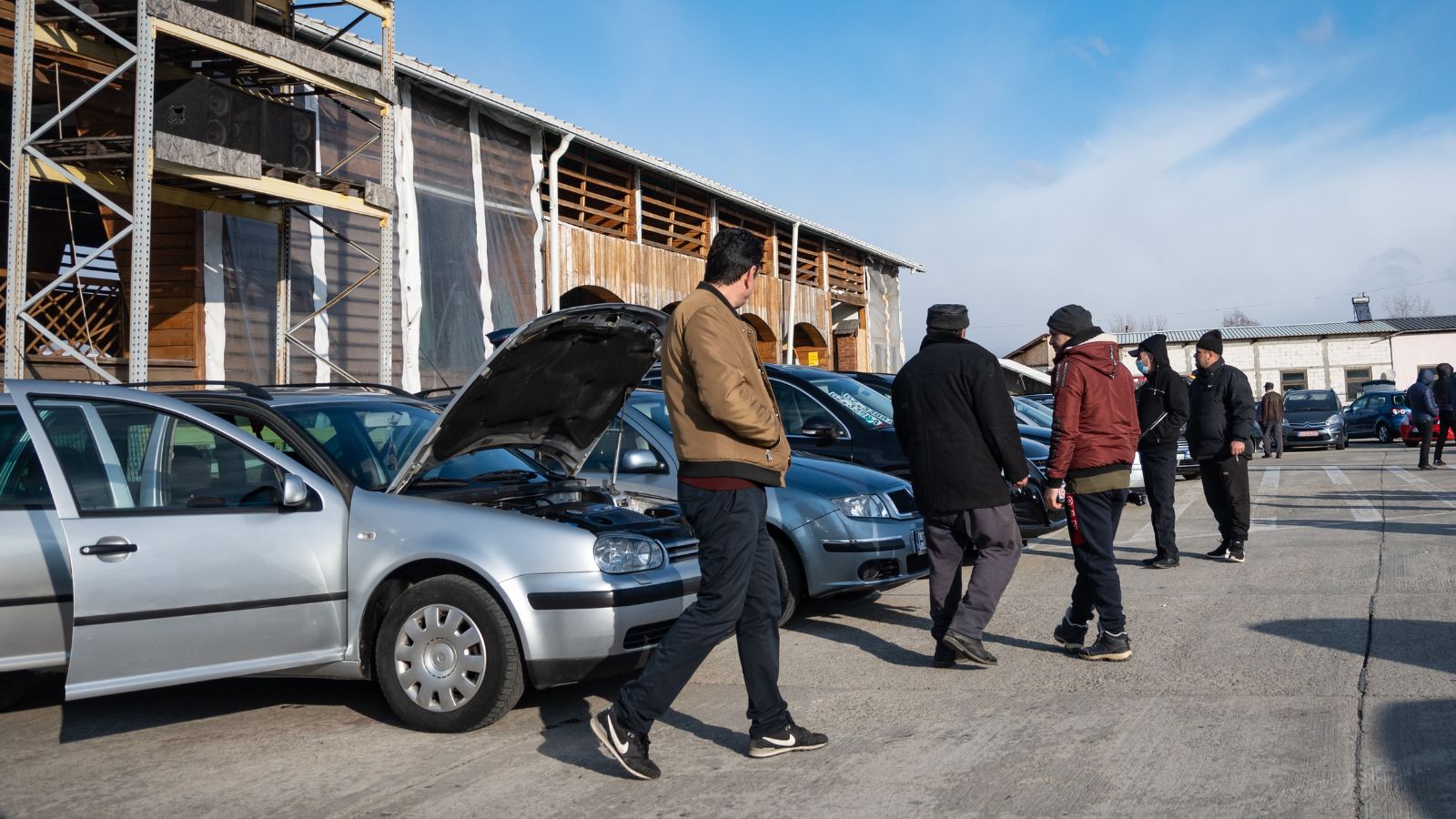
Driving an older vehicle no longer carries the same stigma it once did. Across Canada, the vehicle fleet has aged, and 10-year-old cars are a normal sight in office parking lots, school pickup lines, and suburban driveways. Modern vehicles, when maintained properly, often remain comfortable and usable far beyond the point when older generations of cars felt worn out.
That shift changes expectations. A 2013 crossover with Bluetooth, heated seats, and decent crash protection may still feel modern enough for everyday use. Owners may not feel urgent pressure to upgrade unless reliability becomes a serious concern. In a market where replacement is expensive, “good enough” has become a powerful reason to keep driving.
The New-Car Market Does Not Always Offer the Right Fit
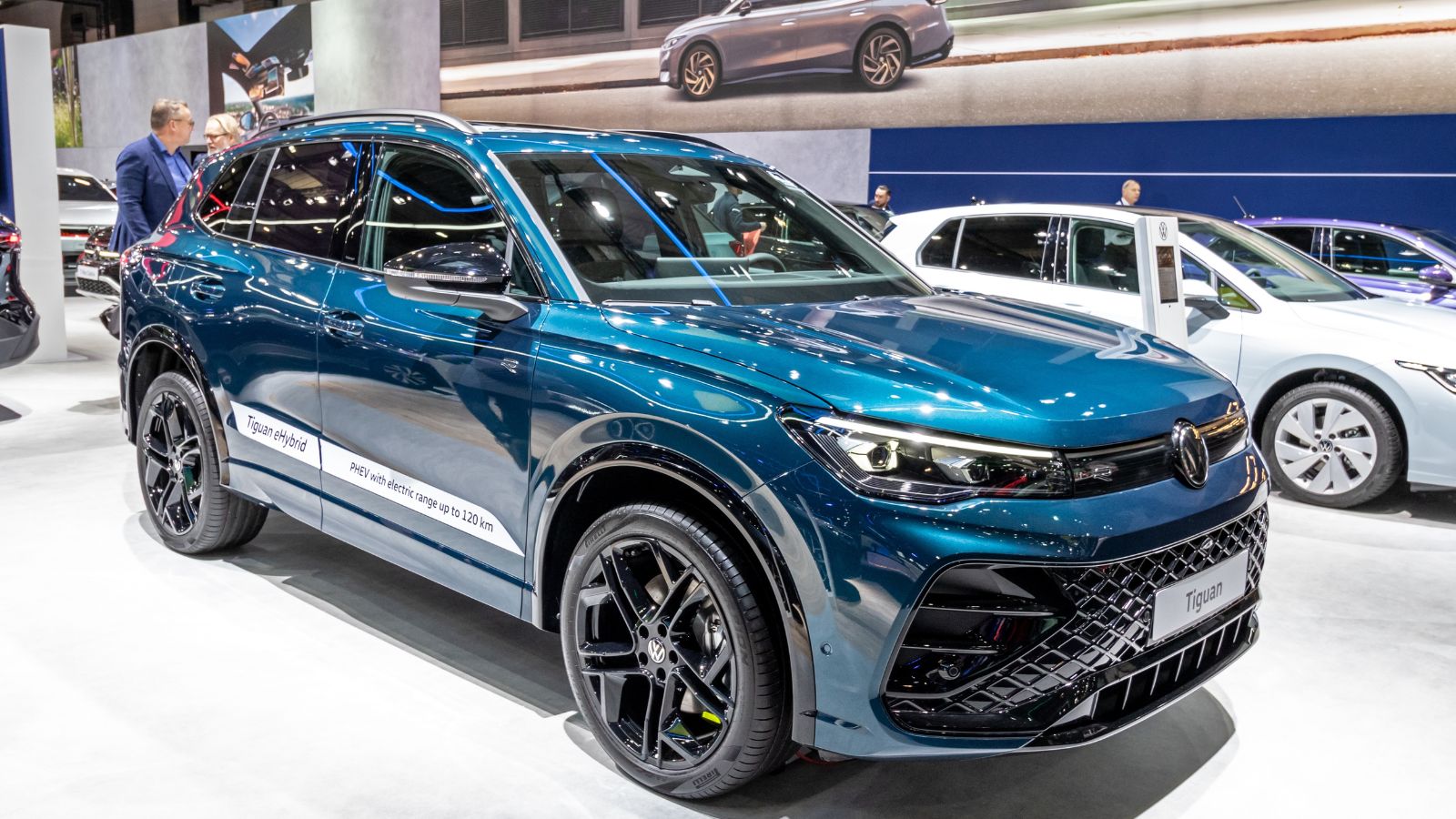
Even when inventory improves, the available choices may not match what budget-conscious drivers actually want. Many Canadian lots now lean heavily toward crossovers, SUVs, pickups, and higher-trim models. Shoppers looking for a simple, affordable commuter car may find fewer low-cost options than expected.
That leaves some owners holding onto older hatchbacks, sedans, and compact cars because replacing them means moving into a more expensive category. A retired driver who only needs a small vehicle for errands may not want a large crossover with advanced screens and driver-assist features. Keeping the older car becomes a way to avoid paying for size and technology that are not truly needed.
Trade-In Values Changed the Decision

The strange used-vehicle market of the past few years changed how people think about trade-ins. Some owners discovered their older vehicles were worth more than expected, but that did not always make replacement easier. A higher trade-in value helps only if the next vehicle is still affordable.
That creates a hold-and-wait mindset. Owners may know their current car has value, but they also know selling it means entering a costly replacement market. A paid-off vehicle sitting in the driveway can feel like a useful asset, even if it is aging. Until prices, interest rates, and household budgets line up more comfortably, many Canadians prefer to keep that asset working.
Insurance Costs Make Upgrading Less Appealing
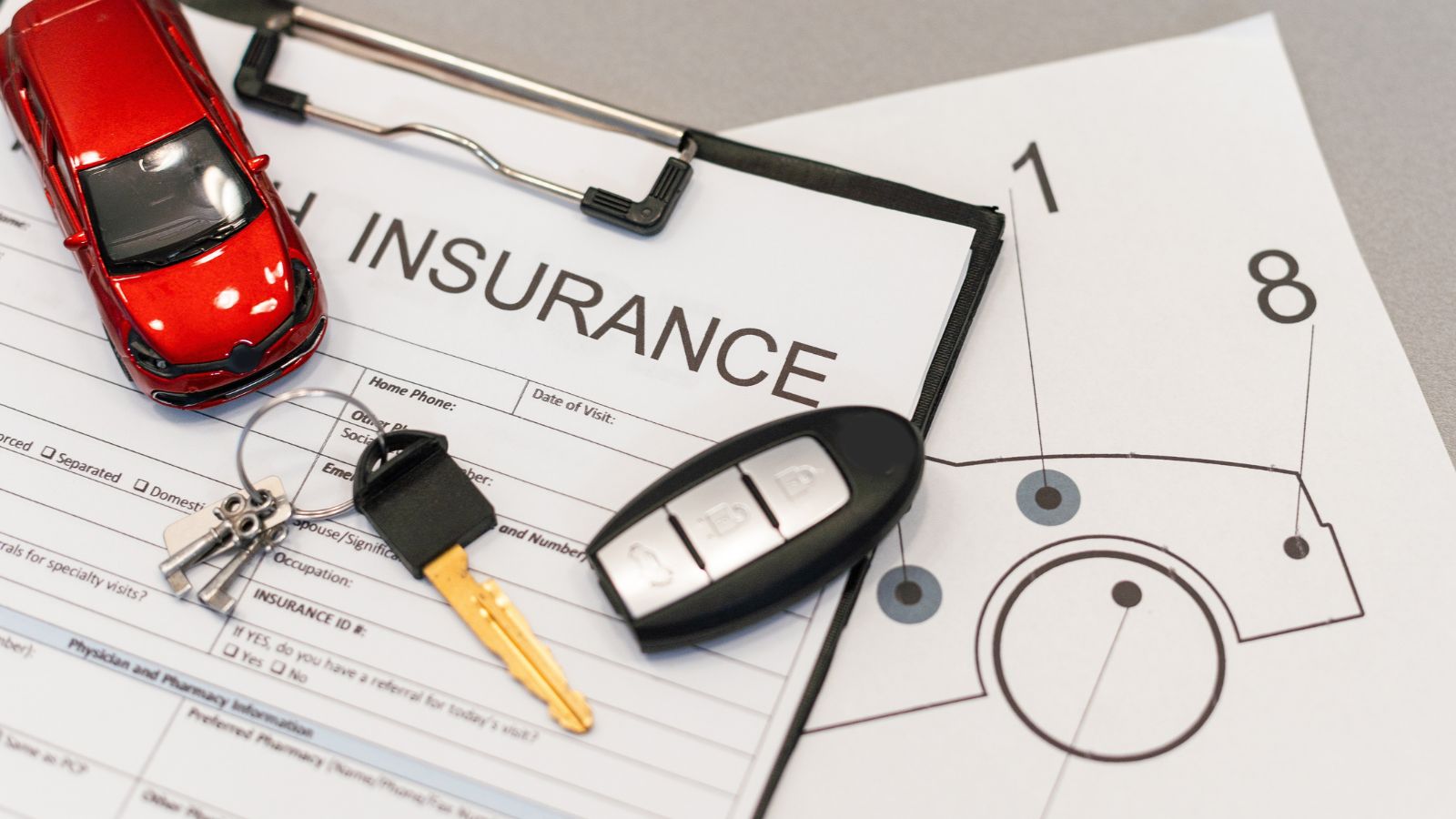
Insurance has become another reason to delay replacement. Newer vehicles often cost more to repair because sensors, cameras, specialized parts, and calibration work can raise claim costs. Theft risk also affects premiums, especially for popular SUVs and pickups targeted by organized theft rings.
For a driver with an older car that is less attractive to thieves and cheaper to repair, upgrading can mean more than a higher payment. It can also mean a higher renewal notice. That is why some owners run quotes before shopping and decide the old vehicle still makes more sense. The monthly cost of a car is no longer just the loan.
The EV Transition Has Created Hesitation
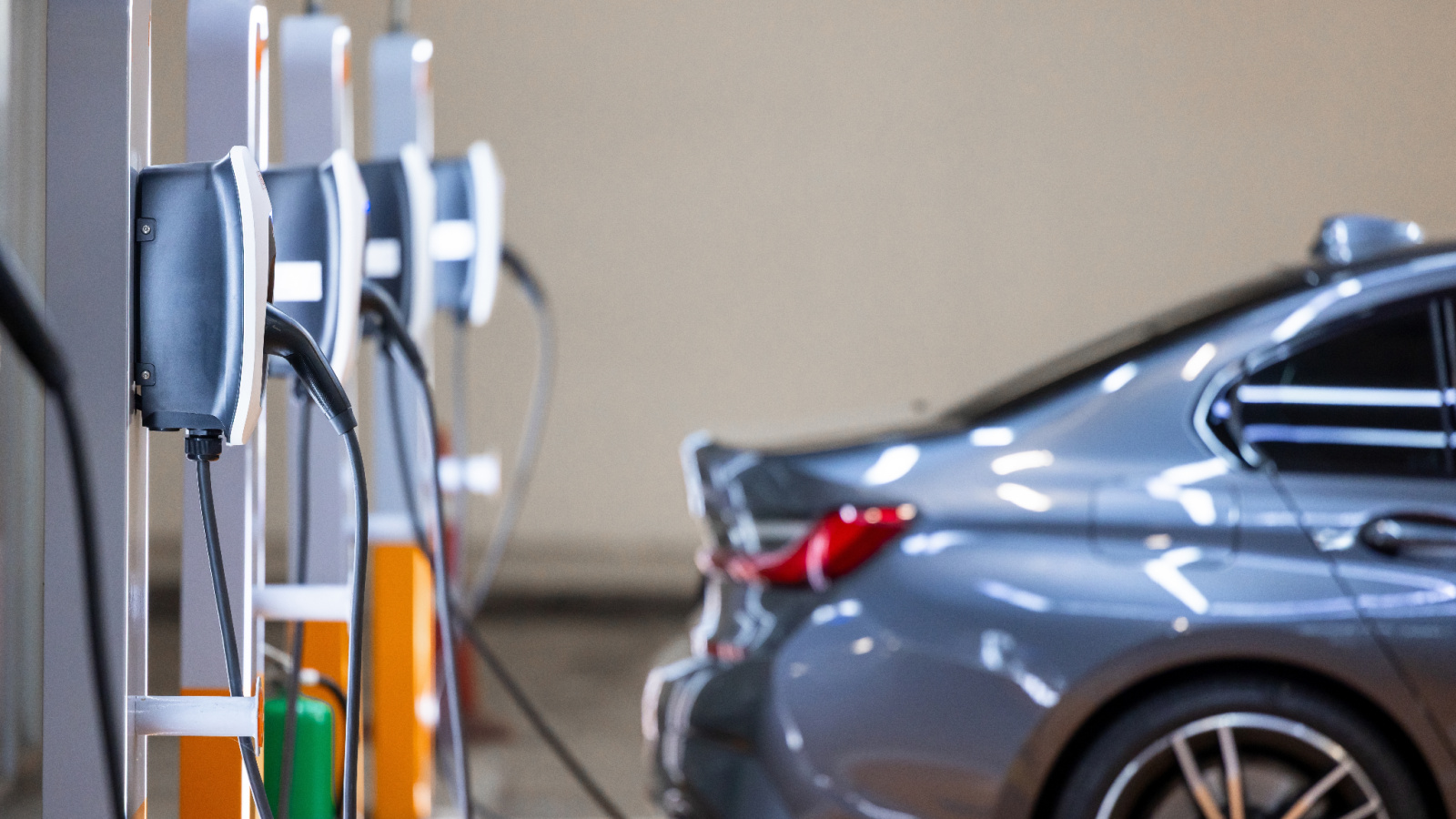
Some Canadians are interested in electric vehicles but are not ready to commit. Questions about charging access, winter range, battery replacement, resale values, rebates, and fast-changing technology can make a current gas vehicle feel safer for now. Even hybrid and plug-in choices are changing quickly, which can make waiting seem practical.
The result is a pause rather than outright rejection. A household may want the next vehicle to be electric or hybrid, but not until prices fall, charging improves, or the right model becomes available. In the meantime, keeping an older gasoline vehicle for another two or three years can feel like buying time while the market settles.
Changing Commutes Have Altered Vehicle Needs
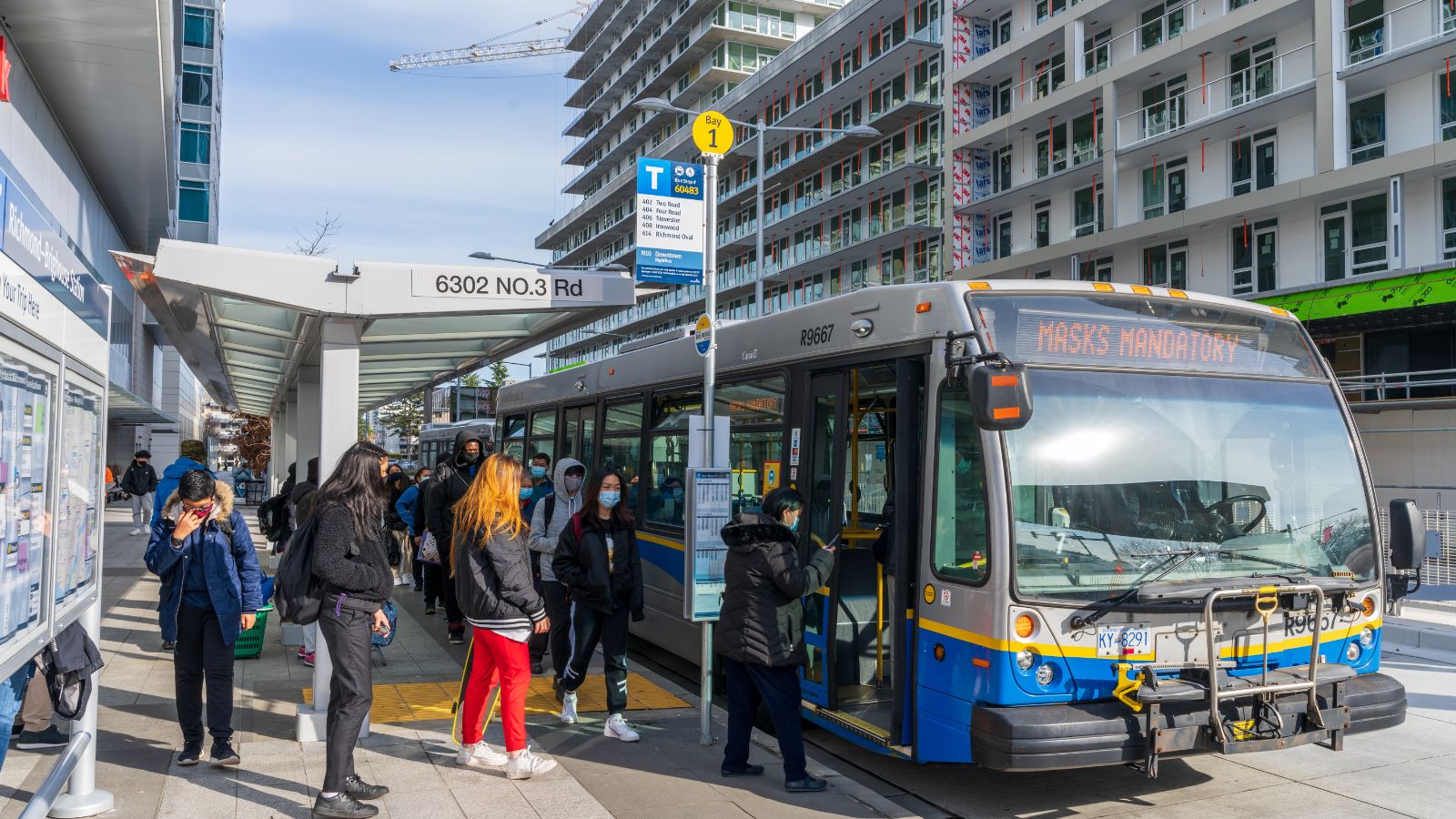
Work patterns are not the same for every household anymore. Some Canadians are back to full-time commuting, while others work hybrid schedules or make fewer weekday trips than before. That uneven driving pattern can make an older vehicle feel more acceptable, especially as a second car.
A vehicle that once handled a daily downtown commute may now be used for groceries, hockey practice, weekend errands, or occasional office days. Lower or more flexible use can stretch the life of an older car. Owners may be less motivated to replace a vehicle that spends more time parked, especially when the replacement cost is high.
Fewer Cheap Replacements Are Easy to Find

The disappearance of many inexpensive small cars has made older vehicles more valuable to their owners. Compact sedans and hatchbacks used to be the practical escape hatch for buyers who wanted basic transportation. Now, many entry-level choices have been replaced by larger models, higher trims, or vehicles with more technology baked in.
That matters for Canadians who do not want a large payment just to get to work. A student, newcomer, retiree, or young family may look at the market and realize the closest replacement is bigger and more expensive than the car they already own. In that moment, replacing a reliable older vehicle can feel unnecessary.
Maintenance Has Become a Financial Strategy
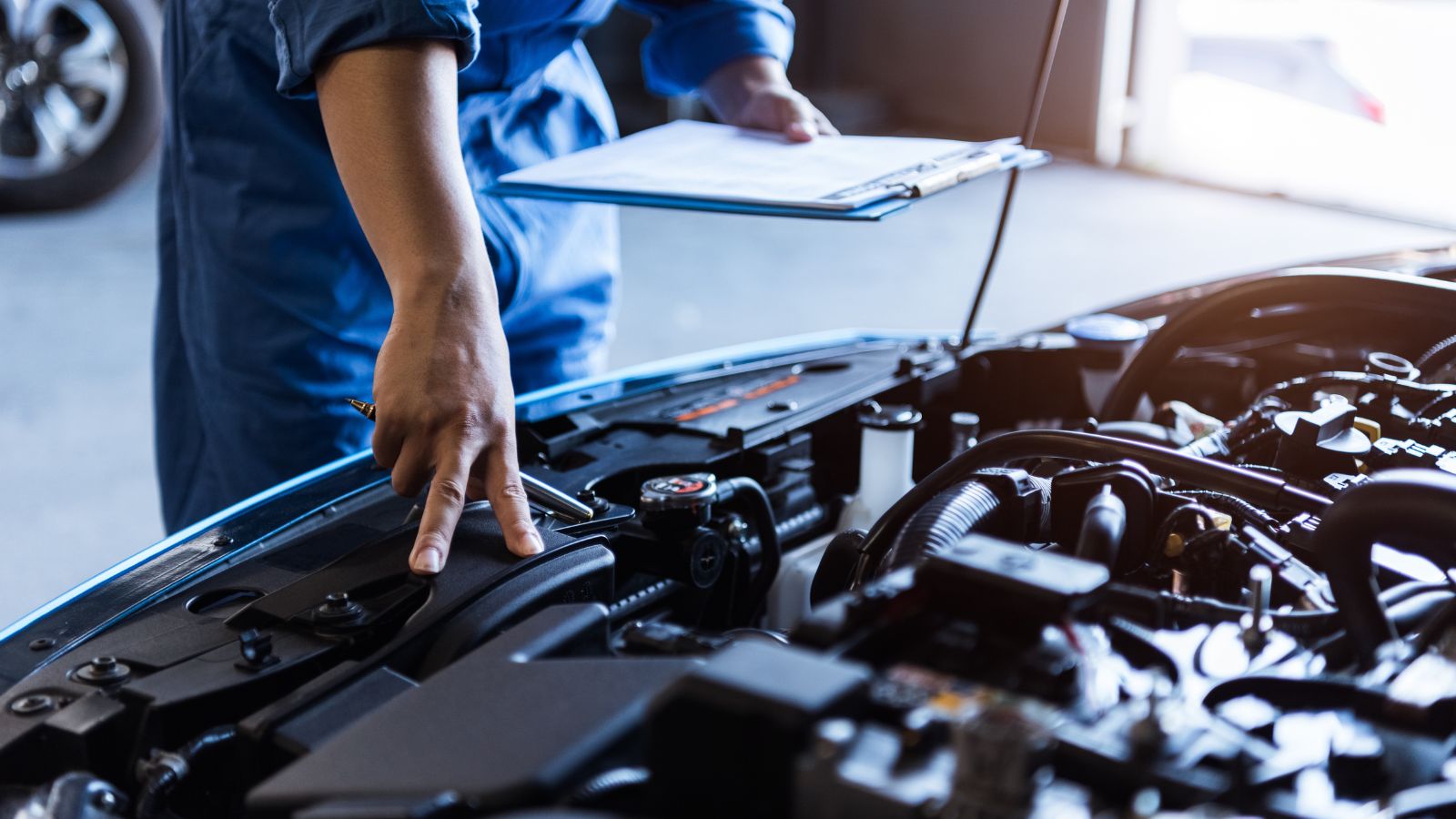
More Canadians are treating maintenance as a way to control future costs. Oil changes, rust protection, transmission service, coolant flushes, tire rotations, and early diagnosis are no longer viewed as optional chores. They are part of keeping a paid-off vehicle useful through another winter.
This approach rewards owners who plan ahead. A driver who budgets for maintenance may avoid the kind of neglect that turns small problems into major failures. Mechanics often see this shift firsthand: customers asking what must be done now, what can wait, and what will keep the vehicle safe for another year. In a costly market, preventive care has become a practical form of financial planning.
22 Things Canadians Do to Their Cars in Spring That Mechanics Hate

Spring brings relief to many Canadian drivers after months of snow, freezing temperatures, and icy roads that put serious strain on vehicles. As temperatures rise across the country, drivers begin washing cars, switching tires, and preparing vehicles for warmer weather and upcoming road trips. However, mechanics across Canada notice the same mistakes every spring when drivers attempt to recover from winter damage. Road salt, potholes, and harsh winter driving conditions often leave vehicles with hidden problems that drivers ignore. Some spring habits even create new mechanical issues that could have been avoided with proper maintenance. Here are 22 things Canadians do to their cars in spring that mechanics hate.