


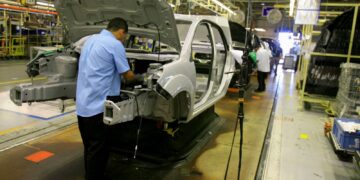























Canadian drivers are watching repair bills more closely than ever, especially as older vehicles face pricier parts, tighter shop schedules, and fewer “cheap fix” surprises. A small warning light that once felt manageable can now turn into a multi-thousand-dollar decision, particularly when the vehicle already has a known history of engine, transmission, electrical, or drivetrain trouble. These 17 vehicles are increasingly the kind that owners may consider moving on from before the next repair turns into the one that changes the budget completely.
Ford Focus With the PowerShift Automatic
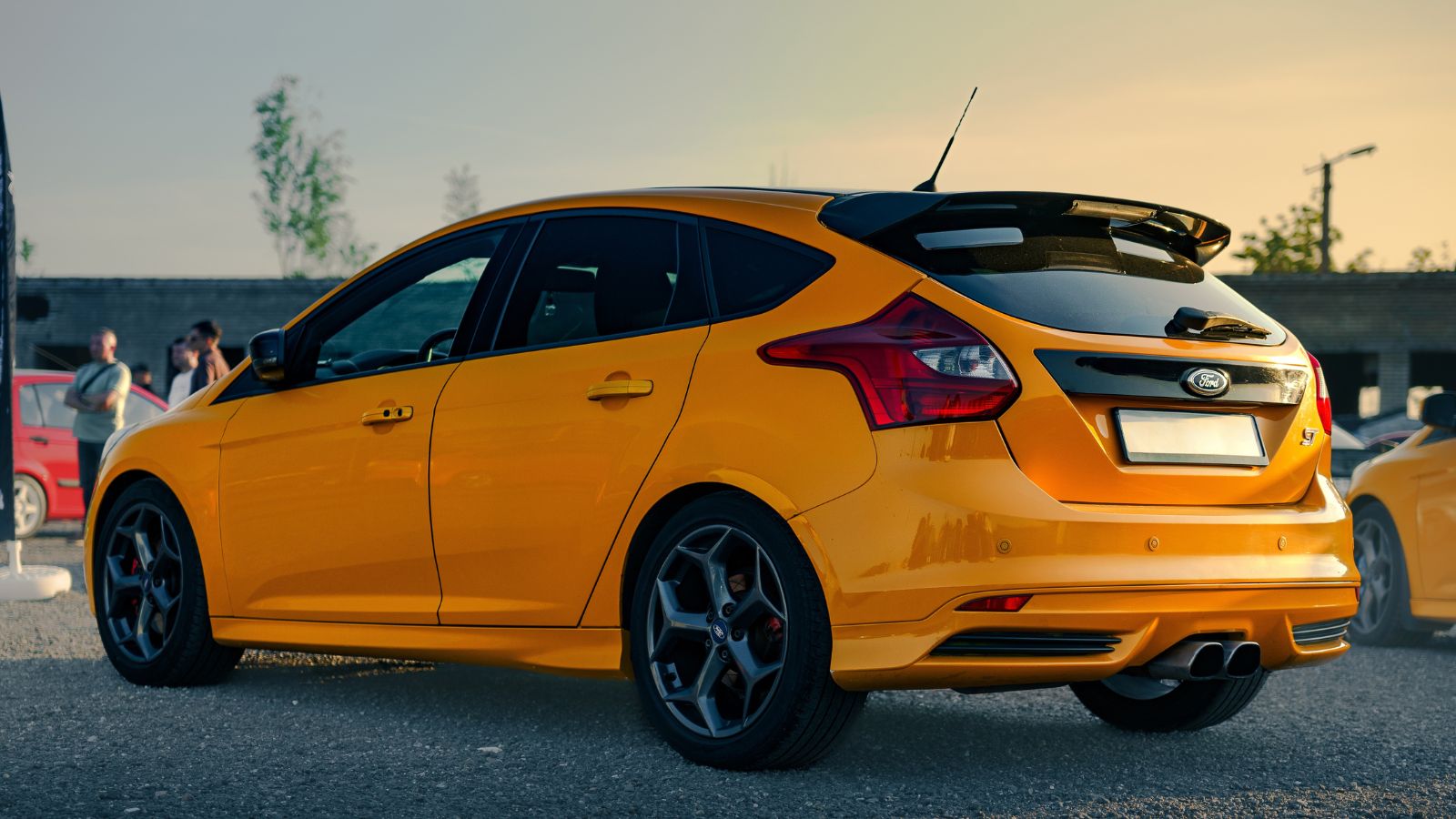
The Ford Focus still makes sense on paper: compact size, reasonable fuel use, and plenty of used-market availability. The issue is that many Canadian shoppers learned to separate the manual-transmission cars from the automatic versions equipped with Ford’s DPS6 PowerShift dual-clutch transmission. Owners have reported symptoms such as shuddering, delayed engagement, slipping, and hesitation, all of which are especially frustrating in city traffic where compact cars are supposed to feel easy.
For someone using a Focus as a daily commuter, the repair decision can become awkward fast. A car bought for budget reasons may need clutch packs, control-module work, or repeated diagnostic visits, and the resale conversation often starts before the next service appointment. The Focus is not automatically a bad vehicle, but automatic-equipped examples from the problem years are exactly the sort of cars some owners unload once transmission symptoms return.
Ford Fiesta With the PowerShift Automatic
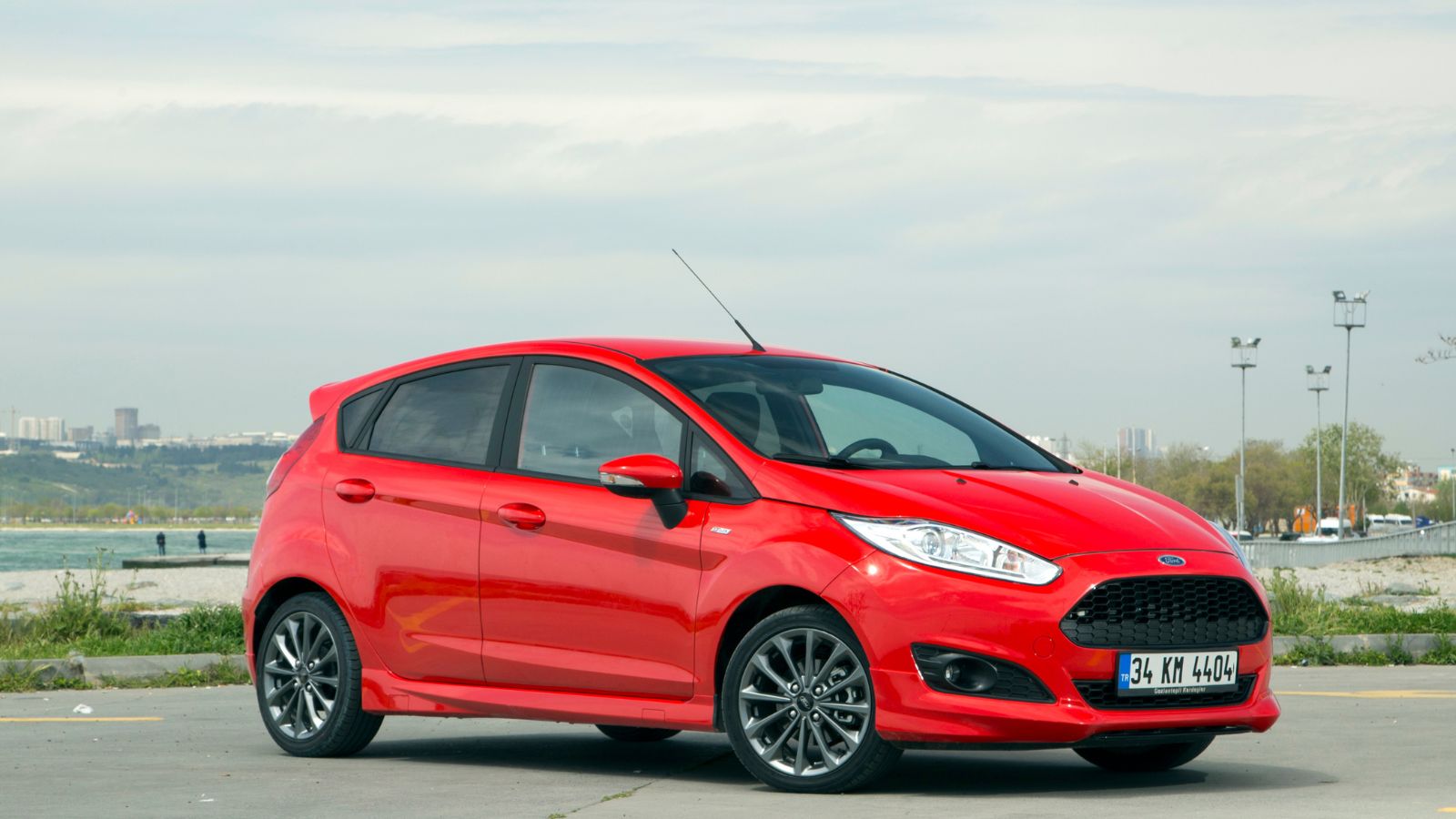
The Fiesta was once a clever small-car choice for Canadians who wanted low fuel bills and easy parking. Like the Focus, however, automatic versions equipped with the PowerShift transmission developed a reputation that followed them deep into the used market. A cheap purchase price can be tempting, but a low entry cost matters less when the drivability issue is built around the most expensive system in the car after the engine.
The human side is easy to picture: a student, delivery driver, or first-time buyer dealing with jerky launches every time traffic crawls along a Toronto or Vancouver commute. Warranty extensions and class-action attention helped some owners, but many cars are now old enough that buyers are weighing repairs against replacement value. When a small hatchback starts needing repeated transmission attention, many Canadians decide the “affordable” car has become too risky to keep.
Nissan Rogue With CVT Concerns
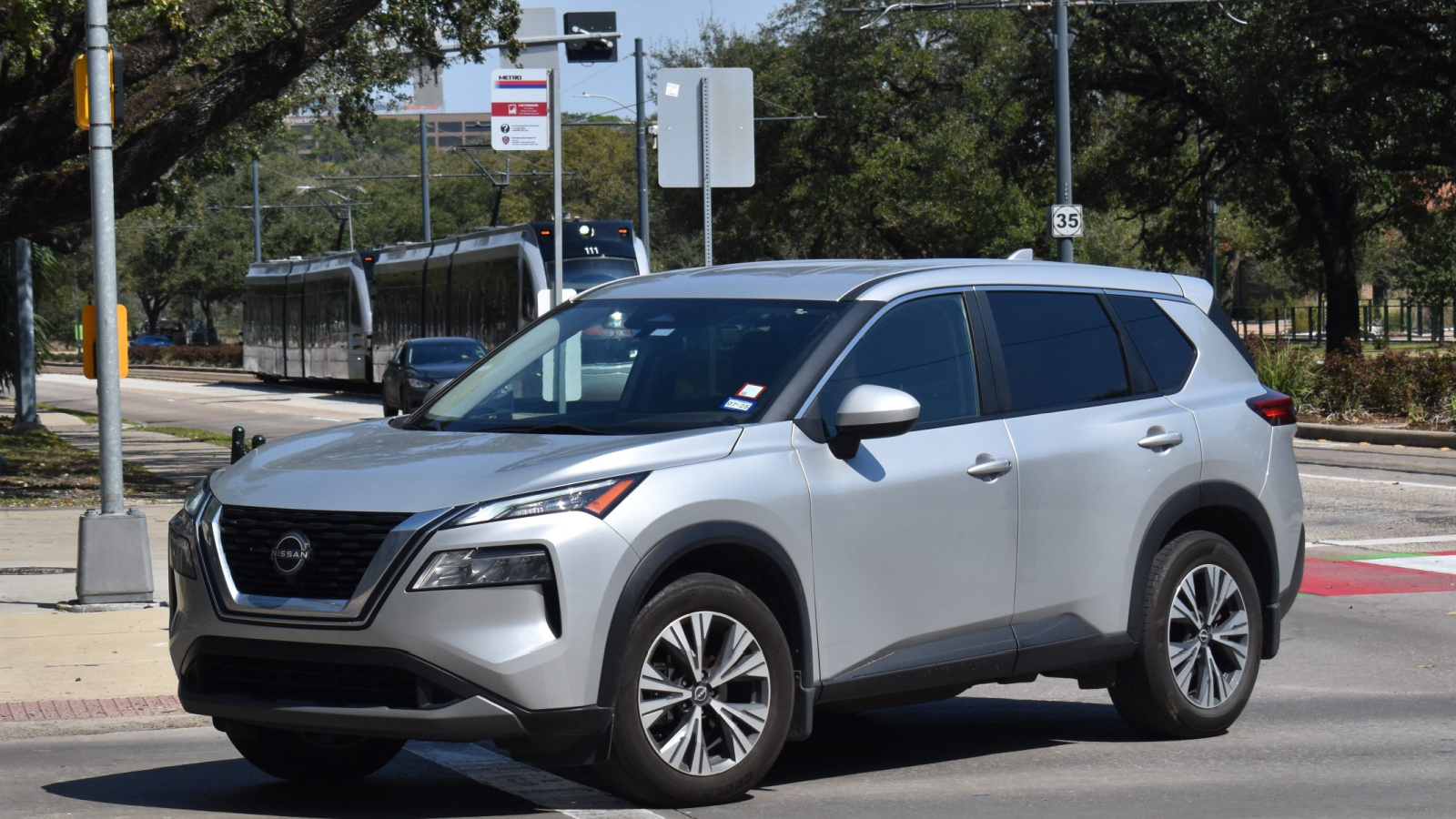
The Nissan Rogue became a familiar Canadian family crossover because it offered space, winter-friendly availability with all-wheel drive, and generally reasonable pricing. The complication is Nissan’s long-running CVT reputation, especially on older Rogues and related models. Continuously variable transmissions can work well when properly engineered and maintained, but when they begin slipping, whining, overheating, or hesitating, repair costs can quickly exceed what owners expected from a mainstream SUV.
For families, the bigger concern is timing. A Rogue may still look modern enough in the driveway, but once mileage climbs and transmission symptoms appear, the vehicle can feel financially fragile. Some owners keep driving until failure, while others trade early to avoid being stuck with a large repair on a vehicle with weakening resale appeal. That makes older Rogues a common “move it before it gets worse” candidate in the Canadian used-crossover market.
Nissan Altima With CVT Aging Issues
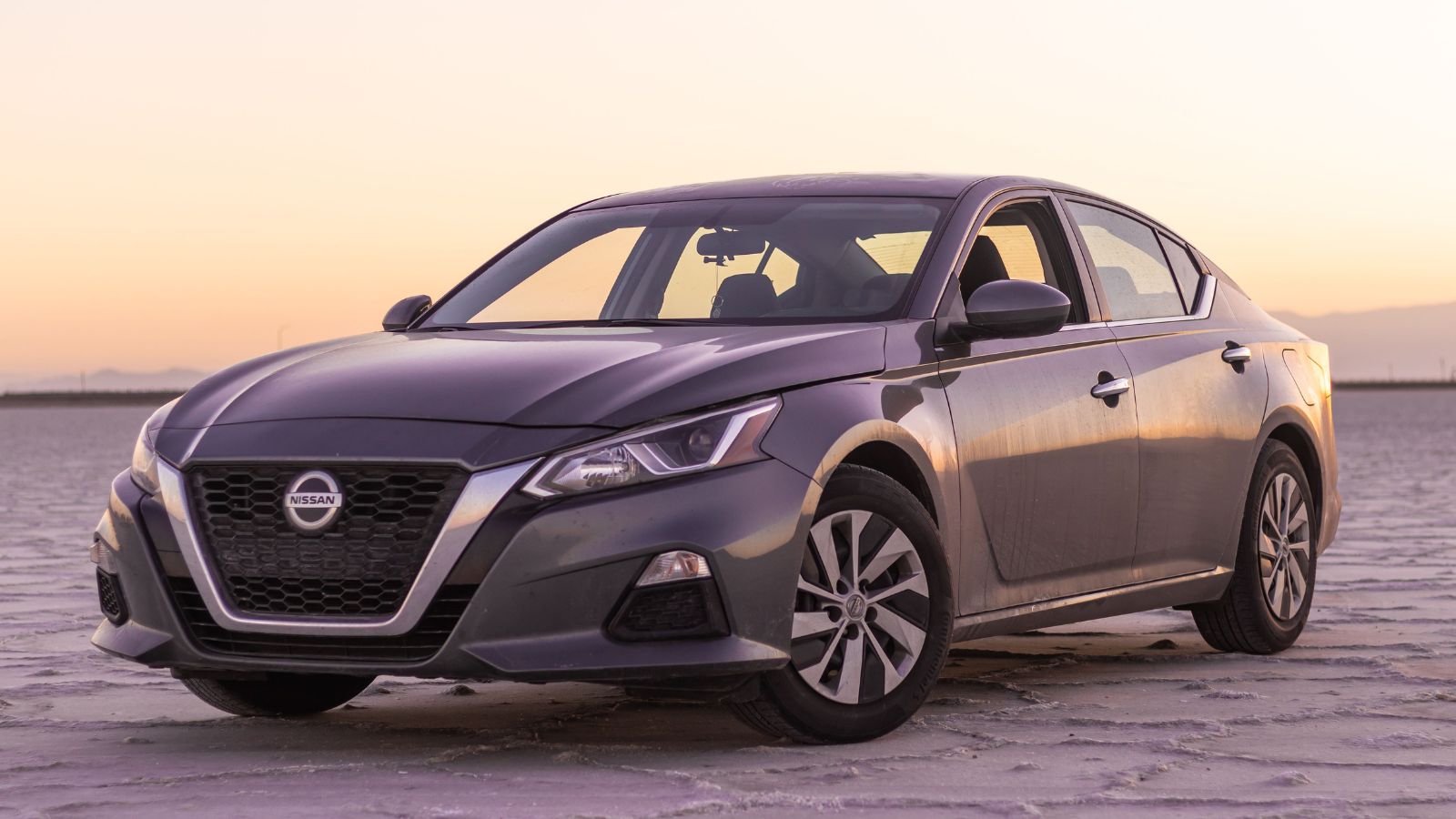
The Altima has long appealed to buyers who want a roomy sedan without premium-brand costs. In Canada, where sedans have become less fashionable than crossovers, a used Altima can look like good value. The issue is that many CVT-equipped Altimas carry the same transmission anxiety that shadows other Nissan products from the 2010s. Once symptoms start, owners often face a choice between an expensive repair and a vehicle that may already be worth less than expected.
The problem is not that every Altima will fail. Many continue running for years. The concern is how quickly confidence changes when the transmission starts flaring revs, hesitating from a stop, or behaving unpredictably on highway ramps. A sedan that was bought to save money can suddenly feel like a gamble, particularly for owners who rely on it for long commutes. That is why some Canadians choose to sell while it still drives normally.
Chevrolet Equinox With the 2.4-Litre Engine
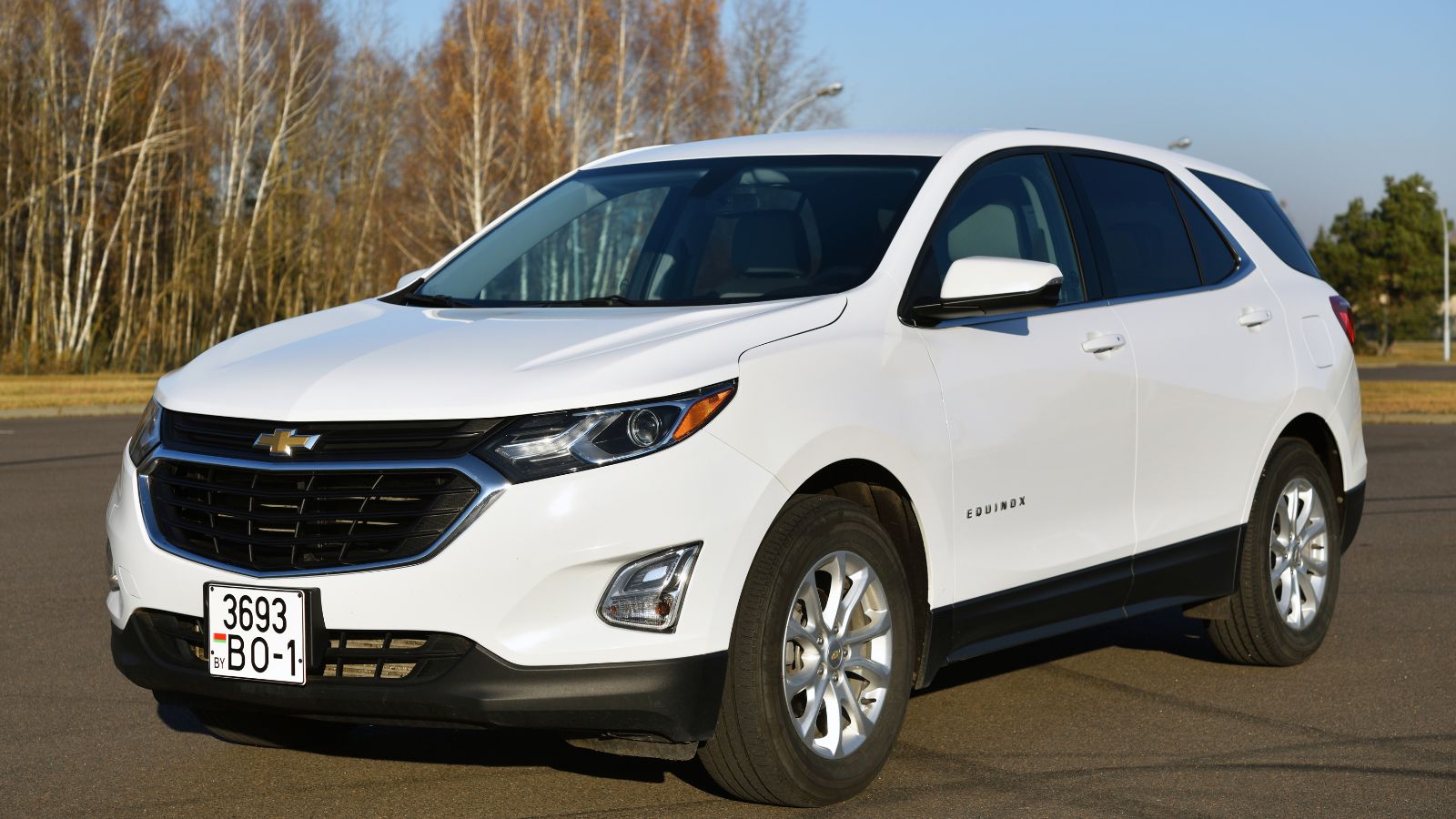
The Chevrolet Equinox is everywhere in Canada, and that familiarity can make it feel safer than it really is for certain model years. Older 2.4-litre versions have been tied to excessive oil consumption concerns, with owners reporting frequent top-ups and fears of engine damage if the oil level drops too far. A small SUV that needs constant monitoring can wear down trust, especially for drivers used to stretching service intervals.
This is the sort of repair pattern that changes owner behaviour. A noise on startup, a low-oil warning, or a catalytic converter issue can make the next estimate feel like the beginning of a chain reaction. Because the Equinox is a high-volume vehicle, buyers have many alternatives on the used market. That gives owners an incentive to move on before engine-related problems turn into a repair bill that rivals the vehicle’s trade-in value.
GMC Terrain With the 2.4-Litre Engine
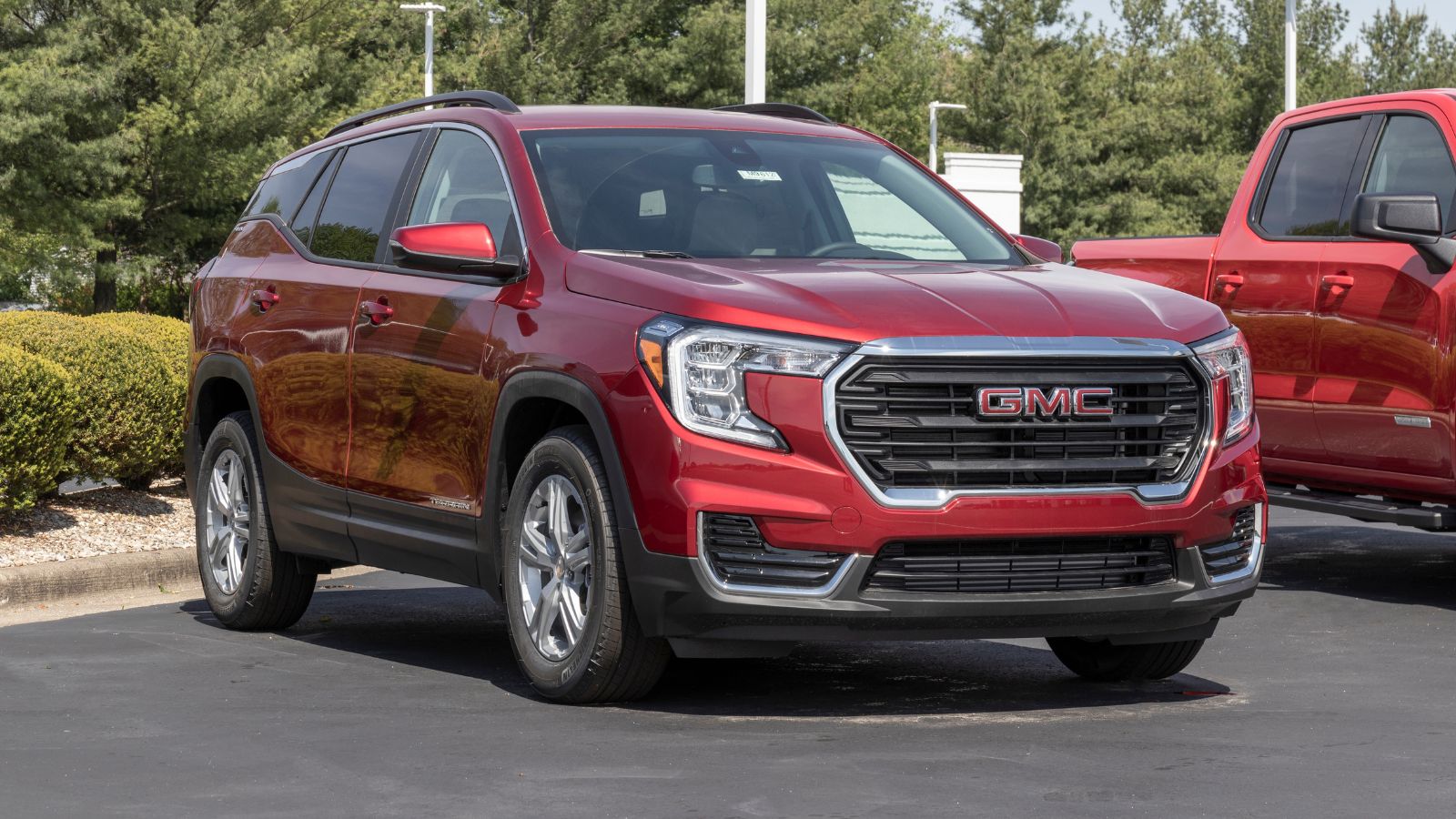
The GMC Terrain shares much of its mechanical DNA with the Chevrolet Equinox, which means some older 2.4-litre examples carry similar oil-consumption concerns. The Terrain’s chunkier styling and GMC badge can make it feel more upscale, but underneath, the same basic repair math applies. When an engine begins consuming oil at a troubling rate, the cost is not only the oil itself; it is the risk of timing-chain wear, catalytic-converter damage, or worse.
For Canadian owners, winter makes confidence especially important. A vehicle that may be fine for short errands can feel less reassuring on a freezing highway trip when engine behaviour becomes unpredictable. Some owners continue maintaining them carefully, but others see the warning signs and exit before the repair stack grows. The Terrain can be useful and comfortable, yet certain older 2.4-litre versions are prime examples of vehicles people sell before the next engine-related surprise arrives.
Kia Sportage With 2.0L or 2.4L Engine Worries
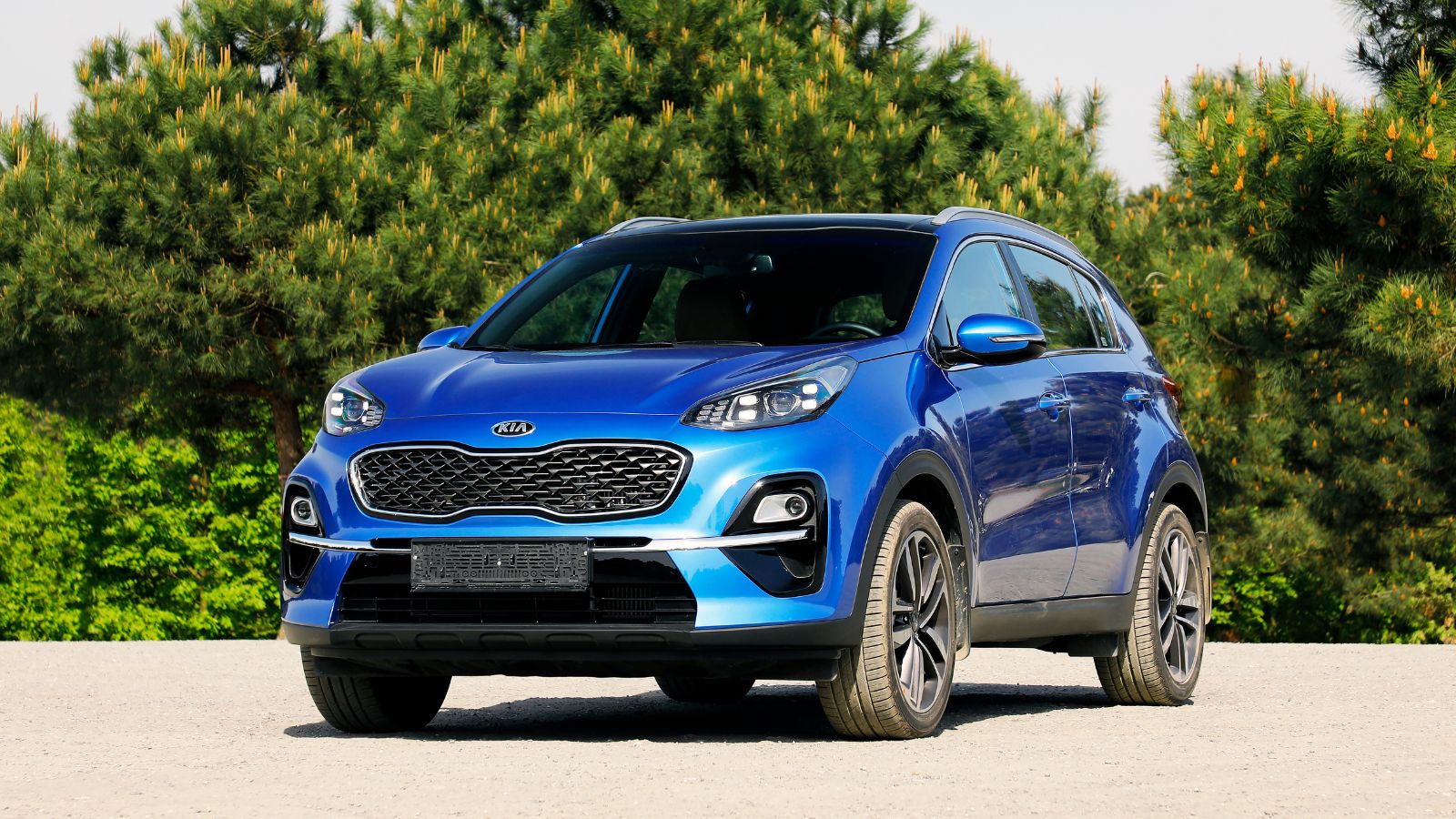
The Kia Sportage has become a serious contender in Canada’s compact-SUV market, but some earlier 2.0-litre and 2.4-litre versions have been associated with engine issues, settlement programs, and recall attention. The Sportage’s appeal was clear: lots of features, a practical footprint, and pricing that often undercut Japanese rivals. But used buyers now look more carefully at engine type, service history, and whether recall or warranty work was completed.
For current owners, the danger is emotional as much as mechanical. Once a vehicle is known for possible engine trouble, every ticking sound or hesitation feels bigger than it might be. A Sportage that has been reliable so far may still be worth keeping with strong records, but owners facing rising mileage often choose to cash out while the SUV still presents well. The fear is not routine maintenance; it is a sudden engine repair that overwhelms the vehicle’s remaining value.
Jeep Cherokee With Nine-Speed Transmission Complaints
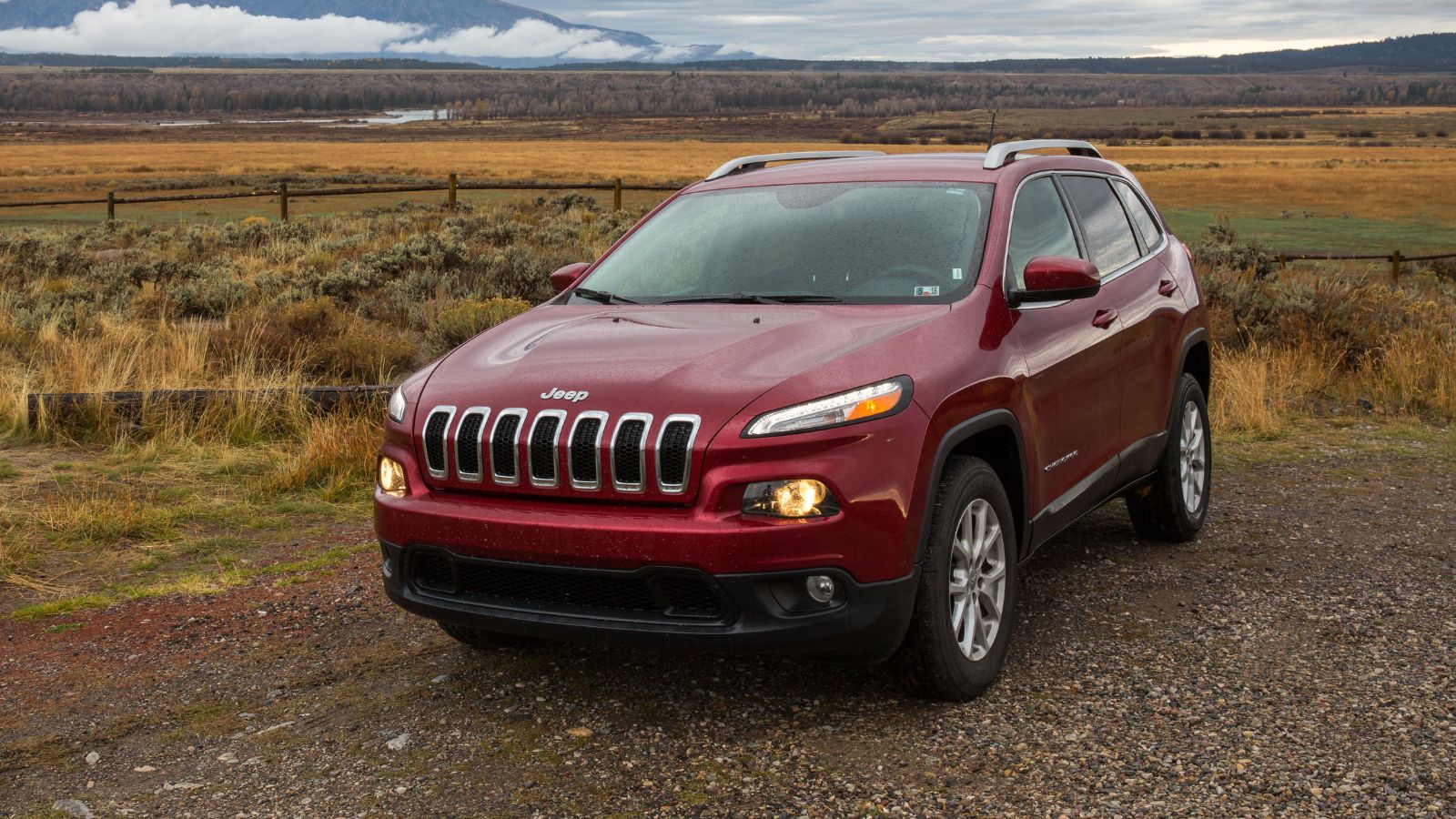
The Jeep Cherokee attracted buyers who wanted something more rugged-looking than the average compact crossover. Certain model years, particularly early KL-generation examples, became known for complaints involving the nine-speed automatic transmission, including rough shifts, hesitation, and software updates. That is a difficult reputation for a vehicle marketed around confidence, especially when many Canadian owners drive through snow, hills, and stop-and-go urban traffic.
The Cherokee’s problem is that its strengths do not always offset repair uncertainty. Four-wheel-drive capability and Jeep styling can keep buyers interested, but transmission complaints can drag down confidence quickly. An owner who has already been through one update or repair may hesitate before authorizing another round of diagnostics. When a vehicle becomes unpredictable during low-speed shifting or merging, some Canadians decide to trade before a manageable annoyance becomes a major driveline expense.
Jeep Grand Cherokee EcoDiesel
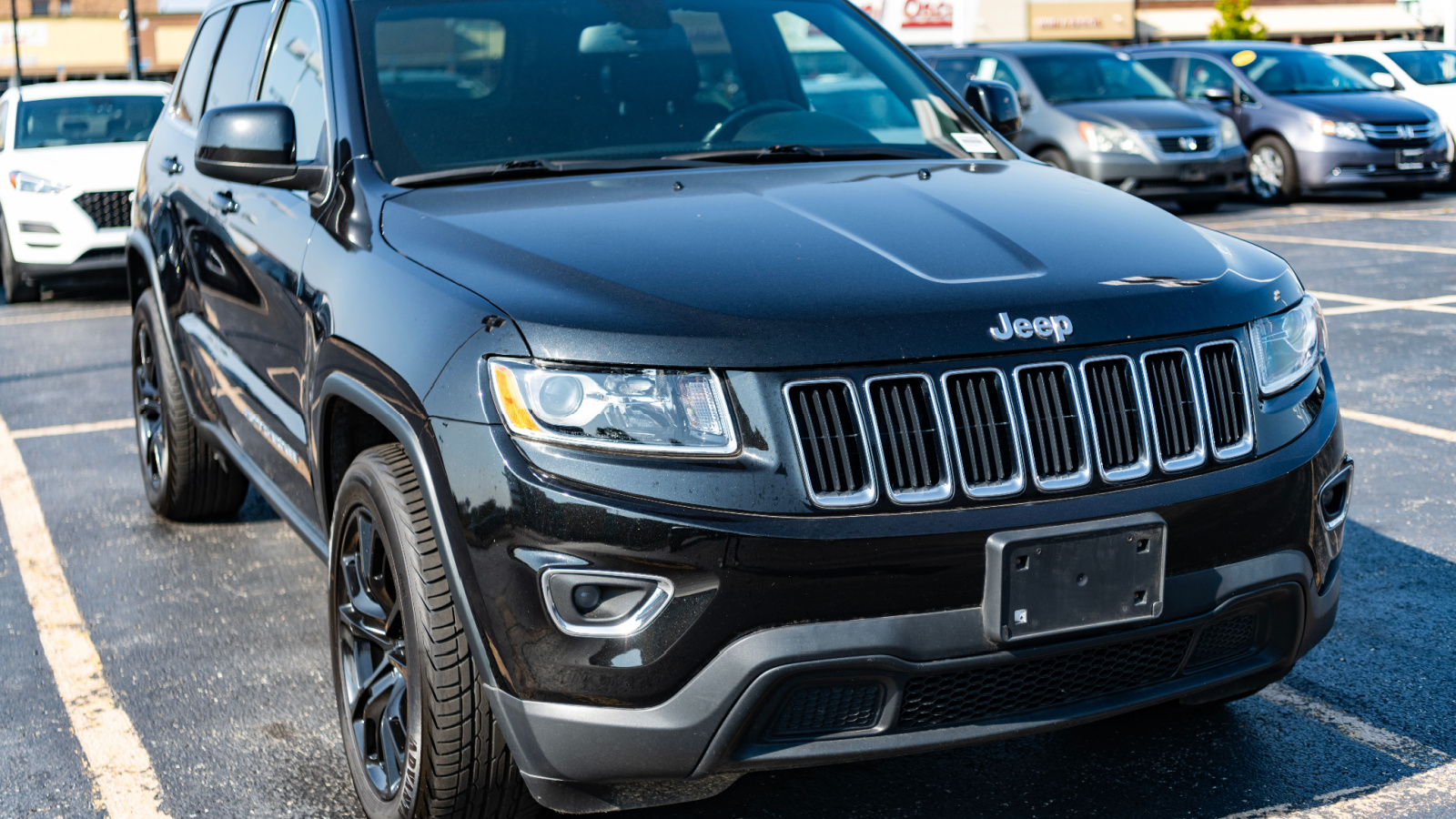
The Jeep Grand Cherokee EcoDiesel can be extremely appealing on paper: strong torque, long-distance comfort, and better fuel economy than many gasoline SUVs. In practice, diesel ownership can become expensive once emissions systems, fuel-system components, or engine-related recalls enter the picture. Canadian drivers who tow, commute long distances, or travel through cold regions may appreciate the diesel’s strengths, but repairs can be far more specialized than on a simple gasoline V6.
The ownership risk rises as these SUVs age out of warranty. A diesel repair often requires specific diagnostic knowledge, and parts or labour can turn one issue into a serious invoice. Some owners also become nervous after recall notices related to fuel-pump or engine-stall risks. For those who bought the EcoDiesel to save fuel, the calculation changes when one major repair can erase years of savings. That is when selling early starts to look rational.
Ram 1500 EcoDiesel
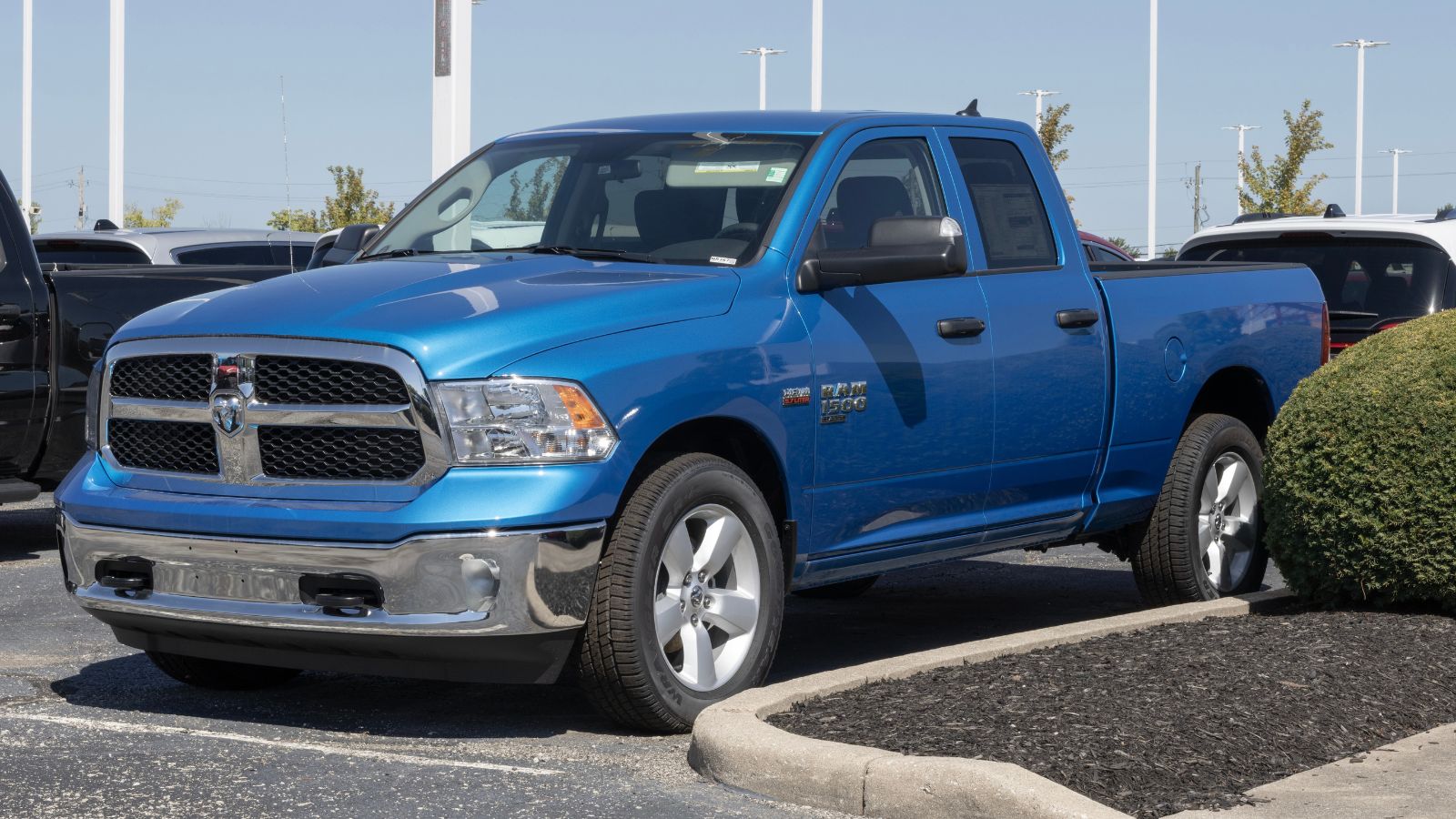
The Ram 1500 EcoDiesel found fans among Canadian truck owners who wanted pickup capability with better fuel economy than a traditional V8. The challenge is that diesel complexity can collide with high repair costs, especially as mileage climbs. High-pressure fuel-pump concerns, emissions-system repairs, and engine-stall recall history can make owners think carefully before keeping one through another winter, towing season, or long-distance work cycle.
A gas truck may use more fuel, but many owners find its repair path easier to understand. With an EcoDiesel, a warning light can mean a specialized diagnosis and a bill that feels more commercial-grade than household-budget friendly. Owners who depend on their truck for work may not have the luxury of waiting on parts or repeated dealer visits. That explains why some Canadians move on from older EcoDiesel Rams before a major fuel or emissions repair arrives.
Volkswagen Tiguan With Early 2.0 TSI Timing-Chain Concerns
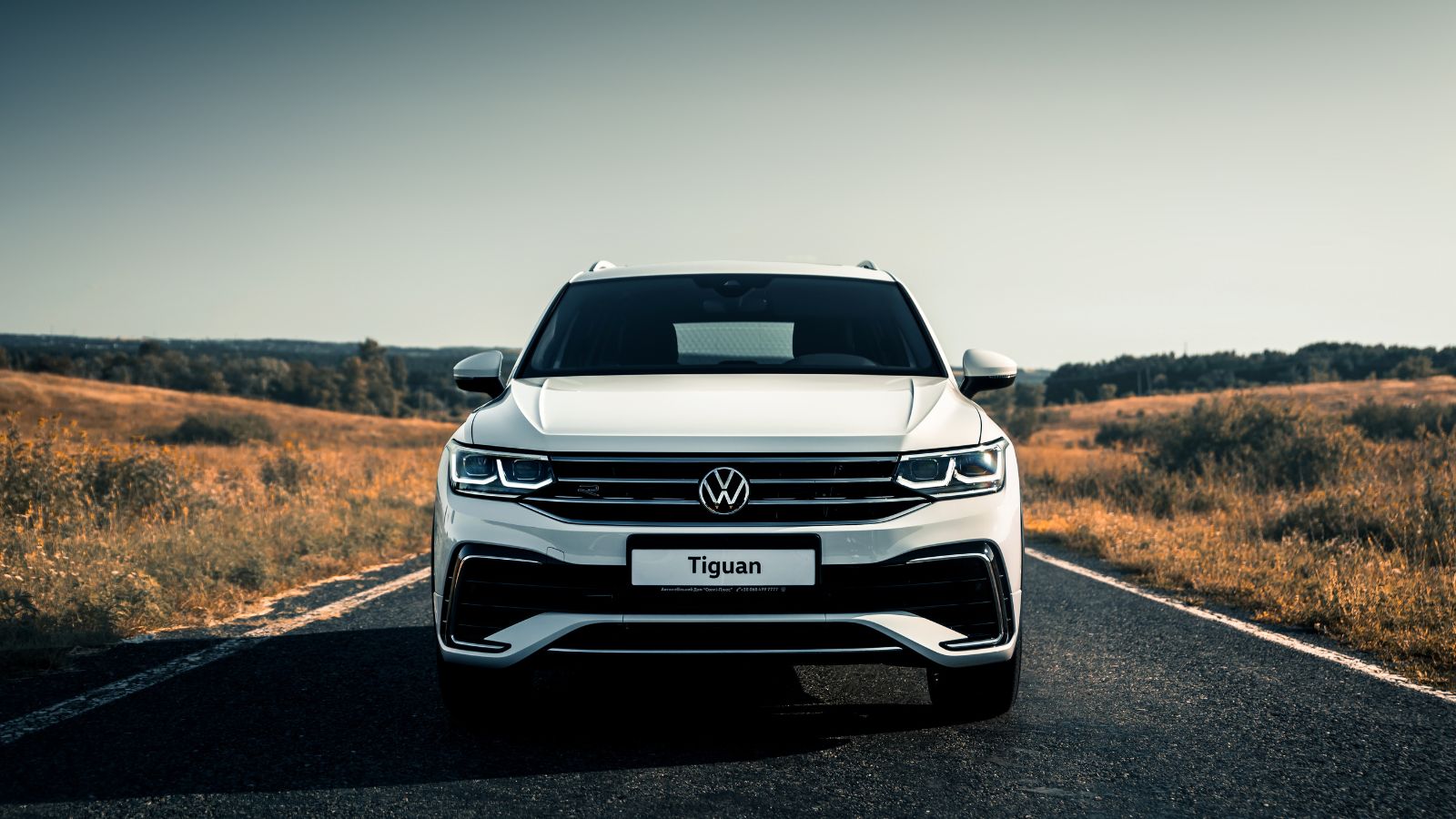
The Volkswagen Tiguan has always appealed to drivers who prefer a more European feel than many mainstream compact SUVs offer. Early 2.0 TSI versions, however, have been associated with timing-chain and tensioner concerns that can become severe if ignored. A timing-chain problem is not like a squeaky trim piece; if it fails, engine damage can be catastrophic and expensive.
This is where the Tiguan’s charm can work against it. The vehicle may still feel solid, composed, and pleasant to drive, making owners want to keep it. But when a cold-start rattle, fault code, or mechanic’s warning points toward timing work, the estimate can quickly change the mood. In Canada’s used market, where shoppers are cost-sensitive and repair histories matter, some Tiguan owners decide to sell before the repair becomes unavoidable.
Audi Q5 With 2.0T Oil Consumption or Timing Issues

The Audi Q5 remains one of the more desirable used luxury SUVs in Canada because it blends size, image, and all-weather practicality. The concern is that certain 2.0T engines have been linked to oil-consumption allegations and timing-related issues, depending on model year and engine family. Luxury-brand repairs already carry a premium, so even a known “watch item” can become a major ownership decision.
For owners, the Q5 can be hard to let go because it still feels premium long after cheaper vehicles age out. But frequent oil top-ups, engine warnings, or timing-chain discussions can sour the experience. A family that bought a used Q5 instead of a new mainstream crossover may suddenly face repair estimates that belong to a much more expensive vehicle. That mismatch is why some Canadians trade before the next engine-related invoice tests the budget.
BMW 3 Series With the N20 Engine

The BMW 3 Series is often the used luxury sedan people buy with their hearts and justify with their heads. Certain four-cylinder N20-equipped models, however, have faced timing-chain-related allegations and service attention. The 3 Series can still be rewarding to drive, but premium engineering becomes less romantic when an engine-chain issue threatens a repair bill large enough to rewrite the ownership plan.
Canadian buyers are especially sensitive to this because older German luxury cars can depreciate into tempting price ranges. A used 328i may cost the same as a newer economy car, but its repair exposure is not economy-grade. Owners who hear chain noise, see oil-pressure warnings, or receive a preventative repair estimate often reassess quickly. The car may still be enjoyable, but many decide it is better to sell while it runs well than gamble on a major engine repair.
Mini Cooper With Turbo and Cooling-System Aging
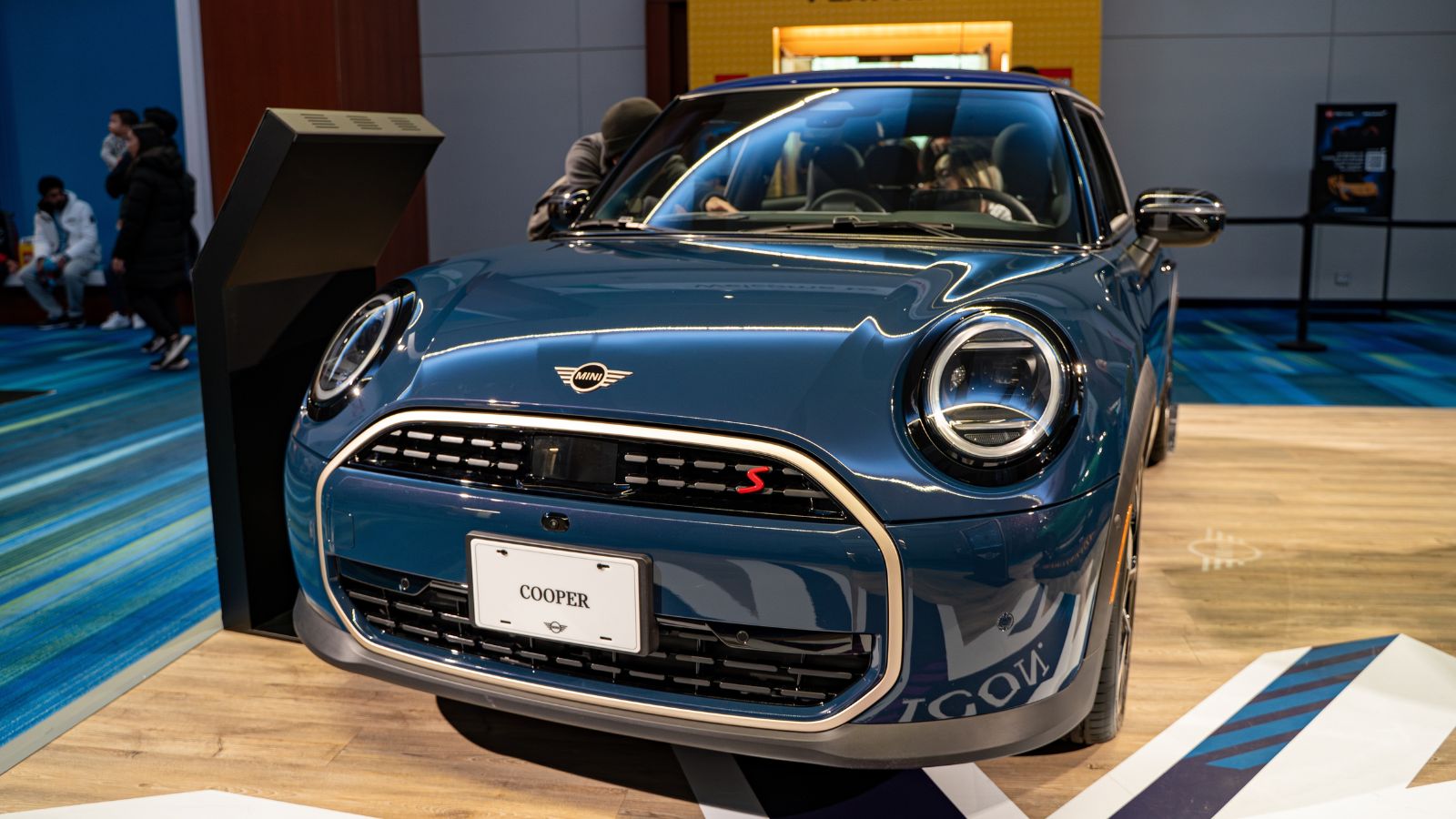
The Mini Cooper has personality, and that is why many owners forgive its compromises longer than they would in a normal hatchback. The problem is that some older turbocharged Minis developed reputations for expensive maintenance involving cooling systems, timing components, oil leaks, and engine accessories. Small size does not always mean small repair bills, especially when packaging is tight and labour time rises.
For a Canadian owner, the decision often comes when charm stops covering inconvenience. A Mini that is fun on a sunny weekend can feel less delightful when it needs repeated shop visits during winter or when a small leak turns into a larger repair. Used values can also be unforgiving once maintenance history becomes questionable. That pushes some owners to sell before the car’s next personality trait is another warning light.
Subaru Forester With CVT Warranty Anxiety
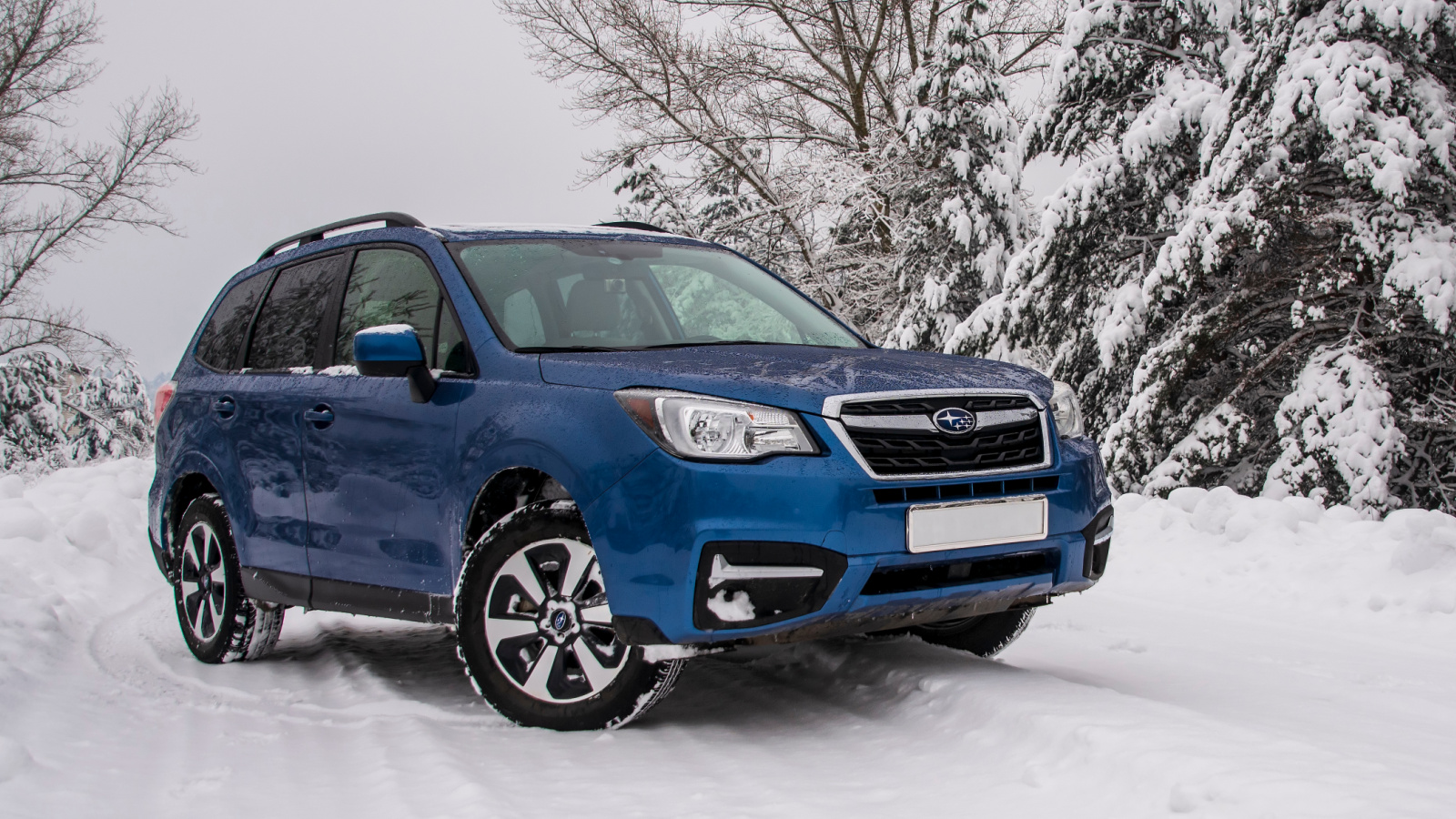
The Subaru Forester has a loyal Canadian following because standard all-wheel drive and practical cargo space fit the climate well. That loyalty is one reason Subaru’s CVT warranty enhancement attracted attention: it signaled that transmission concerns mattered enough for extended coverage on certain vehicles. For owners outside the covered window or approaching mileage limits, the question becomes whether to keep trusting the transmission.
The Forester’s appeal does not disappear. It remains useful in snow, easy to see out of, and practical for families. But a CVT repair can be costly, and some owners become cautious once the vehicle nears the end of enhanced coverage. If there are noises, hesitation, or service records that look thin, selling before symptoms worsen may seem safer than waiting. The result is a vehicle Canadians may love, yet still choose to move on from before transmission risk grows.
Dodge Grand Caravan
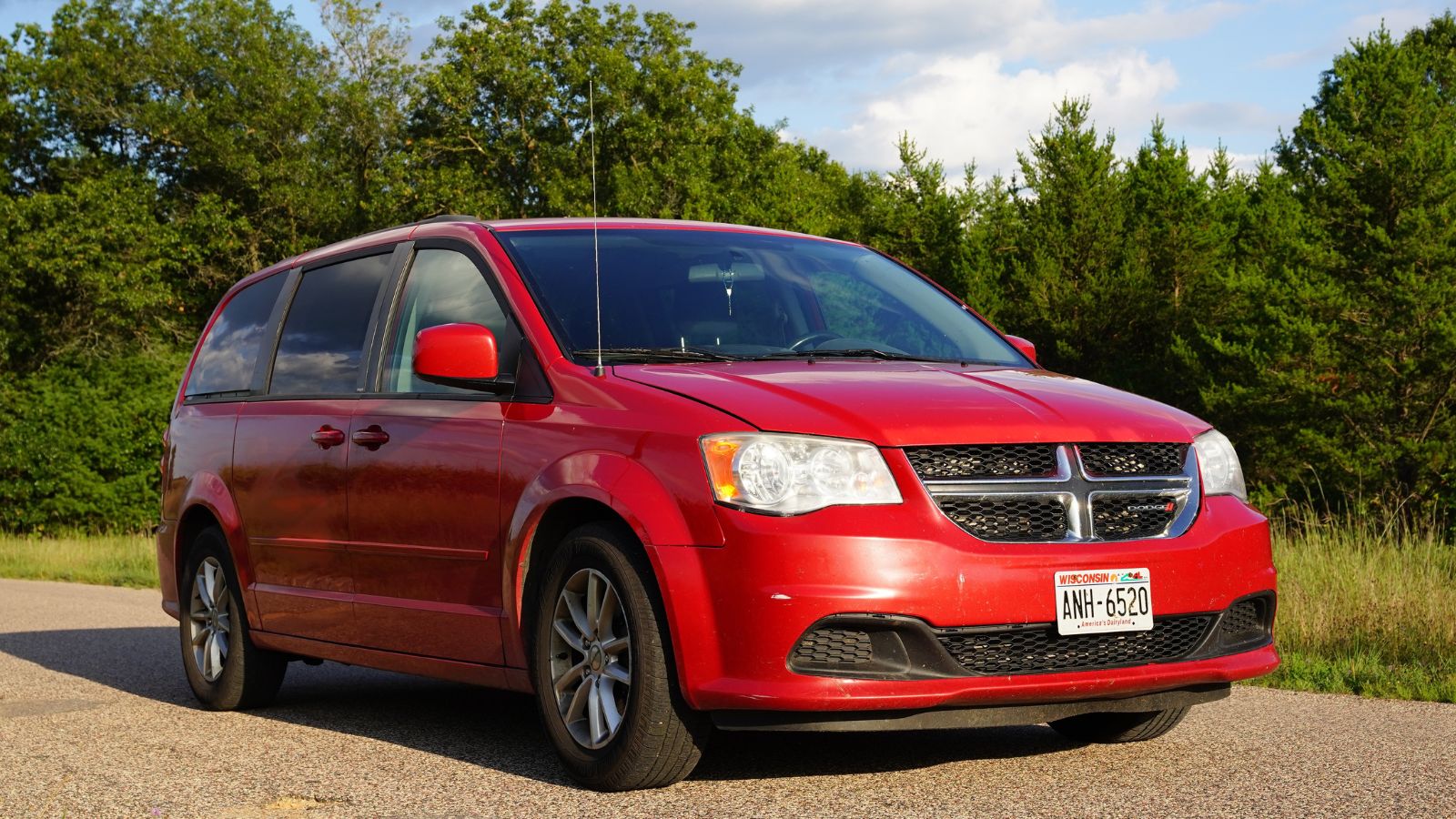
The Dodge Grand Caravan was practically built for Canadian family life: affordable, roomy, and easy to find used. That ubiquity is also part of the problem. Many examples have lived hard lives as family haulers, contractor vans, ride-share vehicles, or high-mileage road-trip machines. As they age, owners often face a stack of ordinary but costly repairs, including brakes, suspension components, sliding-door hardware, HVAC work, and transmission concerns.
The Grand Caravan is rarely abandoned because of one dramatic flaw. More often, it becomes a math problem. A van worth a few thousand dollars may need tires, a safety inspection repair, an air-conditioning fix, and a transmission diagnosis in the same year. Families that once praised its value can reach a point where every repair feels like buying time. That is when many decide to ditch it before the next problem turns a practical van into a money pit.
Chrysler 200
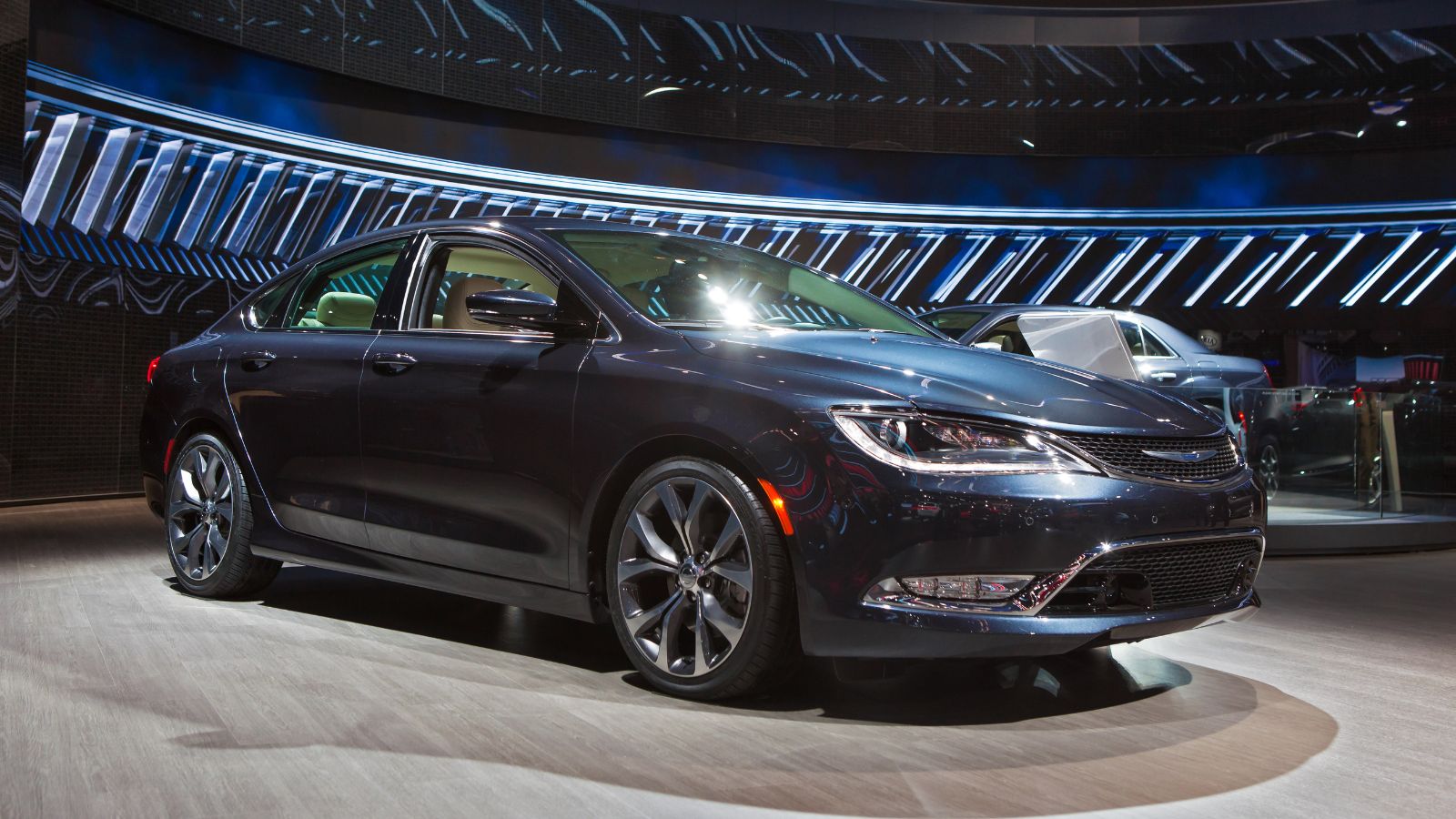
The Chrysler 200 had appealing styling and a comfortable cabin, but it struggled to build the kind of long-term confidence that keeps owners attached. Some versions used the same family of nine-speed automatic transmission that attracted complaints in other Stellantis vehicles, while the model itself was discontinued after a short production run. Discontinued sedans can still be perfectly usable, but parts availability, resale perception, and repair confidence matter more as years pass.
For Canadian owners, the Chrysler 200 often reaches a tipping point when its value falls faster than its repair exposure. A transmission concern, electrical issue, or suspension repair may not be unusual for an aging sedan, but the question becomes whether the car is worth another investment. Because buyers have many used sedan alternatives, the 200 can be difficult to justify once repair bills start clustering. Some owners sell while it still looks sharp and drives acceptably.
22 Things Canadians Do to Their Cars in Spring That Mechanics Hate

Spring brings relief to many Canadian drivers after months of snow, freezing temperatures, and icy roads that put serious strain on vehicles. As temperatures rise across the country, drivers begin washing cars, switching tires, and preparing vehicles for warmer weather and upcoming road trips. However, mechanics across Canada notice the same mistakes every spring when drivers attempt to recover from winter damage. Road salt, potholes, and harsh winter driving conditions often leave vehicles with hidden problems that drivers ignore. Some spring habits even create new mechanical issues that could have been avoided with proper maintenance. Here are 22 things Canadians do to their cars in spring that mechanics hate.