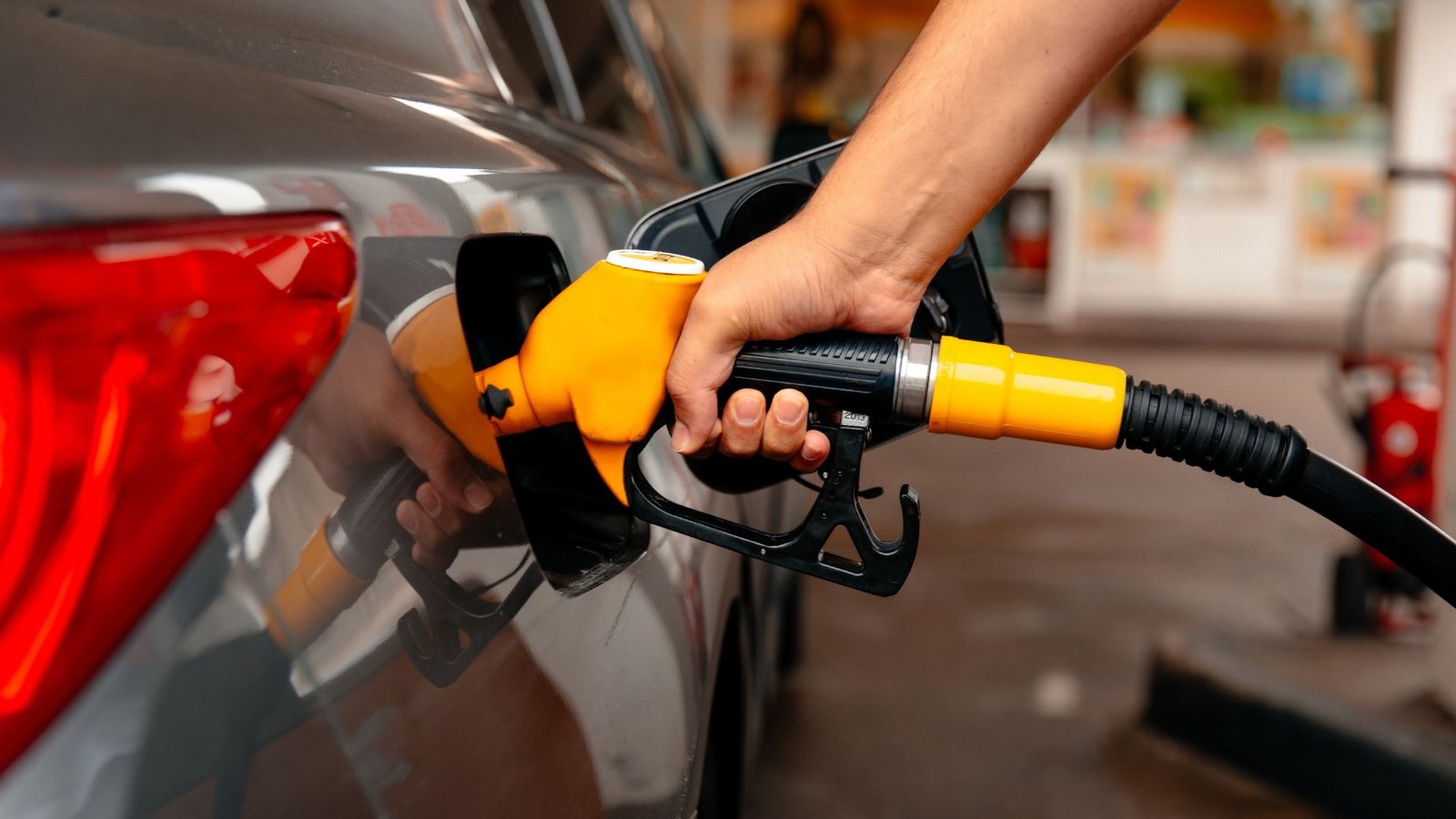
A trip to the pump now tells three very different stories depending on where a Canadian driver lives. For October 6, gasoline-price tracker Canadians for Affordable Energy puts regular gasoline at about $2.14 per litre in Vancouver, $1.88 in Toronto and roughly $1.44 in Edmonton, with individual Edmonton stations still appearing closer to the $1.46 level. The enormous regional spread cannot be explained by one tax or one refinery. Global oil turmoil, provincial fuel taxes, refining capacity, transportation networks and local wholesale markets are all pulling prices in different directions. Canada is effectively experiencing the same international energy shock through three very different regional fuel systems, leaving Vancouver motorists paying dramatically more than drivers in Alberta even while Ottawa continues temporarily suspending its federal gasoline excise tax.
The Three Cities Are Nearly 70 Cents Apart
Canadians for Affordable Energy’s October 6 reference prices put regular gasoline at 213.9 cents per litre in Vancouver, 187.9 cents in Toronto and 143.9 cents in Edmonton. Across the 48 cities included in its comparison, the national reference average is 186.6 cents. Vancouver therefore sits roughly 26 cents above Toronto and approximately 70 cents above Edmonton. The Edmonton figure is slightly lower than the $1.46 level in the headline, although prices around $1.46 can still be found at individual stations.
These numbers should be treated as regional reference or forecast prices rather than a promise that every station will post exactly the same amount. Gasoline prices can vary within a city because of competition, location, inventory turnover and individual station pricing. The broad difference, however, is unmistakable. Vancouver is substantially above the national benchmark, Toronto is remarkably close to it and Edmonton is the cheapest city in the tracker. The same litre of regular gasoline is being valued very differently depending on where it reaches the consumer.
A Routine Fill-Up Shows How Quickly the Difference Adds Up
At the current reference levels, filling a 50-litre tank costs roughly $107 in Vancouver, about $94 in Toronto and approximately $72 in Edmonton. That leaves a Vancouver driver paying around $35 more than an Edmonton driver for the same quantity of regular gasoline. A household that buys four similar tanks in a month could see the geographical price difference alone approach $140, before considering differences in vehicle efficiency, commute length or driving habits.
That helps explain why even relatively small gasoline-price movements attract attention. Five cents per litre represents only a few dollars on one fill, but repeated purchases accumulate quickly for commuters, contractors and households operating multiple vehicles. Commercial fleets face an even larger effect because their consumption can reach hundreds or thousands of litres. Pump prices consequently influence more than household transportation budgets. They can affect delivery costs, trades, taxi operations and businesses that depend on vehicles every day. The Vancouver-Edmonton gap is large enough that geography itself is currently a significant component of what Canadian motorists spend to travel.
Global Oil Prices Are Keeping the Overall Cost Base High
The regional gap is developing against a difficult international energy backdrop. Brent crude was trading around US$100 per barrel on October 6, while West Texas Intermediate was near US$89. Global markets have spent months responding to disruptions connected with the war involving Iran, damaged energy infrastructure and uncertainty around the Strait of Hormuz. The waterway normally carries roughly one-fifth of global oil shipments, making threats to its flow important even for consumers thousands of kilometres away in Canada.
There are signs of partial relief. Middle Eastern crude exports have recently improved, and G7 countries agreed to release 100 million barrels from emergency reserves. Those developments helped crude prices retreat from some recent highs. Nevertheless, industry executives have warned that rebuilding depleted crude and refined-product inventories could take considerable time. High crude prices create a common starting point for Vancouver, Toronto and Edmonton, but they do not determine the final pump price by themselves. Refining margins, transportation costs, taxes, inventories and regional supply conditions decide how that global shock ultimately reaches Canadian drivers.
Vancouver Still Carries a Significant Regional Fuel Tax
Metro Vancouver has a heavier fixed motor-fuel tax than either Edmonton or Toronto, although the old consumer carbon tax is no longer part of the equation. British Columbia eliminated its consumer carbon tax effective April 1, 2025. The current gasoline motor-fuel tax in the Vancouver area totals 27 cents per litre. That includes 18.5 cents dedicated to TransLink, 6.75 cents for the B.C. Transportation Financing Authority and 1.75 cents in general provincial revenue.
Federal tax policy has also changed substantially. Ottawa’s normal 10-cent-per-litre gasoline excise tax is temporarily suspended, and that relief is scheduled to continue through January 31, 2027. The federal consumer fuel charge has also been zero since April 2025. Vancouver’s current price therefore cannot simply be attributed to a carbon tax or the ordinary federal excise charge. Regional taxation clearly contributes to Vancouver’s premium, but the approximately 70-cent gap between Vancouver and Edmonton is much larger than their direct gasoline-tax difference. Refining economics, wholesale pricing and supply logistics account for another substantial part of the story.
Vancouver Depends on a More Complicated Supply Network
British Columbia does not have anything close to Alberta’s refining scale. The Canada Energy Regulator identifies two B.C. refineries: Parkland’s Burnaby refinery, with approximately 55,000 barrels per day of capacity, and the Prince George refinery, with roughly 12,000 barrels per day. B.C. accounts for only about 4% of Canada’s refining capacity. The province consequently depends on a combination of locally refined fuel, supplies arriving from Alberta and connections with the broader Pacific Northwest fuel market.
Trans Mountain is a crucial piece of that system. The pipeline carries both crude oil and refined petroleum products west from Alberta and supplies crude to the Burnaby refinery. Its expansion increased overall pipeline capacity to approximately 890,000 barrels per day, easing previous transportation constraints. Yet added pipeline capacity does not automatically create cheap gasoline. Refinery availability, product movements, wholesale market conditions and competing demand still influence what retailers pay. Historical federal and provincial examinations have also documented unusually high refining margins in Vancouver at various points, demonstrating why the West Coast market can separate sharply from prices seen in Alberta.
Toronto Is Expensive but Much Closer to the National Picture
Toronto’s 187.9-cent reference price is almost identical to the 186.6-cent average across the cities tracked by Canadians for Affordable Energy. That does not make Toronto gasoline cheap. The tracker shows a 30-day Toronto average of about 184.4 cents and a 2026 year-to-date average of 165.4 cents. Early October prices are therefore running more than 20 cents above the city’s average for the year so far. CityNews separately reported that 187.9 cents was expected to remain the GTA average entering October 6.
Ontario’s fixed gasoline tax is considerably lower than Metro Vancouver’s combined motor-fuel levy. The province permanently reduced its gasoline tax to nine cents per litre beginning July 1, 2025. Ontario does, however, apply the 13% Harmonized Sales Tax to gasoline, meaning the sales-tax portion increases when the underlying fuel price rises. Federal excise-tax relief applies in Ontario just as it does elsewhere. Toronto’s middle position therefore reflects more than taxation: central Canadian refinery supply, wholesale prices, distribution costs and retail competition all influence where the final number settles.
Edmonton Has Both a Tax Advantage and Refining Advantage
Edmonton’s low price is easier to understand once Alberta’s current policy and energy infrastructure are considered together. Canadians for Affordable Energy lists Edmonton at 143.9 cents per litre on October 6, the lowest price among the 48 cities in its comparison. Alberta’s provincial gasoline tax also dropped to zero effective October 1 under its oil-price-based Fuel Tax Relief Program. When the relevant West Texas Intermediate benchmark reaches at least US$90 per barrel, the province suspends its normal 13-cent-per-litre gasoline tax.
Edmonton is also located at the centre of Canada’s largest refining region. The Canada Energy Regulator says Alberta has five refineries with approximately 569,000 barrels per day of combined processing capacity, about 30% of Canada’s total. Three major refineries are in the Edmonton area, with another nearby at Redwater. Alberta was also responsible for roughly 84% of Canadian crude production in 2023. Local refining does not insulate Edmonton completely from global oil markets, but abundant nearby production and processing can reduce some of the transportation and supply disadvantages facing distant markets.
Edmonton Prices Have Been Moving in the Opposite Direction
The price trend over the past month makes the regional divide even more unusual. Canadians for Affordable Energy reports Edmonton regular gasoline down approximately 26 cents per litre over 30 days. Vancouver is about two cents higher over the same period, while the GTA is approximately one cent higher. Edmonton also experienced a sharp decline entering October 4 before stabilizing at 143.9 cents. The movements demonstrate why national headlines about oil prices cannot predict exactly what motorists will encounter in every city.
Retail gasoline sits at the end of several overlapping markets. A global crude-price change affects every region, but wholesale gasoline inventories, local refinery operations, transportation costs and competition determine how strongly and quickly it reaches individual pumps. Alberta’s move to a zero provincial gasoline-tax rate on October 1 gave Edmonton an additional advantage just as local prices were declining. Vancouver received no comparable cut to its 27-cent regional motor-fuel levy. Toronto, meanwhile, has remained between those two extremes rather than following either market closely.
Federal Tax Relief Is Already Holding Prices Lower Than They Could Be
Ottawa has taken an unusually direct step to cushion Canadian drivers from the current energy shock. The federal government initially suspended the normal 10-cent-per-litre excise tax on gasoline beginning April 20, 2026. That measure was introduced after international disruptions pushed fuel costs higher. The suspension has since been extended through January 31, 2027, with a five-cent rate planned for February and March before the regular 10-cent rate returns in April 2027. Ottawa estimates its extended fuel-tax measures will provide $5.3 billion in relief during 2026-27.
That context makes the current pump prices more striking. Vancouver is still around $2.14 per litre while the regular federal excise charge is absent. Toronto remains around $1.88 under the same relief. Neither can be explained by the former federal consumer carbon price, which ended in April 2025. British Columbia removed its own consumer carbon tax at the same time. Current gasoline costs are therefore being shaped heavily by the international crude market, refinery economics, regional taxes, product transportation, inventories and retail margins rather than the consumer carbon-pricing systems that previously attracted much of the political attention.
What Happens Next Depends on Both World Events and Local Markets
Crude oil remains the biggest common variable to watch. Brent was still around US$100 per barrel on October 6 despite stronger Middle Eastern exports and the planned release of emergency G7 stocks. A sustained improvement in shipping, crude production and refinery output could eventually lower wholesale gasoline costs. Renewed attacks, refinery disruptions or tighter exports could send prices in the opposite direction. Natural Resources Canada identifies crude prices, inventories, refinery availability, transportation costs and local competition among the factors capable of changing gasoline prices quickly.
The three cities should therefore not be expected to move together. Edmonton currently combines zero provincial gasoline tax with proximity to Canada’s largest concentration of refinery capacity. Toronto has a lower fixed provincial fuel tax but a different sales-tax and wholesale-market structure. Vancouver combines a larger regional motor-fuel levy with a West Coast supply system that has historically produced higher refining and wholesale costs. Pump prices can change within days. The structural reasons Vancouver tends to cost more than Edmonton, however, are considerably harder to change.