


























A car battery rarely chooses a convenient moment to fail. It usually gives up during a rushed morning, a late-night departure, or the first serious cold snap of the season. The costly winter mistake is waiting for that failure before testing, charging, or replacing a battery that has already been showing signs of weakness.
These 12 points explain why cold weather exposes marginal batteries, how everyday driving habits quietly reduce available charge, which warning signs deserve attention, and what practical checks can prevent a no-start when conditions are least forgiving. The lesson is simple: a battery that still starts the vehicle today is not automatically ready for the coldest morning of the year.
Waiting for a Complete Failure
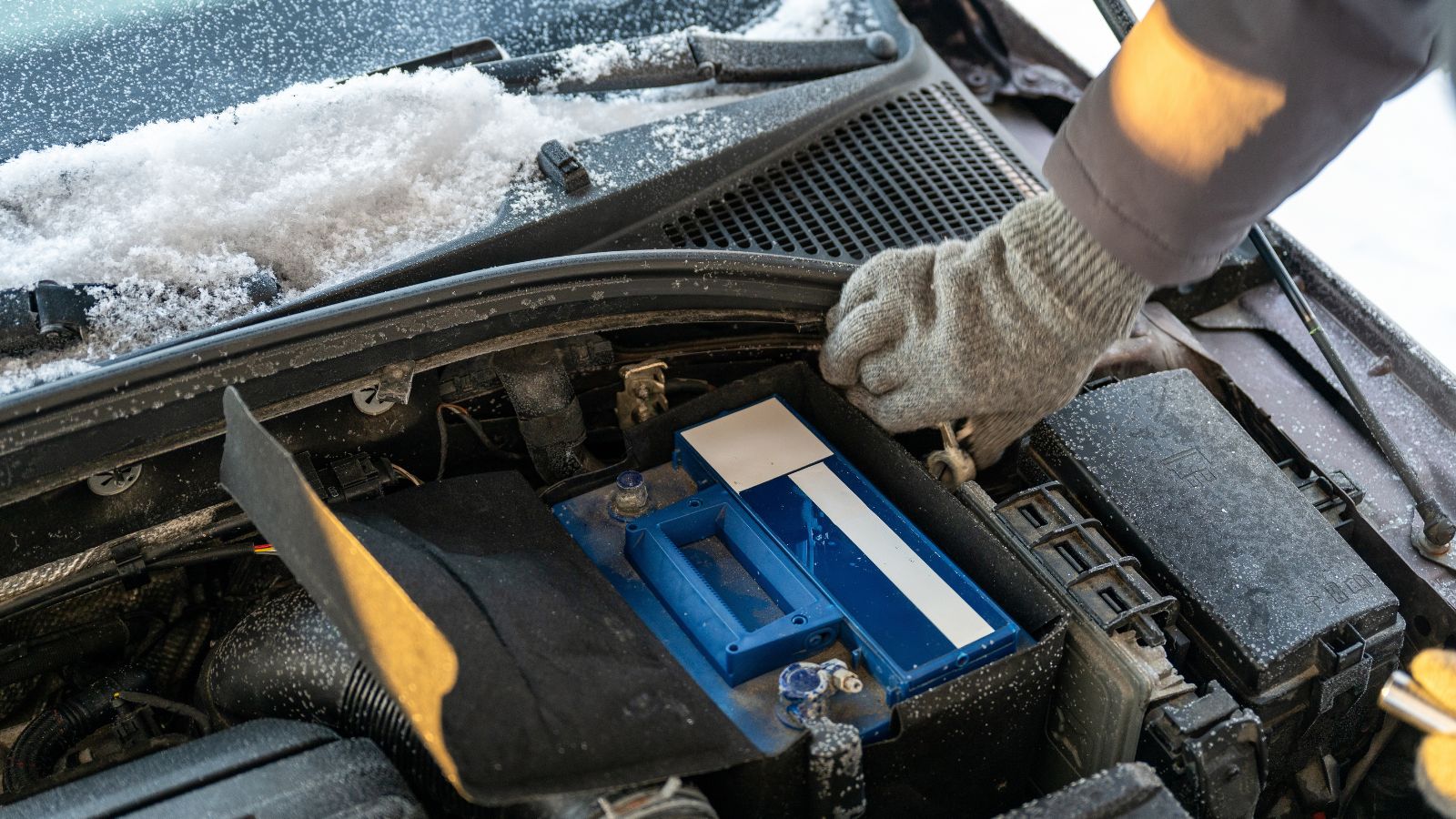
The most dangerous assumption is that a battery must be healthy because the engine started normally yesterday. Starter batteries often continue working while their reserve capacity and cranking ability are declining. In mild weather, the remaining power may be enough. When the temperature drops sharply, that narrow margin can disappear in a single morning.
That is why waiting for a complete failure is the central winter battery mistake. Canadian Automobile Association guidance recommends checking a battery before winter and notes that batteries between three and five years old have a greater chance of failing. A commuter may notice nothing unusual through October, then face silence in a dark parking lot after an overnight freeze. During a regional cold snap, roadside assistance may also be handling many similar calls, making a preventable delay even more disruptive. Preventive testing turns an unpredictable roadside problem into a planned maintenance decision, which is usually safer, faster, and easier to manage.
Cold Takes Power Away When the Engine Needs More
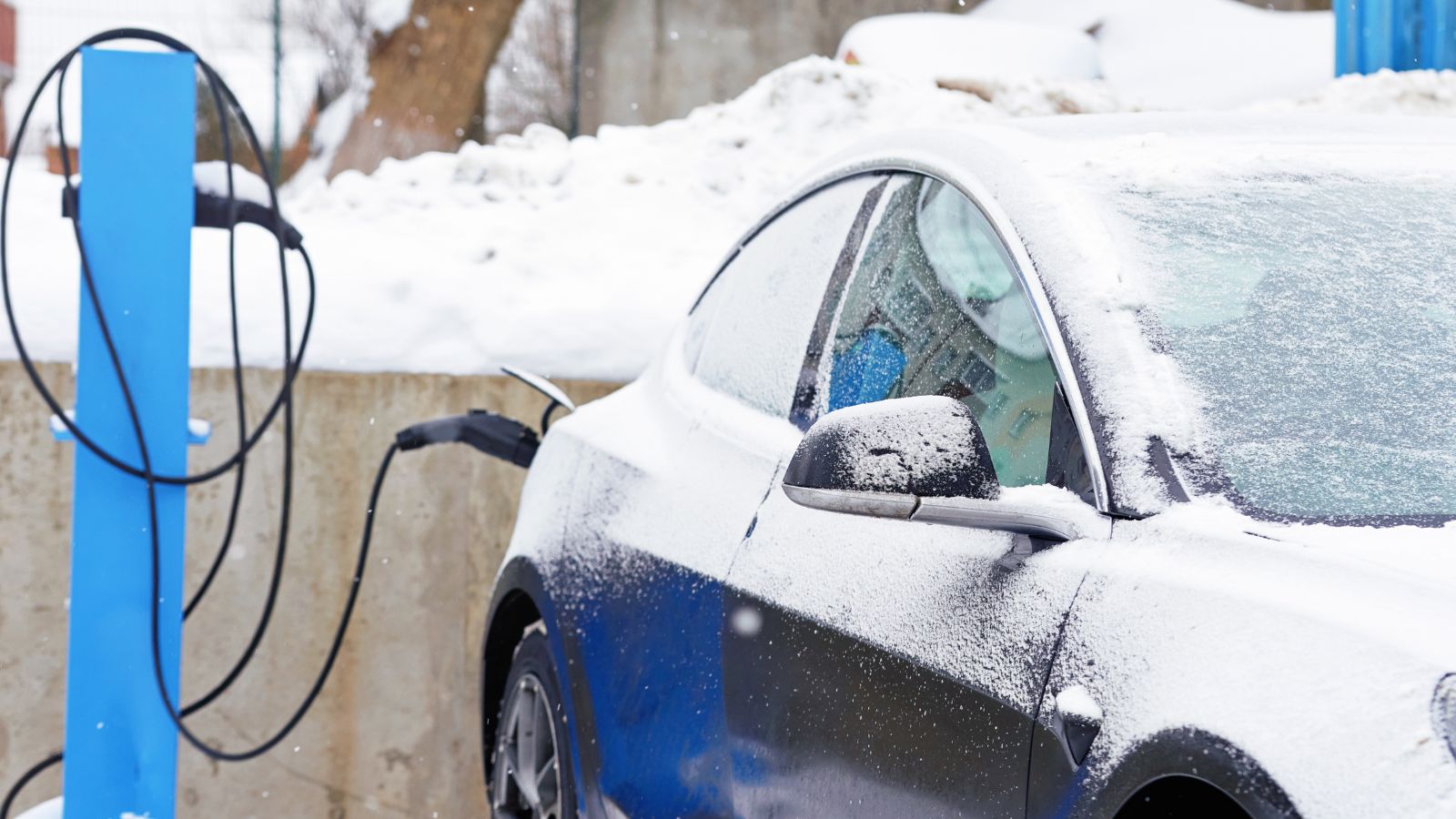
Cold weather creates a difficult two-sided problem. The battery becomes less capable of delivering power at the same time the engine may need more energy to turn over. AAA reports that a battery can lose about 35 percent of its strength at 32°F, or 0°C, and about 60 percent at 0°F, roughly -18°C. Cold-thickened engine oil also increases starting resistance.
A battery with plenty of reserve can usually absorb that punishment. A marginal one may not. The familiar slow “rrr-rrr” sound on a freezing morning is the starter asking for current the battery can no longer supply quickly enough. Diesel engines and larger-displacement engines can be especially demanding, but any vehicle with a weakened 12-volt battery can struggle. This explains why a car can seem completely normal during an afternoon thaw and fail after a colder night. Winter does not need to destroy the battery instantly; it only needs to expose how little usable capacity remains.
The Damage May Have Started in Summer
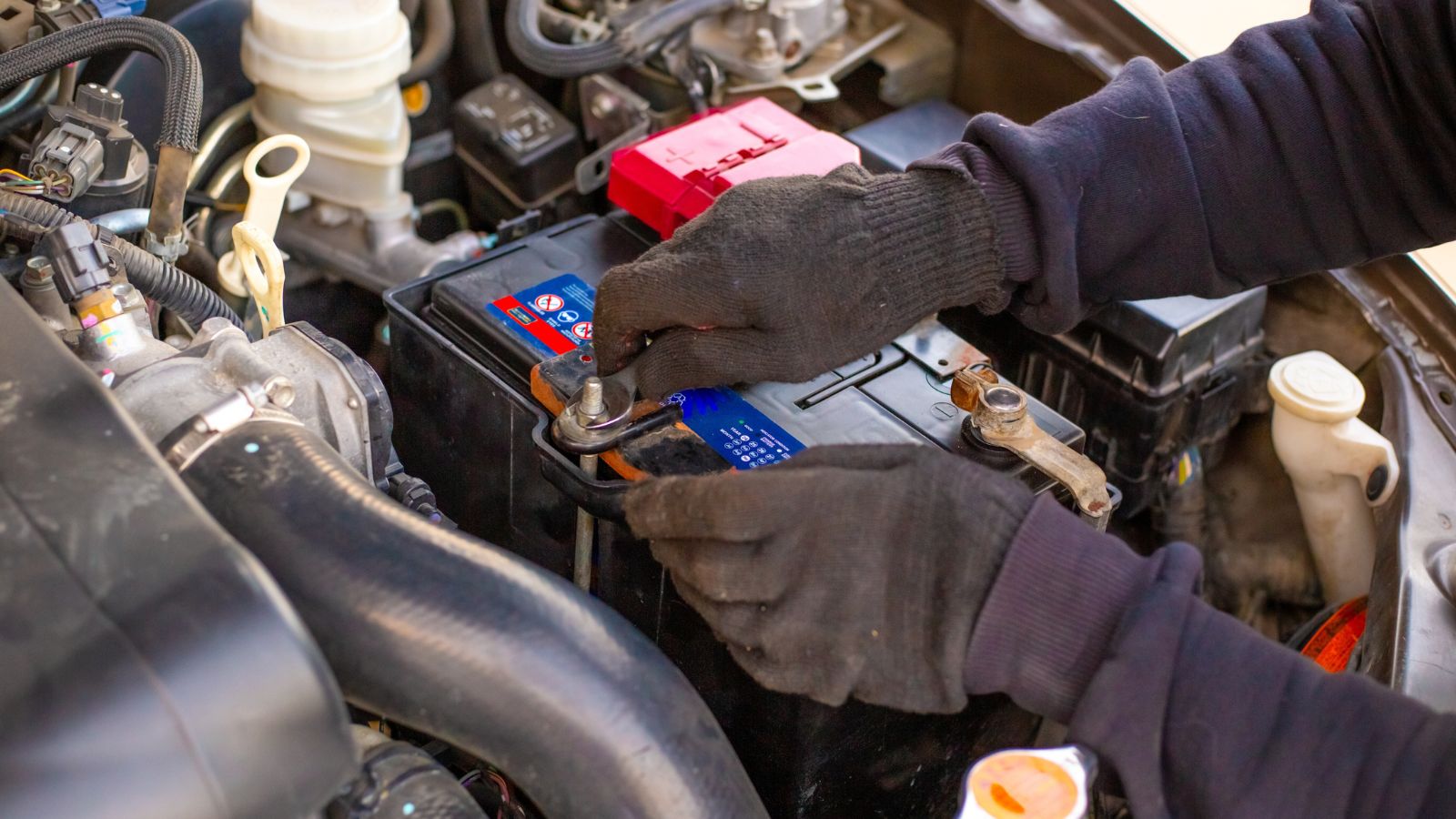
The first cold morning often gets blamed for killing a battery, but the underlying damage may have been developing for months. Consumer Reports notes that summer heat is generally harder on conventional car batteries than winter cold because high temperatures accelerate internal deterioration. Winter then reveals the loss of capacity when starting demands rise.
Age adds another layer of risk. CAA and AAA both place the typical battery lifespan in the three-to-five-year range, although climate, driving patterns, vehicle electronics, and maintenance can shorten or extend it. A four-year-old battery that survived a hot summer and still starts in autumn may be entering winter with much less reserve than its owner realizes. The date code or replacement receipt therefore matters more than odometer mileage. Batteries age chemically even when a vehicle is not driven very far, so a low-mileage garage-kept car is not automatically protected from age-related failure during a sudden cold snap.
Slow Cranking Is an Early Warning
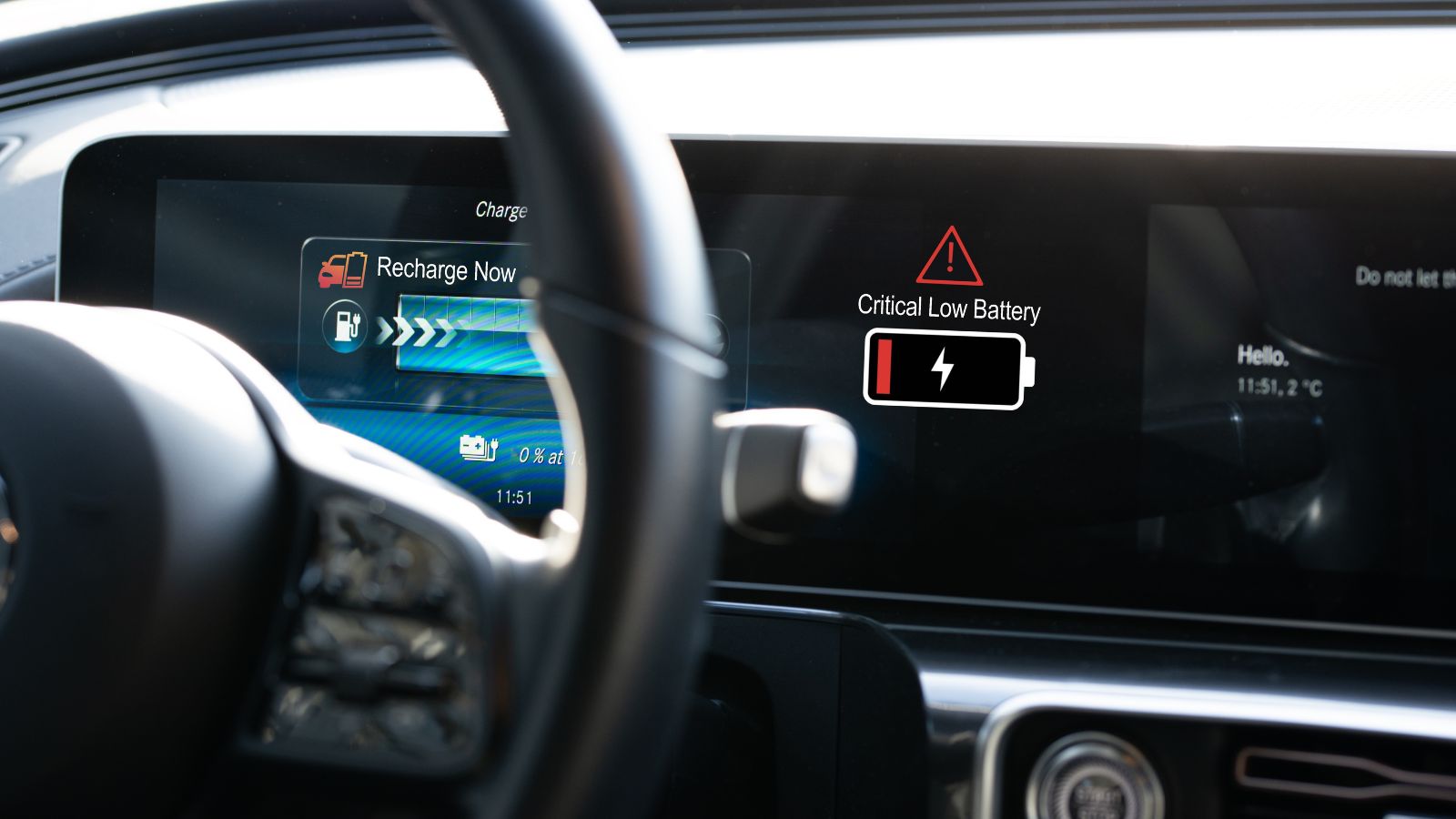
Weak batteries often provide clues before the final no-start. Common warning signs include a slower-than-usual engine crank, repeated clicking during startup, dim interior or exterior lights, a battery or charging-system warning lamp, and visible corrosion or swelling around the battery case. These symptoms should be treated as prompts for testing, not as harmless winter quirks.
Consider a driver whose car takes one extra second to start after work each evening. The delay may seem minor, especially if the engine eventually catches. Yet that small change can indicate shrinking cranking performance or a charging problem. Intermittent symptoms matter too; a vehicle that struggles only after sitting overnight may still be signalling reduced reserve. Waiting until the sound becomes a click is risky because the next temperature drop may remove the remaining margin. Early diagnosis can distinguish among a weak battery, loose connections, starter trouble, or an alternator that is not restoring charge properly.
Short Winter Trips Can Create a Charging Deficit
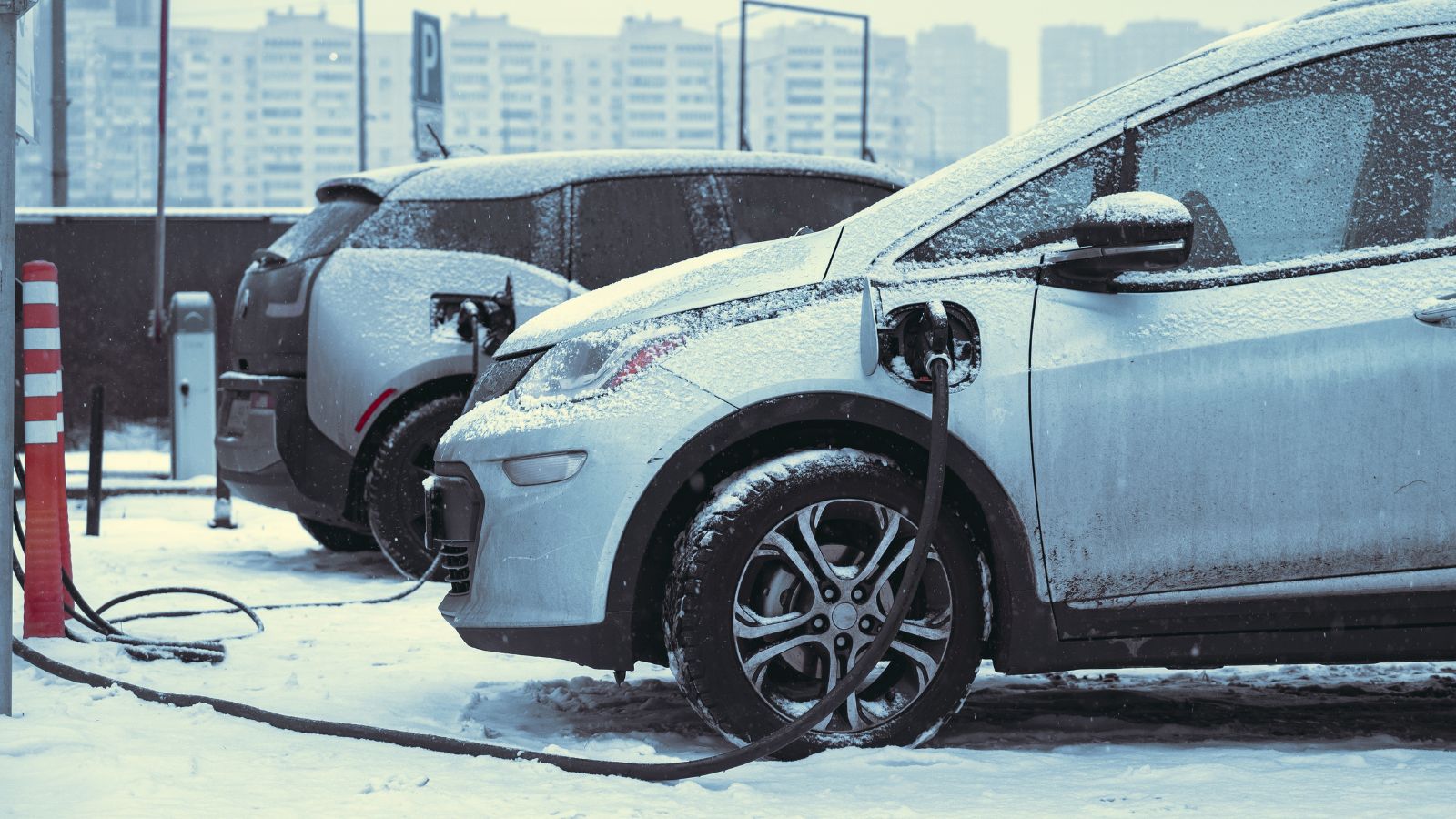
Winter errands can create a charging deficit that builds quietly. Starting the engine takes a substantial burst of energy, while short trips may end before the alternator has had enough time to replace what was used. AAA advises that frequent short drives can leave a battery undercharged, particularly when lights, defrosters, heated seats, blowers, and other electrical loads are operating.
A five-minute school run followed by several hours of parking may look harmless. Repeated twice a day in cold weather, it can become a pattern of heavy withdrawals and incomplete repayment. Combining errands into a longer drive can help, but a deeply discharged battery may still need a proper charger rather than more idling. Traffic-heavy stop-and-go use can also limit the opportunity for meaningful recovery. The key mistake is assuming that any amount of driving automatically restores a battery to full strength. It may only restore enough charge for the next start.
The Vehicle Keeps Using Power While Parked

A parked vehicle is not always electrically asleep. Modern cars may continue powering security systems, control modules, keyless-entry receivers, memory functions, telematics, and other electronics after the engine is switched off. This normal key-off draw is usually manageable when the battery is healthy and the vehicle is driven regularly, but it becomes more important when the battery is weak or the car sits in severe cold.
Additional drains make the situation worse. An interior light left on, a device kept plugged into an always-live outlet, an aftermarket accessory, or a fault causing excessive parasitic draw can consume the remaining reserve. The vehicle may start after dinner yet be dead by morning. A key fob stored unusually close to some vehicles can also keep systems communicating more often than expected. When unexplained discharge keeps returning, simply replacing or boosting the battery without checking for abnormal draw can repeat the same failure. The charging system and parked electrical load should be tested together.
Leaving a Vehicle Unused Can Be Risky
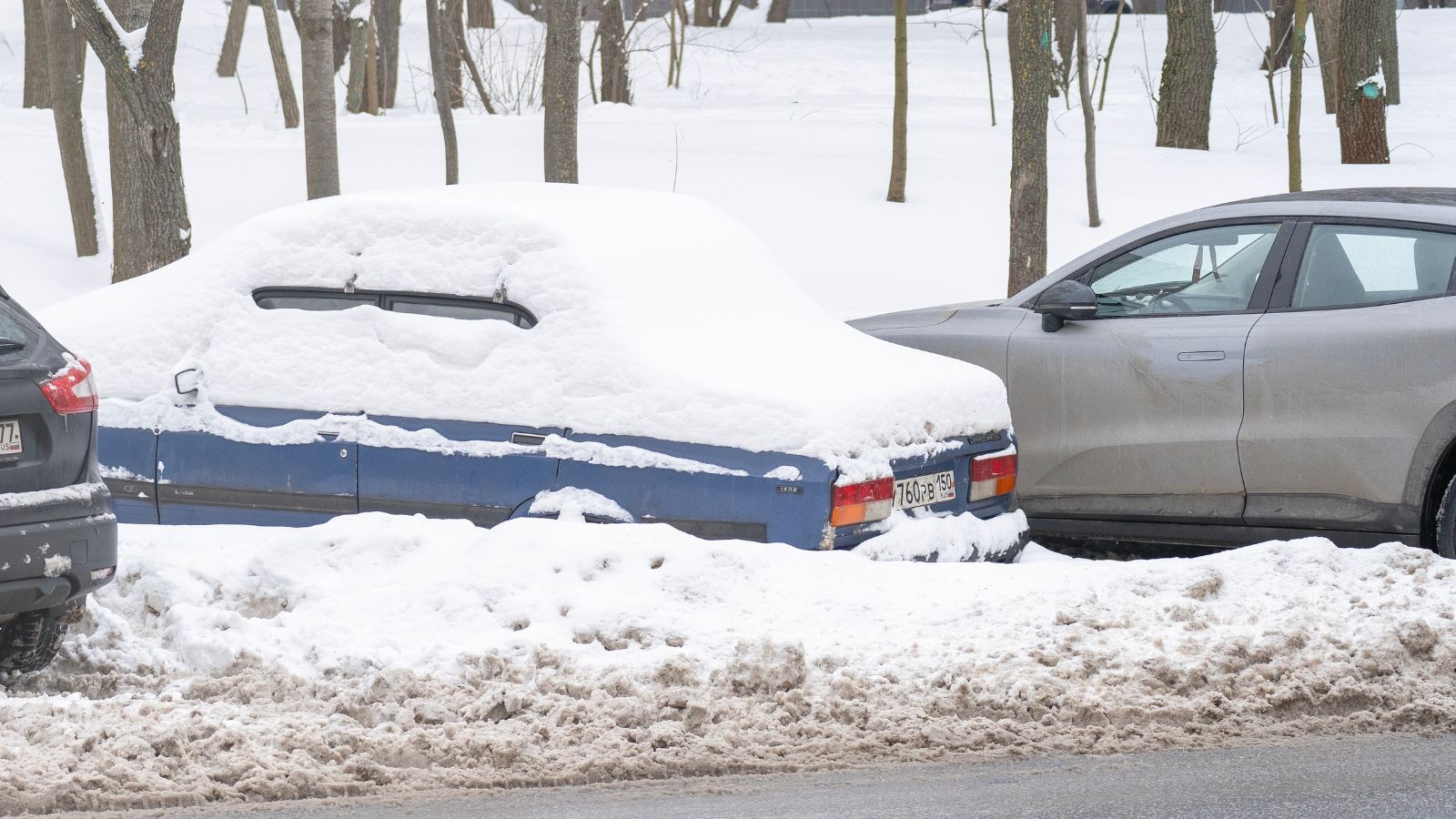
Vehicles that sit for long periods face a different winter risk. Batteries gradually lose charge while parked, and the vehicle’s normal background electronics continue drawing power. AAA and Consumer Reports recommend using a compatible battery maintainer when a car will be stored or driven infrequently. A maintainer supplies a controlled charge rather than waiting for the battery to become deeply discharged.
This matters for second cars, seasonal vehicles, airport parking, extended vacations, and work-from-home households that may drive only occasionally. Starting the engine for a few minutes in the driveway is not necessarily enough to restore the energy used for starting, especially in cold weather. A properly selected smart maintainer can be a better solution, but it must match the battery type and be used according to the vehicle and charger instructions. Neglecting a parked car until the next urgent trip is a common route to being stranded, even when the vehicle has very low annual mileage.
Corroded Connections Can Mimic a Dead Battery
Not every winter no-start means the battery itself has failed. Corroded terminals, loose cable connections, or a poorly secured battery can interrupt current flow and produce symptoms that resemble a dead battery. CAA advises checking for corrosion, wetness, bulges, and other visible problems, while AAA notes that corrosion can reduce electrical performance and vibration can damage an unsecured battery internally.
A battery may test reasonably well on a bench but still struggle in the vehicle if the connection between the terminals and cables is dirty or loose. White, blue, or greenish buildup around the posts deserves attention, as do cracked clamps and a battery that shifts in its tray. Road salt, moisture, and repeated temperature changes can make an already neglected connection more troublesome. Cleaning and tightening must be done safely because batteries contain corrosive material and can release flammable gas. When damage, leakage, swelling, or uncertainty is present, professional service is the sensible choice.
A Voltage Reading Does Not Tell the Whole Story
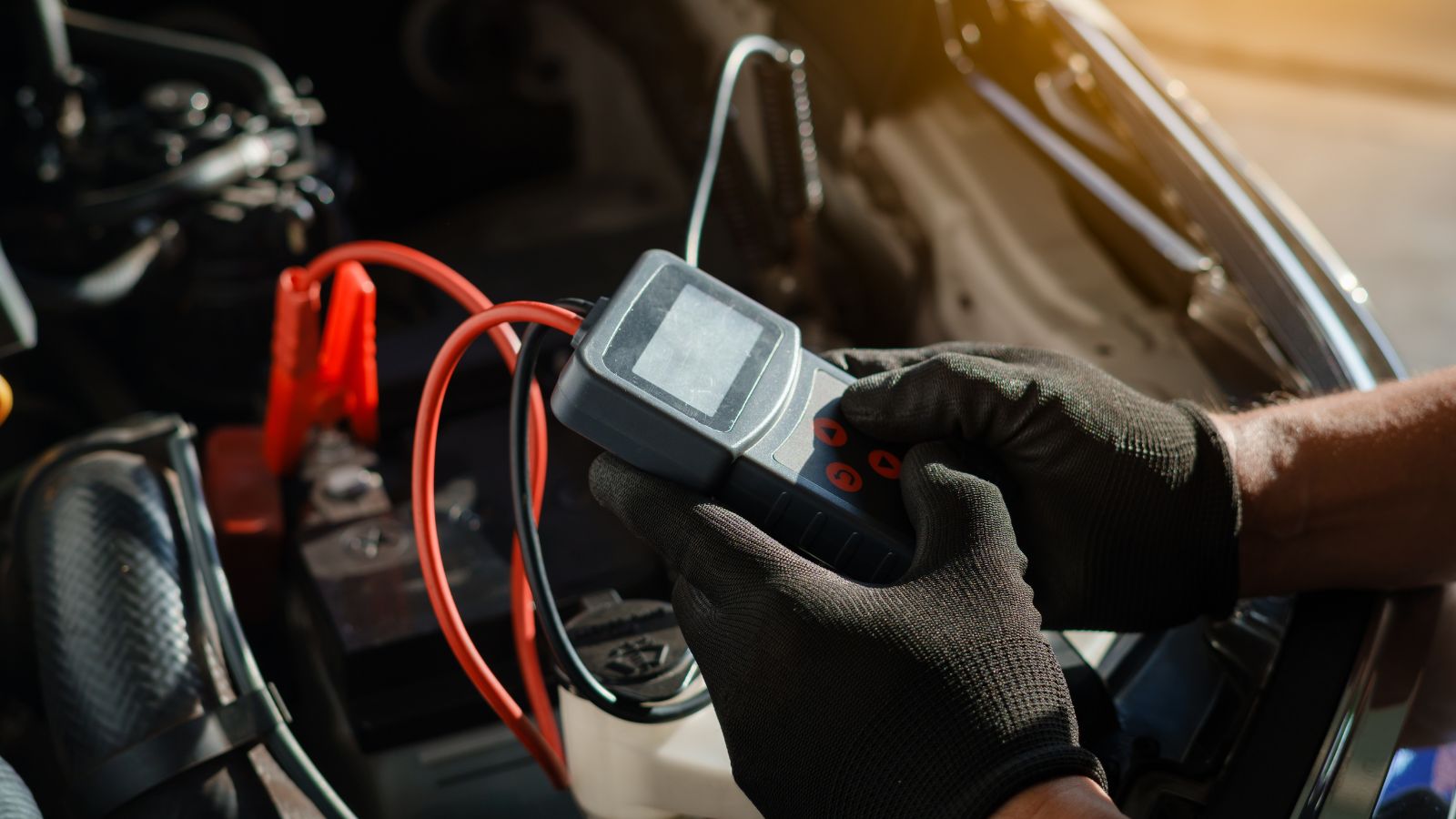
A voltage reading can show the battery’s current state of charge, but it does not always reveal how well the battery will perform under the heavy demand of starting a cold engine. AAA specifically distinguishes a load test from a basic voltage check because the load test evaluates performance while the battery is being asked to deliver meaningful current.
This difference explains why a battery can display a seemingly acceptable resting voltage and still collapse during cranking. Surface charge after recent driving or charging can also make a quick reading look more reassuring than it should. A full assessment may include battery state of health, cranking performance, starter draw, and charging-system output. The mistake is treating one dashboard voltage number or inexpensive multimeter reading as a complete diagnosis. Before winter, a professional battery and charging-system test provides a more realistic picture of whether the vehicle will start under stress, not merely whether it holds voltage while sitting.
Installing the Wrong Replacement Can Cause Problems
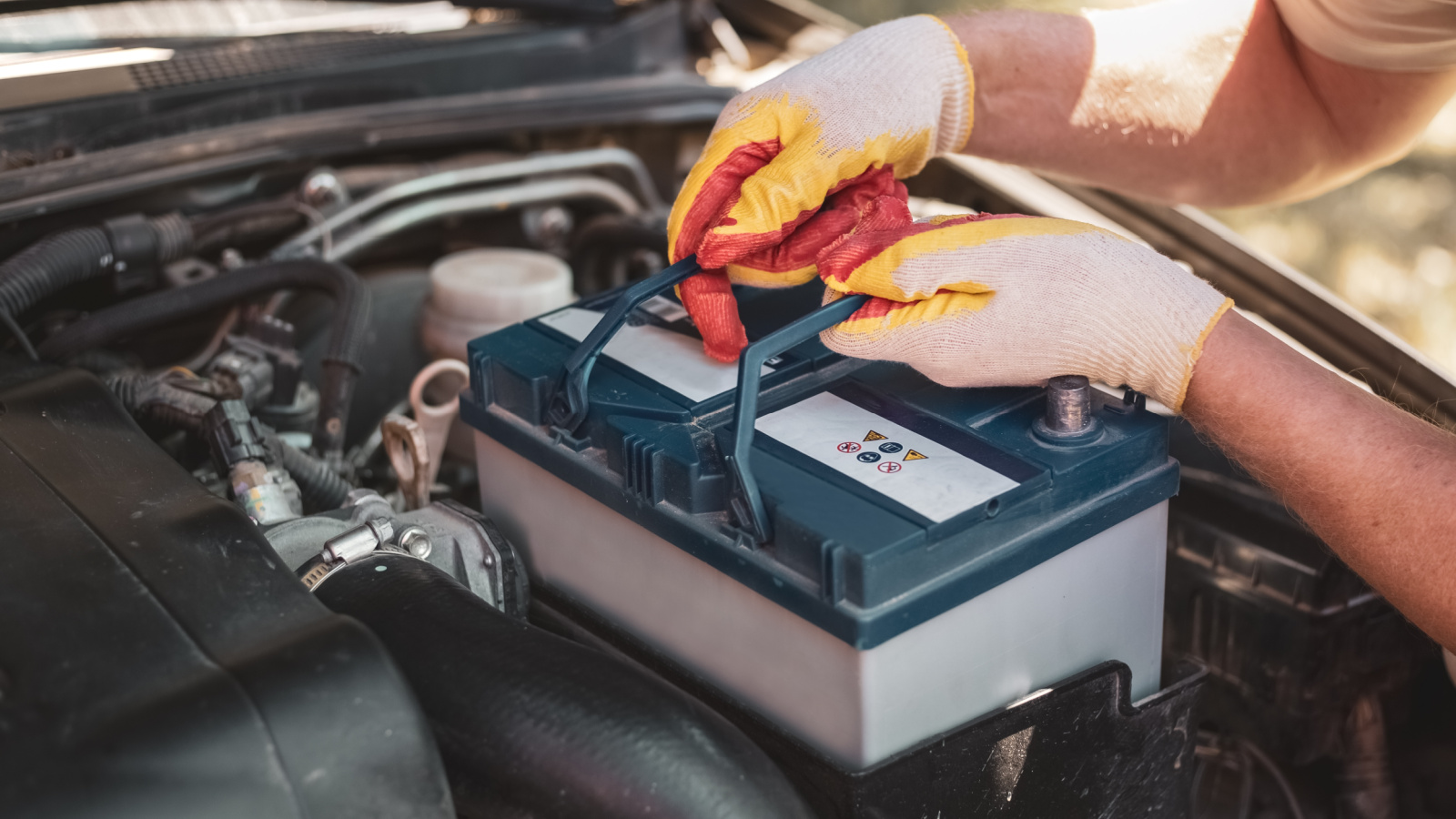
Replacing a weak battery with the cheapest unit that physically fits can create another winter problem. Battery Council International group sizes account for dimensions, terminal position, performance, and battery chemistry. Vehicles also have manufacturer-specified cold-cranking-amp requirements, which describe starting capability under low-temperature conditions.
Modern start-stop vehicles may require an absorbed glass mat or enhanced flooded battery rather than a conventional flooded design. AAA notes that these types are not automatically interchangeable, and the owner’s manual should guide selection. Installing the wrong chemistry, insufficient cold-cranking capacity, or an incorrect terminal layout can lead to poor performance, charging issues, or improper fit. Some vehicles use more than one low-voltage battery, while others require battery registration or an electronic reset after replacement. The correct choice is therefore based on the exact vehicle specification, not just price, brand familiarity, or case size. A fitment guide or qualified technician can confirm the details before installation begins.
A Jump-Start Is a Rescue, Not a Repair
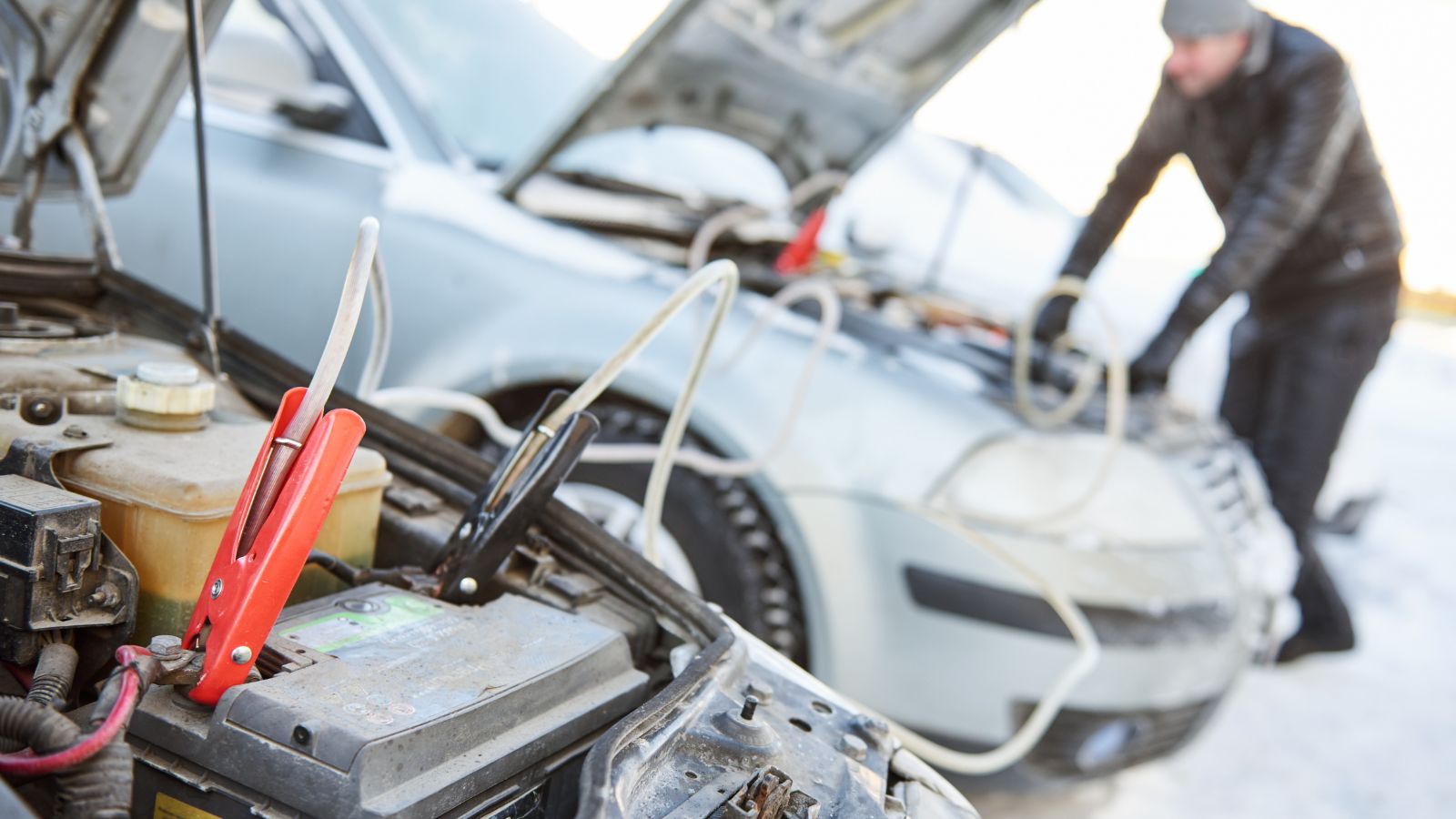
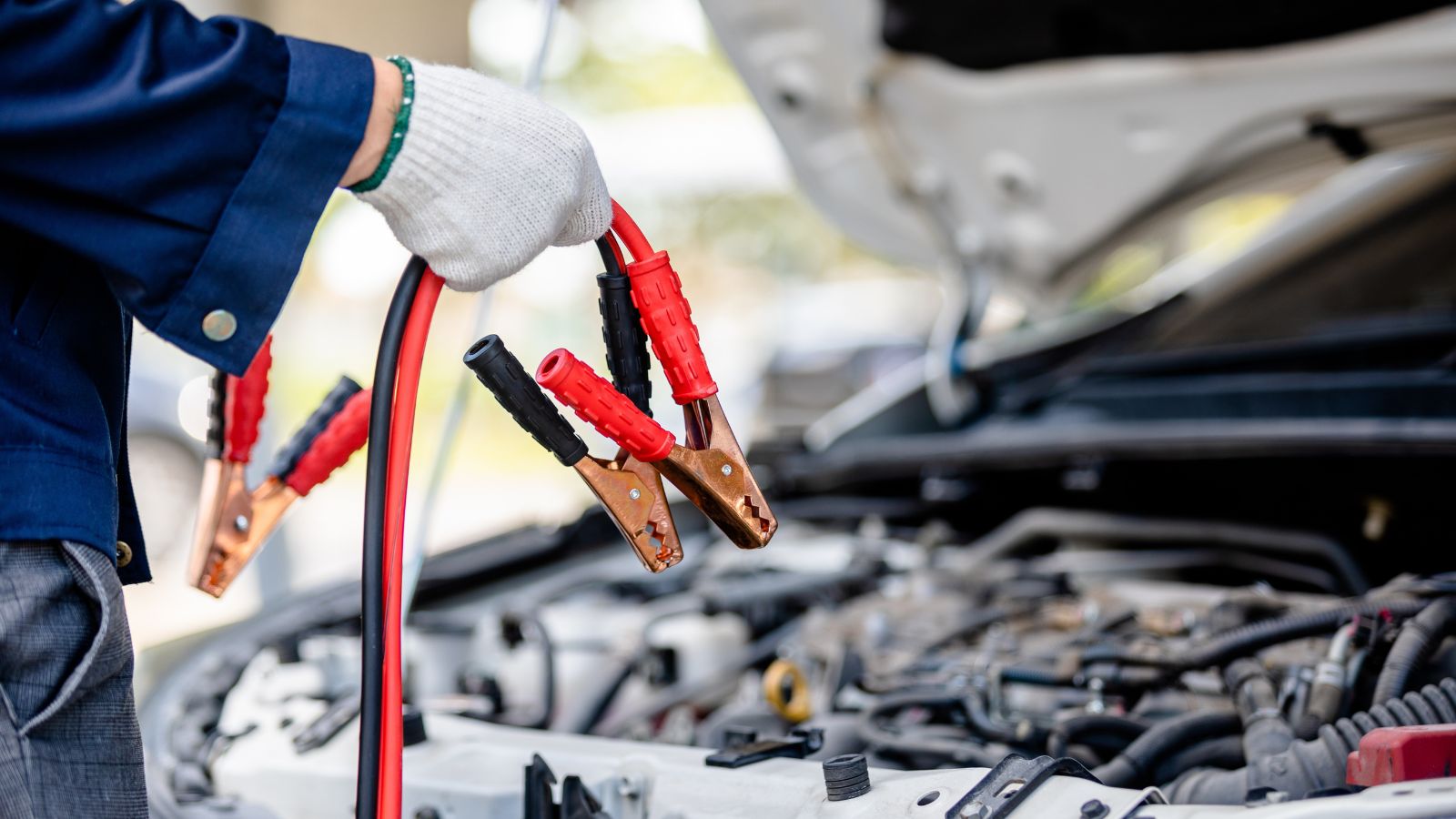
A successful jump-start solves the immediate no-start, but it does not prove the battery is healthy. AAA identifies frequent jump-starts as a reason to replace or professionally test a battery. Repeated discharge can also point to a faulty alternator, excessive parked electrical draw, loose connections, or another problem that a boost cannot correct.
After a jump, a short drive may restore enough surface charge for another start without fully replenishing the battery. The car can then fail again at the next stop, sometimes far from home. Safe jump-start procedures also vary by vehicle, especially with hybrids, electric vehicles, remote battery terminals, and sensitive electronics, so the owner’s manual should take priority. Reversing polarity or using the wrong connection points can cause damage and create a safety hazard. A booster pack or cables are emergency tools, not maintenance plans. Once a battery needs repeated rescue, diagnosis should happen before the next cold-weather trip.
The Check Must Happen Before the Coldest Day
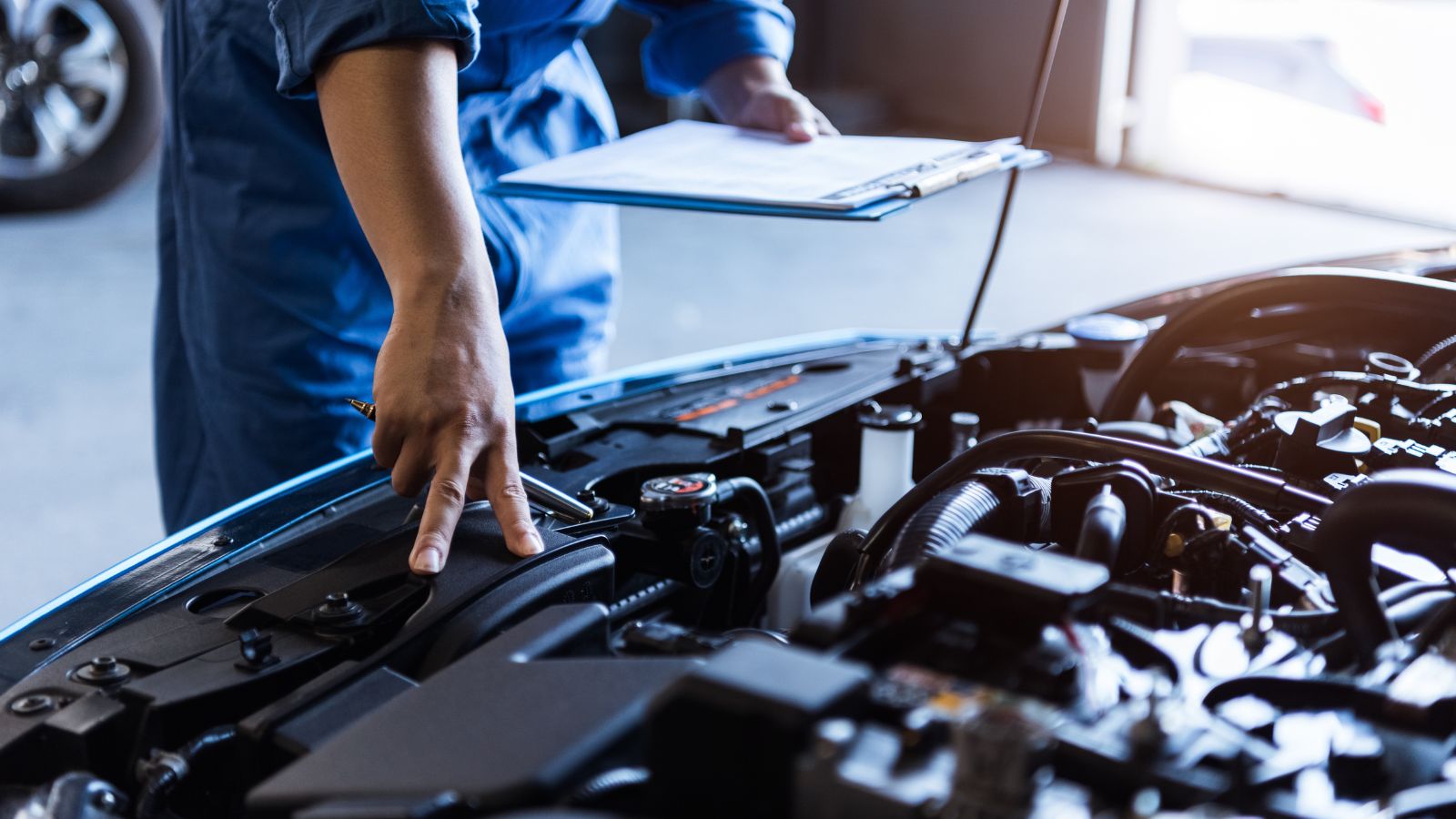
The best time to address winter battery risk is before the coldest forecast, not during it. CAA recommends seasonal battery checks and clean, tight connections, while Transport Canada advises drivers to carry booster cables and a winter emergency kit. The charging system, starter performance, battery age, case condition, and terminal security should all be considered together.
Preparation matters because a dead battery can become more than an inconvenience during extreme cold. It can leave occupants waiting without dependable heat, lighting, or transportation while roadside services are handling many similar calls. A practical fall routine includes testing an aging battery, replacing one that fails the test, confirming the correct replacement specification, and packing warm clothing, a flashlight, blankets, and other emergency supplies. Keeping a charged phone and telling someone the planned route also improves winter-trip preparedness. The winter battery mistake is ultimately a timing mistake: acting only after the vehicle refuses to start.
22 Things Canadians Do to Their Cars in Spring That Mechanics Hate

Spring brings relief to many Canadian drivers after months of snow, freezing temperatures, and icy roads that put serious strain on vehicles. As temperatures rise across the country, drivers begin washing cars, switching tires, and preparing vehicles for warmer weather and upcoming road trips. However, mechanics across Canada notice the same mistakes every spring when drivers attempt to recover from winter damage. Road salt, potholes, and harsh winter driving conditions often leave vehicles with hidden problems that drivers ignore. Some spring habits even create new mechanical issues that could have been avoided with proper maintenance. Here are 22 things Canadians do to their cars in spring that mechanics hate.