

























Brake wear often feels like one of those maintenance mysteries that arrives without warning: the pedal feels normal, the car stops, and nothing seems broken. Yet one ordinary habit can quietly shorten the life of pads, rotors, and even brake fluid long before a dashboard warning appears. The issue is not braking itself; it is unnecessary, repeated, or sustained braking when smoother spacing and earlier coasting would do the job. Twelve everyday driving situations show how this habit builds heat, creates extra friction, and turns normal brake use into accelerated wear.
Riding the Brake Keeps Friction Working
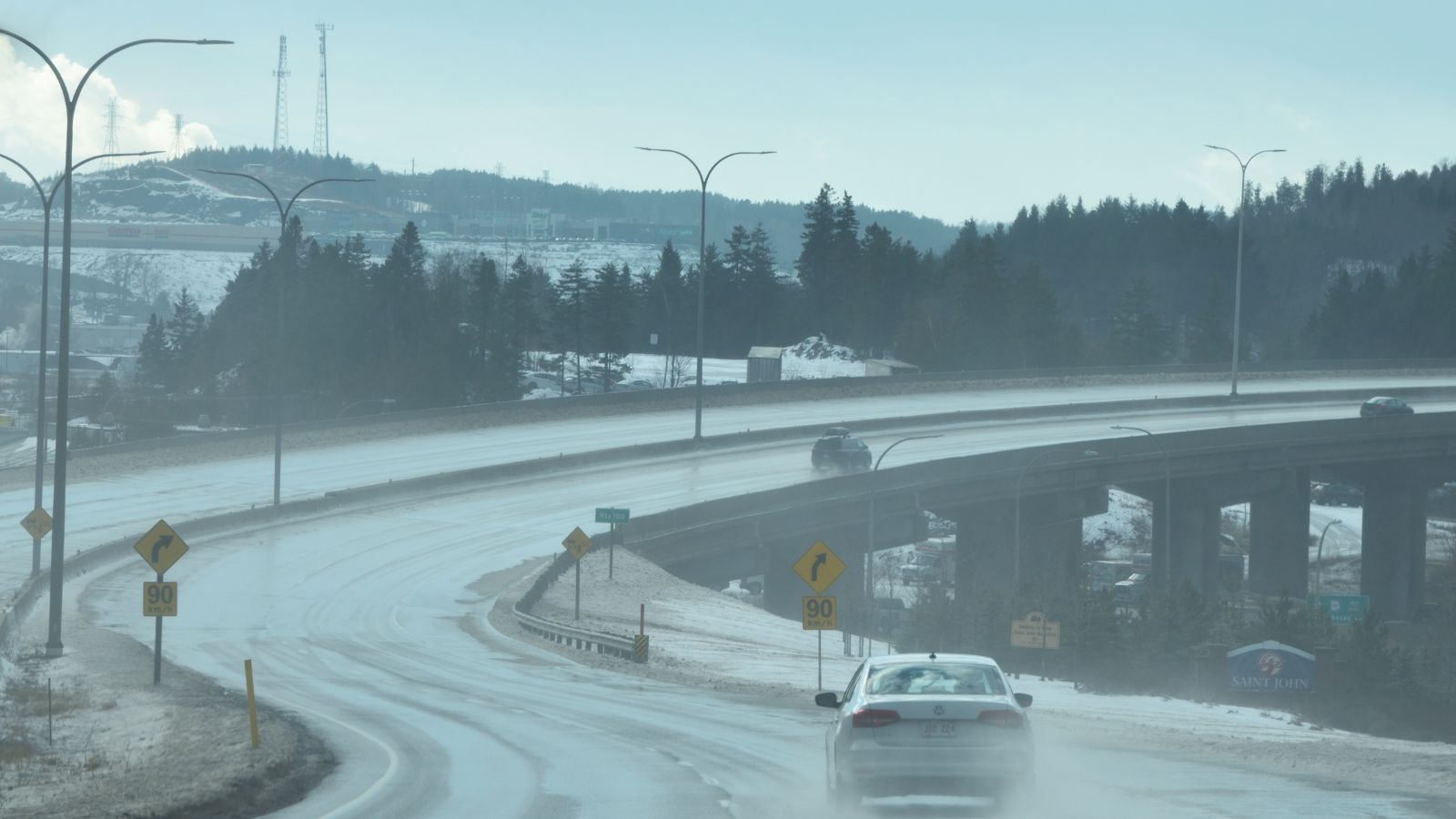
The habit that wears brakes out fastest is riding the brake: keeping light pressure on the pedal, tapping it constantly, or using it as a speed-control tool instead of letting the vehicle coast. Brakes are designed to slow a moving vehicle by pressing friction material against a rotating surface. That friction converts motion into heat, which is why every unnecessary brake touch has a mechanical cost.
The problem is that light pressure can feel harmless. In traffic, a driver may barely notice a foot hovering on the pedal while creeping forward. But the pads and rotors still make contact, and contact means heat and wear. A single moment does not ruin a brake system. Thousands of small, avoidable brake applications during commutes, errands, and short trips can make pads disappear much sooner than expected.
Stop-and-Go Traffic Makes the Habit Feel Normal
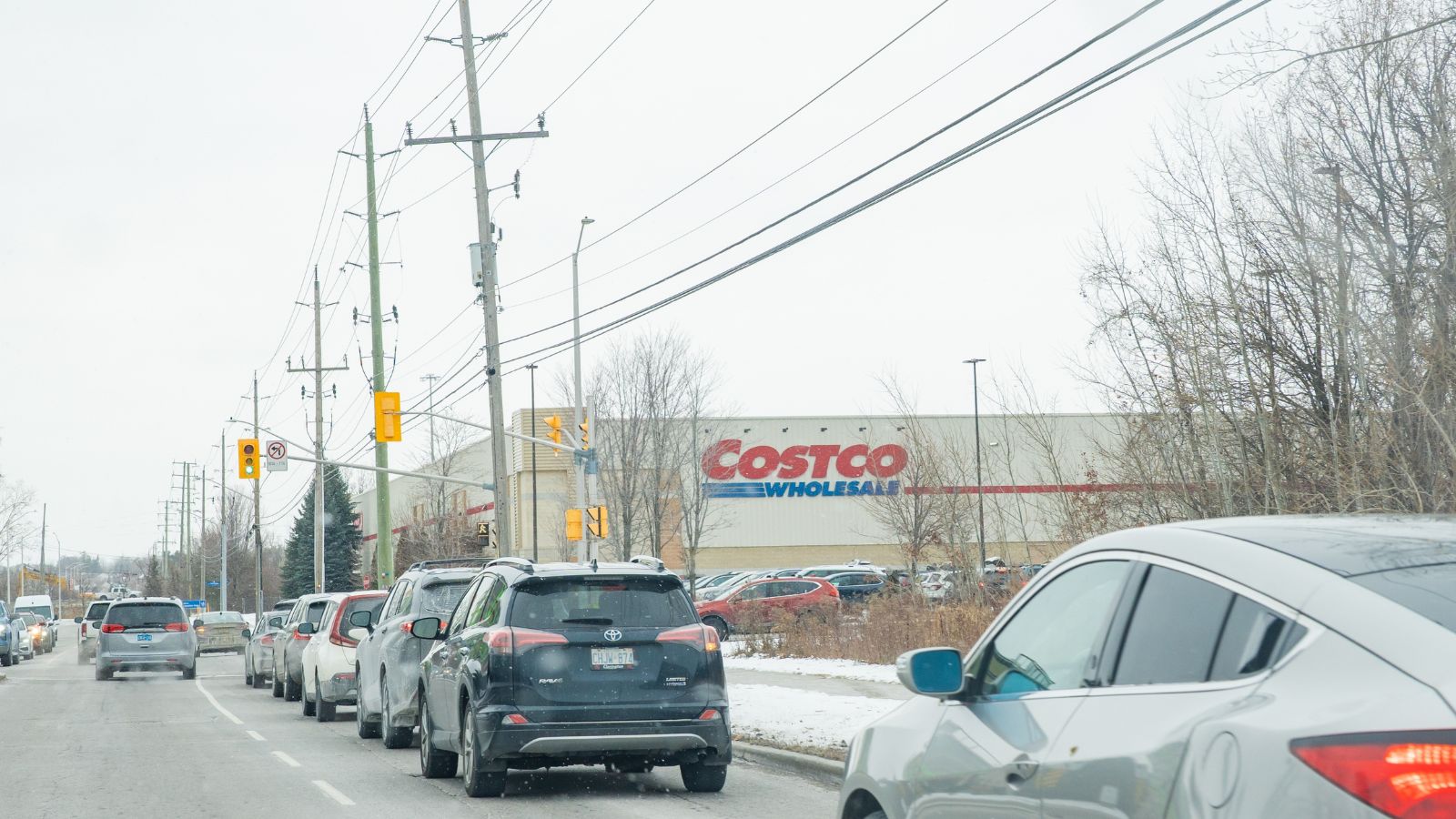
City driving is rough on brakes because vehicles repeatedly accelerate, slow, and stop. A highway trip may require only a handful of brake applications, while a crowded urban commute can involve dozens in just a few kilometres. That rhythm makes brake riding feel like part of normal driving, especially when traffic inches forward in short bursts.
The better habit is to let gaps open naturally and roll smoothly instead of matching every movement of the car ahead. A driver who accelerates quickly for three seconds and then brakes again burns fuel and brake material at the same time. Energy-efficiency guidance often groups rapid acceleration and hard braking together because they usually occur as a pair. The same impatience that wastes fuel also forces pads and rotors to do extra work.
Tailgating Turns Every Slowdown Into a Brake Event
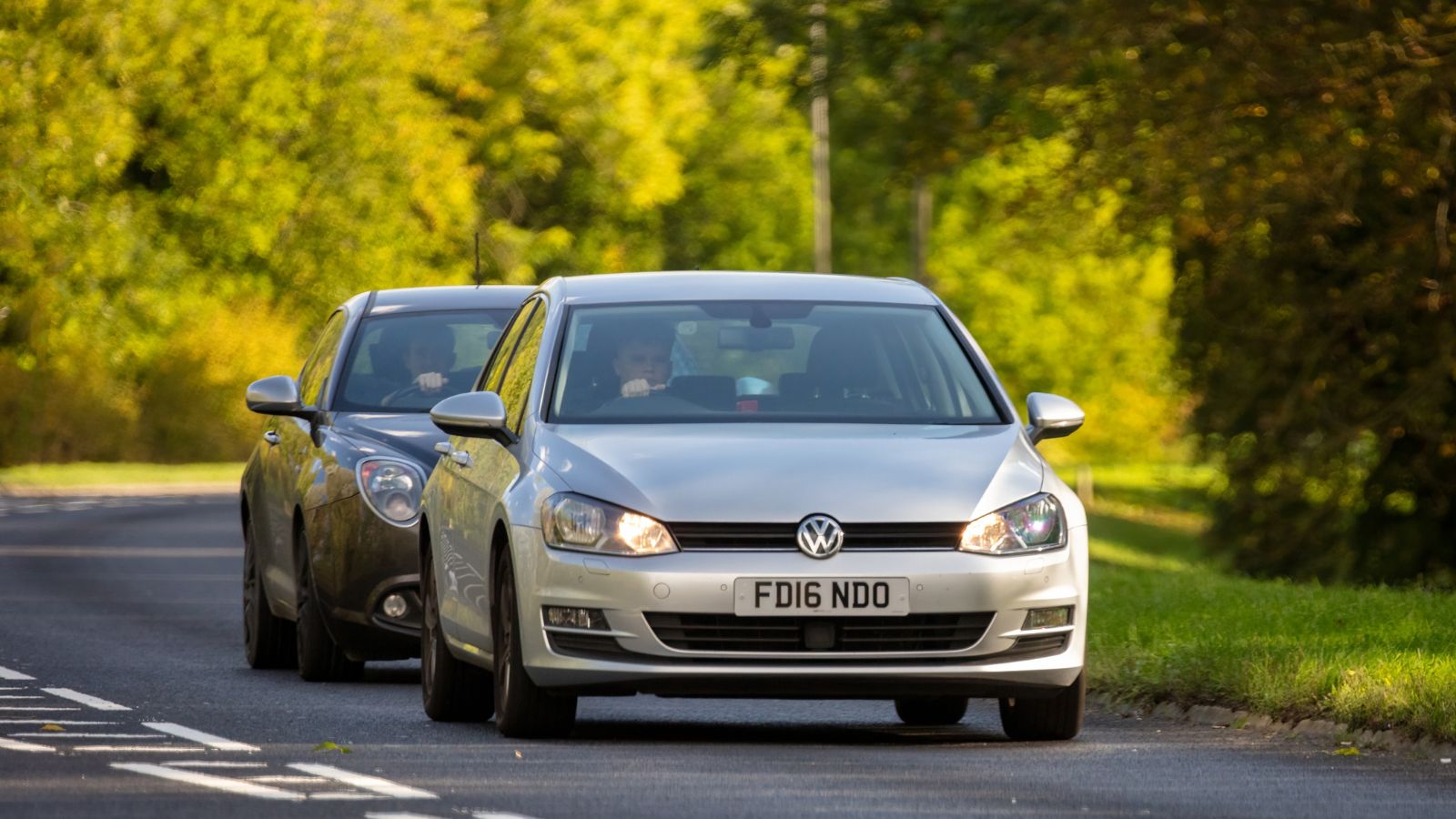
Following too closely makes brake wear worse because it removes decision time. When the vehicle ahead slows, there is no room to coast, ease off the accelerator, or make a gradual adjustment. The brake pedal becomes the only option, even for small changes in traffic speed. That turns ordinary traffic flow into a chain of unnecessary brake events.
Safe spacing helps brakes because it gives the driver time to react smoothly. Many driver-safety guides recommend a time-based gap rather than a fixed car length because distance changes with speed. With enough space, brake lights far ahead become useful information rather than an emergency. A commuter who leaves room may coast through a slowdown while the tailgating driver brakes three or four times before reaching the same point.
Late Braking From Speed Creates a Heat Spike
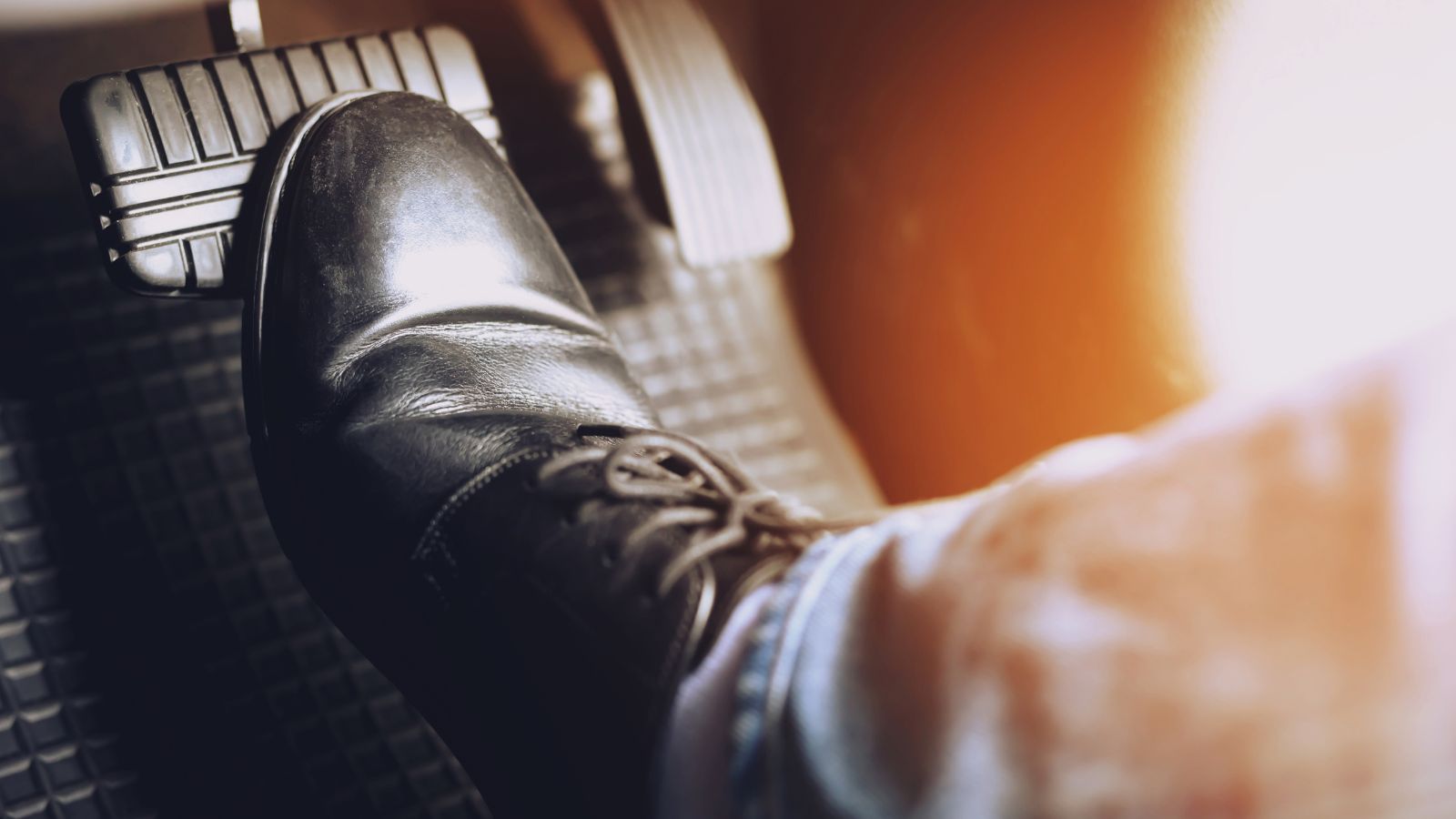
Braking late from higher speed is especially punishing because speed changes the energy problem dramatically. A vehicle travelling faster carries much more kinetic energy, and the brake system must convert that energy into heat. That is why a small increase in speed can produce a much larger increase in stopping distance and brake workload.
This is common on familiar roads. A driver sees the same red light every morning but keeps speed until the last moment, then brakes firmly near the line. The car stops, so the habit feels controlled. Mechanically, it is less gentle than lifting off earlier and letting speed bleed away. Early coasting spreads the slowdown over more distance and asks less from the friction surfaces, especially when traffic signals, school zones, or predictable turns are ahead.
Downhill Pedal Riding Can Cook the System
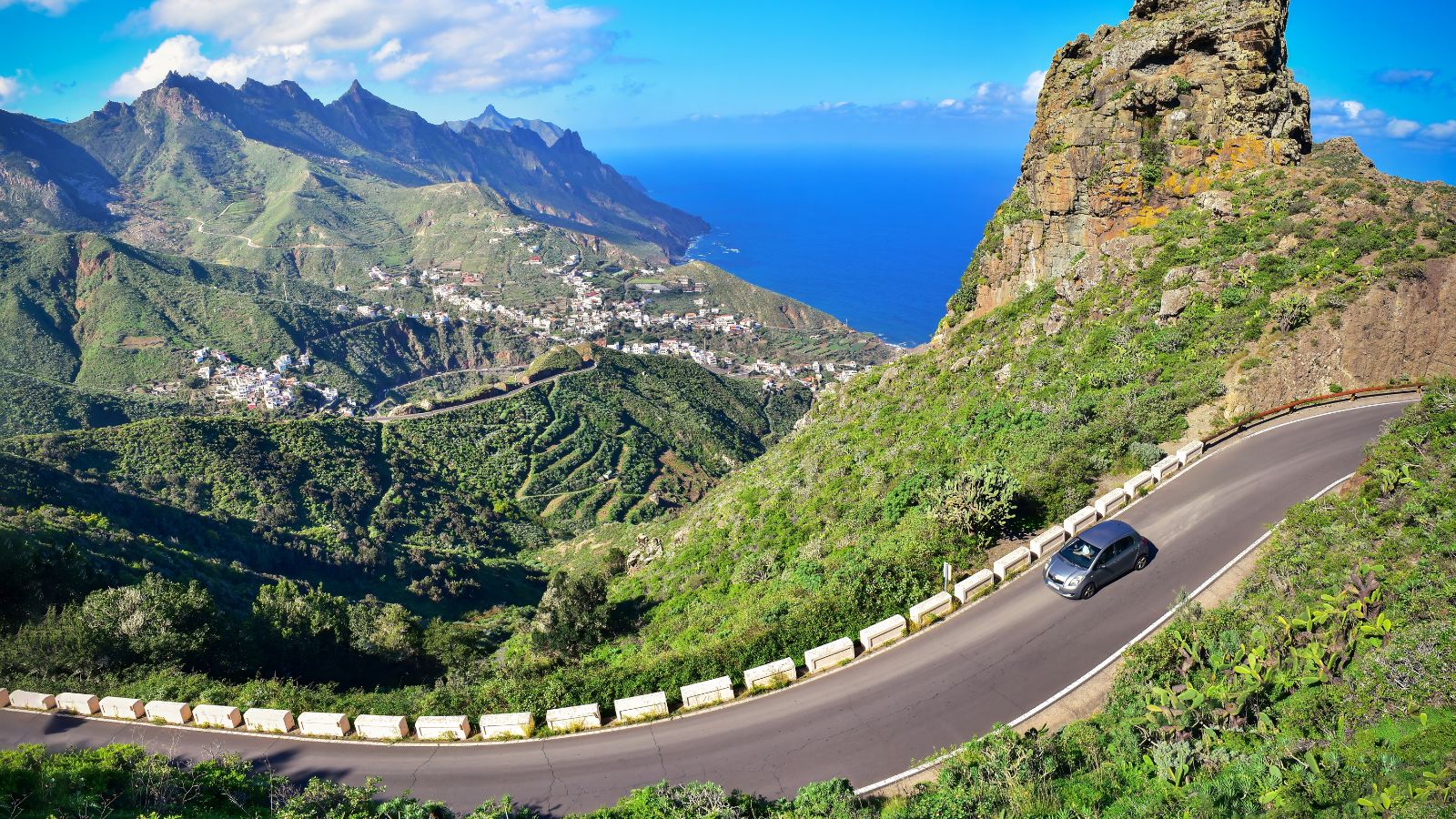
Long downhill roads expose the worst version of brake riding. Holding the pedal lightly for an extended descent can keep the pads pressed against the rotors without giving them enough time to cool. Unlike a brief stop at an intersection, downhill braking can create sustained heat for minutes at a time.
That is why driver manuals and mountain-driving guidance often recommend using a lower gear where appropriate, especially on long or steep grades. Engine braking does not replace the brake pedal in every situation, but it can reduce the amount of heat the service brakes must absorb. The warning signs are familiar: a hot smell, a softer pedal, or reduced braking response. By then, the system has already been working harder than it should.
Extra Weight Makes the Same Habit More Expensive
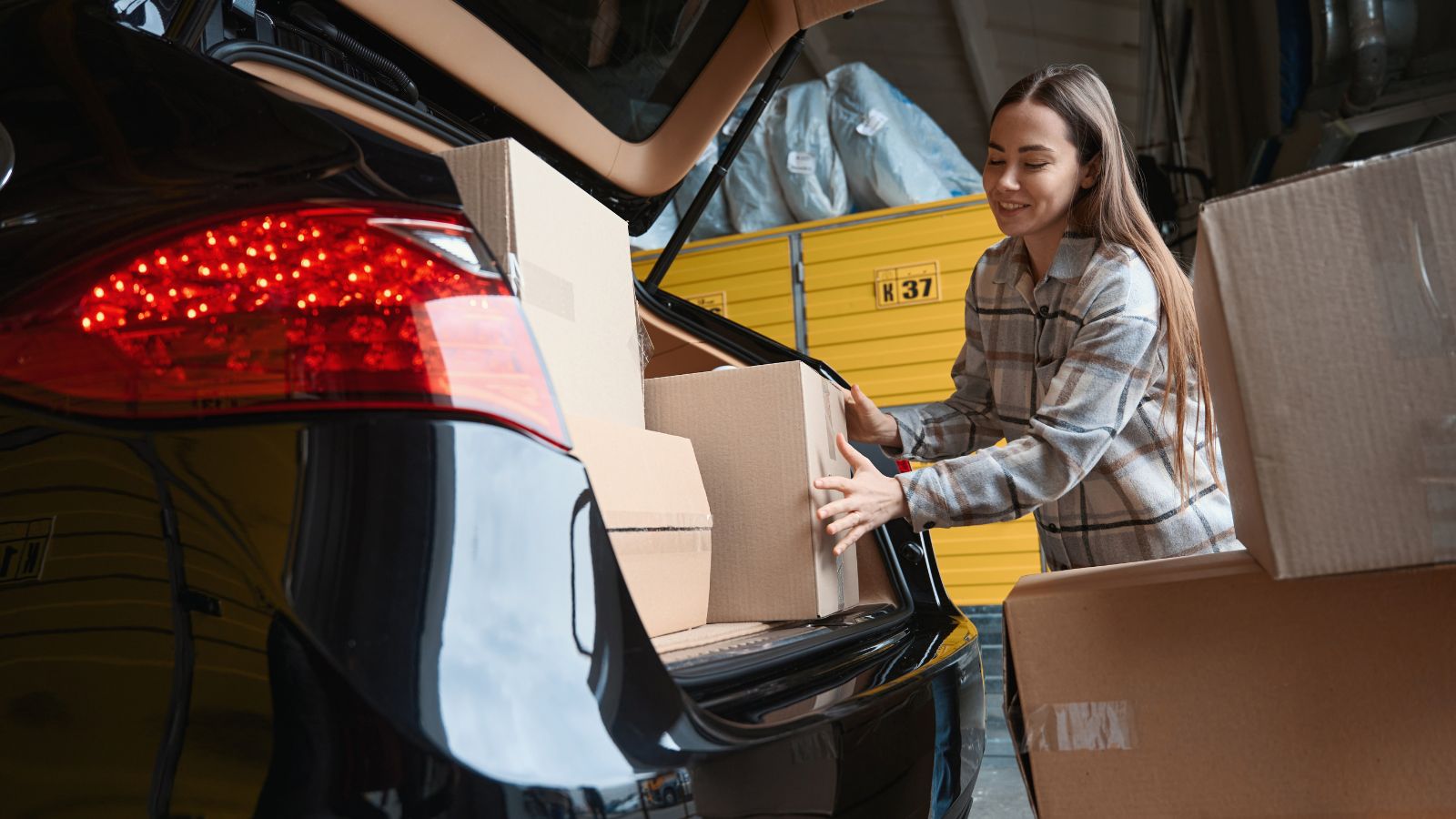
Brake riding becomes more costly when a vehicle is carrying extra weight. A packed SUV heading to a cottage, a pickup loaded with tools, or a car towing a small trailer has more mass to slow down. More mass means more energy has to be managed during each stop, and the brakes absorb much of that burden when the driver depends on the pedal too often.
This is why the same route can feel different during a loaded trip. A stop that felt ordinary when the vehicle was empty may require more pedal pressure with passengers, luggage, or cargo. Add hills or repeated stops, and the heat load rises quickly. Drivers often blame the road, the traffic, or “cheap pads,” but the combination of weight and frequent braking is often the real reason brake wear accelerates.
Heat Is What Turns Normal Wear Into Fast Wear
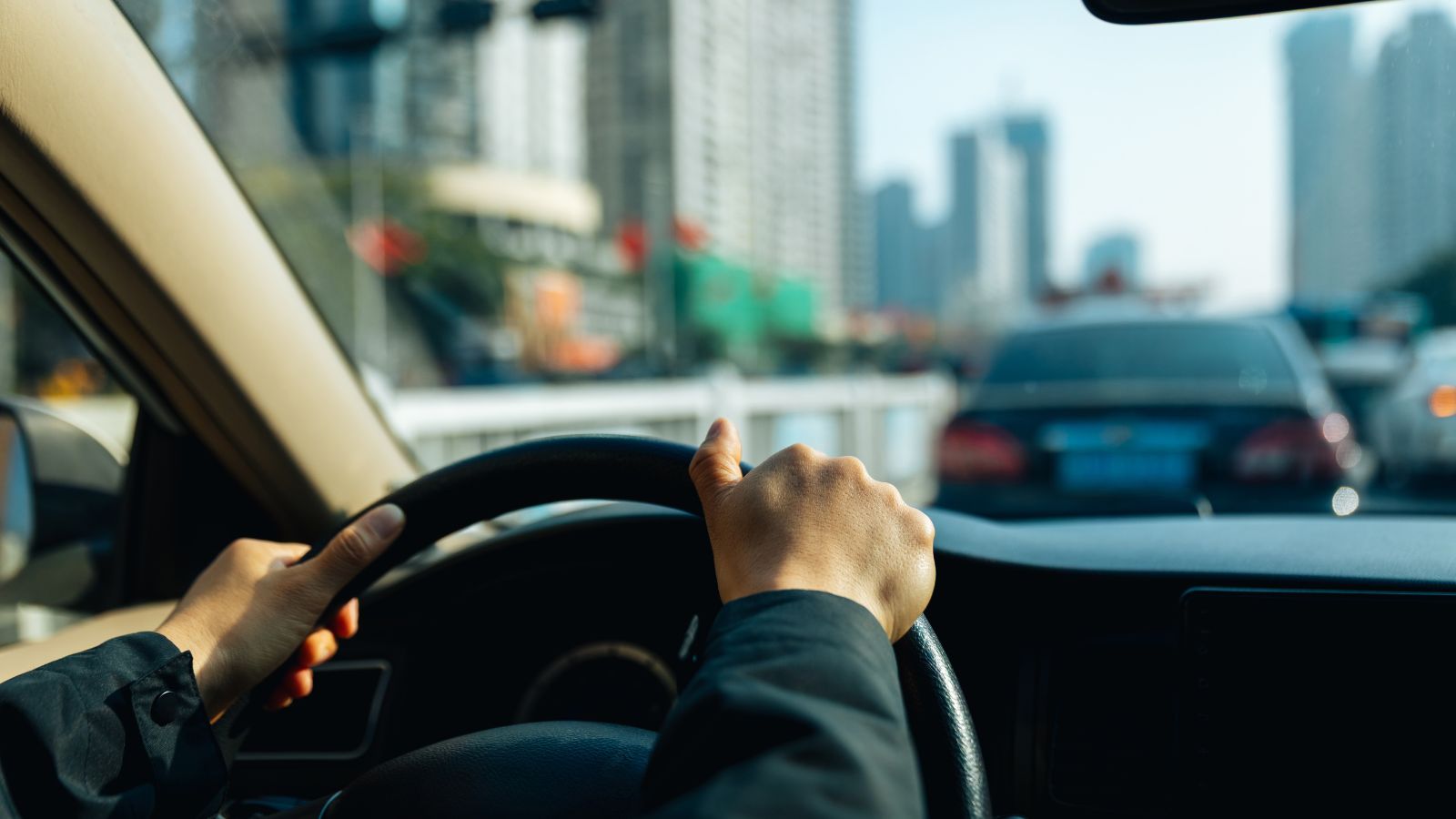
Brake pads are wear items, so some material loss is expected. The concern is heat. Braking creates heat by design, but repeated or sustained braking can raise temperatures beyond the range where pads perform cleanly and consistently. When the system cannot shed heat between applications, wear can accelerate and braking feel can change.
Technicians often look for heat clues: glazing on pads, uneven rotor surfaces, discolouration, or a smell after demanding driving. A driver may notice squealing, vibration, or a pedal that feels less confident after a long hill or repeated hard stops. These symptoms do not always mean the brakes are destroyed, but they show that the system has been stressed. Smooth driving habits reduce those heat cycles before they become repair bills.
Brake Fade Is the Warning Before Wear Becomes Danger
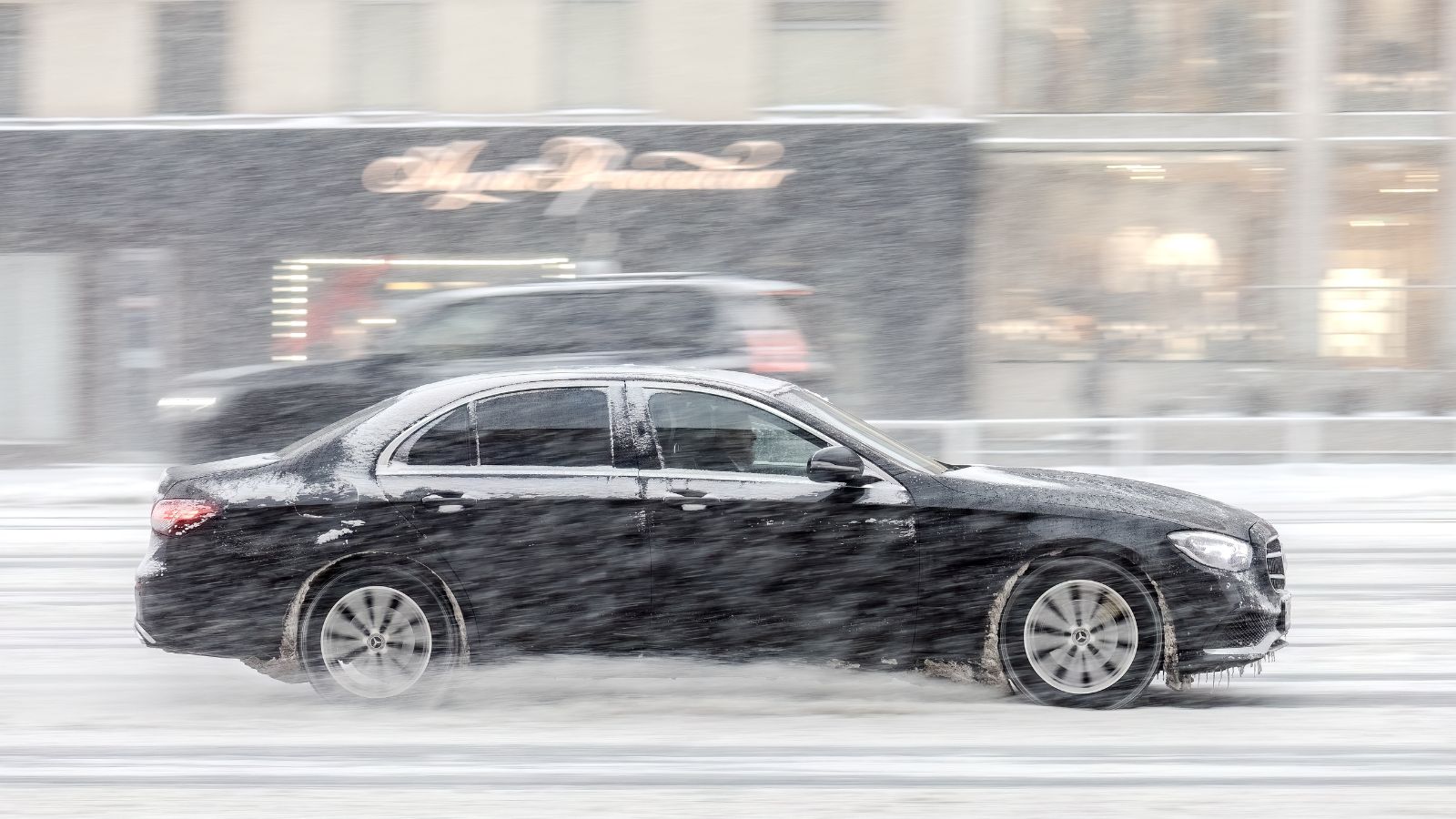
Brake fade is what happens when braking performance drops after excessive heat buildup. The pedal may feel firm while the vehicle does not slow as expected, or the pedal may feel soft if brake fluid has overheated. Either version is a serious warning because it means the system is no longer responding normally.
For everyday drivers, brake fade is most likely after repeated hard stops, long descents, heavy loads, or aggressive driving. It can also appear when worn or low-quality components are already struggling. The important point is that fade is not just a performance issue for race tracks or mountain roads. A rushed commute with close following, repeated braking, and hot weather can create smaller versions of the same heat problem over time.
Brake Dust Is Not Just Cosmetic
Dark dust on wheels is often treated as a cleaning nuisance, but it is also a visible reminder that brake material is being consumed. Pads and rotors wear through friction, and some of that worn material becomes dust. The more often brakes are used unnecessarily, the more material is shed.
Brake wear particles have also become a larger environmental concern as exhaust emissions have improved. Research on non-exhaust road pollution identifies brake wear, tire wear, and road-surface wear as important sources of particulate matter, especially in dense traffic where braking is frequent. For one vehicle, smoother braking may seem like a small change. Across thousands of cars in traffic, fewer unnecessary brake applications can mean less wear, less dust, and less wasted energy.
Hybrids and EVs Can Hide the Same Mistake
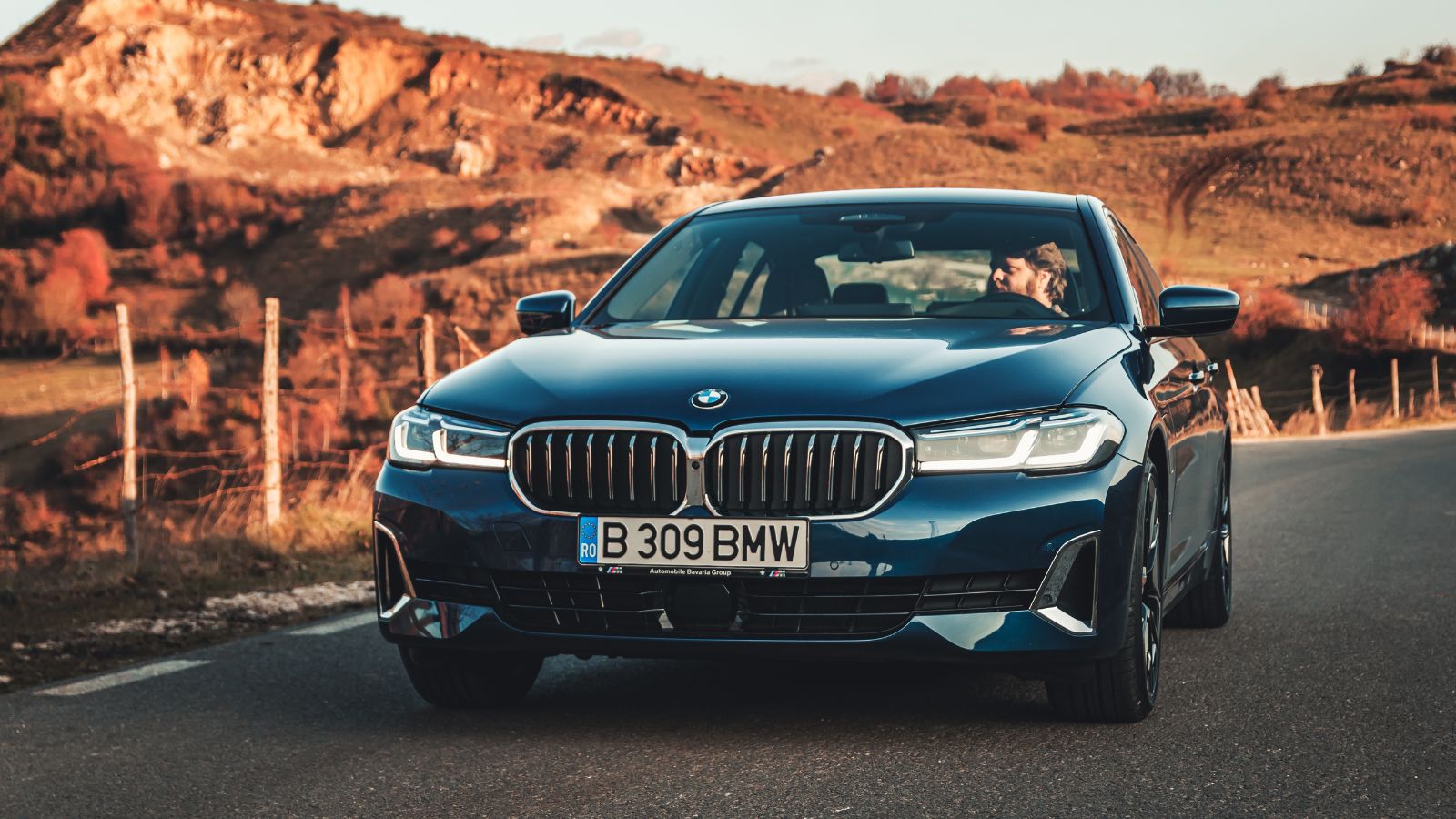
Hybrid and electric vehicles often use regenerative braking, which captures some energy during deceleration and can reduce reliance on traditional friction brakes. That is one reason brake pads on electrified vehicles may last longer than pads on comparable gasoline vehicles. The system works best when slowing is smooth and predictable.
Still, regenerative braking does not make brake wear impossible. Friction brakes remain necessary for emergency stops, low-speed stopping, holding the vehicle still, and situations where regenerative braking is limited. A driver who waits too long and then brakes sharply can still force the mechanical brakes to step in. Electrified vehicles can make smooth habits even more rewarding, but they do not erase the physics of heat, speed, and friction.
Smooth Spacing Is the Cheapest Brake Upgrade
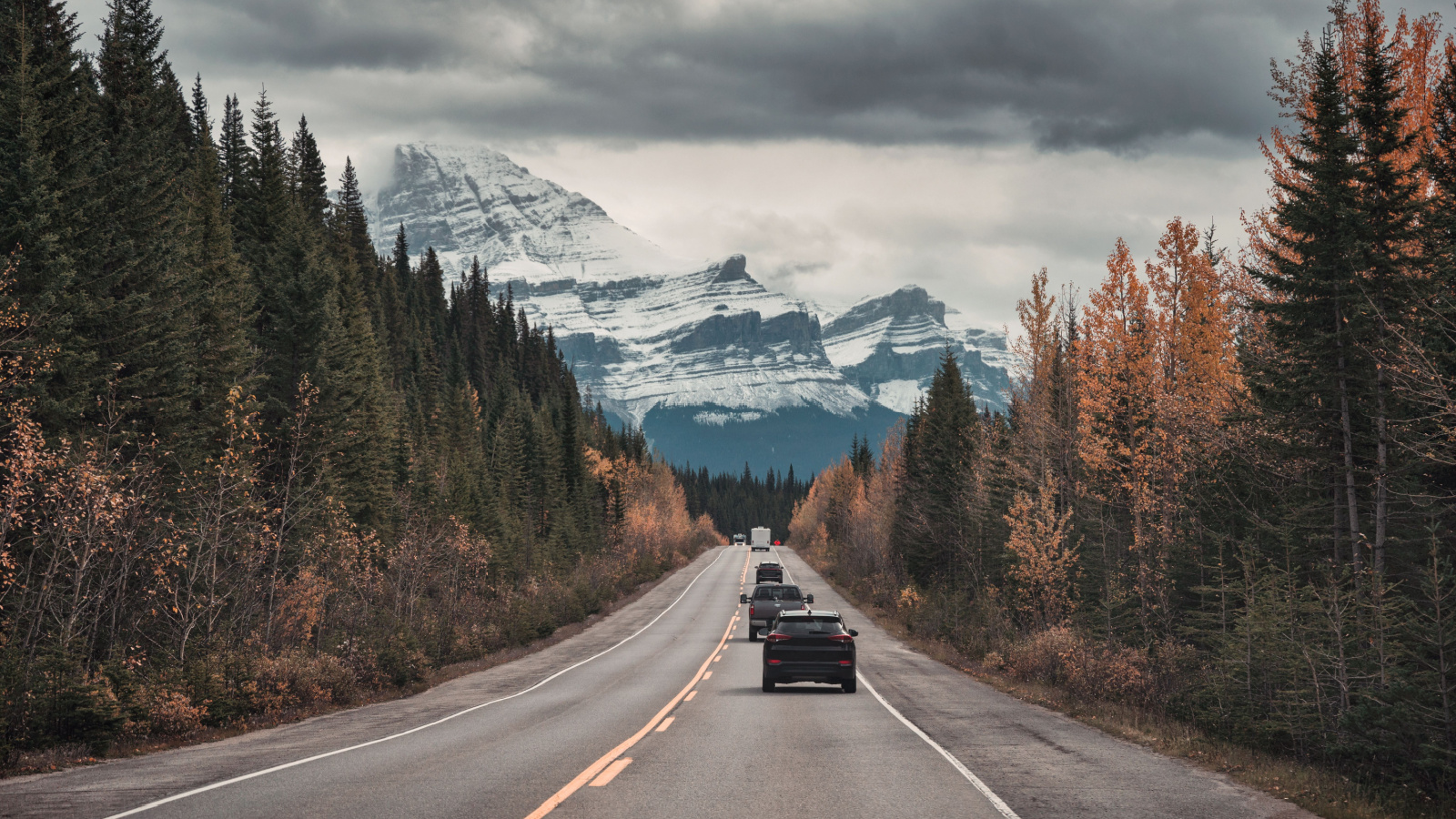
The simplest way to extend brake life is not a premium pad or a new rotor design. It is smoother spacing. Looking farther ahead, easing off the accelerator earlier, and keeping a safe gap all reduce the number of times the brake pedal has to be used. This does not mean coasting carelessly; it means planning speed before the brake pedal becomes urgent.
A practical example is the stale green light. Instead of maintaining speed until it turns yellow, a smoother driver eases off slightly when traffic ahead begins bunching up. If the light changes, less braking is needed. If it stays green, speed can be restored gently. This habit saves brake material because it replaces abrupt corrections with gradual decisions. It also tends to make passengers feel less tossed around.
When the Habit Has Already Taken a Toll

Drivers often notice worn brakes through sounds, vibration, smell, or changed pedal feel. Squealing can indicate pad wear or glazing, while grinding may mean the friction material is badly worn. A pulsing pedal can point to rotor issues, and pulling to one side may suggest uneven braking. None of these signs should be ignored.
The important takeaway is that brake wear is not always caused by a defective part. Sometimes the system is doing exactly what it was designed to do, just far too often. A driver who stops riding the brake, leaves more room, eases off earlier, and uses appropriate gearing on hills may notice longer pad life and more consistent braking feel. The repair shop may replace the parts, but the road habit determines how soon those parts come back worn again.
22 Things Canadians Do to Their Cars in Spring That Mechanics Hate

Spring brings relief to many Canadian drivers after months of snow, freezing temperatures, and icy roads that put serious strain on vehicles. As temperatures rise across the country, drivers begin washing cars, switching tires, and preparing vehicles for warmer weather and upcoming road trips. However, mechanics across Canada notice the same mistakes every spring when drivers attempt to recover from winter damage. Road salt, potholes, and harsh winter driving conditions often leave vehicles with hidden problems that drivers ignore. Some spring habits even create new mechanical issues that could have been avoided with proper maintenance. Here are 22 things Canadians do to their cars in spring that mechanics hate.